
 IN
Office Chairs
151 products available
What are Office Chairs?
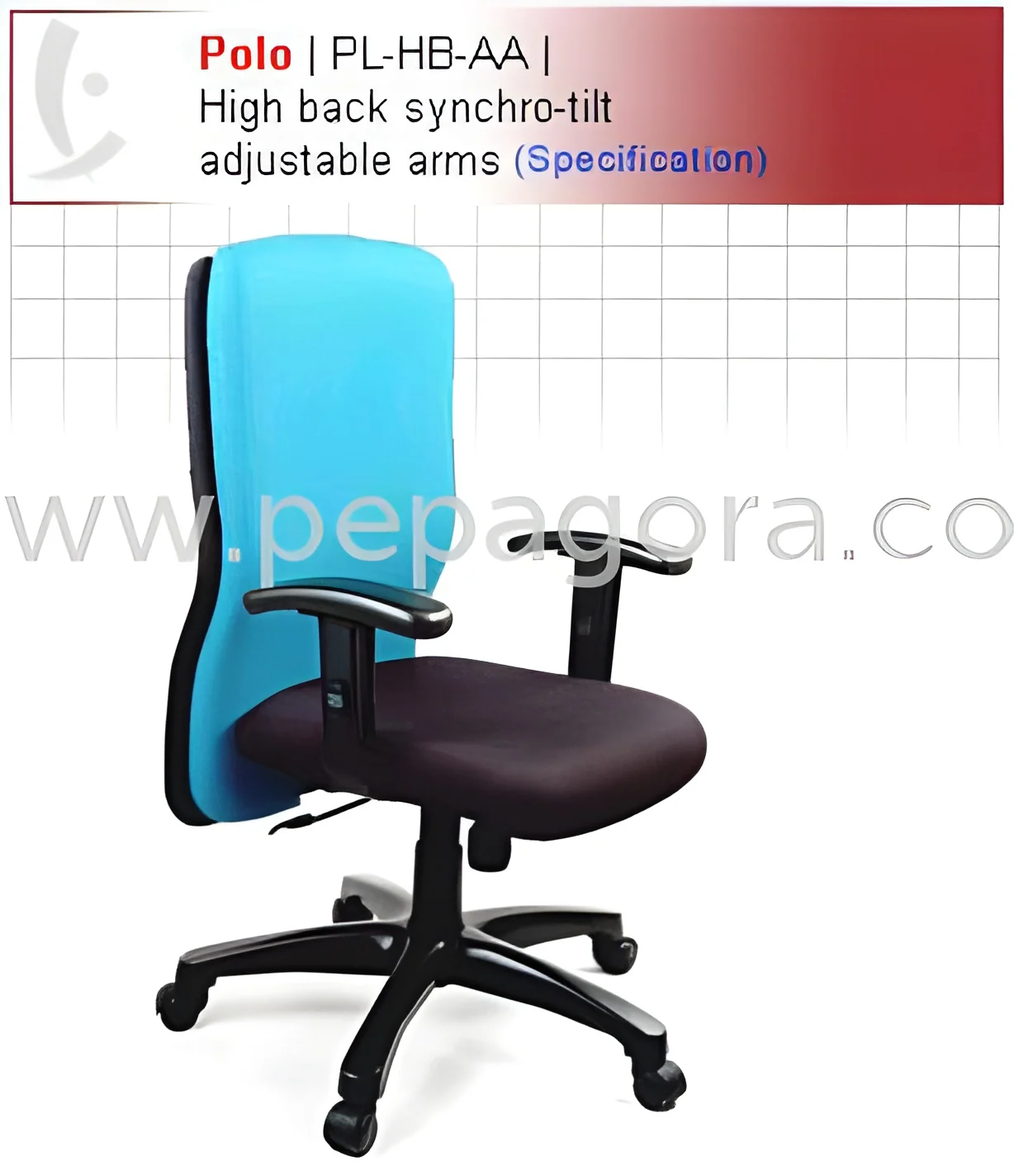
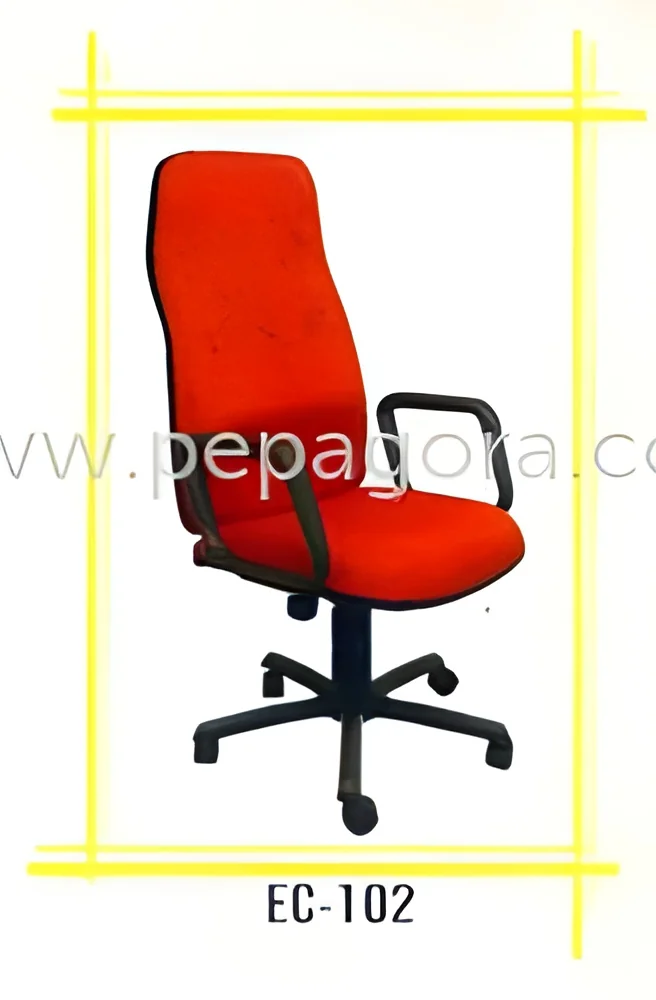
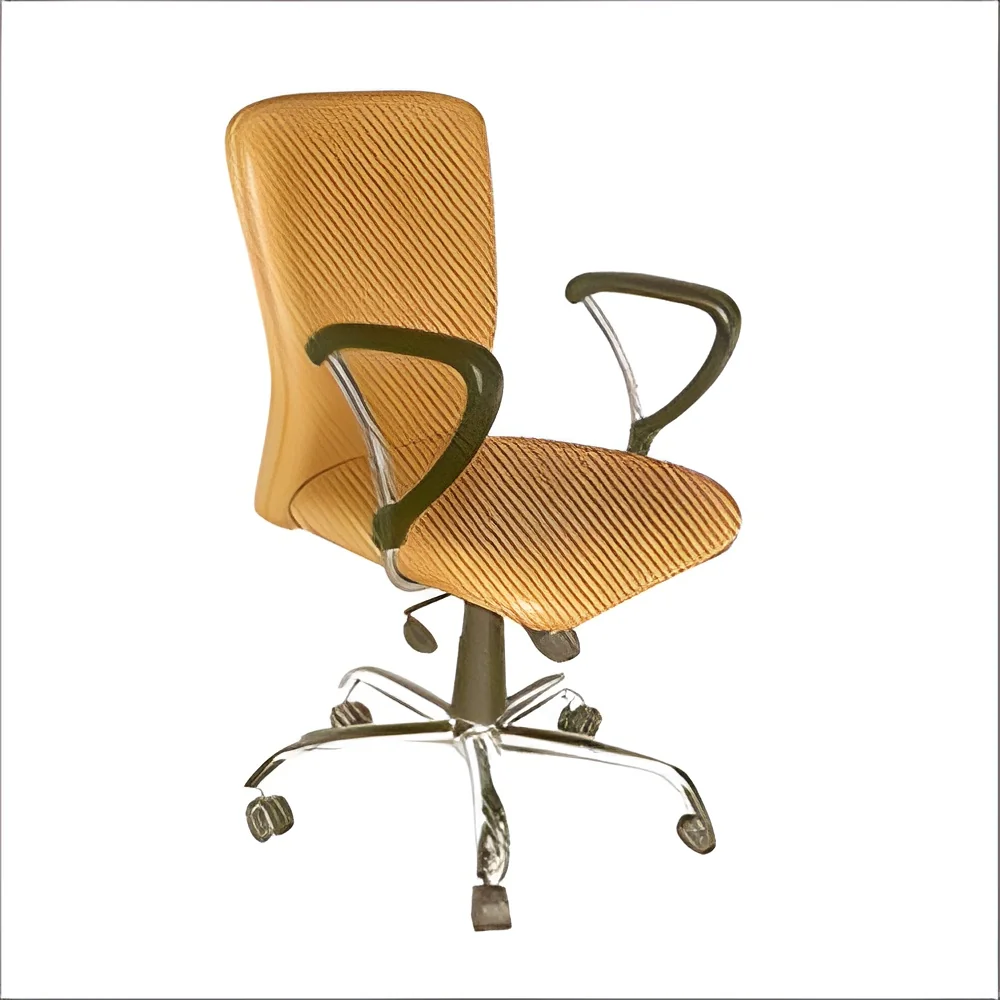
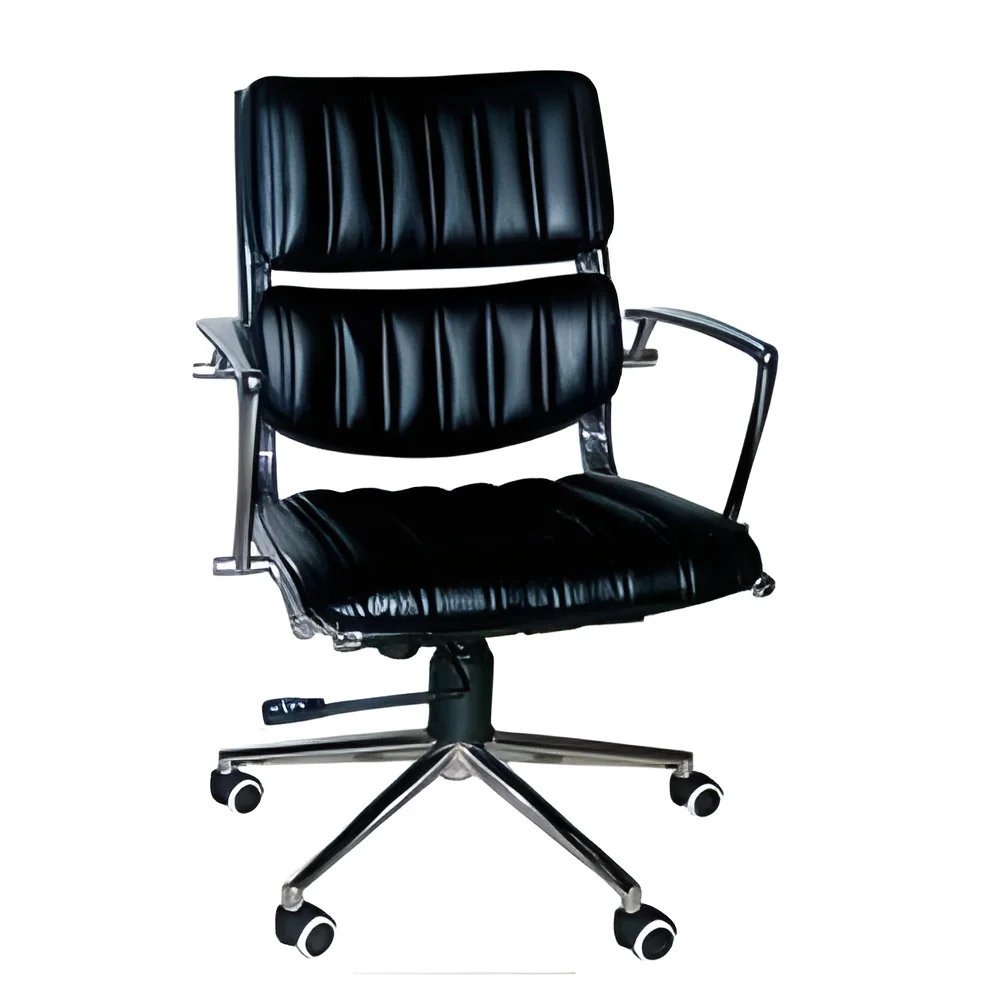
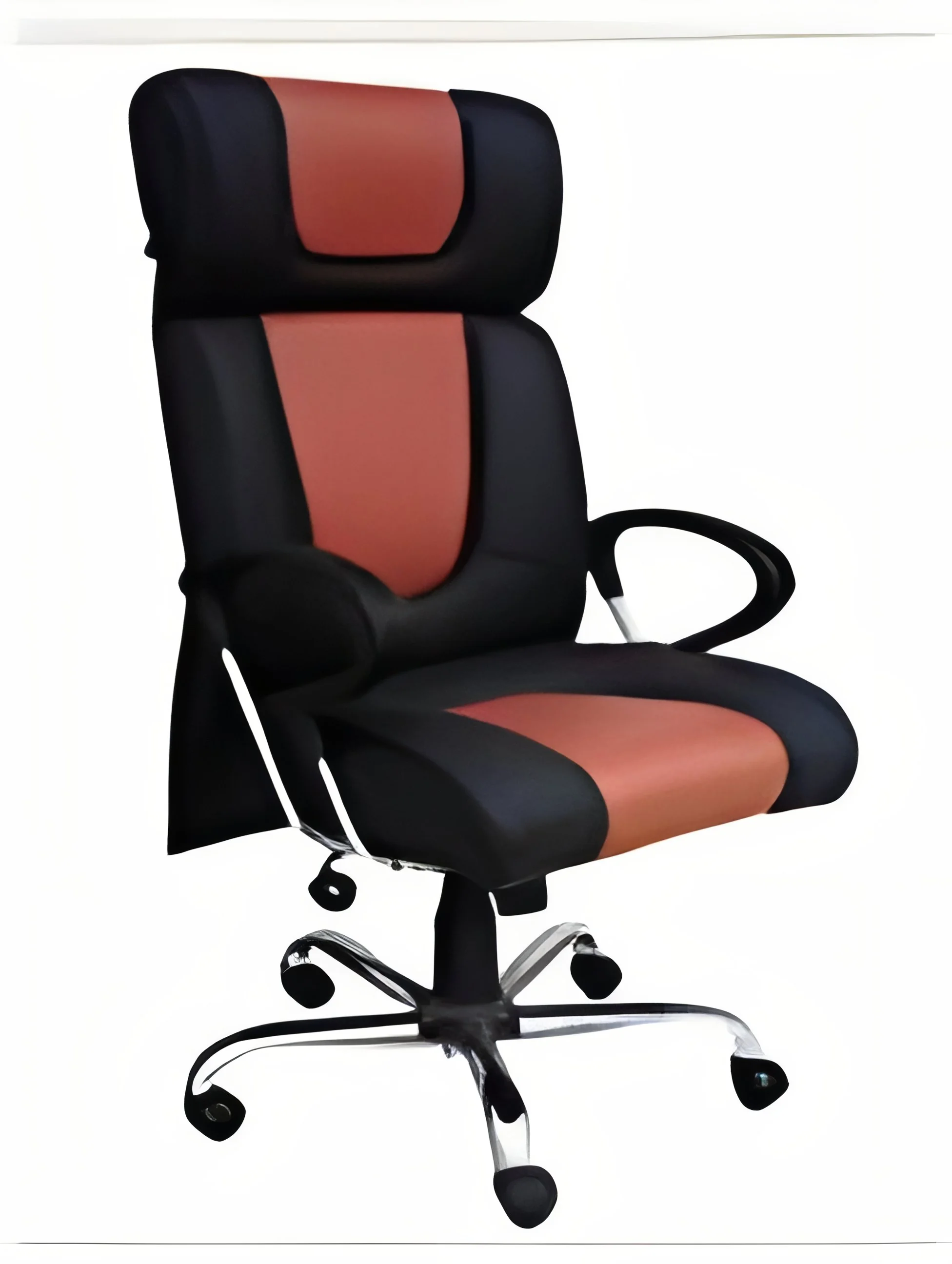
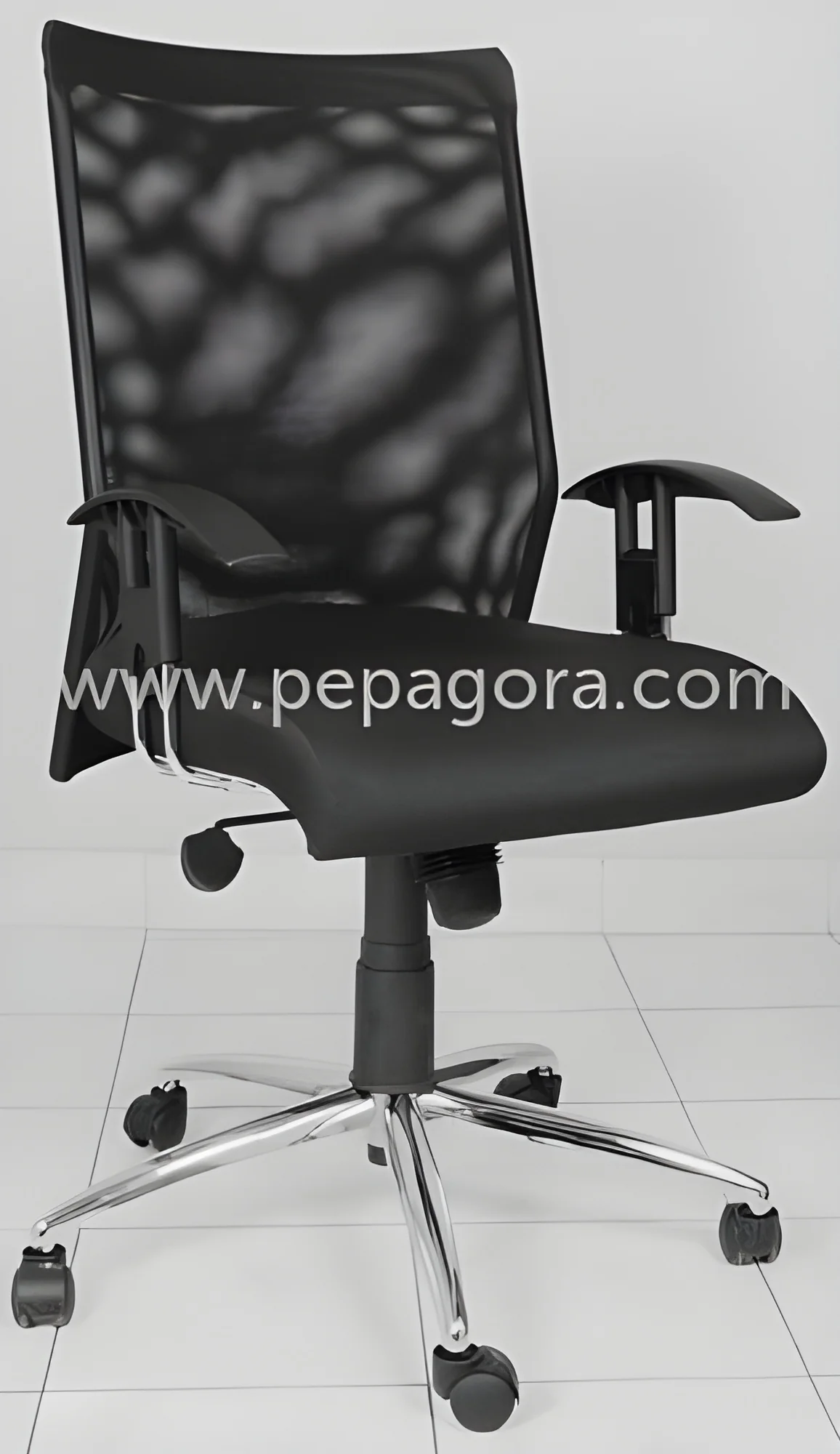
Office chairs are specialized seating solutions designed for use in a workplace environment. They are engineered for comfort and functionality to support long hours of sitting. Office chairs typically feature adjustable components such as height, armrest position, and lumbar support to enhance user comfort and promote better posture. The designs vary widely in aesthetics, ergonomics, and durability, catering to the diverse needs of different office settings.
These chairs are primarily used in corporate offices, home offices, and various commercial spaces. Their role extends beyond mere seating; they contribute to productivity and employee well-being by providing ergonomic support and promoting a healthier work posture. As the workplace evolves, office chairs have become essential tools not only for comfort but also for enhancing workplace efficiency and aesthetics.
In the current market context, office chairs are part of a competitive industry that continually adapts to changing workplace trends. With a focus on ergonomics and sustainable materials, manufacturers are responding to a growing demand for products that support health-conscious work environments. The evolution of remote work has also influenced the office chair market, as more individuals seek quality chairs for home offices.
Key Features and Specifications
Office chairs come with a variety of features tailored to enhance user experience and functionality. Understanding these specifications is crucial for businesses looking to invest in the right seating solutions.
Key specifications include:
1. Ergonomic Design
- Supports natural posture with lumbar support
- Adjustable components for personalized comfort
2. Material Quality
- Durable upholstery options including fabric, leather, and mesh
- Breathable materials to enhance air circulation
3. Weight Capacity
- Typically ranges from 200 to 400 pounds
- Varies by model and construction quality
4. Adjustability
- Height adjustment mechanisms
- Armrest and backrest angle adjustments
5. Wheel and Base Design
- Smooth-rolling casters for mobility
- Sturdy base options such as five-point star bases
6. Warranty Period
- Usually ranges from 1 to 5 years
- Coverage for defects and wear under normal use
7. Assembly Requirements
- Some models require assembly upon delivery
- Others come fully assembled for immediate use
8. Certifications
- Compliance with safety and quality standards, such as CE certification
In summary, selecting the right office chair involves a careful consideration of these specifications to ensure it meets both comfort and functionality needs.
Common Applications and Use Cases
Office chairs are versatile products that serve a variety of industries.
1. Corporate Offices: Office chairs are essential in corporate environments, providing employees with comfort during long hours of work and meetings.
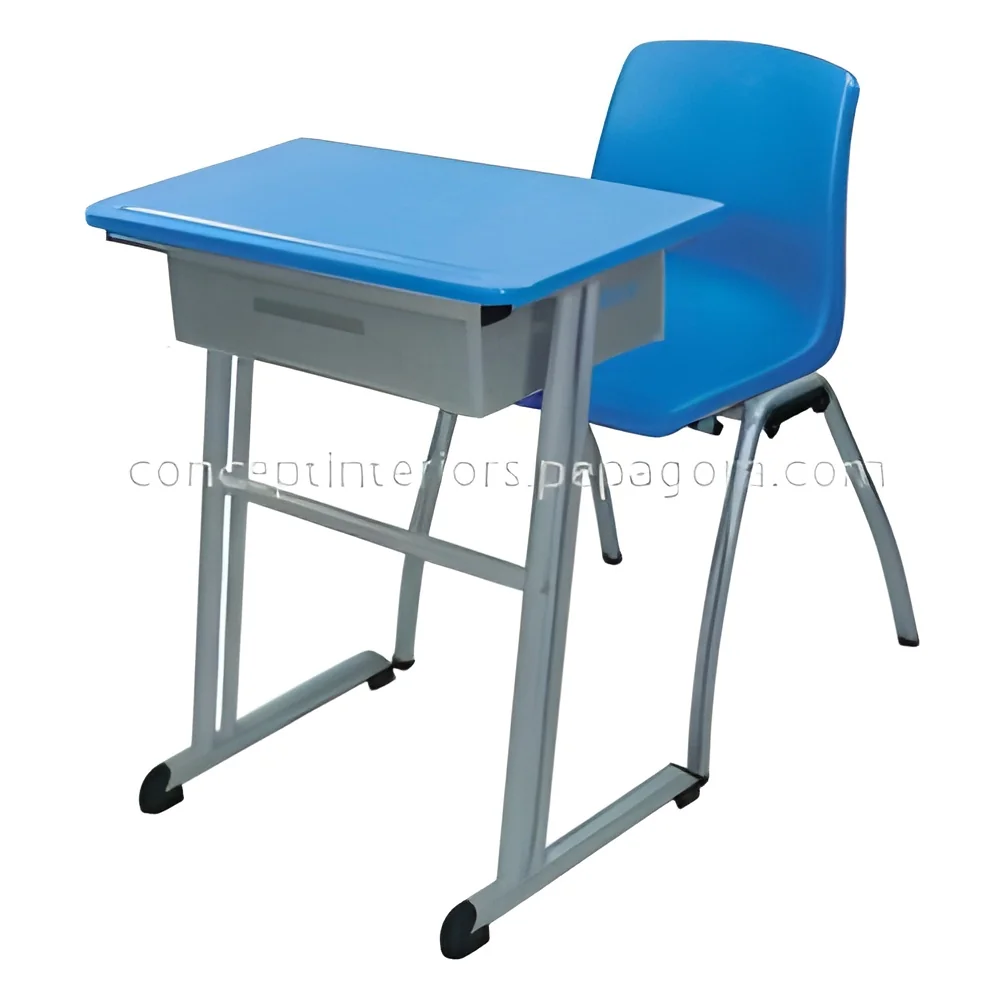
2. Educational Institutions: Many schools and universities use office chairs in administrative offices and faculty lounges, fostering a productive atmosphere for staff.
3. Home Offices: With the rise of remote work, individuals are investing in quality office chairs to create comfortable and efficient home workspaces.
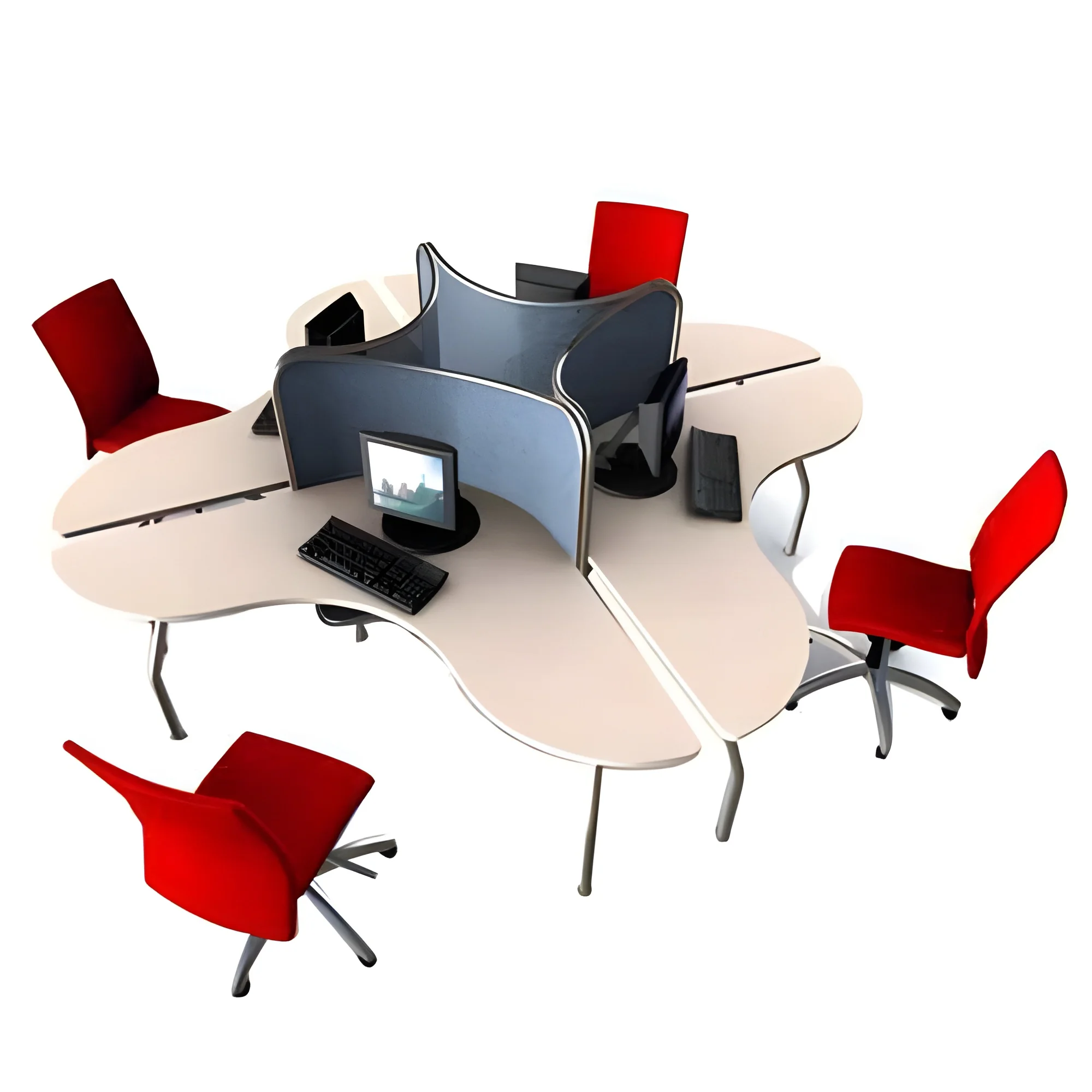
4. Call Centers: Ergonomic office chairs play a crucial role in call centers, where employees spend extended periods on the phone, enhancing comfort and productivity.
5. Healthcare Facilities: Administrative areas in hospitals and clinics utilize office chairs to provide comfort for staff during long shifts.
6. Co-working Spaces: These flexible work environments benefit from a variety of office chairs to accommodate diverse users and facilitate collaboration.
7. Design Studios: Creative industries often choose stylish office chairs that align with their aesthetic while providing comfort for brainstorming sessions.
Product Variants and Subcategories
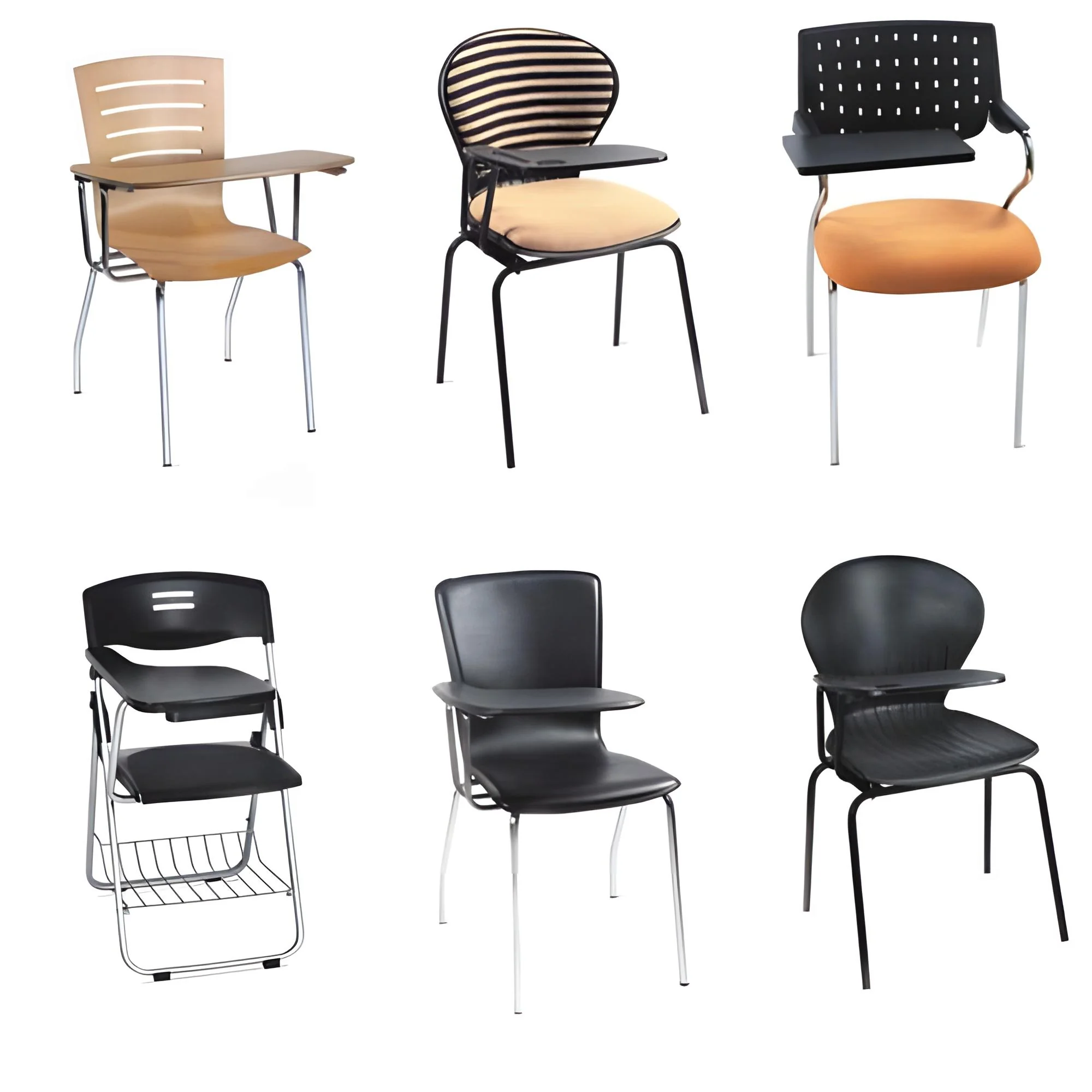
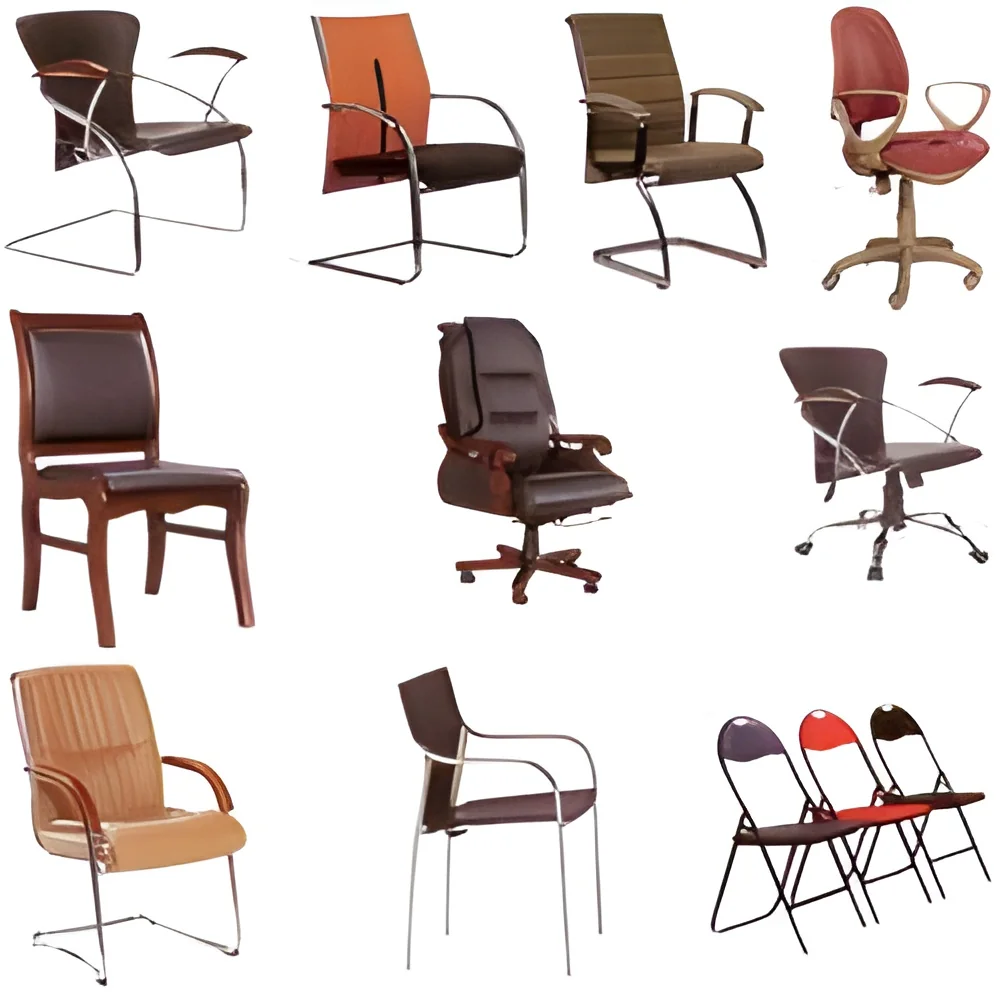
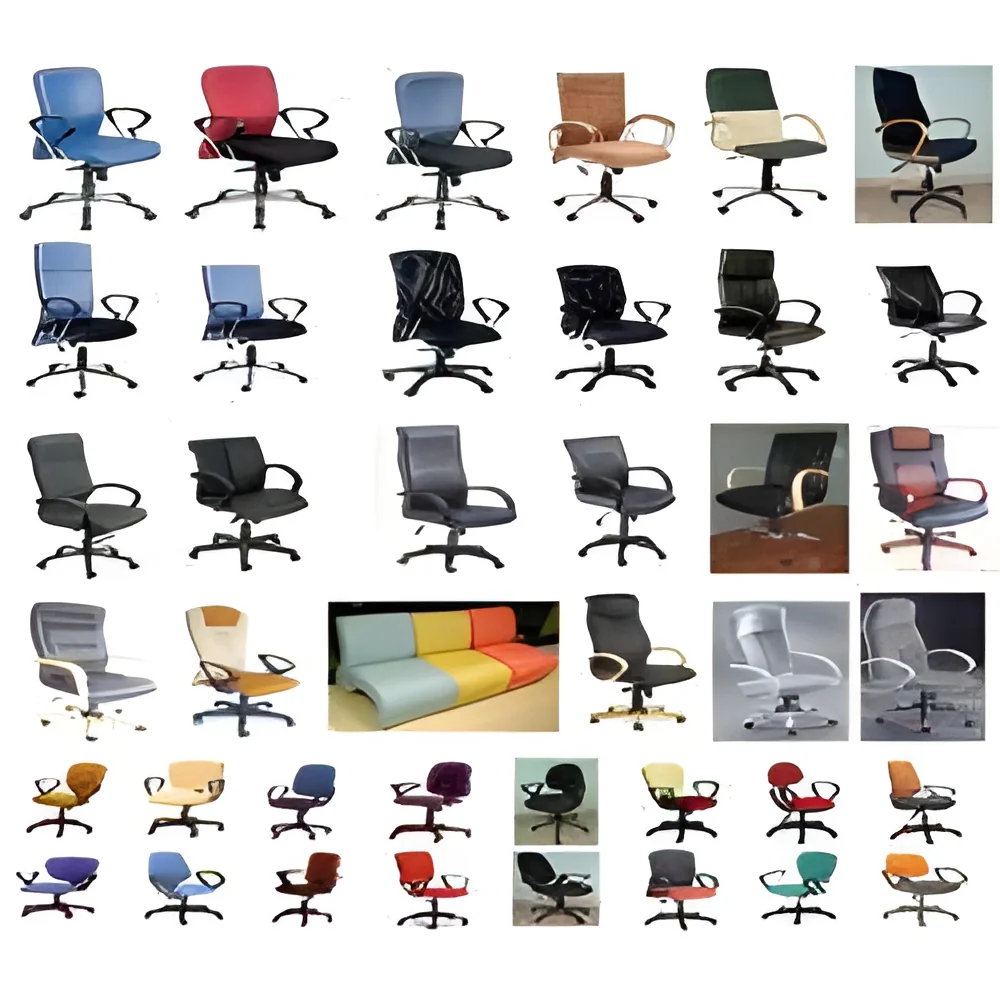
Office chairs come in various styles and configurations, catering to different preferences and requirements.
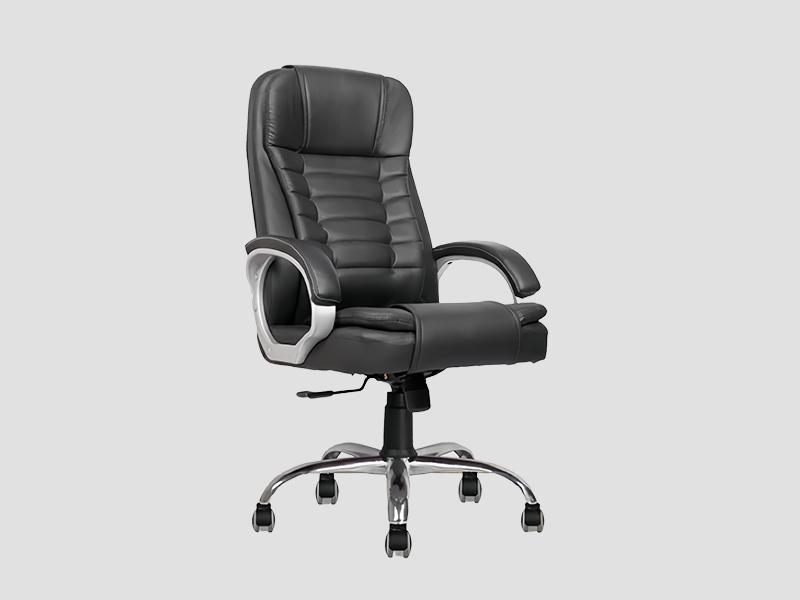
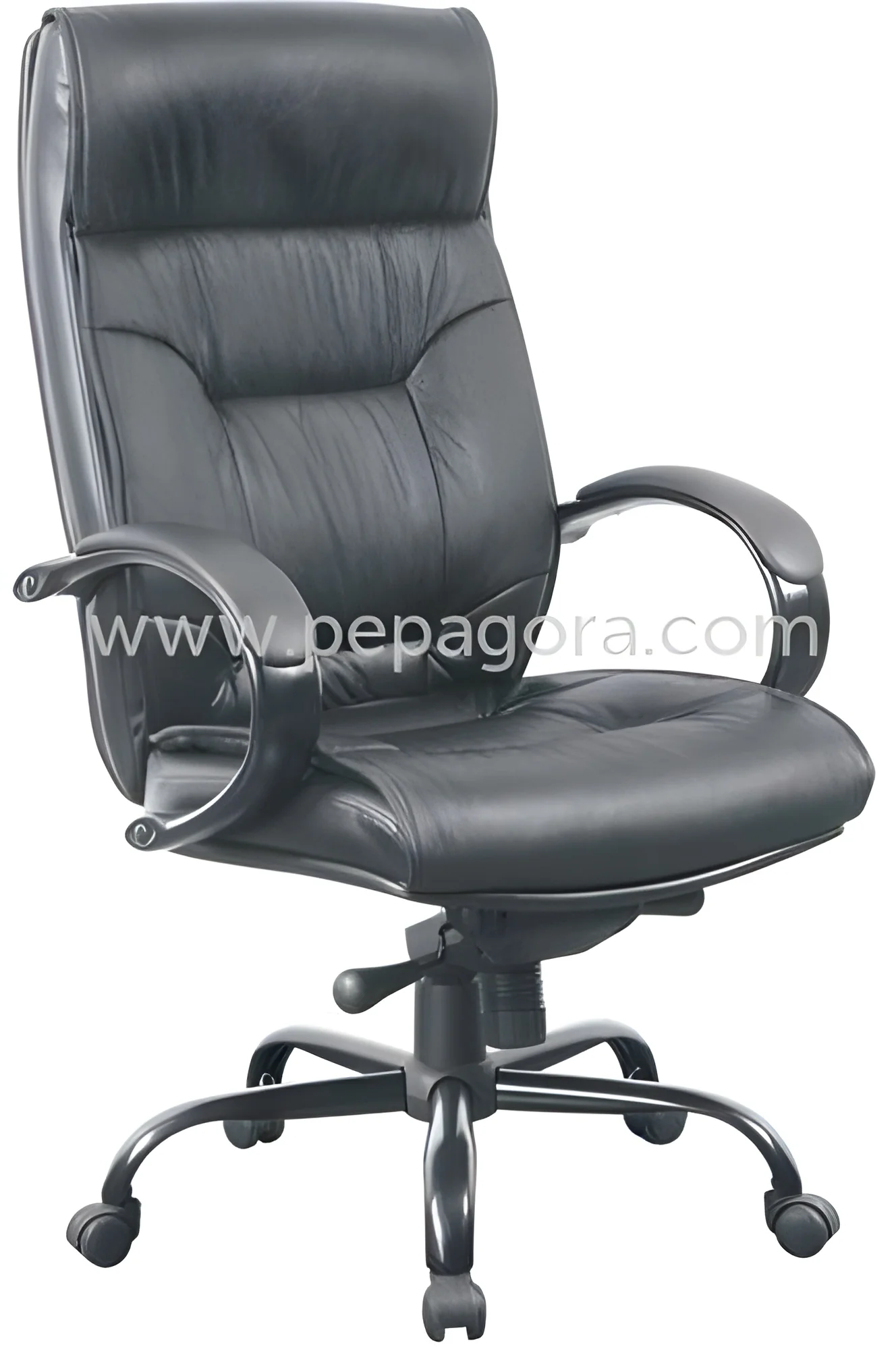
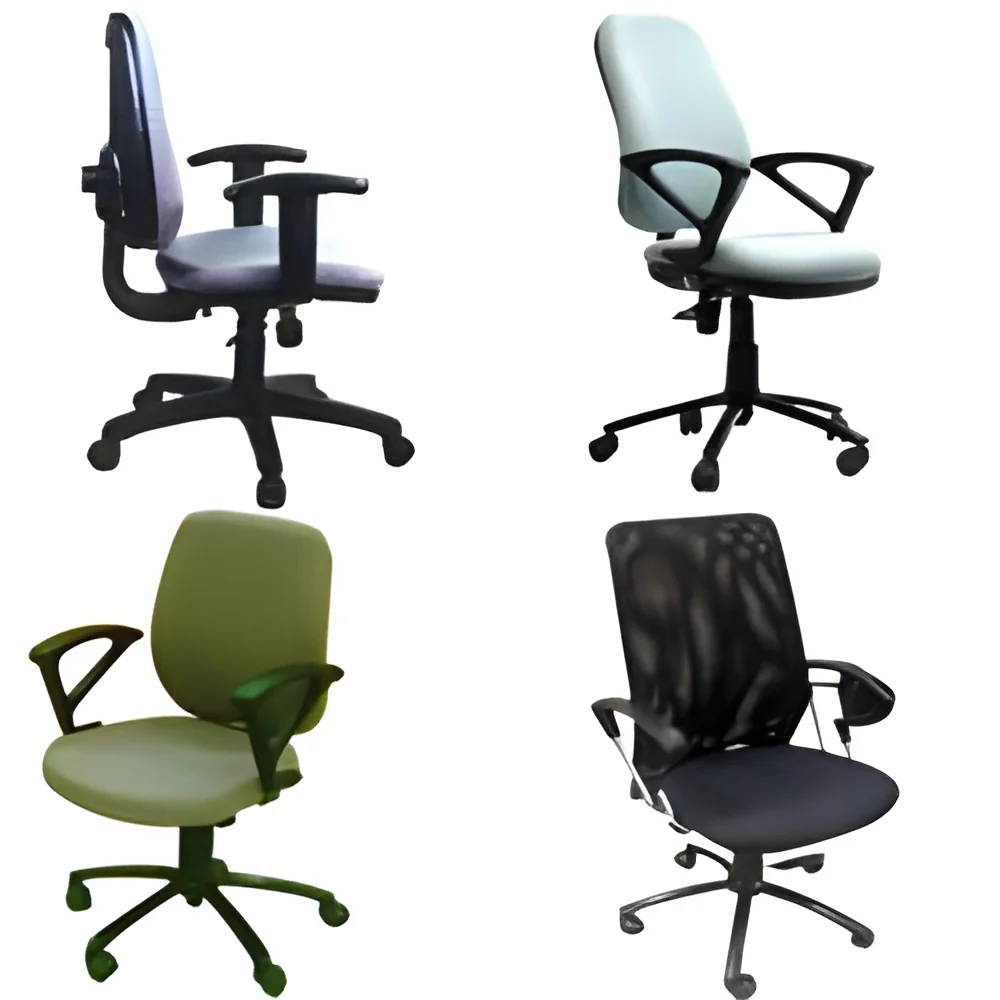
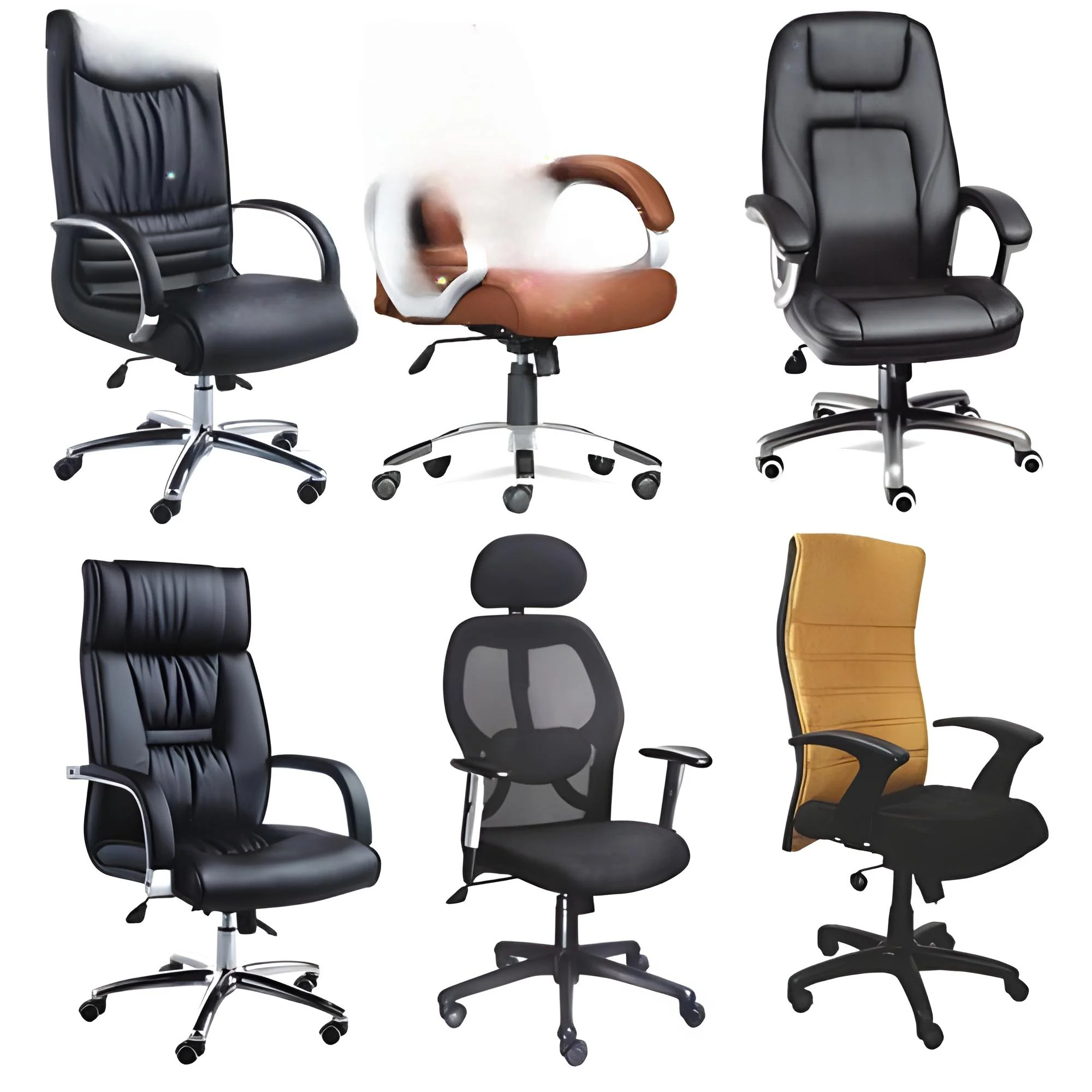
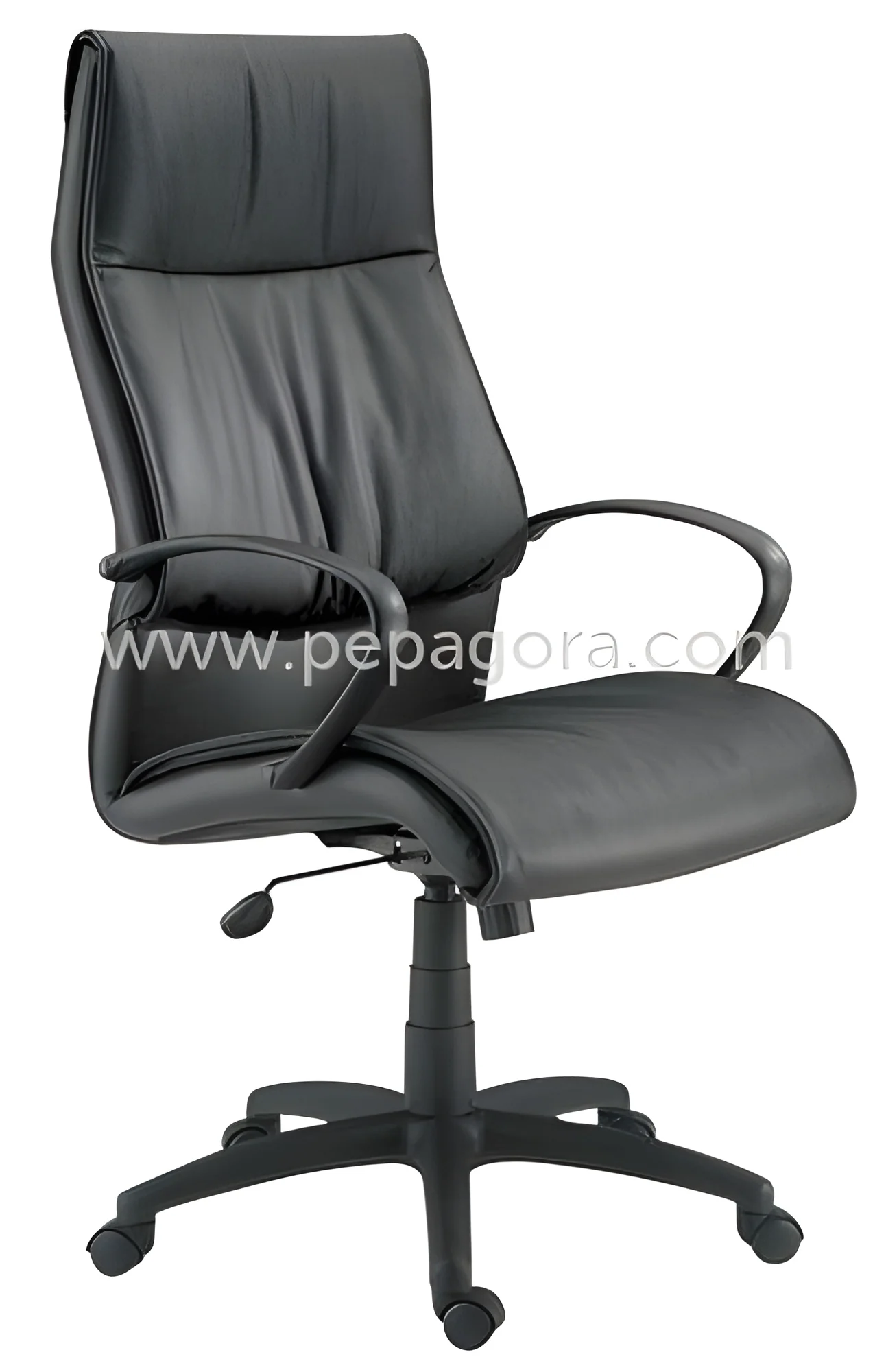
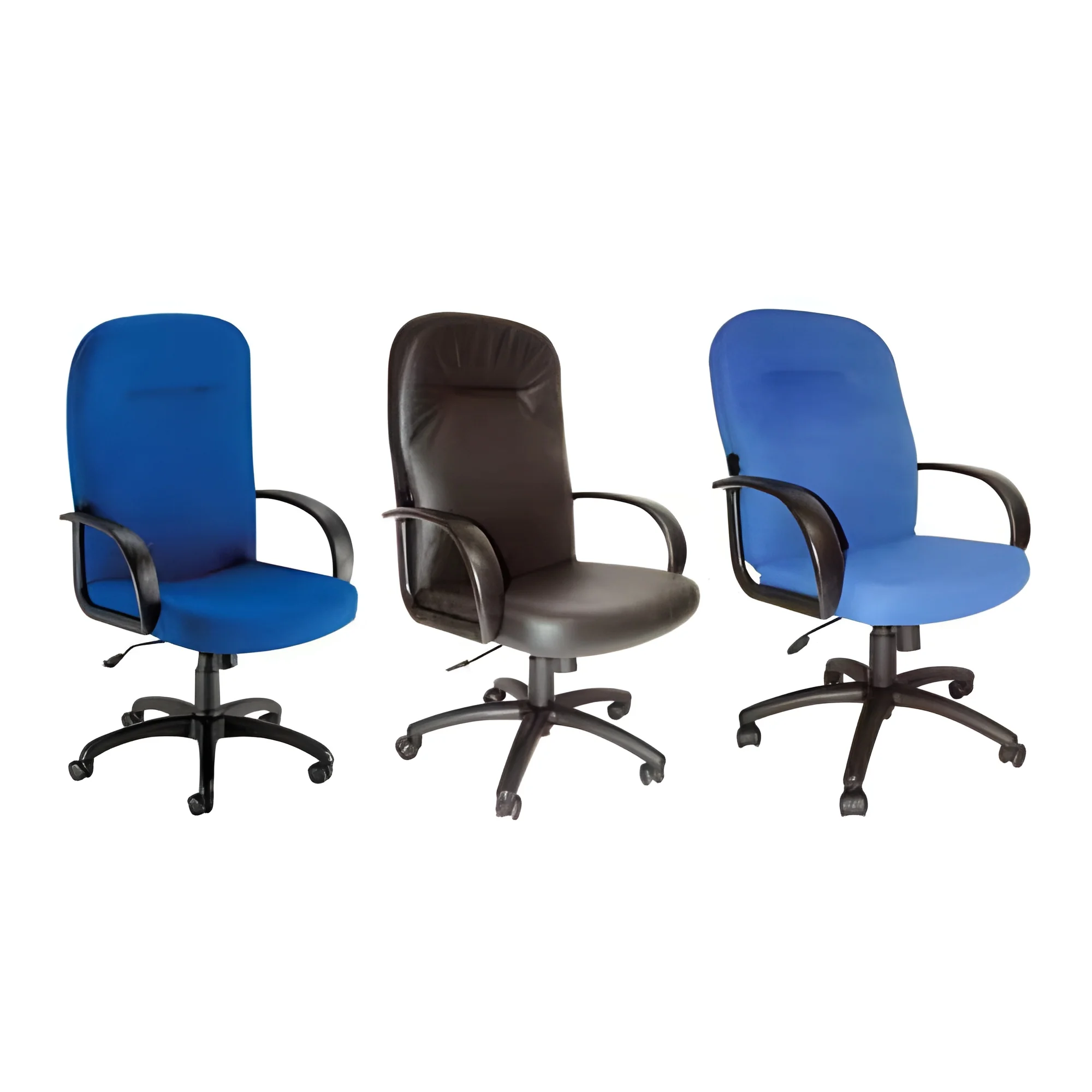
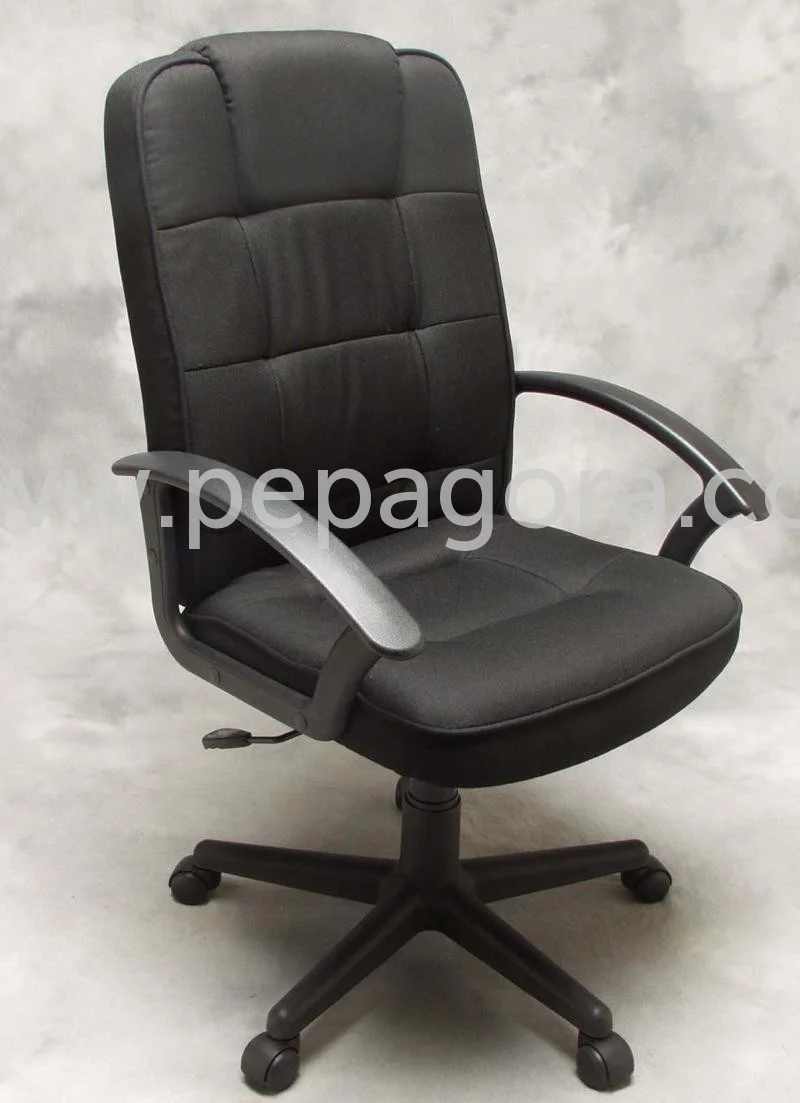
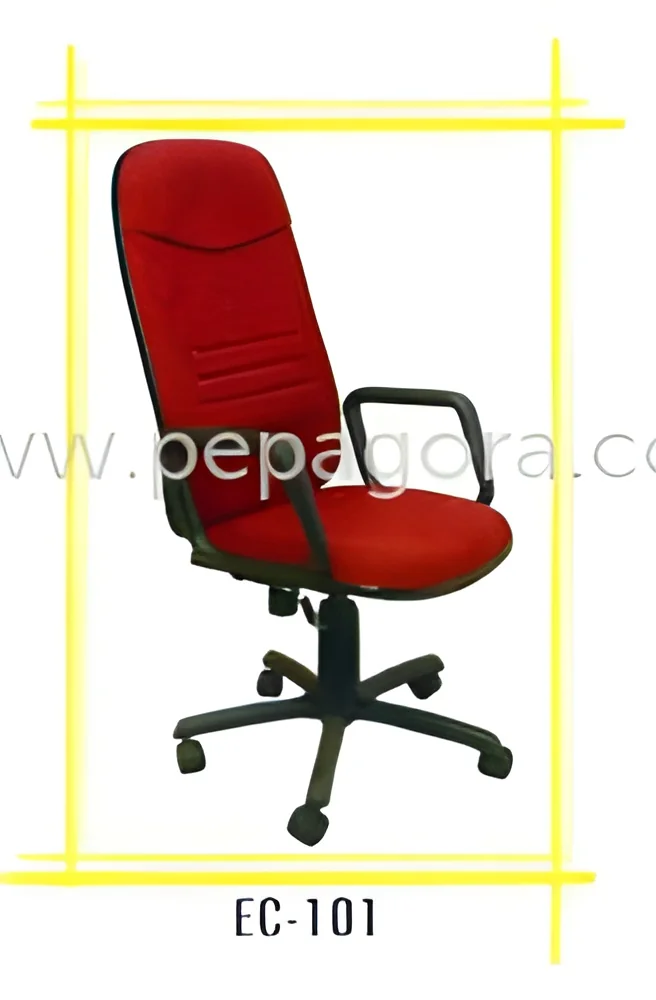
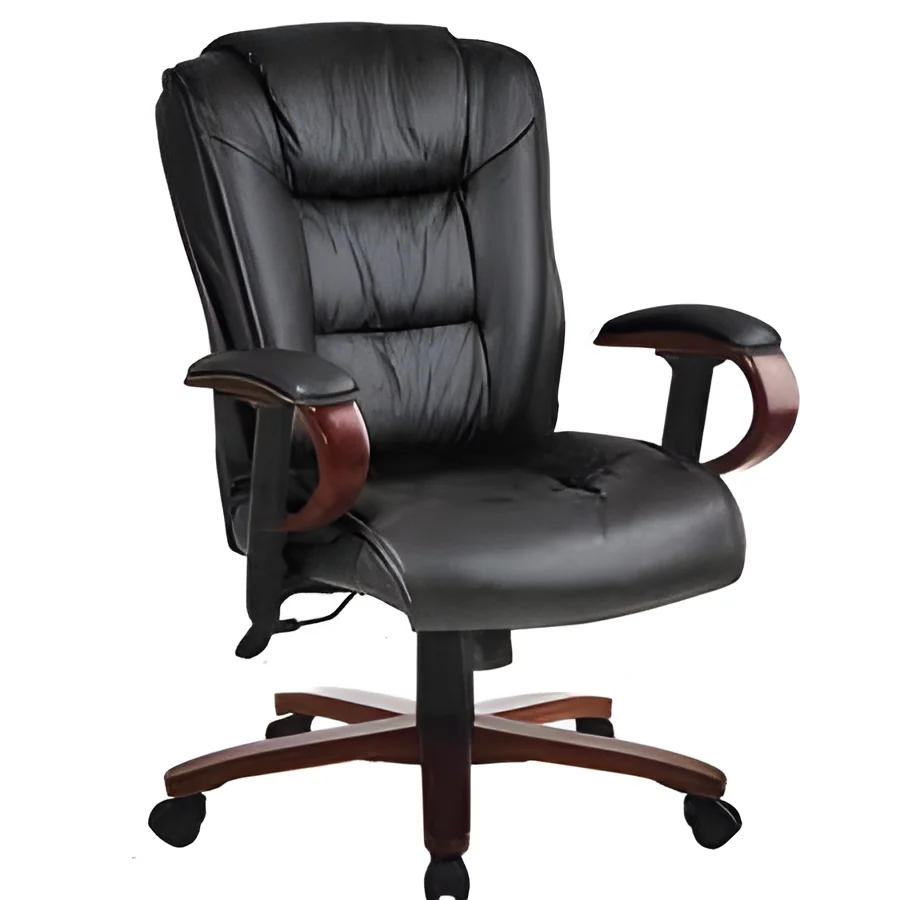
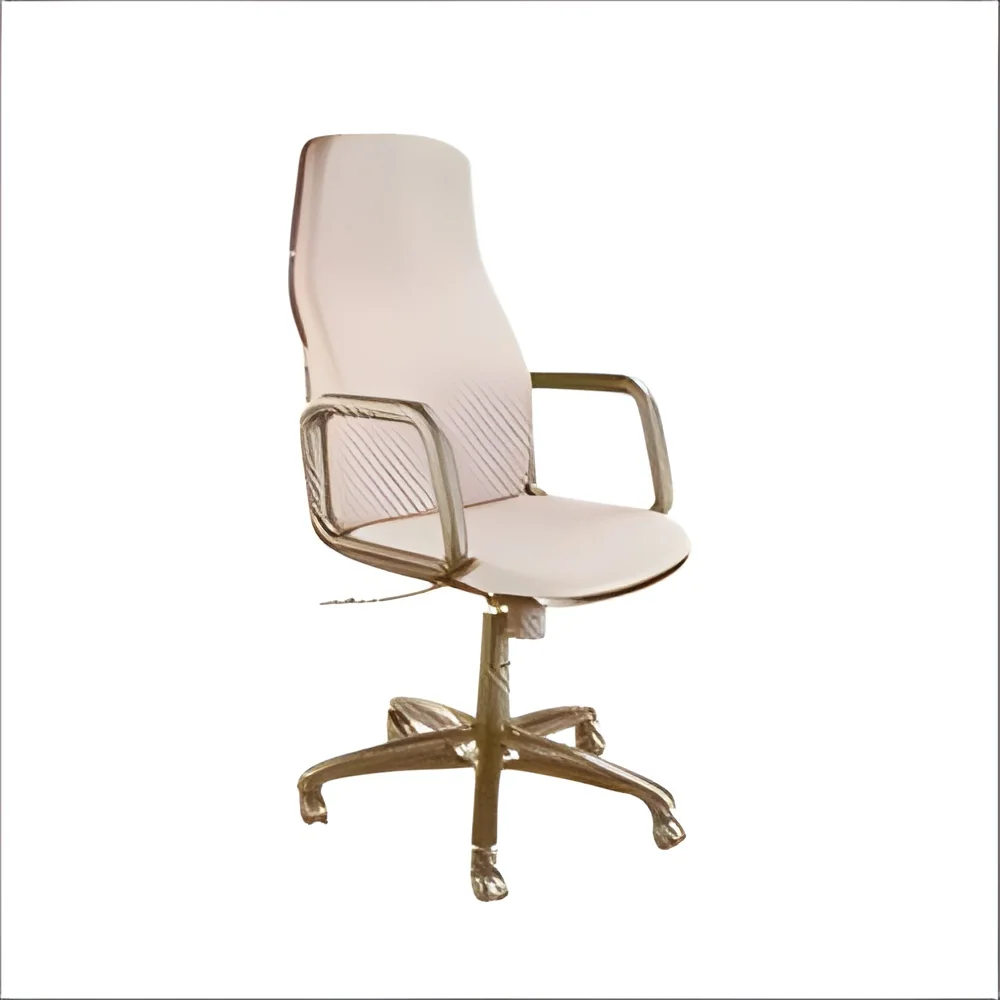
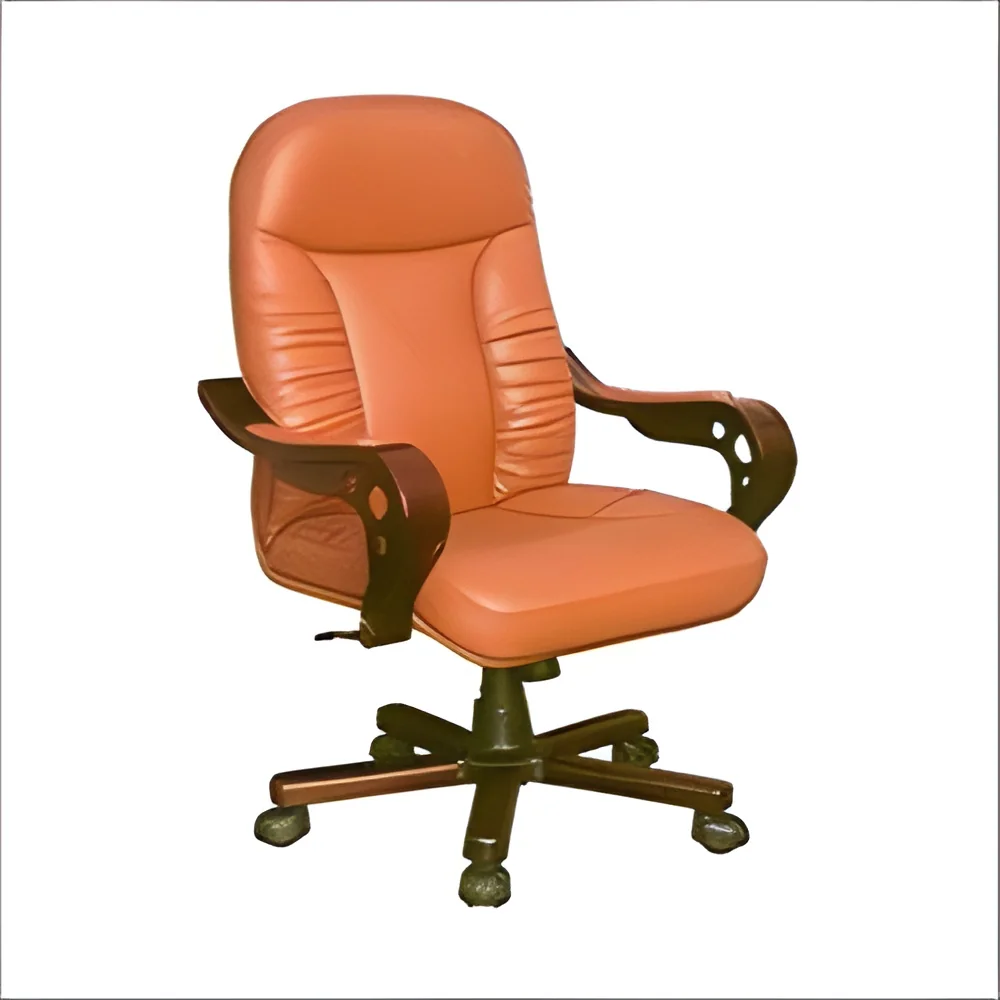
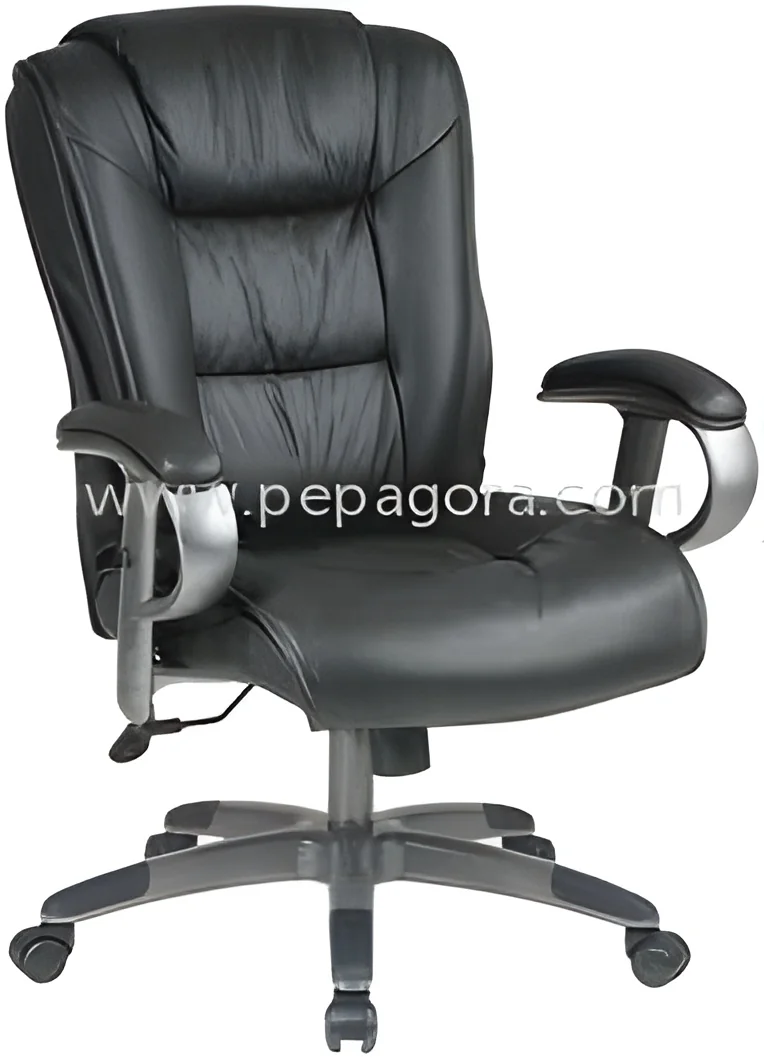
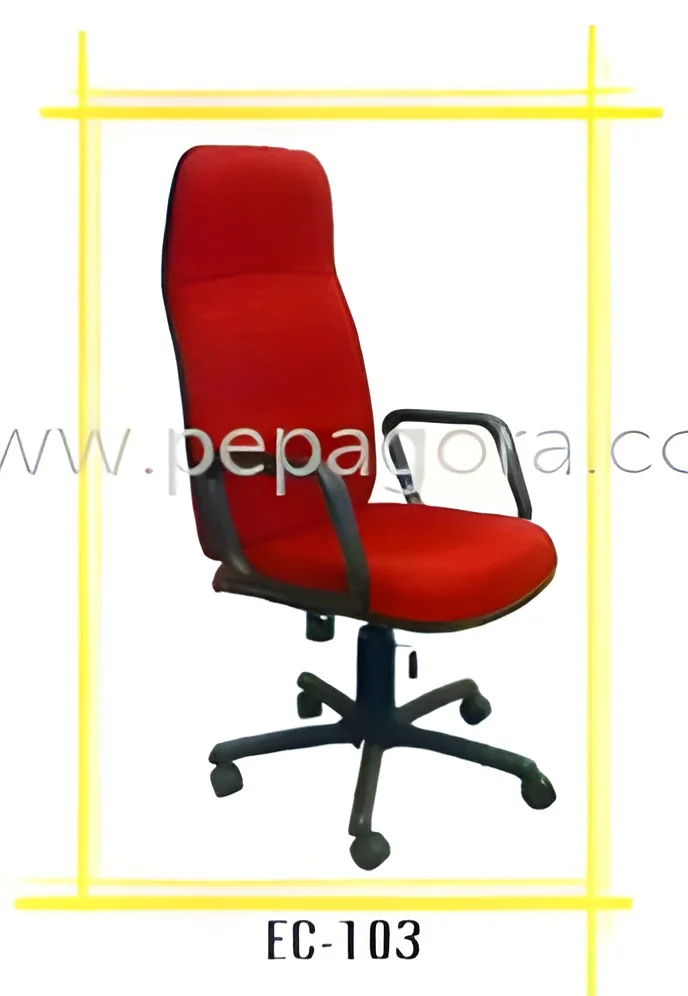
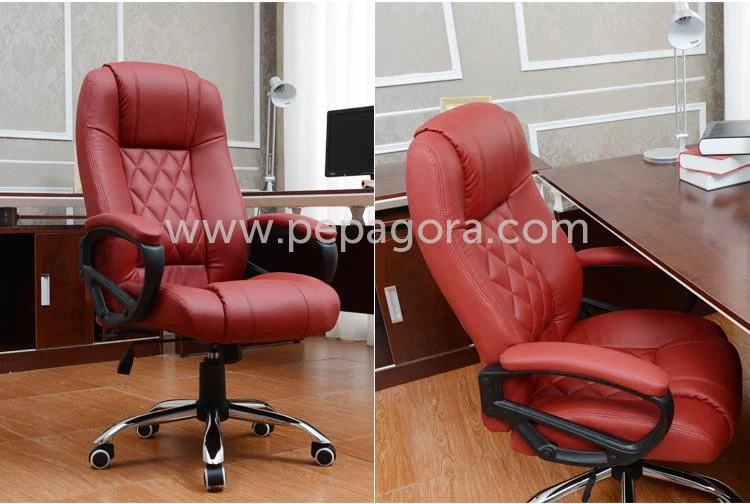
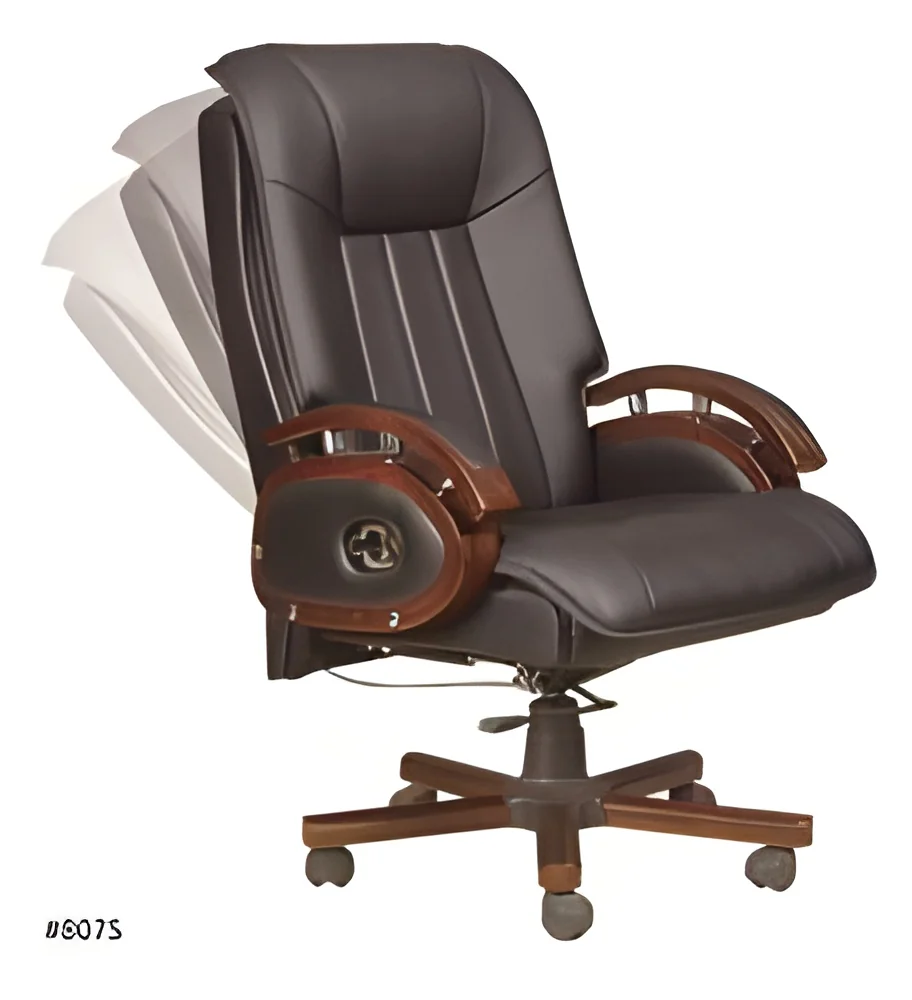
Executive Chairs: Designed for higher-end office environments, executive chairs often feature luxurious materials and extensive adjustability, providing a professional appearance alongside comfort.
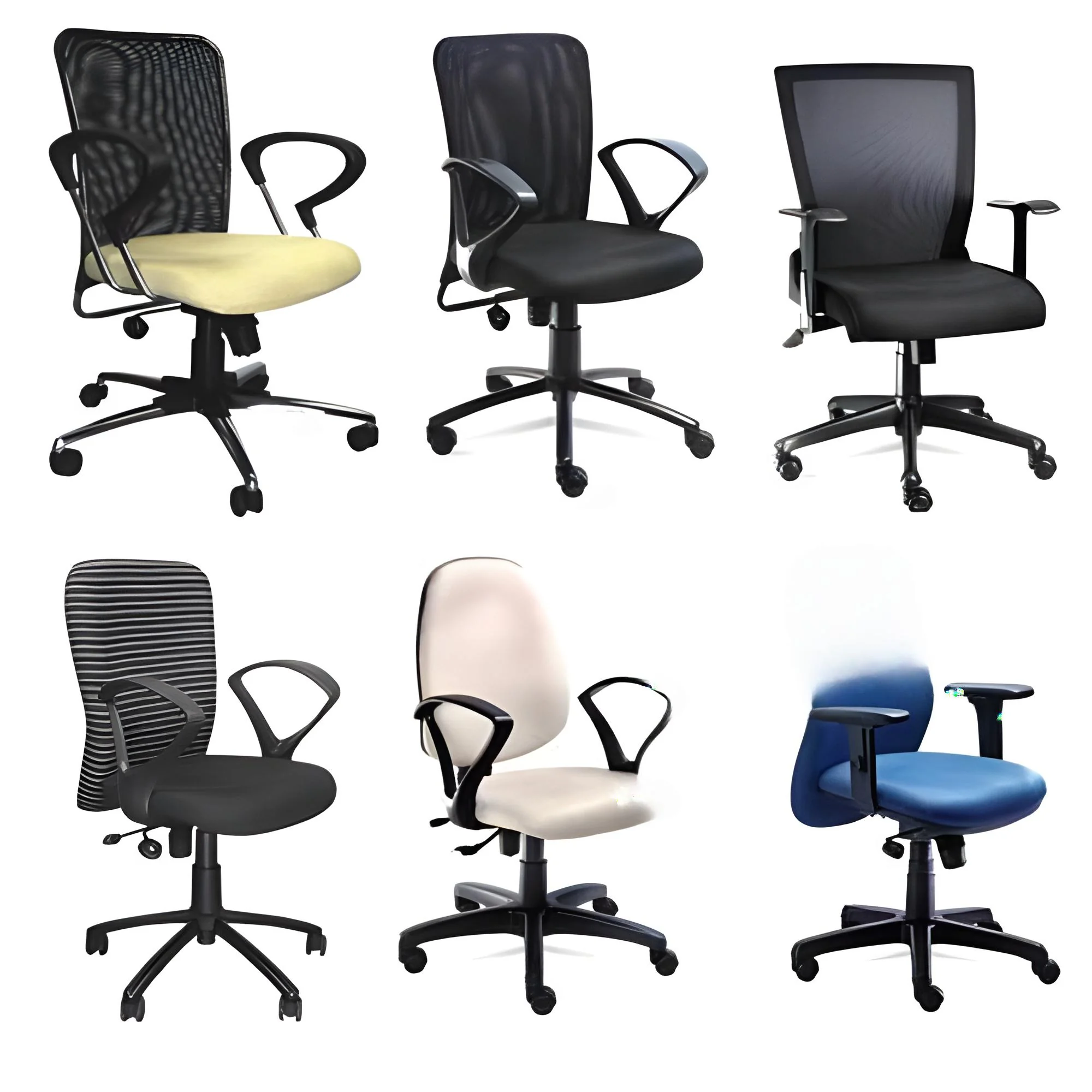
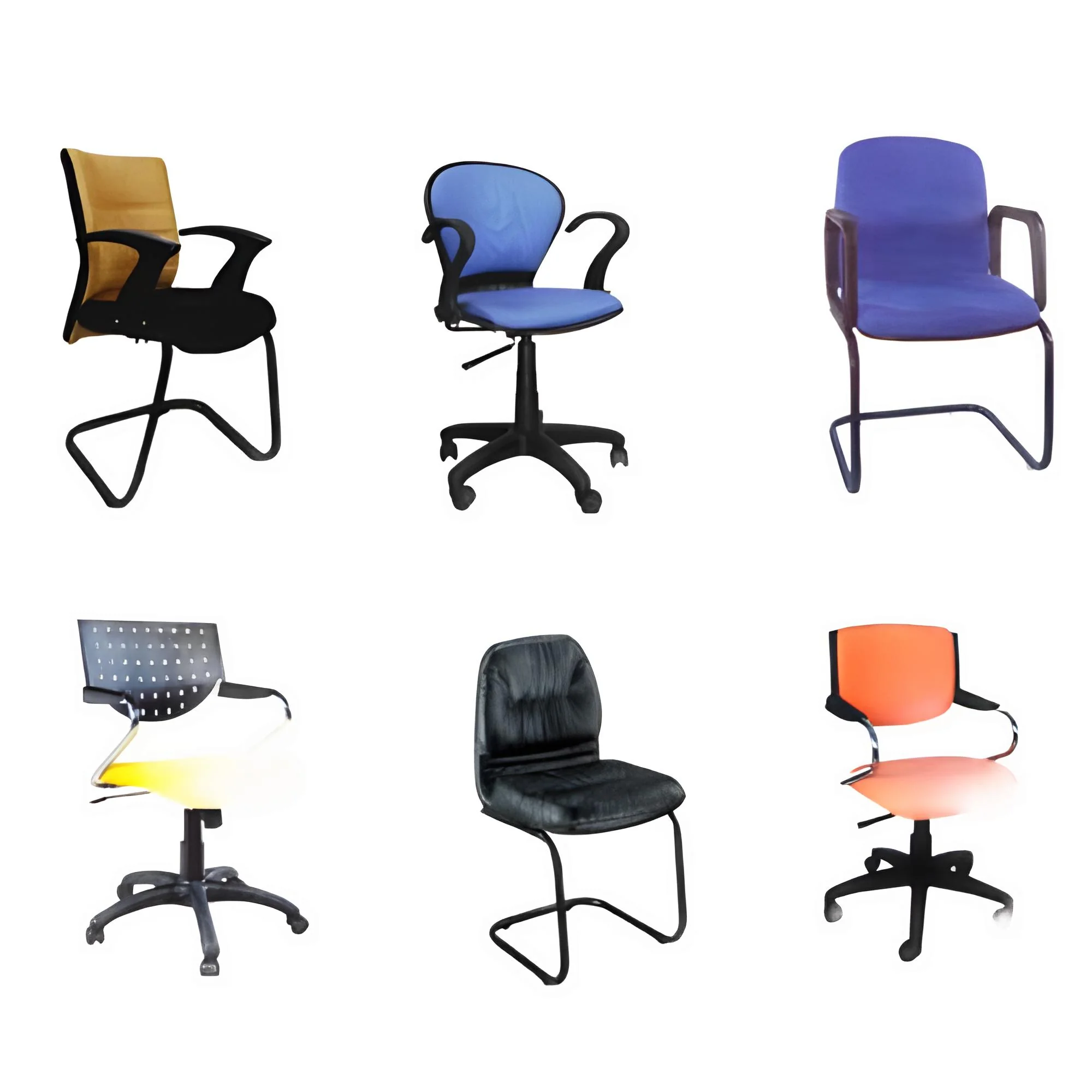
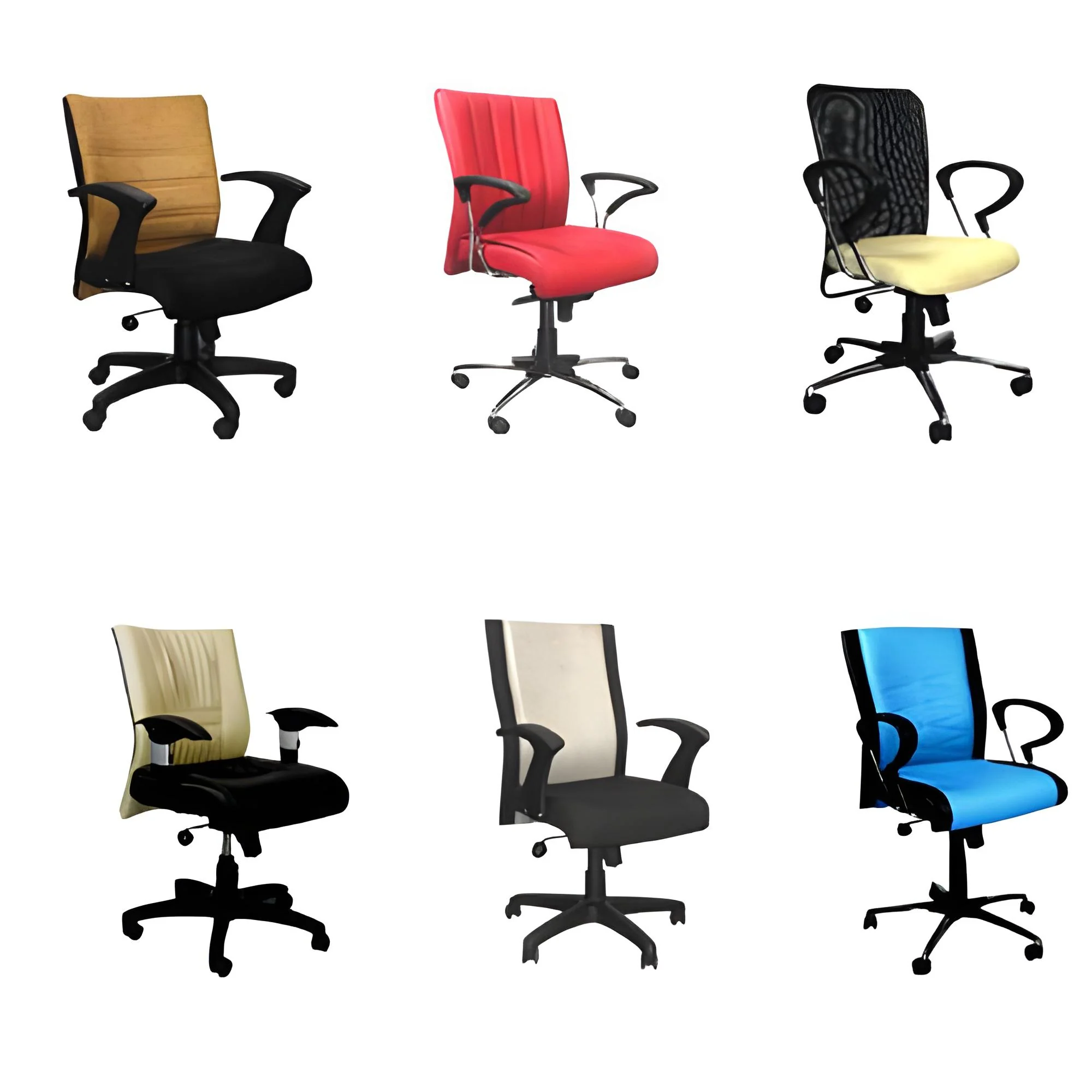
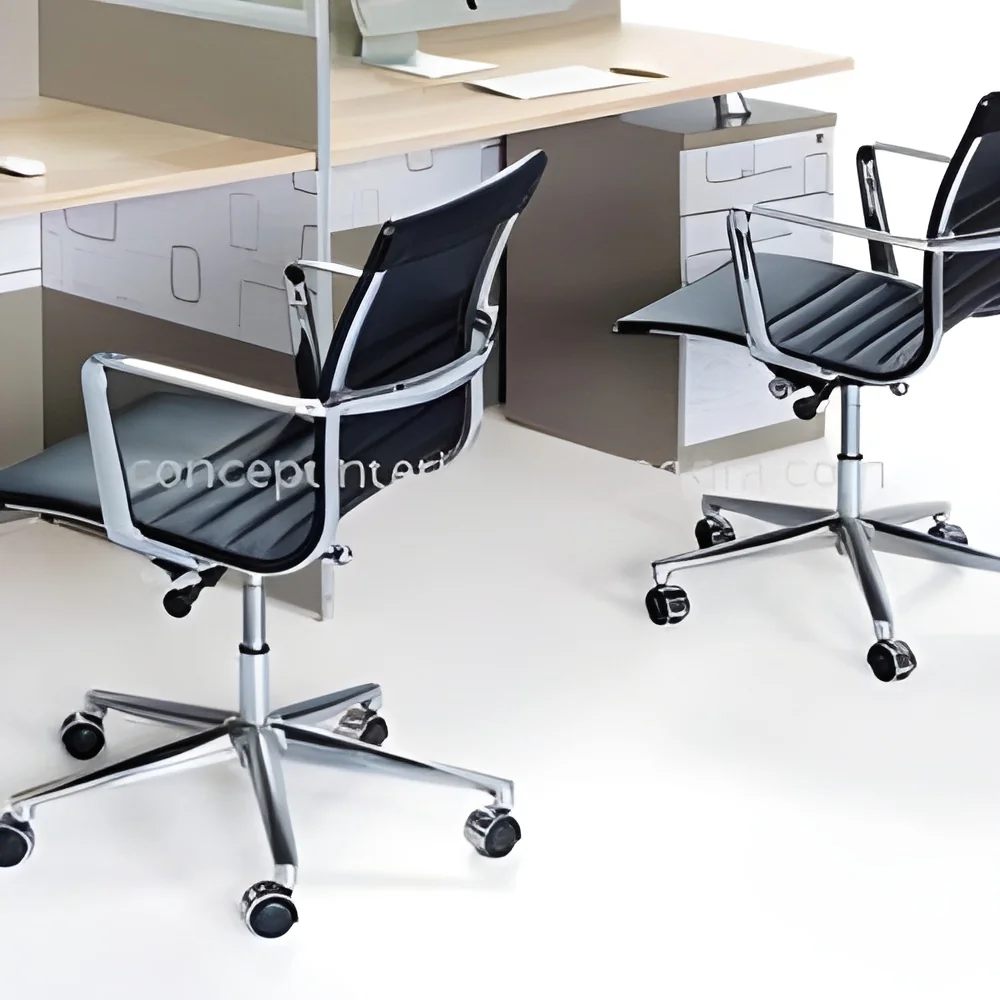
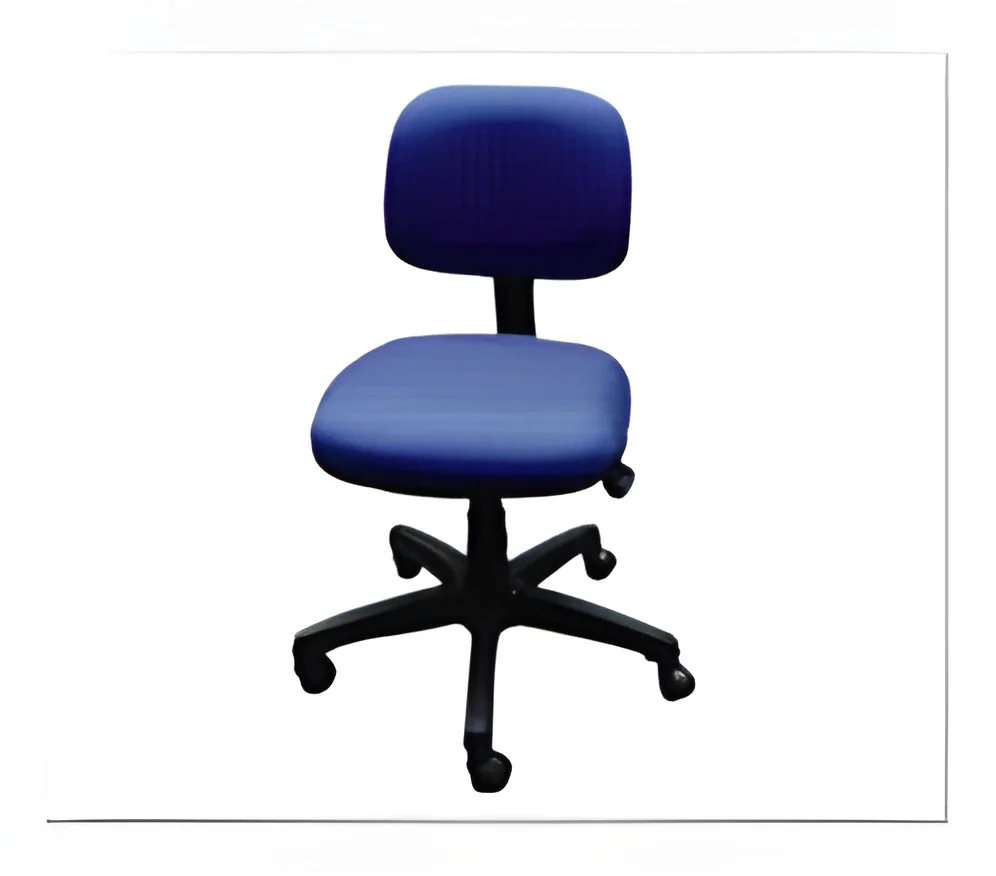
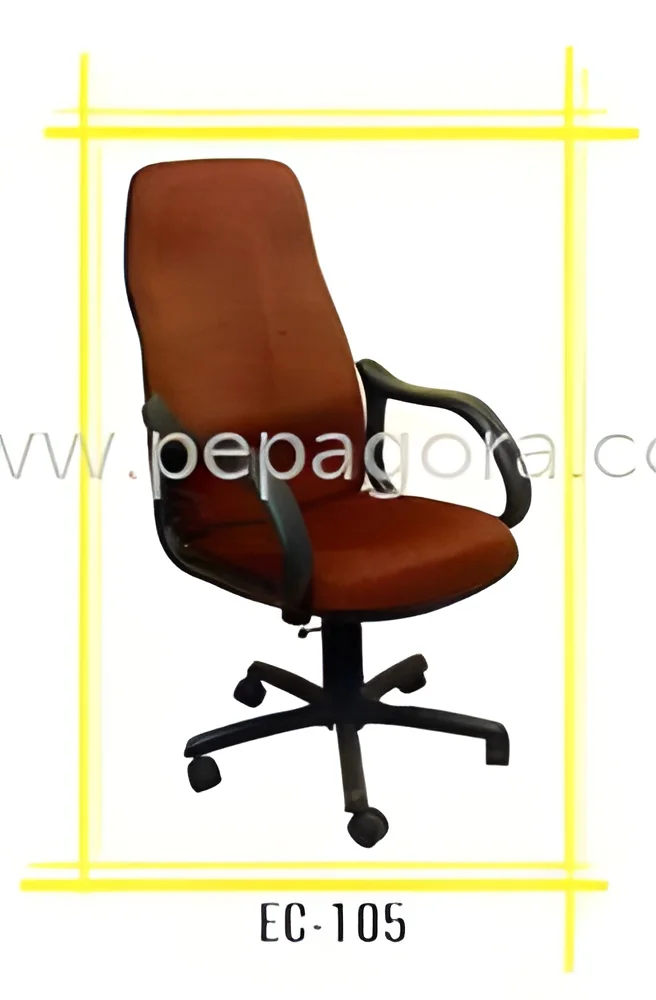
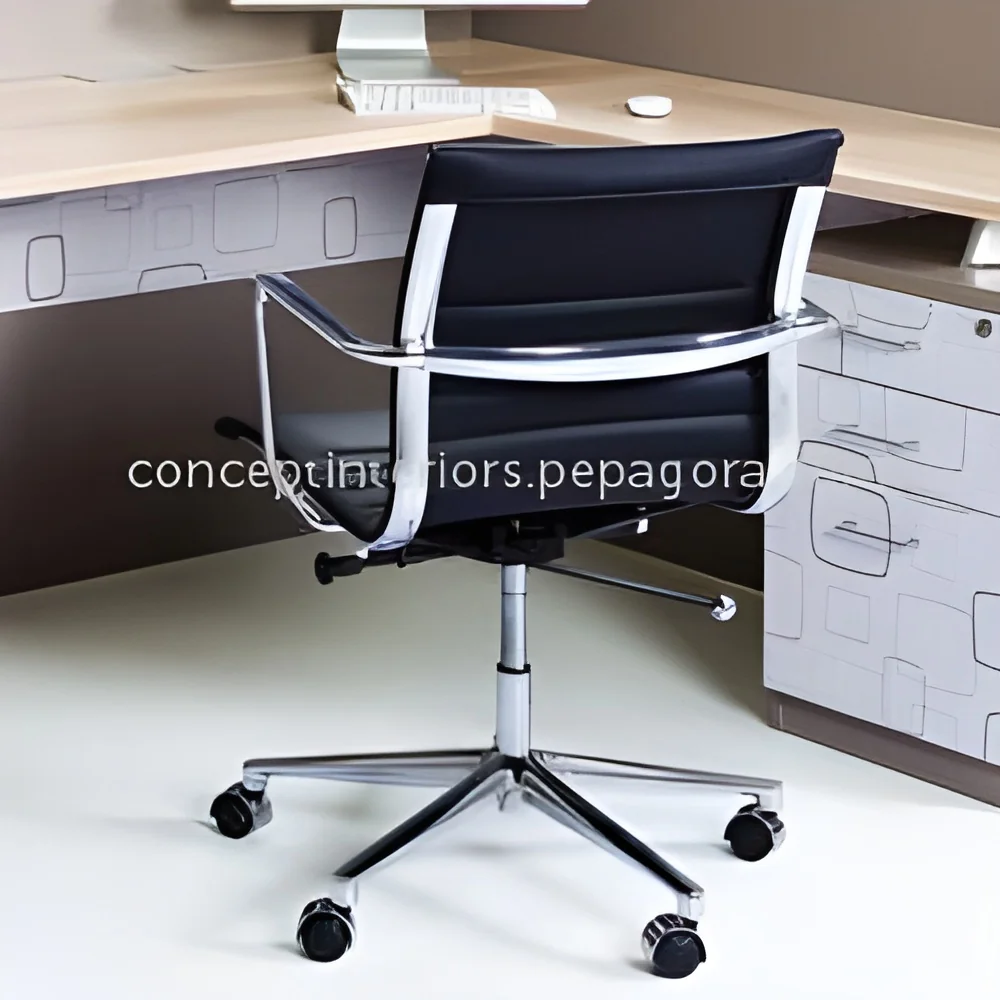
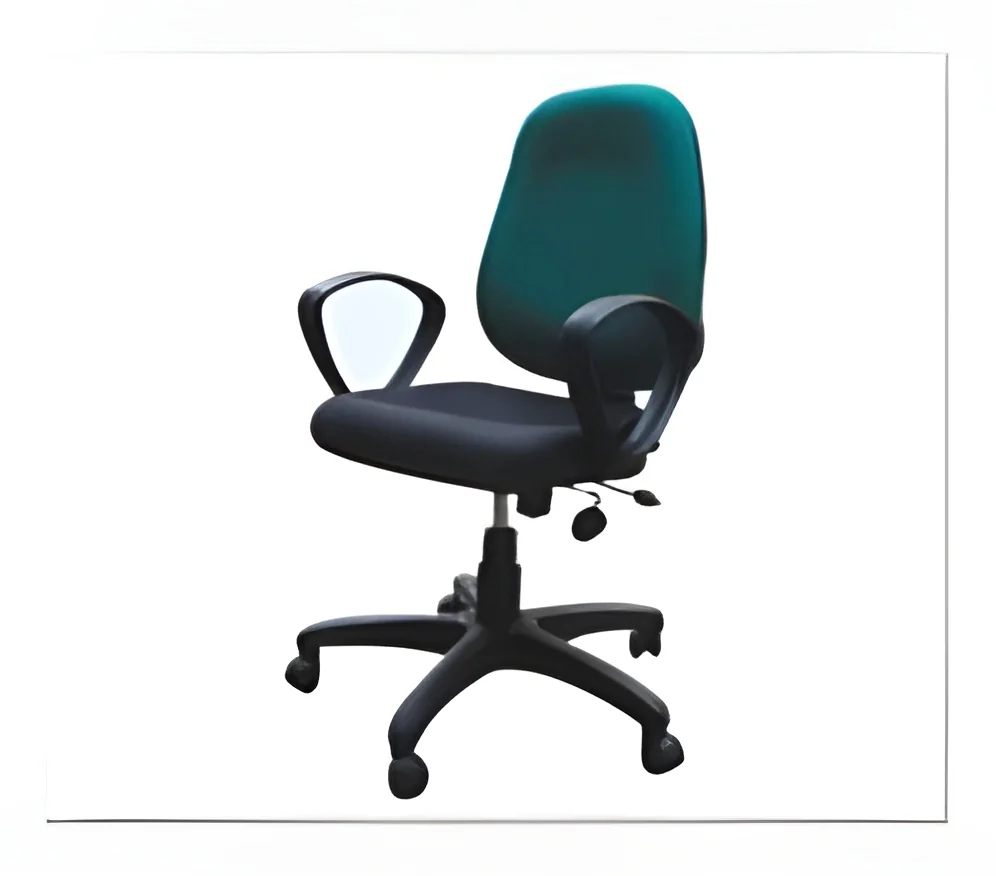
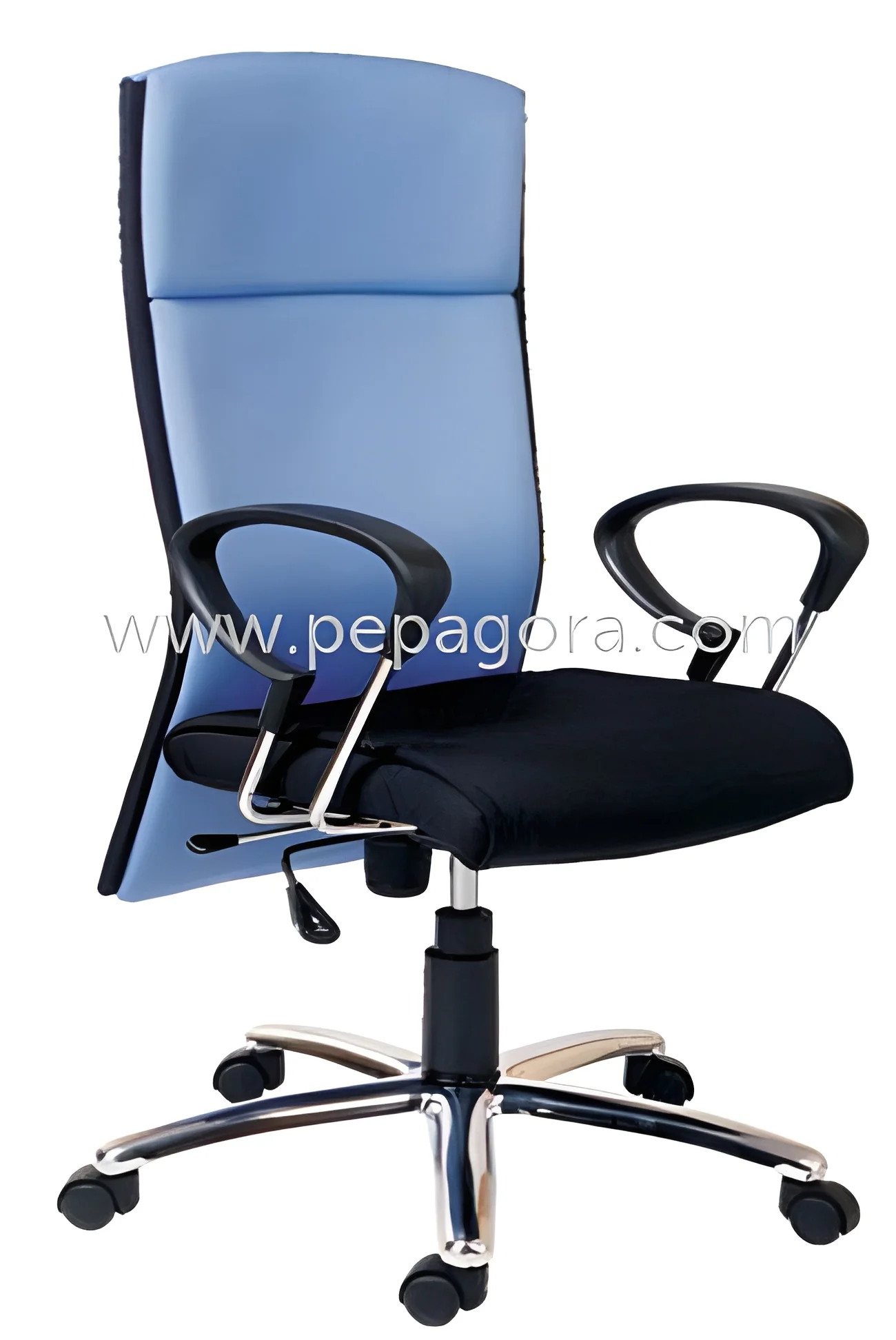
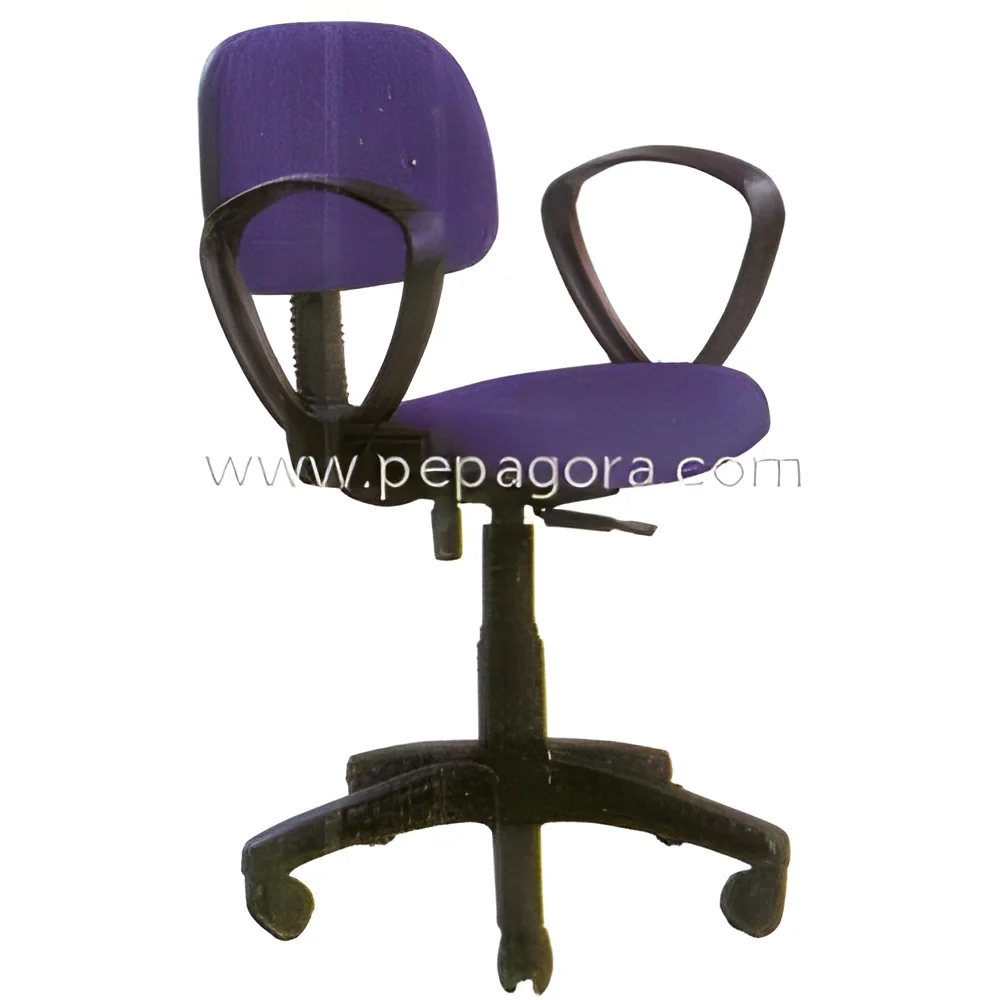
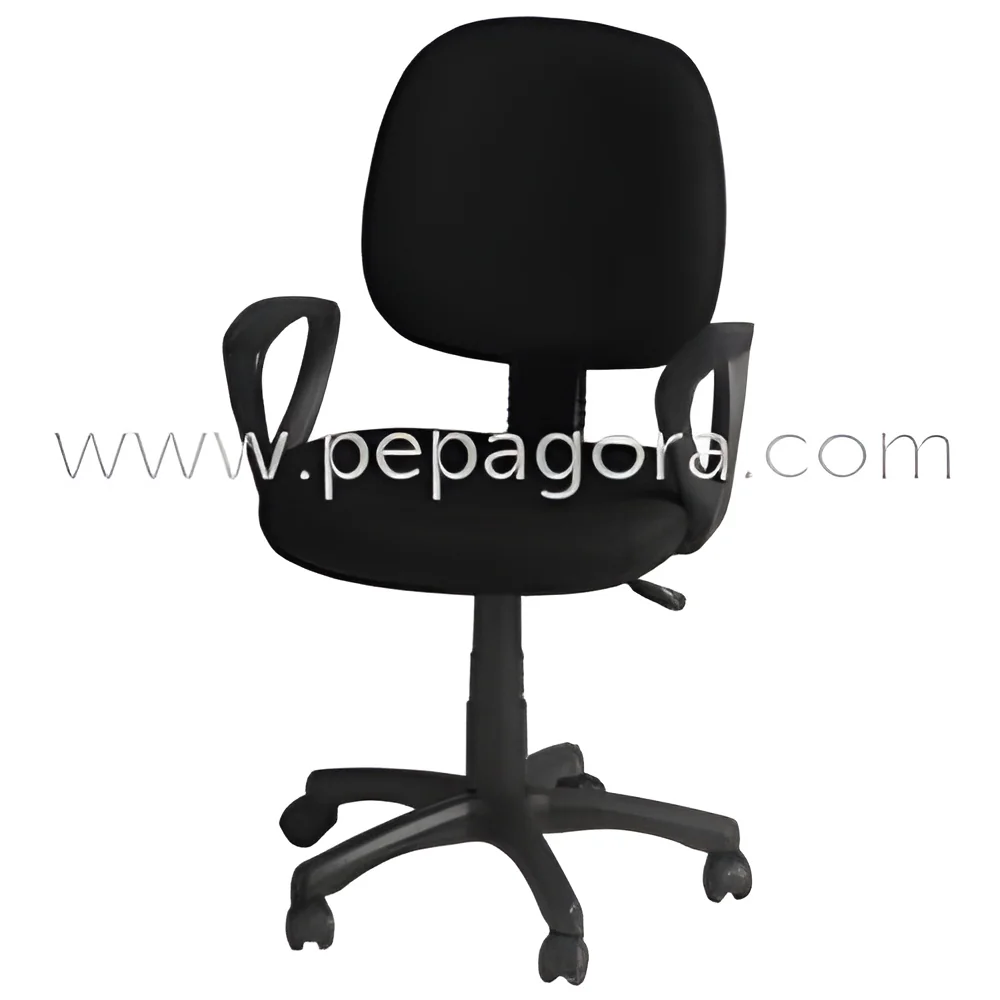
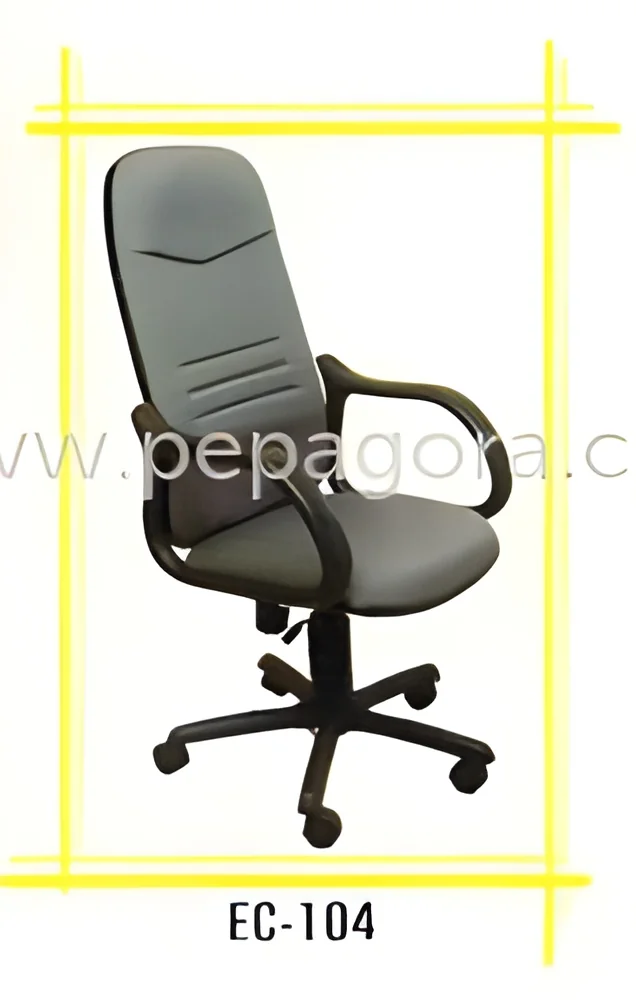
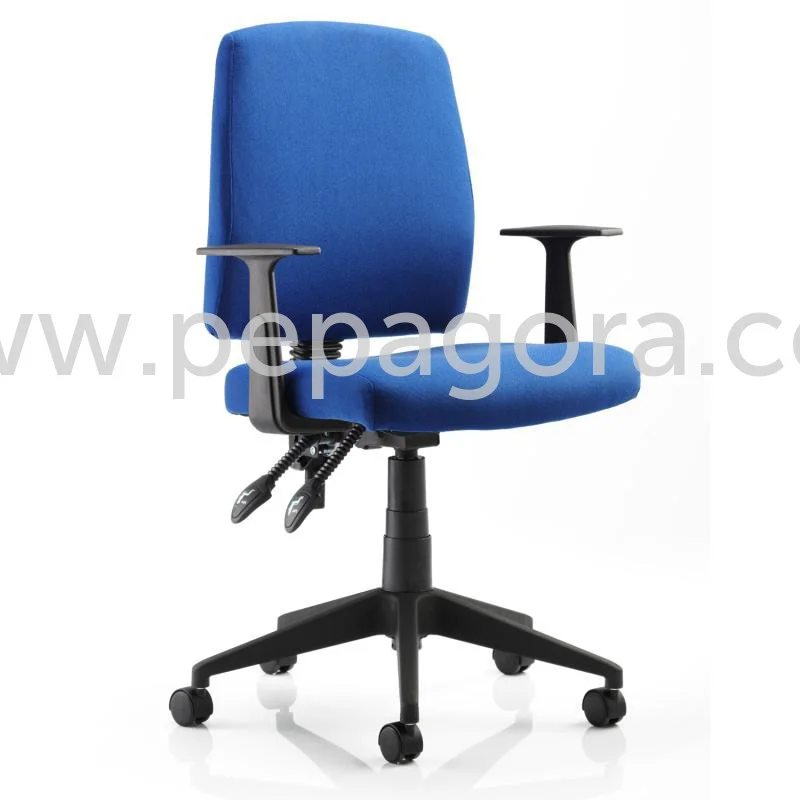
Task Chairs: These are more compact and functional, ideal for quick tasks and meeting spaces. Task chairs are often lightweight and easy to move, making them suitable for dynamic work areas.
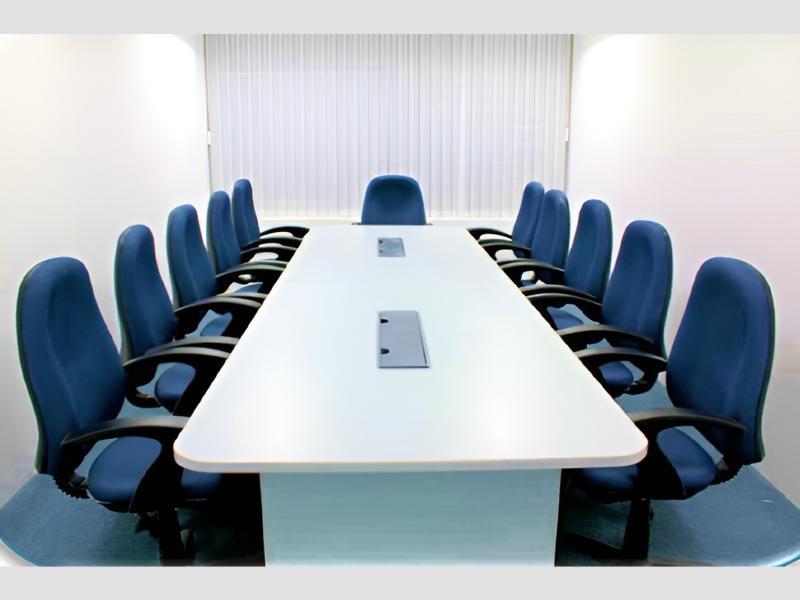
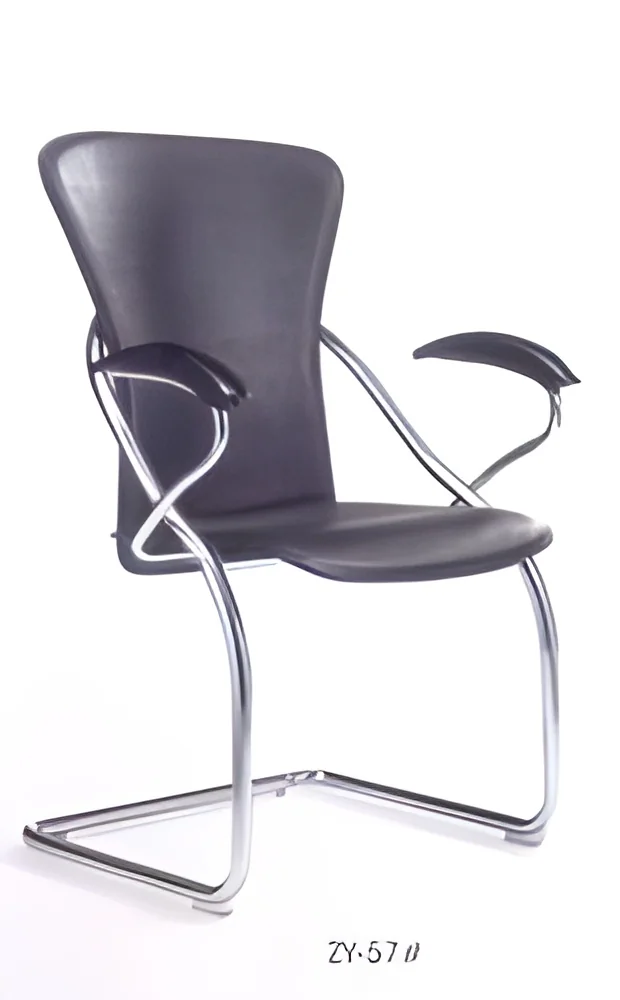
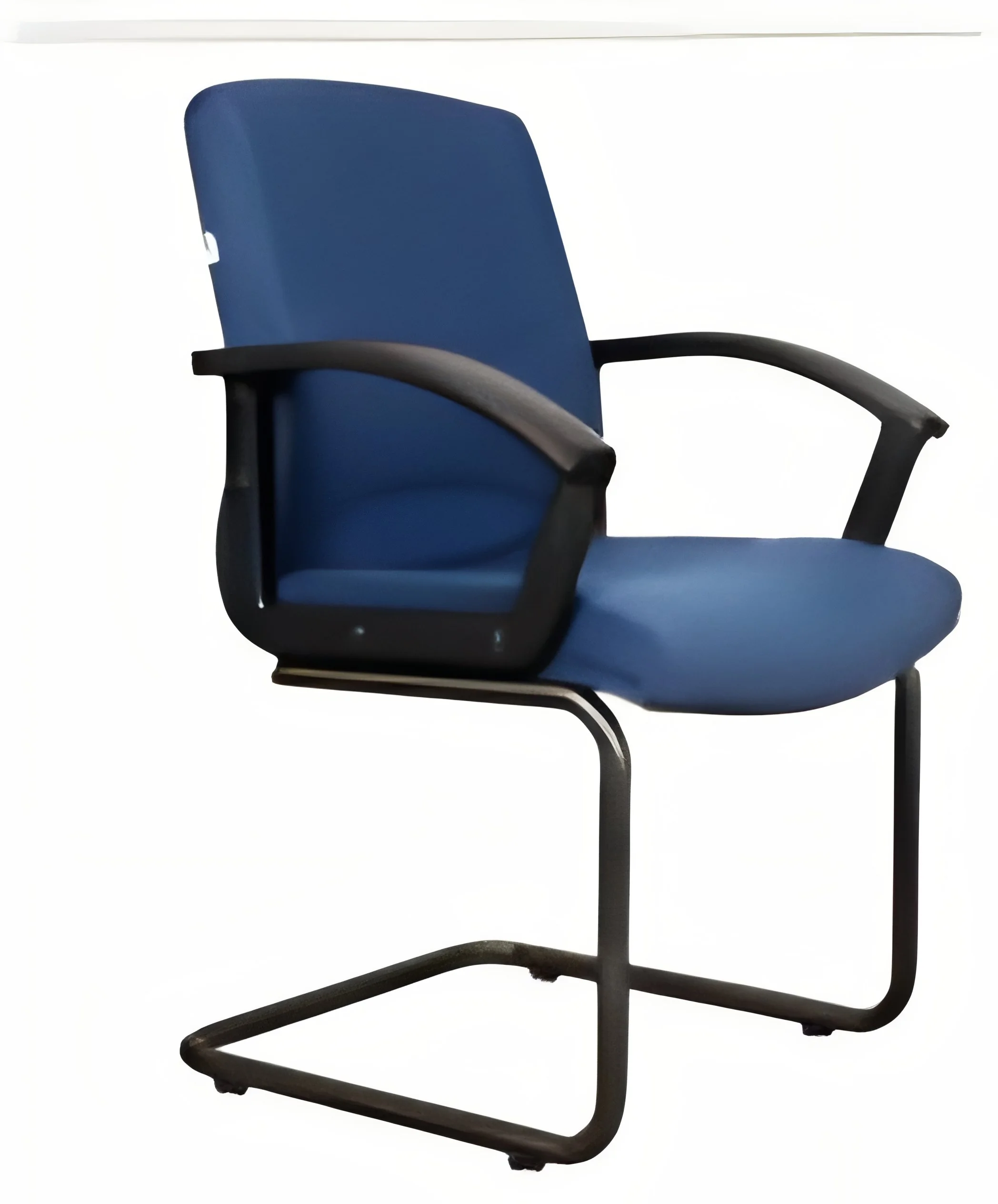
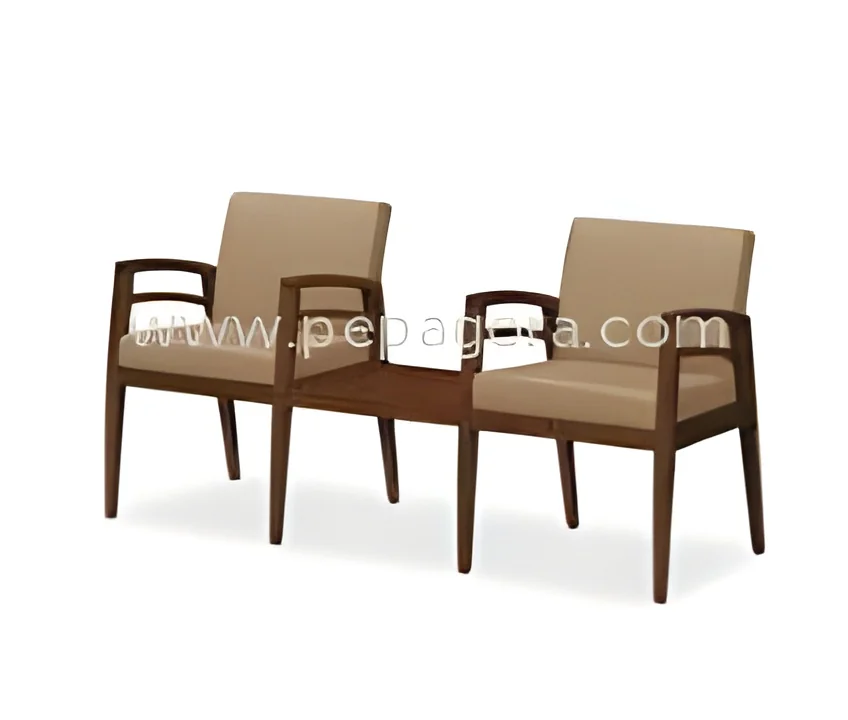
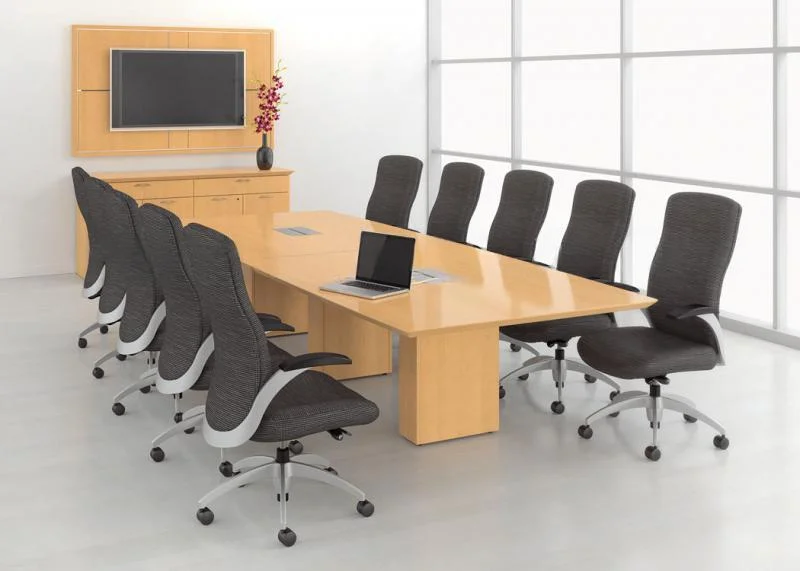
Conference Chairs: Crafted for meeting and conference rooms, these chairs focus on style and comfort for short-duration seating, balancing aesthetics with functionality.
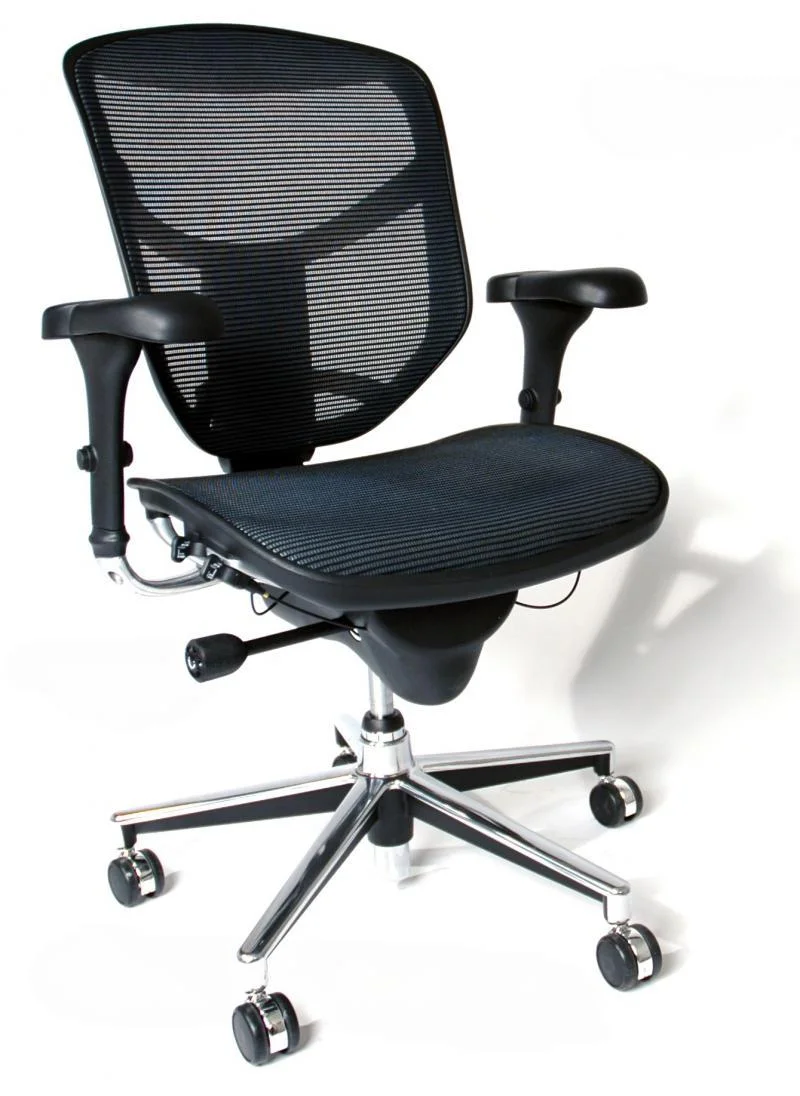
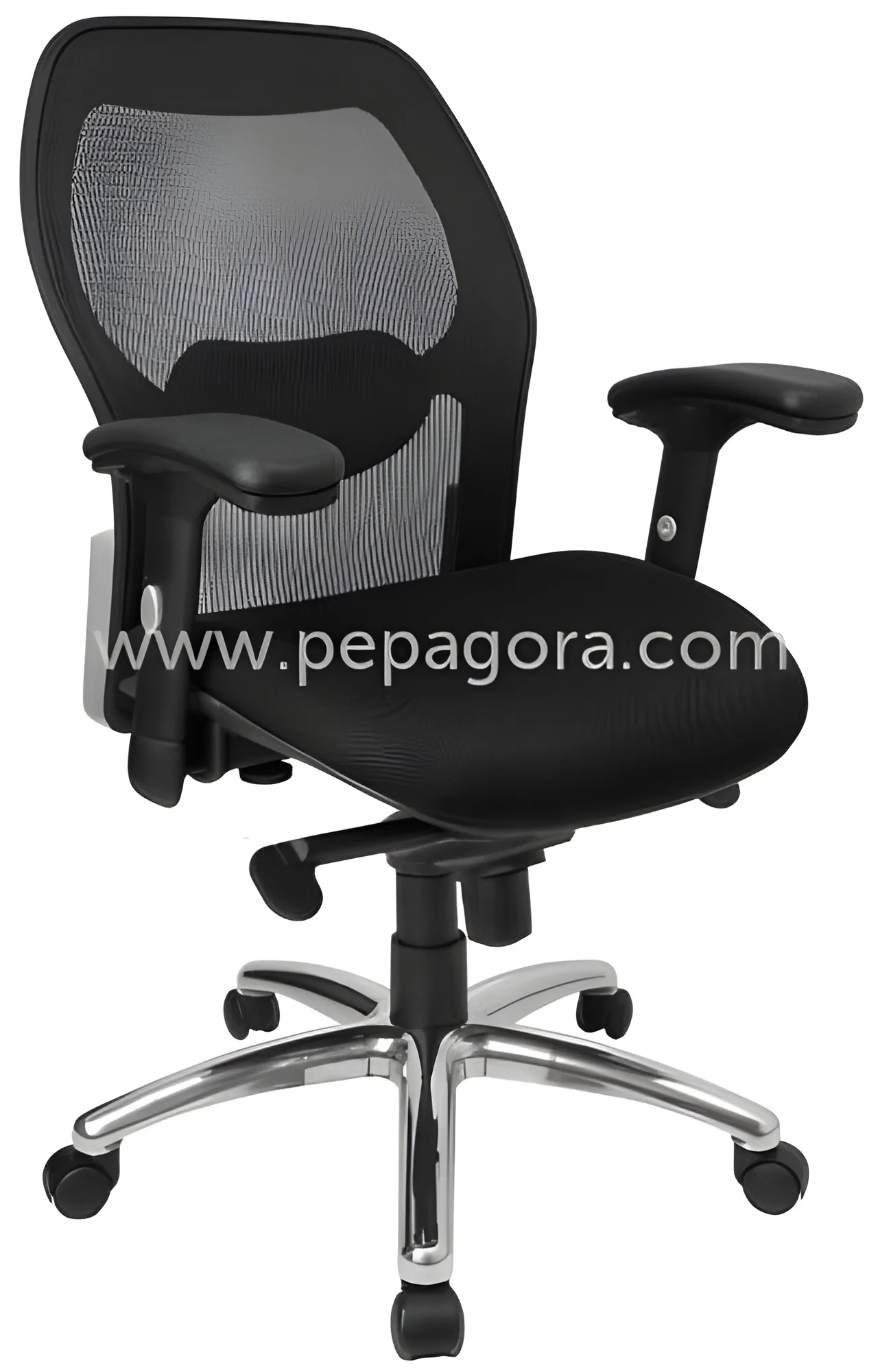
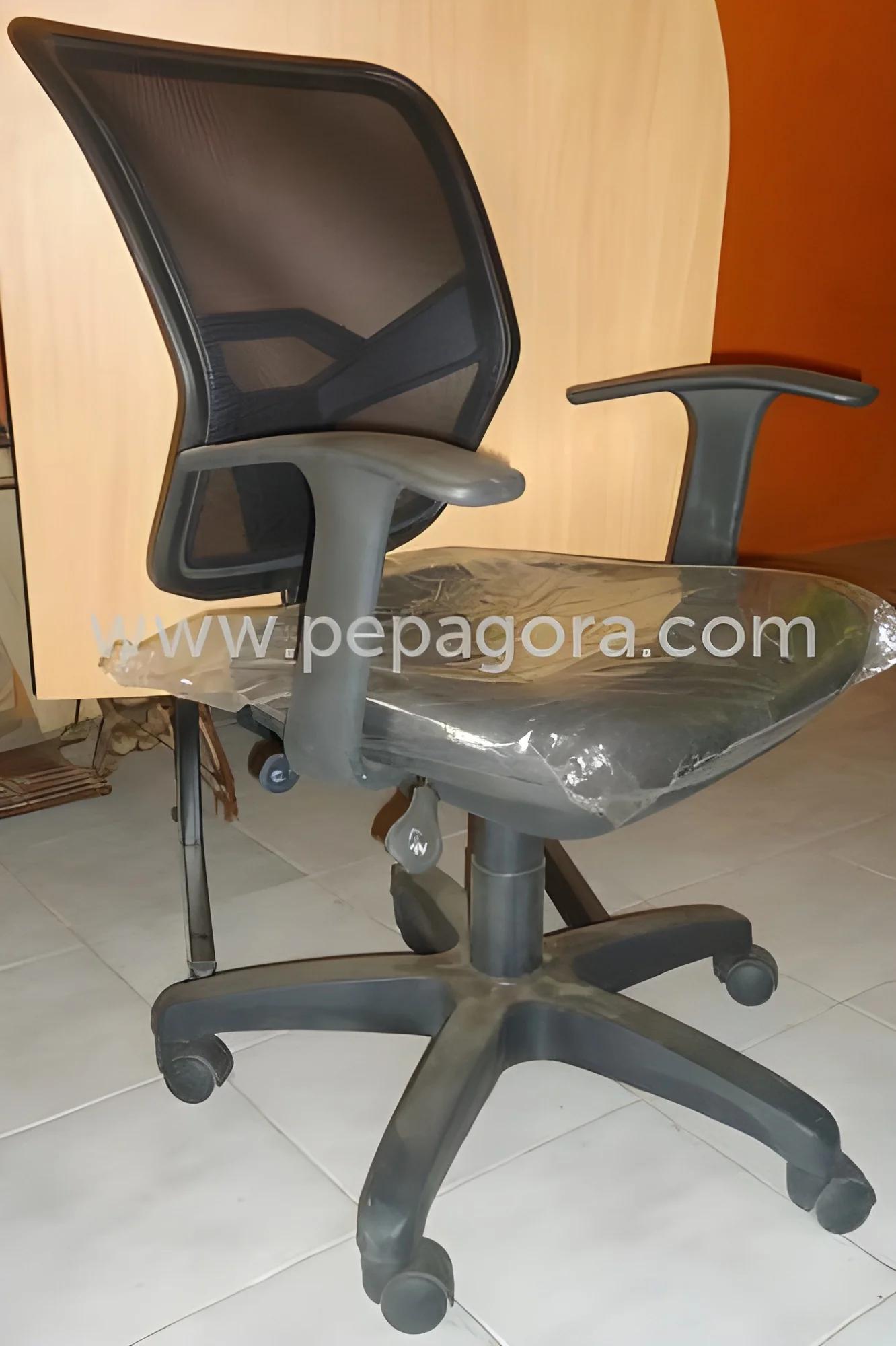
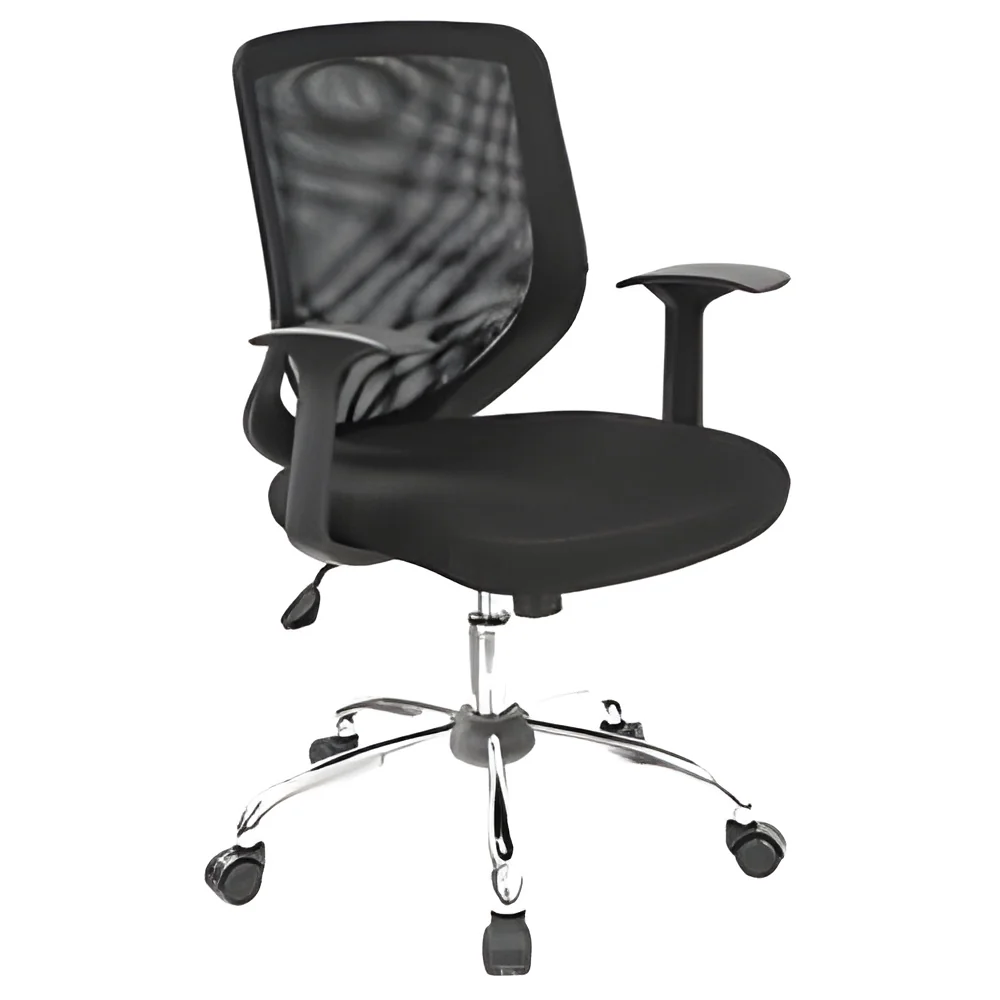
Mesh Chairs: Known for their breathability and modern design, mesh chairs provide a cool seating option, making them popular in warm office environments.
Benefits and Advantages
Investing in quality office chairs offers several advantages for businesses.
1. Enhanced Comfort: Ergonomic designs reduce discomfort, allowing employees to focus on their tasks without distractions.
2. Improved Productivity: Comfortable seating contributes to increased focus and efficiency, helping businesses achieve their goals.
3. Health Benefits: Proper support can reduce the risk of musculoskeletal disorders, promoting employee well-being and reducing sick days.
4. Aesthetic Appeal: Well-designed office chairs enhance office decor, creating a professional environment that reflects the company’s values.
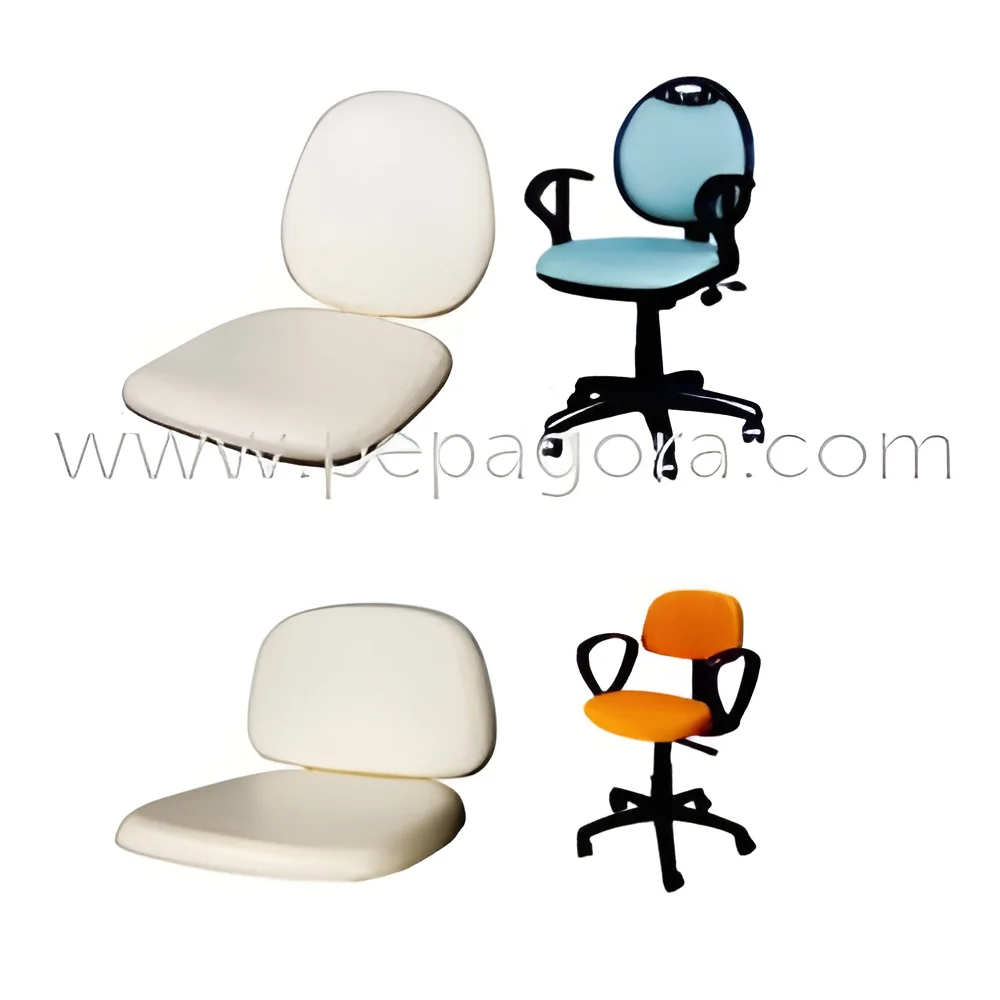
5. Customization Options: Many office chairs come with a range of features that can be tailored to meet specific user needs, ensuring satisfaction.
6. Cost-Effectiveness: Quality office chairs can be a long-term investment, reducing the need for frequent replacements and repairs.
Buying Guide for B2B Buyers
When sourcing office chairs for business use, several factors should be taken into account.
1. Quality Assessment: Look for chairs that meet durability standards and use high-quality materials. Reviews and user feedback can help verify quality.
2. Supplier Verification: Vet potential suppliers by checking their reputation, customer service, and reliability. A trusted supplier ensures consistent product quality.
3. Pricing and MOQ: Understand the pricing structure and minimum order quantities (MOQ) required by suppliers. This will help in budgeting and planning.
4. Delivery and Lead Times: Confirm delivery schedules and lead times to ensure that chairs arrive when needed, particularly for large orders.
5. Compliance Requirements: Ensure that the chairs meet all relevant safety and regulatory standards to avoid legal issues and ensure employee safety.
Compliance and Certifications
Compliance with relevant industry standards is critical for office chairs to ensure safety and quality.
ISO 9001 is a quality management standard that applies to manufacturers, ensuring they meet customer and regulatory requirements effectively. This certification indicates a commitment to continuous improvement and customer satisfaction.
The CE mark signifies that a product meets EU safety, health, and environmental protection standards. Office chairs with this certification ensure compliance with European regulations, enhancing their marketability in Europe.
Safety testing is essential, particularly for chairs that will be used extensively. Manufacturers often conduct tests for durability, stability, and safety to ensure the product can withstand daily use.
Additionally, regional compliance considerations may apply based on local laws and regulations regarding workplace safety and ergonomics. It is essential for buyers to confirm that their purchases adhere to these standards.
Why Source Office Chairs from Pepagora?
Pepagora provides a trusted platform for sourcing office chairs, offering several key advantages for businesses.
Verified Supplier Network: Pepagora ensures that all suppliers are thoroughly vetted, giving buyers confidence in the quality and reliability of the chairs offered.
Streamlined RFQ Process: The request for quotation (RFQ) process on Pepagora is user-friendly, allowing buyers to easily compare options and select the best fit for their needs.
Trade Assurance and Support: Buyers benefit from trade assurance policies that protect their purchases, providing peace of mind throughout the transaction process.
Regional Coverage: With a reach extending across India, the GCC, and Southeast Asia, Pepagora connects buyers with suppliers in multiple regions, making it easier to source office chairs that meet specific requirements.


Frequently Asked Questions
What are Office Chairs?
Office chairs are ergonomic seating solutions designed for use in professional work environments. They typically feature adjustable height, lumbar support, and wheels for mobility, ensuring comfort and productivity during long hours of work.
What are the different types of Office Chairs?
There are several types of office chairs, including task chairs, executive chairs, mesh chairs, and conference chairs. Each type is designed to meet specific needs, such as mobility, comfort, and aesthetic appeal in workplace settings.
How do I choose the right Office Chairs?
Choosing the right office chair involves considering factors such as ergonomic design, adjustability, material, and intended use. It is important to select a chair that provides adequate support and comfort based on the duration of use and user preferences.
What are the standard specifications for Office Chairs?
Standard specifications for office chairs include adjustable seat height, seat depth, backrest height, and armrest height. Additionally, chairs should have a weight capacity, typically ranging from 250 to 400 pounds, depending on the model.
What is the price range for Office Chairs?
The price range for office chairs can vary significantly, typically starting from around INR 2,000 for basic models to over INR 20,000 for high-end ergonomic chairs. Prices are influenced by factors like materials, brand, and design features.
What quality standards apply to Office Chairs?
Quality standards for office chairs often include durability tests, stability assessments, and ergonomic certifications. Many office chairs comply with international standards such as BIFMA, which ensures they meet safety and performance criteria.
Where can I find Office Chairs suppliers in India?
You can find office chair suppliers in India on various B2B marketplaces, including Pepagora.com. These platforms connect buyers with manufacturers and wholesalers, allowing for easy comparison of products and prices.
Can Office Chairs be customized?
Yes, many manufacturers offer customization options for office chairs. Customizations may include specific colors, materials, and features tailored to the needs of businesses or individual users.
What is the typical minimum order quantity for Office Chairs?
The typical minimum order quantity (MOQ) for office chairs can vary by supplier but usually ranges from 10 to 50 units. It is best to check with individual suppliers for their specific MOQ requirements.
What is the typical lead time for Office Chairs?
The typical lead time for office chairs varies based on the supplier and order size, but it generally ranges from 2 to 6 weeks. Custom orders may require additional time for production and delivery.
Why Businesses Trust Pepagora
Thousands of companies trust Pepagora to source smarter and sell faster
Expand Your Sales Globally

Source Smarter,Grow Faster
