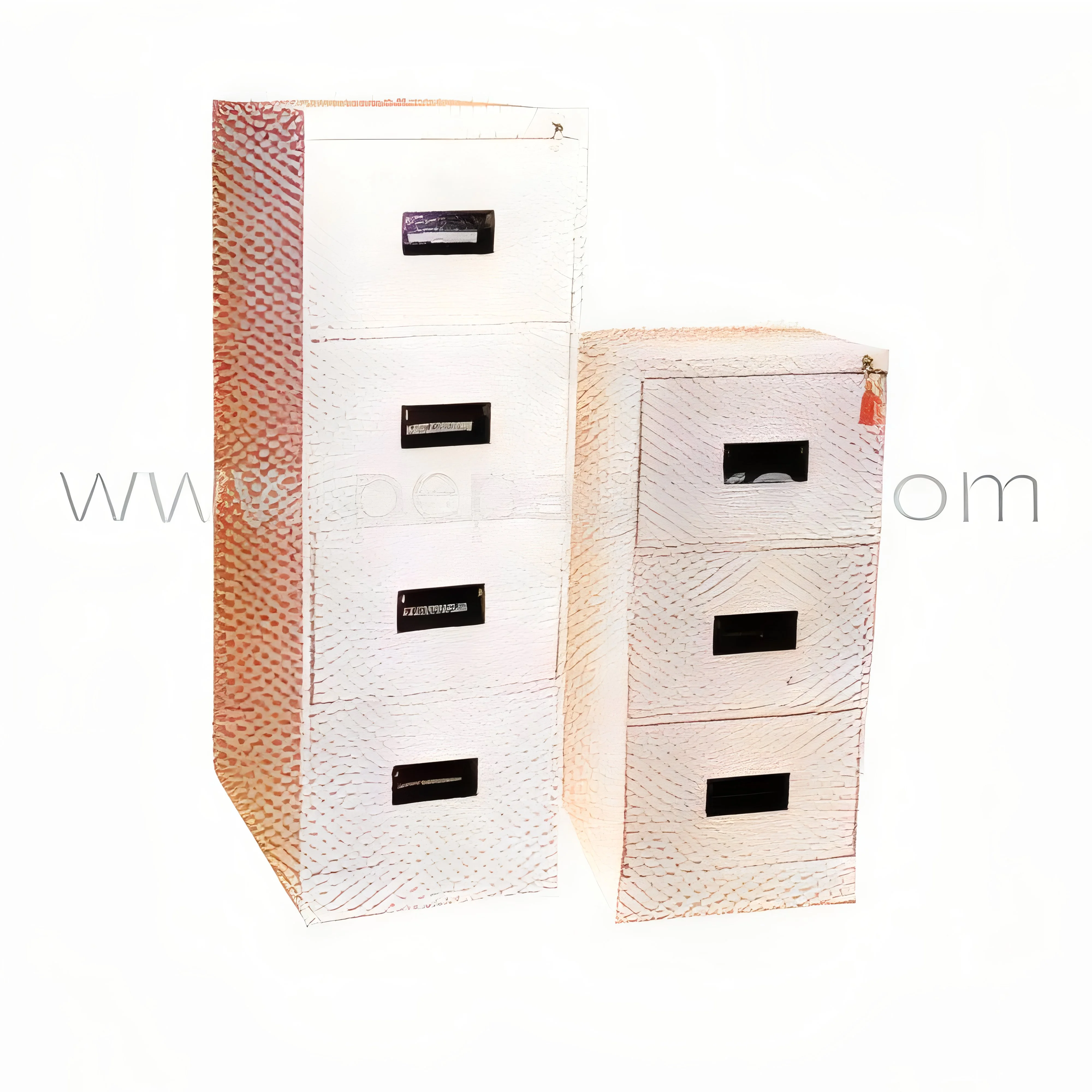
Key Features and Specifications
File cabinets come equipped with a variety of features that enhance their functionality and usability. Understanding these specifications is crucial for businesses looking to invest in the right storage solutions.
Key specifications include:
1. Drawer Configuration
- Vertical cabinets typically have 2 to 5 drawers stacked vertically.
- Lateral cabinets can have 2 to 4 drawers that extend side to side.
2. Material Construction
- Most file cabinets are made from steel, wood, or composite materials.
- Steel cabinets offer durability, while wooden options provide a classic look.
3. Locking Mechanism
- Many cabinets include a central locking system for added security.
- Some models feature individual locks on each drawer.
4. Dimensions
- Vertical cabinets usually range from 15 to 30 inches in width.
- Lateral cabinets often range from 30 to 60 inches in width.
5. Weight Capacity
- Standard file cabinets can hold around 75 to 100 pounds per drawer.
- Heavy-duty options may support more weight for larger files.
6. Finish Options
- Cabinets come in various finishes, including powder-coated, laminate, and wood veneer.
- The finish affects aesthetics and durability.
7. Color Choices
- Available in neutral colors like black, gray, and white, as well as custom colors.
- A variety of colors can match different office decors.
8. Mobility Features
- Some cabinets come with wheels for easy relocation.
- Fixed cabinets typically provide more stability.
In summary, understanding these features and specifications allows businesses to select file cabinets that best fit their operational needs.
Common Applications and Use Cases
File cabinets serve various industries by providing essential document storage solutions.
1. Corporate Offices: File cabinets in corporate environments are used to store employee records, contracts, and confidential information, ensuring easy access and security.
2. Educational Institutions: Schools and universities utilize file cabinets for organizing student records, administrative documents, and teaching materials, promoting an organized academic environment.
3. Healthcare Facilities: Hospitals and clinics employ file cabinets to securely store patient records and sensitive information while ensuring compliance with healthcare regulations.
4. Legal Firms: Law offices depend on file cabinets to manage case files, legal documents, and client information, ensuring everything is systematically organized and accessible.
5. Government Agencies: Public sector organizations use file cabinets for record retention and management of important documents, supporting transparency and accountability.
6. Non-Profit Organizations: Non-profits utilize file cabinets to store grant applications, donor information, and operational records, helping them maintain organizational efficiency.
7. Retail Businesses: Retailers benefit from file cabinets for managing inventory records, employee files, and business correspondence, promoting a streamlined operation.
Product Variants and Subcategories
The diversity of file cabinets allows businesses to choose the best fit for their specific needs.
Vertical File Cabinets
These cabinets are designed for vertical storage, making them ideal for smaller office spaces. They typically feature a compact design and are available in multiple drawer configurations, which can be locked for security.
Lateral File Cabinets
Lateral cabinets offer wider drawers and are suitable for larger documents. They provide easy access from the side, making them advantageous in collaborative workspaces where multiple users may need to access files simultaneously.
Mobile File Cabinets
Mobile file cabinets are equipped with wheels, allowing for easy transportation within an office. They are often used for personal storage in shared workspaces, providing convenient access to important documents.
Benefits and Advantages
Investing in file cabinets offers numerous advantages for businesses.
1. Enhanced Organization: File cabinets help maintain an organized workspace, reducing clutter and improving productivity.
2. Security Features: Many models come with locking mechanisms, providing a secure way to protect sensitive information.
3. Space Efficiency: Vertical and lateral designs maximize storage without occupying excessive floor space, making them ideal for any office layout.
4. Durability: High-quality materials ensure that file cabinets withstand daily use, providing long-lasting storage solutions.
5. Easy Accessibility: Well-designed cabinets allow for quick retrieval of documents, saving time during everyday operations.
6. Customization Options: Businesses can select from various styles, colors, and finishes to match their office decor and branding.
Buying Guide for B2B Buyers
When sourcing file cabinets (vertical and lateral), it is essential for buyers to consider several factors.
1. Quality Assessment: Evaluate the materials and construction quality to ensure durability and functionality. Look for cabinets that meet industry standards for strength and reliability.
2. Supplier Verification: Vet suppliers to ensure they have a reputation for delivering high-quality products. Check references, reviews, and certifications to confirm reliability.
3. Pricing and MOQ: Understand the pricing structure and minimum order quantities (MOQ) to align with budget and purchasing needs. Compare multiple suppliers to find competitive pricing.
4. Delivery and Lead Times: Discuss logistics with suppliers to understand delivery timelines. Timely delivery is crucial for planning and ensuring that storage needs are met promptly.
5. Compliance Requirements: Be aware of any regulatory requirements that may apply to file cabinets, such as safety certifications. Ensure that the products meet relevant compliance standards.
Compliance and Certifications
File cabinets are subject to various compliance and certification standards that ensure their quality and safety.
ISO 9001 is a quality management standard that applies to manufacturers, ensuring consistent product quality and customer satisfaction.
CE certification indicates that the product meets European safety standards, providing assurance of safety and performance.
Safety and testing requirements are critical, especially for cabinets used in sensitive environments like healthcare and legal sectors. Manufacturers should conduct rigorous testing to ensure that their products meet safety regulations.
Regional compliance considerations may vary, so it is essential for buyers to be aware of local regulations regarding storage solutions. Ensuring compliance helps businesses avoid legal issues and maintain operational standards.
Why Source File Cabinets (Vertical & Lateral) from Pepagora?
Pepagora offers a trusted platform for sourcing file cabinets (vertical and lateral) with several key advantages.
Verified Supplier Network: Pepagora ensures that all suppliers in its network are thoroughly vetted for reliability and product quality. This gives buyers peace of mind in their purchasing decisions.
Streamlined RFQ Process: The request for quotation (RFQ) process is designed to be user-friendly, allowing buyers to easily connect with multiple suppliers and receive competitive pricing.
Trade Assurance and Support: Buyers benefit from trade assurance programs that protect their purchases and provide support throughout the buying process. This enhances buyer confidence in their transactions.
Regional Coverage: Pepagora's extensive network reaches across India, the GCC, and Southeast Asia, making it easier for businesses to find suppliers that can meet their local needs and logistical requirements.

 IN
IN