
 IN
Collaborative Seating Pods
1 products available
What are Collaborative Seating Pods?
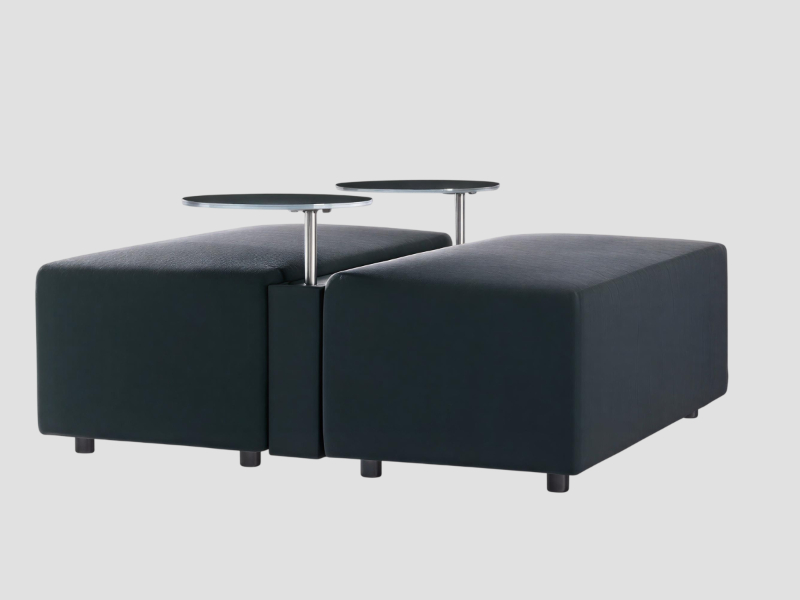
Collaborative seating pods are innovative furniture solutions designed to facilitate teamwork and communication in office environments. These enclosed or semi-enclosed spaces provide a conducive atmosphere for group discussions, brainstorming sessions, and collaborative work. With a focus on comfort and functionality, collaborative seating pods are equipped to accommodate multiple users while promoting a sense of privacy and concentration.
The primary uses of collaborative seating pods include enhancing productivity in open office layouts and providing a versatile space for meetings, informal gatherings, or quiet work. Businesses leverage these pods to create dynamic environments that encourage interaction and creativity among team members. They are particularly beneficial in industries where collaboration is essential, such as technology, design, and education.
In the current market context, the demand for collaborative seating pods is on the rise as organizations shift towards more flexible workspaces. Companies are increasingly recognizing the importance of creating environments that foster collaboration and innovation. This trend aligns with the broader movement towards agile workspaces that prioritize employee well-being and engagement.
Key Features and Specifications
Collaborative seating pods come with a range of features that cater to modern workplace needs. These features not only enhance user experience but also align with the dynamics of collaborative work.
Key specifications include:
1. Acoustic Panels
- Designed to reduce noise levels within the pod.
- Available in various thicknesses and materials to suit different environments.
2. Modular Design
- Allows for customization and reconfiguration according to space requirements.
- Flexible layouts accommodate various team sizes.
3. Integrated Technology
- Options for built-in power outlets and USB ports for device charging.
- Connectivity features for audio-visual presentations.
4. Ergonomic Seating
- Comfortable seating options designed for extended use.
- Adjustable features to cater to different user preferences.
5. Privacy Screens
- Optional screens for enhanced privacy during discussions.
- Variety of styles and materials available for aesthetic integration.
6. Easy Maintenance
- Fabric and materials that are easy to clean and maintain.
- Durable construction for long-lasting use.
7. Eco-Friendly Materials
- Many pods are made from sustainable materials.
- Compliance with environmental standards.
8. Customizable Finishes
- A range of colors and finishes to suit corporate branding.
- Options for personalized designs to reflect company culture.
In summary, collaborative seating pods feature a variety of innovative specifications that make them suitable for modern work environments, enhancing both functionality and aesthetic appeal.
Common Applications and Use Cases
Collaborative seating pods are versatile and can be utilized across a variety of industries.
1. Technology Industry: In tech companies, seating pods facilitate brainstorming sessions and collaborative projects, providing a space for teams to innovate and develop solutions.
2. Education Sector: Educational institutions use collaborative seating pods for group projects and interactive learning, allowing students to engage with each other in a comfortable setting.
3. Healthcare: In hospitals and clinics, these pods offer a private space for team discussions and patient consultations, ensuring confidentiality and focus.
4. Design Firms: Creative professionals utilize seating pods for collaborative design sessions, promoting the exchange of ideas and fostering creativity.
5. Corporate Offices: Many corporations adopt seating pods to create informal meeting spaces, enhancing communication among teams and improving overall productivity.
6. Co-Working Spaces: Collaborative seating pods are a staple in co-working environments, providing flexible spaces for freelancers and startups to connect and collaborate.
7. Retail Environments: Retailers use these pods for staff training and team meetings, enhancing employee engagement and collaboration.
Product Variants and Subcategories
Collaborative seating pods come in various designs to meet different business needs.
Acoustic Pods
These pods are designed with sound-absorbing materials to minimize noise distractions, making them ideal for open office settings. They provide a quiet space for focused work or private discussions.
Multi-User Pods
These larger pods accommodate multiple users, promoting teamwork and collaboration. They often feature flexible seating arrangements and integrated technology for enhanced interaction.
Single-User Pods
Ideal for individual work, these pods offer a private area for focused tasks. They are compact and fit well in smaller office spaces while providing necessary privacy.
Benefits and Advantages
Collaborative seating pods offer numerous advantages for businesses aiming to enhance their work environments.
Key benefits include:
1. Improved Collaboration: These pods foster an environment conducive to teamwork, allowing employees to engage in discussions without distractions.
2. Enhanced Privacy: The enclosed design provides a sense of privacy, which is essential for sensitive conversations or focused work.
3. Increased Productivity: By creating comfortable and functional spaces, collaborative seating pods can significantly boost employee productivity.
4. Flexibility: Their modular designs allow businesses to adapt the layout as needed, accommodating different team sizes and functions.
5. Aesthetic Appeal: Available in various finishes, these pods can enhance the overall design of an office, adding a modern touch.
6. Employee Well-Being: Providing comfortable spaces for collaboration can improve employee satisfaction and morale.
Buying Guide for B2B Buyers
When sourcing collaborative seating pods, it is essential to consider several critical factors.
1. Quality Assessment: Evaluate the materials and construction quality of the seating pods to ensure durability and comfort. Look for products that meet industry standards.
2. Supplier Verification: Vet suppliers thoroughly to confirm their reliability, reputation, and ability to deliver quality products. Consider checking reviews, testimonials, and certifications.
3. Pricing and MOQ: Understand the pricing models and minimum order quantities (MOQ) offered by suppliers. This will help in budgeting and planning your procurement strategy.
4. Delivery and Lead Times: Inquire about logistics, including delivery schedules and lead times. Timely delivery is crucial for keeping projects on track.
5. Compliance Requirements: Ensure that the seating pods meet necessary regulatory and safety standards for your industry. This includes checking for certifications such as CE.
Compliance and Certifications
Collaborative seating pods should adhere to relevant quality standards to ensure safety and performance. Compliance with ISO 9001 is essential, as it guarantees a consistent quality management system.
In addition to ISO standards, industry certifications such as CE signify that the product meets European safety and environmental requirements. This is particularly important for businesses operating in or exporting to European markets.
Safety testing is also crucial. Products should undergo rigorous testing to verify their durability and performance under various conditions. This includes evaluating materials for fire resistance and structural integrity.
Regional compliance considerations may vary based on geographical location. Businesses need to stay informed about local regulations and ensure that their seating pods meet these requirements.
Why Source Collaborative Seating Pods from Pepagora?
Pepagora provides a trusted platform for sourcing collaborative seating pods, offering several key advantages to B2B buyers.
Verified Supplier Network: Pepagora has a robust network of verified suppliers, ensuring that buyers can access quality products from reputable manufacturers. This network minimizes the risk of purchasing subpar items.
Streamlined RFQ Process: The request for quotation process is designed to be efficient and user-friendly. Buyers can easily submit their requirements and receive competitive quotes, simplifying the procurement process.
Trade Assurance and Support: Pepagora offers trade assurance to protect buyers, ensuring that they receive the products as described. This support fosters confidence in the purchasing process.
Regional Coverage: With a strong presence in India, the GCC, and Southeast Asia, Pepagora facilitates sourcing for businesses across diverse markets. This geographic reach allows buyers to connect with suppliers that meet their specific needs.

Frequently Asked Questions
What are Collaborative Seating Pods?
Collaborative Seating Pods are innovative furniture solutions designed to facilitate teamwork and communication among individuals in a shared workspace. They typically consist of enclosed or semi-enclosed seating areas that provide privacy while encouraging collaboration and interaction.
What are the different types of Collaborative Seating Pods?
There are several types of Collaborative Seating Pods, including acoustic pods for sound insulation, open-style pods that promote visibility and interaction, and modular pods that can be reconfigured based on the office layout. Each type is designed to cater to different collaborative needs in a workspace.
How do I choose the right Collaborative Seating Pods?
When selecting Collaborative Seating Pods, consider factors such as the available space, the number of users, acoustic requirements, and the intended use (e.g., meetings, brainstorming). Additionally, assess the design and comfort features to ensure they align with your team's preferences.
What are the standard specifications for Collaborative Seating Pods?
Standard specifications for Collaborative Seating Pods may vary by manufacturer but typically include dimensions, materials used (such as fabric or wood), weight capacity, and acoustic ratings. It's important to review these specifications to ensure they meet your workspace requirements.
What is the price range for Collaborative Seating Pods?
The price range for Collaborative Seating Pods can vary widely based on design, materials, and features. Generally, you can expect prices to start from around INR 20,000 and can go up to INR 1,00,000 or more for high-end models.
What quality standards apply to Collaborative Seating Pods?
Collaborative Seating Pods should adhere to quality standards for durability, safety, and comfort. Common standards include compliance with furniture safety regulations and the use of non-toxic materials to ensure a healthy workspace environment.
Where can I find Collaborative Seating Pods suppliers in India?
You can find Collaborative Seating Pods suppliers in India through online B2B marketplaces like Pepagora.com, industry trade shows, and furniture exhibitions. Additionally, conducting a web search for local manufacturers and suppliers can yield useful results.
Can Collaborative Seating Pods be customized?
Yes, many manufacturers offer customization options for Collaborative Seating Pods, allowing you to select colors, materials, and specific features to meet your needs. It's advisable to discuss customization options directly with suppliers to understand available choices.
What is the typical minimum order quantity for Collaborative Seating Pods?
The typical minimum order quantity (MOQ) for Collaborative Seating Pods can range from 1 to 10 units depending on the manufacturer. It's best to confirm the MOQ with your chosen supplier before placing an order.
What is the typical lead time for Collaborative Seating Pods?
The typical lead time for Collaborative Seating Pods can vary based on the supplier and the specifics of the order. Generally, you can expect a lead time of 4 to 8 weeks for standard orders, while customized orders may take longer.
Why Businesses Trust Pepagora
Thousands of companies trust Pepagora to source smarter and sell faster
Expand Your Sales Globally

Source Smarter,Grow Faster
