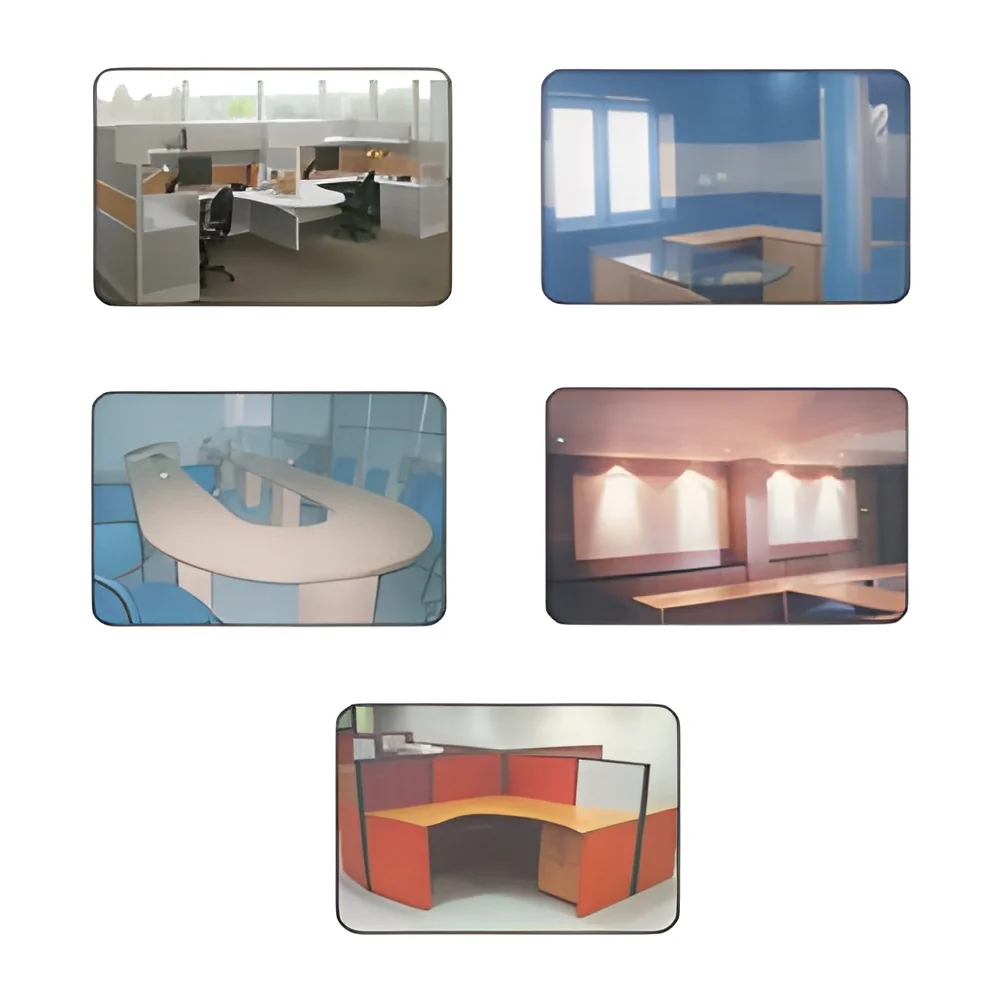
What are Conference Tables?
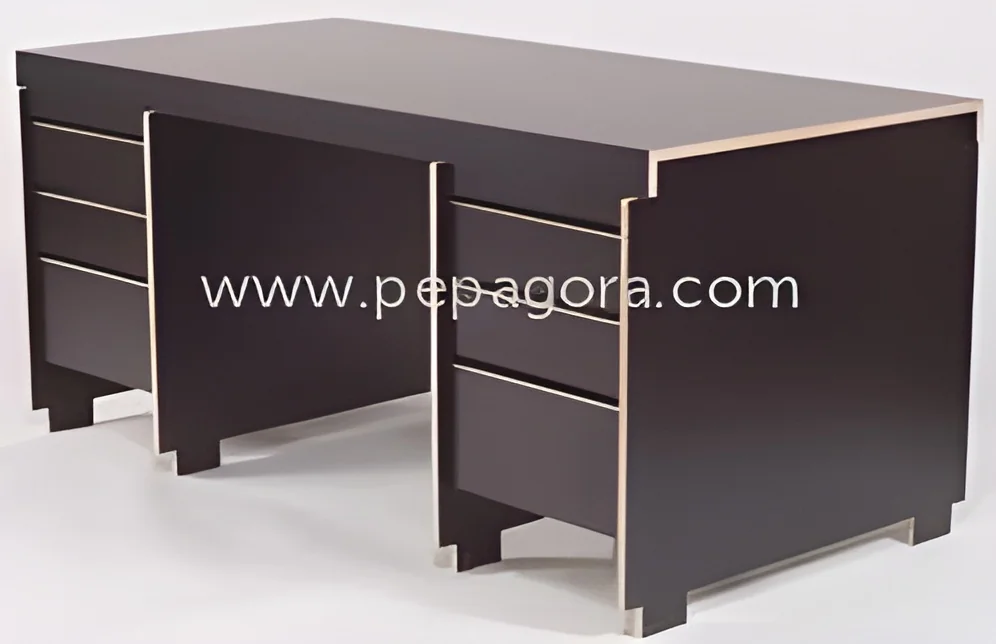
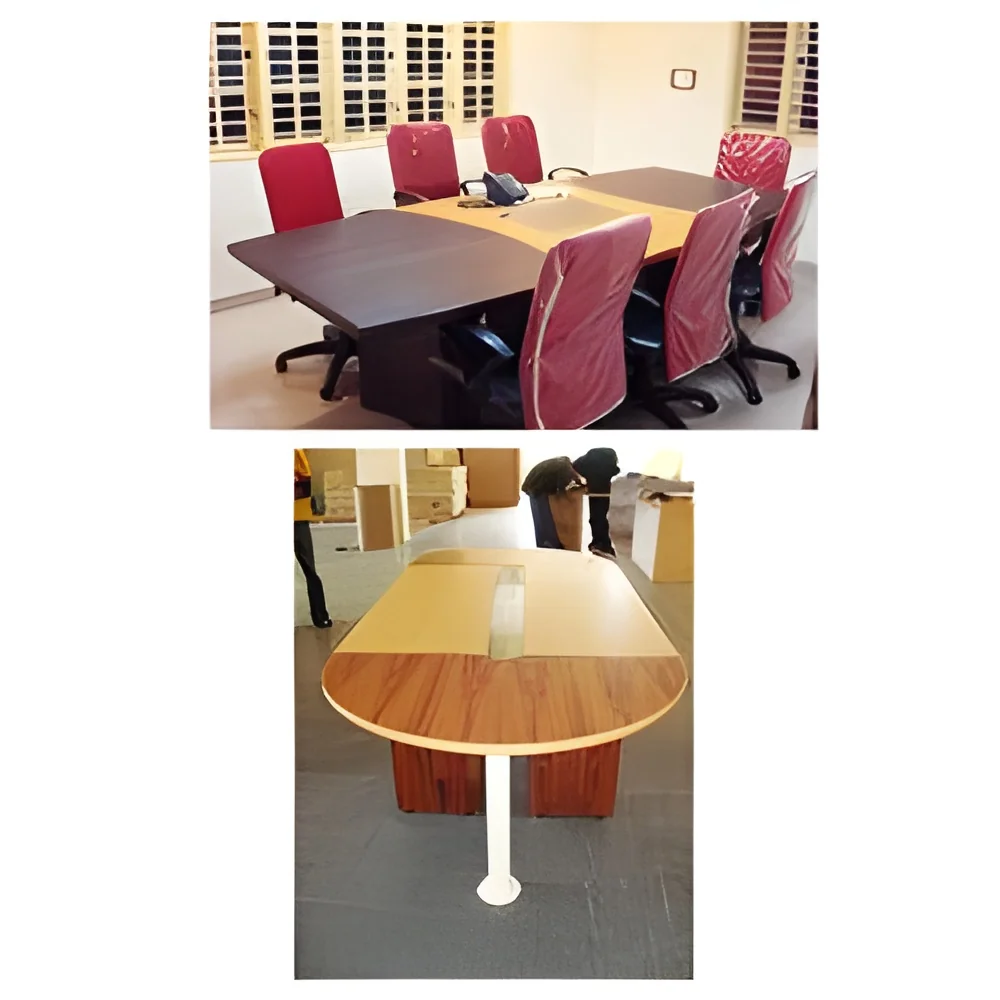
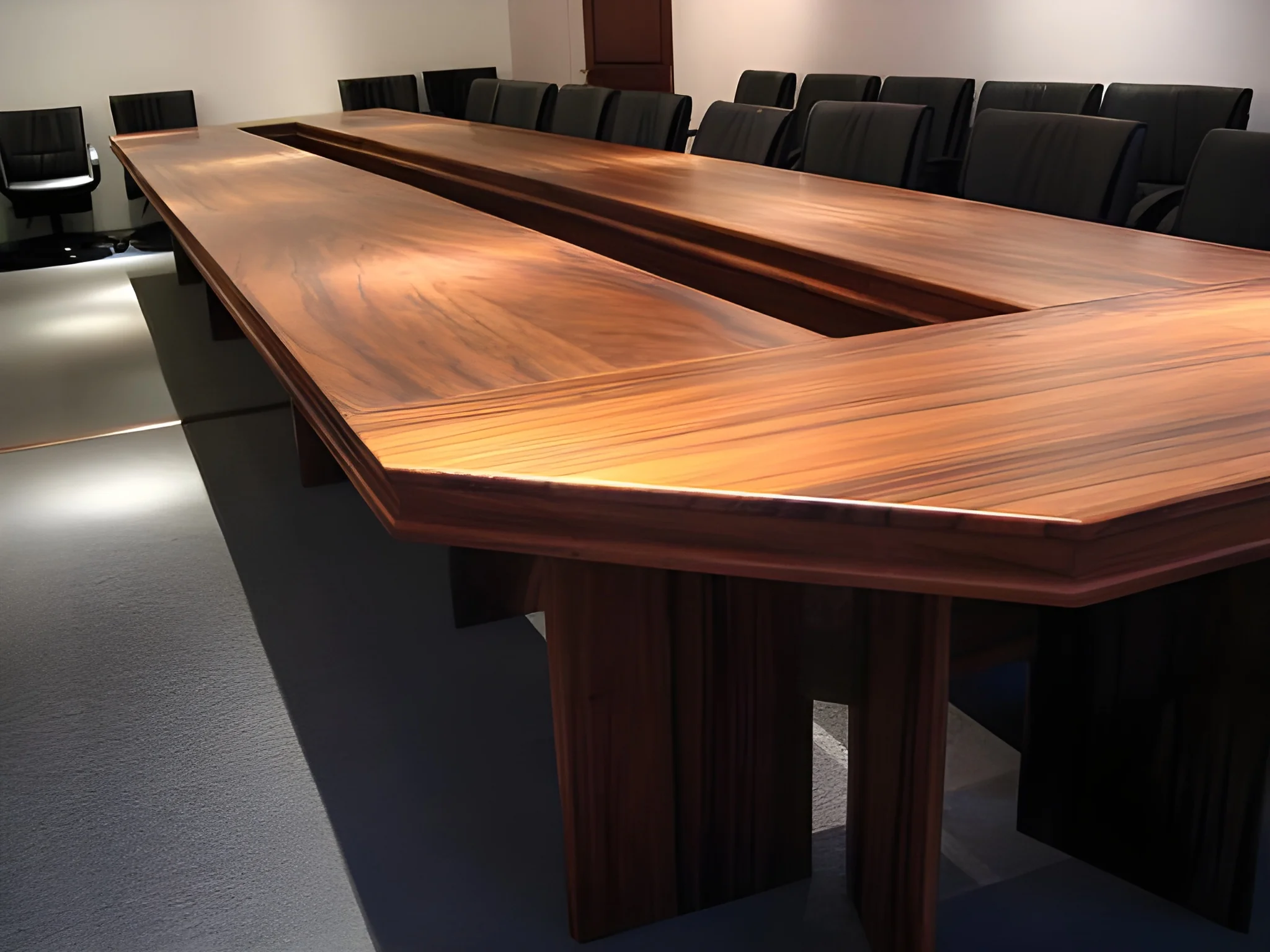
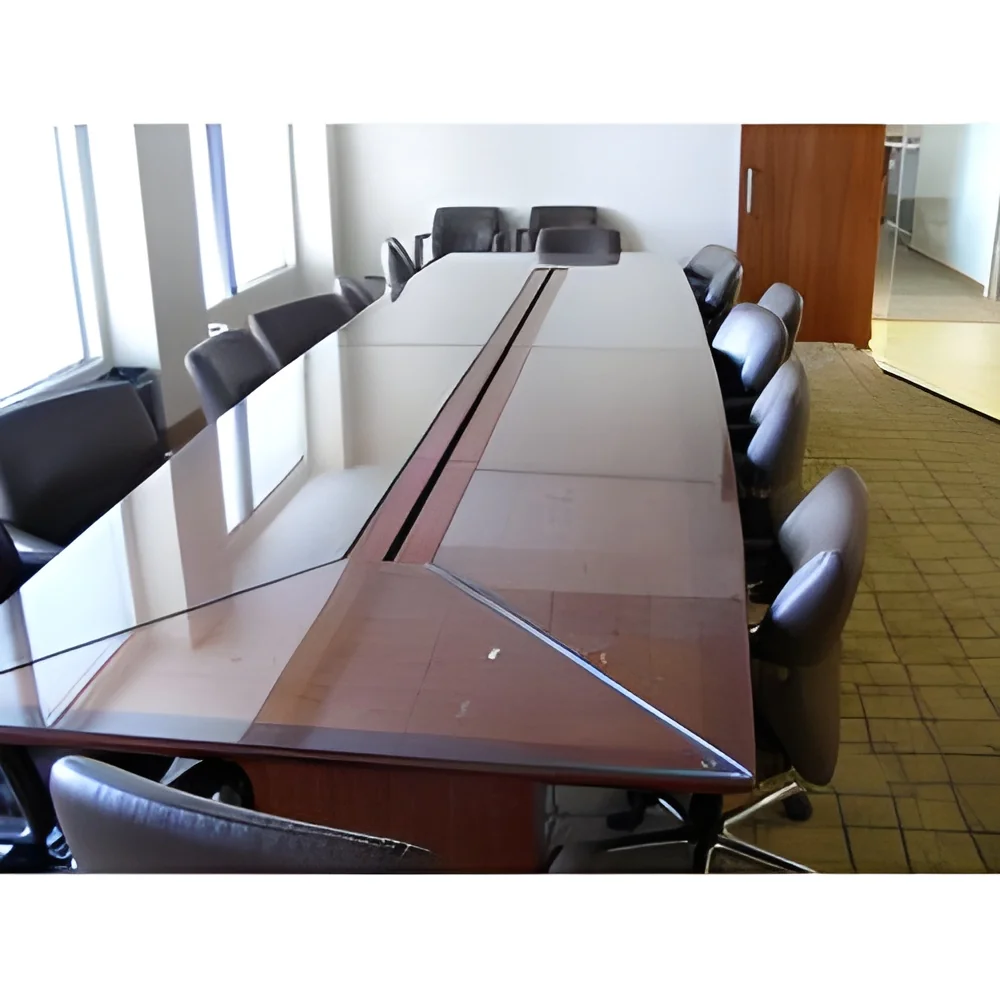
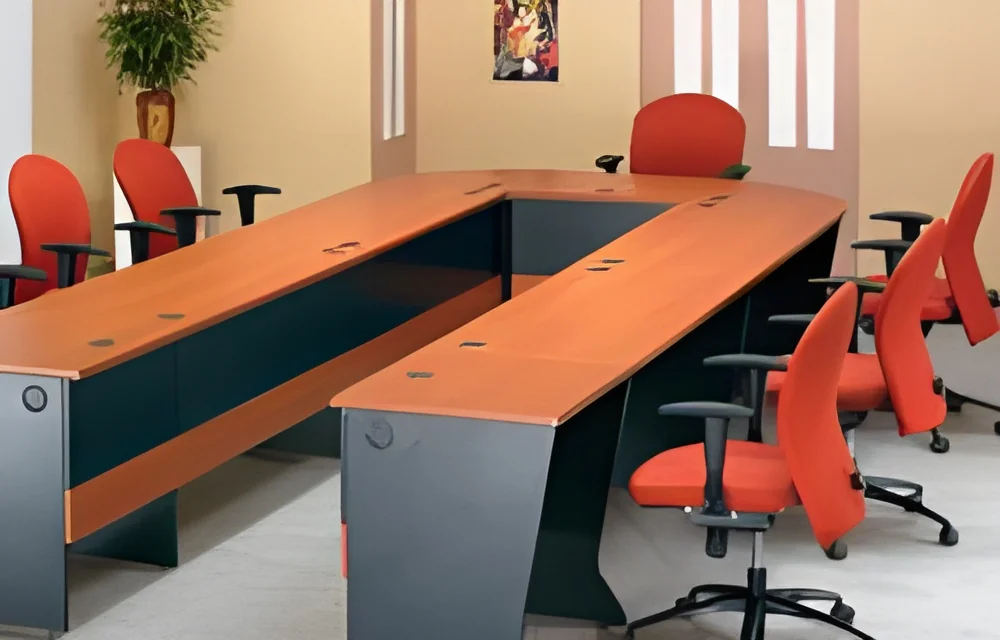
Conference tables are large, flat surfaces designed to facilitate meetings and discussions in a professional setting. These tables are typically used in conference rooms and boardrooms, serving as a central point for collaboration among team members, stakeholders, and clients. They come in various shapes, sizes, and materials to accommodate different business needs and aesthetics.
The primary uses of conference tables include hosting formal meetings, brainstorming sessions, and presentations. They are essential for organizations of all sizes, ensuring that participants can communicate effectively. The design and layout of a conference table can influence the dynamics of discussions and decision-making processes, making them a significant investment for businesses.
In the current market context, conference tables are a staple in office environments, reflecting a company's branding and professionalism. The demand for stylish and functional conference tables is driven by the need for collaborative workspaces that promote productivity and innovation. As businesses continue to adapt to modern work practices, the relevance of conference tables remains strong.
Key Features and Specifications
Conference tables come with a variety of features and specifications that cater to diverse business needs. When selecting a conference table, understanding these specifications is crucial to ensure it meets the requirements of the workspace.
Key specifications include:
1. Size and Shape
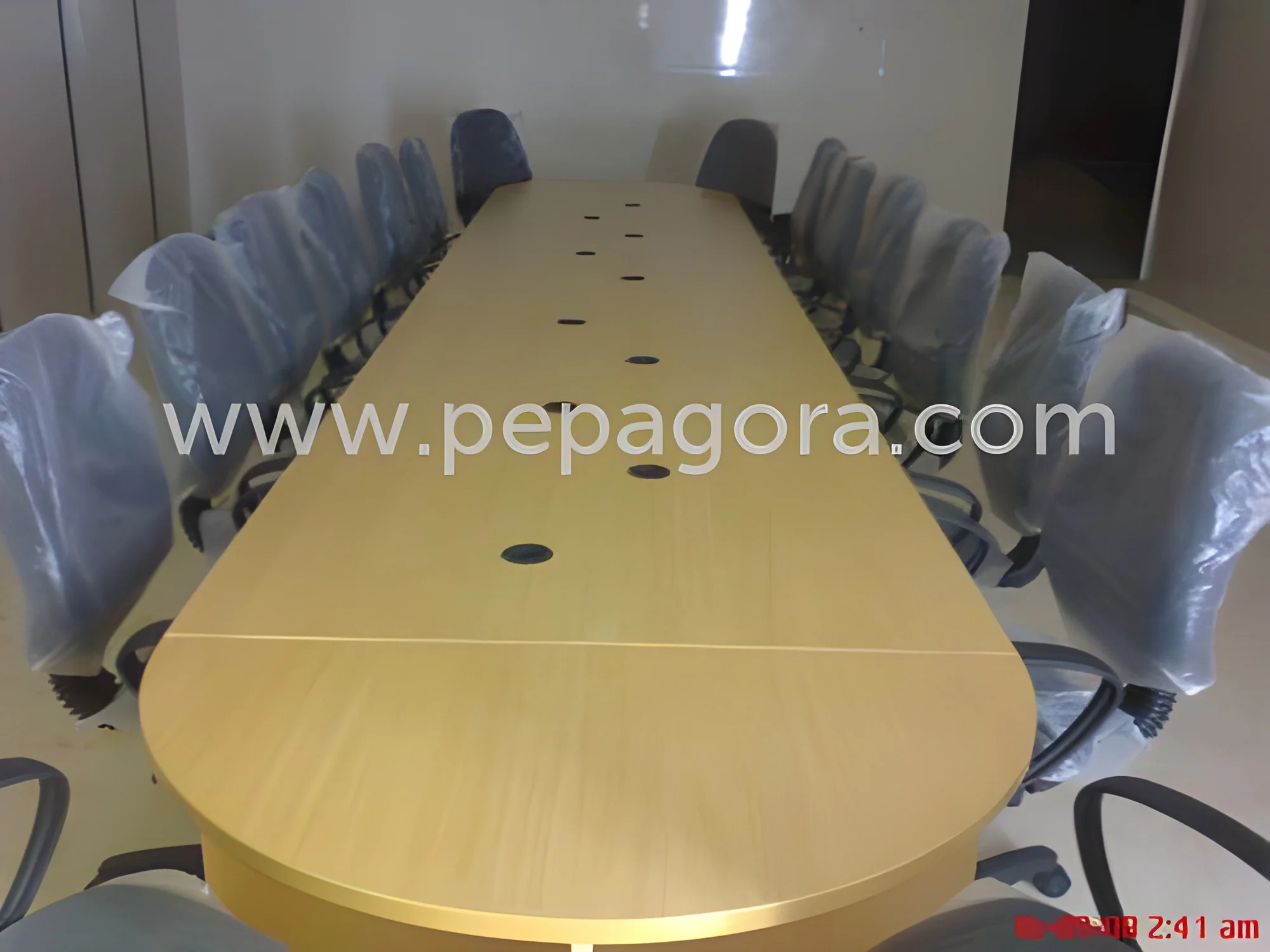
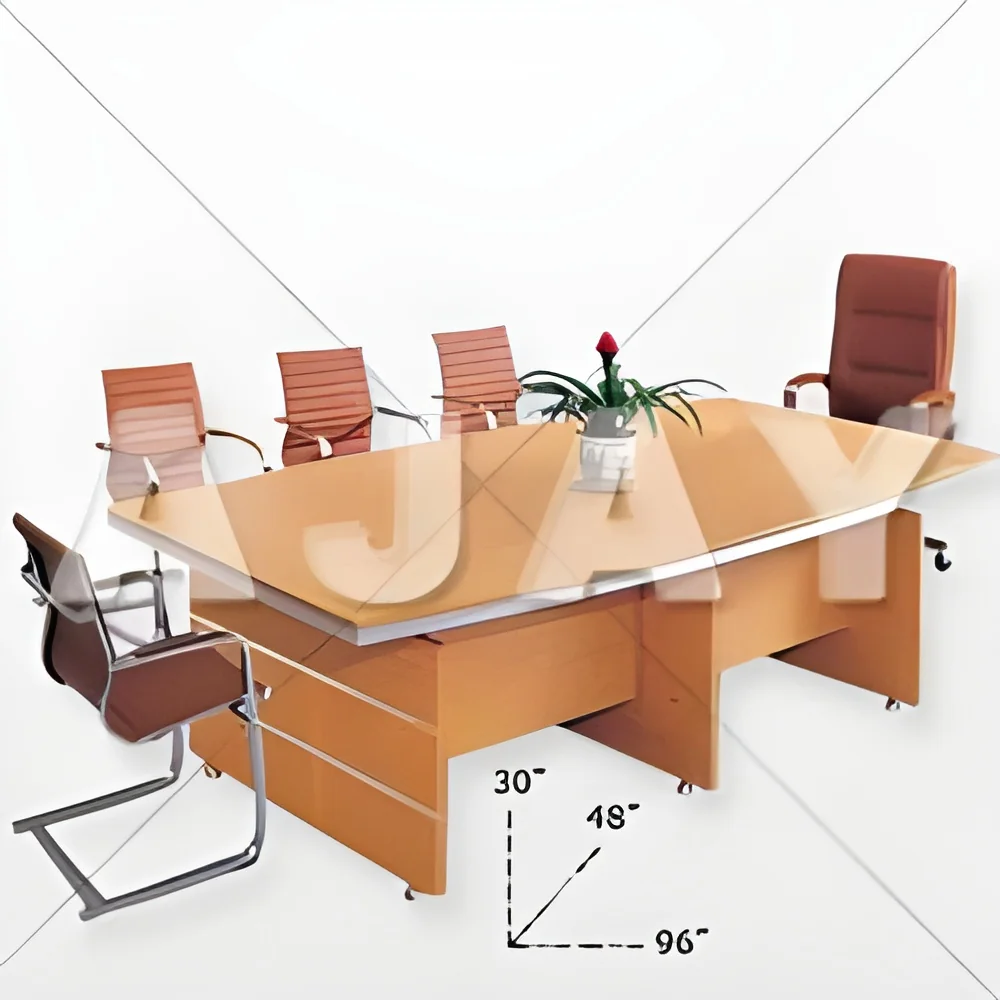
- Conference tables vary in size from small, accommodating four to six people, to large tables that can seat ten or more.
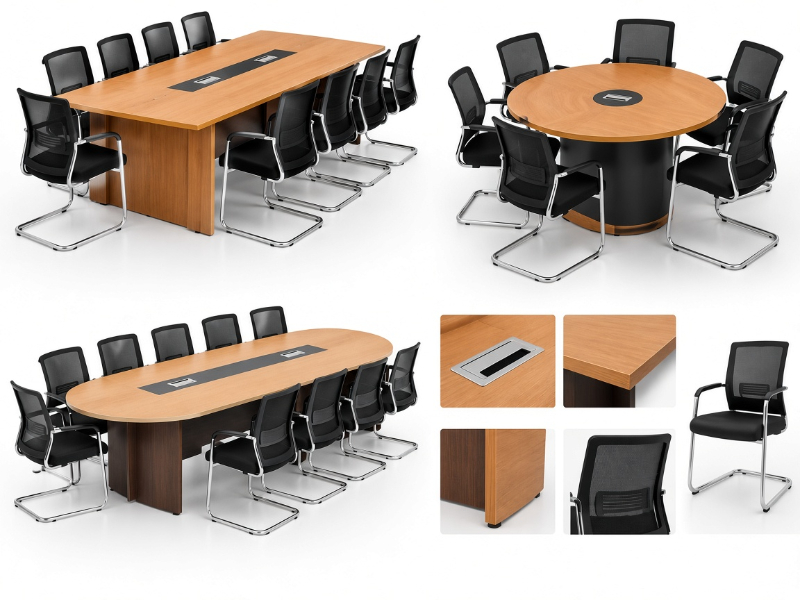
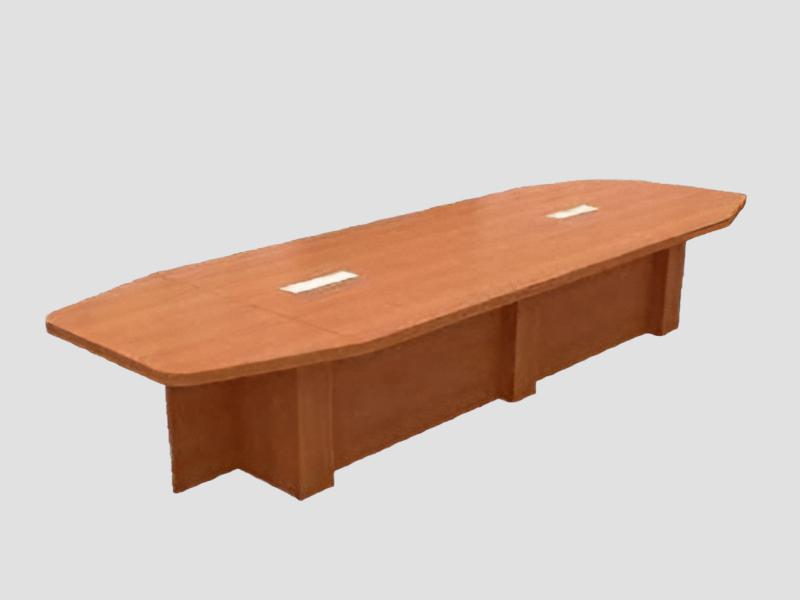
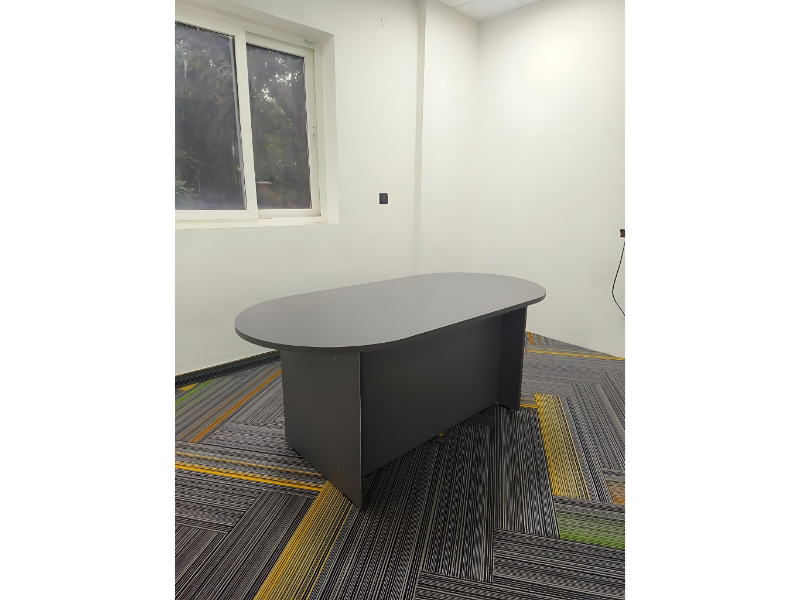
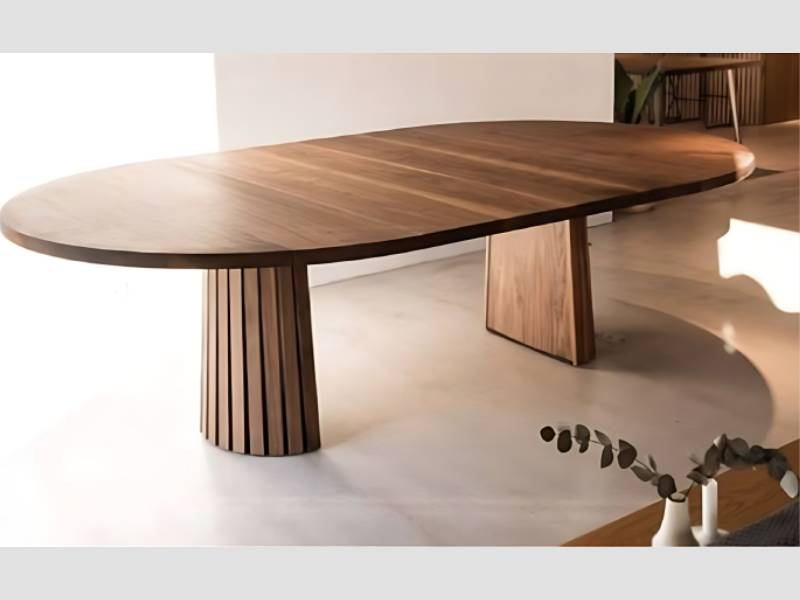
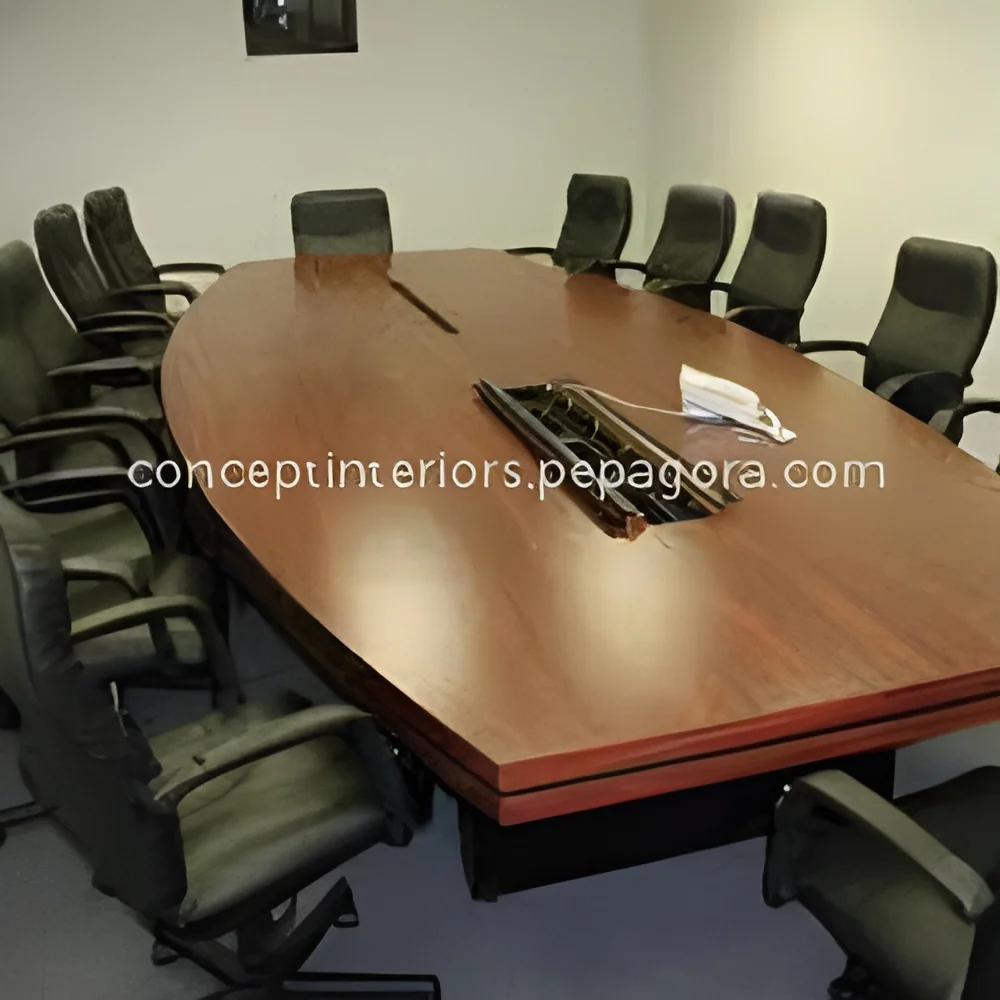
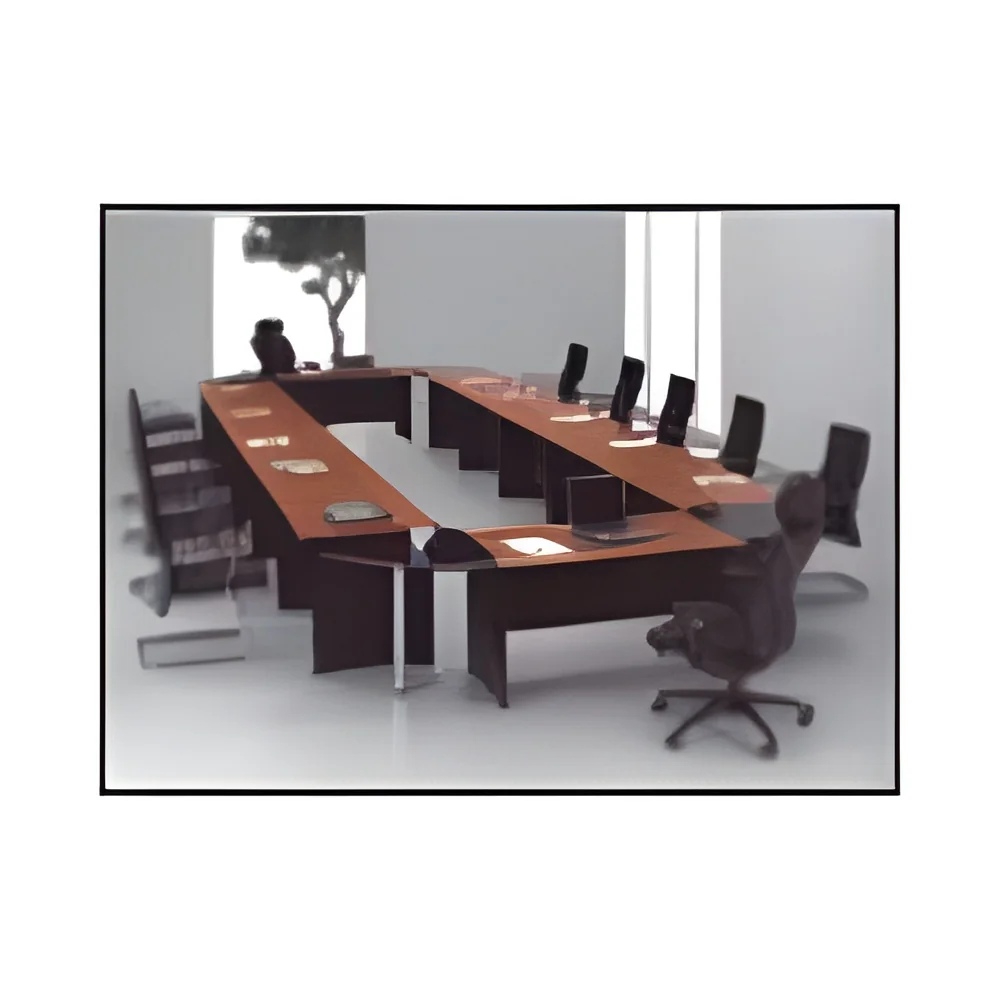
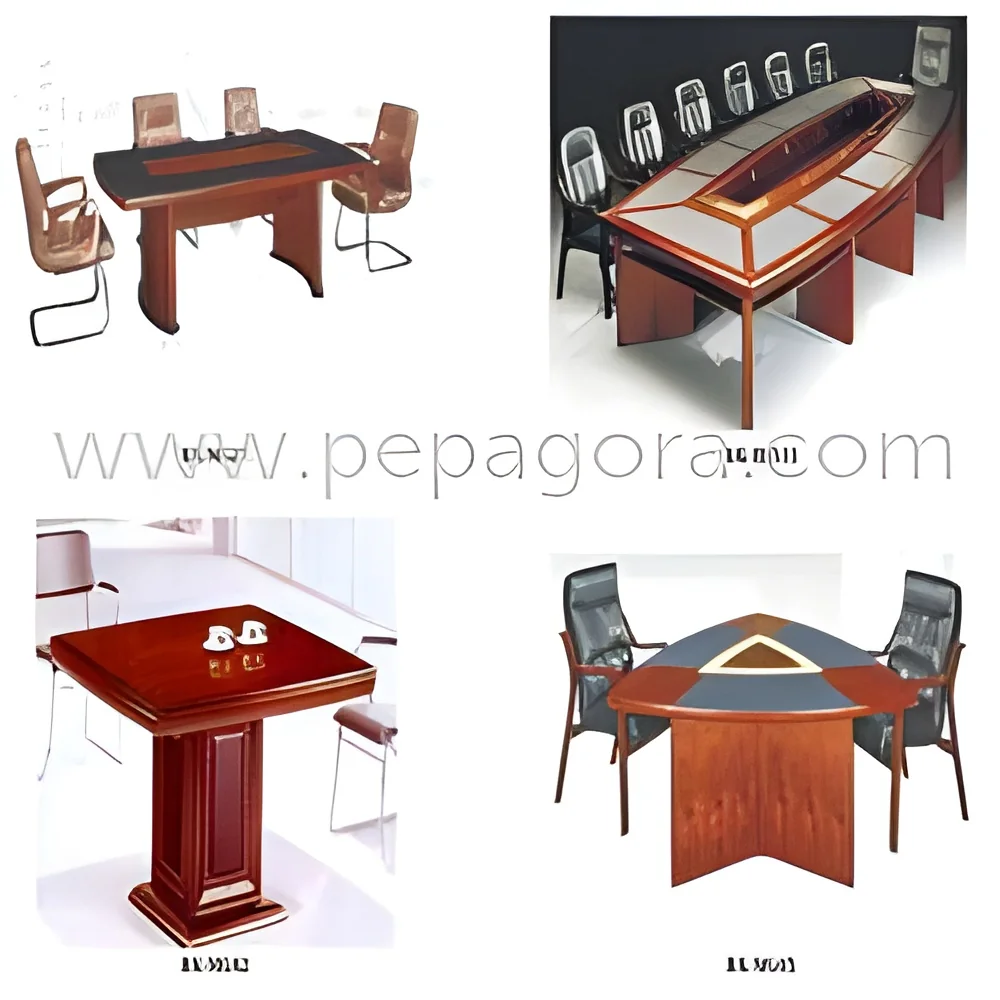
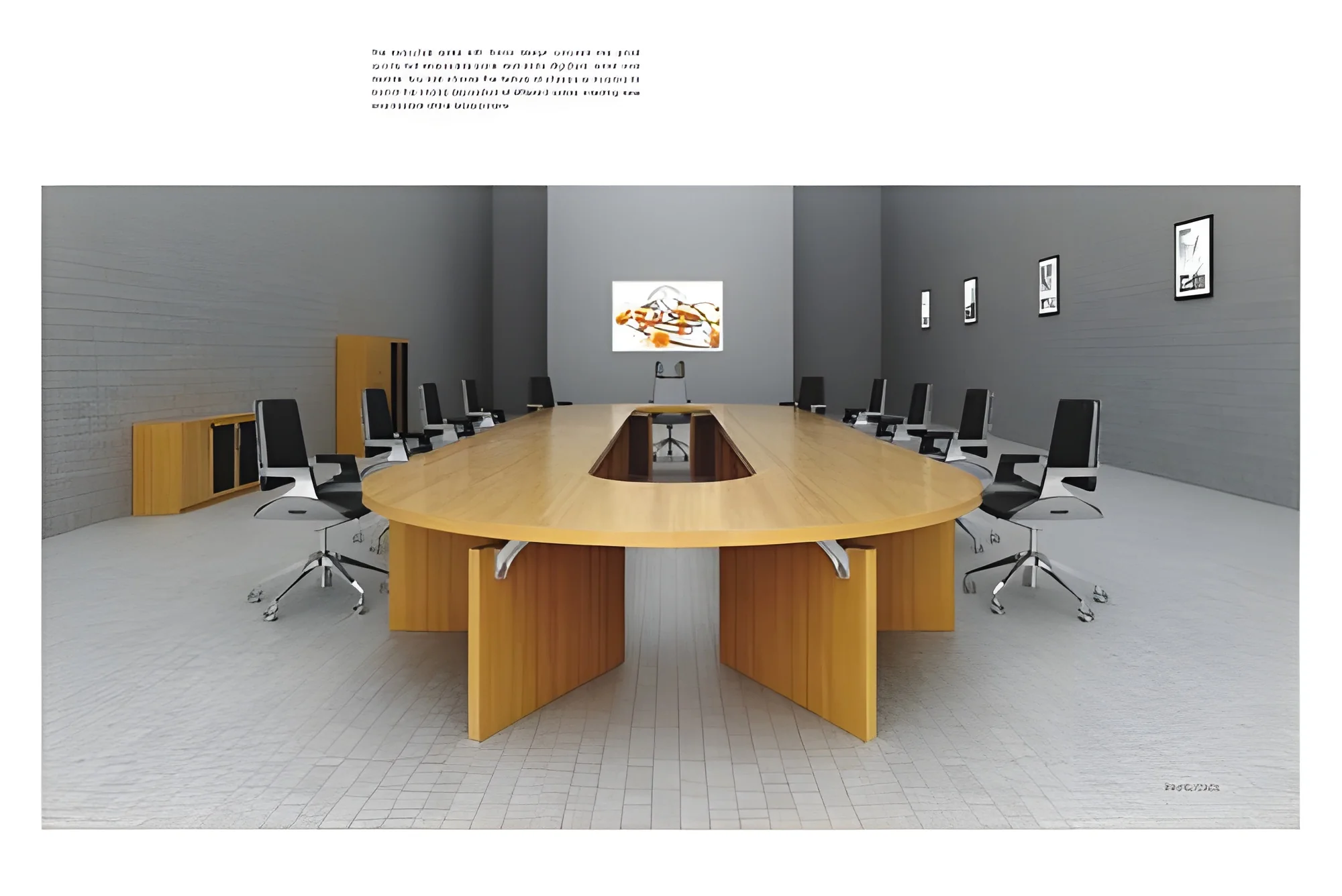
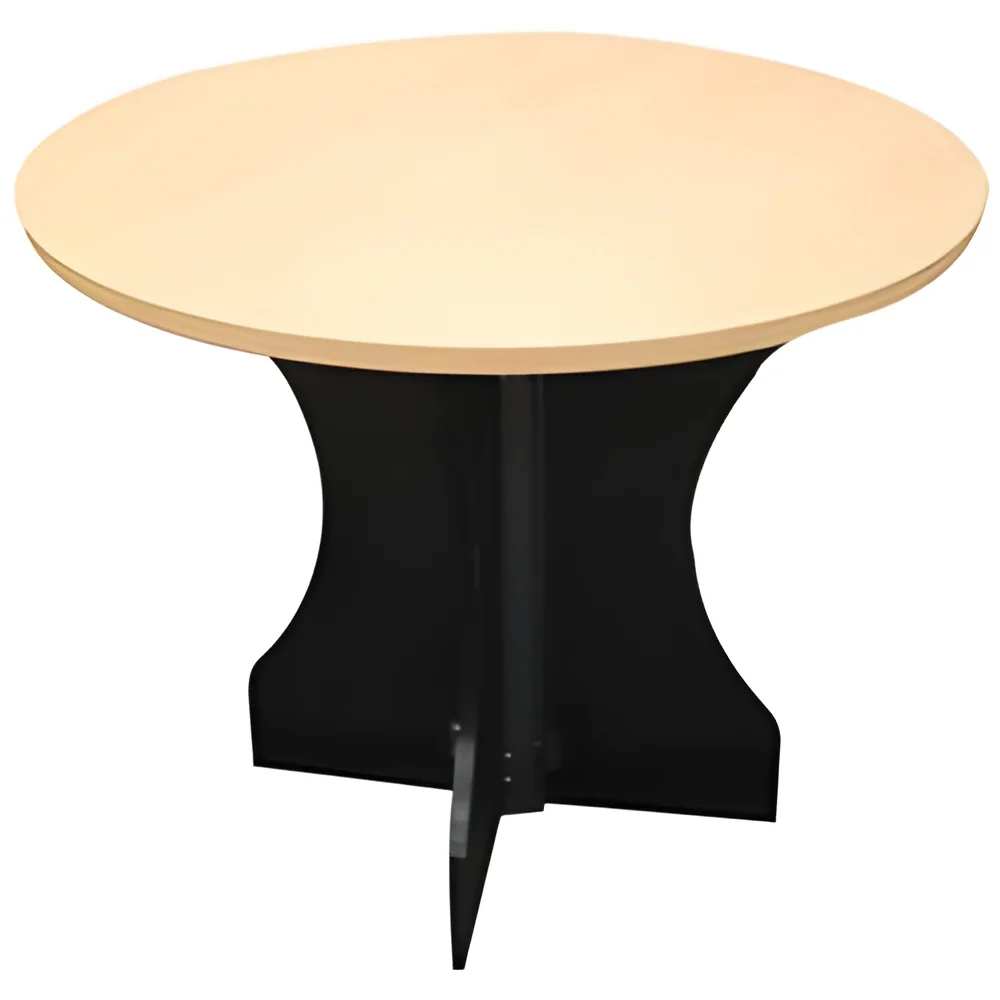
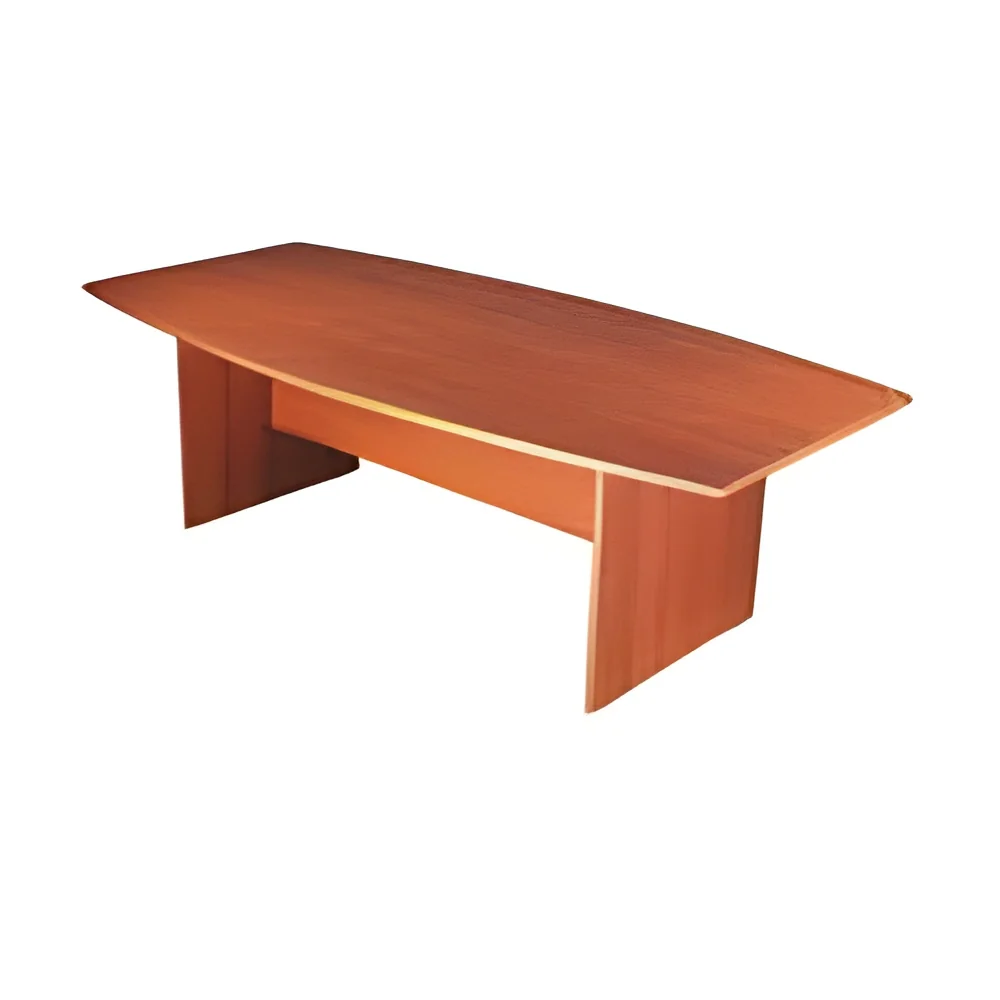
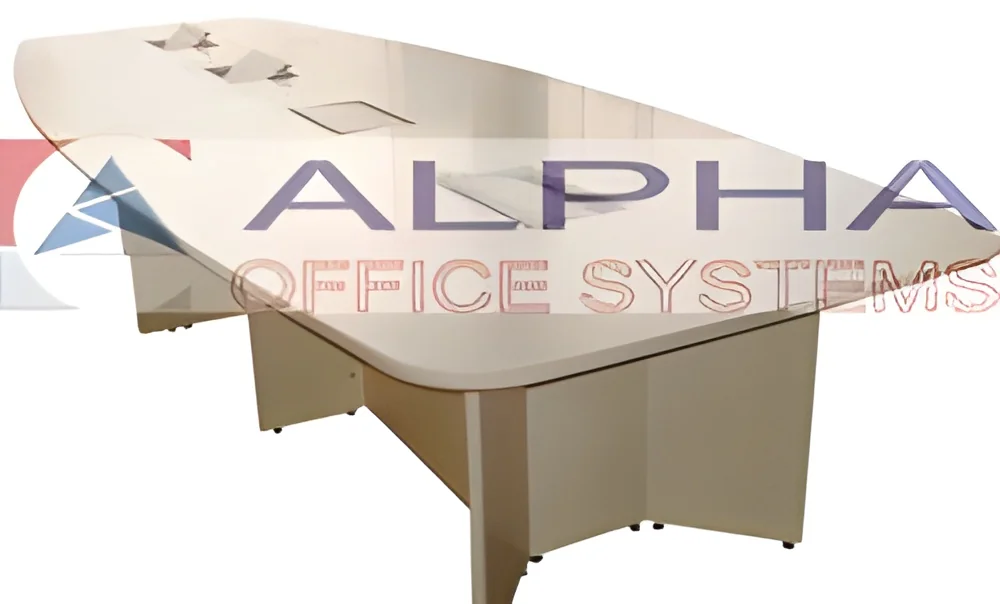
- Common shapes include rectangular, round, oval, and boat-shaped, each influencing the layout of the meeting space.
2. Material
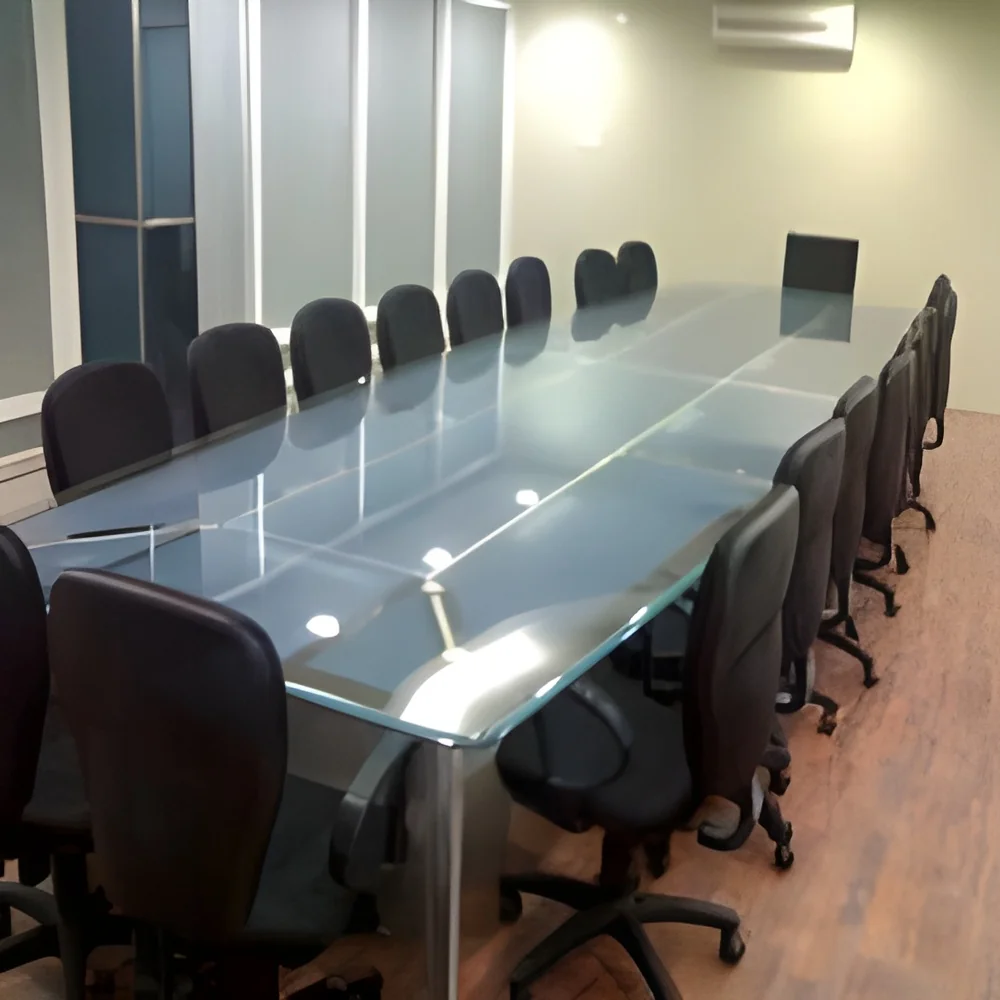
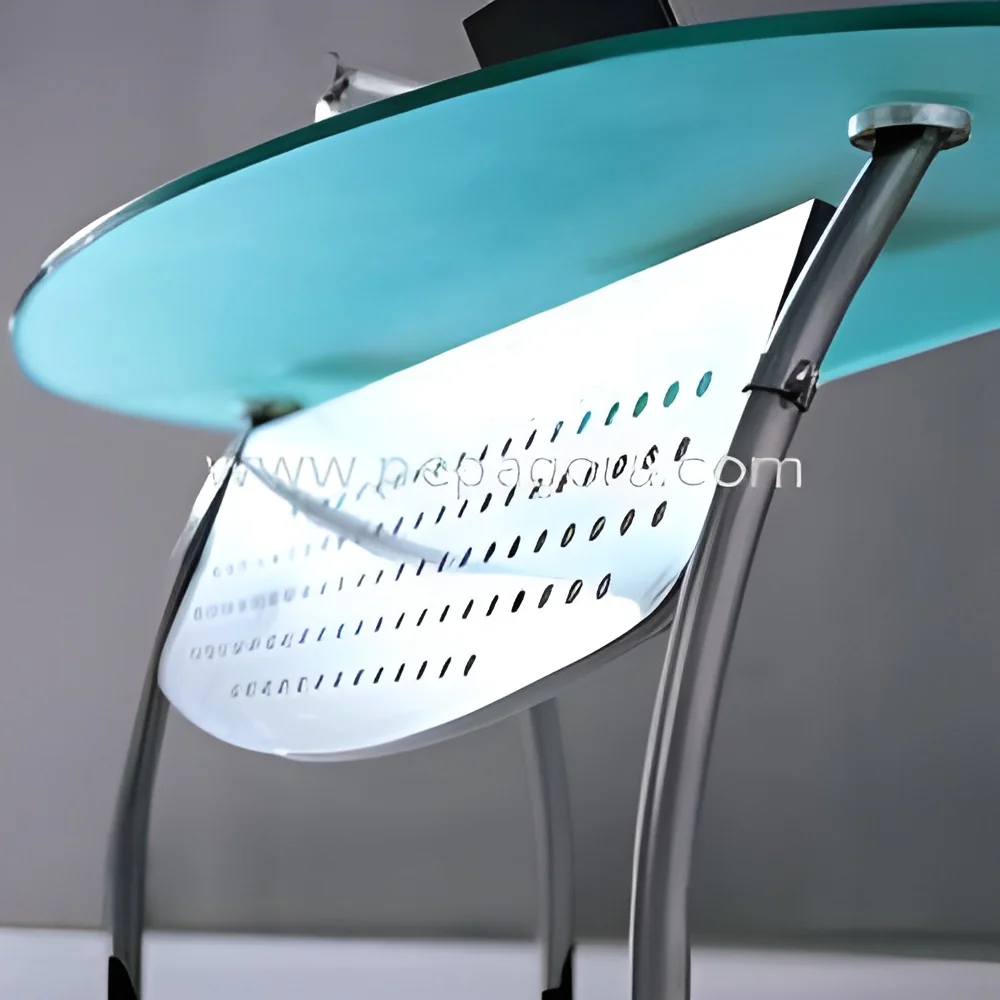
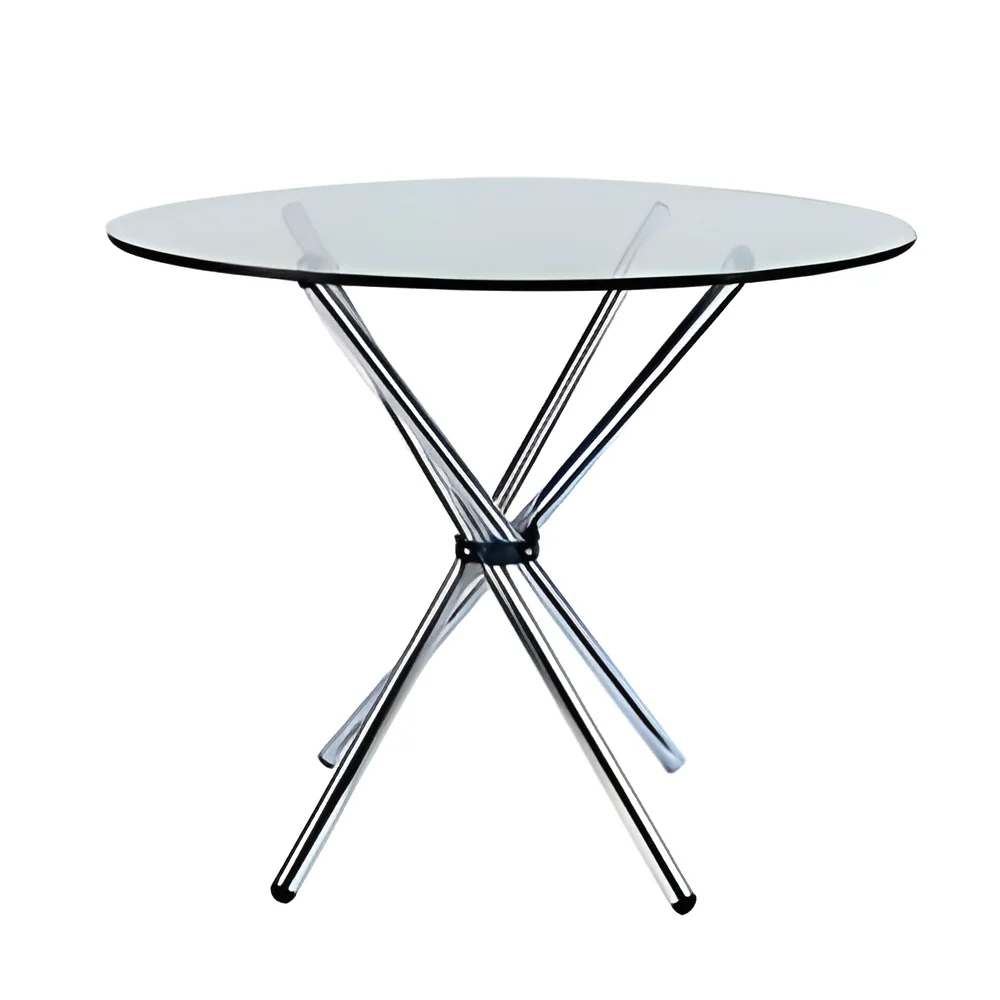
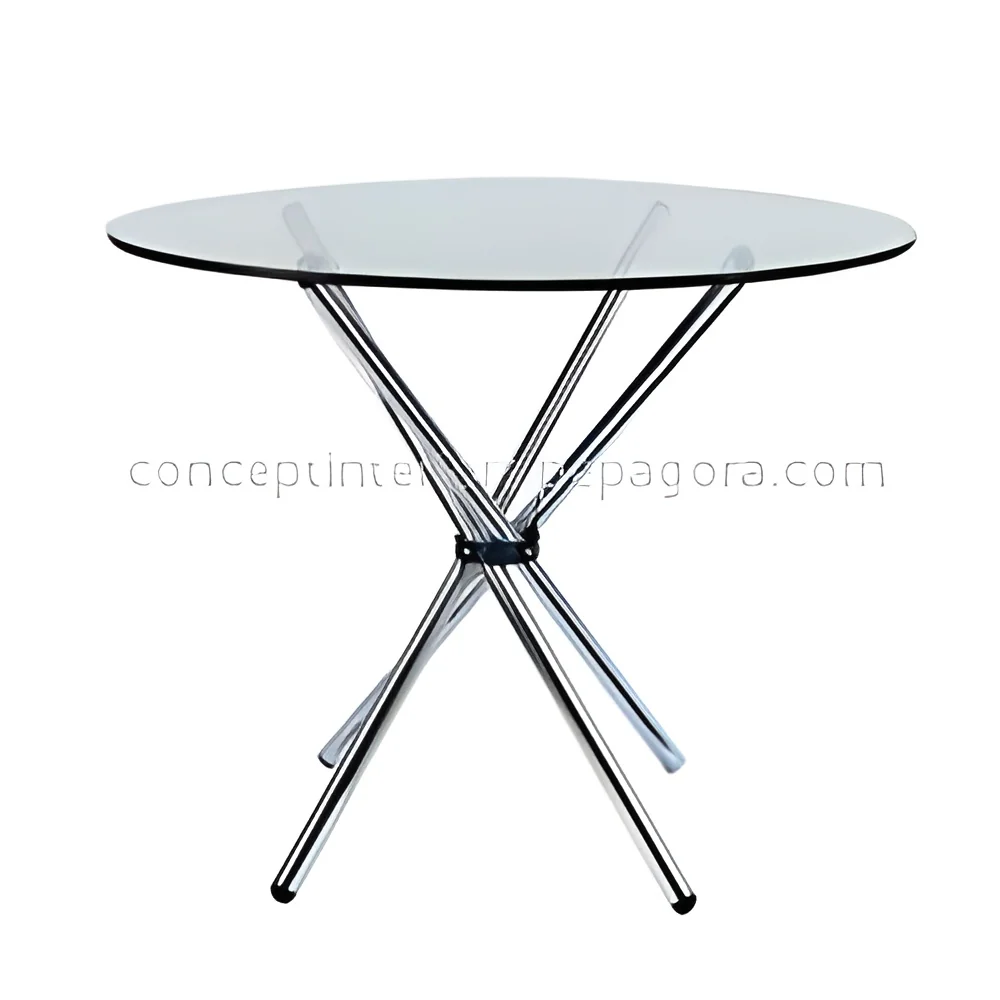
- Common materials for conference tables include wood, laminate, glass, and metal.
- The choice of material affects both durability and aesthetics.
3. Finish and Color
- Conference tables are available in various finishes, such as natural wood, veneer, or painted surfaces.
- Color options can enhance the branding of the company or the overall office decor.
4. Cable Management
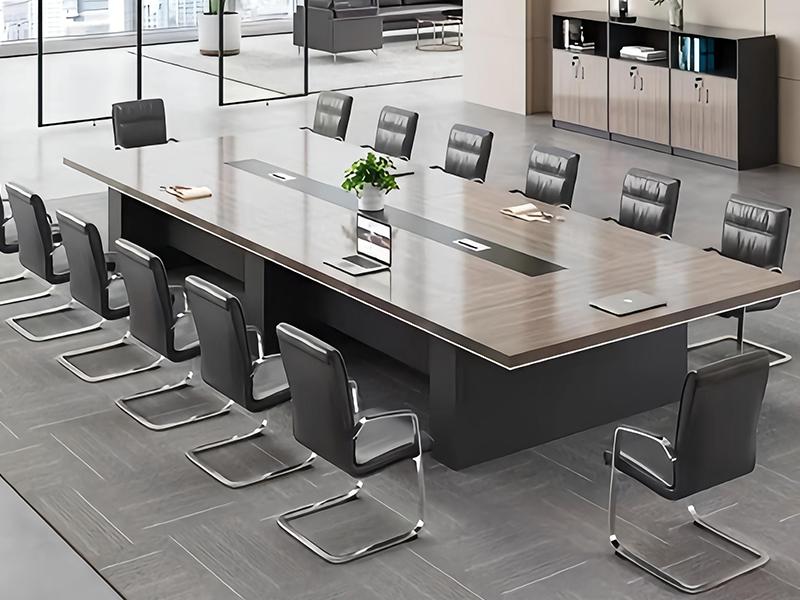
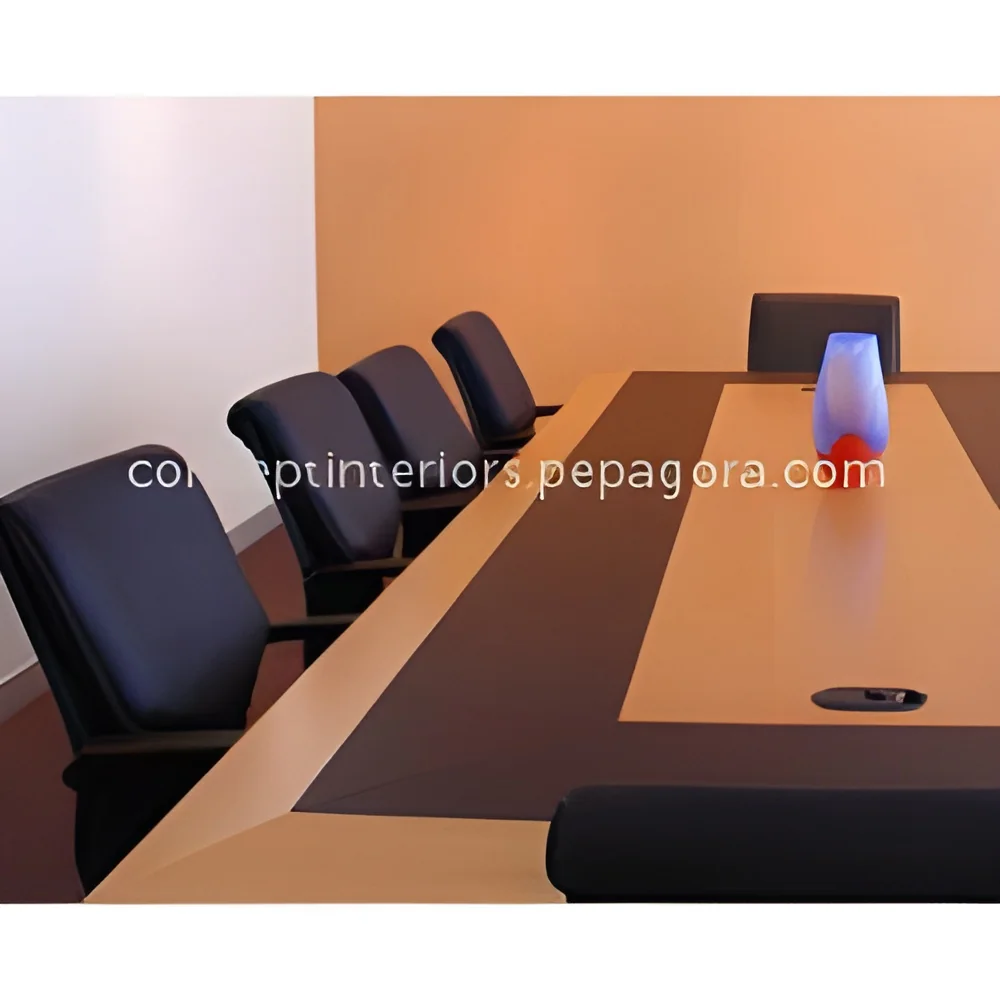
- Many conference tables come equipped with built-in cable management systems.
- These systems allow for organized wiring for electronic devices, reducing clutter.
5. Mobility
- Some conference tables are designed with wheels for easy rearrangement in flexible workspaces.
- This feature is beneficial for dynamic environments where layouts change frequently.
6. Customization Options
- Many suppliers offer customization options for size, shape, and features.
- This allows businesses to tailor their conference tables to specific needs.
7. Warranty and Support
- It is important to check the warranty provided by the manufacturer.
- A robust warranty indicates confidence in the product's durability.
In summary, when choosing a conference table, businesses should consider size, material, and additional features that enhance functionality and fit their workspace.
Common Applications and Use Cases
Conference tables serve various industries, providing essential support for collaboration and meetings.
1. Corporate Offices: In corporate settings, conference tables are used for board meetings, strategic planning sessions, and team discussions, facilitating effective communication among executives and staff.
2. Educational Institutions: Schools and universities utilize conference tables for faculty meetings, collaborative workshops, and administrative discussions, fostering a conducive environment for learning and decision-making.
3. Government Agencies: Conference tables are employed in government offices for meetings, public hearings, and planning sessions, where formal discussions and community engagement take place.
4. Non-Profit Organizations: Non-profits use conference tables for board meetings and strategy sessions, enabling effective collaboration among stakeholders dedicated to their missions.
5. Healthcare Facilities: In hospitals and clinics, conference tables support team meetings among healthcare professionals, ensuring coordinated patient care and strategic planning.
6. Technology Firms: Tech companies often use conference tables for brainstorming sessions, project planning, and innovation discussions, emphasizing creativity and collaboration.
7. Legal Firms: Law offices utilize conference tables for client consultations, case strategy meetings, and negotiations, providing a professional setting conducive to discussions.
Product Variants and Subcategories
Conference tables come in diverse designs and configurations to meet the varying demands of businesses. Each variant offers unique features tailored to specific applications.
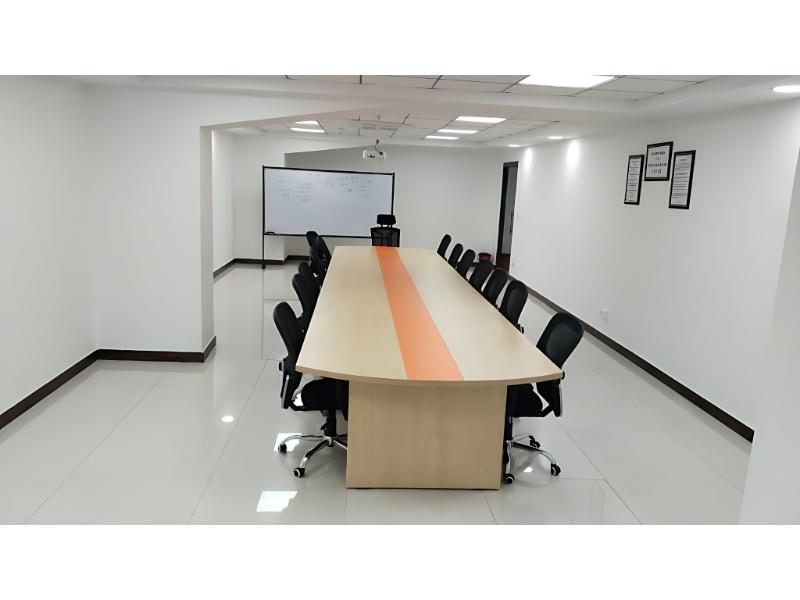
Rectangular Conference Tables
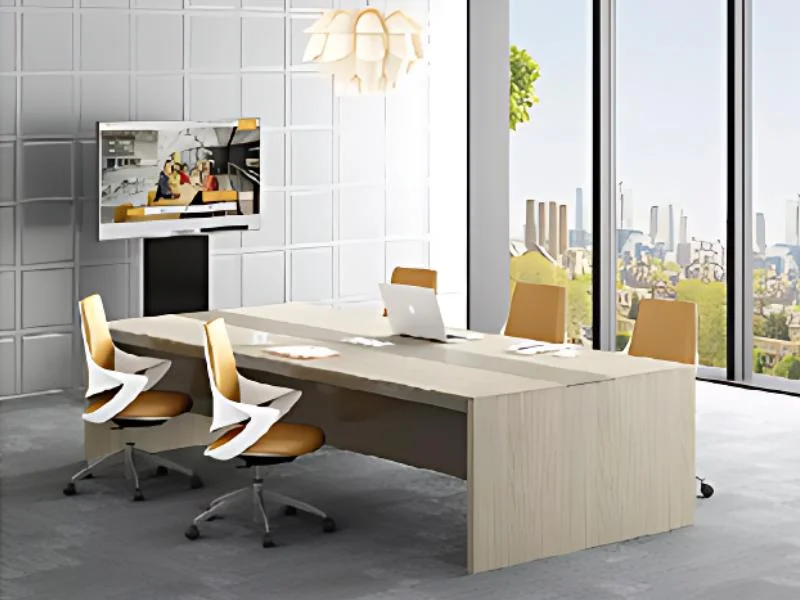
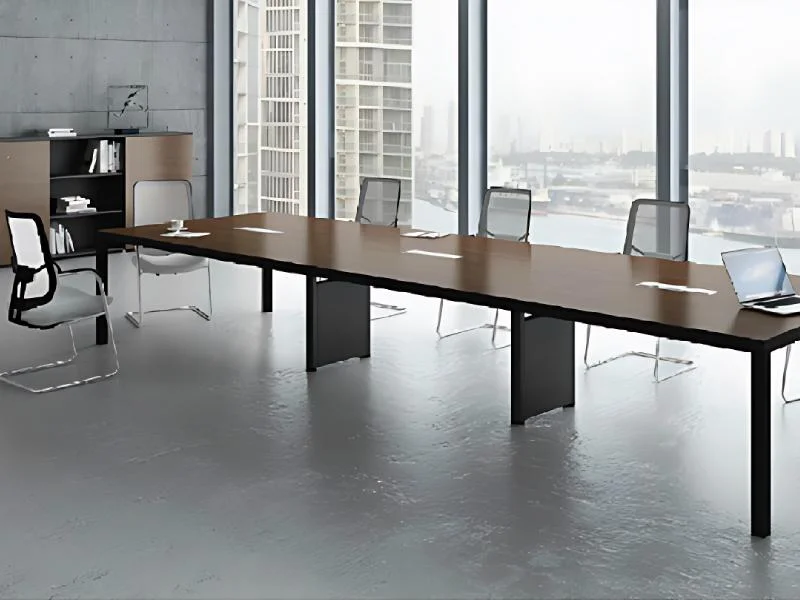
These tables are the most common design, providing ample surface area for multiple participants. They are ideal for formal meetings and can accommodate a wide range of seating arrangements.
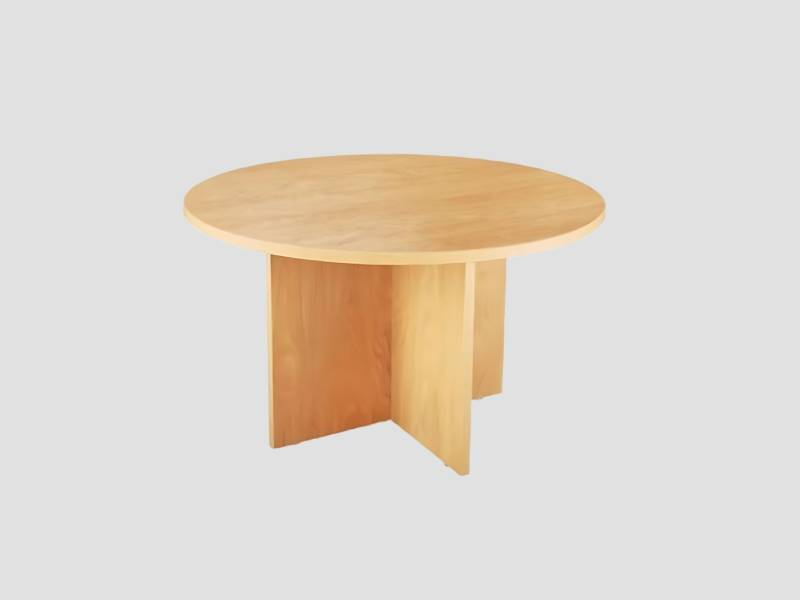
Round Conference Tables
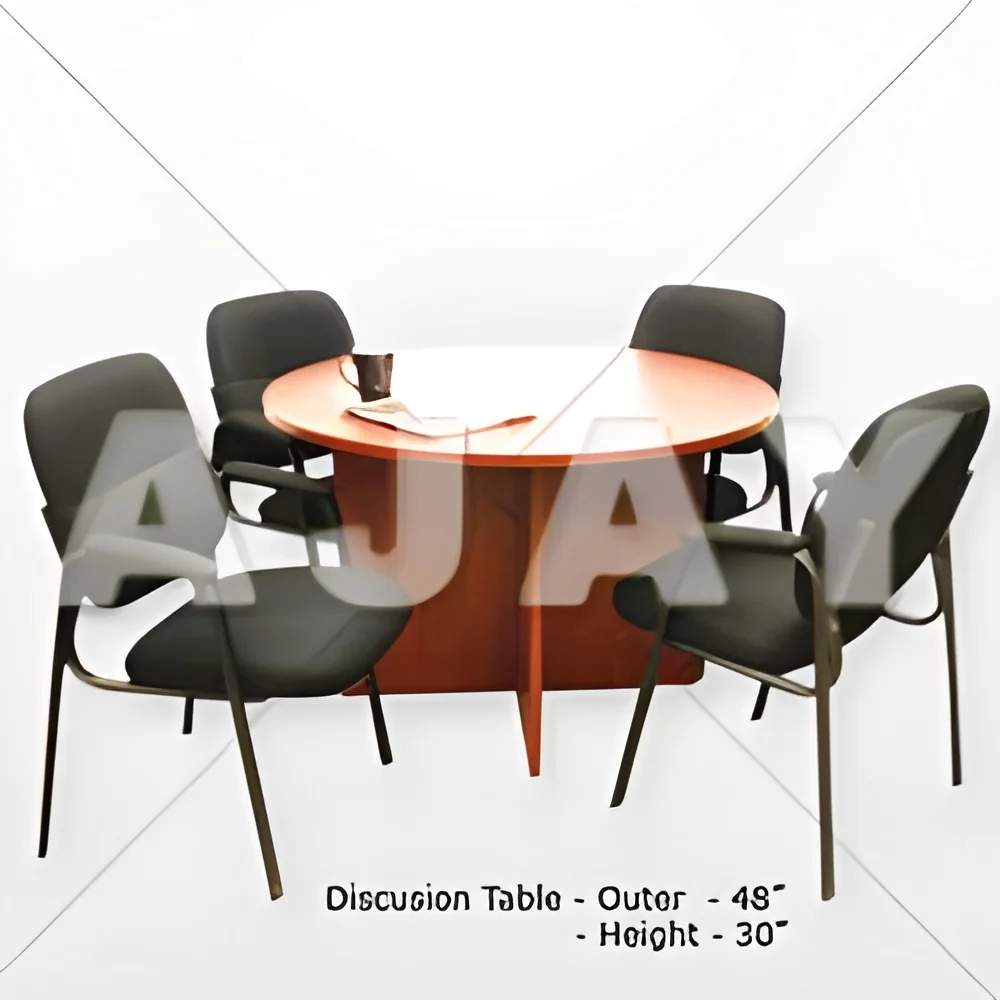
Round tables promote inclusivity and collaboration, encouraging open discussions. They are perfect for smaller groups and informal meetings, making it easy for everyone to engage.
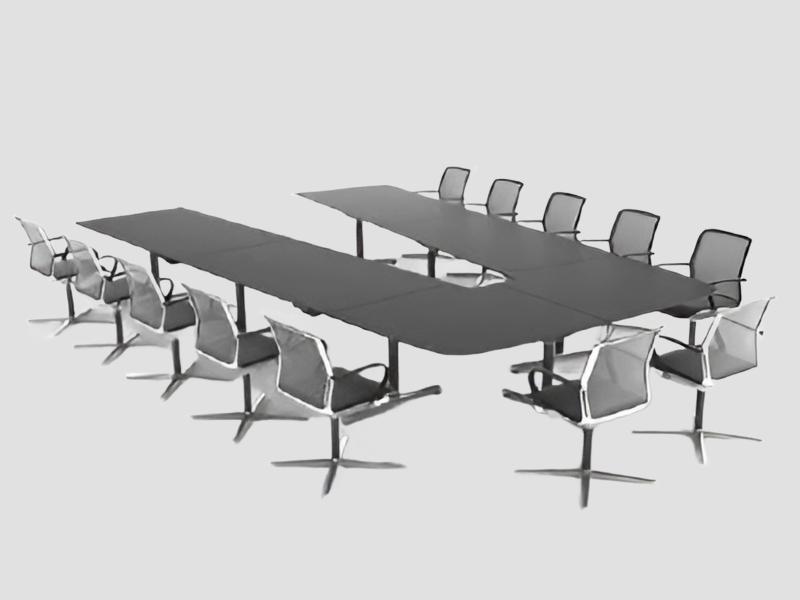
Adjustable Conference Tables
Adjustable tables offer flexibility in size and height, adapting to different meeting types. This variant is suitable for dynamic environments where configurations frequently change.
Collaborative Worktables
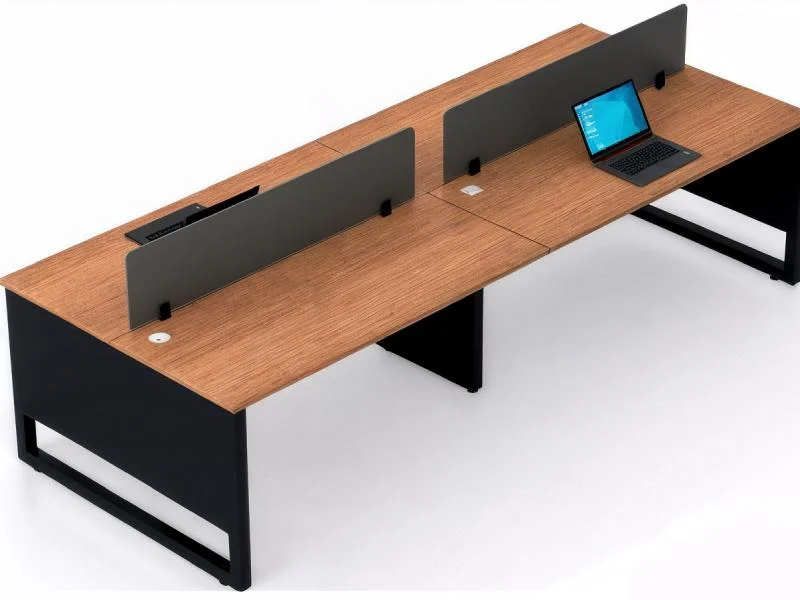
These tables are designed for teamwork and brainstorming sessions, often featuring integrated technology for enhanced interactivity. They are ideal for creative workshops and collaborative projects.
Benefits and Advantages
Conference tables provide numerous benefits that enhance workplace productivity and collaboration.
1. Enhanced Collaboration: Conference tables facilitate effective communication among team members, promoting collaboration and idea sharing during meetings.
2. Professional Appearance: A well-designed conference table contributes to the overall professionalism of the office, helping to make a positive impression on clients and stakeholders.
3. Versatility: With various shapes and sizes available, conference tables can adapt to different meeting styles and office layouts, ensuring they meet the specific needs of any business.
4. Space Optimization: Conference tables are designed to maximize the use of available space, allowing for efficient layouts that accommodate groups of various sizes.
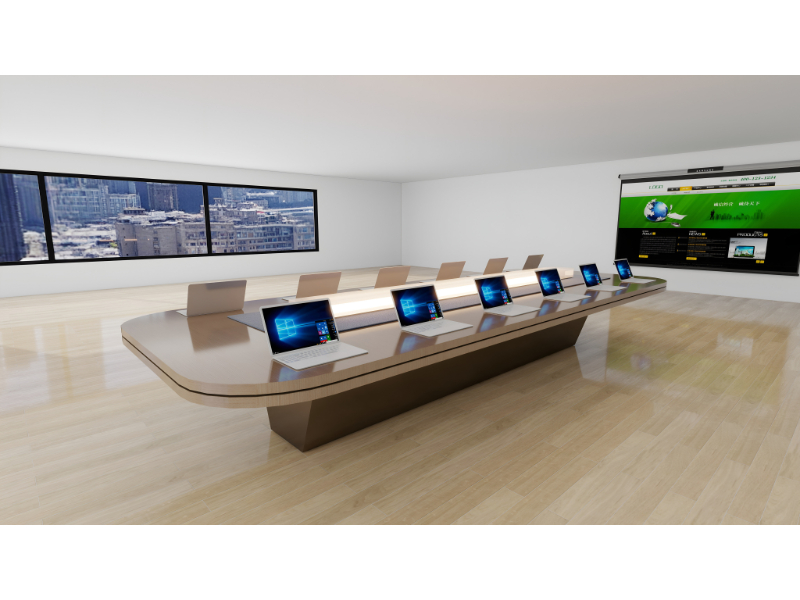
5. Technological Integration: Many conference tables come equipped with features for integrating technology, such as wiring for audiovisual equipment, enhancing the meeting experience.
6. Customization Options: Businesses can customize conference tables to align with their branding and functional requirements, ensuring a perfect fit for their workspace.
Buying Guide for B2B Buyers
When sourcing conference tables, it is crucial for B2B buyers to consider several factors that affect the purchase decision.
1. Quality Assessment: Evaluate the materials and construction of the conference table to ensure durability and longevity. Look for tables that meet industry standards for quality.
2. Supplier Verification: Vet suppliers thoroughly to ensure they have a reputation for reliability and quality. Check references and reviews to gauge customer satisfaction.
3. Pricing and MOQ: Understand the pricing structure and minimum order quantities (MOQ) to align with budget constraints and procurement policies.
4. Delivery and Lead Times: Confirm delivery schedules and lead times to plan for installation and ensure the table is available when needed.
5. Compliance Requirements: Be aware of any necessary compliance and certification requirements specific to the industry or region, ensuring the product meets regulatory standards.
Compliance and Certifications
Compliance and certifications are critical aspects of conference tables that ensure quality and safety standards are met.
Relevant quality standards such as ISO 9001 may apply, indicating that manufacturers adhere to quality management principles. This certification assures buyers of the product's reliability and consistency.
Industry certifications like CE mark compliance are vital for ensuring that products meet European health, safety, and environmental protection standards. This certification is particularly important for businesses operating in or exporting to European markets.
Safety and testing requirements should also be considered. It is essential for conference tables to undergo rigorous testing to ensure they are safe for use in the workplace.
Additionally, regional compliance considerations may vary. Buyers should be aware of local regulations that could impact the materials used or the construction of conference tables, ensuring they meet all necessary guidelines.
Why Source Conference Tables from Pepagora?
Pepagora provides a trusted platform for sourcing conference tables, offering several key advantages to B2B buyers.
Verified Supplier Network: Pepagora connects buyers with a network of verified suppliers, ensuring that all partners meet high standards of quality and reliability. This network helps businesses find trustworthy sources for their conference table needs.
Streamlined RFQ Process: The request for quotation (RFQ) process on Pepagora is designed to be efficient and user-friendly. Buyers can easily submit their requirements and receive competitive quotes from multiple suppliers, simplifying the procurement process.
Trade Assurance and Support: Pepagora offers trade assurance, providing buyers with protection throughout the purchasing journey. This support helps mitigate risks associated with sourcing and ensures a smoother transaction.
Regional Coverage: With a strong presence in regions such as India, the GCC, and Southeast Asia, Pepagora provides comprehensive geographic reach. This allows businesses to source conference tables locally or from neighboring countries, optimizing logistics and costs.

 IN
IN