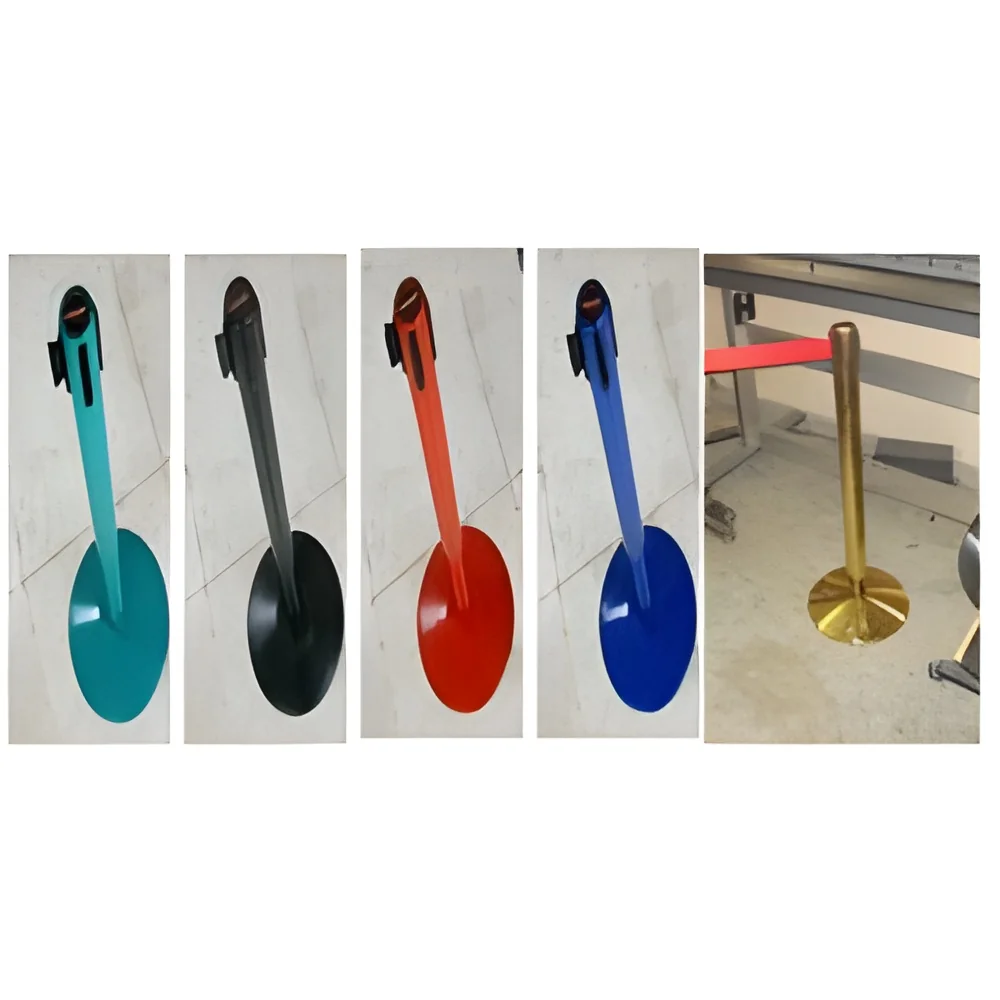
What are Queue Managers?
Queue Managers are specialized systems designed to efficiently organize and control the flow of people waiting in line. They play a crucial role in managing customer flow, ensuring a smooth and orderly experience in various settings such as retail stores, banks, airports, and hospitals. By directing customers to the appropriate service points, Queue Managers help reduce congestion and enhance overall customer satisfaction.
These systems are primarily used in environments where high volumes of customers are expected. They can be implemented in both physical and digital environments, such as ticketing systems or online appointment bookings. Queue Managers are essential tools for businesses seeking to optimize their operations and improve service delivery. The demand for these systems has grown as companies recognize the importance of efficient customer service and the impact it has on their reputation and profitability.
In the current market context, Queue Managers are increasingly relevant as businesses strive to enhance customer experiences in competitive industries. With the rise of customer-centric strategies, organizations are investing in technology that supports effective queue management. This trend highlights the importance of understanding and implementing effective Queue Managers to meet evolving customer expectations.
Key Features and Specifications
Queue Managers come equipped with a variety of features and specifications designed to improve efficiency and customer experience. These systems can vary widely in their capabilities, from basic ticketing functions to advanced digital management systems that integrate with existing technologies.
Key specifications include:
1. Queue Management Software
- Allows for real-time monitoring and control of queues
- Features may include analytics and reporting tools
2. Ticketing Systems
- Provides customers with a ticket at entry to manage their place in line
- Can be digital or paper-based, depending on the system
3. Digital Signage
- Displays information about wait times and service points
- Enhances customer communication and engagement
4. Integration Capabilities
- Can connect with existing customer relationship management systems
- Facilitates seamless data sharing and communication
5. Customization Options
- Ability to tailor systems to specific business needs
- May include branding and user interface adjustments
6. User-Friendly Interface
- Ensures easy operation for both staff and customers
- Intuitive design to minimize training requirements
7. Multi-Channel Support
- Can manage queues across various platforms, such as in-person, online, and mobile
- Provides flexibility to adapt to changing customer preferences
8. Reporting and Analytics
- Tracks customer flow data and wait times
- Helps businesses make informed decisions based on performance metrics
In summary, Queue Managers are versatile systems that enhance operational efficiency and customer experience. Their range of features and specifications enables businesses to select solutions that best fit their specific needs.
Common Applications and Use Cases
Queue Managers serve a multitude of industries, providing tailored solutions to improve customer service and operational efficiency.
1. Retail: In retail environments, Queue Managers help manage customer flow during peak times. They can reduce wait times and enhance the shopping experience by directing customers to available checkouts.
2. Healthcare: Hospitals and clinics utilize Queue Managers to streamline patient check-ins and manage waiting rooms. This ensures that patients receive timely attention and helps minimize overcrowding.
3. Banking: Banks implement Queue Managers to organize customers in various service areas, such as account openings and loan applications. This system improves service efficiency and customer satisfaction.
4. Transportation: Airports and train stations use Queue Managers to handle ticketing and boarding processes. They help manage passenger flow, ensuring timely departures and arrivals.
5. Government Services: Queue Managers are essential in government offices where citizens require services such as license renewals or permit applications. They ensure a structured approach to serving the public.
6. Event Management: At conferences and exhibitions, Queue Managers facilitate registration and entry processes. They help control crowd flow and improve the attendee experience.
7. Food Services: Restaurants use Queue Managers to manage customer seating and order placement. This enhances the dining experience and optimizes staff workload.
Product Variants and Subcategories
Queue Managers are available in various configurations, allowing businesses to choose the most suitable option based on their specific needs.
Basic Queue Management System: This variant typically includes essential features such as ticketing and basic reporting tools. It is ideal for small businesses looking for cost-effective solutions.
Advanced Queue Management System: This variant offers a comprehensive suite of features, including digital signage and analytics. It is suited for larger organizations that require more sophisticated queue management capabilities.
Mobile Queue Management System: Designed for businesses that want to manage queues digitally, this system allows customers to join queues remotely via mobile apps. It improves customer experience by reducing physical wait times.
Cloud-Based Queue Management System: This variant leverages cloud technology to provide real-time data and support remote management. It is great for businesses with multiple locations.
Benefits and Advantages
Implementing Queue Managers offers numerous advantages that can significantly improve business operations.
1. Improved Customer Experience: Efficient queue management reduces wait times, leading to higher customer satisfaction and loyalty.
2. Increased Operational Efficiency: By streamlining processes, Queue Managers allow staff to focus on providing quality service rather than managing lines.
3. Data-Driven Decisions: Advanced Queue Managers provide valuable analytics that help businesses understand customer behavior and make informed decisions.
4. Flexibility and Scalability: Many Queue Managers can be customized and scaled according to changing business needs, accommodating growth and seasonal fluctuations.
5. Enhanced Communication: Queue Managers facilitate better communication between staff and customers, providing real-time updates on wait times and service availability.
6. Cost Savings: Efficient queue management can lead to reduced labor costs and better resource allocation, ultimately contributing to increased profitability.
Buying Guide for B2B Buyers
When sourcing Queue Managers, it is essential for businesses to consider several critical factors to ensure they select the right system.
1. Quality Assessment: Evaluate the quality of the Queue Manager by looking for systems that meet recognized standards. Consider features that enhance durability and performance.
2. Supplier Verification: Vet suppliers by checking their reputation, customer reviews, and experience in providing Queue Managers. A reliable supplier can ensure quality and support.
3. Pricing and MOQ: Understand the pricing structure and minimum order quantities for the systems you are considering. Compare costs across different suppliers to ensure competitiveness.
4. Delivery and Lead Times: Confirm the expected delivery timelines and lead times for the Queue Managers. Timely delivery is crucial for businesses planning to implement new systems.
5. Compliance Requirements: Ensure that the Queue Managers meet any necessary regulatory requirements and industry certifications. This is essential for maintaining safety and quality standards.
Compliance and Certifications
Queue Managers must adhere to various quality standards and certifications to ensure they meet industry requirements.
ISO 9001 is a widely recognized quality management standard that ensures consistent quality in products and services. Queue Managers certified under ISO 9001 demonstrate adherence to these quality processes.
CE certification indicates that a product meets European safety, health, and environmental protection standards. Queue Managers with CE certification assure users of compliance with these essential regulations.
Safety and testing requirements are critical for ensuring that Queue Managers operate reliably and safely in different environments. Manufacturers must conduct thorough testing to meet these standards.
Additionally, businesses should consider regional compliance considerations, as different regions may have specific regulations governing the use of Queue Managers.
Why Source Queue Managers from Pepagora?
Pepagora offers a trusted platform for sourcing Queue Managers, providing several key advantages for B2B buyers.
Verified Supplier Network: Pepagora has a robust network of verified suppliers, ensuring that buyers can find high-quality Queue Managers from reputable manufacturers. This verification process minimizes the risk of sourcing subpar products.
Streamlined RFQ Process: The platform features a streamlined Request for Quotation process, allowing buyers to easily obtain multiple quotes from different suppliers. This simplifies decision-making and promotes competitive pricing.
Trade Assurance and Support: Pepagora provides trade assurance, offering buyers protection throughout the purchasing process. This support helps build trust and confidence in transactions.
Regional Coverage: With a focus on markets in India, the GCC, and Southeast Asia, Pepagora ensures regional coverage that meets the diverse needs of businesses in these areas. This geographic reach allows for tailored solutions to specific market demands.

 IN
IN