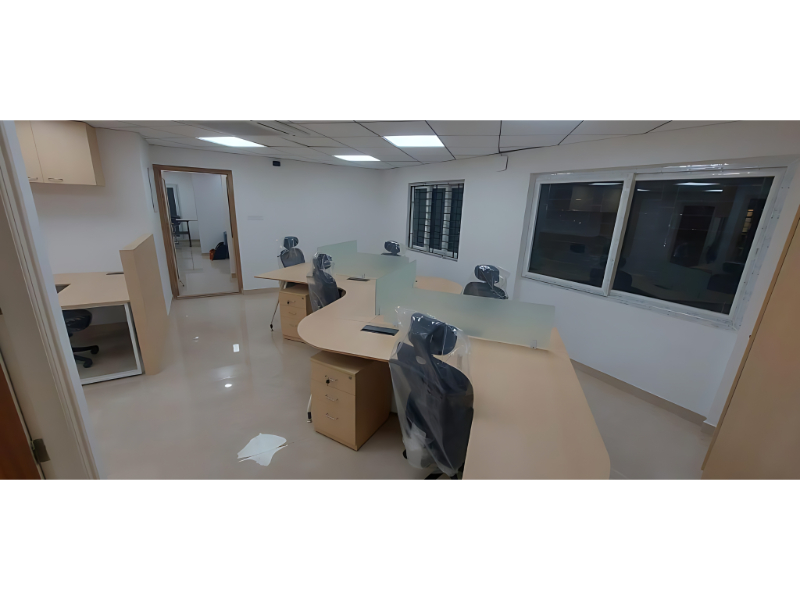
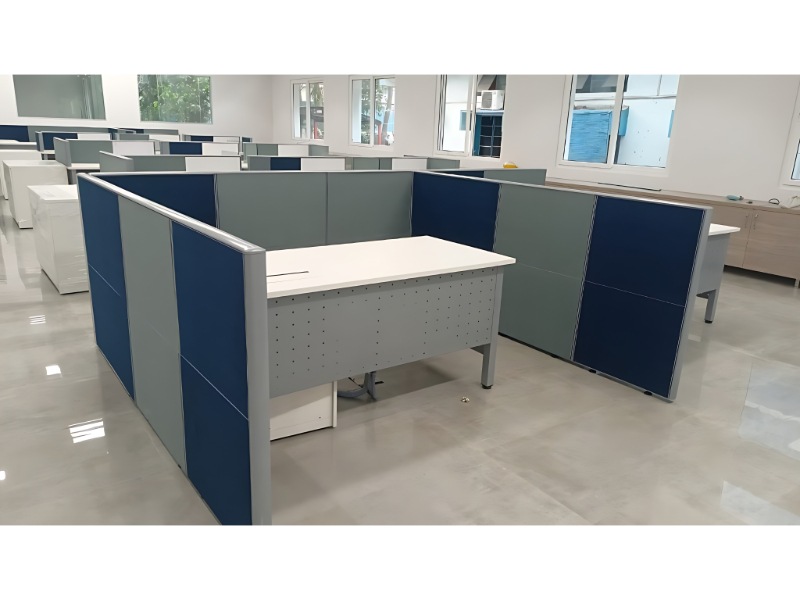
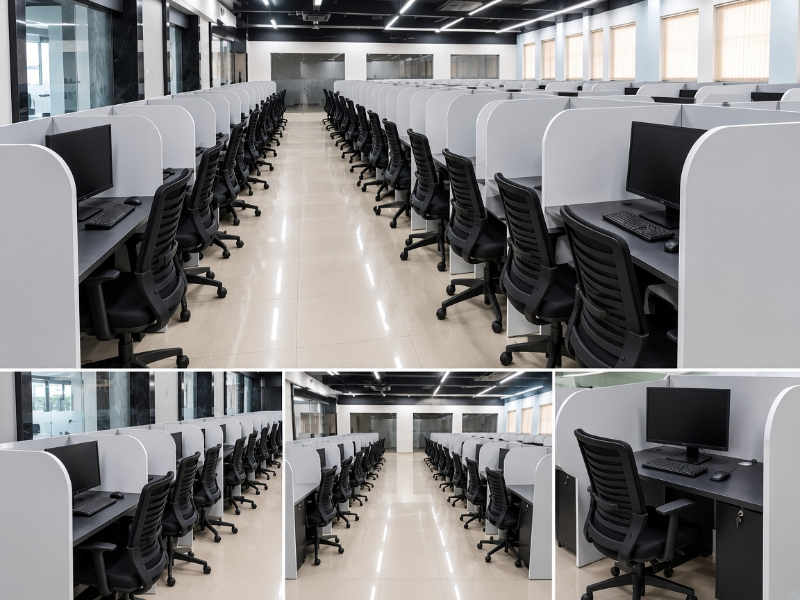
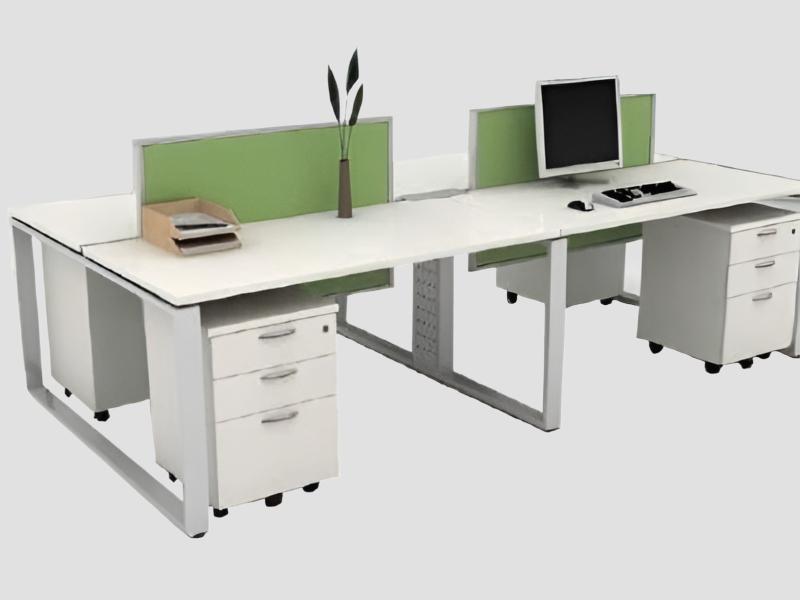
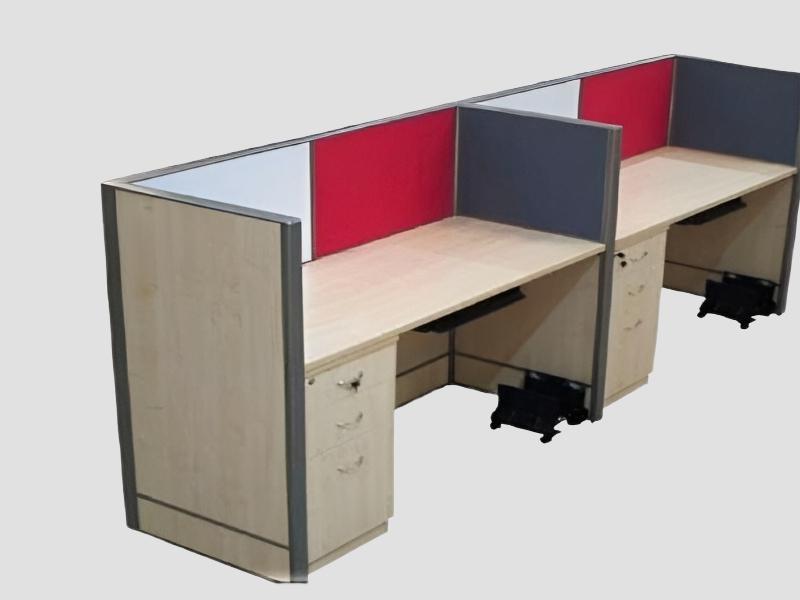
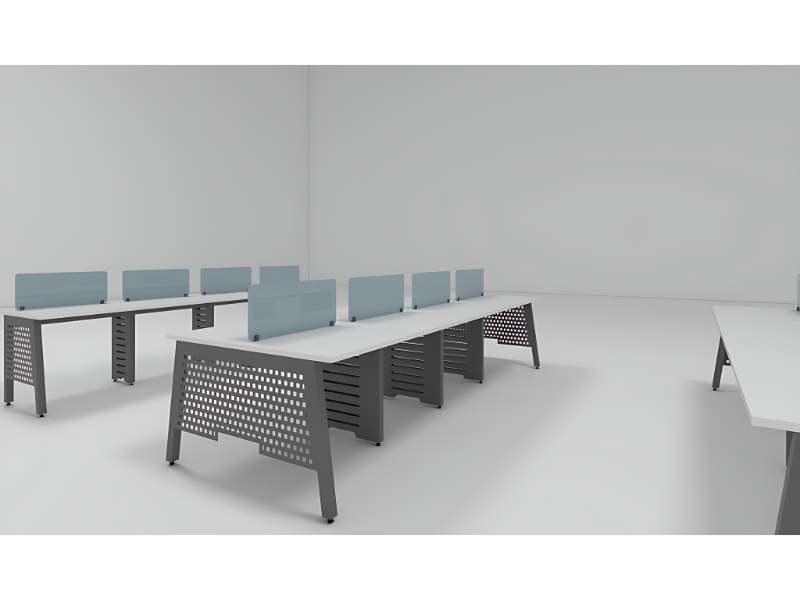
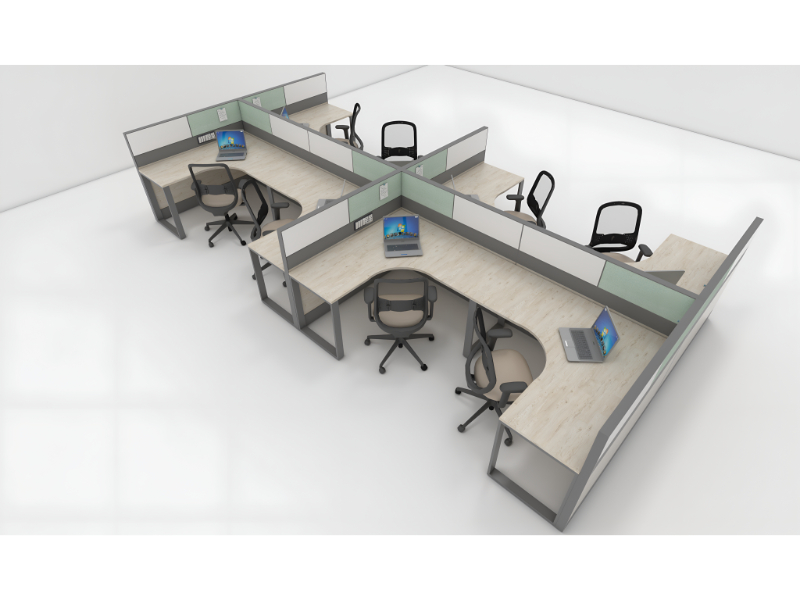
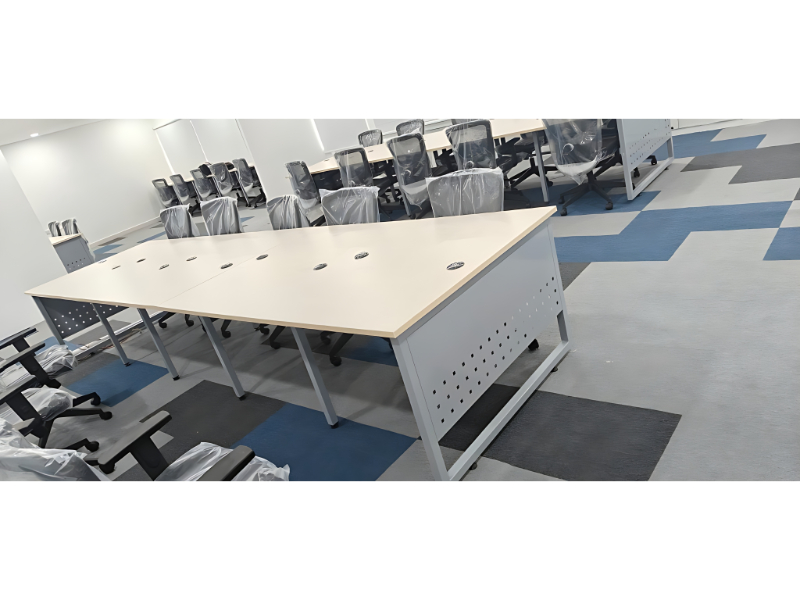
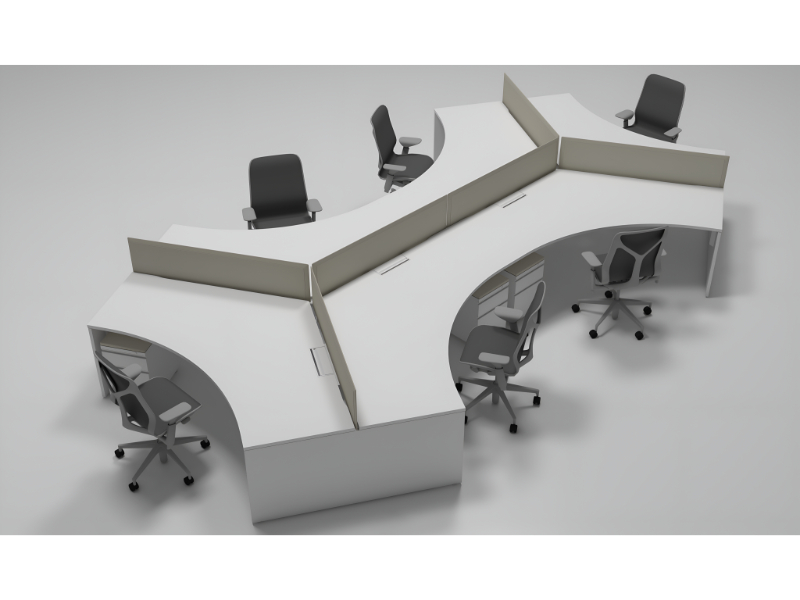
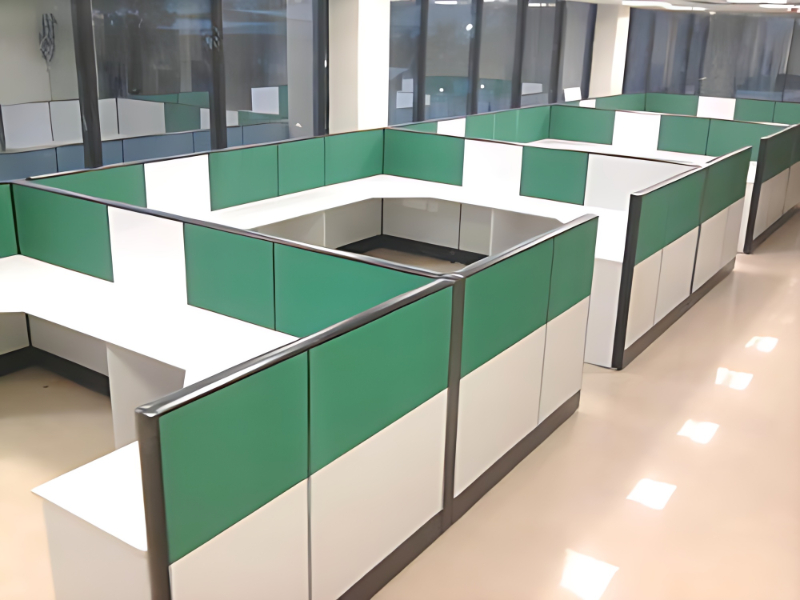
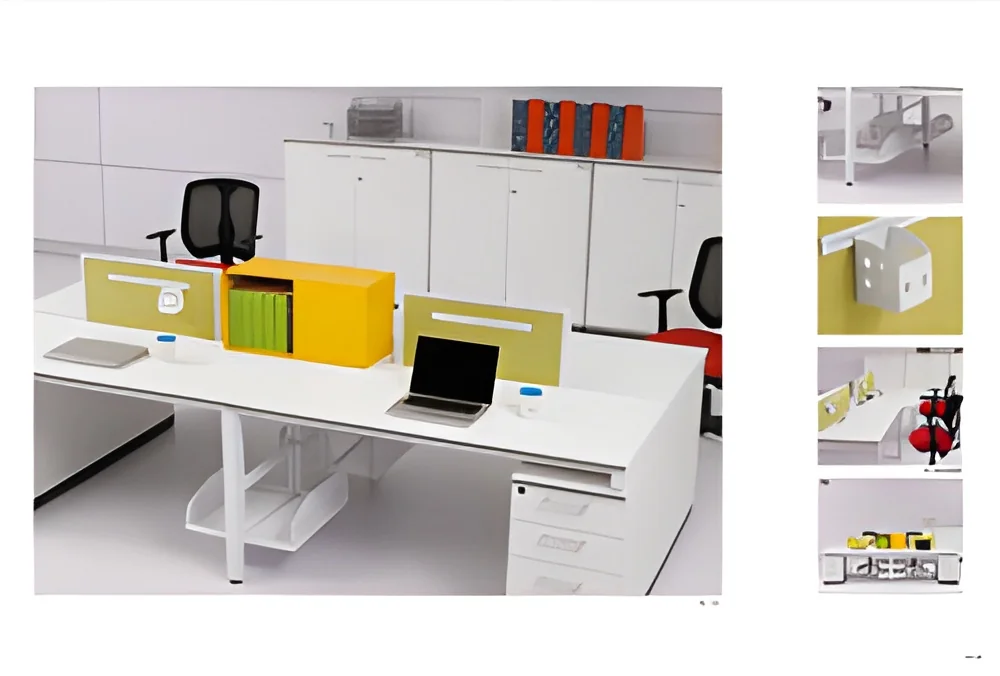
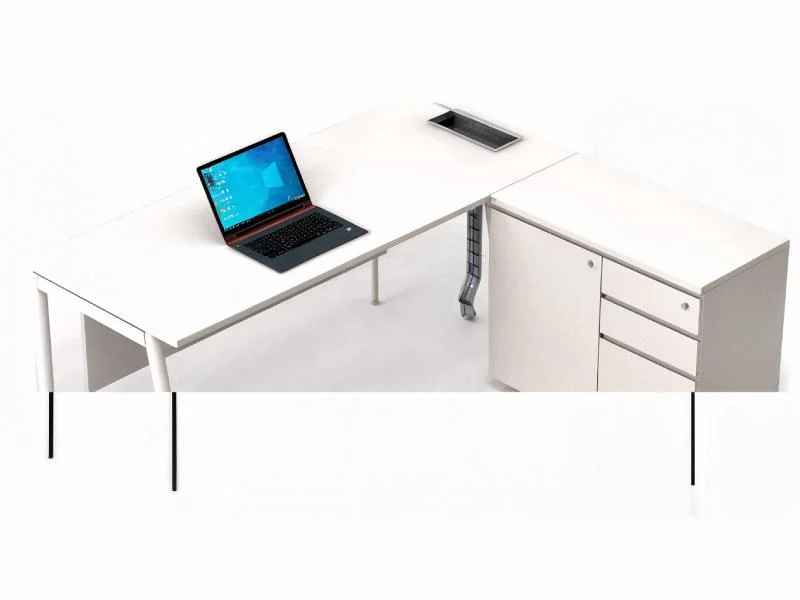
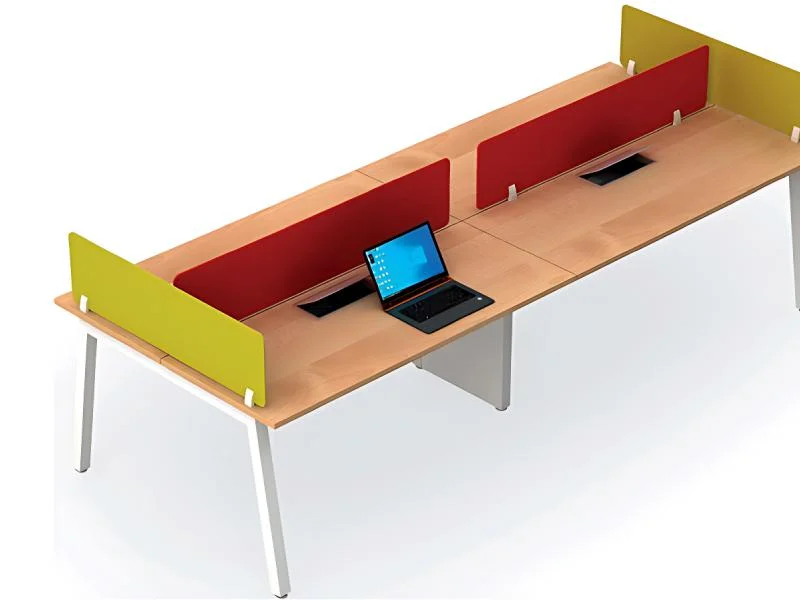
What are Modular Workstations?
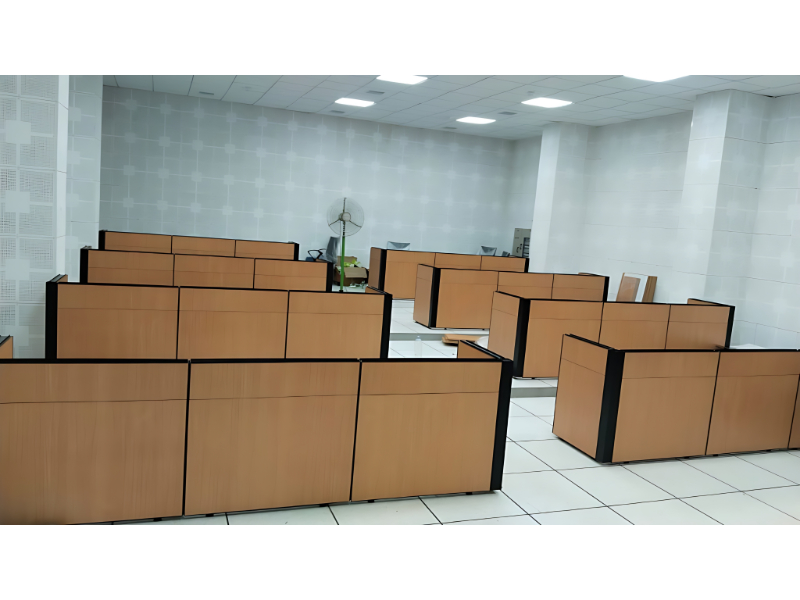
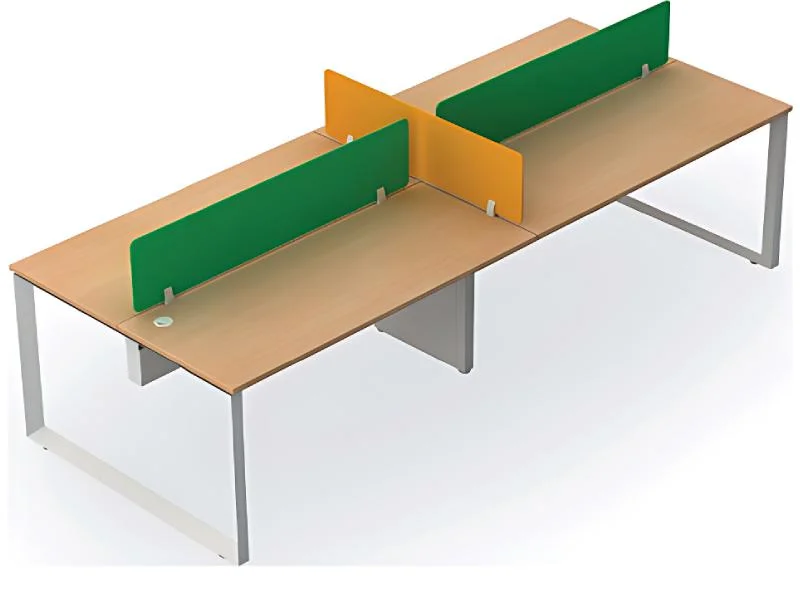
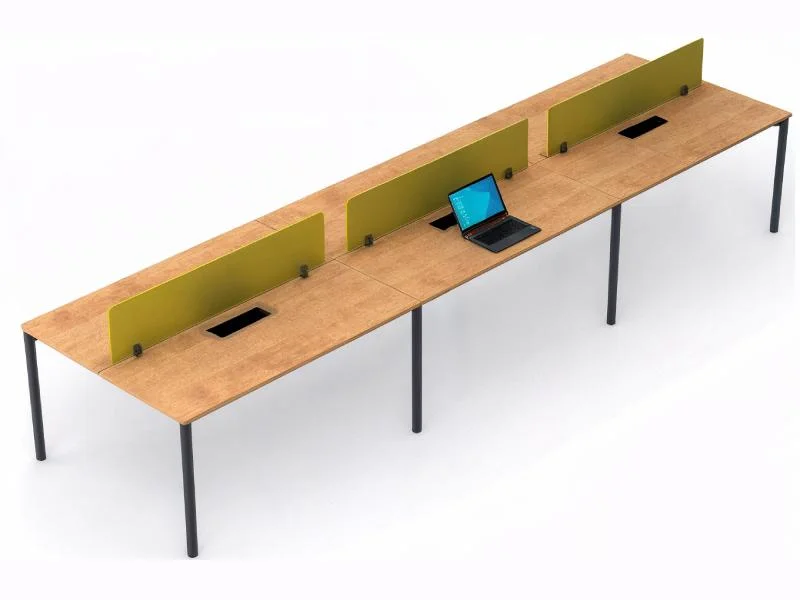
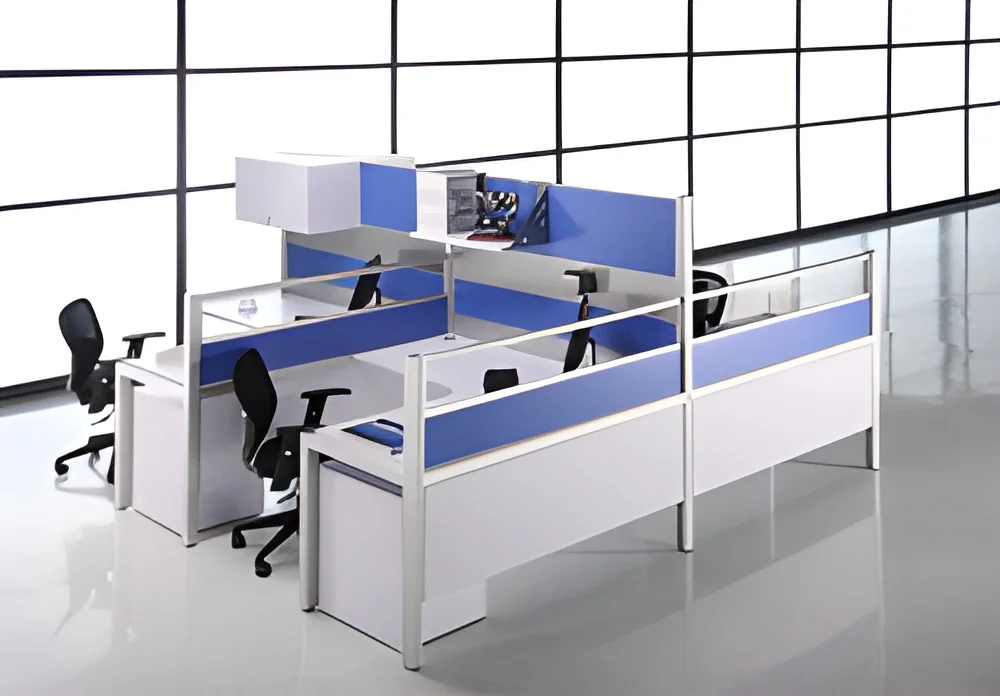
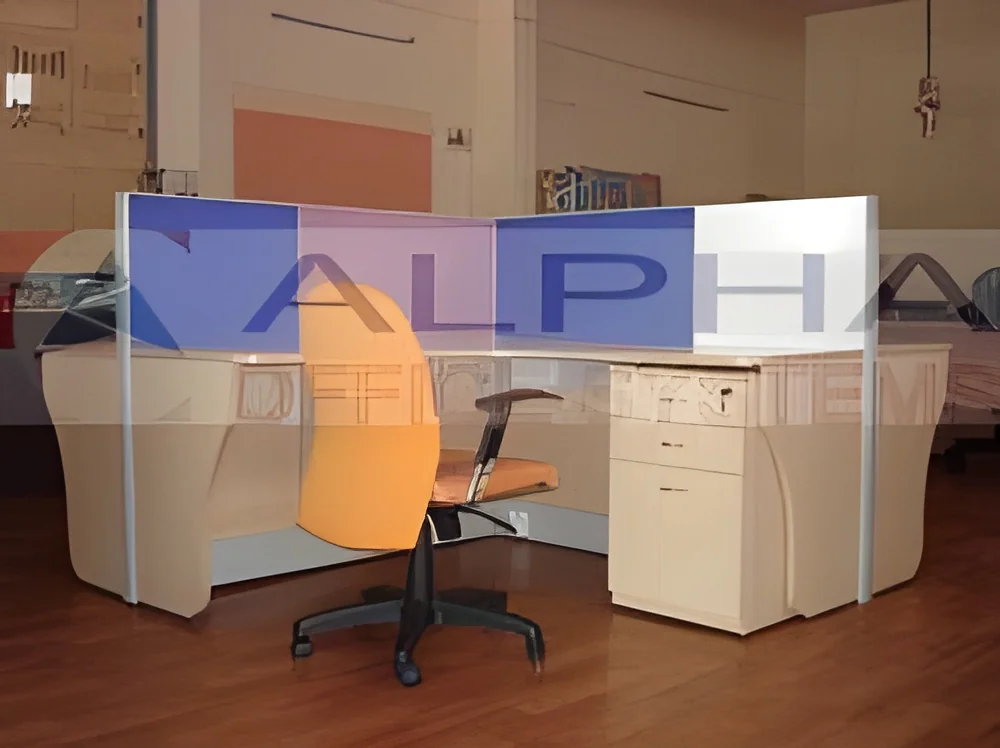
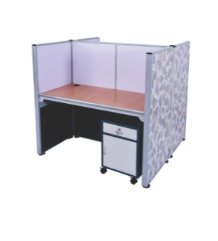
Modular workstations are versatile, customizable office or industrial setups designed to enhance productivity and efficiency. They can be easily reconfigured to suit various tasks and workflows. Their modular design allows for scalability, meaning they can adapt to the changing needs of a business without requiring a complete overhaul of the workspace.
These workstations are primarily used in environments such as manufacturing plants, laboratories, and office spaces. They support a range of activities, from assembly lines to collaborative workspaces. Businesses leverage modular workstations to optimize space, promote teamwork, and improve ergonomics. The relevance of modular workstations has grown in today's fast-paced market, where flexibility and efficiency are key to maintaining a competitive edge.
Key Features and Specifications
Modular workstations come equipped with features designed to meet diverse operational needs. Their specifications can vary based on intended use and industry requirements, ensuring that businesses can find a solution that fits their unique demands.
Key specifications include:
1. Customizable Configurations
- Workstations can be tailored to fit specific workflow requirements.
- Options may include adjustable height desks, shelving, and integrated storage.
2. Durability and Material Quality
- Constructed from high-quality materials to withstand industrial use.
- Resistance to wear, moisture, and chemicals is often a consideration.
3. Space Efficiency
- Designed to maximize workspace while minimizing footprint.
- Modular components can be added or removed to adjust to space constraints.
4. Ergonomic Design
- Features that promote comfort and reduce strain during long hours of use.
- Adjustable components help accommodate different user preferences.
5. Integration Capabilities
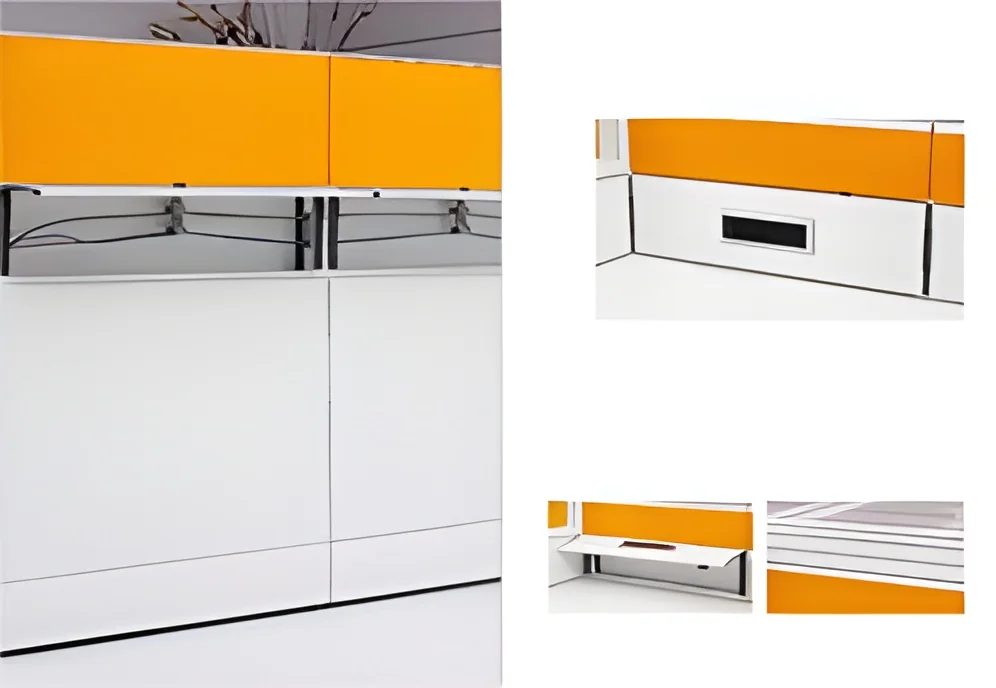
- Ability to incorporate technology such as power outlets, lighting, and data ports.
- Supports seamless integration with other workplace systems.
6. Aesthetic Variety
- Available in multiple designs and colors to match corporate branding.
- Options for modern or traditional looks based on business culture.
7. Easy Assembly and Disassembly
- Designed for quick setup and reconfiguration as needed.
- Minimal tools required for assembly.
8. Compliance with Safety Standards
- Adheres to various industry regulations for safety and quality.
- Ensures that work environments are safe for users.
In summary, the specifications of modular workstations are designed to provide flexibility, durability, and ergonomic benefits, making them suitable for a wide range of applications.
Common Applications and Use Cases
Modular workstations serve various industries, providing tailored solutions for specific operational needs.
1. Manufacturing: In manufacturing plants, modular workstations are utilized on assembly lines to facilitate the efficient movement of products through different stages of production.
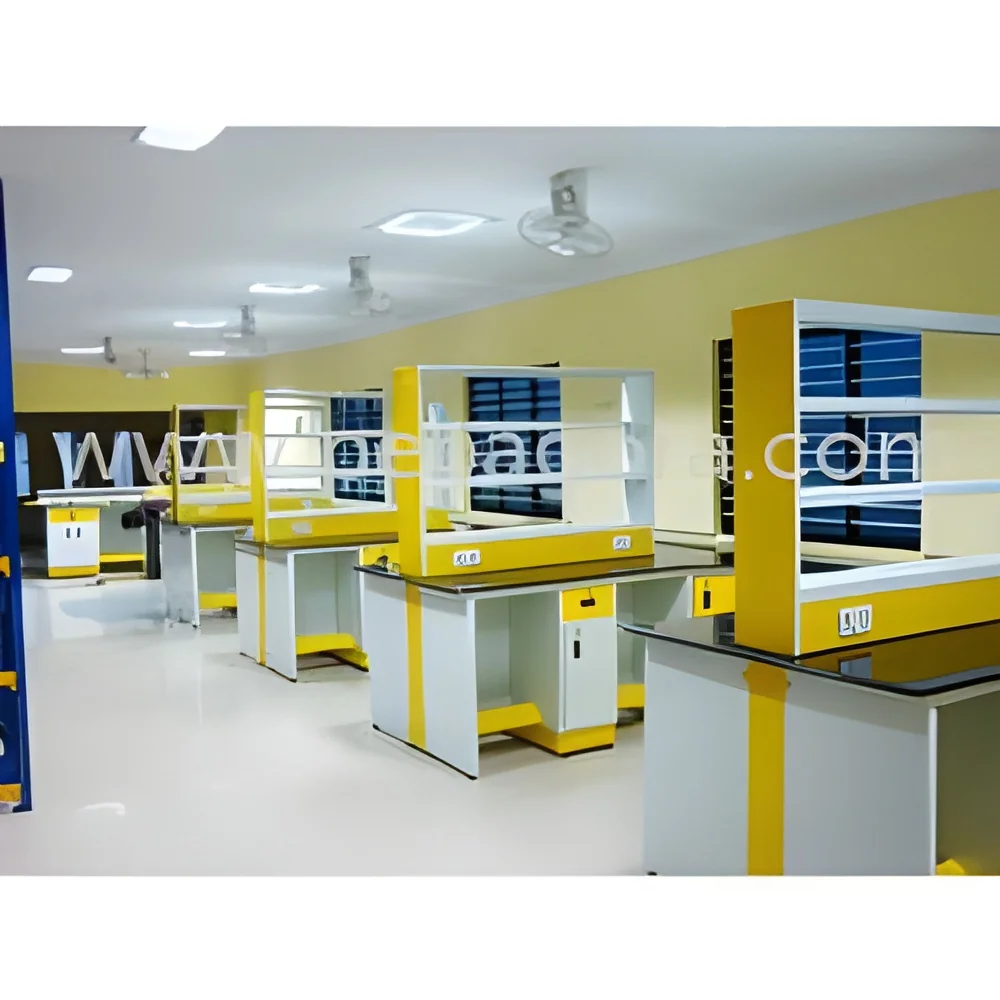
2. Laboratories: Labs use modular workstations to create flexible spaces for experiments and analysis, allowing for quick reconfiguration based on project requirements.
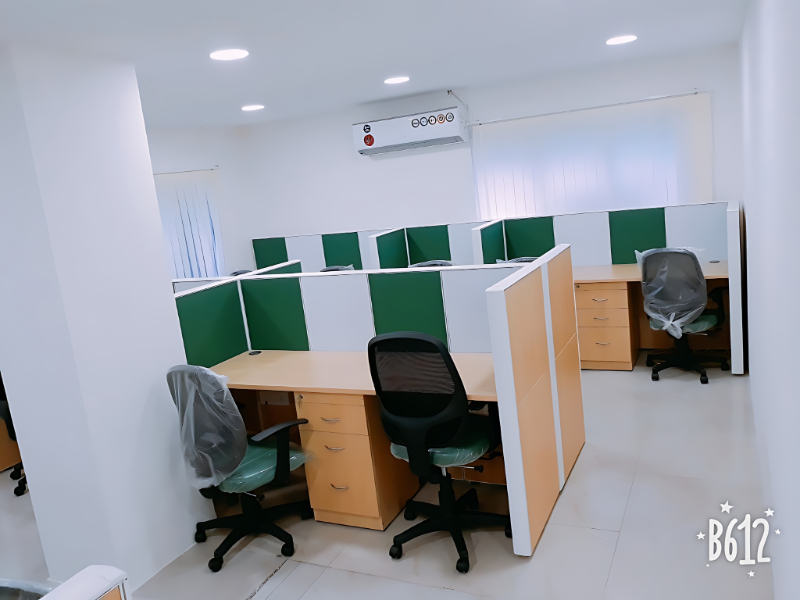
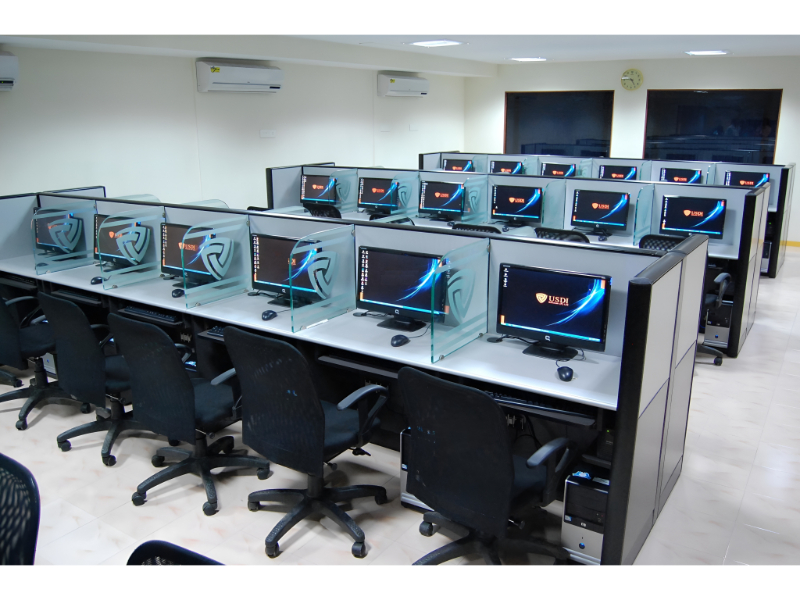
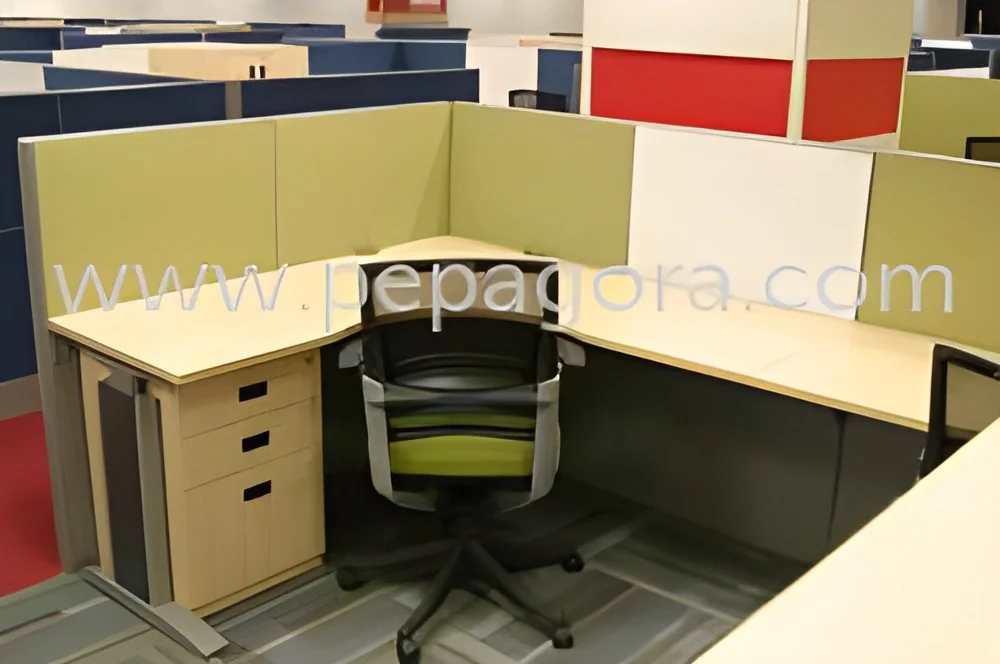
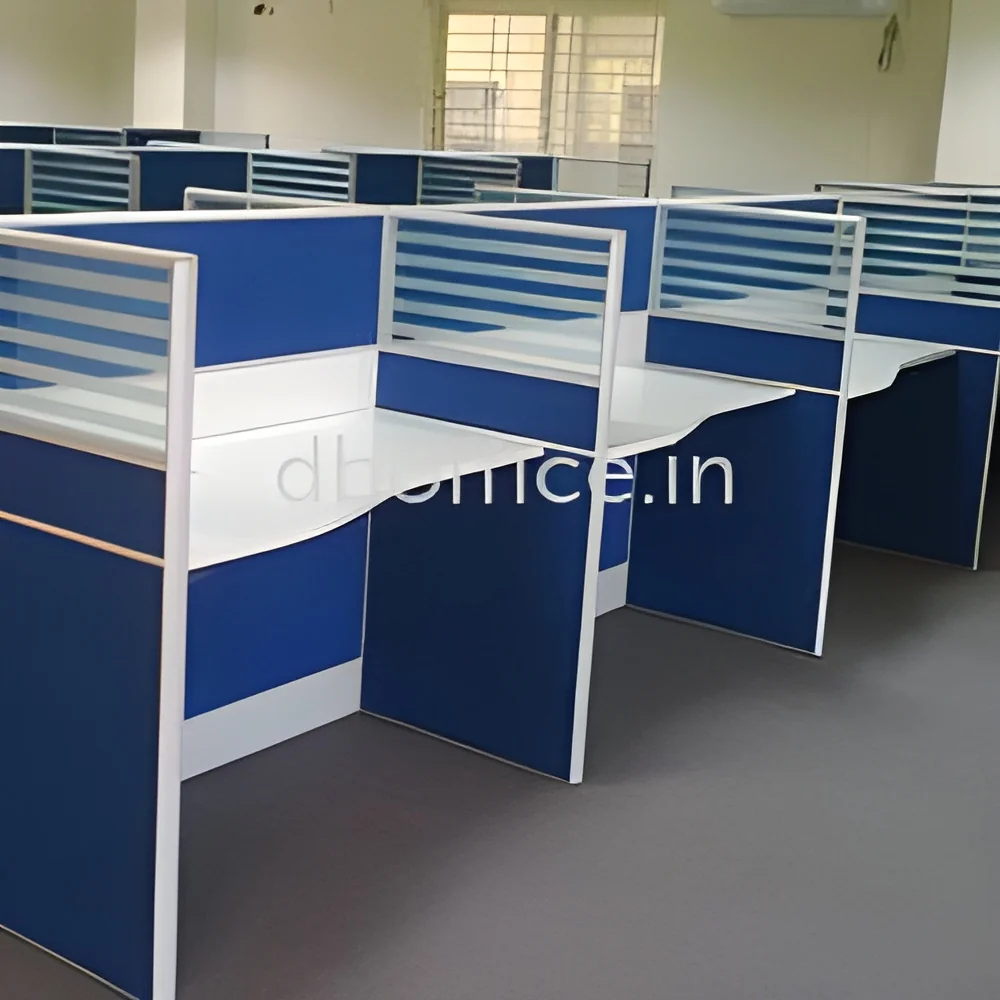
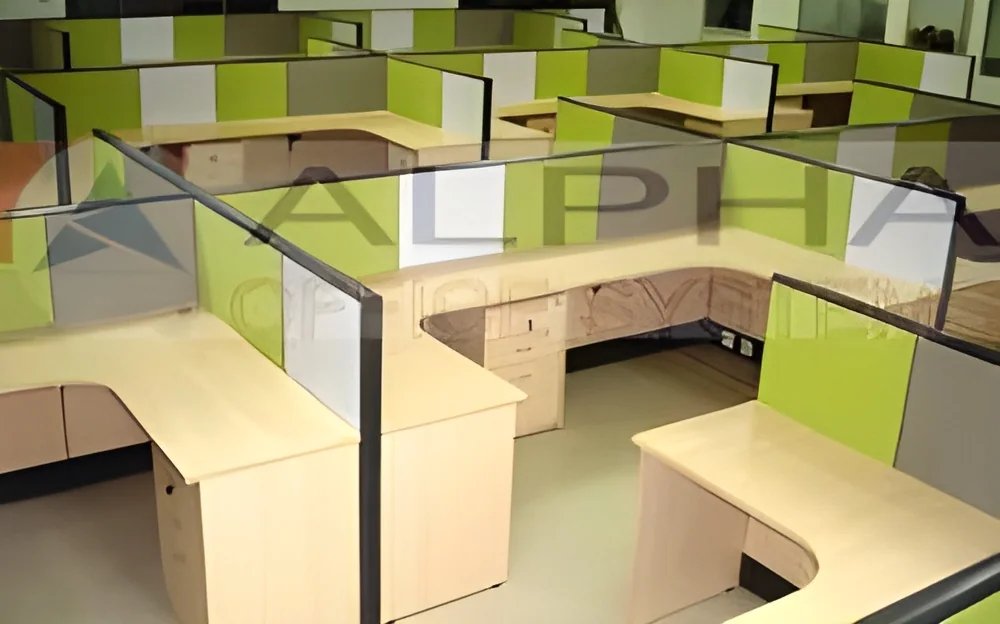
3. Offices: In corporate environments, these workstations foster collaboration among teams while providing individual workers with dedicated spaces that can be adjusted as needed.
4. Retail: Retail businesses employ modular workstations for inventory management and customer service stations, enabling rapid changes in layout for seasonal promotions.
5. Healthcare: In healthcare settings, modular workstations help streamline workflows in clinics and hospitals, ensuring that medical professionals have quick access to necessary tools and information.
6. Education: Educational institutions use modular workstations to create adaptable learning environments that can shift between classroom layouts and group work settings.
7. Research and Development: R&D departments benefit from modular workstations that can be easily modified to accommodate new research projects and team dynamics.
Product Variants and Subcategories
Modular workstations are diverse, with different variants catering to specific needs and environments.
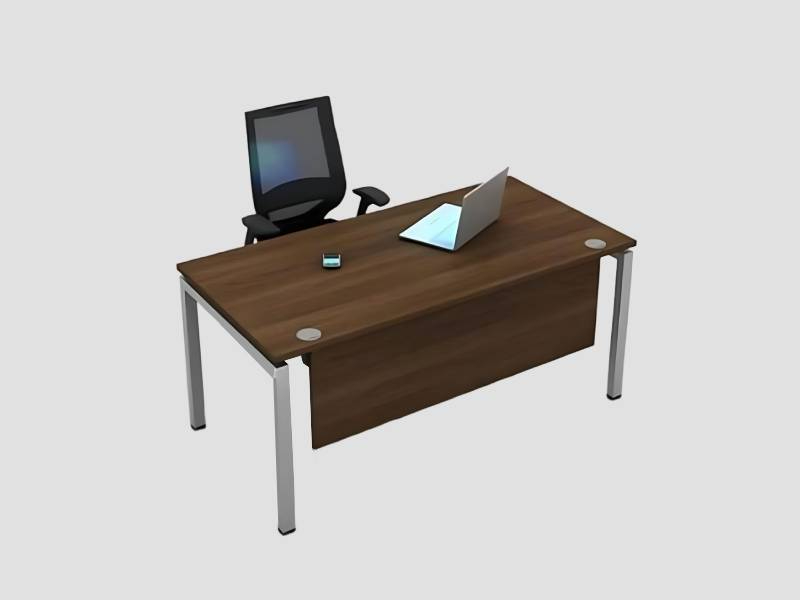
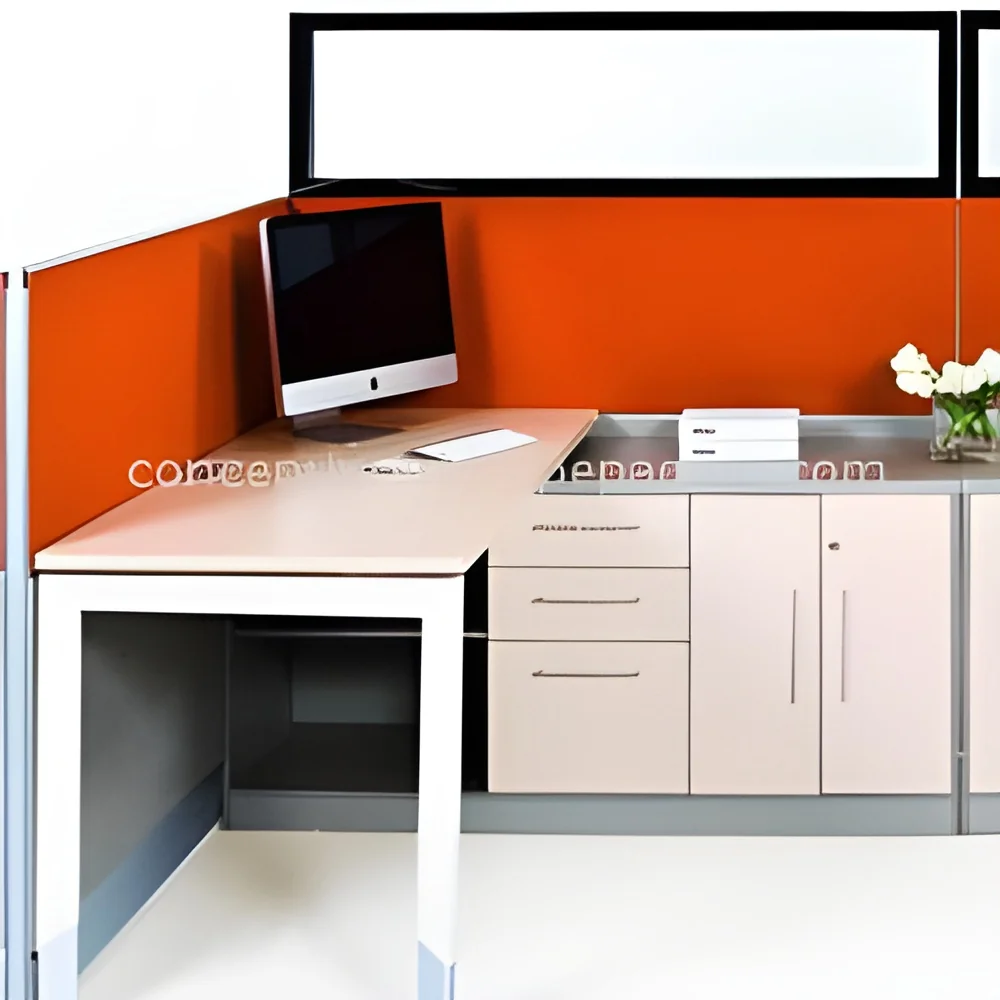
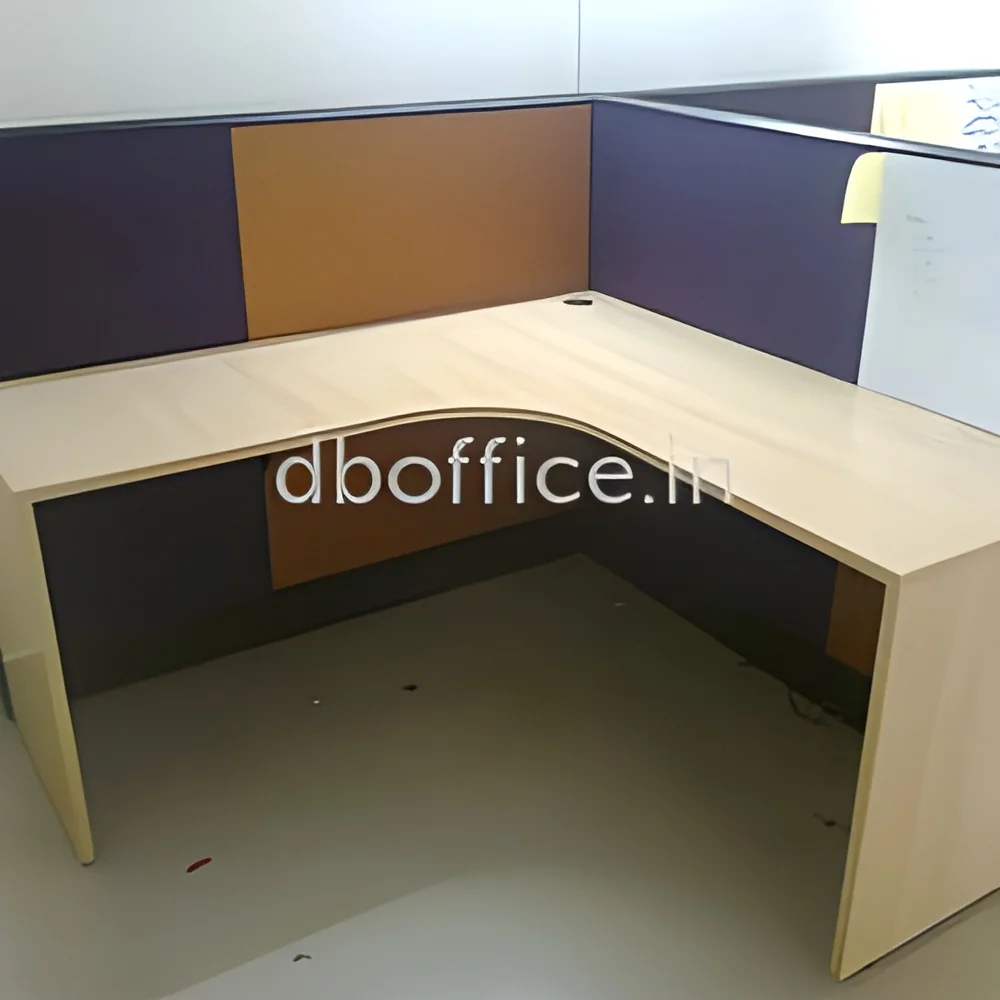
Basic Modular Workstation: This variant is designed for general office use, featuring a simple desk layout with essential storage options. It is ideal for individual workers who need a dedicated workspace.
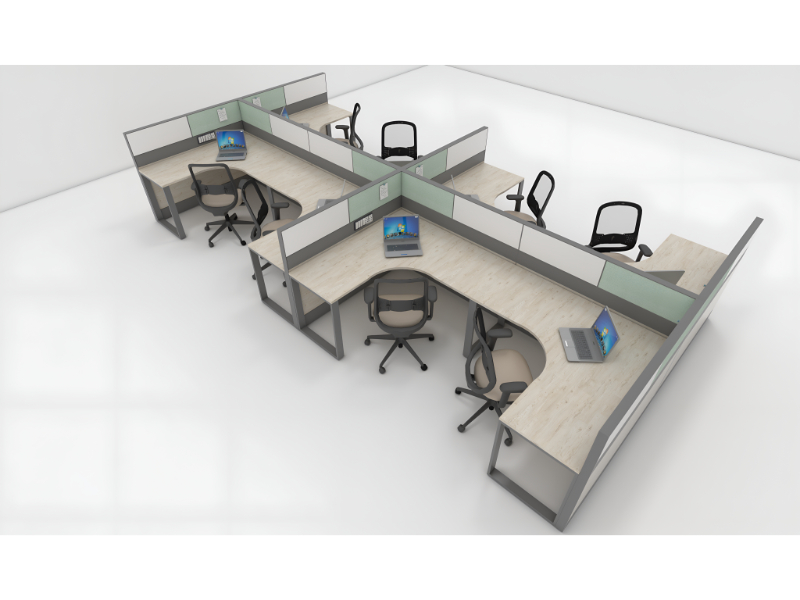
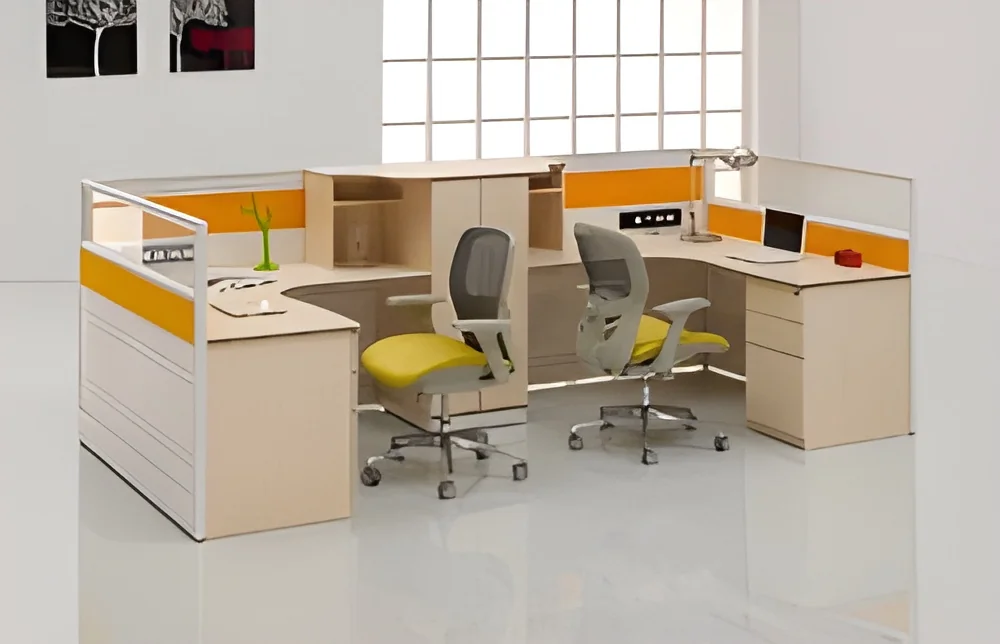
Advanced Modular Workstation: Equipped with technology integration and ergonomic features, this variant is suitable for collaborative environments. It offers more flexibility for teams working on projects together.
Industrial Modular Workstation: Designed for heavy-duty use, this variant is built with robust materials to withstand demanding conditions in manufacturing and assembly settings.
Mobile Modular Workstation: This variant includes wheels for easy mobility, allowing users to move workstations as needed. It is particularly useful in dynamic environments where layout changes frequently.
Benefits and Advantages
Investing in modular workstations brings numerous advantages to businesses.
1. Flexibility: Modular workstations can be easily reconfigured to adapt to changing workflows or team sizes, providing a long-term solution for evolving needs.
2. Cost-Effectiveness: By allowing for adjustments rather than complete replacements, modular workstations can lead to significant cost savings over time.
3. Improved Workflow: Customizable setups enhance productivity by allowing teams to create environments that support their specific tasks and collaboration styles.
4. Ergonomic Benefits: With adjustable features, these workstations promote better posture and comfort, reducing the risk of workplace injuries.
5. Enhanced Collaboration: Modular designs facilitate teamwork by providing spaces that can easily transition from individual work to group projects.
6. Aesthetic Appeal: Available in various styles and colors, modular workstations can enhance the overall look of a workspace, contributing to a positive work atmosphere.
Buying Guide for B2B Buyers
When sourcing modular workstations, it is crucial to consider several key factors to ensure you make the best choice for your business.
1. Quality Assessment: Evaluate the materials and construction quality to ensure durability and longevity. Look for certifications that indicate compliance with industry standards.
2. Supplier Verification: Research potential suppliers to verify their reputation and reliability. Check reviews and ask for references to ensure you are partnering with a trustworthy source.
3. Pricing and MOQ: Understand the pricing structure and minimum order quantities to align with your budget and purchasing needs. Consider potential discounts for bulk orders.
4. Delivery and Lead Times: Discuss delivery options and lead times with suppliers to ensure that the workstations can be delivered when needed, without disrupting your operations.
5. Compliance Requirements: Be aware of any regulatory or compliance issues related to your industry. Ensure that the workstations meet safety and quality standards required for your specific application.
Compliance and Certifications
Modular workstations must adhere to various compliance standards and certifications to ensure safety and quality.
Quality standards such as ISO 9001 ensure that manufacturers maintain a consistent level of quality in their products. These standards are essential for companies looking to guarantee reliability in their modular workstations.
Industry certifications like CE and UL signify that products meet specific safety and performance criteria. These certifications are particularly important in regulated industries where safety is paramount.
In addition to safety standards, manufacturers must also consider regional compliance requirements. Different regions may have unique regulations concerning workplace safety, materials used, and environmental impact. Adhering to these standards is crucial for market access and reputation.
Why Source Modular Workstations from Pepagora?
Pepagora provides a trusted platform for sourcing modular workstations, offering several key advantages to B2B buyers.
Verified Supplier Network: Pepagora connects buyers with a network of verified suppliers, ensuring that businesses can find reliable partners who meet quality and compliance standards.
Streamlined RFQ Process: The platform simplifies the request for quotation process, allowing buyers to easily obtain multiple quotes from different suppliers. This efficiency helps businesses make informed purchasing decisions.
Trade Assurance and Support: Pepagora offers buyer protection through trade assurance policies, ensuring that transactions are secure. This support builds trust in the procurement process.
Regional Coverage: With a strong presence in India, the GCC, and Southeast Asia, Pepagora provides access to a wide range of suppliers and products. This geographic coverage allows businesses to source modular workstations that meet local market needs while benefiting from competitive pricing.

 IN
IN