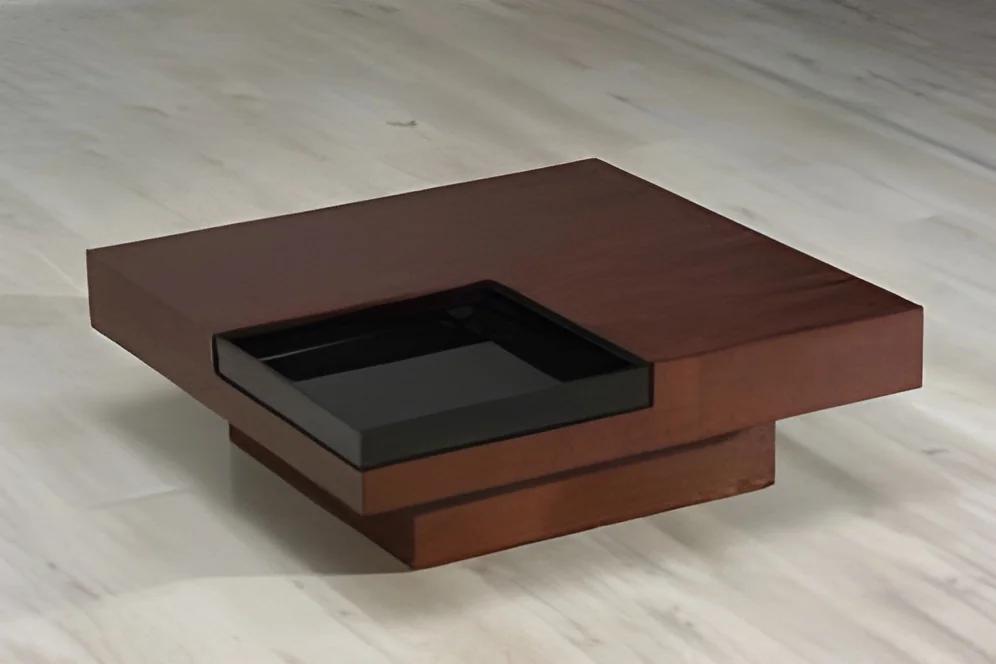
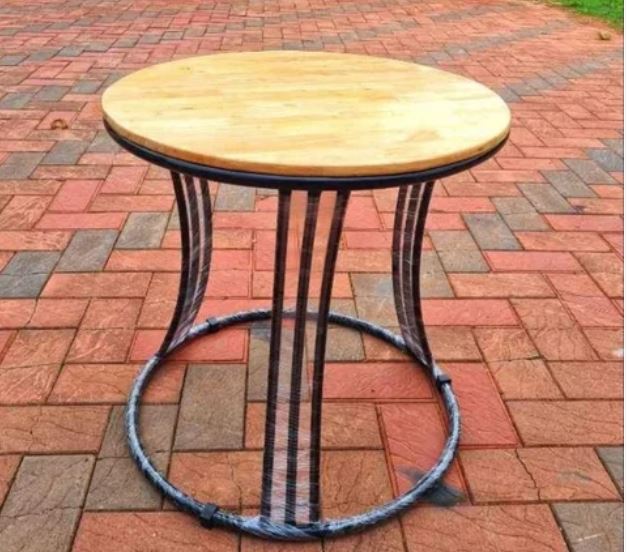
What are Coffee Tables for Waiting Areas?
Coffee tables for waiting areas are essential pieces of furniture designed to enhance the comfort and functionality of reception spaces. These tables serve as a central point for visitors to place items such as magazines, beverages, or personal belongings while they wait. They are typically lower in height compared to standard tables and come in various shapes, sizes, and materials to fit diverse interior design themes.
Primarily, coffee tables are utilized in various business environments such as offices, healthcare facilities, hotels, and retail spaces. They not only provide a practical surface for guests but also contribute to the overall aesthetic appeal of the area. Their presence can create a welcoming atmosphere that enhances customer experience and satisfaction. In the current market, the demand for stylish yet functional coffee tables continues to grow, reflecting broader trends in workplace design and customer service.
Key Features and Specifications
Coffee tables for waiting areas come with numerous features that cater to the specific needs of businesses. These tables are designed for durability, aesthetic appeal, and versatility.
Key specifications include:
1. Material Composition
- Common materials include wood, metal, glass, and composite materials.
- Each material offers different durability and maintenance levels.
2. Dimensions
- Typical height ranges from 16 to 20 inches.
- Width and length can vary significantly based on design but generally range from 30 to 50 inches.
3. Weight Capacity
- Coffee tables can support weights ranging from 50 to 200 pounds depending on construction.
4. Surface Finish
- Options include laminate, varnished wood, or powder-coated metal.
- Surface finishes affect aesthetics and durability.
5. Design Style
- Available in modern, traditional, and transitional styles to match different decors.
6. Assembly Requirements
- Some models come fully assembled, while others may require minimal assembly.
7. Customization Options
- Many suppliers offer customization in terms of size, color, and finish to meet specific needs.
In summary, understanding these specifications helps buyers select coffee tables that best fit their waiting area requirements.
Common Applications and Use Cases
Coffee tables for waiting areas have versatile applications across various industries.
1. Healthcare: In hospitals or clinics, coffee tables provide patients and visitors a place to rest personal items and read while waiting for appointments.
2. Offices: Corporate offices utilize coffee tables in reception areas to create a professional yet comfortable environment for guests.
3. Hospitality: Hotels often use coffee tables in lobbies, enhancing the welcoming atmosphere for guests as they check in or wait for transportation.
4. Retail: Stores may feature coffee tables in waiting areas or lounges to allow customers to relax while waiting for services or assistance.
5. Educational Institutions: Schools and universities implement coffee tables in waiting areas to create inviting spaces for students and parents.
6. Spas and Salons: These establishments use coffee tables to offer guests a comfortable place to relax while waiting for their appointments.
7. Event Venues: Coffee tables serve as gathering spots in waiting areas before events, allowing guests to socialize and unwind.
Product Variants and Subcategories
Coffee tables for waiting areas come in various designs and styles to cater to different preferences and functional needs.
Contemporary Coffee Tables
These tables often feature sleek lines, minimalistic designs, and modern materials, appealing to businesses looking to create an upscale ambiance.
Traditional Coffee Tables
Characterized by rich wood finishes and classic designs, traditional tables fit well in settings that emphasize warmth and familiarity.
Multi-functional Coffee Tables
Some models include built-in storage options or adjustable heights, providing added functionality for diverse business settings.
Benefits and Advantages
Investing in coffee tables for waiting areas offers several advantages for businesses.
1. Enhanced Customer Experience: Comfortable and stylish coffee tables contribute to a welcoming atmosphere that can improve guest satisfaction.
2. Increased Functionality: These tables provide a practical surface for visitors to place personal items, promoting a more organized environment.
3. Customization Potential: Many suppliers offer options for tailored designs, ensuring the tables match the specific branding and style of the business.
4. Durability and Longevity: High-quality materials ensure that coffee tables can withstand heavy use in busy environments, reducing the need for frequent replacements.
5. Aesthetic Appeal: Well-designed coffee tables can enhance the overall decor of waiting areas, leaving a positive impression on guests.
6. Versatile Usage: Beyond waiting areas, these tables can be utilized in break rooms or conference spaces, maximizing their value.
Buying Guide for B2B Buyers
When sourcing coffee tables for waiting areas, businesses should consider several key factors to ensure a successful purchase.
1. Quality Assessment: Evaluate the materials and construction of the tables to ensure they meet durability standards suitable for high-traffic environments.
2. Supplier Verification: Research potential suppliers to confirm their reputation and track record in providing quality products and reliable service.
3. Pricing and MOQ: Understand the pricing structure and minimum order quantities to align purchases with budget constraints.
4. Delivery and Lead Times: Inquire about logistics to ensure timely delivery that aligns with business needs.
5. Compliance Requirements: Check for compliance with relevant industry standards and regulations to ensure safety and quality.
Compliance and Certifications
Compliance and certifications are crucial considerations in the procurement of coffee tables for waiting areas.
Meeting relevant quality standards, such as ISO 9001, ensures that products are manufactured under strict quality management systems. This certification indicates that the supplier adheres to high standards of quality and performance. Additionally, compliance with industry certifications like CE is essential for ensuring that products meet safety and environmental requirements.
Businesses should also consider safety testing requirements, which may vary based on regional regulations and standards. Compliance with local laws and regulations ensures that the products are safe for use in public spaces, protecting both the business and its customers.
Understanding regional compliance considerations is vital, as different areas may have unique requirements that must be met to avoid potential legal issues.
Why Source Coffee Tables for Waiting Areas from Pepagora?
Pepagora offers a comprehensive platform for sourcing coffee tables for waiting areas, providing several key advantages to B2B buyers.
Verified Supplier Network: Pepagora connects buyers with a network of verified suppliers, ensuring that each vendor meets stringent quality and reliability standards. This helps buyers make informed decisions when selecting products.
Streamlined RFQ Process: The platform simplifies the request for quotation process, allowing buyers to easily compare prices and features from multiple suppliers. This transparency enhances the purchasing experience and aids in securing the best deals.
Trade Assurance and Support: Pepagora provides trade assurance to protect buyers, ensuring that their investments are safeguarded. The platform also offers support throughout the buying process, helping buyers navigate any challenges that may arise.
Regional Coverage: With extensive reach across India, the GCC, and Southeast Asia, Pepagora facilitates sourcing from a diverse range of suppliers, providing buyers with a wide selection of coffee tables to choose from, tailored to their specific needs.

 IN
IN