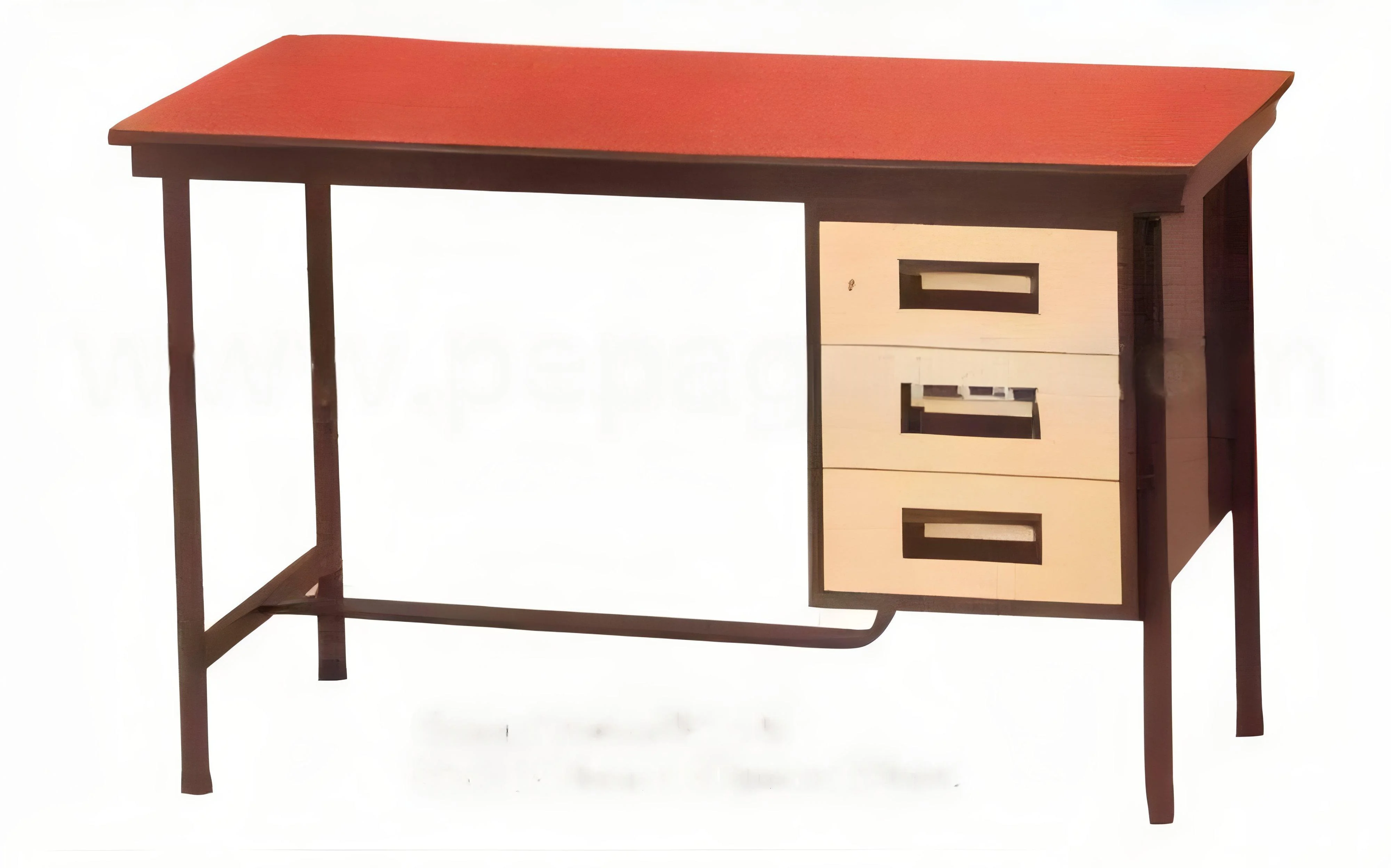
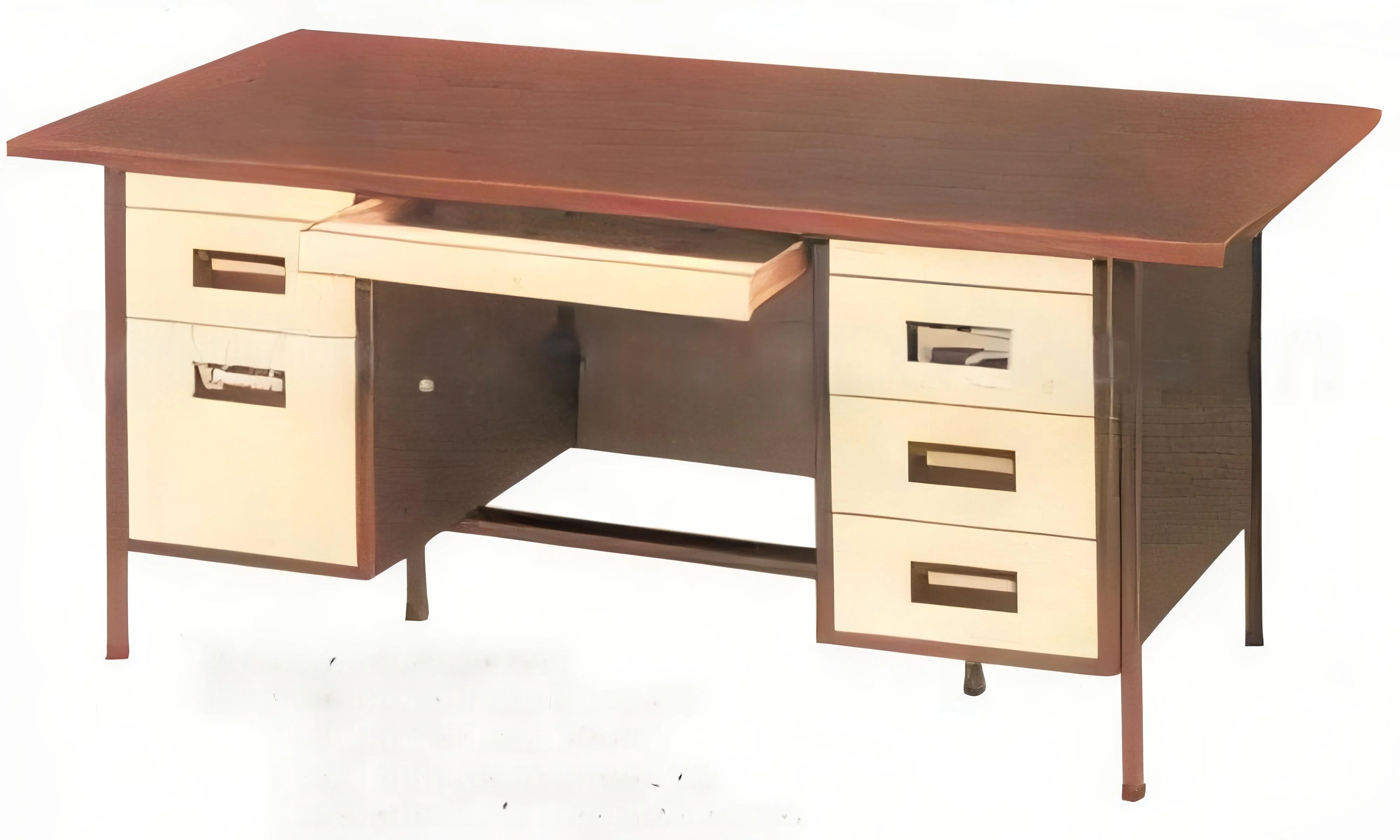
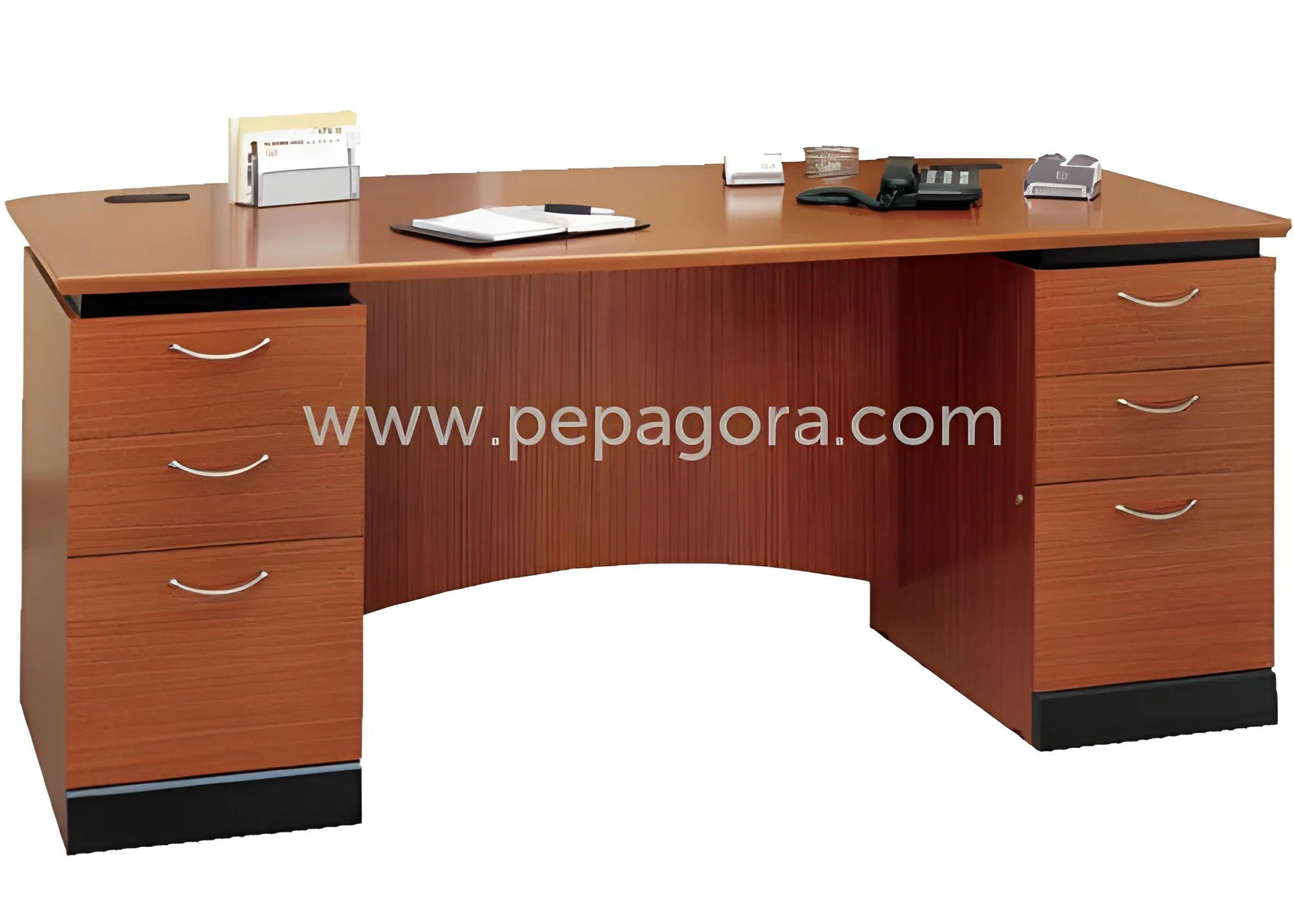
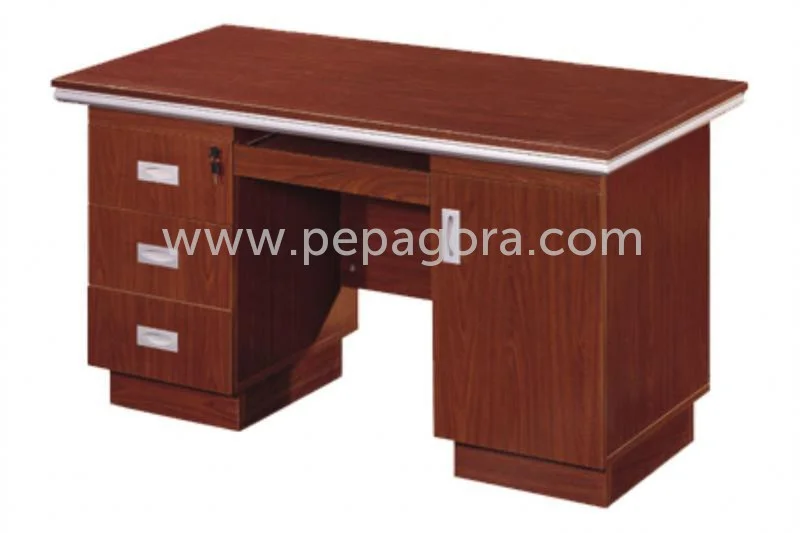
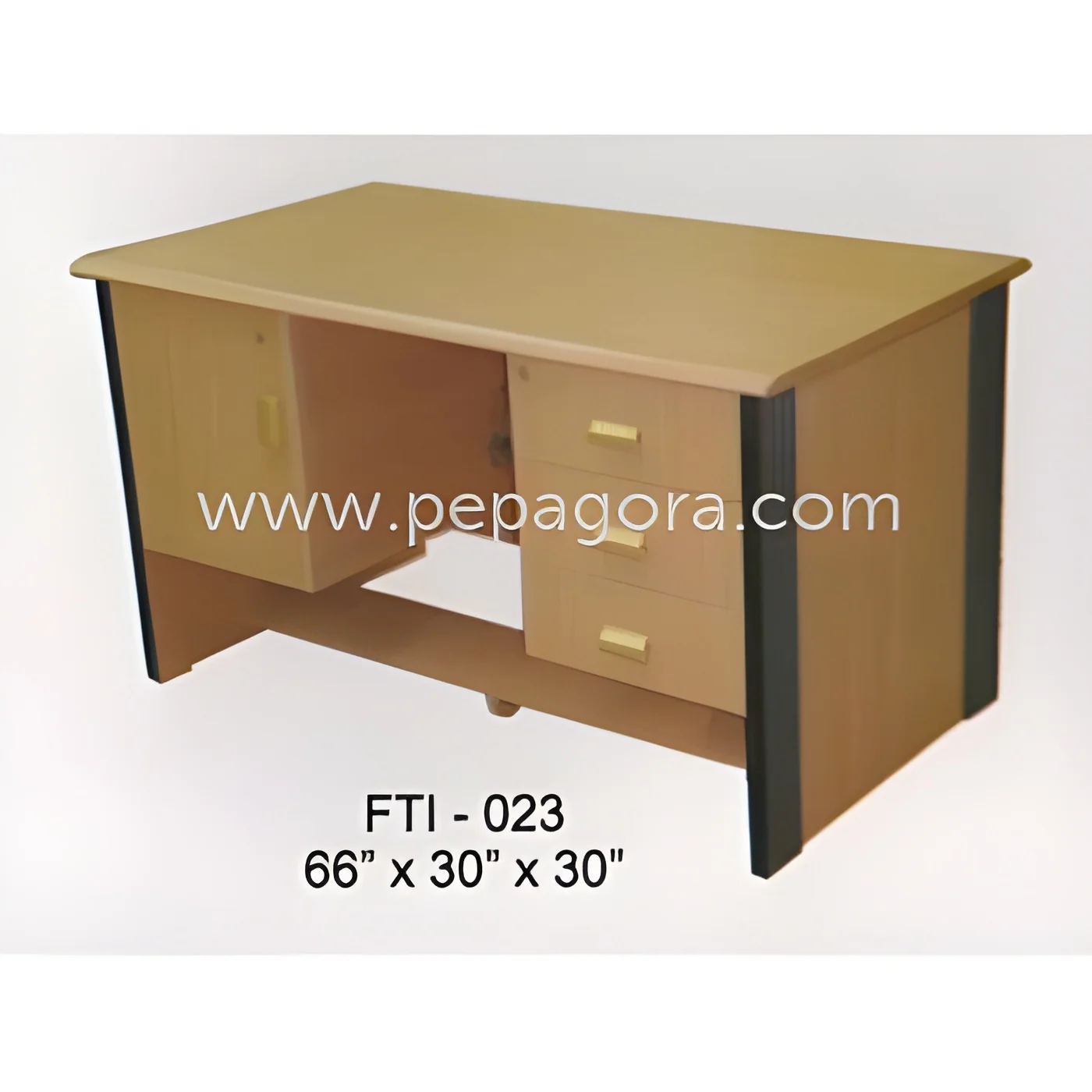
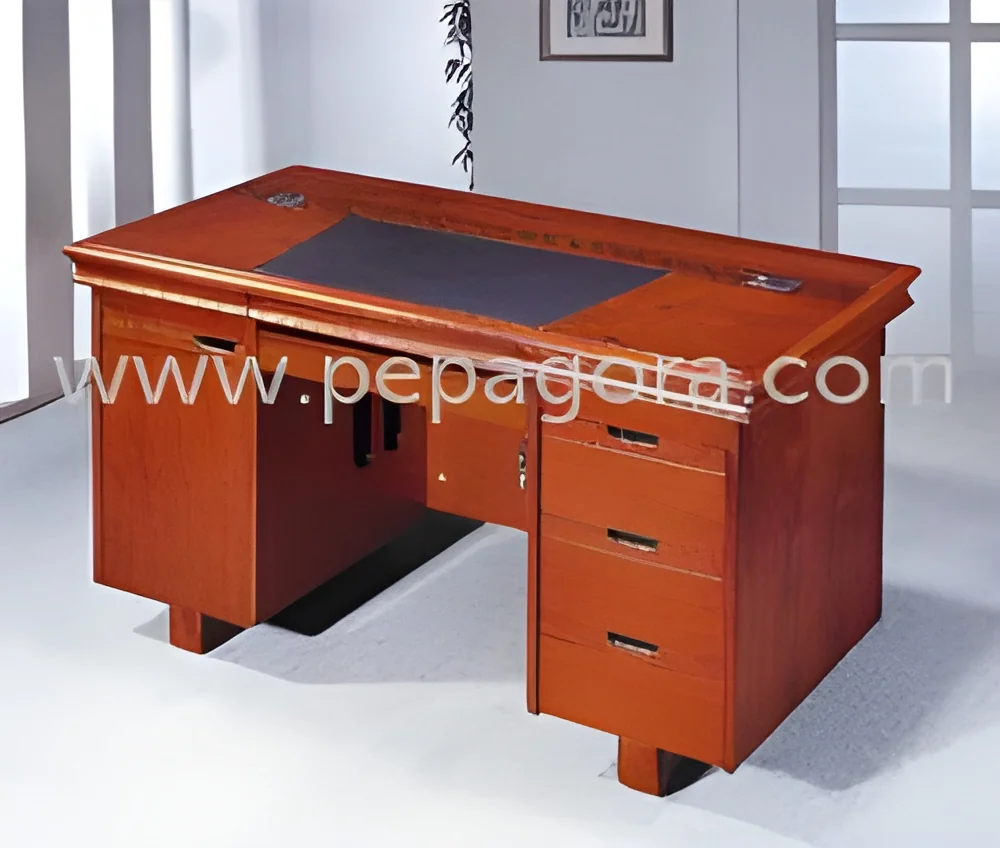
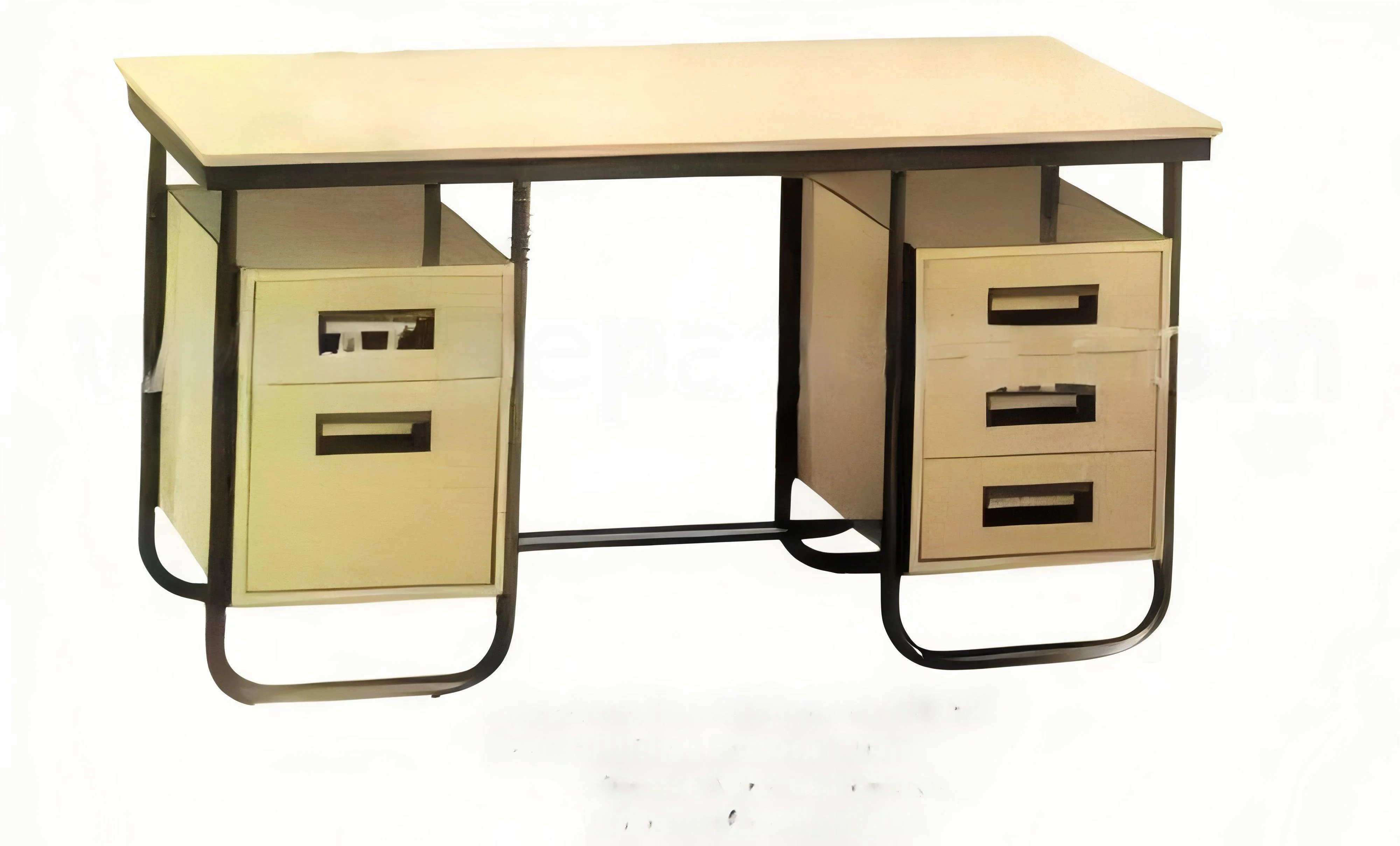
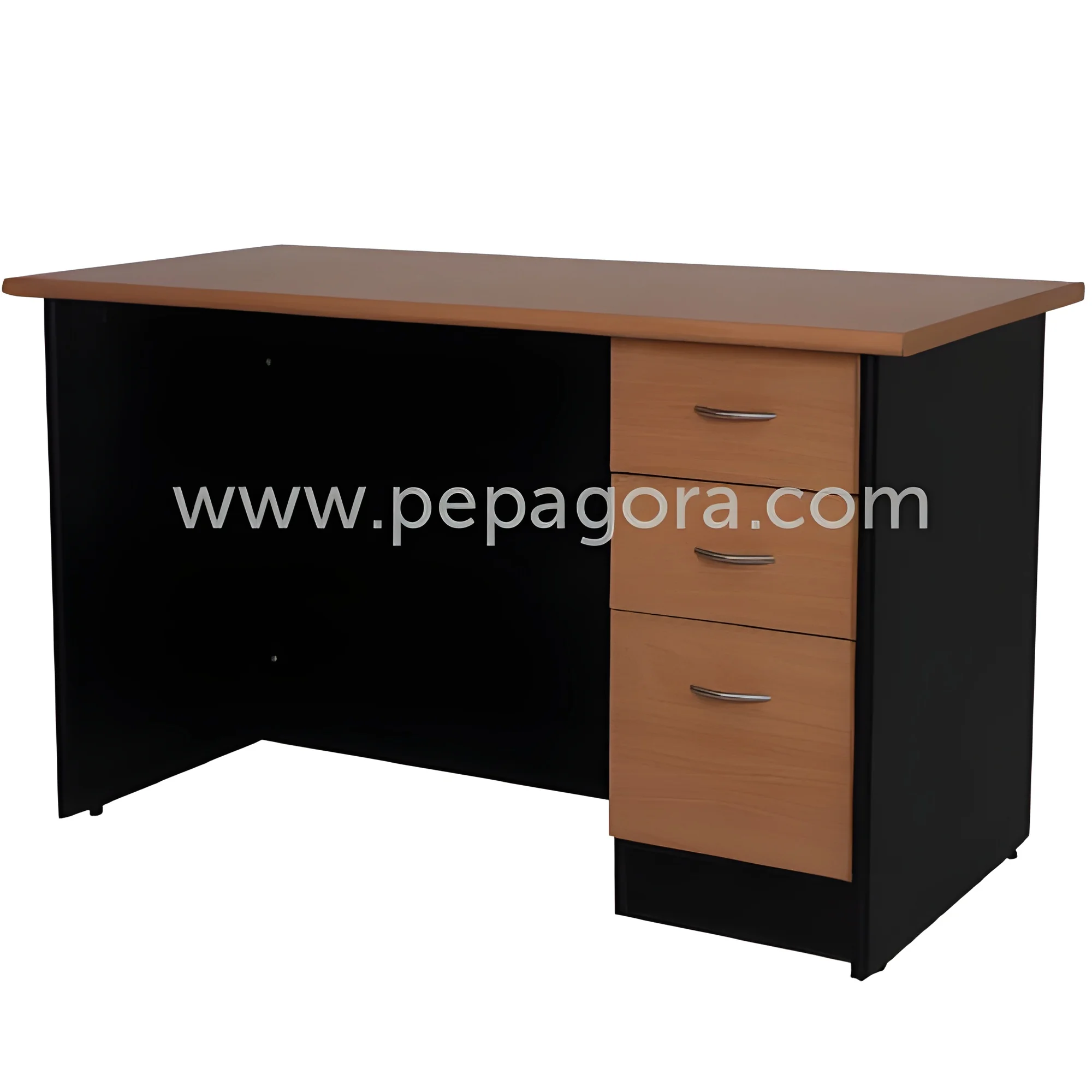
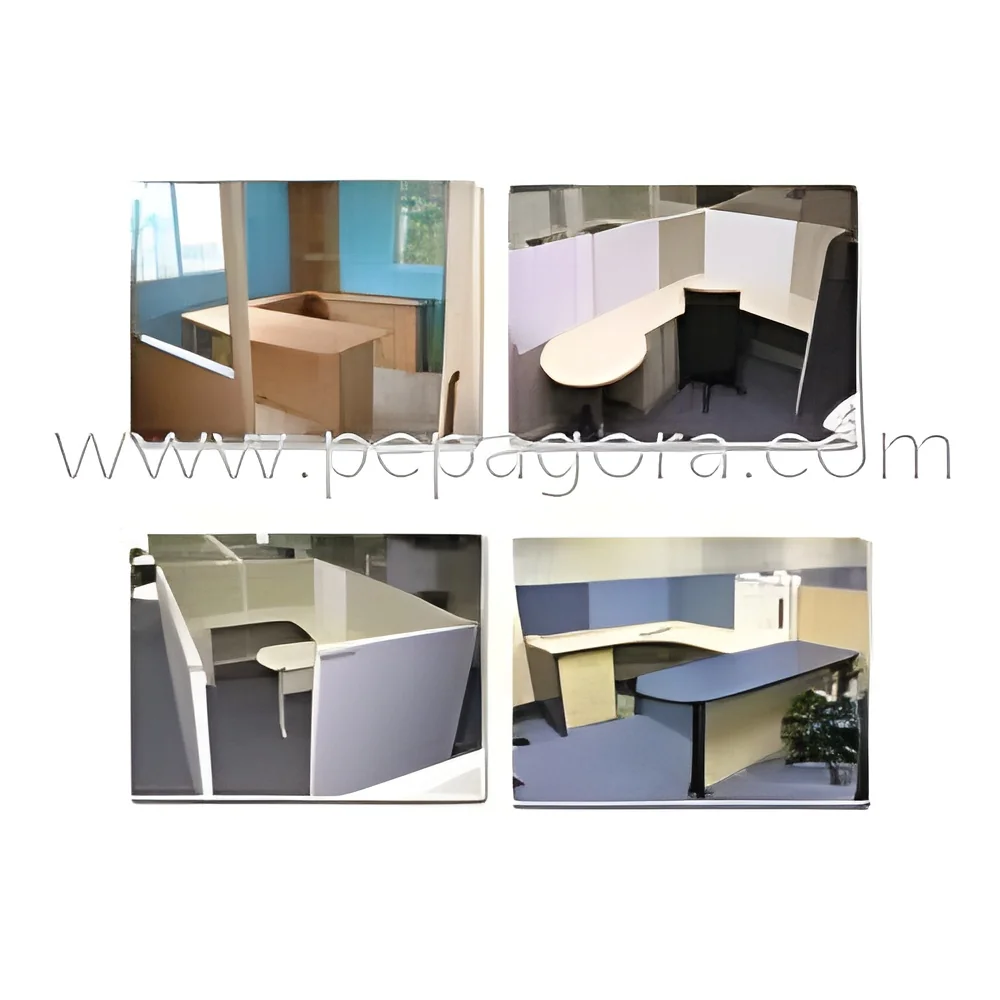
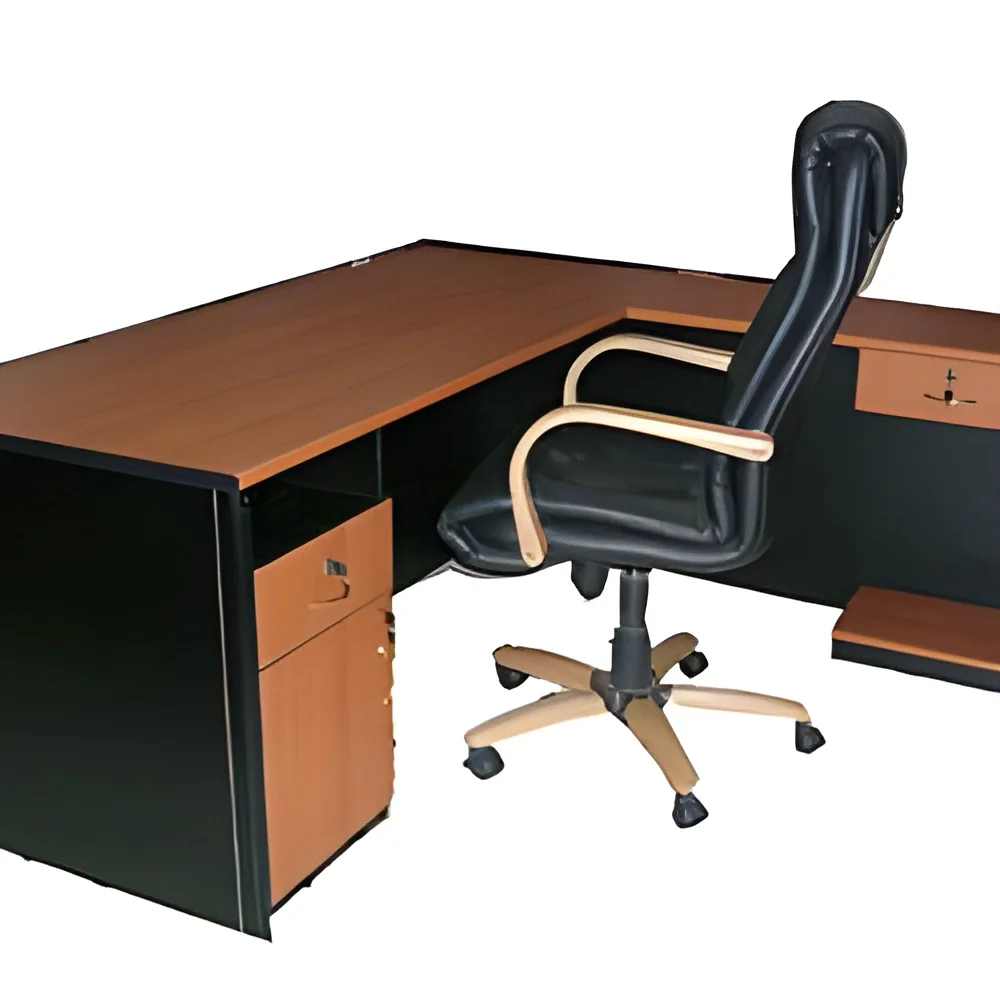
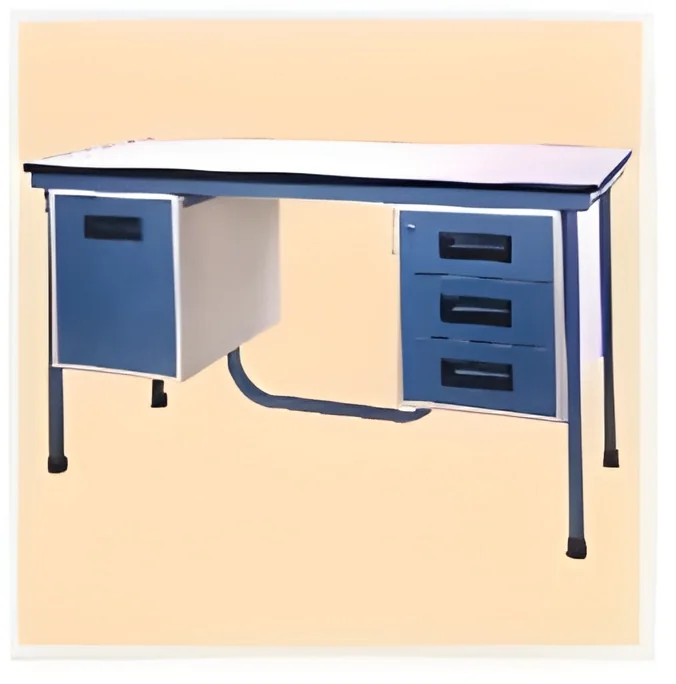
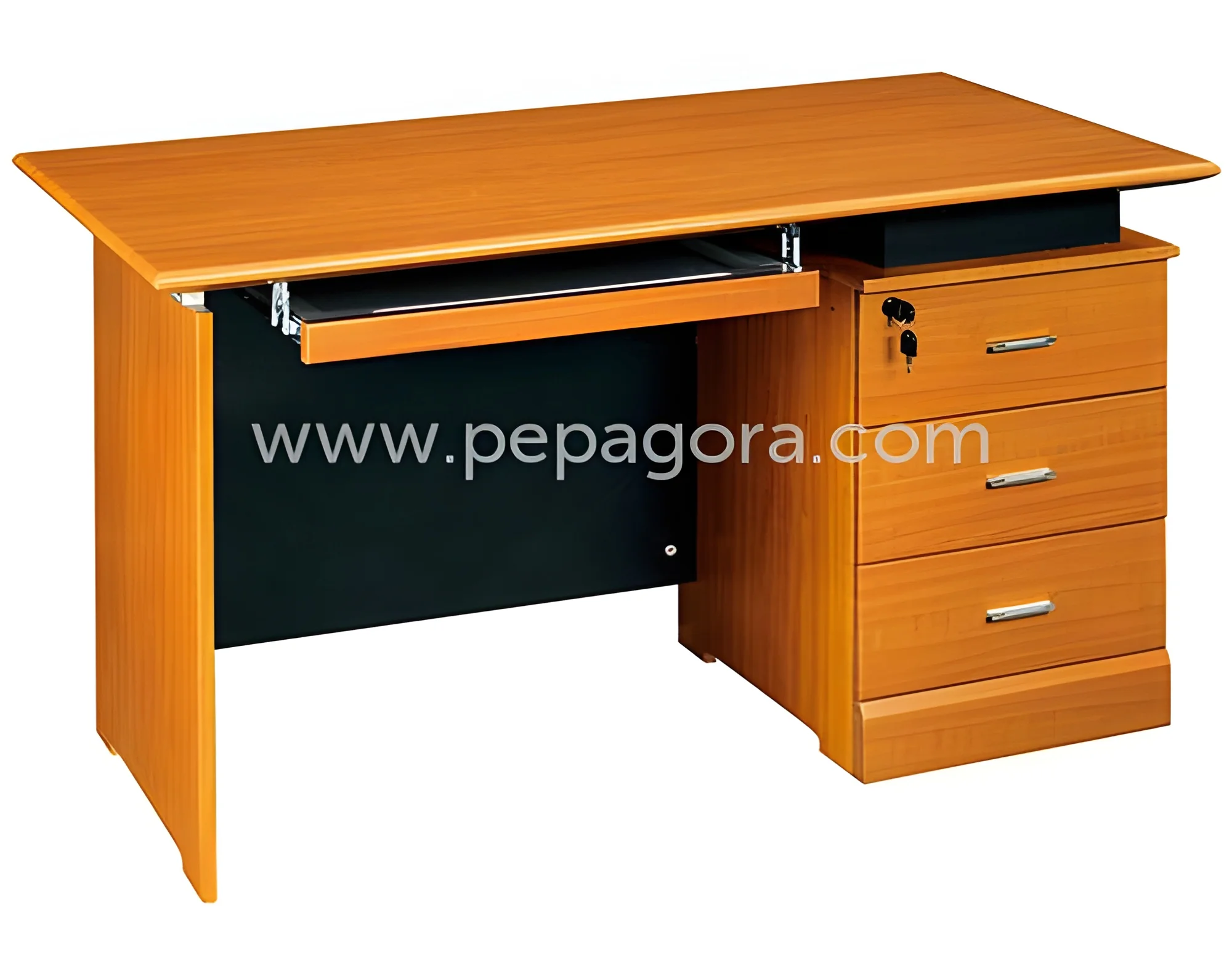
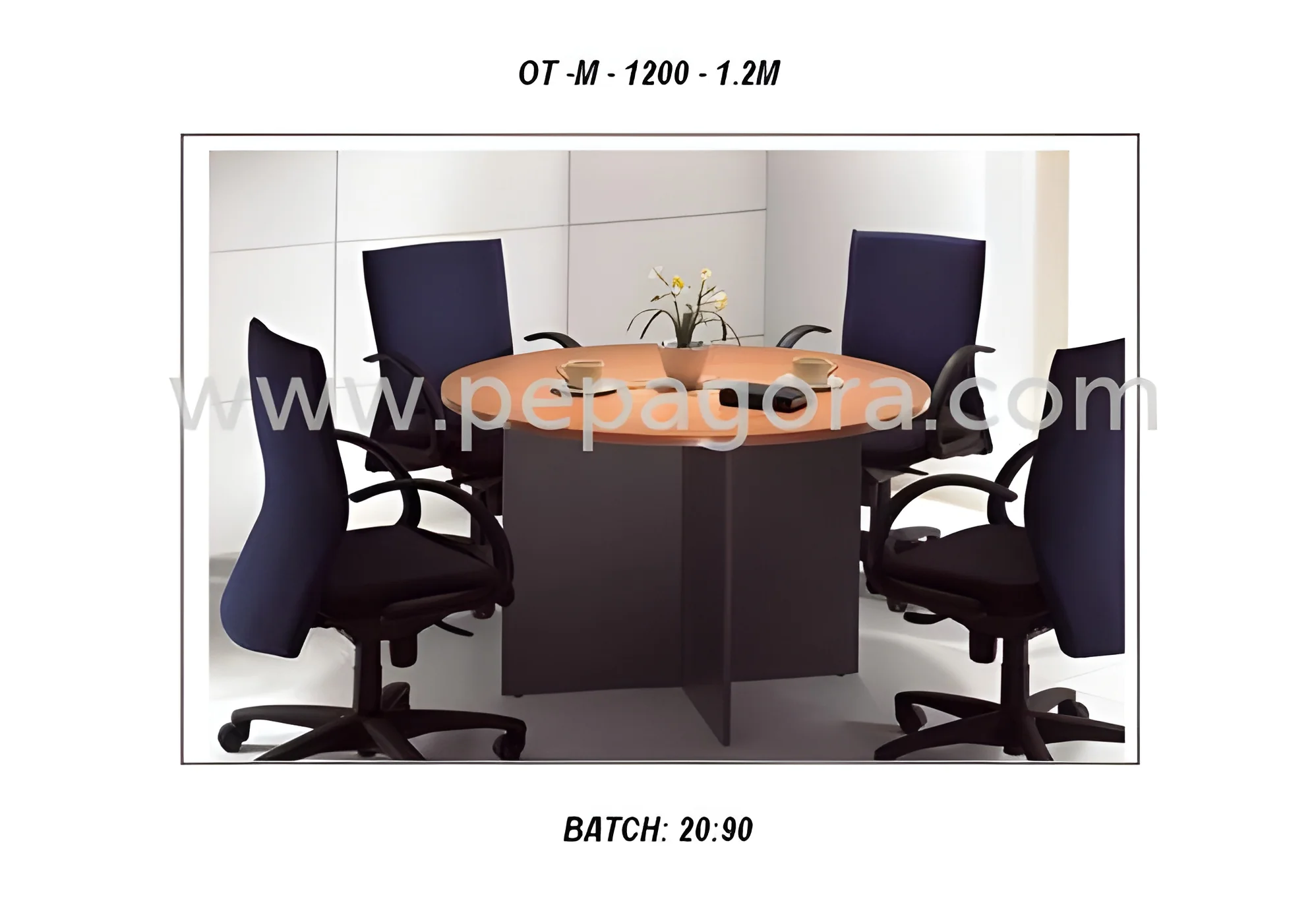
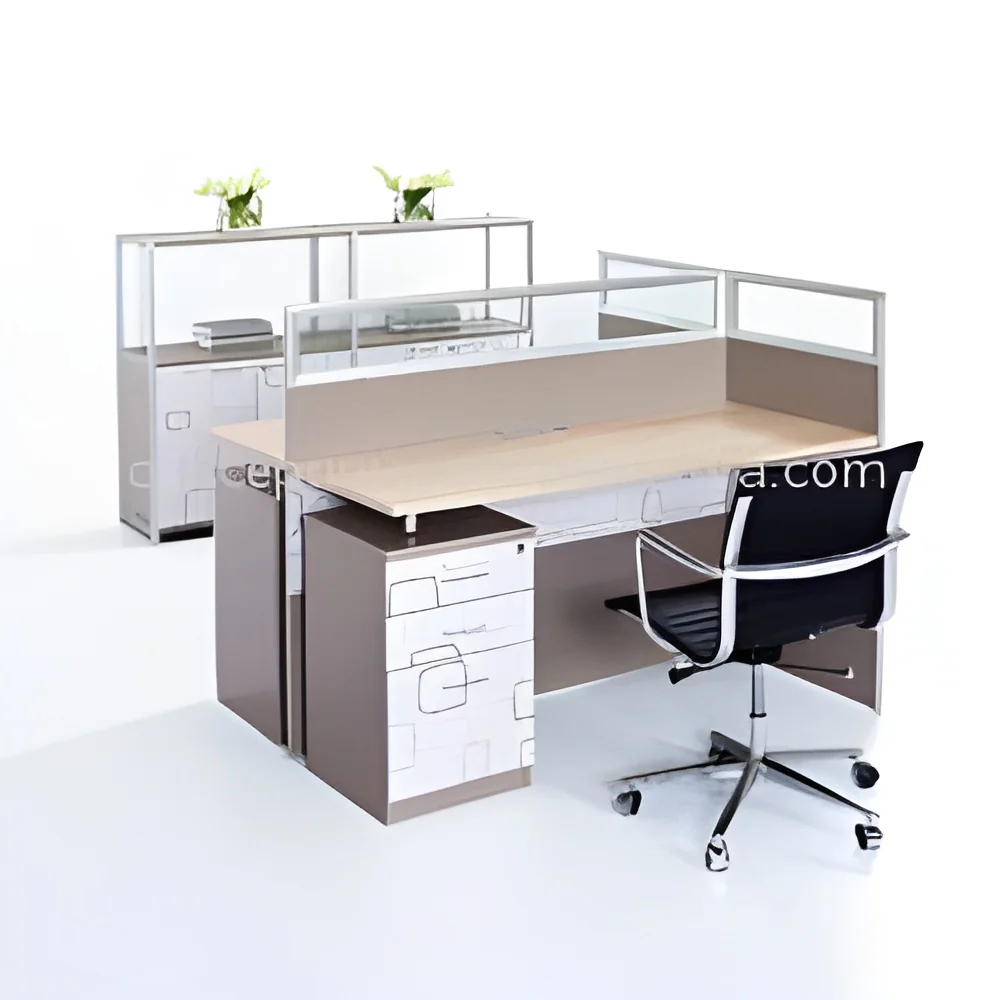
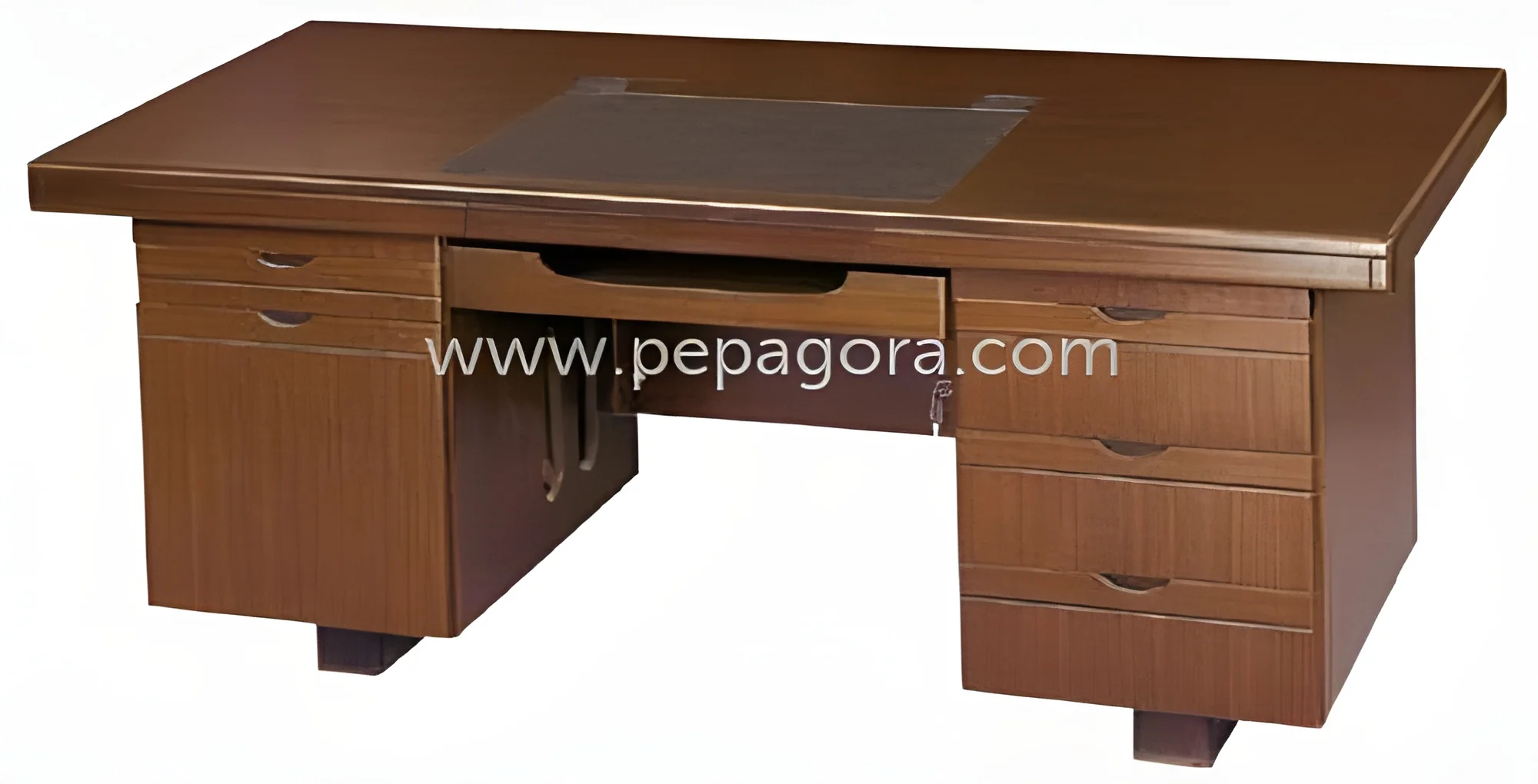
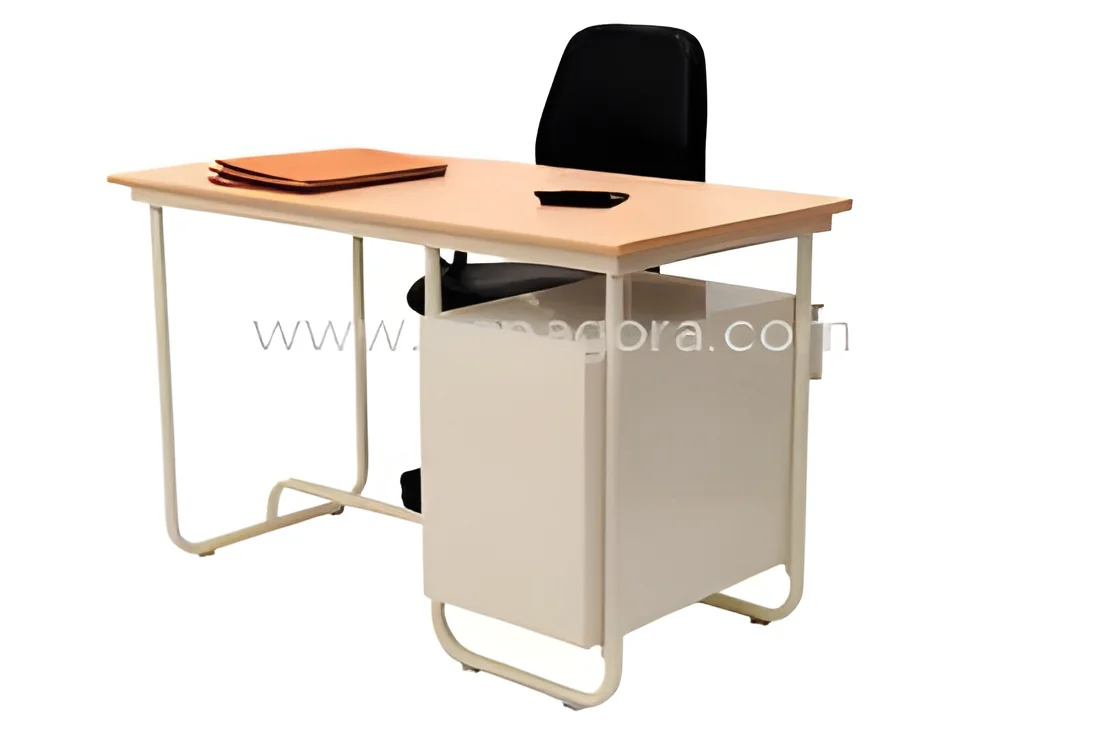
What are Office Desks?
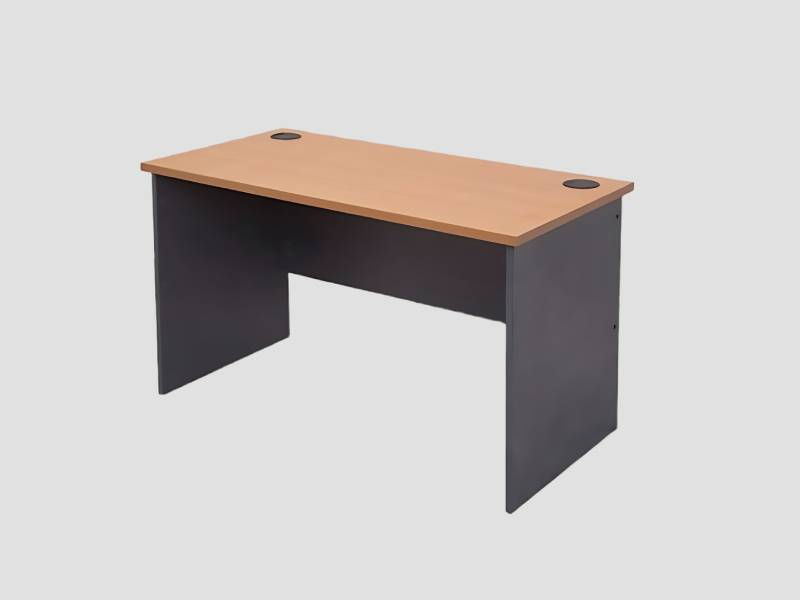
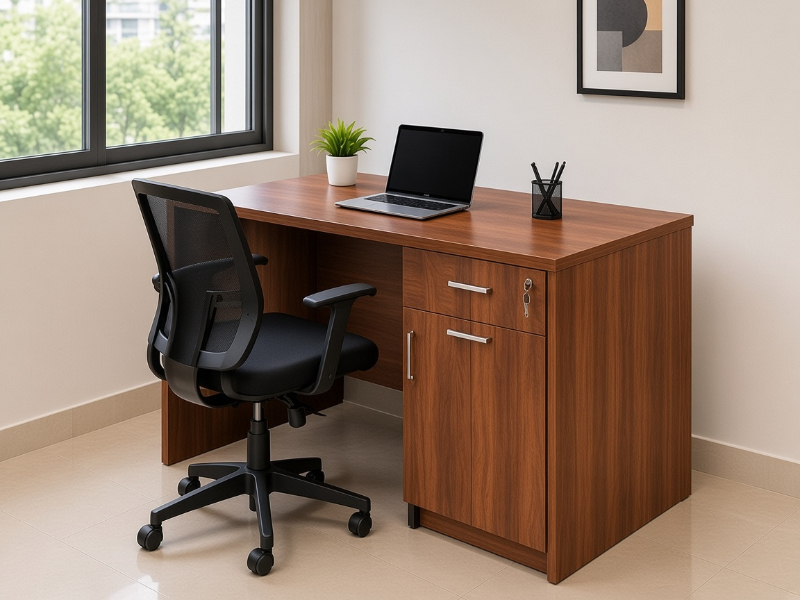
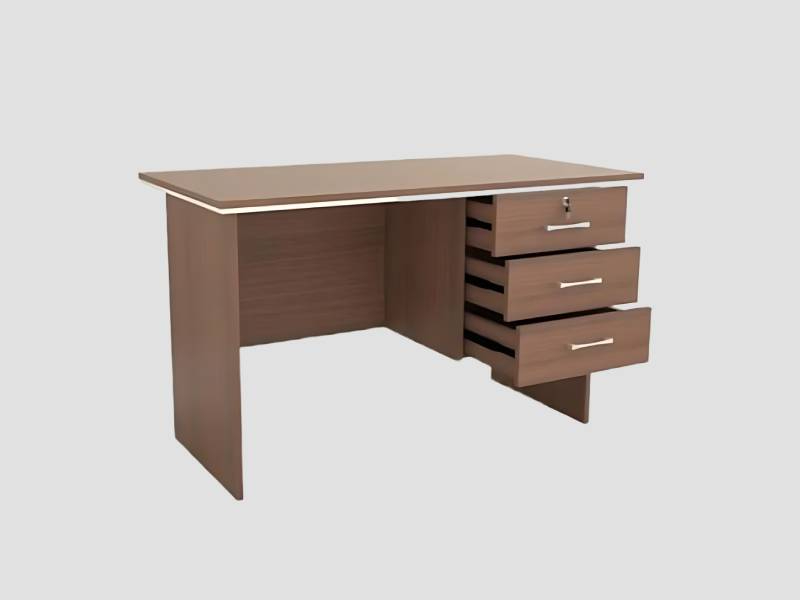
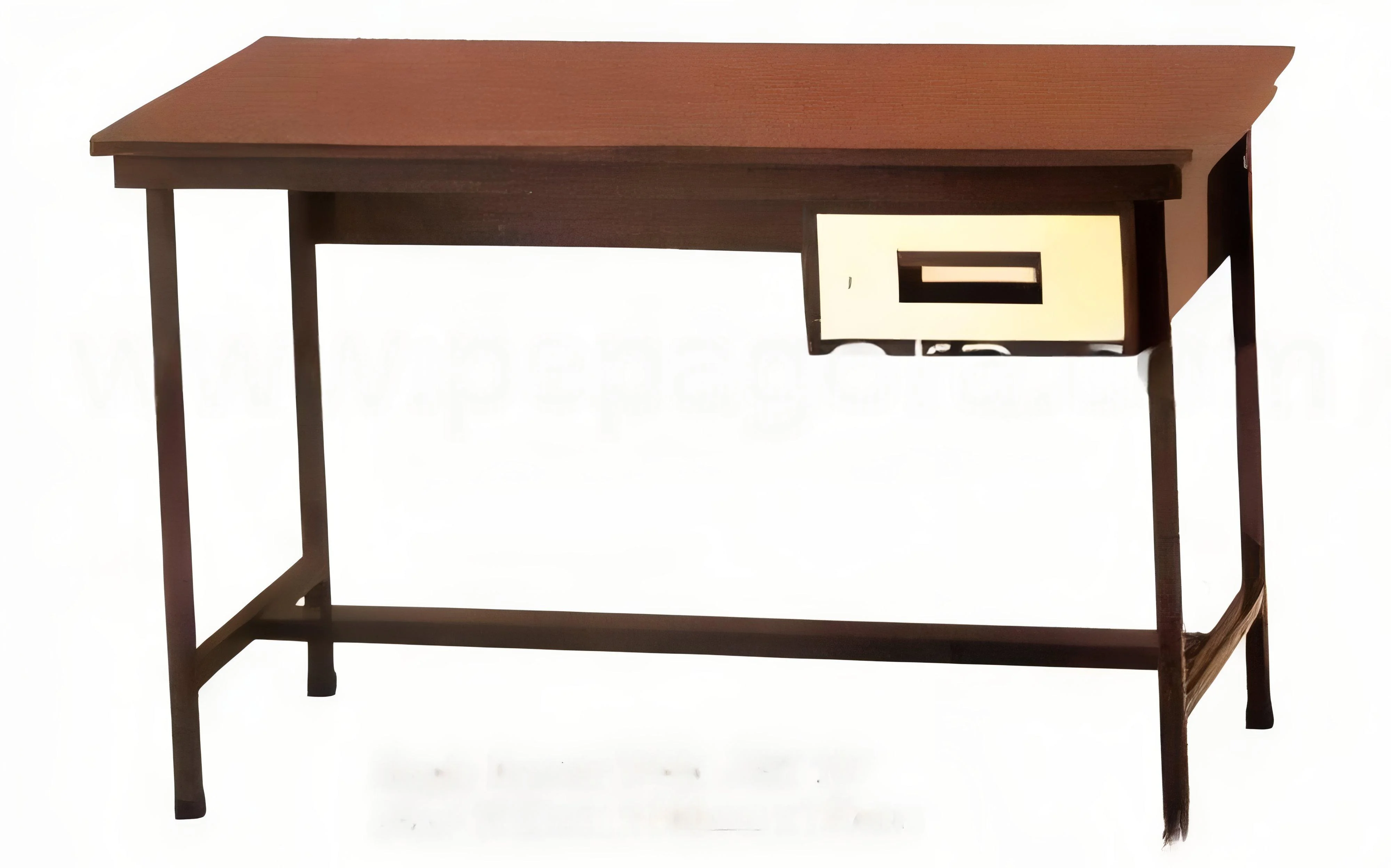
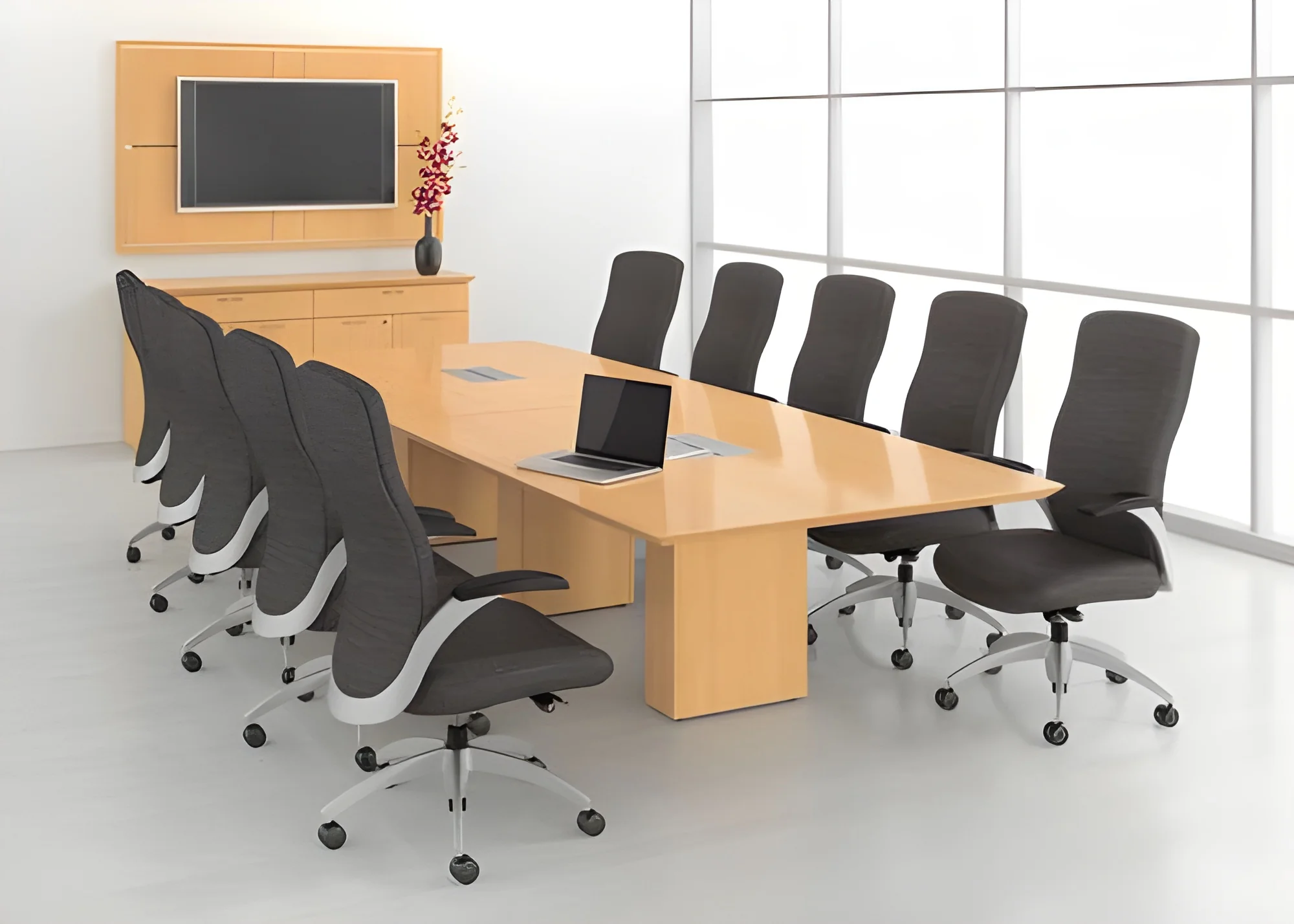
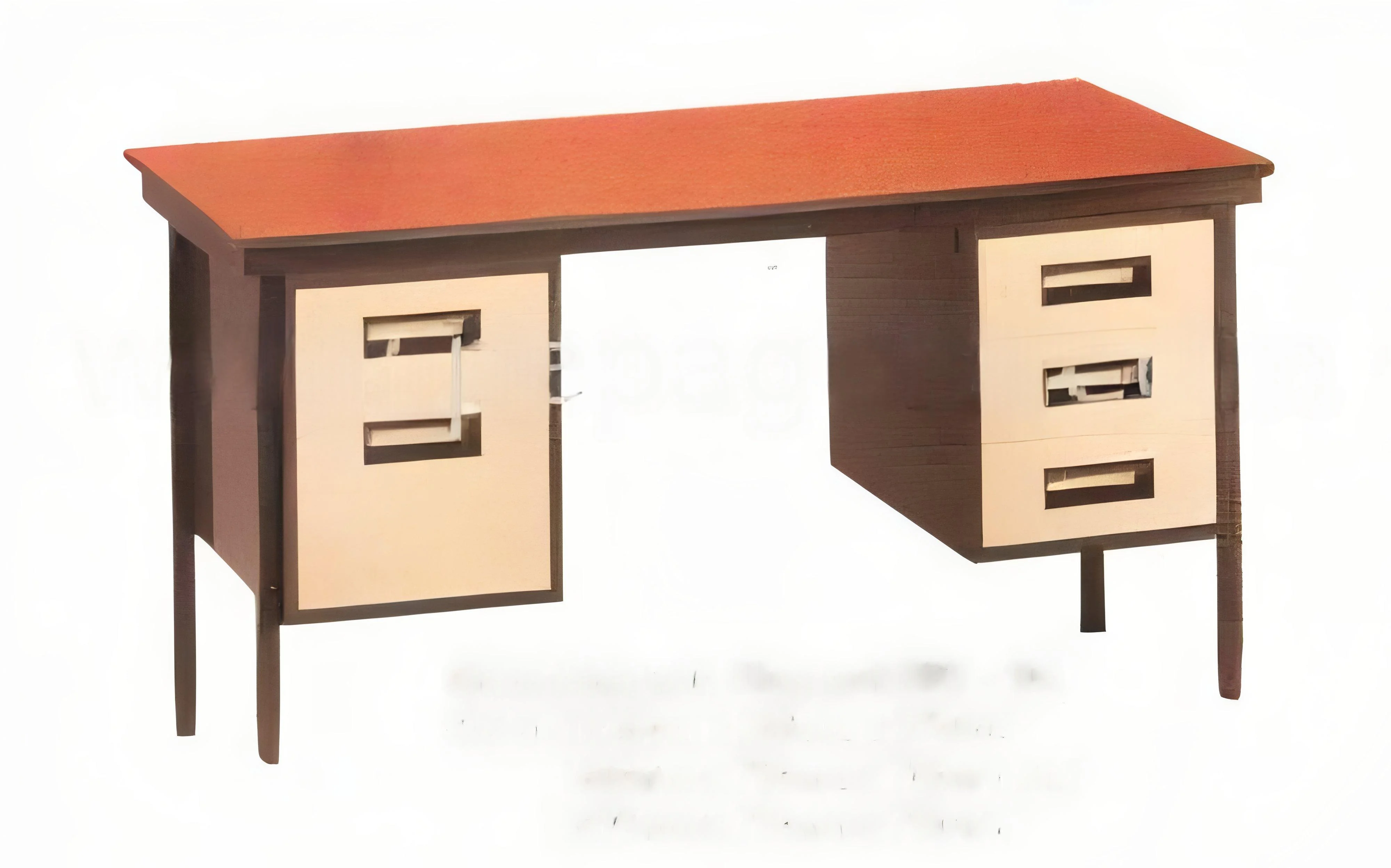
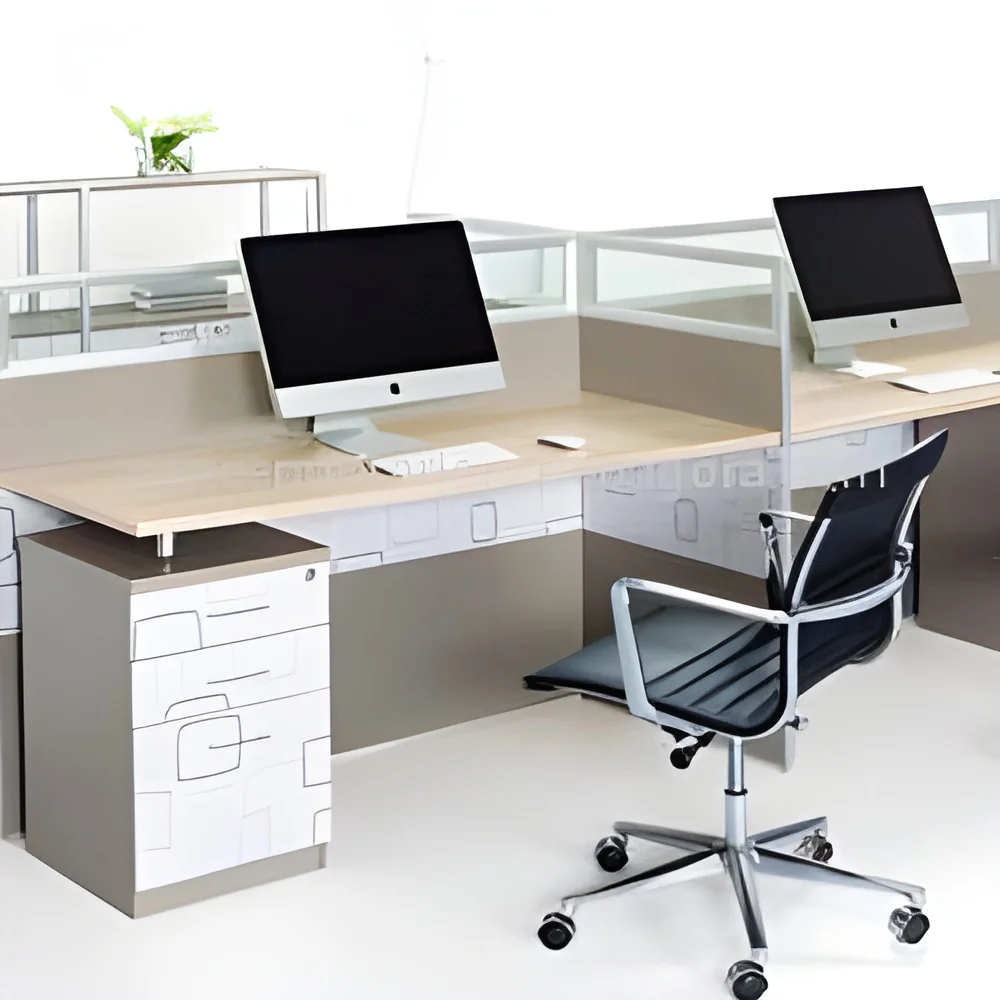
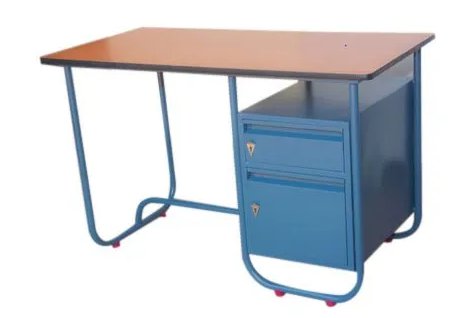
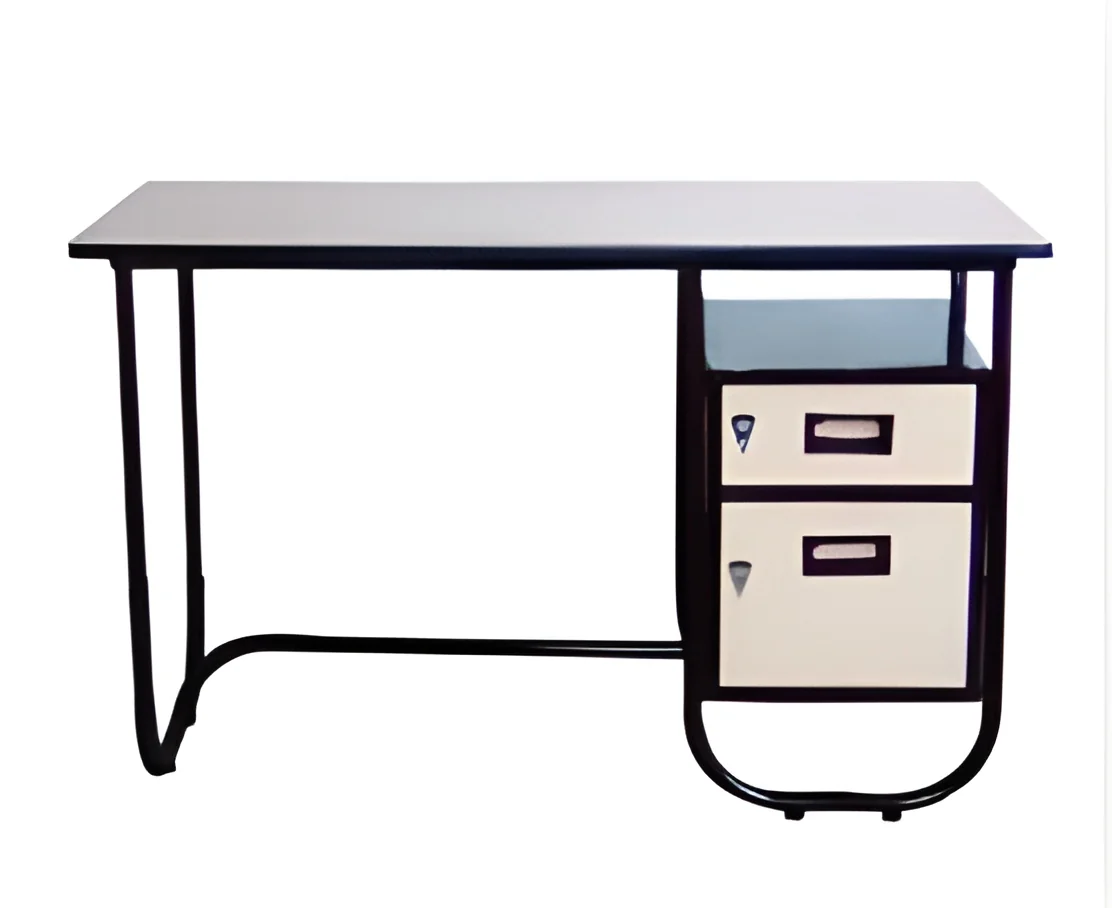
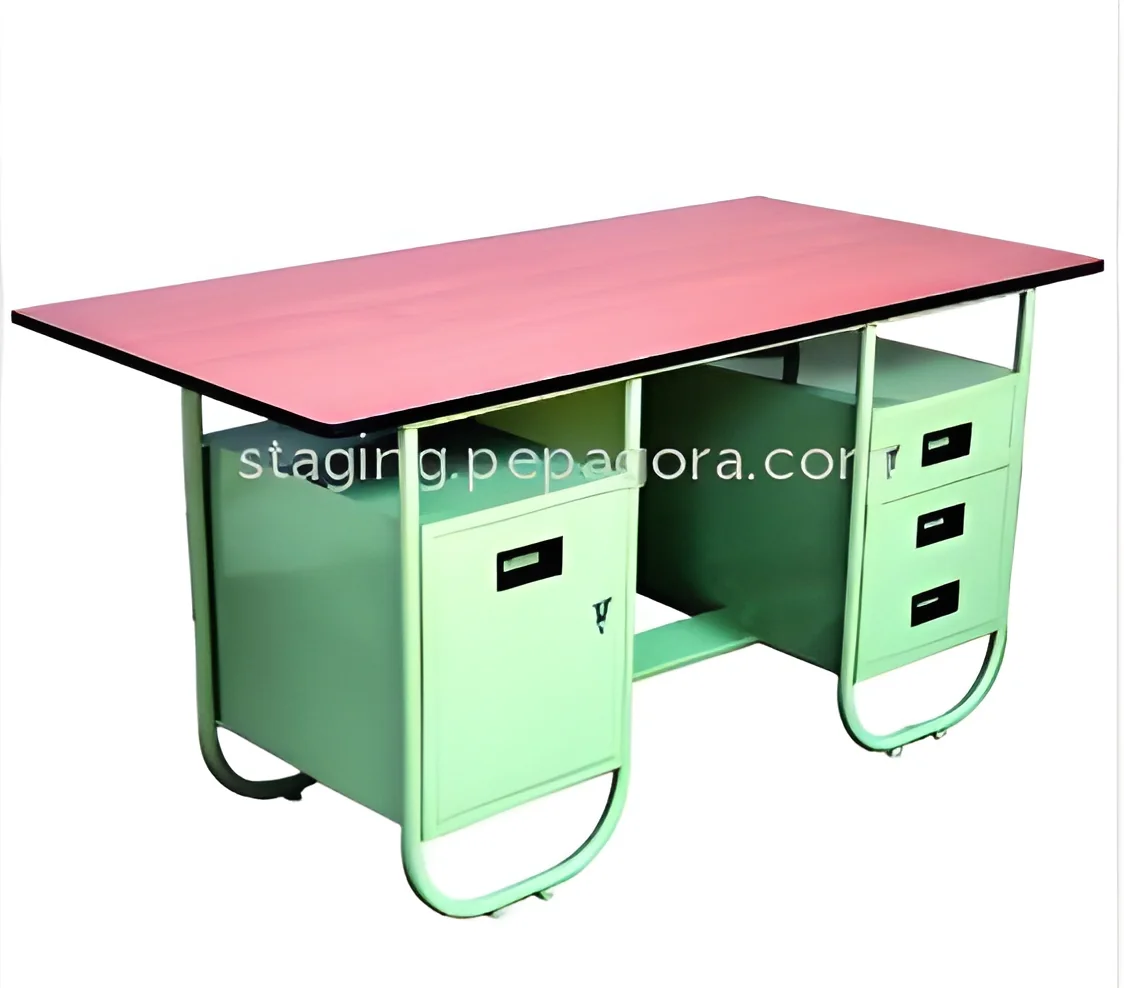
Office desks are essential pieces of furniture designed to facilitate work in various professional environments. They provide a dedicated space for tasks such as writing, computing, and meeting, accommodating a wide range of activities from administrative duties to collaborative projects. Typically, office desks are equipped with features that enhance functionality and organization, such as drawers, cable management systems, and adjustable heights.
In a business context, office desks serve multiple purposes. They are commonly used in corporate offices, home offices, co-working spaces, and educational institutions. The design and layout of office desks can significantly impact productivity and employee well-being. Properly configured workstations can help reduce physical strain and create a conducive atmosphere for concentration and teamwork.
The market for office desks continues to expand, driven by increasing workplace customization and the demand for ergonomic solutions. As businesses evolve, the need for versatile and stylish office furniture grows. Industry trends indicate a shift towards sustainable materials and innovative designs, catering to modern aesthetic preferences and environmental considerations.
Key Features and Specifications
When selecting office desks, it is crucial to consider various features and specifications that determine their suitability for different work environments. Key specifications include:
1. Desk Dimensions
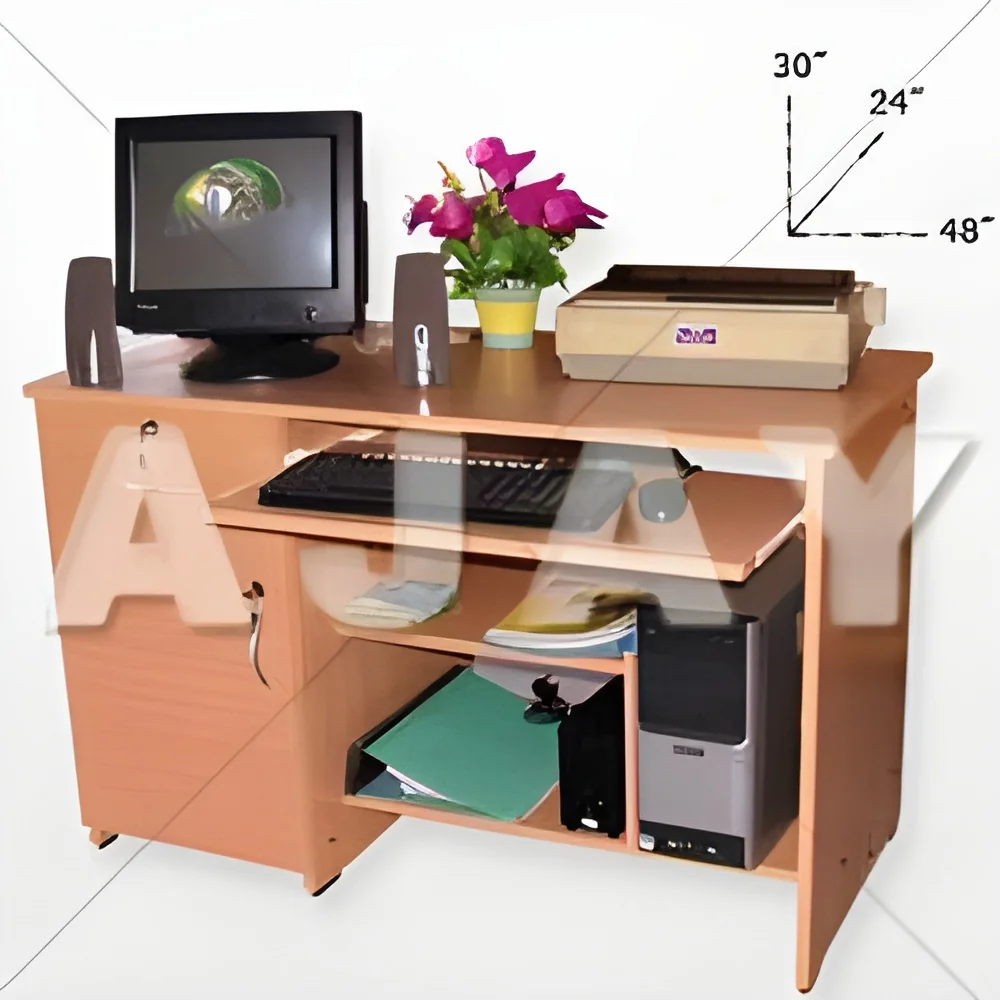
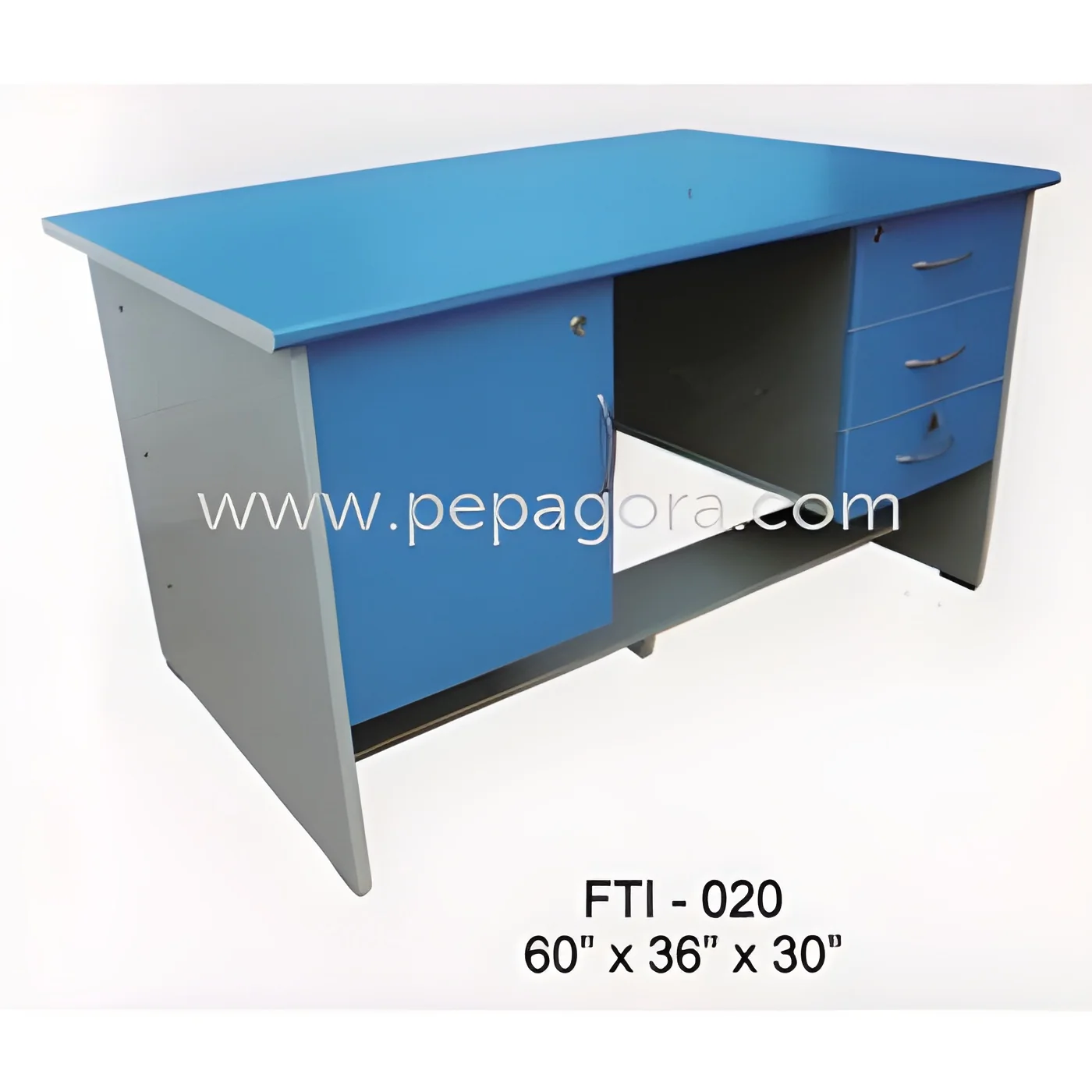
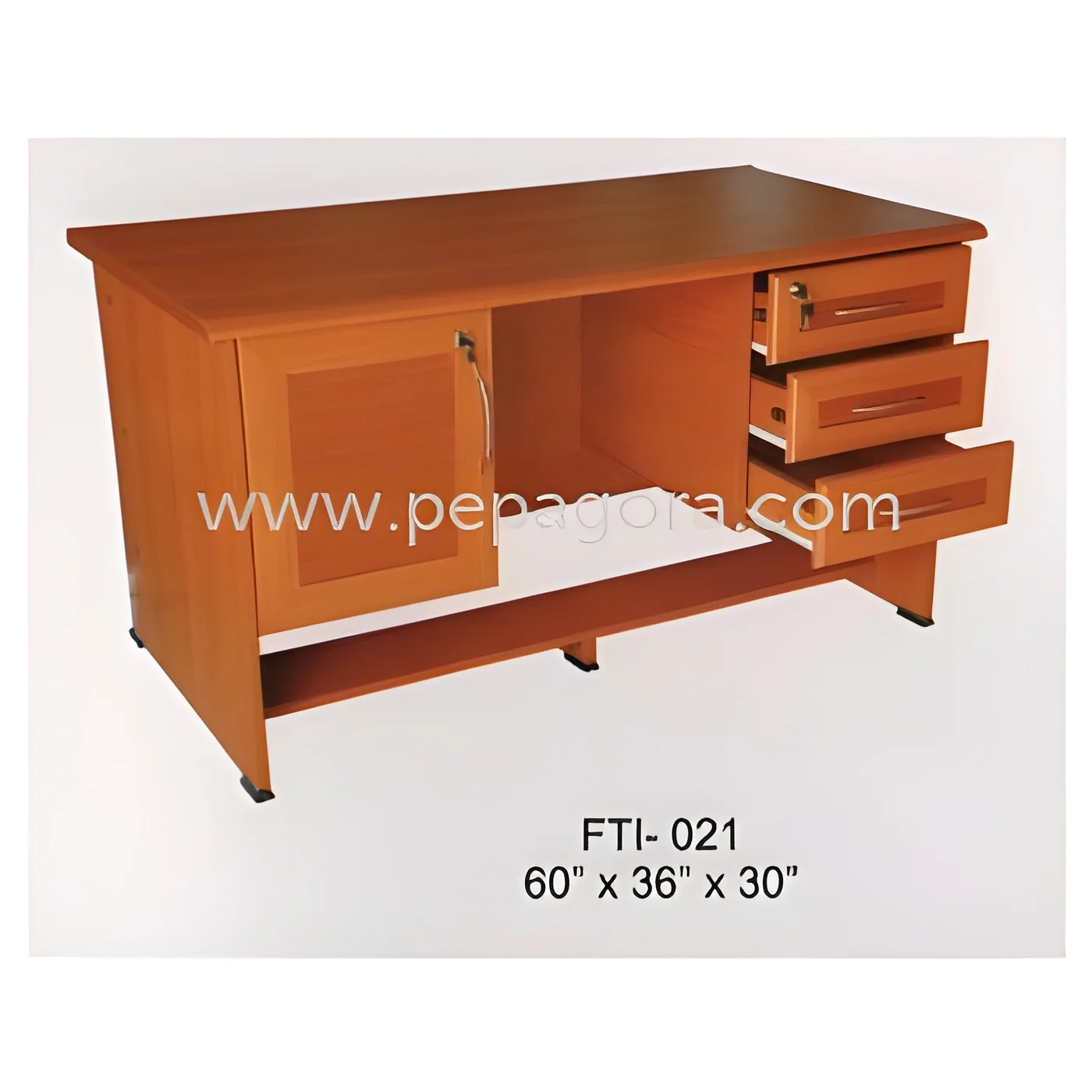
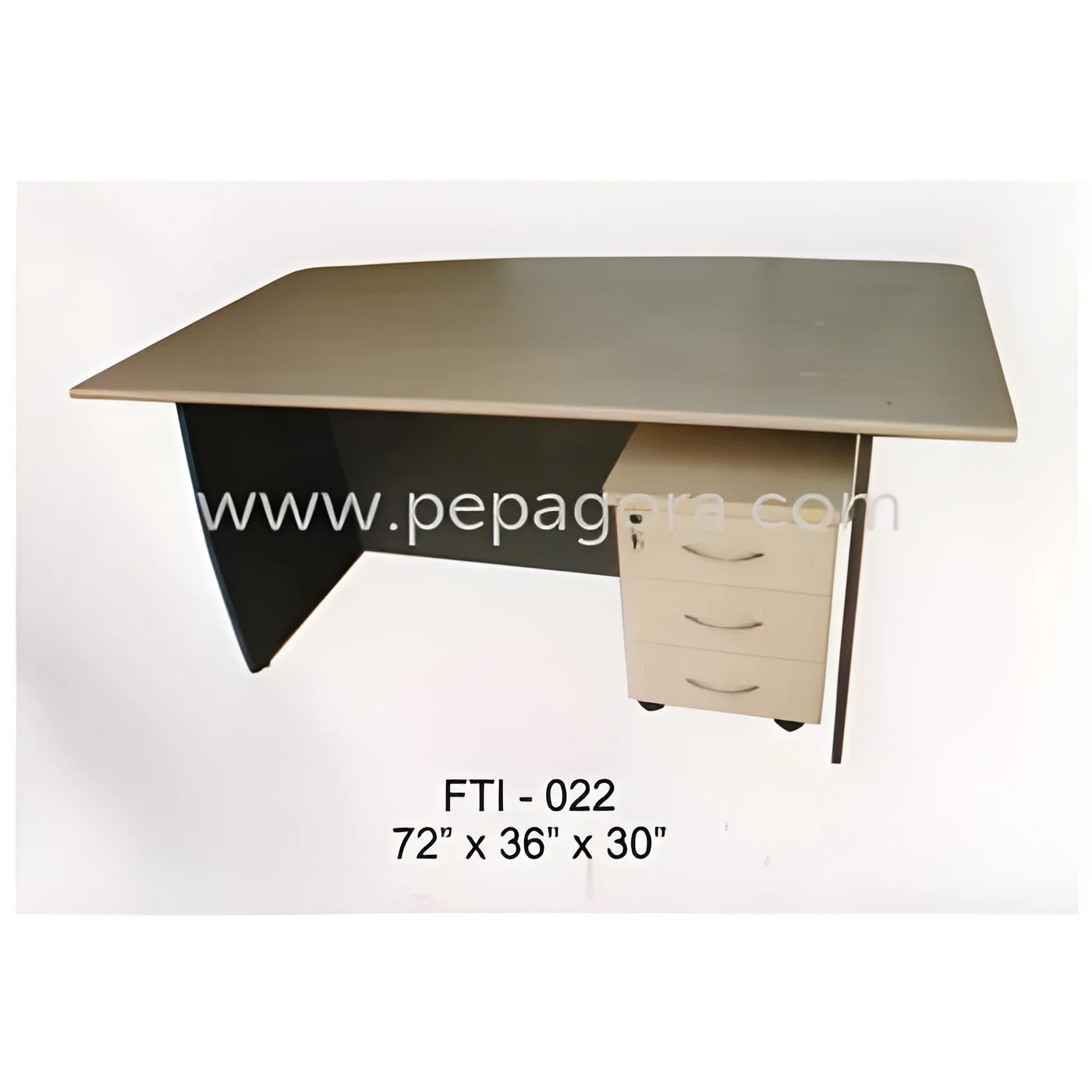
- Standard sizes range from 48 to 72 inches in width.
- Height typically varies between 28 and 30 inches.
2. Material Composition
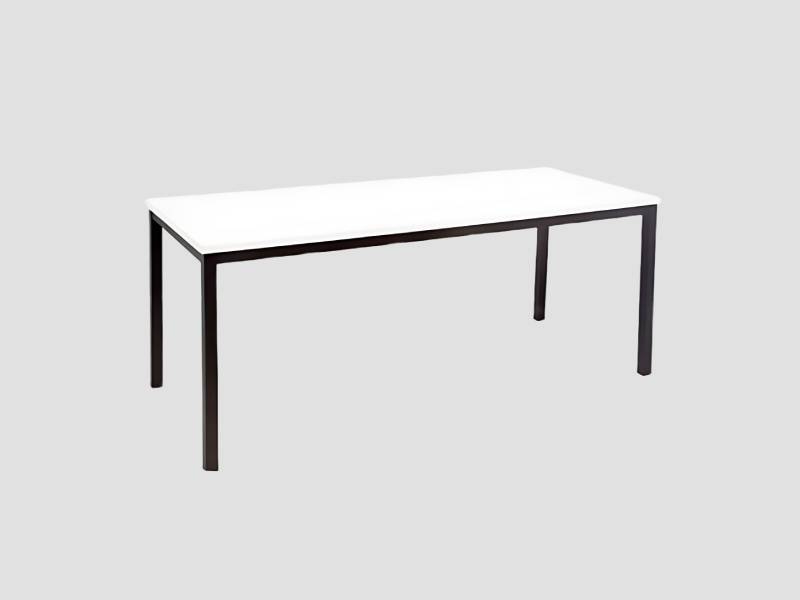
- Common materials include wood, metal, and composite materials.
- Each material offers different durability, aesthetics, and maintenance needs.
3. Weight Capacity
- Standard desks can support between 100 to 200 pounds.
- Weight capacity is essential for stability and durability.
4. Ergonomic Features
- Adjustable height options allow for sit-stand configurations.
- Features like keyboard trays and monitor stands enhance comfort.
5. Storage Solutions
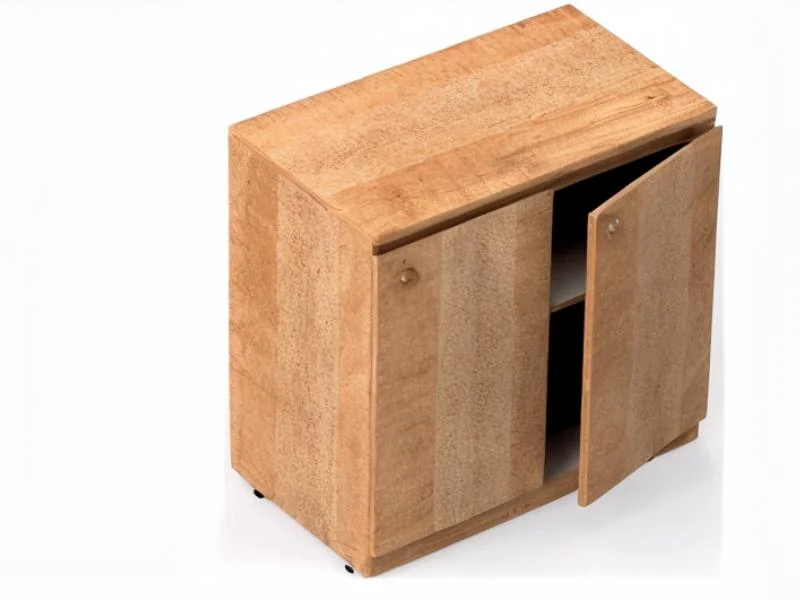
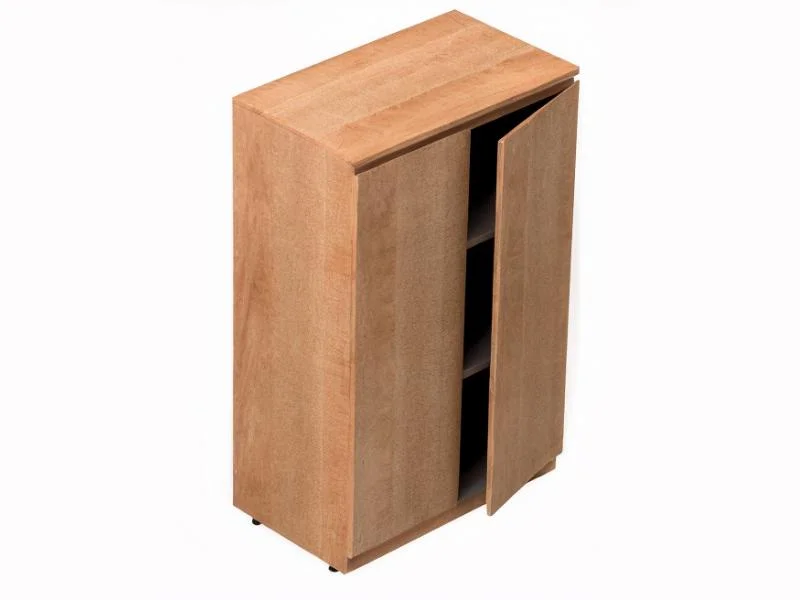
- Built-in drawers, shelving, and cabinets provide organization.
- Customizable options are available for specific storage needs.
6. Design Style
- Options include traditional, modern, and minimalist designs.
- Aesthetic choices can influence workplace ambiance and branding.
7. Cable Management Systems
- Integrated cable trays and grommets help organize wires.
- Effective management contributes to a tidy workspace.
8. Assembly Requirements
- Some desks come fully assembled, while others require assembly.
- Ease of assembly can impact installation time and effort.
In summary, selecting the right office desk involves evaluating various specifications that align with business needs, employee comfort, and workspace aesthetics.
Common Applications and Use Cases
Office desks find utility across a diverse range of industries, each with specific applications that enhance productivity.
1. Corporate Offices: In corporate settings, desks support daily operations, from administrative tasks to strategic planning meetings.
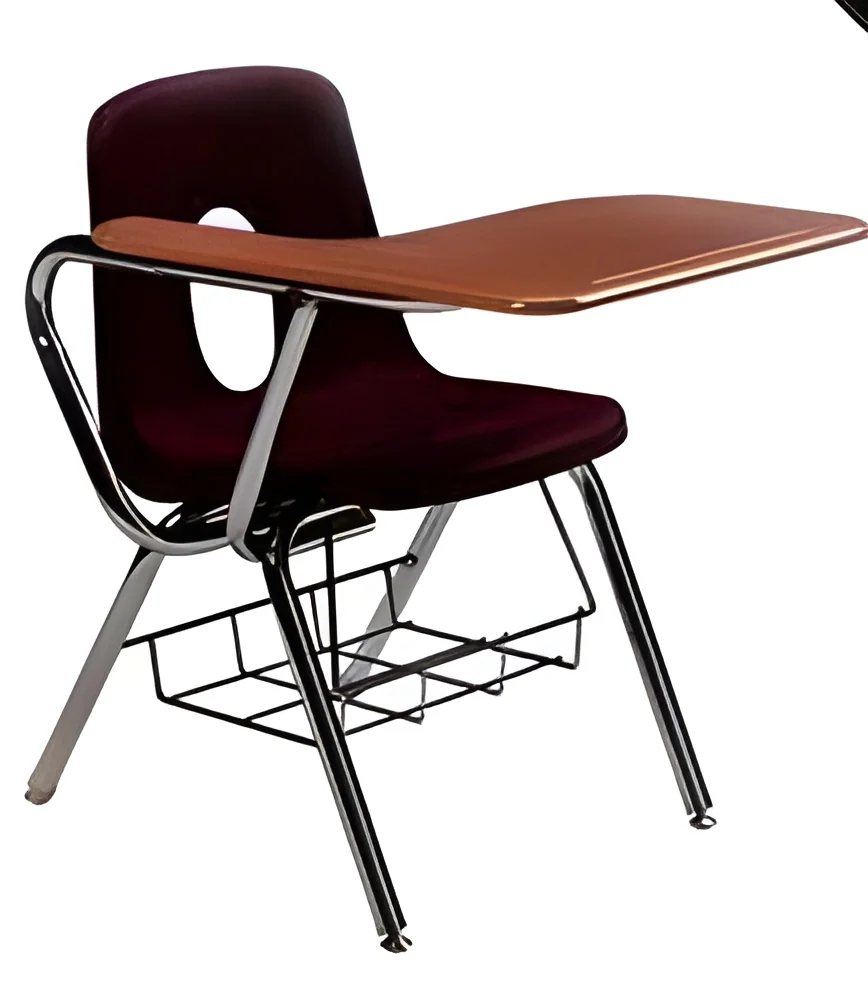
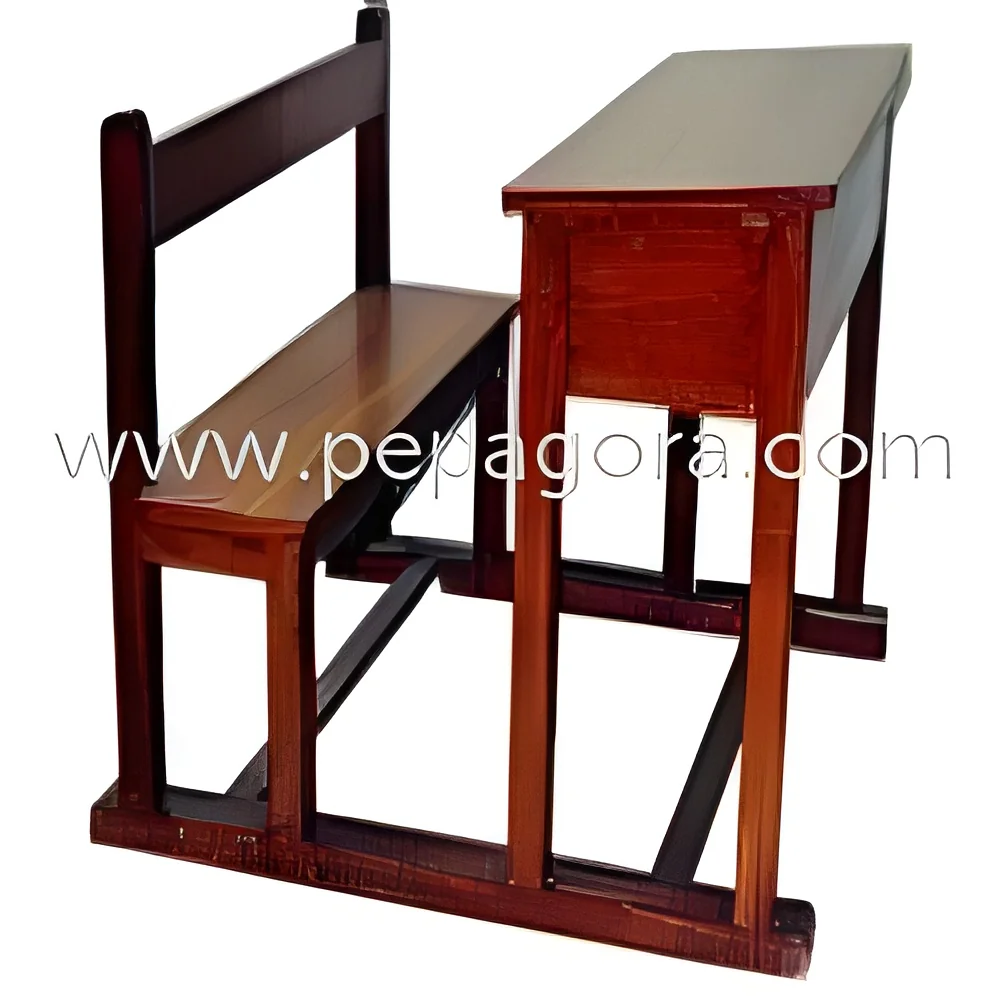
2. Educational Institutions: Desks in schools and universities facilitate both teaching and learning, providing students with dedicated spaces for study and collaboration.
3. Creative Agencies: In design and marketing firms, desks are often configured for teamwork and brainstorming, equipped with tools that encourage creativity.
4. Home Offices: With the rise of remote work, home office desks provide individuals with a functional workspace tailored to personal preferences and productivity requirements.
5. Healthcare Facilities: Desks in medical offices support administrative tasks and patient management, often featuring specialized storage for documents and medical supplies.
6. Co-Working Spaces: In shared work environments, desks are designed for flexibility, accommodating diverse work styles and collaborative efforts.
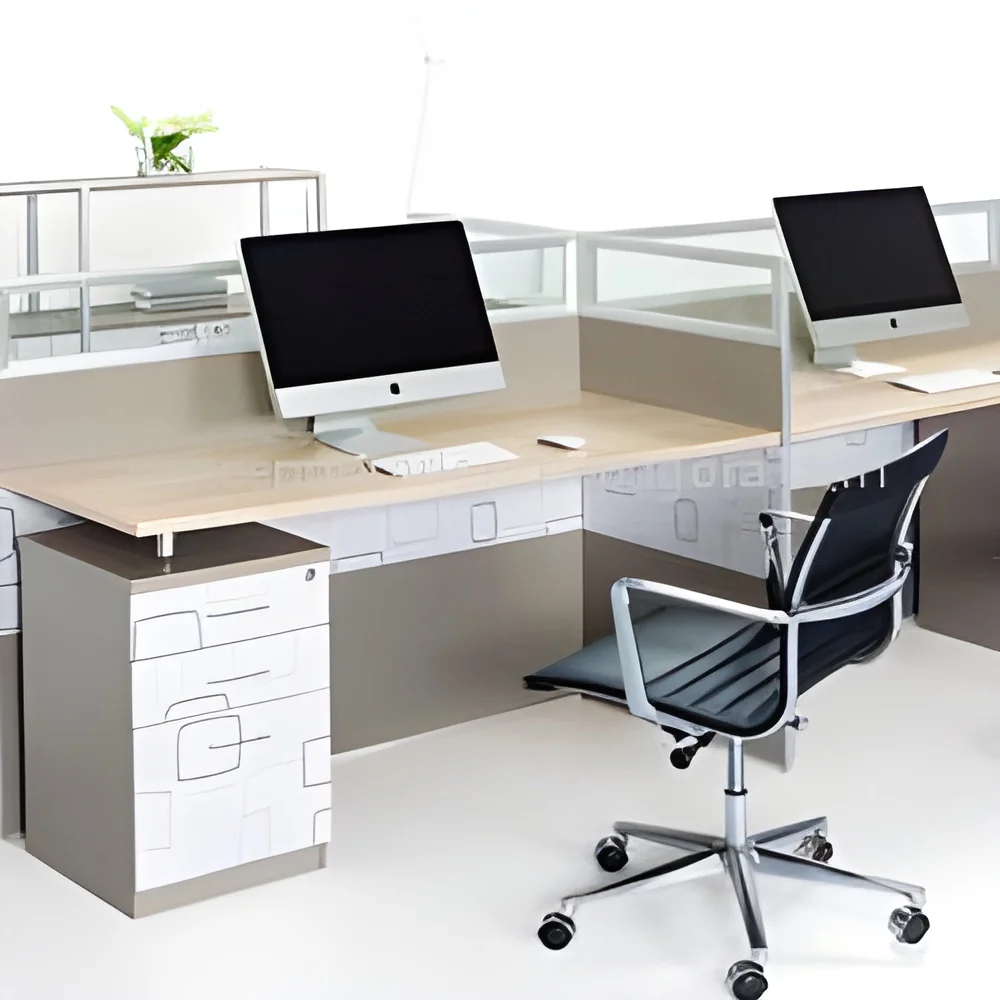
7. IT and Tech Companies: Desks in tech firms often include advanced ergonomic features and cable management for efficient computing and software development.
Product Variants and Subcategories
Office desks come in various forms to meet the diverse needs of users.
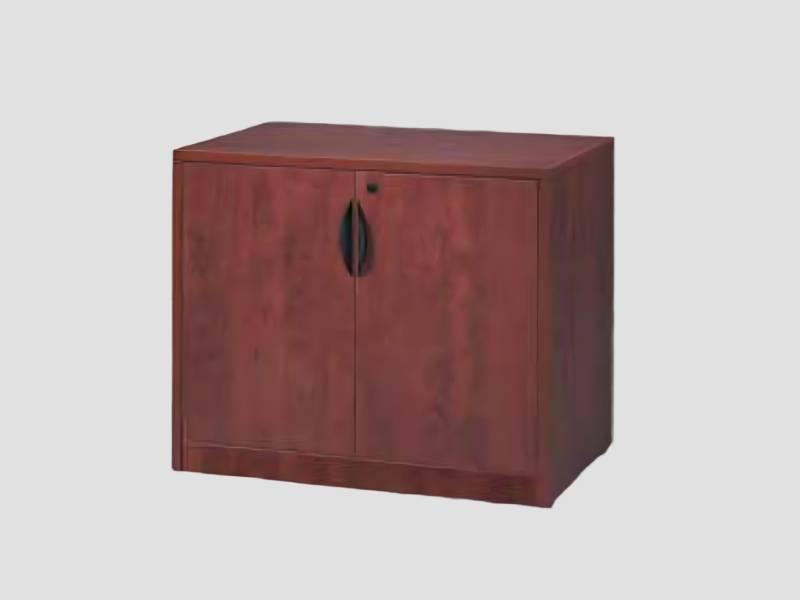
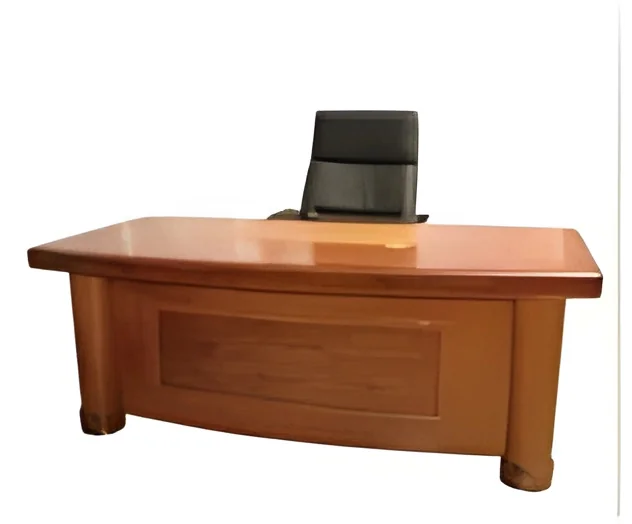
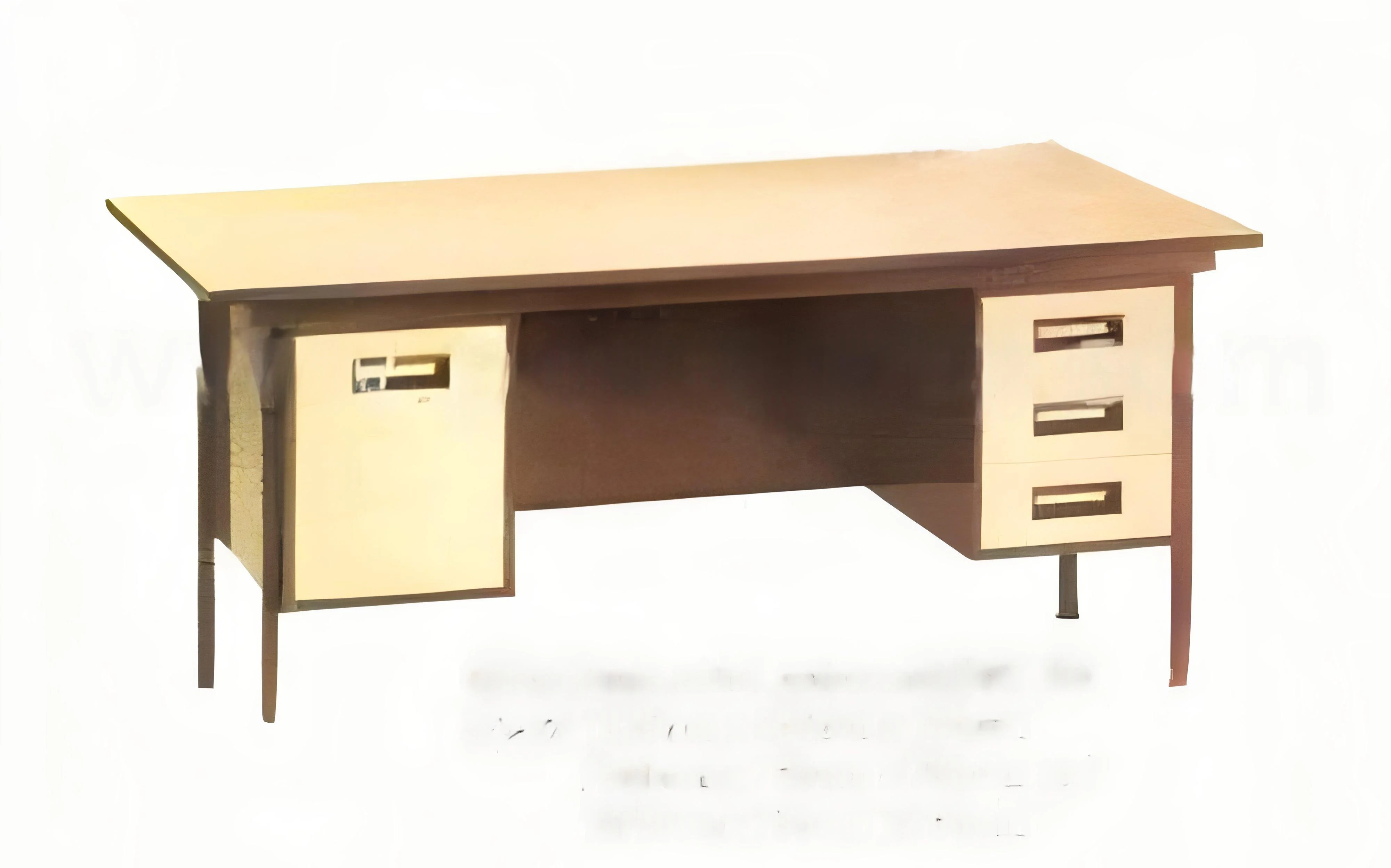
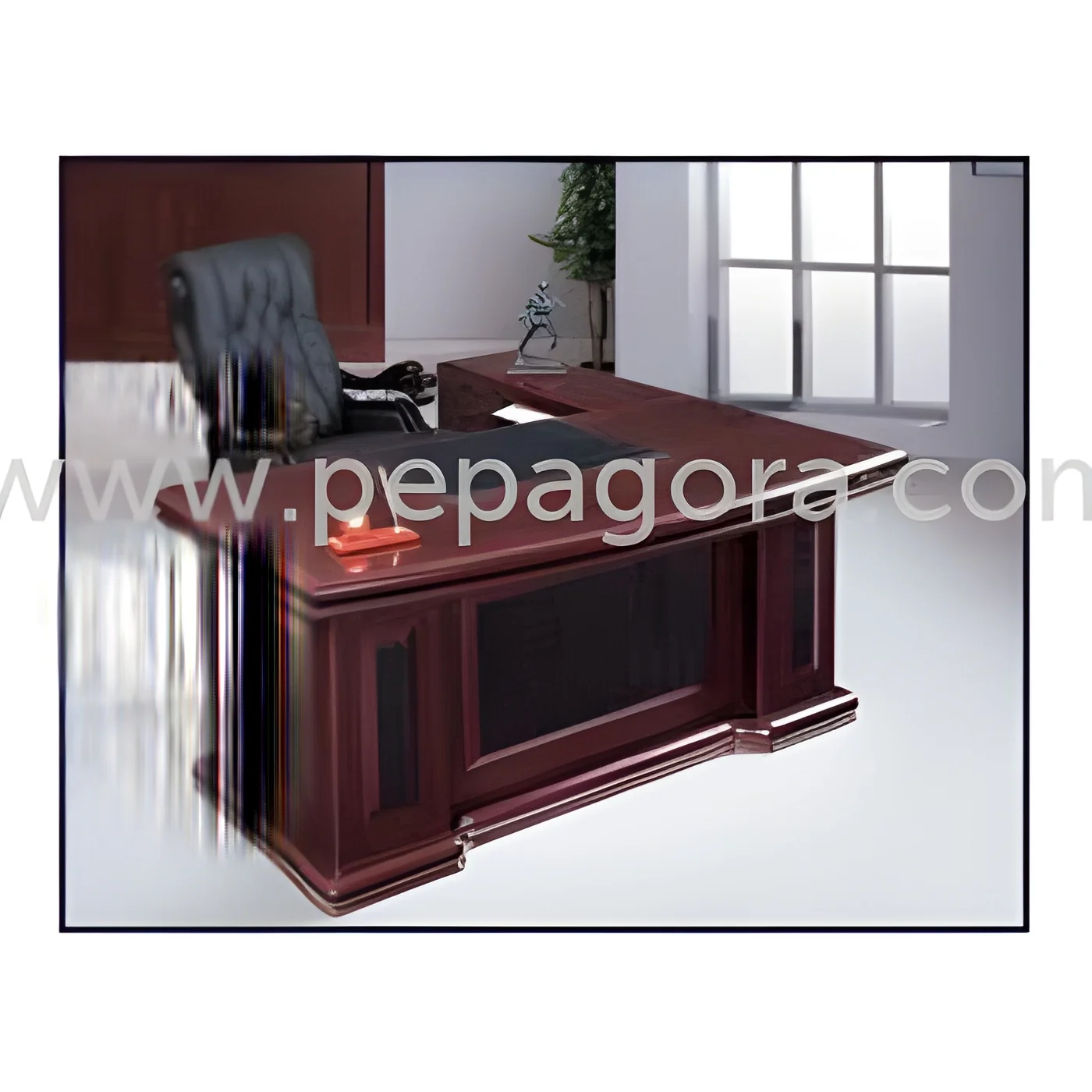
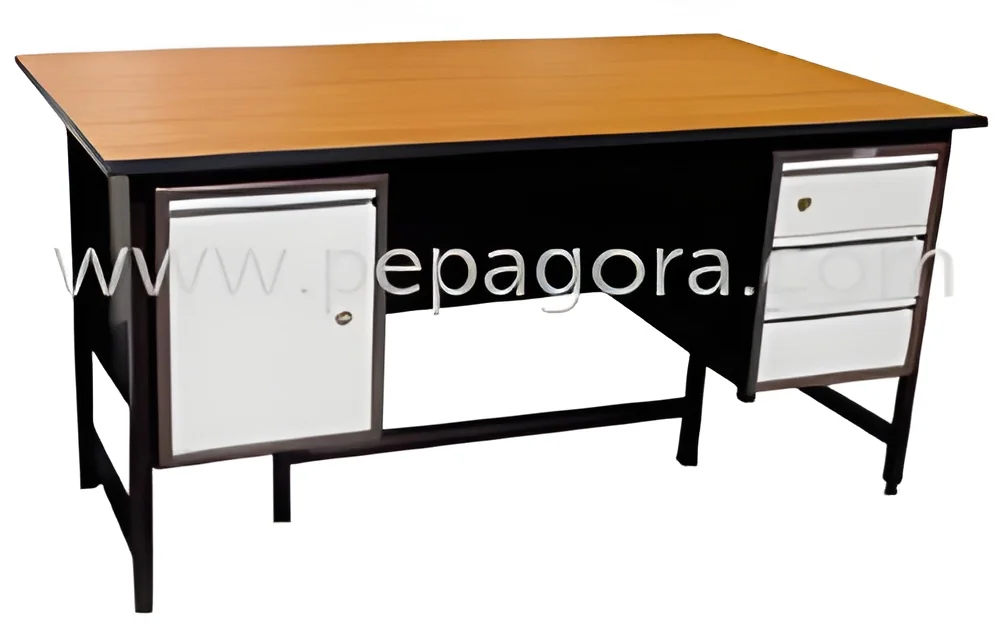
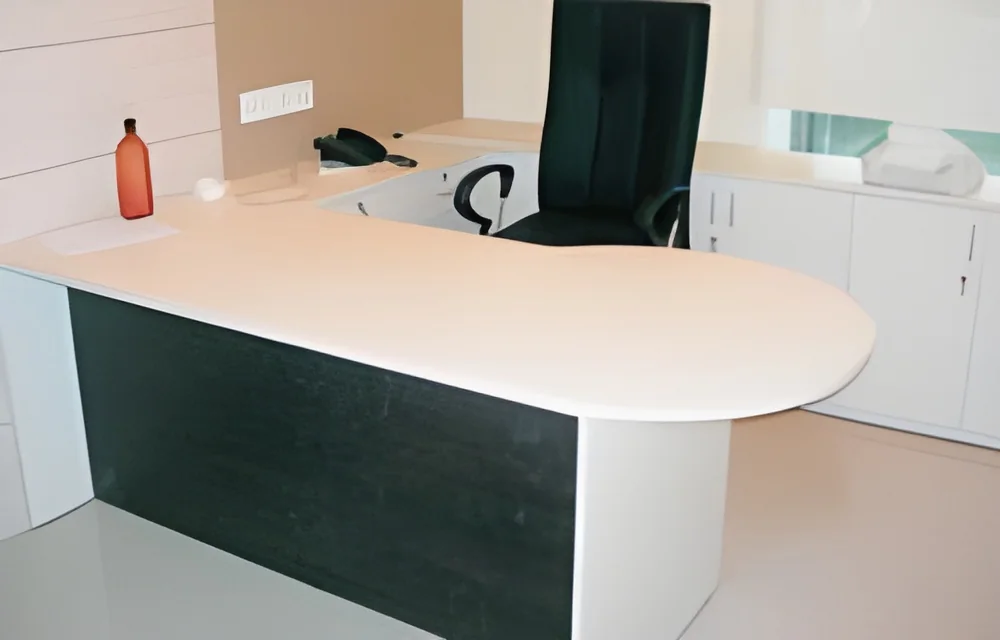
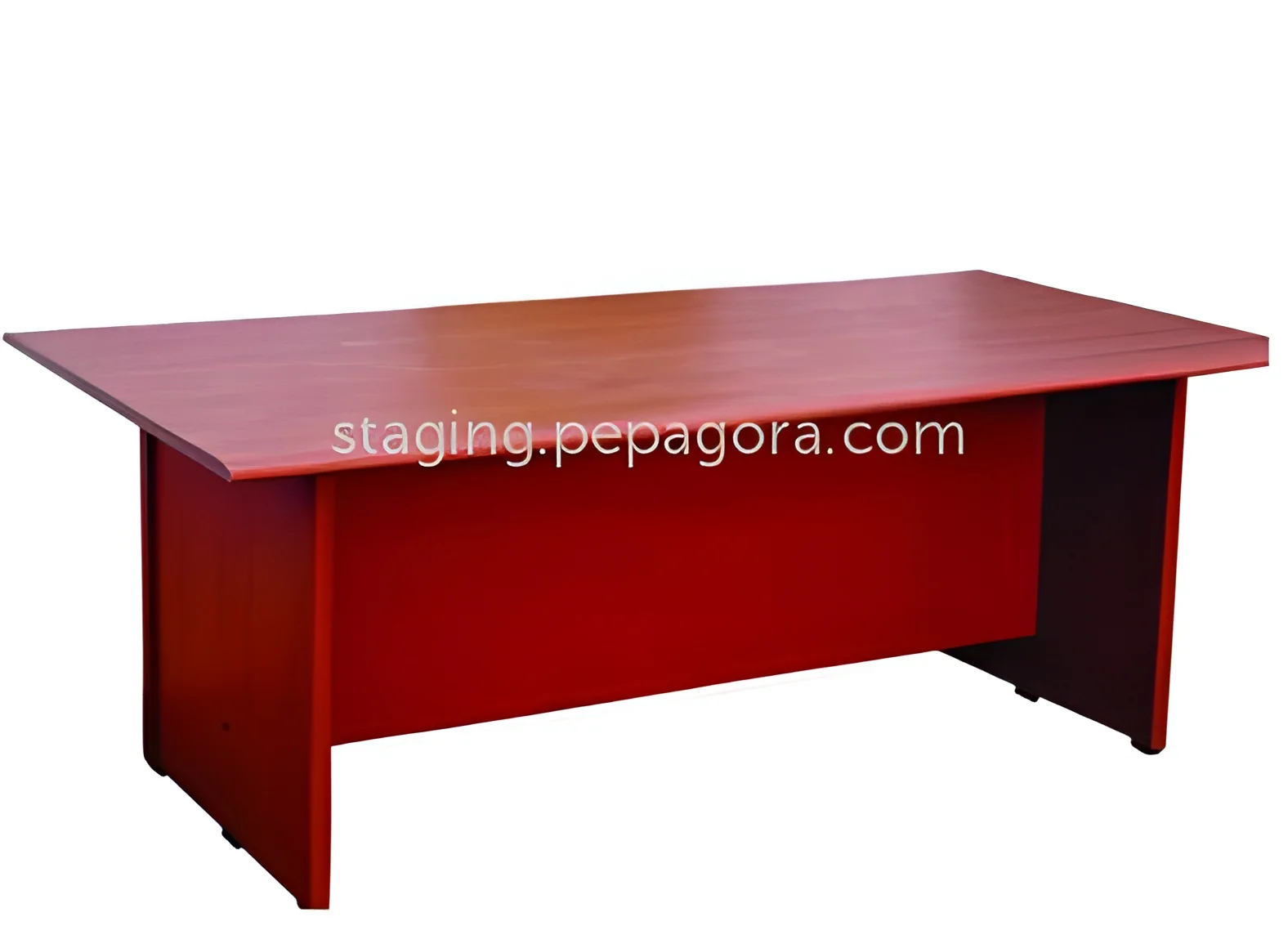
Executive Desks: These desks are typically larger and more ornate, designed for high-ranking professionals. They often feature built-in storage and a commanding presence in the office.
Standing Desks: These desks allow users to work while standing, promoting better posture and reducing sedentary behavior. They often come with adjustable height settings.
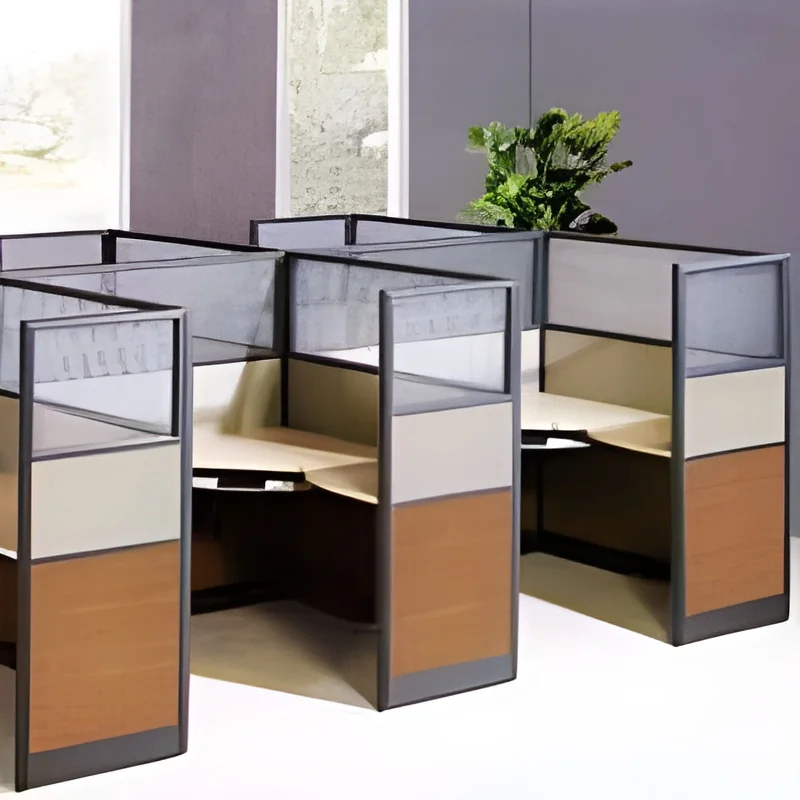
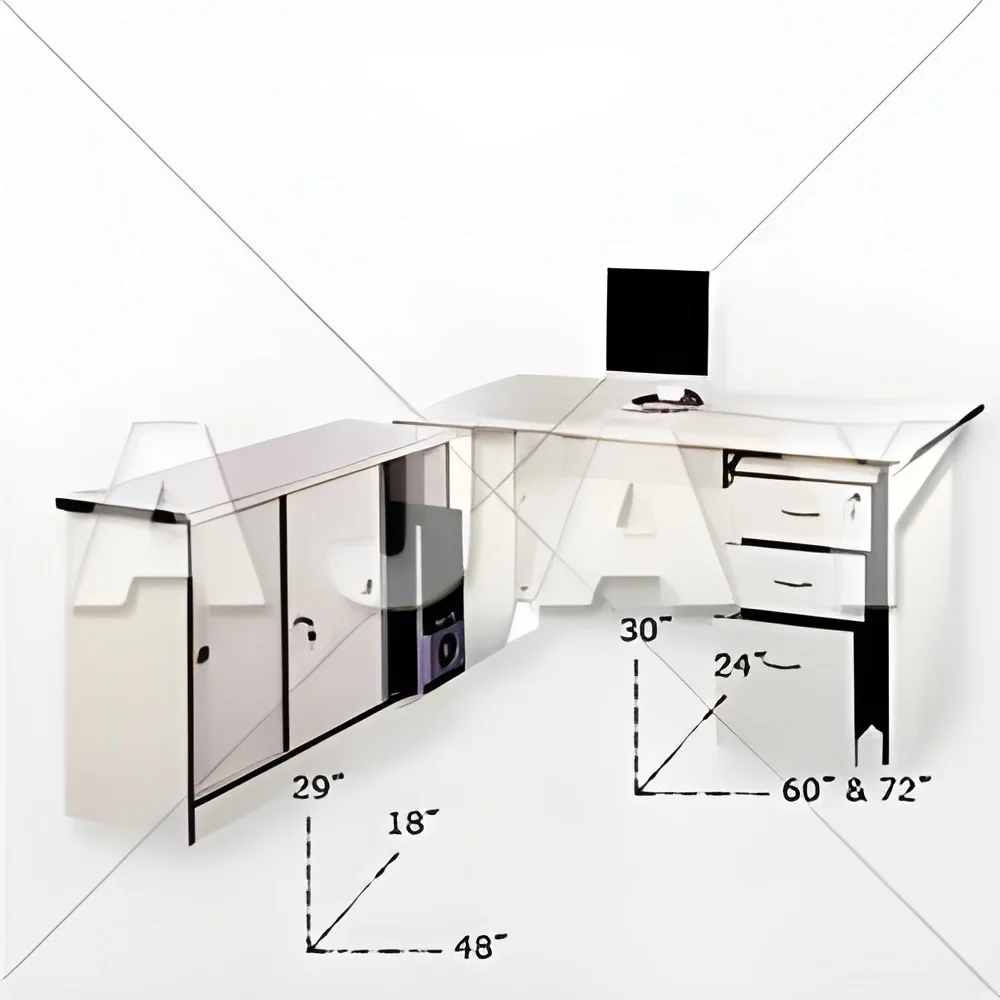
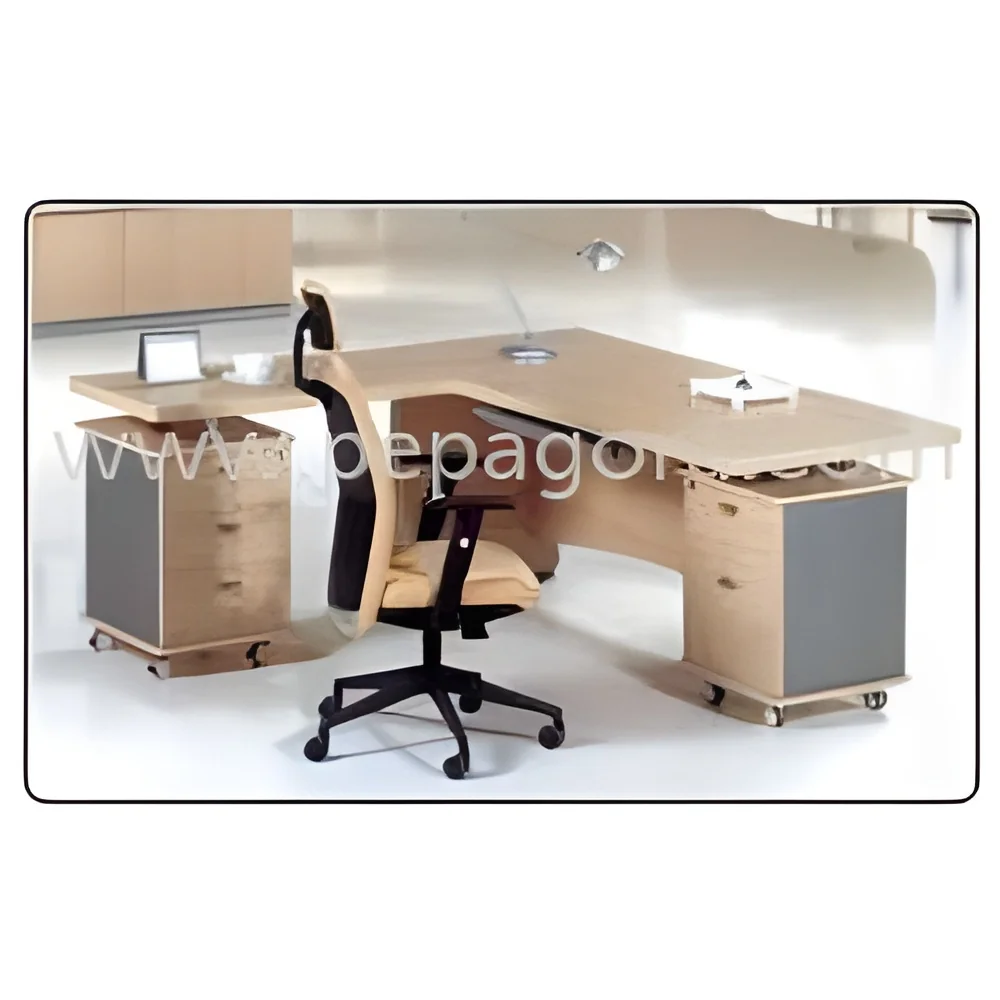
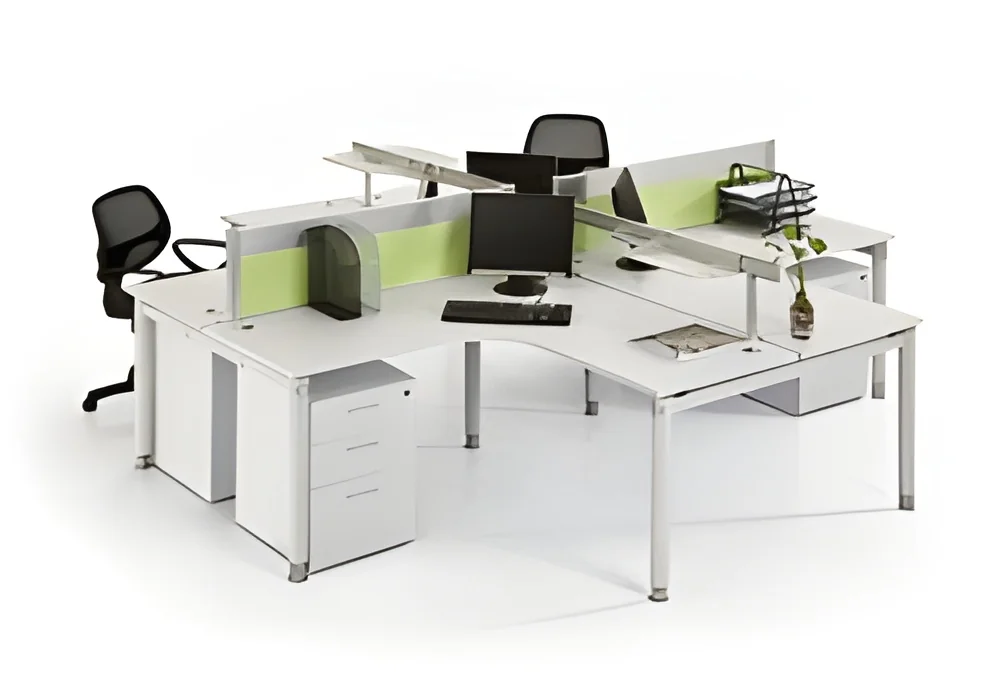
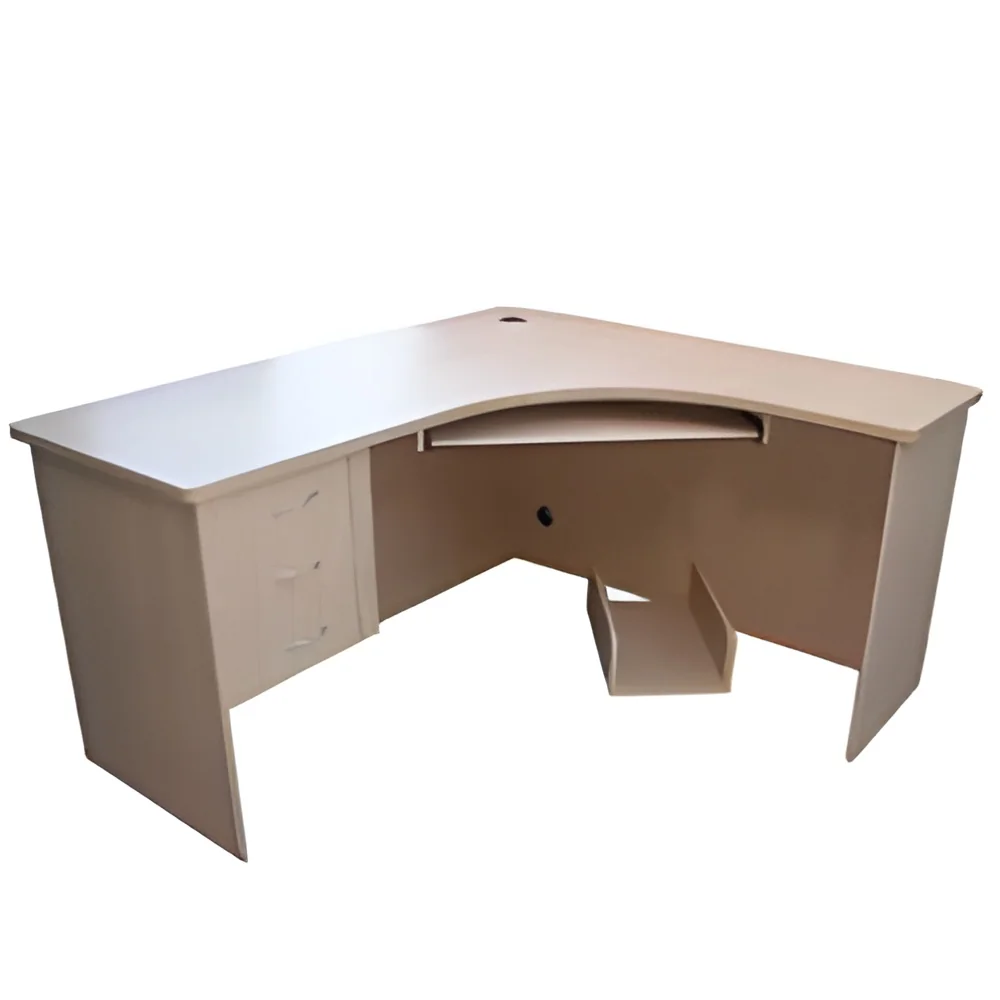
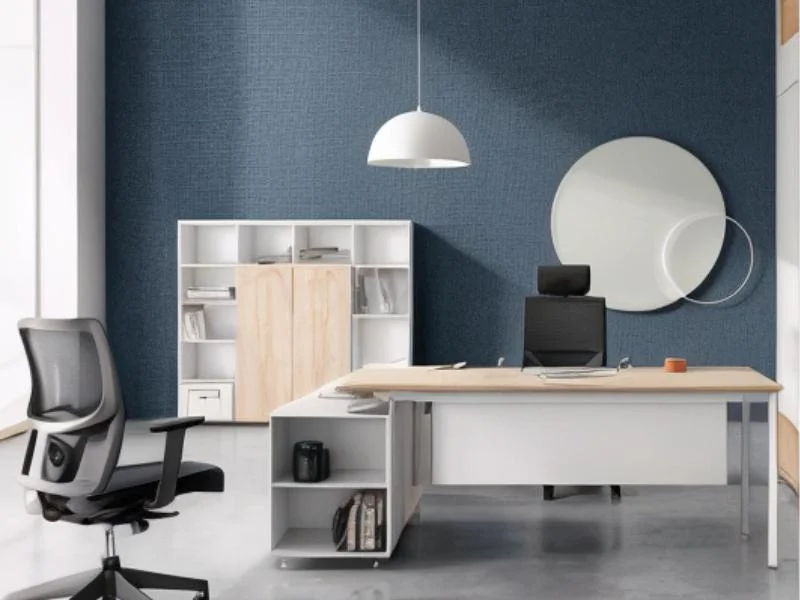
L-Shaped Desks: Offering a spacious work area, L-shaped desks are ideal for multitasking and provide ample surface area for computers and paperwork.
Corner Desks: Designed to fit snugly in corners, these desks maximize space efficiency while providing a functional work surface.
Benefits and Advantages
Investing in quality office desks offers numerous advantages for businesses.
1. Enhanced Productivity: Well-designed desks can improve focus and efficiency, allowing employees to work more effectively.
2. Ergonomic Comfort: Desks with ergonomic features reduce physical strain, contributing to employee health and satisfaction.
3. Improved Organization: Desks with storage solutions help maintain a clutter-free workspace, enhancing workflow and efficiency.
4. Aesthetic Appeal: Stylish office desks contribute to the overall look of the workplace, impacting employee morale and client impressions.
5. Customization Options: Many manufacturers offer customizable desks to match specific business needs and preferences.
6. Durability: High-quality materials ensure longevity, reducing the need for frequent replacements and maintenance costs.
Buying Guide for B2B Buyers
When sourcing office desks for a business, several critical factors should be considered.
1. Quality Assessment: Evaluate the materials and construction of desks to ensure they meet durability standards. Look for desks that withstand daily use without compromising stability or aesthetics.
2. Supplier Verification: Research potential suppliers to confirm their reliability and reputation in the market. Checking reviews and requesting references can help ensure a trustworthy partnership.
3. Pricing and MOQ: Consider the cost of desks and any minimum order quantities (MOQ) required by suppliers. Understanding pricing structures can help in budgeting effectively.
4. Delivery and Lead Times: Assess logistics, including delivery times and shipping costs. Timely delivery is crucial for meeting project deadlines and ensuring readiness.
5. Compliance Requirements: Be aware of any regulatory standards or certifications that may apply to office furniture in your region. Compliance ensures safety and quality in the products acquired.
Compliance and Certifications
Office desks are subject to various quality standards and certifications that ensure safety and performance.
ISO 9001 is a widely recognized standard that ensures quality management systems are in place. This certification indicates that manufacturers follow best practices in production and customer service.
The CE marking demonstrates conformity with European health, safety, and environmental protection standards. This certification is important for businesses operating within the European market.
Safety and testing requirements may vary by region but typically include assessments for structural integrity and material safety. It is essential for manufacturers to comply with these testing protocols to ensure product reliability.
Regional compliance considerations vary based on local regulations. Businesses should be aware of specific requirements in their operating area to ensure adherence to safety and quality standards.
Why Source Office Desks from Pepagora?
Pepagora offers an excellent platform for sourcing office desks, providing a range of advantages to B2B buyers.
Verified Supplier Network: Pepagora ensures that all suppliers are thoroughly vetted, allowing buyers to engage with reputable manufacturers. This network enhances trust and reliability in sourcing decisions.
Streamlined RFQ Process: The Request for Quotation (RFQ) system simplifies the procurement process. Buyers can easily request quotes from multiple suppliers, facilitating competitive pricing and better options.
Trade Assurance and Support: Pepagora provides buyer protection through trade assurance, ensuring that payments are secure and that buyers receive the products as promised. This support enhances confidence in transactions.
Regional Coverage: With a presence in India, the GCC, and Southeast Asia, Pepagora offers broad geographic reach. This coverage allows businesses to access diverse suppliers and products tailored to their regional needs.

 IN
IN