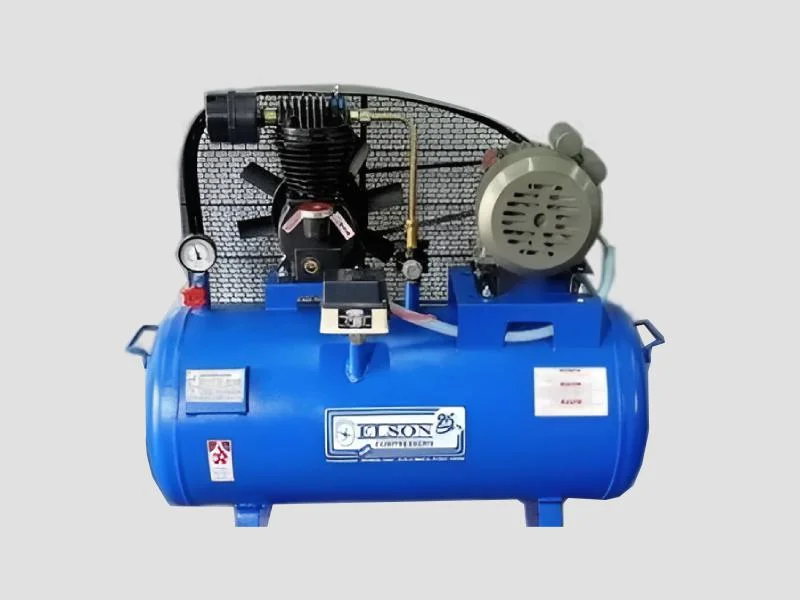
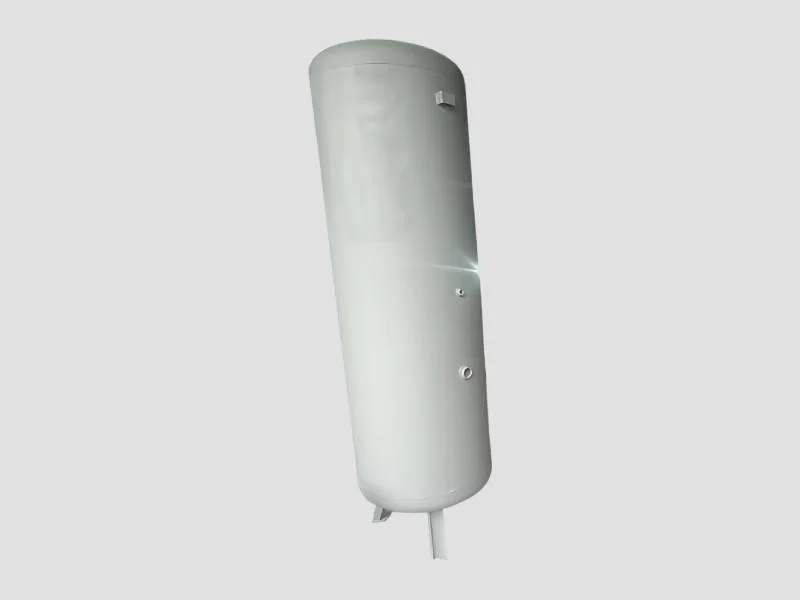
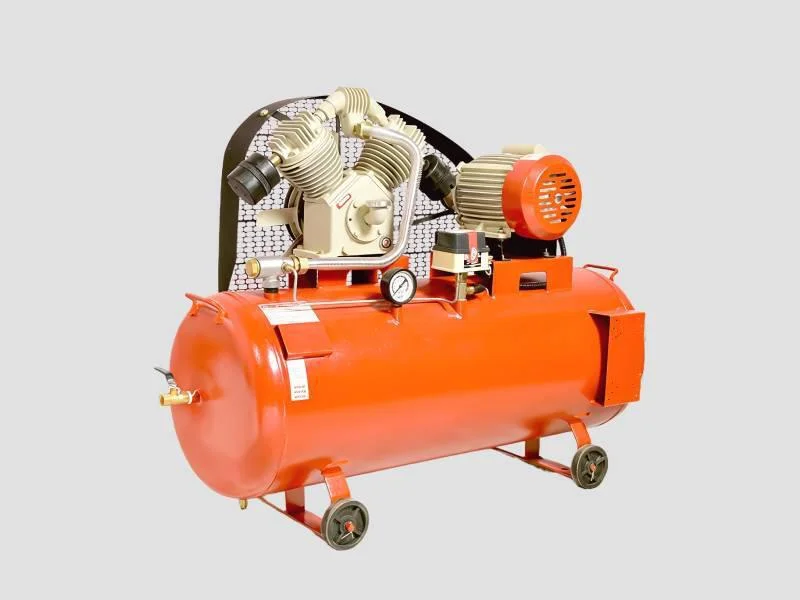
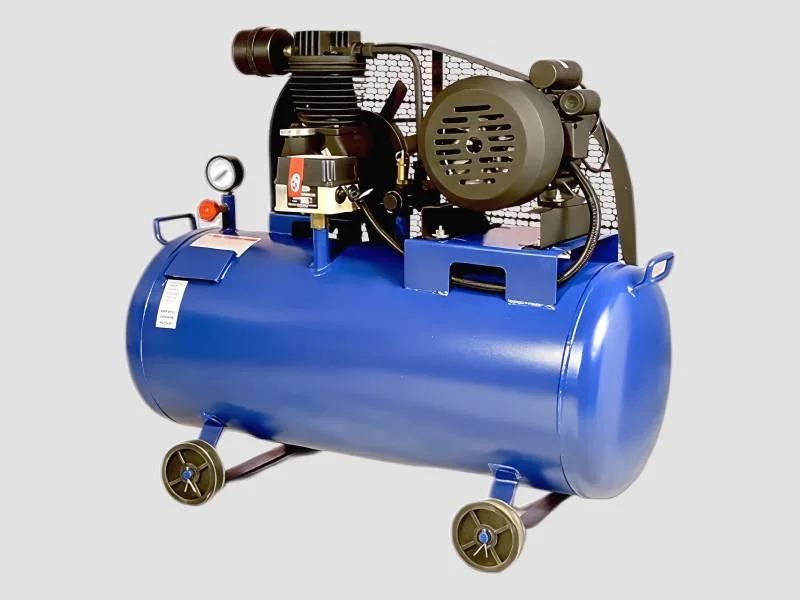
𝗪𝗵𝗮𝘁 𝗮𝗿𝗲 𝗖𝗼𝗺𝗽𝗿𝗲𝘀𝘀𝗼𝗿𝘀 & 𝗔𝗶𝗿 𝗦𝗲𝗽𝗮𝗿𝗮𝘁𝗶𝗼𝗻 𝗘𝗾𝘂𝗶𝗽𝗺𝗲𝗻𝘁?
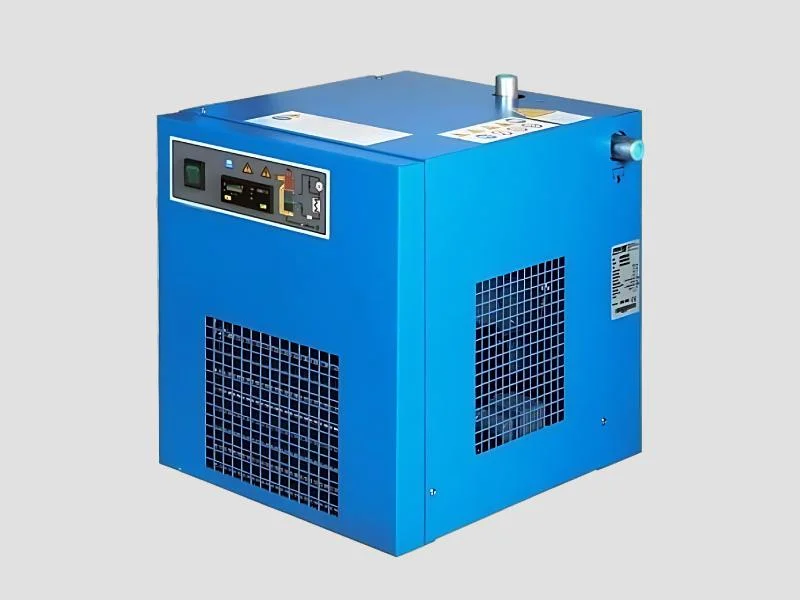
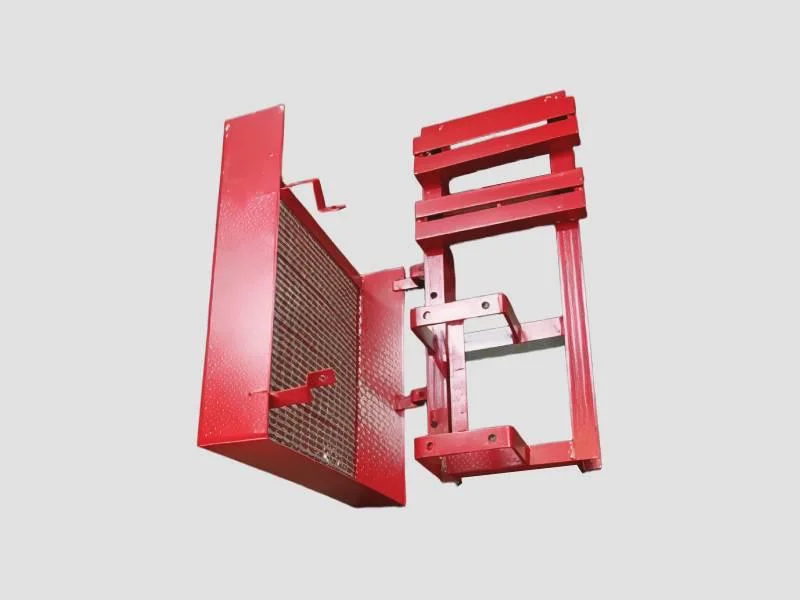
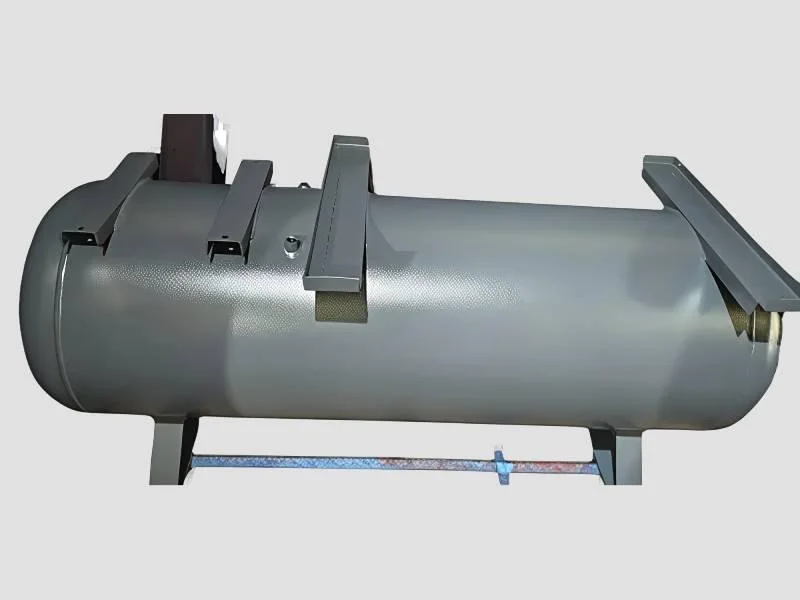
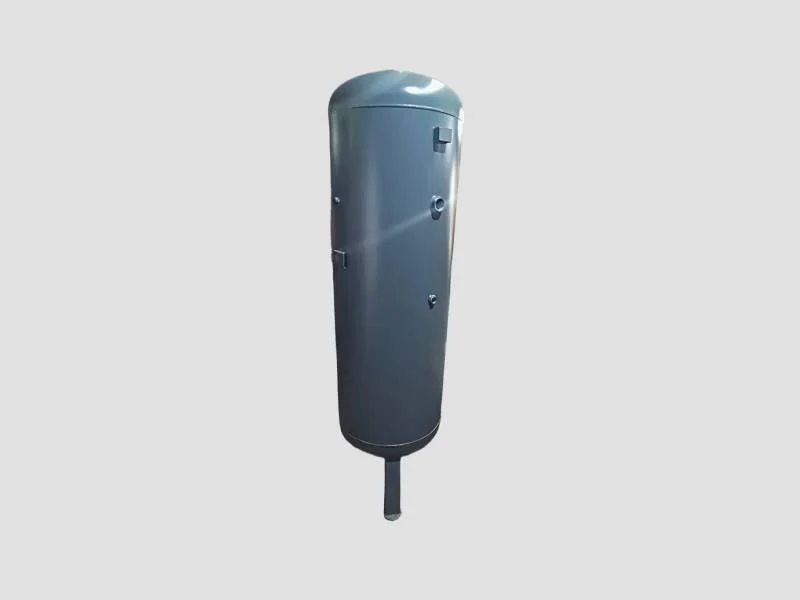
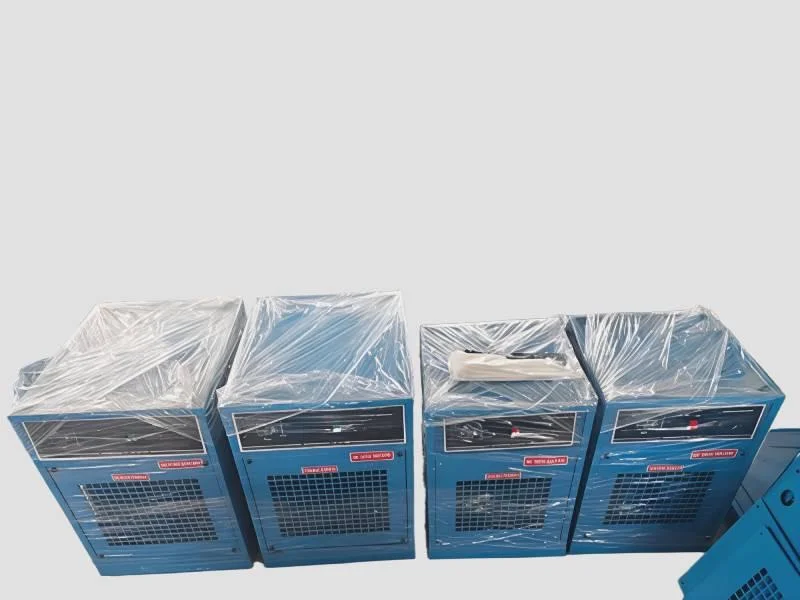
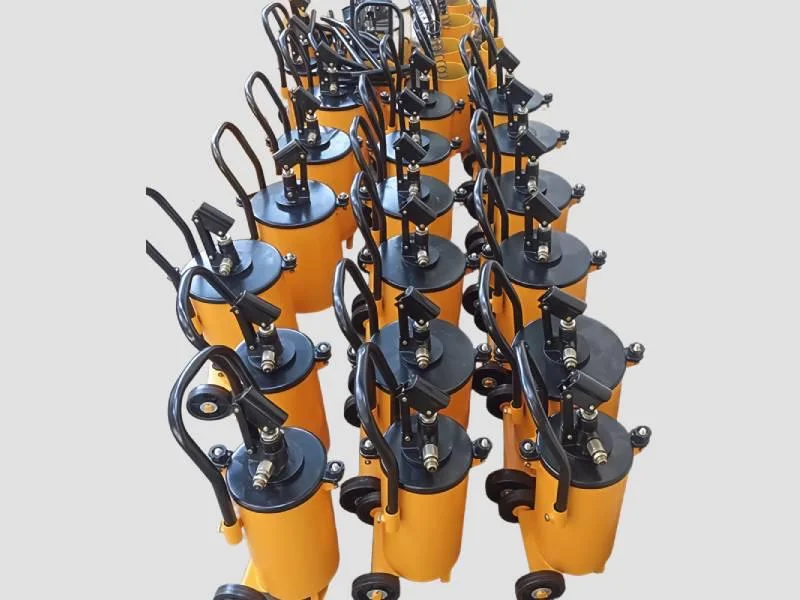
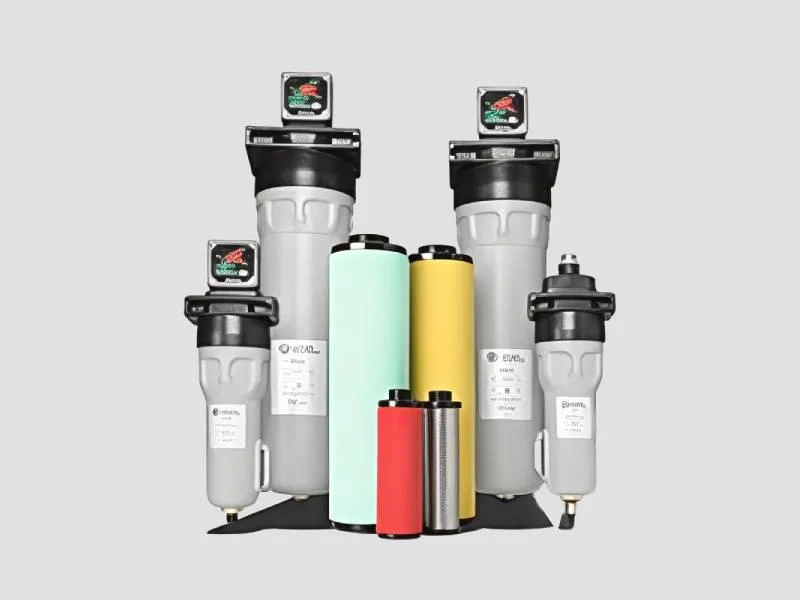
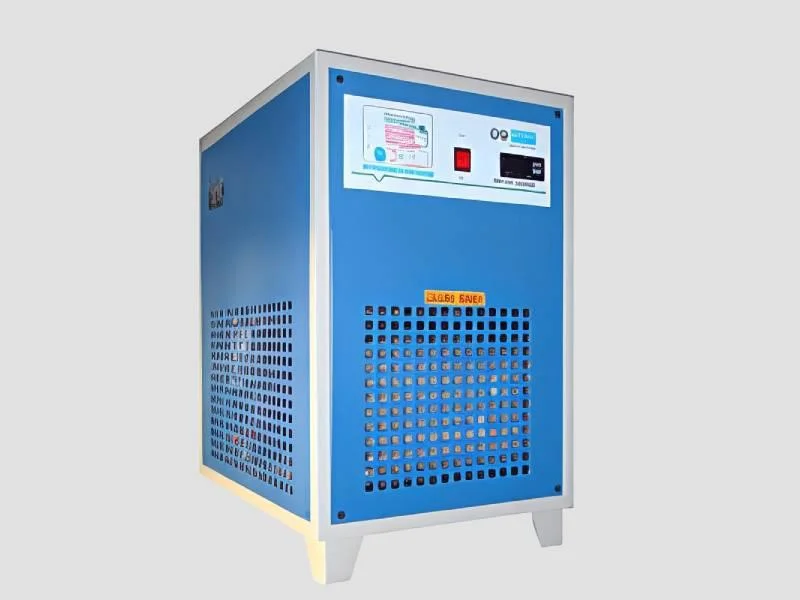
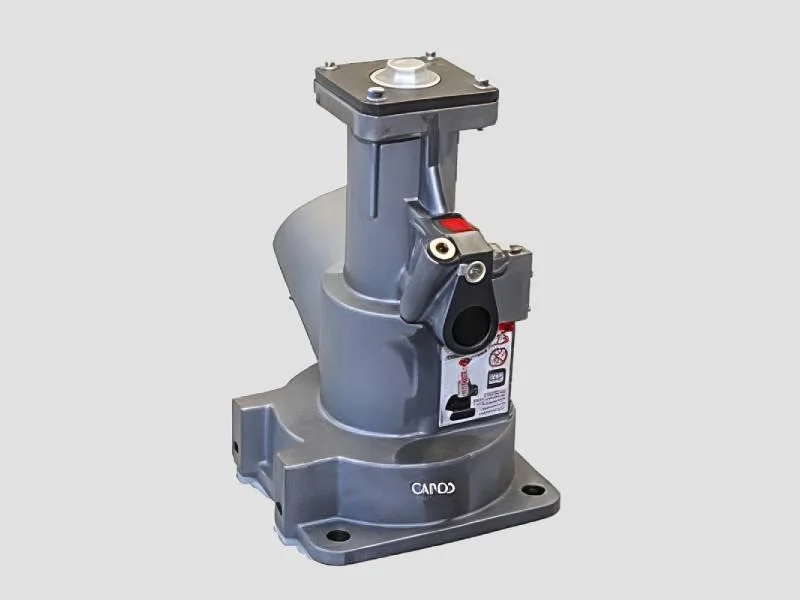
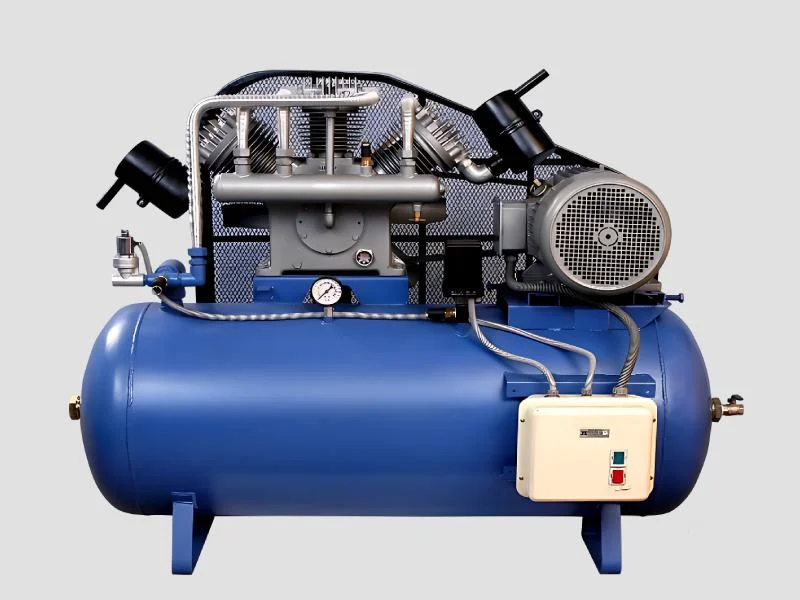
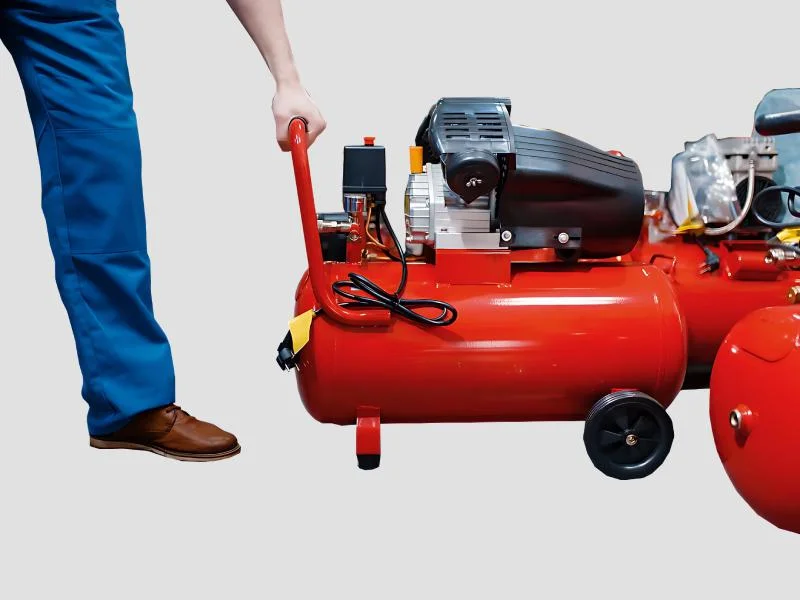
Compressors and air separation equipment are essential tools in industrial applications, responsible for compressing air and separating components from it, such as nitrogen and oxygen. Compressors increase the pressure of air, allowing it to be stored and transported efficiently. Air separation equipment, on the other hand, utilizes various processes to isolate specific gases from the air, enabling their use in a variety of applications. Together, they play a crucial role in enhancing productivity and operational efficiency in many sectors.
These systems are predominantly used in industries such as manufacturing, healthcare, and energy production. In manufacturing, they supply compressed air for pneumatic tools and processes. In healthcare, they provide medical-grade gases for patient care. The energy sector utilizes these systems for gas processing and storage. The market for compressors and air separation equipment is expanding, driven by technological advancements and increasing demand for energy-efficient solutions.
𝗞𝗲𝘆 𝗙𝗲𝗮𝘁𝘂𝗿𝗲𝘀 𝗮𝗻𝗱 𝗦𝗽𝗲𝗰𝗶𝗳𝗶𝗰𝗮𝘁𝗶𝗼𝗻𝘀
When evaluating compressors and air separation equipment, it is important to understand their key features and specifications. These products vary in design, efficiency, and application suitability, making it crucial for buyers to select models that fit their specific needs.
Key specifications include:
1. Capacity
- Indicates the volume of air that can be compressed or processed.
- Typically measured in cubic feet per minute (CFM) or liters per second (L/s).
2. Power Consumption
- Refers to the energy required to operate the equipment.
- Measured in kilowatts (kW) or horsepower (HP).
3. Operating Pressure
- The maximum pressure the compressor can achieve.
- Common ranges include 100 to 200 psi.
4. Efficiency Rating
- A measure of how effectively the equipment converts input energy into output work.
- Expressed as a percentage (%).
5. Noise Level
- The sound produced during operation.
- Measured in decibels (dB).
6. Dimensions and Weight
- The physical size and weight of the equipment.
- Important for installation space considerations.
7. Maintenance Requirements
- Information on the frequency and type of maintenance needed.
- Can include filter changes and lubrication schedules.
8. Temperature Range
- The operating temperature limits of the equipment.
- Not specified in the available data.
In summary, understanding these specifications helps businesses choose the right compressors and air separation equipment for their operational requirements.
𝗖𝗼𝗺𝗺𝗼𝗻 𝗔𝗽𝗽𝗹𝗶𝗰𝗮𝘁𝗶𝗼𝗻𝘀 𝗮𝗻𝗱 𝗨𝘀𝗲 𝗖𝗮𝘀𝗲𝘀
Compressors and air separation equipment serve a wide range of industries, each with unique applications.
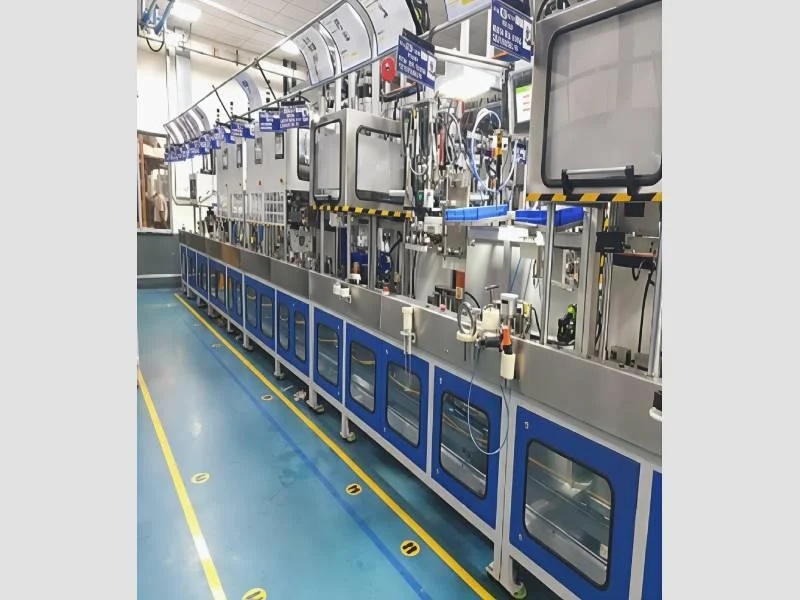
1. Manufacturing: In this sector, compressors supply pneumatic tools and assist in various production processes, enhancing efficiency and productivity.
2. Healthcare: Medical facilities utilize air separation equipment to provide essential gases such as oxygen and nitrous oxide for patient treatment and anesthesia.
3. Energy: In the energy sector, these systems support gas processing, storage, and distribution, playing a critical role in power generation.
4. Food and Beverage: Compressed air is used for packaging, bottling, and maintaining hygiene standards in food processing plants.
5. Chemical Processing: Air separation equipment provides essential components for chemical reactions and processes, ensuring efficiency and safety.
6. Automotive: Compressors are integral to manufacturing and assembly processes, providing air for tools and equipment.
7. Construction: Pneumatic tools powered by compressors are widely used in construction for tasks such as drilling and cutting.
𝗣𝗿𝗼𝗱𝘂𝗰𝘁 𝗩𝗮𝗿𝗶𝗮𝗻𝘁𝘀 𝗮𝗻𝗱 𝗦𝘂𝗯𝗰𝗮𝘁𝗲𝗴𝗼𝗿𝗶𝗲𝘀
Compressors and air separation equipment come in various types to meet distinct industrial needs.
Reciprocating Compressors
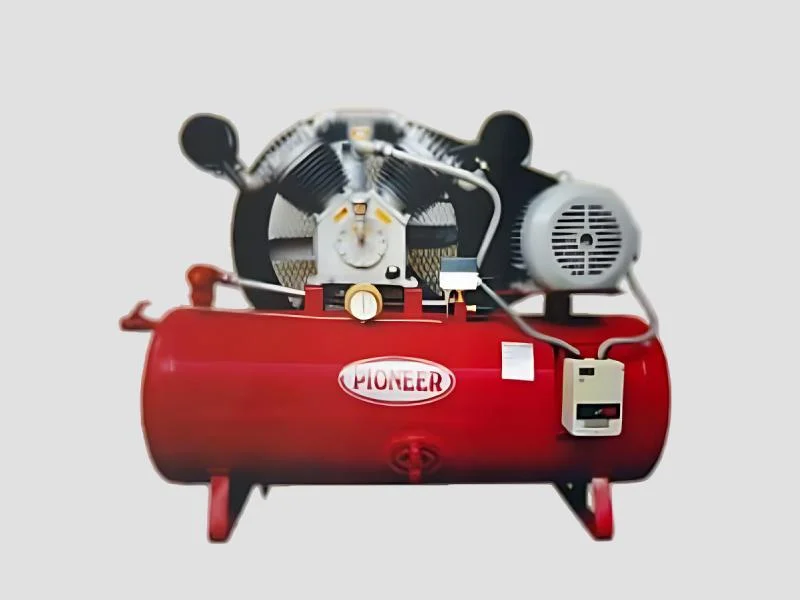
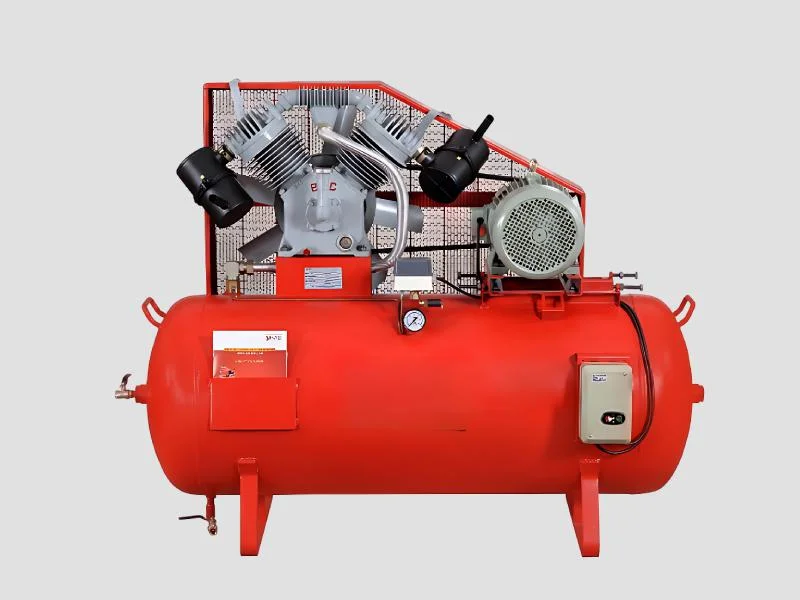
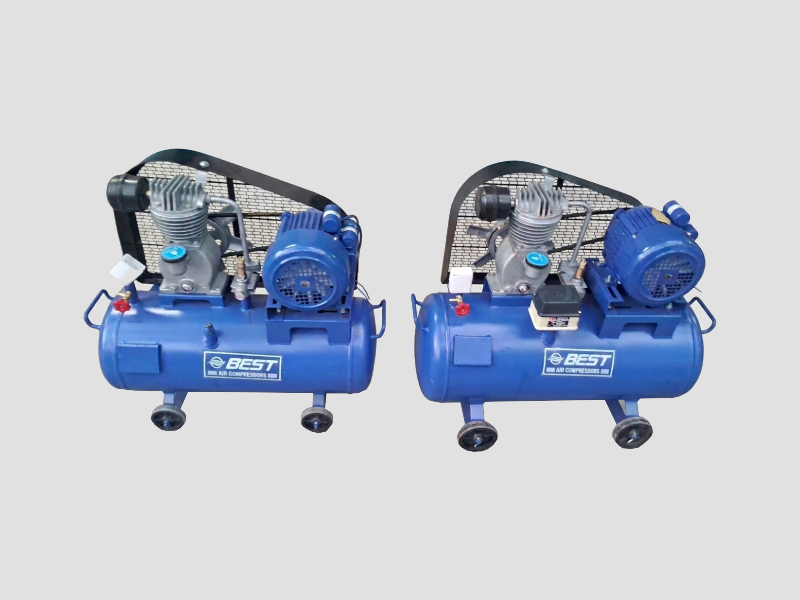
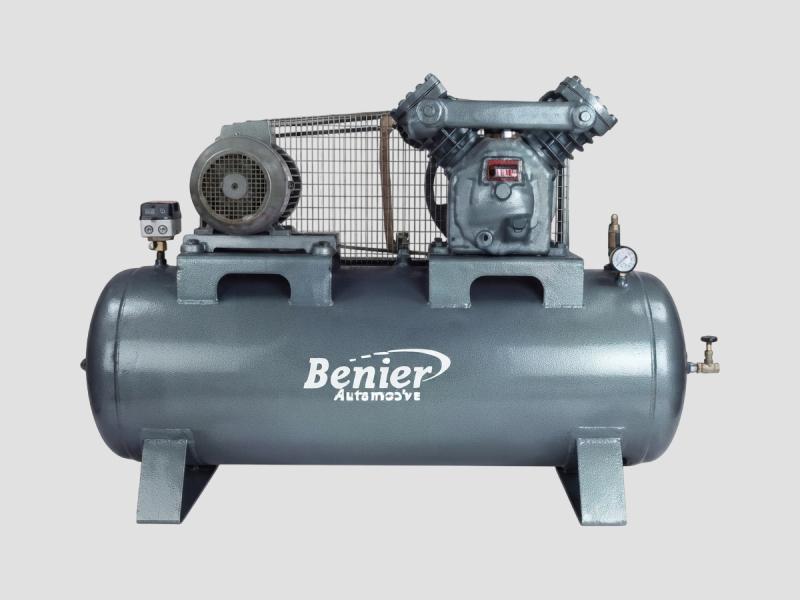
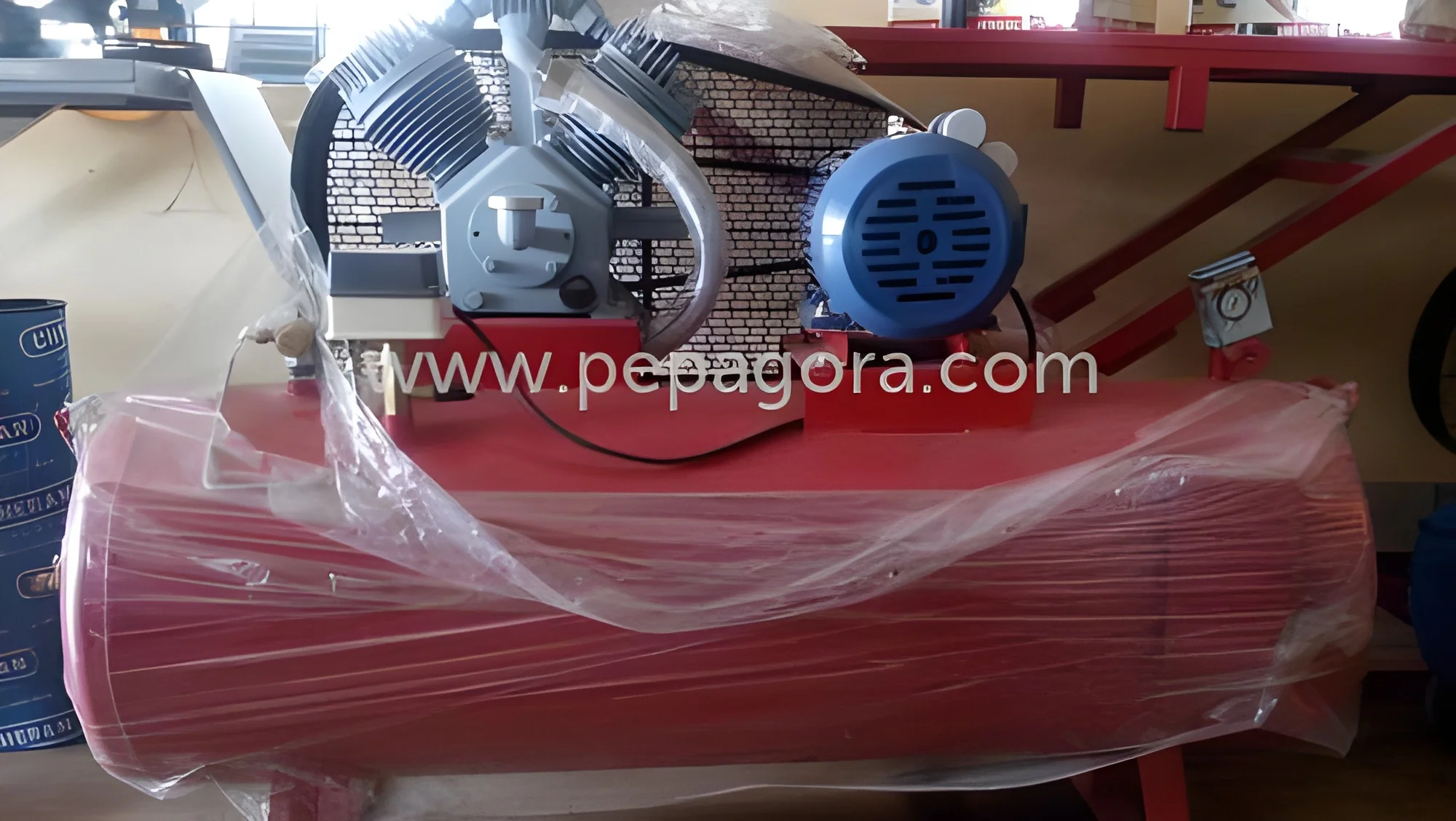
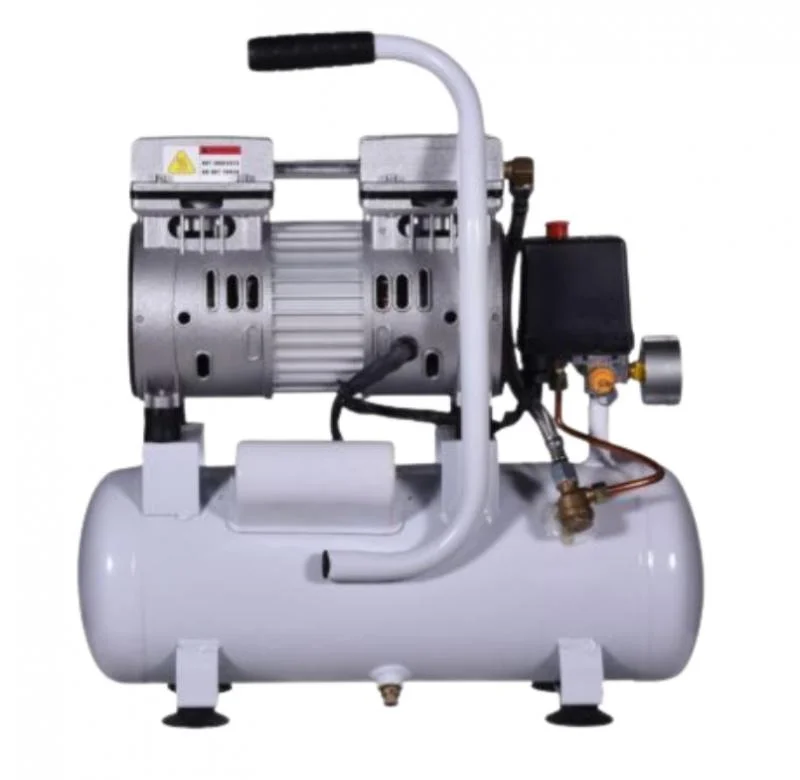
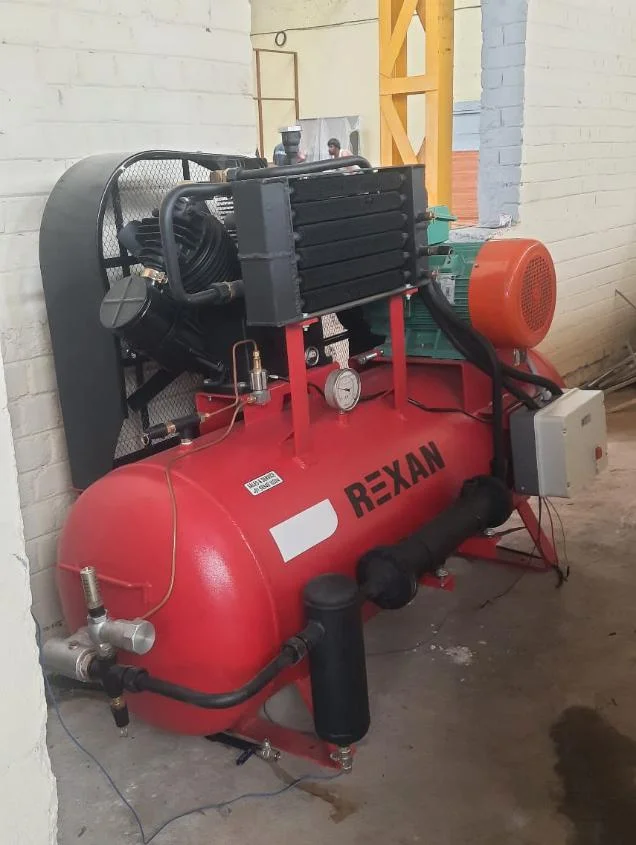
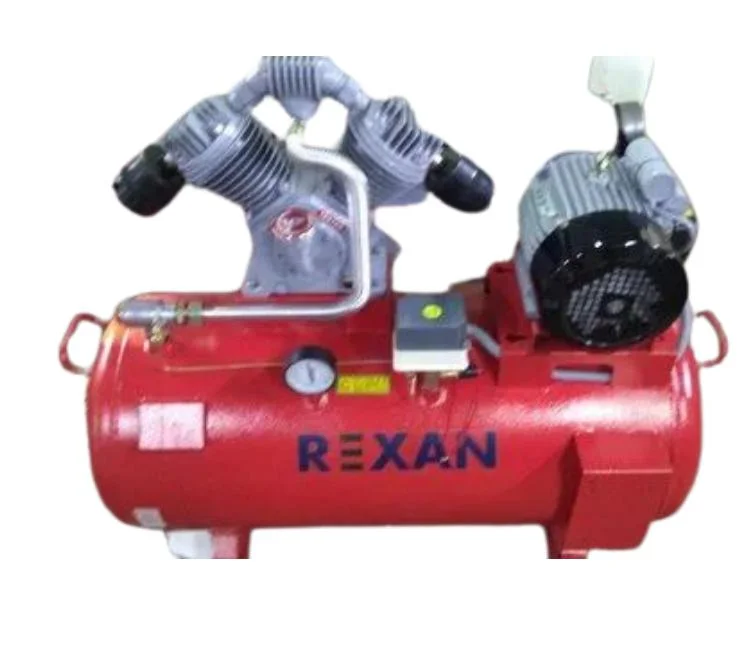
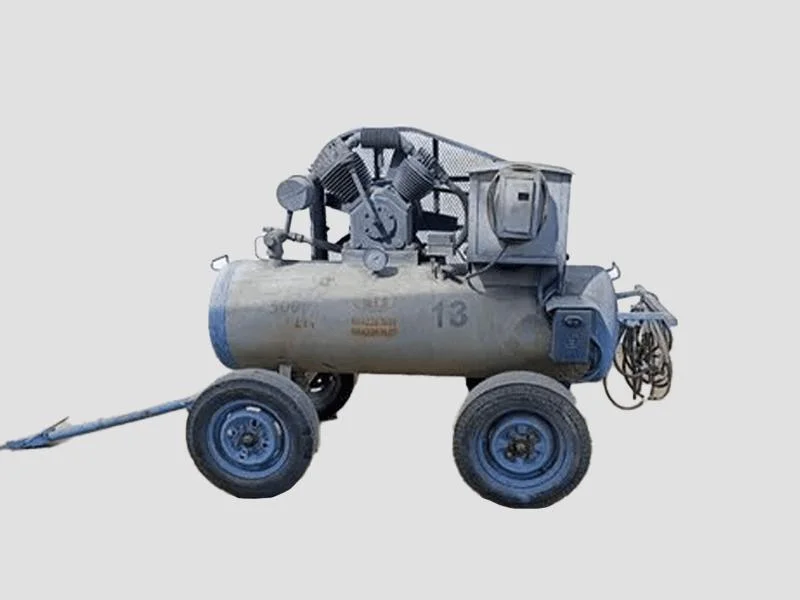
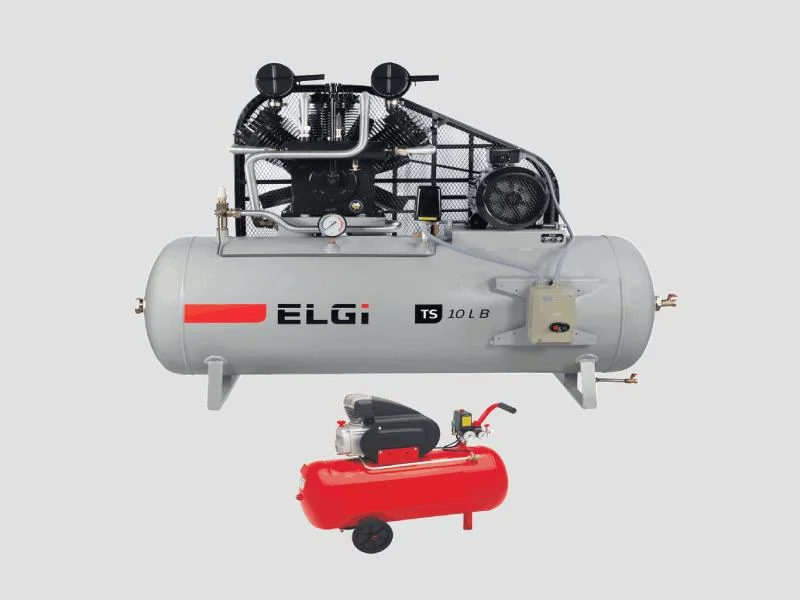
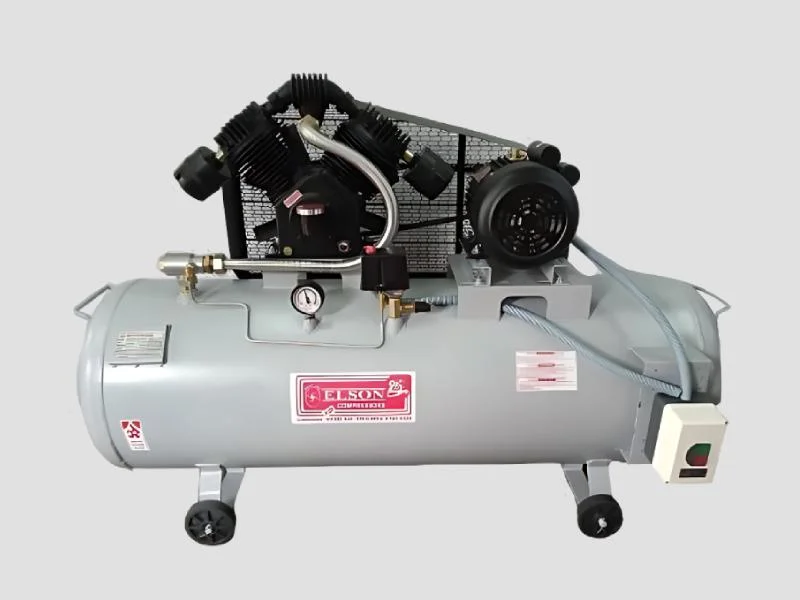
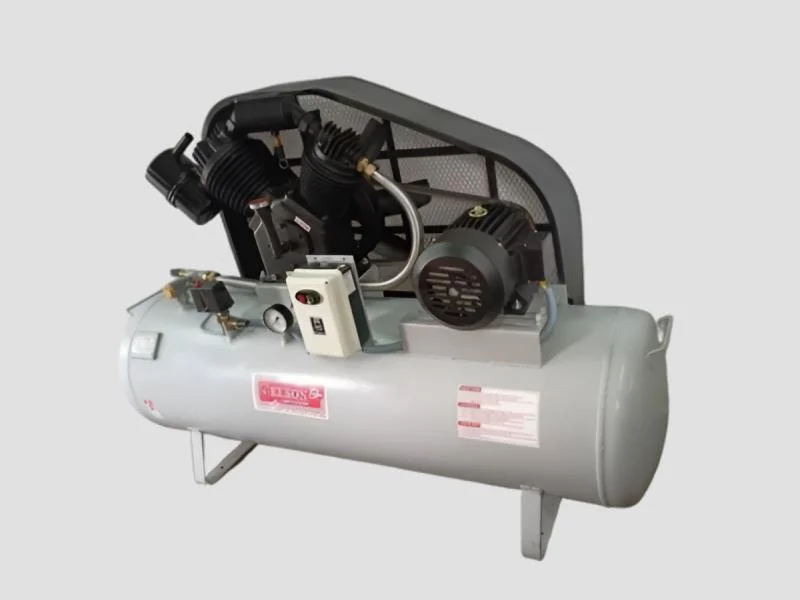
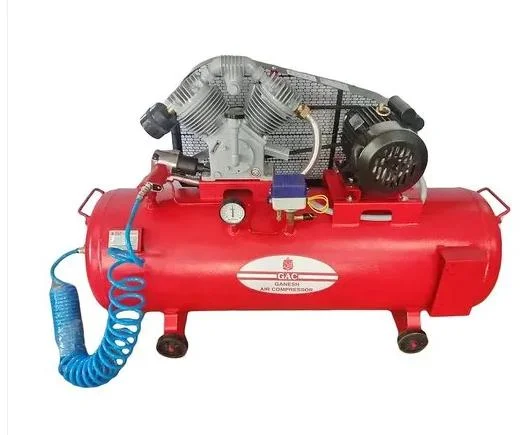
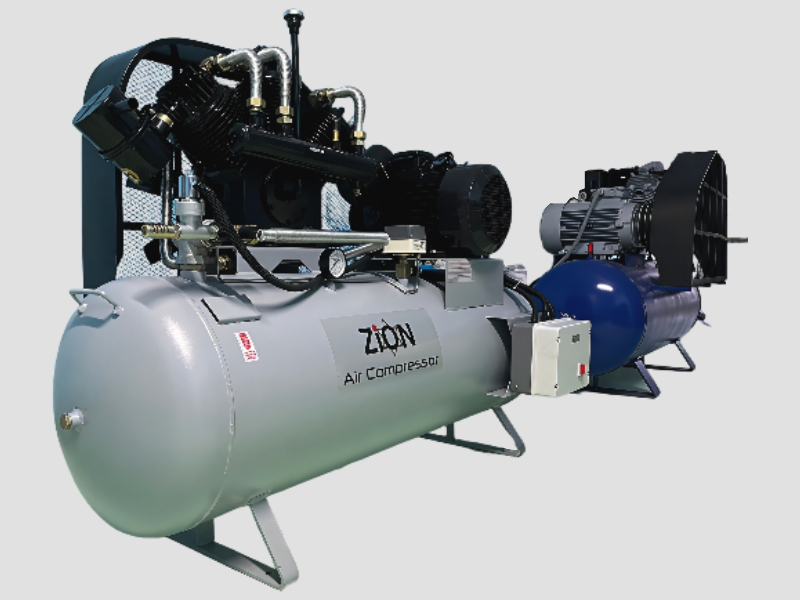
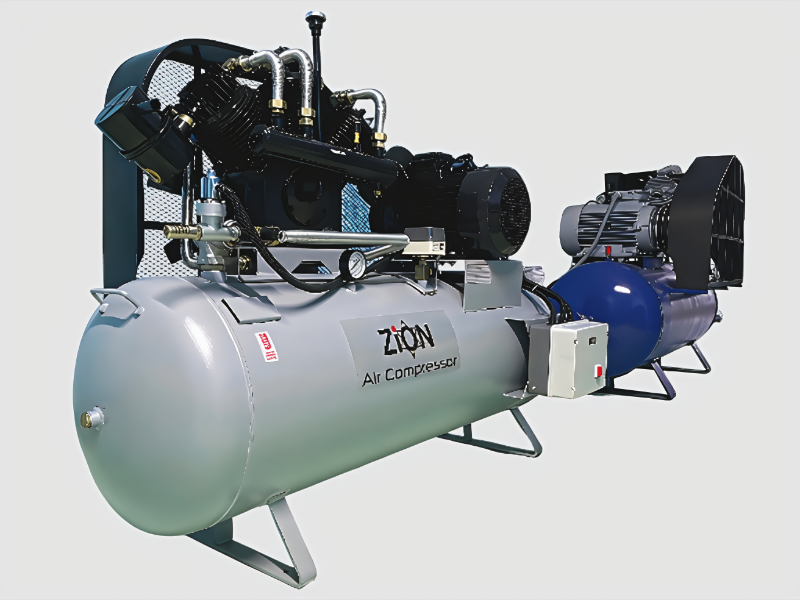
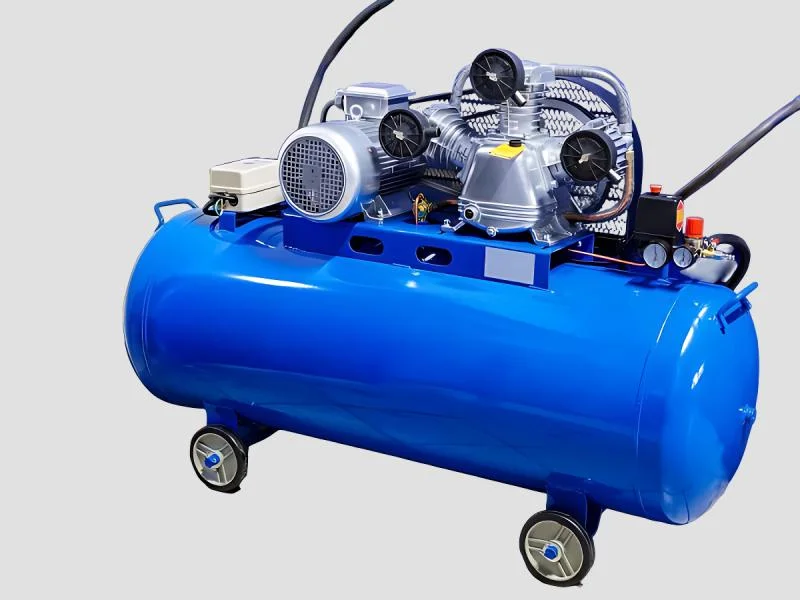
These compressors use pistons to compress air and are known for their reliability and efficiency in high-pressure applications. They are commonly used in manufacturing and automotive industries.
Rotary Screw Compressors
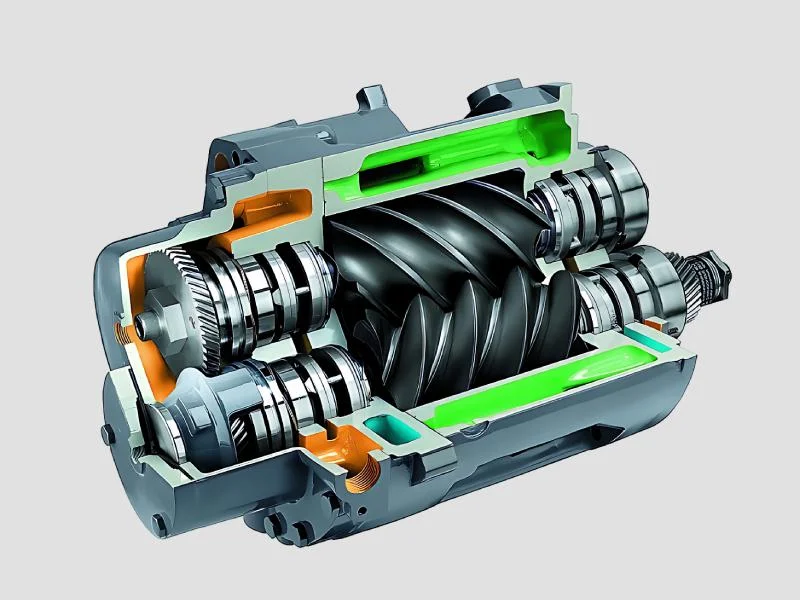
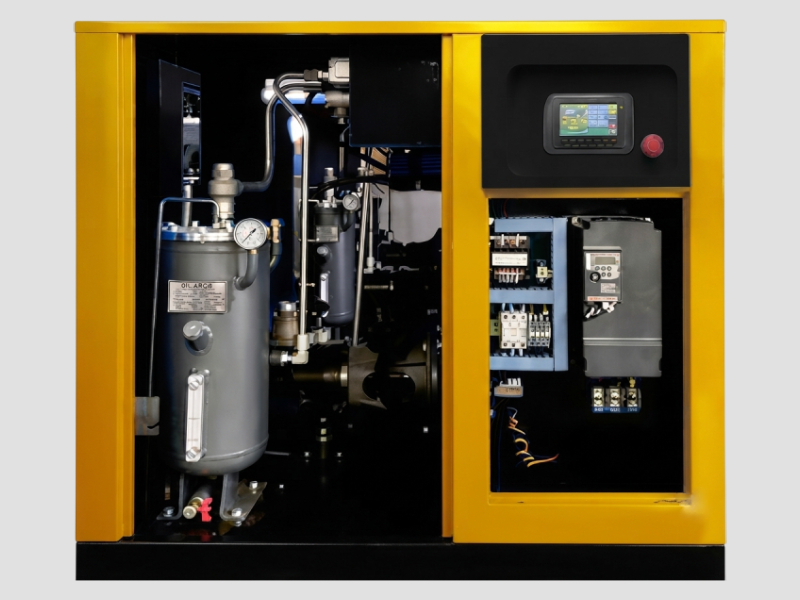
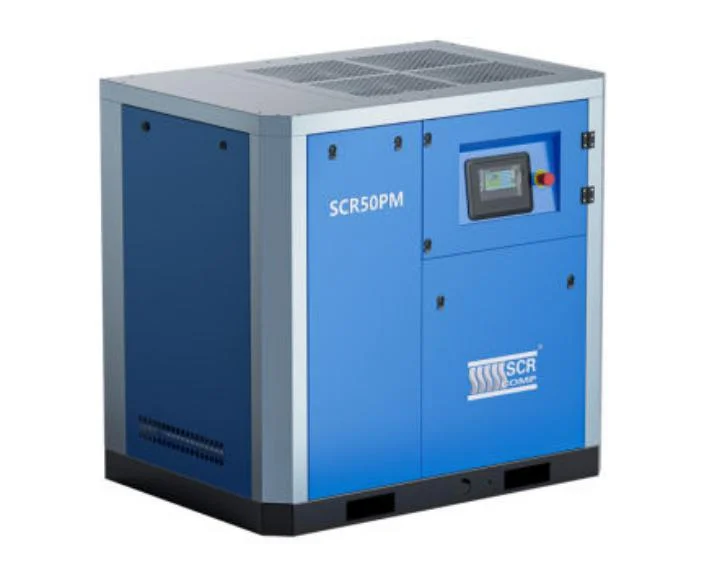
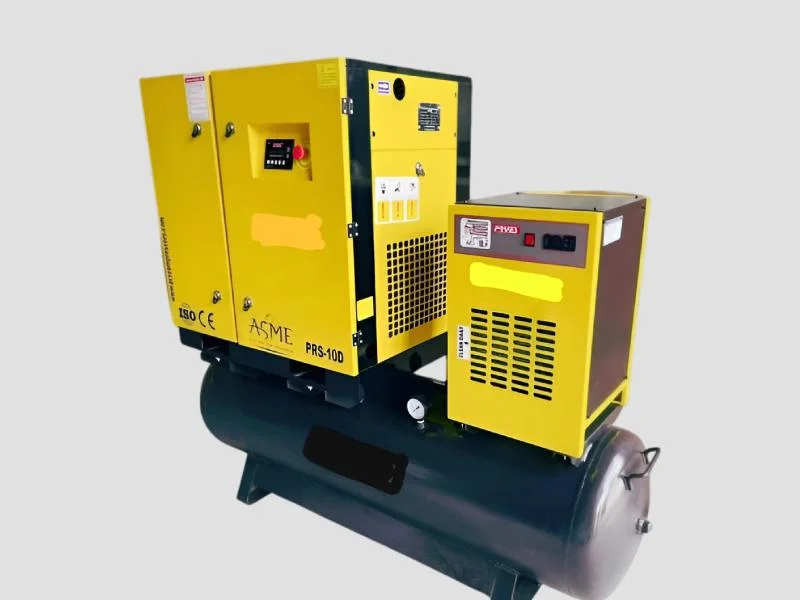
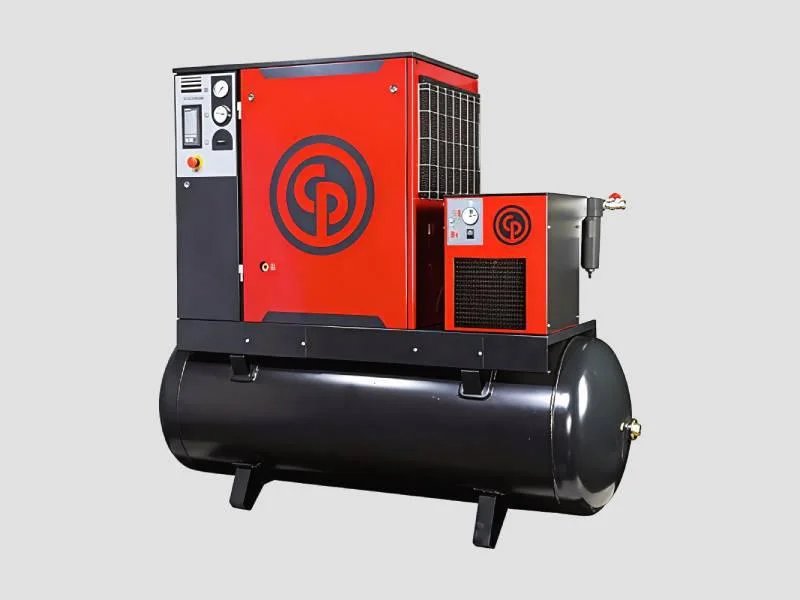
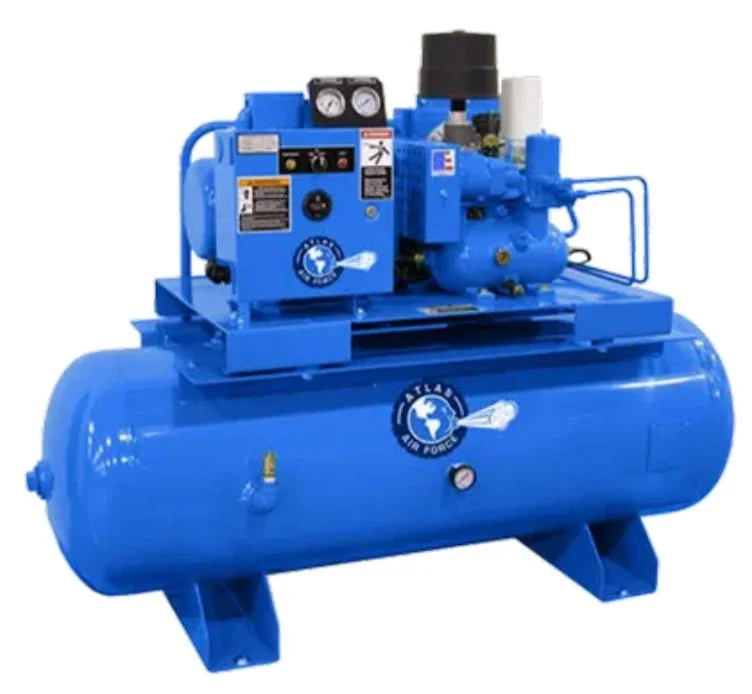
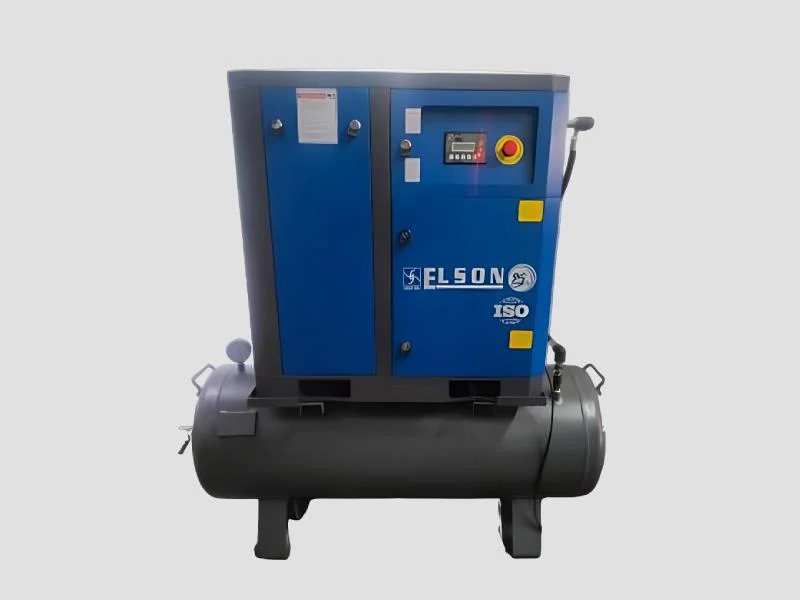
These models utilize rotating screws to compress air and are favored for their continuous operation capabilities. They are ideal for applications requiring a steady supply of compressed air.
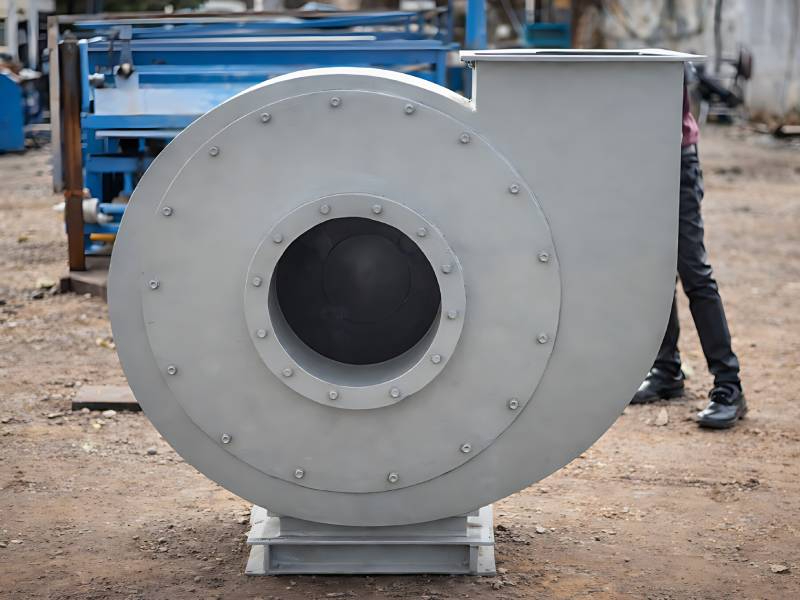
Centrifugal Compressors
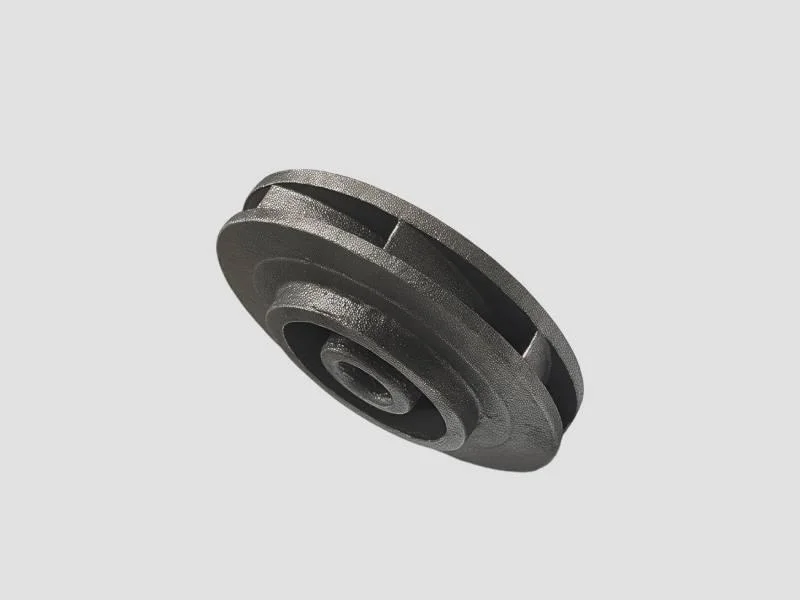
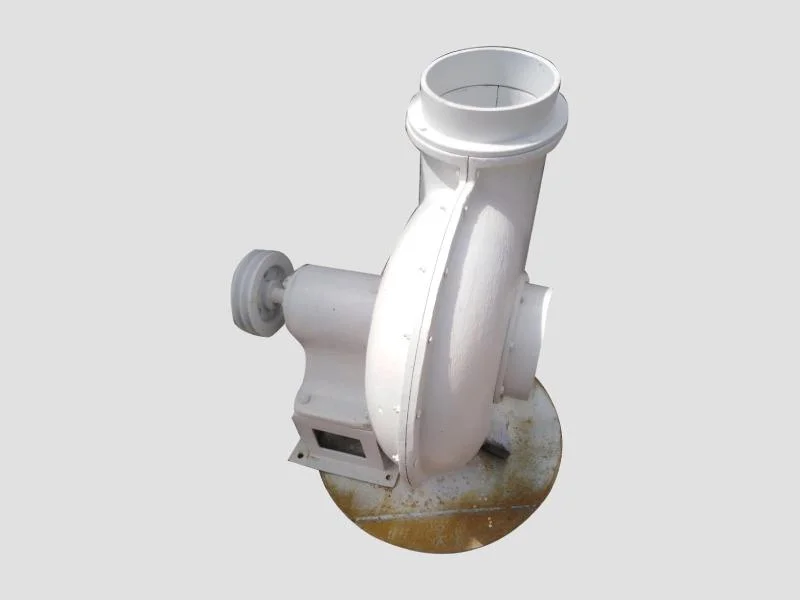
These compressors use a rotating disk to impart velocity to the air, making them suitable for large-scale industrial applications where high flow rates are necessary.
Cryogenic Air Separation Units
These units liquefy air to separate gases, including oxygen and nitrogen, through distillation. They are utilized in industries such as healthcare and energy for gas production.
𝗕𝗲𝗻𝗲𝗳𝗶𝘁𝘀 𝗮𝗻𝗱 𝗔𝗱𝘃𝗮𝗻𝘁𝗮𝗴𝗲𝘀
Investing in compressors and air separation equipment brings numerous advantages to businesses.
1. Enhanced Efficiency: These systems improve operational efficiency by providing reliable air supply and gas separation.
2. Cost Savings: Energy-efficient models reduce operational costs through lower power consumption.
3. Versatile Applications: Their adaptability allows use across various industries, meeting diverse operational needs.
4. Improved Quality: High-quality air and gas delivery ensures better product quality and consistency in manufacturing processes.
5. Reliability: Well-designed equipment offers dependable performance, minimizing downtime and maintenance needs.
6. Safety Compliance: Many units meet safety and regulatory standards, ensuring safe operation in industrial environments.
𝗕𝘂𝘆𝗶𝗻𝗴 𝗚𝘂𝗶𝗱𝗲 𝗳𝗼𝗿 𝗕𝟮𝗕 𝗕𝘂𝘆𝗲𝗿𝘀
When sourcing compressors and air separation equipment, buyers should consider several factors to ensure the best fit for their needs.
1. Quality Assessment: Assess the quality of the equipment based on manufacturer reputation, user reviews, and compliance with industry standards.
2. Supplier Verification: Vet suppliers by checking their credentials, experience, and customer feedback to ensure reliability.
3. Pricing and MOQ: Understand pricing structures and minimum order quantities (MOQ) to align with budgetary constraints.
4. Delivery and Lead Times: Evaluate logistics and delivery schedules to ensure timely availability of equipment for operations.
5. Compliance Requirements: Ensure that the equipment meets relevant regulatory and safety standards to avoid operational disruptions.
𝗖𝗼𝗺𝗽𝗹𝗶𝗮𝗻𝗰𝗲 𝗮𝗻𝗱 𝗖𝗲𝗿𝘁𝗶𝗳𝗶𝗰𝗮𝘁𝗶𝗼𝗻𝘀
Compliance and certifications are crucial in the operation of compressors and air separation equipment. These products must adhere to various quality standards, including ISO 9001, which ensures consistent quality management practices.
Industry certifications, such as CE marking, indicate that the equipment meets European safety, health, and environmental protection standards. This is essential for gaining market access and ensuring user safety.
Additionally, safety and testing requirements are vital, as they ensure equipment operates safely under specified conditions. Regional compliance considerations may also apply, depending on the country of operation, requiring adherence to local regulations.
𝗪𝗵𝘆 𝗦𝗼𝘂𝗿𝗰𝗲 𝗖𝗼𝗺𝗽𝗿𝗲𝘀𝘀𝗼𝗿𝘀 & 𝗔𝗶𝗿 𝗦𝗲𝗽𝗮𝗿𝗮𝘁𝗶𝗼𝗻 𝗘𝗾𝘂𝗶𝗽𝗺𝗲𝗻𝘁 𝗳𝗿𝗼𝗺 𝗣𝗲𝗽𝗮𝗴𝗼𝗿𝗮?
Pepagora offers a reliable platform for sourcing compressors and air separation equipment, providing several key advantages for businesses.
Verified Supplier Network: Pepagora connects buyers with a network of verified suppliers, ensuring access to reputable manufacturers and quality products.
Streamlined RFQ Process: The platform facilitates a straightforward request for quotation (RFQ) process, allowing buyers to quickly obtain competitive pricing and product information from multiple suppliers.
Trade Assurance and Support: Buyers benefit from trade assurance and dedicated support, offering protection throughout the purchasing process and ensuring peace of mind.
Regional Coverage: With a strong presence in India, the GCC, and Southeast Asia, Pepagora provides extensive regional coverage, making it easier for businesses to find the right equipment tailored to their geographical needs.

 IN
IN