What are Ammonia Compressors?
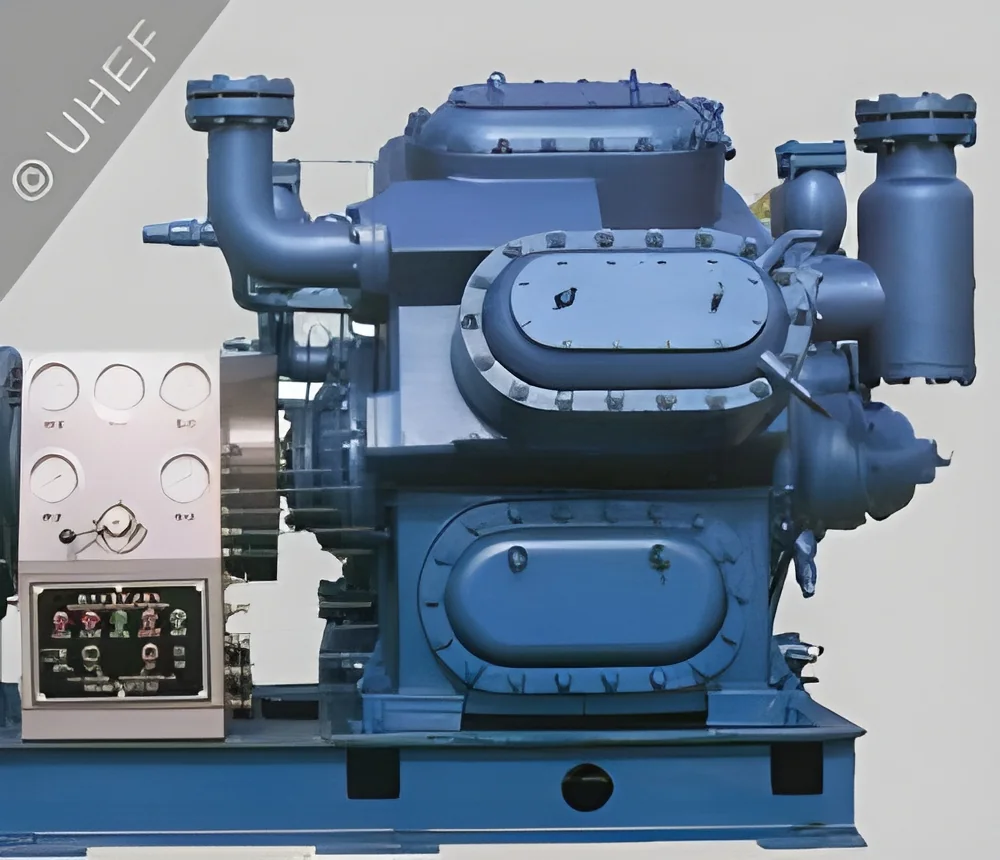
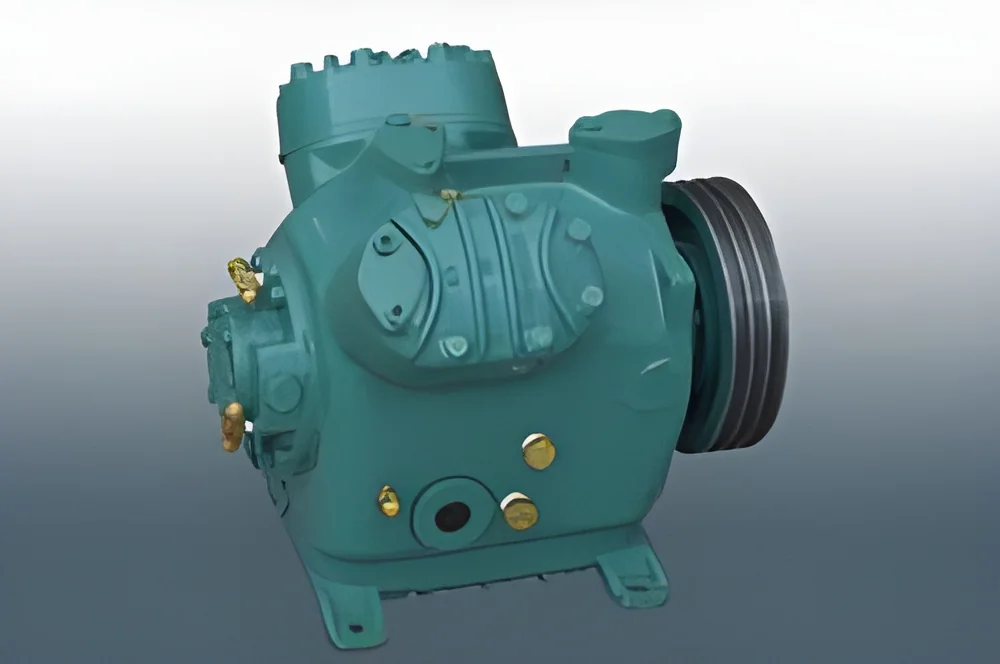
Ammonia compressors are specialized mechanical devices designed to compress ammonia gas for various industrial applications. They operate by lowering the volume of ammonia gas, thereby increasing its pressure. This process is essential for efficient refrigeration and cooling systems, where ammonia serves as a refrigerant. These compressors are vital for maintaining desired temperature levels in various processes, ensuring optimal performance and energy efficiency.
The primary uses of ammonia compressors include refrigeration in food processing, cold storage facilities, and chemical manufacturing. They are also utilized in HVAC systems within large industrial complexes. The demand for ammonia compressors is driven by the growing need for energy-efficient cooling solutions and the increasing adoption of ammonia as a refrigerant, particularly due to its low environmental impact compared to other refrigerants. As industries strive for sustainability, the relevance of ammonia compressors continues to rise in the market.
Key Features and Specifications
Ammonia compressors come equipped with various features that enhance their operational efficiency and reliability. Understanding these specifications is crucial for making informed purchasing decisions.
Key specifications include:
1. Compressor Type
- Reciprocating or screw designs
- Commonly used in industrial refrigeration applications
2. Capacity Range
- Measured in tons of refrigeration (TR)
- Typically ranges from 5 TR to over 100 TR based on application needs
3. Operating Pressure
- Standard operating pressures often range from 10 to 30 bar
- Specific requirements depend on the application
4. Efficiency Rating
- Energy efficiency is a critical factor
- Rated in terms of Coefficient of Performance (COP)
5. Cooling Temperature Range
- Capable of operating in various temperature conditions
- Detailed ranges typically depend on compressor design
6. Maintenance Requirements
- Designed for low maintenance to ensure long service life
- Regular checks on oil levels and filters recommended
7. Noise Levels
- Noise output measured in decibels (dB)
- Important for applications in noise-sensitive environments
8. Safety Features
- Equipped with safety shutdown systems
- Prevents overpressure and overheating scenarios
In summary, understanding the features and specifications of ammonia compressors is critical for selecting the right equipment for your industrial needs.
Common Applications and Use Cases
Ammonia compressors are versatile and serve a wide range of industries.
1. Food and Beverage Industry: These compressors are essential in refrigeration systems for food processing plants, ensuring products remain at safe temperatures during storage and transportation.
2. Chemical Manufacturing: Ammonia compressors play a crucial role in various chemical production processes, helping to manage temperatures and pressures effectively.
3. Cold Storage Facilities: They are widely used in cold storage warehouses to maintain optimal conditions for perishable goods, extending shelf life and reducing spoilage.
4. Pharmaceutical Industry: In pharmaceutical manufacturing, ammonia compressors are used in cooling systems to regulate temperatures for sensitive materials and processes.
5. HVAC Systems: These compressors provide efficient cooling solutions for large commercial and industrial buildings, enhancing overall energy efficiency.
6. Agriculture: They are increasingly used in agricultural applications, such as refrigerated transport for perishable produce, ensuring quality during distribution.
7. Petrochemical Industry: Ammonia compressors are utilized in refining processes, where temperature control is critical for operational efficiency.
Product Variants and Subcategories
Ammonia compressors are available in various designs to meet different industrial needs. Each variant offers unique features tailored for specific applications.
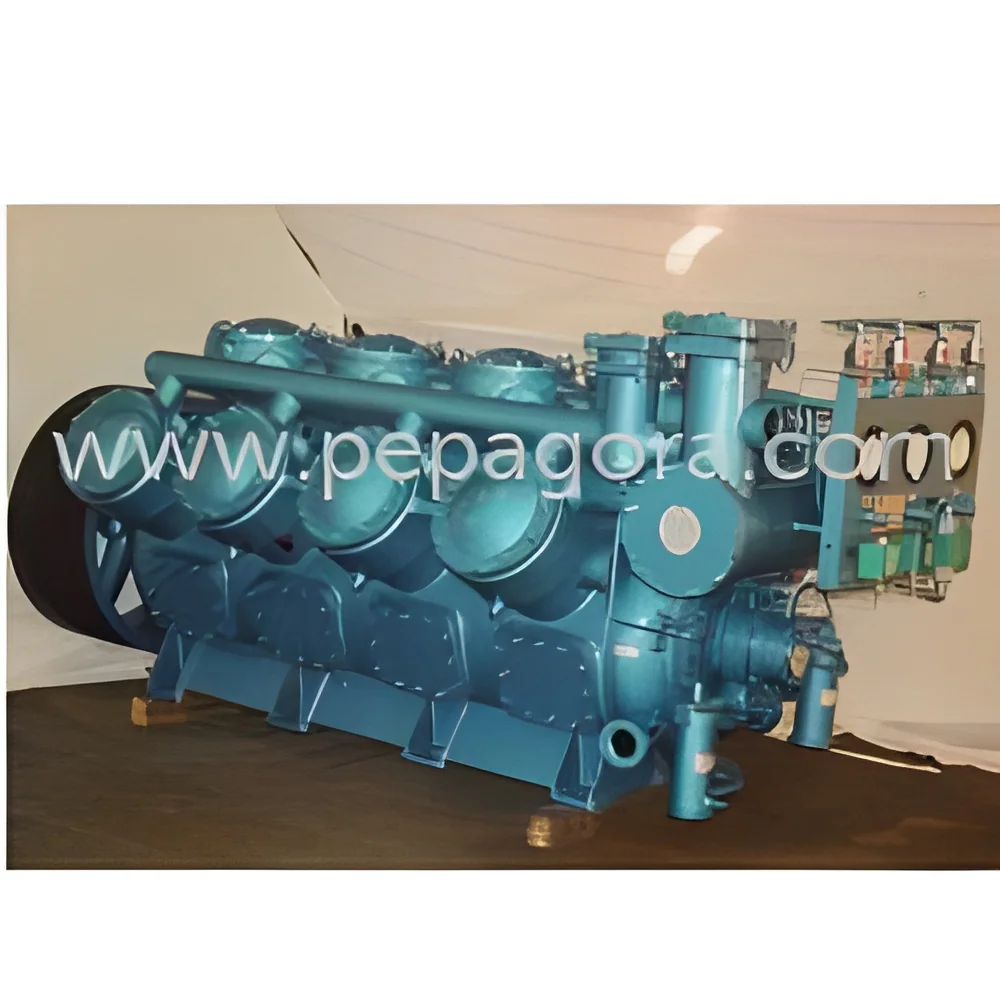
Reciprocating Ammonia Compressors: These compressors are known for their high efficiency and reliability. They are well-suited for smaller applications and are often used in food processing and refrigeration systems.
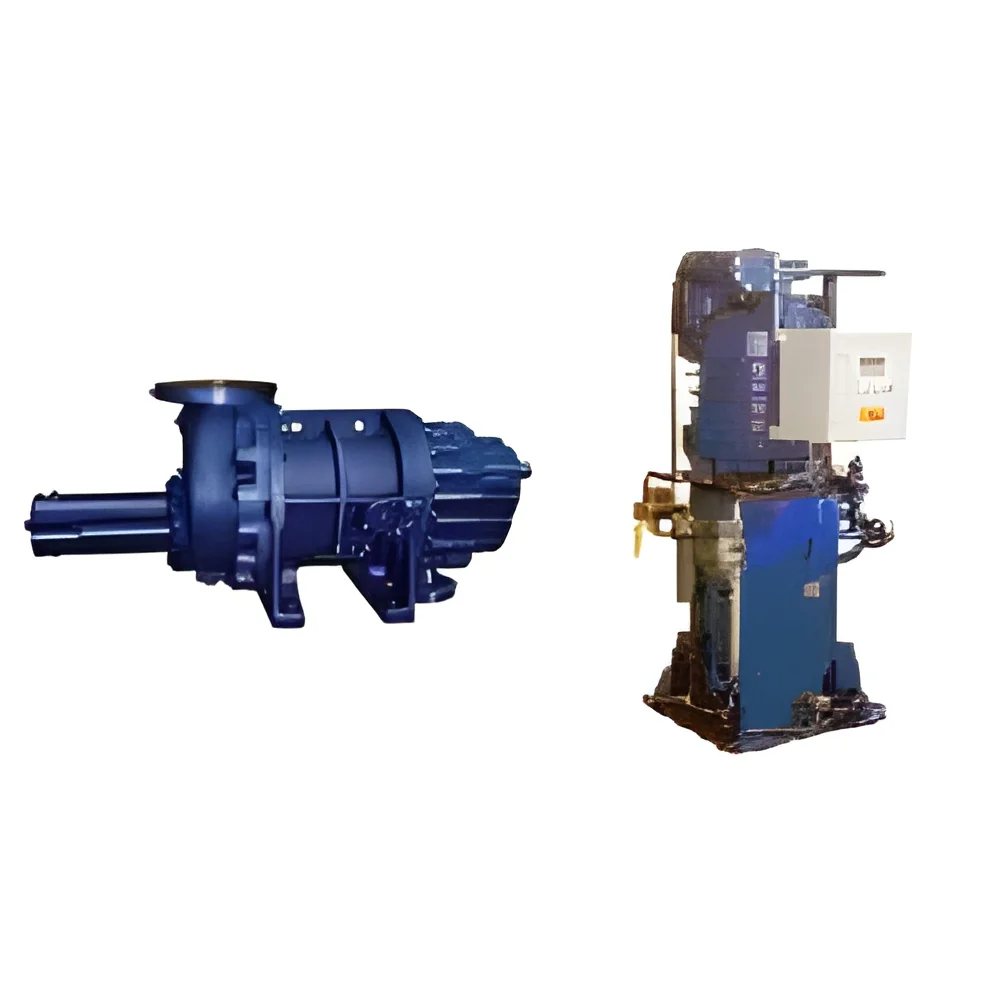
Screw Ammonia Compressors: These are designed for larger industrial applications. They provide continuous operation and are ideal for high-capacity cooling systems, such as those found in chemical plants and large cold storage facilities.
Centrifugal Ammonia Compressors: Often used in large-scale refrigeration systems, these compressors offer high flow rates and efficiency, making them suitable for expansive industrial applications.
Benefits and Advantages
Investing in ammonia compressors brings several key benefits to businesses.
1. Energy Efficiency: Ammonia compressors are known for their high energy efficiency, which translates to lower operational costs over time.
2. Environmental Impact: Ammonia is a natural refrigerant with a low global warming potential, making it an environmentally friendly choice.
3. Cost-Effectiveness: Their durability and low maintenance needs contribute to reduced overall costs, making them a wise investment for businesses.
4. Performance Reliability: Ammonia compressors are designed for continuous operation, ensuring stable performance even under demanding conditions.
5. Versatility: These compressors can be used across various industries, adapting to different applications and requirements easily.
6. Enhanced Safety Features: Modern ammonia compressors come equipped with numerous safety mechanisms, reducing the risk of accidents and ensuring compliance with safety regulations.
Buying Guide for B2B Buyers
When sourcing ammonia compressors, it is essential for B2B buyers to consider several key factors to ensure they make informed decisions.
1. Quality Assessment: Evaluate the build quality and performance ratings. Look for certifications that verify the product meets industry standards and reliability.
2. Supplier Verification: Vet suppliers to ensure they have a solid reputation in the market. Check for customer reviews and past project experiences.
3. Pricing and MOQ: Analyze pricing structures and minimum order quantities (MOQ). Ensure you are getting competitive pricing while considering your budget.
4. Delivery and Lead Times: Discuss logistics with suppliers to understand delivery times. Timely delivery is crucial for maintaining production schedules.
5. Compliance Requirements: Ensure that the compressors meet relevant regulatory and compliance standards. Understanding local regulations is vital for operational legality.
Compliance and Certifications
Compliance and certifications are critical aspects of ammonia compressors that ensure quality and safety in industrial applications.
Relevant quality standards such as ISO 9001 guarantee that manufacturing processes meet international quality management criteria. This is vital in maintaining product reliability and performance.
Industry certifications like CE mark indicate that the product complies with European health, safety, and environmental protection standards. This certification is essential for market access in Europe.
Safety and testing requirements are stringent in the compressor industry. Manufacturers must adhere to safety protocols to prevent accidents and ensure operational integrity.
Regional compliance considerations are also important, as different regions may have specific regulations governing the use of ammonia compressors. Understanding these regulations helps businesses avoid legal issues and ensures safe operation.
Why Source Ammonia Compressors from Pepagora?
Pepagora provides a trusted platform for sourcing ammonia compressors, offering several key advantages to B2B buyers.
Verified Supplier Network: Pepagora has a robust network of verified suppliers, ensuring that buyers have access to reputable manufacturers with a history of quality products.
Streamlined RFQ Process: The request for quotation (RFQ) process is designed to be efficient, allowing buyers to easily obtain competitive quotes from multiple suppliers. This saves time and helps buyers make informed choices.
Trade Assurance and Support: Pepagora offers trade assurance, protecting buyers throughout the purchasing process. This includes support for resolving any issues that may arise during transactions.
Regional Coverage: With a strong presence in India, the GCC, and Southeast Asia, Pepagora facilitates international trade. This geographical reach ensures that buyers can source ammonia compressors tailored to their regional needs effectively.

 IN
IN