IN
IN₹
Apparel & Fashion
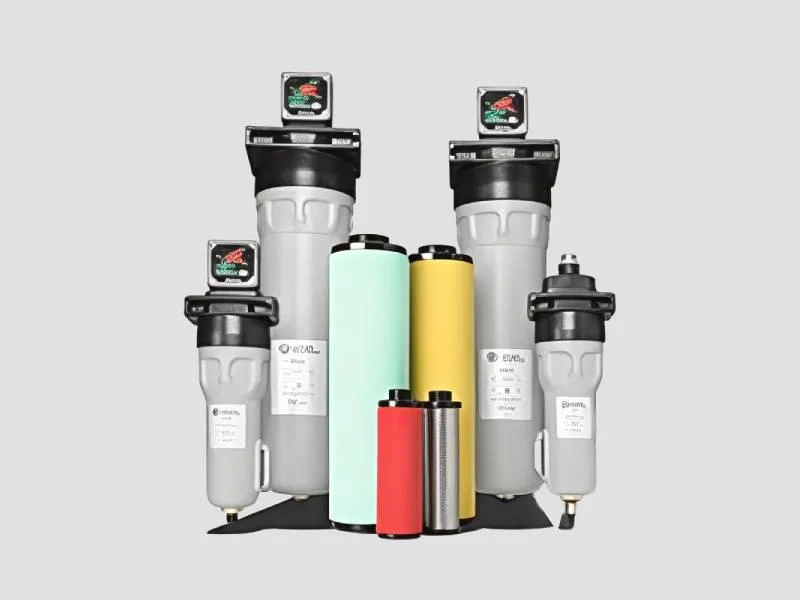
Description
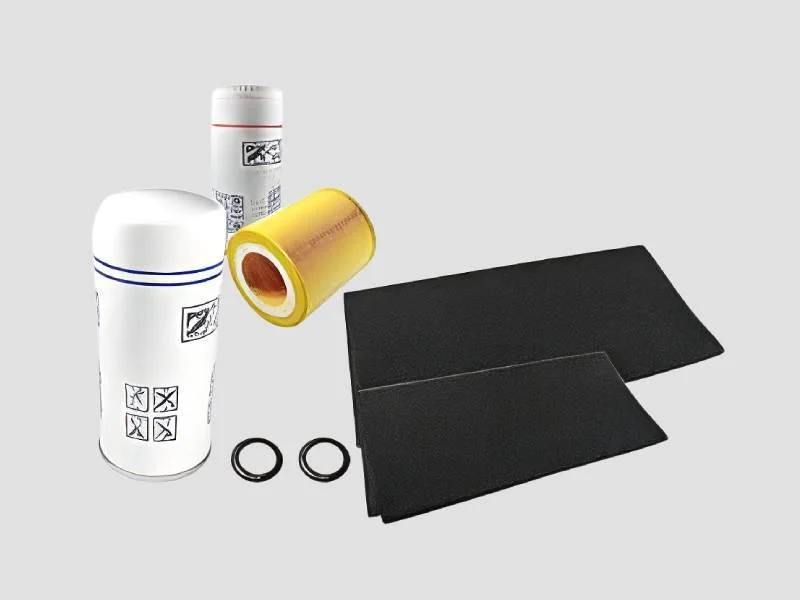
Compressed air filters are critical components designed to purify air in pneumatic systems by removing contaminants including dust particles, oil aerosols, water vapor, and microorganisms. These filters feature precision-engineered elements with filtration ratings from 0.01 µm to 25 µm, achieving efficiency levels up to 99.999% depending on the specific grade and application requirements. Constructed with durable aluminum or steel housings and replaceable filter media, they operate effectively across temperature ranges from -20°C to +80°C, with high-temperature versions available for demanding environments up to 120°C. The filters accommodate various connection sizes and flow directions to integrate seamlessly into existing compressed air infrastructure. Multiple filter types including coalescing, pre-filters, micro filters, and carbon filters provide comprehensive contamination control solutions for different purity standards and operational conditions. These industrial-grade filters ...
Compressed air filters are critical components designed to purify air in pneumatic systems by removing contaminants including dust particles, oil aerosols, water vapor, and microorganisms. These filters feature precision-engineered elements with filtration ratings from 0.01 µm to 25 µm, achieving efficiency levels up to 99.999% depending on the specific grade and application requirements. Constructed with durable aluminum or steel housings and replaceable filter media, they operate effectively across temperature ranges from -20°C to +80°C, with high-temperature versions available for demanding environments up to 120°C. The filters accommodate various connection sizes and flow directions to integrate seamlessly into existing compressed air infrastructure. Multiple filter types including coalescing, pre-filters, micro filters, and carbon filters provide comprehensive contamination control solutions for different purity standards and operational conditions. These industrial-grade filters maintain low pressure drop between 0.07 bar to 0.15 bar when clean, ensuring energy efficiency while delivering optimal filtration performance. They represent a reliable solution for businesses seeking to protect their pneumatic equipment investment and maintain consistent air quality standards. Manufacturing facilities across automotive, electronics, and consumer goods sectors rely on compressed air filters to protect pneumatic machinery, control systems, and production equipment from contamination-induced failures. The food and beverage industry utilizes these filters to ensure oil-free compressed air for packaging, conveying, and bottling operations where air comes into direct or indirect contact with products. Pharmaceutical and medical device manufacturers depend on high-efficiency filters to maintain sterile environments and prevent particulate contamination in cleanrooms and processing areas. Textile and printing operations use these filters to prevent oil and moisture stains on fabrics and printed materials, maintaining product quality and reducing waste. Power plants and utility companies install compressed air filters to protect sensitive instrumentation and control systems that require clean, dry air for reliable operation. The versatility of these filters makes them suitable for virtually any industry utilizing compressed air, from small workshops to large-scale industrial complexes. Investing in quality compressed air filters delivers significant business value through extended equipment lifespan, reduced maintenance costs, and improved operational reliability. By preventing contamination-related breakdowns, these filters minimize production downtime and maintenance expenses, providing rapid return on investment. The consistent air quality ensures repeatable process results and higher product quality standards, reducing rejection rates and material waste. Customization options allow businesses to select precisely the right filtration solution for their specific requirements, optimizing performance while controlling costs. The reliability of these filters translates to predictable maintenance schedules and reduced emergency repairs, enabling better production planning and resource allocation. With proper filtration, companies can achieve energy savings through efficient compressed air system operation and comply with industry standards for air quality and workplace safety.

Key Features:

Benefits:
Specifications
| Key Attributes | |
|---|---|
| Product Name | Filter / Air Filter / Compressed Air Filter / Line Filter, up to 120°C (high-temp version) |
| Type | Coalescing Filter / Pre-Filter / Micro Filter / Carbon Filter, 1/4 |
| Filtration Rating | 0.01 µm to 25 µm, Inside-Out / Outside-In |
| Filtration Efficiency | 99% to 99.999% (based on grade), 0.07 bar to 0.15 bar |
| Operating Temperature | -20°C to +80°C (standard) |
| Additional Information | |
|---|---|
| Country of Origin | India |
Application
Compressed air filters are essential for maintaining air quality in industrial systems. They protect sensitive equipment from contaminants like dust, oil mist, and moisture that can cause damage and reduce efficiency. Proper filtration ensures consistent performance and prevents costly downtime in manufacturing and processing operations. These filters are crucial components in compressed air treatment systems, working alongside dryers and regulators to deliver clean, dry air. They serve as the first line of defense against particulate matter and liquid contaminants that could compro
mise pneumatic tools and processes. With various filtration grades available, they can be tailored to meet specific purity requirements across different applications and industries. Real-world applications: Automotive spray painting booths requiring oil-free air to prevent surface defects. Pharmaceutical manufacturing cleanrooms needing sterile, particle-free air. Food and beverage packaging lines using compressed air for product contact. Electronics assembly protecting sensitive components from contamination. Textile manufacturing preventing oil stains on fabrics during production.
Real-world applications:
Trade Details
| Available Stock | In Stock |
| Sample Availability | No |
Payment Terms
| Payment Terms |
|
Company Profile

SSR Compressor Service, Tamil Nadu
 Tamil Nadu, India
Tamil Nadu, India15 yrs
Distributor / Wholesaler
Turn Over
₹5 Crore – ₹10 Crore
Factory Details
Factory Size1000-5000 sqm
Main Markets
India
Industrial Compressed Air Filters Remove Dust Oil Moisture
Premium compressed air filters remove dust, oil, and moisture from air lines, protecting pneumatic tools and systems. Enhance performance, extend equipment life, and ensure contamination-free operation across industries.
Min. Order Quantity: 1
Shipping
Shipping fee and delivery date to be negotiated. Contact supplier now for more details.
SSR Compressor Service Tamil Nadu, India
Tamil Nadu, IndiaDistributor / Wholesaler