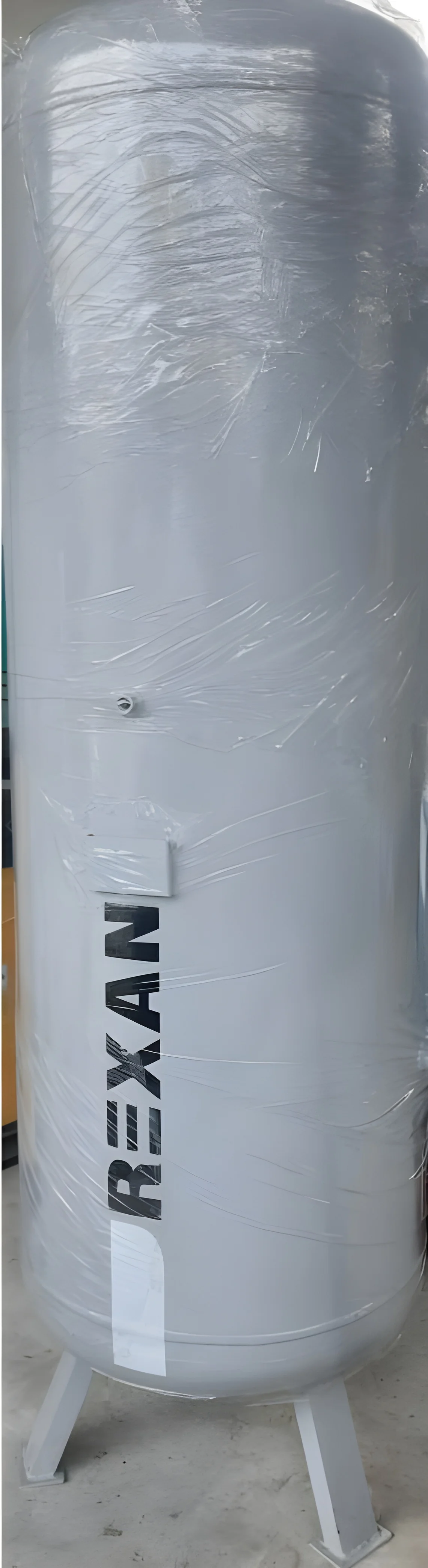
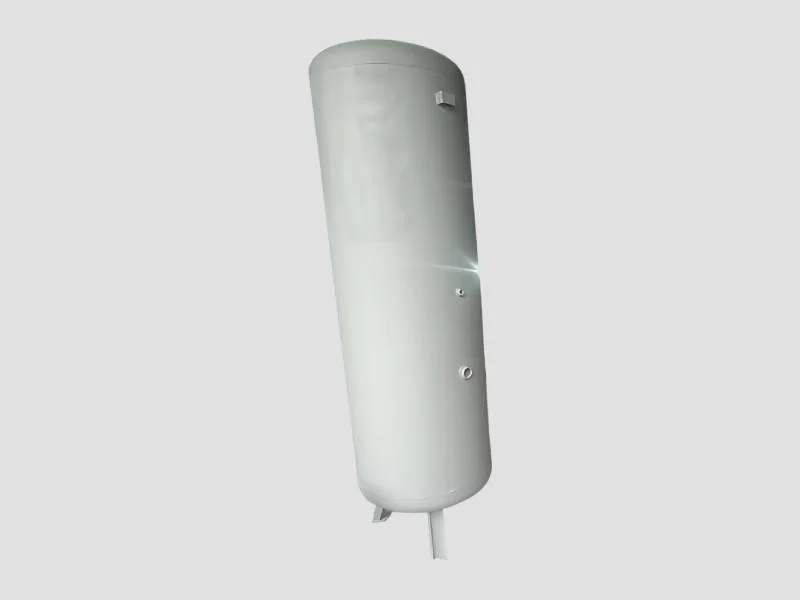
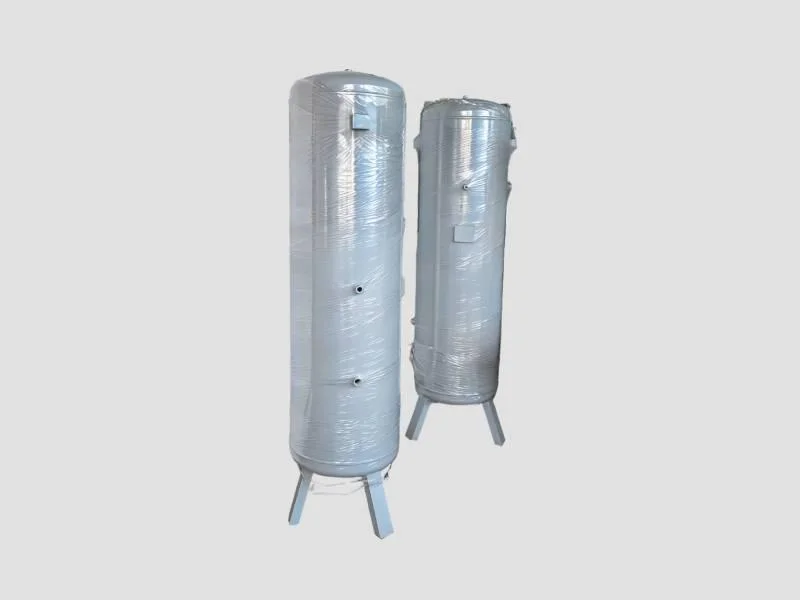
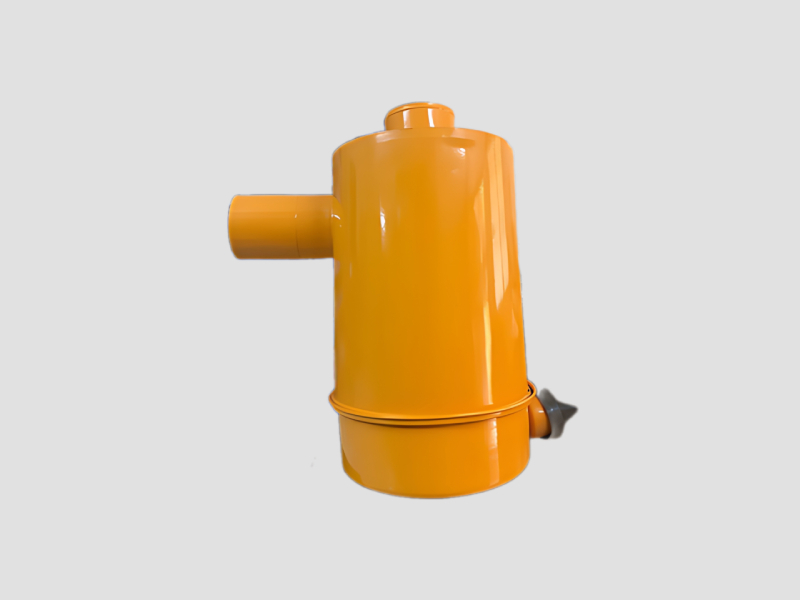
What are Air Receiver Tanks?
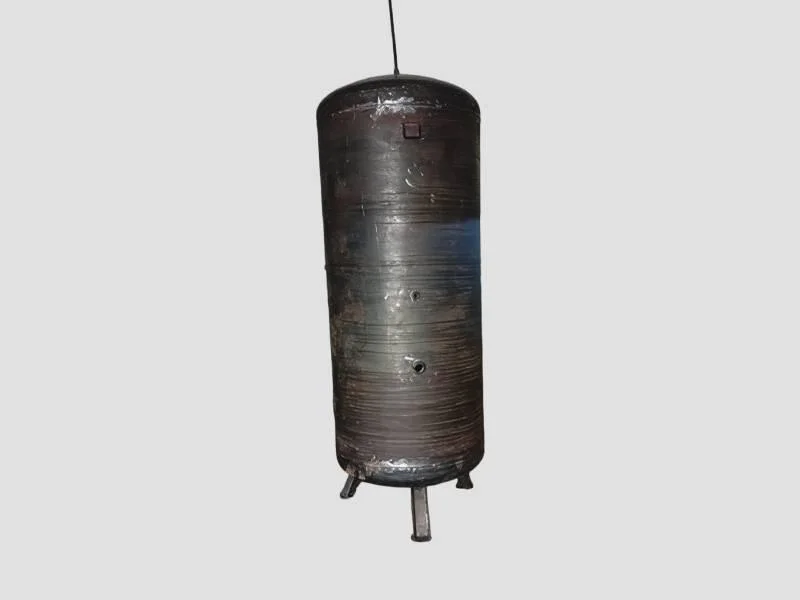
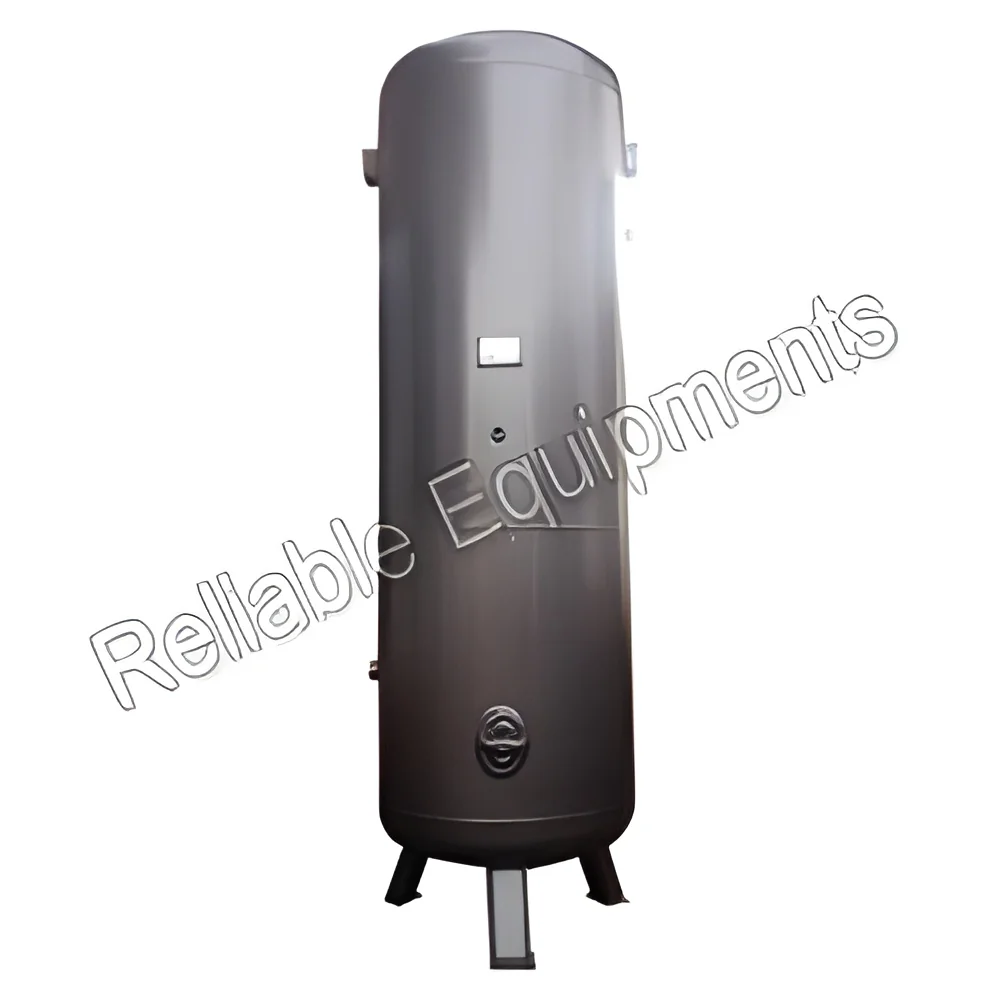
Air Receiver Tanks are pressure vessels designed to store compressed air. These tanks help maintain consistent pressure in pneumatic systems and serve as a buffer between the air compressor and the application. By storing compressed air, they reduce the workload on compressors, allowing them to operate more efficiently and prolonging their lifespan.
These tanks are primarily used in various industrial applications where a reliable and steady supply of compressed air is essential. They are often found in manufacturing facilities, automotive workshops, and construction sites. Air Receiver Tanks also play a crucial role in minimizing pressure fluctuations in systems, which can lead to equipment malfunction and inefficiencies.
In the current industrial landscape, the demand for Air Receiver Tanks is growing due to the increasing reliance on automated systems and pneumatic tools. As industries strive for higher productivity and energy efficiency, the role of these tanks becomes more significant. Businesses are recognizing the importance of investing in high-quality Air Receiver Tanks to optimize operations and reduce energy costs.
Key Features and Specifications
Air Receiver Tanks come with various features and specifications that cater to different industrial needs. Understanding these specifications is crucial for selecting the right tank for your operation.
Key specifications include:
1. Capacity
- Air Receiver Tanks typically range in capacity from 5 gallons to over 1000 gallons.
- The choice of capacity depends on the specific air demand of the application.
2. Material
- Most tanks are constructed from steel or aluminum for durability and corrosion resistance.
- The choice of material impacts the weight and longevity of the tank.
3. Pressure Rating
- Tanks are designed to operate at different pressure levels, commonly ranging from 100 to 300 psi.
- Higher pressure ratings allow for greater air storage but require stricter safety precautions.
4. Design Type
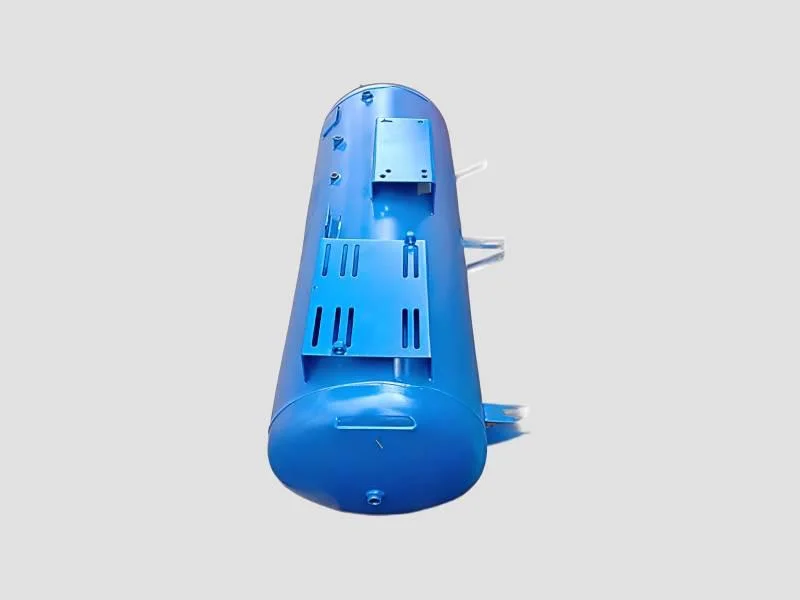
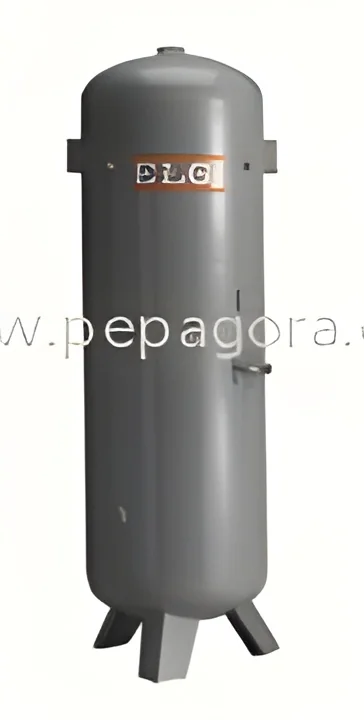
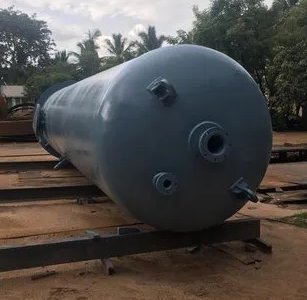
- Tanks can be vertical or horizontal, affecting installation space and accessibility.
- Vertical tanks are often preferred for limited floor space.
5. Coating
- Many tanks feature protective coatings to resist rust and damage from environmental factors.
- The coating type can influence maintenance and longevity.
6. Inlet and Outlet Connections
- These tanks include various connection sizes to facilitate compatibility with existing systems.
- Proper sizing is essential for efficient air flow and system integration.
7. Safety Features
- Air Receiver Tanks may include pressure relief valves and safety gauges.
- These features help prevent over-pressurization and ensure safe operation.
8. Certification
- Many tanks are certified to comply with industry standards, such as CE.
- Compliance ensures the tanks meet safety and performance expectations.
In summary, selecting an Air Receiver Tank requires careful consideration of these specifications to ensure it meets the operational demands of your business.
Common Applications and Use Cases
Air Receiver Tanks are versatile and find applications across various industries.
1. Manufacturing: In manufacturing facilities, these tanks provide a steady air supply for pneumatic tools and machinery, enhancing production efficiency.
2. Automotive: In automotive workshops, Air Receiver Tanks are used to power air tools and paint spraying equipment, ensuring consistent pressure for high-quality results.
3. Construction: On construction sites, these tanks supply air to pneumatic hammers and nail guns, facilitating tasks that require reliable air pressure.
4. Food and Beverage: In the food industry, tanks are utilized to ensure the safe and efficient operation of pneumatic systems in processing and packaging.
5. Pharmaceutical: Air Receiver Tanks are essential in the pharmaceutical sector for maintaining clean and consistent air pressure in production environments.
6. Oil and Gas: In this sector, tanks support various pneumatic applications, from drilling to refining processes, ensuring operational reliability.
7. HVAC: In heating, ventilation, and air conditioning systems, these tanks help regulate air pressure for optimal climate control.
Product Variants and Subcategories
Air Receiver Tanks come in diverse forms to meet specific industry needs.
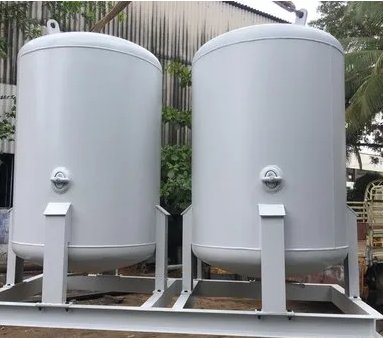
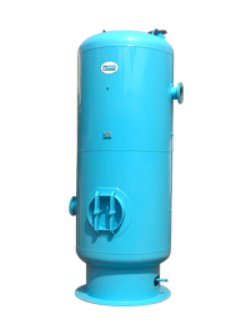
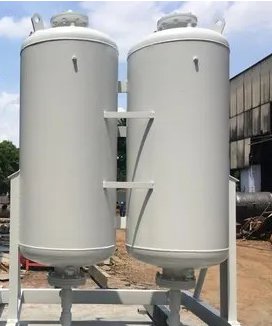
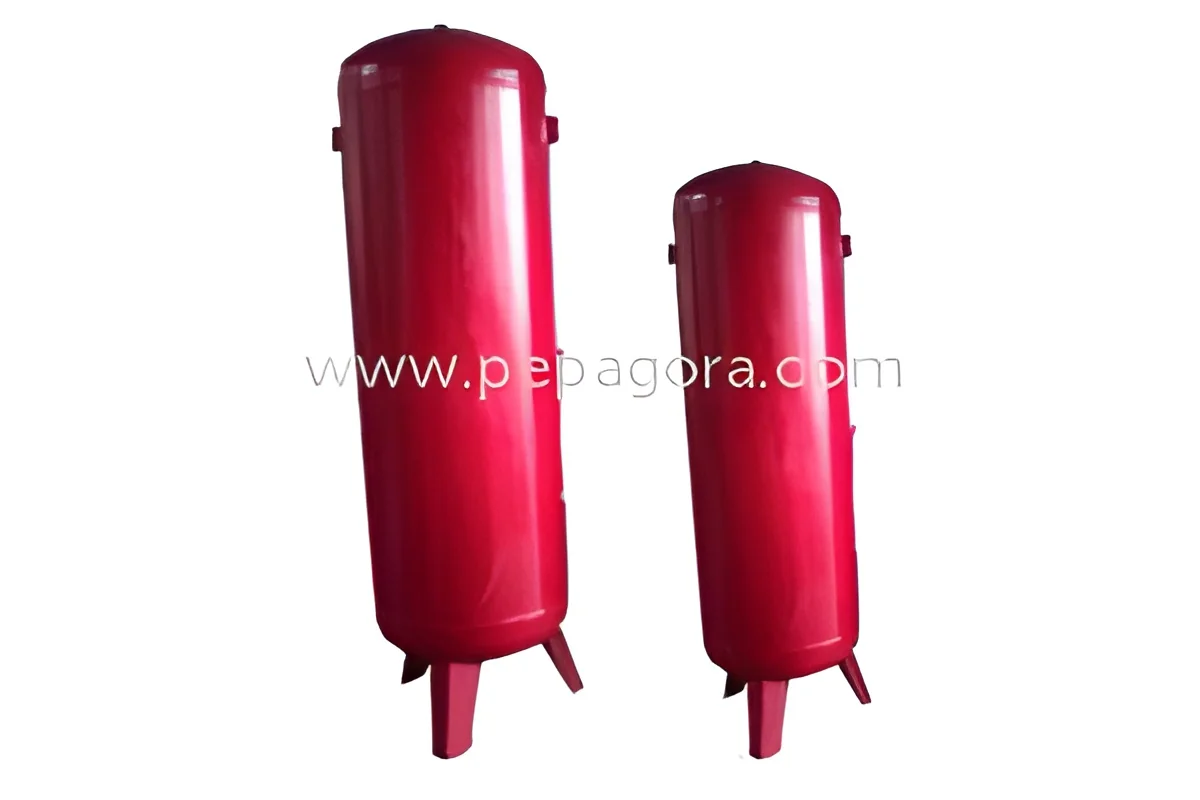
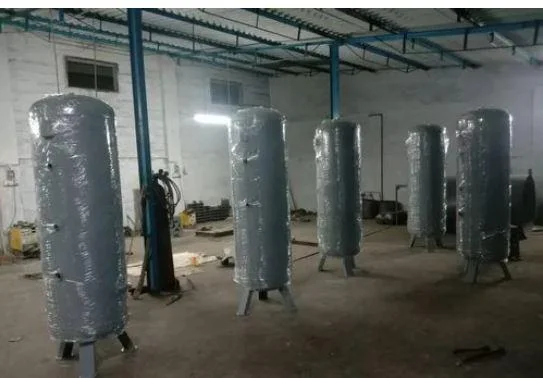
Vertical Air Receiver Tanks are designed to occupy a smaller footprint, making them ideal for facilities with limited space. These tanks are easy to install and can be placed in various locations within a facility.
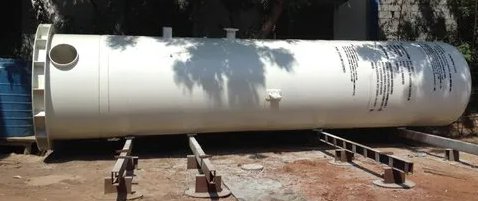
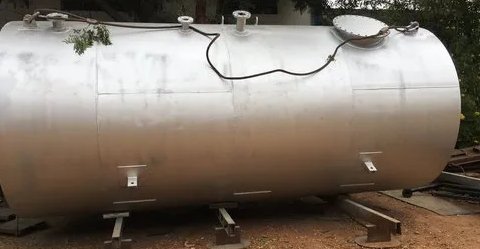
Horizontal Air Receiver Tanks offer a larger capacity and are suitable for applications that require extensive air storage. They provide easy access for maintenance and can be integrated into existing systems without significant modifications.
Both variants serve crucial roles in enhancing air quality and operational efficiency in diverse applications.
Benefits and Advantages
Investing in Air Receiver Tanks provides numerous advantages for businesses.
1. Improved Efficiency: By acting as storage for compressed air, these tanks reduce compressor cycling, leading to lower energy consumption and operational costs.
2. Enhanced Equipment Longevity: Reduced wear on compressors translates to longer equipment life, minimizing replacement costs and downtime.
3. Consistent Air Pressure: Air Receiver Tanks help maintain stable pressure levels, ensuring that pneumatic tools and processes operate effectively.
4. Space Optimization: With different designs available, businesses can select tanks that fit their spatial constraints while still meeting air supply needs.
5. Safety Compliance: Many tanks come with safety certifications, ensuring they meet industry regulations for safe operation.
6. Versatility: Air Receiver Tanks can be used across multiple industries, making them a valuable asset for diverse applications.
Buying Guide for B2B Buyers
When sourcing Air Receiver Tanks, businesses should consider several key factors to ensure they make informed purchasing decisions.
1. Quality Assessment: Evaluate the tank's build quality and materials to ensure it meets your operational demands and industry standards.
2. Supplier Verification: Research potential suppliers to confirm their reputation, reliability, and compliance with relevant standards.
3. Pricing and MOQ: Understand the pricing structure and minimum order quantities to align with your budget and operational needs.
4. Delivery and Lead Times: Discuss logistics with suppliers to ensure timely delivery of the tanks to avoid disruptions in operations.
5. Compliance Requirements: Ensure that the tanks comply with necessary regulations and safety standards to protect your business and employees.
Compliance and Certifications
Air Receiver Tanks must adhere to several compliance standards to ensure safety and reliability. Key quality standards include ISO 9001, which emphasizes quality management systems and processes in manufacturing.
In addition to ISO certifications, many tanks are certified with CE marking, indicating compliance with European safety standards. This certification ensures that the product meets essential health, safety, and environmental requirements.
Safety and testing requirements are critical components of tank manufacturing. These tanks undergo rigorous testing to ensure they can withstand operational pressures without compromising safety.
Regionally, compliance considerations may vary. It is essential to be aware of local regulations regarding pressure vessels and safety standards to ensure adherence.
Why Source Air Receiver Tanks from Pepagora?
Pepagora provides an excellent platform for sourcing Air Receiver Tanks, featuring a range of advantages for buyers.
Verified Supplier Network: Pepagora works with a network of verified suppliers, ensuring that buyers can trust the quality and reliability of the products offered.
Streamlined RFQ Process: The platform facilitates a simple request for quotation (RFQ) process, allowing buyers to easily compare suppliers and make informed decisions.
Trade Assurance and Support: Pepagora offers buyer protection through trade assurance, providing peace of mind during transactions.
Regional Coverage: With a focus on markets in India, the GCC, and Southeast Asia, Pepagora connects buyers with suppliers across these regions, enhancing accessibility and supply chain efficiency.

 IN
IN