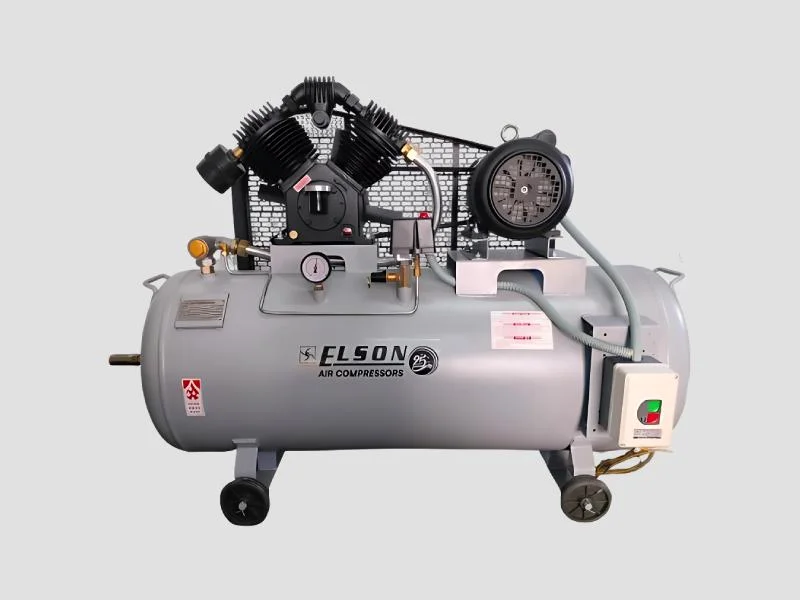
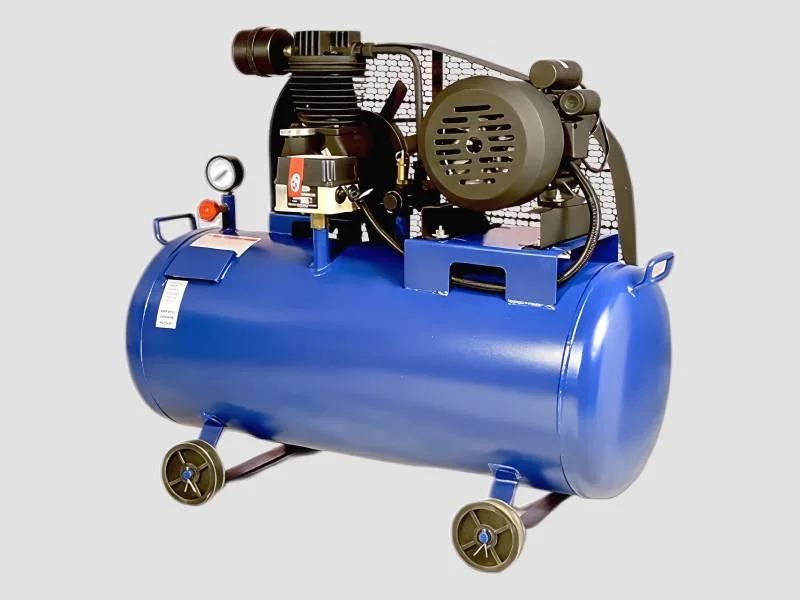
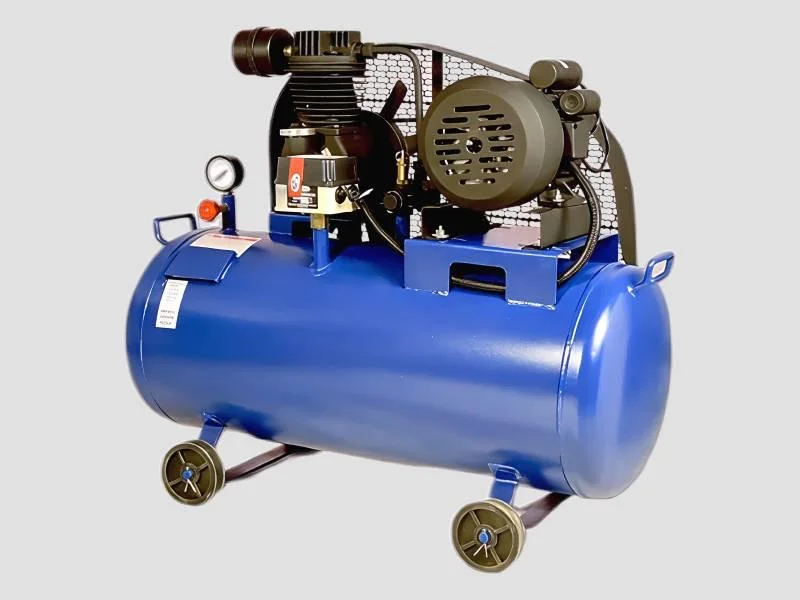
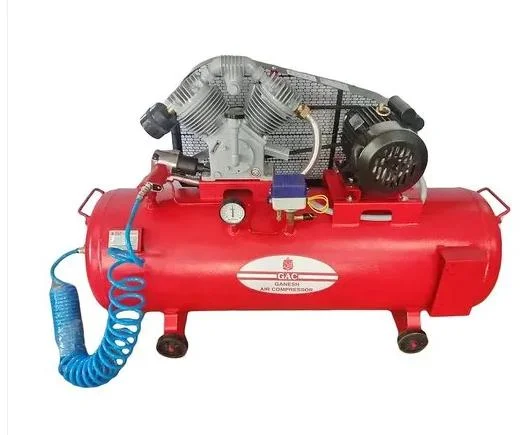
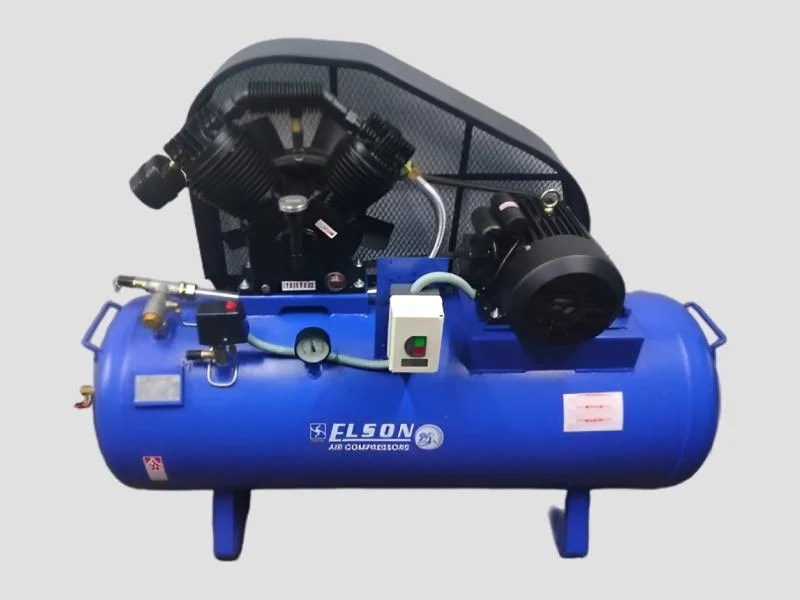
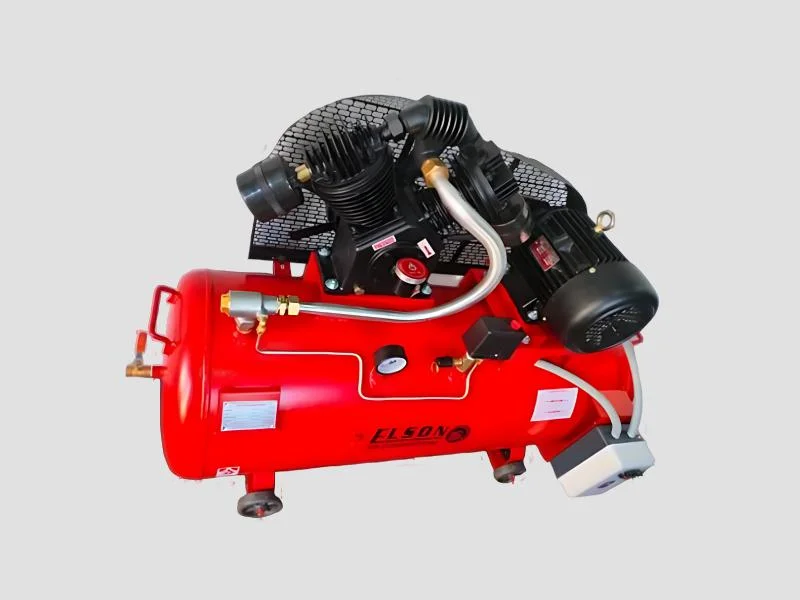
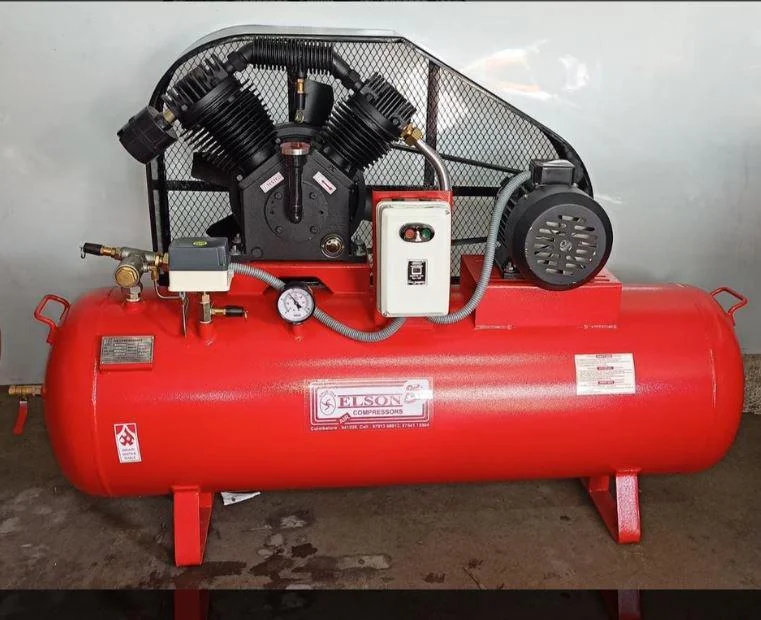
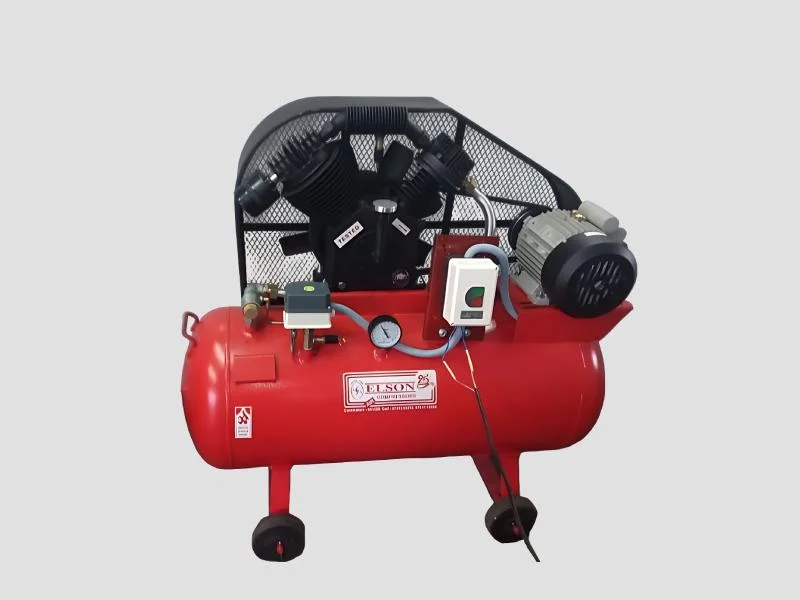
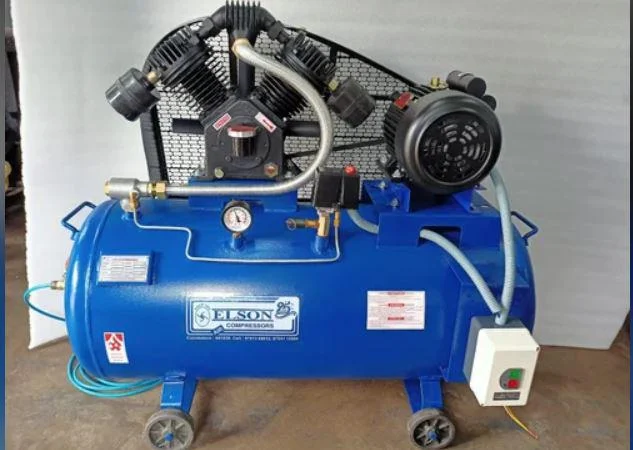
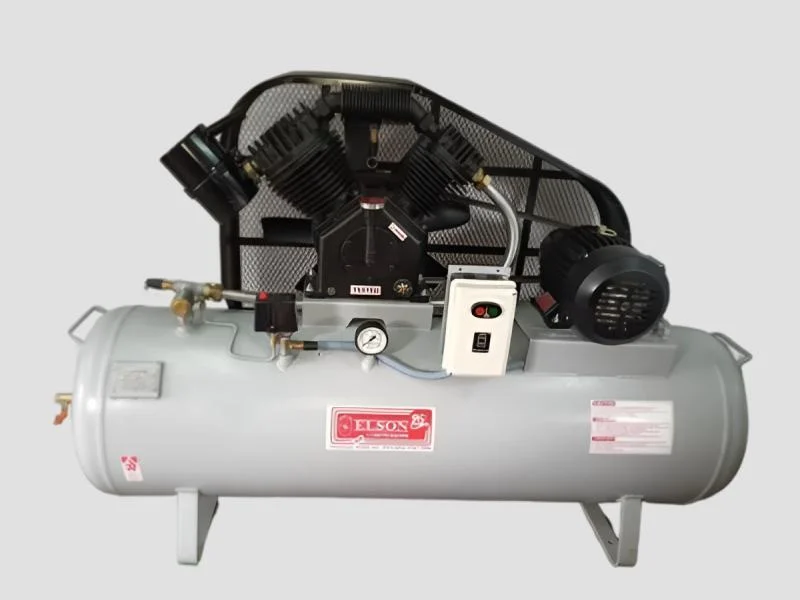
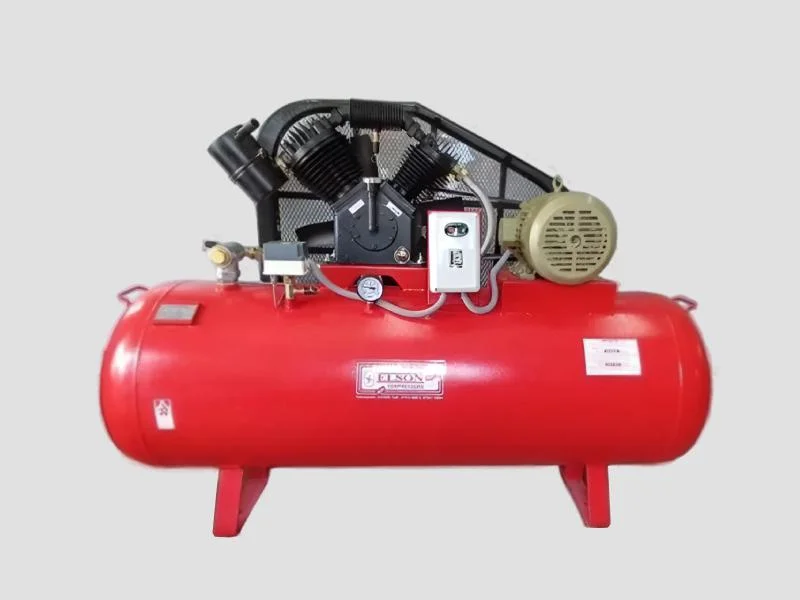
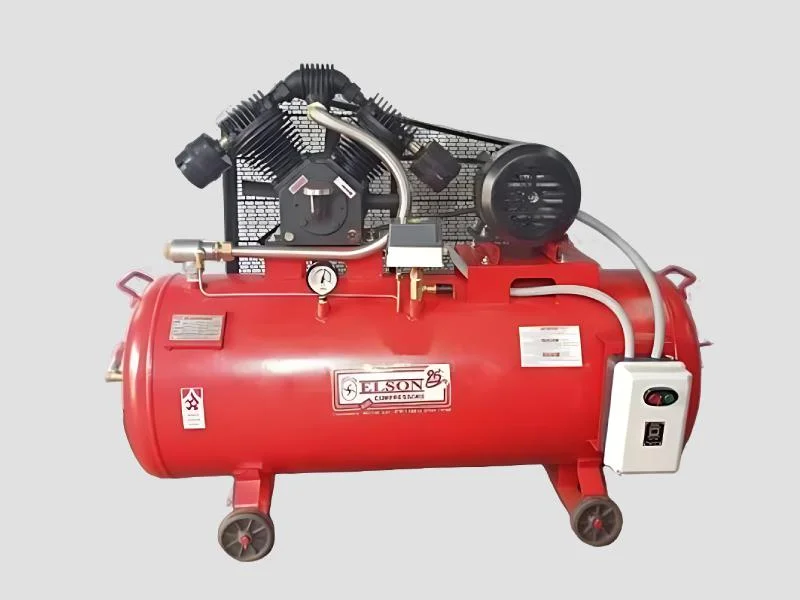
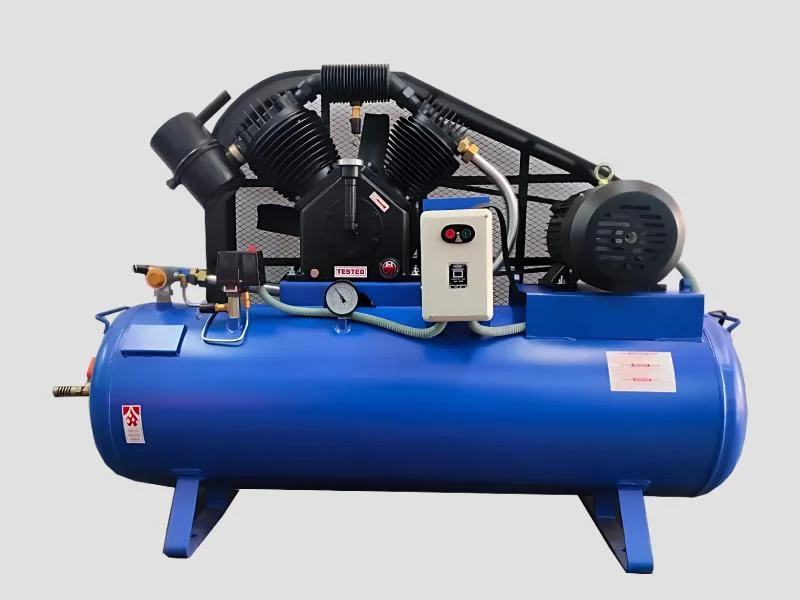
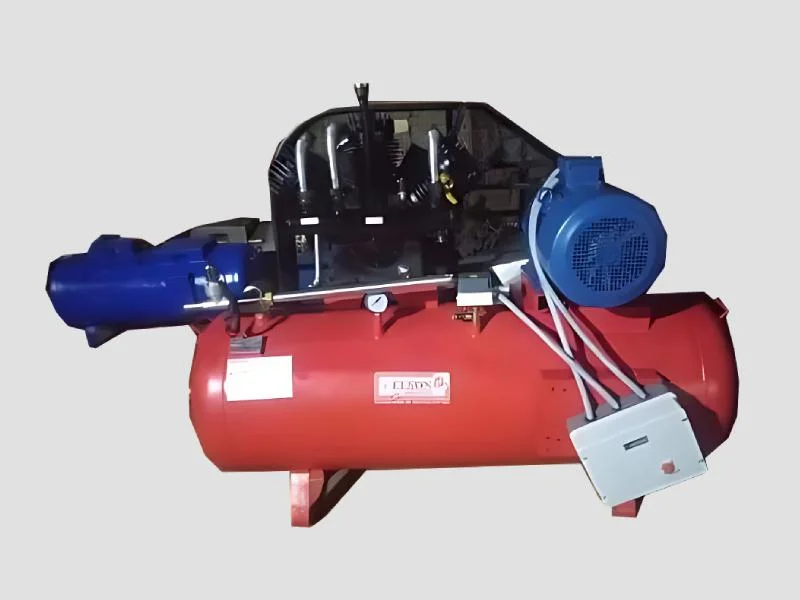
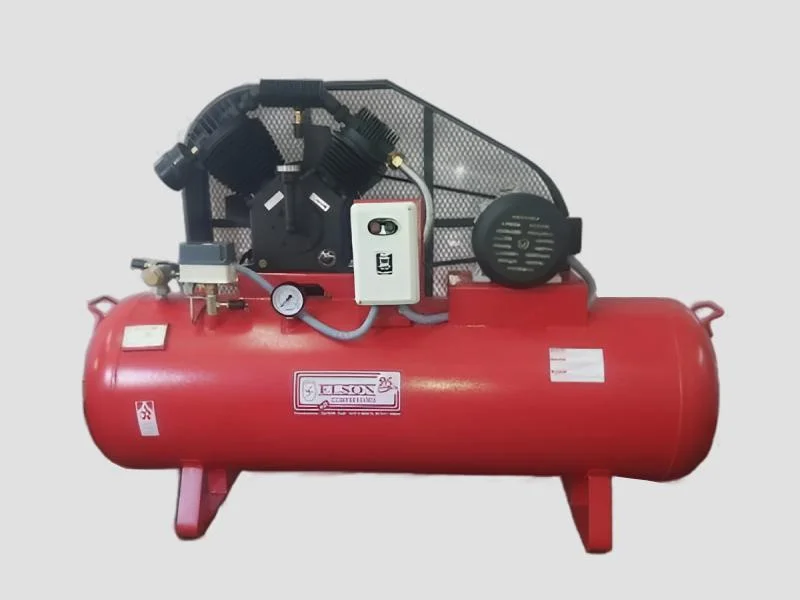
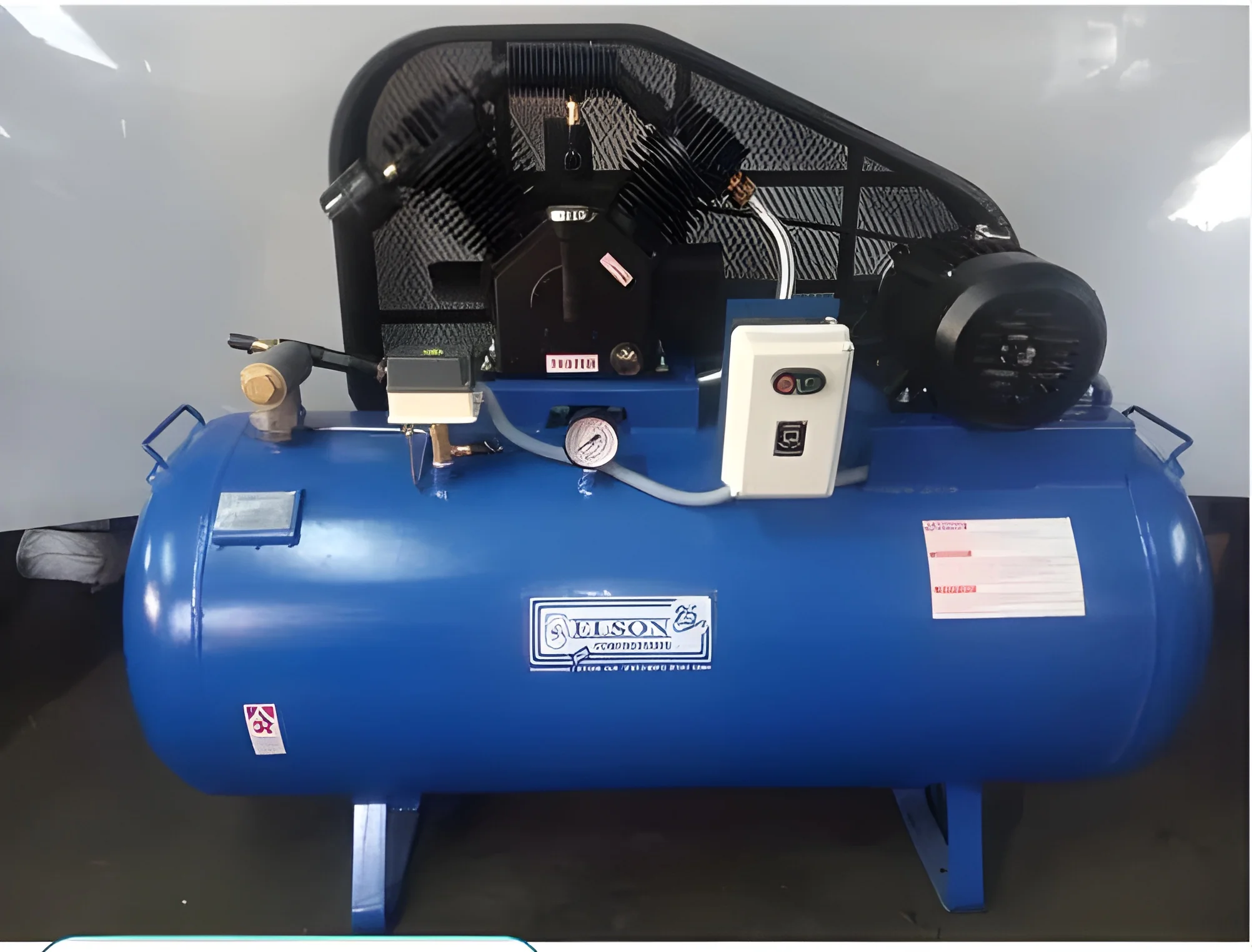
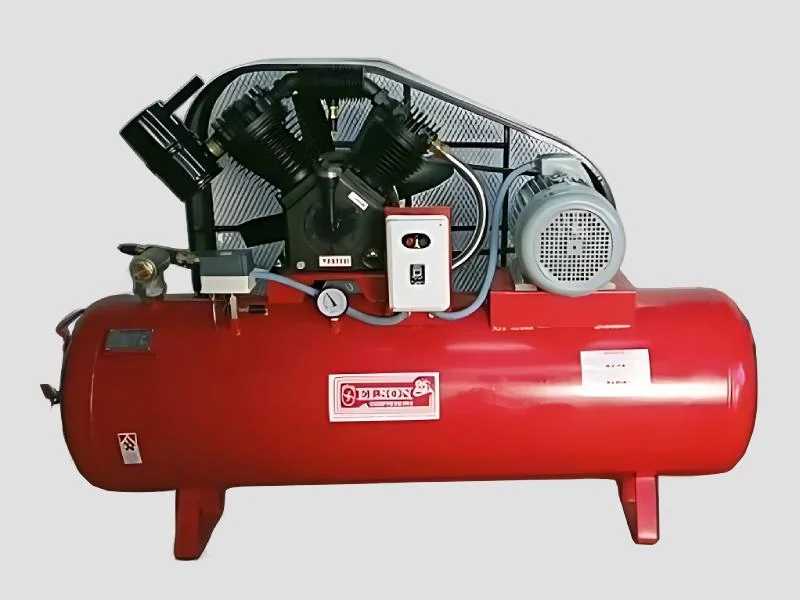
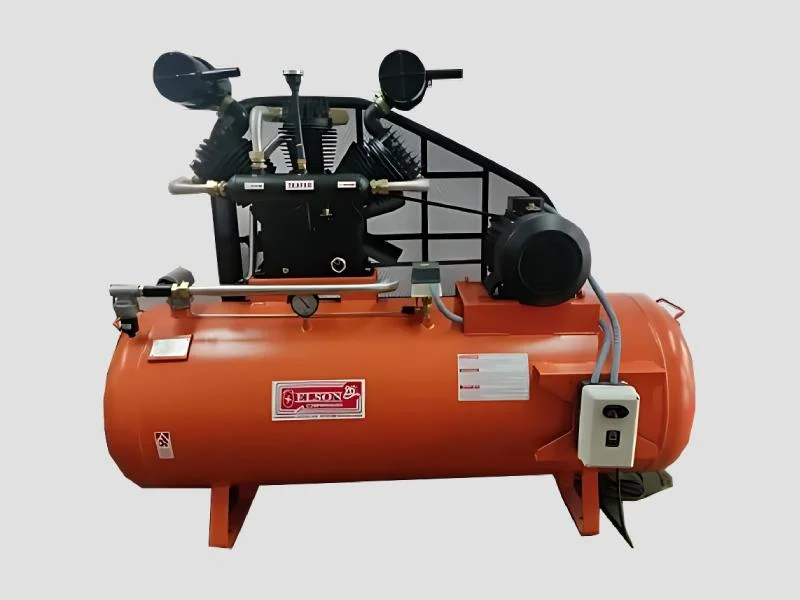
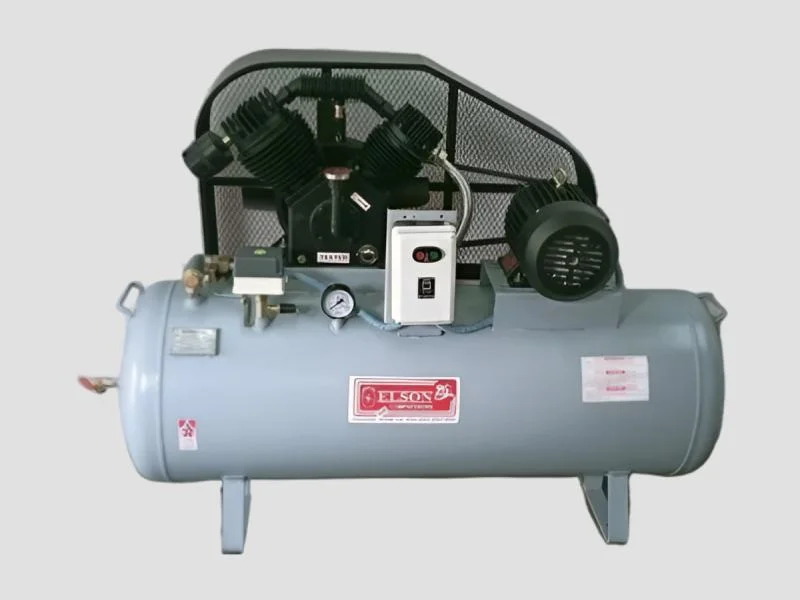
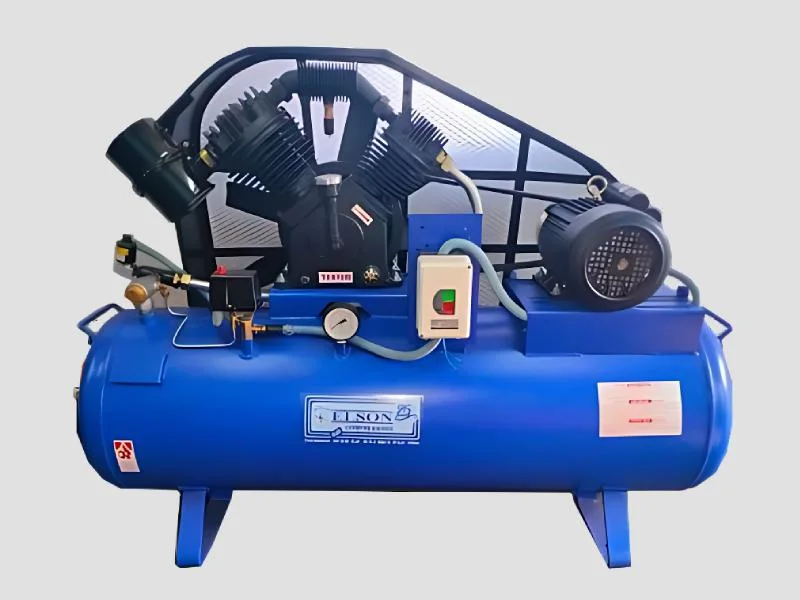
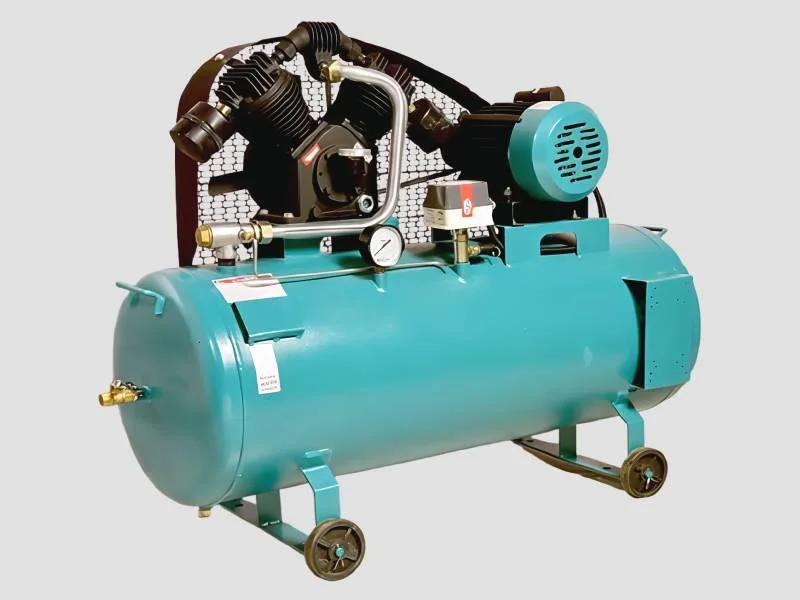
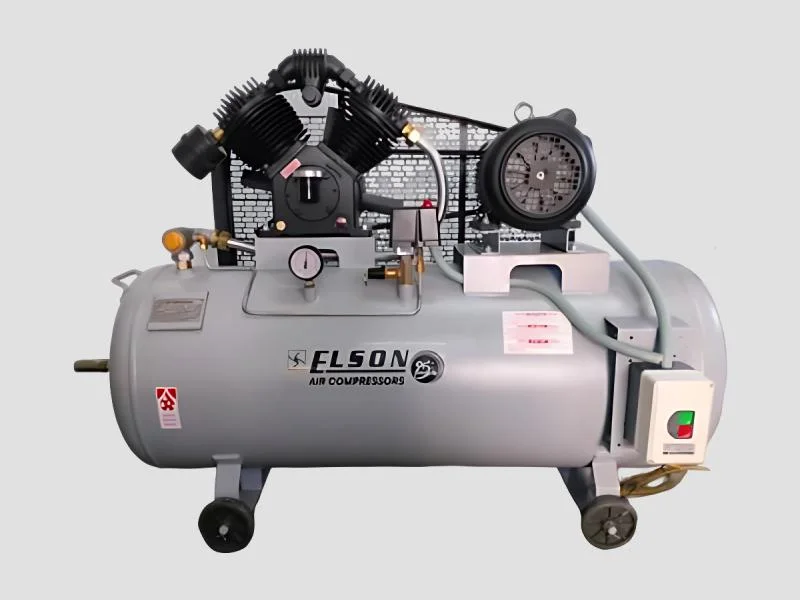
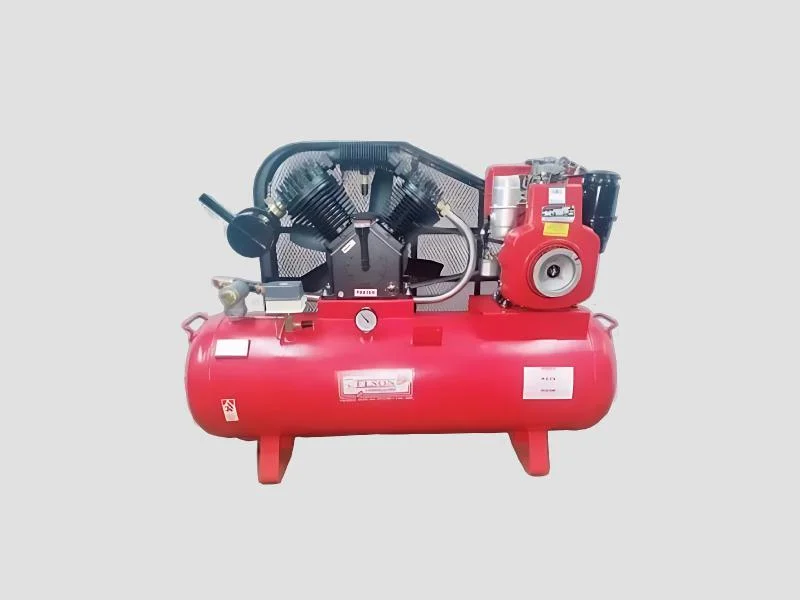
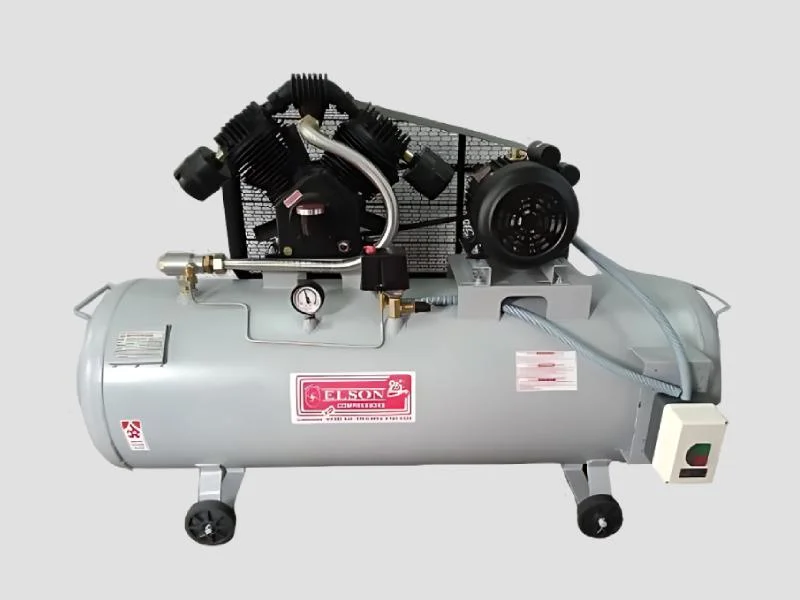
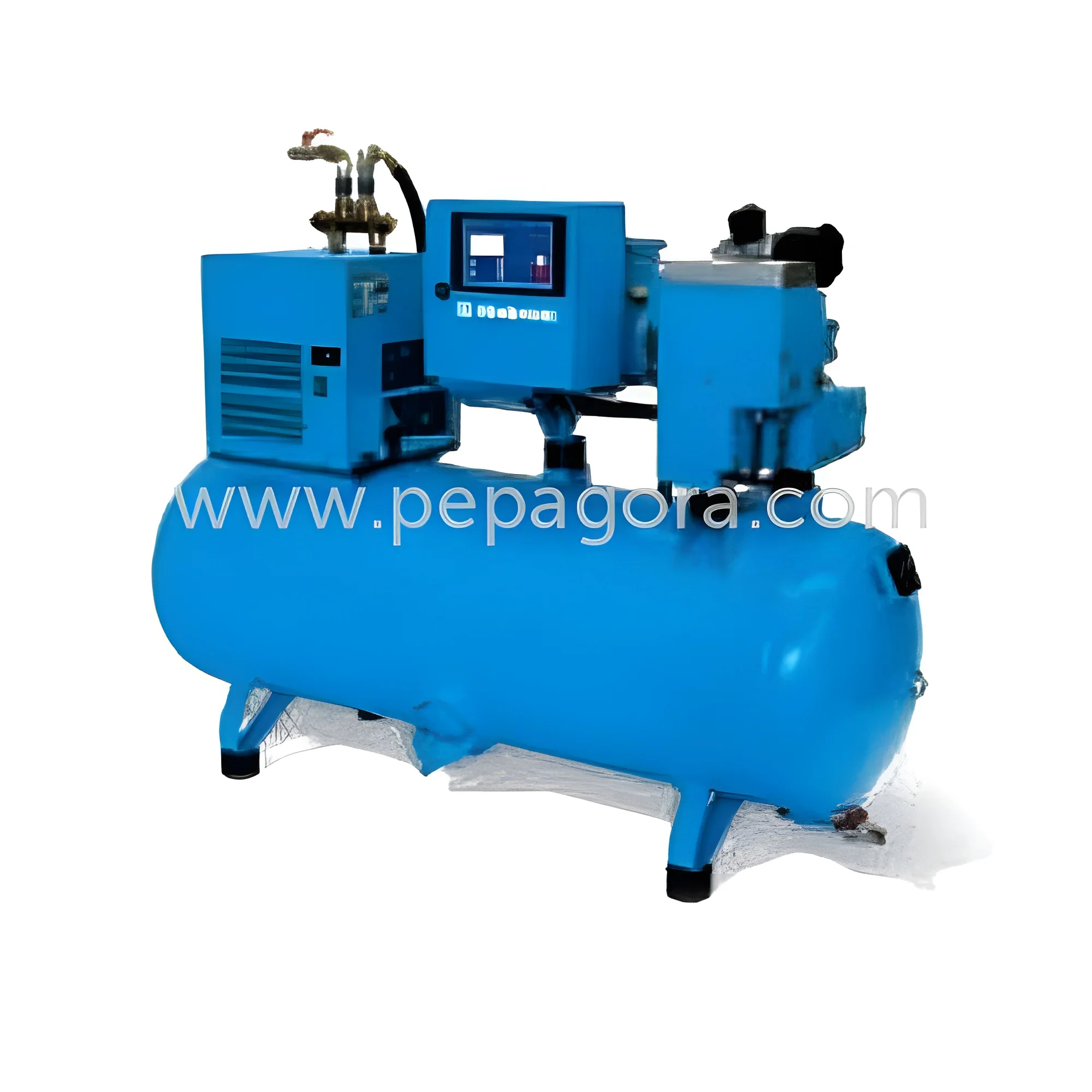
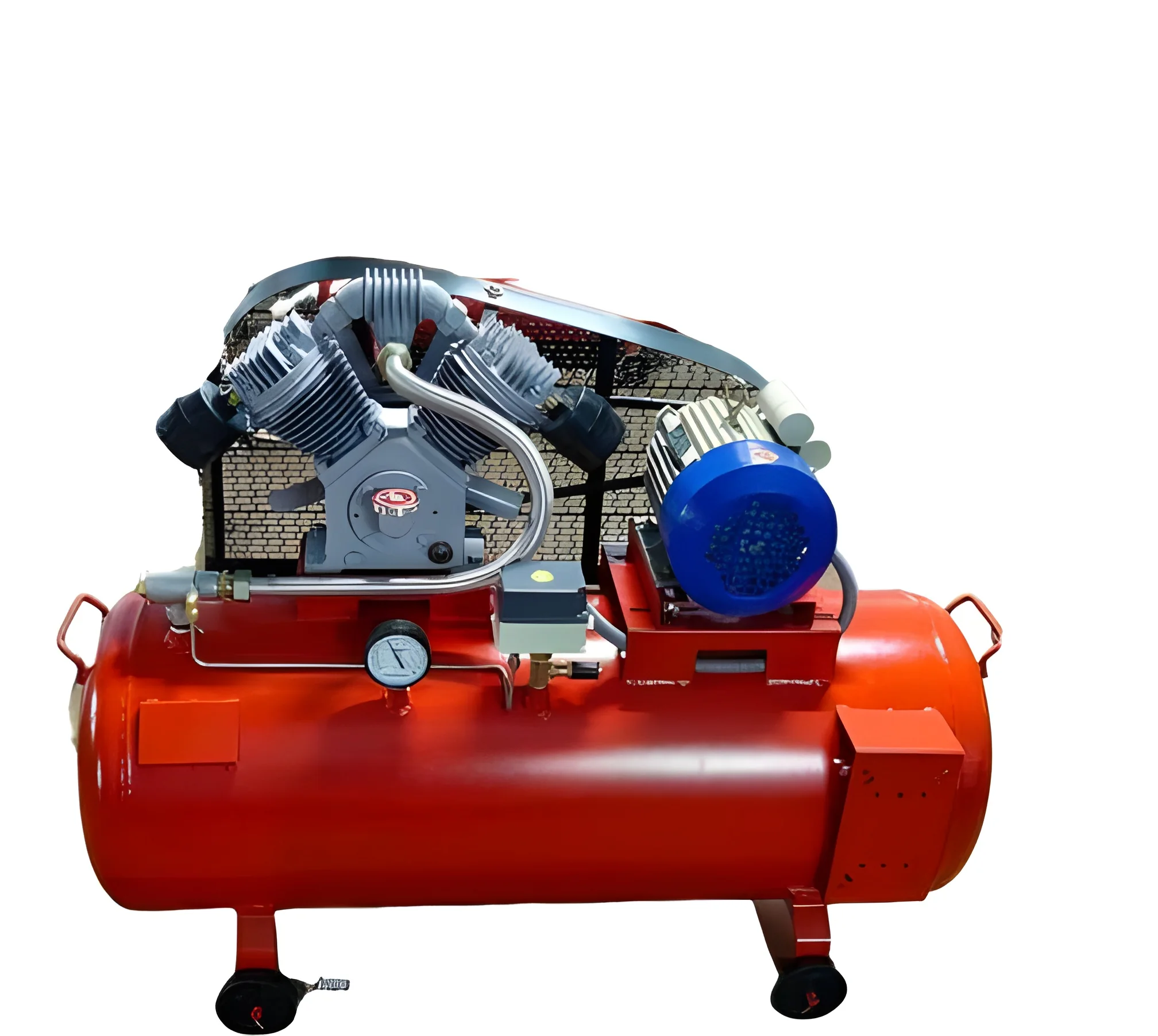
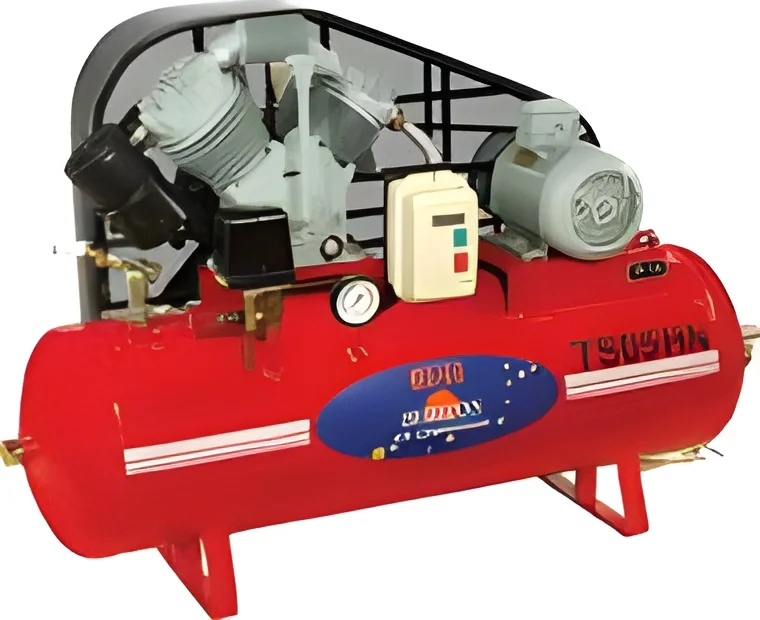
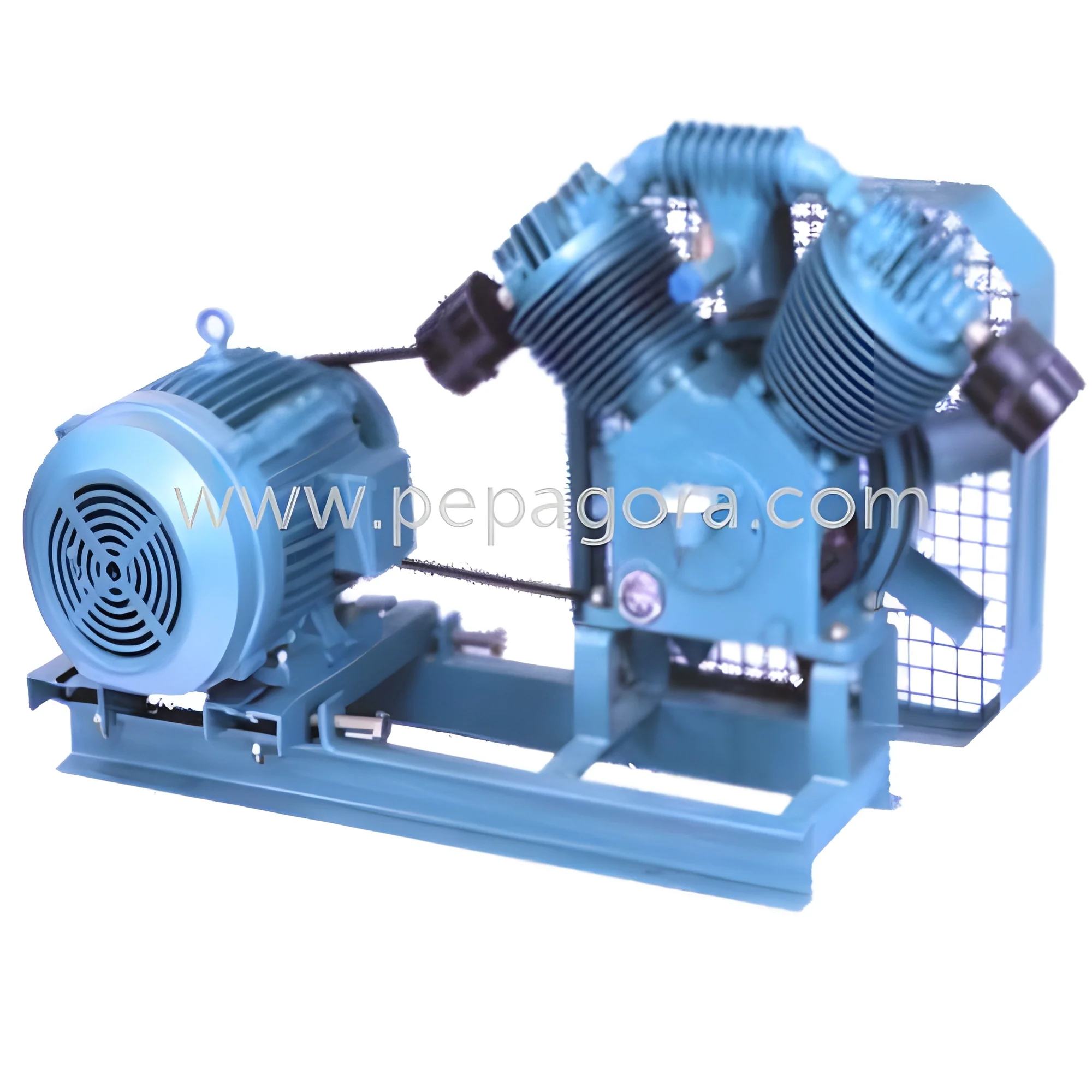
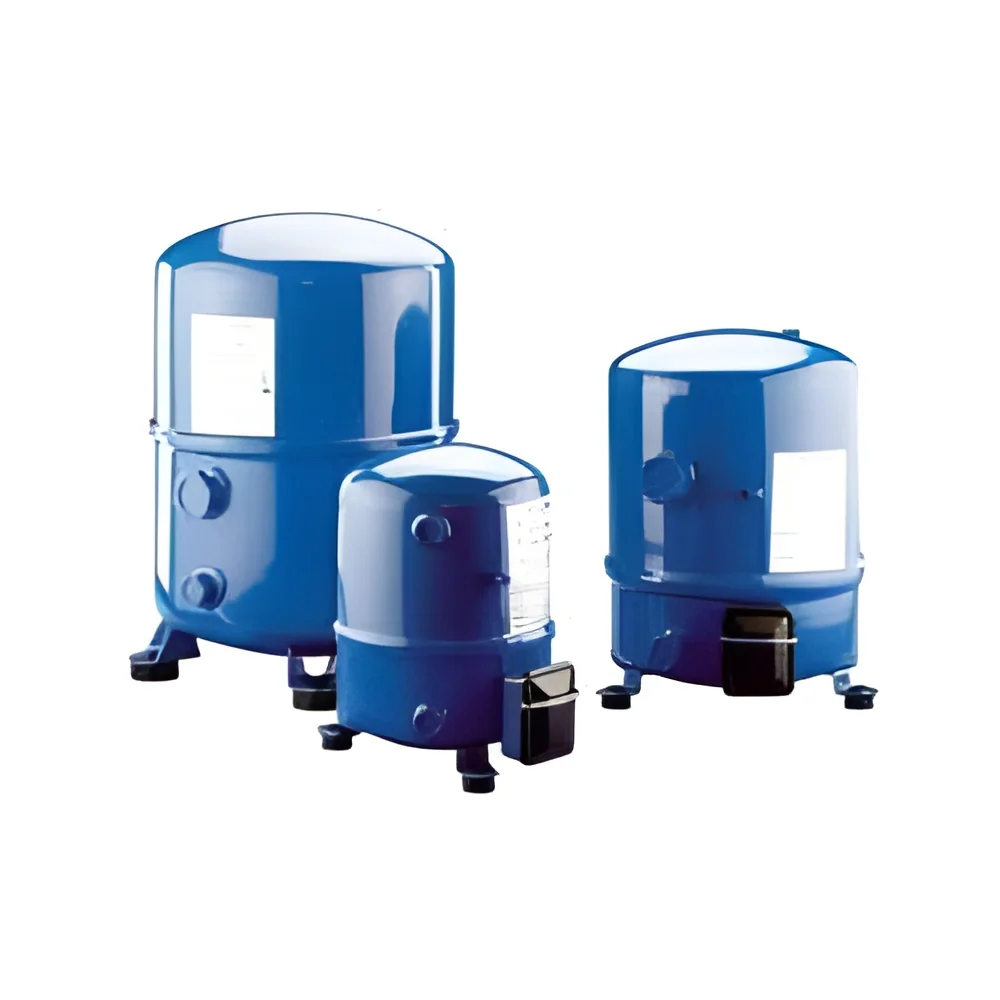
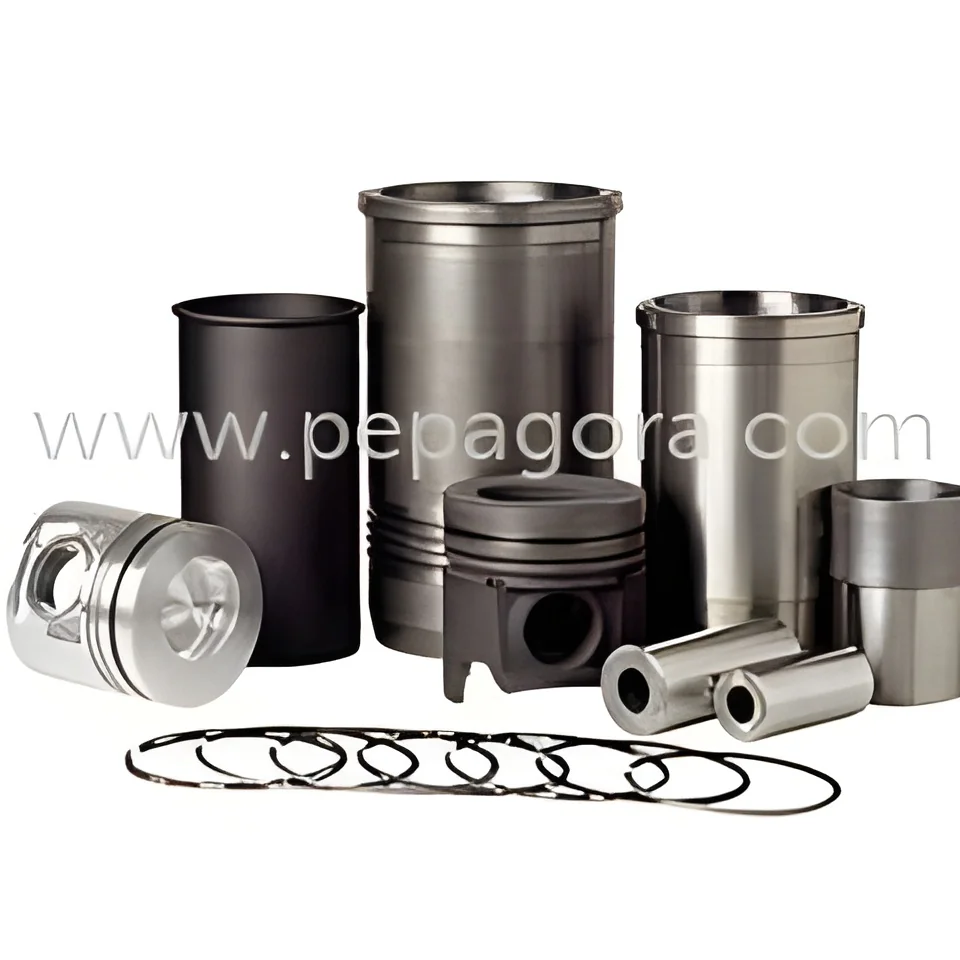
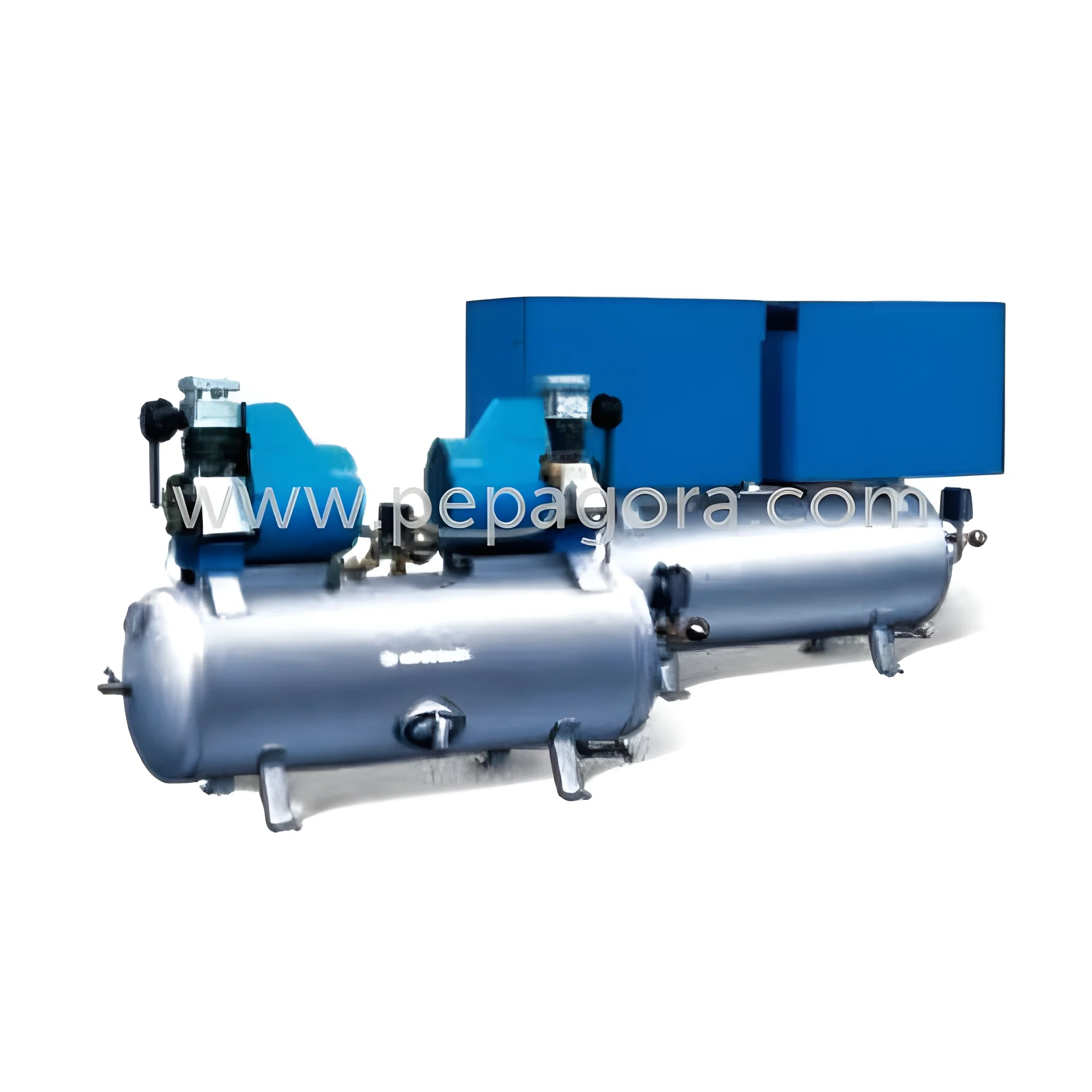
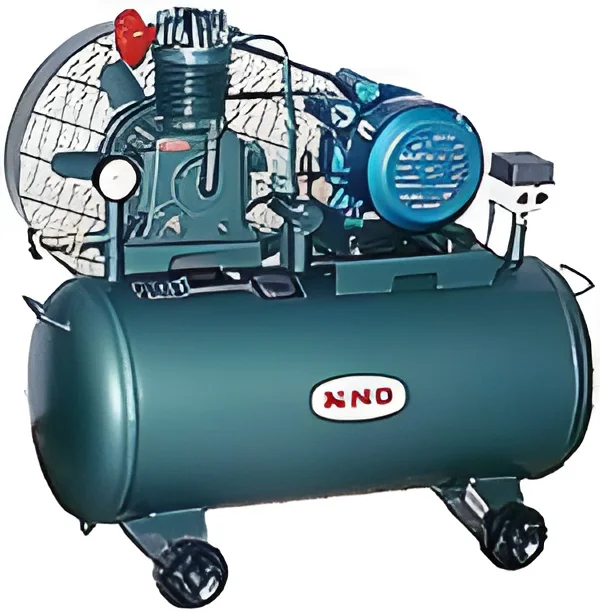
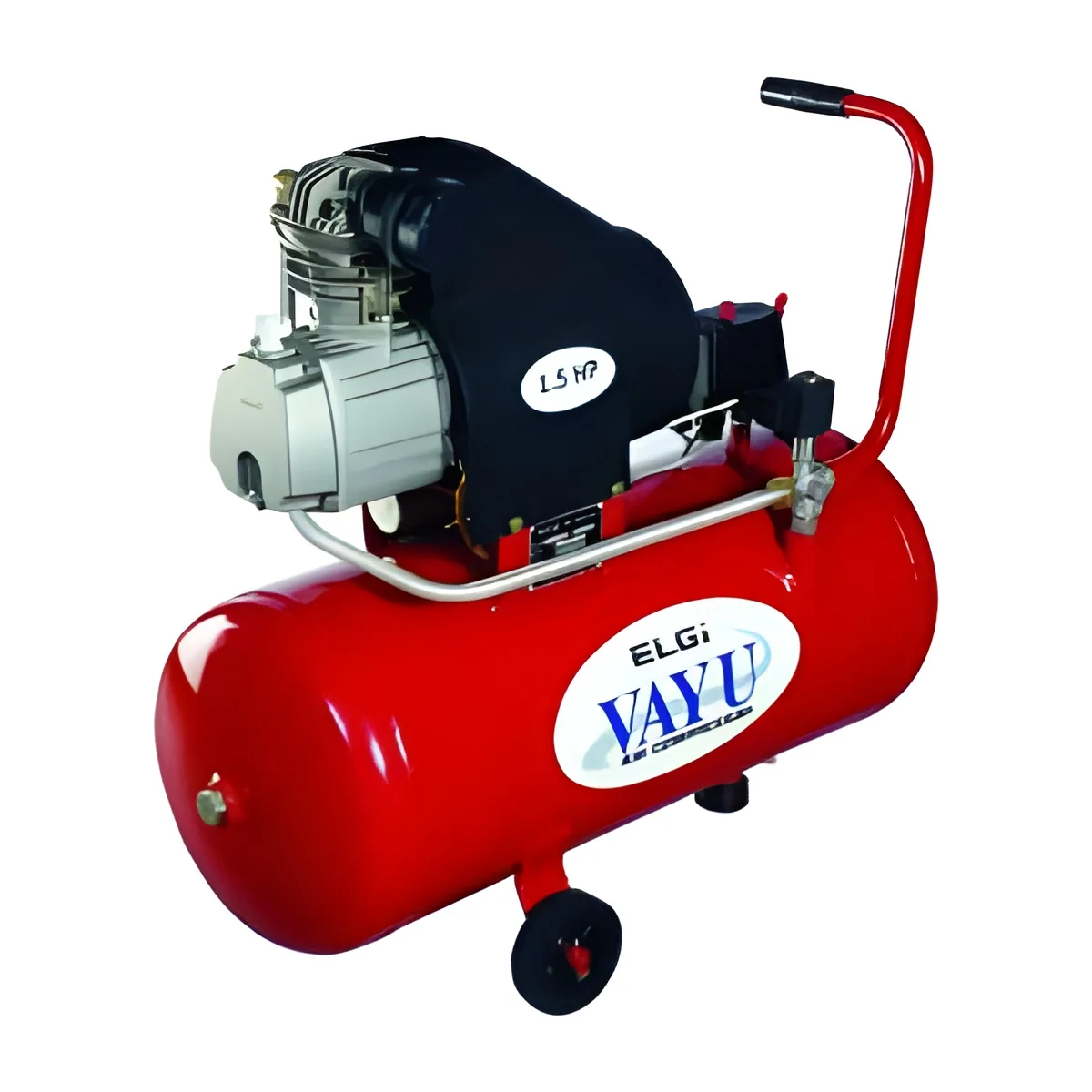
What are Reciprocating Air Compressors?
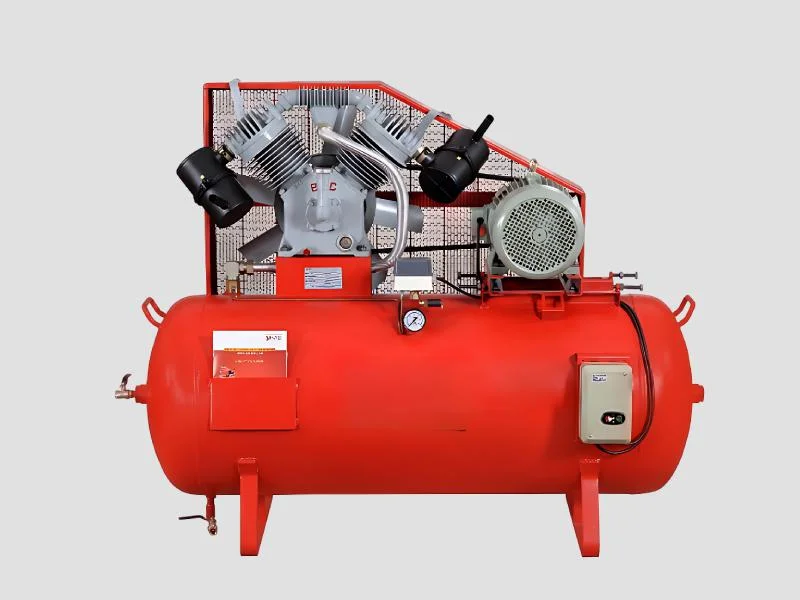
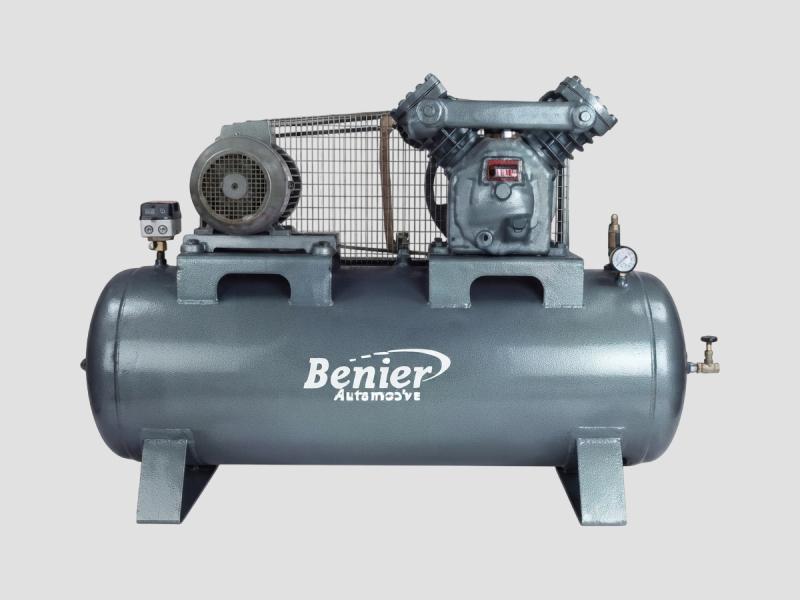
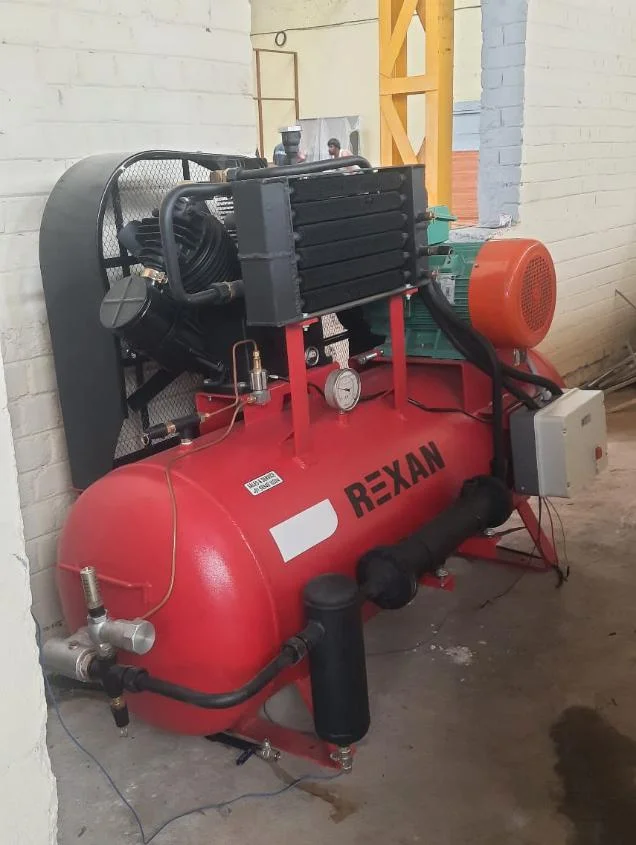
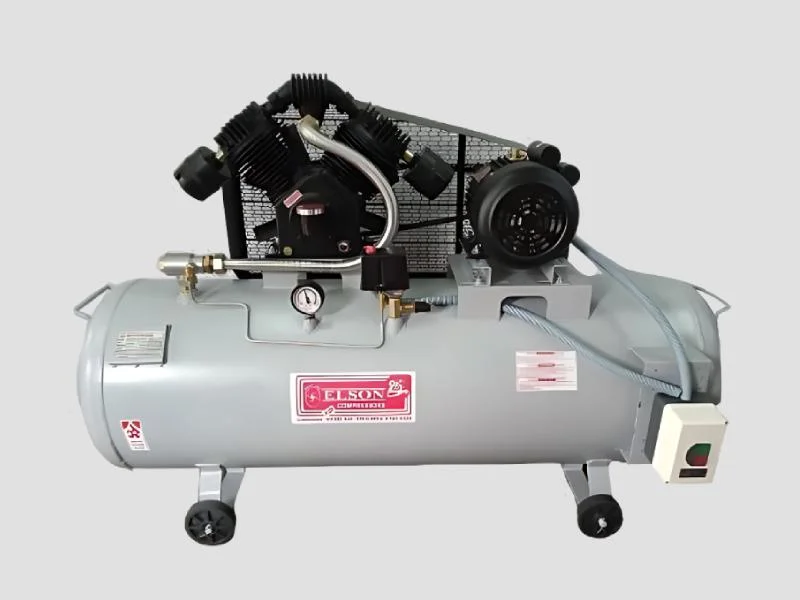
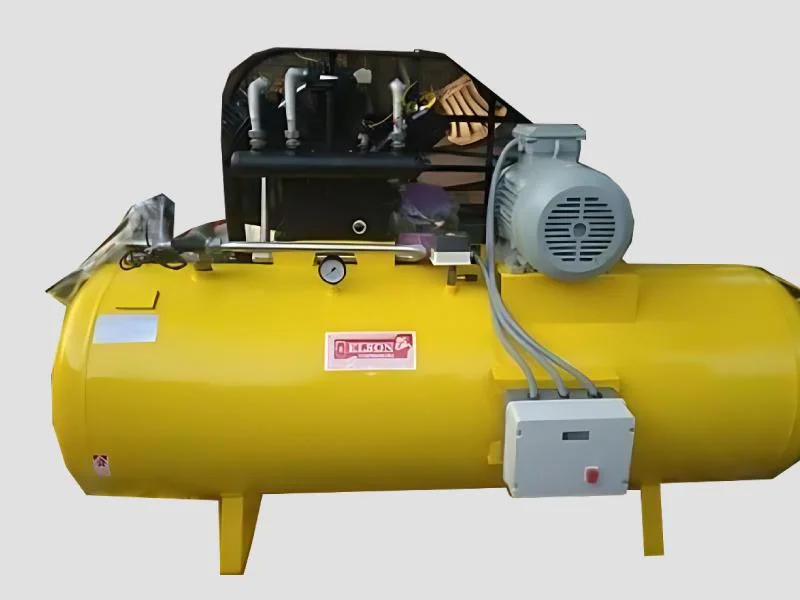
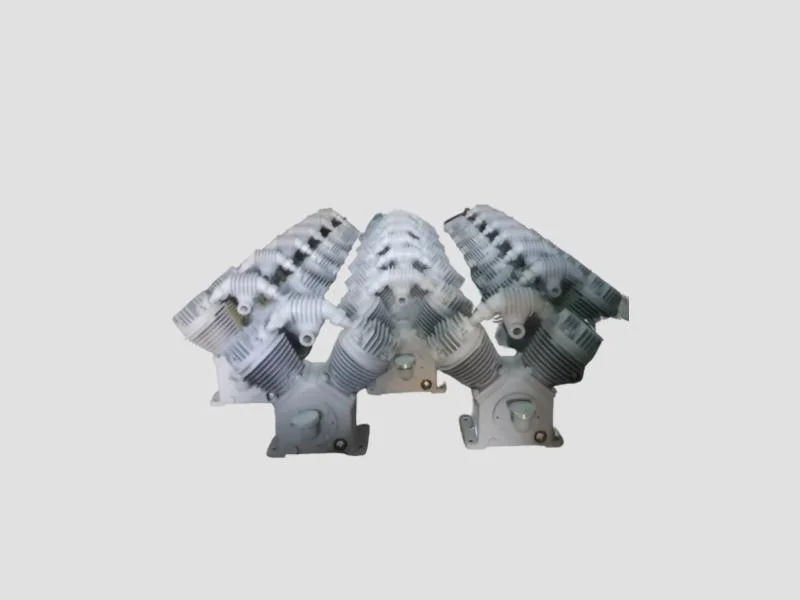
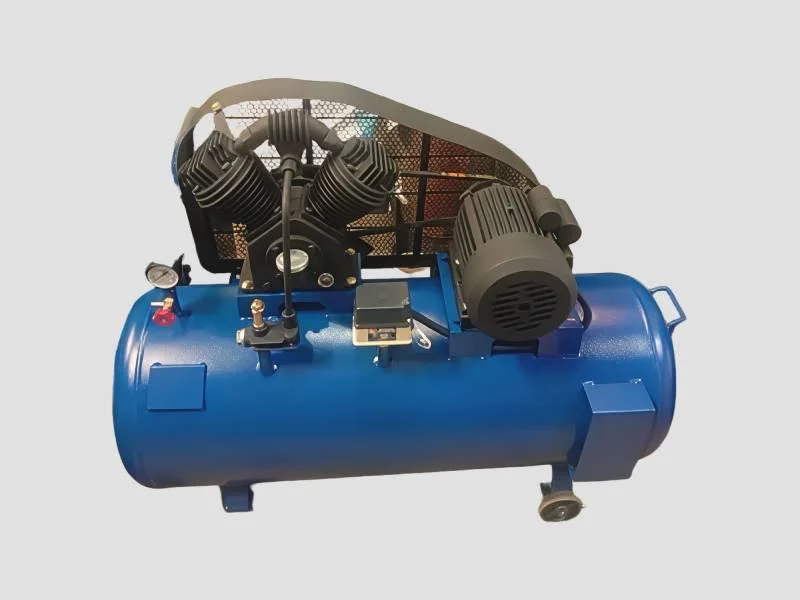
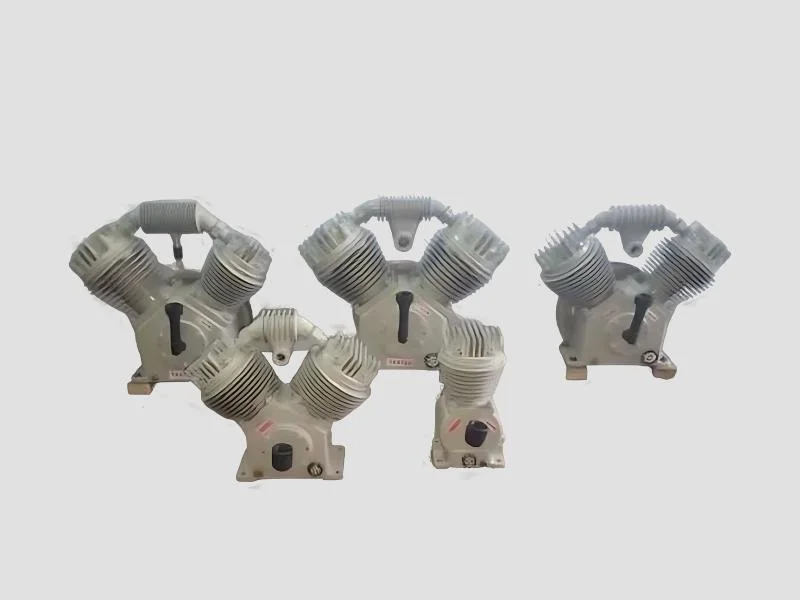
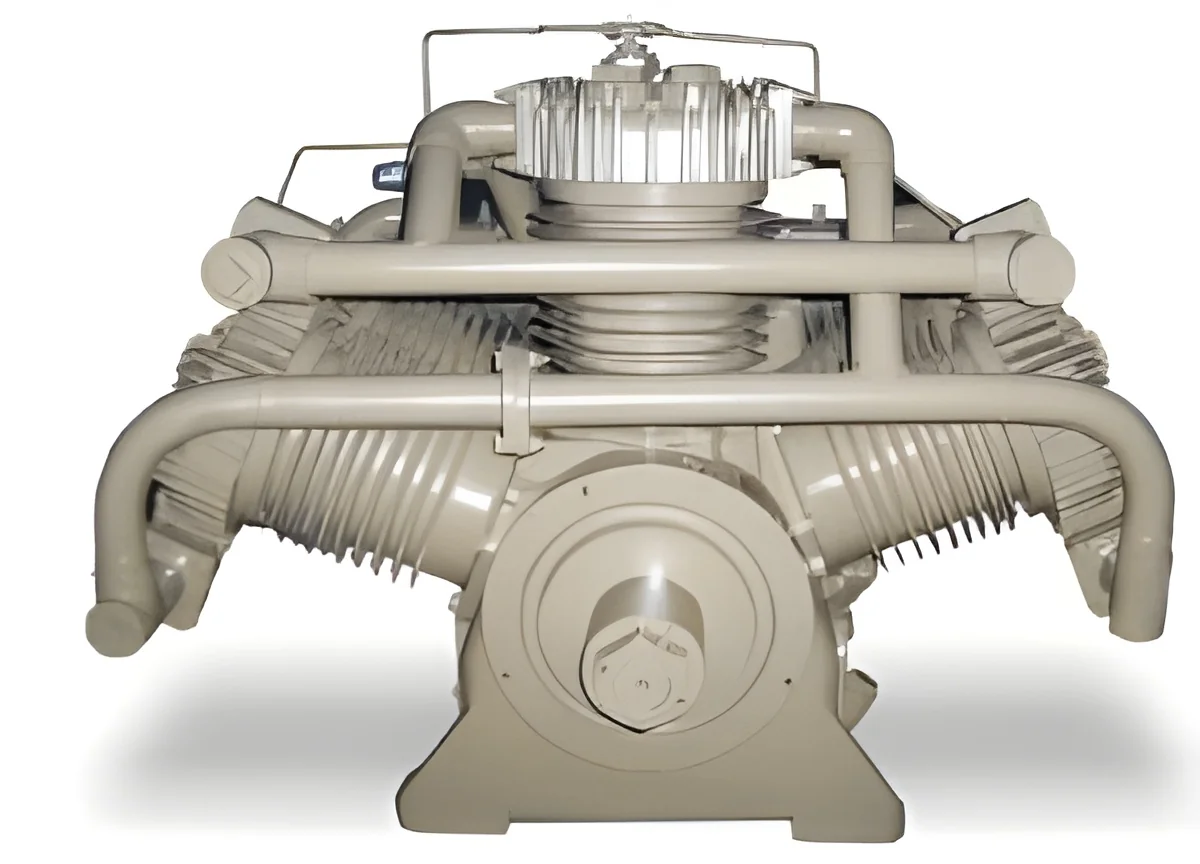
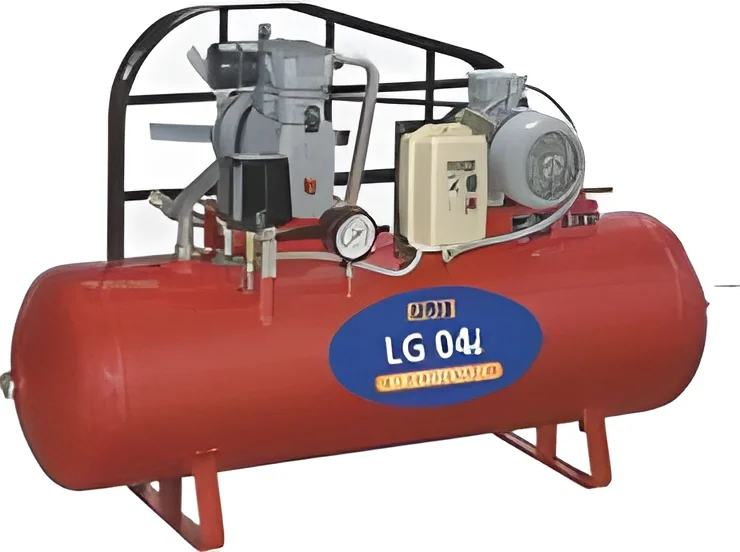
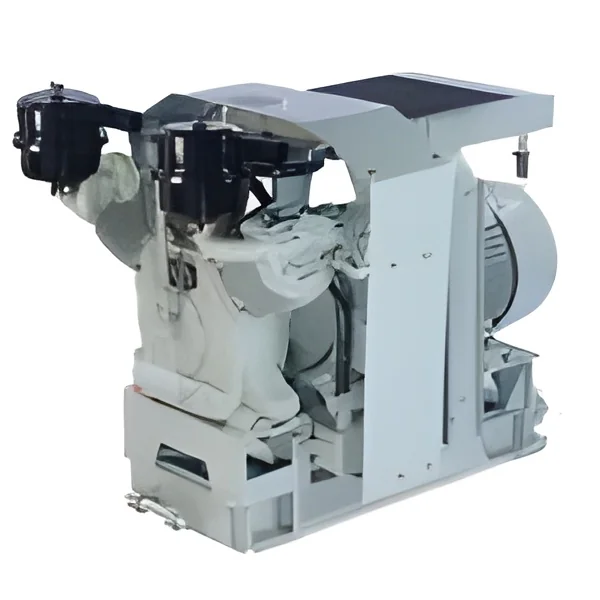
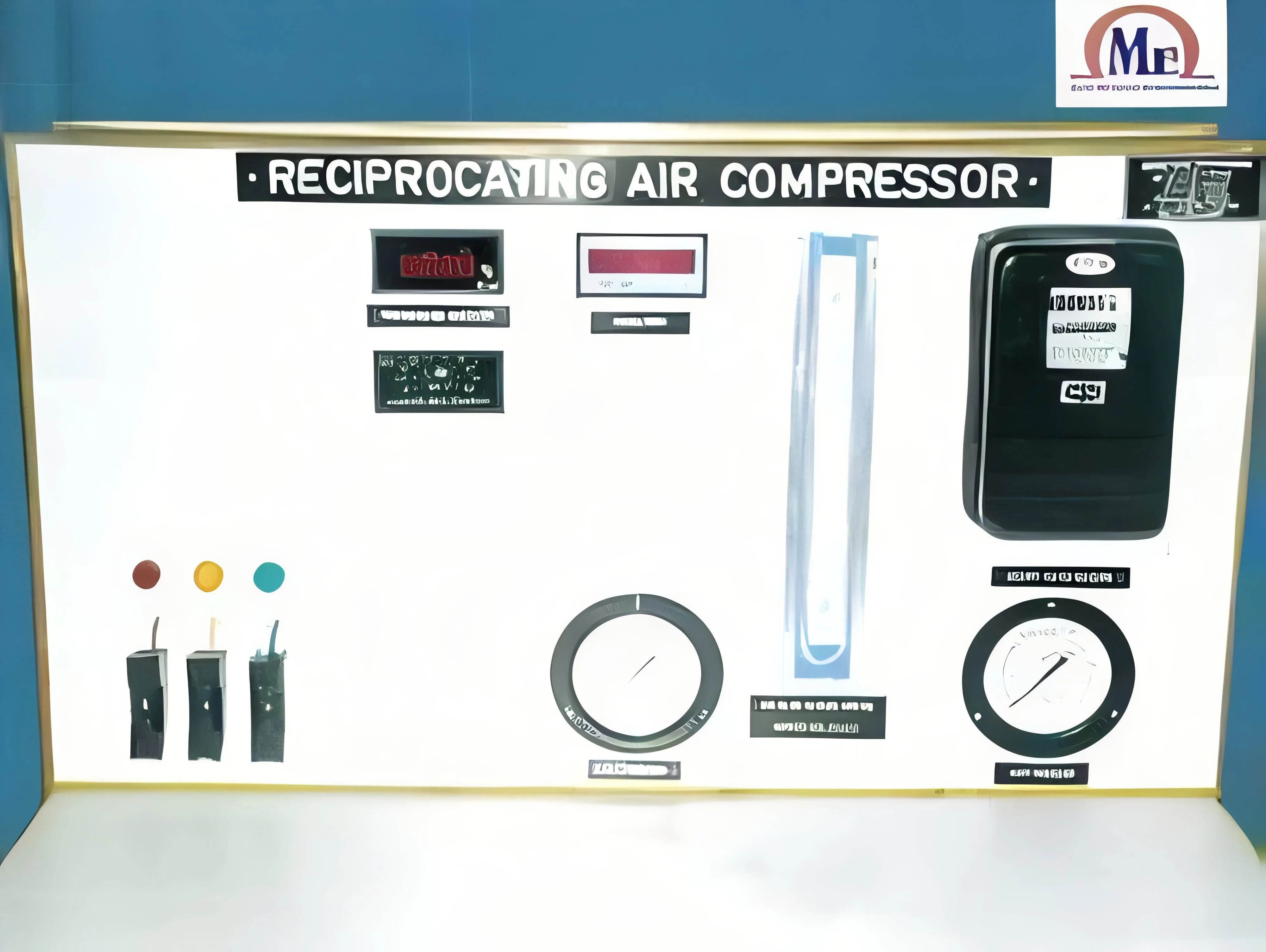
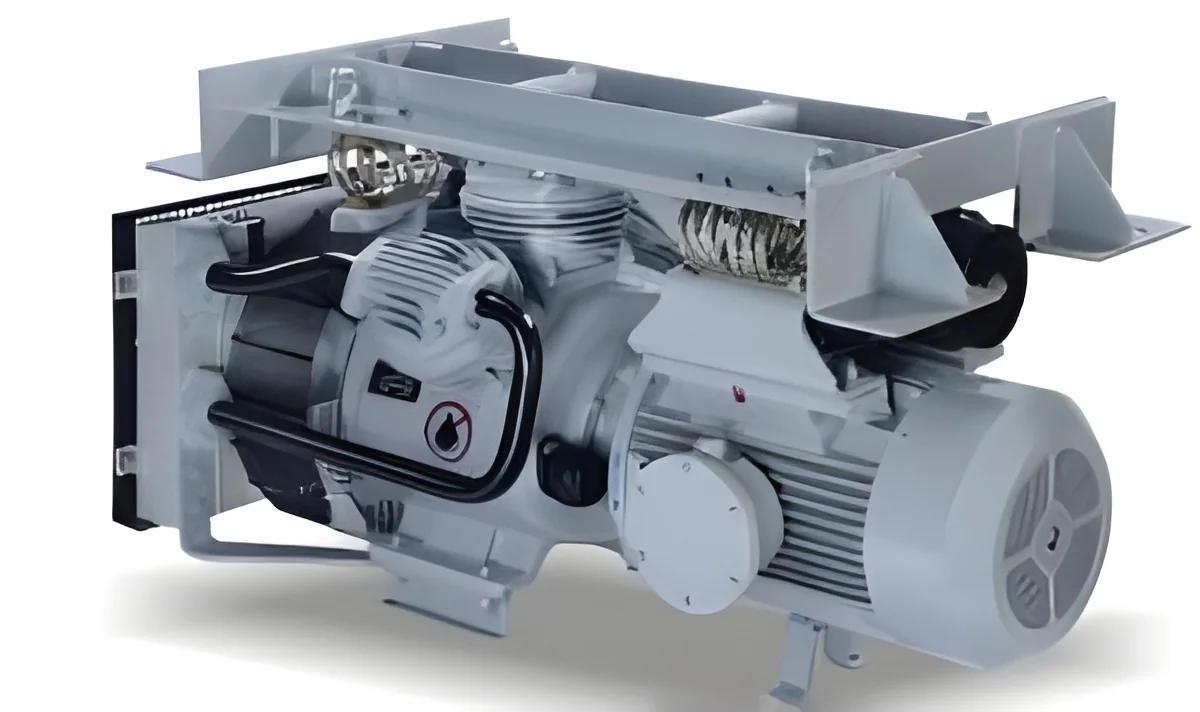
Reciprocating air compressors are mechanical devices that convert power into potential energy stored in compressed air. They operate using a piston driven by a crankshaft, which compresses air in a cylinder. As the piston moves downward, it creates a vacuum that draws in air. When the piston moves upward, it compresses the air and sends it into a storage tank. This type of compressor is known for its efficiency in generating high-pressure air for various applications.
These compressors are widely used across multiple industries due to their versatility and reliability. Common applications include powering pneumatic tools, operating machinery, and providing air for various processes in manufacturing, automotive, and construction sectors. They are particularly valuable in settings that require a consistent flow of high-pressure air. The market for reciprocating air compressors is growing as businesses seek efficient solutions for their compressed air needs.
Key Features and Specifications
Reciprocating air compressors come with various features that cater to different industrial requirements. Understanding these specifications is crucial for selecting the right compressor for your needs.
Key specifications include:
1. Power Source
- Can be electric or gasoline powered
- Typically ranges from 1 to 30 horsepower
2. Tank Size
- Available in various sizes, commonly between 1 to 500 gallons
- Larger tanks provide longer run times without frequent cycling
3. Pressure Rating
- Standard operating pressures range from 30 to 175 PSI
- Higher pressure ratings are available for specialized applications
4. Air Delivery Rate
- Measured in cubic feet per minute (CFM)
- Typical ranges from 3 to 30 CFM depending on the model
5. Noise Level
- Generally operates between 60 to 90 decibels
- Quieter models available for noise-sensitive environments
6. Weight
- Can vary significantly, from portable models weighing under 50 pounds to industrial units over 500 pounds
7. Dimensions
- Compact designs are available for limited spaces
- Standard sizes accommodate various installation needs
8. Portability
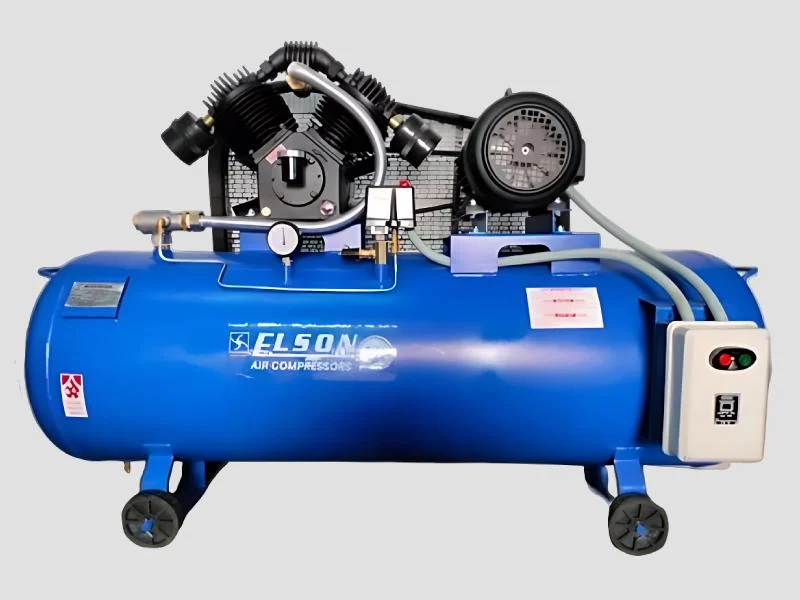
- Some models are designed for easy movement with wheels
- Others are stationary for fixed installation
Understanding these specifications will help businesses make informed decisions related to their compressed air needs.
Common Applications and Use Cases
Reciprocating air compressors find applications across a variety of industries due to their reliability and efficiency.
1. Manufacturing: These compressors are essential for operating pneumatic tools and machinery in assembly lines. They ensure a steady supply of compressed air for processes like painting, sanding, and powering conveyor systems.
2. Automotive: In automotive repair shops, reciprocating air compressors are used for powering impact wrenches, spray guns, and tire inflation. They facilitate efficient and effective vehicle maintenance.
3. Construction: Construction sites utilize these compressors for pneumatic tools such as nail guns, drills, and hammers. Their portability makes them ideal for use in various outdoor settings.
4. Food and Beverage: In food processing, compressors are used for packaging, bottling, and conveying products. They meet the stringent hygiene standards required in the industry.
5. HVAC: Reciprocating compressors play a crucial role in heating, ventilation, and air conditioning systems, providing the necessary pressure for refrigerants.
6. Agriculture: Farmers use these compressors for powering irrigation systems and pneumatic equipment, enhancing productivity in agricultural operations.
7. Woodworking: In woodworking shops, these compressors supply air to tools such as sanders and routers, allowing for precise and efficient work.
Product Variants and Subcategories
Reciprocating air compressors come in various configurations to meet specific needs within different industries.
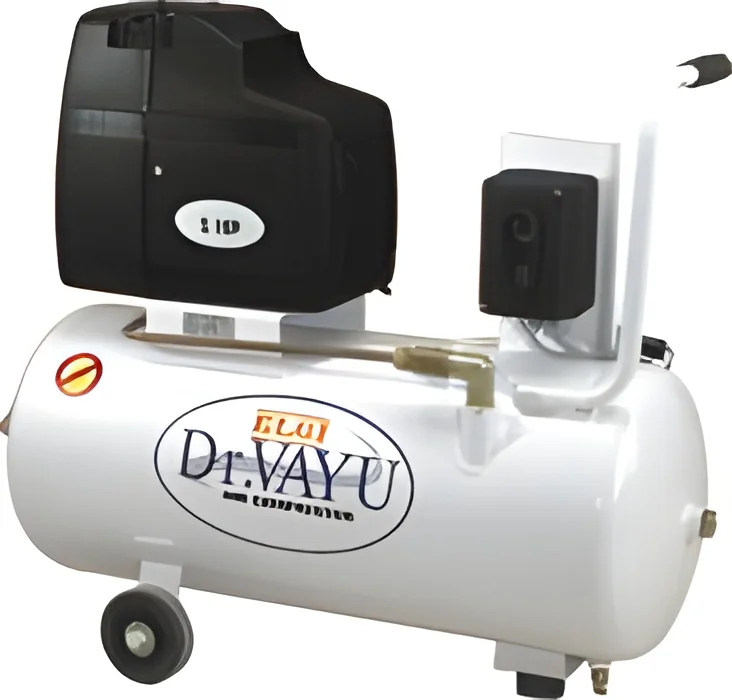
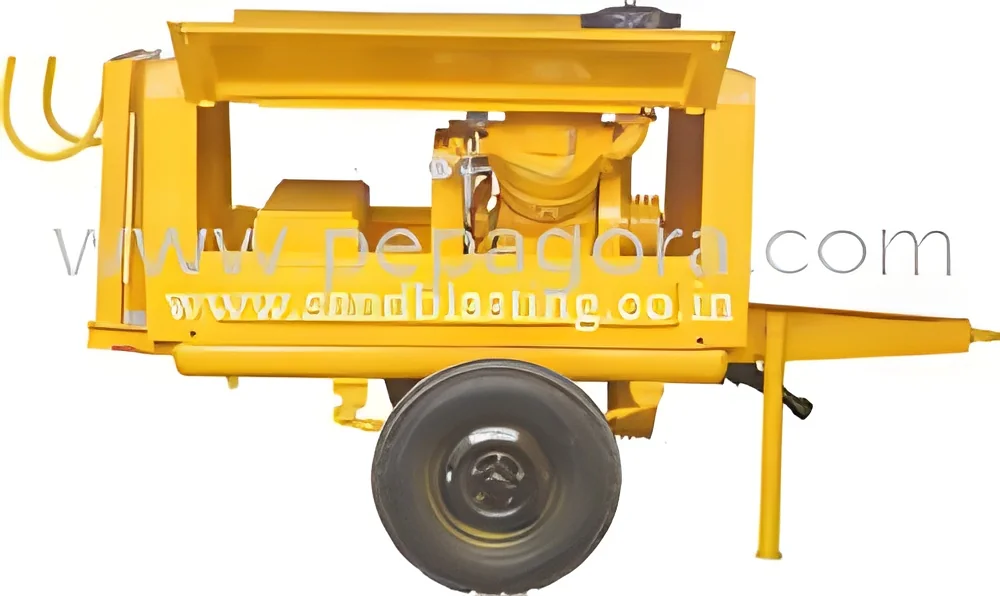
Portable Compressors: These compact units are designed for mobility and are often used in small workshops or job sites. They typically have lower power ratings and are easy to transport.
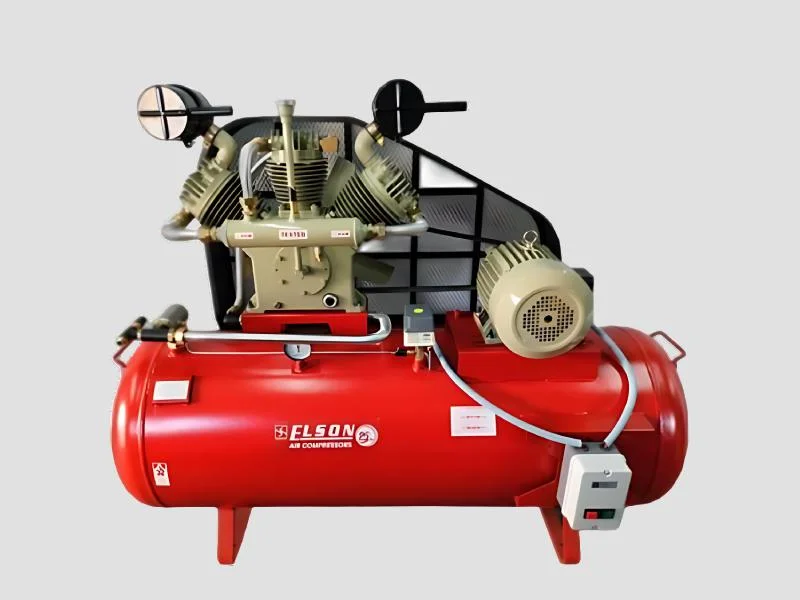
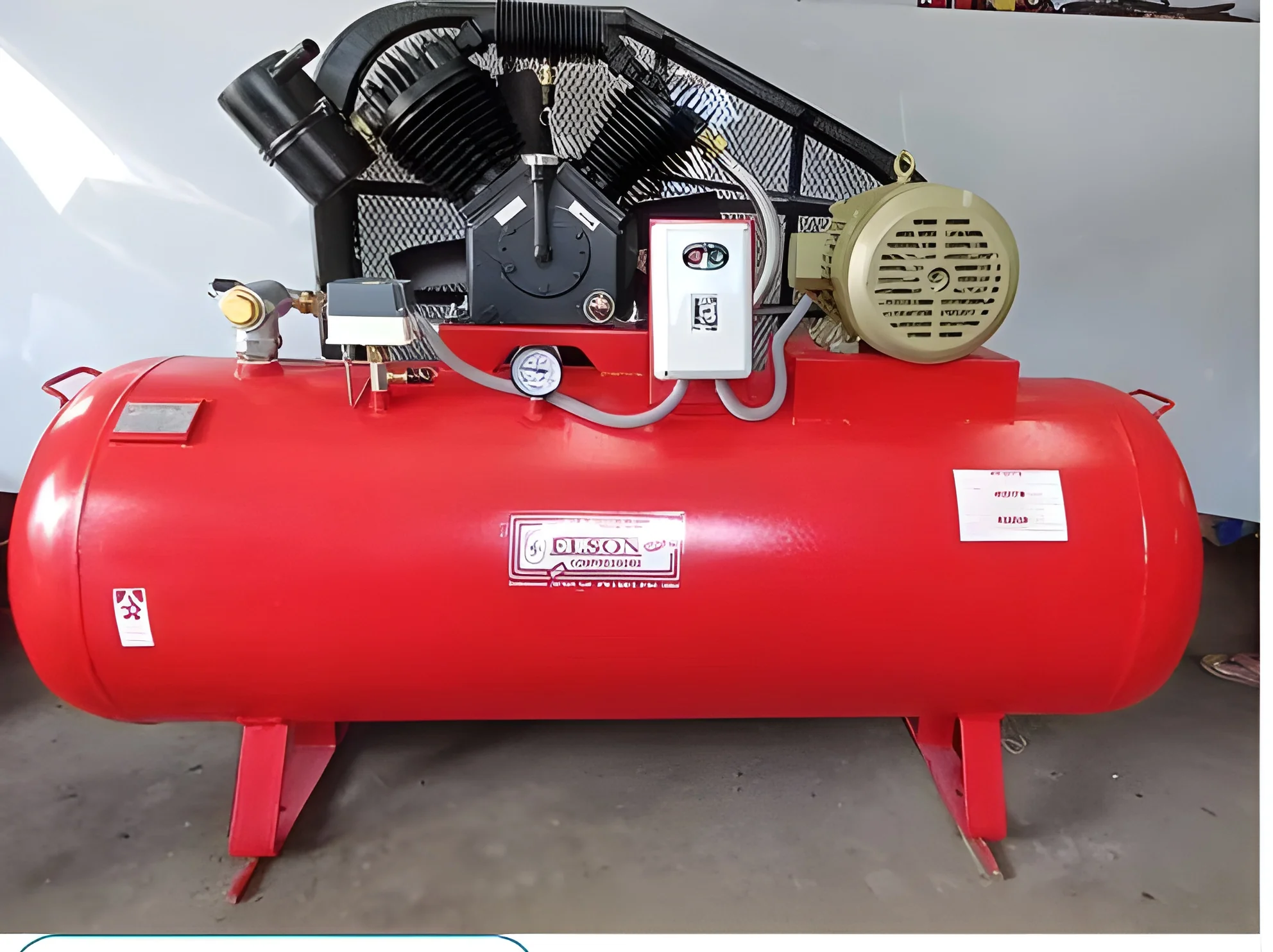
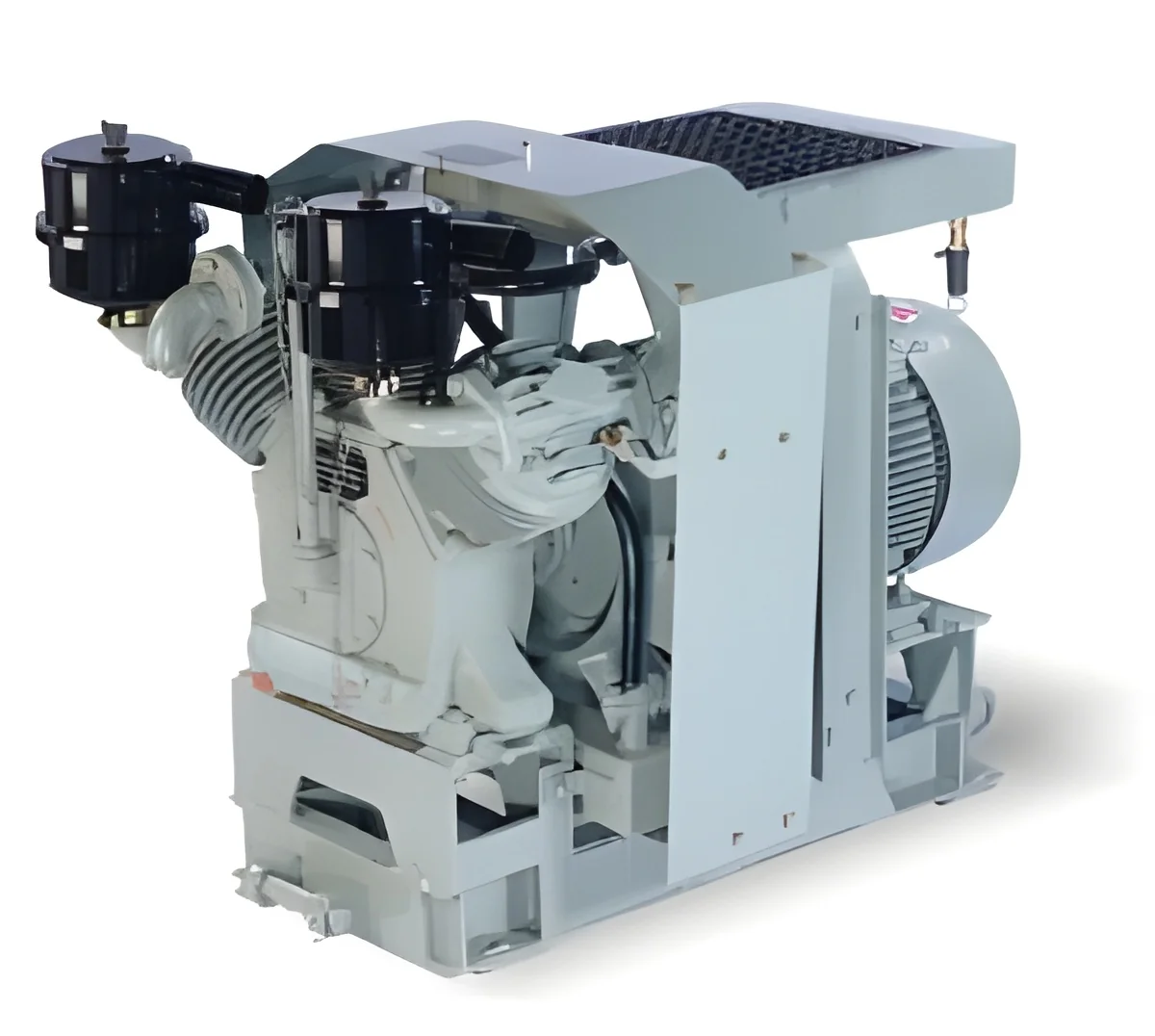
Stationary Compressors: Built for permanent installation, these compressors are larger and more powerful. They cater to high-demand industrial applications and provide consistent air supply.
Single-Stage Compressors: These compressors compress air in one stroke of the piston. They are suitable for applications requiring lower pressures and are generally more affordable.
Two-Stage Compressors: Designed for higher pressure applications, these compressors compress air in two strokes. They are ideal for heavy-duty tasks in industrial settings.
Benefits and Advantages
Reciprocating air compressors offer several benefits that make them a popular choice for businesses.
1. Cost-Effective: These compressors typically have lower initial costs compared to other types, making them accessible for small and medium-sized enterprises.
2. High Efficiency: They provide a reliable source of compressed air, making them suitable for continuous use in various industrial applications.
3. Versatility: With a range of power and pressure options, reciprocating compressors can be used across multiple industries for diverse applications.
4. Ease of Maintenance: Their design allows for straightforward maintenance, ensuring longevity and consistent performance with minimal downtime.
5. Robust Construction: Built to withstand demanding conditions, these compressors are durable and can handle rigorous usage in industrial settings.
6. Energy Efficiency: Many models are designed to optimize energy consumption, reducing operational costs over time.
Buying Guide for B2B Buyers
When sourcing reciprocating air compressors, it is essential to consider various factors to ensure you select the right model for your business.
1. Quality Assessment: Evaluate the build quality and reliability of the compressor. Look for units that meet industry standards and have positive reviews from other users.
2. Supplier Verification: Vet suppliers to ensure they have a strong reputation and provide quality products. Check for certifications and customer feedback to assess their reliability.
3. Pricing and MOQ: Understand the pricing structures and minimum order quantities. Compare costs among different suppliers to find the best value for your investment.
4. Delivery and Lead Times: Consider the logistics involved in acquiring the compressor. Ensure the supplier can meet your delivery expectations and has a transparent lead time.
5. Compliance Requirements: Ensure that the compressors meet necessary regulatory standards, including safety and environmental compliance. Verify certifications such as CE to ensure quality assurance.
Compliance and Certifications
Reciprocating air compressors must adhere to certain quality and safety standards to ensure their effectiveness and reliability in various applications. ISO 9001 is a widely recognized standard that outlines quality management principles applicable to manufacturers and suppliers. Compliance with such standards ensures that the product meets customer expectations consistently.
In addition to quality management, industry certifications like CE signify that the product meets European safety and environmental protection requirements. This certification is essential for companies looking to operate in regulated markets.
Safety and testing requirements are crucial in ensuring that the compressors operate efficiently without posing risks to users. Regular inspections and adherence to safety protocols help maintain operational integrity.
Regional compliance considerations may vary, so it is vital for businesses to understand local regulations and standards that apply to reciprocating air compressors in their specific markets.
Why Source Reciprocating Air Compressors from Pepagora?
Pepagora provides a trusted platform for sourcing reciprocating air compressors, offering several key advantages to B2B buyers.
Verified Supplier Network: Pepagora connects businesses with a network of verified suppliers, ensuring that buyers can trust the quality of the products they purchase. The platform conducts thorough checks on suppliers to maintain a high standard of reliability.
Streamlined RFQ Process: The request for quotation (RFQ) process on Pepagora is designed to be efficient, allowing buyers to quickly compare quotes from multiple suppliers. This ensures that businesses can find the best pricing and options that meet their specific requirements.
Trade Assurance and Support: Buyers can benefit from trade assurance features that protect their investments. Pepagora offers support throughout the buying process, providing assistance with any concerns that may arise.
Regional Coverage: With a strong presence in markets such as India, the Gulf Cooperation Council (GCC), and Southeast Asia, Pepagora ensures that businesses can source reciprocating air compressors tailored to their regional needs, enhancing accessibility and convenience.

 IN
IN