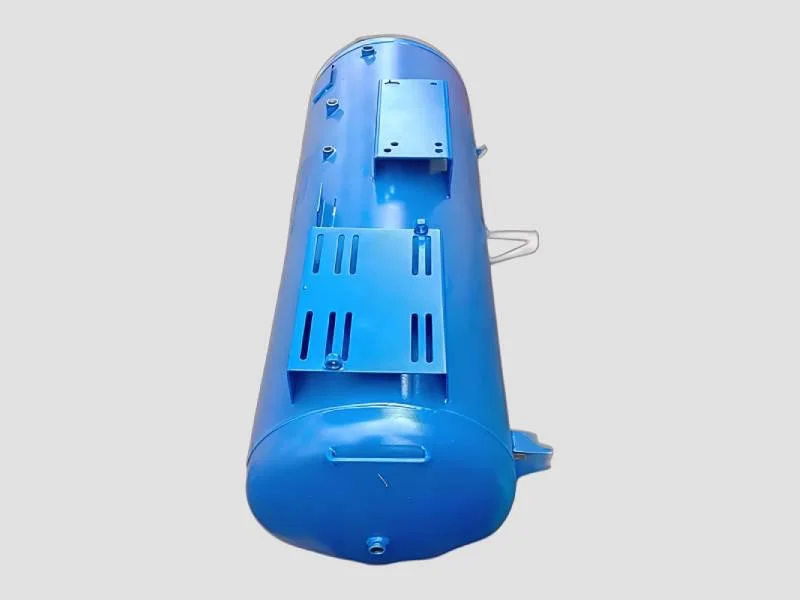
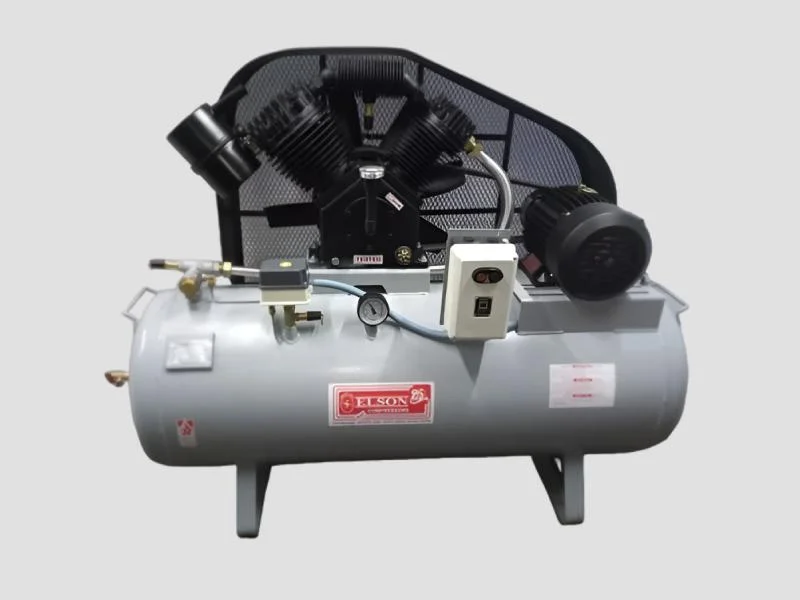
What are High Pressure Air Compressors?
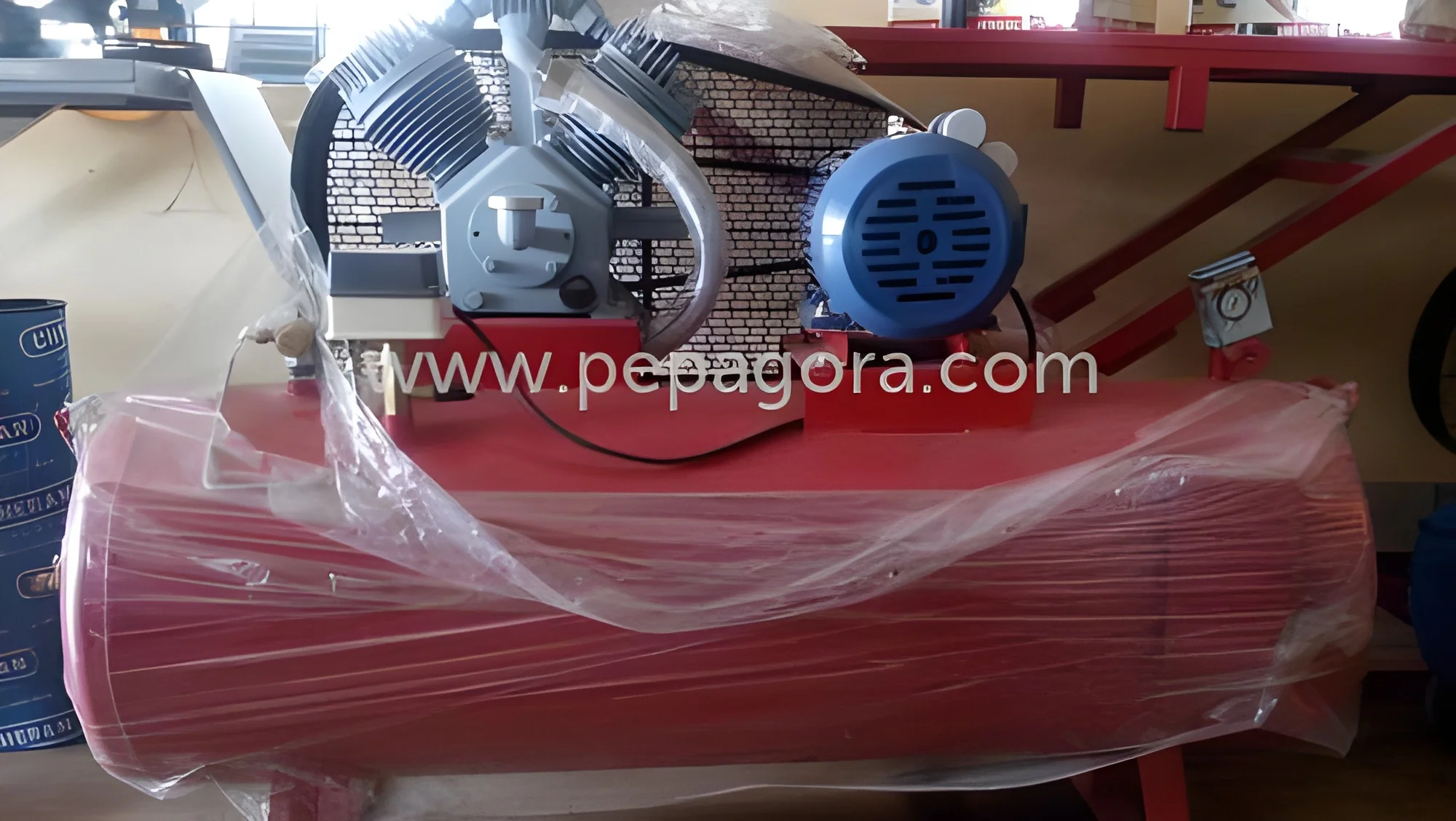
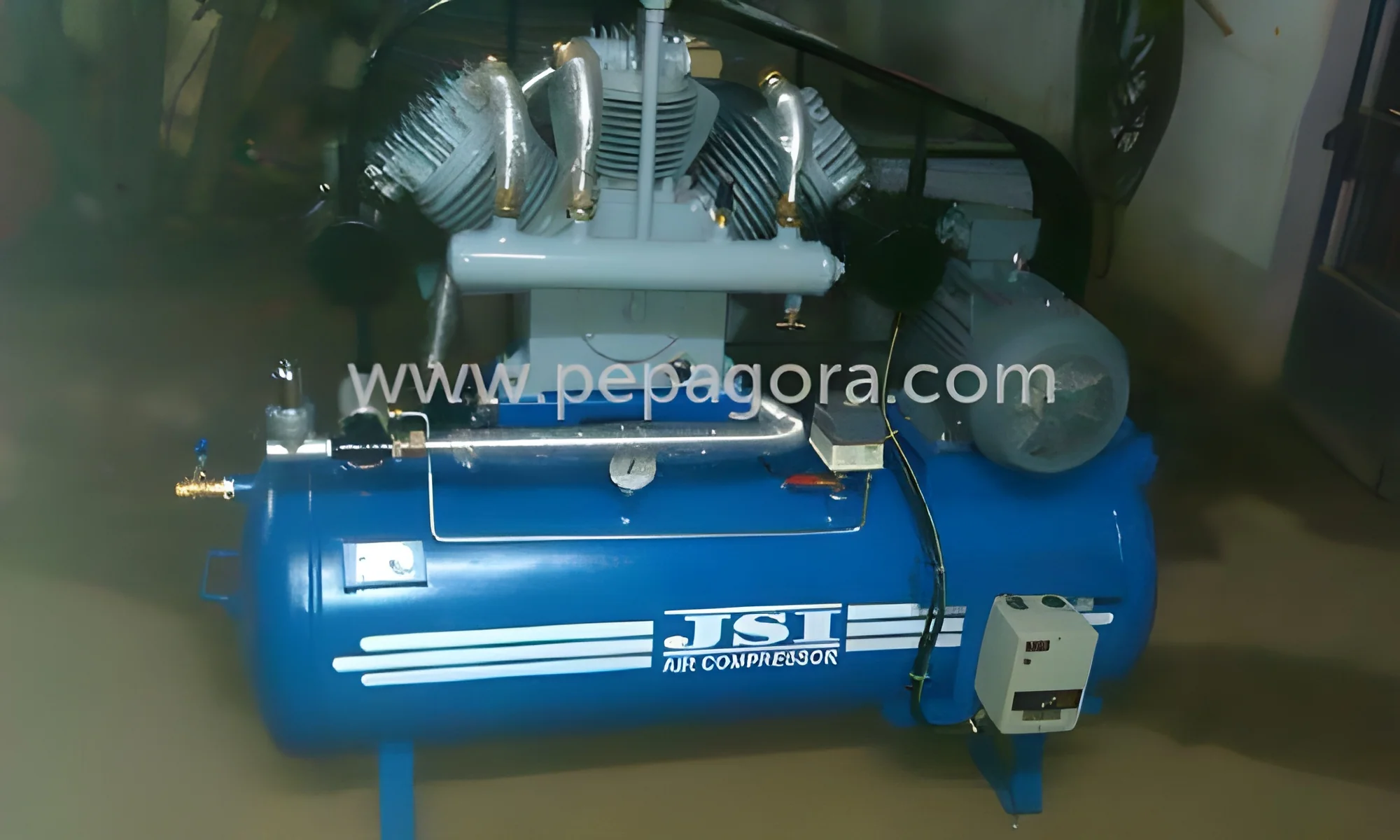
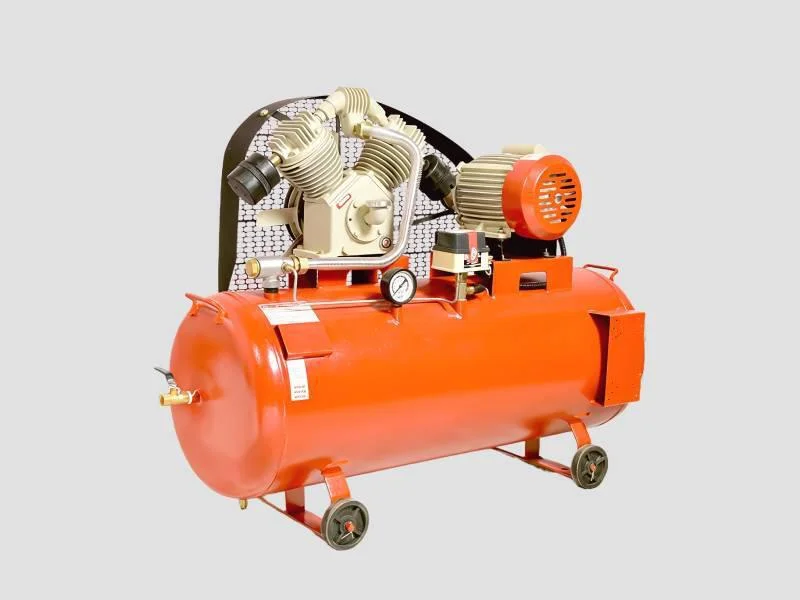
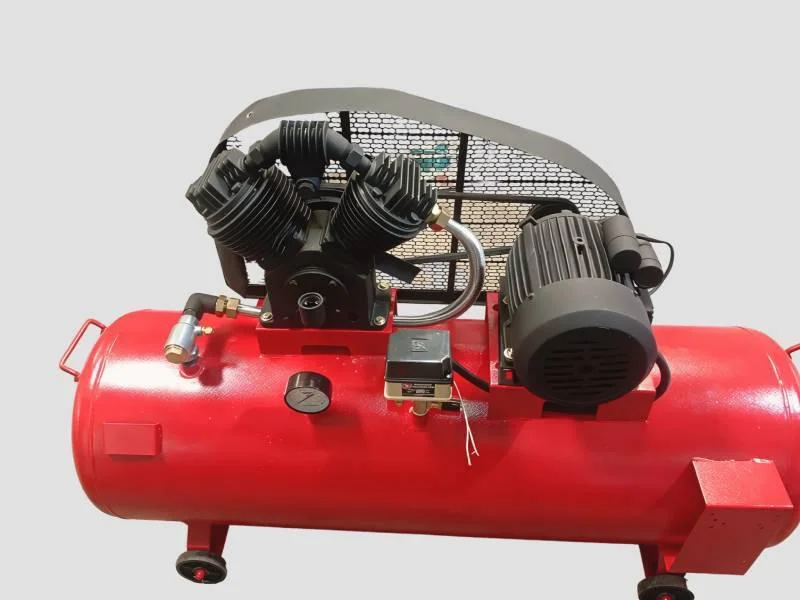
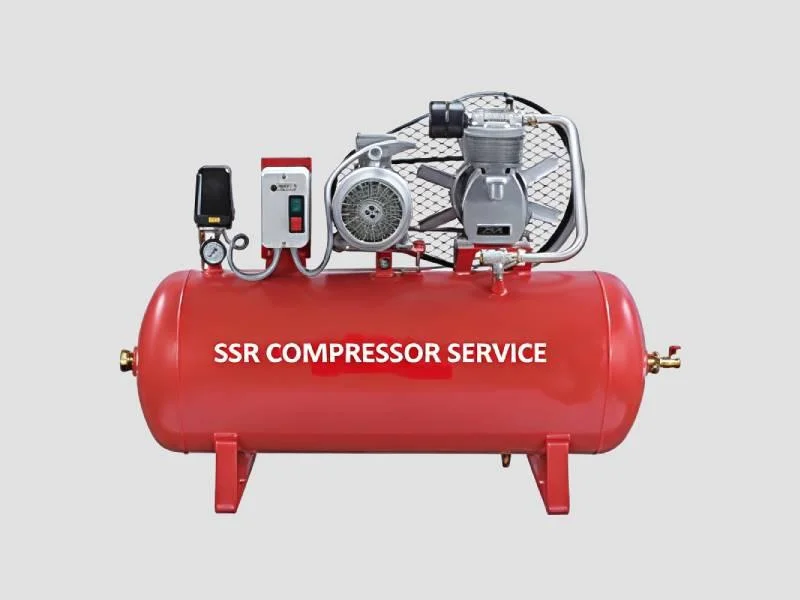
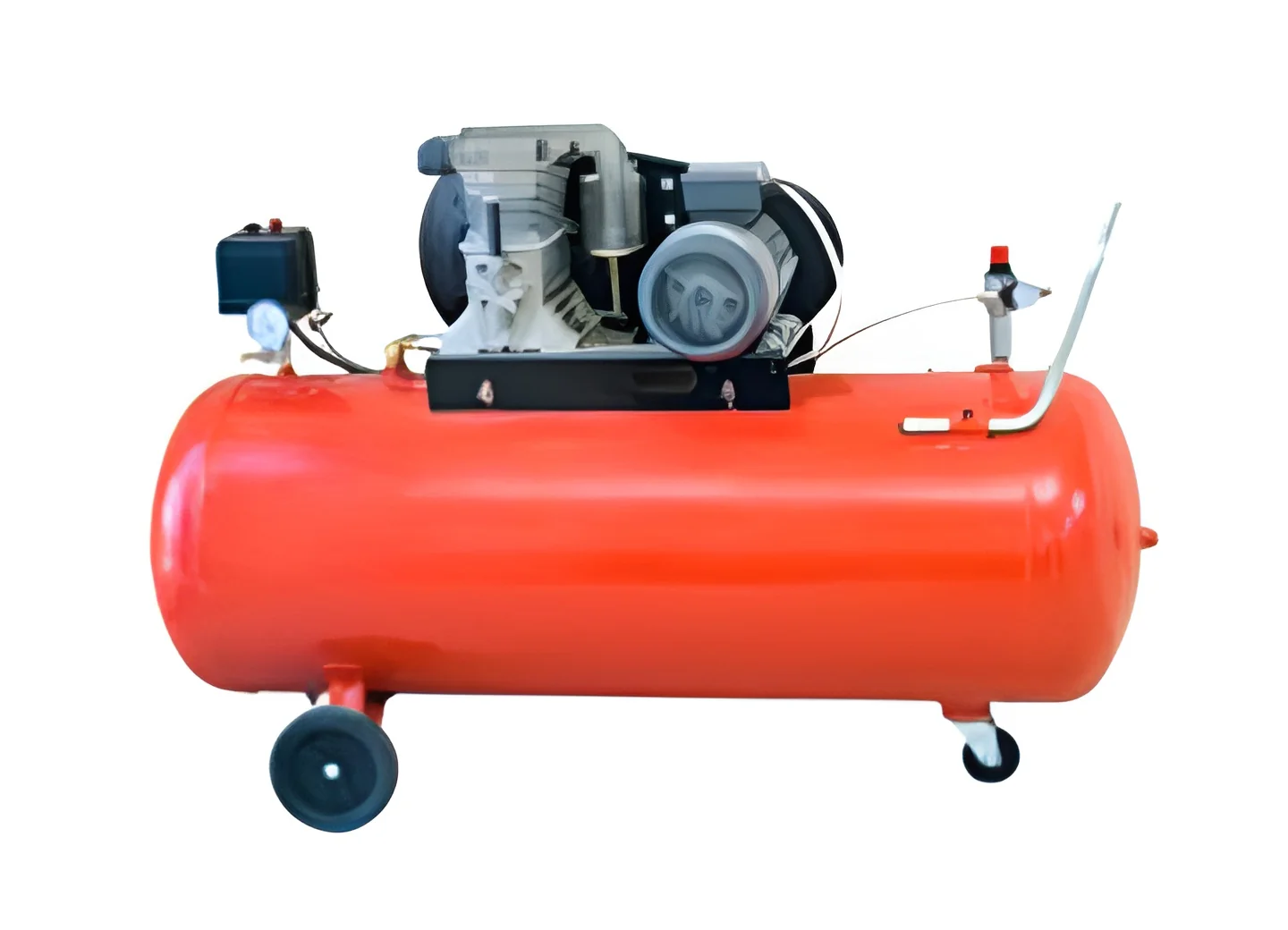
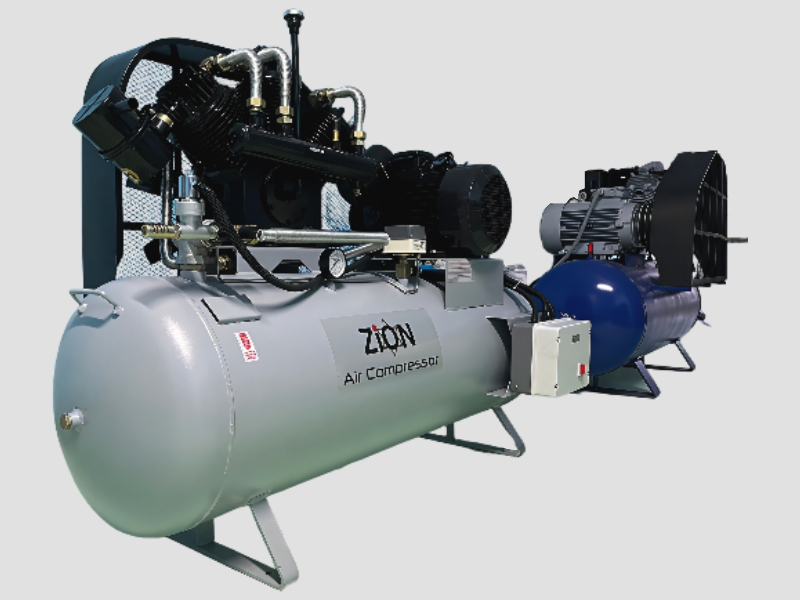
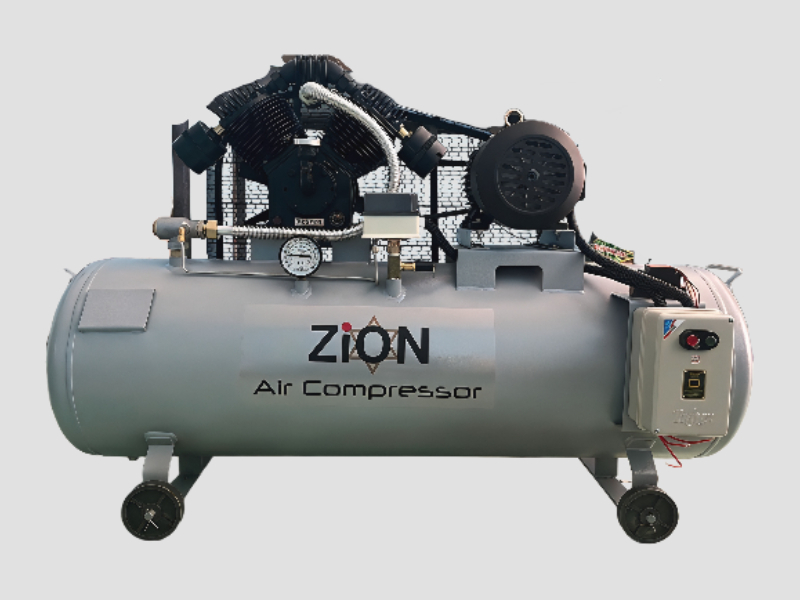
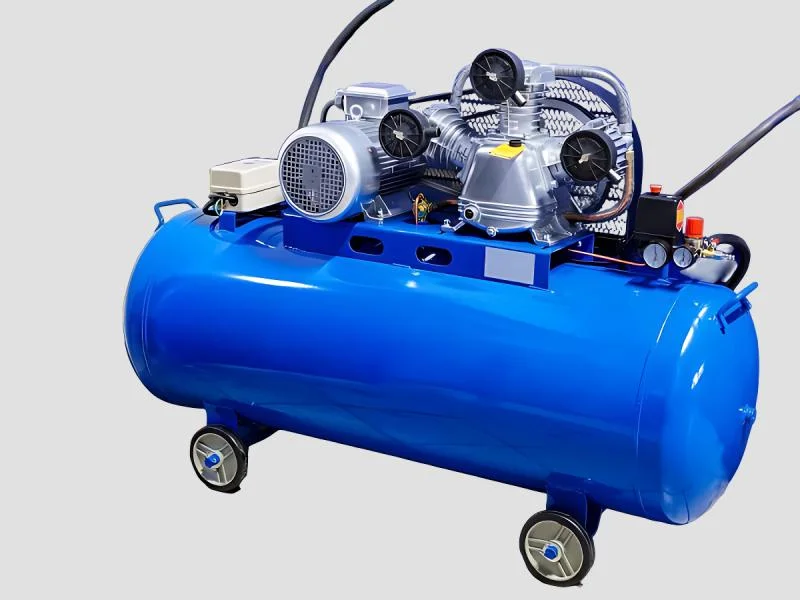
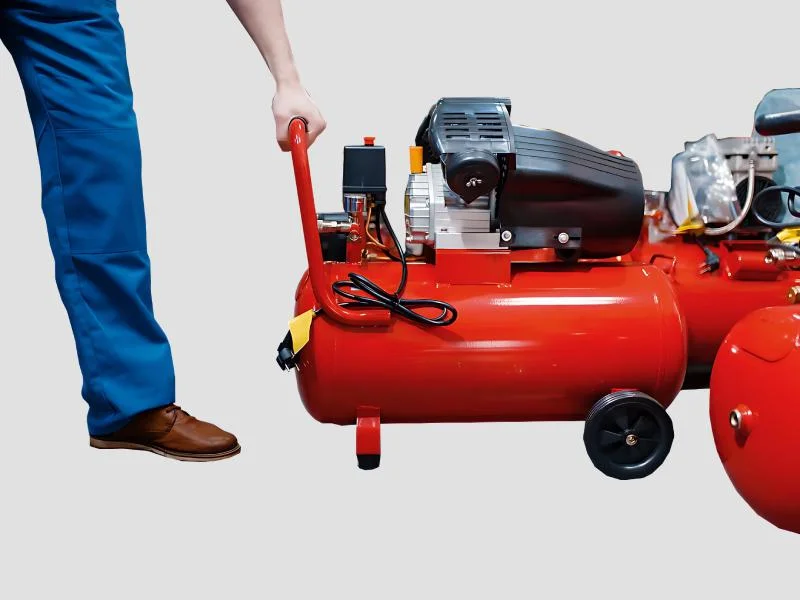
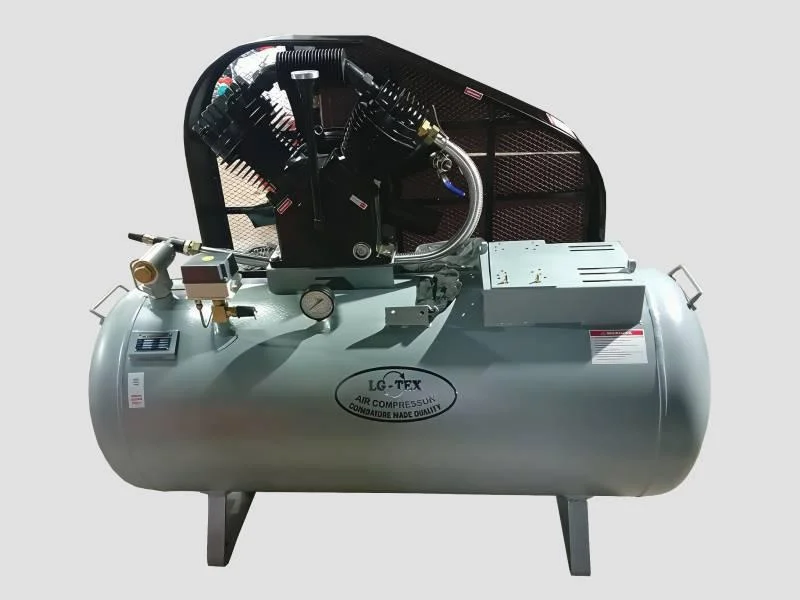
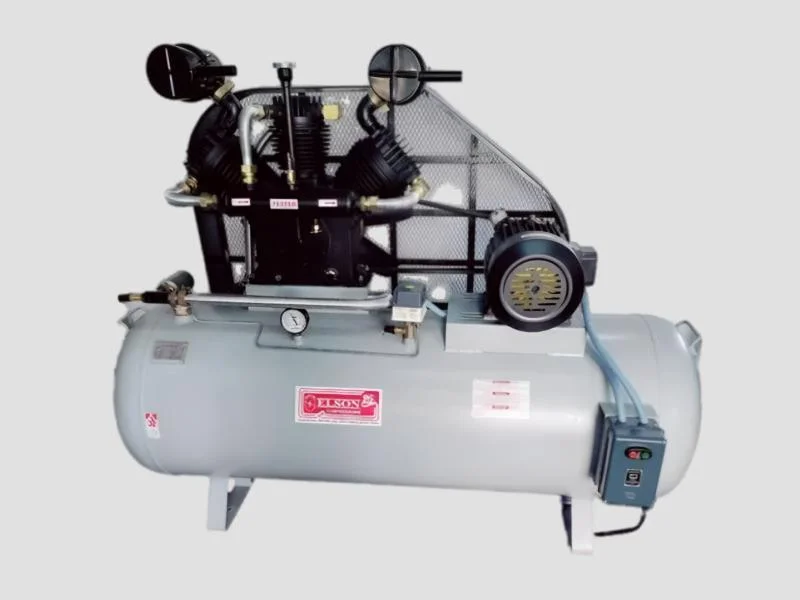
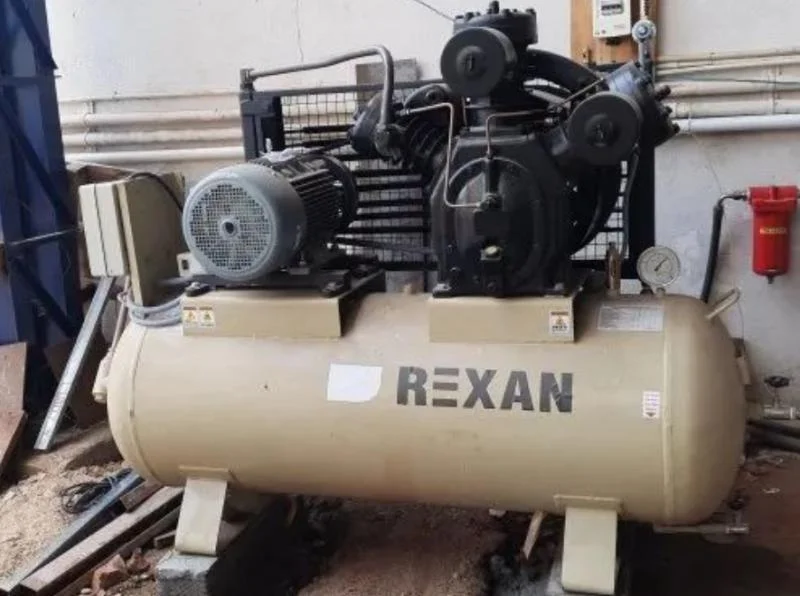
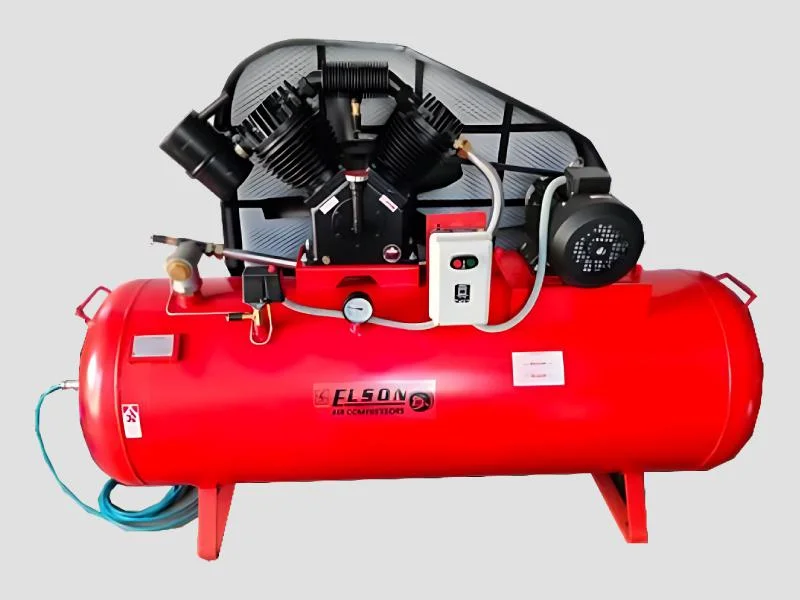
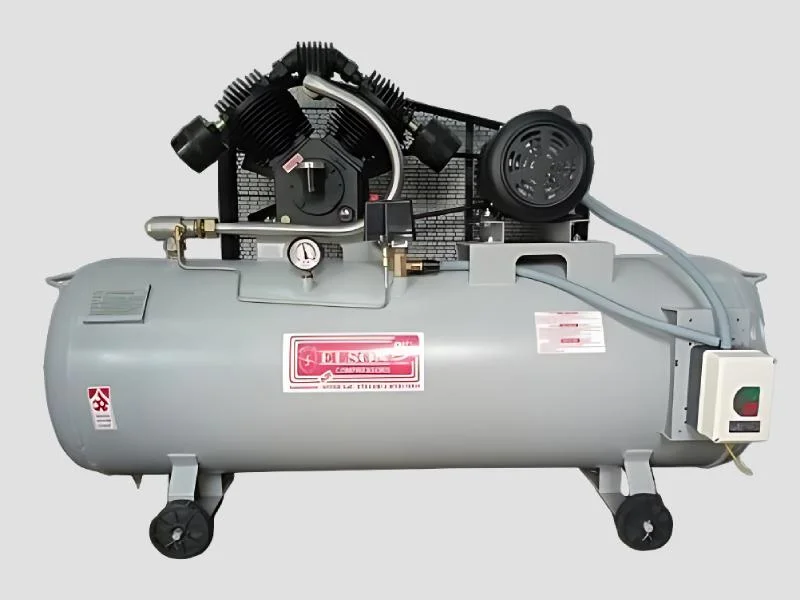
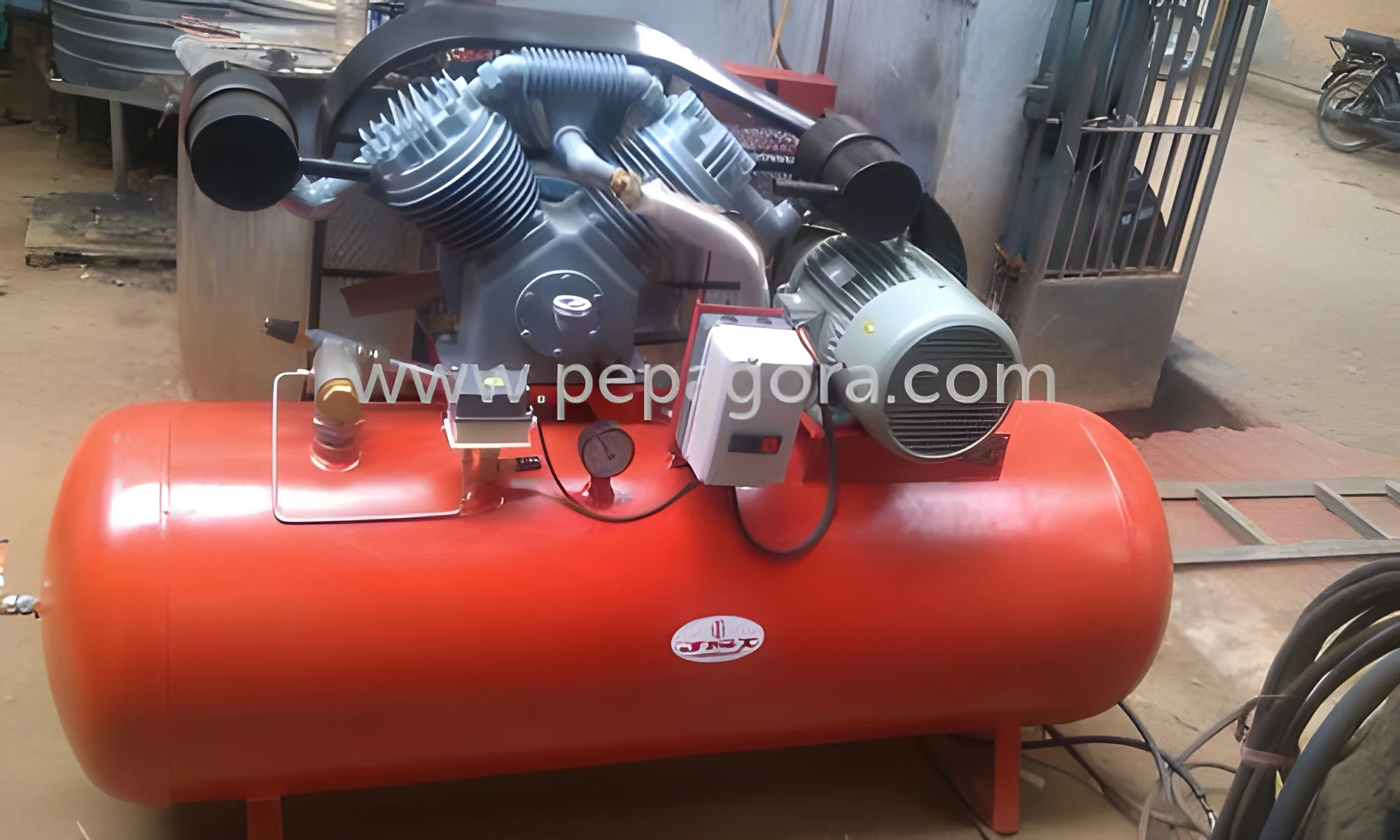
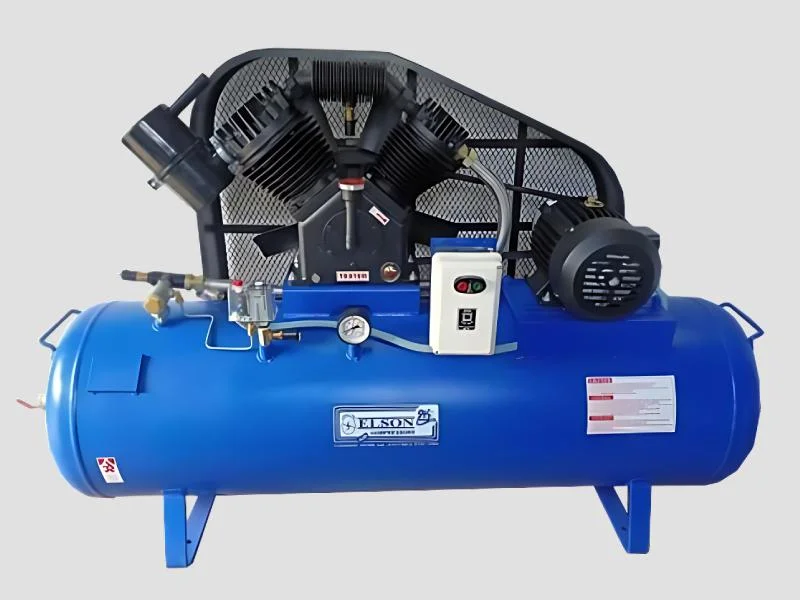
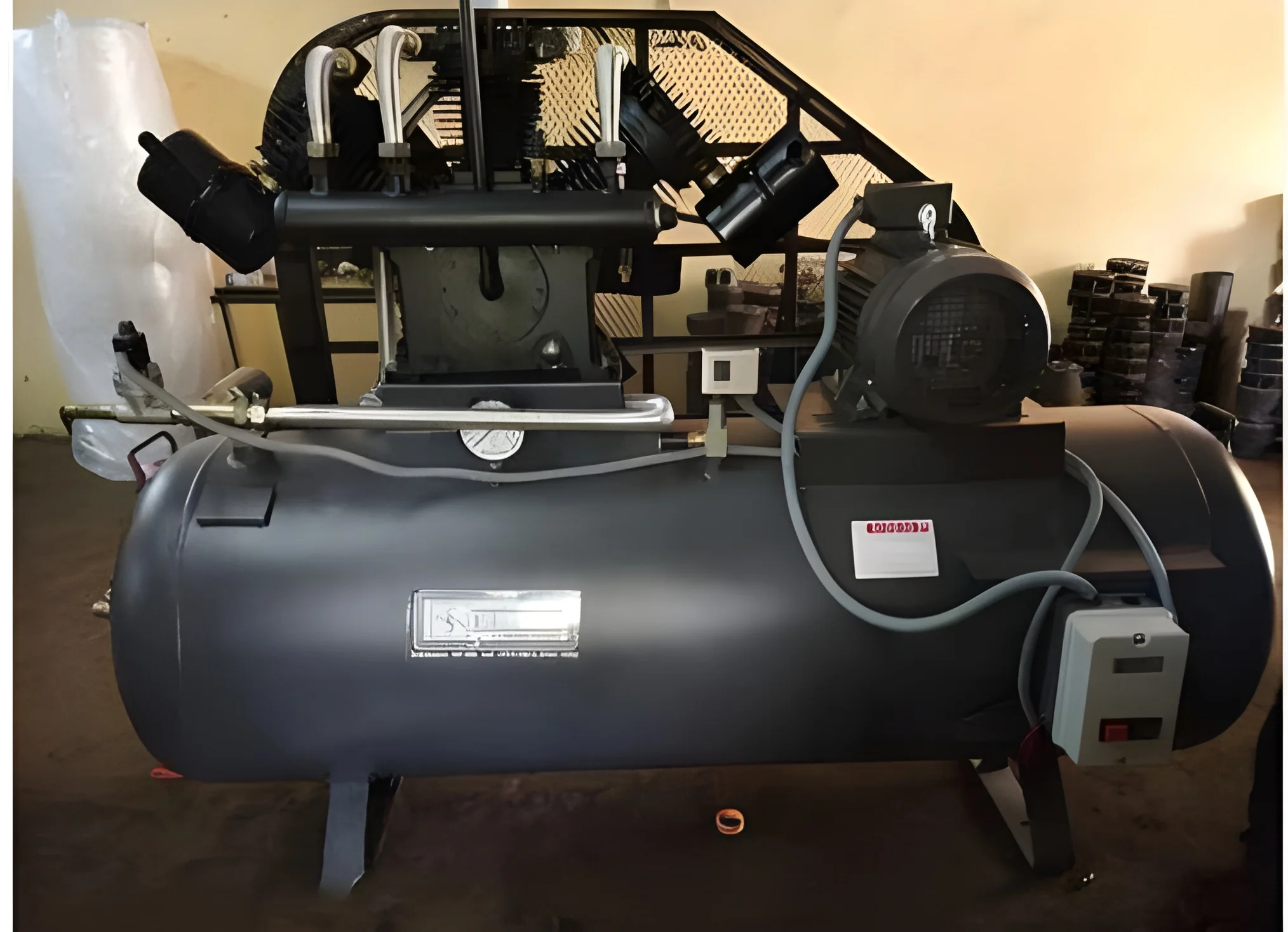
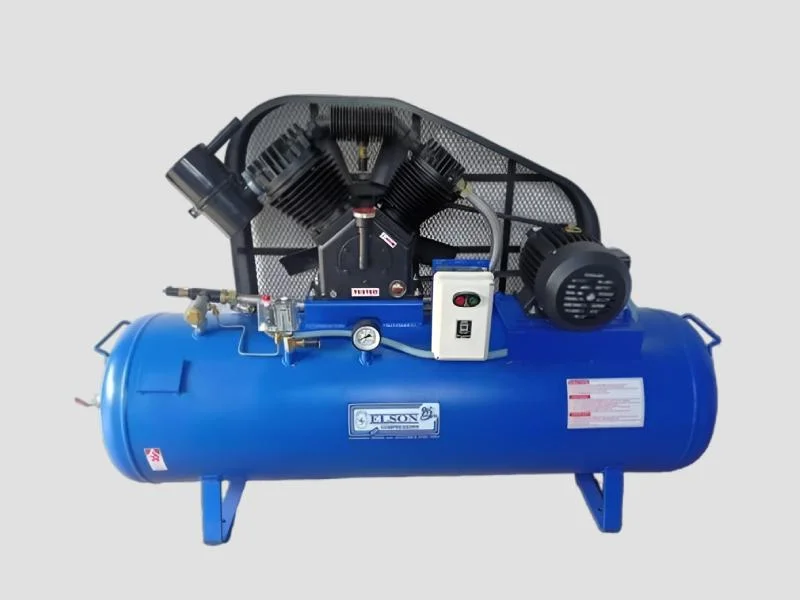
High Pressure Air Compressors are specialized machines designed to generate compressed air at high pressure levels, typically exceeding 100 psi. These compressors increase the atmospheric pressure of air, allowing it to be stored in tanks or delivered directly to various applications. High pressure air compressors are essential in numerous industrial processes due to their ability to deliver consistent and reliable compressed air.
The primary uses of high pressure air compressors span several industries, including manufacturing, automotive, and construction. In manufacturing, they are often used for powering pneumatic tools, assembly lines, and material handling systems. In the automotive sector, they facilitate tasks such as paint spraying and tire inflation. Construction sites rely on high pressure air for operating heavy machinery, such as jackhammers and air drills. The versatility and efficiency of these compressors make them critical in ensuring productivity across various sectors.
In the current market, the demand for high pressure air compressors continues to grow as industries evolve and require more efficient tools. With the rise of automation and the need for increased production rates, businesses are increasingly investing in high-quality compressors that can meet their specific operational requirements.
Key Features and Specifications
High Pressure Air Compressors come with a range of features and specifications that enhance their performance and usability. Understanding these specifications is crucial for businesses looking to invest in the right equipment.
Key specifications include:
1. Maximum Pressure
- Typically ranges from 100 psi to over 300 psi.
- Determines the compressor's capability to handle various applications.
2. Motor Power
- Commonly available in ranges from 5 HP to 50 HP.
- Affects the compressor's efficiency and output.
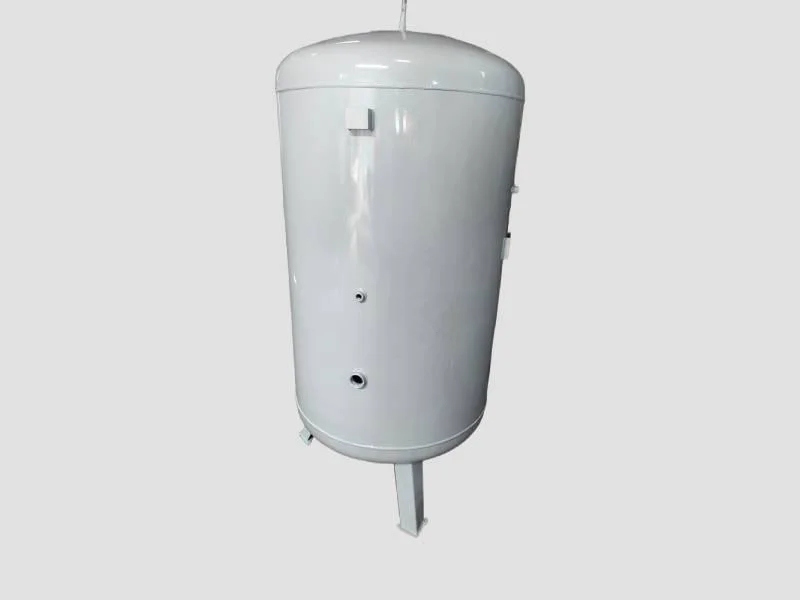
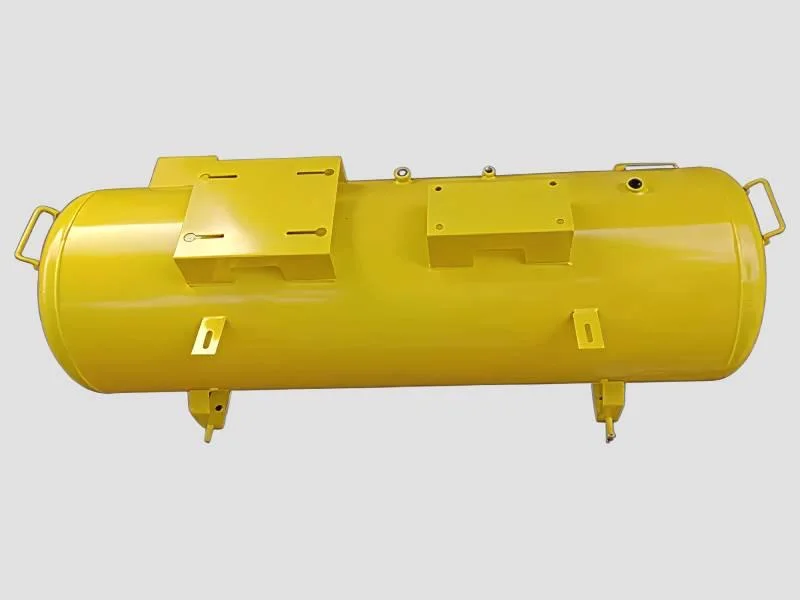
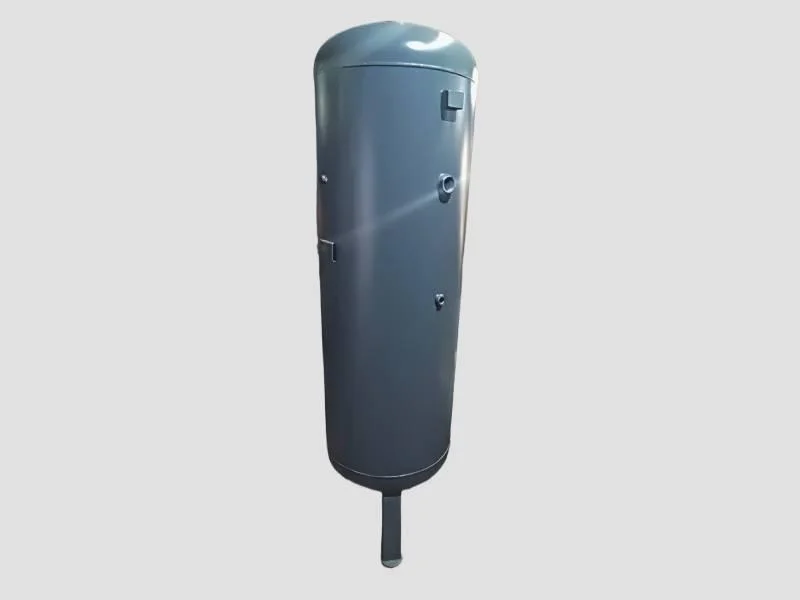
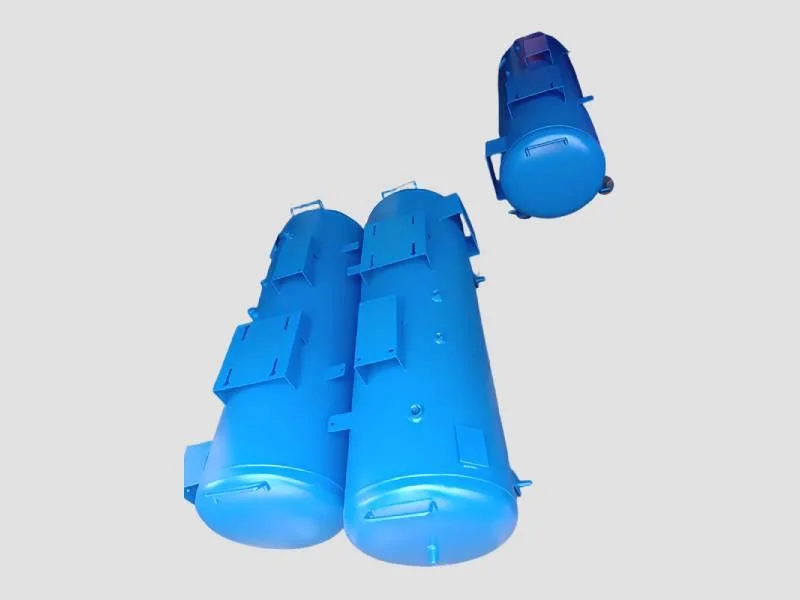
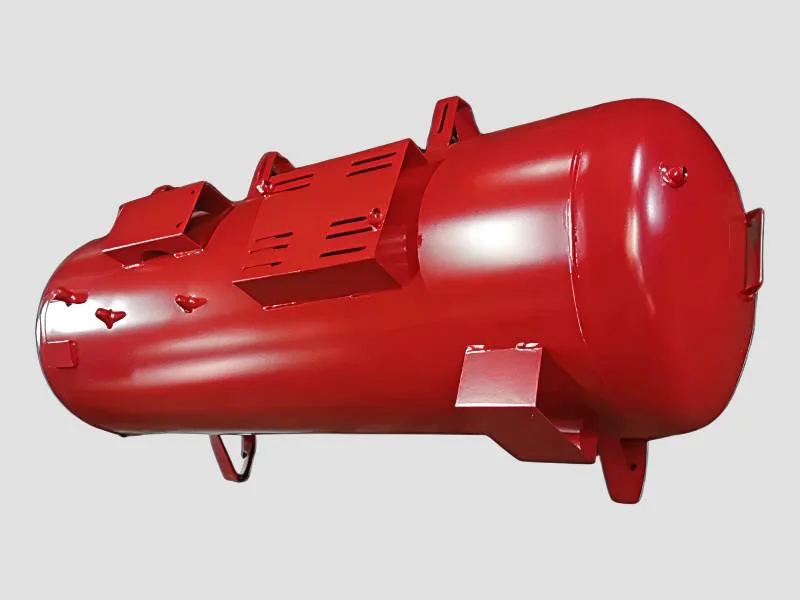
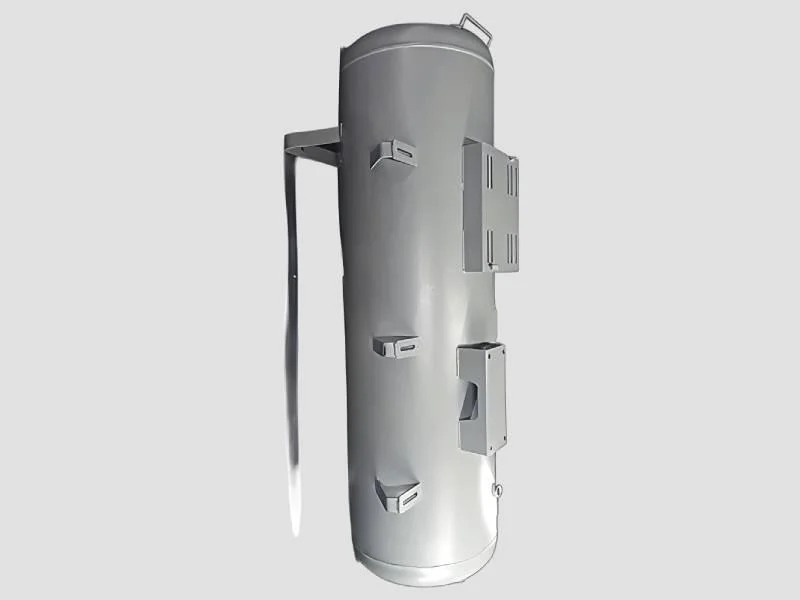
3. Tank Capacity
- Ranges from 20 gallons to over 500 gallons.
- Larger tanks store more compressed air for continuous use.
4. Airflow Rate
- Measured in cubic feet per minute (CFM), often ranging from 10 CFM to over 100 CFM.
- Indicates the volume of air delivered by the compressor.
5. Type of Compressor
- Includes rotary screw, reciprocating, and centrifugal types.
- Different designs suit various operational needs.
6. Noise Level
- Typically measured in decibels (dB), with levels varying from 60 dB to 80 dB.
- Important for compliance with workplace noise regulations.
7. Energy Efficiency Rating
- Indicates the energy consumption relative to output.
- Higher ratings lead to lower operational costs.
8. Control System
- May include manual or automatic controls for pressure regulation.
- Enhances ease of use and operational efficiency.
In summary, understanding these features helps businesses select a high pressure air compressor that aligns with their specific operational needs and budget constraints.
Common Applications and Use Cases
High Pressure Air Compressors have diverse applications across various industries. Their ability to deliver high-pressure compressed air makes them invaluable in different settings.
1. Manufacturing: High pressure air compressors are used to power pneumatic tools, operate automated machinery, and assist in material handling processes.
2. Automotive: These compressors support tasks such as tire inflation, spray painting, and powering air tools in repair shops.
3. Construction: On construction sites, high pressure air compressors are essential for operating heavy equipment like drills and hammers.
4. Oil and Gas: In the oil and gas sector, they play a crucial role in powering drilling equipment and providing air for various operational processes.
5. Food Processing: High pressure air is used in food packaging and processing to ensure hygiene and efficiency.
6. Medical: In hospitals, these compressors assist in powering medical devices and systems that require compressed air.
7. Aerospace: High pressure air compressors are critical in testing and operating various aerospace components and systems.
Product Variants and Subcategories
High Pressure Air Compressors come in various configurations to meet specific industrial needs. Different variants cater to distinct operational demands.
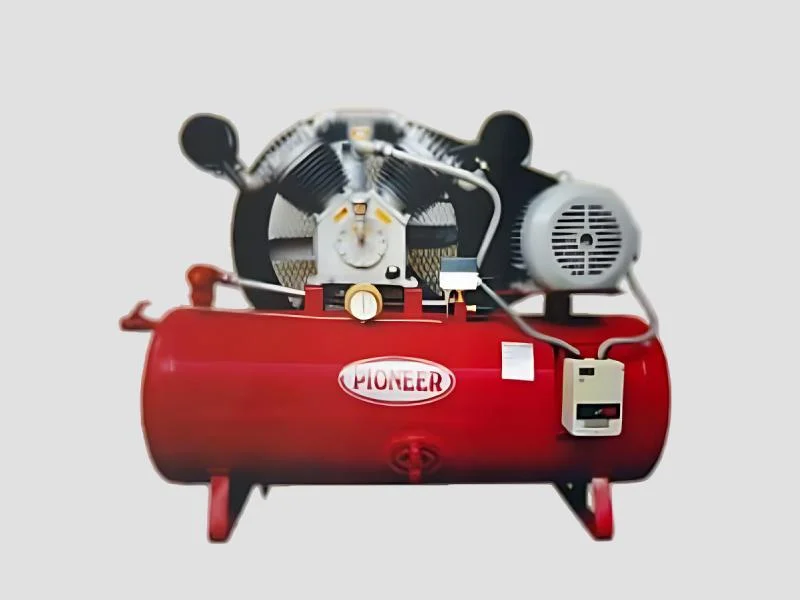
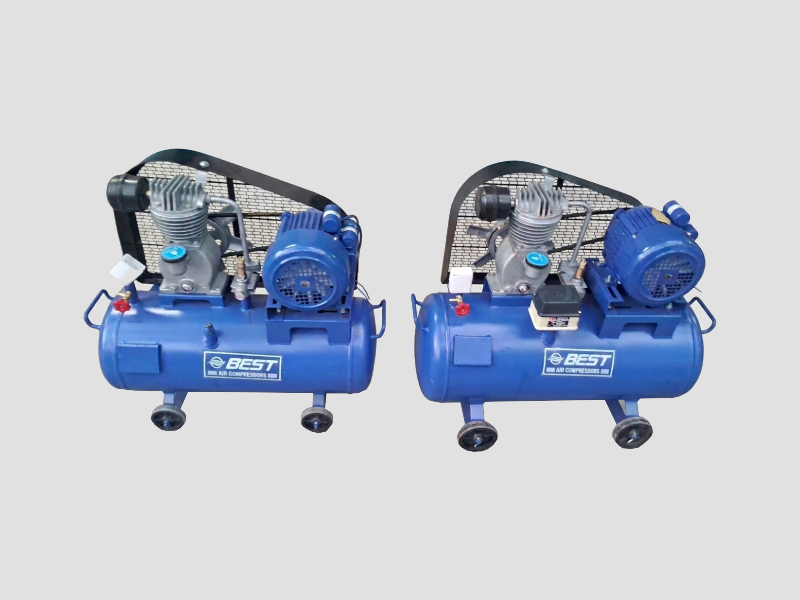
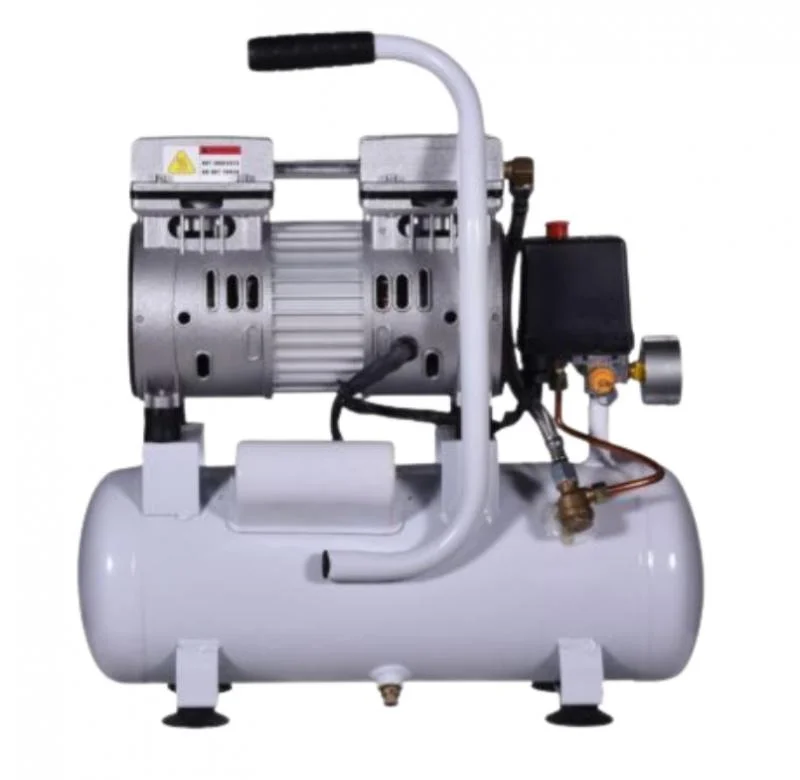
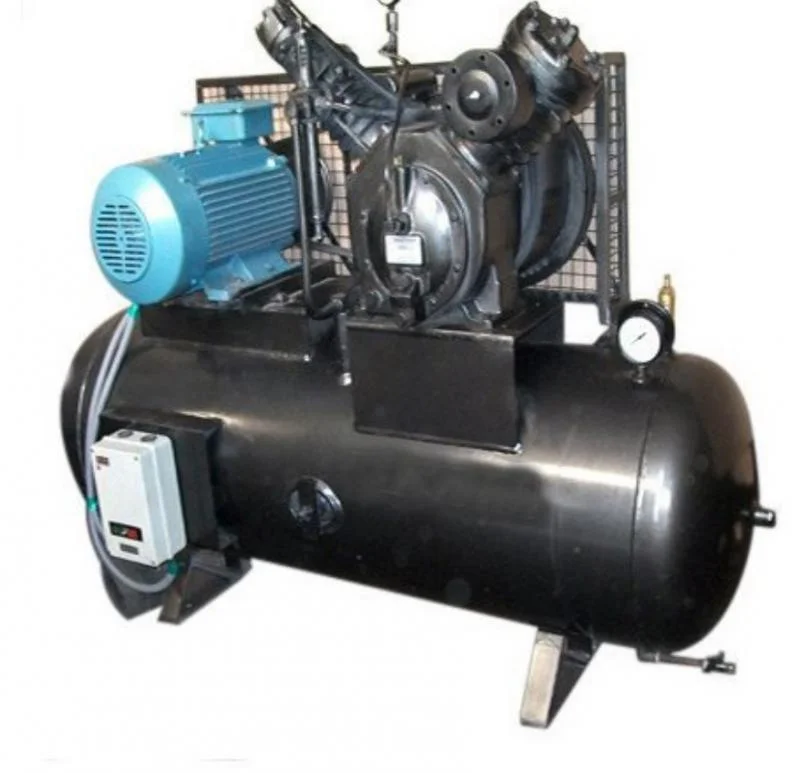
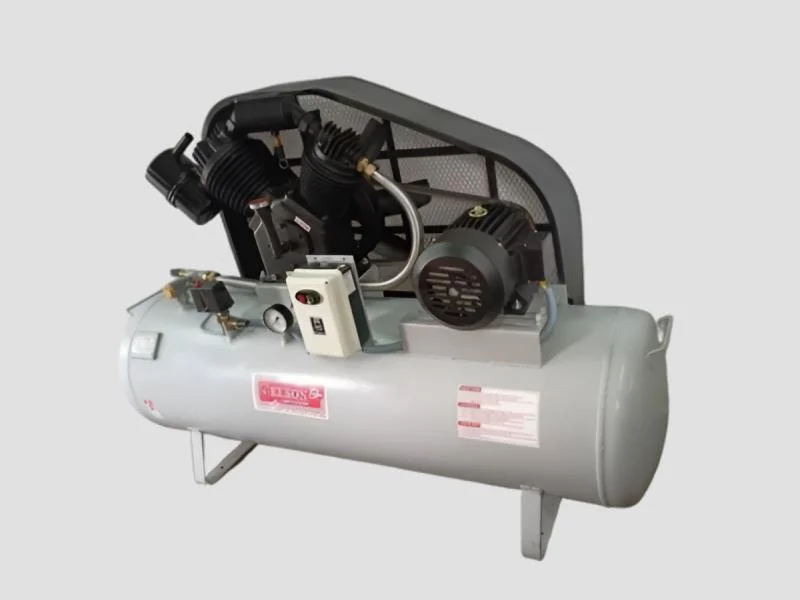
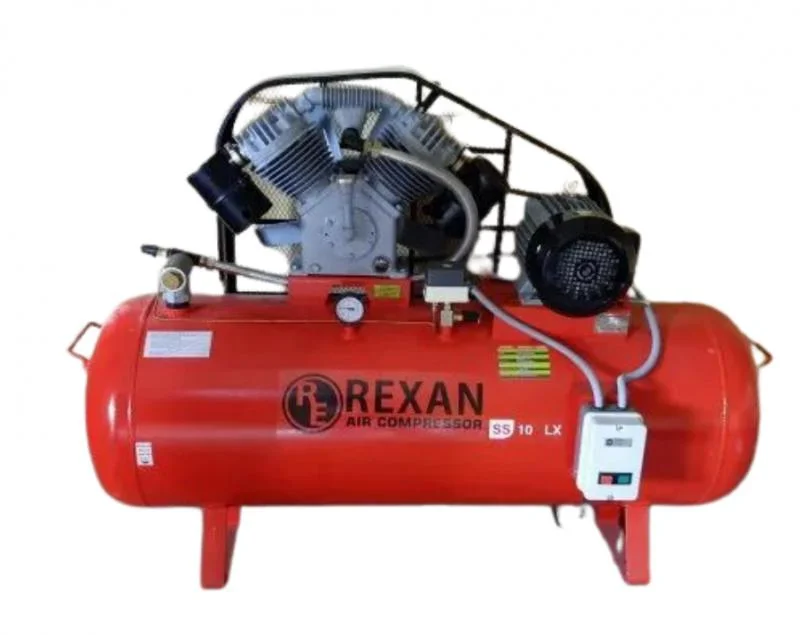
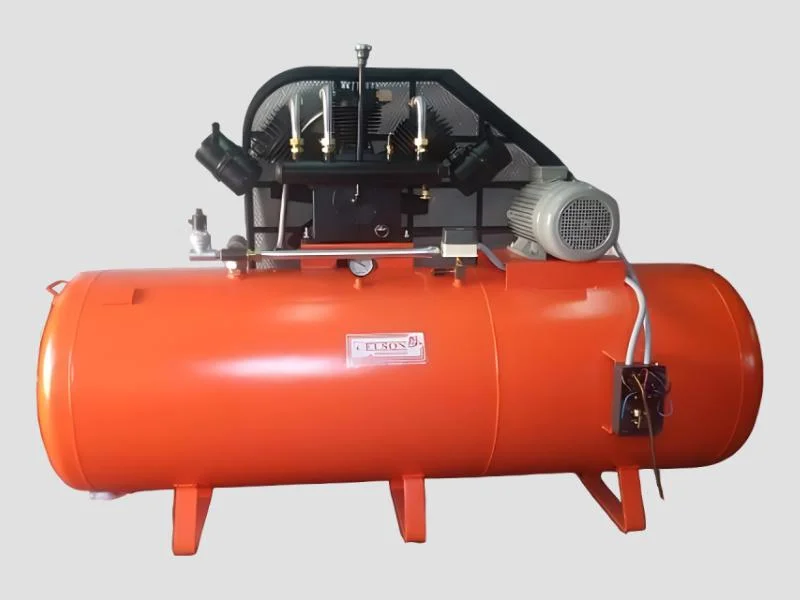
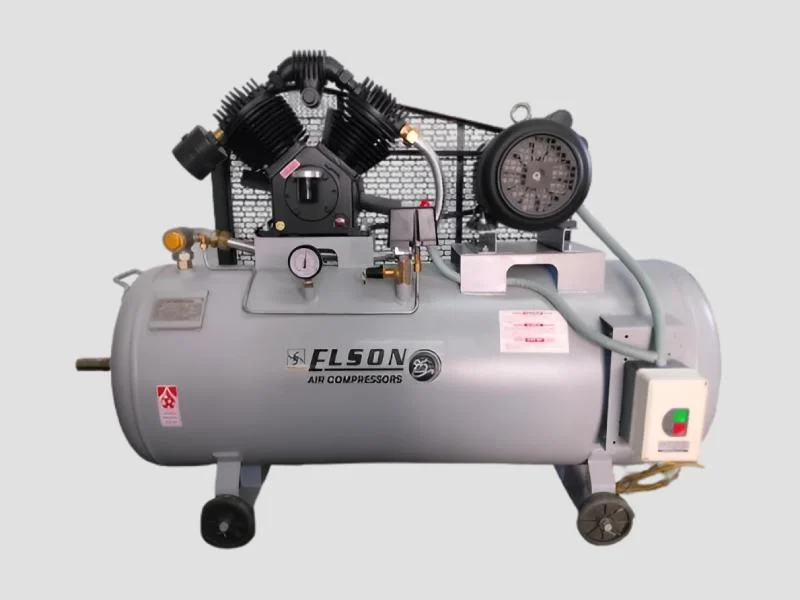
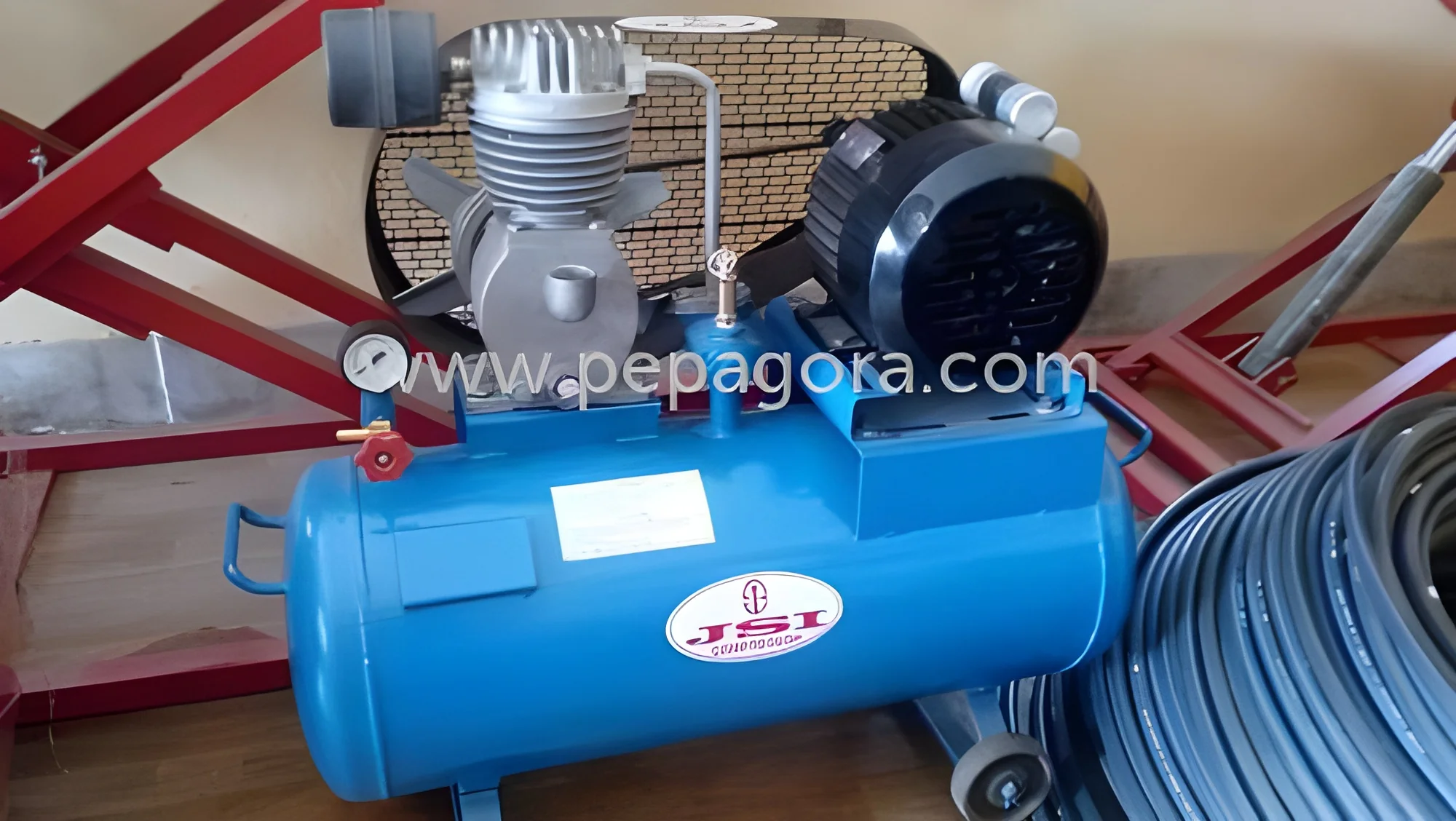
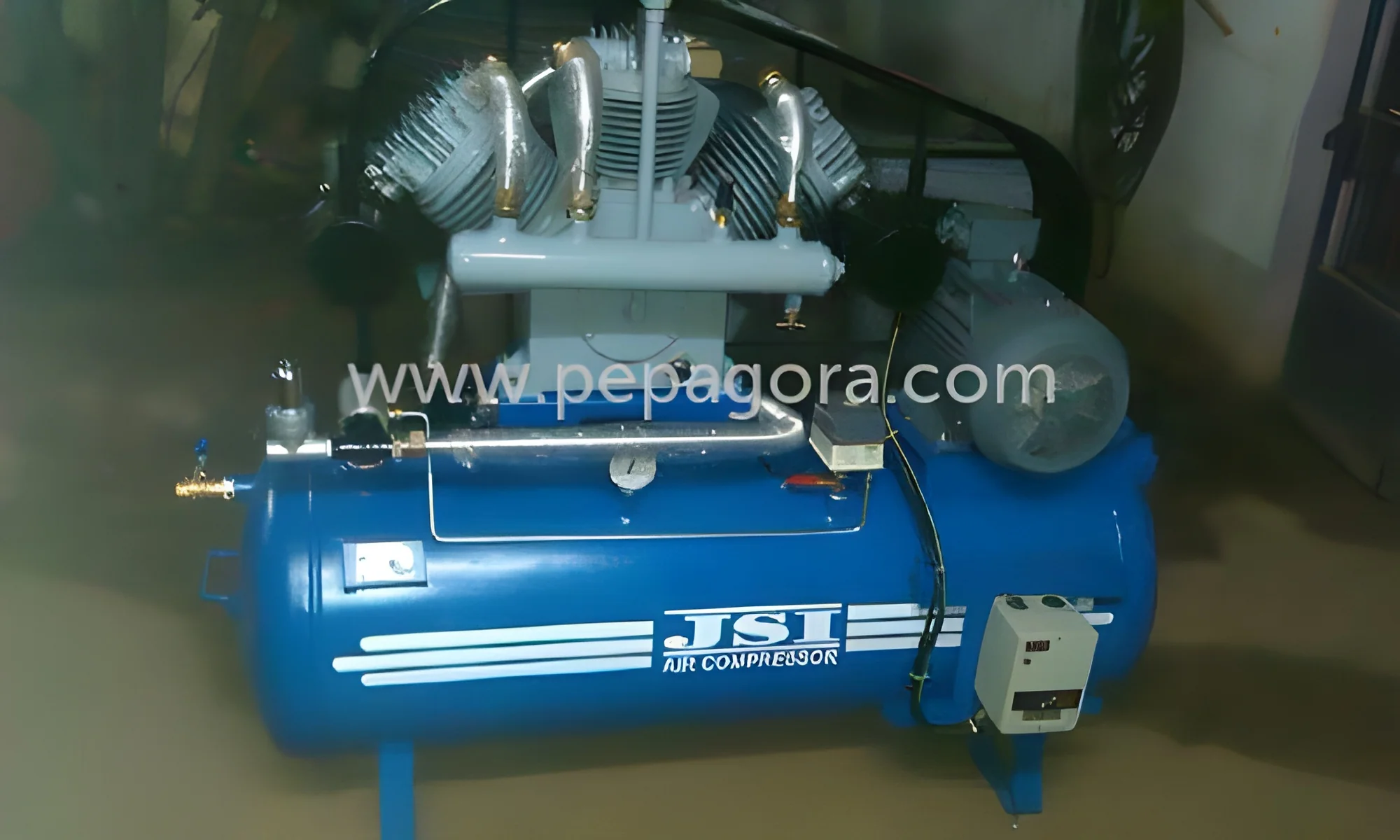
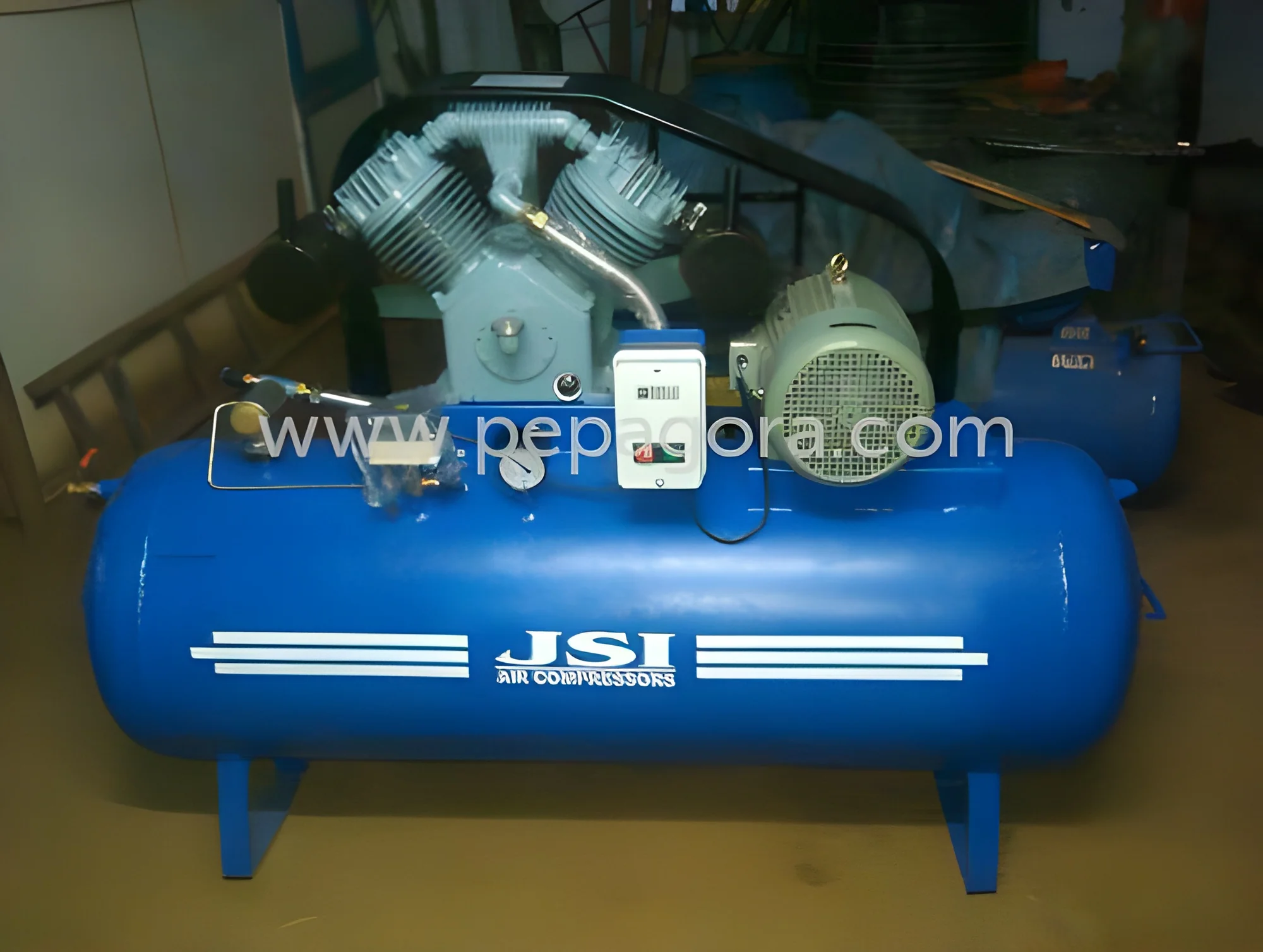
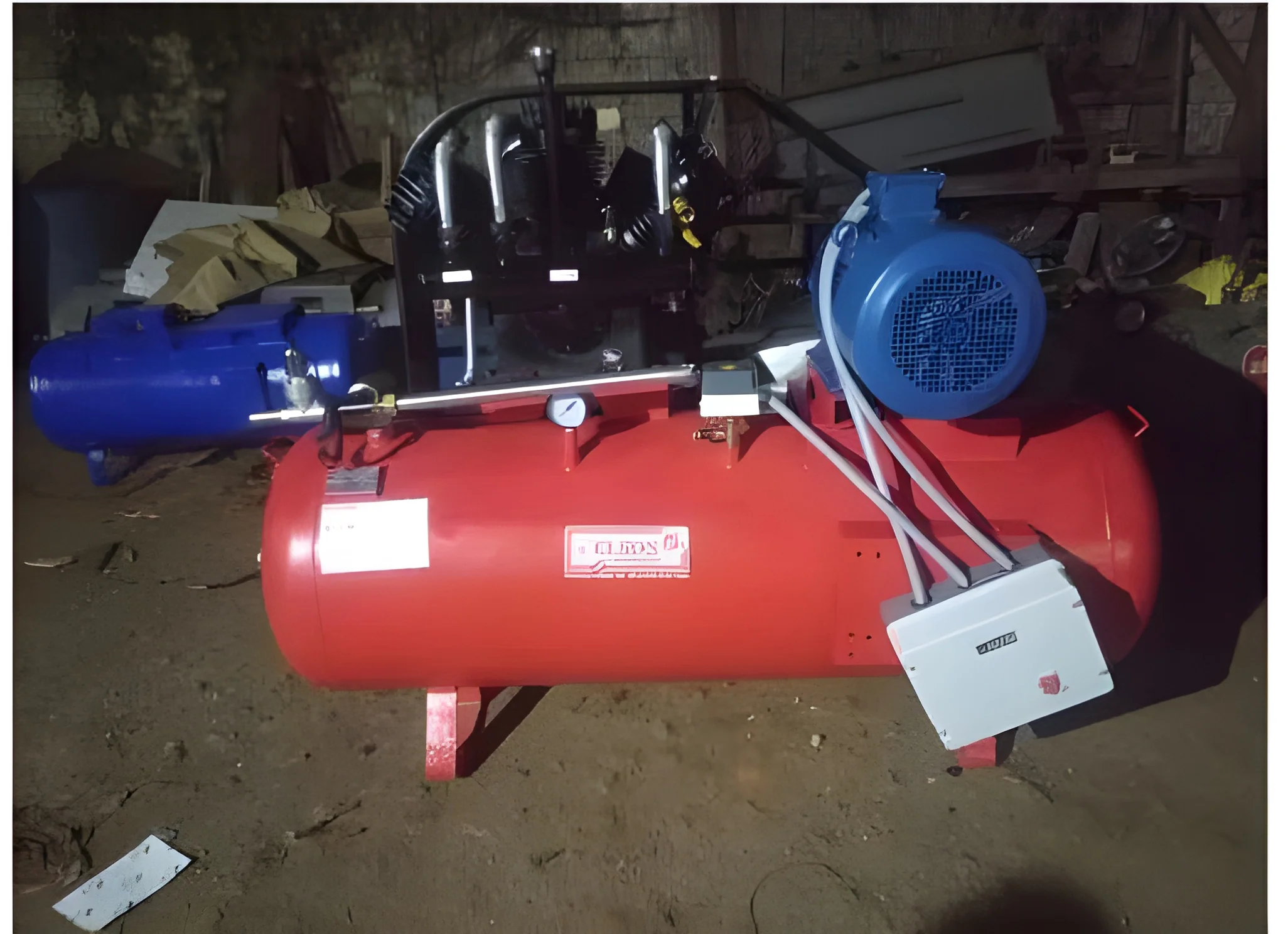
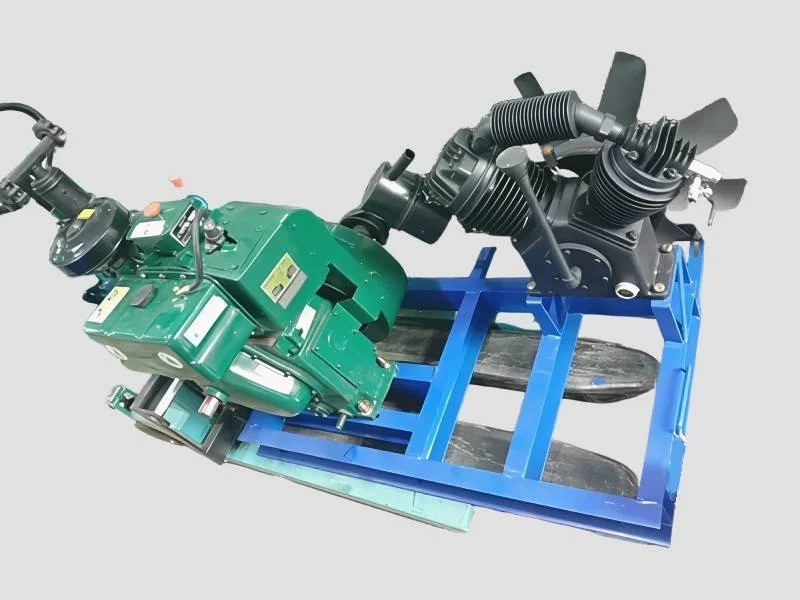
Reciprocating Air Compressors: These compressors utilize pistons to compress air and are suitable for small to medium-scale applications. They are known for their reliability and ease of maintenance.
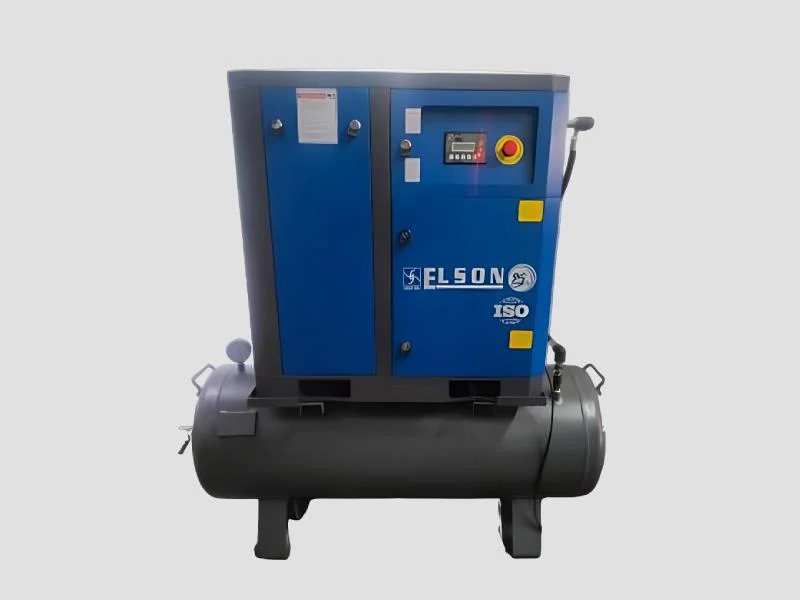
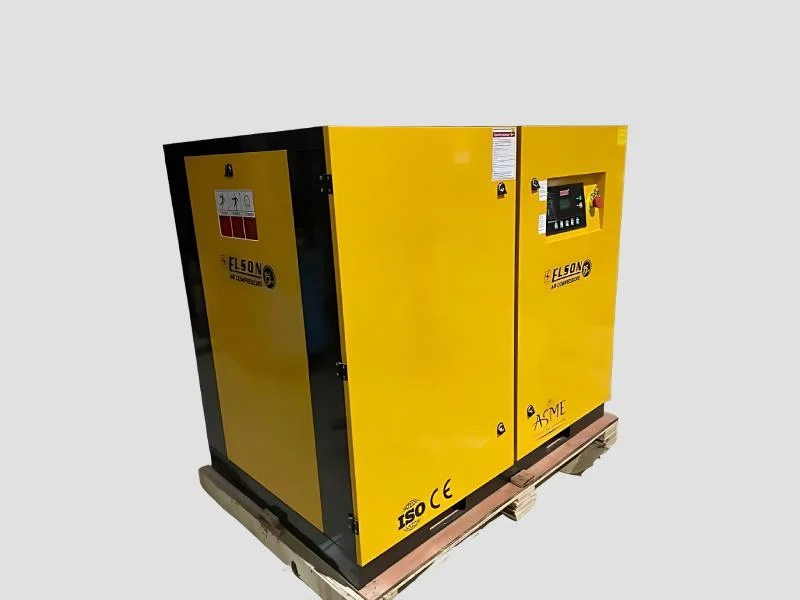
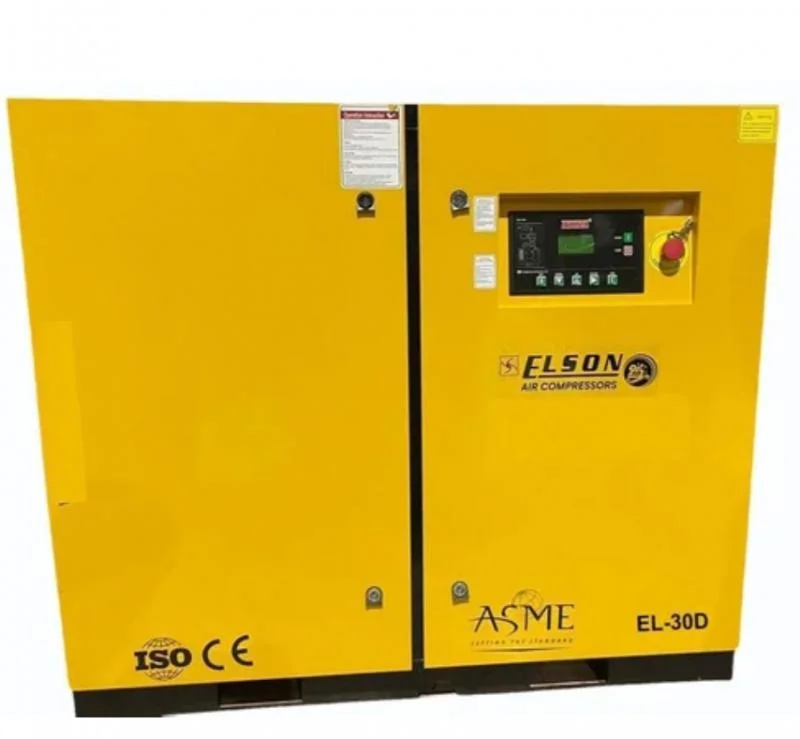
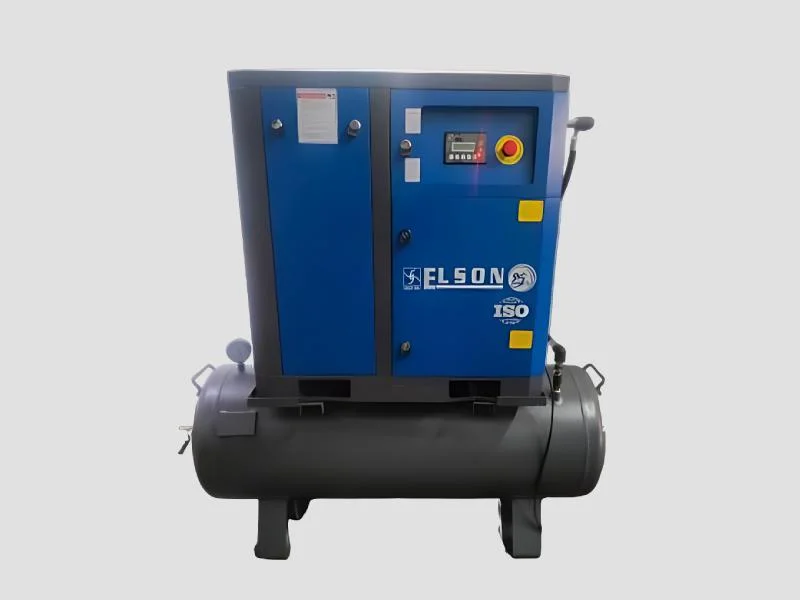
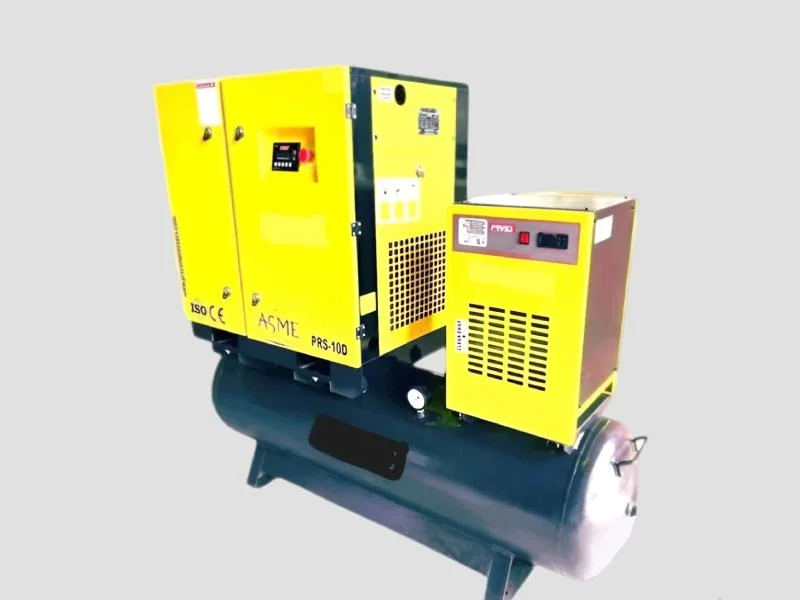
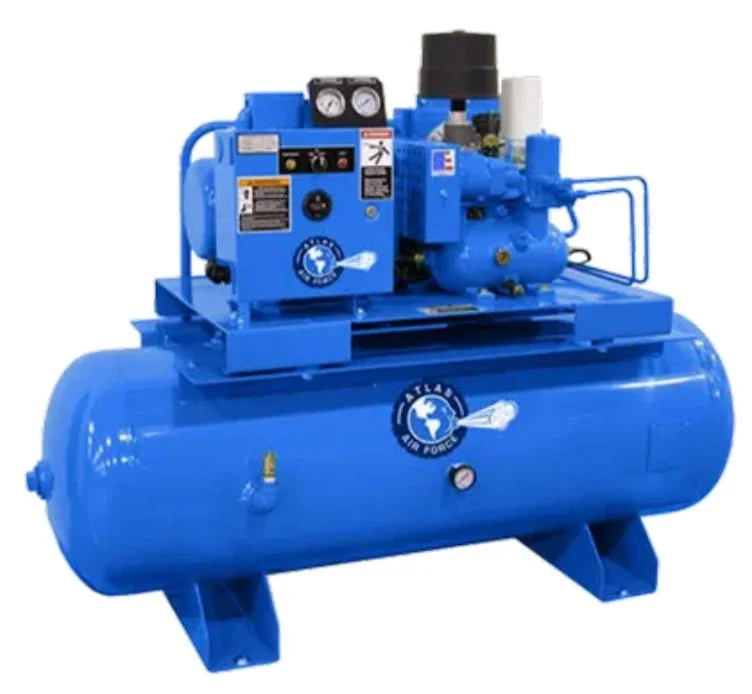
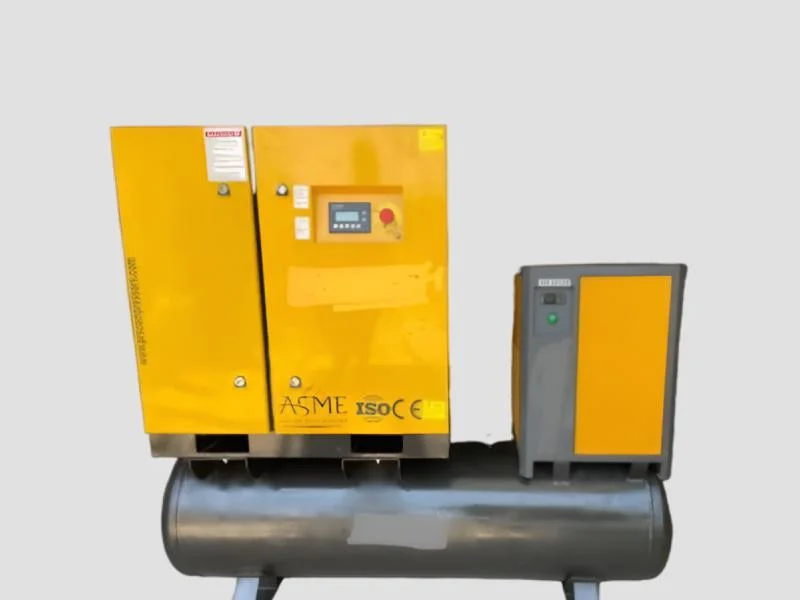
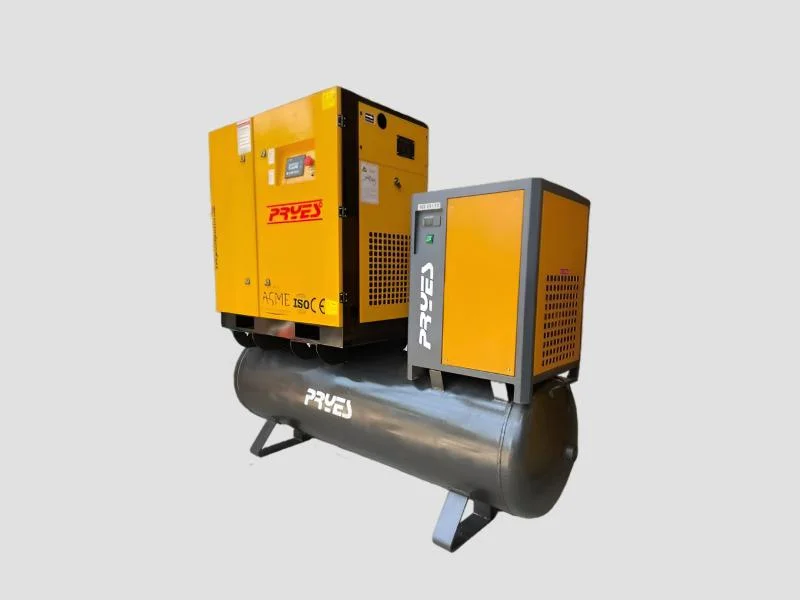
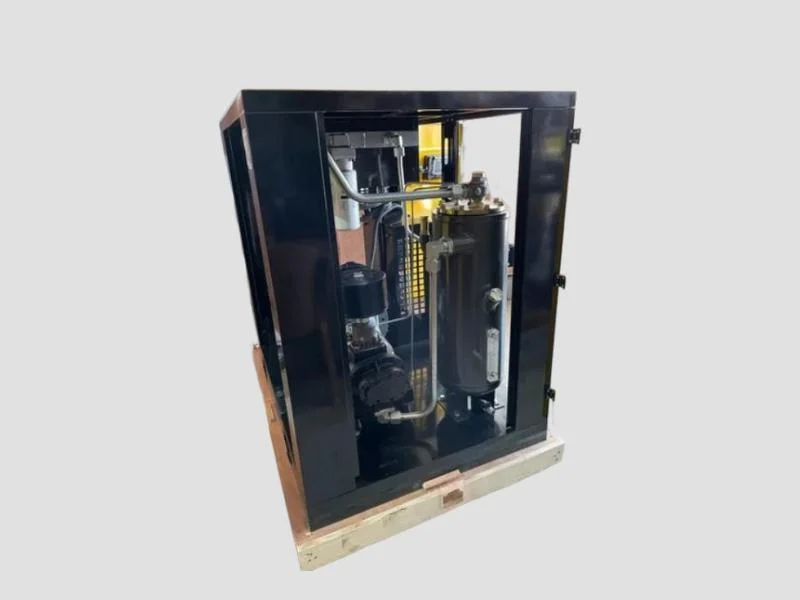
Rotary Screw Compressors: Designed for continuous operation, these compressors use rotating screws to compress air. They are ideal for large-scale industrial applications requiring consistent airflow.
Centrifugal Compressors: These high-capacity compressors are suited for applications needing large volumes of air at lower pressures. They are commonly used in power generation and large manufacturing facilities.
Benefits and Advantages
Investing in High Pressure Air Compressors offers numerous benefits for businesses seeking efficiency and reliability.
Key benefits include:
1. Increased Efficiency: High pressure air compressors provide consistent air supply, enhancing productivity in various operations.
2. Versatility: They can power a wide range of tools and equipment, making them suitable for diverse applications across industries.
3. Cost-Effectiveness: With efficient energy use, these compressors can reduce operational costs over time.
4. Reliability: High-quality compressors offer dependable performance, minimizing downtime and maintenance needs.
5. Enhanced Safety: Many modern compressors come with safety features to protect operators and equipment.
6. Scalability: Businesses can select models that fit their current needs while allowing for future expansion as demand increases.
Buying Guide for B2B Buyers
When sourcing High Pressure Air Compressors, it is essential to consider several factors to ensure a successful purchase.
1. Quality Assessment: Evaluate the build quality and performance specifications of the compressors. Look for models that meet industry standards and offer warranties.
2. Supplier Verification: Vet suppliers by checking their credentials, industry experience, and customer reviews. A reliable supplier ensures product quality and after-sales support.
3. Pricing and MOQ: Understand the pricing structure and minimum order quantities. Compare quotes from multiple suppliers to find the best deal.
4. Delivery and Lead Times: Inquire about delivery schedules and lead times to ensure timely acquisition of equipment for your operations.
5. Compliance Requirements: Ensure that any compressors purchased meet local and international compliance and safety standards.
Compliance and Certifications
High Pressure Air Compressors must adhere to various quality and safety standards to ensure their reliability and efficiency.
Relevant quality standards include ISO 9001, which focuses on quality management systems, ensuring that manufacturers maintain consistent quality in their products.
Industry certifications such as CE mark compliance indicate that the compressors meet European safety, health, and environmental protection standards.
Safety and testing requirements are crucial for ensuring that the compressors operate safely under high-pressure conditions.
Additionally, businesses must consider regional compliance, which may vary based on local regulations and industry standards.
Why Source High Pressure Air Compressors from Pepagora?
Pepagora provides a trusted platform for sourcing High Pressure Air Compressors with several key advantages.
Verified Supplier Network: Pepagora ensures that all suppliers are thoroughly vetted, verifying their credentials and product quality, which gives buyers confidence in their purchases.
Streamlined RFQ Process: The platform offers a straightforward request for quotation process, allowing buyers to easily compare prices and specifications from multiple suppliers.
Trade Assurance and Support: Pepagora offers buyer protection through trade assurance, which safeguards transactions, ensuring that buyers receive the quality products they expect.
Regional Coverage: With a strong presence in India, the GCC, and Southeast Asia, Pepagora connects buyers with suppliers across these regions, facilitating efficient sourcing and logistics.

 IN
IN