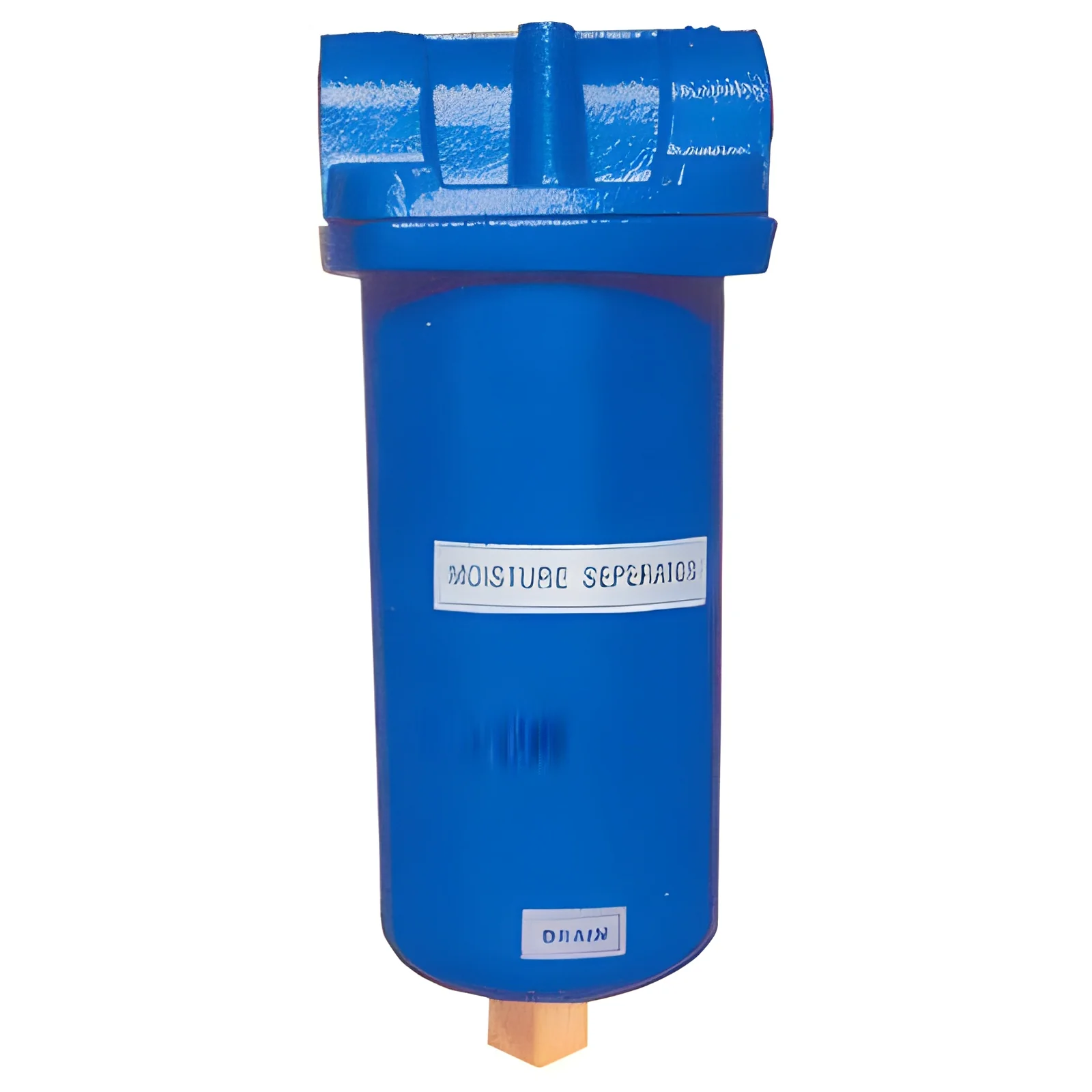
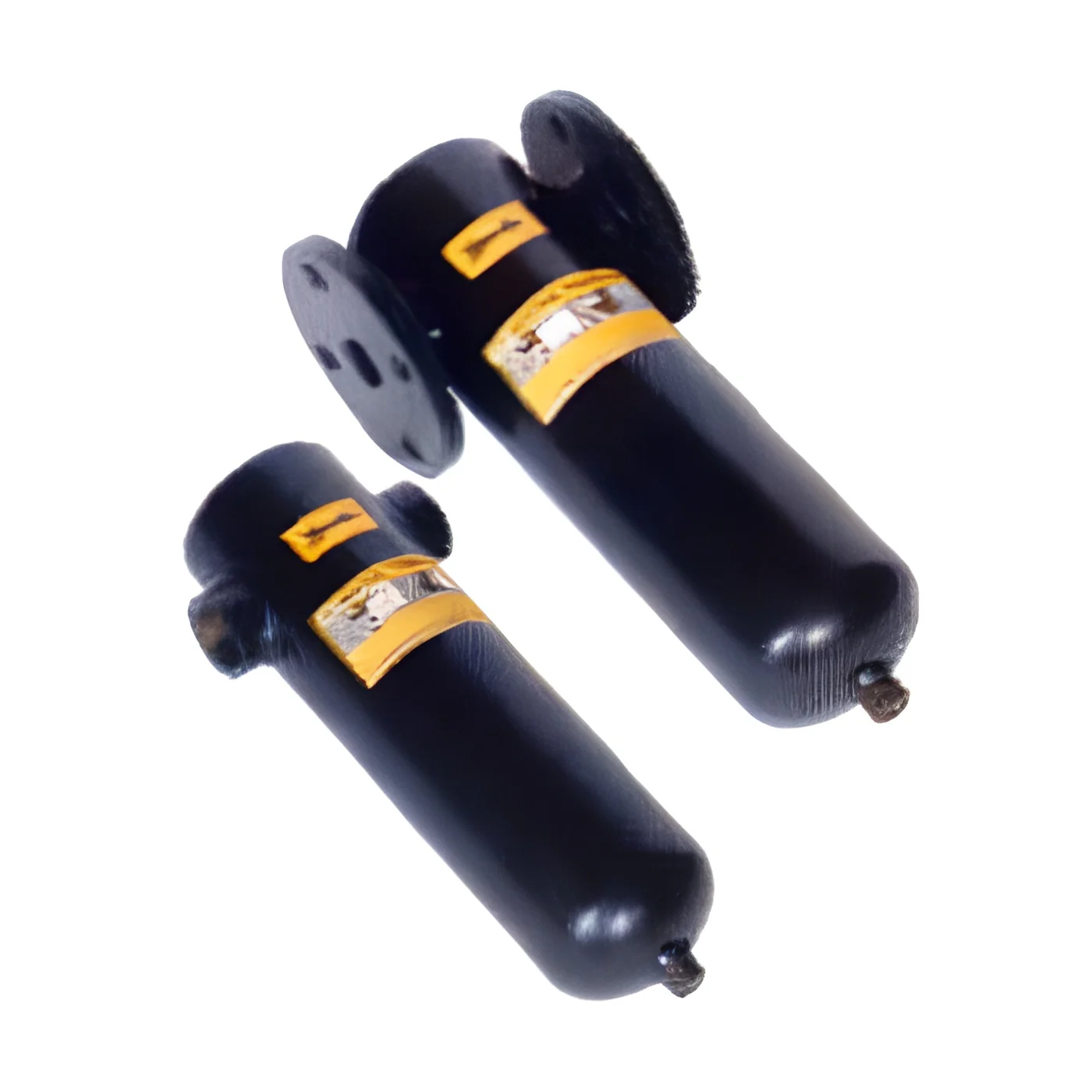
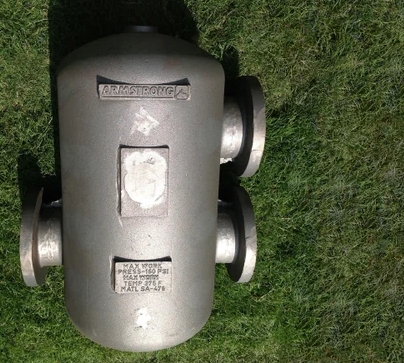
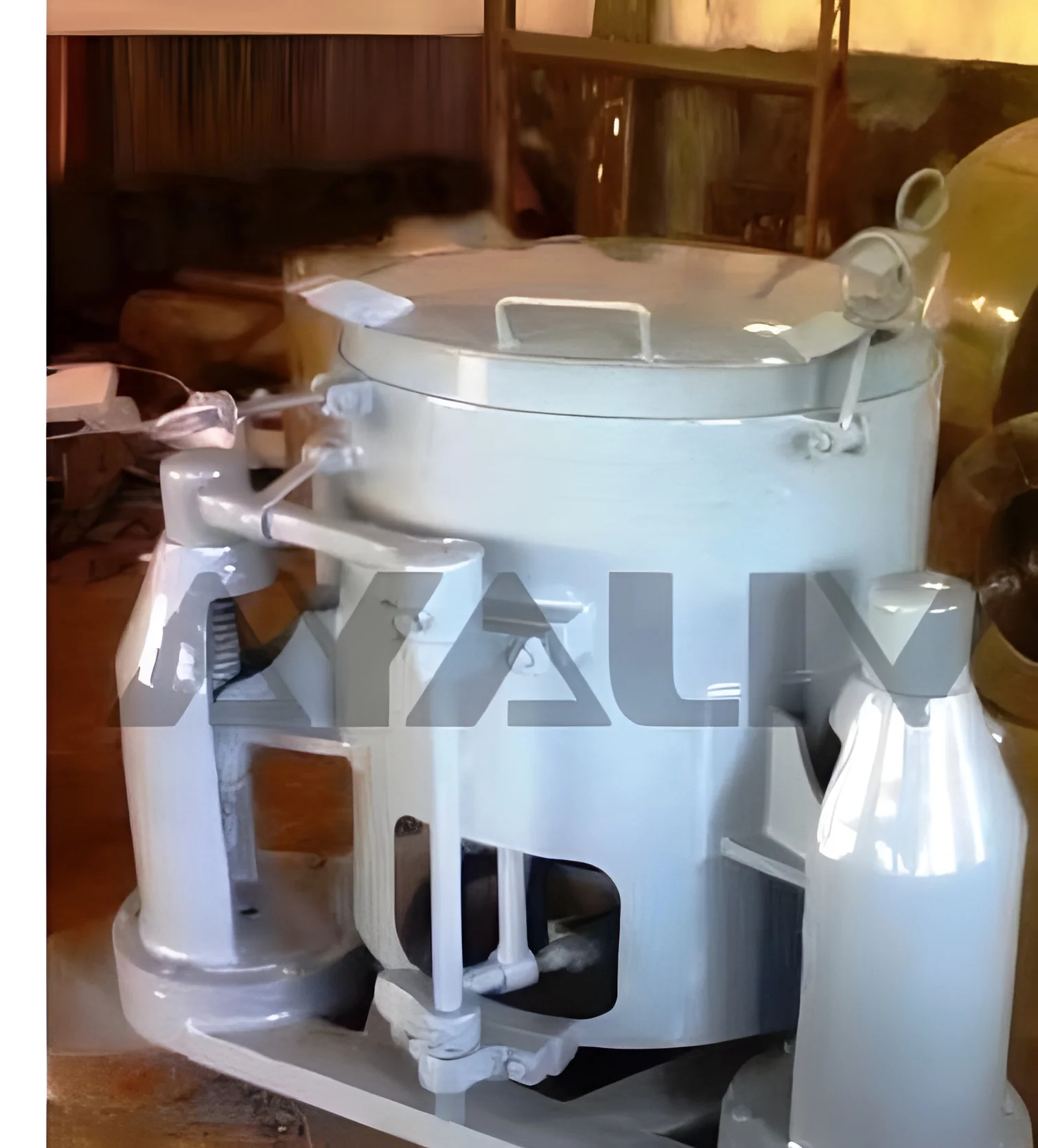
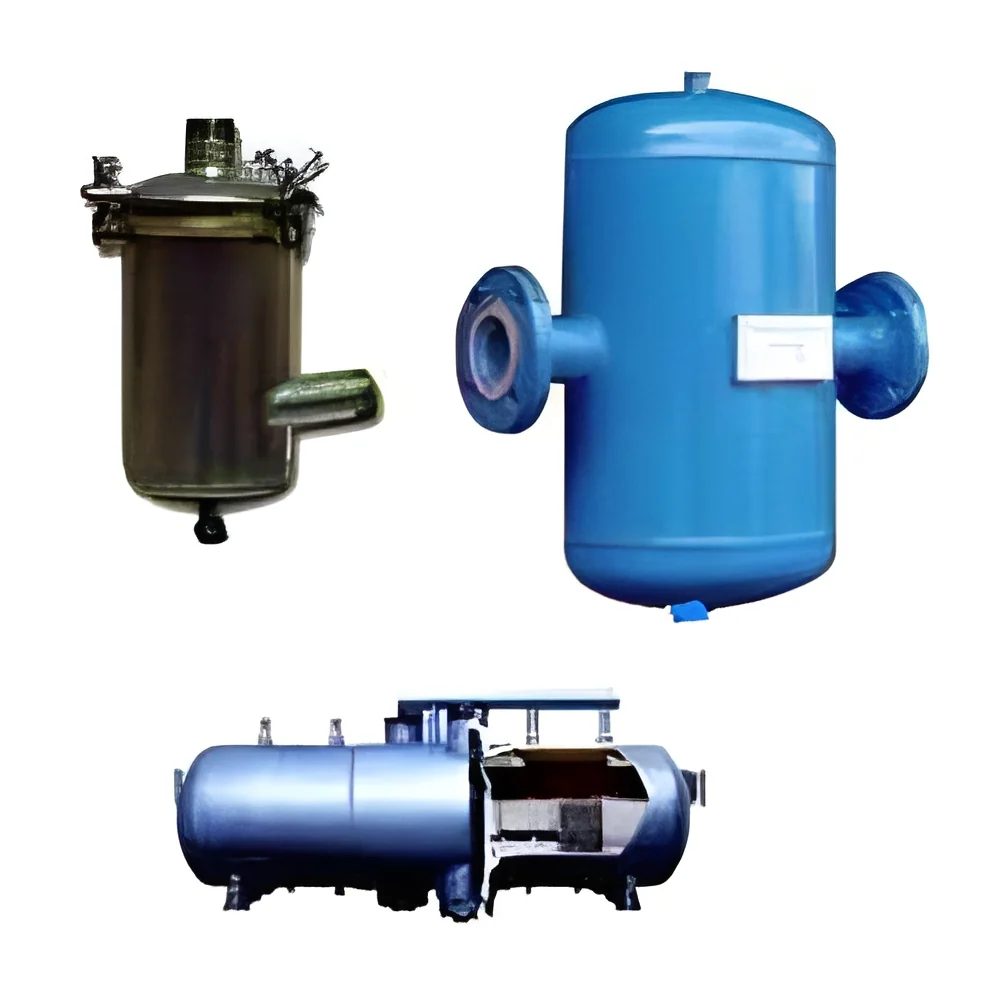
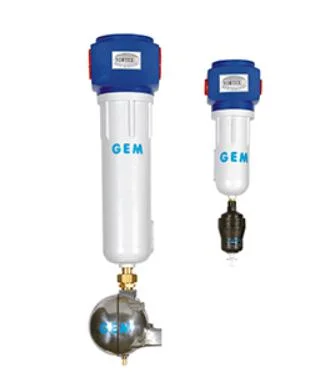
What are Moisture Separators?
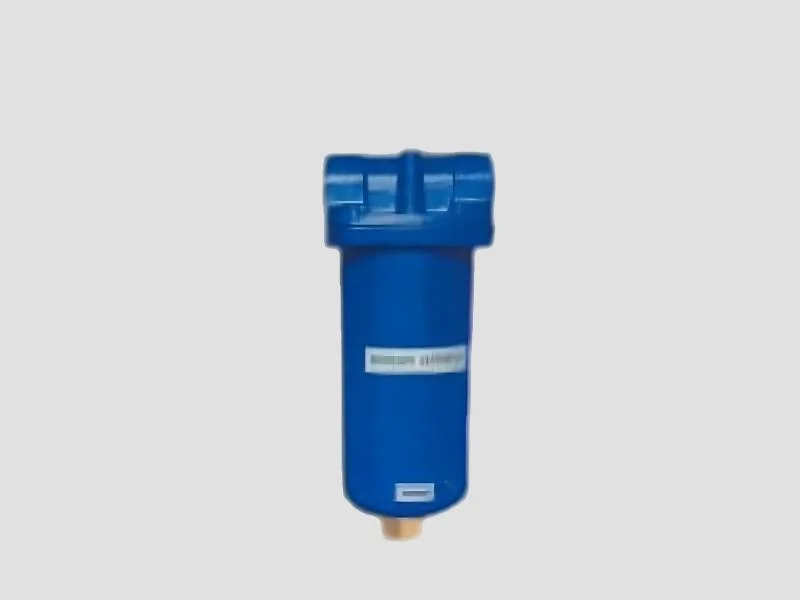
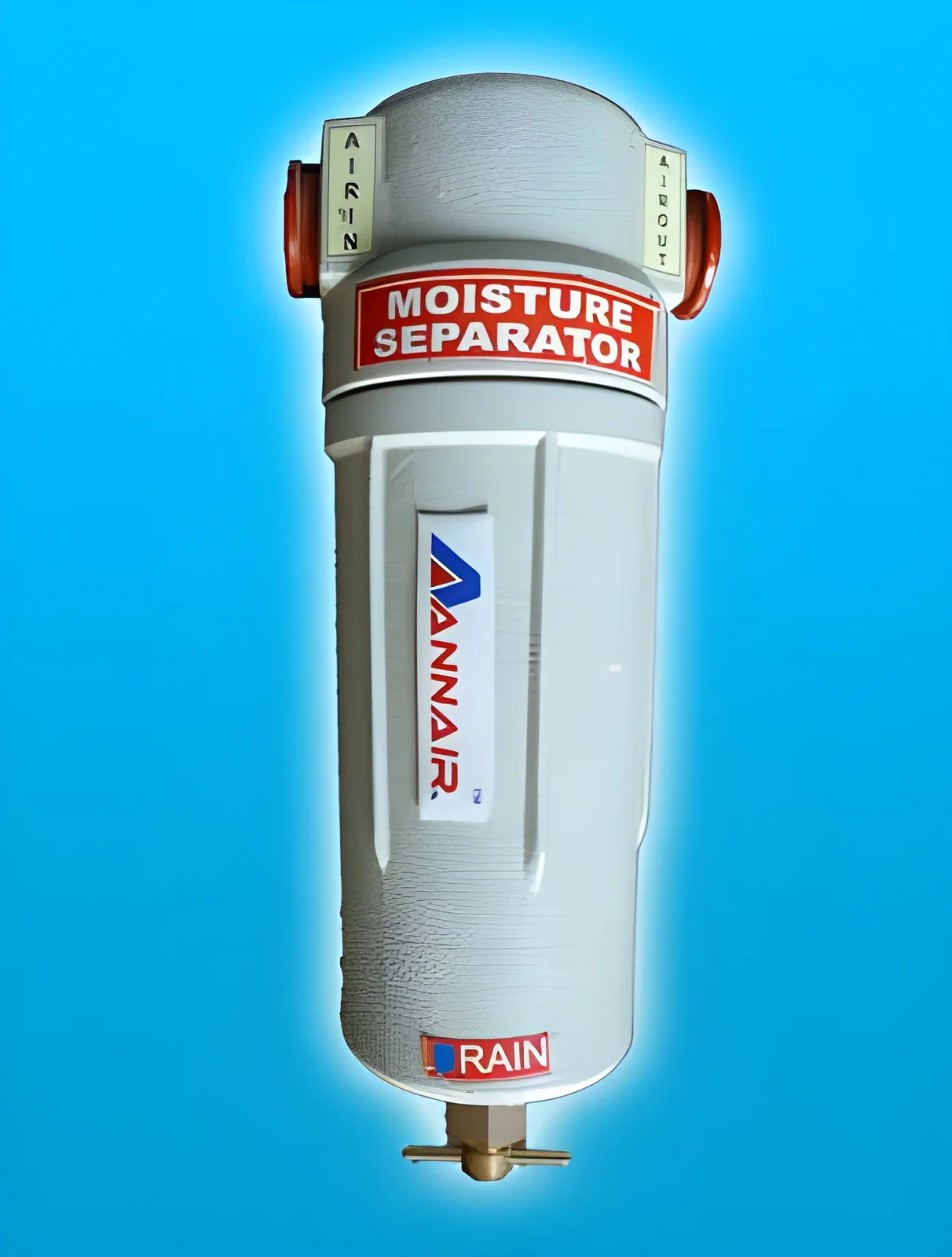
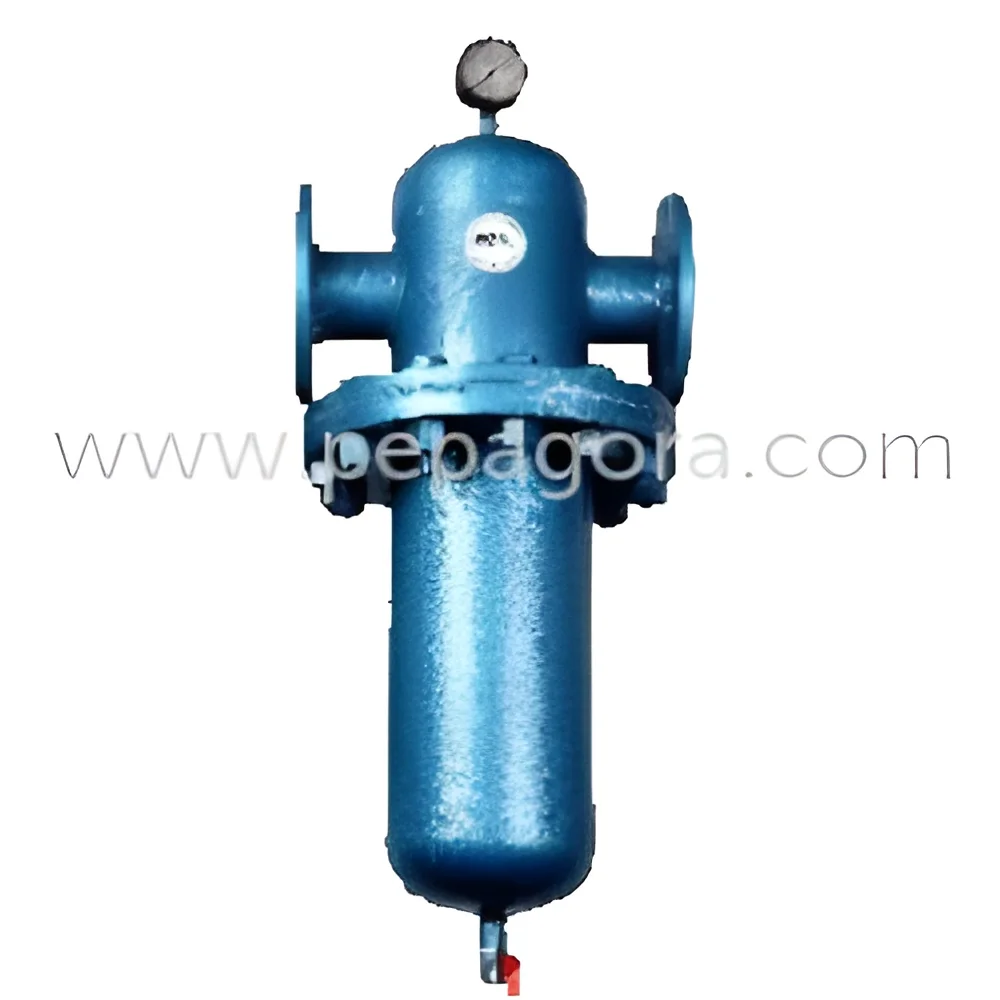
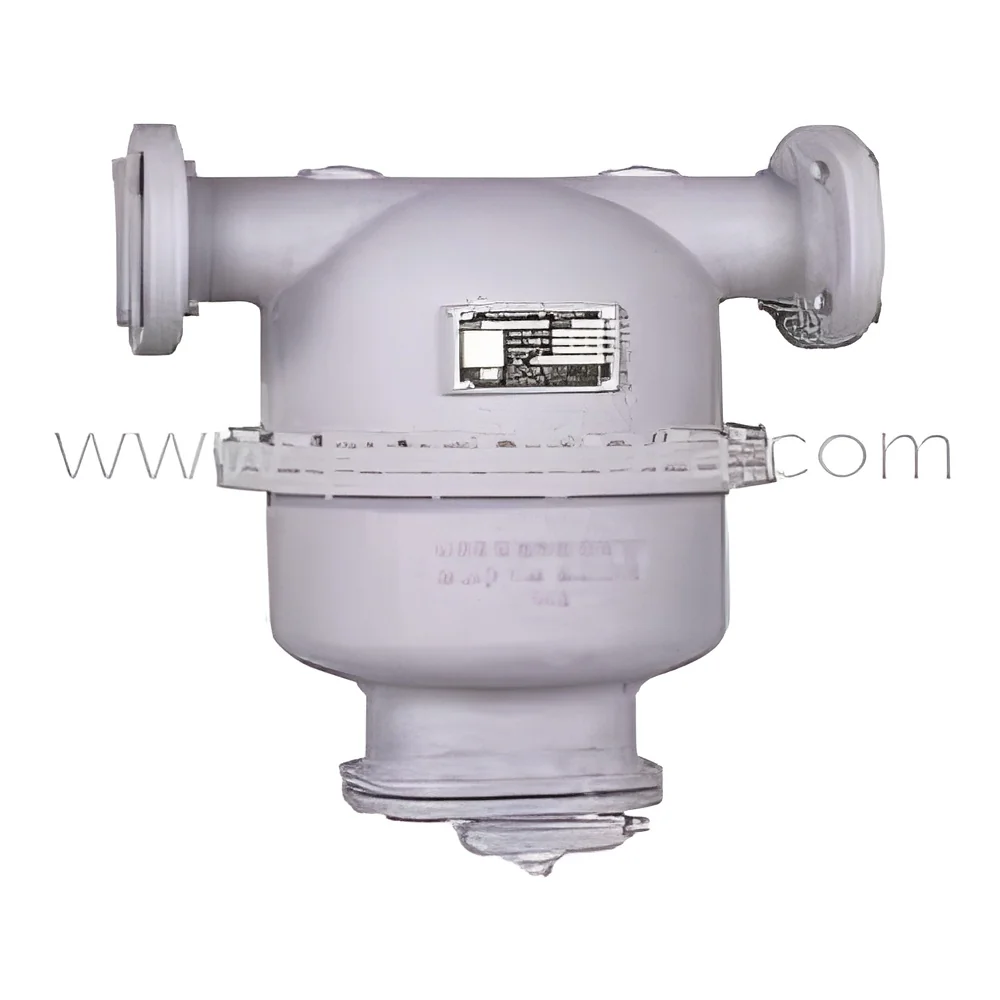
Moisture separators are essential components in various industrial applications, designed to remove moisture from gases or compressed air systems. They operate by using physical principles such as centrifugal force, gravity, or coalescing mechanisms to capture and eliminate water droplets. This process helps maintain the integrity of the system and ensures optimal performance of equipment.
These devices are widely utilized in industries where moisture can lead to significant operational issues, including manufacturing, petrochemicals, and food processing. By effectively removing water, moisture separators protect machinery from corrosion, enhance product quality, and improve overall system efficiency. Their relevance in the market is underscored by the growing demand for reliable moisture management solutions as industries increasingly focus on maximizing productivity and minimizing downtime.
Key Features and Specifications
Moisture separators come equipped with various features that enhance their performance and reliability. Understanding these specifications is crucial for selecting the right unit for specific applications.
Key specifications include:
1. Separation Efficiency
- This specification indicates the percentage of moisture removed from the air or gas stream.
- Typical efficiency ranges from 95% to 99.9%.
2. Operating Pressure Range
- Specifies the pressure levels within which the separator can function effectively.
- Common ranges are between 30 psi to 150 psi.
3. Temperature Range
- Refers to the suitable operating temperature for the moisture separator.
- Data not available for specific temperature ranges.
4. Flow Rate Capacity
- Indicates the maximum flow rate the separator can handle.
- Ranges can vary from 10 SCFM to over 500 SCFM depending on the model.
5. Construction Material
- The materials used in manufacturing the separator, which can include aluminum, stainless steel, or carbon steel.
- Selection often depends on the application and environmental factors.
6. Maintenance Requirements
- Details how often the separator needs to be serviced or cleaned.
- Many models are designed for low-maintenance operation.
7. Size and Dimensions
- Refers to the physical size of the moisture separator, which is important for installation.
- Compact designs are available for limited space applications.
8. Certifications
- Indicates compliance with industry standards, such as CE certification, ensuring quality and safety.
Overall, understanding these specifications helps businesses select the most suitable moisture separator for their operational needs.
Common Applications and Use Cases
Moisture separators are versatile devices used across numerous industries to enhance efficiency and protect equipment.
1. Manufacturing: In manufacturing facilities, moisture separators ensure that compressed air systems remain free of moisture, which can adversely affect product quality and machine performance.
2. Petrochemical: In petrochemical processing, moisture separators are critical for preventing water contamination, which can lead to costly downtime and equipment failure.
3. Food Processing: In this industry, moisture separators help maintain product integrity by keeping moisture levels in check, which is vital for food preservation and safety.
4. Pharmaceuticals: In pharmaceutical manufacturing, maintaining a dry environment is essential for product quality and compliance with regulatory standards.
5. Construction: Moisture separators are used on construction sites to provide clean, dry air for pneumatic tools, enhancing their efficiency and longevity.
6. Automotive: In automotive applications, moisture separators help protect sensitive components from water damage during assembly and testing.
7. HVAC: In heating, ventilation, and air conditioning systems, moisture separators play a vital role in ensuring that air remains dry, promoting system efficiency and comfort.
Product Variants and Subcategories
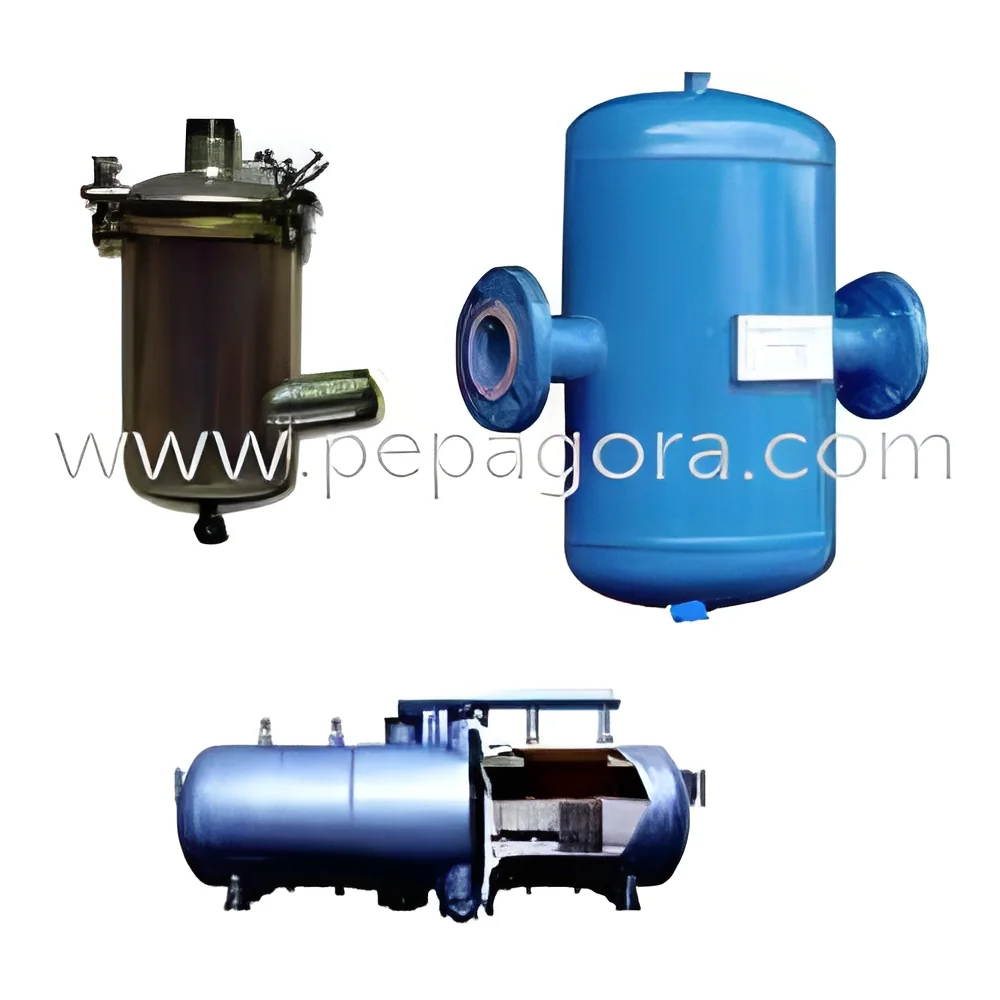
Moisture separators come in various designs to cater to different industry needs. Each variant is tailored for specific applications, providing flexibility in selection.
Coalescing Moisture Separator: This variant uses coalescing filters to capture moisture droplets effectively. It is ideal for applications requiring high separation efficiency and is commonly used in compressed air systems.
Cyclone Moisture Separator: Utilizing centrifugal force, this separator efficiently removes moisture from air or gas streams. It is suitable for high-flow applications and is often found in industrial settings.
Automatic Drain Moisture Separator: Designed with an automatic drain feature, this variant expels collected water without manual intervention. It is ideal for continuous operation in environments where moisture accumulation is a concern.
Benefits and Advantages
Moisture separators offer numerous benefits that enhance operational efficiency and equipment longevity.
Key benefits include:
1. Equipment Protection: By removing moisture, these separators help prevent corrosion and damage to machinery, extending the lifespan of costly equipment.
2. Improved Product Quality: Moisture control ensures that products are manufactured without contamination, leading to higher quality outputs.
3. Increased Efficiency: With a reliable moisture management system in place, machinery operates more efficiently, reducing energy consumption and operational costs.
4. Reduced Downtime: By preventing moisture-related failures, businesses experience less downtime, thereby improving productivity.
5. Compliance Assurance: Using moisture separators helps companies meet industry standards and regulatory requirements, particularly in sectors like pharmaceuticals and food processing.
6. Versatile Applications: Their adaptability allows moisture separators to be used in a wide range of industries, making them a valuable asset for diverse operations.
Buying Guide for B2B Buyers
When sourcing moisture separators, businesses should consider several critical factors that influence their purchasing decision.
1. Quality Assessment: Evaluate the construction and performance specifications of moisture separators. Look for certifications like CE to ensure compliance with industry standards.
2. Supplier Verification: Vet potential suppliers by checking their reputation, customer reviews, and history of delivering quality products. A reliable supplier is key to long-term success.
3. Pricing and MOQ: Understand the pricing structure and minimum order quantities (MOQ) offered by suppliers. This ensures that the purchase aligns with budget constraints and operational needs.
4. Delivery and Lead Times: Inquire about the expected delivery times and logistics involved. Timely delivery is essential for maintaining operational schedules.
5. Compliance Requirements: Ensure that the selected moisture separators meet all necessary regulatory and safety standards relevant to your industry, which can vary by region.
Compliance and Certifications
Moisture separators must adhere to various quality standards and certifications to ensure safety and reliability. Compliance with ISO 9001 standards is critical as it signifies a commitment to quality management systems.
Industry certifications, such as CE, indicate that products meet European safety and environmental requirements. This is particularly important for moisture separators used in sensitive applications such as food processing and pharmaceuticals.
Additionally, safety and testing requirements should be considered, as they ensure the products are rigorously evaluated for performance under various conditions. Regional compliance considerations may also vary, necessitating a thorough understanding of local regulations.
Why Source Moisture Separators from Pepagora?
Pepagora is a trusted platform for sourcing moisture separators, offering a range of advantages to B2B buyers.
Verified Supplier Network: Pepagora connects buyers with a network of verified suppliers, ensuring that only reputable manufacturers are listed. This reduces risks associated with procurement.
Streamlined RFQ Process: The platform facilitates an easy request for quotation (RFQ) process, allowing buyers to compare multiple suppliers and make informed decisions quickly.
Trade Assurance and Support: Pepagora provides trade assurance features that protect buyers during transactions, ensuring that they receive quality products as promised.
Regional Coverage: With a strong presence in India, the GCC, and Southeast Asia, Pepagora offers extensive geographic reach, enabling buyers to source moisture separators tailored to their specific regional needs.

 IN
IN