What are Medical Air Compressors?
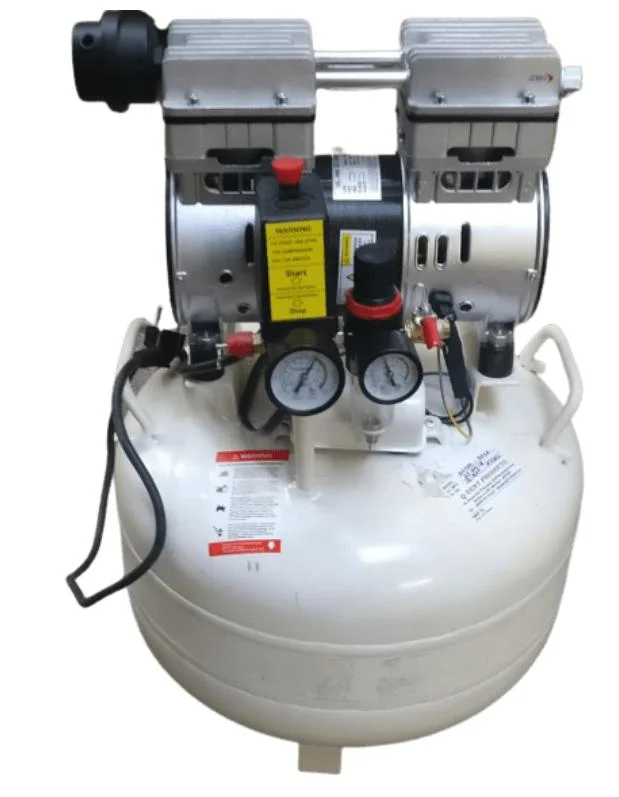
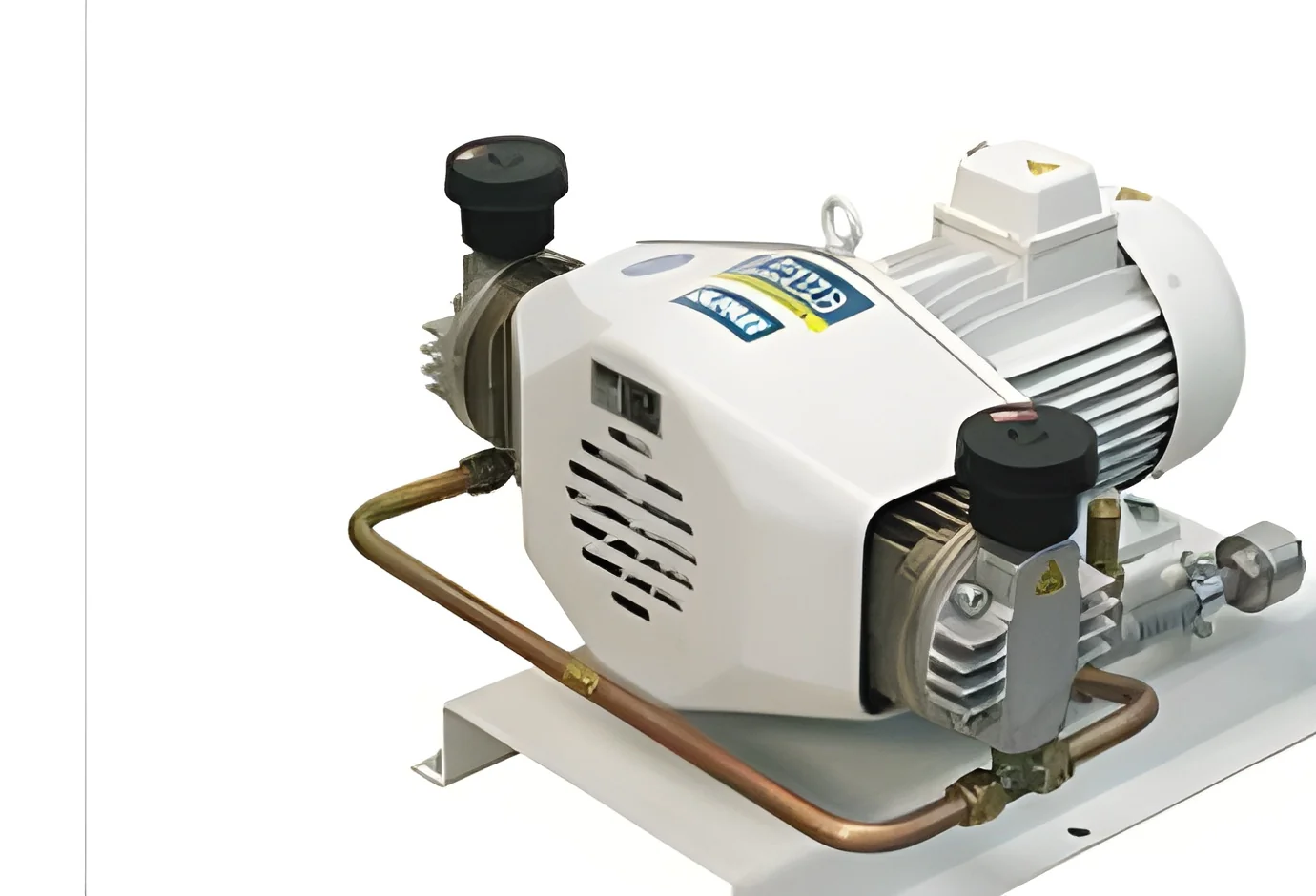
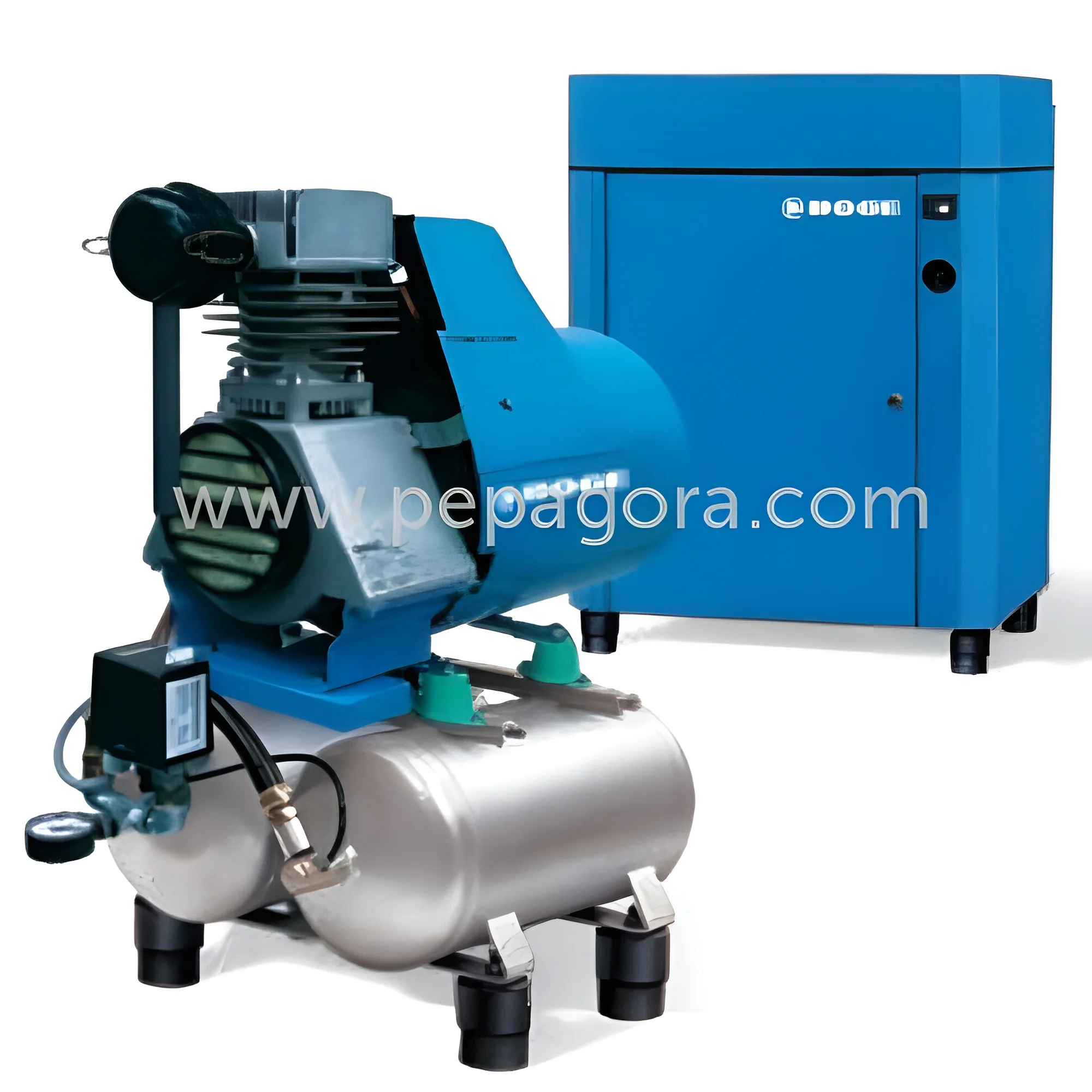
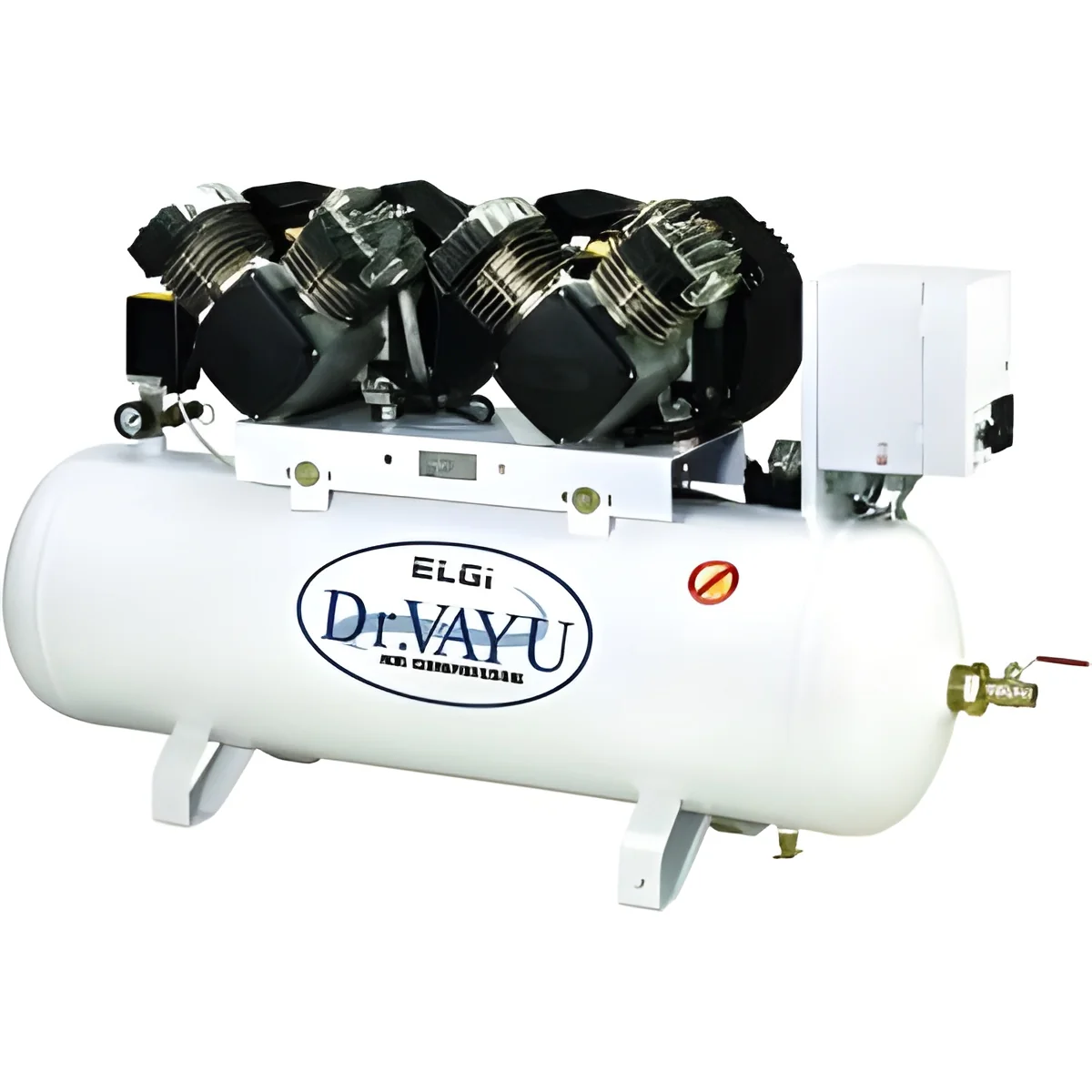
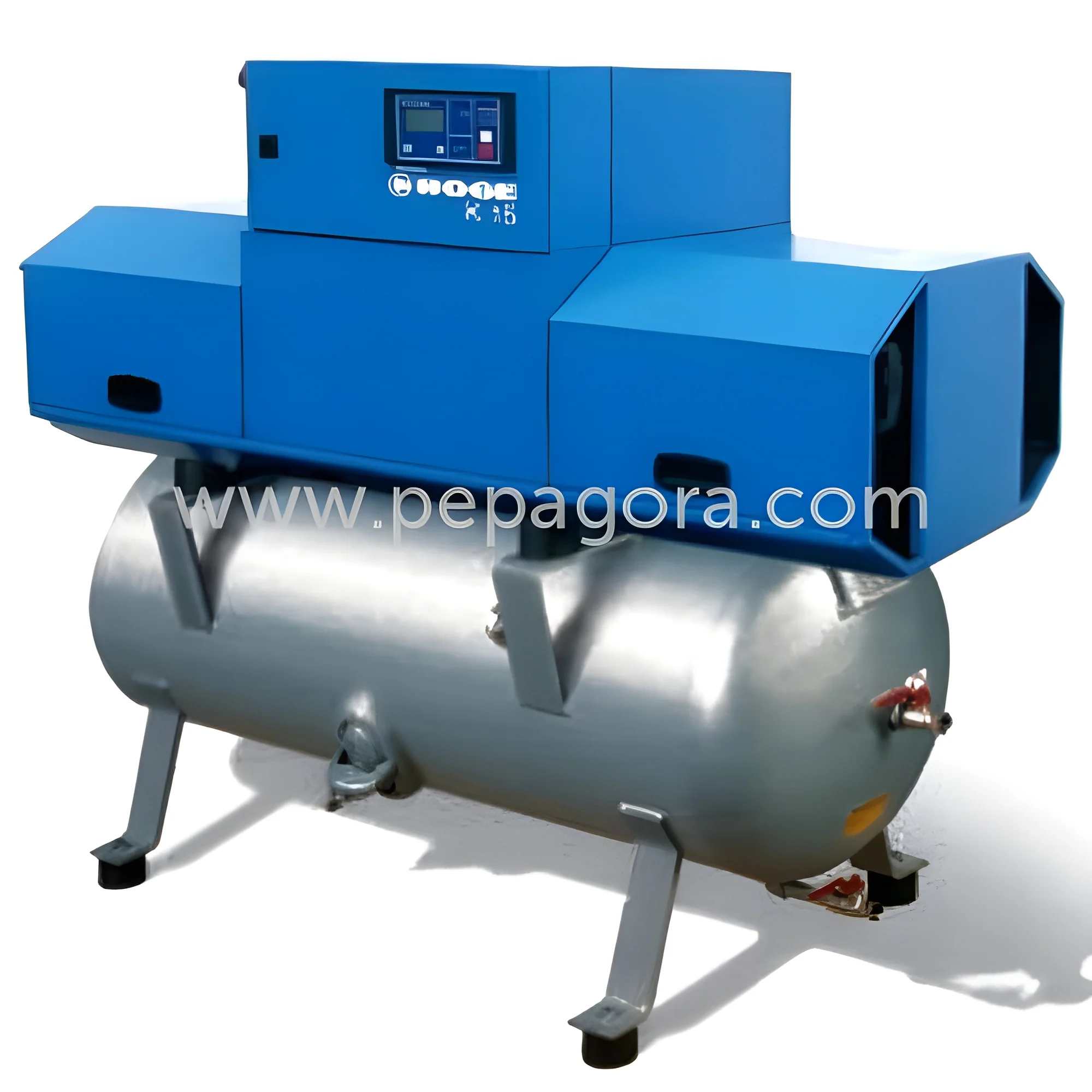
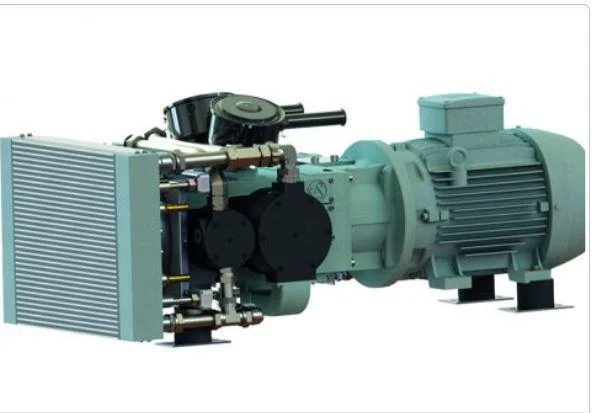
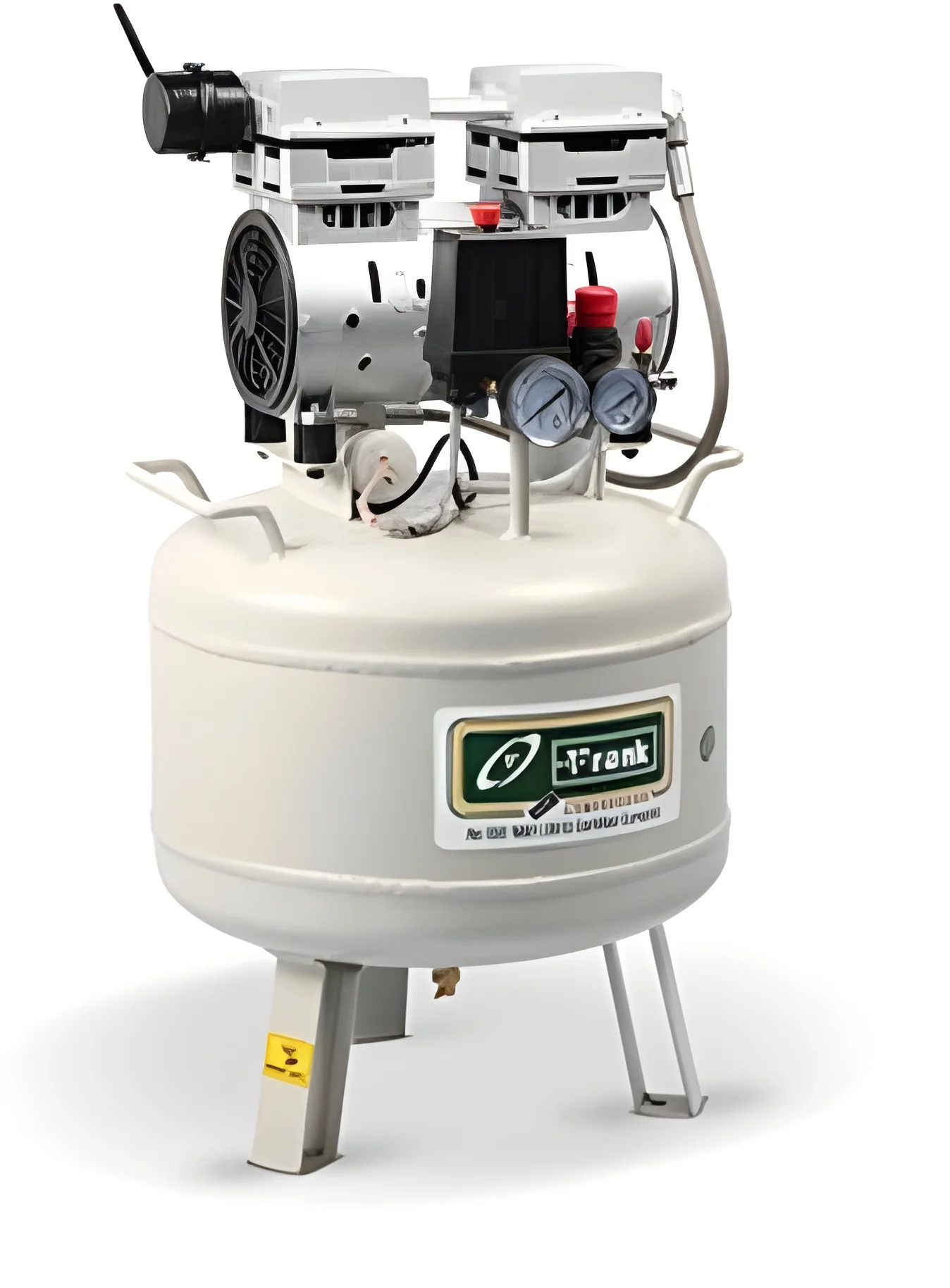
Medical air compressors are specialized devices designed to generate and supply compressed air for various medical applications. These compressors operate by drawing in ambient air and compressing it to a higher pressure, making it suitable for medical use. They are engineered to meet strict quality and safety standards, ensuring that the air produced is free from contaminants and suitable for patient care.
The primary uses of medical air compressors include powering pneumatic medical equipment, providing respiratory therapy, and supplying air to surgical instruments. They are commonly found in hospitals, clinics, and dental offices. In these settings, reliable and clean compressed air is critical for maintaining patient safety and the effectiveness of medical procedures. The relevance of medical air compressors in the healthcare industry continues to grow, particularly as more healthcare facilities adopt advanced technologies and prioritize patient care.
Key Features and Specifications
Medical air compressors come equipped with several key features that enhance their performance and reliability. Understanding these specifications is essential for selecting the right compressor for your needs.
Key specifications include:
1. Flow Rate
- The flow rate indicates the volume of air delivered per minute.
- Typical ranges are from 10 to 100 liters per minute.
2. Maximum Pressure
- This specification denotes the highest pressure the compressor can achieve.
- Common maximum pressures range from 4 to 8 bar.
3. Noise Level
- Noise level affects the working environment, especially in hospitals.
- Many medical air compressors operate at noise levels below 60 decibels.
4. Power Supply
- Medical air compressors typically operate on standard electrical supply.
- Common voltage ratings include 110V, 220V, and 380V.
5. Tank Capacity
- The tank capacity influences the volume of compressed air stored for use.
- Capacities usually range from 2 to 50 liters.
6. Filtration System
- A quality filtration system ensures the air is free from contaminants.
- Multi-stage filtration is common for improved air quality.
7. Portability
- Some models are designed for easy transport.
- Features may include wheels and lightweight construction.
8. Maintenance Requirements
- Regular maintenance is crucial for optimal performance.
- Specifications often indicate recommended service intervals.
In summary, understanding these key features and specifications can greatly assist in making an informed decision when selecting a medical air compressor.
Common Applications and Use Cases
Medical air compressors serve various industries, each with specific applications that rely on their functionality.
1. Hospitals: In hospitals, medical air compressors are used to power ventilators and anesthesia machines, ensuring a continuous supply of clean air for patient care.
2. Dental Clinics: Dental practices utilize medical air compressors to operate tools like air turbines and suction devices, providing essential support for various dental procedures.
3. Pharmaceutical Production: In the pharmaceutical industry, these compressors are used in production processes that require precise air pressure and cleanliness.
4. Home Healthcare: Home healthcare devices, such as nebulizers and CPAP machines, often rely on medical air compressors for respiratory support.
5. Veterinary Clinics: Veterinary practices use medical air compressors for anesthesia and sedation equipment, ensuring safe procedures for animal patients.
6. Research Laboratories: Laboratories use these compressors in experiments and processes requiring controlled air pressure and quality.
7. Rehabilitation Centers: In rehabilitation settings, medical air compressors support various therapeutic devices that assist patient recovery.
Product Variants and Subcategories
Medical air compressors come in various types to cater to diverse needs within the healthcare sector.
Piston Compressors
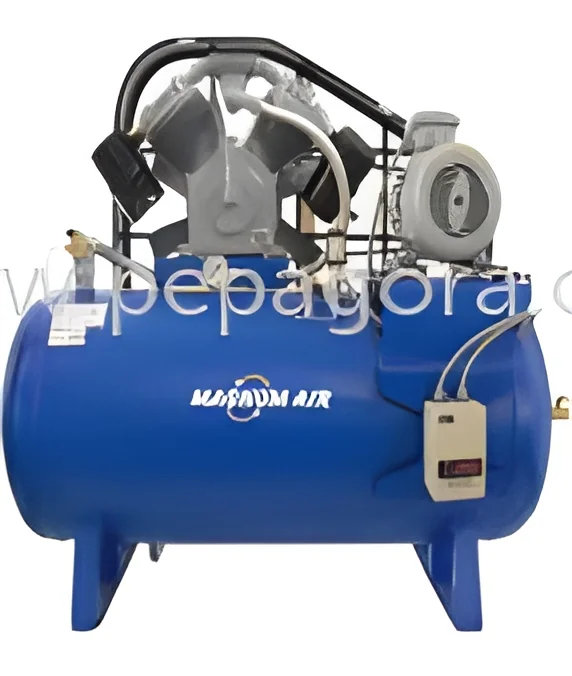
Piston compressors are often favored for their robust performance. They are capable of delivering high pressure and are typically used in hospital settings. Their durability makes them suitable for continuous operation.
Diaphragm Compressors
Diaphragm compressors are known for their ability to produce clean air with minimal contamination. They are commonly used in sensitive applications such as dental practices and laboratories where air purity is critical.
Scroll Compressors
Scroll compressors are compact and quiet, ideal for environments where noise reduction is essential. They are often used in home healthcare devices and portable medical applications.
Benefits and Advantages
Investing in medical air compressors offers numerous benefits to healthcare providers.
1. Reliability: Medical air compressors provide a consistent supply of compressed air, crucial for patient care and medical procedures.
2. Safety: These compressors are designed to meet strict safety standards, ensuring the air quality is suitable for medical use.
3. Efficiency: With advanced technology, modern compressors operate more efficiently, reducing energy consumption and operating costs.
4. Versatility: Medical air compressors can be used across various applications, from surgery to home healthcare, making them a versatile asset.
5. Reduced Maintenance: Many models are designed for minimal maintenance, allowing healthcare providers to focus on patient care rather than equipment upkeep.
6. Enhanced Patient Outcomes: By ensuring a reliable supply of clean air, these compressors contribute to better patient care and outcomes during medical procedures.
Buying Guide for B2B Buyers
When sourcing medical air compressors, several factors should be considered to ensure the selection of the best equipment for your needs.
1. Quality Assessment: Evaluate the quality of the compressor by checking for certifications and adherence to industry standards. Look for models that comply with regulations such as CE certification.
2. Supplier Verification: It's crucial to vet suppliers by examining their reputation, customer reviews, and history in the industry. Ensure they have a track record of providing reliable products.
3. Pricing and MOQ: Compare prices among different suppliers while considering the minimum order quantity. Ensure that you receive a fair price for the quality offered.
4. Delivery and Lead Times: Assess the logistics involved in the supply chain. Understand the lead times for delivery and ensure they align with your operational needs.
5. Compliance Requirements: Be aware of the regulatory requirements in your region and ensure that the compressors you consider meet these standards for safety and quality.
Compliance and Certifications
Medical air compressors must adhere to various compliance and certification standards to ensure their safety and effectiveness in medical environments.
Relevant quality standards include ISO 9001, which outlines the requirements for a quality management system, ensuring consistent product quality and customer satisfaction. Another important standard is HACCP, which focuses on food safety, particularly relevant in the pharmaceutical sector where air quality can impact product integrity.
Industry certifications such as CE mark indicate compliance with European health, safety, and environmental protection standards. This certification assures users that the equipment meets EU regulations and is safe for use in medical applications.
In addition to these standards, medical air compressors must undergo safety and testing requirements to verify their performance and reliability. Regular testing helps ensure that the compressors operate within acceptable limits for pressure and air quality.
Regional compliance considerations may vary, with different countries having specific requirements for medical equipment. It is essential for buyers to understand these regional regulations to ensure compliance and avoid potential legal issues.
Why Source Medical Air Compressors from Pepagora?
Pepagora provides a trusted platform for sourcing medical air compressors with several key advantages that benefit B2B buyers.
Verified Supplier Network: Pepagora's extensive network consists of verified suppliers, ensuring that buyers can trust the quality and reliability of the products they purchase. This network helps streamline the sourcing process and reduce risks associated with vendor selection.
Streamlined RFQ Process: The request for quotation (RFQ) process on Pepagora is designed to be efficient and user-friendly. Buyers can submit their requirements and receive competitive quotes from multiple suppliers quickly, making it easier to compare options and make informed decisions.
Trade Assurance and Support: Pepagora offers trade assurance to protect buyers throughout the purchasing process. This includes support for resolving disputes and ensuring that transactions are secure, providing peace of mind for healthcare providers.
Regional Coverage: With a focus on regions like India, the GCC, and Southeast Asia, Pepagora has established a strong presence in key markets. This regional coverage allows buyers to access a wide range of medical air compressors tailored to local needs and regulatory requirements.
In summary, Pepagora stands out as a reliable partner for sourcing medical air compressors, offering quality, efficiency, and support to enhance the purchasing experience for B2B buyers in the healthcare sector.

 IN
IN