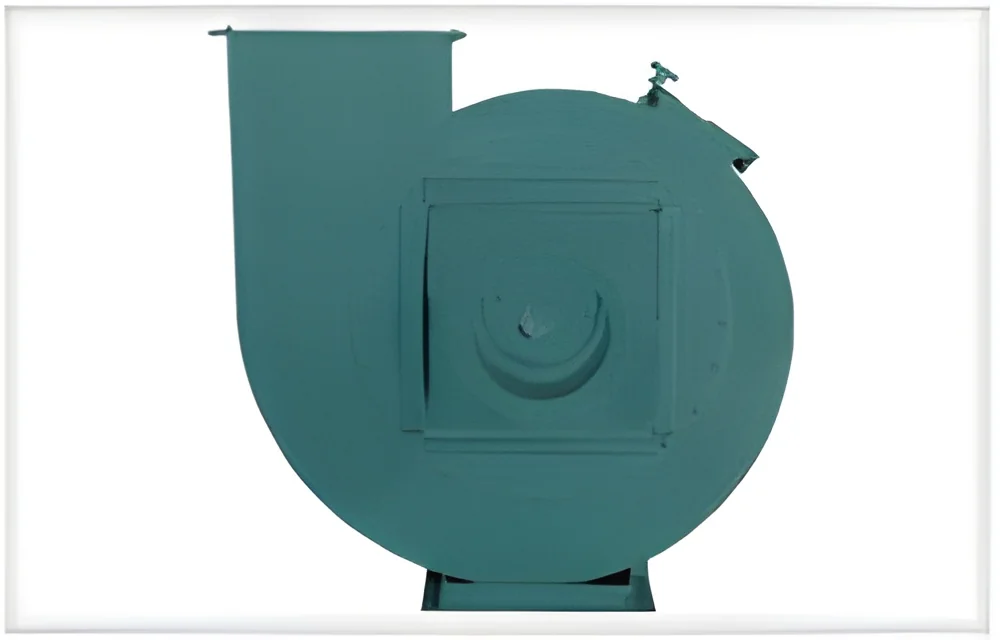
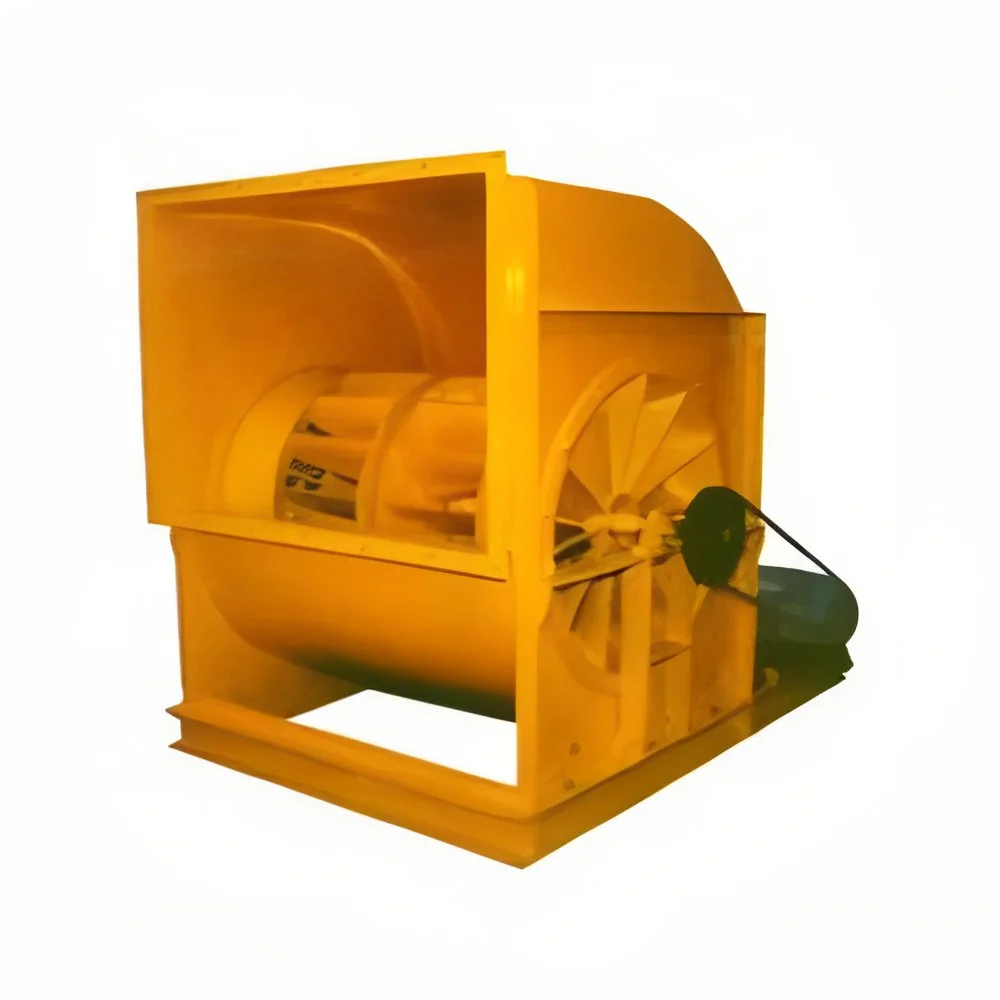
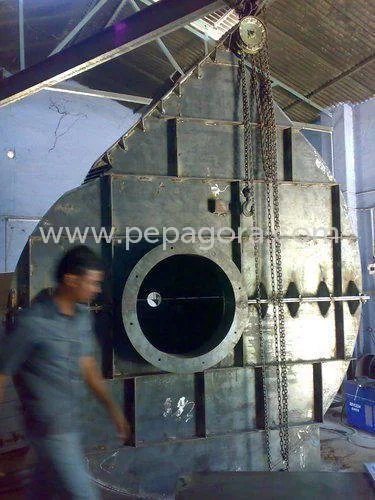
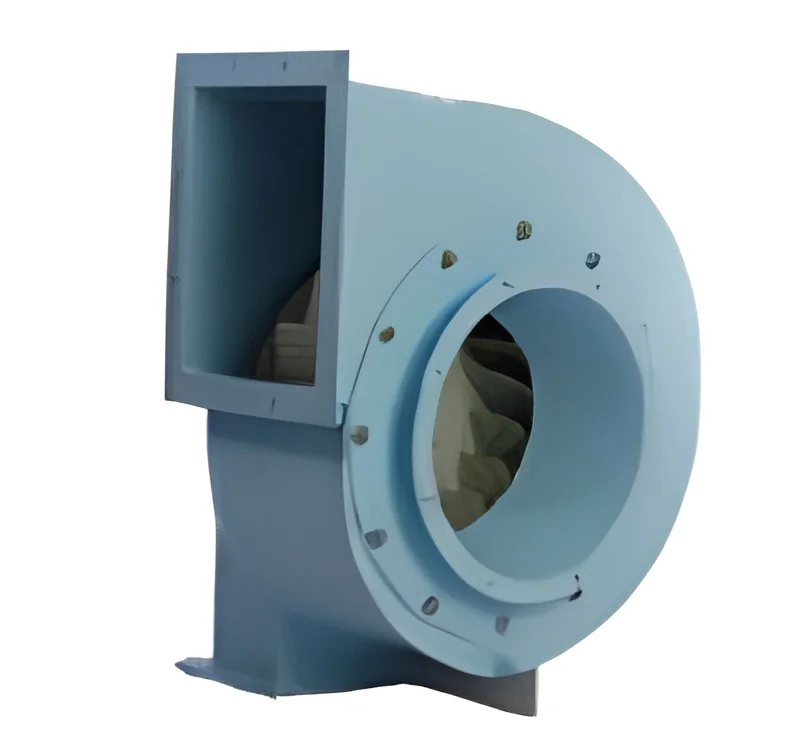
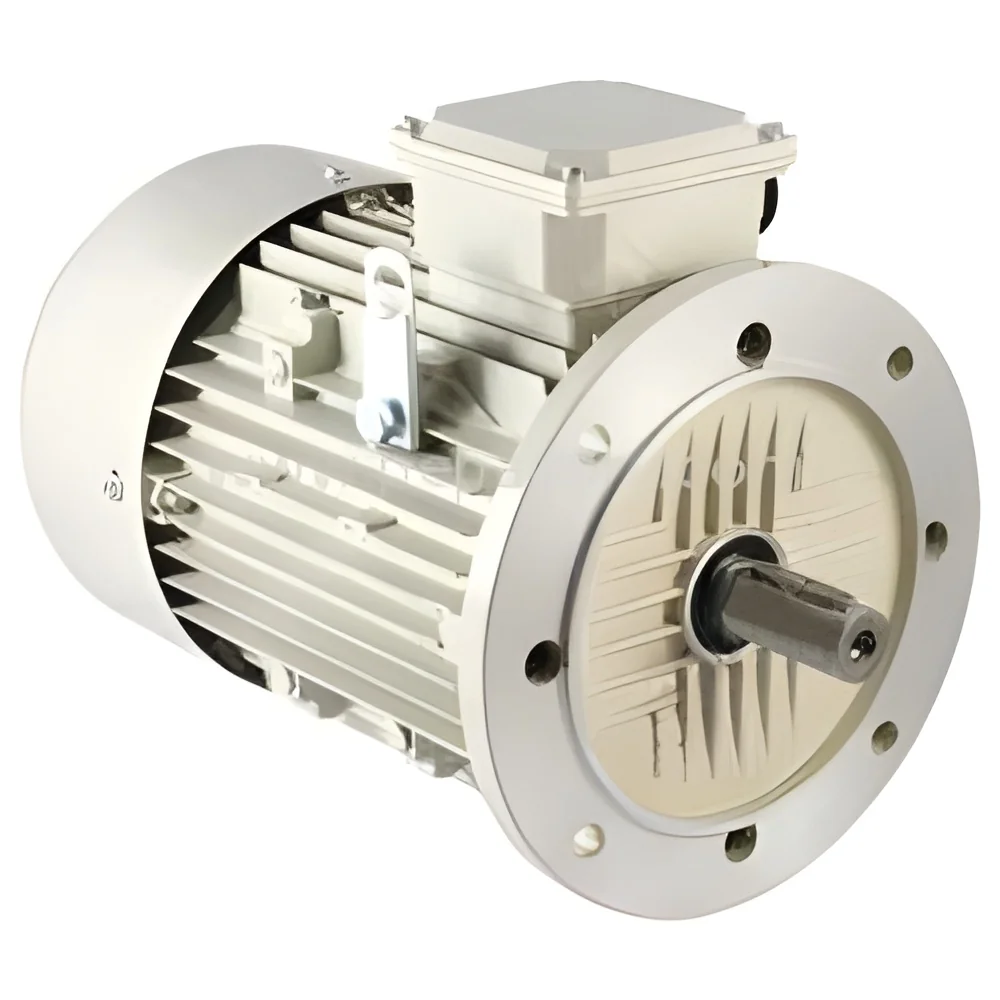
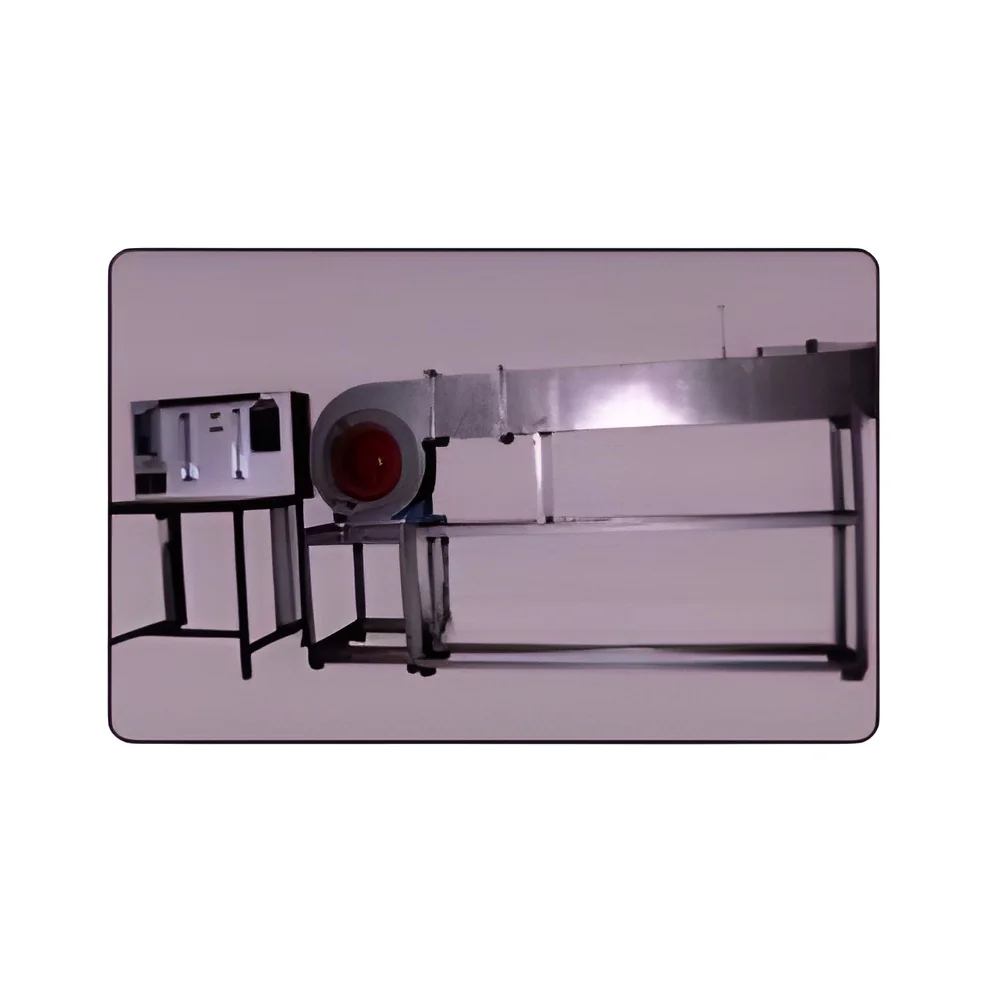
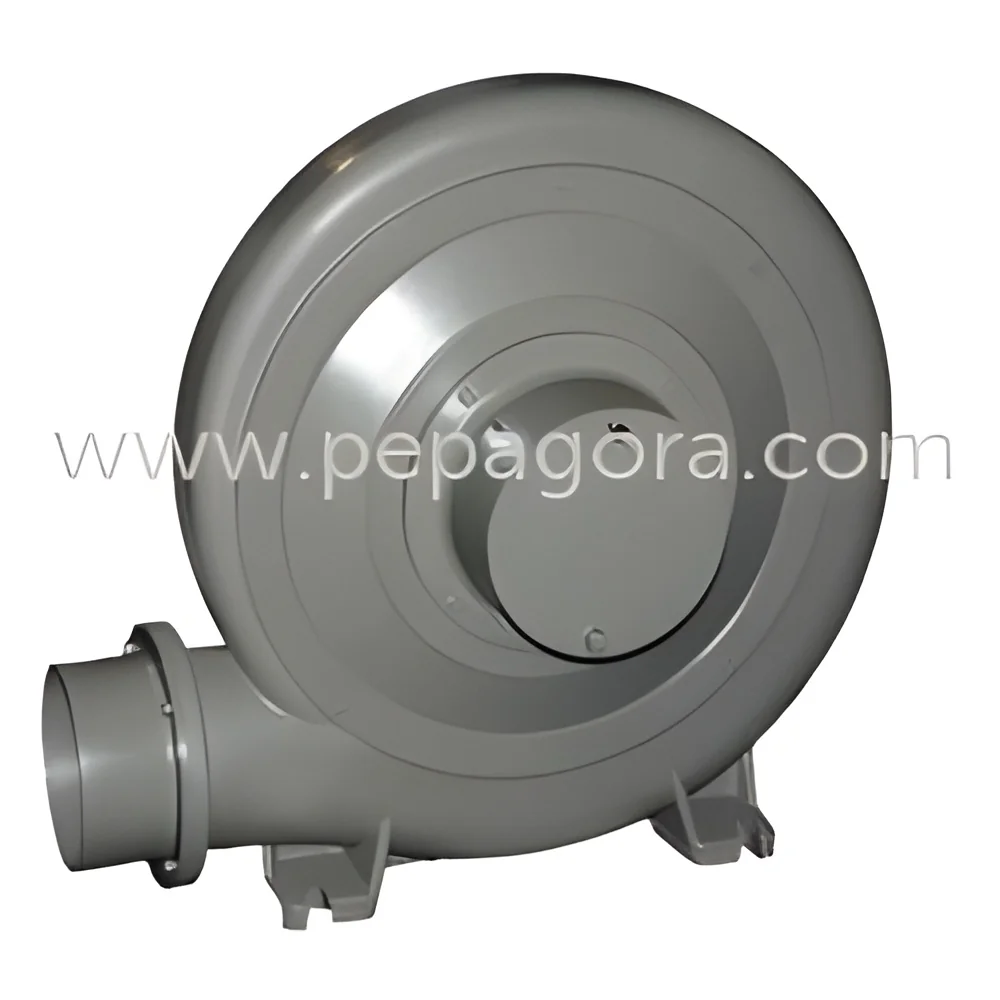
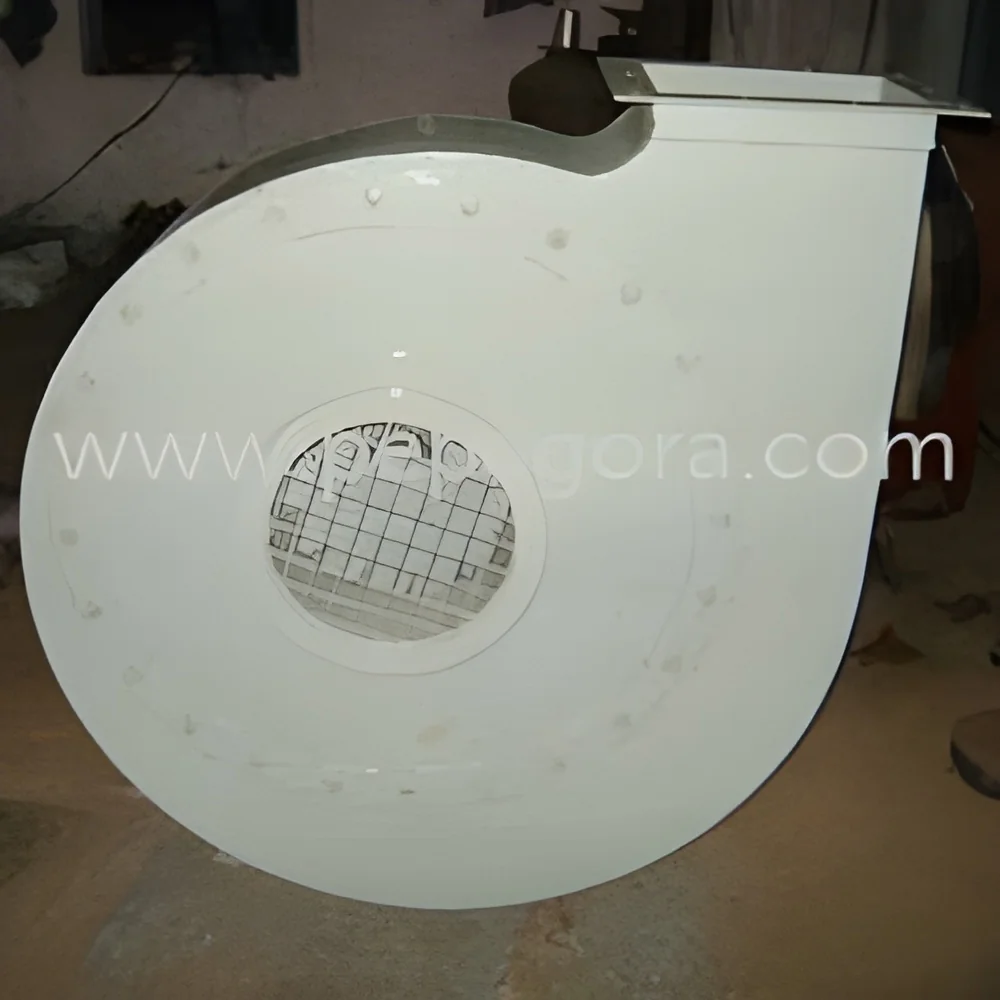
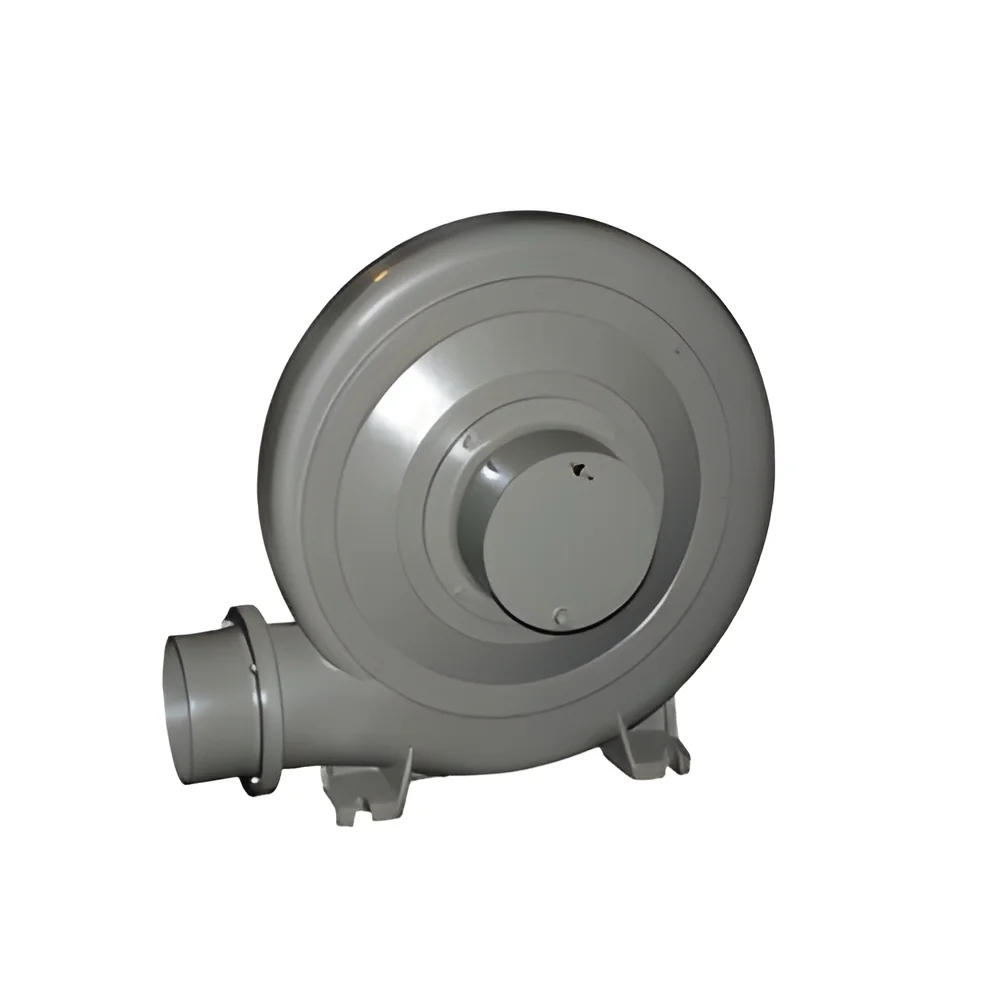
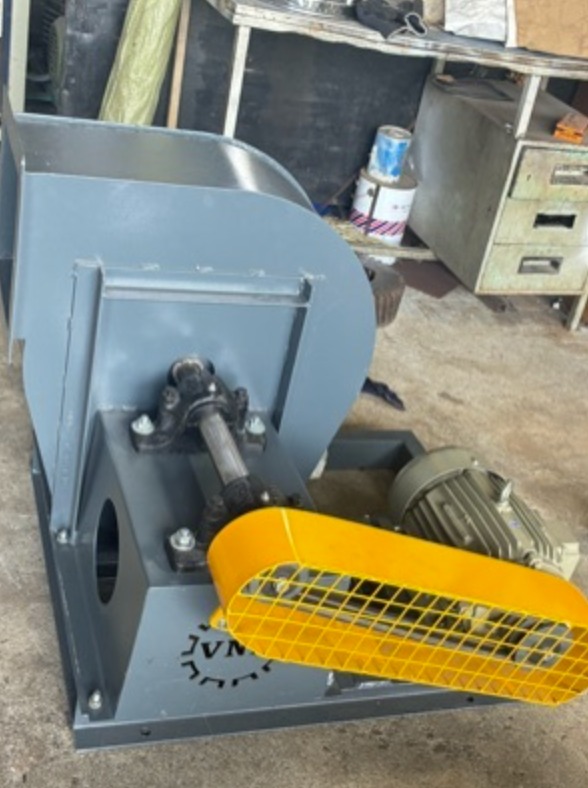
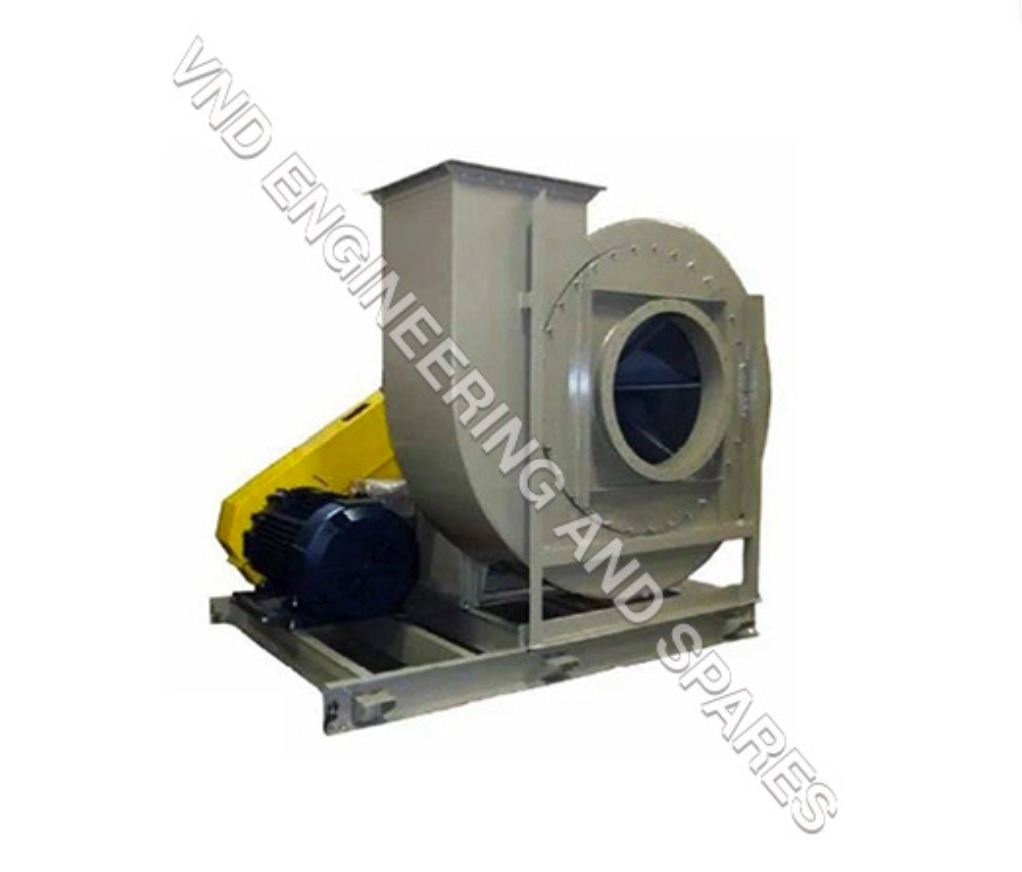
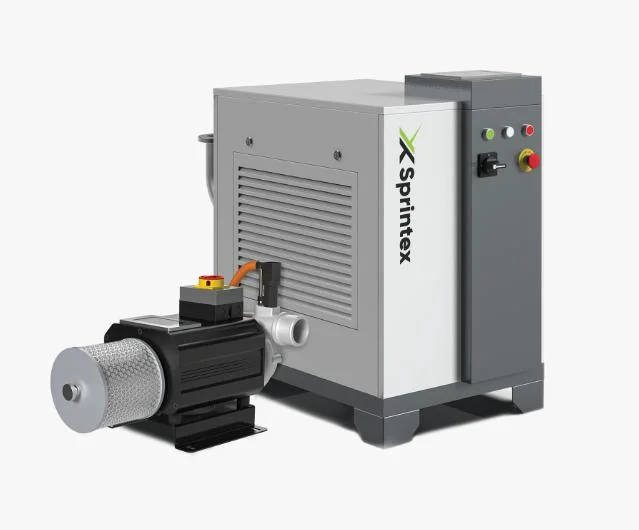
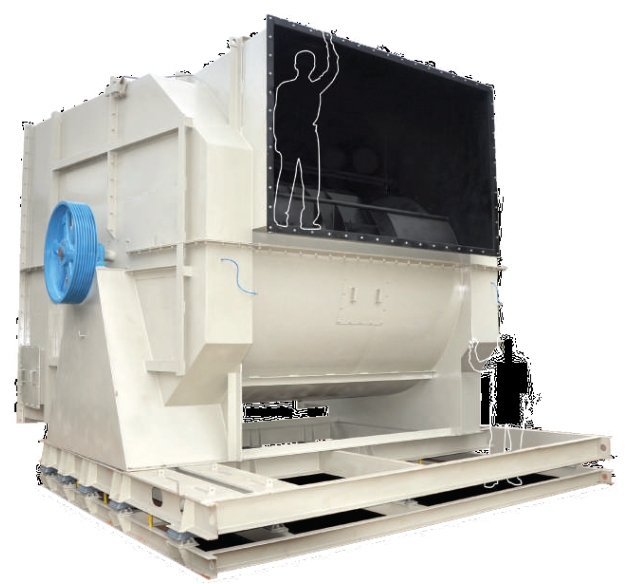
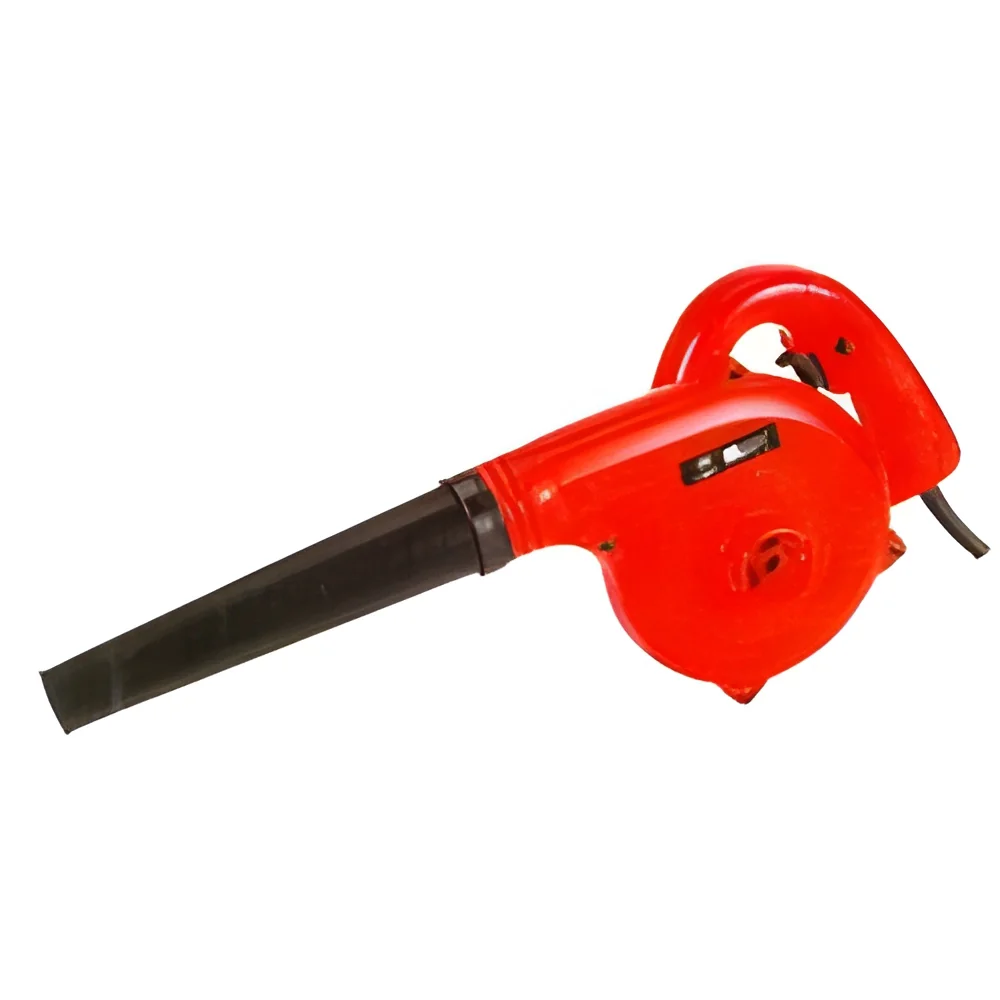
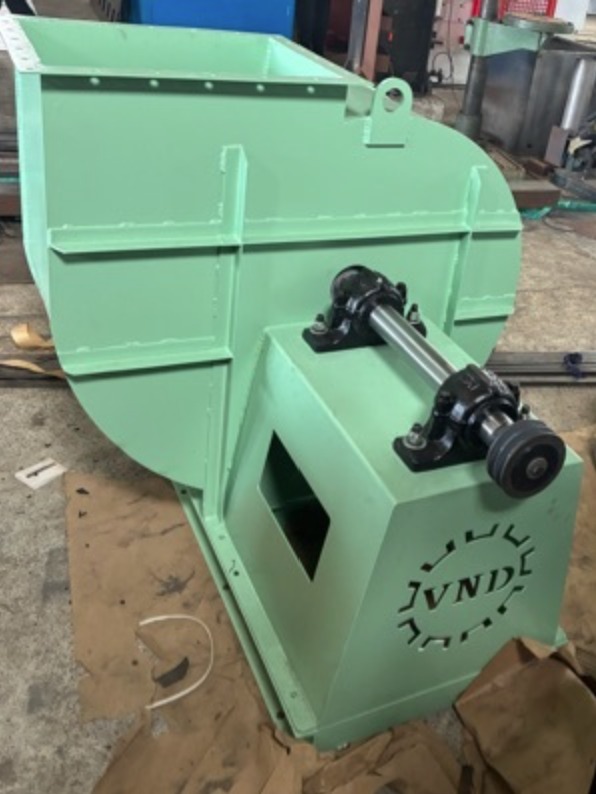
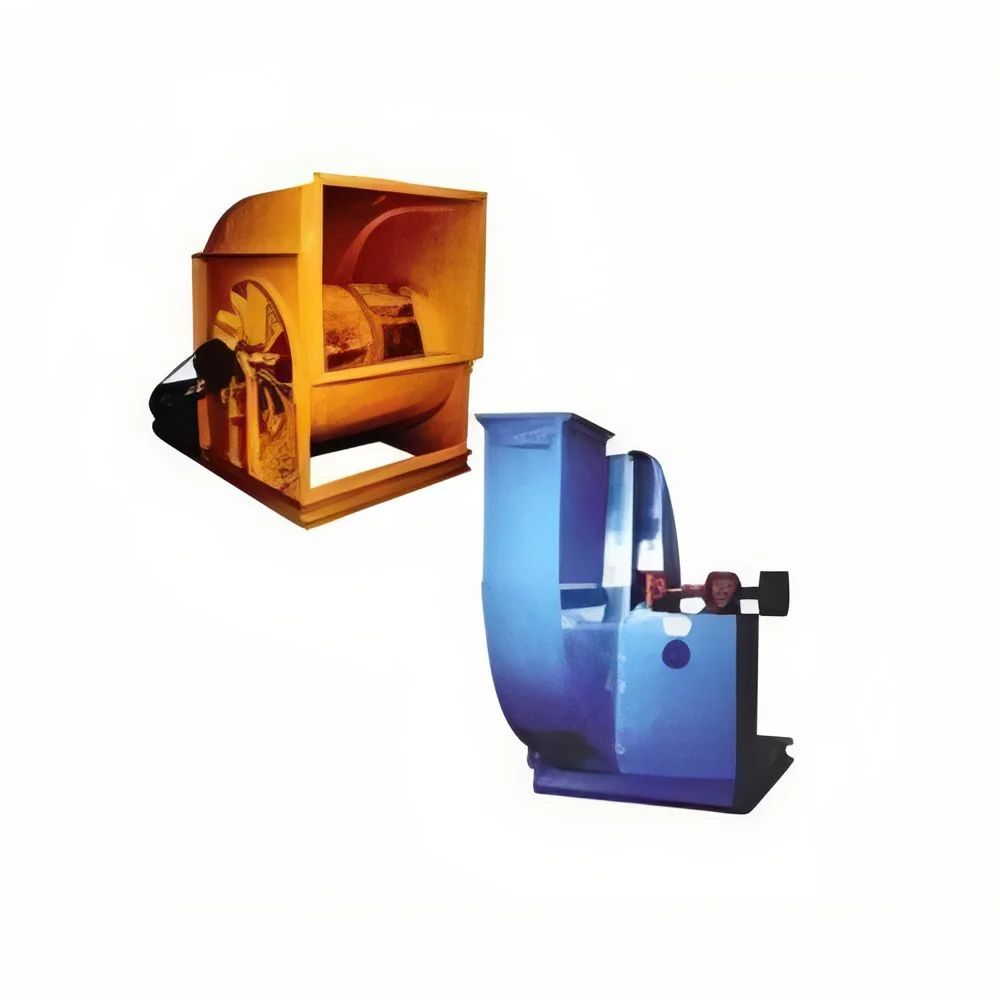
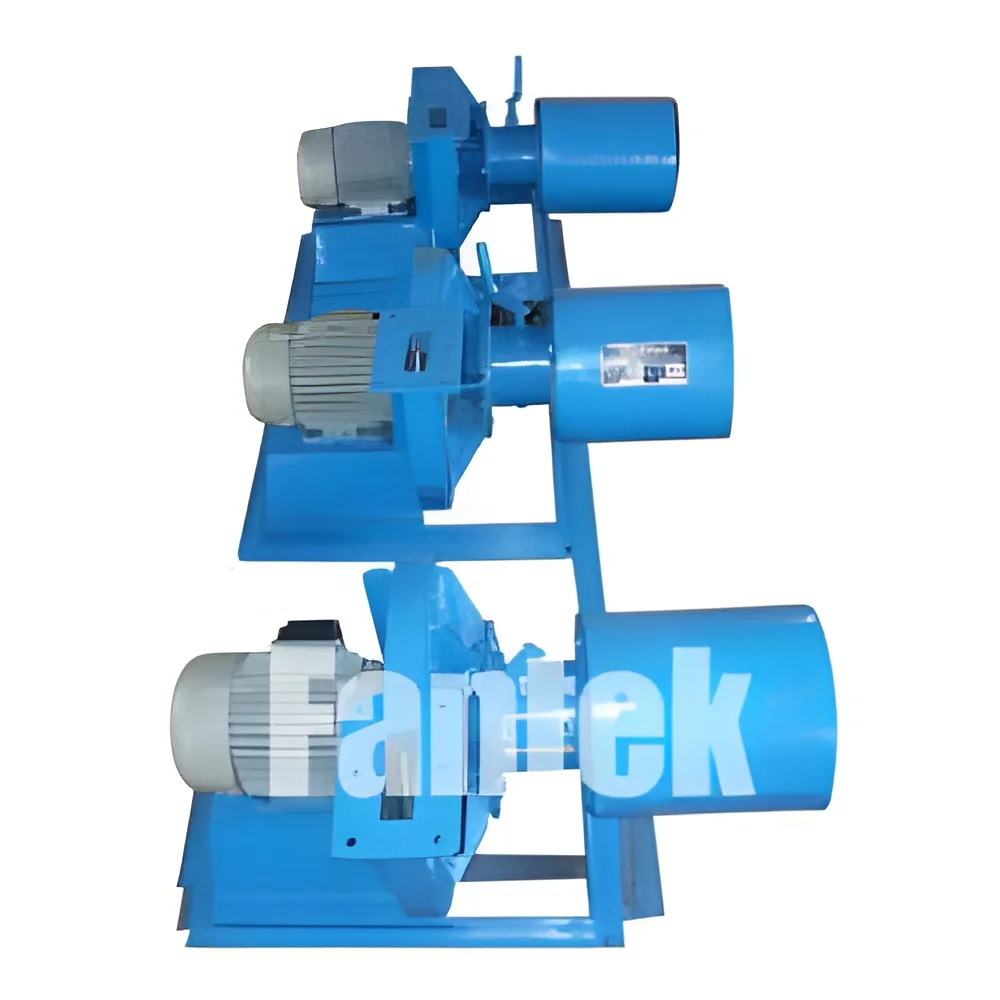
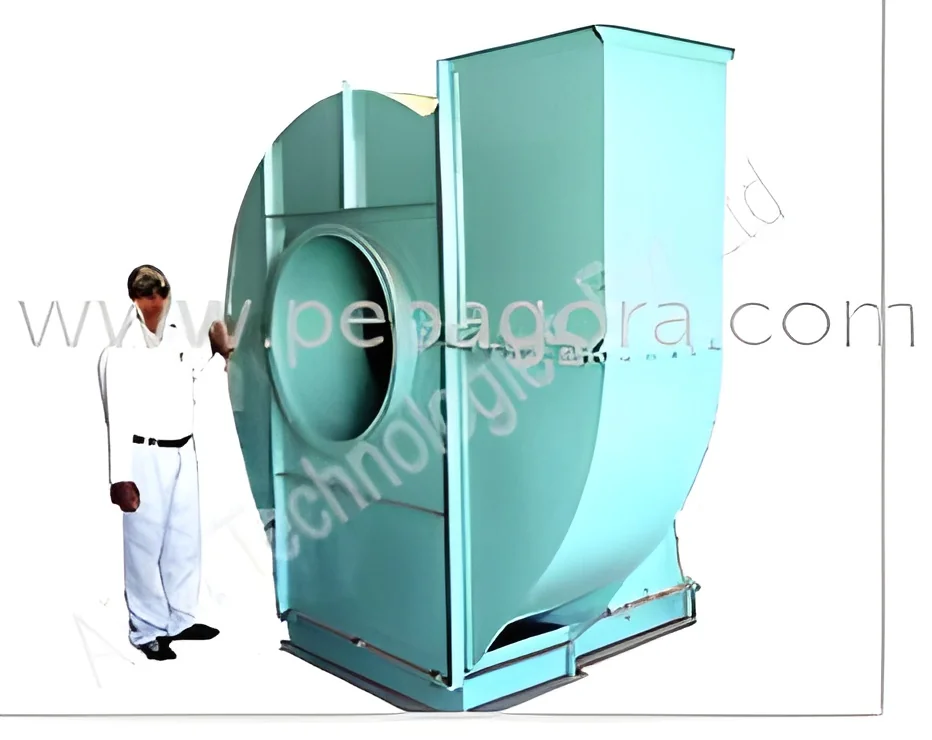
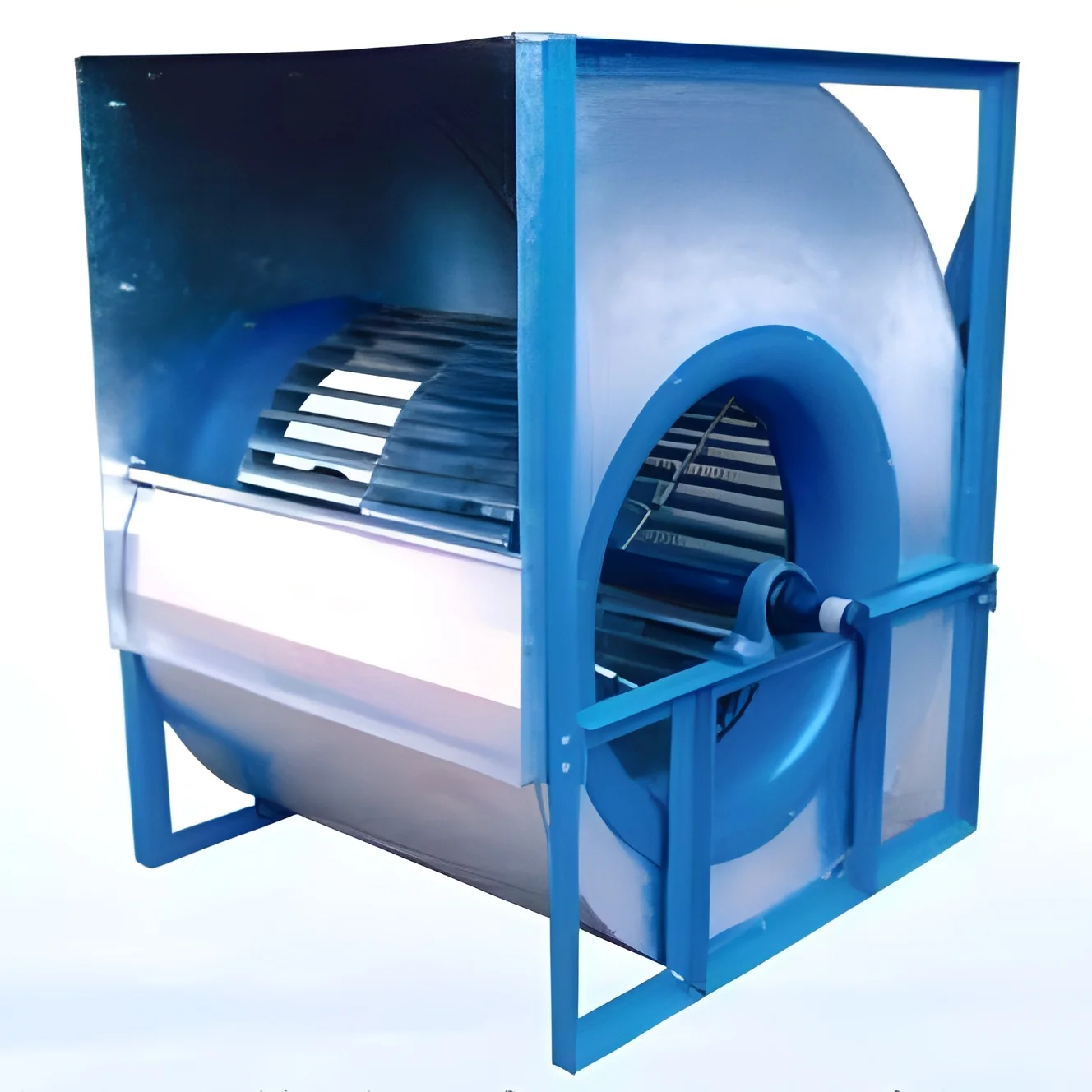
What are Centrifugal Blowers?
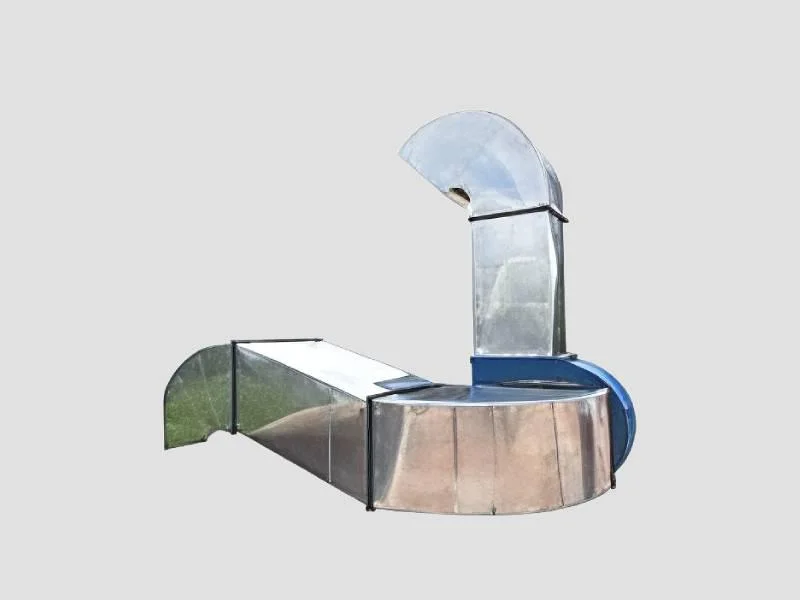
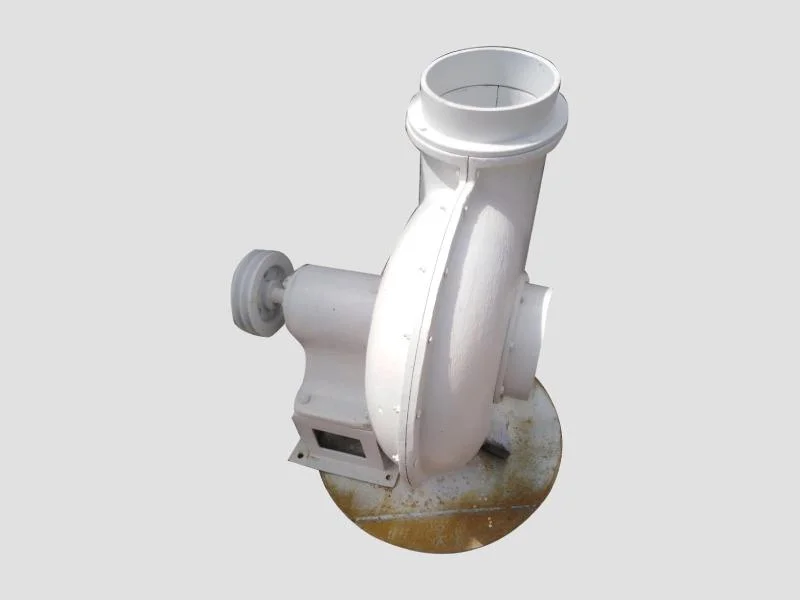
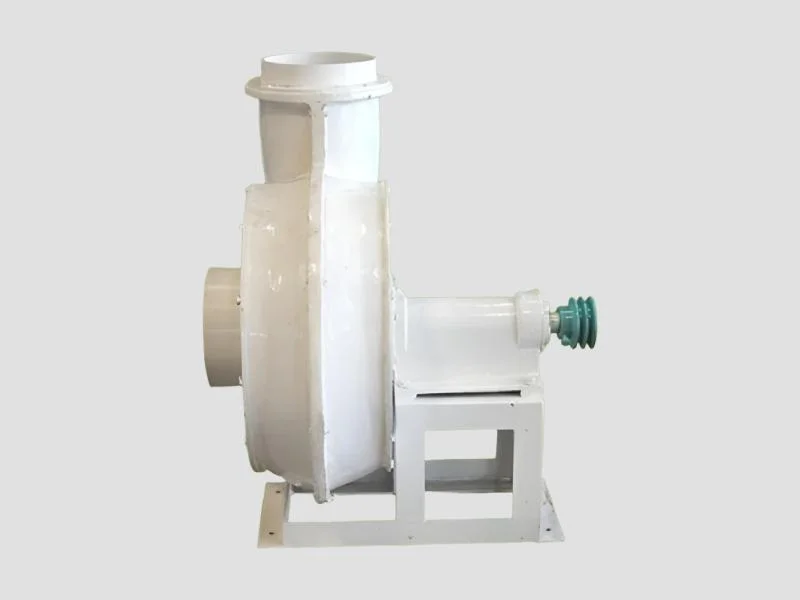
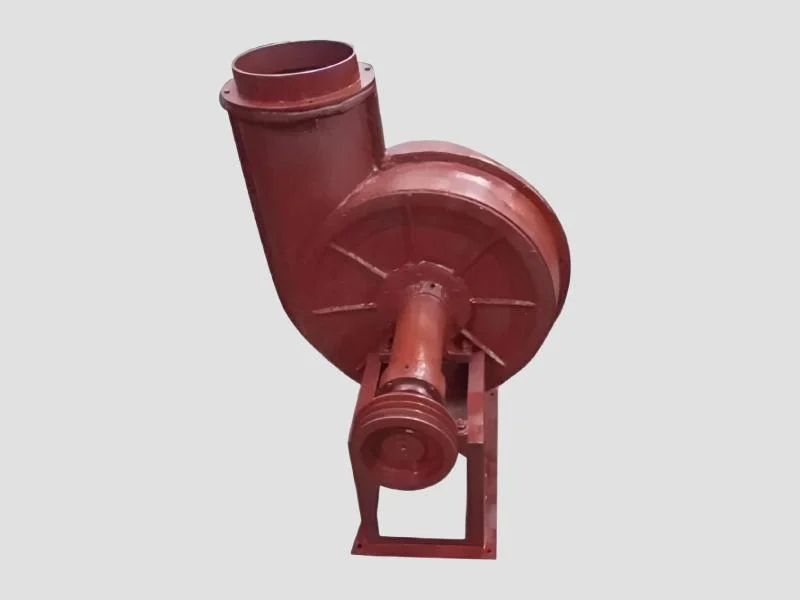
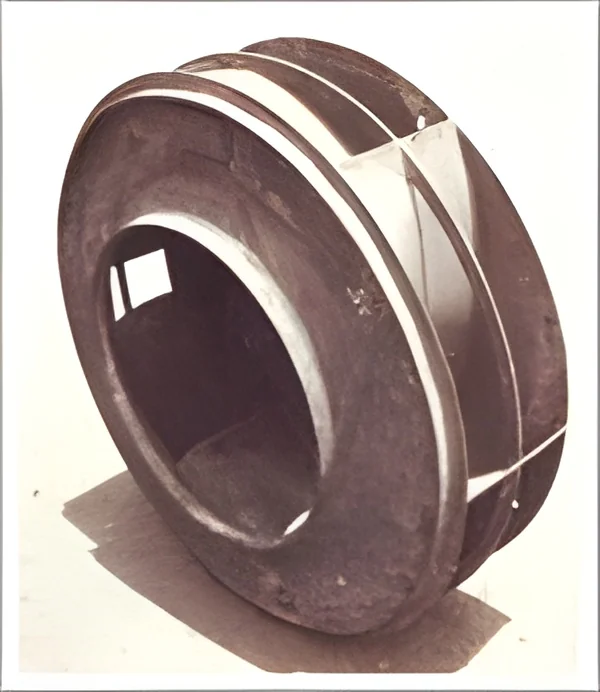
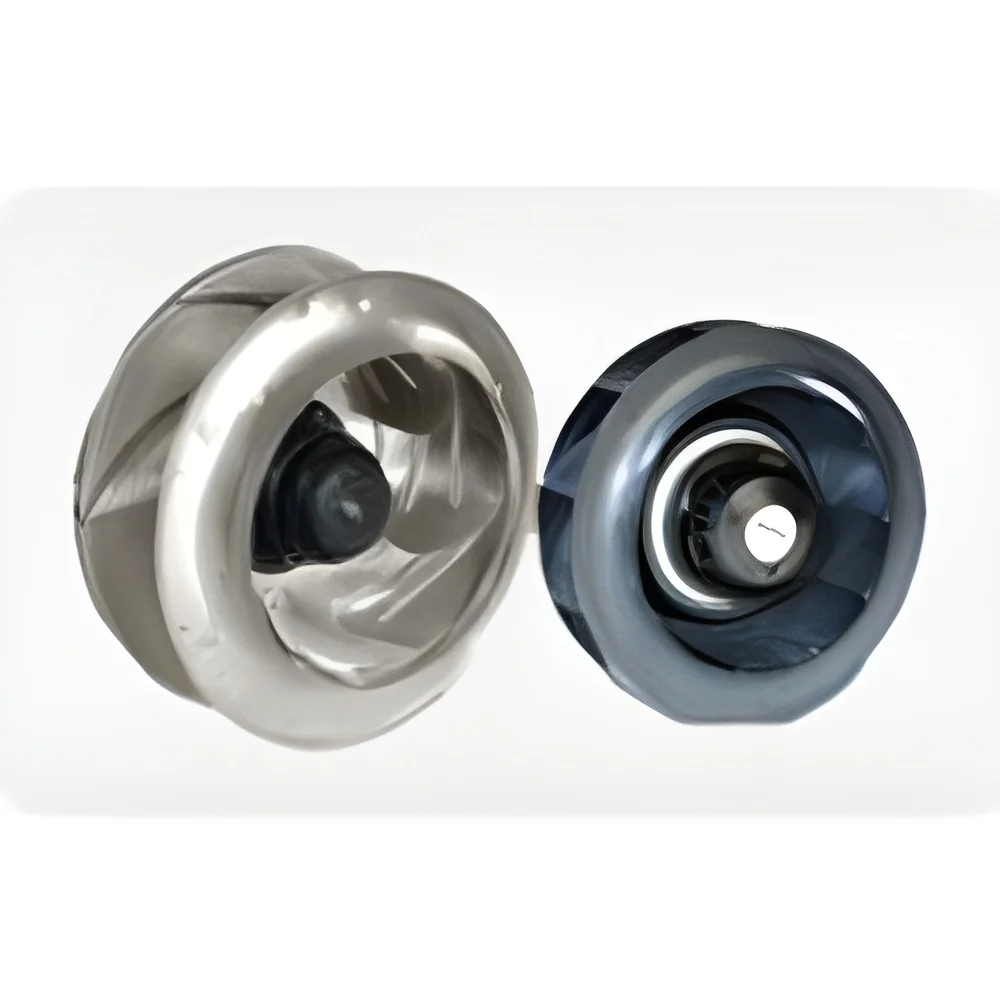
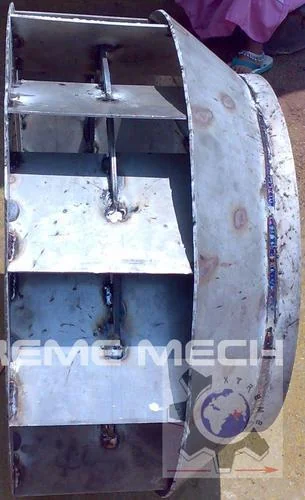
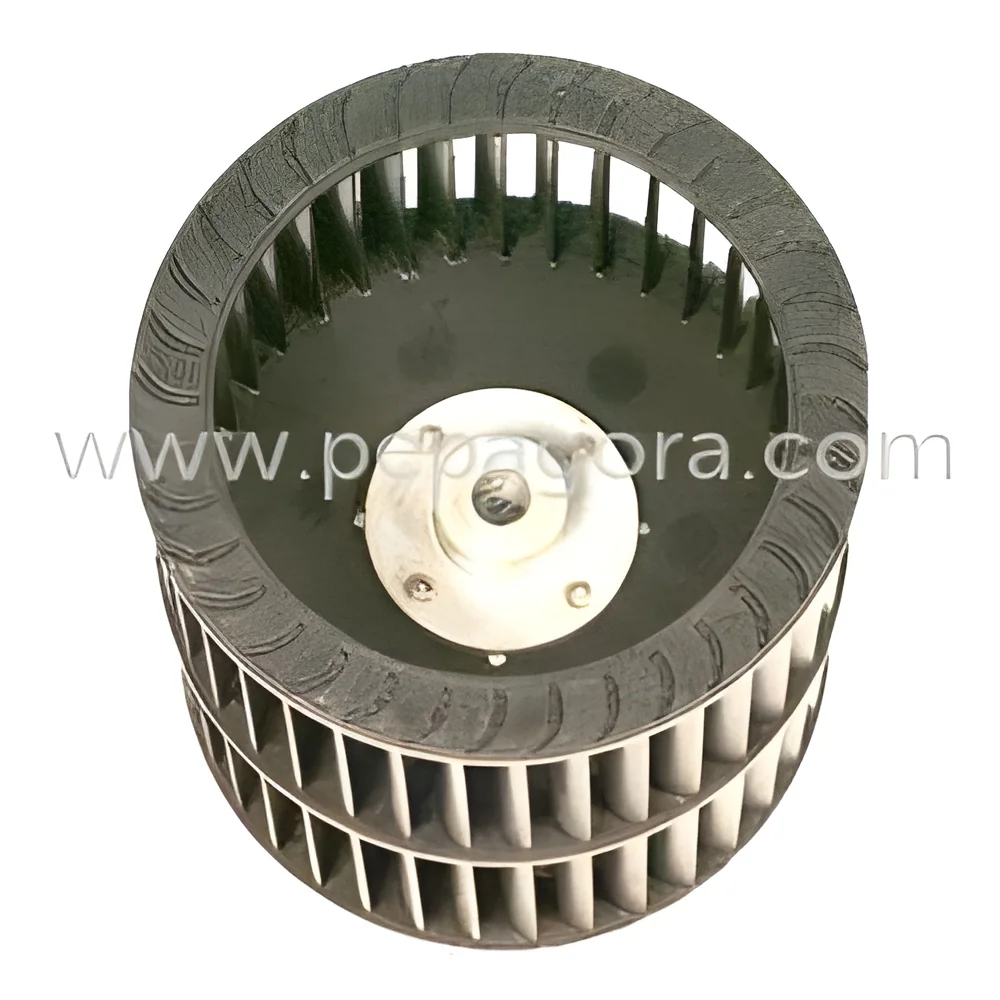
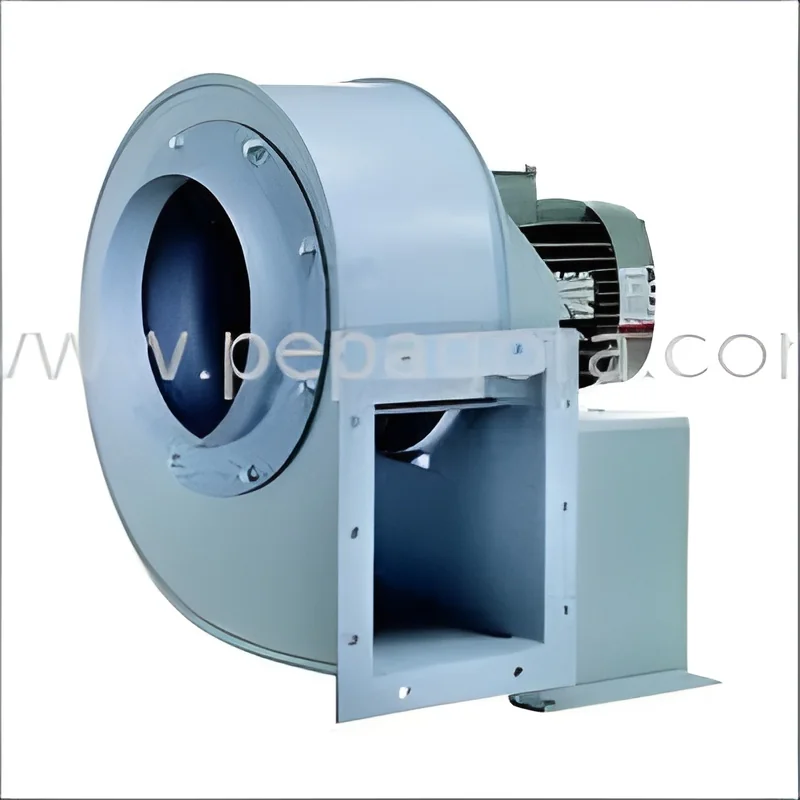
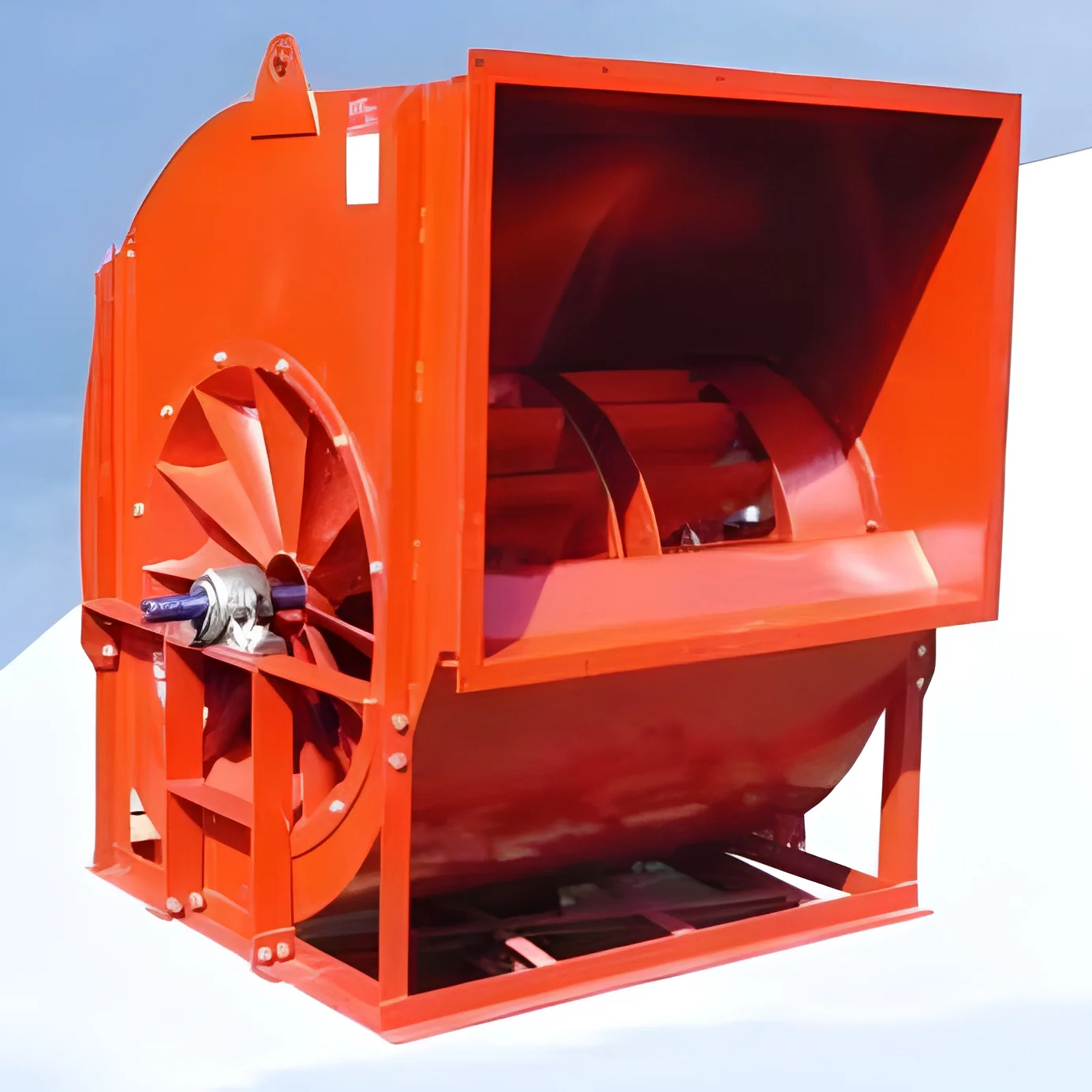
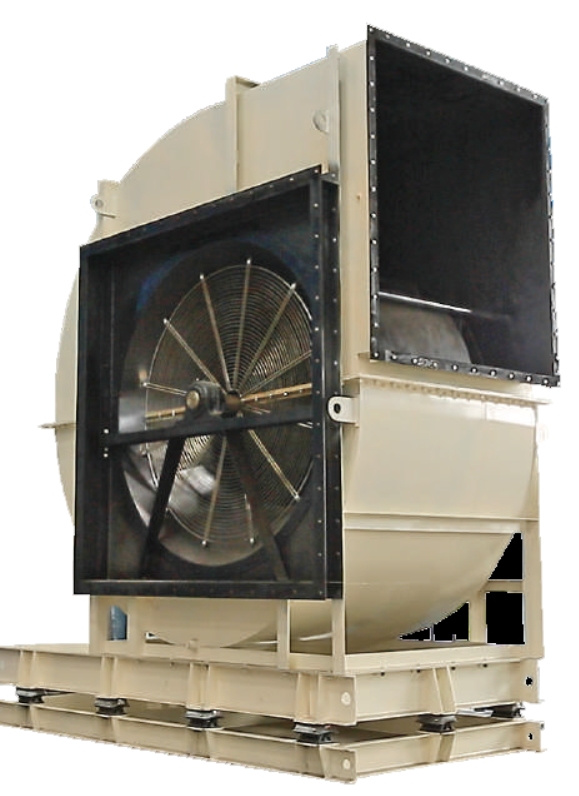
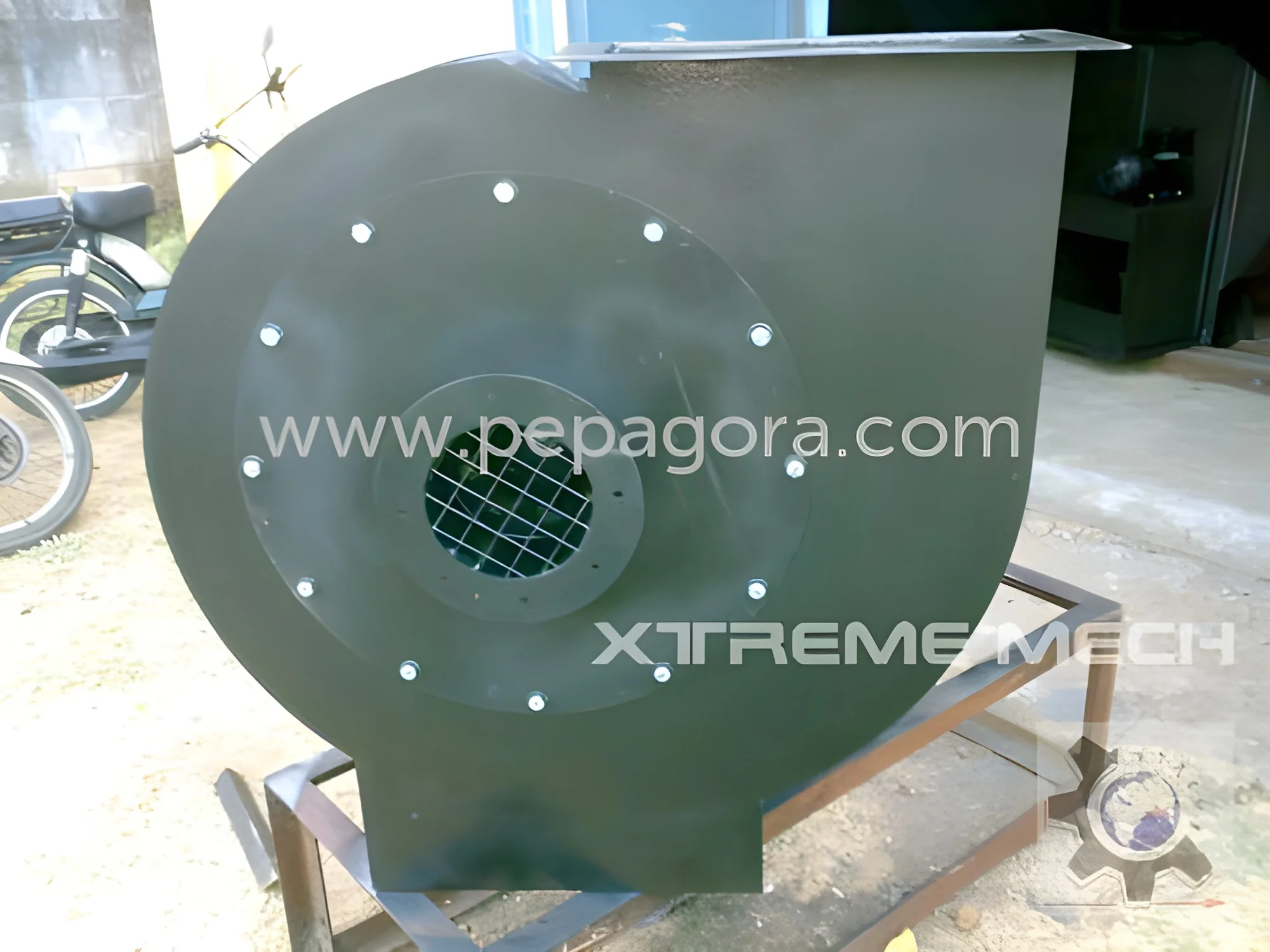
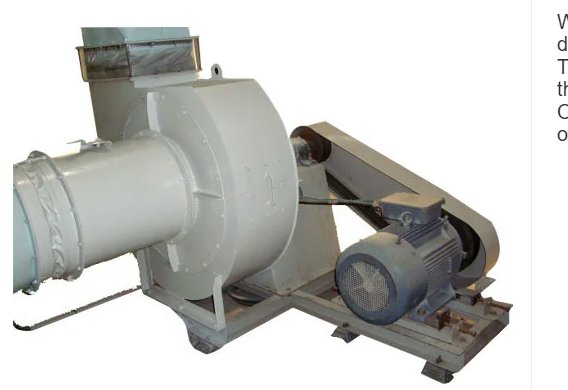
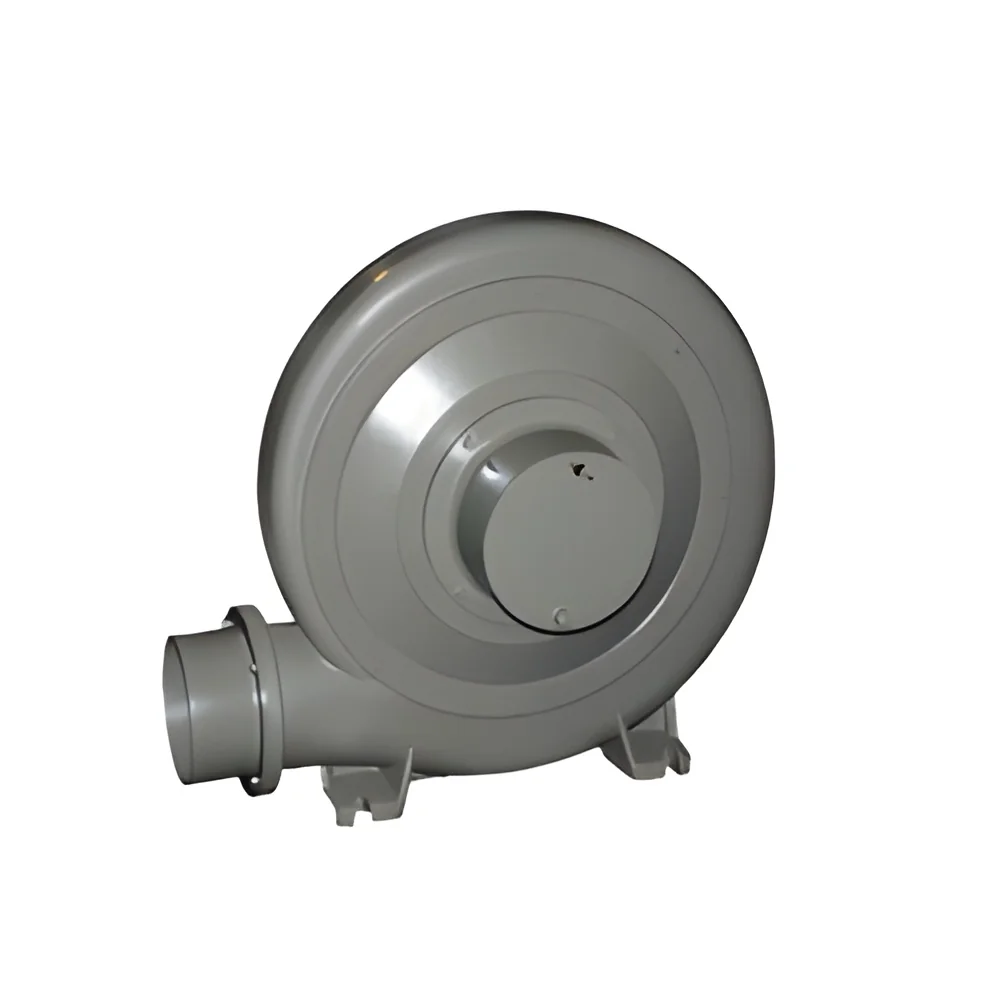
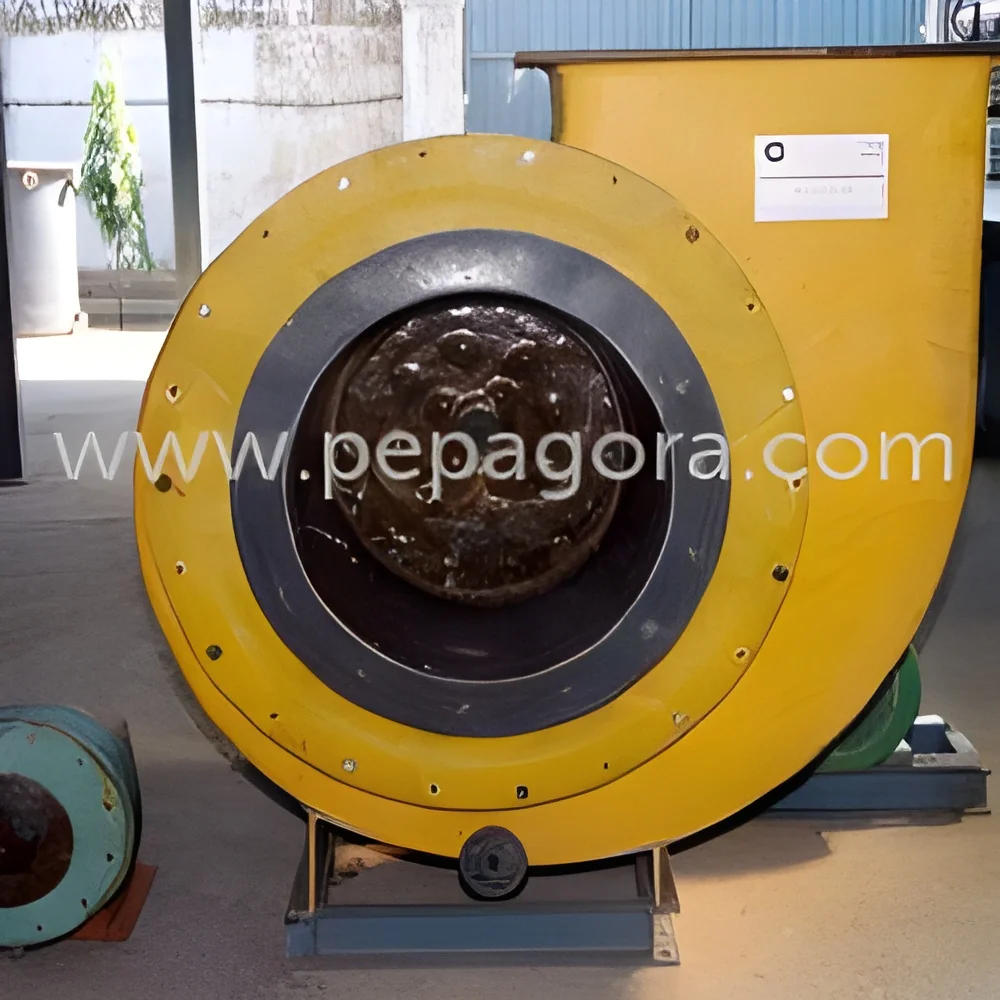
Centrifugal blowers are mechanical devices that move air or gases through a system by converting rotational energy from a motor into kinetic energy. This is achieved using an impeller, which spins rapidly to create a pressure difference, drawing in air and expelling it at high velocity. The design of centrifugal blowers allows for efficient airflow management, making them essential in various industrial applications.
These blowers are commonly used in scenarios requiring ventilation, cooling, and material handling. They find applications in industries such as manufacturing, wastewater treatment, and HVAC systems. Their ability to handle high volumes of air at varying pressures makes them crucial for maintaining optimal environmental conditions in industrial plants.
In the current market, centrifugal blowers are integral to operational efficiency. As industries continue to prioritize energy efficiency and cost savings, these blowers are increasingly being designed with advanced technologies that enhance performance and reduce energy consumption. Their relevance in sectors that require robust air management solutions underscores their significance in the industrial landscape.
Key Features and Specifications
Centrifugal blowers are characterized by a variety of features that enhance their performance and adaptability in different environments. When selecting a blower, buyers should consider the specific features and technical specifications that align with their operational needs.
Key specifications include:
1. Airflow Capacity
- Measures the volume of air moved by the blower, typically expressed in cubic feet per minute (CFM).
- Ranges vary widely based on the design and application, from small units moving a few hundred CFM to large systems exceeding several thousand CFM.
2. Pressure Rating
- Indicates the amount of pressure the blower can generate, usually measured in inches of water gauge (in WG).
- Pressure ratings can range from low-pressure applications to high-pressure systems, depending on the intended use.
3. Motor Power
- Refers to the horsepower (HP) or kilowatts (kW) of the motor driving the blower.
- Motor power is critical for achieving the desired airflow and pressure levels.
4. Noise Level
- Measured in decibels (dB), this specification indicates the sound produced during operation.
- Noise levels can impact workplace comfort and regulatory compliance.
5. Efficiency Rating
- Represents how effectively the blower converts input power into airflow output, often expressed as a percentage.
- Higher efficiency ratings lead to reduced operational costs.
6. Material Construction
- The materials used in the blower's construction affect durability and resistance to environmental factors.
- Common materials include steel, aluminum, and composite materials.
7. Temperature Range
- Specifies the operating temperatures the blower can withstand.
- Important for applications in extreme heat or cold environments.
8. Compliance Standards
- Indicates adherence to industry standards and regulations, ensuring safety and performance.
- Common certifications include CE marking for European compliance.
In summary, understanding the key features and specifications of centrifugal blowers aids buyers in making informed purchasing decisions. Selecting the right blower for specific applications can significantly enhance operational efficiency and reliability.
Common Applications and Use Cases
Centrifugal blowers are versatile and used across various industries for multiple applications.
1. Manufacturing: In manufacturing facilities, centrifugal blowers provide essential ventilation and cooling, ensuring optimal working conditions and equipment performance.
2. Wastewater Treatment: These blowers are critical in aeration processes, where they supply oxygen to promote the biological treatment of wastewater.
3. HVAC Systems: In heating, ventilation, and air conditioning systems, centrifugal blowers help circulate air, maintaining comfortable indoor climates.
4. Food Processing: Centrifugal blowers are used in food production plants for drying, cooling, and maintaining hygiene through efficient air management.
5. Pharmaceutical: In the pharmaceutical industry, blowers assist in maintaining cleanroom environments by controlling airflow and minimizing contamination.
6. Chemical Processing: These blowers are employed to transport gases and vapors, ensuring safe and efficient operation in chemical plants.
7. Mining: In mining operations, centrifugal blowers are used for dust control and ventilation, promoting safety and compliance with environmental regulations.
Product Variants and Subcategories
Centrifugal blowers come in various designs, each tailored for specific functionalities and applications.
Heavy-Duty Centrifugal Blowers
These models are built for high-performance applications, often featuring robust construction to handle demanding environments. They are ideal for industrial processes requiring continuous operation and high airflow.
Compact Centrifugal Blowers
These smaller units are designed for applications with limited space. They provide efficient airflow in a more compact form, making them suitable for smaller manufacturing setups or HVAC systems.
High-Pressure Centrifugal Blowers
These blowers are engineered to generate high pressure, making them perfect for applications that require moving air over long distances or through restrictive duct systems.
Portable Centrifugal Blowers
These units are designed for mobility and ease of use in various locations. Ideal for temporary setups, they provide flexibility for tasks such as construction and outdoor events.
Benefits and Advantages
Investing in centrifugal blowers offers several advantages that enhance operational efficiency and productivity.
1. Energy Efficiency: Many modern centrifugal blowers are designed to maximize airflow while minimizing energy consumption, leading to significant cost savings.
2. Versatility: These blowers can be used in a variety of applications across multiple industries, making them a flexible solution for air management.
3. Low Maintenance: Centrifugal blowers typically require less maintenance compared to other types of blowers, reducing downtime and operational costs.
4. Consistent Performance: They provide reliable airflow and pressure, ensuring consistent performance in critical applications.
5. Customizable Solutions: Centrifugal blowers can often be modified to meet specific operational requirements, allowing for tailored solutions.
6. Enhanced Air Quality: By efficiently circulating and filtering air, these blowers can help improve indoor air quality in industrial and commercial settings.
Buying Guide for B2B Buyers
When sourcing centrifugal blowers, B2B buyers should consider several important factors to ensure they select the right product for their needs.
1. Quality Assessment: Buyers should evaluate the quality of the blowers by reviewing manufacturer certifications and customer feedback, ensuring the product meets industry standards.
2. Supplier Verification: It is essential to vet suppliers for reliability and track record, checking references and previous customer experiences to confirm their capability.
3. Pricing and MOQ: Understand the pricing structure and minimum order quantities to ensure alignment with budget constraints and project timelines.
4. Delivery and Lead Times: Consider the logistics involved in sourcing the blowers, including delivery times and potential delays, to avoid disruptions in operations.
5. Compliance Requirements: Ensure the selected blowers meet all necessary regulatory and safety requirements relevant to the industry and region of operation.
Compliance and Certifications
Centrifugal blowers must adhere to various compliance standards and certifications to ensure quality and safety. One key standard is ISO 9001, which ensures that manufacturers meet quality management principles. This certification emphasizes the importance of consistent quality and customer satisfaction.
Additionally, the CE marking indicates that the blower complies with European Union safety, health, and environmental protection standards. This certification is crucial for companies operating in or exporting to EU markets.
Safety and testing requirements are also critical, as they ensure that blowers operate safely within specified parameters. Manufacturers often conduct rigorous testing to validate performance claims and safety features.
Regional compliance considerations may vary, so it is essential for buyers to be aware of local regulations that apply to their specific industry and location.
Why Source Centrifugal Blowers from Pepagora?
Pepagora provides a trusted platform for sourcing centrifugal blowers with several key advantages.
Verified Supplier Network: Pepagora connects buyers with a network of verified suppliers, ensuring that purchasers can find reliable and quality products. This network is built on thorough vetting processes that prioritize supplier credibility.
Streamlined RFQ Process: The platform features a streamlined request for quotation (RFQ) process that simplifies interactions between buyers and suppliers. This efficiency helps buyers receive competitive quotes quickly and easily.
Trade Assurance and Support: Pepagora offers trade assurance features to protect buyers during transactions. With dedicated support, buyers can navigate sourcing challenges with confidence.
Regional Coverage: Pepagora's geographic reach extends across India, the GCC, and Southeast Asia, providing access to a diverse range of suppliers and products tailored to regional market needs. This broad coverage enables buyers to find solutions that best fit their operational requirements.

 IN
IN