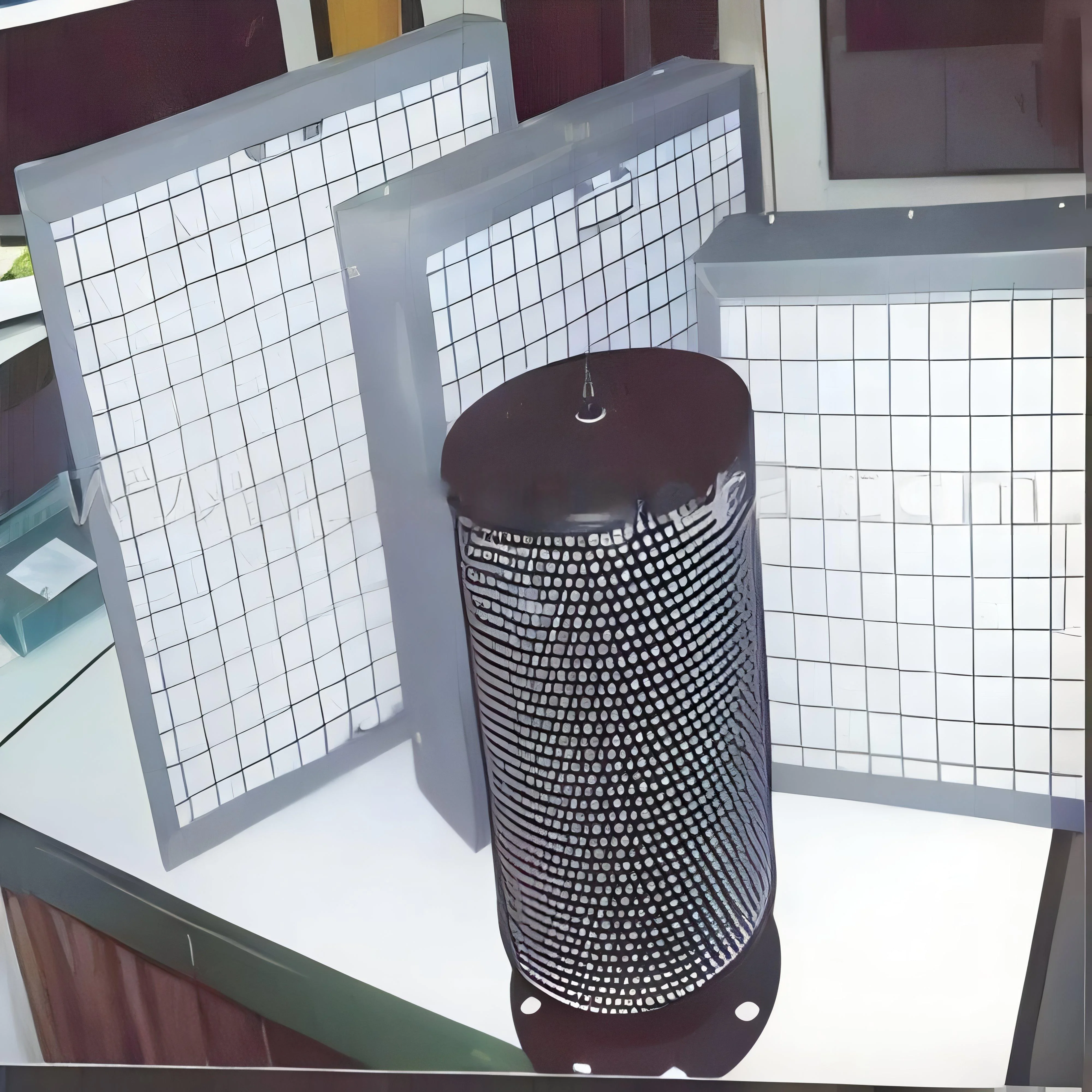
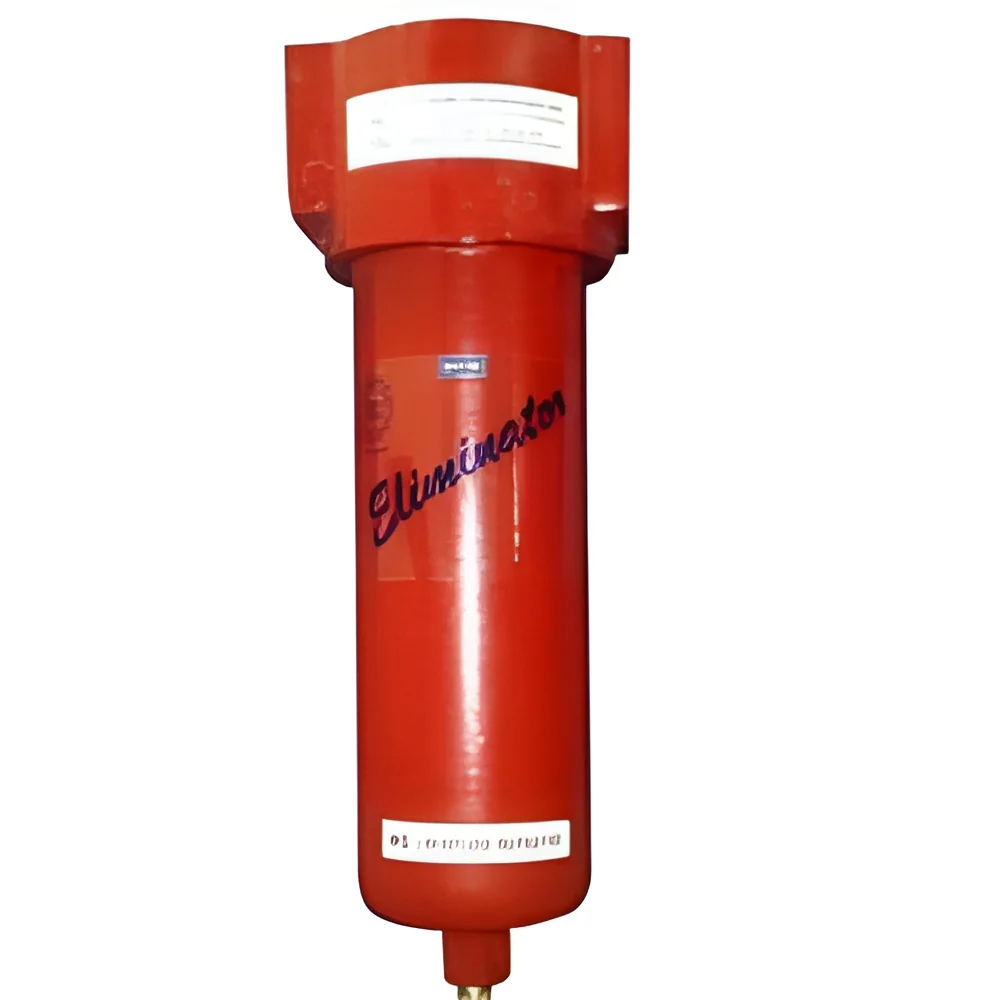
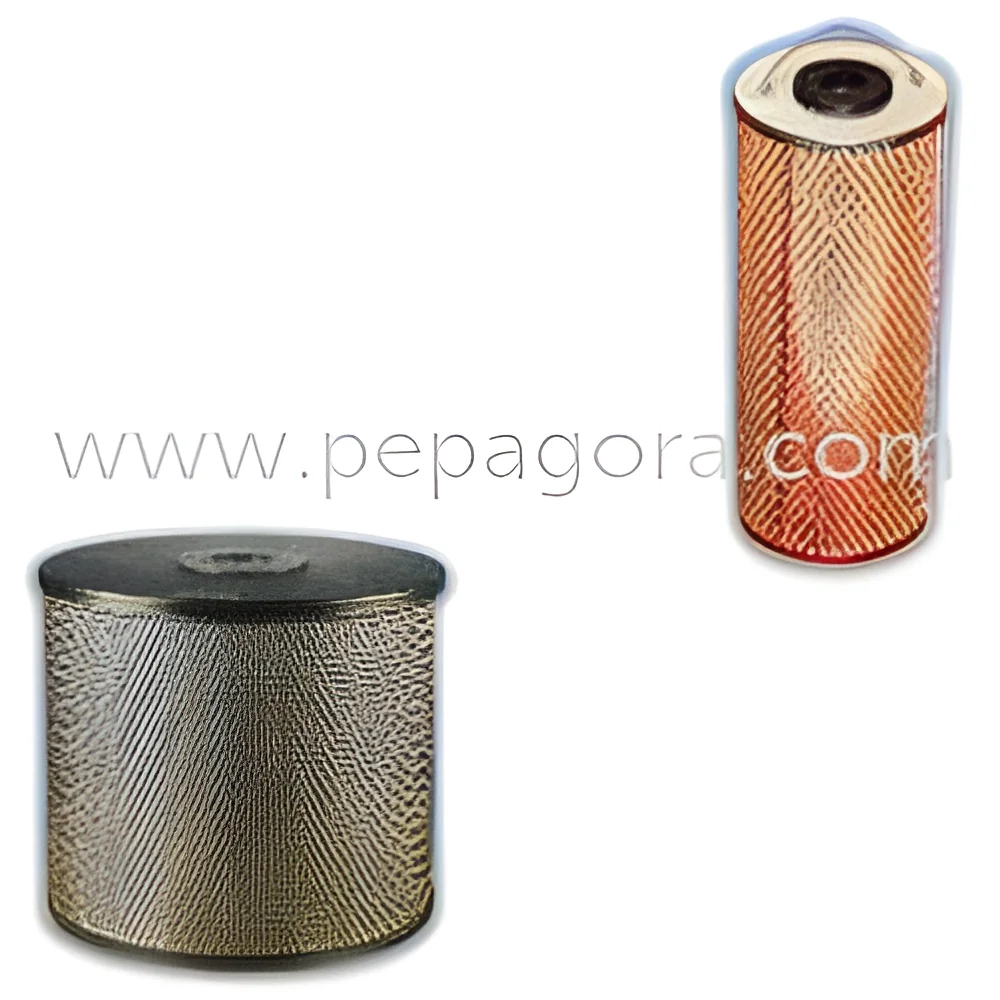
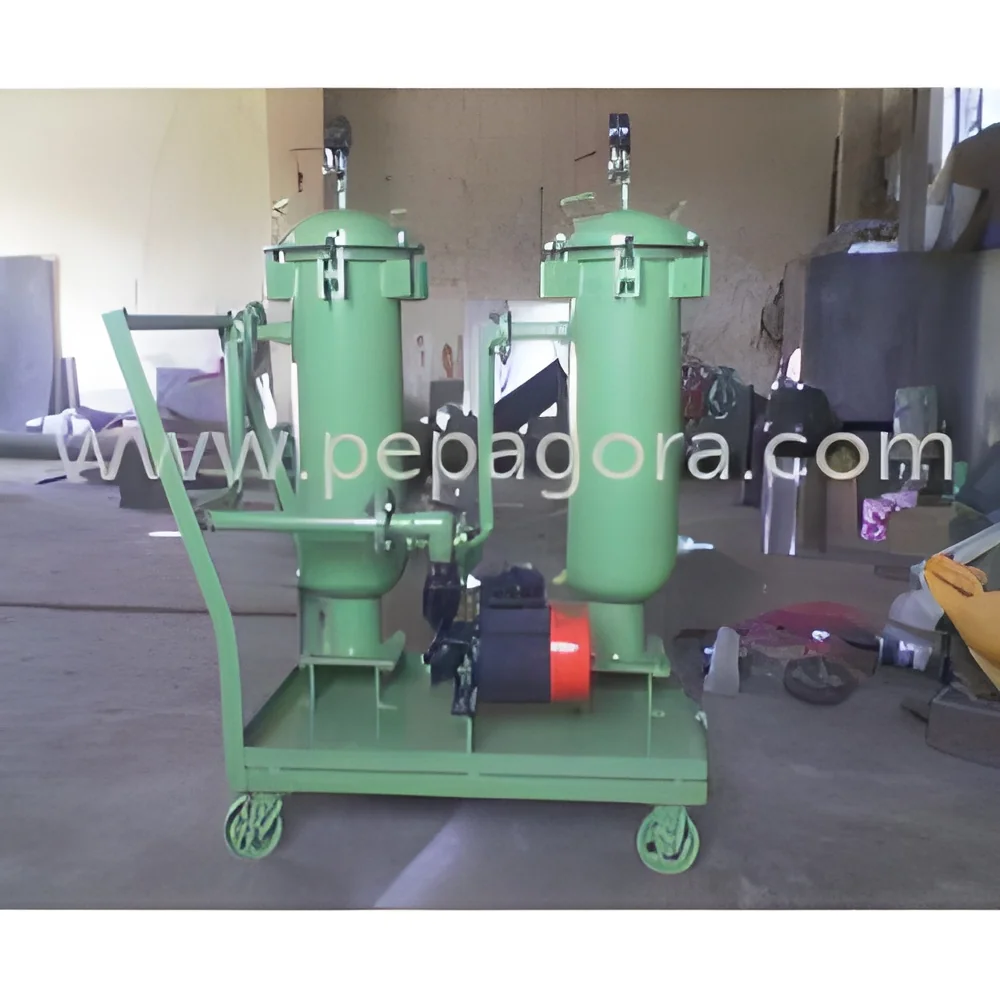
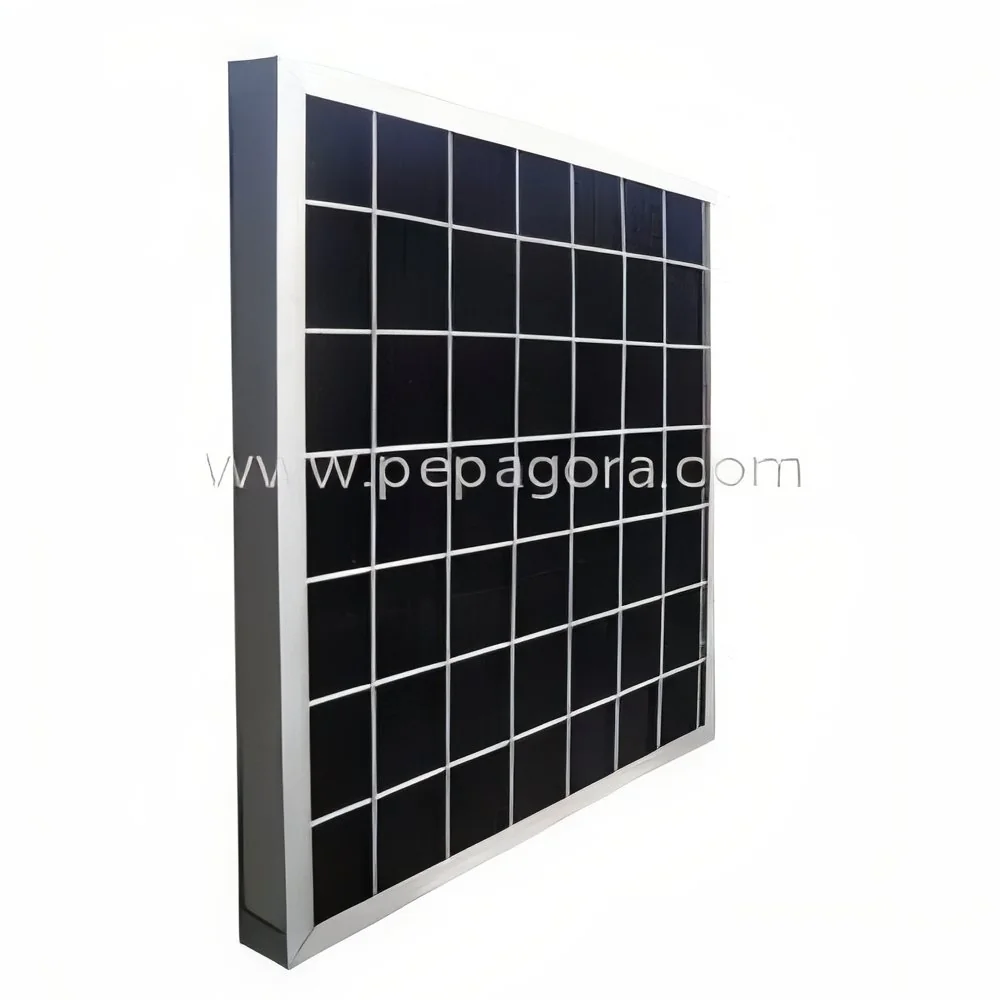
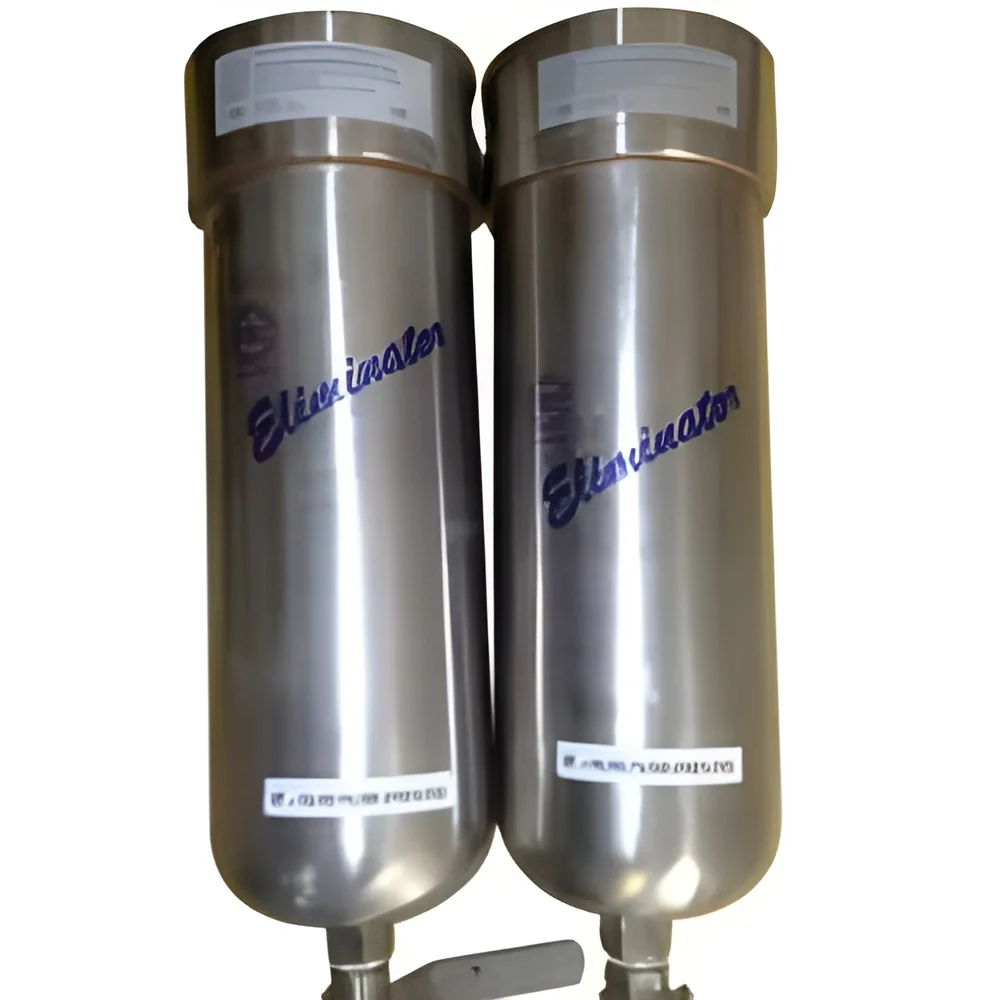
What are Inline Air Filters?
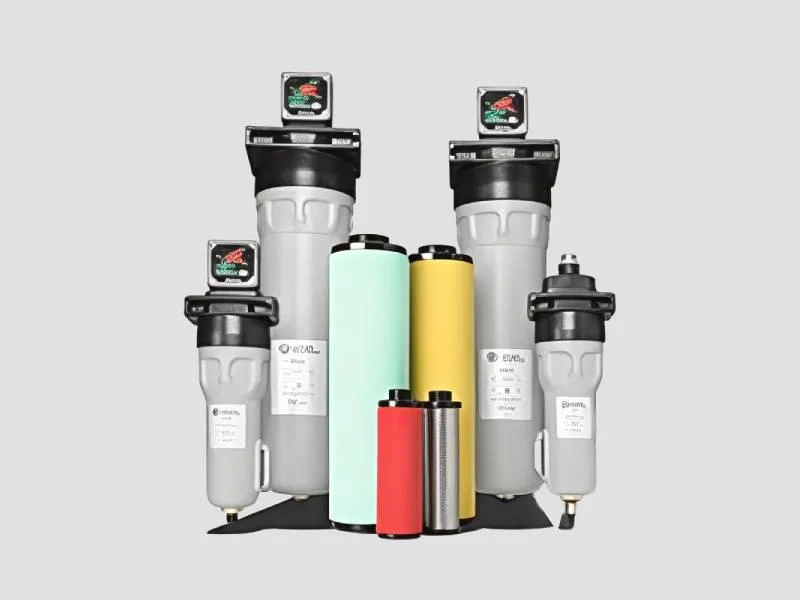
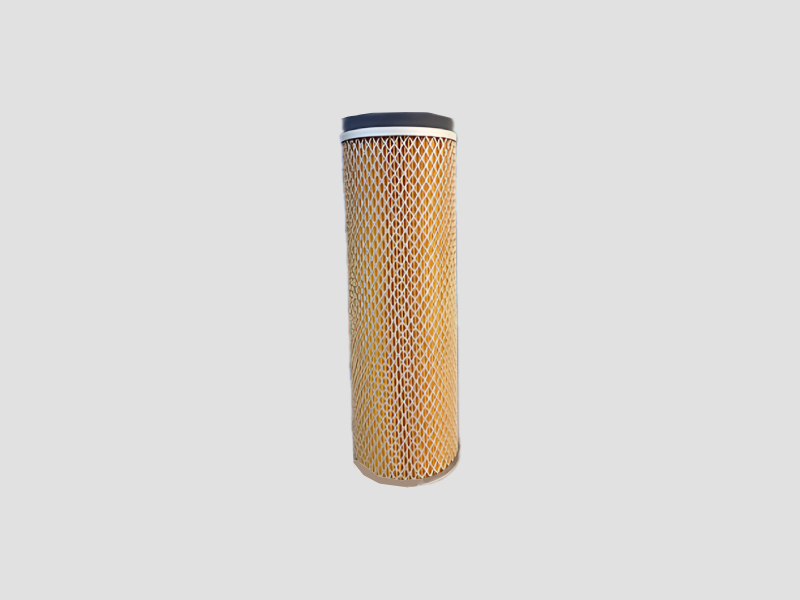
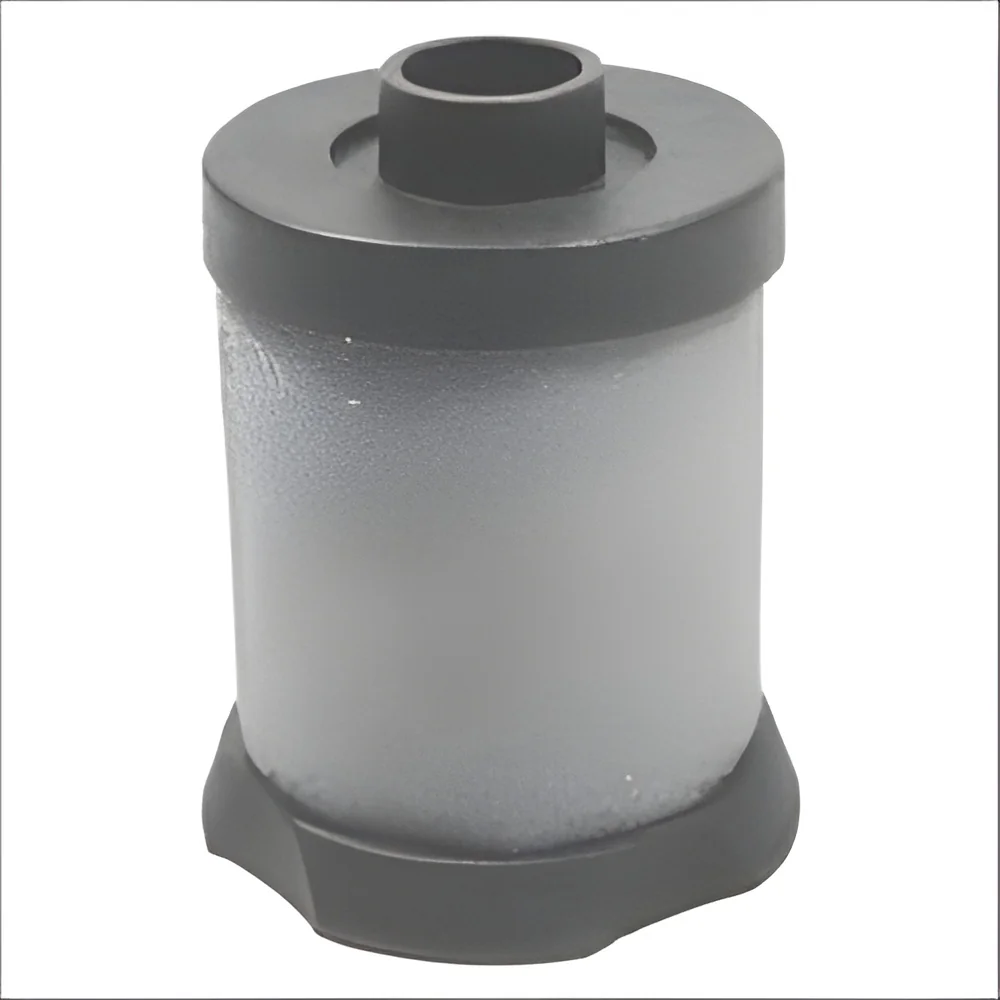
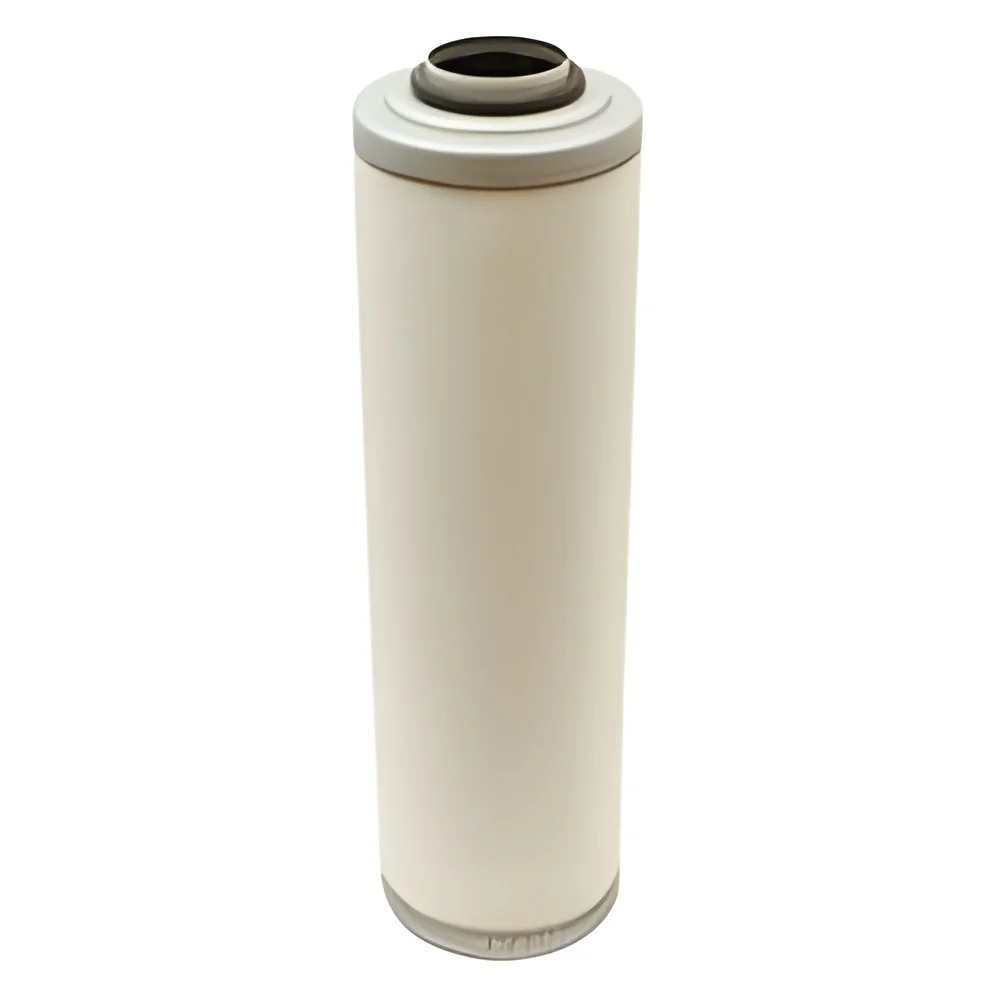
Inline air filters are essential components in various industrial systems designed to remove impurities and contaminants from air streams. These filters are strategically installed within air handling systems to ensure that the air supplied for processes or equipment is clean and free from harmful particles. Inline air filters work by trapping dust, pollen, smoke, and other particulates, allowing only filtered air to pass through.
These filters find application in multiple sectors, including manufacturing, pharmaceuticals, and food processing. In manufacturing, they help maintain optimal air quality for machinery and processes, enhancing performance and longevity. In pharmaceuticals and food processing, inline air filters are crucial for compliance with strict hygiene and safety standards. By providing clean air, they help prevent contamination and ensure product integrity, making them a vital asset in industries where air quality is paramount.
The growing emphasis on health and safety in industrial operations has led to an increased demand for inline air filters. As regulations become more stringent, businesses are investing in advanced filtration systems to meet compliance requirements and improve operational efficiency. In a market where air quality directly impacts product quality and safety, inline air filters are becoming indispensable.
Key Features and Specifications
Inline air filters are equipped with features that enhance their performance and suitability for various applications. Understanding these specifications is crucial for selecting the right filter for your needs.
Key specifications include:
1. Filtration Efficiency
- Measures the ability to remove particles from the air.
- Common efficiency ratings range from 95% to 99.97%.
2. Flow Rate
- Indicates the volume of air that can pass through the filter per unit of time.
- Typical flow rates vary based on size and design, often measured in cubic feet per minute (CFM).
3. Filter Medium
- Refers to the material used in the filter, such as fiberglass, polyester, or HEPA.
- Each medium offers different levels of filtration and durability.
4. Dimensions
- Overall size of the filter, affecting installation compatibility.
- Standard sizes include various widths and heights to fit different systems.
5. Operating Temperature Range
- Specifies the temperature limits within which the filter can function effectively.
- Data not available for specific temperature ranges.
6. Pressure Drop
- Indicates the amount of resistance the filter presents to airflow.
- A lower pressure drop is generally preferred for efficiency.
7. Service Life
- Refers to the expected lifespan of the filter before it needs replacement.
- Typical service life can range from several months to a few years, depending on usage conditions.
8. Compliance Certifications
- Includes certifications like CE, indicating adherence to European safety and quality standards.
In summary, selecting the right inline air filter involves considering various specifications that impact performance, compatibility, and compliance with industry standards.
Common Applications and Use Cases
Inline air filters are utilized across diverse industries to maintain air quality and protect equipment.
1. Manufacturing: In manufacturing environments, inline air filters are essential for preventing dust and particles from entering machinery, thereby reducing wear and improving efficiency.
2. Pharmaceuticals: These filters are critical in pharmaceutical manufacturing, where air quality must meet stringent standards to avoid contamination in drug production.
3. Food Processing: Inline air filters help ensure that the air used in food processing facilities is free of contaminants, thus protecting product quality and adhering to health regulations.
4. HVAC Systems: In heating, ventilation, and air conditioning systems, inline air filters are used to improve indoor air quality by trapping allergens and pollutants.
5. Electronics: In electronics manufacturing, clean air is vital to prevent dust and particles from damaging sensitive components during assembly.
6. Automotive: Inline air filters play a role in automotive manufacturing, ensuring that air quality is maintained during the production of vehicles.
7. Chemical Processing: These filters help mitigate risks associated with airborne chemicals, ensuring a safer working environment.
Product Variants and Subcategories
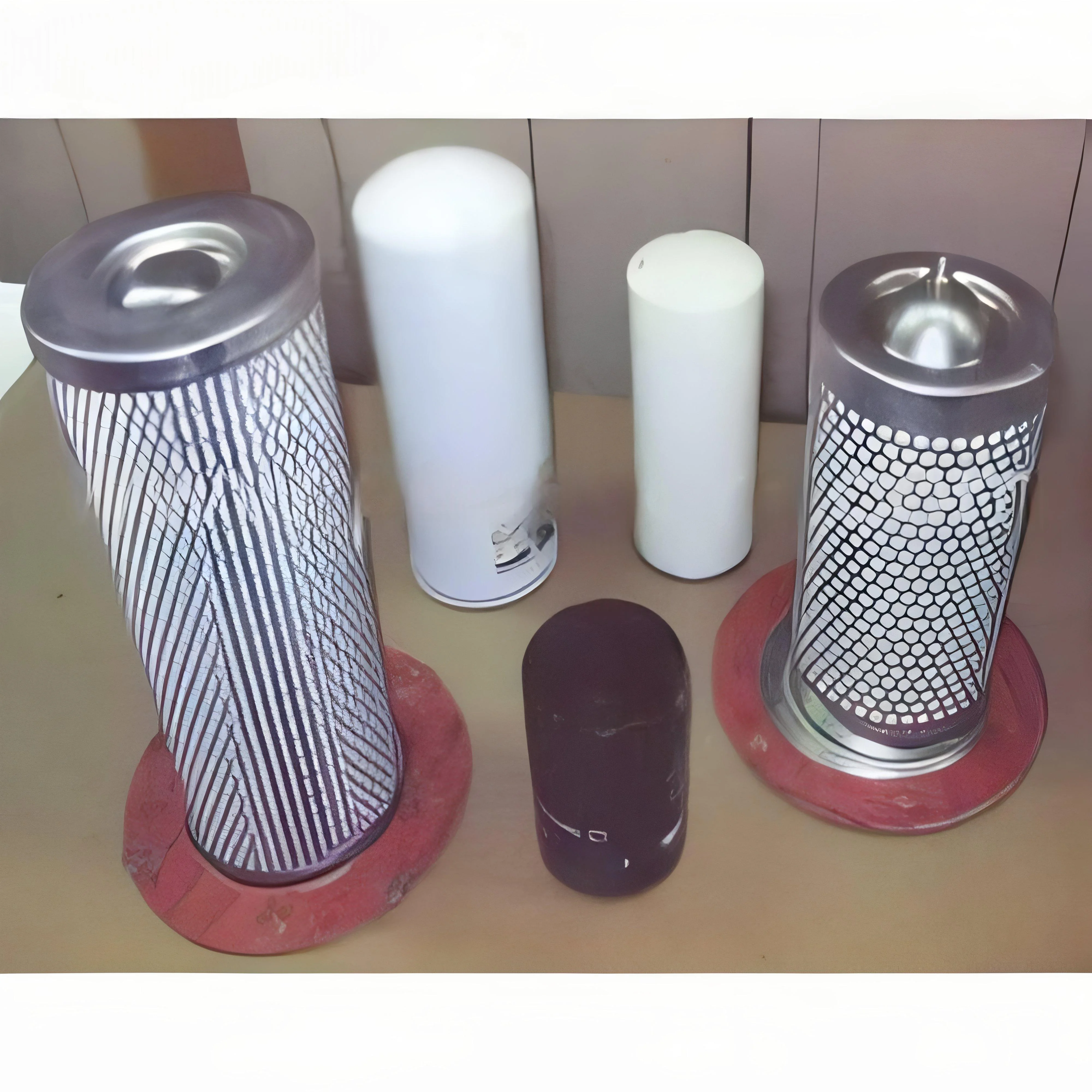
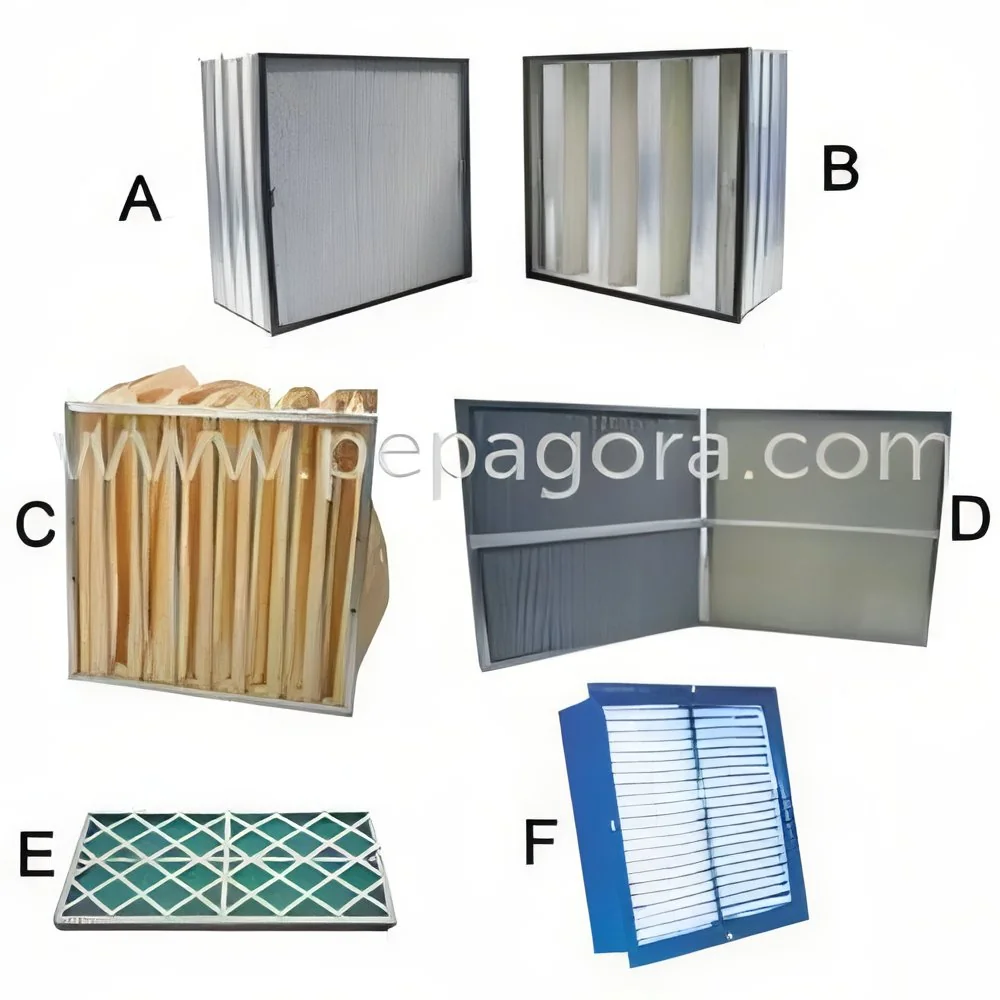
Inline air filters come in various designs to meet specific filtration needs.
Standard Inline Air Filters: These are designed for general applications and feature a range of filtration efficiencies to accommodate different air quality requirements.
High-Efficiency Particulate Air (HEPA) Filters: HEPA filters are specifically engineered for environments that require the highest level of air cleanliness, such as hospitals and laboratories.
Activated Carbon Filters: These filters are designed to remove odors and volatile organic compounds (VOCs) from the air, making them ideal for applications where air purity is crucial.
Pre-Filters: Used in conjunction with main filters, pre-filters capture larger particles, extending the life of primary filtration systems.
Benefits and Advantages
Choosing inline air filters provides several key advantages for businesses.
1. Improved Air Quality: Inline air filters significantly enhance air quality by removing harmful particles, leading to a healthier environment for workers.
2. Equipment Protection: By filtering out contaminants, these filters help protect machinery from damage, reducing maintenance costs and extending operational life.
3. Compliance Assurance: Inline air filters assist businesses in meeting regulatory standards for air quality, ensuring compliance with industry-specific requirements.
4. Enhanced Operational Efficiency: Clean air helps maintain optimal performance in industrial processes, leading to increased productivity.
5. Cost-Effectiveness: Investing in quality inline air filters can reduce long-term costs associated with equipment failure and maintenance.
6. Versatility: Inline air filters are adaptable to various applications, making them suitable for a wide range of industries and environments.
Buying Guide for B2B Buyers
When sourcing inline air filters, it is essential to consider several factors to ensure you select the appropriate product.
1. Quality Assessment: Evaluate filters based on their filtration efficiency, materials used, and compliance with industry standards. Look for certifications like CE to ensure reliability.
2. Supplier Verification: Vet suppliers by checking their reputation, customer reviews, and product offerings. Ensure they have a proven track record in the industry.
3. Pricing and MOQ: Consider the cost of filters and the minimum order quantity (MOQ). Compare prices across different suppliers to find the best value without compromising quality.
4. Delivery and Lead Times: Confirm lead times for delivery to ensure your operations are not disrupted. Plan for potential delays by discussing logistics with suppliers.
5. Compliance Requirements: Understand the regulatory standards applicable to your industry and ensure that the inline air filters you choose meet these requirements.
Compliance and Certifications
Compliance with quality standards is crucial for inline air filters to ensure safety and reliability.
Relevant quality standards such as ISO 9001 and HACCP are essential in the manufacturing and food processing sectors. These standards ensure that products meet specific quality and safety criteria.
Industry certifications, including CE, indicate that products comply with European regulations regarding safety and performance. This certification is particularly important for companies looking to export their products.
Safety and testing requirements should also be considered. Filters must undergo rigorous testing to verify their effectiveness and reliability under various operating conditions.
Regional compliance considerations are crucial, as different areas may have specific regulations governing air quality and filtration standards. Understanding these regulations helps businesses remain compliant and avoid potential penalties.
Why Source Inline Air Filters from Pepagora?
Pepagora offers a reliable platform for sourcing inline air filters, providing several key advantages for businesses.
Verified Supplier Network: Pepagora has a network of verified suppliers that ensures quality and reliability. By sourcing through Pepagora, businesses can trust that they are getting products from reputable manufacturers.
Streamlined RFQ Process: The request for quotation (RFQ) process is designed to be efficient and user-friendly. This allows buyers to quickly receive quotes from multiple suppliers, facilitating informed decision-making.
Trade Assurance and Support: Pepagora provides trade assurance features that protect buyers throughout the purchasing process. This support includes dispute resolution and guarantees product quality.
Regional Coverage: With a strong presence in India, the GCC, and Southeast Asia, Pepagora offers extensive geographic coverage. This ensures that businesses in these regions have access to high-quality inline air filters tailored to their specific needs.

 IN
IN