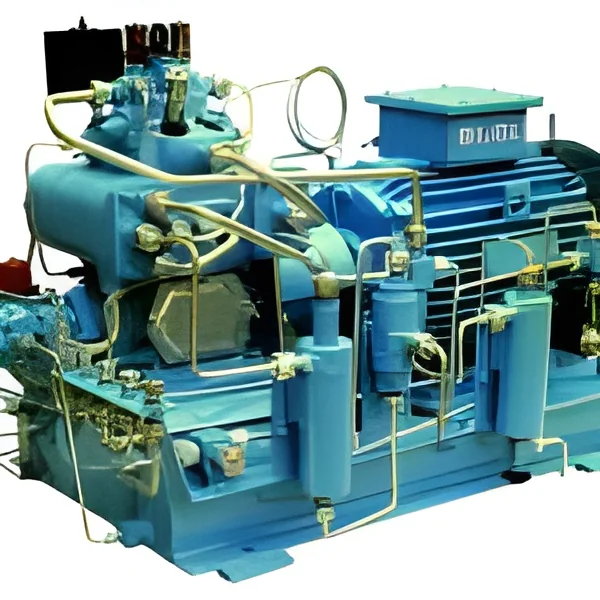
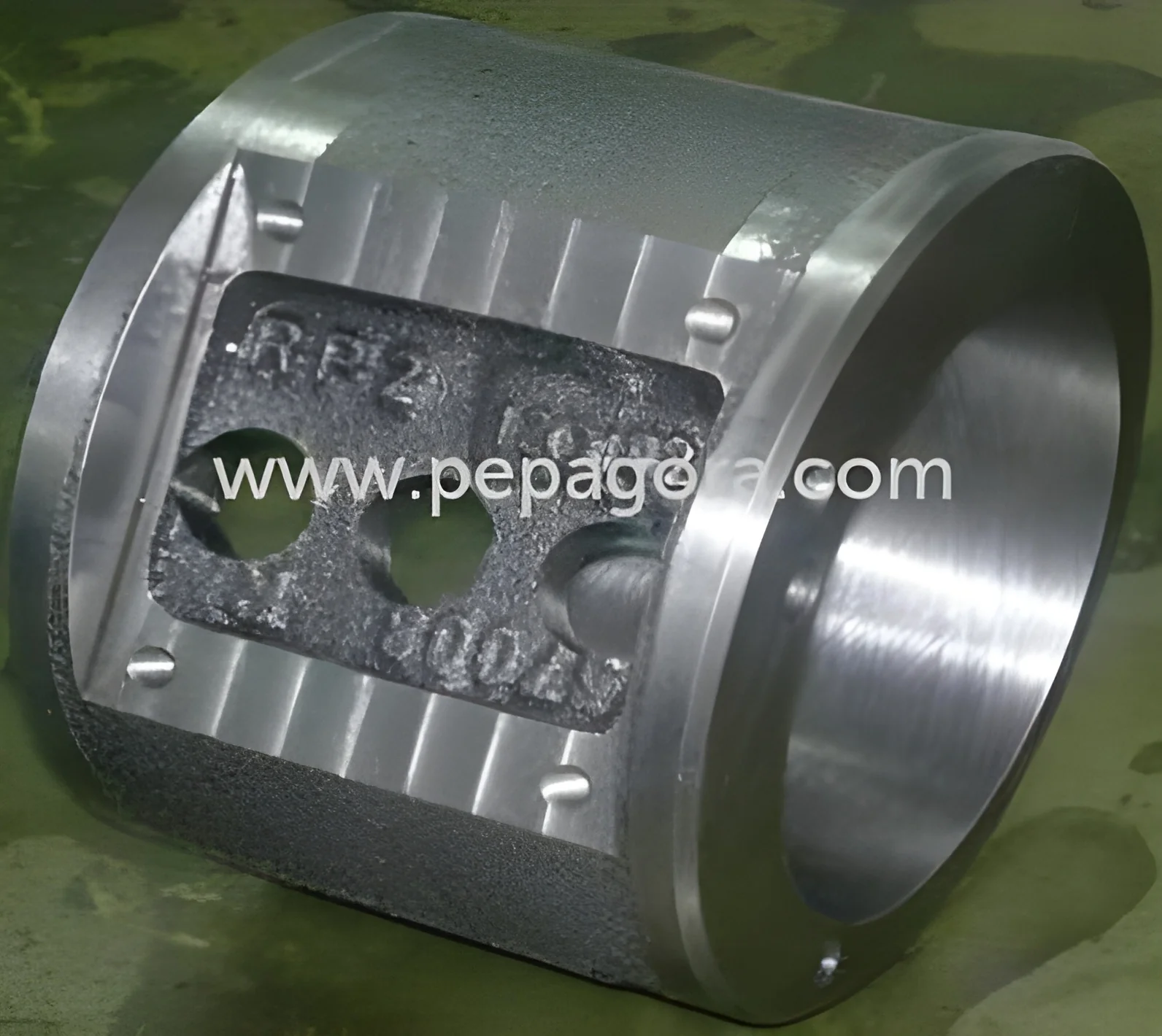
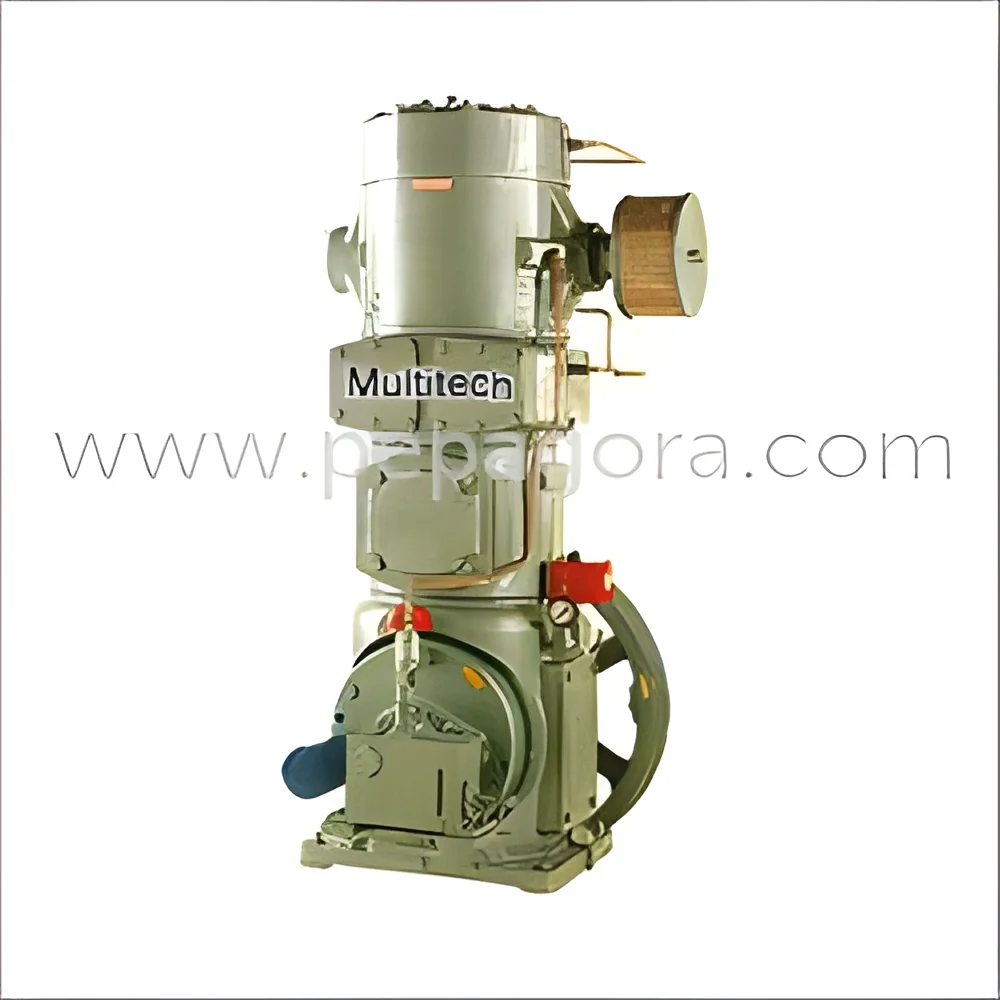
What are Oxygen Compressors?
Oxygen compressors are specialized equipment designed to increase the pressure of oxygen gas for various applications. They work by drawing in ambient air and compressing it, thereby increasing the oxygen concentration and pressure in the output stream. These devices are crucial in systems requiring high-purity oxygen, offering efficient and reliable performance for different industrial needs.
Oxygen compressors are primarily used in the medical field for respiratory therapy, as well as in industrial applications such as metal fabrication, chemical production, and wastewater treatment. They play a vital role in processes that require an enhanced oxygen supply, ensuring optimal operation and productivity. With the growing demand for oxygen in various sectors, the market for oxygen compressors continues to expand, reflecting their importance in both health and industrial environments.
Key Features and Specifications
Oxygen compressors come with a range of features tailored to meet the specific needs of different industries. Their specifications can vary widely based on application requirements, making it essential for buyers to understand these features when selecting a suitable compressor.
Key specifications include:
1. Compression Ratio
- Indicates the ratio of the volume of gas before compression to the volume after compression.
- Typically ranges from 3:1 to 10:1 depending on the model.
2. Flow Rate
- Represents the volume of oxygen delivered, usually measured in liters per minute (LPM).
- Common flow rates range from 1 LPM to 100 LPM.
3. Power Requirements
- Specifies the electrical input needed to operate the compressor.
- Often available in single-phase or three-phase options, ranging from 1 kW to 15 kW.
4. Operating Pressure
- The pressure level at which the compressor operates effectively.
- Normal operating pressures range from 2 to 10 bar.
5. Noise Level
- The sound output of the compressor during operation, measured in decibels (dB).
- Typically ranges from 60 dB to 80 dB.
6. Dimensions and Weight
- Physical size and weight of the compressor for installation considerations.
- Varies based on the model, generally between 50 kg and 200 kg.
7. Cooling Method
- The technique used to maintain optimal operational temperatures.
- Options include air-cooled or water-cooled systems.
8. Control Features
- Includes monitoring and control systems for efficient operation.
- May feature digital displays and automated controls for ease of use.
In summary, understanding the features and specifications of oxygen compressors helps businesses select the right model for their operational needs, ensuring efficiency and reliability.
Common Applications and Use Cases
Oxygen compressors are utilized across various industries, each with specific applications that highlight their versatility.
1. Medical Industry: Oxygen compressors are essential in hospitals and clinics for supplying oxygen to patients with respiratory issues. They ensure a continuous flow of high-purity oxygen for therapeutic use.
2. Metal Fabrication: In welding and cutting processes, oxygen compressors provide the necessary oxygen for combustion, enhancing the efficiency and quality of the work performed.
3. Chemical Production: These compressors are used in the manufacturing of chemicals where high-purity oxygen is needed for reactions, ensuring product quality and safety.
4. Aquaculture: Oxygen compressors help maintain dissolved oxygen levels in aquaculture systems, promoting healthy fish growth and improving water quality.
5. Wastewater Treatment: In wastewater treatment facilities, oxygen is crucial for aerobic digestion processes. Compressors ensure a steady supply of oxygen for effective treatment.
6. Food and Beverage Industry: Oxygen compressors are used in food packaging to enhance shelf life by controlling the atmosphere within packaging materials.
7. Oil and Gas Industry: These compressors play a role in enhanced oil recovery processes by injecting oxygen into reservoirs to improve extraction efficiency.
Product Variants and Subcategories
Oxygen compressors come in various configurations to meet the diverse needs of different industries. Each variant is designed with specific features to cater to unique applications.
Reciprocating Oxygen Compressors
These compressors utilize a piston mechanism to compress oxygen. They are known for their high efficiency and are suitable for applications requiring substantial pressure.
Rotary Screw Oxygen Compressors
These compressors use a rotary mechanism to compress oxygen, providing a continuous flow of gas. They are ideal for large-scale operations where a steady supply of oxygen is essential.
Scroll Oxygen Compressors
Scroll compressors operate with spiral mechanisms for quiet operation and reduced vibration. They are particularly beneficial in medical applications, offering compact designs and high reliability.
Benefits and Advantages
Investing in oxygen compressors brings several advantages to industrial operations.
1. Efficiency: Oxygen compressors are designed for high efficiency, ensuring optimal performance with minimal energy consumption.
2. Reliability: These compressors provide consistent oxygen supply, crucial for applications where uninterrupted operation is necessary.
3. Versatility: With various models available, oxygen compressors can be tailored to meet specific needs across different industries.
4. Enhanced Safety: By providing high-purity oxygen, these compressors reduce risks associated with contaminated gas supplies.
5. Cost-Effective: Efficient operation leads to lower operating costs, making oxygen compressors a financially viable option for businesses.
Buying Guide for B2B Buyers
When sourcing oxygen compressors, buyers should consider several critical factors to ensure they make informed decisions.
1. Quality Assessment: Evaluate the quality of the compressors based on manufacturer reputation and customer reviews. Look for features that indicate durability and reliability.
2. Supplier Verification: Conduct thorough background checks on suppliers to ensure they are reputable and provide quality products. Consider previous project experiences and client testimonials.
3. Pricing and MOQ: Understand the pricing structure and minimum order quantity (MOQ) requirements. Compare quotes from multiple suppliers to ensure competitive pricing.
4. Delivery and Lead Times: Inquire about delivery schedules and lead times to ensure timely project execution. Confirm logistics capabilities to avoid delays.
5. Compliance Requirements: Be aware of any regulatory standards and certifications that apply to oxygen compressors in your region, ensuring compliance with local and international norms.
Compliance and Certifications
Oxygen compressors must adhere to various compliance and certification standards to ensure safety and reliability. ISO 9001 is often a key quality standard that emphasizes effective quality management systems. Compliance with HACCP and GDP ensures that the compressors meet safety and quality guidelines, especially for medical applications.
Additionally, CE certification indicates that the compressors comply with European health, safety, and environmental protection standards. Regular testing and adherence to safety requirements are essential to maintain the integrity of the compressors. Buyers should also consider regional compliance that may affect the operation within specific markets.
Why Source Oxygen Compressors from Pepagora?
Pepagora offers a reliable platform for sourcing oxygen compressors, providing numerous advantages to buyers.
Verified Supplier Network: Pepagora connects buyers with verified suppliers, ensuring access to quality products and reducing the risks associated with sourcing.
Streamlined RFQ Process: The platform features an efficient request for quotation (RFQ) system, allowing buyers to easily request and compare quotes from multiple suppliers, saving time and enhancing decision-making.
Trade Assurance and Support: Pepagora offers buyer protection through trade assurance measures, ensuring that purchases are secure and that support is available throughout the buying process.
Regional Coverage: With a strong presence in markets like India, the GCC, and Southeast Asia, Pepagora provides regional expertise, helping buyers navigate local sourcing challenges effectively.

 IN
IN