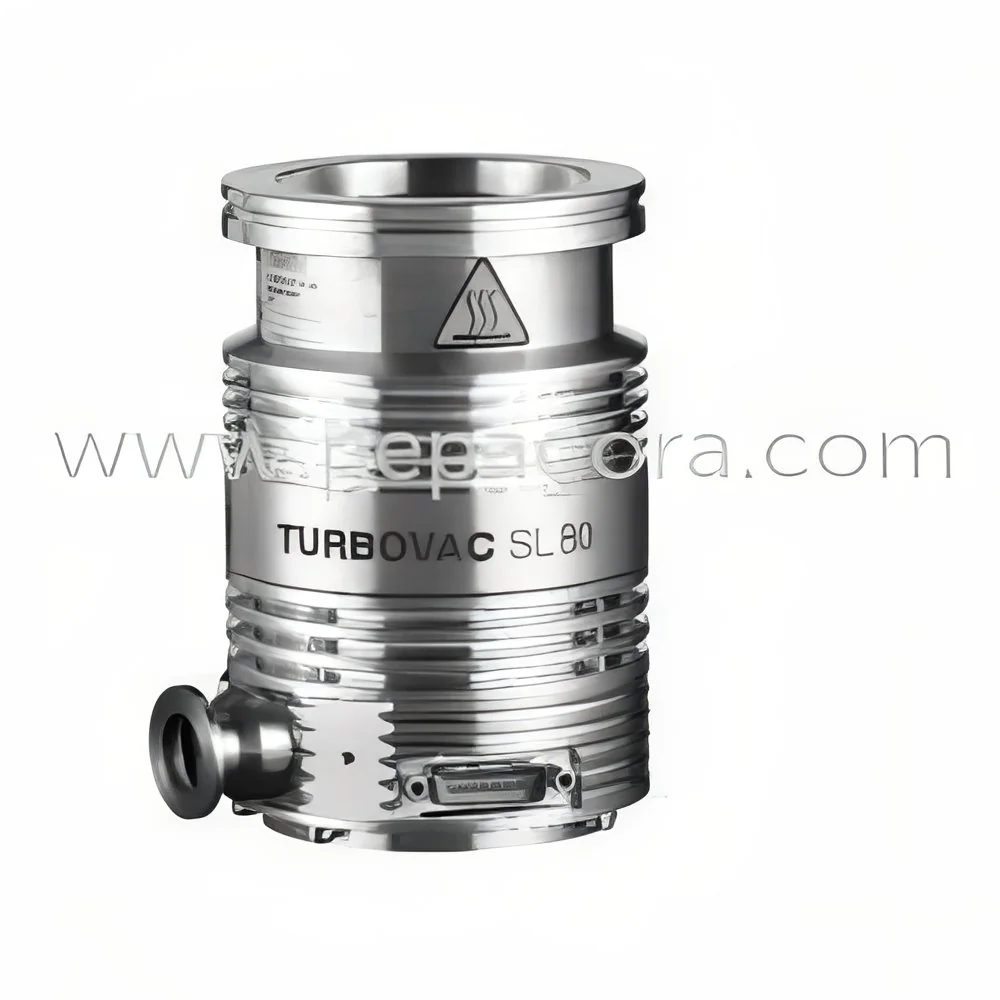
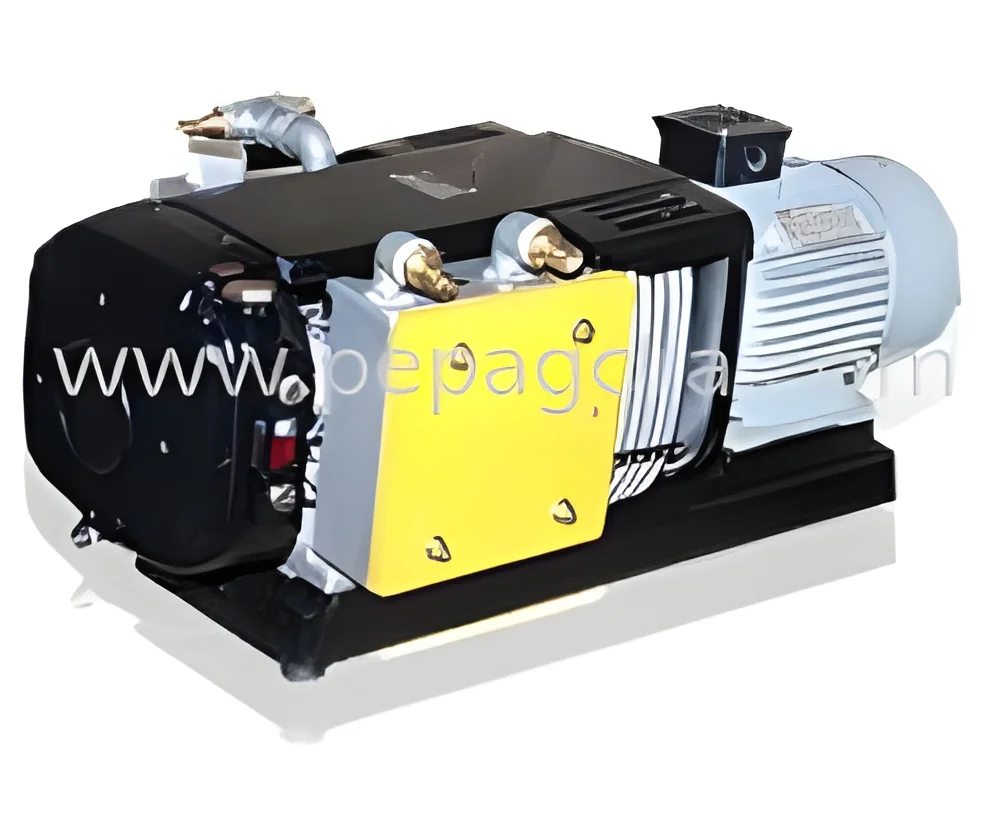
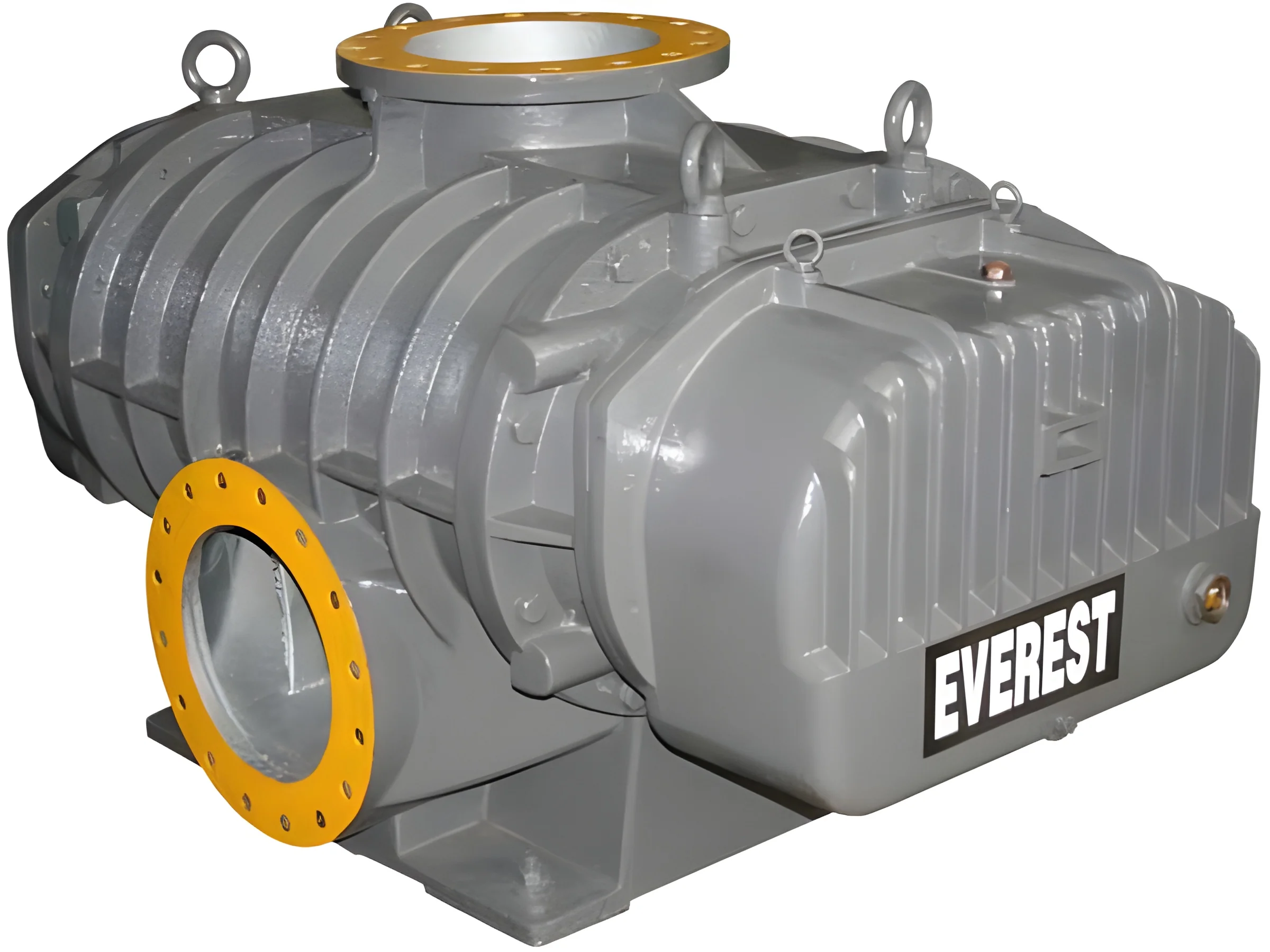
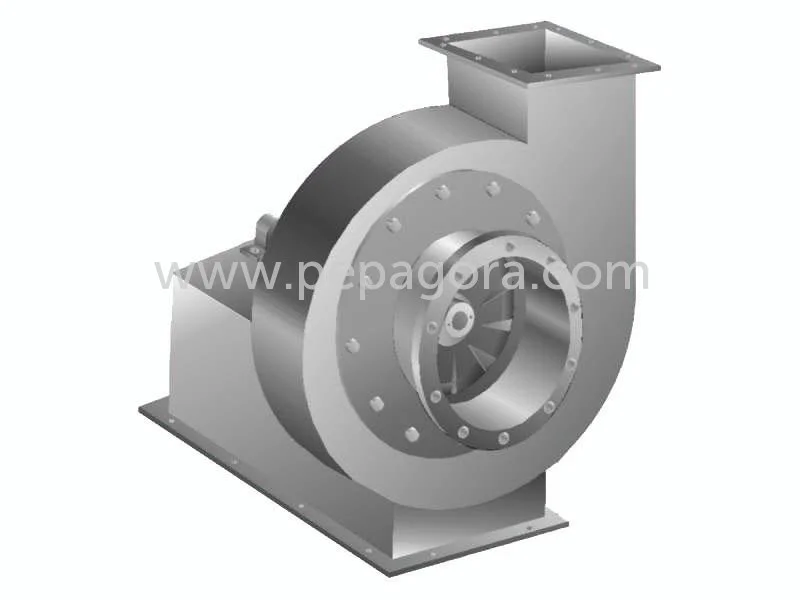
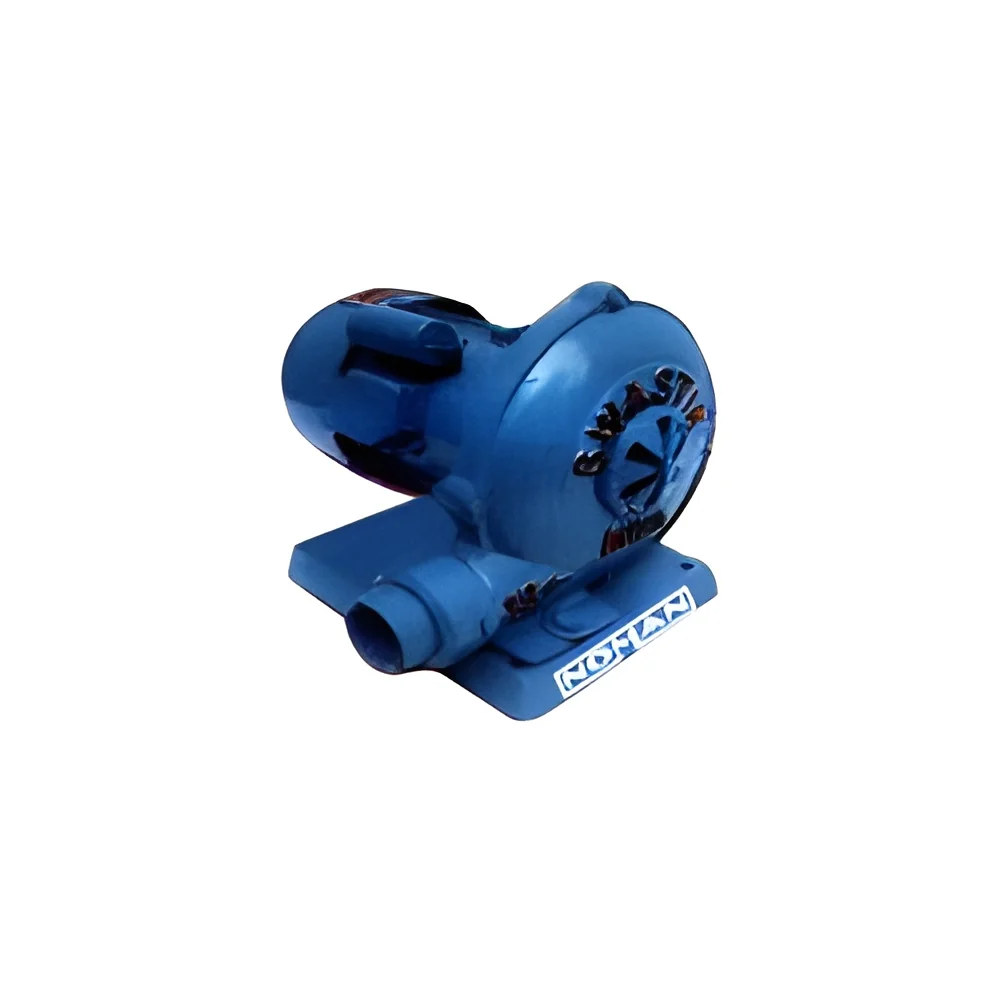
What are Regenerative Blowers?
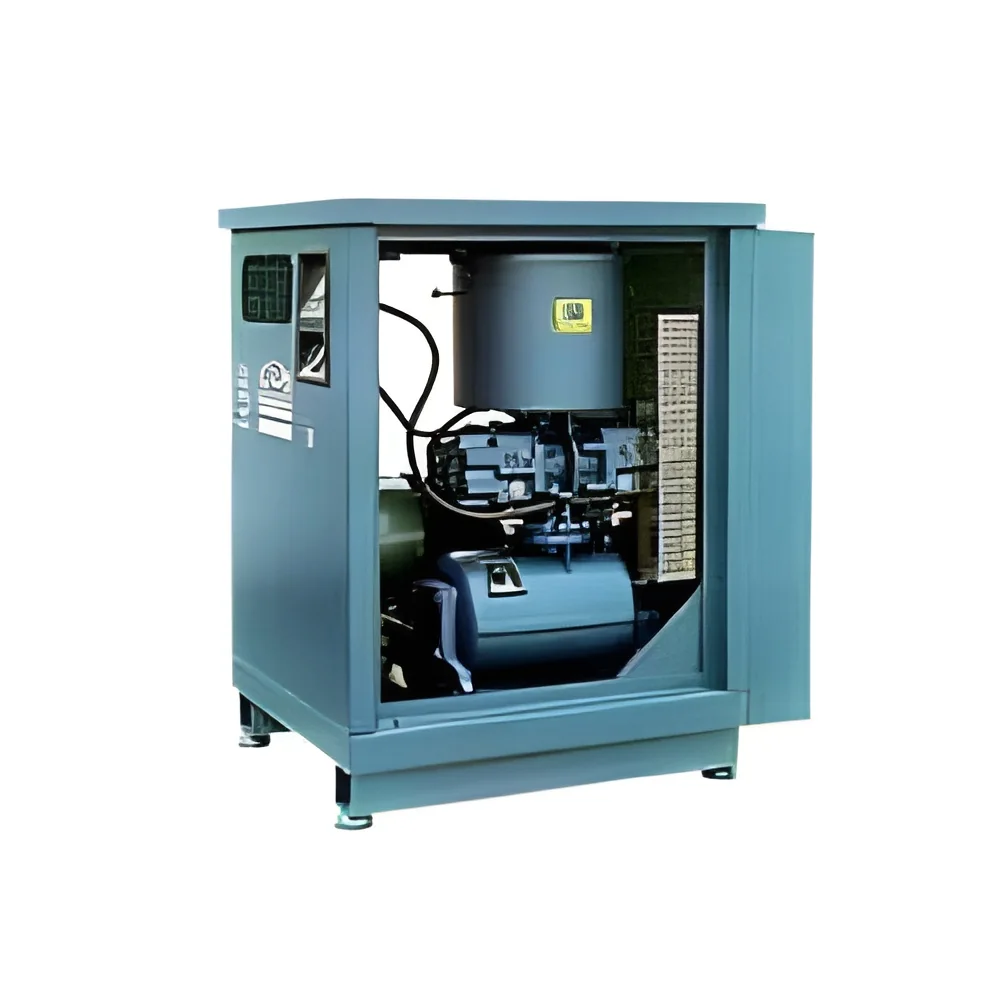
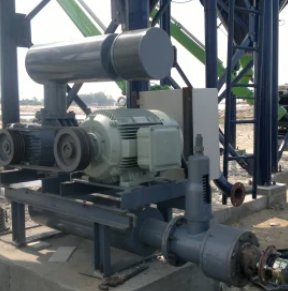
Regenerative blowers are specialized air-moving devices that utilize a unique design to generate high volumes of airflow with low energy consumption. They operate by creating a series of pressure waves through rotor blades that spin within a housing. This design allows them to efficiently move air in a continuous flow, making them suitable for various applications requiring vacuum or pressure.
These blowers are commonly used in multiple industries, including wastewater treatment, pneumatic conveying, and material handling. They help in processes like aeration, packaging, and drying. Their capability to provide a steady air supply makes them crucial in manufacturing and processing environments.
In the current market context, regenerative blowers are gaining traction due to their energy efficiency and reliability. As industries increasingly focus on sustainability, these blowers offer a solution that reduces operational costs while maintaining performance. Their relevance is particularly significant in sectors that require continuous operation with minimal maintenance.
Key Features and Specifications
Regenerative blowers come equipped with several key features that enhance their performance and usability. Understanding these specifications is vital for selecting the right blower for your application.
Key specifications include:
1. Airflow Capacity
- The amount of air the blower can move, typically measured in cubic feet per minute (CFM) or liters per second (L/s).
2. Pressure Range
- The level of vacuum or pressure that the blower can generate, often expressed in inches of water gauge (inH2O) or Pascals (Pa).
3. Power Consumption
- The energy required to operate the blower, usually specified in kilowatts (kW) or horsepower (HP).
4. Noise Level
- The sound produced during operation, generally measured in decibels (dB), which can impact workplace environment.
5. Construction Material
- The materials used in blower construction, which can affect durability and compatibility with various environments.
6. Operating Temperature Range
- The temperature limits within which the blower can safely operate, ensuring optimal performance.
7. Maintenance Requirements
- Information on how often maintenance should be performed, influencing long-term operational costs.
8. Mounting Options
- Various configurations available for installation, allowing flexibility in different setups.
In summary, understanding these features will help businesses choose the right regenerative blower that meets their operational needs while ensuring efficiency and performance.
Common Applications and Use Cases
Regenerative blowers find applications across diverse industries due to their versatility and efficiency.
1. Wastewater Treatment: These blowers are used for aeration processes, providing oxygen to bacteria that break down organic materials in treatment plants.
2. Pneumatic Conveying: They facilitate the movement of bulk materials through pipelines, making them essential in food processing and packaging.
3. Material Handling: Regenerative blowers assist in vacuum lifting and material transport, enhancing productivity in manufacturing environments.
4. HVAC Systems: These blowers are employed in air circulation and ventilation systems to maintain air quality and comfort.
5. Printing and Coating: In the printing industry, regenerative blowers help in drying processes, ensuring high-quality finishes.
6. Chemical Processing: They provide reliable airflow for various chemical reactions that require controlled environments.
7. Aquaculture: Used in fish farming, these blowers help maintain oxygen levels in water, promoting healthy aquatic life.
Product Variants and Subcategories
Regenerative blowers come in various designs to cater to specific application needs.
Compact Regenerative Blower
This variant is designed for smaller spaces while maintaining high performance. Ideal for applications that require efficient air movement in limited areas.
High-Pressure Regenerative Blower
Engineered to deliver elevated pressure levels, this blower is suitable for tasks demanding higher air pressure, such as pneumatic conveying of heavy materials.
Low-Noise Regenerative Blower
Designed with sound-dampening features, this variant is perfect for environments where noise reduction is critical, such as in office settings or residential areas.
Energy-Efficient Regenerative Blower
This version focuses on reducing energy consumption, making it suitable for companies looking to lower operational costs while maintaining performance.
Benefits and Advantages
Investing in regenerative blowers offers numerous benefits for businesses.
Key benefits include:
1. Energy Efficiency: These blowers consume less energy compared to traditional blowers, leading to reduced operational costs.
2. Low Maintenance: With fewer moving parts, regenerative blowers often require less frequent maintenance, minimizing downtime.
3. Continuous Operation: Designed for reliability, they can operate continuously, making them suitable for demanding industrial applications.
4. Compact Design: Their space-saving construction allows installation in tight spaces without compromising performance.
5. Versatile Applications: Capable of handling various tasks, regenerative blowers can be utilized across multiple industries.
6. Environmentally Friendly: Lower energy consumption translates to reduced carbon footprint, supporting sustainability initiatives.
Buying Guide for B2B Buyers
When sourcing regenerative blowers, several factors should be considered to ensure the right purchase.
1. Quality Assessment: Evaluate the quality by looking for certifications and standards the blower meets. High-quality blowers often come with warranties and proven reliability.
2. Supplier Verification: Vet suppliers by checking their reputation and customer reviews. This ensures you are dealing with a reliable manufacturer or distributor.
3. Pricing and MOQ: Understand the pricing structure and minimum order quantities (MOQs) offered by suppliers. This helps in budgeting and ensuring you meet purchase requirements.
4. Delivery and Lead Times: Inquire about delivery schedules and lead times. Timely delivery is critical for maintaining production schedules.
5. Compliance Requirements: Ensure the blowers comply with industry regulations and standards applicable in your region. This may include safety and environmental standards.
Compliance and Certifications
Regenerative blowers must adhere to various quality standards and certifications to ensure they meet industry requirements.
ISO 9001 is a widely recognized quality management standard that ensures manufacturers follow consistent processes to deliver high-quality products. Compliance with this standard indicates reliability and quality assurance.
CE certification is essential for products sold in European markets, signifying that the blower meets health, safety, and environmental protection standards. This certification provides assurance to buyers of the product's safety and compliance.
In addition to these standards, safety testing requirements may vary by region. Manufacturers often conduct rigorous testing to ensure that their blowers operate safely under specified conditions.
Regional compliance considerations may also impact the selection of regenerative blowers, particularly in markets with specific regulations concerning emissions and energy consumption.
Why Source Regenerative Blowers from Pepagora?
Pepagora offers a trusted platform for sourcing regenerative blowers, providing numerous advantages to B2B buyers.
Verified Supplier Network: At Pepagora, we maintain a network of verified suppliers, ensuring that buyers can trust the quality and reliability of the products offered. This network includes manufacturers with proven track records in delivering high-performance blowers.
Streamlined RFQ Process: Our platform features a streamlined Request for Quotation (RFQ) process that simplifies the purchasing experience. Buyers can easily compare quotes from multiple suppliers, helping them make informed decisions quickly.
Trade Assurance and Support: Pepagora provides trade assurance and dedicated support to buyers, ensuring their transactions are protected. We facilitate communication between buyers and suppliers, addressing any concerns that may arise during the purchasing process.
Regional Coverage: Our services extend across India, the GCC, and Southeast Asia, providing buyers with access to a diverse range of suppliers and products. This geographic reach ensures that businesses can find the right regenerative blowers tailored to their specific needs.

 IN
IN