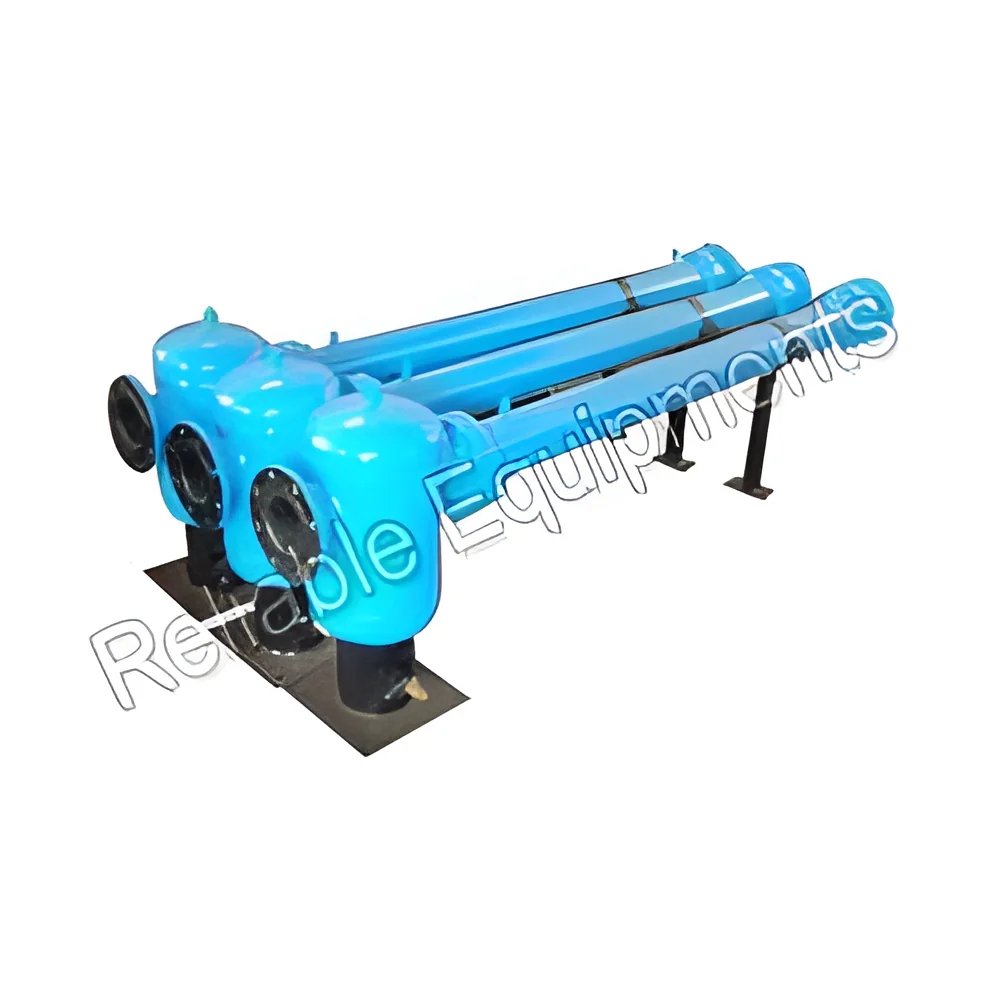
What are Aftercoolers?
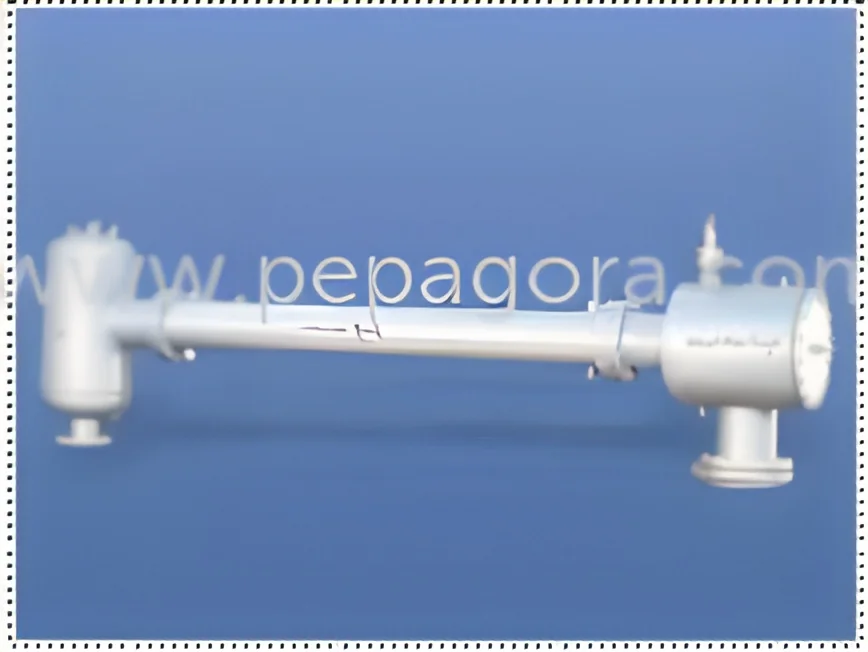
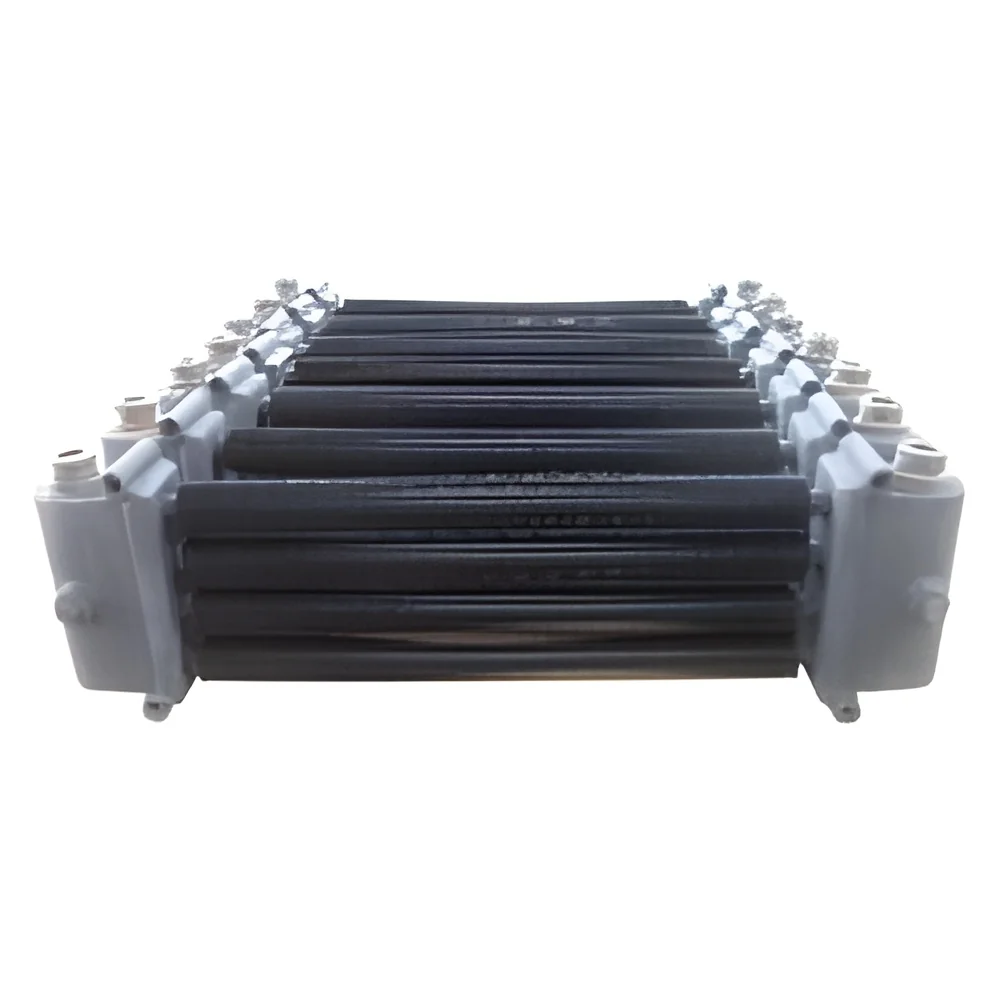
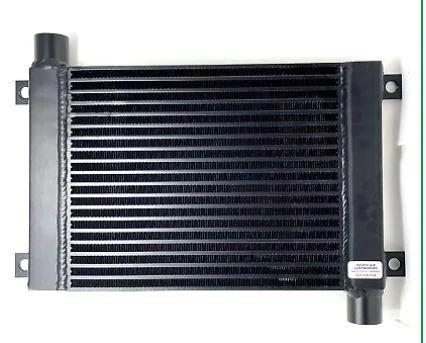
Aftercoolers are specialized heat exchangers designed to cool compressed air or gas after it has been compressed by a compressor. The primary function of an aftercooler is to reduce the temperature of the compressed air before it enters the storage tank or downstream equipment. By cooling the air, aftercoolers help to condense and remove moisture, thus preventing issues such as corrosion, freezing, and other complications in pneumatic systems.
In various industrial applications, aftercoolers play a critical role in enhancing operational efficiency and equipment longevity. They are commonly used in industries such as manufacturing, automotive, and construction, where compressed air is essential. By ensuring that the air is cooled and dehumidified, aftercoolers help maintain the quality of the air supplied to tools and machinery, which is vital for optimal performance and reliability.
As industries continue to focus on energy efficiency and operational effectiveness, the relevance of aftercoolers has grown significantly. They are increasingly recognized as essential components in compressed air systems, contributing to energy savings and reduced maintenance costs. The market for aftercoolers is expanding as more businesses seek reliable solutions to improve their compressed air systems.
Key Features and Specifications
Aftercoolers come with various features and specifications that enhance their performance and suitability for different applications. Understanding these specifications is crucial for selecting the right aftercooler for specific needs.
Key specifications include:
1. Cooling Capacity
- Determines the amount of heat the aftercooler can remove from the compressed air.
- Typically measured in cubic feet per minute (CFM).
2. Material Construction
- Common materials include aluminum and stainless steel for durability and corrosion resistance.
- The choice of material affects the aftercooler’s lifespan and performance.
3. Size and Dimensions
- Varies based on application requirements.
- Compact designs are available for space-restricted installations.
4. Pressure Rating
- Indicates the maximum pressure the aftercooler can handle safely.
- Important for compatibility with high-pressure systems.
5. Temperature Range
- Specifies the operating temperature limits for effective cooling.
- Essential for maintaining optimal performance in various environments.
6. Airflow Direction
- Can be cross-flow or counter-flow design.
- Influences the efficiency of heat exchange.
7. Connection Types
- Available in different connection types, such as threaded or flanged.
- Ensures compatibility with existing piping systems.
8. Maintenance Requirements
- Some models are designed for easy cleaning and maintenance.
- Reduces downtime and operational costs.
In summary, selecting an aftercooler requires careful consideration of these specifications to ensure compatibility with existing systems and to meet operational needs effectively.
Common Applications and Use Cases
Aftercoolers find use in various industries, performing essential functions to ensure the efficiency of compressed air systems.
1. Manufacturing: In manufacturing settings, aftercoolers are vital for cooling compressed air used in pneumatic tools and machinery. They help maintain the quality of air, preventing moisture-related issues in production lines.
2. Automotive: In the automotive industry, aftercoolers are often employed in production processes that require compressed air, such as painting and assembly. Their ability to remove moisture is crucial for maintaining finish quality.
3. Construction: Construction sites frequently utilize aftercoolers to ensure that pneumatic tools operate efficiently. Cooling the compressed air reduces the risk of tool failure due to moisture accumulation.
4. Food Processing: In food processing plants, aftercoolers help maintain hygiene standards by removing moisture from compressed air used in packaging and processing.
5. Pharmaceutical: The pharmaceutical industry relies on aftercoolers to ensure that compressed air used in production and packaging processes is free from contaminants, ensuring product safety.
6. Oil and Gas: In oil and gas operations, aftercoolers are used to cool air and gas after compression to prevent issues related to condensation in pipelines.
7. Textile: In textile manufacturing, aftercoolers help maintain the quality of air used in dyeing and finishing processes, reducing defects caused by moisture.
Product Variants and Subcategories
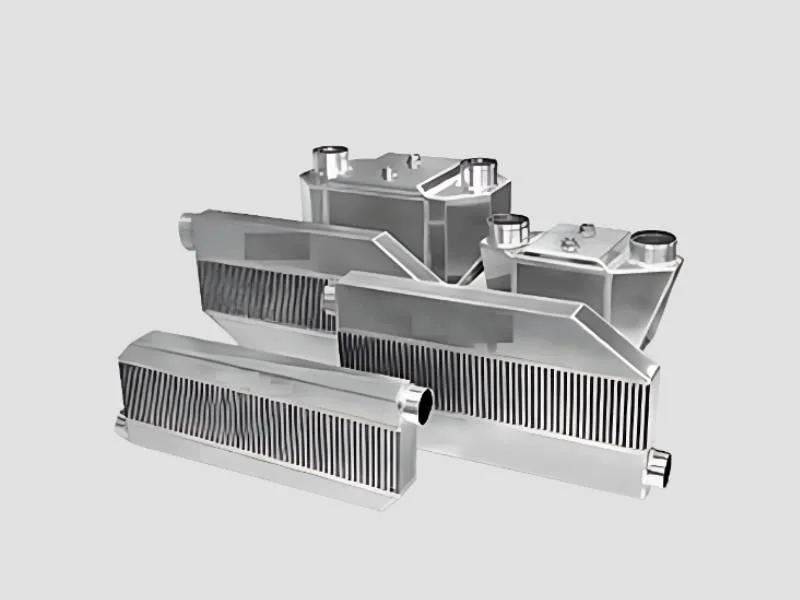
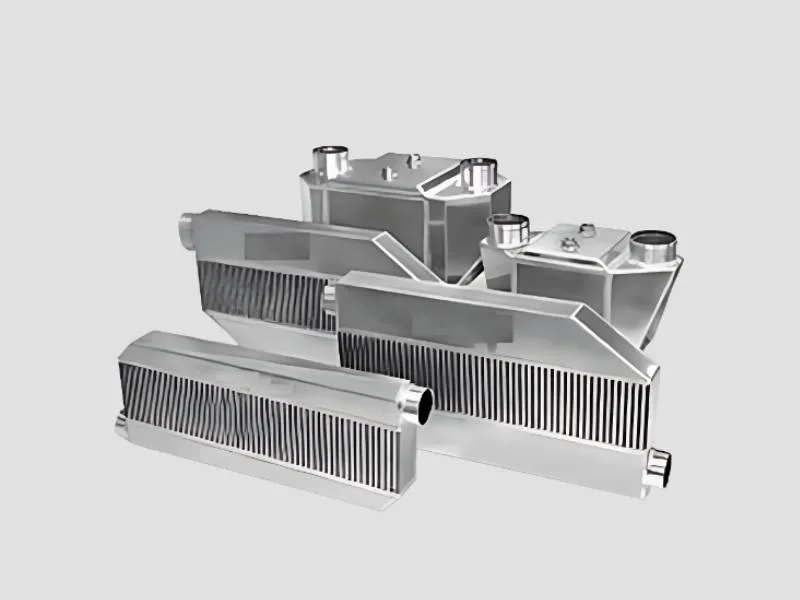
Aftercoolers are available in various designs and configurations to suit different operational needs. Each variant is tailored for specific applications and environments.
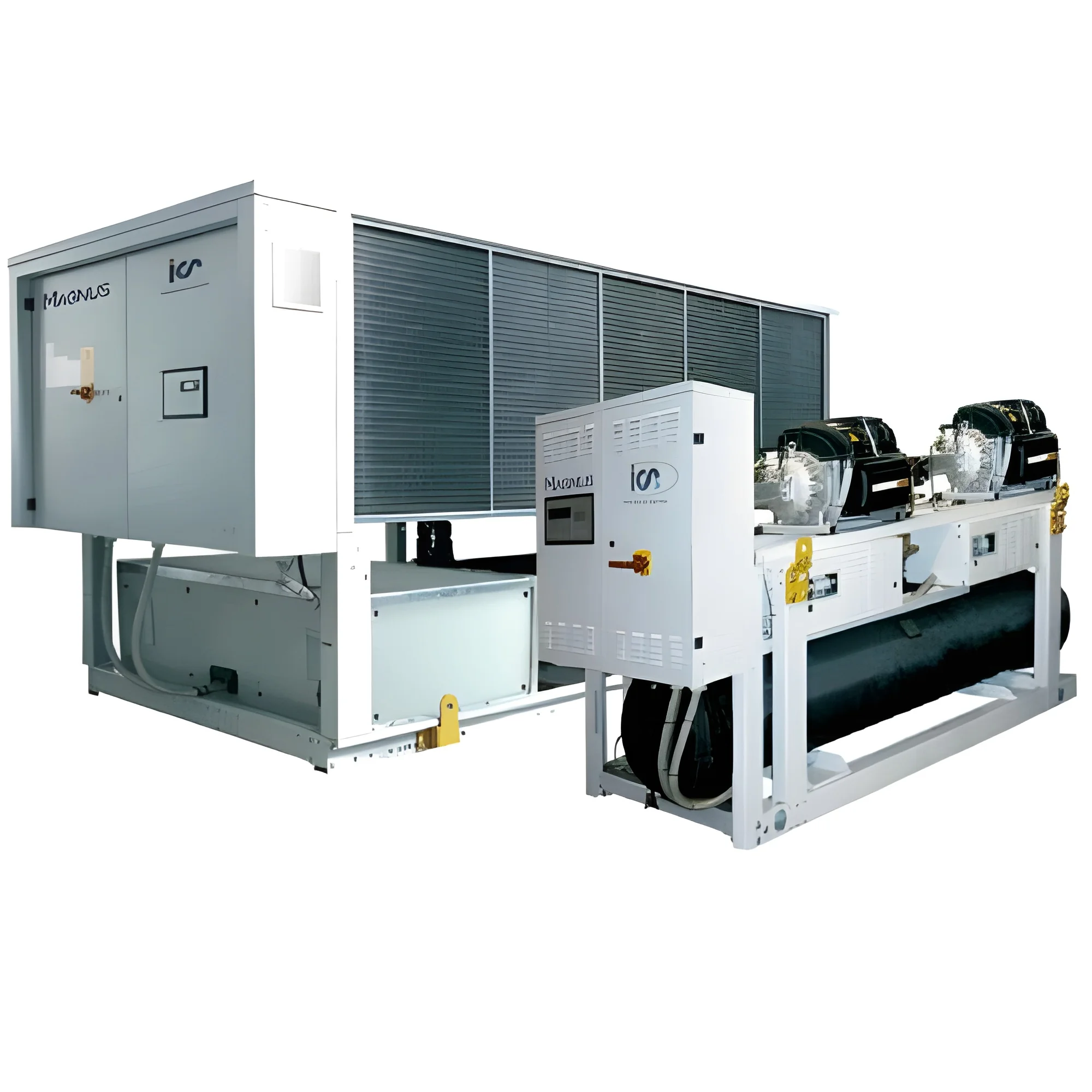
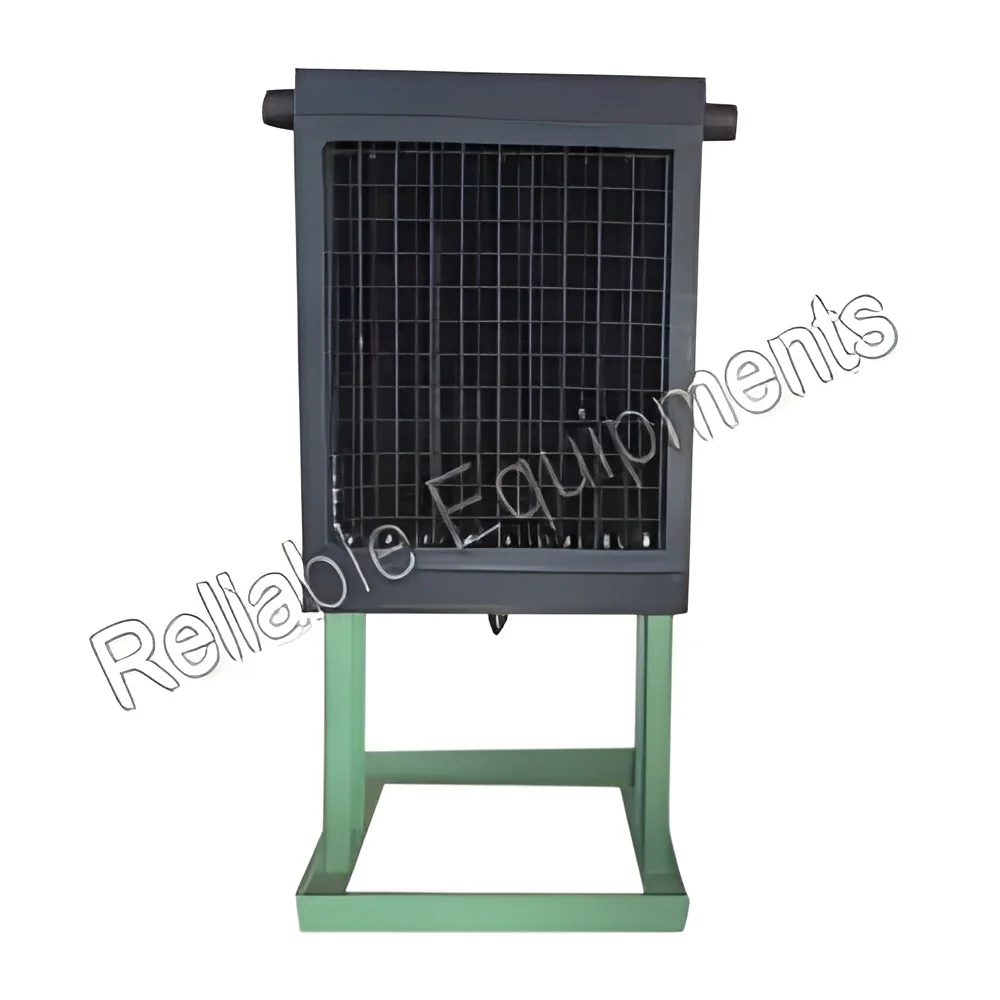
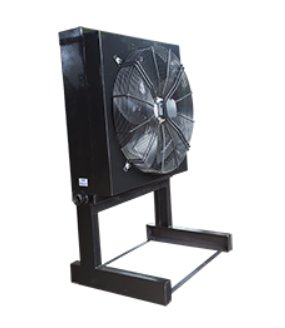
Air-Cooled Aftercoolers: These aftercoolers utilize ambient air to cool the compressed air. They are suitable for outdoor installations and are often used in applications where water supply is limited.
Water-Cooled Aftercoolers: These models use water as the cooling medium, providing efficient heat exchange. They are ideal for high-capacity systems and operations requiring consistent cooling.
Portable Aftercoolers: Designed for easy transport, these aftercoolers are perfect for temporary or job-site applications. They provide flexibility in various operational environments.
Industrial Aftercoolers: Built for heavy-duty applications, these aftercoolers are constructed for robust performance in demanding industrial settings. They often feature enhanced cooling capacity and durability.
Benefits and Advantages
Aftercoolers offer several benefits that enhance operational efficiency and reliability in compressed air systems.
1. Moisture Removal: Aftercoolers effectively reduce moisture content in compressed air, preventing corrosion and damage to equipment.
2. Energy Efficiency: By cooling the compressed air, aftercoolers help improve the overall efficiency of pneumatic systems, leading to lower energy costs.
3. Enhanced Equipment Lifespan: By minimizing moisture and heat, aftercoolers contribute to the longevity of pneumatic tools and machinery, reducing replacement costs.
4. Improved Air Quality: Aftercoolers ensure that the compressed air supplied is of high quality, which is essential for sensitive applications in various industries.
5. Reduced Maintenance: With lower moisture levels, aftercoolers help decrease the frequency of maintenance required for compressed air systems, leading to more uptime.
6. Increased Productivity: By ensuring optimal performance of pneumatic tools, aftercoolers contribute to higher productivity in manufacturing and other applications.
Buying Guide for B2B Buyers
When sourcing aftercoolers, B2B buyers should consider several factors to ensure they select the right product for their needs.
1. Quality Assessment: Evaluate the quality of materials and construction to ensure durability and longevity. Look for aftercoolers that meet industry standards for performance.
2. Supplier Verification: Vet suppliers to ensure they have a good reputation and track record in the industry. Check for certifications and customer reviews.
3. Pricing and MOQ: Consider the pricing structure and minimum order quantities. Ensure that the pricing aligns with your budget and operational needs.
4. Delivery and Lead Times: Assess the supplier's ability to deliver products on time. Efficient logistics are crucial for maintaining operational schedules.
5. Compliance Requirements: Ensure that the aftercoolers comply with relevant industry standards and regulations. This is essential for maintaining safety and quality in operations.
Compliance and Certifications
Aftercoolers must adhere to specific compliance standards and certifications to ensure safety and performance. Relevant quality standards include ISO 9001, which ensures that products meet consistent quality management practices. Additionally, HACCP and GDP standards may apply in industries like food processing and pharmaceuticals to guarantee safety and hygiene.
Industry certifications, such as CE marking, indicate that aftercoolers meet the required safety, health, and environmental protection standards for products sold in the European Economic Area.
Safety and testing requirements are also critical, as they ensure that aftercoolers perform reliably under various operating conditions. Regional compliance considerations may vary, so it is essential to be aware of local regulations that impact the use of aftercoolers in specific applications.
Why Source Aftercoolers from Pepagora?
Pepagora provides a trusted platform for sourcing aftercoolers, offering several key advantages that benefit B2B buyers.
Verified Supplier Network: Pepagora ensures that all suppliers are thoroughly vetted, providing buyers with confidence in the quality and reliability of the products offered. This verification process helps mitigate risks associated with sourcing from unknown suppliers.
Streamlined RFQ Process: The platform features a user-friendly request for quotation system that simplifies the process of obtaining quotes from multiple suppliers. This efficiency allows buyers to compare options and make informed decisions quickly.
Trade Assurance and Support: Buyers can benefit from trade assurance programs that protect their purchases and ensure that they receive the products as specified. Pepagora offers support for any issues that may arise during the transaction process.
Regional Coverage: With a strong presence in India, the GCC, and Southeast Asia, Pepagora offers extensive geographic reach. This allows buyers to find local suppliers and reduce lead times while ensuring access to high-quality aftercoolers tailored to their specific needs.

 IN
IN