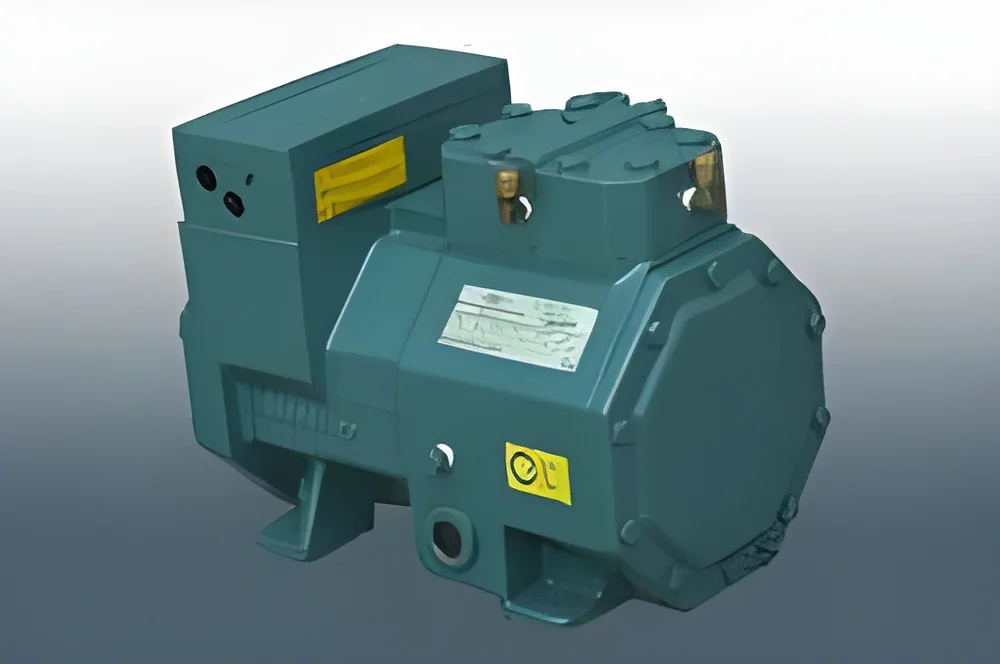
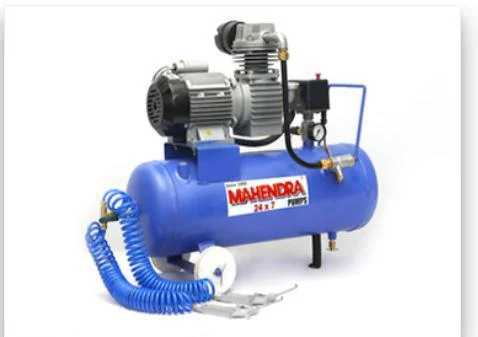
What are Centrifugal Compressors?
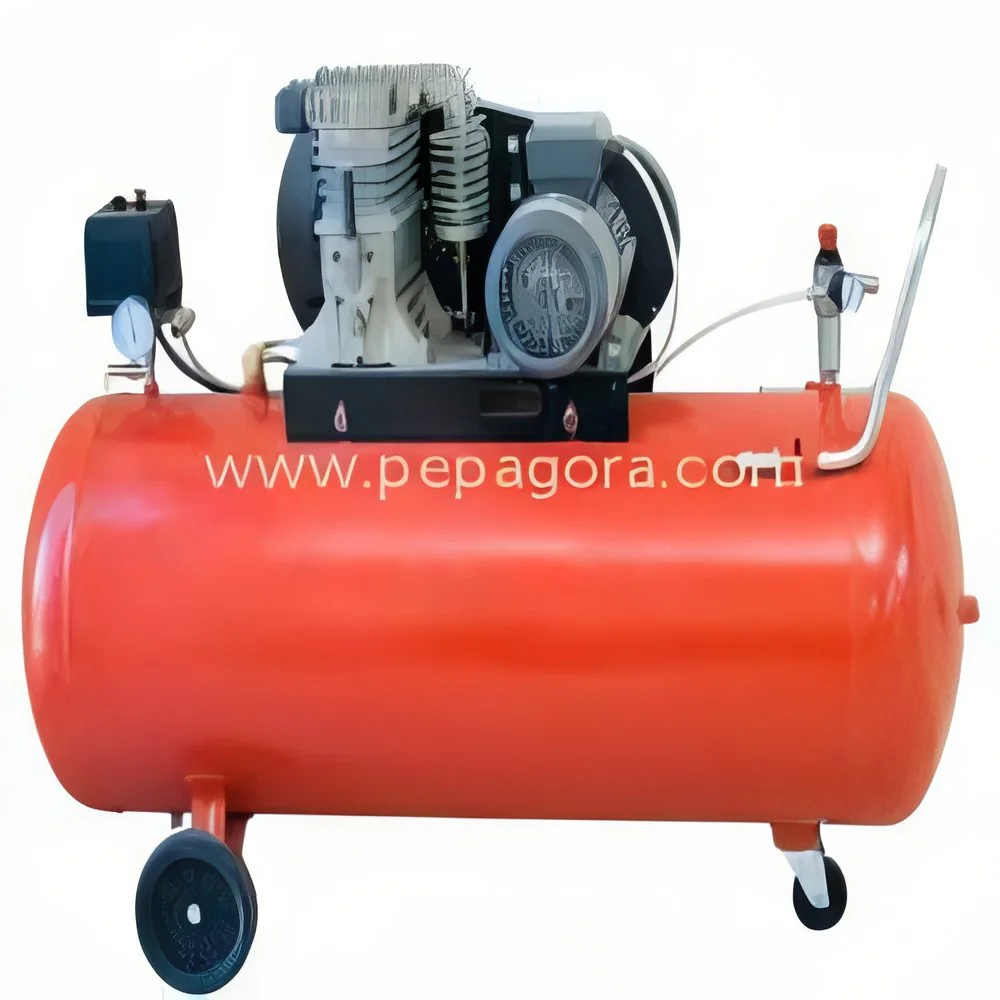
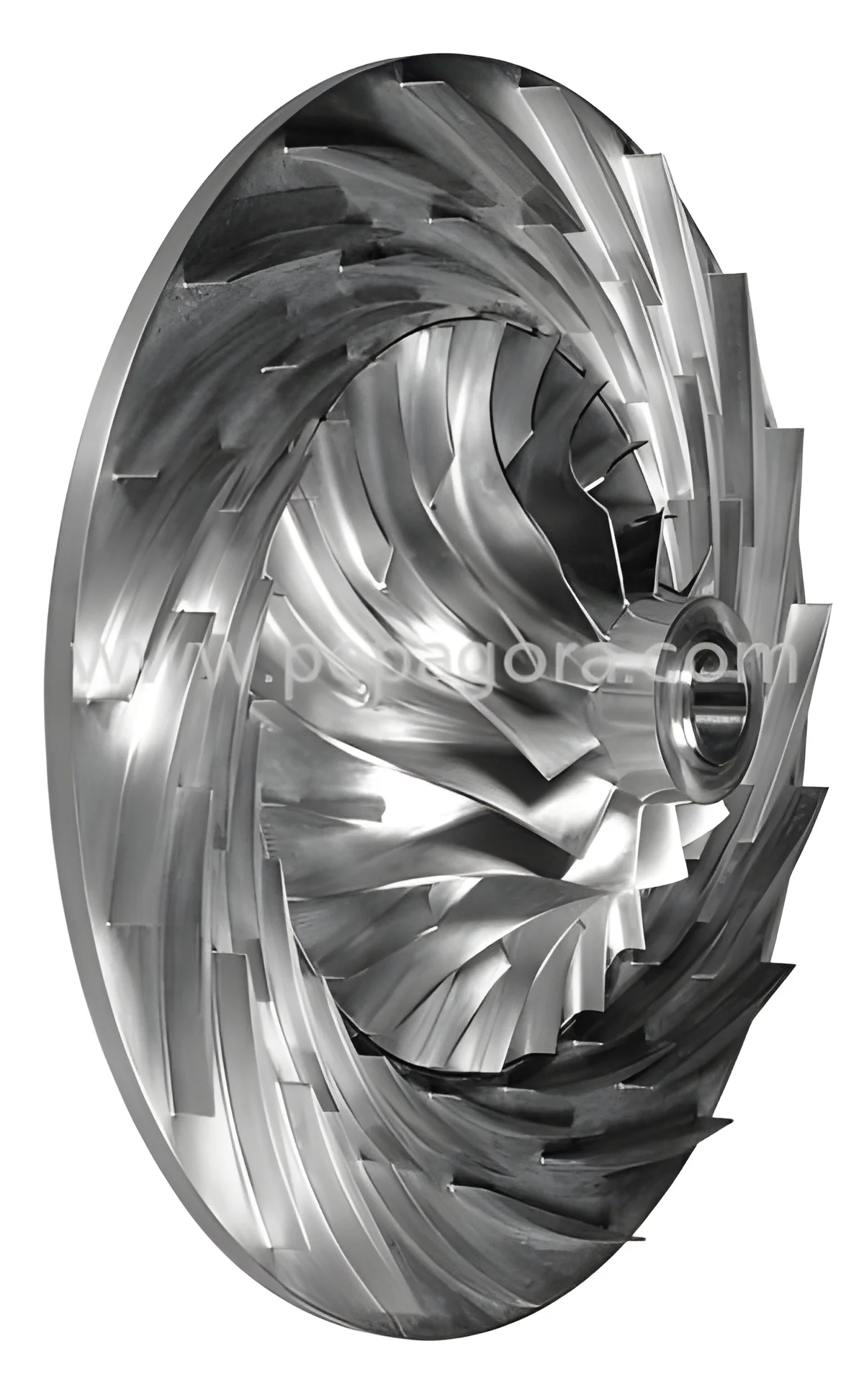
Centrifugal compressors are a type of dynamic compressor that use rotational energy to compress gases. They operate on the principle of converting kinetic energy from a rotating impeller into pressure energy, which is achieved by the gas being accelerated outward by the impeller and then decelerated in a diffuser. This process results in an increase in gas pressure and flow rate, making centrifugal compressors efficient for various applications.
These compressors are primarily used in a range of industrial settings, including air conditioning, refrigeration, and gas processing. They are utilized in systems where high flow rates and low pressure variations are required. Businesses in sectors such as petrochemicals, energy generation, and manufacturing rely on centrifugal compressors to ensure optimal performance and efficiency in their operations.
In the current market, centrifugal compressors are gaining relevance due to the increasing demand for energy-efficient solutions and the growing focus on environmental sustainability. Industries are seeking advanced technologies that can provide reliable performance while reducing operational costs and emissions. As a result, centrifugal compressors are becoming a critical component in modern industrial machinery.
Key Features and Specifications
Centrifugal compressors come with various features that cater to specific operational needs. Understanding these key specifications helps businesses select the right model for their applications.
Key specifications include:
1. Pressure Ratio
- The ratio of outlet pressure to inlet pressure.
- Typical ranges from 2:1 to 10:1 depending on the application.
2. Flow Rate
- The volume of gas that can be processed per unit time.
- Commonly measured in cubic meters per hour (m³/h) or cubic feet per minute (CFM).
3. Efficiency
- The measure of the compressor's performance.
- Generally ranges from 70% to 90% for optimal models.
4. Operating Temperature
- The range of temperatures the compressor can handle effectively.
- Information not available on specific temperature ranges.
5. Noise Level
- The sound produced during operation.
- Typically measured in decibels (dB).
6. Drive Type
- Can be electric motor-driven or turbine-driven.
- Each type provides different operational benefits.
7. Material Construction
- Often made from aluminum, stainless steel, or other durable materials.
- Selection depends on the application and environment.
8. Control Features
- Advanced models may include electronic controls for optimizing performance.
- Not specified for basic models.
In summary, understanding these specifications is crucial for businesses to evaluate and select the right centrifugal compressor for their needs, ensuring reliable and efficient operation.
Common Applications and Use Cases
Centrifugal compressors are widely used across various industries, showcasing their versatility and effectiveness in different applications.
1. Oil and Gas: Used in gas processing, transportation, and compression of natural gas for distribution.
2. Power Generation: Employed in gas turbines and for enhancing combustion air supply in power plants.
3. HVAC Systems: Integral to commercial and industrial air conditioning and refrigeration systems.
4. Chemical Processing: Utilized in the production of various chemicals, providing necessary gas compression.
5. Water Treatment: Used in aeration processes to enhance water quality and treatment efficiency.
6. Food and Beverage: Applied in processes requiring gas compression for packaging and refrigeration.
7. Pharmaceuticals: Employed in critical processes that require precise control of gas flow and pressure.
Product Variants and Subcategories
Centrifugal compressors are available in a variety of designs to meet specific industry needs. Each variant offers unique features and applications.
Standard Centrifugal Compressor
This variant is designed for general industrial applications, providing efficient gas compression with a robust construction suitable for continuous operation.
High-Pressure Centrifugal Compressor
Engineered for applications requiring higher pressure ratios, this compressor is ideal for oil and gas industries where gas needs to be transported over long distances.
Multistage Centrifugal Compressor
This type features multiple impellers to achieve higher pressure increases, making it suitable for demanding applications like power generation and chemical processing.
Benefits and Advantages
Centrifugal compressors offer numerous benefits that enhance operational efficiency and performance.
1. High Efficiency: They provide a consistent flow of compressed gas with minimal energy loss, resulting in lower operational costs.
2. Low Maintenance: With fewer moving parts compared to positive displacement compressors, they require less maintenance and downtime.
3. Compact Design: Their design allows for a smaller footprint, making them suitable for space-constrained environments.
4. Reliability: Known for their durability, centrifugal compressors can operate continuously without significant performance degradation.
5. Versatility: They can be adapted for various applications across multiple industries, making them a flexible choice for businesses.
6. Environmentally Friendly: Their efficiency helps reduce energy consumption and emissions, aligning with sustainability goals.
Buying Guide for B2B Buyers
When sourcing centrifugal compressors, several factors should be taken into account to ensure the best choice for your business needs.
1. Quality Assessment: Evaluate the construction materials and design specifications to ensure durability and reliability in demanding conditions.
2. Supplier Verification: Conduct thorough background checks on suppliers to confirm their reputation and reliability in the market.
3. Pricing and MOQ: Understand the pricing structures and minimum order quantities to align with budget constraints and project requirements.
4. Delivery and Lead Times: Assess logistics capabilities of suppliers to ensure timely delivery that meets project timelines.
5. Compliance Requirements: Verify that the selected compressors meet relevant industry standards and regulations, ensuring safe and legal operation.
Compliance and Certifications
Centrifugal compressors must adhere to various quality and safety standards to ensure their performance and reliability in industrial applications.
ISO 9001: This standard pertains to quality management systems, ensuring manufacturers maintain high-quality production processes.
CE Certification: This certification indicates that the compressors meet European safety, health, and environmental protection standards.
Safety and Testing: Regular safety tests and compliance checks are essential to validate the operational safety of centrifugal compressors in the workplace.
Regional Considerations: Depending on the geographical location of use, additional local compliance regulations may apply, requiring suppliers to provide appropriate documentation.
Why Source Centrifugal Compressors from Pepagora?
Pepagora provides a trusted platform for sourcing centrifugal compressors with several key advantages that appeal to B2B buyers.
Verified Supplier Network: Pepagora connects buyers with a network of verified suppliers. This ensures that businesses can rely on the credibility and quality of products offered.
Streamlined RFQ Process: The platform simplifies the request for quotation process, enabling buyers to receive competitive pricing and options quickly.
Trade Assurance and Support: Pepagora offers trade assurance that protects buyers throughout the purchasing process, ensuring they receive the products as described.
Regional Coverage: With a broad geographic reach across India, the GCC, and Southeast Asia, Pepagora offers access to a diverse pool of suppliers, facilitating easier procurement for businesses in various markets.

 IN
IN