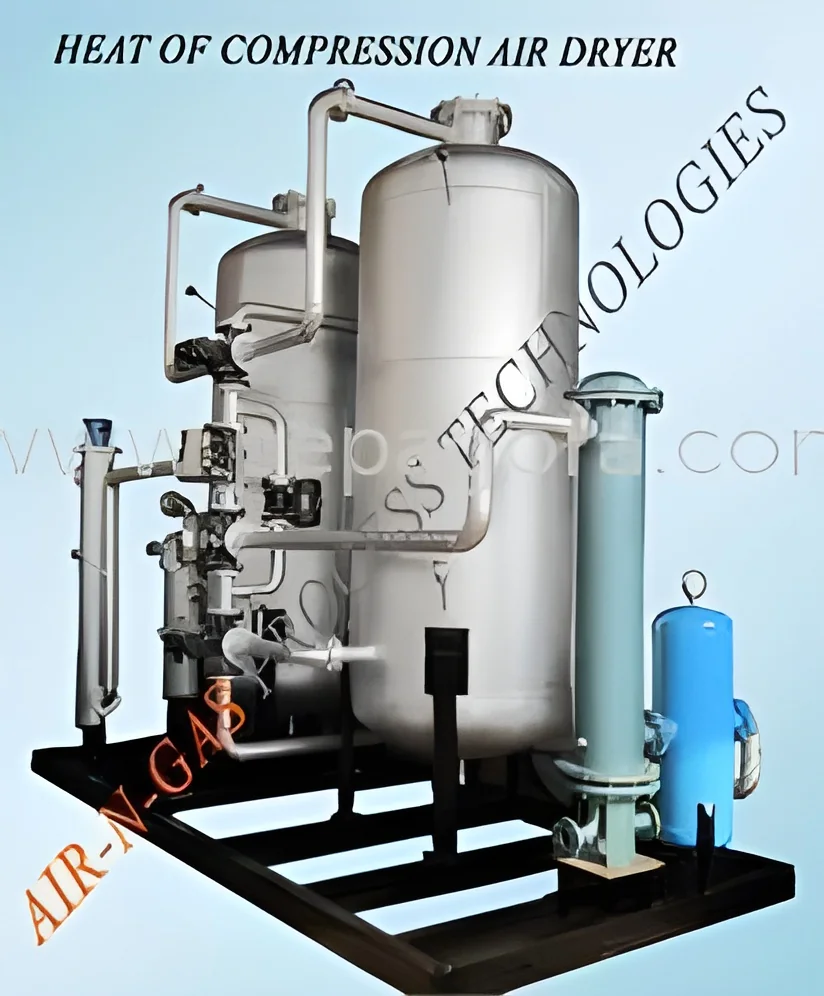
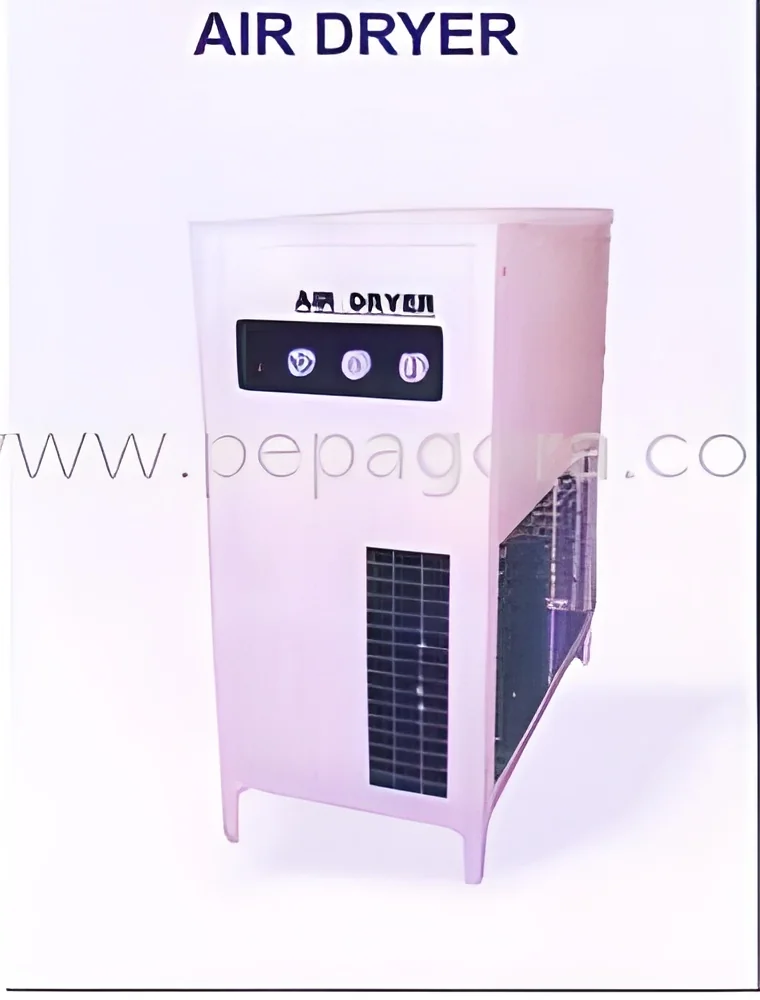
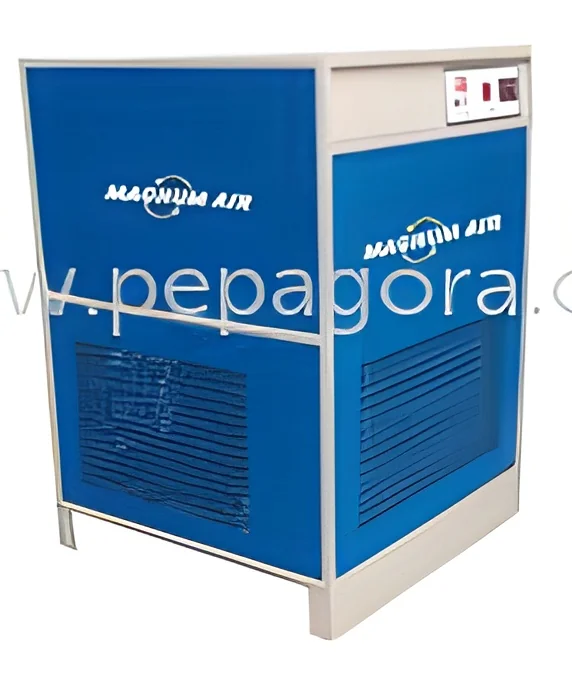
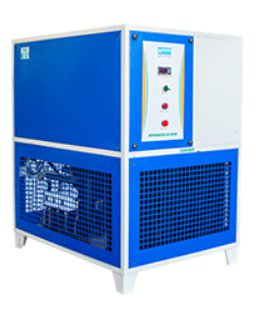
What are Air Dryers (Refrigerated, Desiccant)?
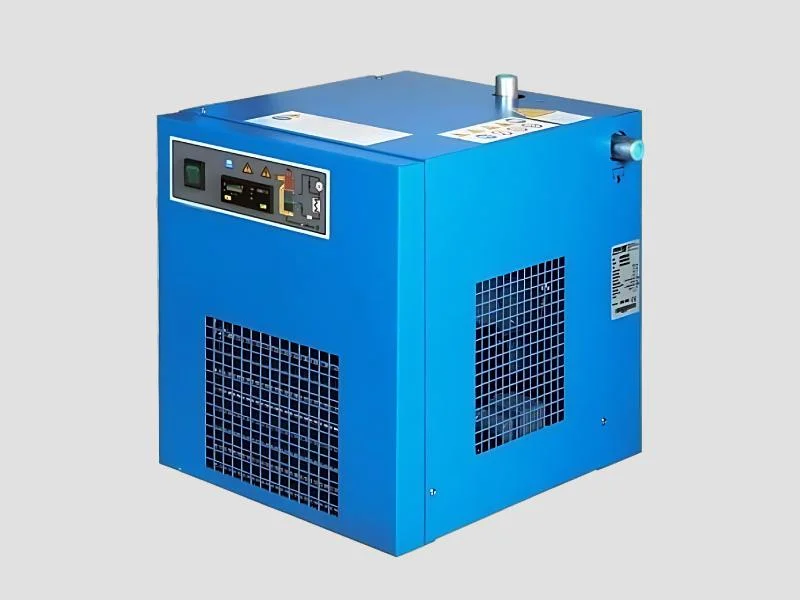
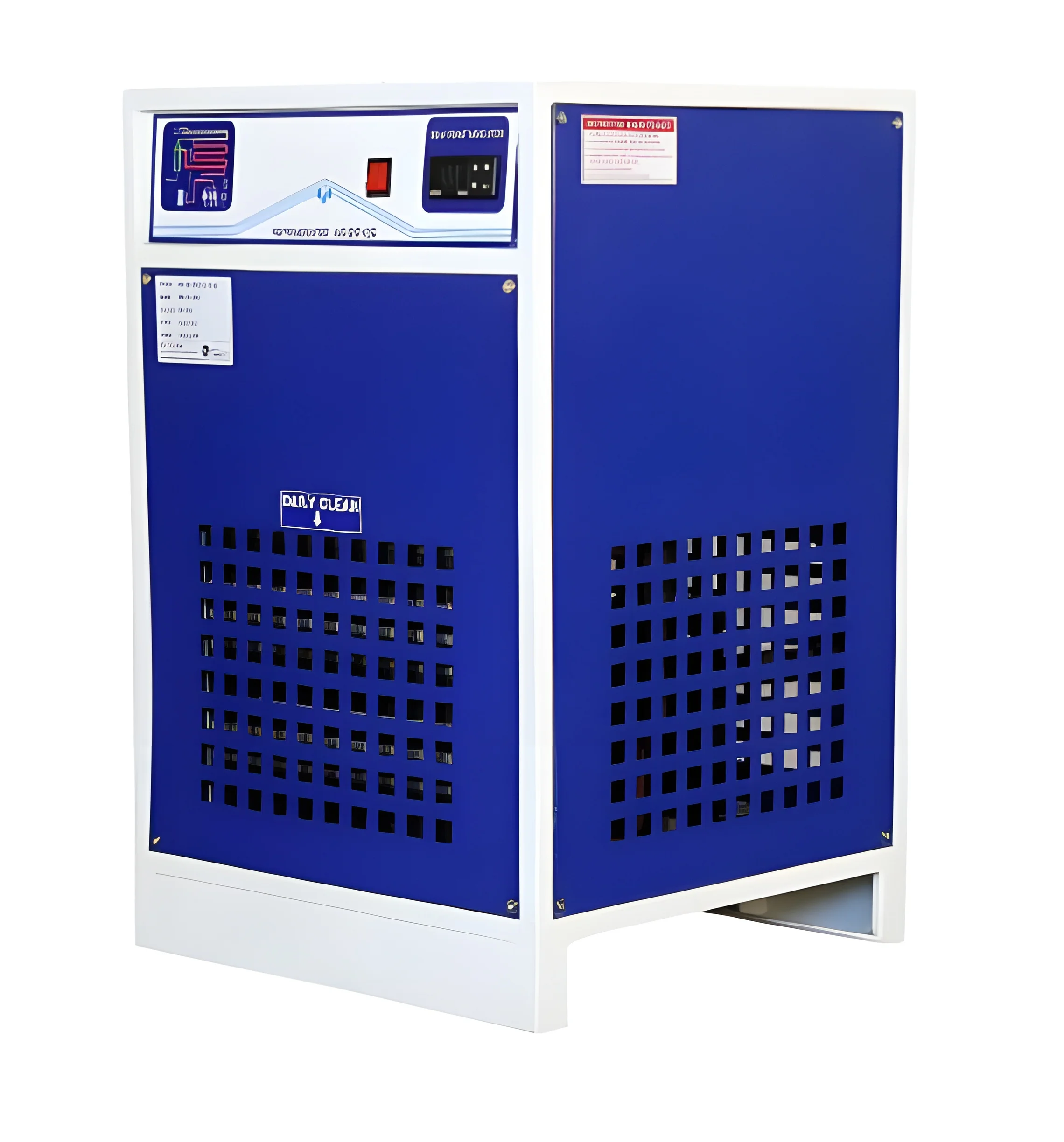
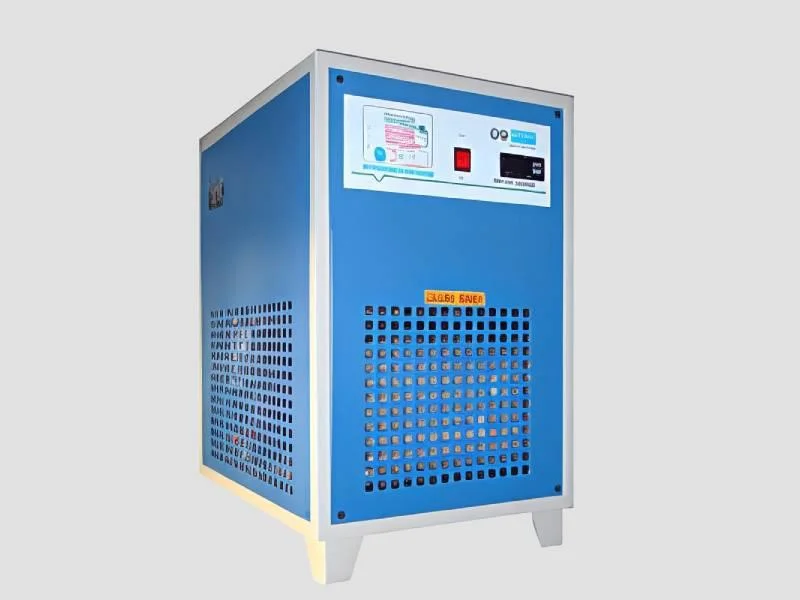
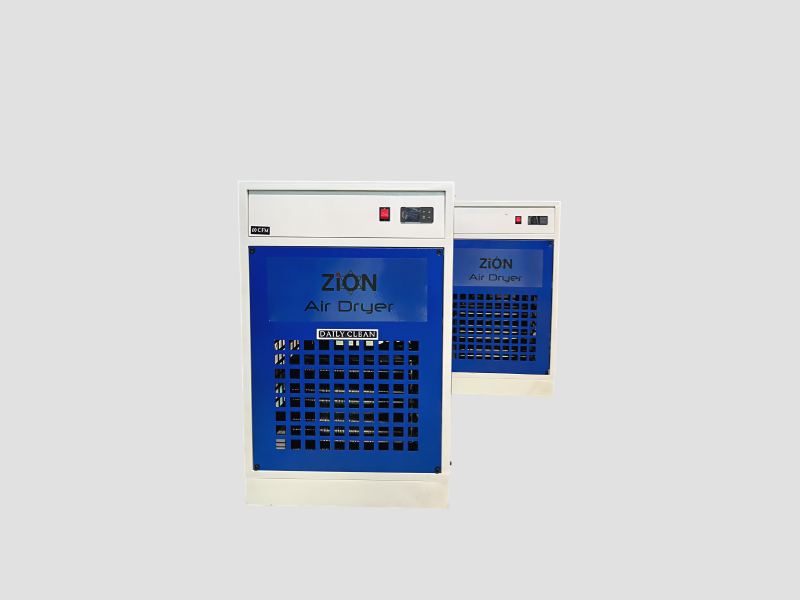
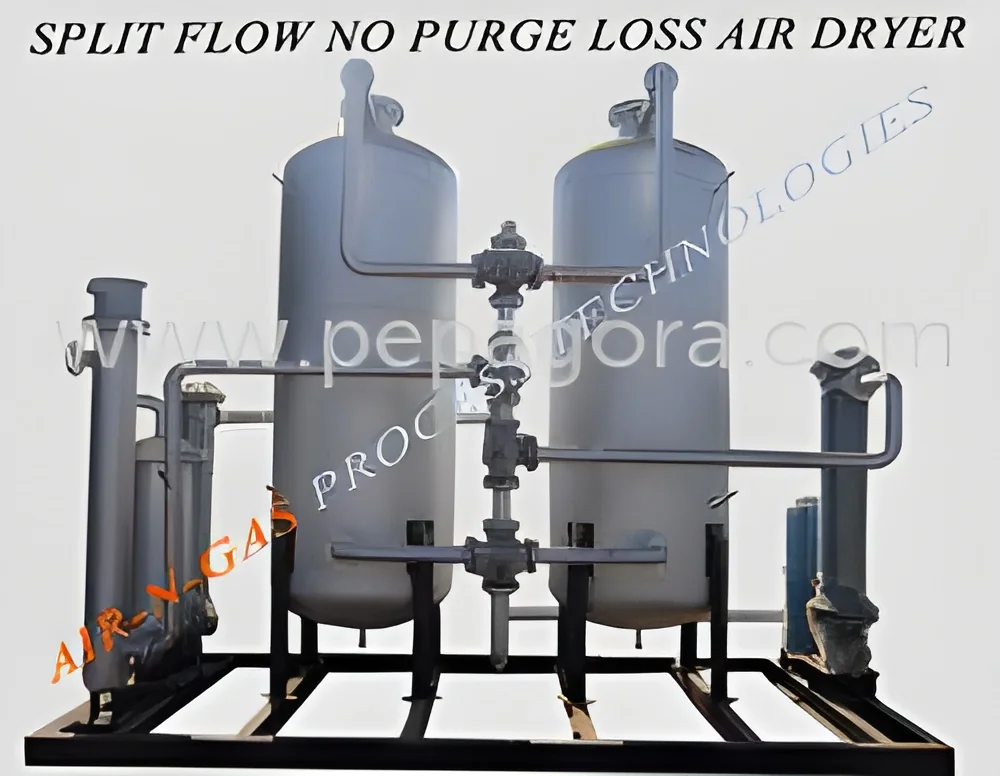
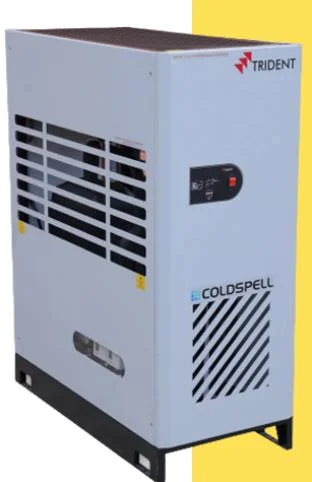
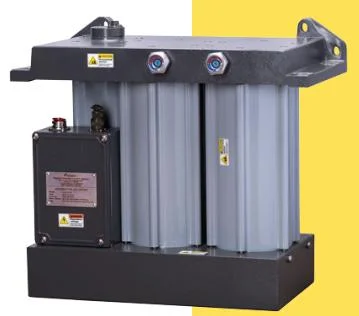
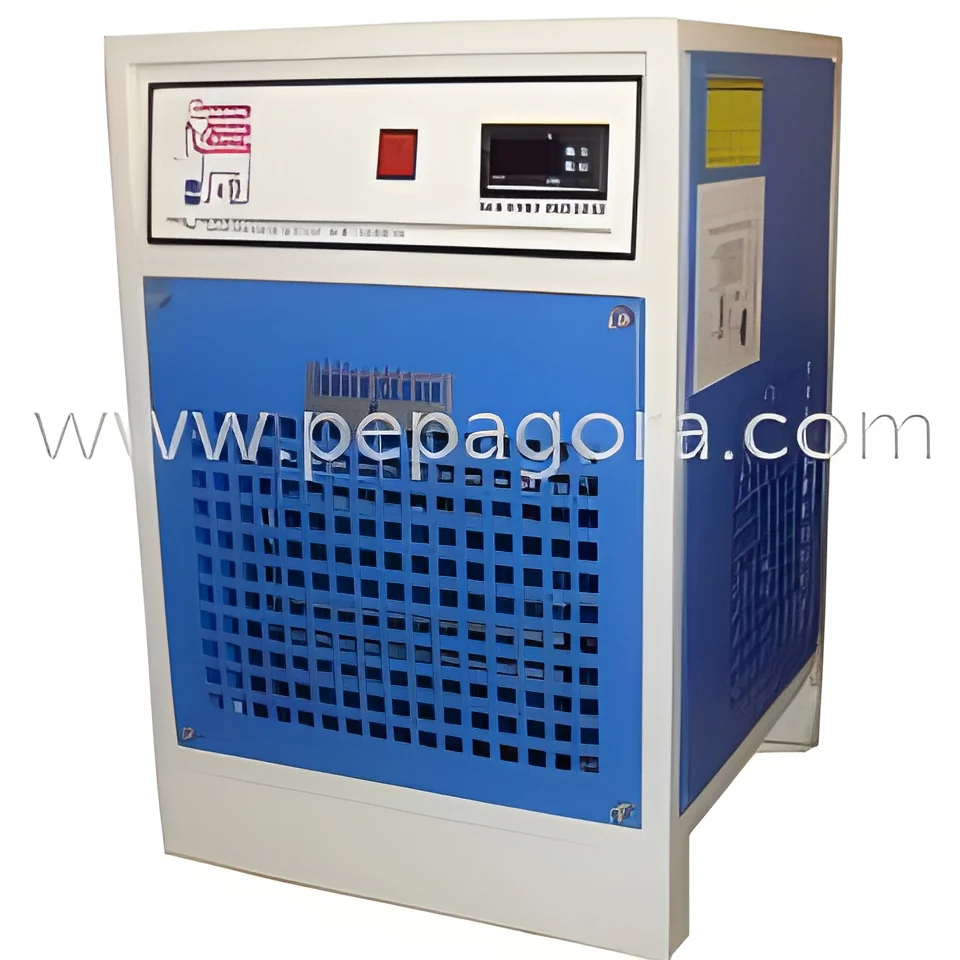
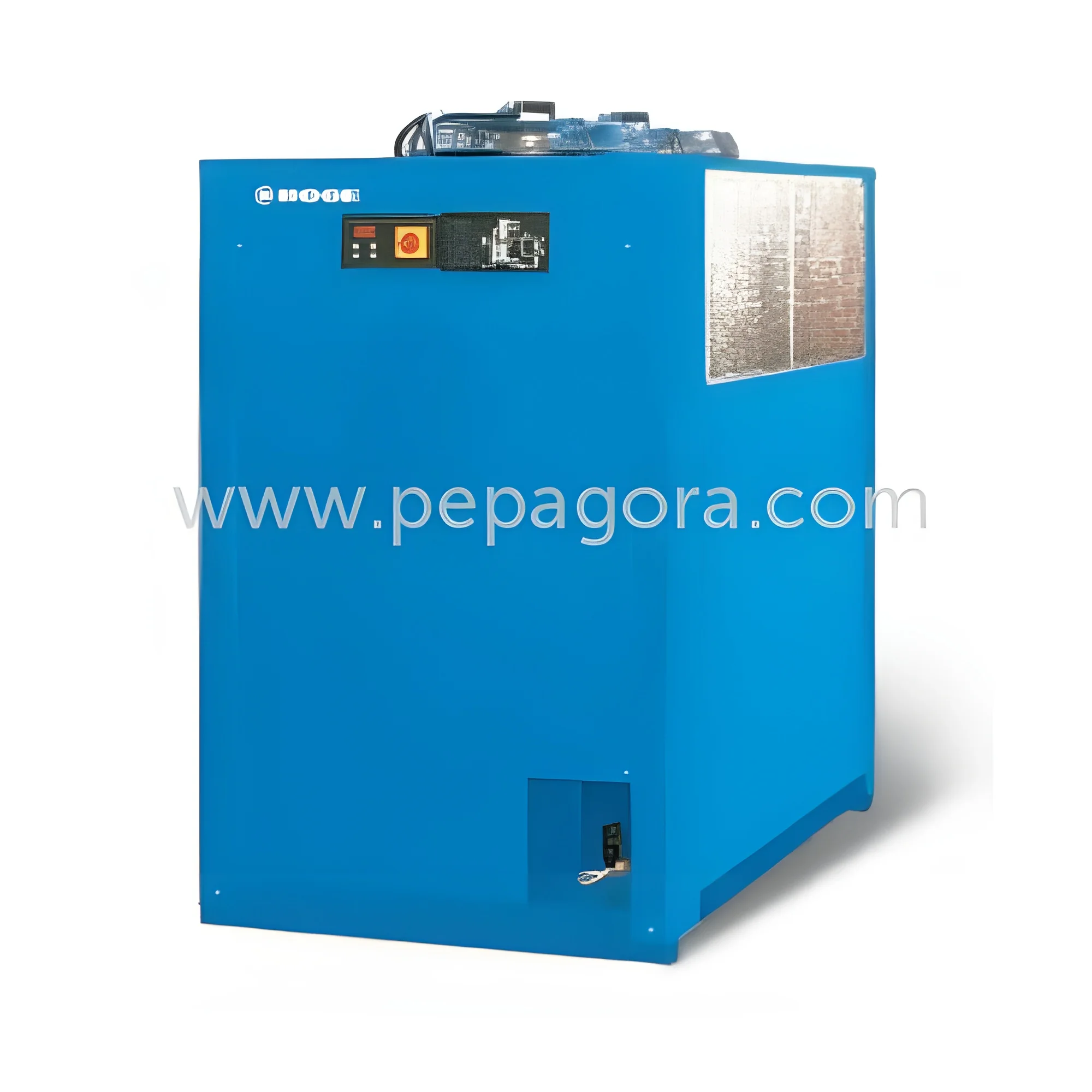
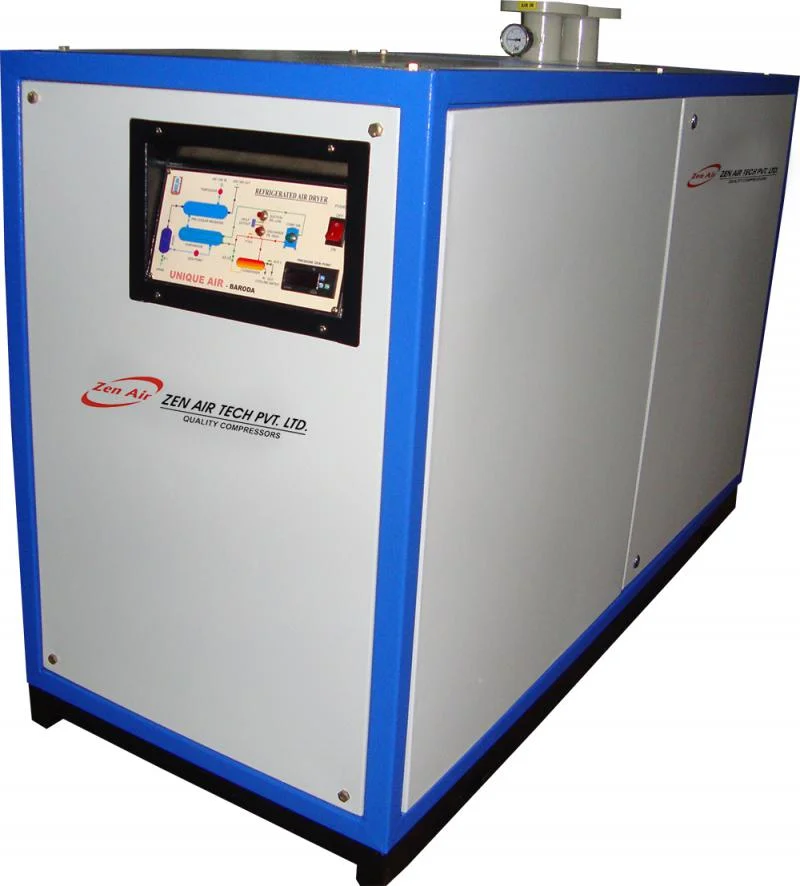
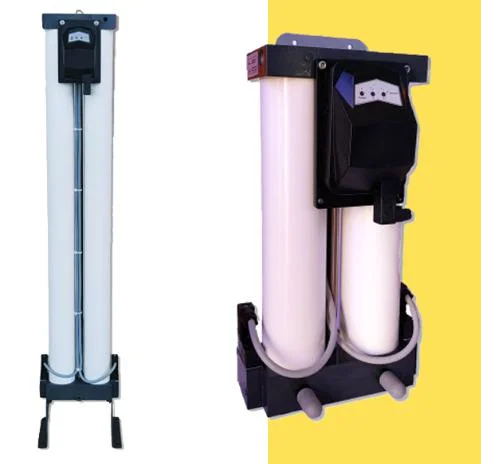
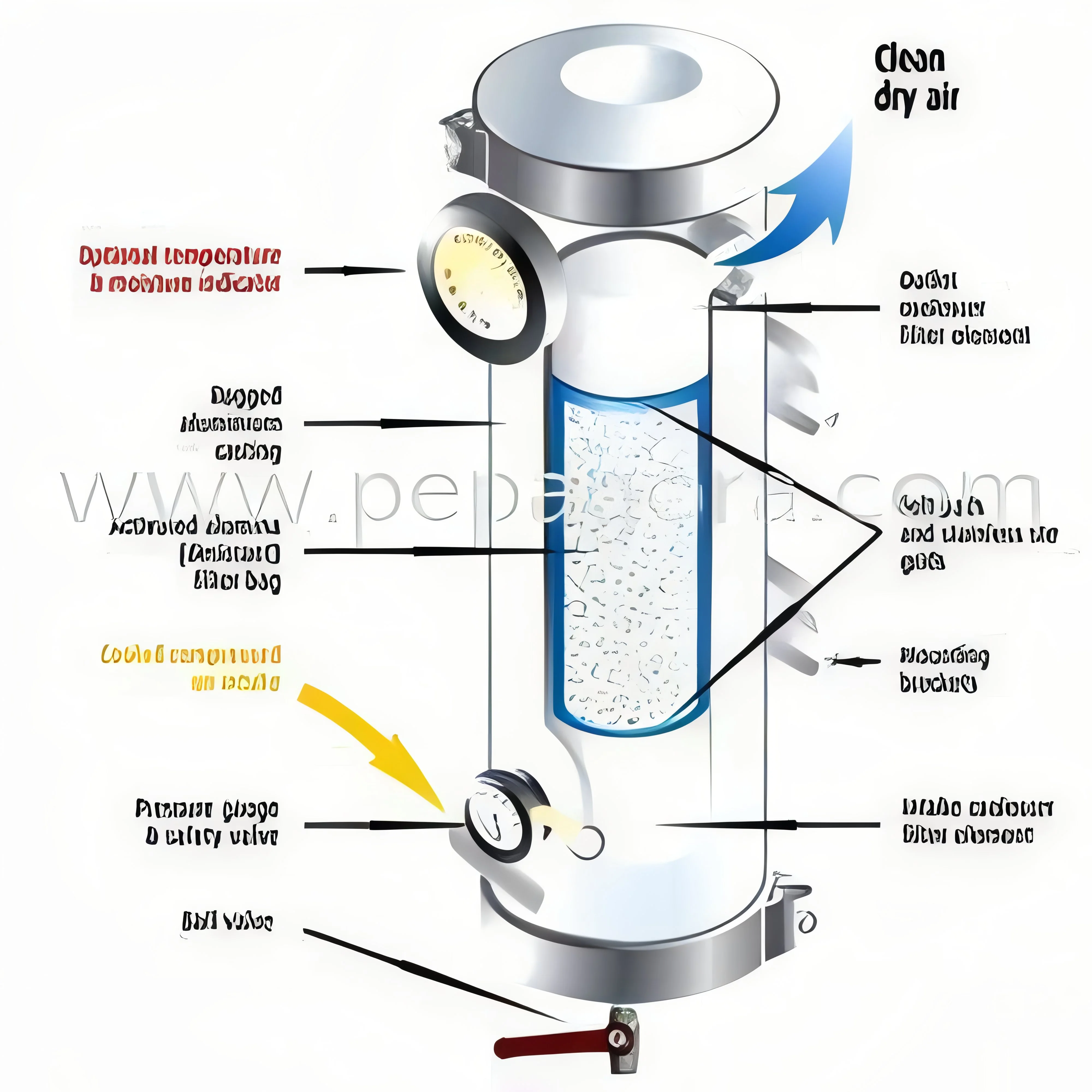
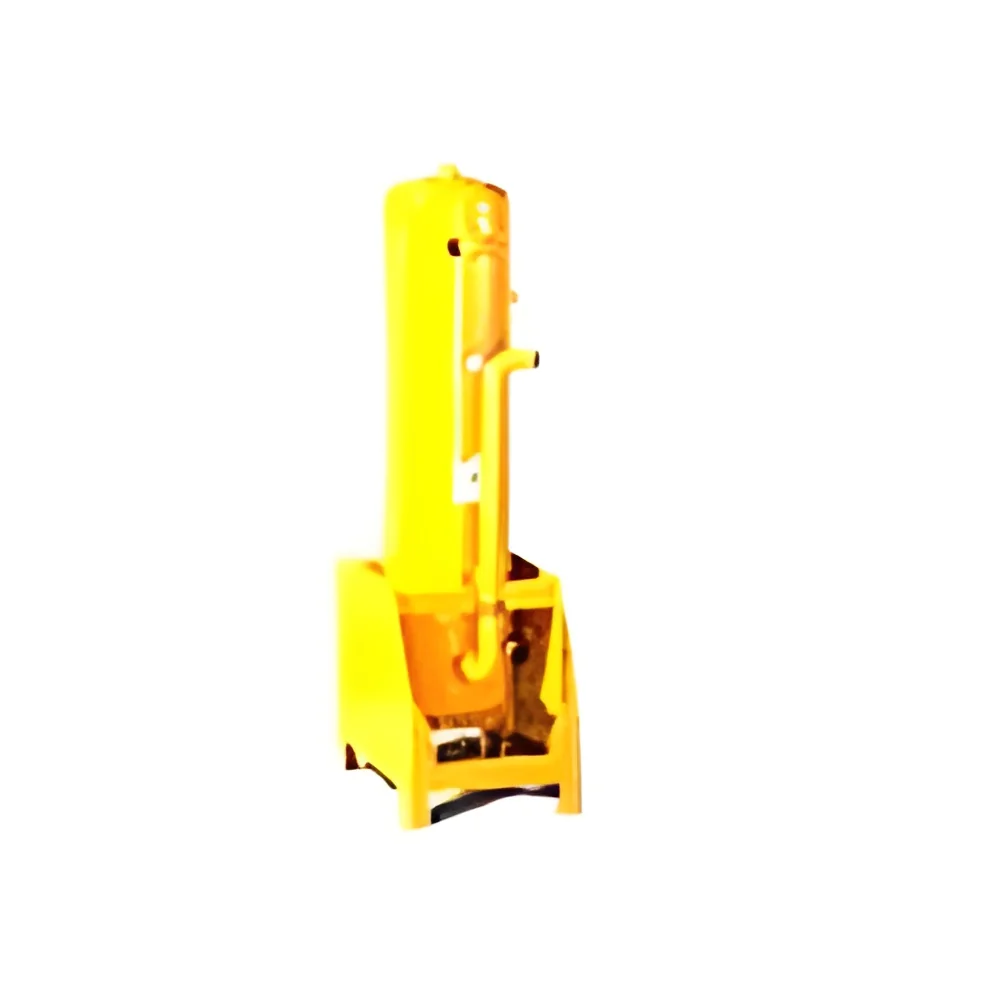
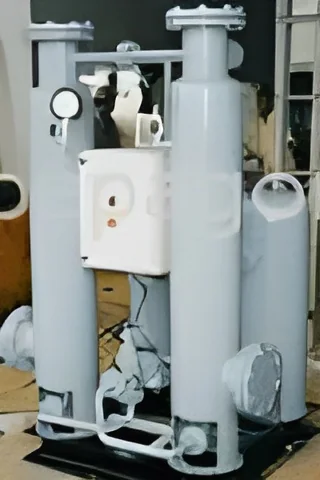
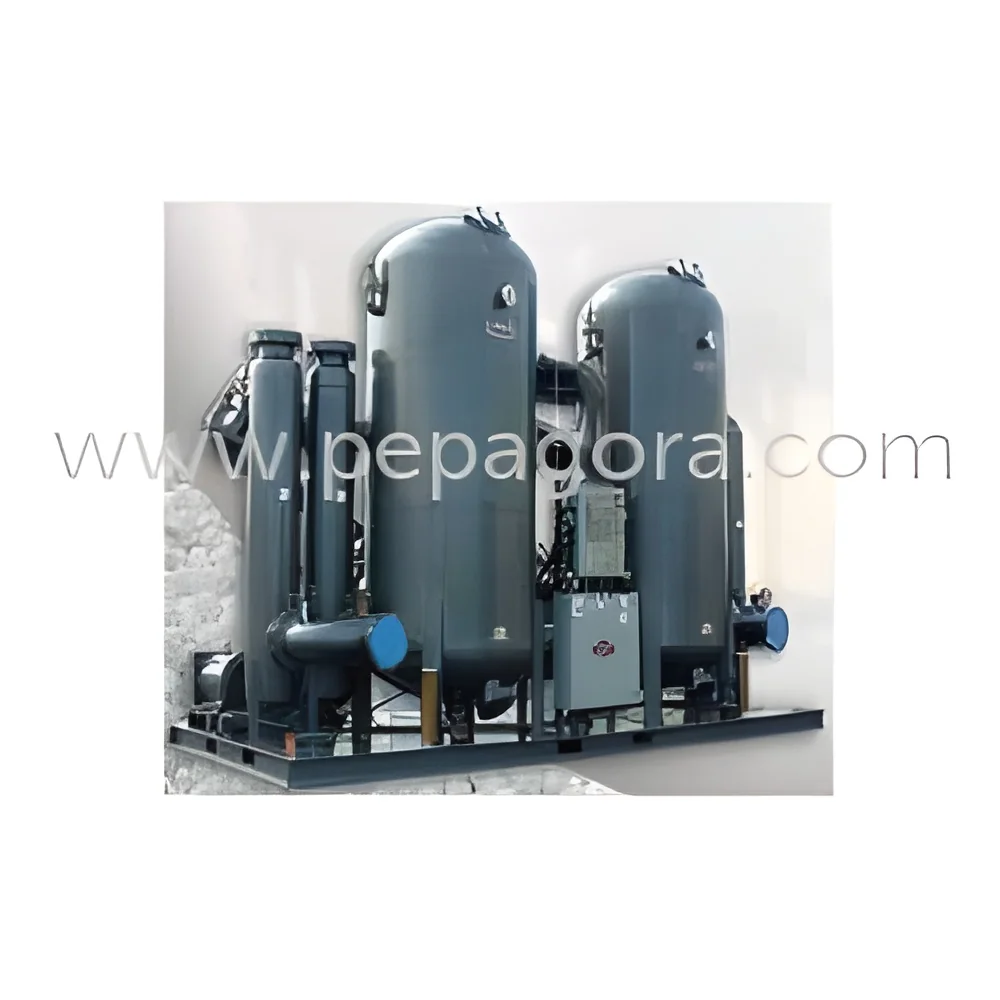
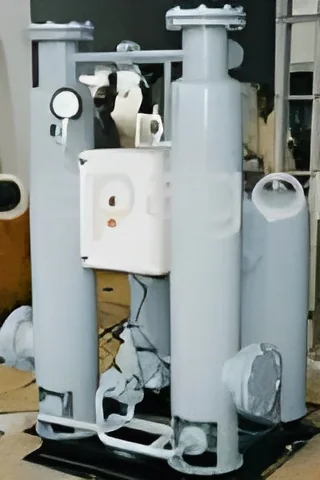
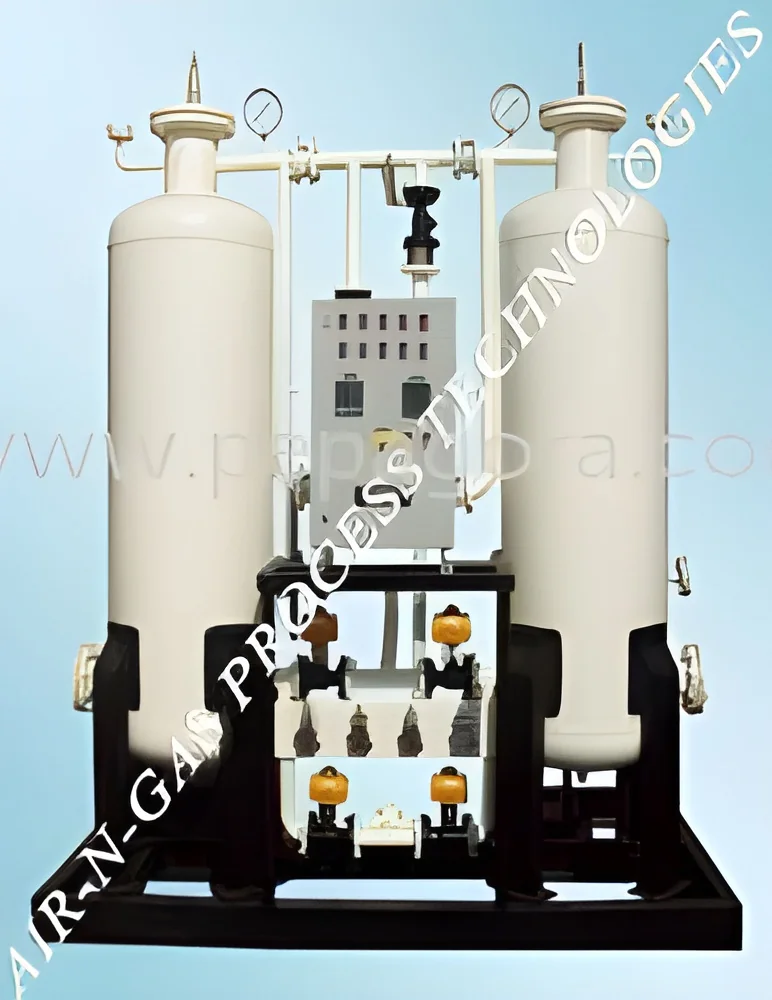
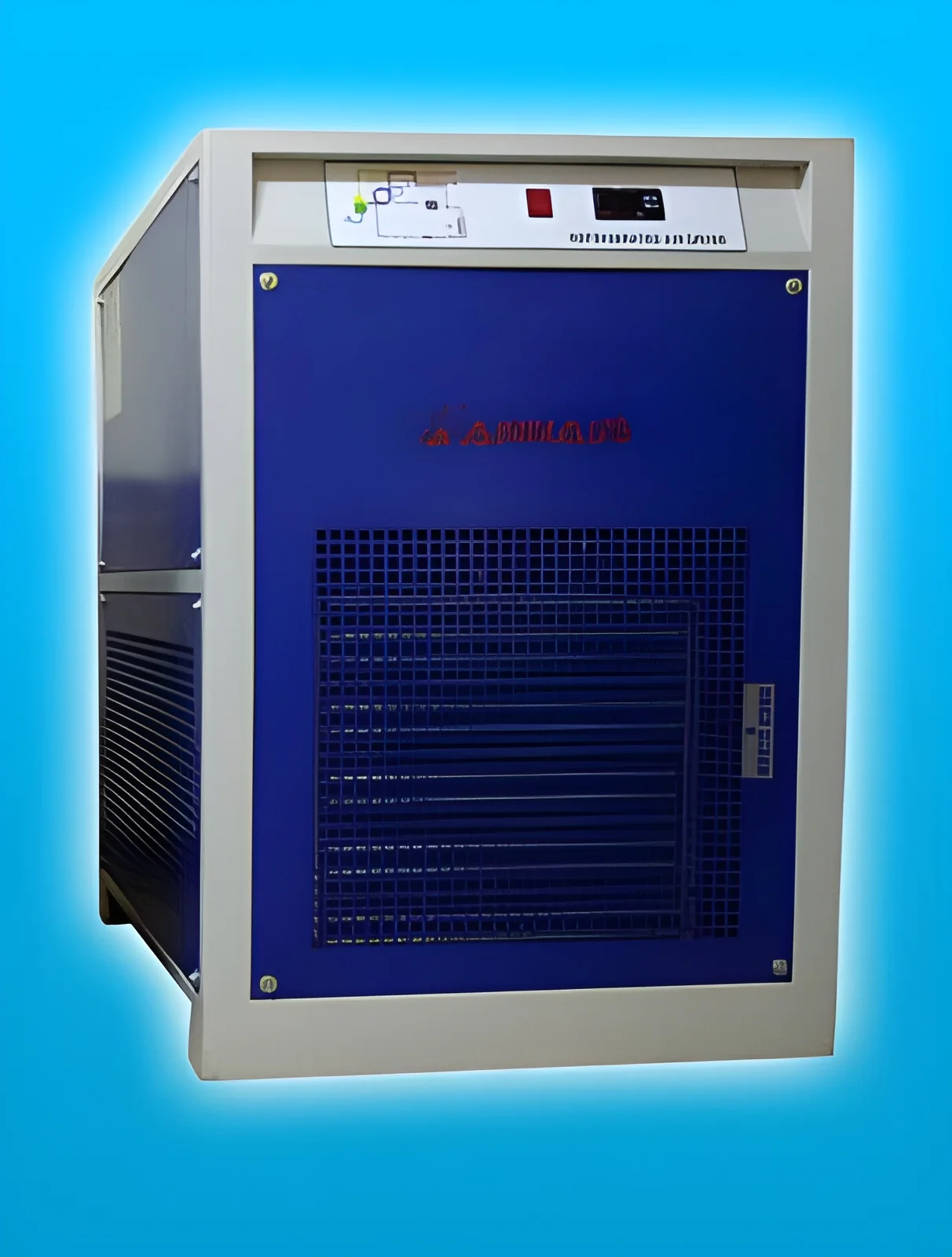
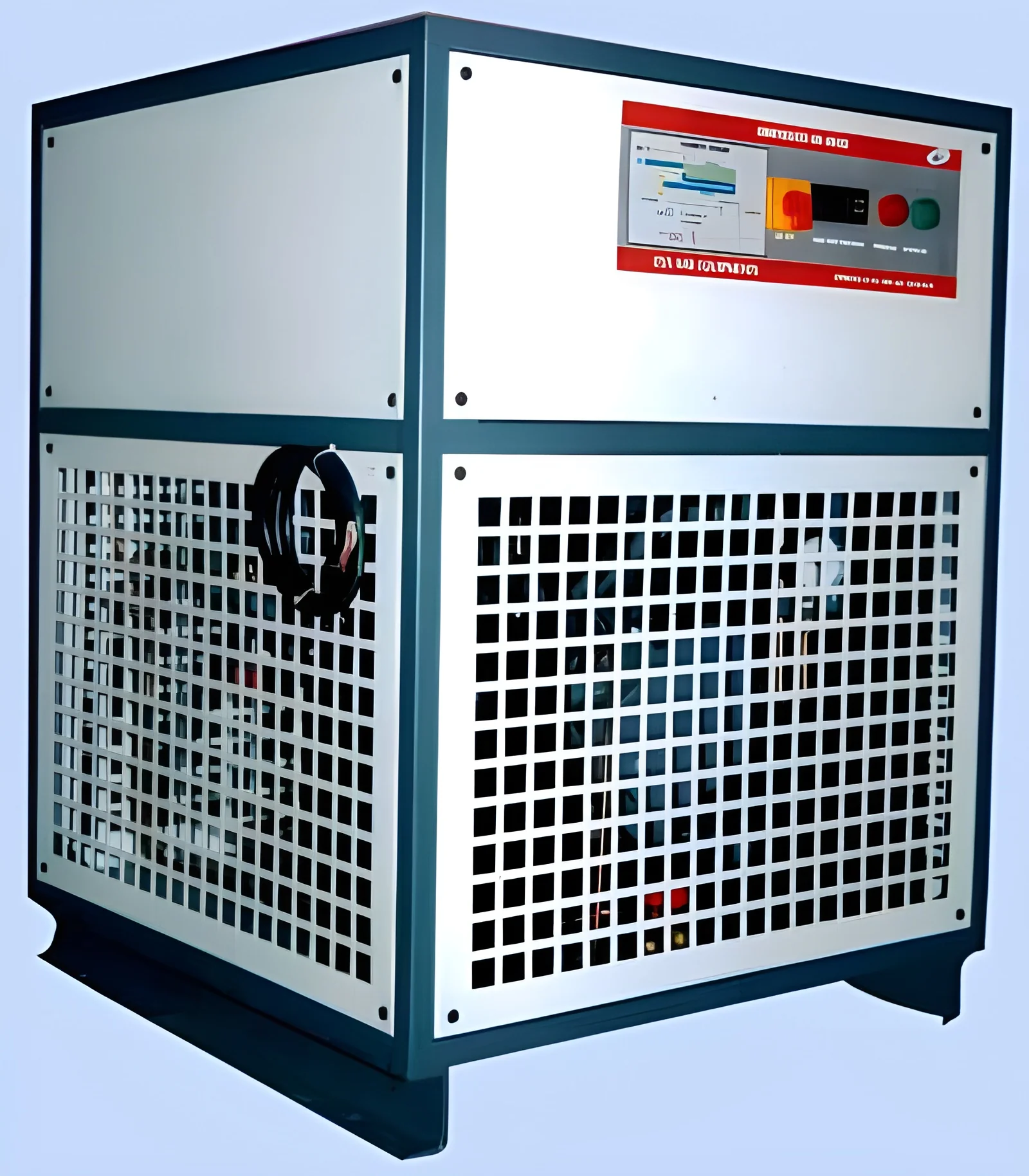
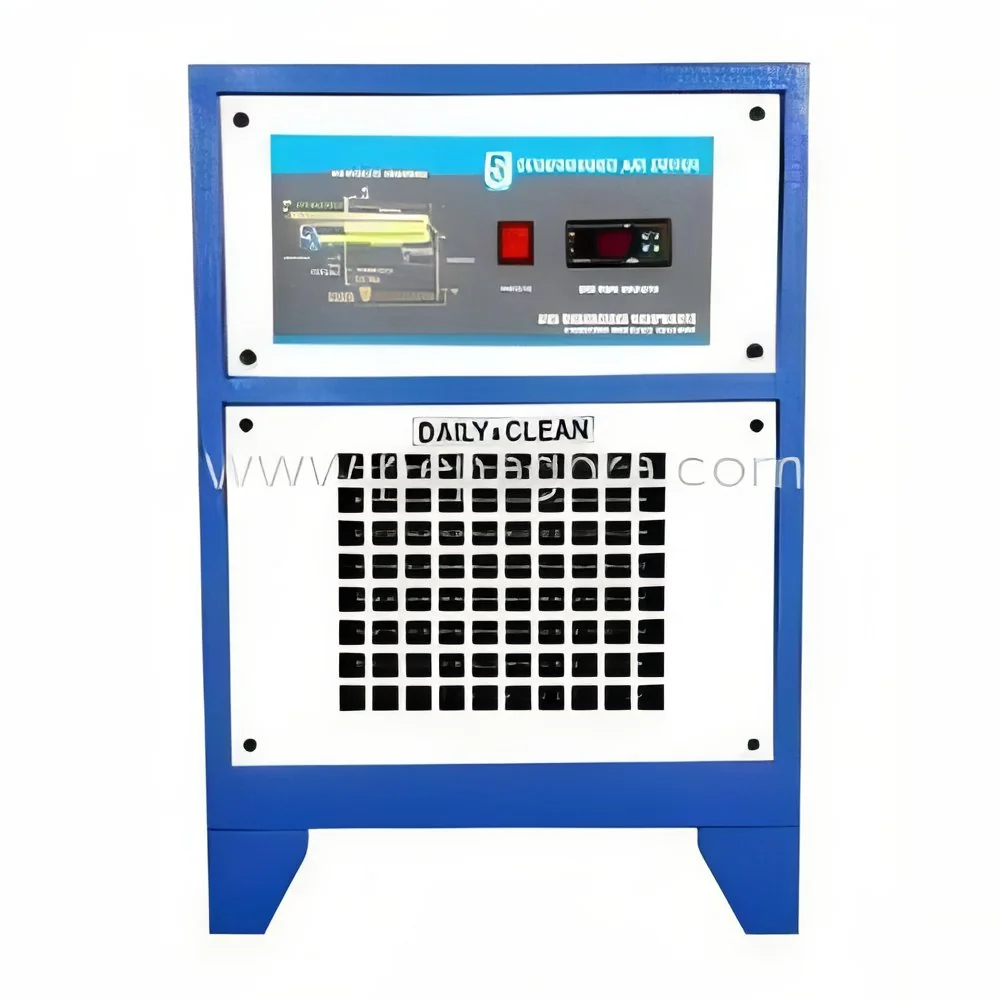
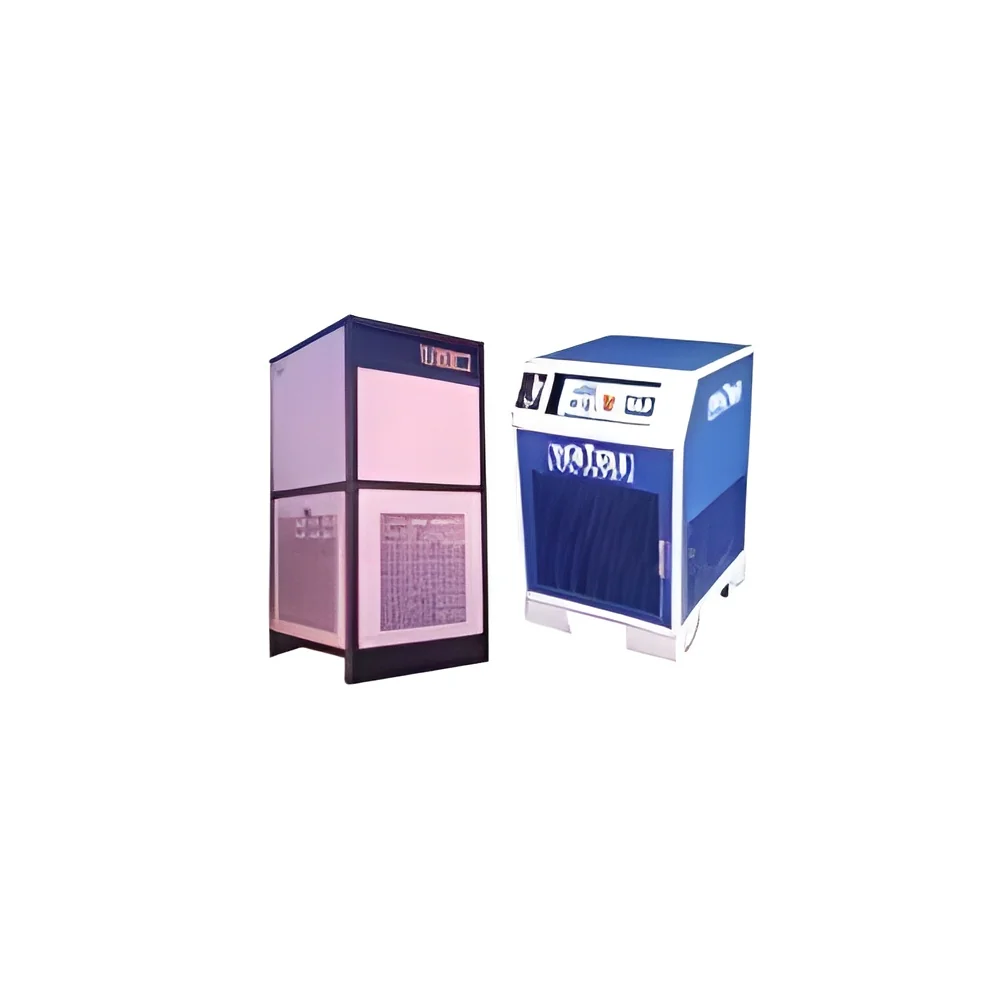
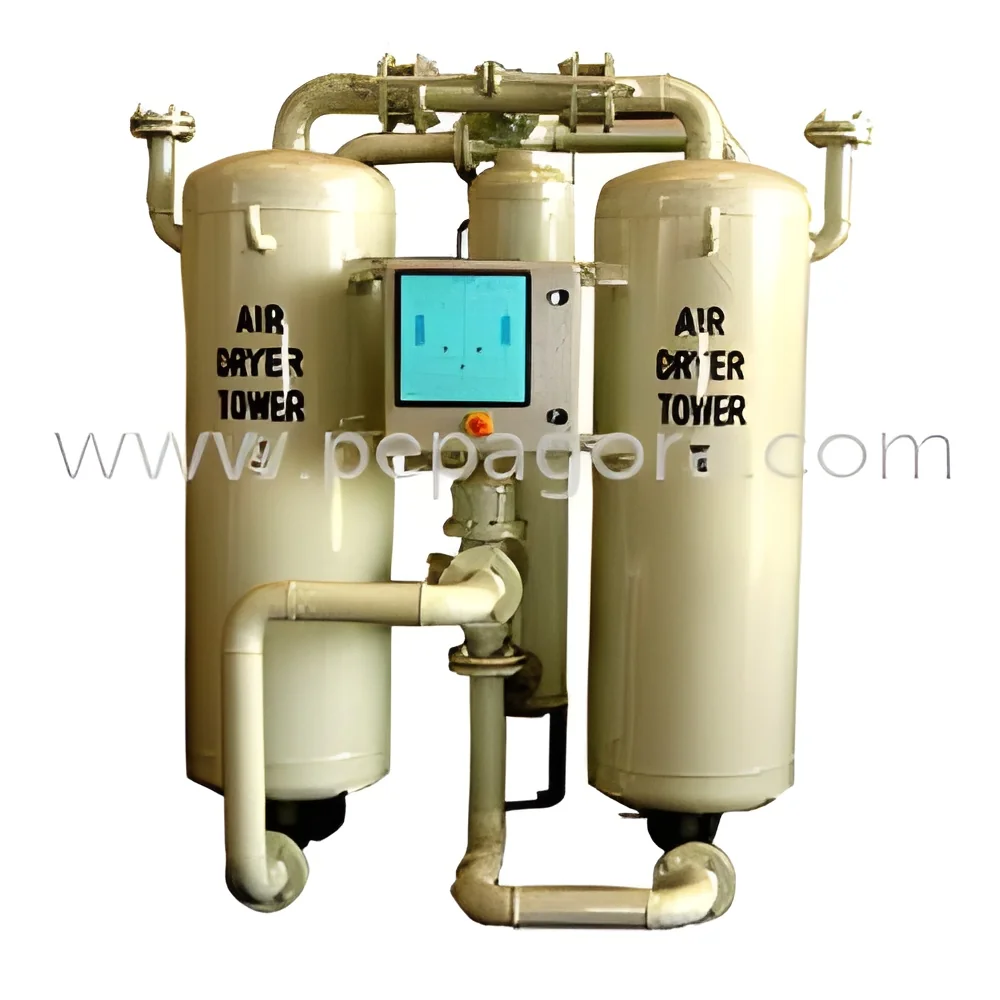
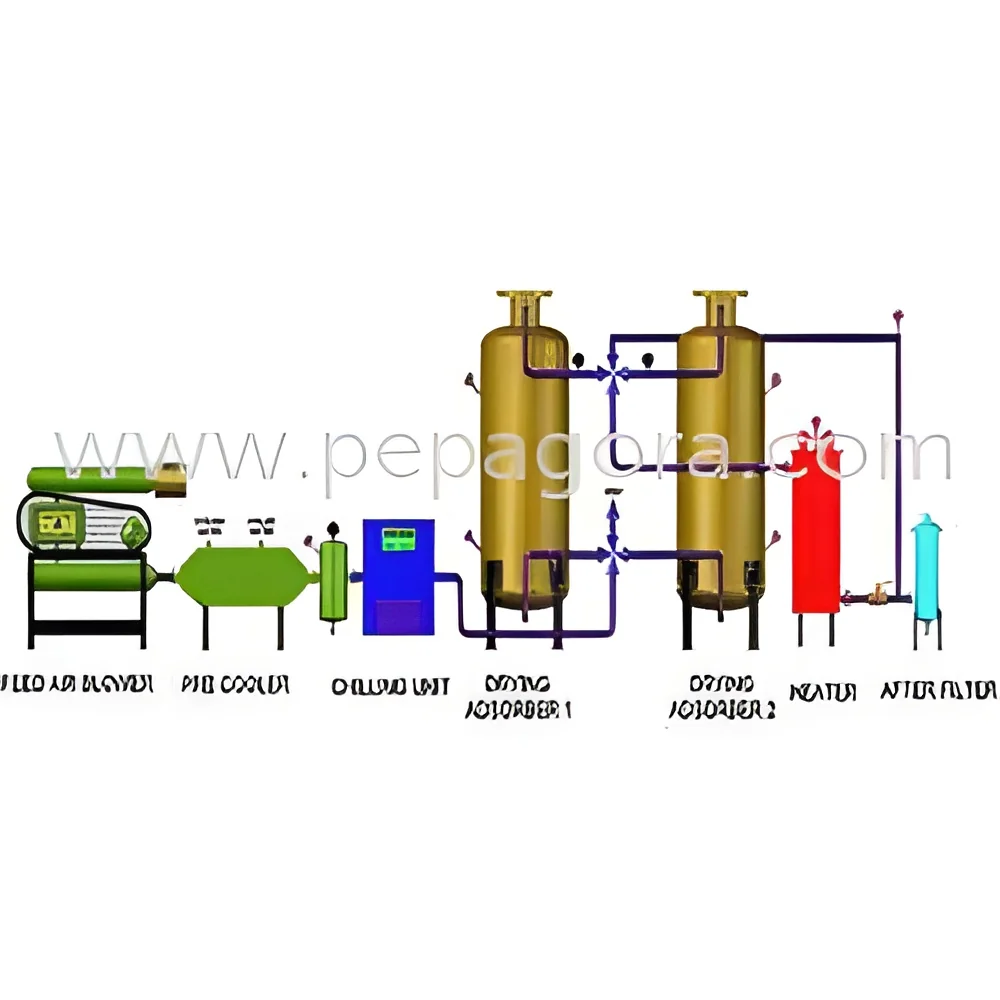
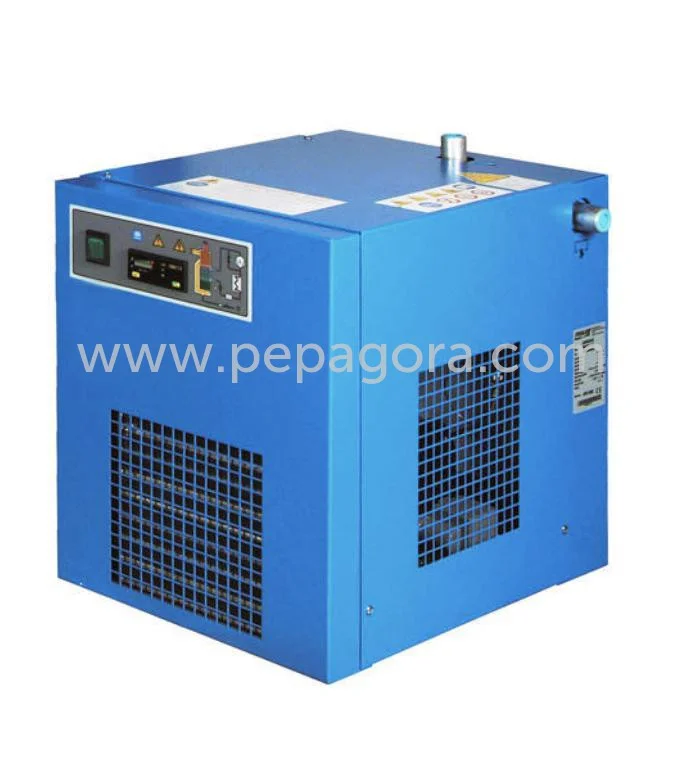
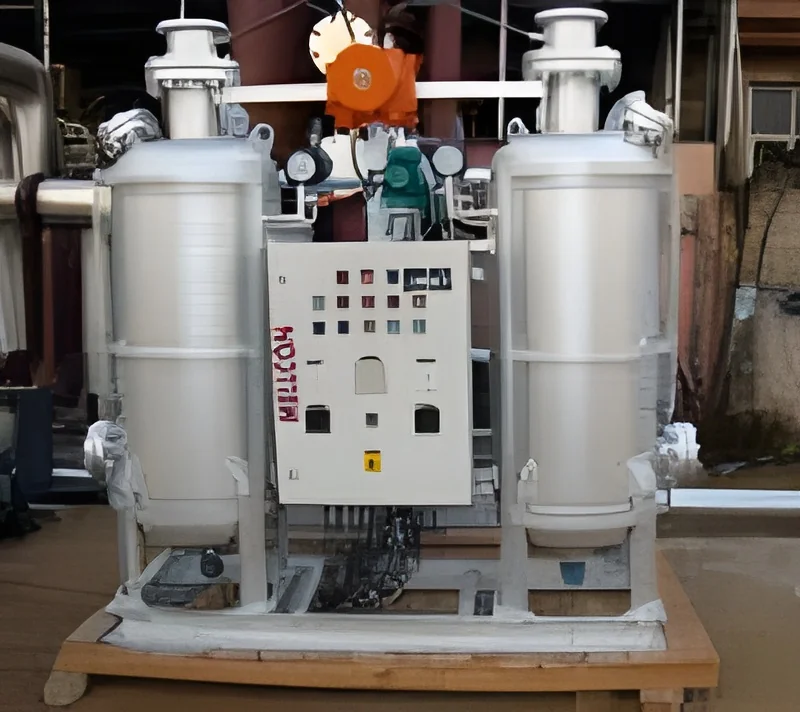
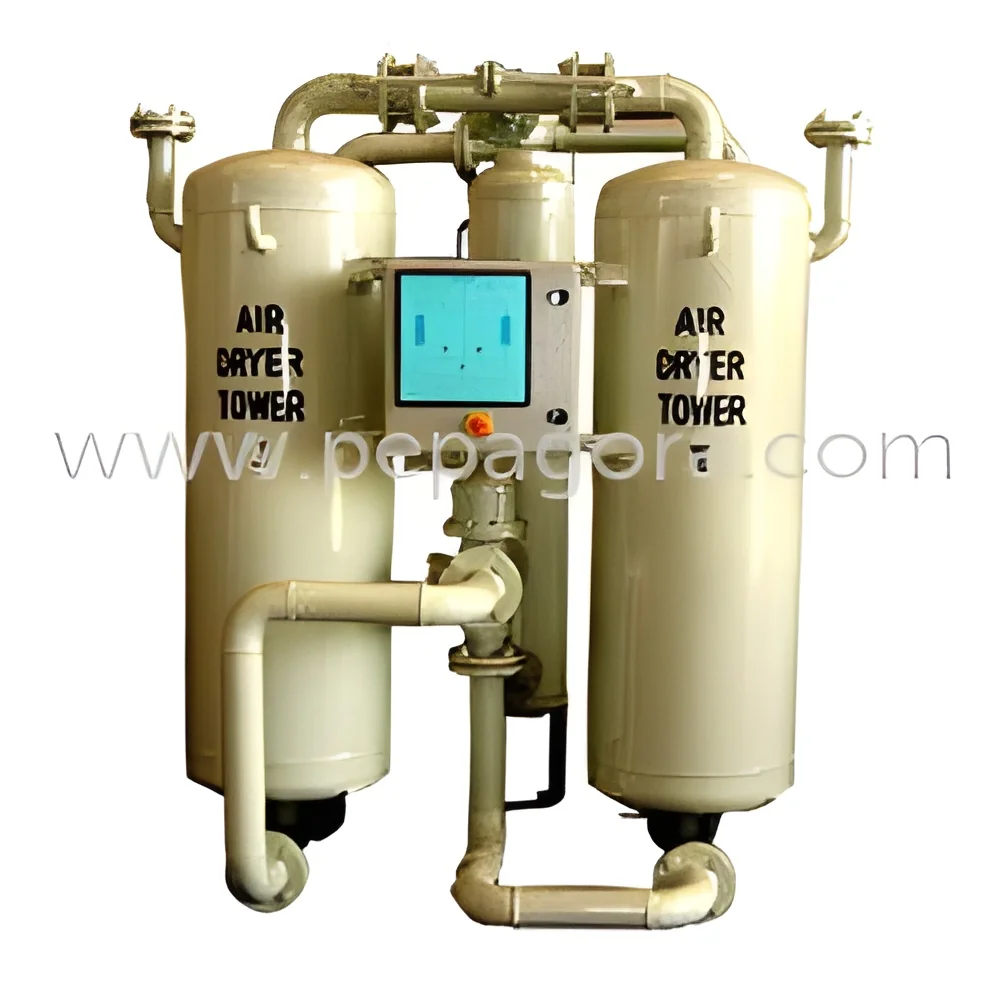
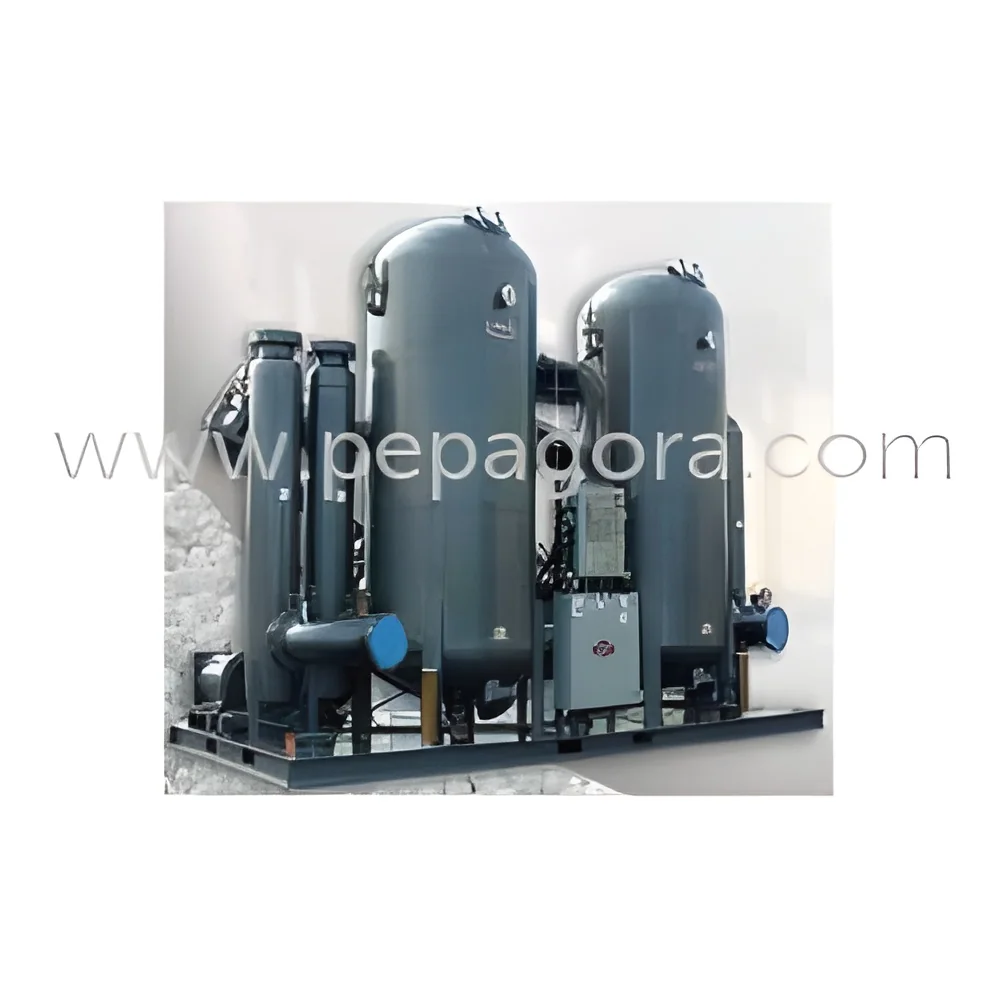
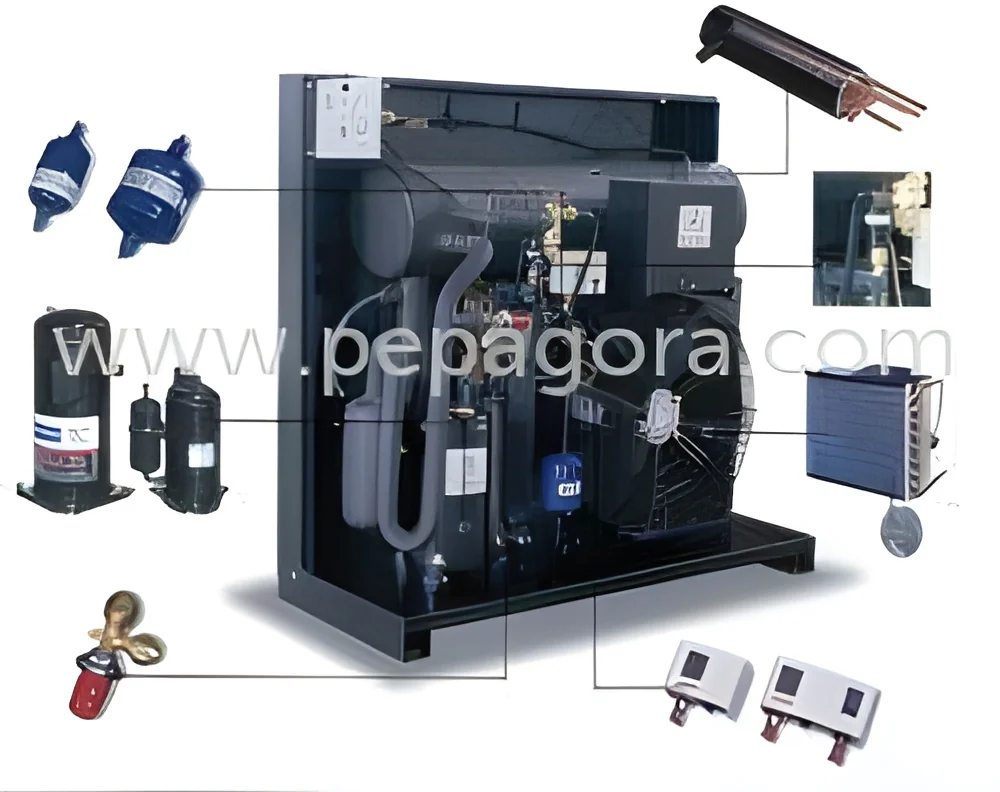
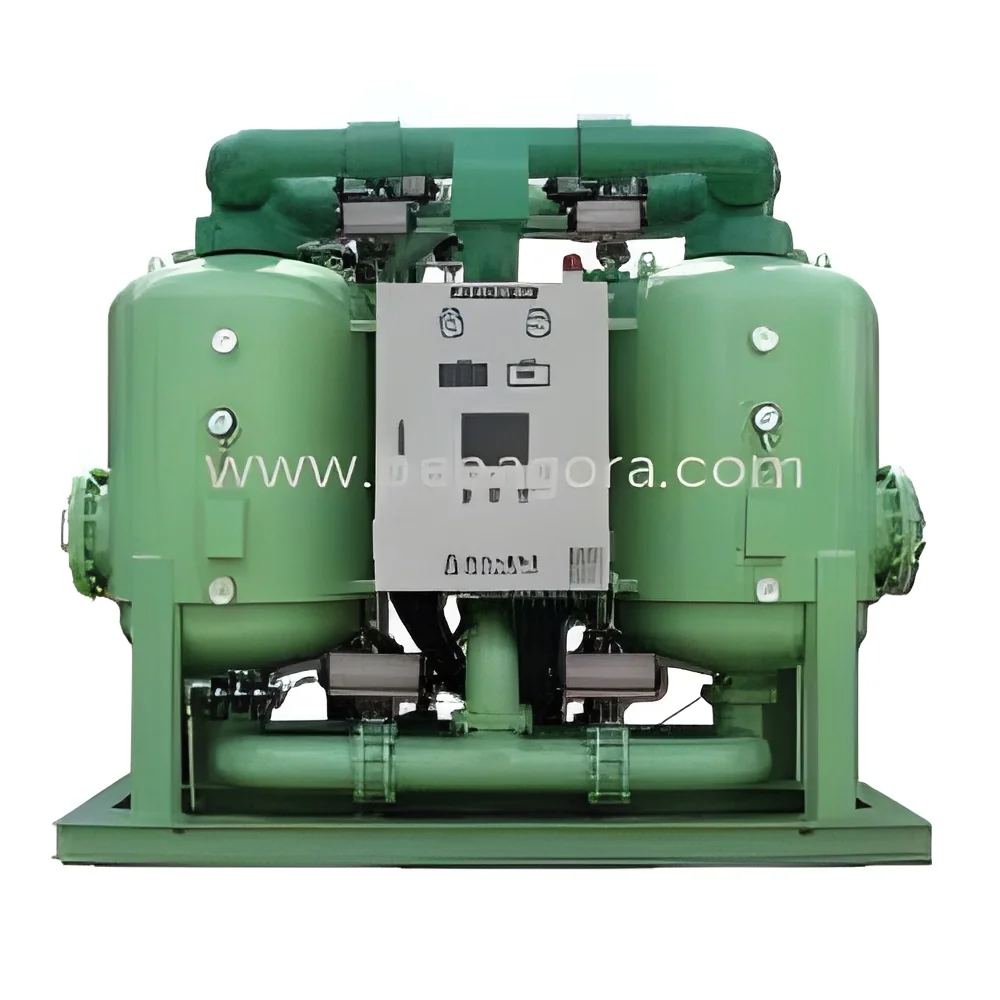
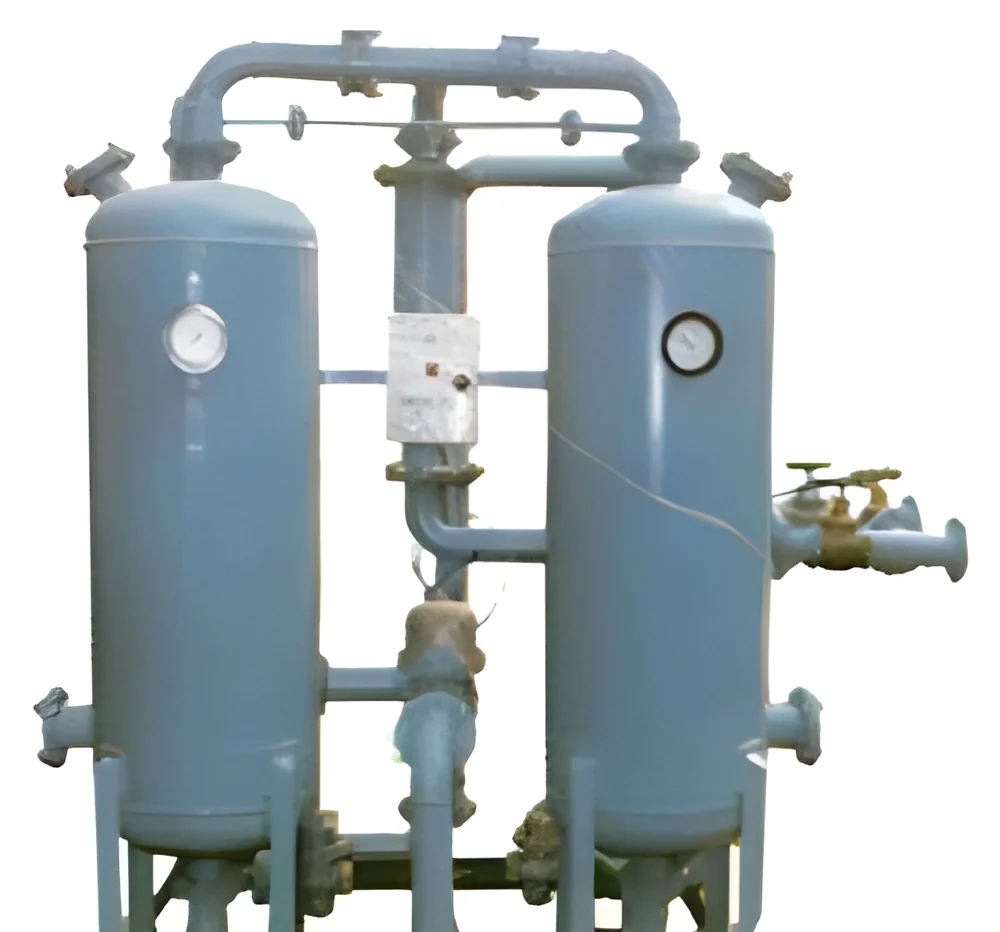
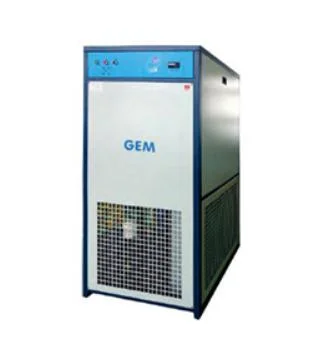
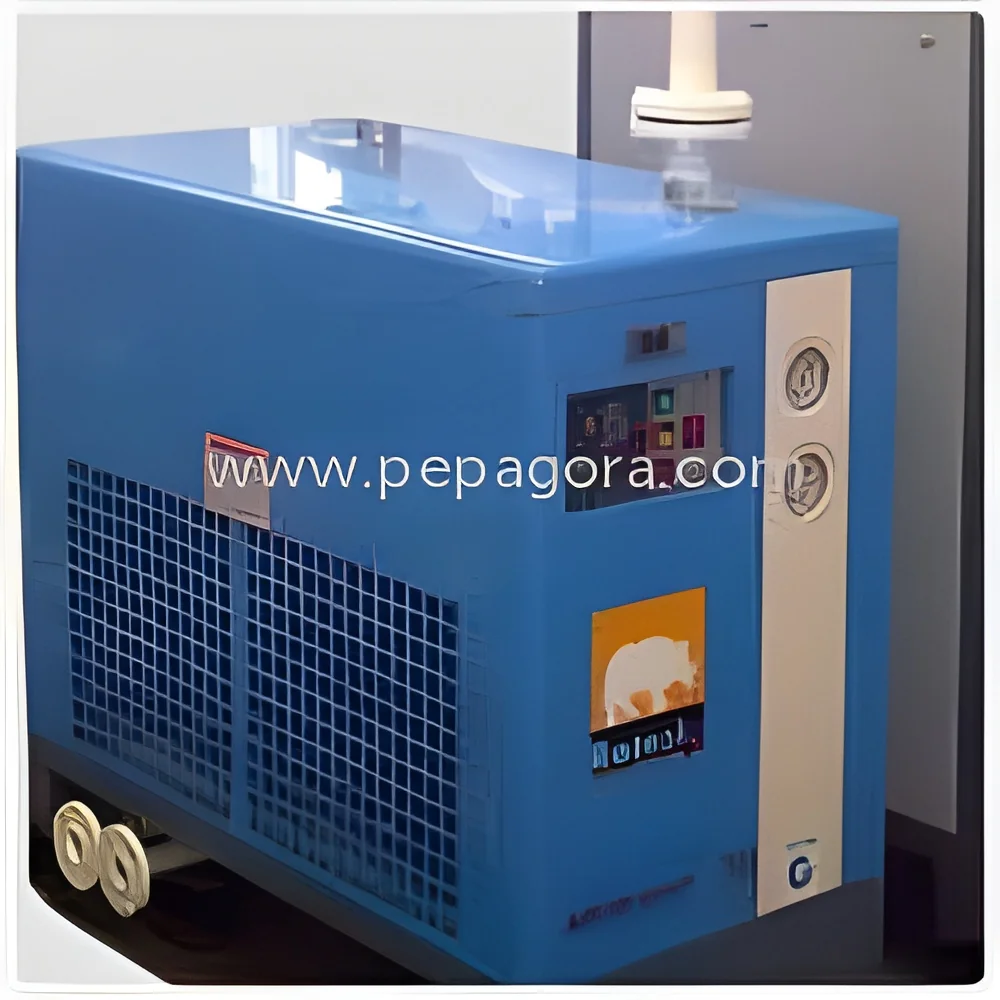
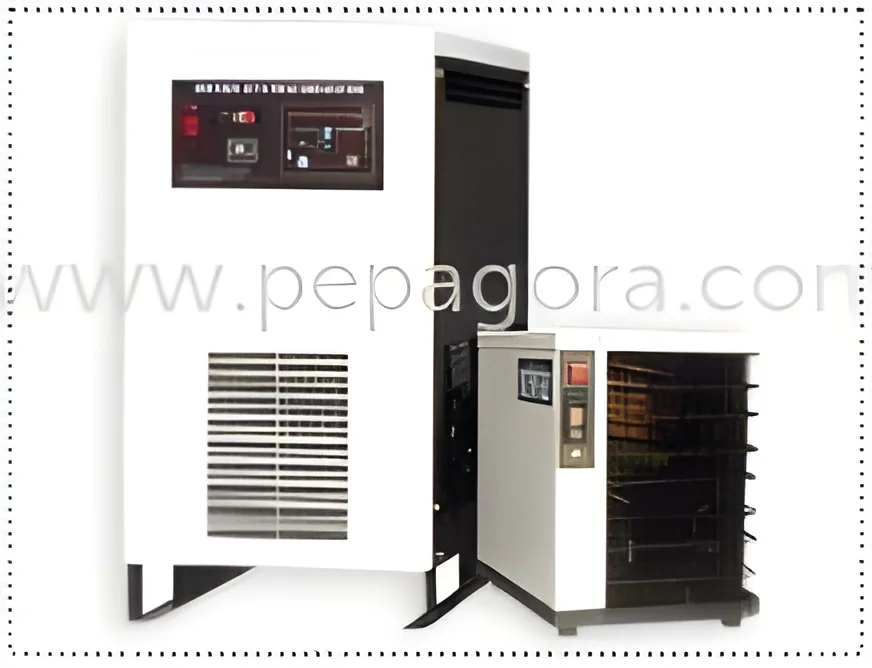
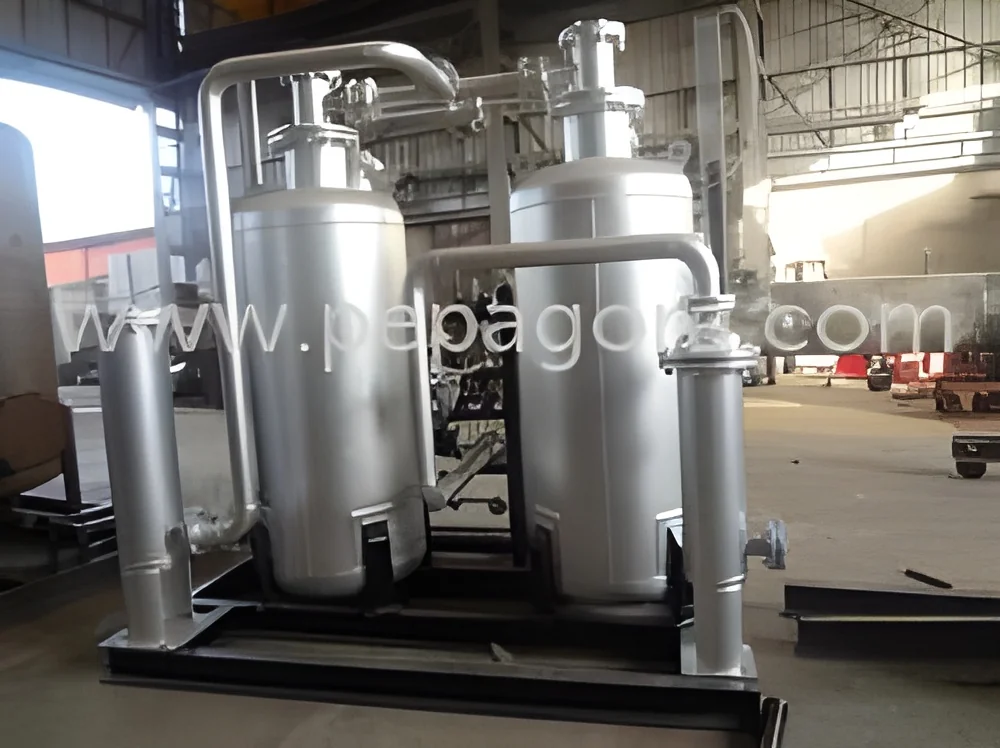
Air dryers, specifically refrigerated and desiccant types, are essential devices used to remove moisture from compressed air in industrial applications. Refrigerated air dryers cool compressed air to condense and remove water vapor, while desiccant air dryers utilize moisture-absorbing materials to achieve a lower dew point. Both types are vital in ensuring the efficiency and longevity of pneumatic systems by preventing corrosion, freezing, and other moisture-related issues.
These air dryers are commonly used across various industries, including manufacturing, pharmaceuticals, food and beverage, and automotive sectors. They play a crucial role in processes where dry air is essential, such as in painting, packaging, and pneumatic conveying. The market for air dryers is growing as industries increasingly recognize the importance of maintaining air quality and equipment reliability in production processes.
The demand for air dryers is driven by the need for improved energy efficiency and reduced operational costs. As manufacturers strive for sustainability, investing in effective air drying solutions becomes paramount. This trend highlights the relevance of air dryers in maintaining product quality and operational efficiency in a competitive market.
𝗞𝗲𝘆 𝗙𝗲𝗮𝘁𝘂𝗿𝗲𝘀 𝗮𝗻𝗱 𝗦𝗽𝗲𝗰𝗶𝗳𝗶𝗰𝗮𝘁𝗶𝗼𝗻𝘀
Air dryers come equipped with several key features that enhance their performance and reliability. Understanding these specifications is vital for selecting the right model for specific industrial needs.
Key specifications include:
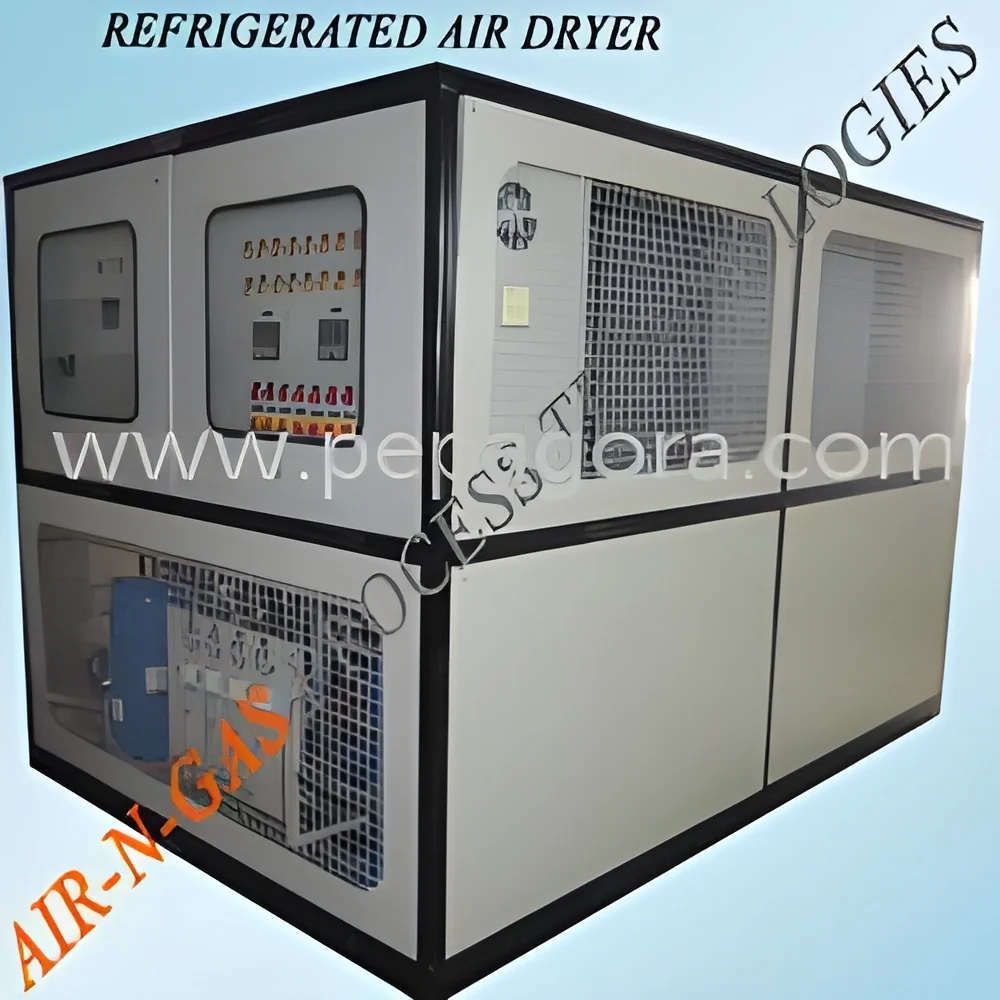
1. Drying Technology
- Refrigerated air dryers use cooling to condense moisture.
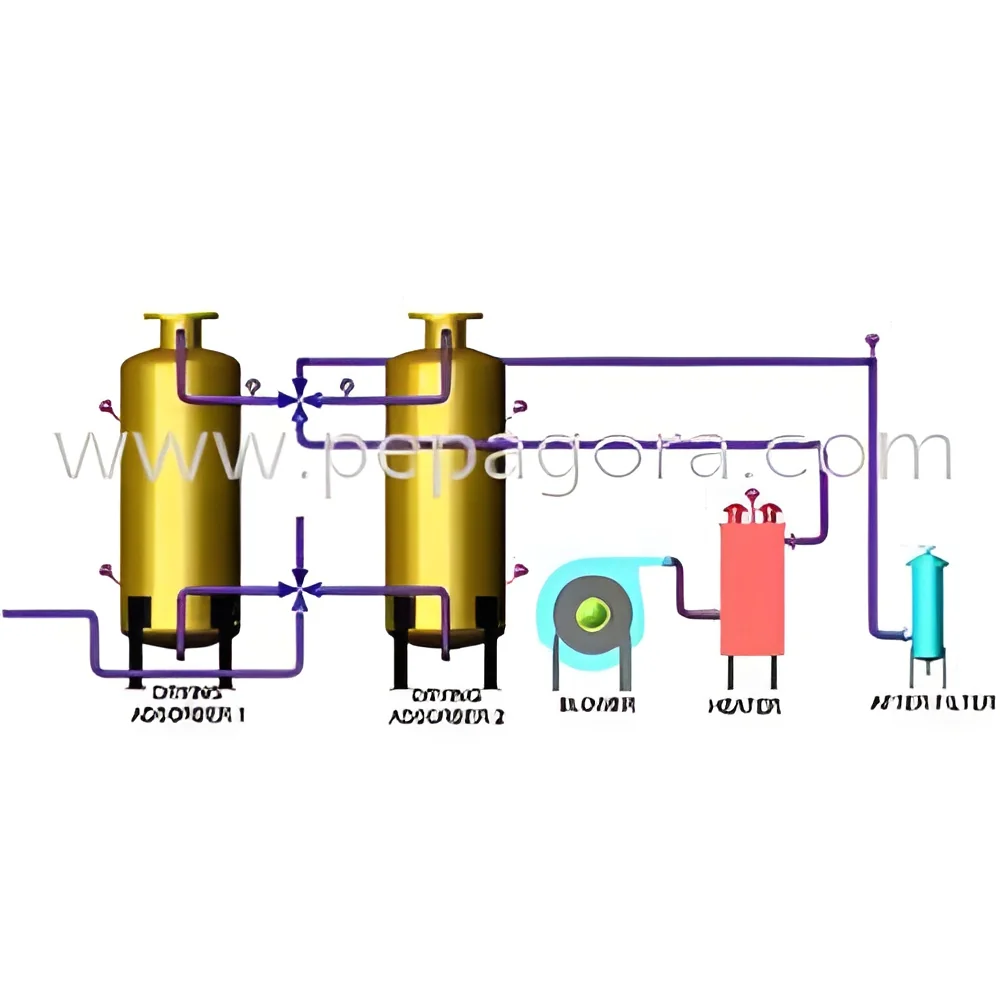
- Desiccant air dryers utilize a moisture-absorbing medium for lower humidity.
2. Dew Point Control
- Refrigerated models typically provide a dew point of 35°F to 50°F.
- Desiccant models can achieve dew points as low as -40°F.
3. Air Flow Capacity
- Flow rates can range from small units handling 5 SCFM to larger systems exceeding 1000 SCFM.
4. Operating Pressure Range
- Most air dryers operate effectively within 80 to 120 psi.
5. Power Consumption
- Refrigerated models generally require more energy due to cooling mechanisms.
- Desiccant dryers may vary based on regeneration cycles.
6. Size and Portability
- Available in compact designs for limited spaces and larger units for industrial applications.
7. Maintenance Requirements
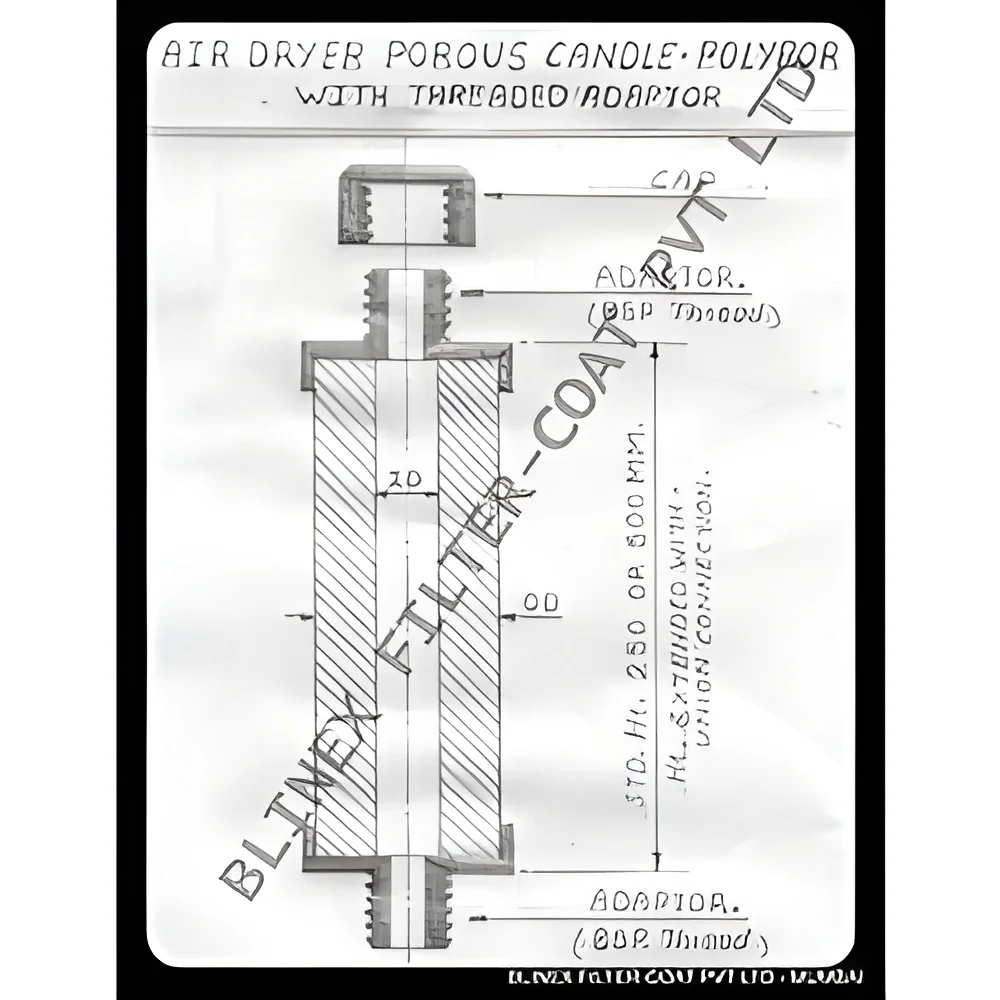
- Refrigerated units often require less maintenance compared to desiccant models, which need periodic media replacement.
8. Monitoring Features
- Some models include digital displays for monitoring pressure and temperature.
In summary, understanding these features and specifications can aid in selecting the most suitable air dryer for specific industrial applications.
𝗖𝗼𝗺𝗺𝗼𝗻 𝗔𝗽𝗽𝗹𝗶𝗰𝗮𝘁𝗶𝗼𝗻𝘀 𝗮𝗻𝗱 𝗨𝘀𝗲 𝗖𝗮𝘀𝗲𝘀
Air dryers serve various industries by ensuring the quality and effectiveness of compressed air systems.
1. Manufacturing: Air dryers are crucial in manufacturing processes where moisture can cause defects in products or equipment failures.
2. Pharmaceuticals: In this sector, maintaining low humidity levels is essential for product integrity and compliance with strict regulatory standards.
3. Food and Beverage: Air dryers prevent moisture-related issues in packaging and processing, ensuring product freshness and safety.
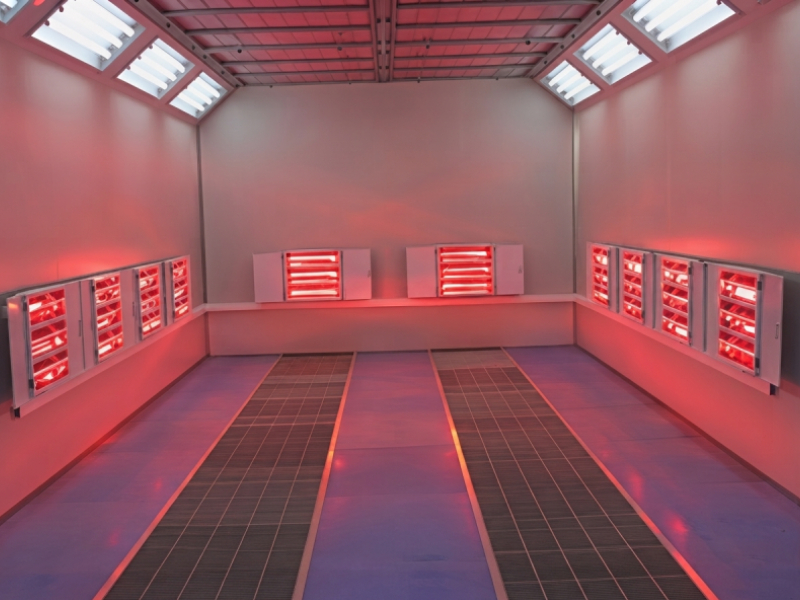
4. Automotive: In automotive applications, dry air is necessary for painting and assembly processes to achieve high-quality finishes.
5. Electronics: Air drying is vital in electronics manufacturing to avoid damage to sensitive components.
6. Textile: In textile production, air dryers help maintain the quality of fibers and prevent mildew.
7. Construction: Air dryers are used to ensure the efficiency of pneumatic tools and equipment in construction projects.
𝗣𝗿𝗼𝗱𝘂𝗰𝘁 𝗩𝗮𝗿𝗶𝗮𝗻𝘁𝘀 𝗮𝗻𝗱 𝗦𝘂𝗯𝗰𝗮𝘁𝗲𝗴𝗼𝗿𝗶𝗲𝘀
Air dryers are available in various configurations to meet different industrial needs.
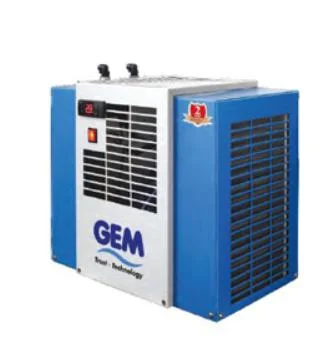
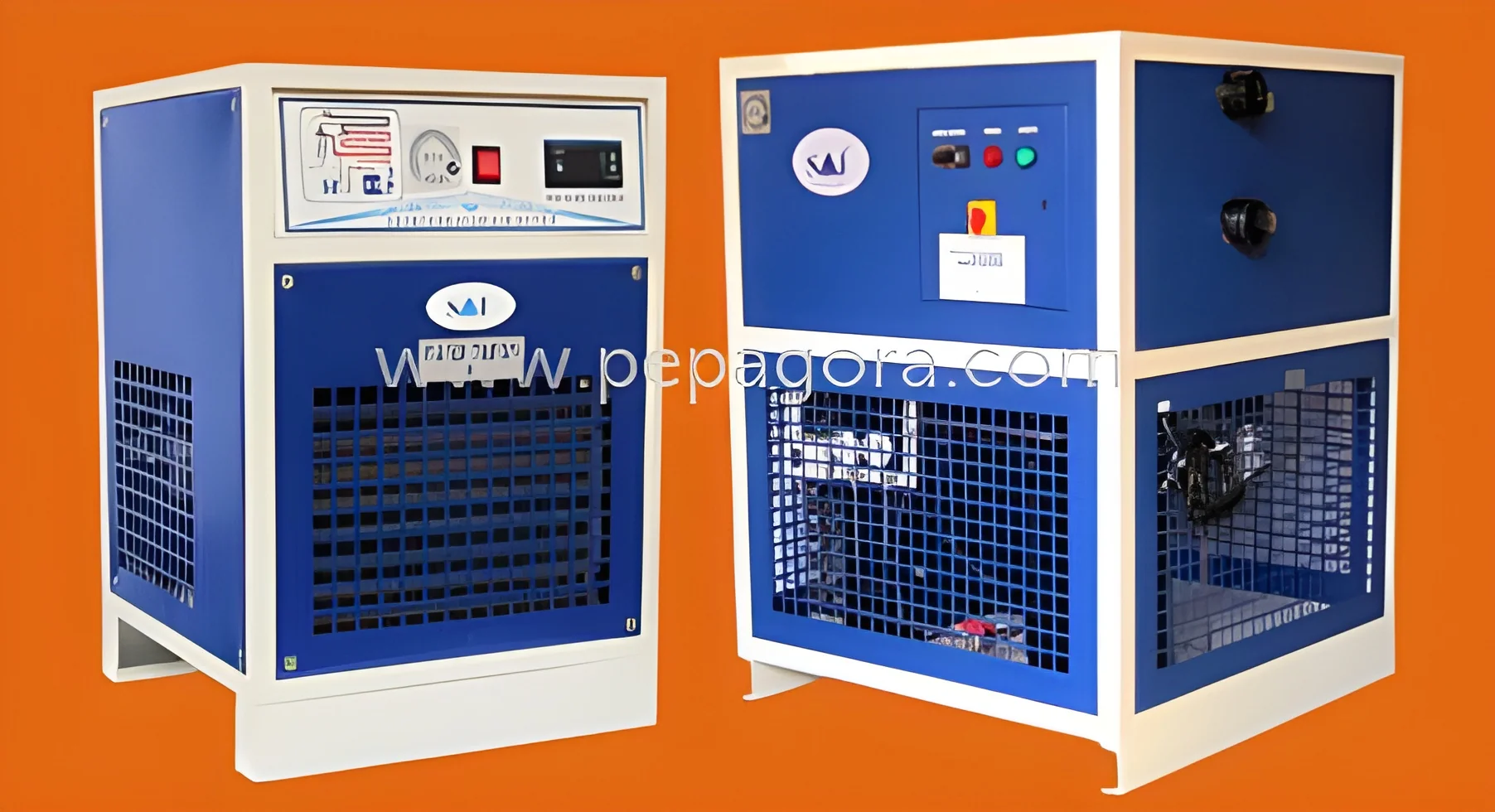
Refrigerated Air Dryers: These dryers cool compressed air to remove moisture, making them ideal for applications where moderate dryness is acceptable. They are energy-efficient and require less maintenance.
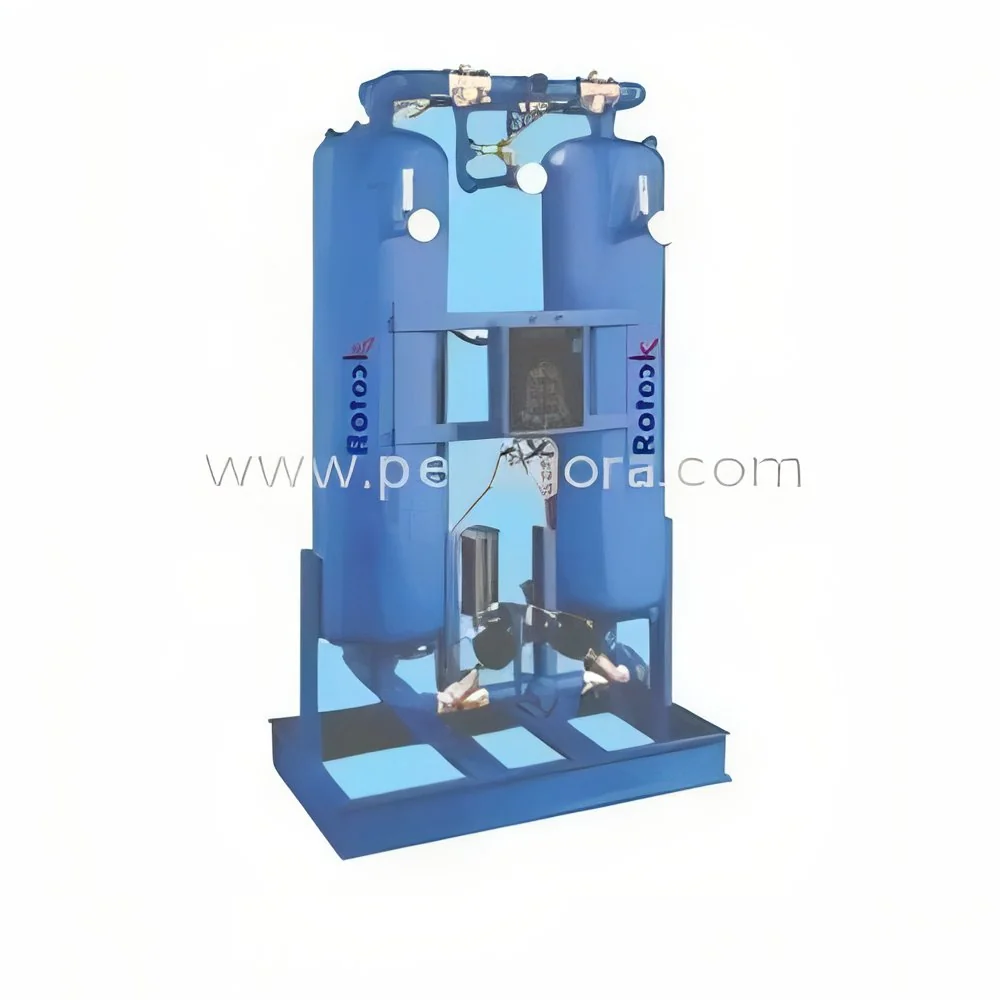
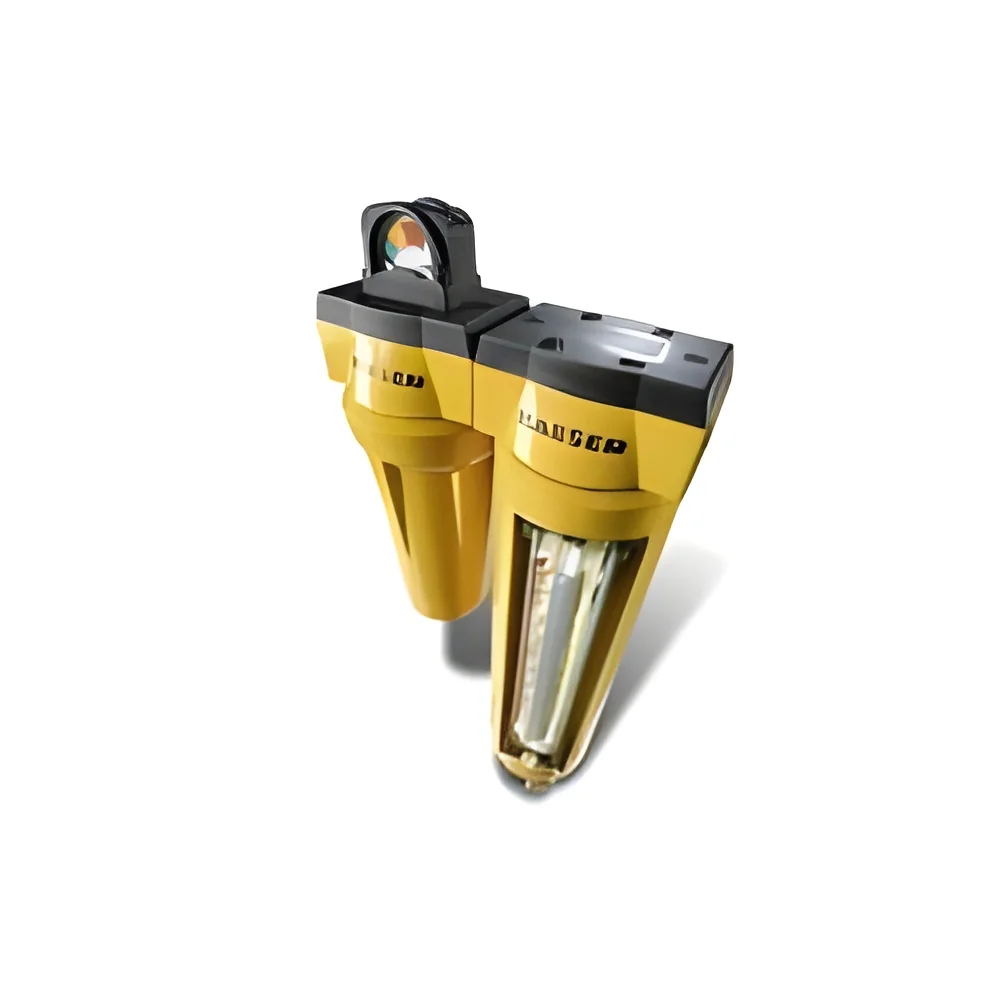
Desiccant Air Dryers: These dryers use desiccant materials to absorb moisture, achieving lower dew points. They are suited for applications requiring extremely dry air, such as pharmaceuticals and electronics manufacturing.
𝗕𝗲𝗻𝗲𝗳𝗶𝘁𝘀 𝗮𝗻𝗱 𝗔𝗱𝘃𝗮𝗻𝘁𝗮𝗴𝗲𝘀
Investing in air dryers offers numerous benefits for industrial operations.
1. Improved Equipment Longevity: By removing moisture, air dryers prevent corrosion and damage to pneumatic tools and machinery.
2. Enhanced Product Quality: Dry air ensures that products are manufactured without defects caused by moisture.
3. Energy Efficiency: Modern air dryers are designed to minimize power consumption while maintaining performance.
4. Compliance with Standards: Air dryers help industries meet regulatory requirements for air quality.
5. Reduced Downtime: Reliable air drying systems contribute to fewer breakdowns and operational interruptions.
6. Customized Solutions: Various models and configurations allow businesses to find the right solution for their specific needs.
𝗕𝘂𝘆𝗶𝗻𝗴 𝗚𝘂𝗶𝗱𝗲 𝗳𝗼𝗿 𝗕𝟮𝗕 𝗕𝘂𝘆𝗲𝗿𝘀
When sourcing air dryers, several factors should be considered to ensure a suitable purchase.
1. Quality Assessment: Evaluate the quality of air dryers based on performance, durability, and user reviews. Look for models that adhere to industry standards.
2. Supplier Verification: Vet suppliers by checking their reputation, certifications, and history of customer service. Reliable suppliers will provide transparent information about their products.
3. Pricing and MOQ: Understand the pricing structure and minimum order quantities. Consider bulk purchasing options for cost savings.
4. Delivery and Lead Times: Confirm delivery schedules and lead times to align with production needs. Timely delivery is crucial for maintaining operational efficiency.
5. Compliance Requirements: Ensure that the air dryers meet any relevant compliance and regulatory standards to avoid future issues.
𝗖𝗼𝗺𝗽𝗹𝗶𝗮𝗻𝗰𝗲 𝗮𝗻𝗱 𝗖𝗲𝗿𝘁𝗶𝗳𝗶𝗰𝗮𝘁𝗶𝗼𝗻𝘀
Air dryers must adhere to specific quality and safety standards to ensure reliability and performance. ISO 9001 is a common quality management standard that applies to manufacturing processes, ensuring consistent quality in products.
The CE marking indicates compliance with European health, safety, and environmental protection standards, making it essential for products sold within the European market.
Safety and testing requirements are crucial for air dryers, as they must operate effectively without posing risks to operators or equipment. Manufacturers must also consider regional compliance requirements, which may vary based on local regulations and market demands.
Why Source Air Dryers (Refrigerated, Desiccant) from Pepagora?
Pepagora provides a trusted platform for sourcing air dryers with several key advantages.
Verified Supplier Network: Pepagora connects buyers with verified suppliers, ensuring that customers receive high-quality products from reputable manufacturers. This reduces the risk of purchasing substandard equipment.
Streamlined RFQ Process: The request for quotation system simplifies the procurement process, allowing buyers to easily compare offers and select the best option based on their needs.
Trade Assurance and Support: Pepagora offers buyer protection through trade assurance, ensuring transactions are secure and that customers can seek support if issues arise.
Regional Coverage: With a broad geographic reach across India, the GCC, and Southeast Asia, Pepagora facilitates access to a diverse range of air dryer suppliers, enabling buyers to find the right solutions for their specific market needs.