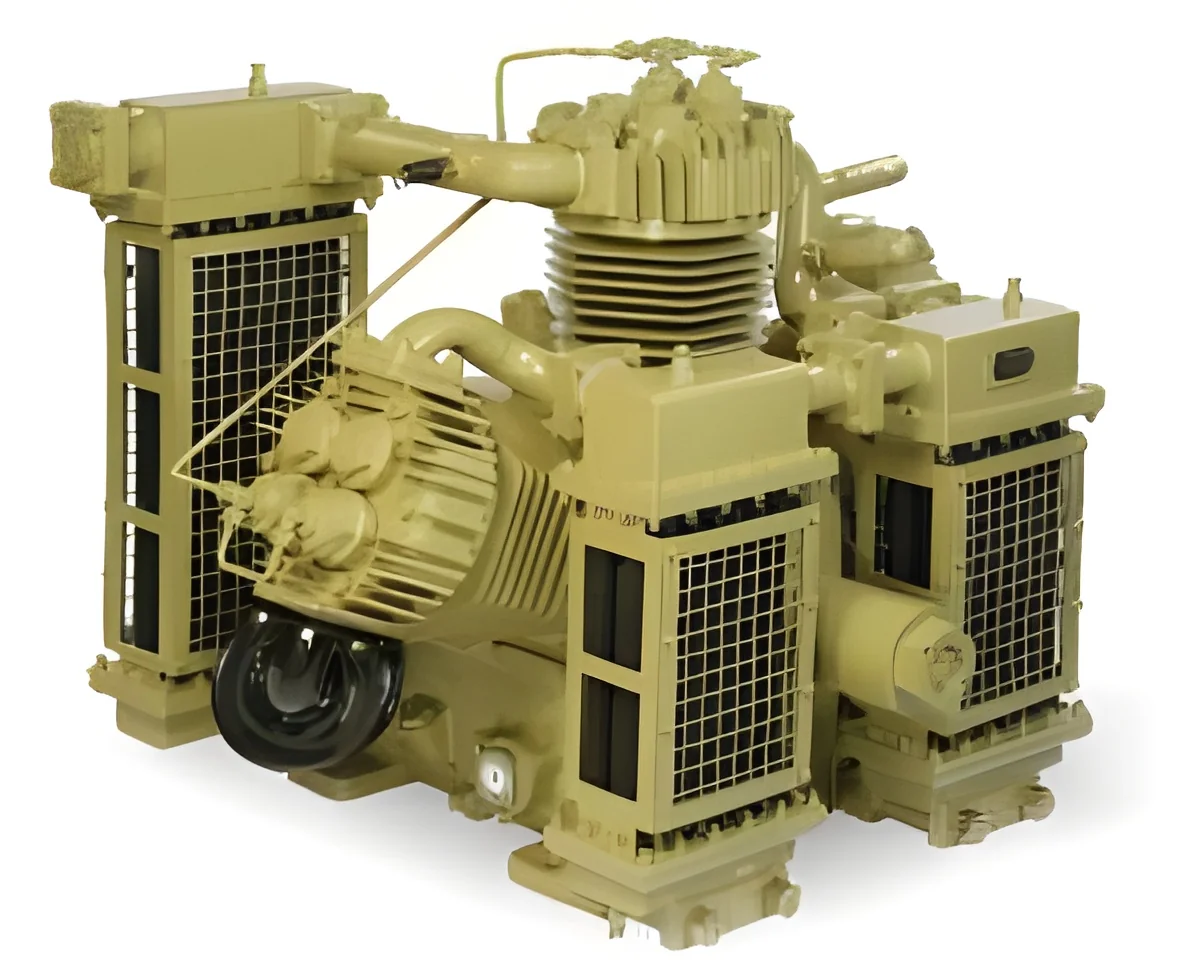
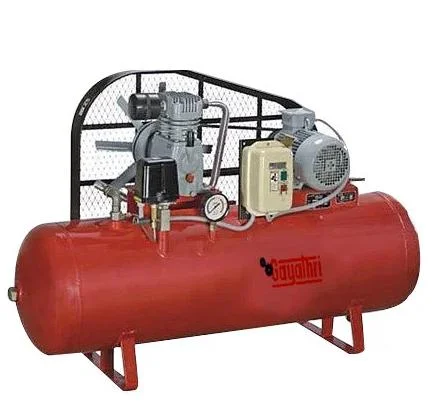
What are Natural Gas Compressors?
Natural gas compressors are mechanical devices designed to increase the pressure of natural gas for various applications. They work by reducing the volume of gas, allowing it to be transported or stored more efficiently. These compressors are crucial in ensuring the smooth flow and delivery of gas in pipelines and across other distribution networks.
The primary uses of natural gas compressors include facilitating the transportation of gas over long distances, optimizing storage capabilities, and enhancing the performance of gas engines and turbines. Businesses in sectors such as oil and gas, energy production, and manufacturing rely on these compressors to maintain operational efficiency and meet energy demands. As the global demand for natural gas continues to rise, the relevance of compressors in the industry becomes increasingly significant, highlighting their role in energy transition and sustainability.
The market for natural gas compressors is expanding, driven by the growth of the natural gas sector and advancements in compressor technology. As industries strive for greater energy efficiency and reduced emissions, natural gas compressors are positioned as essential components in the infrastructure supporting these goals.
Key Features and Specifications
Natural gas compressors come with various features and specifications tailored to meet the demands of different applications. These specifications can influence performance, efficiency, and overall operational capabilities.
Key specifications include:
1. Compression Ratio
- This specification indicates the ratio of the inlet pressure to the outlet pressure.
- Typical ranges vary based on the compressor design and application.
2. Capacity
- Refers to the volume of gas the compressor can handle, usually measured in cubic feet per minute (CFM).
- Capacities can range significantly depending on the model and intended use.
3. Power Source
- Natural gas compressors can be powered by gas engines, electric motors, or diesel engines.
- The choice of power source affects operational costs and application suitability.
4. Noise Level
- This specification measures the sound produced during compressor operation, often quantified in decibels (dB).
- Lower noise levels may be required for urban or sensitive environments.
5. Cooling Method
- Compressors may use air, water, or oil for cooling during operation.
- The cooling method influences maintenance needs and operational efficiency.
6. Size and Weight
- The dimensions and weight of the compressor can impact installation and transport.
- Smaller, lighter models may be preferred for certain applications.
7. Material Construction
- Common materials include carbon steel, stainless steel, and aluminum.
- Material choice affects durability, corrosion resistance, and maintenance requirements.
8. Control Systems
- Advanced compressors feature automated control systems for monitoring performance.
- These systems enhance precision and can improve energy efficiency.
In summary, understanding the key features and specifications of natural gas compressors enables businesses to select the right equipment for their specific needs, ensuring optimal performance and reliability.
Common Applications and Use Cases
Natural gas compressors serve various industries, playing a vital role in operational efficiency.
1. Oil and Gas Industry: Natural gas compressors are used to transport gas from extraction sites to processing facilities, ensuring a continuous supply for refining and distribution.
2. Power Generation: In energy production, these compressors help supply gas to turbines and generators, enhancing electricity generation efficiency.
3. Manufacturing: Many manufacturing processes rely on natural gas as a fuel source, where compressors are used to maintain the necessary gas pressure.
4. Chemical Processing: Compressors support various chemical reactions that require precise gas pressure levels, contributing to the production of essential chemicals.
5. Transportation: Compressed natural gas (CNG) is increasingly used as an eco-friendly fuel for vehicles, with compressors vital for refueling stations.
6. Agriculture: In agricultural applications, natural gas compressors help power irrigation systems and heating for greenhouses.
7. Residential Use: Compressors also play a role in the distribution of natural gas for heating and cooking in homes.
Product Variants and Subcategories
Natural gas compressors are available in various configurations to cater to different industrial needs.
Reciprocating Compressors
These compressors use pistons to compress gas, offering high efficiency and versatility. They are suitable for a wide range of applications, from small-scale operations to large industrial processes.
Rotary Screw Compressors
Utilizing two interlocking helical screws, these compressors provide a continuous flow of gas. They are ideal for applications requiring a steady supply of compressed gas, such as pneumatic tools and production lines.
Centrifugal Compressors
These compressors utilize rotational energy to increase gas pressure. They are commonly used in large-scale operations, such as gas pipelines and power plants, due to their ability to handle high flow rates.
Benefits and Advantages
The use of natural gas compressors brings several key benefits to businesses.
1. Efficiency: Compressors optimize the delivery and storage of natural gas, enhancing overall operational efficiency.
2. Cost Savings: By improving gas transportation and minimizing losses, compressors can lead to significant cost reductions over time.
3. Environmental Impact: Natural gas is a cleaner energy source compared to coal and oil, and compressors facilitate its effective use, contributing to lower emissions.
4. Reliability: High-quality compressors are designed for durability and consistent performance, ensuring reliable operation under various conditions.
5. Customization: Many compressors can be tailored to meet specific business needs, allowing for flexibility in design and functionality.
6. Safety: Modern compressors are equipped with safety features that minimize risks during operation, ensuring compliance with industry standards.
Buying Guide for B2B Buyers
When sourcing natural gas compressors, businesses should carefully consider several factors to ensure they make informed purchasing decisions.
1. Quality Assessment: Evaluate the quality of the compressors by reviewing manufacturer specifications, certifications, and customer testimonials. Reliable quality can directly impact performance and longevity.
2. Supplier Verification: Conduct thorough vetting of suppliers, including checking their industry reputation, financial stability, and customer support services. A verified supplier can provide peace of mind regarding product authenticity and reliability.
3. Pricing and MOQ: Analyze pricing structures and minimum order quantities (MOQ) to align purchases with budgetary constraints. Understanding pricing strategies can help in negotiating better deals.
4. Delivery and Lead Times: Assess delivery times to ensure that equipment is received when needed. Delays can disrupt operations, so it is critical to have clear timelines from suppliers.
5. Compliance Requirements: Be aware of local and international regulations that apply to natural gas compressors. Compliance with safety and environmental standards is essential for operational legitimacy.
Compliance and Certifications
Natural gas compressors must adhere to various quality standards and certifications to ensure safety and efficiency.
ISO 9001 is a key quality management standard that applies to manufacturing processes, ensuring that products consistently meet customer and regulatory requirements.
CE marking indicates compliance with European safety standards, ensuring that compressors meet necessary health, safety, and environmental protection legislation.
Safety and testing requirements are critical to avoid hazards associated with gas compression. Regular inspections and maintenance are mandated to ensure equipment operates safely.
Regional compliance considerations may vary, necessitating a thorough understanding of local laws governing natural gas operations. Compliance with these regulations is essential for legal operation and market access.
Why Source Natural Gas Compressors from Pepagora?
Pepagora offers a reliable platform for sourcing natural gas compressors, providing several key advantages that stand out in the marketplace.
Verified Supplier Network: Pepagora connects buyers to a network of verified suppliers, ensuring that businesses can source high-quality compressors with confidence. This network is built on trust and proven track records.
Streamlined RFQ Process: The platform simplifies the request for quotation (RFQ) process, allowing buyers to receive competitive quotes quickly. This efficiency helps companies make timely procurement decisions.
Trade Assurance and Support: Pepagora provides buyer protection through trade assurance, ensuring that transactions are secure and that buyers receive the products as promised. This support fosters a worry-free purchasing experience.
Regional Coverage: With a strong presence in India, the Gulf Cooperation Council (GCC), and Southeast Asia, Pepagora offers extensive geographic reach, making it easier for businesses to access natural gas compressors tailored to their regional needs.

 IN
IN