What are Compressor Control Panels?
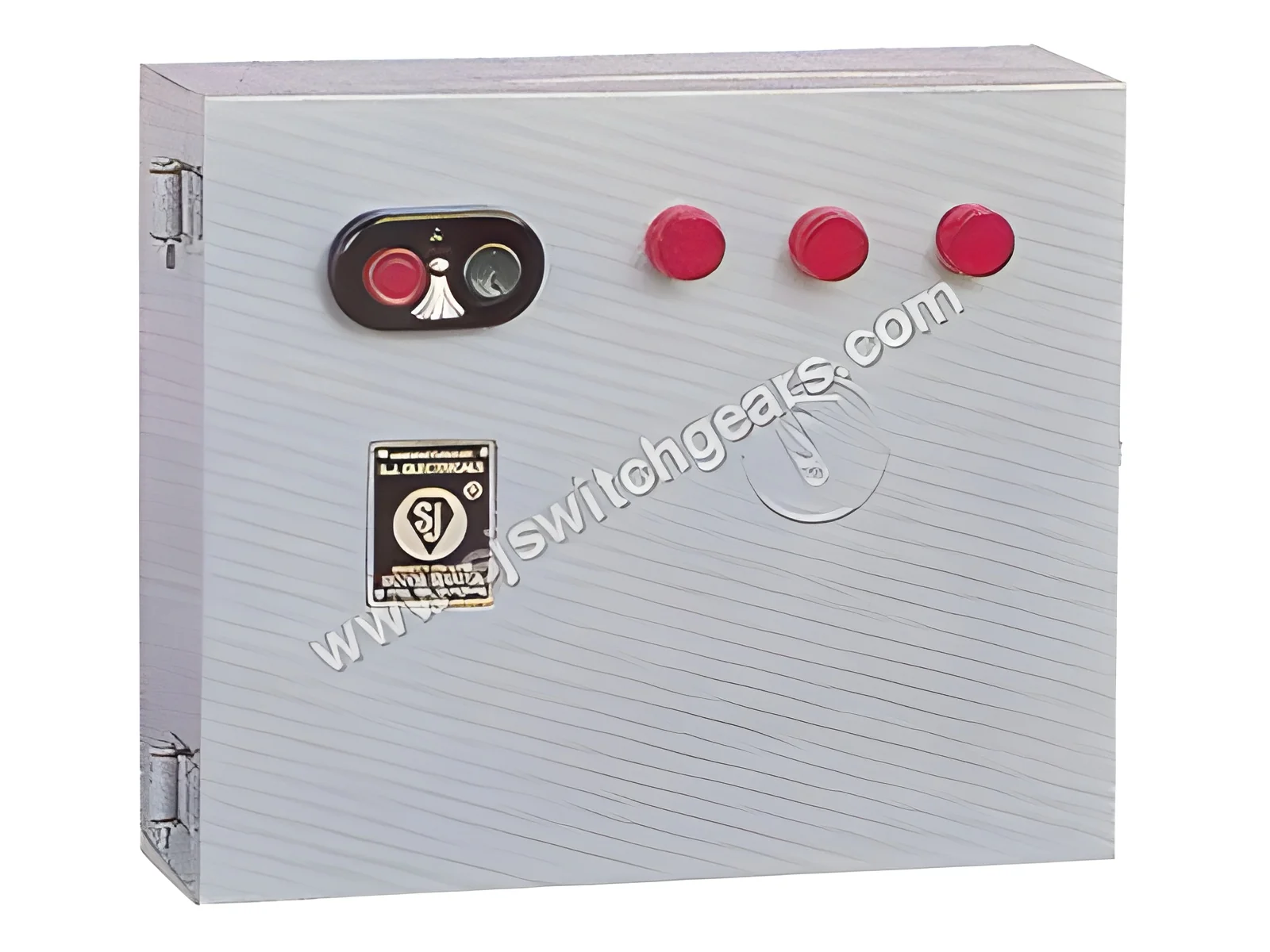
Compressor control panels are essential components used to manage and regulate the operation of compressors in various industrial applications. These panels serve as the central control interface, allowing operators to monitor compressor performance, initiate or stop operations, and adjust settings to optimize efficiency. They integrate various electrical components, sensors, and control devices to ensure the compressor functions within designated parameters.
These control panels are primarily used in industries that rely heavily on compressed air systems, including manufacturing, oil and gas, food and beverage, and HVAC. In these sectors, the ability to monitor and control compressor operations is vital for maintaining productivity and ensuring the safety of equipment and personnel. Given their significant role in industrial processes, compressor control panels are crucial for improving operational efficiency and reducing downtime.
As industries increasingly focus on automation and energy efficiency, the demand for advanced compressor control panels continues to grow. This trend is driven by the need for reliable and precise control mechanisms that can enhance the performance of compressors while minimizing energy consumption. In the current market context, investing in high-quality compressor control panels is essential for businesses looking to maintain competitiveness and operational excellence.
Key Features and Specifications
Compressor control panels come equipped with several key features that enhance their functionality and usability. These features are designed to improve performance, ensure safety, and provide ease of operation for users in various industrial settings.
Key specifications include:
1. Control Type
- This can be manual or automatic, allowing for different levels of user intervention.
- Options may include programmable logic controllers (PLCs) or microprocessor-based systems.
2. Input Voltage Range
- Commonly supports a range of input voltages to accommodate various compressor models.
- Typical ranges include 120V to 480V depending on the application.
3. Display Interface
- Features may include digital displays for real-time monitoring of performance metrics.
- User-friendly interfaces can simplify operation and troubleshooting.
4. Protection Features
- Includes overload protection, phase failure detection, and under-voltage protection to safeguard equipment.
- Ensures reliability and longevity of compressor systems.
5. Environmental Ratings
- Panels may have ratings for dust and moisture protection, such as IP54 or IP65.
- Suitable for both indoor and outdoor installations based on specific needs.
6. Communication Protocols
- Capability for integration with industrial networks using protocols like Modbus or Ethernet.
- Facilitates remote monitoring and control for enhanced operational efficiency.
7. Safety Standards Compliance
- Meets international safety standards such as CE certification.
- Ensures that panels are built to perform safely under various conditions.
8. Energy Efficiency Features
- May include variable frequency drives (VFDs) to optimize energy consumption.
- Enhances overall system efficiency and reduces operational costs.
In summary, compressor control panels are equipped with a range of features and specifications that enhance their functionality and effectiveness. These panels are tailored to meet the diverse needs of various industries, ensuring optimal performance and reliability.
Common Applications and Use Cases
Compressor control panels are utilized in numerous industries, each with specific applications that highlight their versatility and importance.
1. Manufacturing: In manufacturing settings, compressor control panels manage air compressors that power pneumatic tools and assembly lines. They ensure consistent air supply and monitor system performance to prevent disruptions.
2. Oil and Gas: These panels are crucial for controlling compressors used in oil extraction and natural gas processing. They help maintain operational efficiency and safety in environments that require strict monitoring.
3. Food and Beverage: In this sector, compressor control panels regulate systems that provide compressed air for packaging and processing. They help maintain hygiene standards and ensure the reliability of production processes.
4. HVAC: Compressor control panels are integral to heating, ventilation, and air conditioning systems. They manage the compressors that control indoor climate, ensuring comfort and energy efficiency in commercial buildings.
5. Pharmaceuticals: In pharmaceutical manufacturing, precise control of compressed air systems is vital for maintaining product quality. Control panels help regulate processes that require strict environmental conditions.
6. Automotive: In automotive industries, these panels control compressors used in painting and assembly processes. They ensure that air quality and pressure are maintained at optimal levels.
7. Construction: Compressor control panels are used to manage air compressors that power tools and machinery on construction sites. They provide reliable and efficient operation to support ongoing projects.
Product Variants and Subcategories
Compressor control panels come in various models and configurations to suit different operational needs. While specific subcategories are not available, the diversity in design allows for tailored solutions.
Standard Control Panels: These panels provide basic functionalities for small to medium-sized compressor systems. They typically include manual controls and essential monitoring features, making them suitable for general applications.
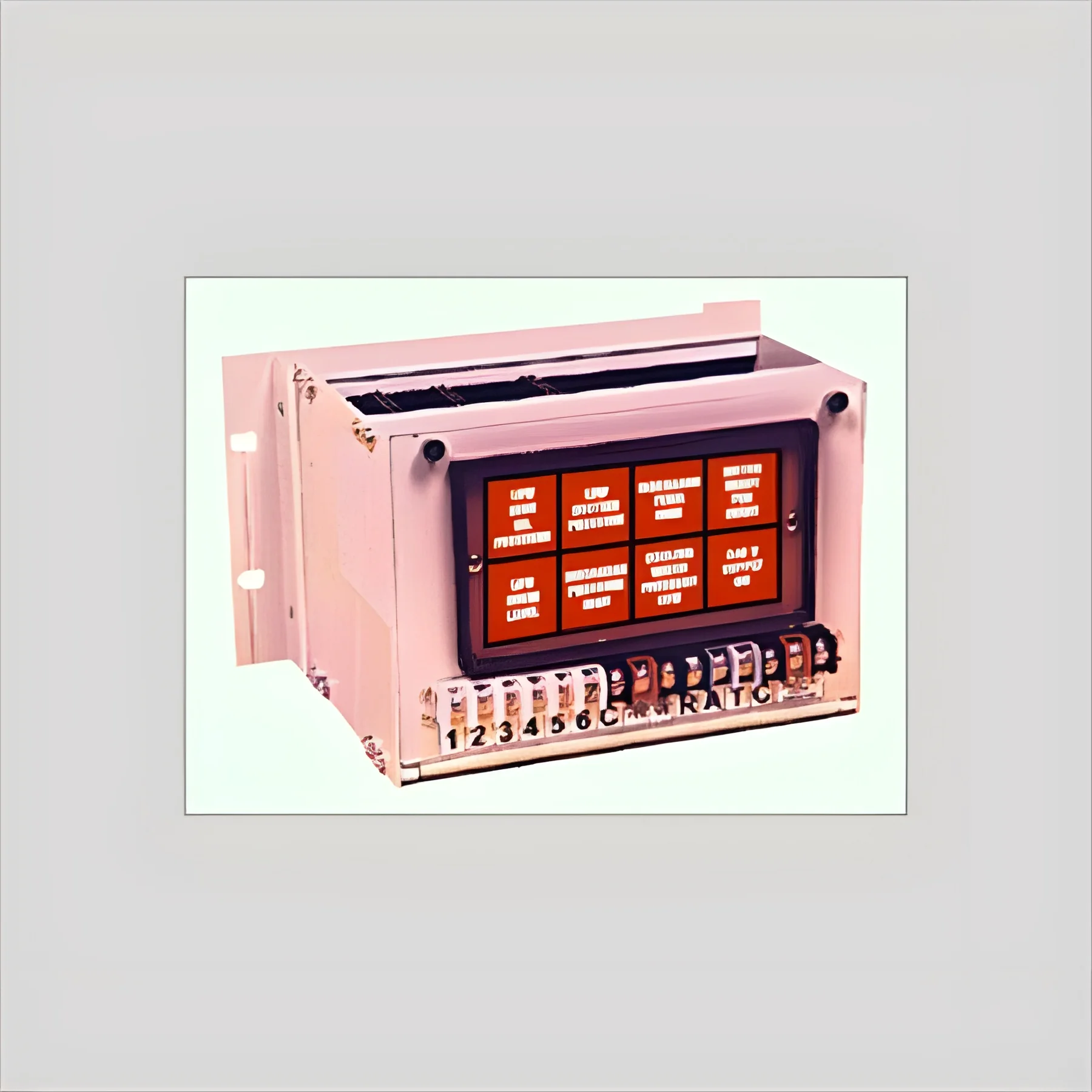
Advanced Control Panels: Designed for larger and more complex systems, these panels come equipped with advanced monitoring and automation features. They often include programmable settings, remote operation capabilities, and enhanced safety measures.
Custom Control Panels: For businesses with unique requirements, custom control panels can be designed to meet specific operational demands. These panels can integrate specialized features, ensuring compatibility with existing systems.
Benefits and Advantages
Investing in compressor control panels offers several advantages that can significantly impact operational efficiency.
1. Enhanced Operational Efficiency: These panels optimize compressor performance by ensuring that systems run at peak efficiency, reducing energy waste and operational costs.
2. Improved Safety: With built-in safety features, compressor control panels help protect both equipment and personnel from potential hazards associated with compressor operations.
3. Real-time Monitoring: The ability to monitor performance metrics in real-time enables quicker response to issues, minimizing downtime and ensuring consistent production.
4. Automation Capabilities: Many control panels offer automation features that reduce the need for manual intervention, allowing for more streamlined operations and reduced labor costs.
5. Customizability: The availability of custom control panel options ensures that specific industry needs are met, resulting in tailored solutions that enhance operational effectiveness.
6. Compliance Assurance: By meeting industry standards and safety regulations, these panels help businesses maintain compliance and reduce liability risks.
Buying Guide for B2B Buyers
When sourcing compressor control panels, several critical factors should be considered to ensure the right choice is made.
1. Quality Assessment: Buyers should evaluate the quality of control panels by looking for recognized certifications like CE. It is essential to ensure that the panels meet industry standards for performance and safety.
2. Supplier Verification: Vetting suppliers is crucial to ensure reliability. Buyers should check for reviews, references, and certifications to verify the supplier's credibility.
3. Pricing and MOQ: Understanding pricing structures and minimum order quantities (MOQ) is important for budgeting. Buyers should compare prices from multiple suppliers to find competitive options.
4. Delivery and Lead Times: Timely delivery is essential for project planning. Buyers should inquire about lead times and shipping options to avoid delays in operations.
5. Compliance Requirements: Ensure that the chosen control panels meet all local and regional compliance requirements. This includes safety standards and environmental regulations that may affect installation and use.
Compliance and Certifications
Compliance and certification are critical aspects of compressor control panels. These panels must adhere to various quality standards to ensure safety and reliability.
Relevant quality standards such as ISO 9001 provide a framework for quality management systems, ensuring that manufacturers maintain consistent quality in their products. Compliance with such standards reflects a commitment to excellence in manufacturing processes.
Additionally, industry certifications like CE signify that the product meets European health, safety, and environmental protection standards. This certification is vital for accessing markets in the European Union and demonstrates a commitment to regulatory compliance.
Safety and testing requirements are also essential considerations. Compressor control panels should undergo rigorous testing to verify their performance under operational conditions. This includes assessments for electrical safety, environmental resistance, and overall functionality.
Finally, regional compliance considerations may vary based on local regulations. It is crucial for manufacturers and suppliers to stay updated on the regulatory landscape to ensure that their products remain compliant in different markets.
Why Source Compressor Control Panels from Pepagora?
Pepagora offers an ideal platform for sourcing compressor control panels, providing several key advantages to buyers.
Verified Supplier Network: Pepagora features a network of verified suppliers, ensuring that buyers can trust the quality and reliability of the products they purchase. This verification process adds an extra layer of security to transactions.
Streamlined RFQ Process: The request for quotation (RFQ) system on Pepagora simplifies the procurement process. Buyers can easily request quotes from multiple suppliers, saving time and effort while ensuring competitive pricing.
Trade Assurance and Support: Pepagora provides trade assurance features that protect buyers during transactions. This support ensures that buyers feel secure in their purchases, knowing they have recourse in case of issues.
Regional Coverage: With a broad geographic reach covering India, the GCC, and Southeast Asia, Pepagora connects buyers with suppliers across various regions. This extensive coverage makes it easier for businesses to find suitable solutions tailored to their local markets.

 IN
IN