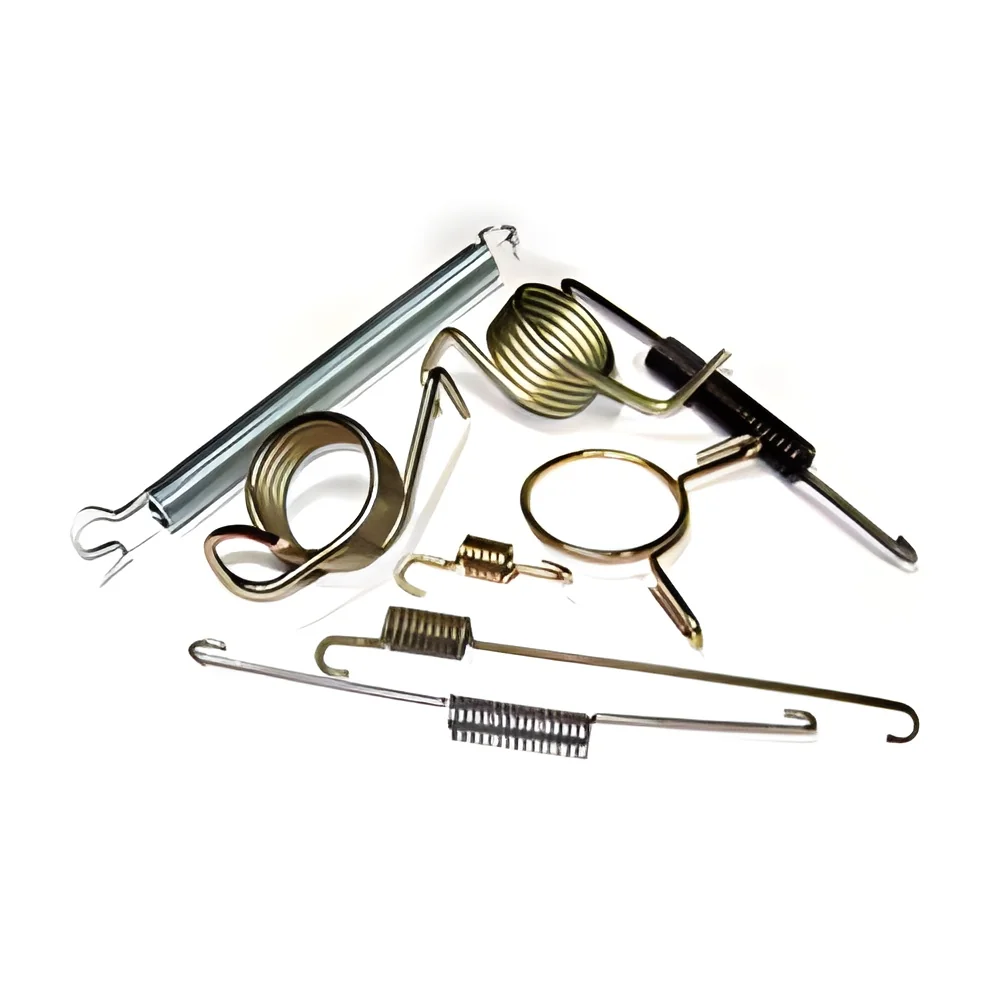
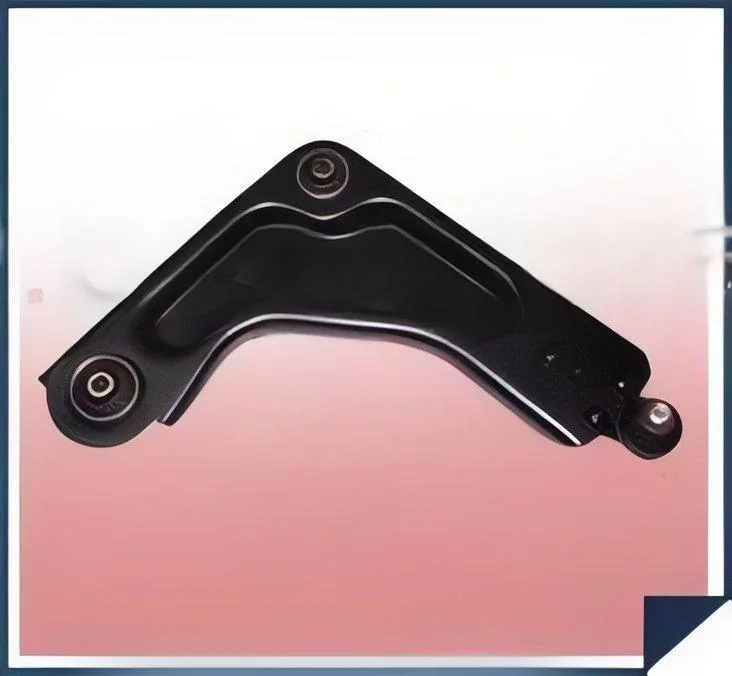
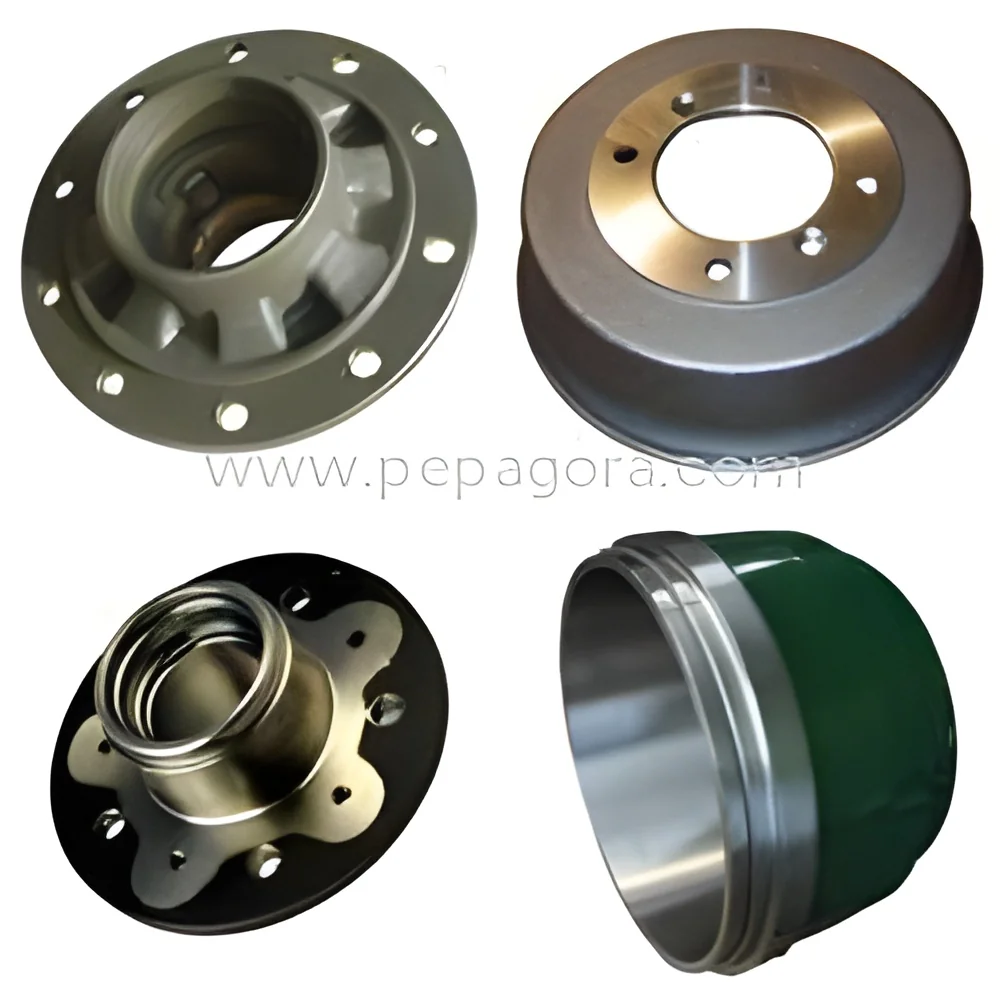
𝗪𝗵𝗮𝘁 𝗮𝗿𝗲 𝗕𝗿𝗮𝗸𝗲𝘀, 𝗦𝘂𝘀𝗽𝗲𝗻𝘀𝗶𝗼𝗻 & 𝗦𝘁𝗲𝗲𝗿𝗶𝗻𝗴 𝗦𝘆𝘀𝘁𝗲𝗺𝘀?
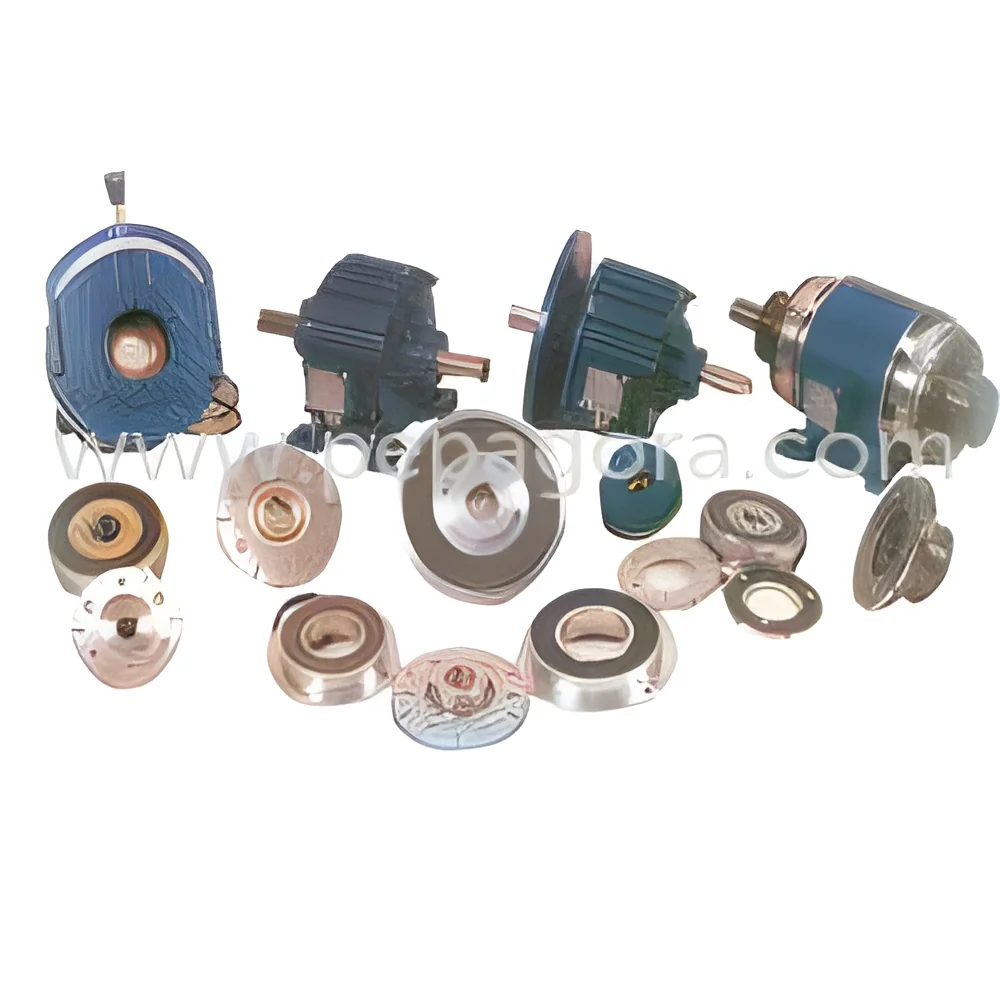
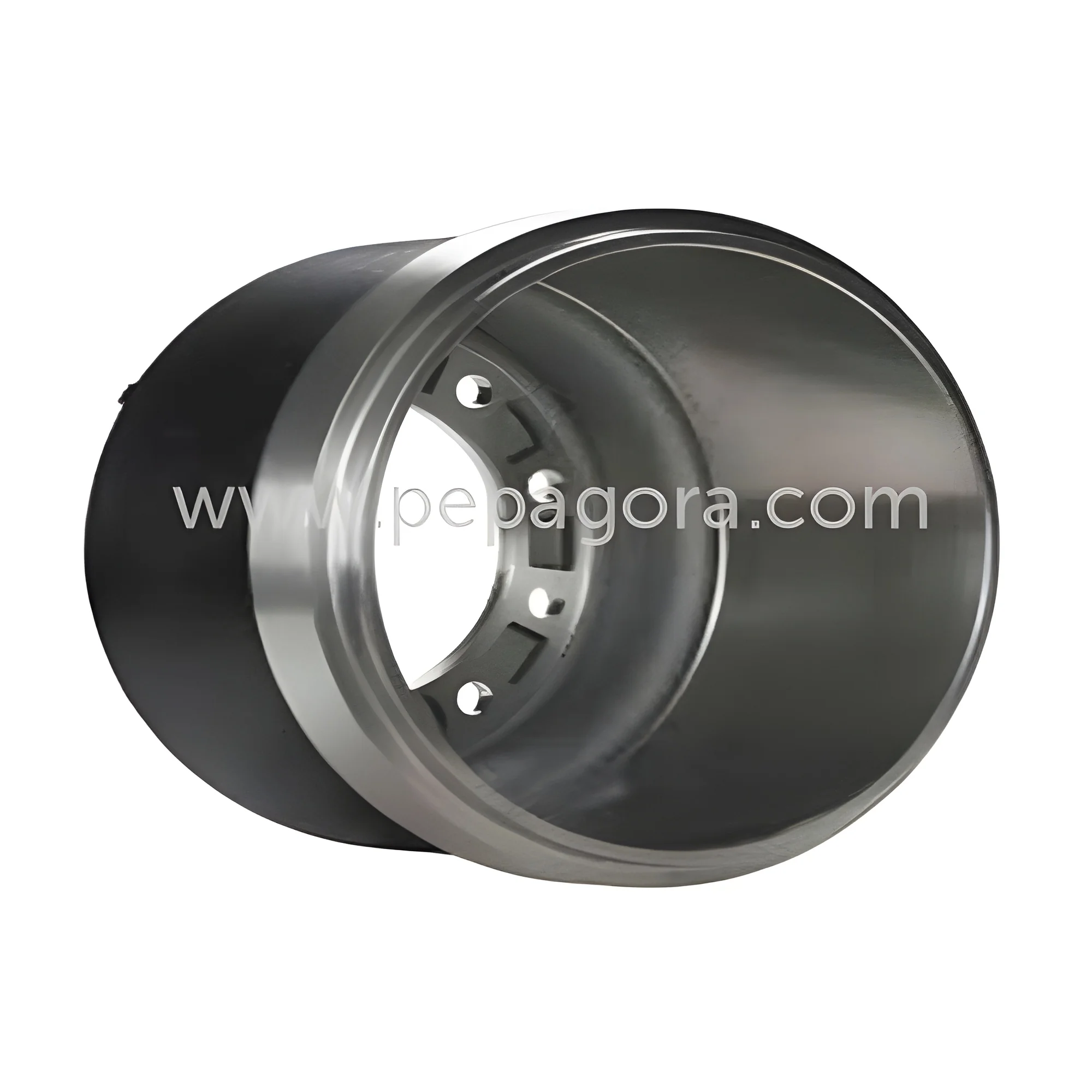
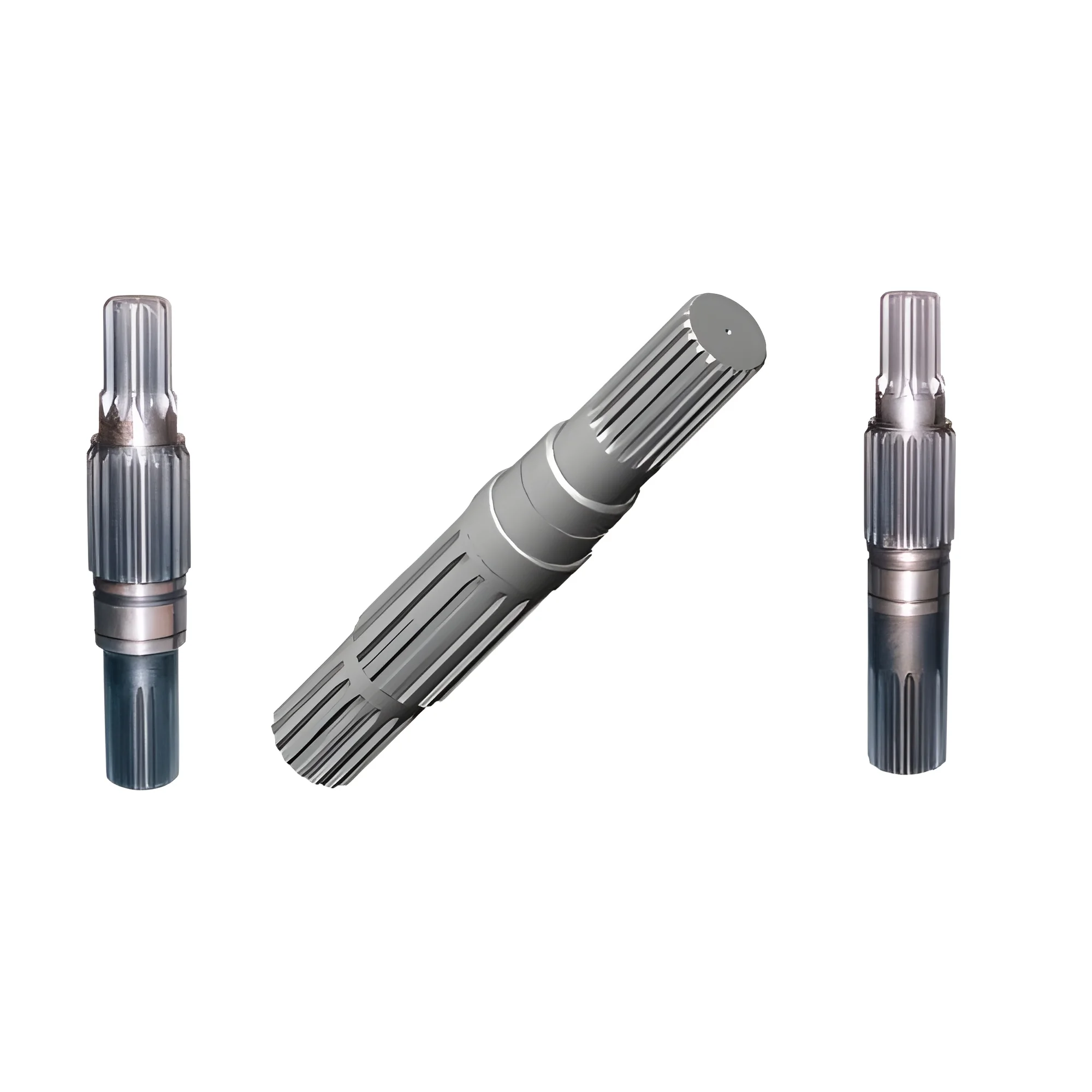
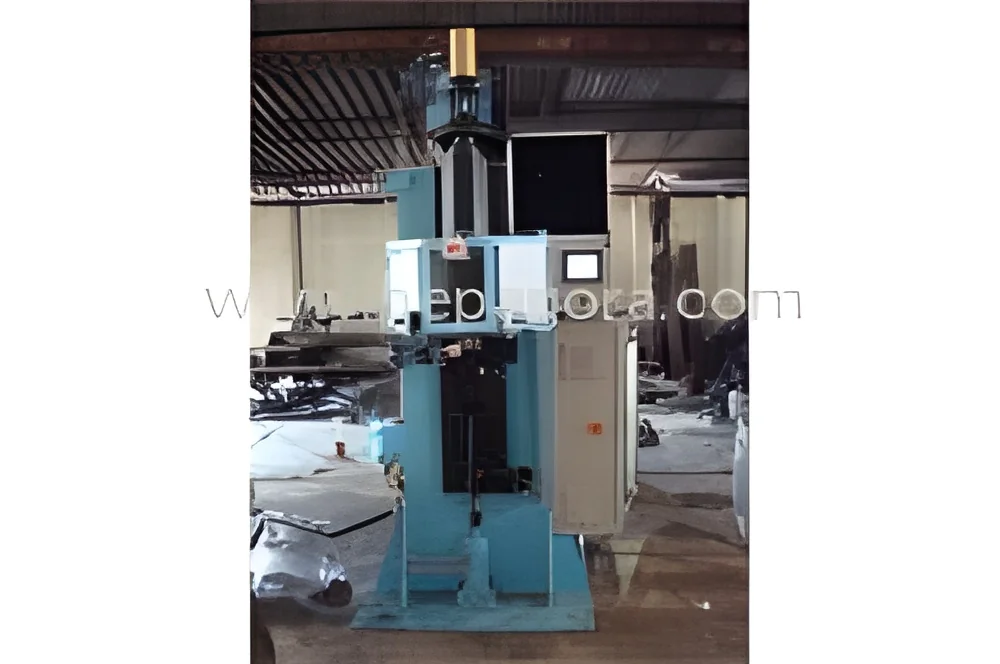
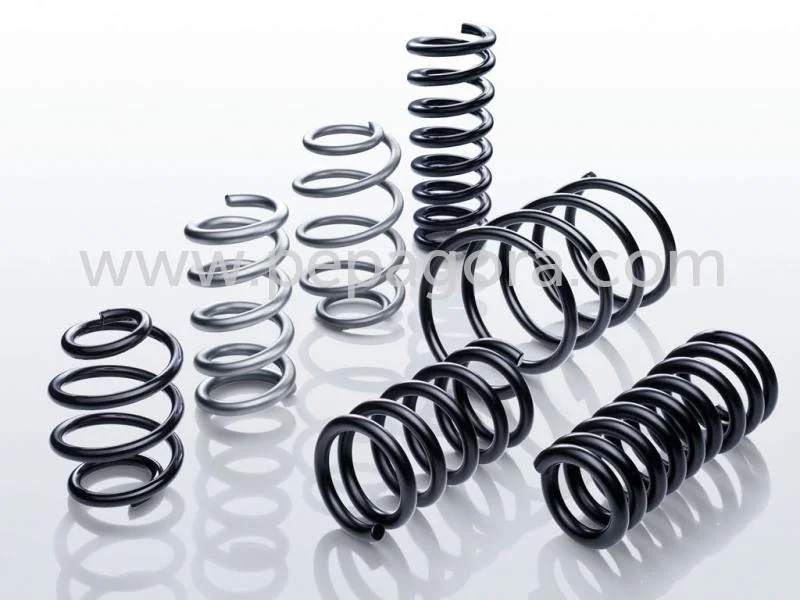
Brakes, suspension, and steering systems are critical components of vehicles and machinery that ensure safe and efficient operation. Brakes are designed to slow down or stop the motion of a vehicle, while suspension systems support the vehicle's weight and absorb shocks from the road. Steering systems enable the driver to guide the vehicle's direction. Together, these systems contribute to the overall performance and safety of vehicles, making them essential in both automotive and industrial settings.
These systems are widely used in various applications, including passenger vehicles, commercial trucks, construction equipment, and public transportation. In the automotive industry, they play a pivotal role in vehicle dynamics, affecting handling, comfort, and safety. In industrial settings, steering and braking systems are integral to machinery that requires precise control and stability, such as forklifts and cranes. As the demand for reliable and efficient transport solutions grows, the relevance of advanced brakes, suspension, and steering systems continues to increase in the global market.
𝗞𝗲𝘆 𝗙𝗲𝗮𝘁𝘂𝗿𝗲𝘀 𝗮𝗻𝗱 𝗦𝗽𝗲𝗰𝗶𝗳𝗶𝗰𝗮𝘁𝗶𝗼𝗻𝘀
Brakes, suspension, and steering systems offer a range of features that enhance vehicle performance and safety. Understanding these specifications can assist businesses in making informed purchasing decisions.
Key specifications include:
1. Brake Type
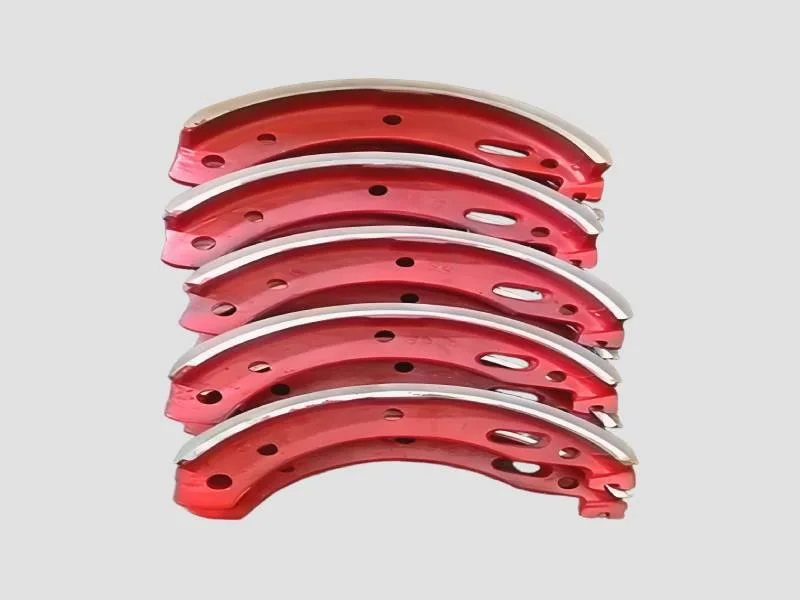
- Disc brakes or drum brakes for varying performance levels
- Each type has different heat dissipation and stopping power characteristics
2. Load Capacity
- Maximum load that the suspension system can handle
- Varies depending on vehicle type and design
3. Material Composition
- Common materials include steel, aluminum, and composite materials
- Impacts weight, durability, and corrosion resistance
4. Adjustment Mechanism
- Manual or automatic adjustment features for suspension systems
- Enhances ride quality and handling under different loads
5. Steering Ratio
- The ratio of the steering wheel's rotation to the angle of the wheels
- Affects responsiveness and maneuverability
6. Compliance Standards
- Adherence to international standards like CE certification
- Ensures safety and reliability in various applications
7. Maintenance Requirements
- Information on necessary maintenance practices for longevity
- Regular inspection schedules and part replacements
8. Compatibility
- Information about compatibility with various vehicle models
- Ensures correct fitment and functionality
In summary, understanding the key features and specifications of brakes, suspension, and steering systems is vital for businesses looking to optimize their vehicle performance and safety.
𝗖𝗼𝗺𝗺𝗼𝗻 𝗔𝗽𝗽𝗹𝗶𝗰𝗮𝘁𝗶𝗼𝗻𝘀 𝗮𝗻𝗱 𝗨𝘀𝗲 𝗖𝗮𝘀𝗲𝘀
Brakes, suspension, and steering systems are utilized across a broad spectrum of industries, each with unique applications.
1. Automotive Industry: These systems are crucial for passenger vehicles, enhancing safety and performance. The integration of advanced technologies improves vehicle handling and ride comfort.
2. Commercial Vehicles: Trucks and buses rely on robust braking and suspension systems to support heavy loads and ensure stability during transit, contributing to road safety.
3. Construction Equipment: Machinery such as excavators and bulldozers requires dependable steering and braking systems for precise control and safety on job sites.
4. Agricultural Machinery: Tractors and harvesters utilize specialized suspension and braking systems to operate efficiently in diverse terrains and weather conditions.
5. Aviation: Ground support equipment relies on effective braking systems for aircraft handling and safety during ground operations.
6. Marine Applications: Boats and ships use steering systems designed to function in challenging marine environments, ensuring safe navigation.
7. Public Transport: Buses and trams benefit from advanced braking and suspension systems to provide a smooth ride for passengers while ensuring operational safety.
𝗣𝗿𝗼𝗱𝘂𝗰𝘁 𝗩𝗮𝗿𝗶𝗮𝗻𝘁𝘀 𝗮𝗻𝗱 𝗦𝘂𝗯𝗰𝗮𝘁𝗲𝗴𝗼𝗿𝗶𝗲𝘀
The diversity of brakes, suspension, and steering systems allows businesses to choose solutions tailored to their specific needs.
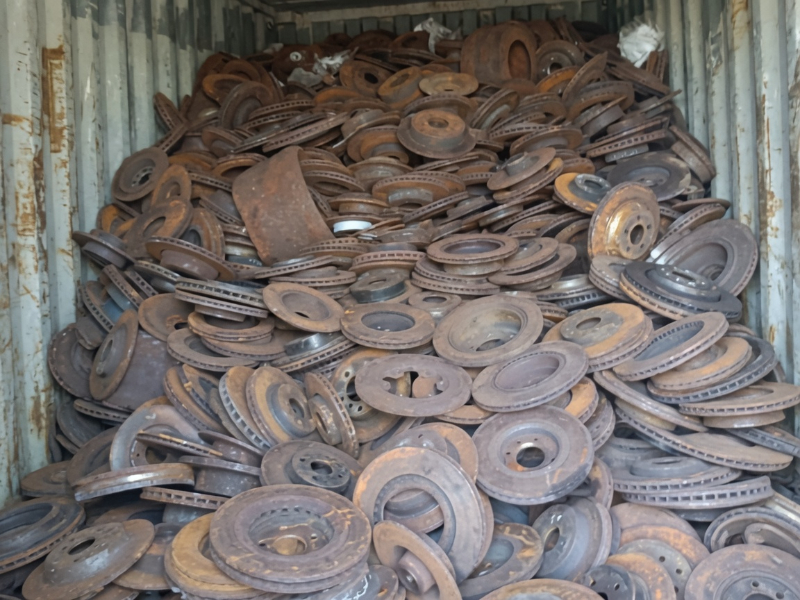
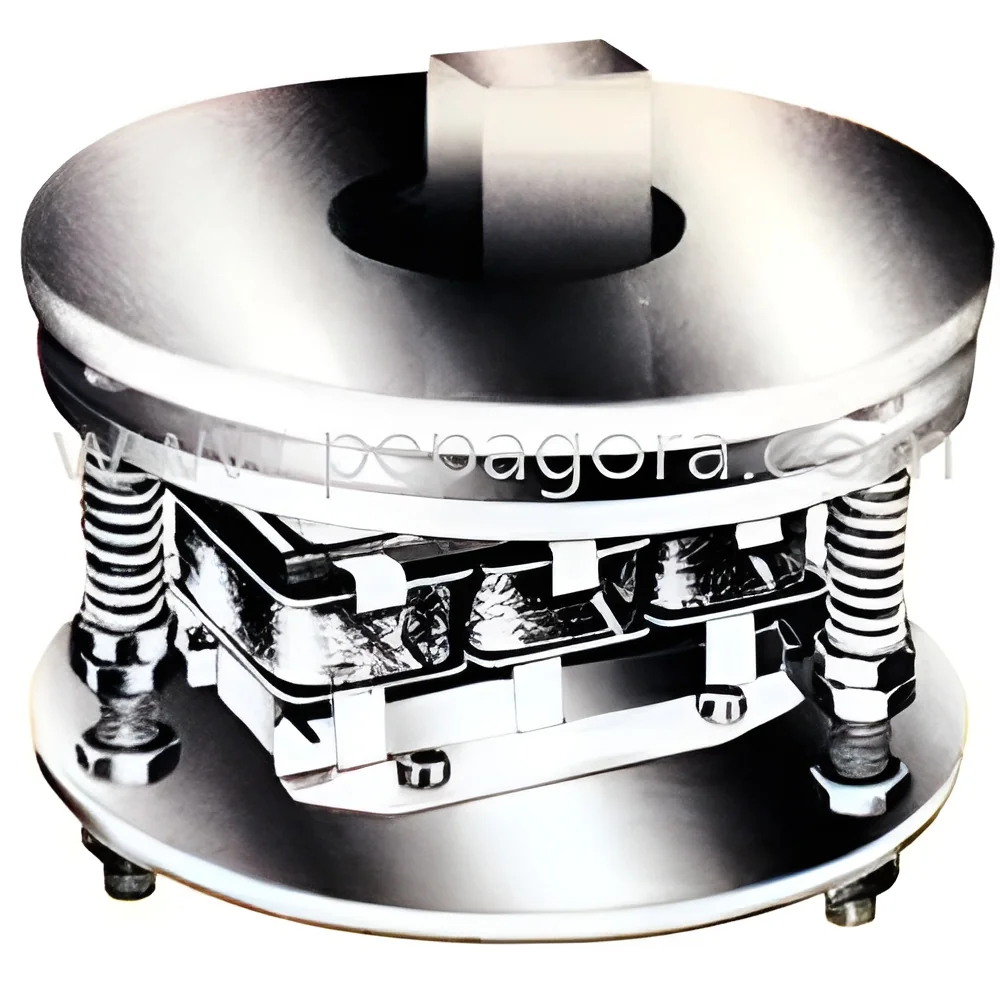
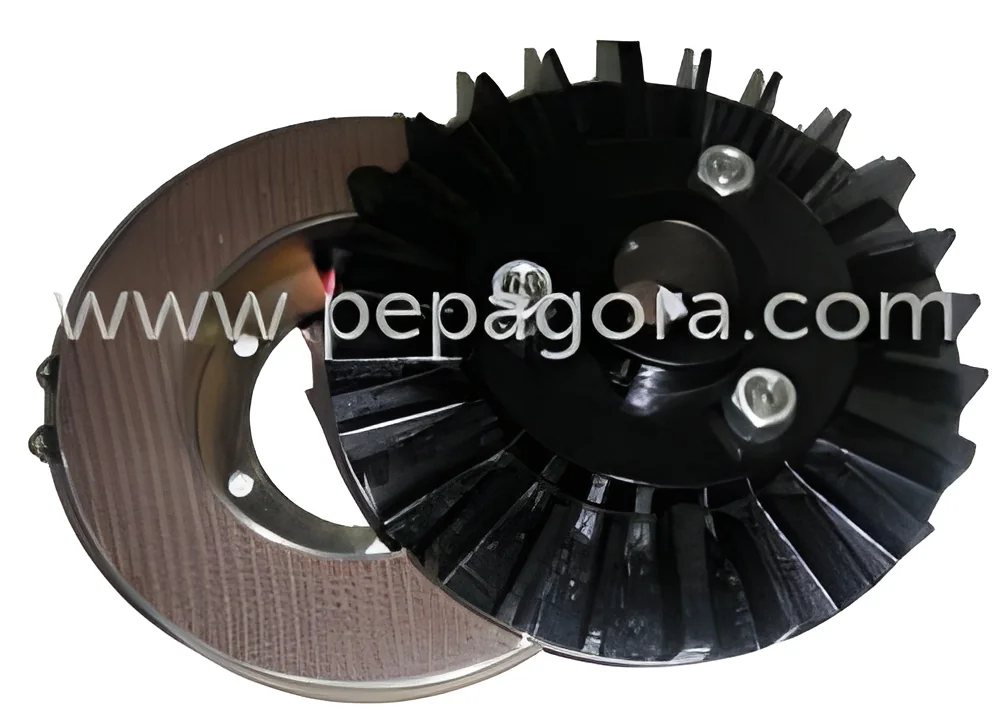
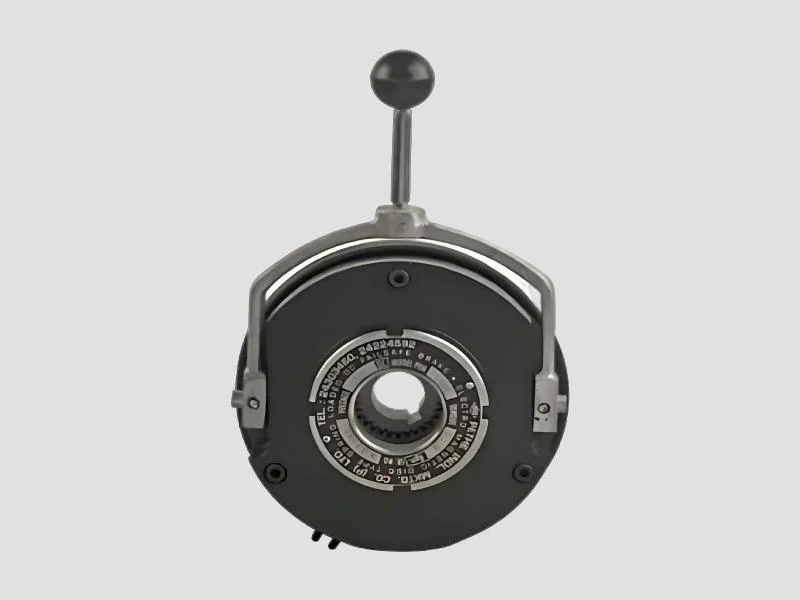
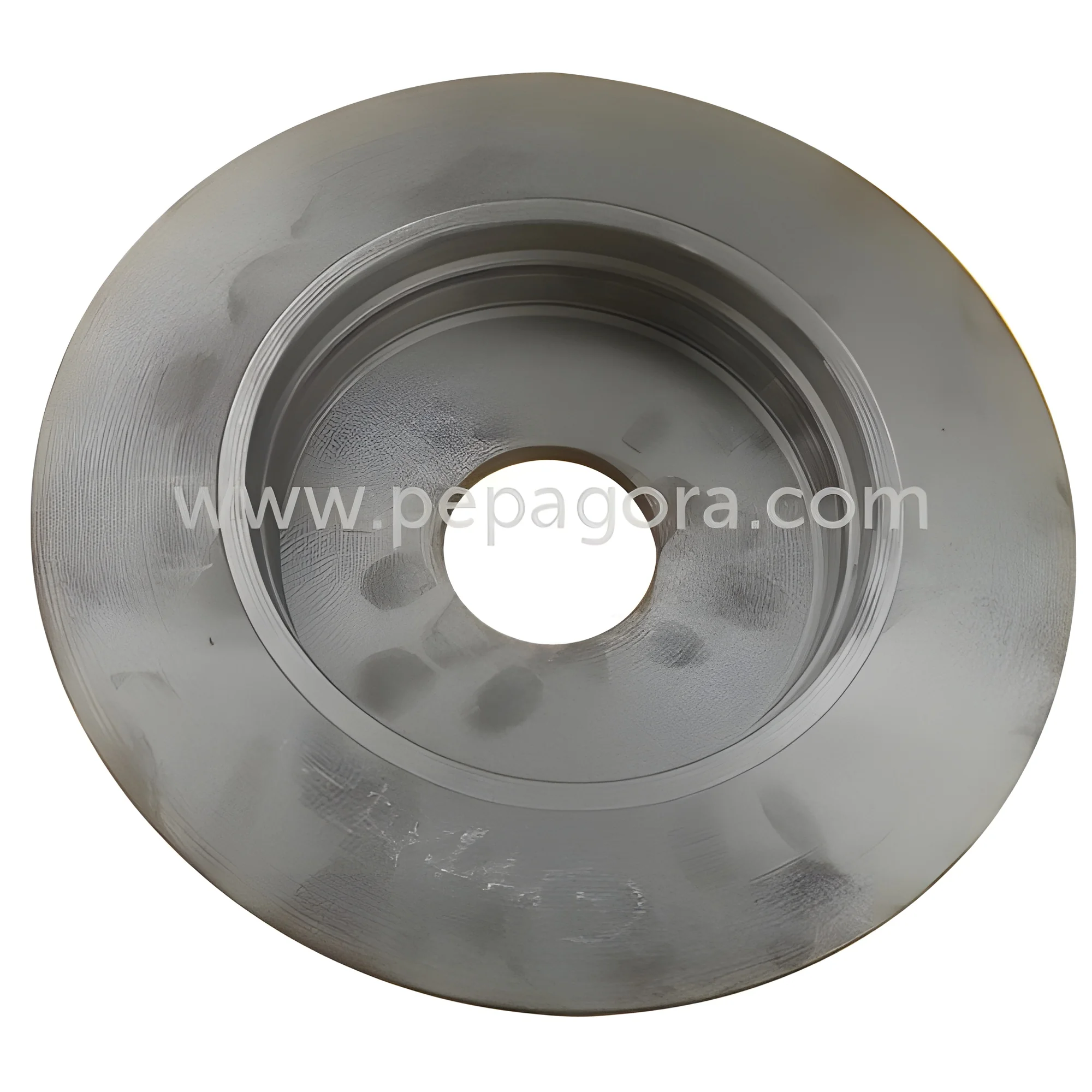
Disc Brake Systems: These systems provide superior stopping power and heat dissipation. They are commonly used in high-performance vehicles and heavy-duty trucks, ensuring reliable braking under demanding conditions.
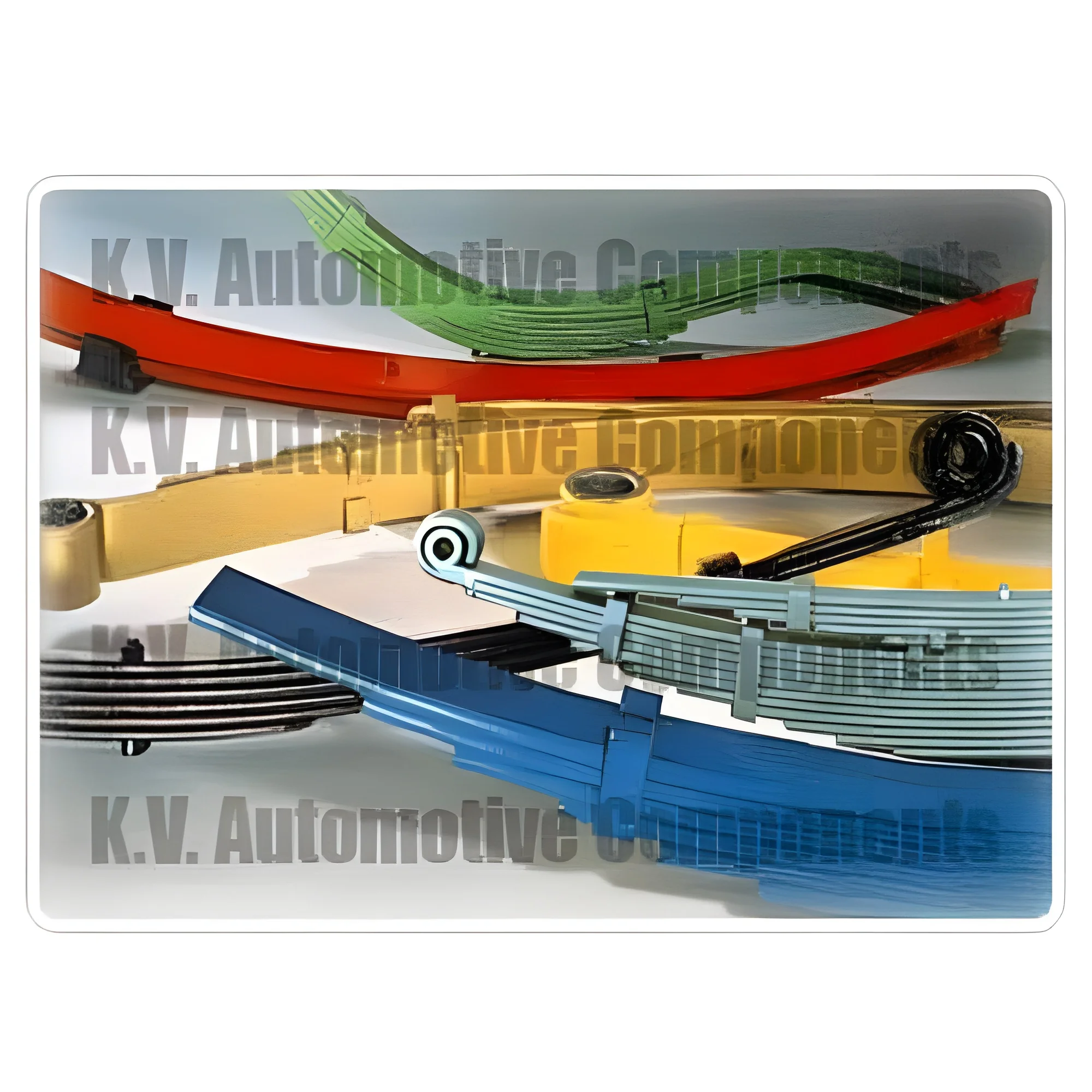
Air Suspension Systems: Designed for vehicles that require adjustable ride height and load leveling, air suspension systems enhance comfort and stability, particularly in commercial vehicles.
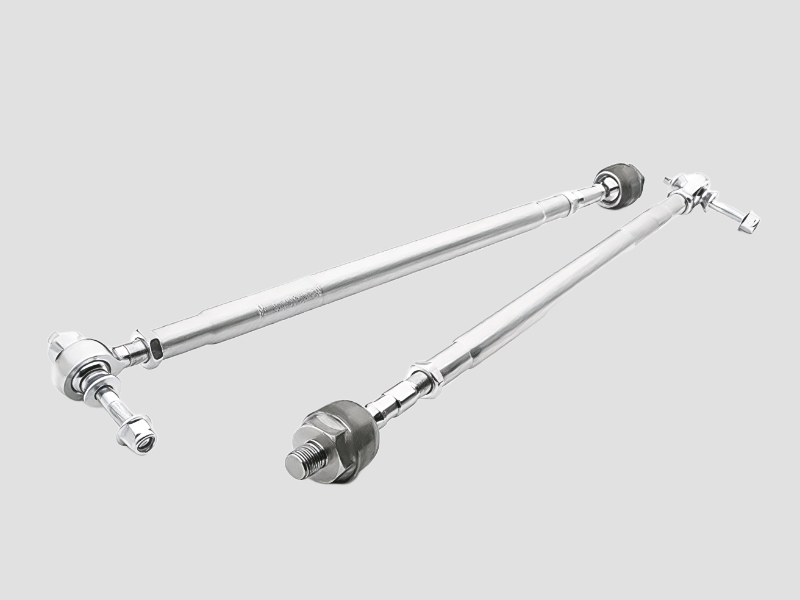
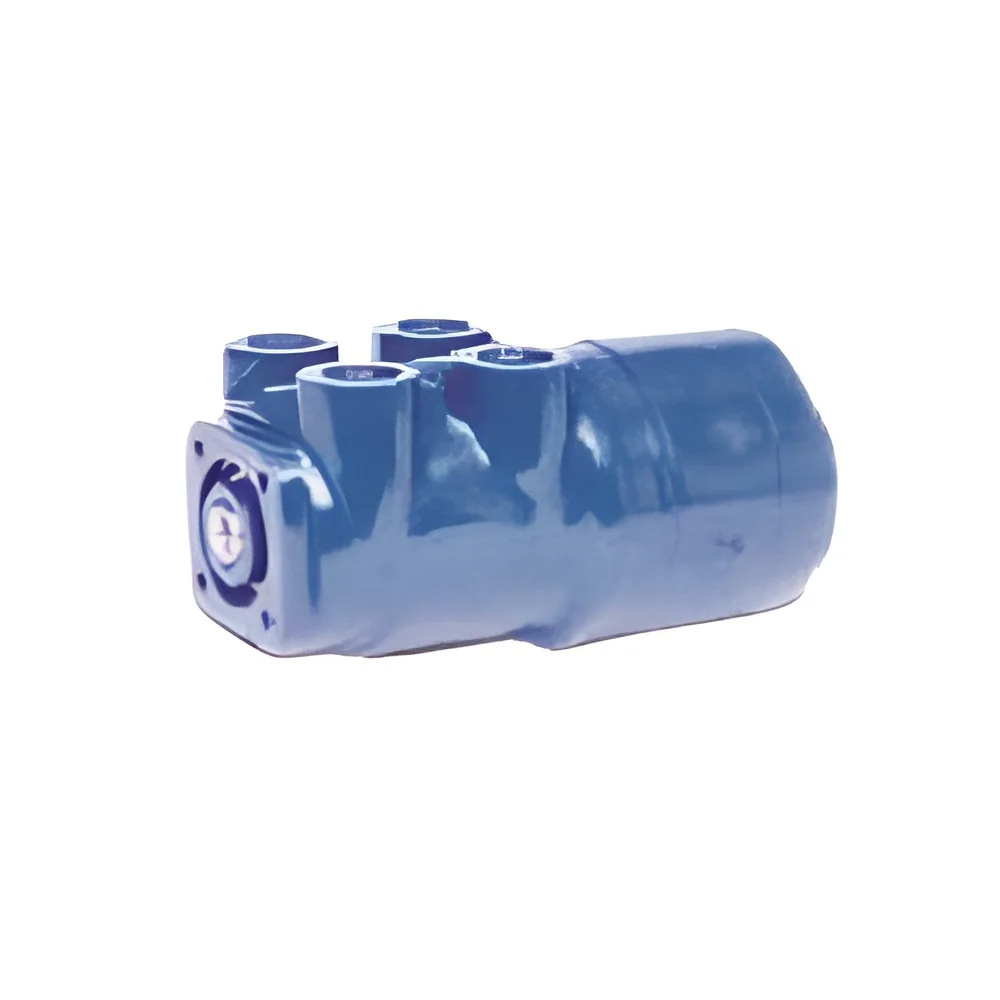
Power Steering Systems: These systems assist drivers in steering, reducing the effort needed to turn the wheel. They are widely used in passenger cars and light trucks for improved maneuverability.
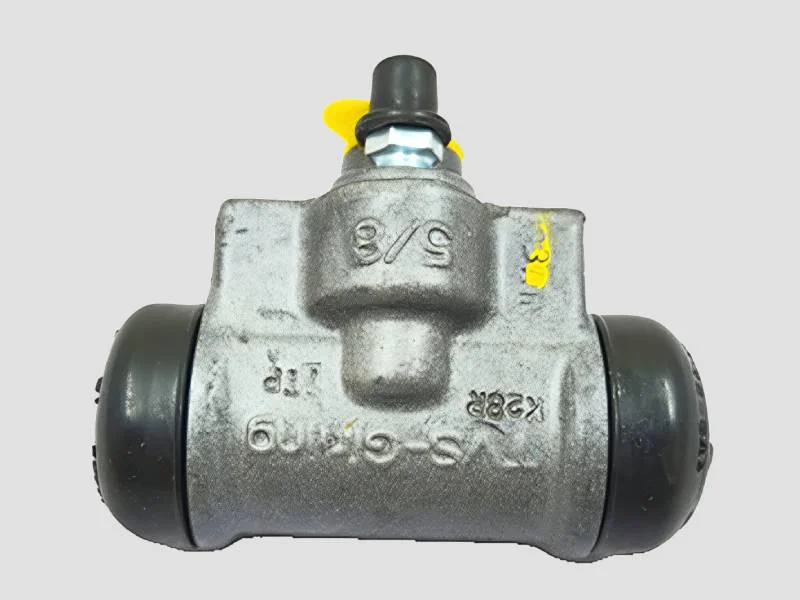
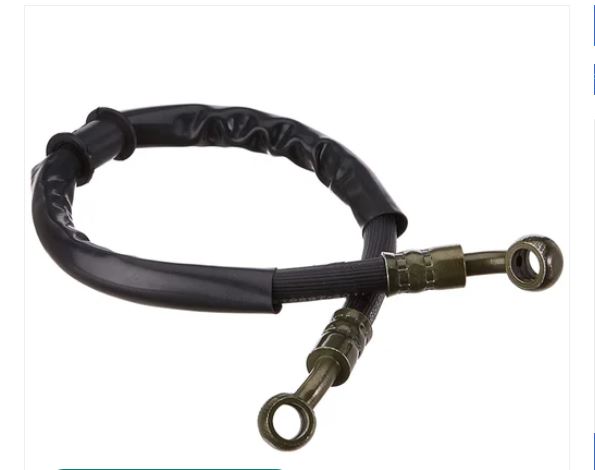
Hydraulic Brake Systems: Utilizing hydraulic pressure, these systems offer efficient braking performance. They are prevalent in various vehicles, including passenger cars and heavy machinery.
𝗕𝗲𝗻𝗲𝗳𝗶𝘁𝘀 𝗮𝗻𝗱 𝗔𝗱𝘃𝗮𝗻𝘁𝗮𝗴𝗲𝘀
Investing in high-quality brakes, suspension, and steering systems offers numerous advantages.
1. Enhanced Safety: Reliable braking systems significantly reduce stopping distances, minimizing the risk of accidents.
2. Improved Comfort: Advanced suspension systems absorb shocks from the road, providing a smoother ride for passengers and operators.
3. Better Handling: Efficient steering systems enhance vehicle maneuverability, making it easier to navigate tight spaces or challenging terrains.
4. Increased Durability: High-quality materials and engineering lead to longer-lasting systems, reducing the frequency of repairs and replacements.
5. Regulatory Compliance: Adhering to industry standards ensures safety and reliability, meeting the expectations of regulatory bodies.
6. Cost Efficiency: Investing in quality systems can reduce maintenance costs and improve fuel efficiency through better vehicle performance.
𝗕𝘂𝘆𝗶𝗻𝗴 𝗚𝘂𝗶𝗱𝗲 𝗳𝗼𝗿 𝗕𝟮𝗕 𝗕𝘂𝘆𝗲𝗿𝘀
When sourcing brakes, suspension, and steering systems, businesses should consider several critical factors.
1. Quality Assessment: Evaluate the quality of materials and construction. Seek products that meet recognized standards for performance and safety.
2. Supplier Verification: Vet suppliers thoroughly. Check for certifications and reviews to ensure they provide reliable products and support.
3. Pricing and MOQ: Understand the pricing structure and minimum order quantities. Compare quotes from multiple suppliers to get the best value.
4. Delivery and Lead Times: Confirm delivery schedules and lead times to ensure timely availability of products for your operations.
5. Compliance Requirements: Ensure that the systems meet all relevant regulatory and safety standards applicable to your industry.
𝗖𝗼𝗺𝗽𝗹𝗶𝗮𝗻𝗰𝗲 𝗮𝗻𝗱 𝗖𝗲𝗿𝘁𝗶𝗳𝗶𝗰𝗮𝘁𝗶𝗼𝗻𝘀
Brakes, suspension, and steering systems must adhere to various quality standards to ensure their reliability and safety.
ISO 9001 is a widely recognized standard that focuses on quality management systems. Compliance indicates that a manufacturer maintains high-quality processes and products.
CE certification is essential for products sold in the European market. It signifies that the product meets safety and environmental protection standards.
Safety and testing requirements vary by application. Manufacturers must conduct rigorous testing to verify that their systems can withstand operational stresses and environmental conditions.
Regional compliance considerations are important for global supply chains. Understanding the specific regulations in different regions ensures that products can be safely and legally used in those markets.
𝗪𝗵𝘆 𝗦𝗼𝘂𝗿𝗰𝗲 𝗕𝗿𝗮𝗸𝗲𝘀, 𝗦𝘂𝘀𝗽𝗲𝗻𝘀𝗶𝗼𝗻 & 𝗦𝘁𝗲𝗲𝗿𝗶𝗻𝗴 𝗦𝘆𝘀𝘁𝗲𝗺𝘀 𝗳𝗿𝗼𝗺 𝗣𝗲𝗽𝗮𝗴𝗼𝗿𝗮?
Pepagora provides a trusted platform for sourcing brakes, suspension, and steering systems, offering several key advantages.
Verified Supplier Network: Pepagora connects buyers with a network of verified suppliers. This ensures that businesses can source high-quality products with confidence.
Streamlined RFQ Process: The quotation system simplifies the procurement process, allowing buyers to easily request and compare quotes from multiple suppliers.
Trade Assurance and Support: Pepagora offers buyer protection services, ensuring that transactions are secure and that businesses receive the support they need throughout the purchasing process.
Regional Coverage: With a presence in India, the GCC, and Southeast Asia, Pepagora facilitates connections across diverse markets, enabling businesses to find the right solutions for their specific needs.

 IN
IN