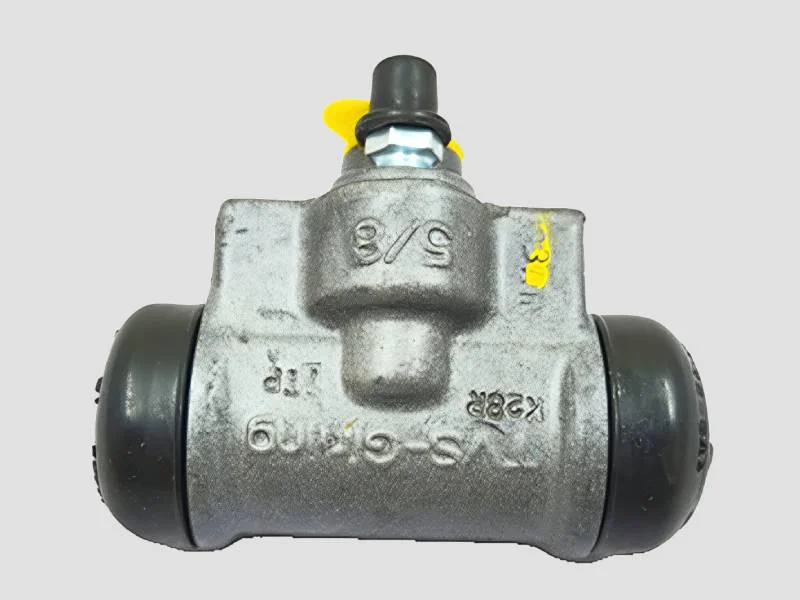
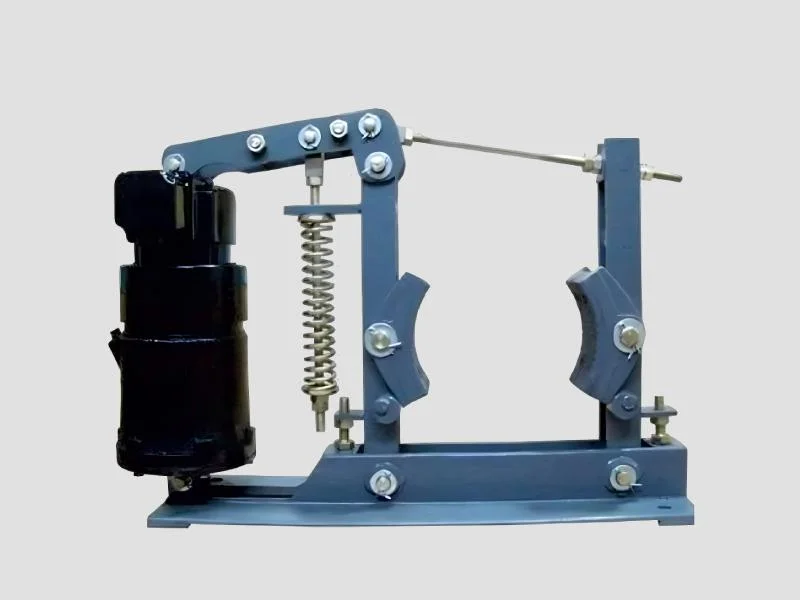
What are Hydraulic Brake Components?
Hydraulic brake components are essential parts of hydraulic braking systems, which use fluid to transmit force from the brake pedal to the brake mechanisms. These systems provide effective stopping power in various vehicles and machinery, ensuring safety and reliability. The primary components include brake calipers, master cylinders, brake lines, and brake pads. Together, they facilitate the smooth operation of braking systems, converting hydraulic pressure into mechanical force.
These components are widely used across numerous industries, including automotive, aerospace, and manufacturing. In automotive applications, hydraulic brakes are standard in vehicles ranging from passenger cars to heavy-duty trucks. In industrial settings, they are crucial in equipment such as forklifts and conveyor systems. The hydraulic braking system's efficiency makes it a preferred choice for applications where precise control and high performance are necessary.
The relevance of hydraulic brake components in the market cannot be understated. As industries continue to prioritize safety and efficiency, the demand for high-quality hydraulic brake systems grows. This trend is fueled by advancements in technology and increasing regulations regarding vehicle safety standards. Consequently, manufacturers and suppliers are continuously innovating to meet the evolving needs of the market.
Key Features and Specifications
Hydraulic brake components are characterized by specific features and specifications that enhance their performance and reliability. Understanding these specifications is vital for businesses seeking to implement or upgrade their braking systems.
Key specifications include:
1. Material Composition
- Typically made from high-strength steel or aluminum
- Provides durability and resistance to wear
2. Pressure Rating
- Standard pressure ratings range from 1000 to 3000 psi
- Ensures effective force transmission within the system
3. Temperature Tolerance
- Designed to operate in temperature ranges from -40°C to 150°C
- Maintains performance under various environmental conditions
4. Flow Rate
- Flow rates can vary, usually between 0.5 to 2.0 L/min
- Impacts the response time of the braking system
5. Size and Dimensions
- Available in various sizes to fit different applications
- Custom sizes may be available upon request
6. Seal Type
- Uses various seal types, including O-rings and lip seals
- Ensures leak-proof operation and longevity
7. Compliance Standards
- Must meet industry standards such as CE and UL
- Ensures safety and reliability in operations
8. Weight Considerations
- Weight can vary significantly based on materials used
- Lighter components may improve overall vehicle efficiency
These specifications play a crucial role in the selection process, impacting performance, safety, and compliance with industry standards.
Common Applications and Use Cases
Hydraulic brake components serve a wide range of industries, reflecting their versatility and essential role in safety and performance.
1. Automotive Industry: Hydraulic brake components are standard in passenger vehicles and commercial trucks. They provide reliable stopping power and are integral to vehicle safety systems.
2. Aerospace Industry: In aircraft, hydraulic brakes are used to ensure safe landings and maneuverability on the ground. These components are engineered to withstand extreme conditions and high performance.
3. Heavy Machinery: Equipment like forklifts and construction vehicles utilize hydraulic brakes for effective stopping power. These systems enable precise control in demanding environments.
4. Public Transportation: Buses and trains rely on hydraulic braking systems for safety and efficiency. The components must meet stringent safety regulations to protect passengers.
5. Industrial Equipment: Machines in manufacturing facilities often feature hydraulic brakes. These components enhance operational safety and efficiency, crucial for maintaining workflow.
6. Marine Applications: Boats and ships use hydraulic brakes for effective stopping and maneuvering. The components must be resistant to corrosion from saltwater environments.
7. Agricultural Equipment: Tractors and harvesters use hydraulic brake systems to ensure safe operation in diverse terrains. Reliability is key for agricultural machinery.
Product Variants and Subcategories
Hydraulic brake components come in various types, each designed for specific applications and requirements. Understanding these variants allows businesses to choose the most suitable products for their needs.
Standard Brake Calipers: These are essential for converting hydraulic pressure into mechanical force. They are used in most automotive applications, providing reliable performance in various conditions.
Master Cylinders: This component generates the hydraulic pressure needed for braking. Different designs are available, including single and dual master cylinders, depending on the application.
Brake Lines and Hoses: These ensure the safe transmission of hydraulic fluid. Flexibility and durability are key features, with options for various pressure ratings and lengths.
Brake Pads: These components provide the friction necessary for stopping power. They come in various materials, including organic and metallic, tailored for specific performance needs.
Benefits and Advantages
Hydraulic brake components offer several benefits that make them an attractive choice for various applications. Understanding these advantages is crucial for businesses making procurement decisions.
1. Enhanced Safety: Hydraulic brakes provide reliable stopping power, significantly improving vehicle and operator safety in various environments.
2. Improved Performance: These components facilitate precise control over braking, enhancing overall vehicle performance and responsiveness.
3. Durability: Made from high-strength materials, hydraulic brake components are built to last, reducing the need for frequent replacements and maintenance.
4. Versatility: Suitable for a wide range of applications, hydraulic brakes can be tailored to meet the specific needs of different industries and equipment.
5. Low Maintenance: Hydraulic systems typically require less frequent maintenance than traditional mechanical systems, contributing to lower operational costs.
6. Efficient Operation: The hydraulic system allows for smooth and efficient braking, minimizing wear on components and improving overall system longevity.
Buying Guide for B2B Buyers
When sourcing hydraulic brake components, it is essential to consider several key factors to ensure you make informed purchasing decisions.
1. Quality Assessment: Evaluate the quality of the components by reviewing suppliers' certifications and compliance with industry standards. High-quality components are crucial for safety and performance.
2. Supplier Verification: Vet potential suppliers by checking their reputation, customer reviews, and experience in the industry. A reliable supplier is vital for consistent product quality.
3. Pricing and MOQ: Understand the pricing structure and minimum order quantities (MOQ) for hydraulic brake components. Consider bulk purchasing options to reduce costs.
4. Delivery and Lead Times: Assess the supplier's ability to meet delivery timelines. Timely delivery is crucial for maintaining operational efficiency.
5. Compliance Requirements: Ensure that the components meet all necessary regulatory standards for your industry. This includes safety certifications and environmental compliance.
Compliance and Certifications
Hydraulic brake components must adhere to various quality standards and certifications to ensure safety and reliability. Key industry standards include ISO 9001, which focuses on quality management systems, helping manufacturers maintain consistent quality in their products.
Certifications such as CE and UL are essential for demonstrating compliance with safety regulations. CE certification indicates that products meet European safety standards, while UL certification is recognized in North America for safety and performance.
Additionally, safety and testing requirements are crucial in the manufacturing process. Components must undergo rigorous testing to ensure they perform reliably under various conditions.
Regional compliance considerations may also be necessary, depending on the markets in which the components will be sold. Understanding these requirements is vital for manufacturers and suppliers to ensure their products meet necessary regulations.
Why Source Hydraulic Brake Components from Pepagora?
Pepagora provides a trusted platform for sourcing hydraulic brake components, offering numerous advantages for businesses looking to enhance their operations.
Verified Supplier Network: Pepagora has a robust network of verified suppliers, ensuring that buyers can access high-quality components from reputable manufacturers. This network helps simplify the sourcing process.
Streamlined RFQ Process: The Request for Quotation (RFQ) system on Pepagora allows buyers to quickly obtain quotes from multiple suppliers, making it easier to compare pricing and features.
Trade Assurance and Support: Pepagora offers trade assurance and support to protect buyers throughout the procurement process. This protection builds confidence in making purchasing decisions.
Regional Coverage: With a strong presence in India, the GCC, and Southeast Asia, Pepagora offers extensive geographic reach, enabling businesses to find suppliers that meet their specific needs. This regional coverage facilitates efficient sourcing and logistics for hydraulic brake components.

 IN
IN