What are Rack and Pinion Steering Gear?
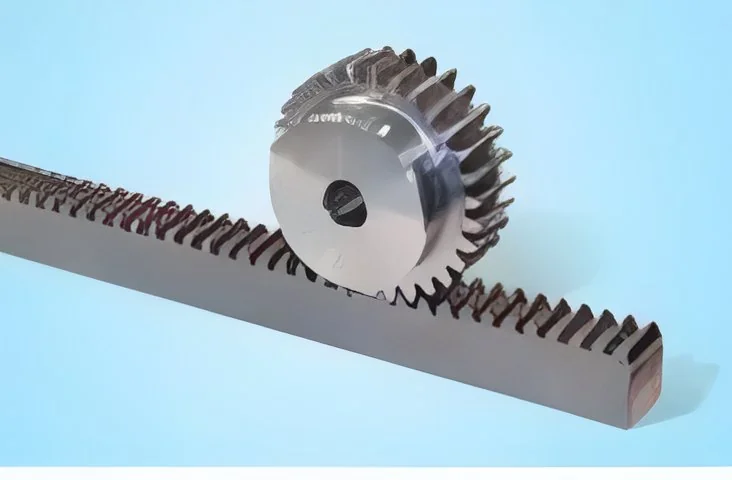
Rack and Pinion Steering Gear is a crucial component in vehicle steering systems that converts rotational motion into linear motion. It consists of a round gear, known as the pinion, which engages with a flat, toothed bar called the rack. When the steering wheel is turned, the pinion rotates and moves the rack side to side, allowing the vehicle to change direction. This design provides a direct and efficient method for steering, enhancing responsiveness and control.
Primarily, rack and pinion systems are used in automobiles, trucks, and various types of machinery where steering and linear motion are required. They are favored in modern vehicles for their compact size, lightweight nature, and precision in steering. Businesses in the automotive sector, as well as industries that involve heavy machinery and equipment, rely on rack and pinion steering gear to ensure optimal performance and safety.
The relevance of rack and pinion steering gear extends beyond just individual vehicles. In the automotive market, where efficiency and performance are paramount, these systems play a vital role. As manufacturers continue to innovate and improve vehicle design, the demand for high-quality rack and pinion systems is expected to grow, making it a significant area of focus for suppliers and manufacturers in the industry.
Key Features and Specifications
Rack and pinion steering gears are designed with specific features and specifications that ensure their functionality and reliability in various applications. Understanding these specifications is crucial for businesses looking to implement or upgrade their steering systems.
Key specifications include:
1. Gear Ratio
- This determines the amount of rotation of the steering wheel required to turn the wheels.
- Common ratios range from 12:1 to 20:1.
2. Load Capacity
- This indicates the maximum load the gear can handle while maintaining performance.
- Typically rated between 500 kg to 3000 kg.
3. Material Composition
- Rack and pinion gears are often made from high-strength steel or aluminum for durability.
- Material choice can affect weight and resistance to wear.
4. Precision Tolerance
- The tolerance levels affect the fit and performance of the steering system.
- Standard tolerances are often within ±0.01 mm.
5. Operating Temperature Range
- Gears are designed to operate effectively within certain temperature limits.
- Data not available for specific temperature ranges.
6. Corrosion Resistance
- Many systems are treated or coated to prevent corrosion.
- Common treatments include galvanization or powder coating.
7. Noise Level
- Quality gears are designed to minimize operational noise.
- Typical noise levels should be below 70 dB during operation.
8. Installation Type
- Options may include manual or power-assisted systems.
- Power-assisted systems offer enhanced ease of use.
In summary, the specifications of rack and pinion steering gears are essential for ensuring that they meet the operational demands of various vehicles and machinery. Assessing these specifications can help businesses select the right gear for their needs.
Common Applications and Use Cases
Rack and pinion steering gears are utilized across multiple industries, offering versatility and reliability.
1. Automotive Industry: Rack and pinion systems are standard in most modern vehicles, providing precise steering control and responsiveness for drivers. They are essential for both passenger and commercial vehicles.
2. Heavy Machinery: Many construction and agricultural machines employ rack and pinion systems for steering and movement control. This application ensures that operators can maneuver equipment with ease.
3. Robotics: In robotics, rack and pinion mechanisms are used in mobile robots for effective navigation and positioning, allowing for accurate movement in various environments.
4. Marine Applications: Boats and ships utilize rack and pinion systems for steering, providing reliable control under different marine conditions.
5. Material Handling Equipment: Forklifts and other material handling devices often use rack and pinion systems to manage steering, ensuring safety and efficiency in transporting goods.
6. Aerospace: In some aircraft, rack and pinion systems are used for control surfaces, allowing for precise adjustments during flight.
7. Conveyor Systems: Automated conveyor systems may incorporate rack and pinion gears to facilitate movement and positioning of goods along the production line.
Product Variants and Subcategories
The diversity of rack and pinion steering gears allows for specialized applications across various fields.
Standard Rack and Pinion Gear
This basic variant features a simple design suitable for most automotive applications. It offers reliable performance and ease of installation.
Power-Assisted Rack and Pinion Gear
This variant includes mechanisms that assist in steering, making it ideal for larger vehicles or machinery. It reduces the physical effort required to turn the steering wheel.
High-Performance Rack and Pinion Gear
Designed for racing or high-performance vehicles, this variant features optimized gear ratios and materials for enhanced responsiveness and durability.
Compact Rack and Pinion Gear
This design is tailored for smaller vehicles or machines where space is a constraint. It maintains performance while fitting into tighter spaces.
Benefits and Advantages
Rack and pinion steering gears provide numerous advantages that enhance vehicle performance and user experience.
1. Improved Steering Precision: The design allows for direct feedback from the steering wheel to the wheels, resulting in enhanced control for the driver.
2. Compact Design: The compact nature of rack and pinion systems saves space and reduces weight, making them ideal for modern vehicle designs.
3. Durability: High-quality materials and construction provide longevity, ensuring that the steering system remains reliable over time.
4. Cost-Effective: Rack and pinion systems are generally less expensive to manufacture and maintain compared to other steering systems, making them an economical choice.
5. Versatility: These systems are adaptable for use in various applications, from automobiles to heavy machinery, providing flexibility for manufacturers.
6. Safety: Reliable steering response is critical for vehicle safety, and rack and pinion systems enhance this aspect significantly.
Buying Guide for B2B Buyers
When sourcing Rack and Pinion Steering Gear, several factors should be considered to ensure the right choice is made.
1. Quality Assessment: Evaluate the quality of materials and manufacturing processes used in the production of rack and pinion gears. Look for certifications that demonstrate adherence to industry standards.
2. Supplier Verification: Vet potential suppliers by reviewing their reputation, experience, and reliability. Ensure they have a proven track record in delivering quality products.
3. Pricing and MOQ: Consider the cost of the gears and the minimum order quantity (MOQ) required by the supplier. Ensure that pricing aligns with your budget and project needs.
4. Delivery and Lead Times: Discuss logistics with suppliers to understand their delivery schedules and lead times. Timely delivery is crucial for maintaining project timelines.
5. Compliance Requirements: Verify that the rack and pinion steering gears meet any relevant regulatory and safety standards for your industry. This may include certifications such as CE.
Compliance and Certifications
Rack and pinion steering gears must adhere to various industry standards and regulations to ensure safety and reliability.
ISO 9001 is a key quality standard that governs the manufacturing processes and quality management systems for suppliers. Compliance with this standard ensures that products meet customer and regulatory requirements consistently.
CE certification is crucial for products sold in Europe, indicating that the gear meets safety, health, and environmental protection standards. This certification is often a requirement for market entry in many regions.
Safety and testing requirements are also significant, with many manufacturers conducting rigorous testing to ensure performance under various conditions.
Regional compliance considerations may vary, and it is essential for businesses to be aware of local regulations that govern the use and installation of steering systems in their respective markets.
Why Source Rack and Pinion Steering Gear from Pepagora?
Pepagora provides a trusted platform for sourcing Rack and Pinion Steering Gear with several key advantages.
Verified Supplier Network: Pepagora ensures that all suppliers in its network are vetted and verified, providing buyers with confidence in the quality and reliability of the products offered.
Streamlined RFQ Process: The Request for Quotation (RFQ) system allows businesses to quickly compare prices and specifications from multiple suppliers, making the sourcing process efficient and straightforward.
Trade Assurance and Support: Buyers can benefit from trade assurance that protects their transactions and ensures that they receive the products as promised. Pepagora also offers support to address any issues that may arise.
Regional Coverage: With a strong presence in India, the GCC, and Southeast Asia, Pepagora offers extensive geographic reach, allowing businesses to connect with suppliers that best meet their regional needs.

 IN
IN