What are Coil Springs & Leaf Springs?
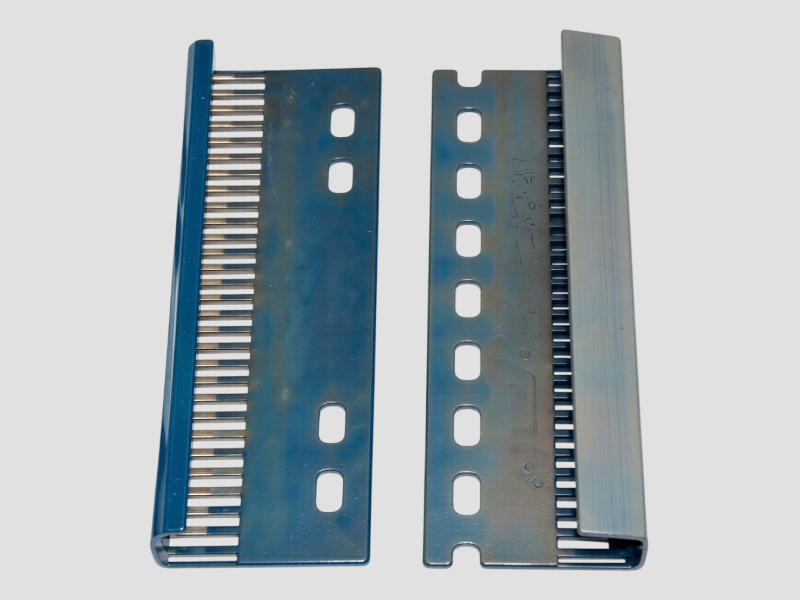
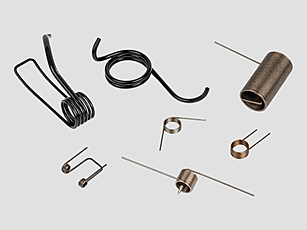
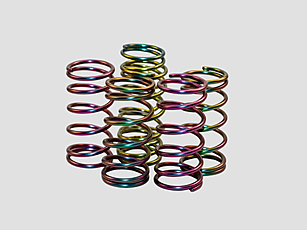
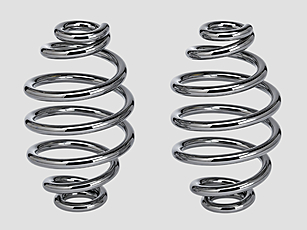
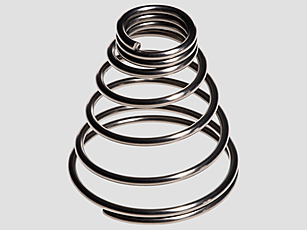
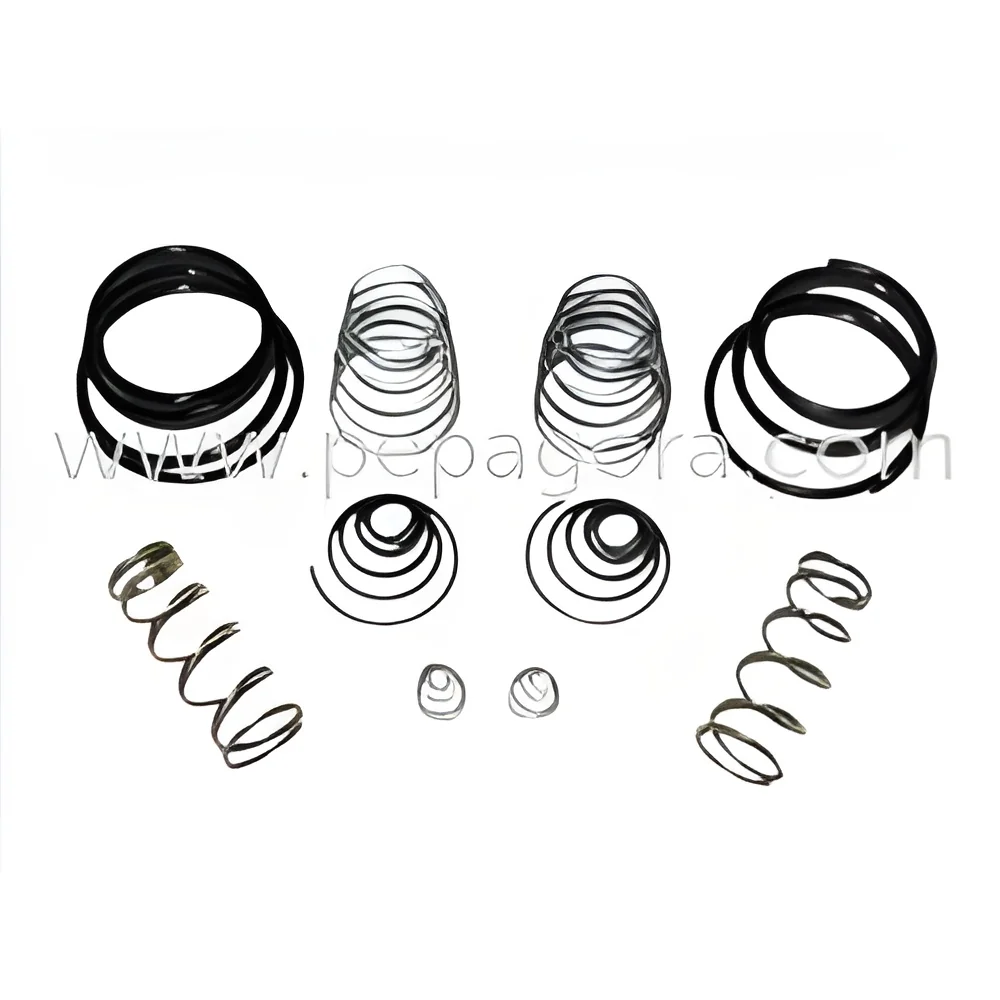
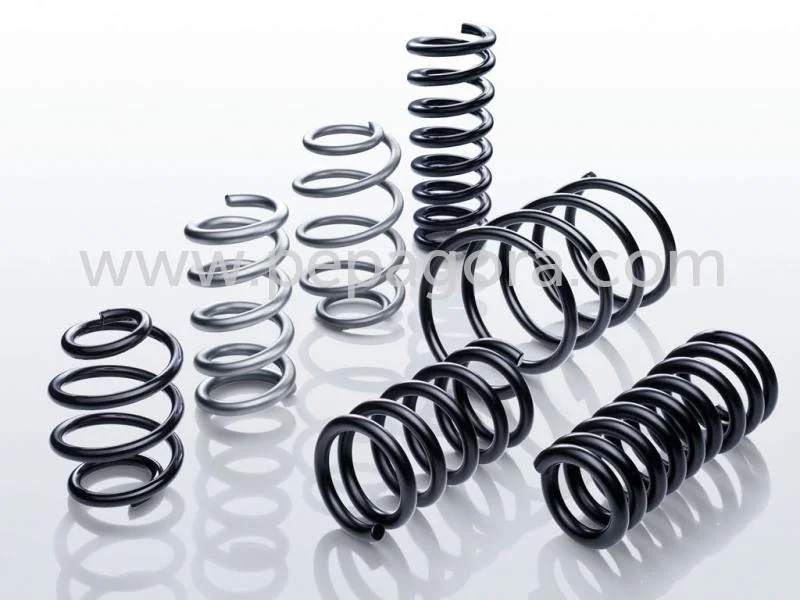
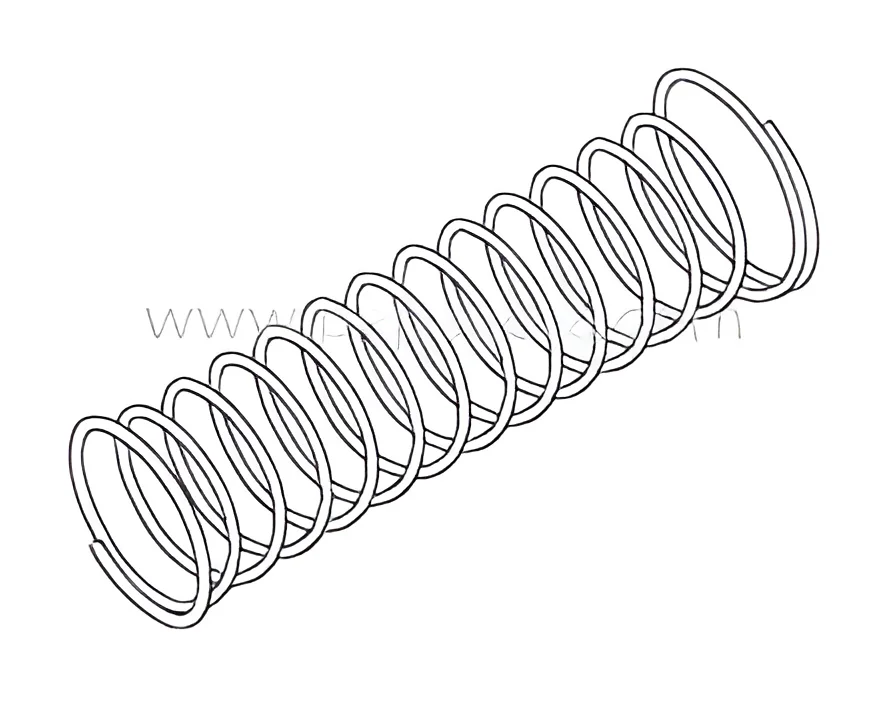
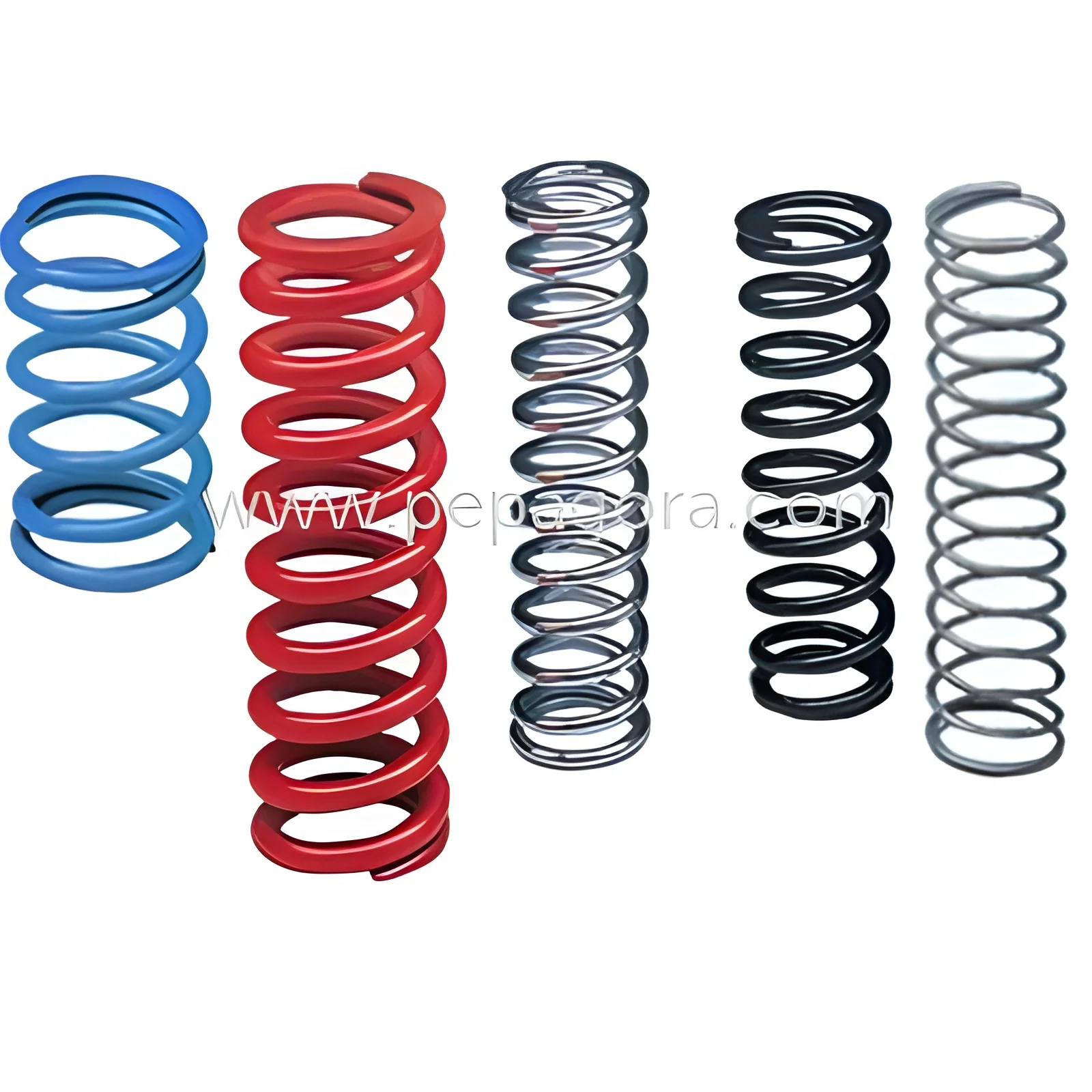
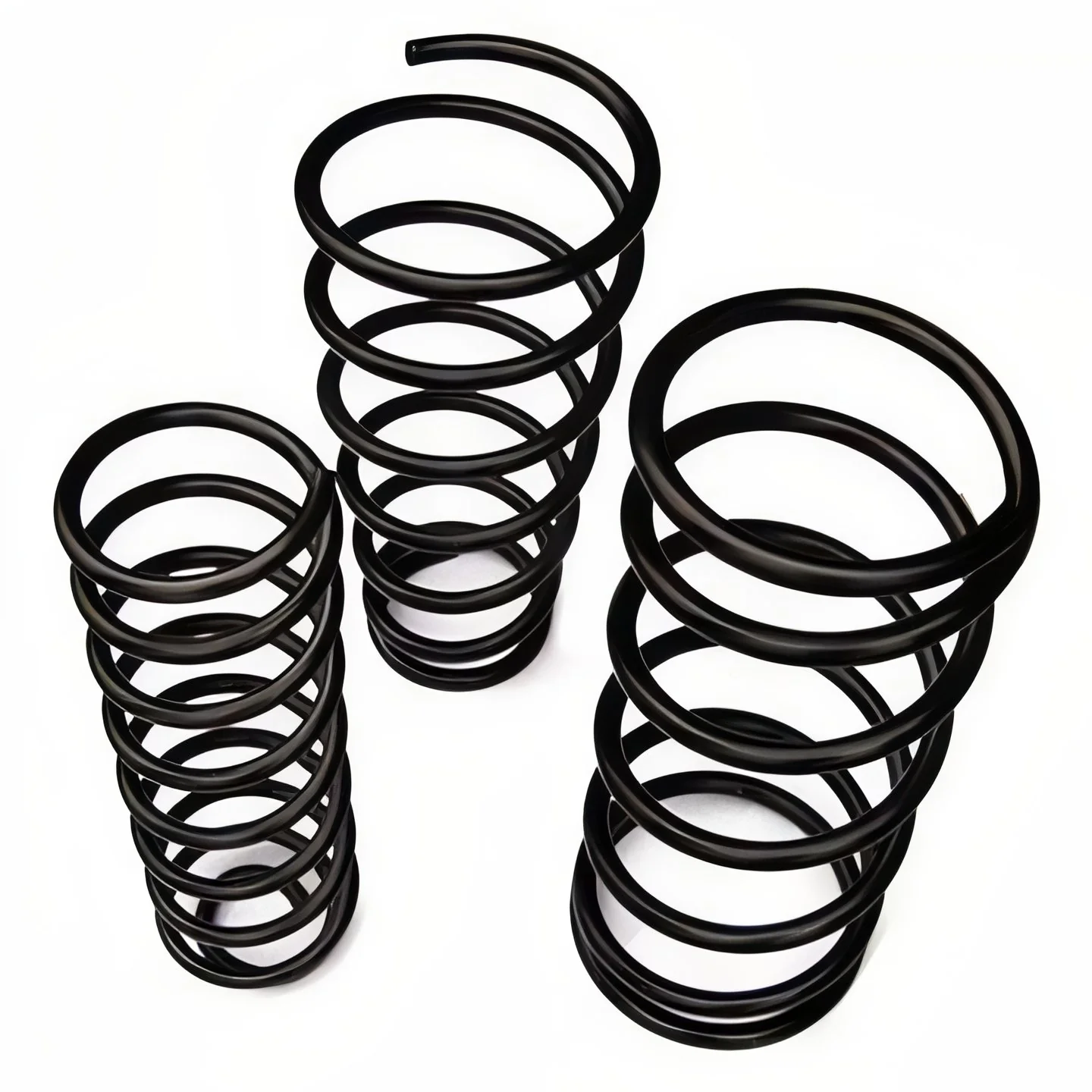
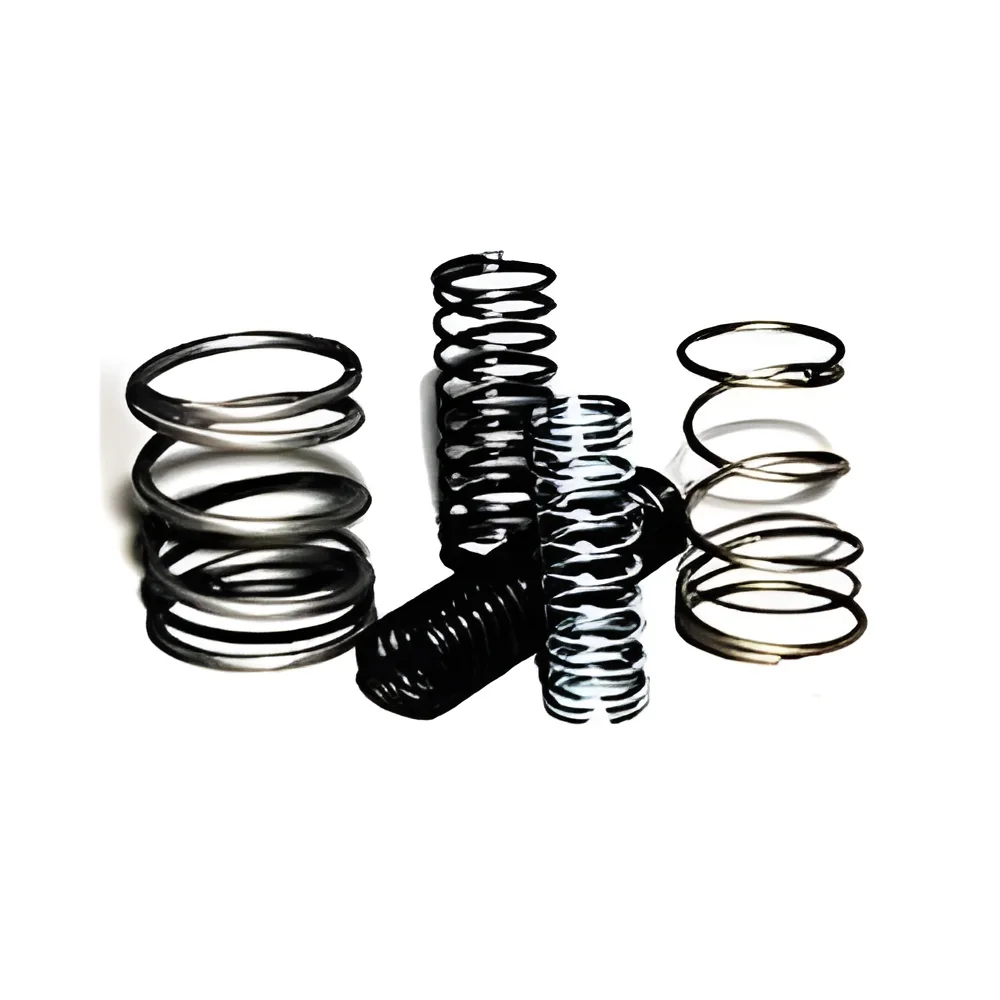
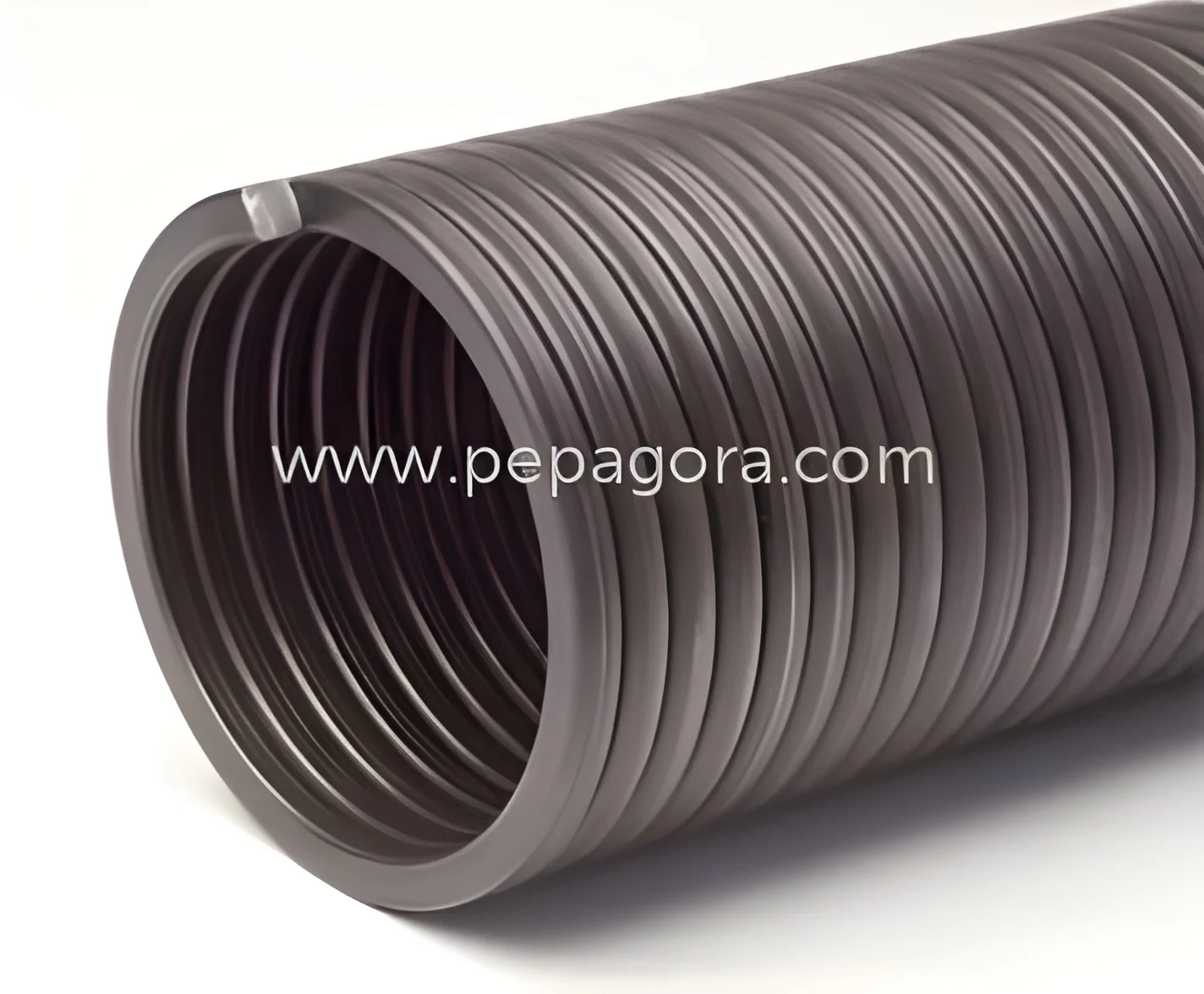
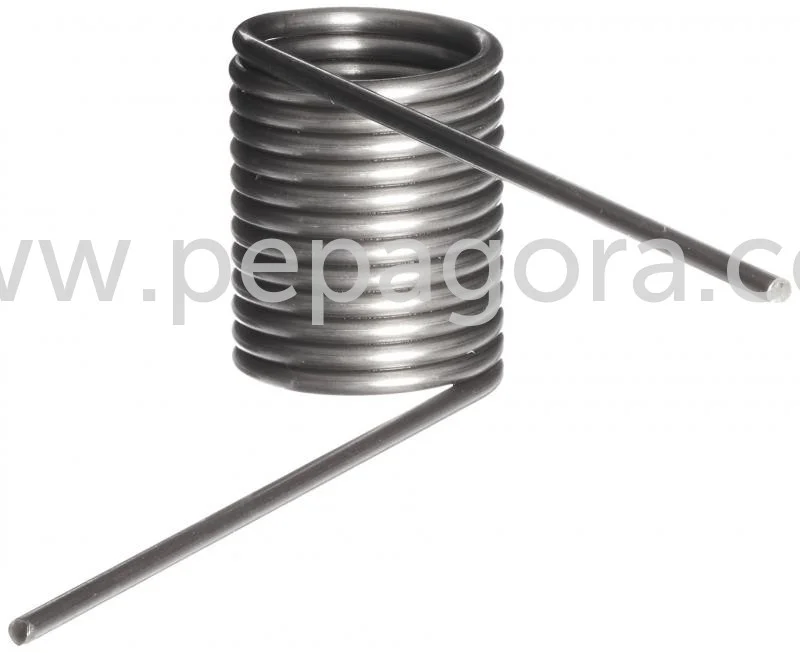
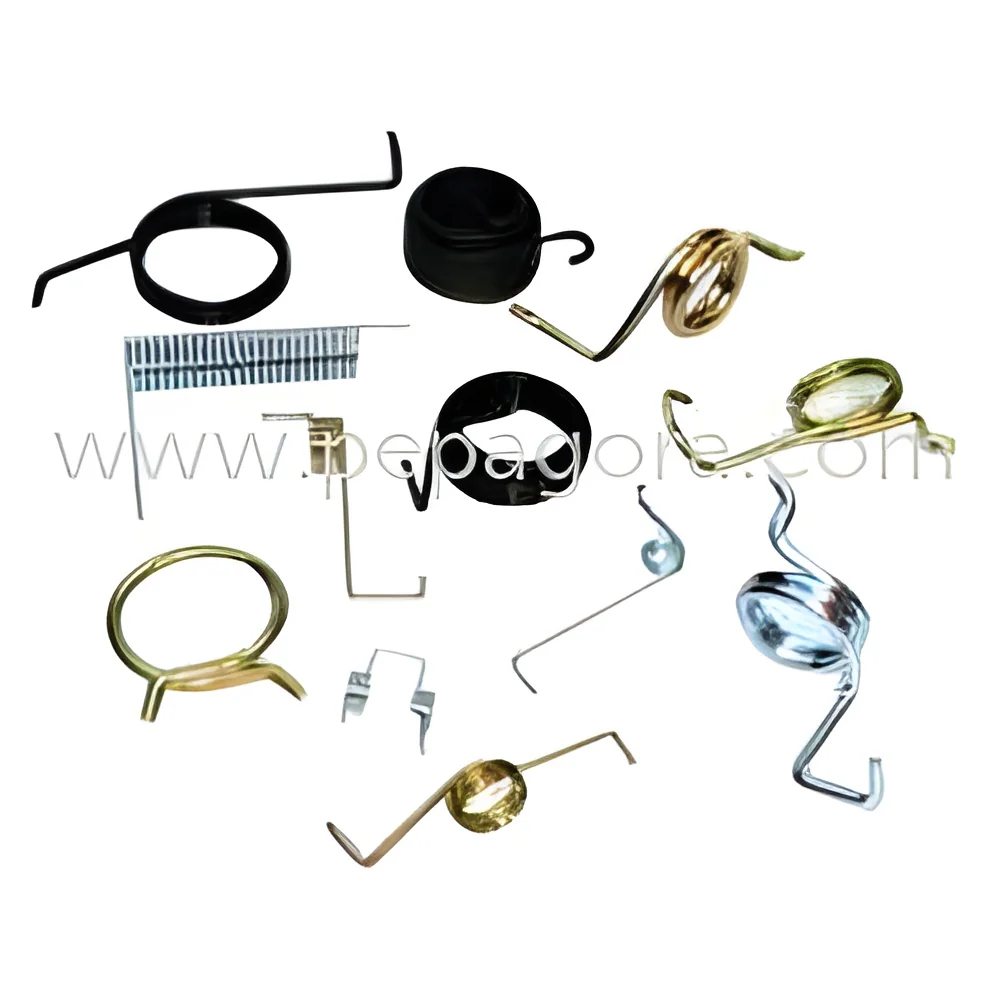
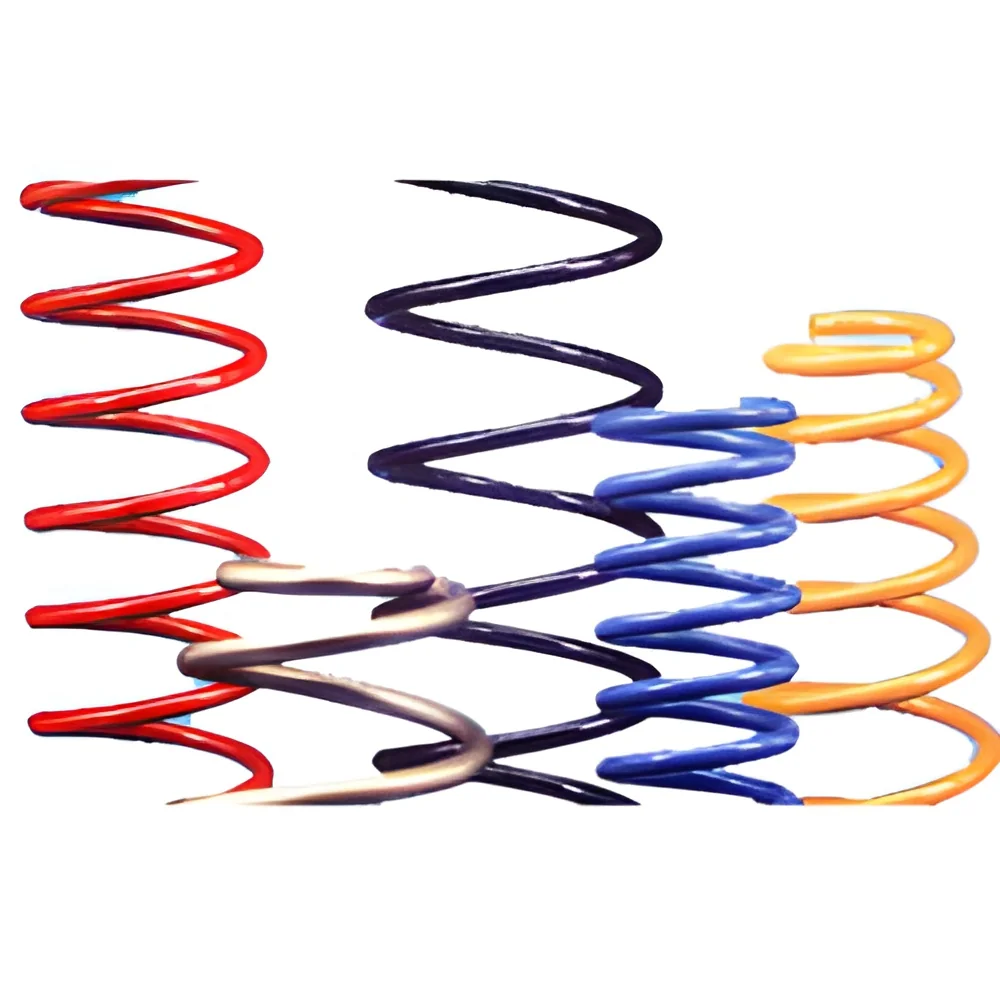
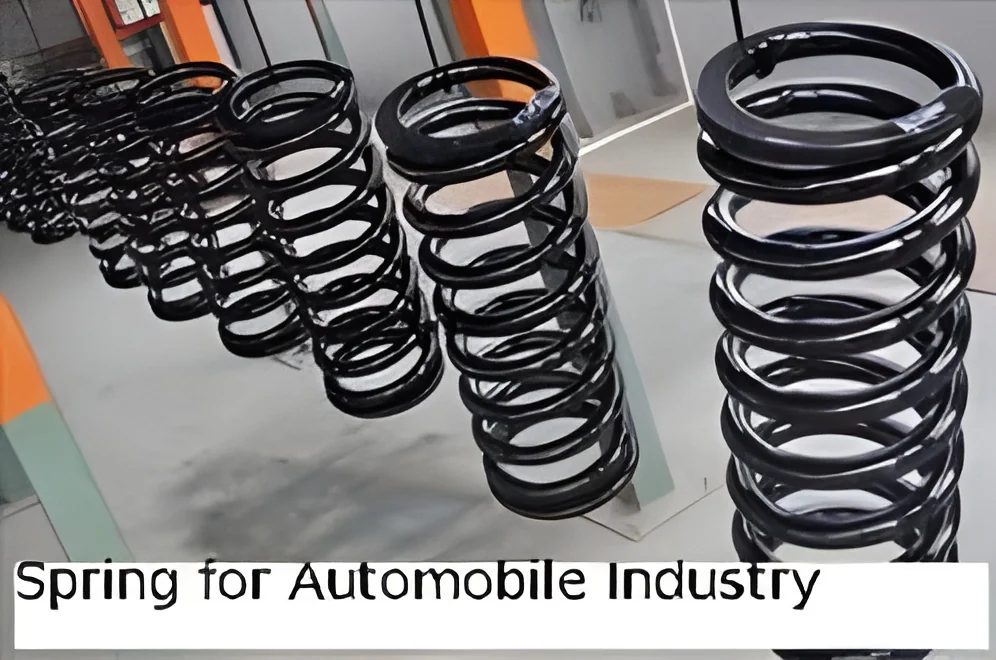
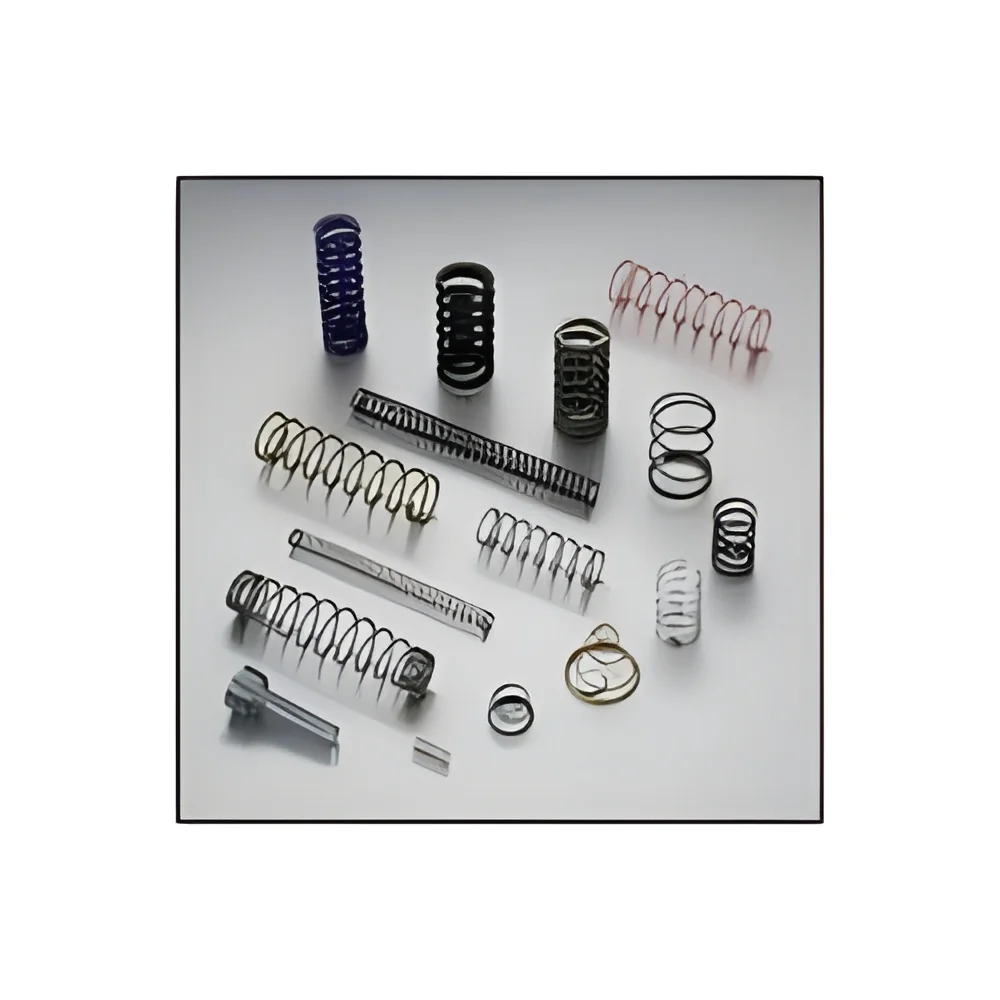
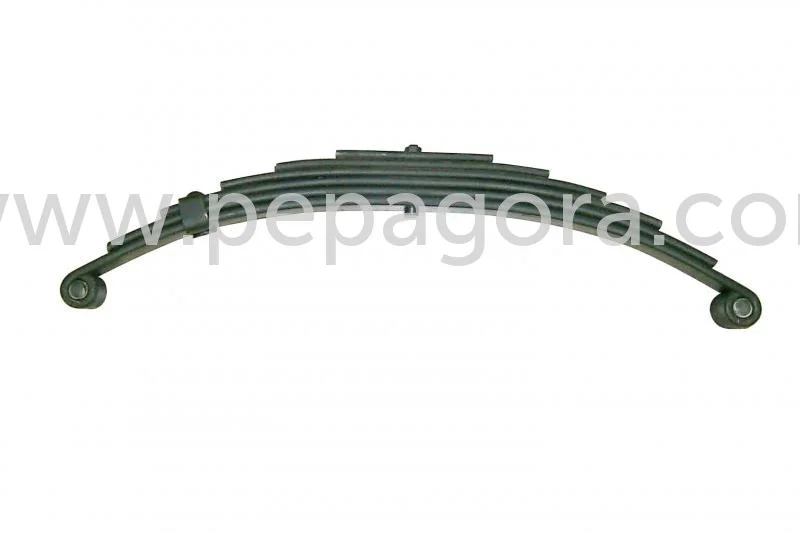
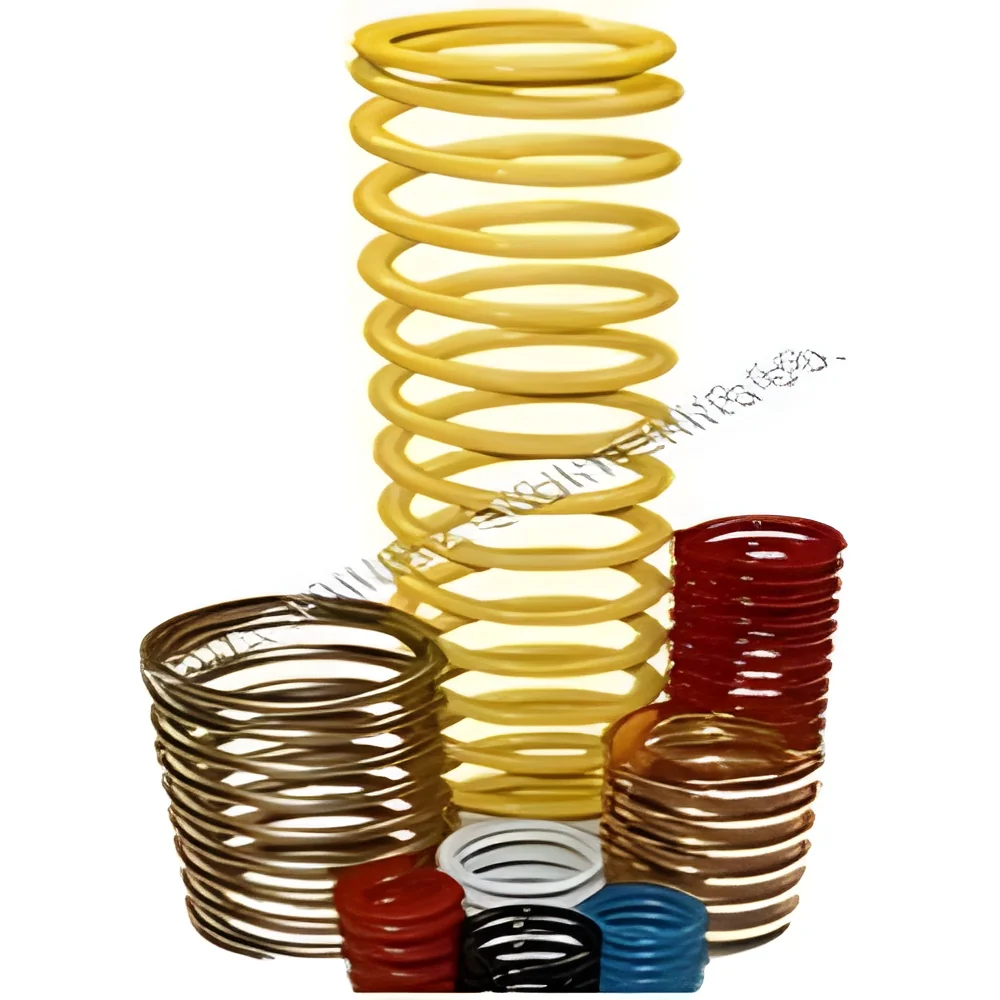
Coil springs and leaf springs are essential components in various mechanical and automotive applications. Coil springs are cylindrical helical springs designed to absorb shock and maintain force. They are typically used in suspension systems to support vehicle weight and contribute to ride comfort. Leaf springs, on the other hand, consist of multiple layers of metal strips or leaves. These are designed to provide a robust structure that can bear heavy loads, making them popular in truck and trailer suspensions.
Both coil and leaf springs play a critical role in ensuring stability and safety in vehicles and machinery. Coil springs are often found in passenger cars and light trucks, while leaf springs are more common in heavier vehicles that require greater load-bearing capacity. Industries such as automotive, construction, and manufacturing rely heavily on these springs to maintain operational efficiency and safety standards.
The market for coil springs and leaf springs is growing as the demand for durable and reliable components increases. With advancements in manufacturing techniques, these springs are being produced with enhanced performance characteristics, making them suitable for a wider range of applications. Businesses need to stay informed about the latest innovations and standards to ensure they select the right products for their needs.
Key Features and Specifications
Coil springs and leaf springs come with various features and specifications that cater to different applications. Understanding these parameters is crucial for selecting the right spring for your needs.
Key specifications include:
1. Material Composition
- Coil springs are usually made from high-carbon steel or stainless steel.
- Leaf springs are primarily constructed from spring steel, which provides high tensile strength.
2. Load Capacity
- Coil springs have varying load capacities ranging from a few hundred pounds to several tons.
- Leaf springs can support loads typically between 1,000 to 10,000 pounds depending on the number of leaves.
3. Dimensions
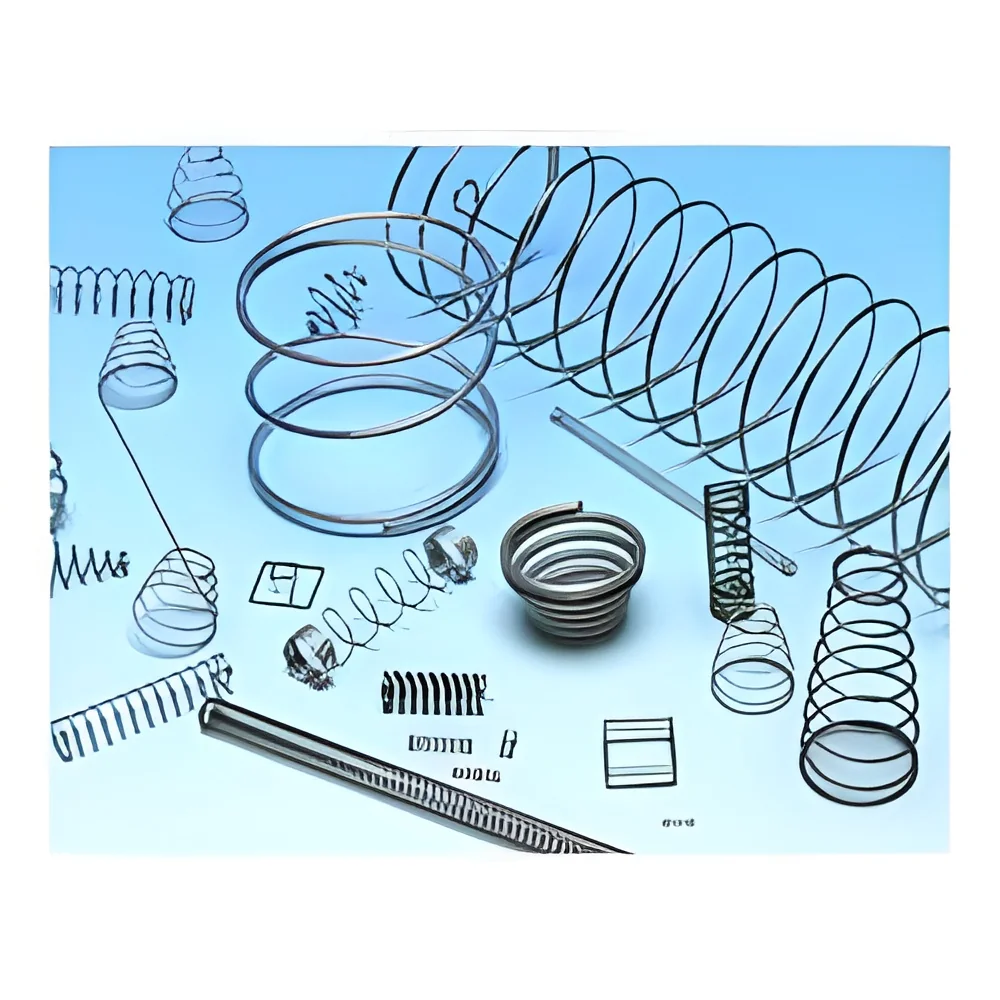
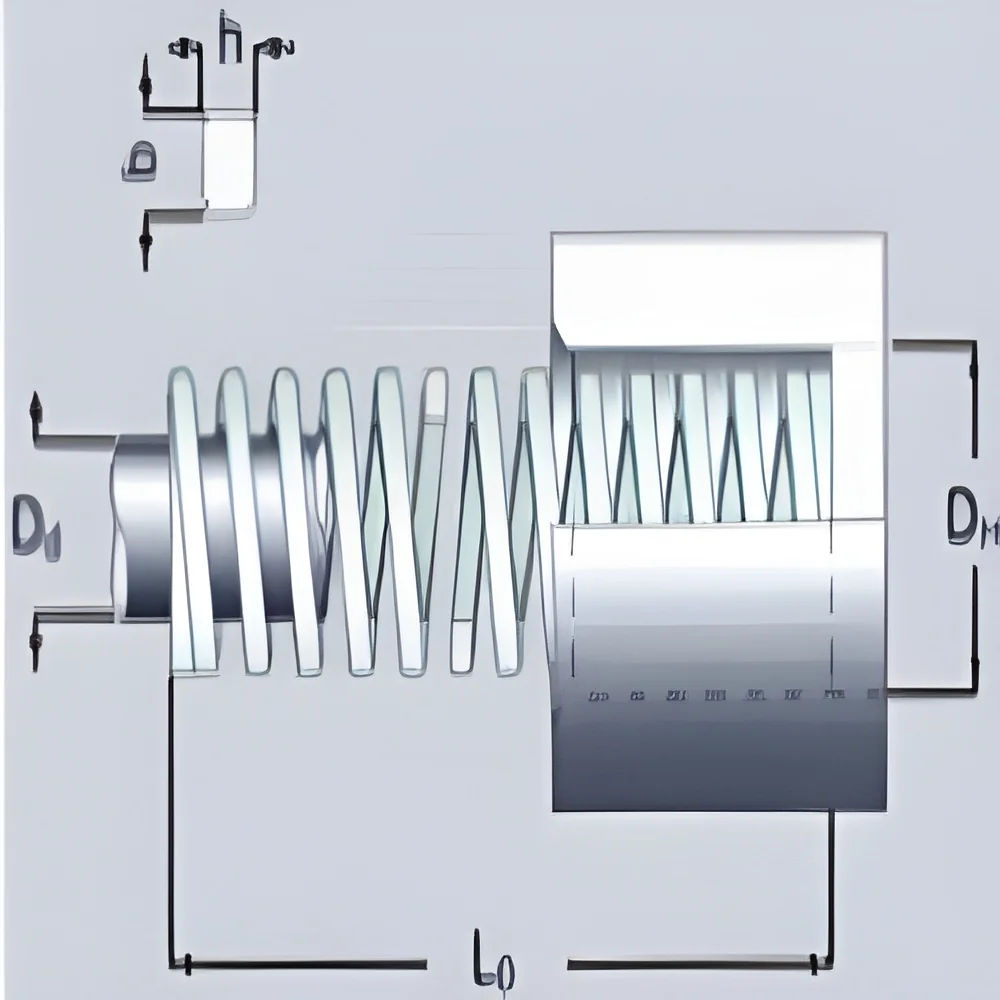
- Coil springs come in different diameters and wire thicknesses, tailored to specific applications.
- Leaf springs are measured by their overall length, width, and thickness of each leaf.
4. Spring Rate
- This measures the stiffness of the coil spring, indicating how much weight is needed to compress it a certain distance.
- Leaf springs also have a spring rate that varies with the number of leaves and their configuration.
5. Finish Options
- Coil springs may be coated with powder or oil to prevent corrosion.
- Leaf springs often feature protective coatings to enhance durability in harsh environments.
6. End Configuration
- Coil springs can have various end types such as closed or ground ends.
- Leaf springs may have different types of eyes or brackets for attachment.
In summary, understanding the key features and specifications of coil springs and leaf springs is essential for making informed decisions in procurement and application.
Common Applications and Use Cases
Coil springs and leaf springs find applications in numerous industries.
1. Automotive: Coil springs are used in vehicle suspensions to enhance ride quality while leaf springs support heavier vehicles like trucks and vans.
2. Construction: Leaf springs are often utilized in heavy machinery, providing stability and support under heavy loads.
3. Manufacturing: Coil springs are used in assembly lines, providing precise tension and force in various machinery and equipment.
4. Aerospace: Both types of springs are critical in aircraft for weight distribution and shock absorption.
5. Agricultural: Leaf springs are commonly found in trailers and heavy-duty agricultural equipment, ensuring they can handle substantial loads.
6. Railways: Coil springs are used in train suspensions to absorb shocks and maintain stability on the tracks.
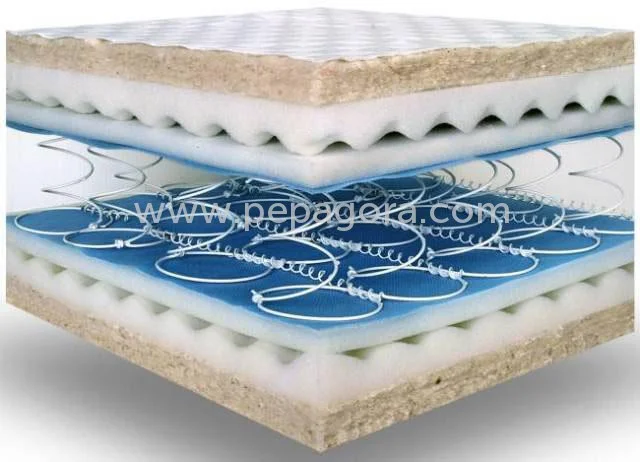
7. Furniture: Coil springs are also utilized in upholstered furniture to provide comfort and support.
Product Variants and Subcategories
Coil springs and leaf springs are available in various configurations to meet specific needs.
Coil Spring Variants
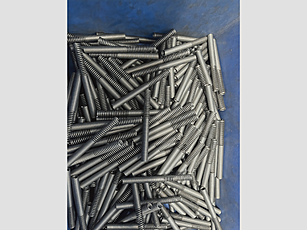
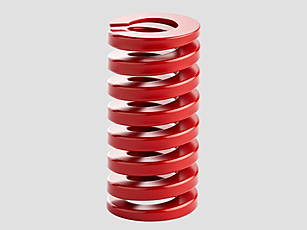
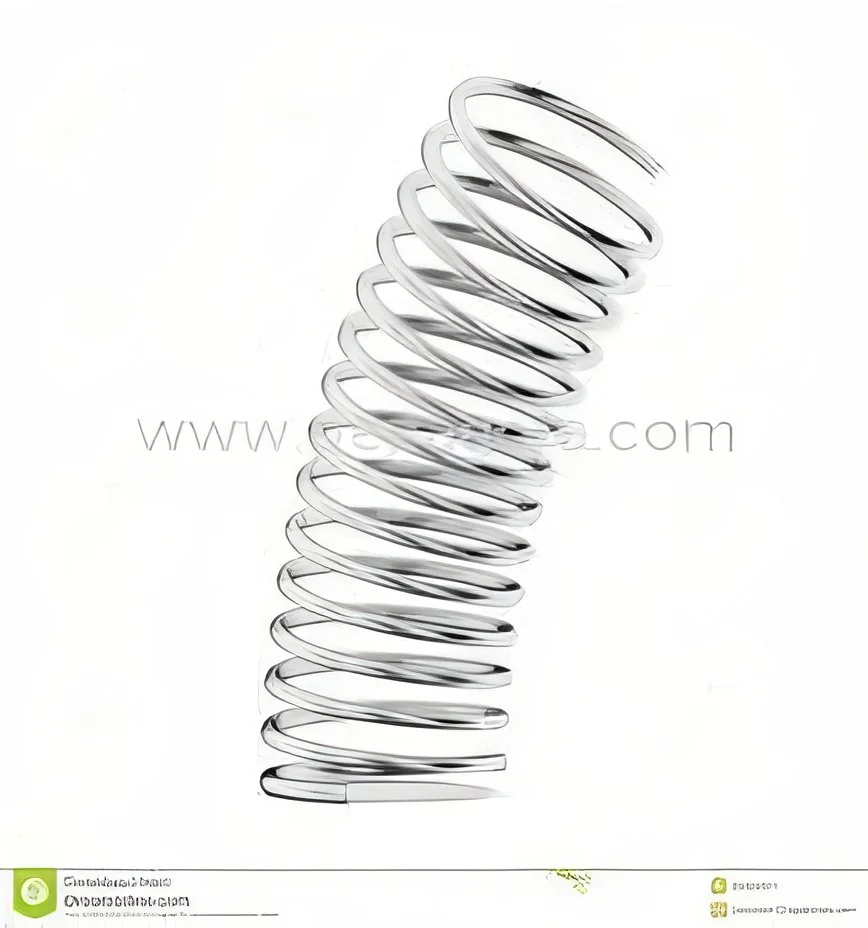
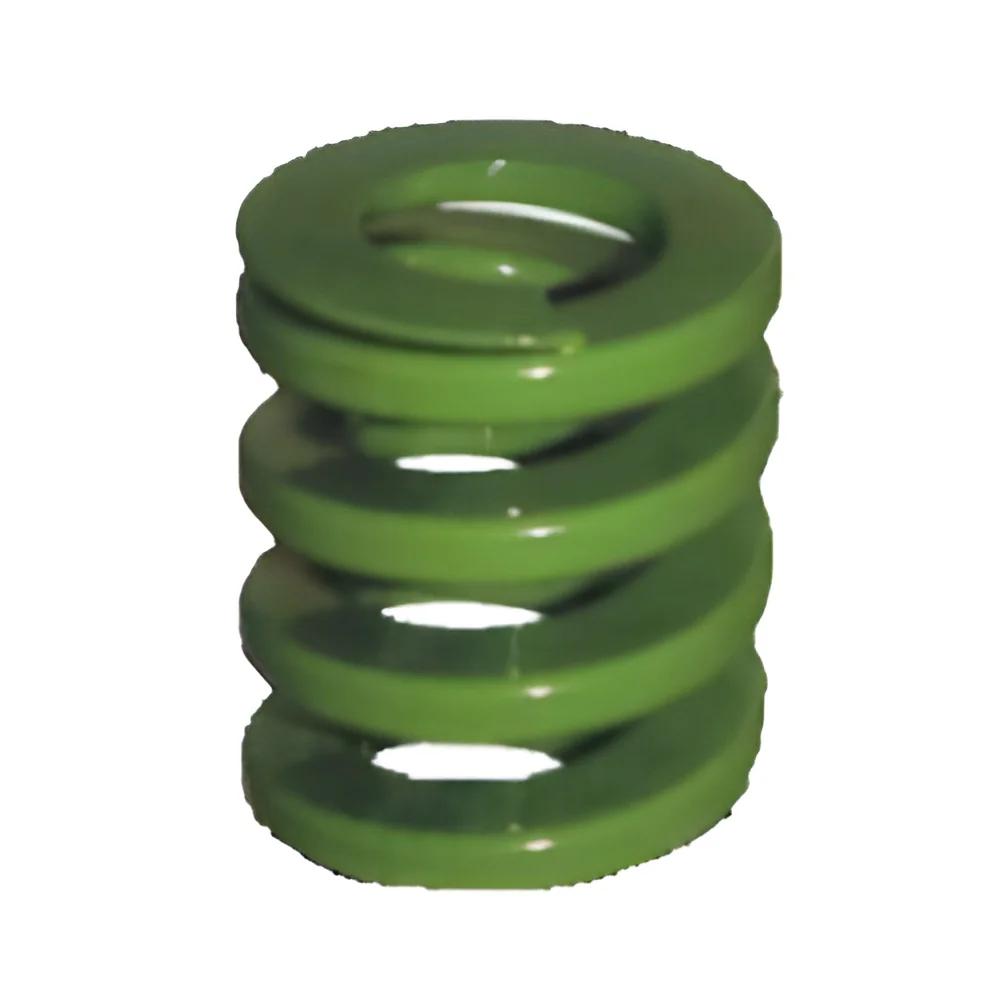
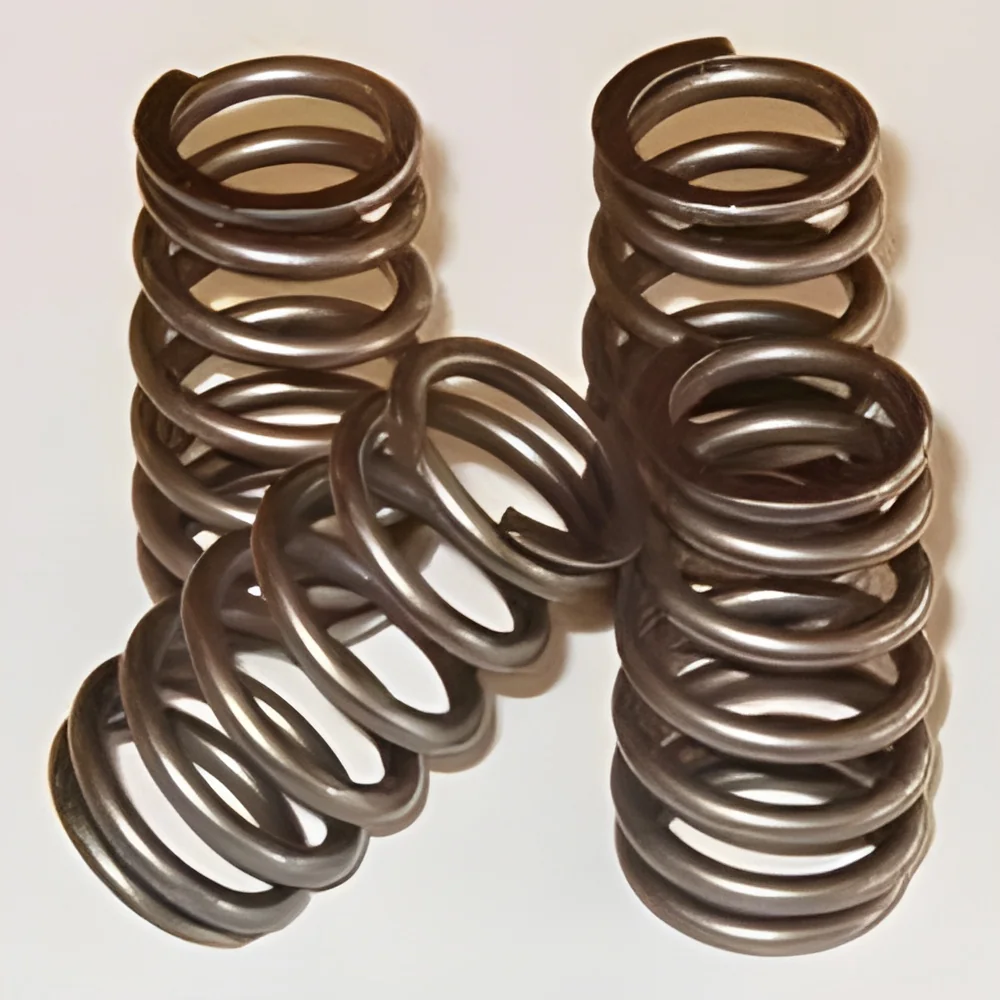
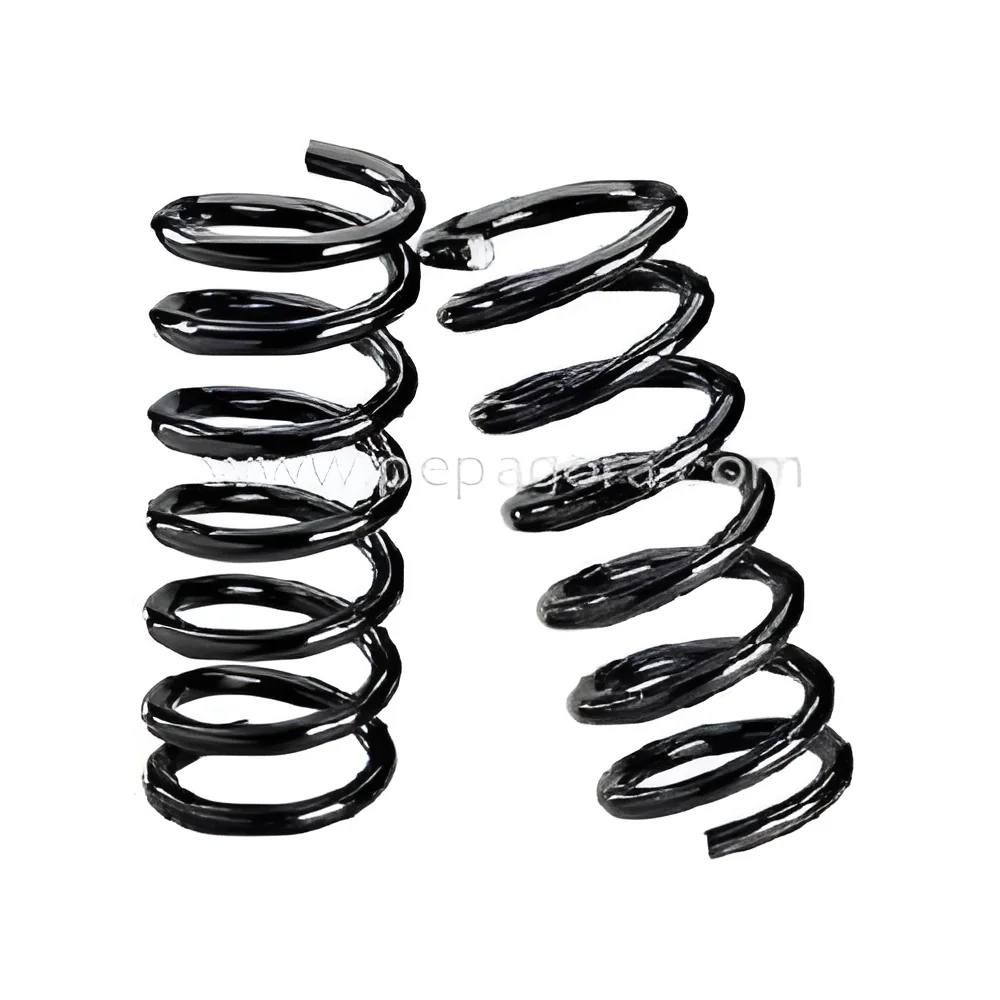
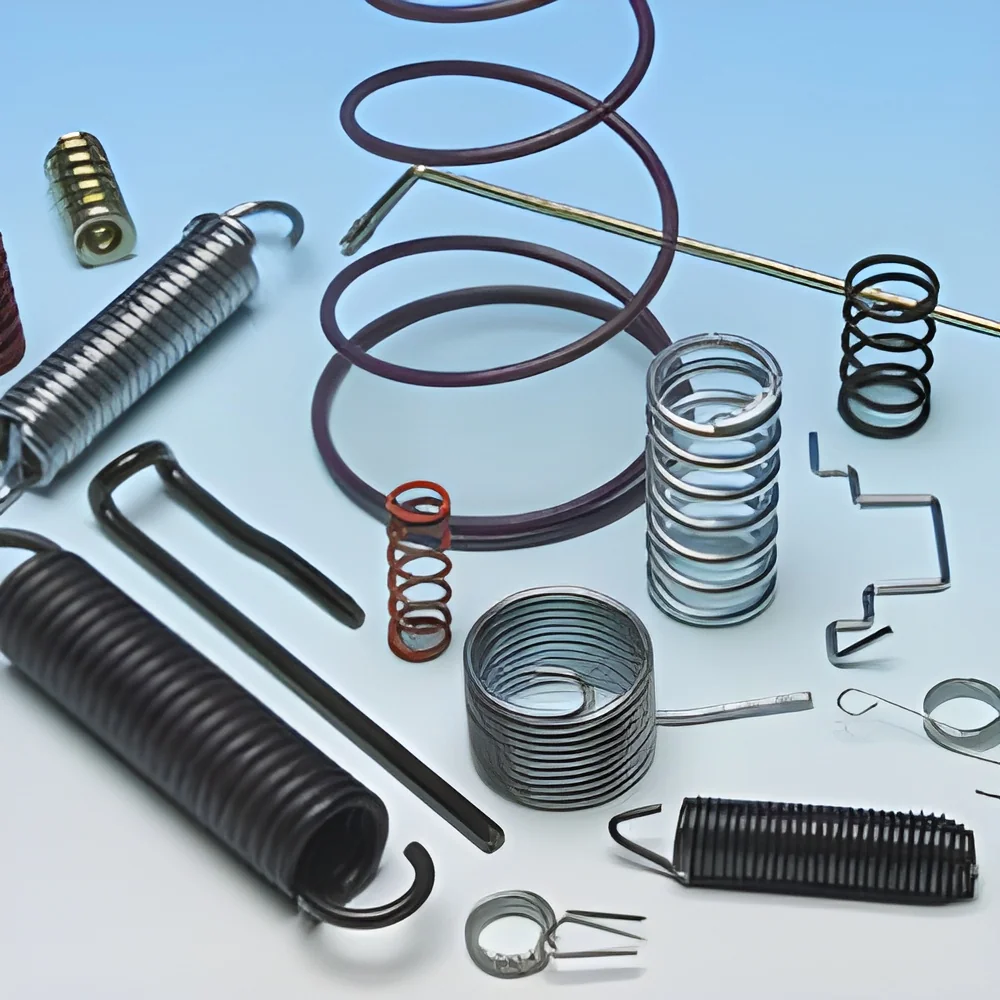
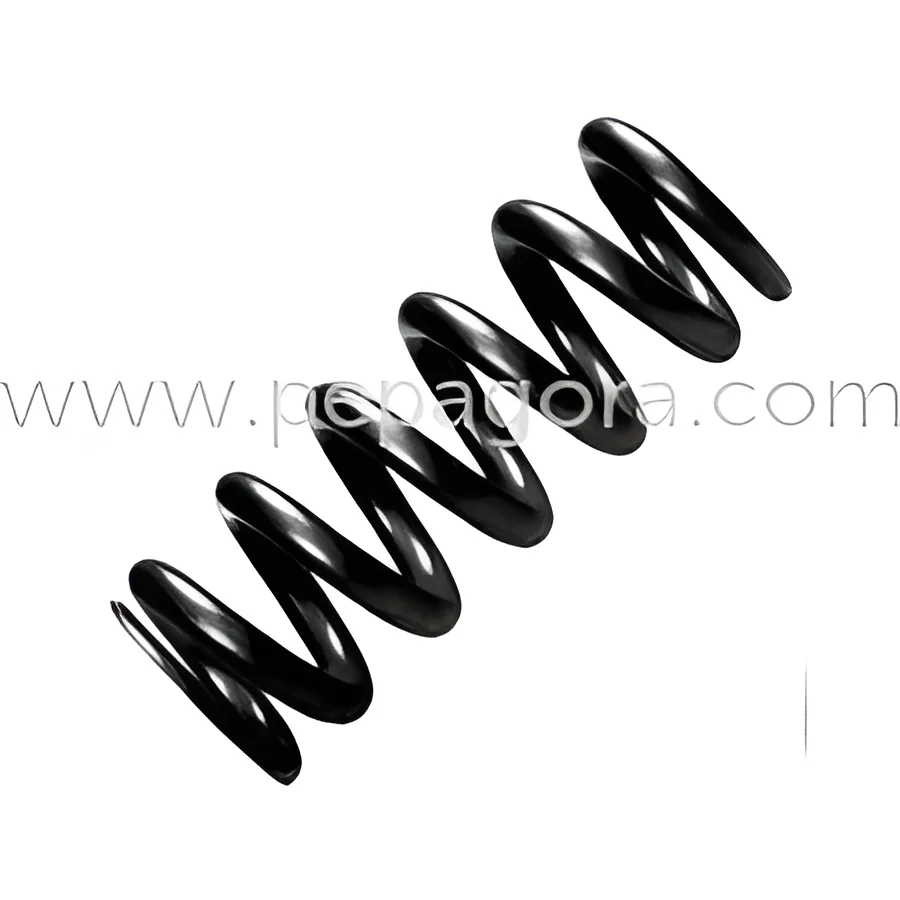
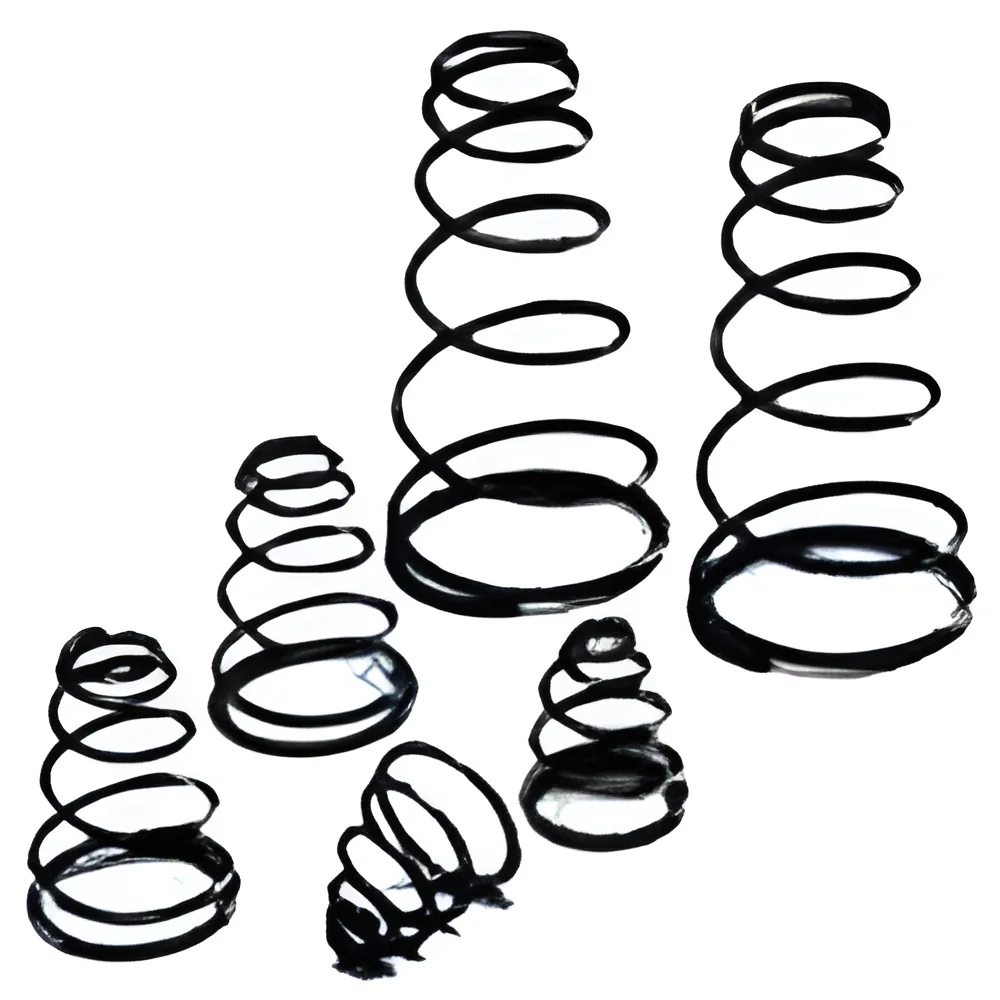
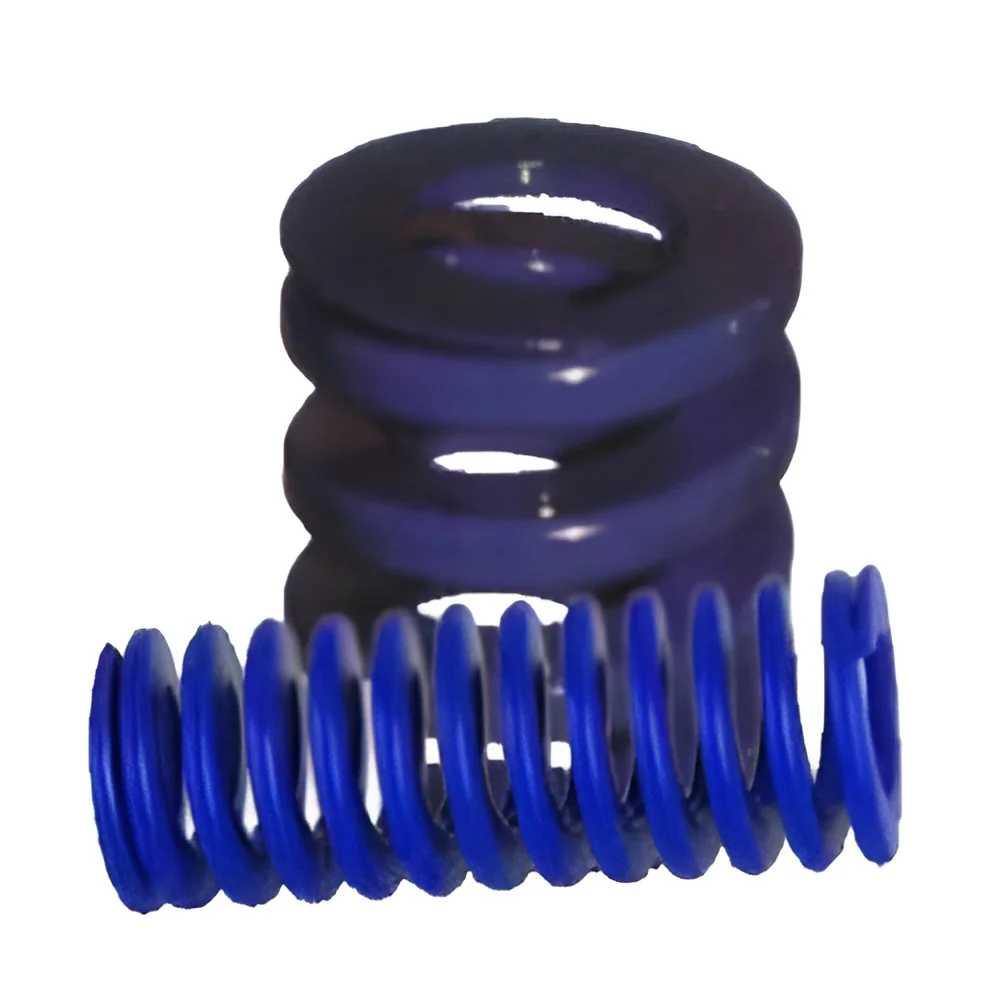
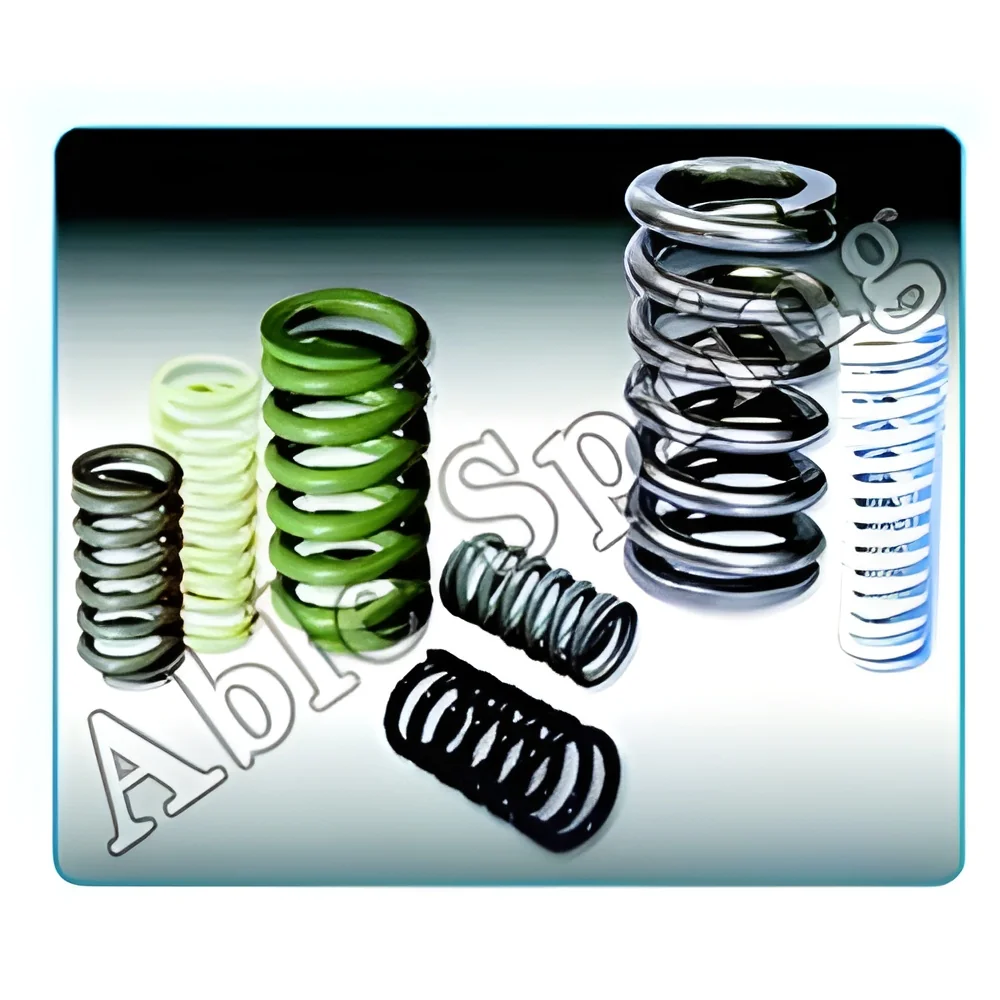
Compression coil springs are designed to compress under load, commonly used in automotive and machinery applications. They provide high resilience and are suitable for dynamic loads.
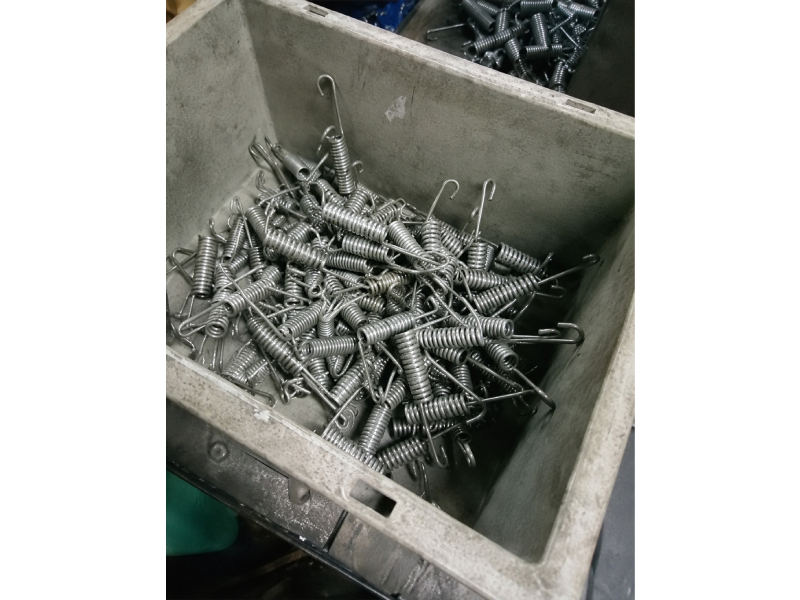
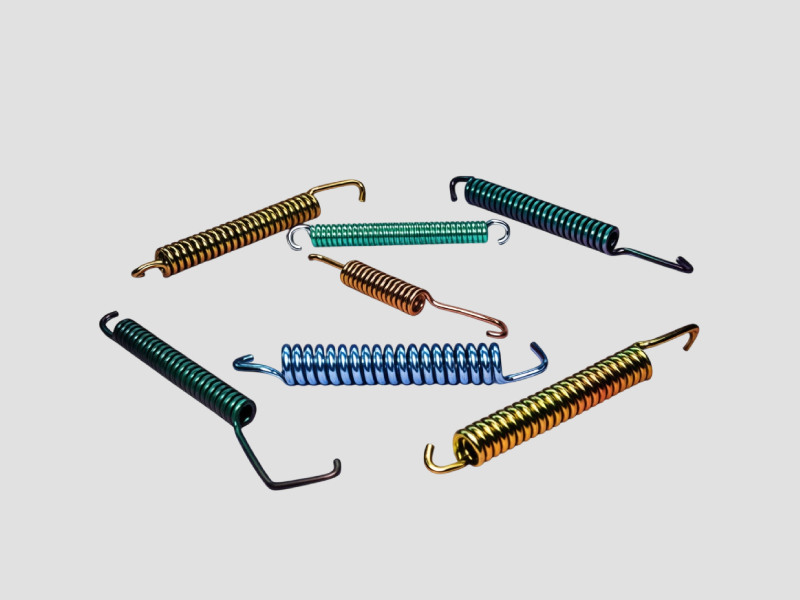
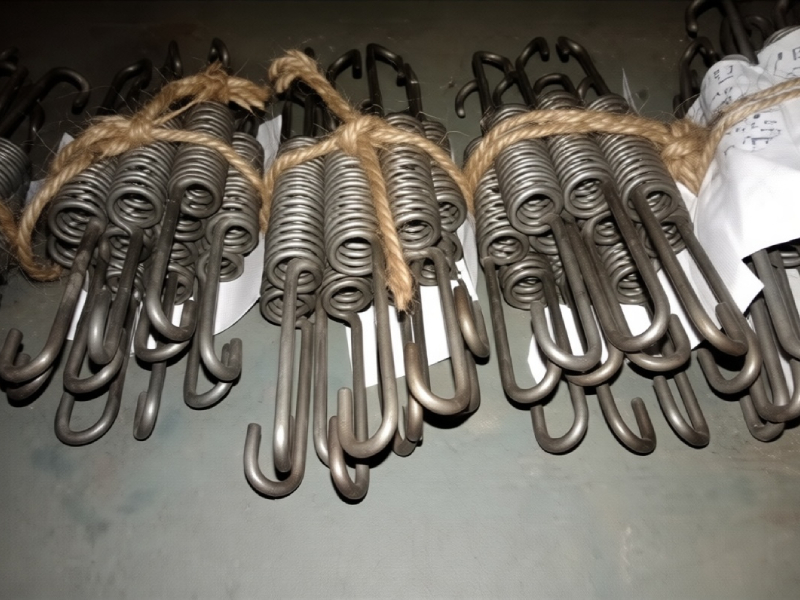
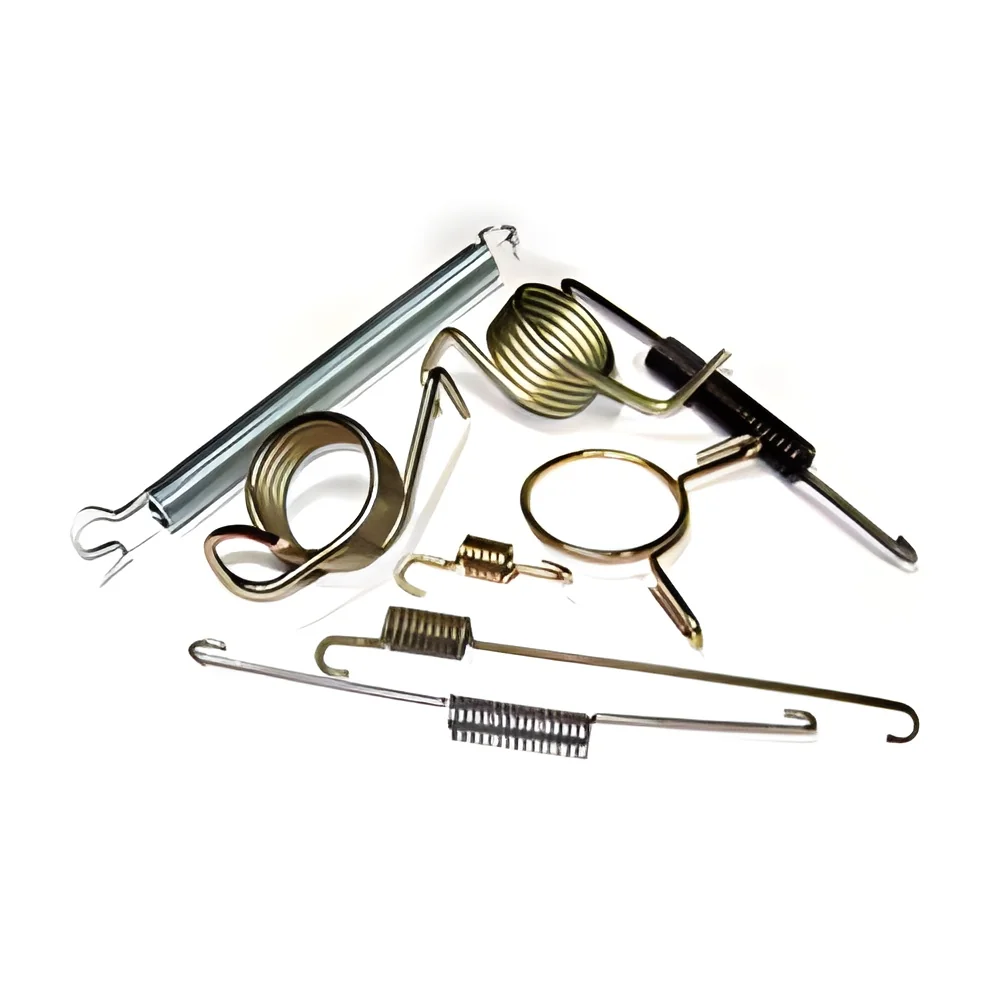
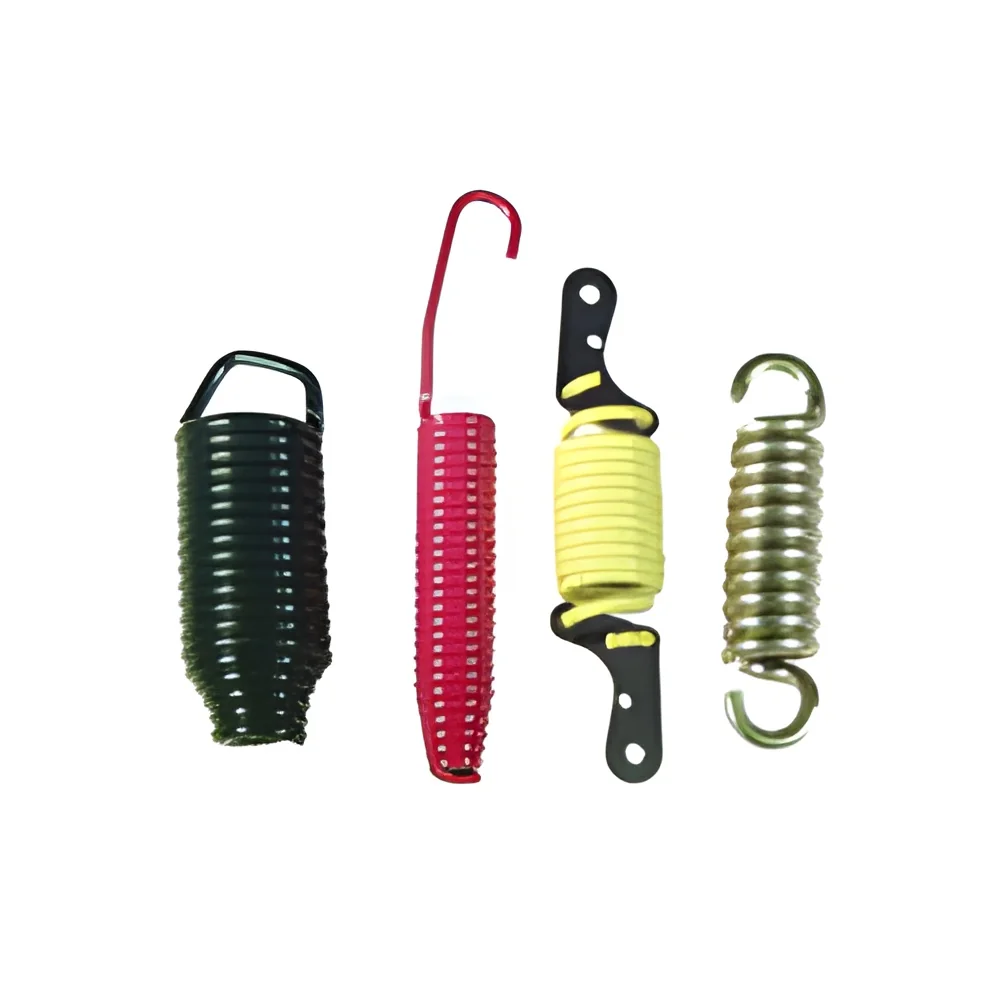
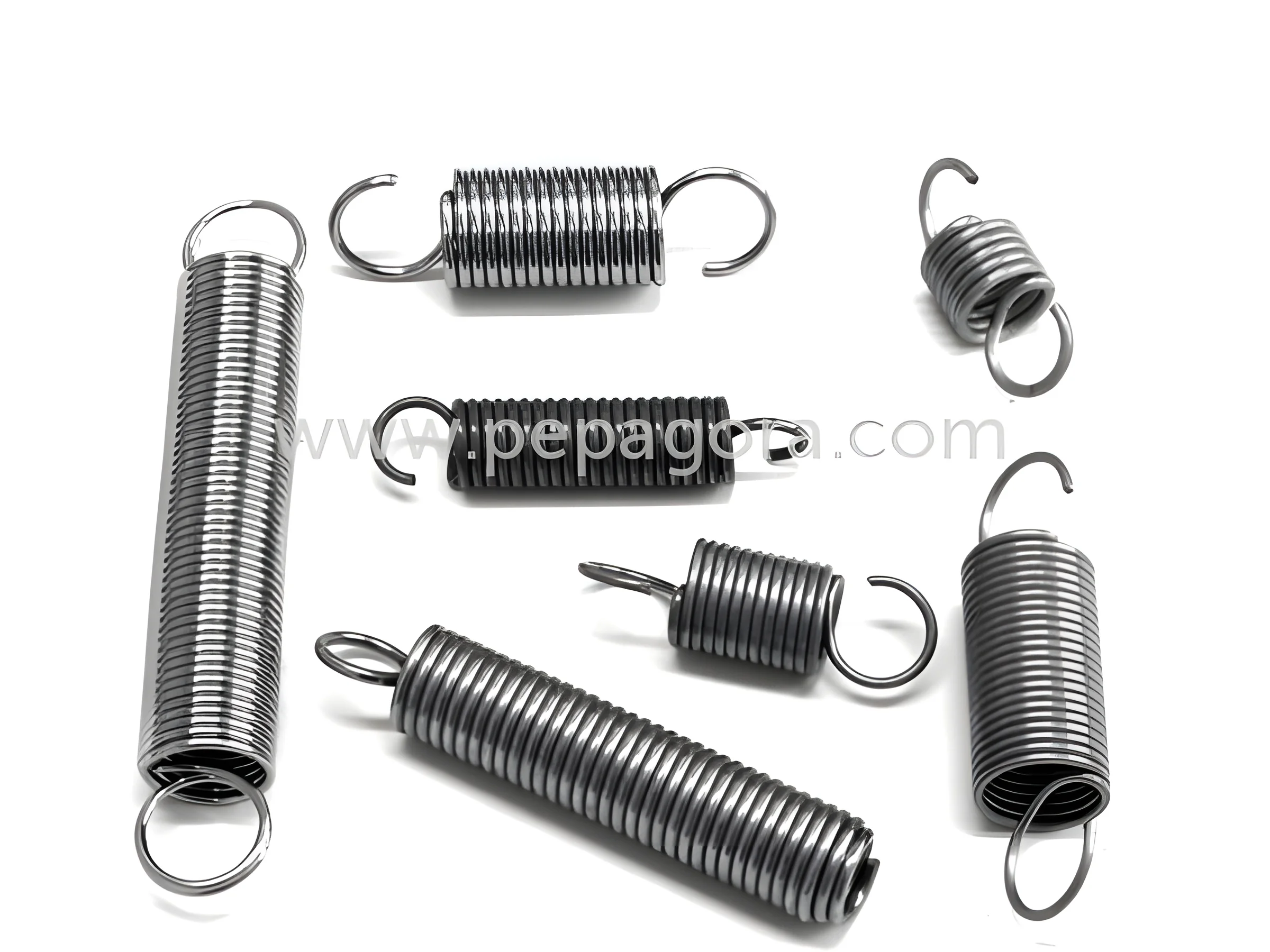
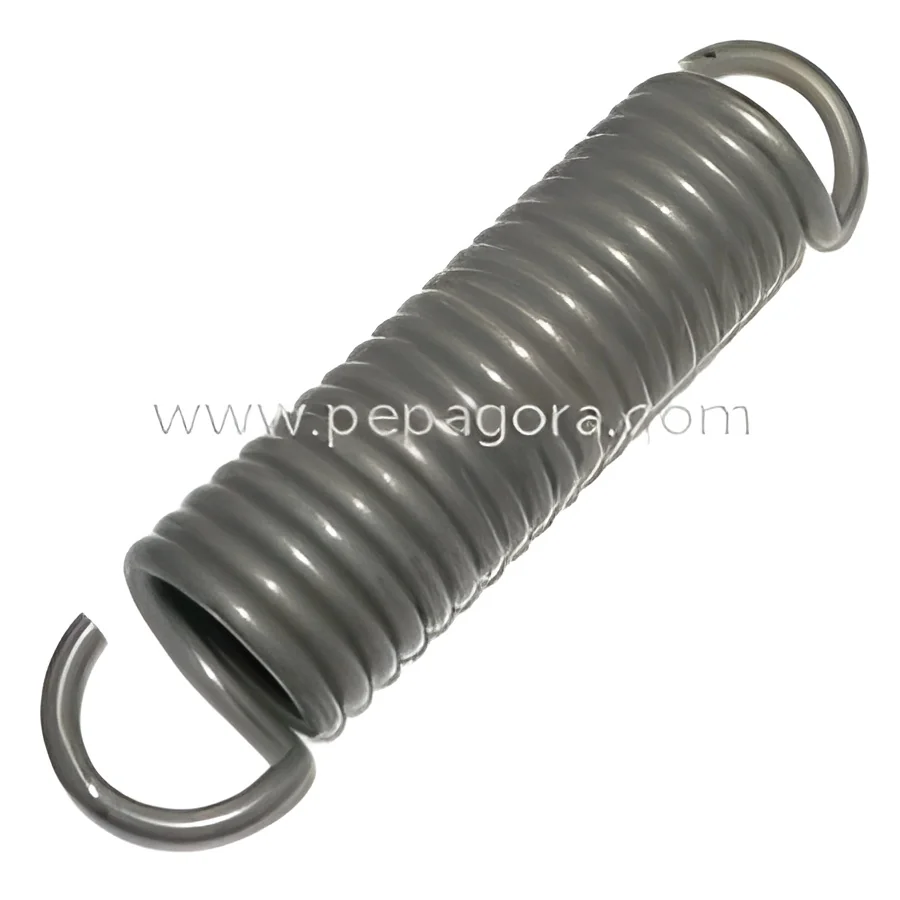
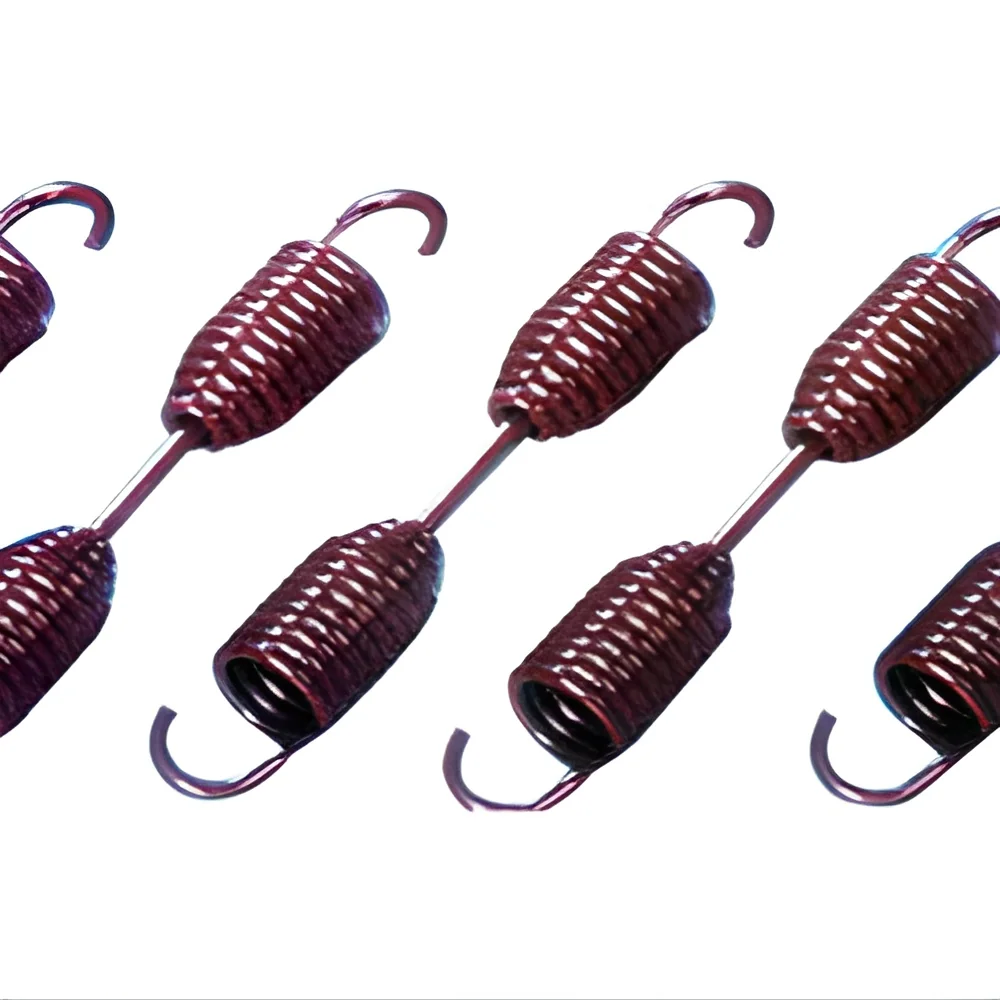
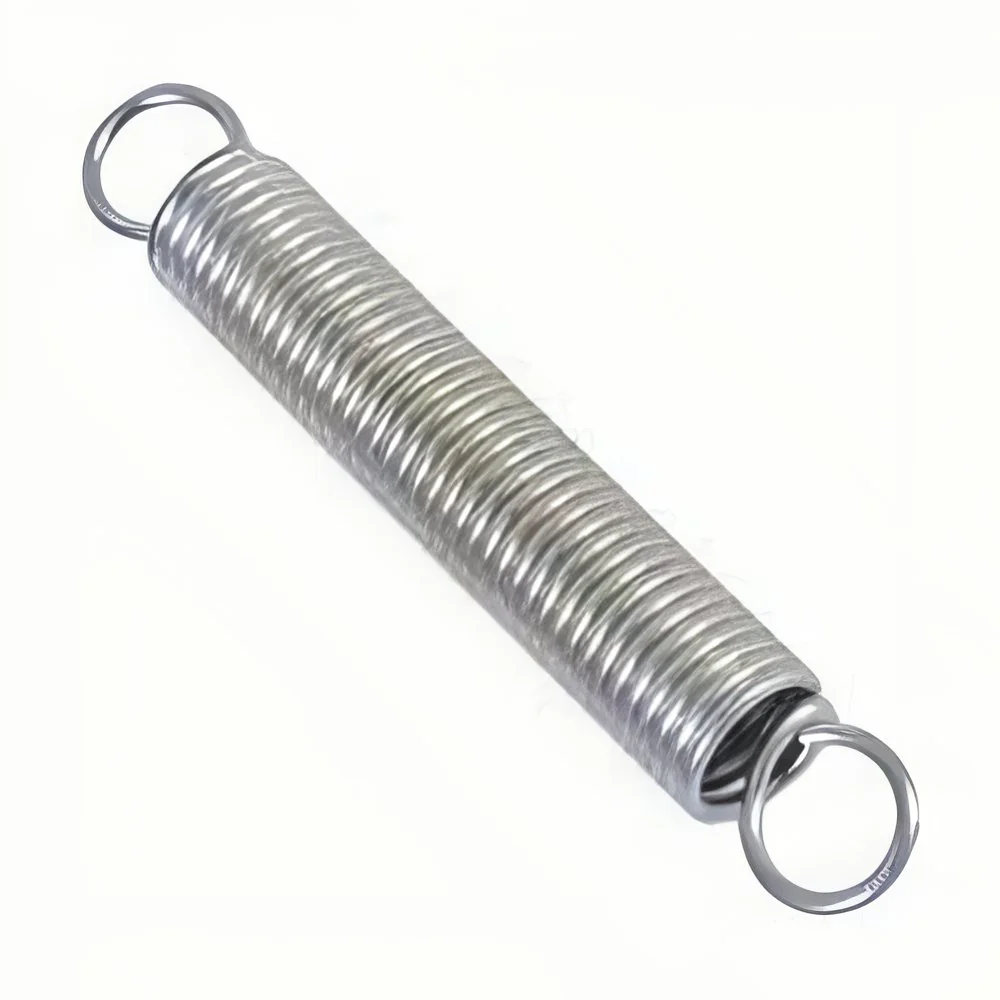
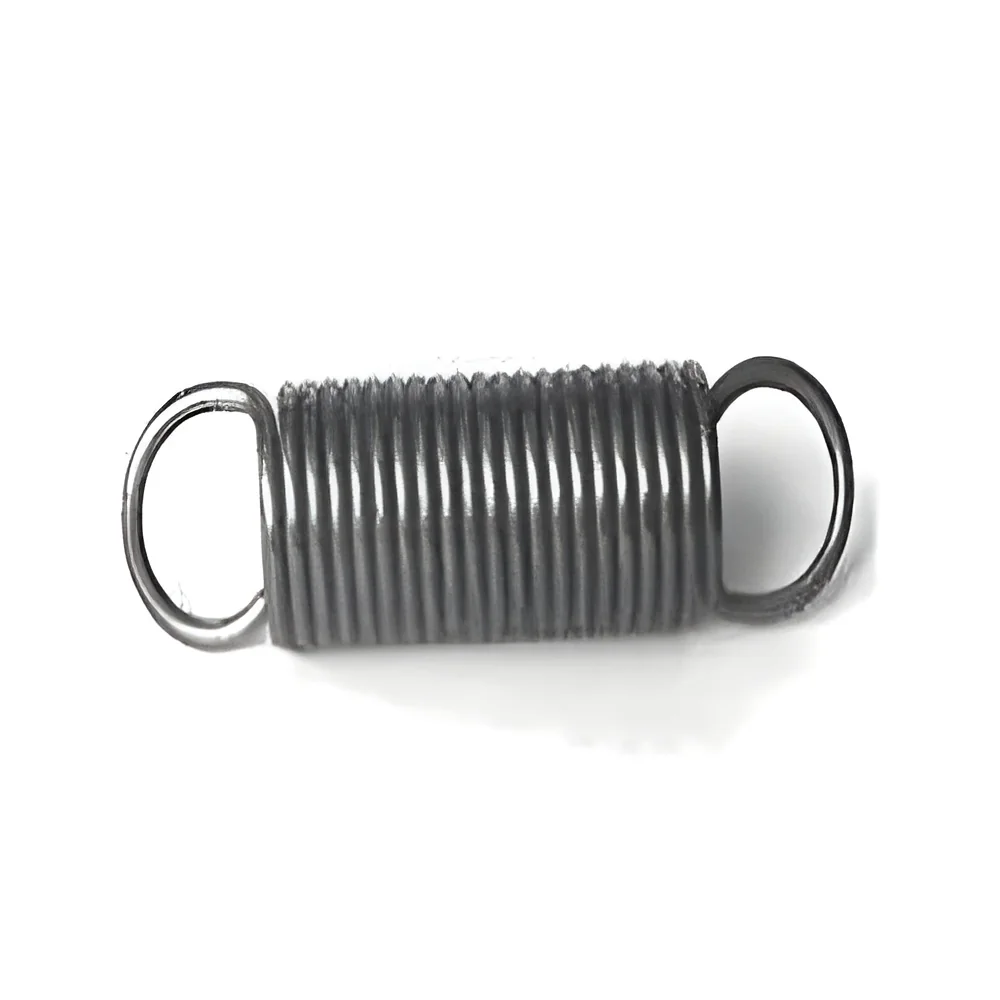
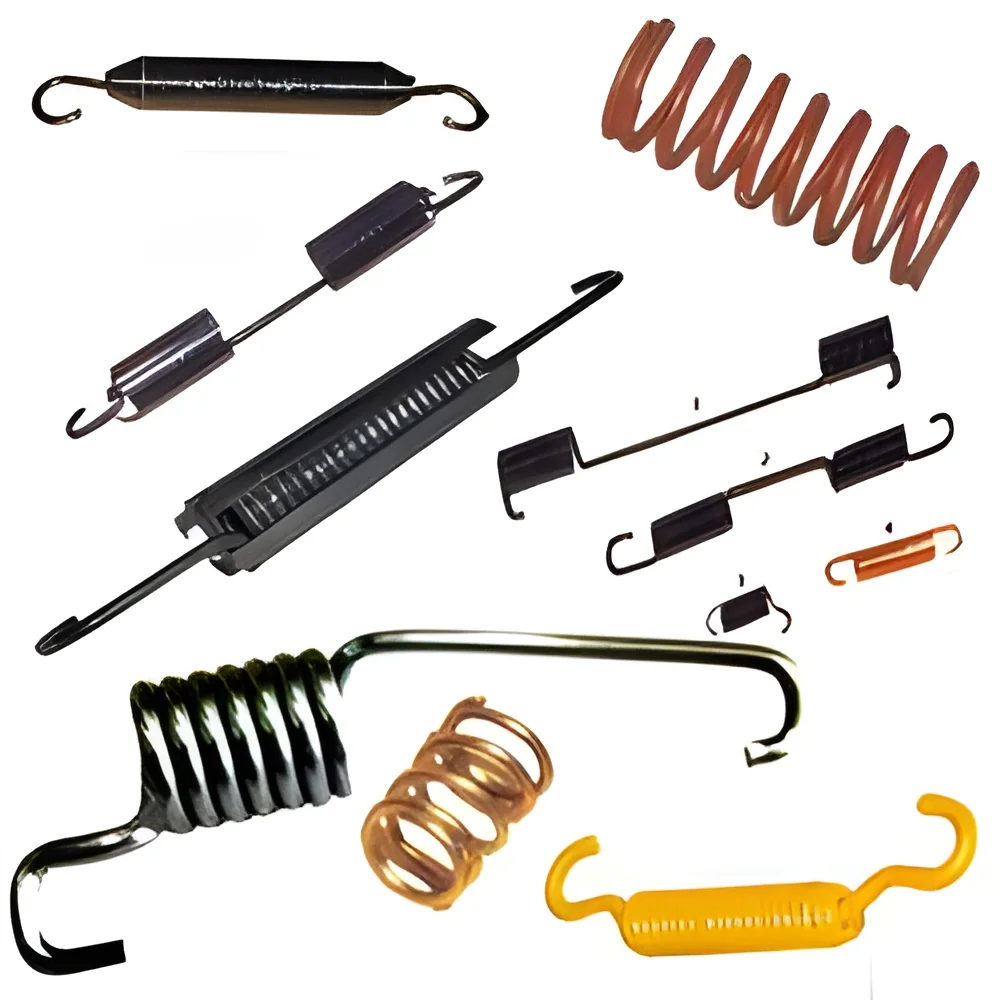
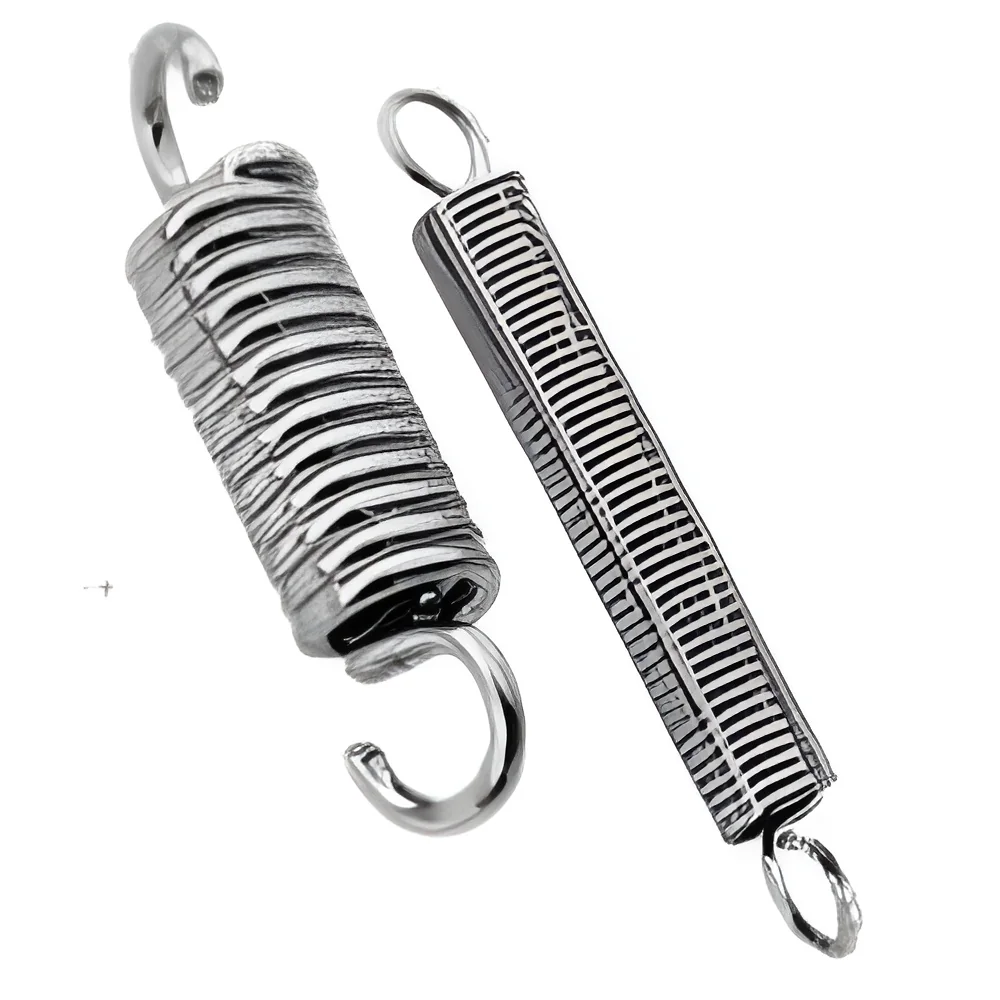
Extension coil springs are designed to stretch under load. These springs are often used in applications requiring a pulling force, such as in garage doors and various machinery.
Leaf Spring Variants
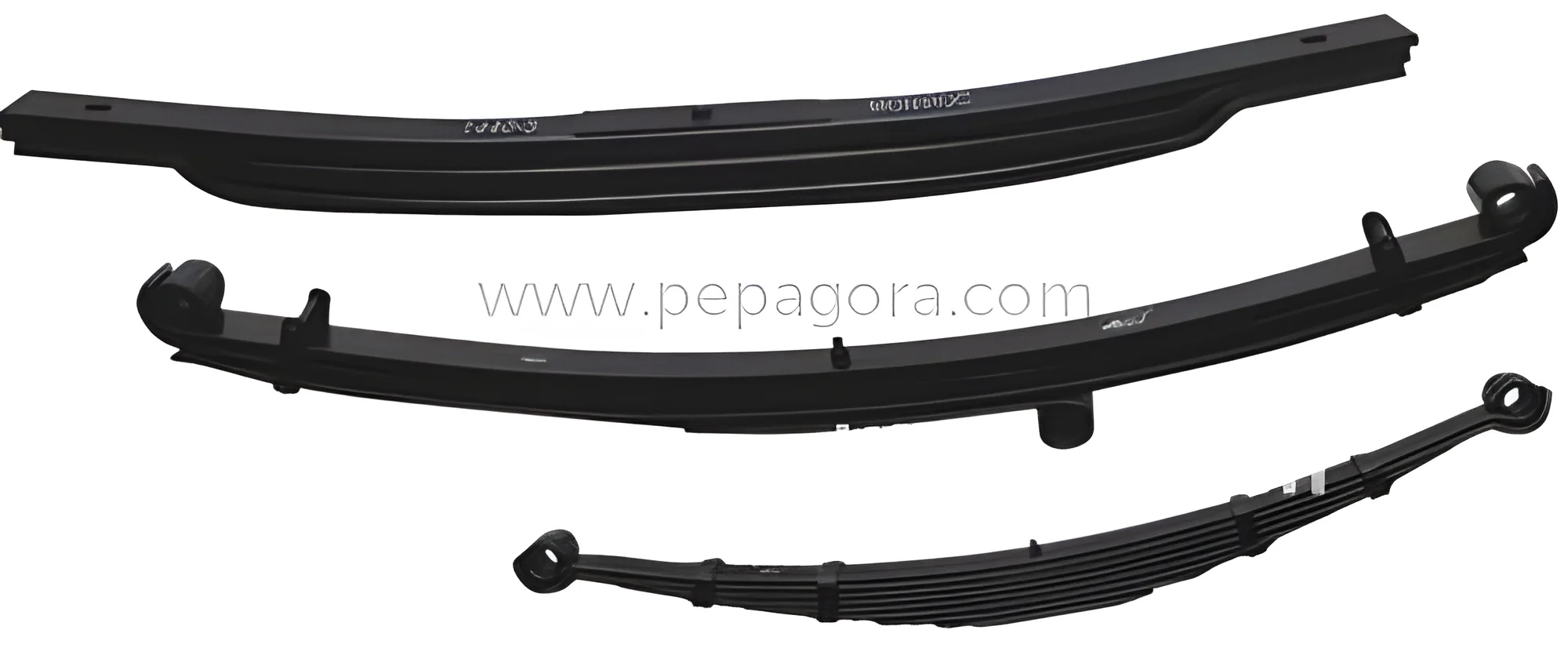
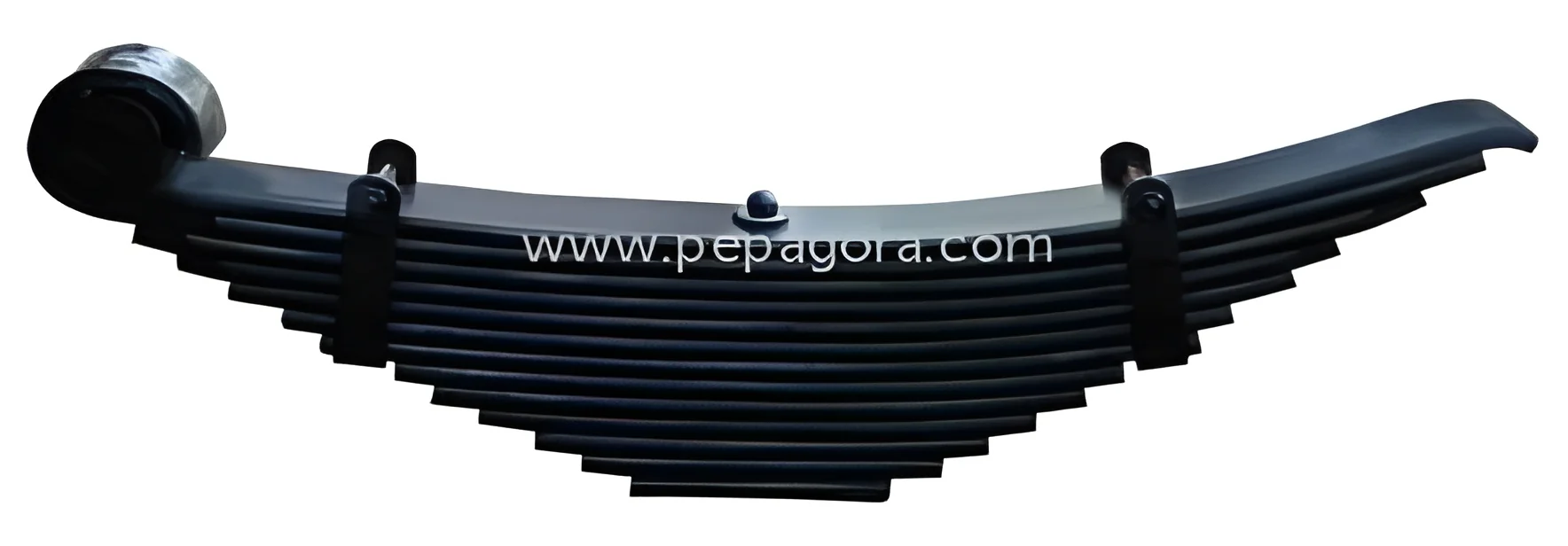
Multi-leaf springs consist of several leaves stacked together, providing enhanced load capacity and flexibility. They are ideal for heavy-duty applications like trucks and trailers.
Mono-leaf springs are single-piece designs that offer simplicity and effectiveness in lighter applications. They are often used in smaller vehicles and equipment.
Benefits and Advantages
Coil springs and leaf springs offer several benefits that enhance performance and reliability.
1. Durability: Both types of springs are built to withstand significant stress and fatigue, ensuring long service life in demanding conditions.
2. Load Management: These springs effectively manage loads, providing stability and comfort in vehicles and machinery.
3. Customization: Springs can be manufactured to specific requirements, ensuring compatibility with various applications.
4. Cost-Effectiveness: Using high-quality springs can reduce maintenance costs over time due to their longevity and performance.
5. Versatility: Coil and leaf springs can be used in a wide range of industries, making them adaptable to various applications.
6. Enhanced Safety: Properly functioning springs contribute to safer operations in vehicles and machinery by maintaining control and stability.
Buying Guide for B2B Buyers
When sourcing coil springs and leaf springs, it is essential to consider several factors to ensure the right selection.
1. Quality Assessment: Look for springs that meet industry standards and specifications. Check for certifications and quality control processes to ensure reliability.
2. Supplier Verification: Vet suppliers thoroughly to ensure they have a good reputation and experience in the industry. Request references and review customer feedback.
3. Pricing and MOQ: Understand the pricing structure and minimum order quantities (MOQ) to align your purchasing strategy with your budget and requirements.
4. Delivery and Lead Times: Discuss delivery options and lead times with potential suppliers to avoid delays in your project timelines.
5. Compliance Requirements: Ensure that the springs comply with relevant regulations and industry standards to avoid potential legal issues.
Compliance and Certifications
Coil springs and leaf springs must adhere to various quality standards and certifications to ensure safety and performance.
Many manufacturers follow ISO 9001 standards, which outline quality management systems to enhance customer satisfaction and operational efficiency.
The CE certification indicates that products meet European safety, health, and environmental protection standards, making it important for businesses operating in or exporting to European markets.
Safety and testing requirements are vital in ensuring that springs can withstand operational stresses. Testing methods may include fatigue testing and load testing to validate performance under real-world conditions.
Additionally, regional compliance considerations may vary, so it is crucial to be aware of specific regulations relevant to different markets.
Why Source Coil Springs & Leaf Springs from Pepagora?
Pepagora provides a trusted platform for sourcing coil springs and leaf springs with several key advantages.
Verified Supplier Network: Pepagora connects buyers with a network of verified suppliers, ensuring that you can source high-quality products with confidence. Each supplier undergoes a rigorous vetting process, providing peace of mind for your purchasing decisions.
Streamlined RFQ Process: The Request for Quotation (RFQ) system simplifies the procurement process. Buyers can easily submit their requirements and receive competitive quotes from multiple suppliers, saving time and effort.
Trade Assurance and Support: Pepagora offers trade assurance to protect buyers, ensuring that transactions are secure and that products meet specified quality standards. This support enhances buyer confidence in the sourcing process.
Regional Coverage: With a wide geographic reach, including India, GCC, and Southeast Asia, Pepagora caters to diverse markets, making it easier for businesses to find the right coil springs and leaf springs for their specific needs.

 IN
IN