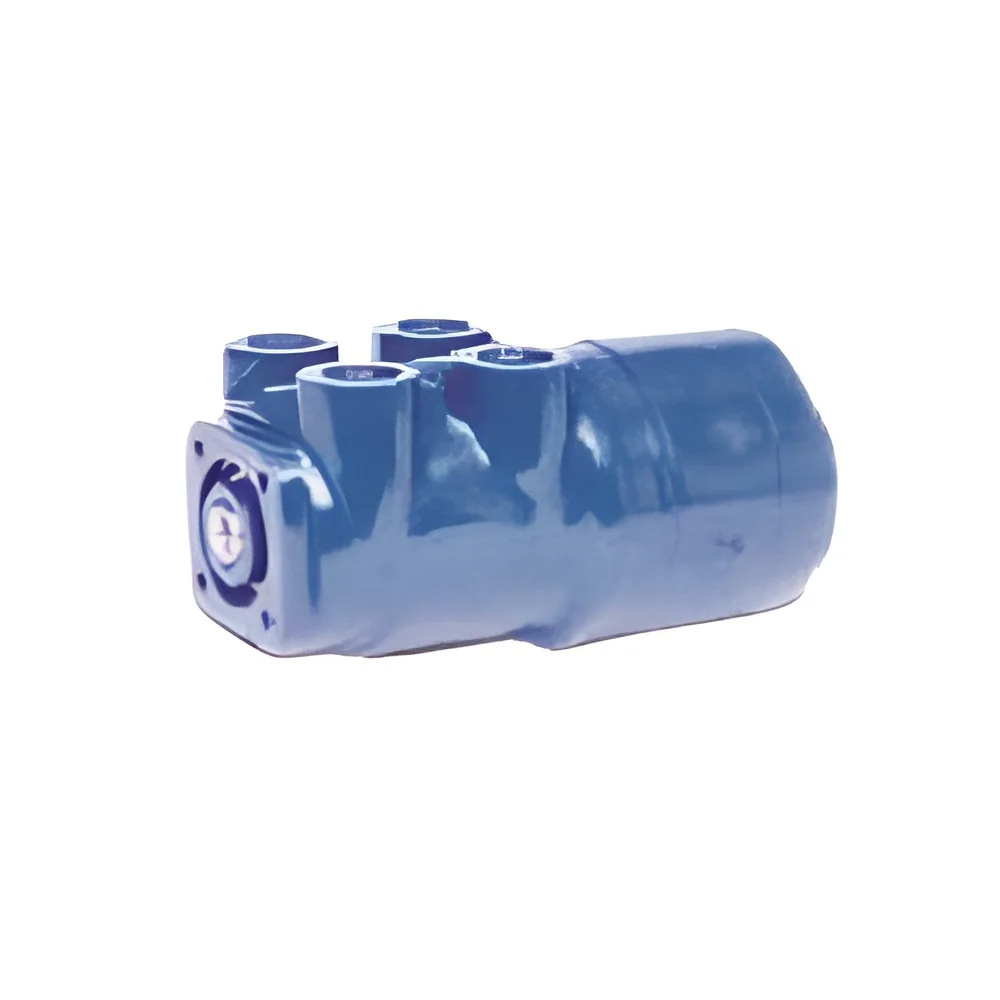
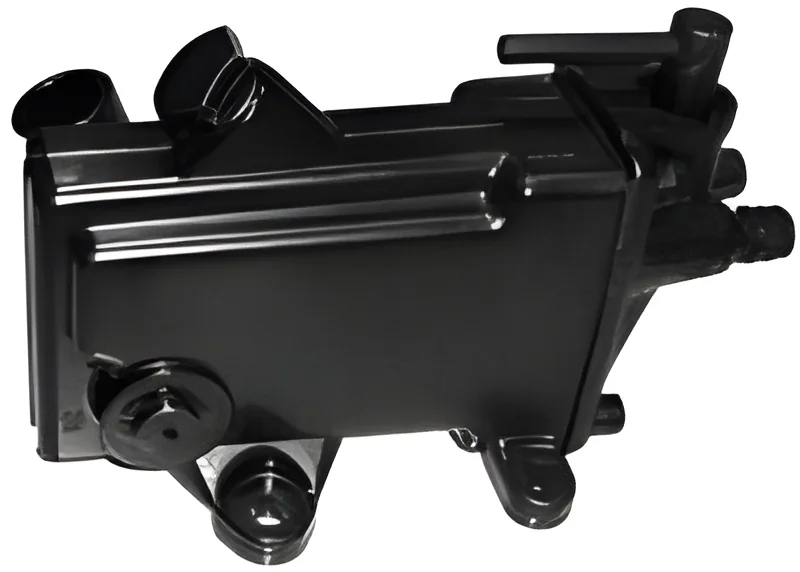
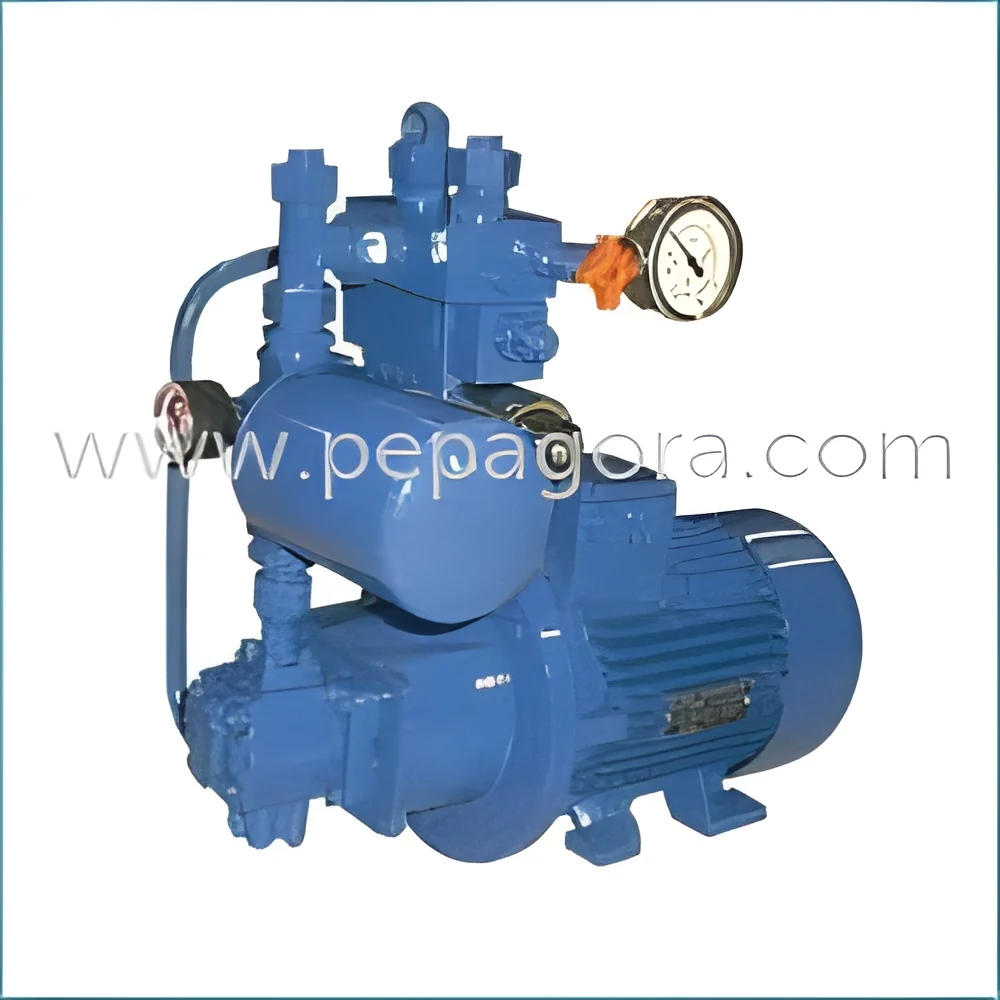
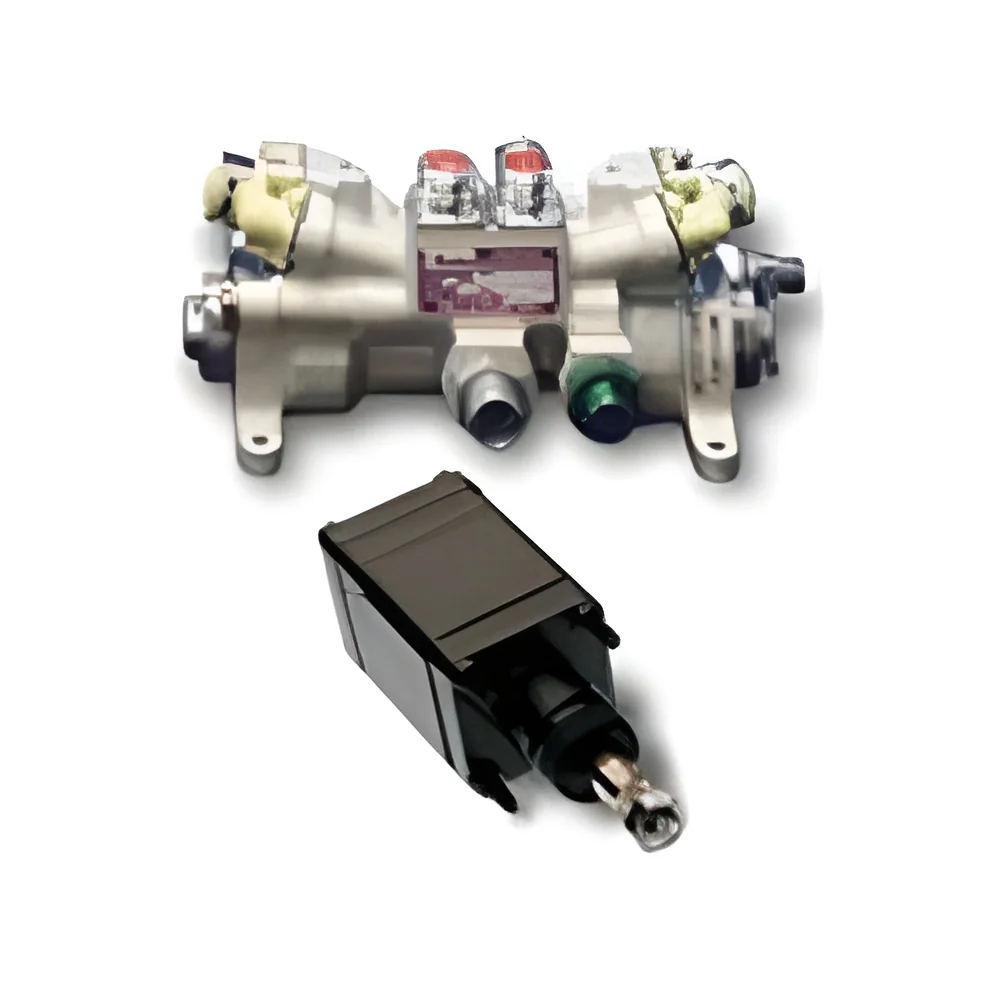
What are Power Steering Pumps?
Power steering pumps are essential components in modern vehicles that assist in steering by providing hydraulic pressure to the steering mechanism. They work by converting mechanical energy from the engine into hydraulic energy, allowing for smoother and easier steering. This is particularly important in larger vehicles or those with heavier steering systems where manual steering would require significant physical effort.
Power steering pumps are primarily used in the automotive industry, catering to both passenger cars and commercial vehicles. They are vital for enhancing driver comfort and safety by reducing the effort needed to turn the steering wheel. Beyond automobiles, these pumps are also utilized in various industrial applications where precise control and movement are required. The demand for power steering pumps is driven by the increasing production of vehicles worldwide and the growing trend towards automation in steering systems.
As the automotive industry evolves, power steering pumps have become increasingly sophisticated, integrating advanced technologies to improve efficiency and reliability. With the rise of electric vehicles, the market for power steering pumps is also adapting, presenting new opportunities for manufacturers and suppliers in the industry.
Key Features and Specifications
Power steering pumps come with several key features and specifications that define their performance and suitability for various applications. Understanding these specifications is crucial for businesses looking to source high-quality pumps that meet their operational needs.
Key specifications include:
1. Flow Rate
- This refers to the volume of hydraulic fluid the pump can deliver per minute.
- Common ranges are between 1.5 to 3.0 liters per minute.
2. Pressure Rating
- Indicates the maximum hydraulic pressure the pump can handle.
- Typical pressure ratings range from 80 to 120 bar.
3. Mounting Type
- Different pumps may have varying mounting configurations, such as bracket-mounted or integral mounting.
- This affects compatibility with different vehicle designs.
4. Weight
- The weight of the pump can impact installation and performance.
- Average weights range from 3 to 5 kilograms.
5. Drive Type
- Power steering pumps can be driven by a belt or electric motor.
- Belt-driven pumps are common in traditional vehicles, while electric pumps are used in hybrid and electric models.
6. Leakage Rate
- This specification determines the amount of hydraulic fluid that may leak from the pump.
- Ideally, the leakage rate should be minimal to ensure efficiency.
7. Material Composition
- Pumps are typically made from aluminum or steel to balance weight and durability.
- Material choice can affect resistance to corrosion and temperature.
8. Noise Level
- Important for customer comfort, the noise produced by the pump during operation is measured in decibels.
- A typical noise level for power steering pumps is around 60 dB.
These specifications are critical for ensuring the pump meets the necessary performance standards and industry requirements.
Common Applications and Use Cases
Power steering pumps are utilized across various industries, reflecting their versatility and importance in different applications.
1. Automotive Industry: Power steering pumps are integral to passenger vehicles, enhancing steering ease and safety. They are also essential in commercial vehicles, which often require more robust steering systems.
2. Agricultural Equipment: Many farming machines, such as tractors, rely on power steering pumps to facilitate precise control during operation, improving efficiency and reducing operator fatigue.
3. Construction Machinery: Heavy equipment like excavators and bulldozers use power steering pumps to manage steering systems effectively, allowing for better maneuverability on job sites.
4. Marine Applications: Boats and other marine vehicles benefit from power steering systems that ensure easy handling in various water conditions.
5. Aerospace: Some aircraft utilize hydraulic steering systems that incorporate power steering pumps, providing pilots with better control during takeoff and landing.
6. Industrial Machinery: Forklifts and other industrial vehicles often use power steering pumps for improved steering response during heavy lifting operations.
7. Electric Vehicles: With the rise of electric vehicles, new power steering technologies are being developed, including electric power steering systems that enhance energy efficiency.
Product Variants and Subcategories
Power steering pumps come in different variants to cater to a range of vehicle types and applications, ensuring compatibility and performance.
Variable Displacement Power Steering Pump: This variant adjusts the amount of hydraulic fluid provided based on steering input, offering improved efficiency and responsiveness. It is commonly used in modern vehicles to enhance fuel economy.
Electric Power Steering Pump: These pumps use an electric motor instead of a hydraulic system, providing precise control and reducing energy consumption. They are increasingly popular in electric and hybrid vehicles for their efficiency benefits.
Hydraulic Power Steering Pump: This traditional variant uses hydraulic pressure from the engine to assist steering. It is widely used in many vehicles due to its reliability and effectiveness.
Compact Power Steering Pump: Designed for smaller vehicles and applications, this variant offers a lightweight and space-saving solution without compromising performance.
Benefits and Advantages
Power steering pumps offer several benefits that contribute to improved vehicle performance and user experience.
1. Enhanced Steering Control: By providing hydraulic assistance, power steering pumps make steering easier and more responsive, improving driver control.
2. Reduced Driver Fatigue: The effort required to turn the steering wheel is significantly lowered, leading to less fatigue during long drives or in heavy traffic.
3. Improved Safety: With better steering control, drivers can maneuver more effectively, contributing to overall road safety.
4. Increased Vehicle Maneuverability: Power steering pumps allow for tighter turning radii, making it easier to navigate in confined spaces.
5. Better Fuel Efficiency: Advanced power steering systems can improve fuel efficiency by reducing the workload on the engine.
6. Compatibility with Advanced Technologies: Many power steering pumps are designed to integrate seamlessly with modern vehicle technologies, such as electronic stability control and driver-assist systems.
Buying Guide for B2B Buyers
When sourcing power steering pumps, several factors should be taken into consideration to ensure the right choice for your business needs.
1. Quality Assessment: Evaluate the quality of the pumps based on manufacturer reputation, materials used, and compliance with industry standards. Consider obtaining certifications to ensure reliability.
2. Supplier Verification: Vet suppliers thoroughly by checking their credentials, industry experience, and client testimonials. A reputable supplier will have a strong track record in delivering quality products.
3. Pricing and MOQ: Understand the pricing structures and minimum order quantities (MOQ) required by suppliers. This information is vital for budgeting and inventory planning.
4. Delivery and Lead Times: Discuss logistics with suppliers to understand lead times for delivery. Timely supply is crucial for maintaining operational efficiency.
5. Compliance Requirements: Ensure that the power steering pumps meet relevant regulatory standards and certifications. This includes checking for CE certification and adherence to safety requirements.
Compliance and Certifications
Power steering pumps are subject to various compliance standards and certifications that ensure they meet industry benchmarks for quality and safety.
ISO 9001 is a widely recognized quality management standard that emphasizes consistent quality in manufacturing processes. Adherence to this standard indicates that a manufacturer has implemented effective quality control measures.
CE certification is crucial for products sold in the European market. It signifies that the product meets EU safety, health, and environmental protection requirements.
Safety and testing requirements vary by region and application. Manufacturers must conduct rigorous testing to ensure that their power steering pumps can operate under specified conditions without failure.
Regional compliance considerations may differ, and businesses should be aware of local regulations that apply to the automotive and machinery sectors. This ensures that the pumps sourced align with specific market needs.
Why Source Power Steering Pumps from Pepagora?
Pepagora offers a reliable platform for sourcing power steering pumps, providing several advantages for B2B buyers.
Verified Supplier Network: Our platform consists of a network of verified suppliers, ensuring that buyers have access to high-quality products from reputable manufacturers. This verification process enhances trust and reliability in the sourcing process.
Streamlined RFQ Process: Pepagora simplifies the request for quotation (RFQ) process, allowing buyers to easily compare offerings from multiple suppliers. This efficiency helps businesses make informed purchasing decisions quickly.
Trade Assurance and Support: Buyers benefit from trade assurance and support, which protects their investments. Our system ensures that transactions are secure and that any issues are addressed promptly.
Regional Coverage: Pepagora provides extensive coverage across regions including India, the GCC, and Southeast Asia. This geographic reach means that businesses can find suitable suppliers regardless of their location, facilitating smoother transactions and logistics.

 IN
IN