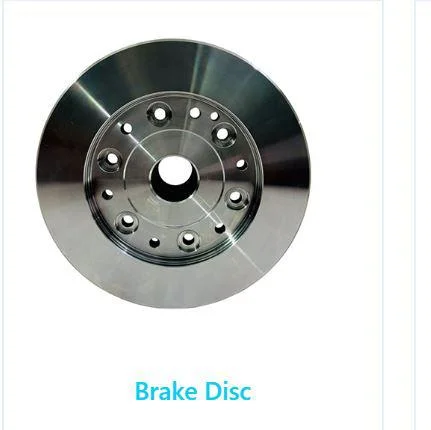
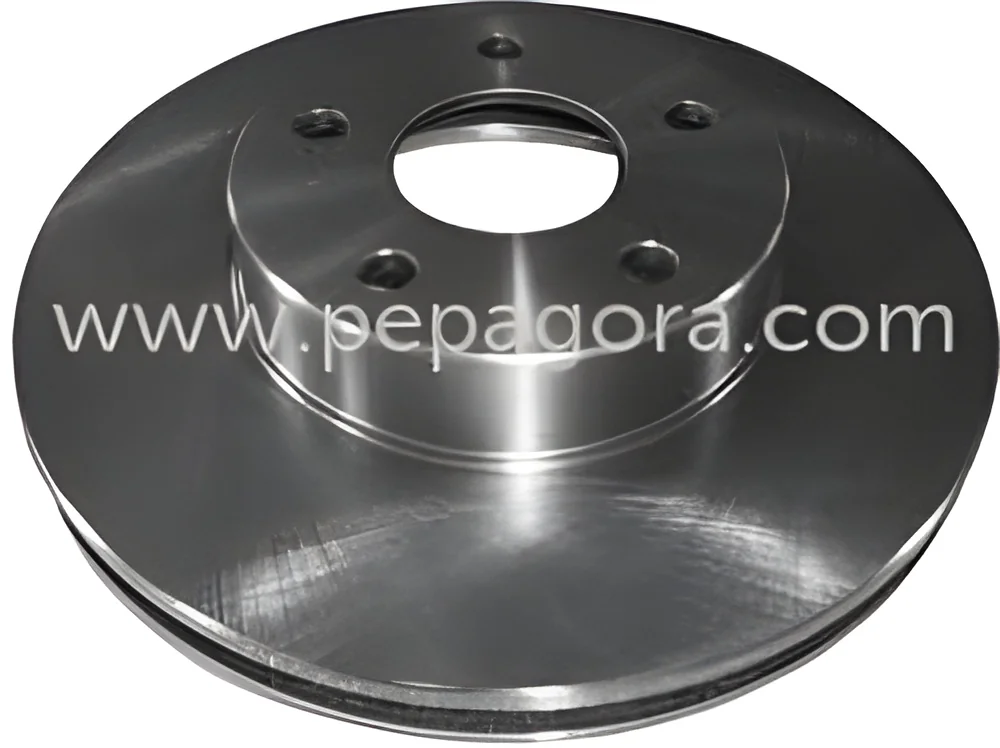
What are Brake Discs & Rotors?
Brake discs and rotors are critical components in a vehicle's braking system, designed to provide the necessary friction for effective stopping power. These metal discs are mounted on the wheel hub and work in conjunction with brake pads. When the brake pedal is pressed, brake pads clamp onto the rotor, creating friction that slows down or stops the vehicle. The material and design of these discs can significantly influence the overall performance of the braking system.
Primarily, brake discs and rotors are used in various types of vehicles, including passenger cars, trucks, and commercial vehicles. They are essential for safety, durability, and performance, making them a vital part of automotive manufacturing and maintenance. Businesses involved in vehicle production, fleet management, and automotive repair frequently source these components to ensure optimal vehicle performance and safety.
The relevance of brake discs and rotors extends beyond just automotive applications. They are crucial in various industries, including transportation, logistics, and manufacturing, where reliable braking systems are essential for operational efficiency and safety. As regulatory standards for vehicle safety grow stricter, the demand for high-quality brake discs and rotors continues to increase, shaping market dynamics and supplier relationships.
Key Features and Specifications
When considering brake discs and rotors, several key features and specifications are essential for ensuring compatibility and performance. Understanding these specifications helps buyers make informed decisions.
Key specifications include:
1. Material Composition
- Typically made from cast iron or carbon composite
- Provides durability and heat resistance
2. Diameter
- Varies based on vehicle type, commonly ranging from 240 mm to 400 mm
- Critical for fitting and performance
3. Thickness
- Standard thickness ranges from 20 mm to 30 mm
- Affects braking performance and heat dissipation
4. Ventilation Type
- Available in solid, vented, or slotted designs
- Vented designs enhance cooling during braking
5. Weight
- Weight can influence vehicle handling and performance
- Typically ranges between 5 kg to 15 kg
6. Coating Options
- Options include anti-corrosion and heat-resistant coatings
- Enhances longevity and performance under various conditions
7. Certification
- Commonly certified to CE standards
- Ensures compliance with safety and quality regulations
8. Warranty Period
- Typically ranges from 12 months to 36 months
- Reflects manufacturer confidence in product durability
In summary, understanding these specifications allows businesses to choose brake discs and rotors that best meet their operational needs while ensuring safety and compliance.
Common Applications and Use Cases
Brake discs and rotors serve various industries, each with unique requirements.
1. Automotive Industry: Brake discs and rotors are essential for all types of vehicles, from passenger cars to heavy-duty trucks, ensuring safe and reliable braking performance.
2. Commercial Vehicles: In buses and delivery trucks, robust brake systems are crucial for safety during frequent stops and heavy loads.
3. Fleet Management: Companies managing fleets require high-quality brake components to maintain vehicle safety and reduce downtime due to maintenance.
4. Industrial Equipment: Heavy machinery and equipment used in construction and manufacturing rely on effective braking systems for operational safety.
5. Motorsports: High-performance vehicles in racing applications utilize specialized brake discs and rotors designed for extreme conditions and rapid heat dissipation.
6. Electric Vehicles: As electric vehicles become more prevalent, the demand for innovative braking systems, including advanced rotor designs, is increasing.
7. Aviation: Aircraft braking systems also employ specialized discs and rotors to ensure safe landings and ground handling.
Product Variants and Subcategories
Brake discs and rotors come in various designs and configurations to meet different performance needs and applications.
Standard Brake Discs
These are the most common type, designed for everyday vehicles. They offer a balance of performance and cost-effectiveness, suitable for standard driving conditions.
High-Performance Brake Rotors
Designed for sports cars and performance vehicles, these rotors feature advanced materials and designs, providing superior braking power and heat dissipation.
Slotted Brake Discs
These discs have slots cut into their surface, enhancing cooling and performance under extreme conditions. They are ideal for vehicles that experience high-speed driving or heavy braking.
Vented Brake Rotors
These rotors feature internal ventilation channels that improve cooling and reduce brake fade during extended use. They are commonly used in heavier vehicles and commercial applications.
Benefits and Advantages
Investing in high-quality brake discs and rotors provides several key benefits.
1. Enhanced Safety: Reliable braking components significantly reduce stopping distances and improve overall vehicle safety.
2. Improved Durability: Quality materials and construction ensure longer life and reduced maintenance costs for businesses.
3. Superior Performance: Advanced designs can offer better heat dissipation and resistance to wear, enhancing braking efficiency.
4. Compliance Assurance: Sourcing certified products ensures adherence to industry standards and regulations, reducing liability.
5. Cost-Effectiveness: While initial costs may be higher for premium products, the long-term savings from reduced maintenance and increased performance are significant.
6. Customization Options: Many suppliers offer tailored solutions to meet specific vehicle and operational requirements.
Buying Guide for B2B Buyers
When sourcing brake discs and rotors, B2B buyers should consider several critical factors to ensure optimal choices.
1. Quality Assessment: Look for certifications like CE and ensure the products meet industry standards for safety and performance. Review supplier reputations and product reviews.
2. Supplier Verification: It is crucial to vet suppliers to ensure reliability and quality. Request samples or references and assess their manufacturing capabilities.
3. Pricing and MOQ: Understand the pricing structure and minimum order quantities (MOQ) from suppliers to align with budgetary constraints and inventory needs.
4. Delivery and Lead Times: Consider logistics and ensure the supplier can meet your required timelines for delivery to avoid disruptions in operations.
5. Compliance Requirements: Ensure that the products comply with relevant local and international regulations to avoid legal complications and ensure safety.
Compliance and Certifications
Brake discs and rotors are subject to various quality standards and certifications that ensure their safety and reliability. Compliance with ISO 9001 standards is crucial as it signifies quality management systems in production. Additionally, CE certification is essential, particularly in European markets, confirming that the products meet safety and environmental requirements.
Testing requirements for brake components often include assessments for wear resistance, heat dissipation, and structural integrity. These tests ensure that the products can perform under the high-stress conditions typical in automotive applications.
Regional compliance considerations may vary, with specific regulations in different markets. Buyers should ensure that the products they source comply with local regulatory standards to maintain operational integrity and safety.
Why Source Brake Discs & Rotors from Pepagora?
Pepagora provides a trusted platform for sourcing brake discs and rotors, offering several key advantages to B2B buyers.
Verified Supplier Network: Pepagora features a comprehensive network of verified suppliers, ensuring that buyers have access to high-quality products from reputable manufacturers. This reduces the risk of sourcing substandard components.
Streamlined RFQ Process: The platform simplifies the request for quotation (RFQ) process, allowing buyers to easily compare offers from multiple suppliers. This transparency helps in making informed purchasing decisions.
Trade Assurance and Support: Pepagora offers trade assurance, providing buyers with protection and support throughout the procurement process. This includes assistance in resolving disputes or quality issues, fostering a secure purchasing environment.
Regional Coverage: With a strong presence in India, the GCC, and Southeast Asia, Pepagora ensures that buyers can access a wide range of brake discs and rotors tailored to their local market needs. This geographic reach facilitates efficient logistics and timely deliveries, enhancing overall buyer satisfaction.

 IN
IN