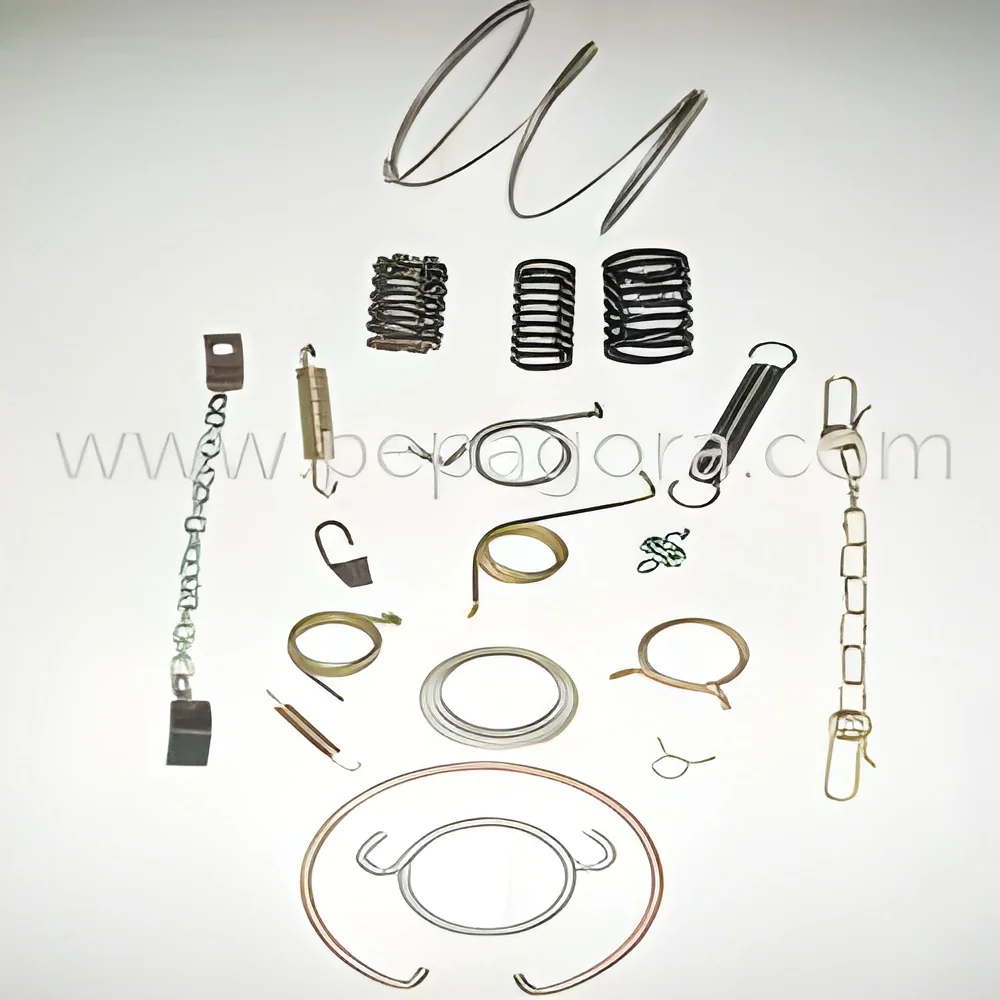
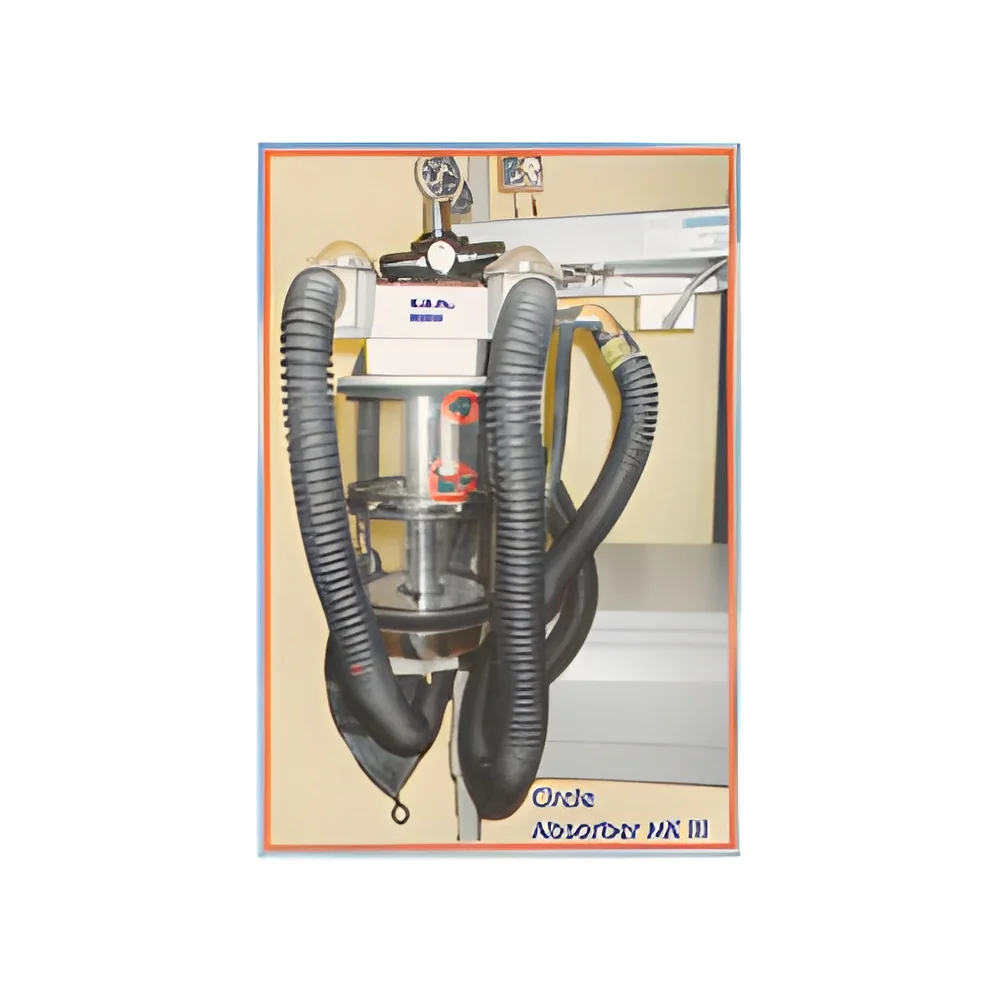
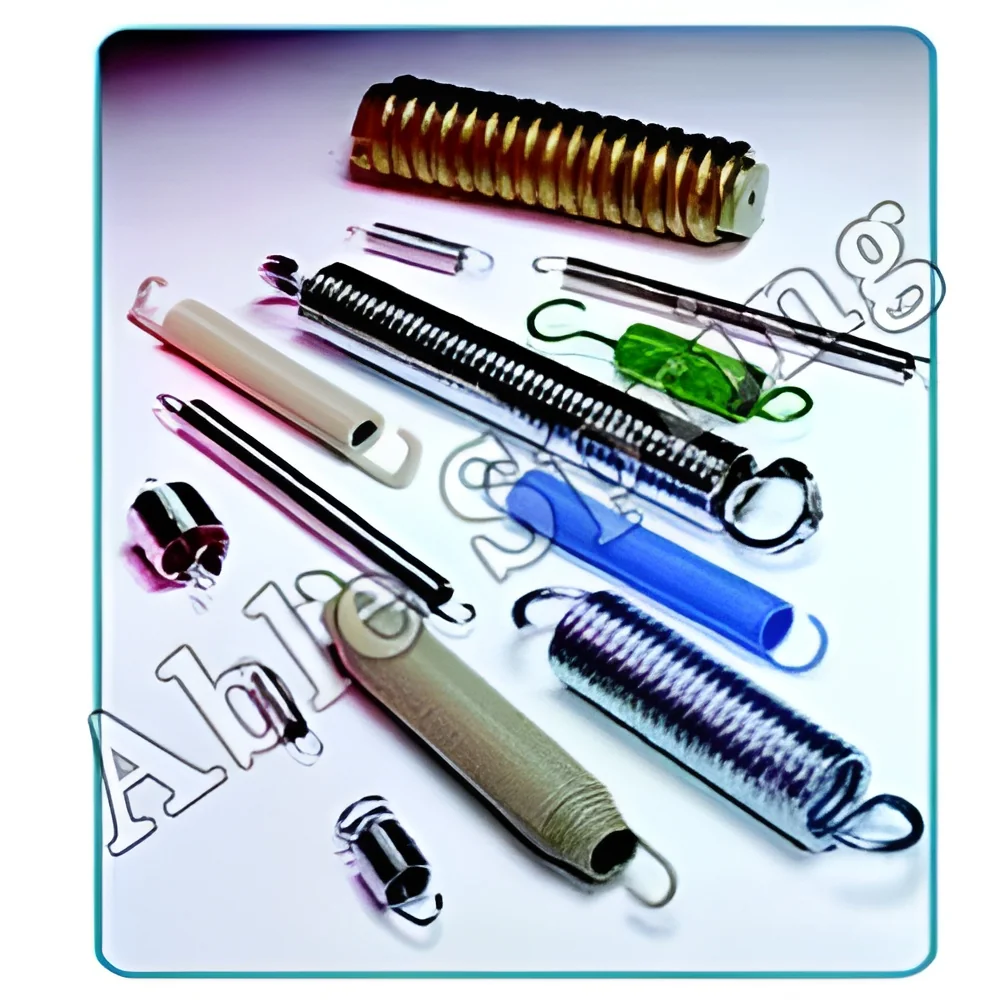
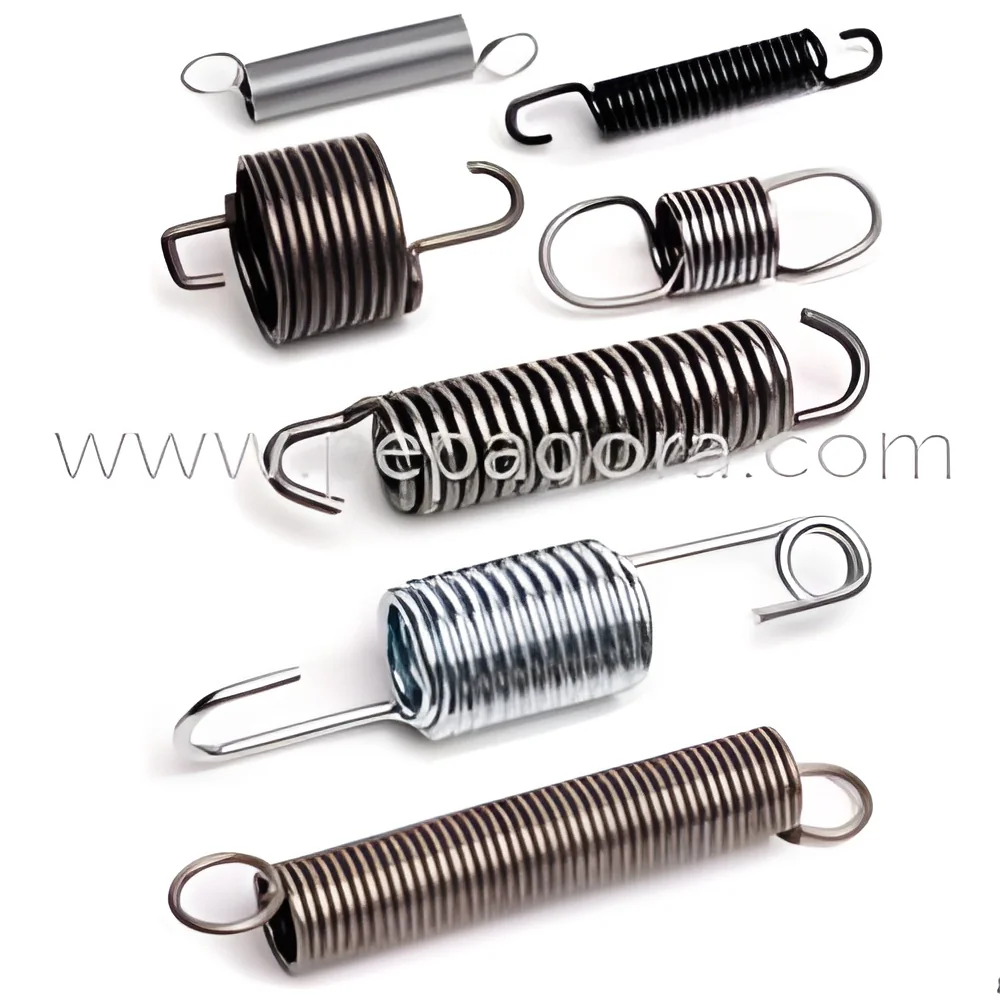
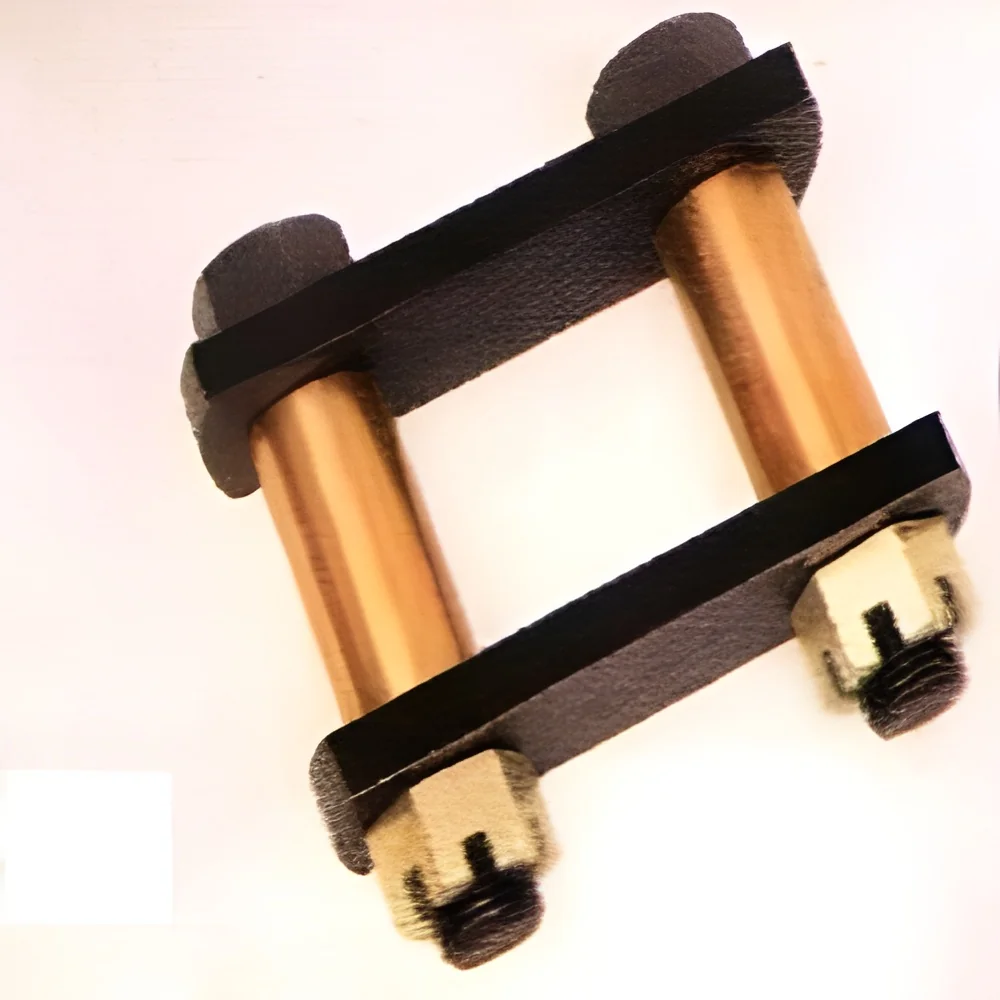
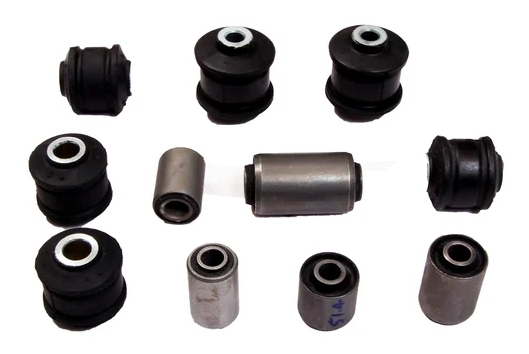
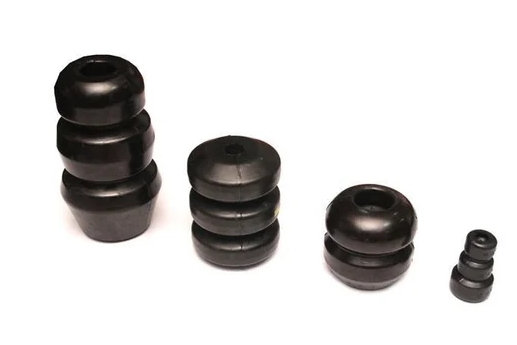
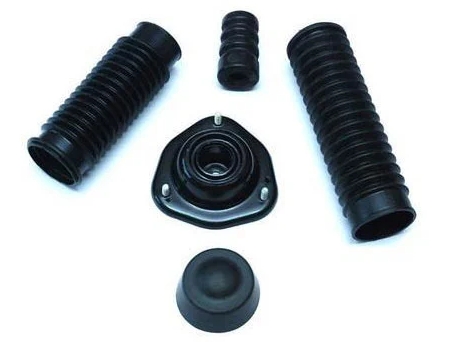
What are Suspension Struts & Shock Absorbers?
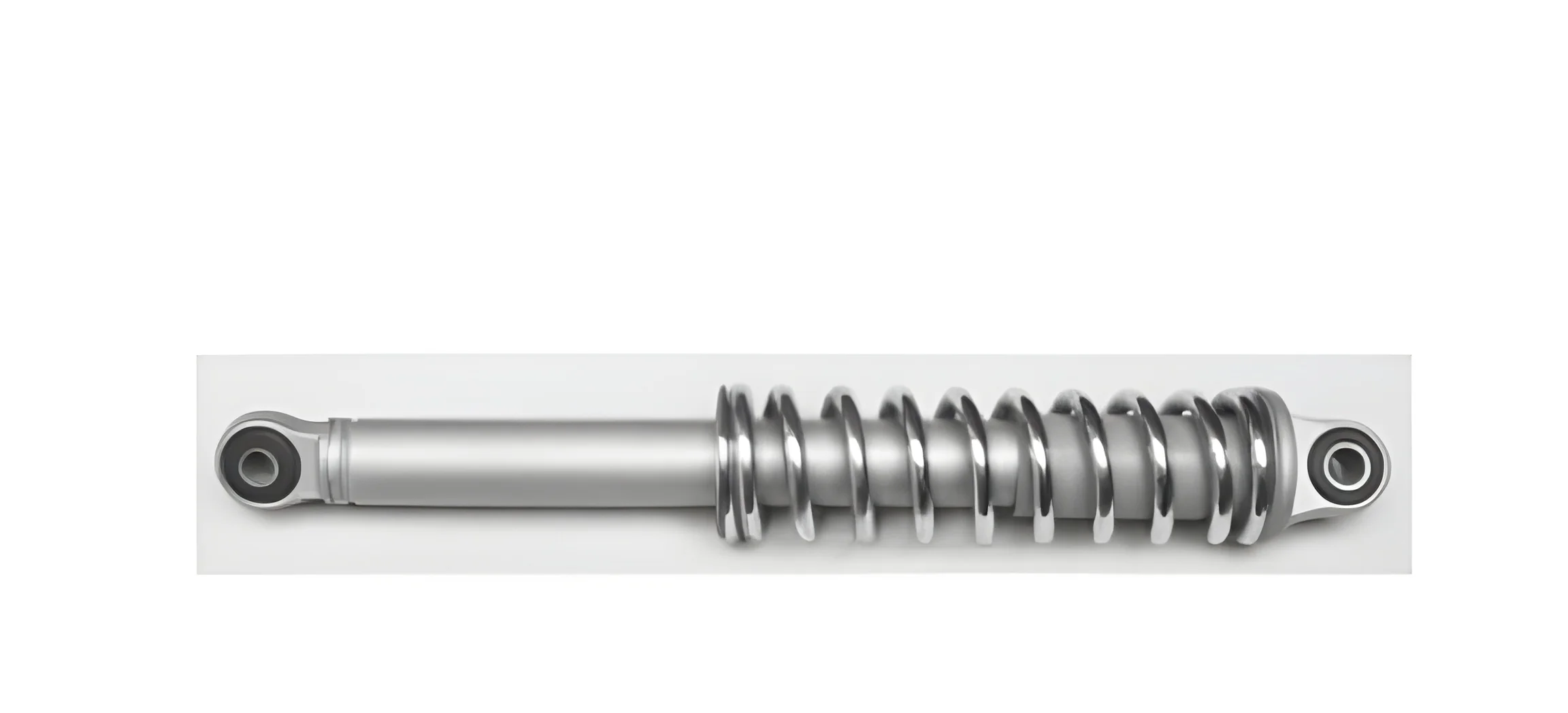
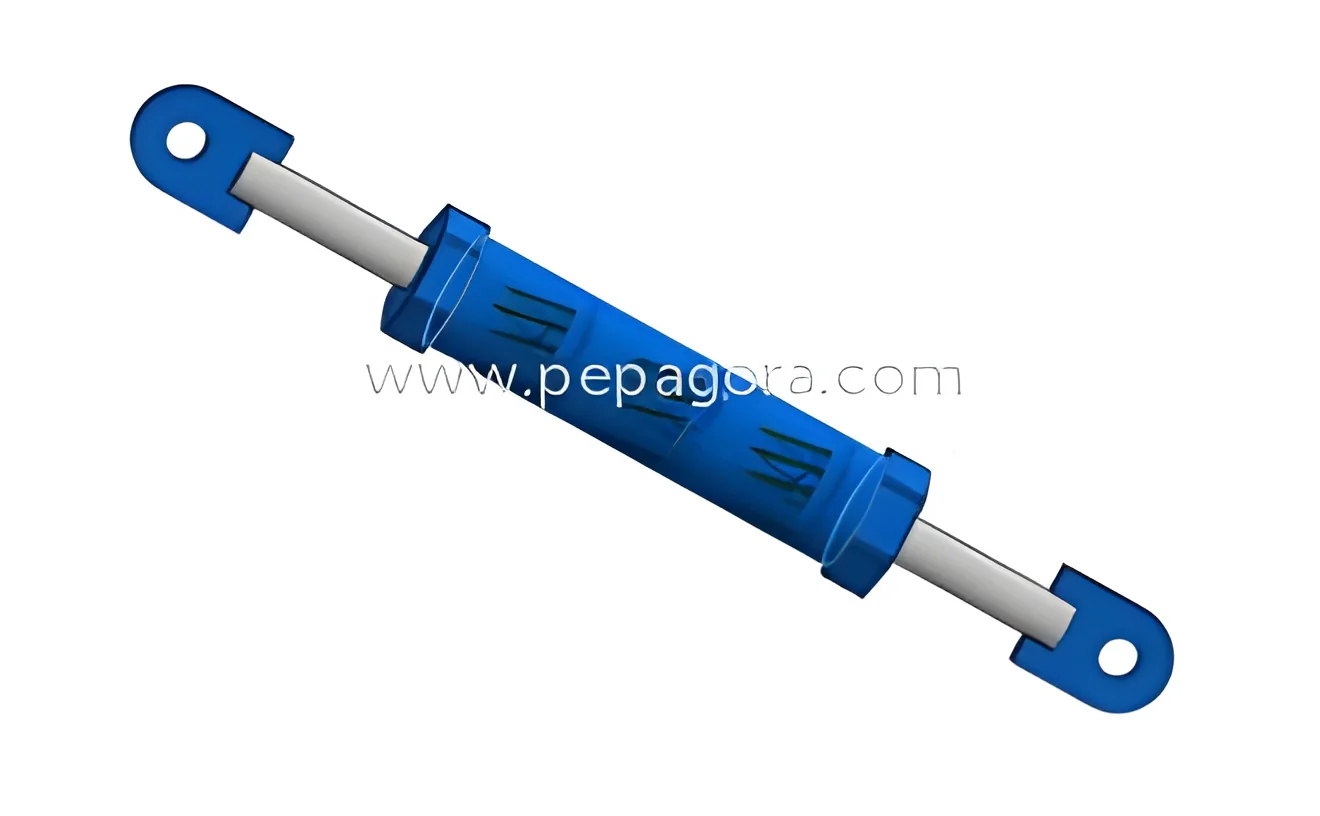
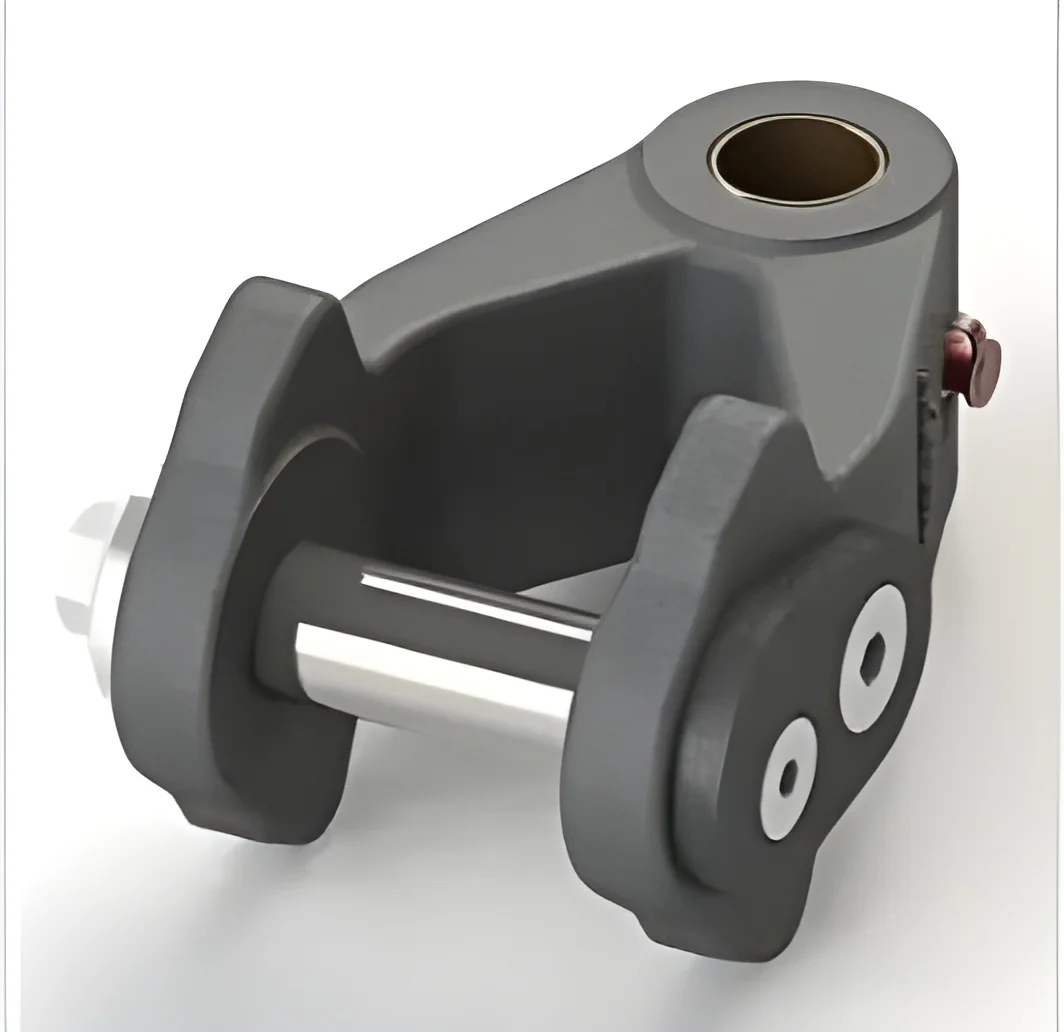
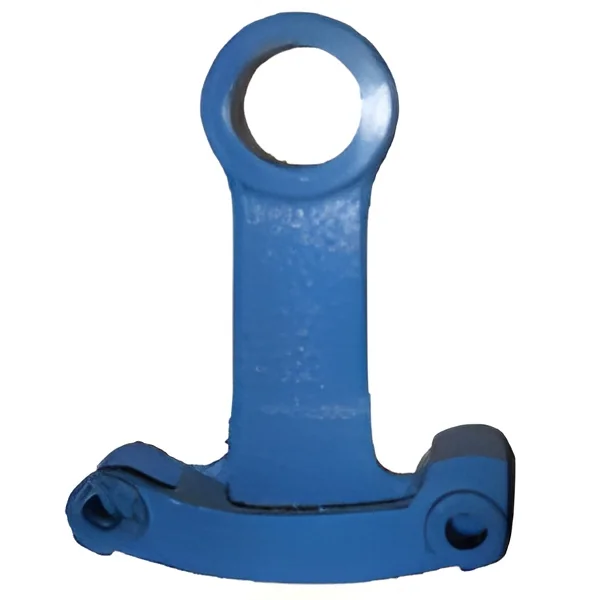
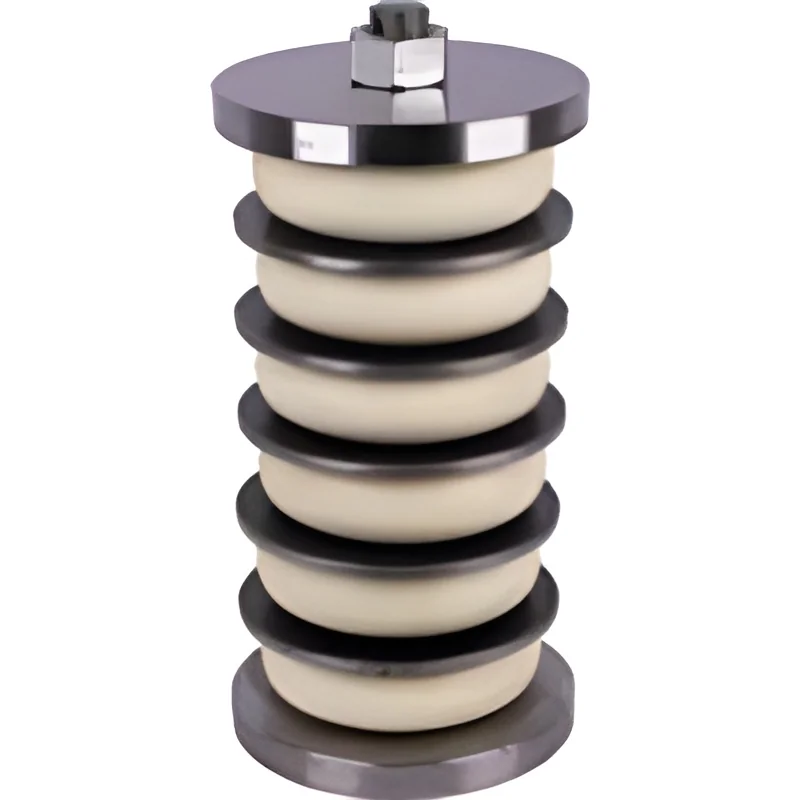
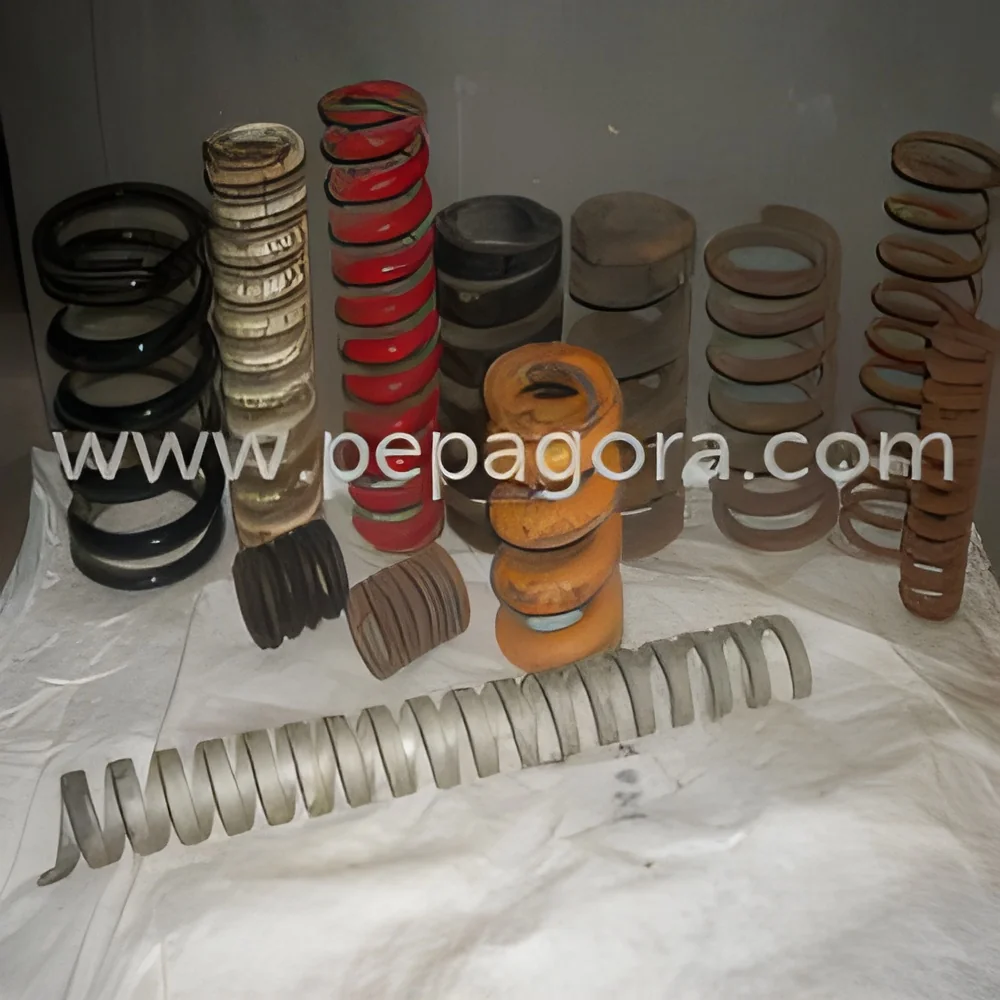
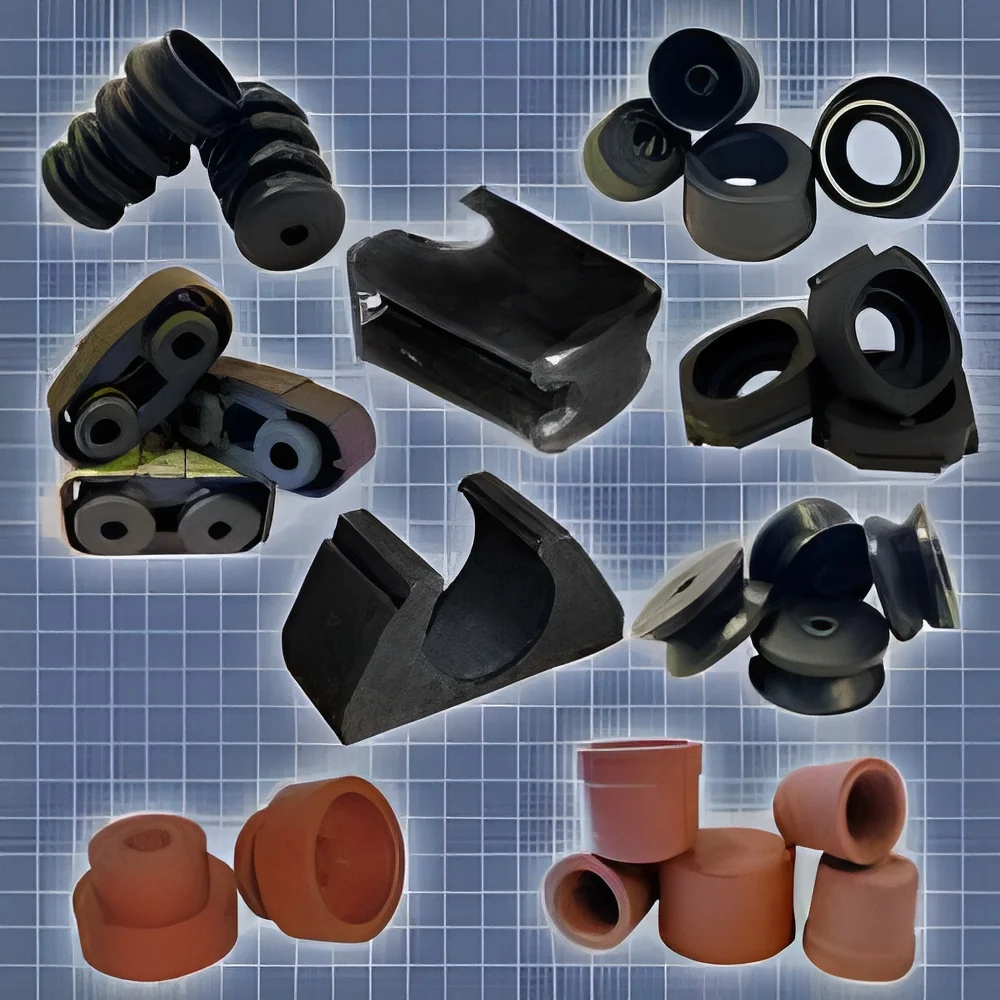
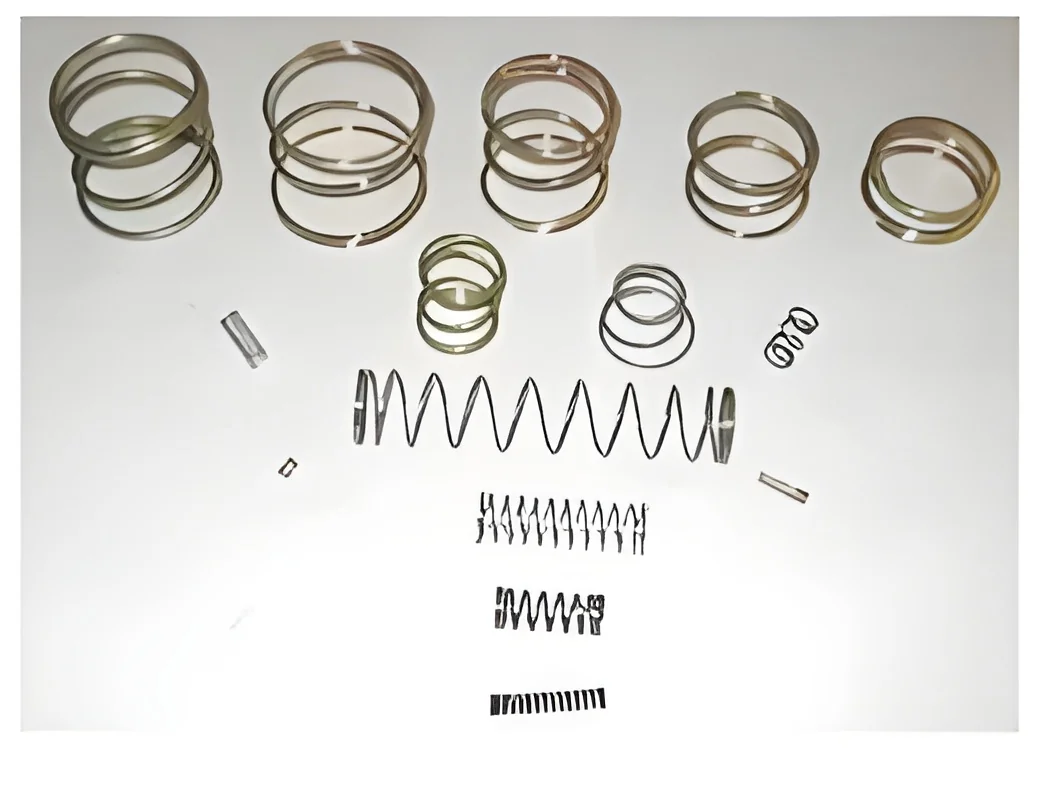
Suspension struts and shock absorbers are critical components in vehicle suspension systems. They work together to manage the impact and vibrations that occur when a vehicle is in motion. Suspension struts provide structural support to the vehicle, absorbing shocks and helping maintain tire contact with the road. Shock absorbers, on the other hand, control the oscillation of the springs, ensuring a smooth ride by dampening the rebound of the suspension after it has been compressed.
These components are primarily used in automotive applications but have significant relevance in other industries such as commercial vehicles, heavy machinery, and even in some agricultural equipment. Businesses rely on high-quality suspension struts and shock absorbers to improve vehicle performance, enhance safety, and provide passenger comfort. The market for these products has been evolving, driven by advancements in technology and increasing demands for efficiency and durability.
As industries focus on optimizing their operations, reliable suspension systems have become essential for maintaining vehicle longevity and performance. The growing trend towards electric and hybrid vehicles is also creating opportunities for innovations in suspension technology.
Key Features and Specifications
Suspension struts and shock absorbers come with a range of features designed to enhance performance and durability. Understanding the specifications is crucial for selecting the right product for specific applications.
Key specifications include:
1. Load Capacity
- Determines the maximum weight the strut or shock absorber can support.
- Typically ranges from 1,000 to 5,000 pounds depending on design.
2. Stroke Length
- Refers to the distance the shock absorber can compress and extend.
- Common ranges are between 6 to 12 inches.
3. Damping Rate
- Indicates how quickly the shock absorber can control movement.
- Usually measured in pounds per inch with varying rates for different uses.
4. Material Composition
- Often made from high-strength steel or aluminum, providing durability and resistance to corrosion.
5. Mounting Type
- Various options include eyelet, clevis, or threaded ends for versatile installation.
6. Compatibility
- Ensures the product fits specific vehicle makes and models, often listed in detailed catalogs.
7. Temperature Range
- Represents the operational temperature limits, typically around -40 to 250 degrees Fahrenheit.
8. Warranty Period
- Varies by manufacturer, often ranging from 1 to 3 years, indicating confidence in product reliability.
In summary, understanding these key specifications helps businesses choose the right suspension struts and shock absorbers tailored to their operational needs.
Common Applications and Use Cases
Suspension struts and shock absorbers are utilized in various industries and applications.
1. Automotive: These components are essential in passenger vehicles, trucks, and buses to ensure a smooth ride and stability during operation.
2. Commercial Vehicles: Heavy-duty trucks and delivery vehicles rely on robust suspension systems to handle varying loads and road conditions.
3. Construction Equipment: Machinery such as excavators and bulldozers use specialized struts to enhance stability and performance on uneven surfaces.
4. Agricultural Machinery: Tractors and harvesters incorporate these components to improve handling and comfort during field operations.
5. Off-Road Vehicles: All-terrain vehicles benefit from advanced suspension systems for better shock absorption and control on rugged terrains.
6. Aerospace: Some aircraft utilize shock absorbers in landing gear systems to manage impact during landings.
7. Rail Systems: Trains incorporate struts and shock absorbers to ensure smooth travel on tracks, enhancing passenger comfort and safety.
Product Variants and Subcategories
Suspension struts and shock absorbers come in diverse variants to meet specific performance requirements.
Monotube Shock Absorbers: These feature a single tube design that provides consistent damping performance and is often used in performance vehicles. They offer better heat dissipation and responsiveness compared to traditional twin-tube designs.
Twin-Tube Shock Absorbers: Commonly used in standard vehicles, these consist of an inner and outer tube. They tend to offer a softer ride but may not perform as well under extreme conditions.
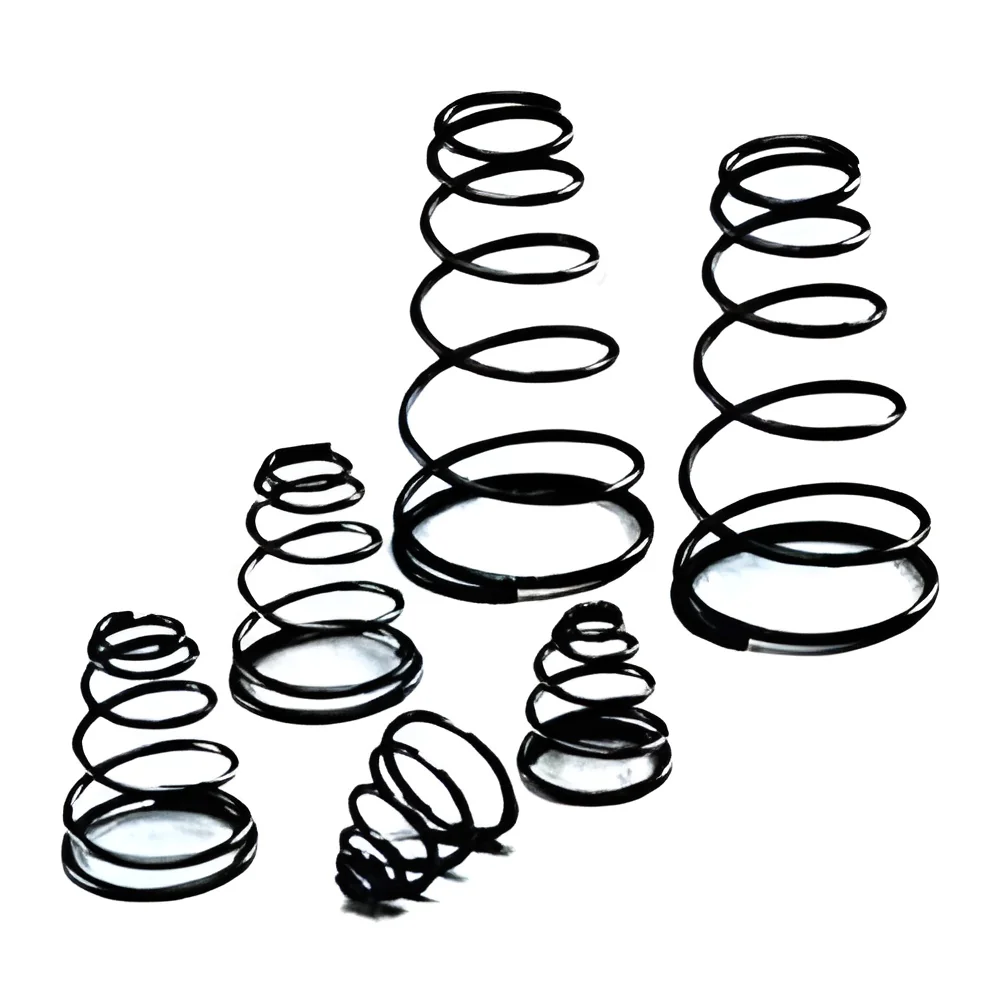
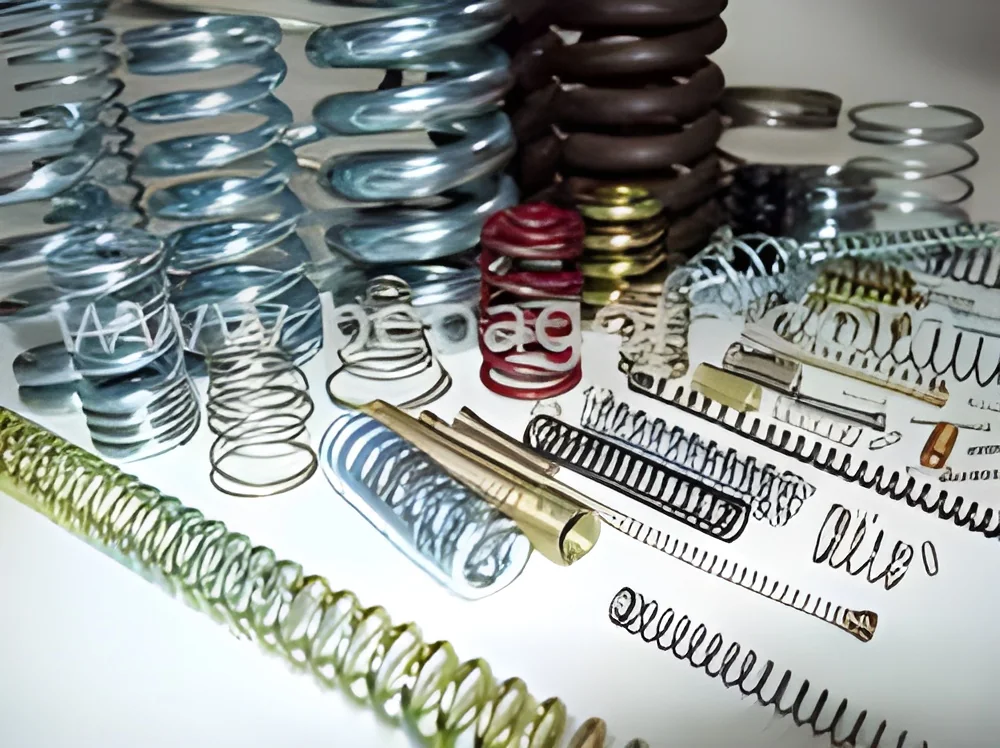
Air Suspension Struts: These use air instead of traditional springs, allowing for adjustable ride height and improved comfort. They are often found in luxury vehicles and some commercial applications.
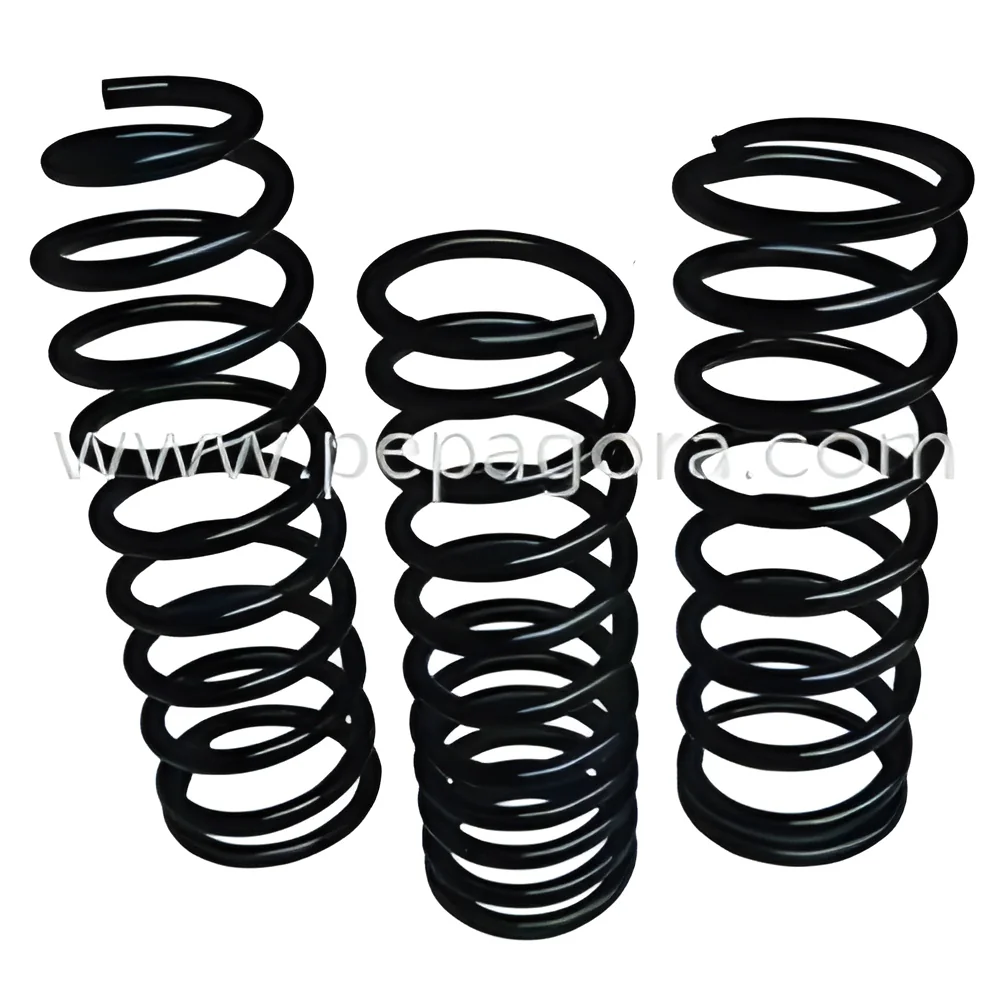
Coilover Struts: These integrate the spring and shock absorber into a single unit, providing adjustable ride height and damping characteristics, popular in racing and performance applications.
Benefits and Advantages
Suspension struts and shock absorbers provide numerous advantages for vehicle performance and safety.
1. Improved Ride Comfort: These components absorb shocks and vibrations, leading to a smoother driving experience for passengers.
2. Enhanced Vehicle Stability: Quality struts and shock absorbers maintain tire contact with the road, improving handling and control during maneuvers.
3. Extended Tire Life: By reducing excessive wear and tear on tires, these components contribute to longer tire lifespan, which is economically beneficial.
4. Safety Enhancement: Effective damping prevents loss of vehicle control, significantly enhancing safety during abrupt stops or turns.
5. Reduced Maintenance Costs: High-quality suspension components often require fewer replacements and repairs, leading to cost savings over time.
6. Customizability: Many struts and shock absorbers can be adjusted or replaced according to specific vehicle needs, allowing for tailored performance.
Buying Guide for B2B Buyers
When sourcing suspension struts and shock absorbers for business needs, several factors should be considered.
1. Quality Assessment: Look for products that meet industry standards and have undergone rigorous testing to ensure reliability and performance.
2. Supplier Verification: Vet potential suppliers by checking their certifications, customer reviews, and history in the industry to ensure credibility.
3. Pricing and MOQ: Understand the cost structures and minimum order quantities (MOQ) to align with your budget and inventory needs.
4. Delivery and Lead Times: Consider logistics and shipping times, especially if you are working on tight project schedules that require timely delivery.
5. Compliance Requirements: Ensure that the products comply with relevant regulations and industry standards, such as CE certification, to avoid issues with safety and legality.
Compliance and Certifications
Suspension struts and shock absorbers must adhere to various quality standards and certifications to ensure safety and performance.
ISO 9001: This standard focuses on quality management systems, ensuring that manufacturers maintain consistent quality in their products and processes.
CE Certification: This indicates that the products meet European safety, health, and environmental protection standards, providing assurance to buyers regarding product safety.
Safety and Testing Requirements: Manufacturers should conduct thorough testing to validate performance under different conditions. This includes assessments for load capacity, durability, and operational effectiveness.
Regional Compliance Considerations: Depending on the market, different regions may have specific compliance requirements that manufacturers must meet to ensure their products are acceptable for sale.
Why Source Suspension Struts & Shock Absorbers from Pepagora?
Pepagora offers a reliable platform for sourcing suspension struts and shock absorbers, providing several key advantages to B2B buyers.
Verified Supplier Network: Pepagora ensures that all suppliers on the platform are thoroughly vetted, giving buyers confidence in the quality and reliability of the products they source.
Streamlined RFQ Process: The request for quotation (RFQ) system simplifies the procurement process, allowing buyers to easily compare offers and make informed purchasing decisions.
Trade Assurance and Support: Pepagora provides buyer protection, ensuring that transactions are secure and that customer service support is readily available to address any concerns.
Regional Coverage: With a strong presence in India, GCC, and Southeast Asia, Pepagora facilitates access to a wide range of suppliers and products in various markets, helping businesses find the right solutions to meet their needs.

 IN
IN