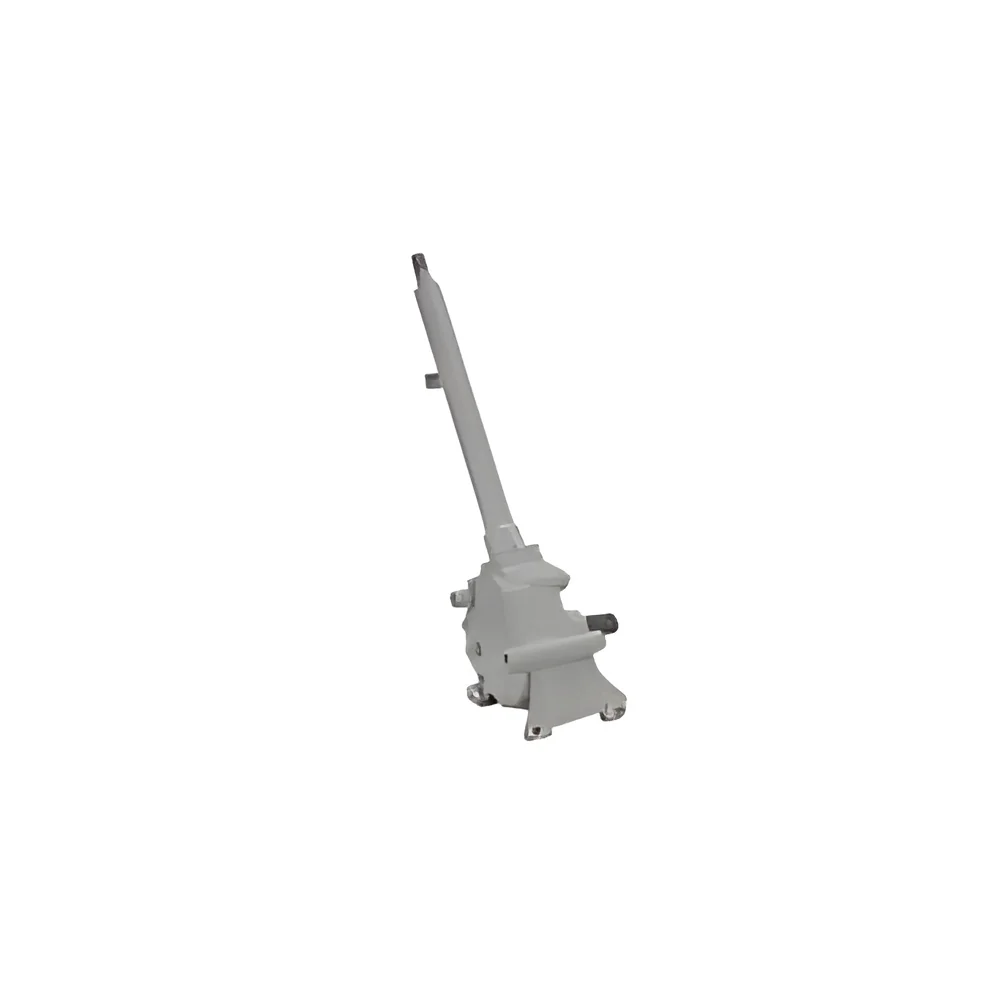
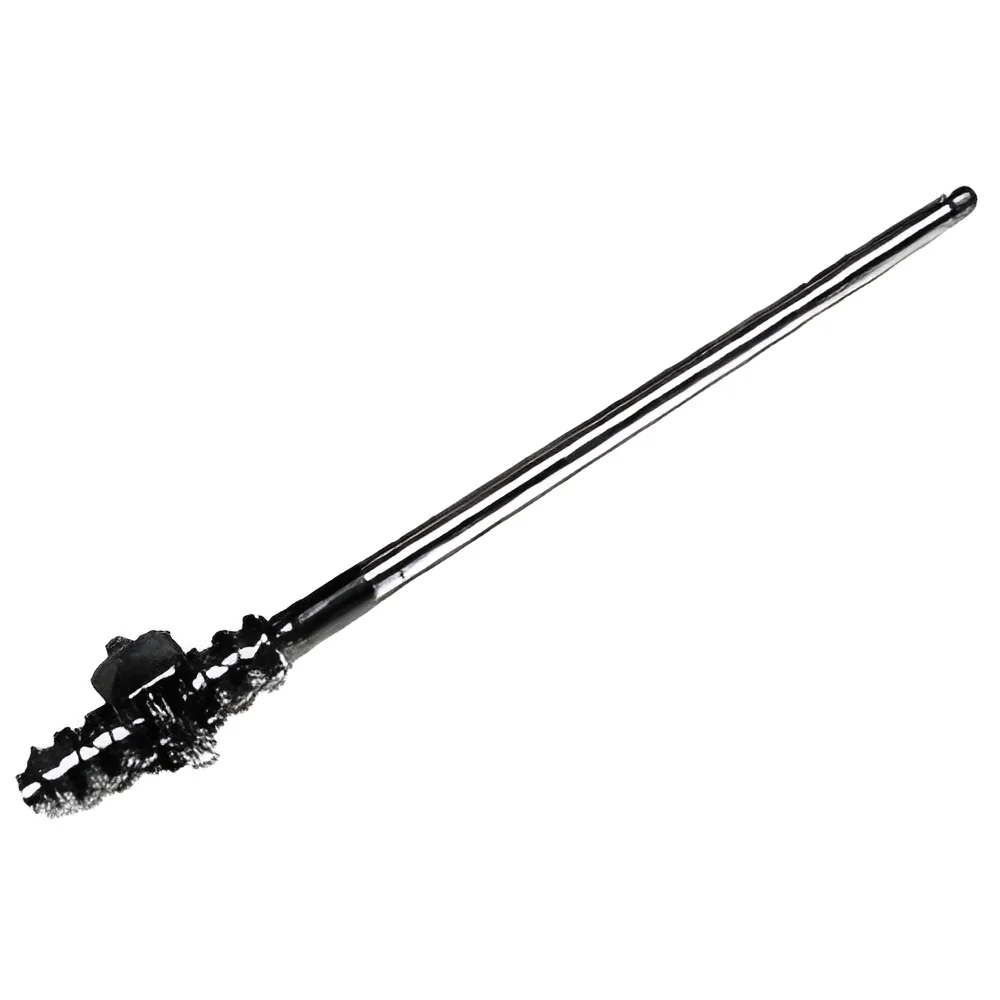
What are Steering Columns & Shafts?
Steering columns and shafts are critical components in vehicles that connect the steering wheel to the steering mechanism. They are designed to facilitate the transfer of driver input into the vehicle's steering system, allowing for precise control of direction. Steering columns house essential elements such as ignition switches, steering locks, and controls for various vehicle functions. The steering shafts, typically made from durable materials, ensure that the driver's commands are effectively transmitted to the wheels.
These components are primarily used in the automotive industry, but they also find applications in various other vehicles, including trucks, buses, and even off-road vehicles. The design and functionality of steering columns and shafts can vary based on the vehicle type and intended use, with many modern vehicles incorporating advanced features such as tilt and telescoping adjustments. The market for these products is growing, driven by increasing vehicle production and advancements in automotive technology.
Key Features and Specifications
Steering columns and shafts offer a range of features that enhance vehicle performance and safety. Understanding these specifications is essential for businesses looking to source the right components.
Key specifications include:
1. Material Composition
- Typically made from high-strength steel or aluminum
- Provides durability and resistance to wear
2. Length Variability
- Available in various lengths to accommodate different vehicle designs
- Ensures compatibility with a wide range of applications
3. Diameter Range
- Common diameters typically range from 28 mm to 35 mm
- Allows for standardization in various vehicle models
4. Joint Types
- Includes universal joints, constant velocity joints, and collapsible joints
- Enhances flexibility and safety during operation
5. Adjustment Features
- Some models offer tilt and telescoping capabilities
- Improves driver comfort and ergonomics
6. Compliance Standards
- Must meet industry-specific safety and quality standards
- Includes certifications such as CE for European markets
7. Weight Specifications
- Weights can vary based on materials and designs
- Lightweight options enhance vehicle fuel efficiency
8. Corrosion Resistance
- Many columns and shafts feature protective coatings
- Increases longevity and performance in varying environments
These specifications ensure that steering columns and shafts meet the demands of modern vehicles while providing reliability and safety.
Common Applications and Use Cases
Steering columns and shafts serve a variety of industries, each with specific applications.
1. Automotive: In passenger cars, steering columns are integrated with ignition systems and controls, enhancing driver convenience and safety.
2. Commercial Vehicles: Trucks and buses utilize robust steering systems that can handle heavier loads, ensuring control and driver comfort.
3. Off-Road Vehicles: These components are designed to withstand extreme conditions, ensuring reliability in rugged terrains.
4. Agricultural Machinery: Steering columns in tractors and harvesters are engineered for precision steering, vital for effective operation in fields.
5. Marine Applications: Some boats and yachts employ specialized steering shafts for smooth navigation across water.
6. Motorcycles: Steering components in motorcycles are designed to provide agility and responsiveness, crucial for rider safety.
7. Construction Equipment: Heavy machinery relies on durable steering systems for maneuverability in challenging environments.
Product Variants and Subcategories
Steering columns and shafts come in diverse variants, each tailored to specific requirements.
Standard Steering Columns
These are the most common type, designed for general automotive applications. They provide essential features like ignition integration and adjustable height.
Performance Steering Columns
Engineered for high-performance vehicles, these columns offer enhanced responsiveness and lighter materials, improving overall vehicle handling.
Tilt Steering Columns
These variants allow for adjustable angles, catering to driver comfort and improving ergonomics in vehicles.
Collapsible Steering Shafts
Designed with safety in mind, these shafts collapse upon impact, reducing the risk of injury to the driver during accidents.
Benefits and Advantages
Investing in high-quality steering columns and shafts brings several advantages.
1. Enhanced Safety: Well-designed steering components improve vehicle control, reducing the likelihood of accidents.
2. Improved Comfort: Adjustable steering columns allow drivers to find their ideal driving position, enhancing comfort during long journeys.
3. Increased Durability: High-quality materials ensure longevity, reducing the frequency of replacements and maintenance.
4. Greater Responsiveness: Performance-oriented designs enhance steering feedback, providing drivers with better control.
5. Compliance Assurance: Sourcing from certified suppliers guarantees that products meet industry standards, ensuring safety and reliability.
6. Cost-Effectiveness: High-quality components can lead to savings in maintenance and repair costs over the vehicle's lifespan.
Buying Guide for B2B Buyers
When sourcing steering columns and shafts, it is vital for businesses to consider several factors.
1. Quality Assessment: Look for components that meet recognized quality standards. Inspect materials and construction methods to ensure durability and reliability.
2. Supplier Verification: Vet suppliers thoroughly to ensure they have a strong reputation for delivering quality products. Consider their experience in the industry and customer reviews.
3. Pricing and MOQ: Evaluate pricing structures and minimum order quantities. Compare multiple suppliers to find competitive pricing that aligns with your budget.
4. Delivery and Lead Times: Discuss logistics with suppliers to understand delivery timelines. Ensure they can meet your production schedules without delays.
5. Compliance Requirements: Confirm that the products meet necessary regulatory standards for your region. This can include safety certifications and environmental compliance.
Compliance and Certifications
Steering columns and shafts must adhere to various compliance standards to ensure safety and functionality. Quality management systems like ISO 9001 are crucial as they outline effective processes for maintaining high product quality. Additionally, industry certifications such as CE indicate compliance with European safety standards.
Safety testing requirements often include rigorous assessments to determine the durability and impact resistance of these components. Manufacturers must also consider regional compliance, as different markets may have specific regulations that need to be addressed. Understanding these requirements is essential for businesses to ensure they source products that are not only effective but also compliant with local laws.
Why Source Steering Columns & Shafts from Pepagora?
Pepagora provides a trusted platform for sourcing steering columns and shafts, offering several key advantages to businesses.
Verified Supplier Network: Pepagora connects buyers with a network of verified suppliers. Each supplier undergoes a thorough vetting process to ensure they meet quality and reliability standards.
Streamlined RFQ Process: The platform simplifies the request for quotation process. Buyers can easily submit their requirements and receive competitive quotes from multiple suppliers, saving time and effort.
Trade Assurance and Support: Pepagora offers buyer protection through trade assurance programs. This ensures that transactions are secure and that any issues can be resolved effectively.
Regional Coverage: With a strong presence in India, the GCC, and Southeast Asia, Pepagora provides extensive regional coverage. This allows businesses to source steering columns and shafts that meet local market needs while accessing a wider range of suppliers.

 IN
IN