𝗪𝗵𝗮𝘁 𝗮𝗿𝗲 𝗧𝗶𝗲 𝗥𝗼𝗱 𝗘𝗻𝗱𝘀 & 𝗦𝘁𝗲𝗲𝗿𝗶𝗻𝗴 𝗔𝗿𝗺𝘀?
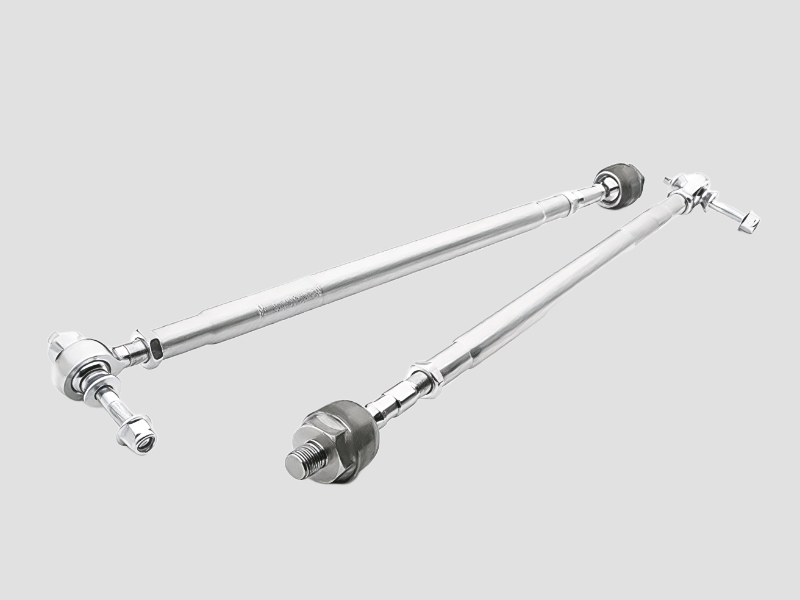
Tie rod ends and steering arms are critical components in the steering mechanism of vehicles. Tie rod ends connect the steering linkage to the wheels, allowing for precise steering control. Steering arms, on the other hand, facilitate the transfer of movement from the tie rod ends to the steering knuckles, which ultimately steers the wheels. Both components are integral to the overall functionality and safety of a vehicle's steering system.
These parts are commonly used in various automotive and industrial applications. In automobiles, they play a crucial role in ensuring smooth steering and stability, affecting the vehicle's handling and safety. Additionally, steering arms and tie rod ends are essential in heavy machinery and commercial vehicles, where accurate steering is necessary for operational efficiency.
The demand for high-quality tie rod ends and steering arms is significant in the automotive and industrial markets. As vehicle technology evolves, the need for durable and reliable steering components continues to grow. Suppliers and manufacturers that focus on quality and innovation are well-positioned in this competitive landscape.
𝗞𝗲𝘆 𝗙𝗲𝗮𝘁𝘂𝗿𝗲𝘀 𝗮𝗻𝗱 𝗦𝗽𝗲𝗰𝗶𝗳𝗶𝗰𝗮𝘁𝗶𝗼𝗻𝘀
Tie rod ends and steering arms are designed with specific features and specifications that enhance their performance and reliability. Understanding these specifications is vital when selecting the right components for your needs.
Key specifications include:
1. Material Composition
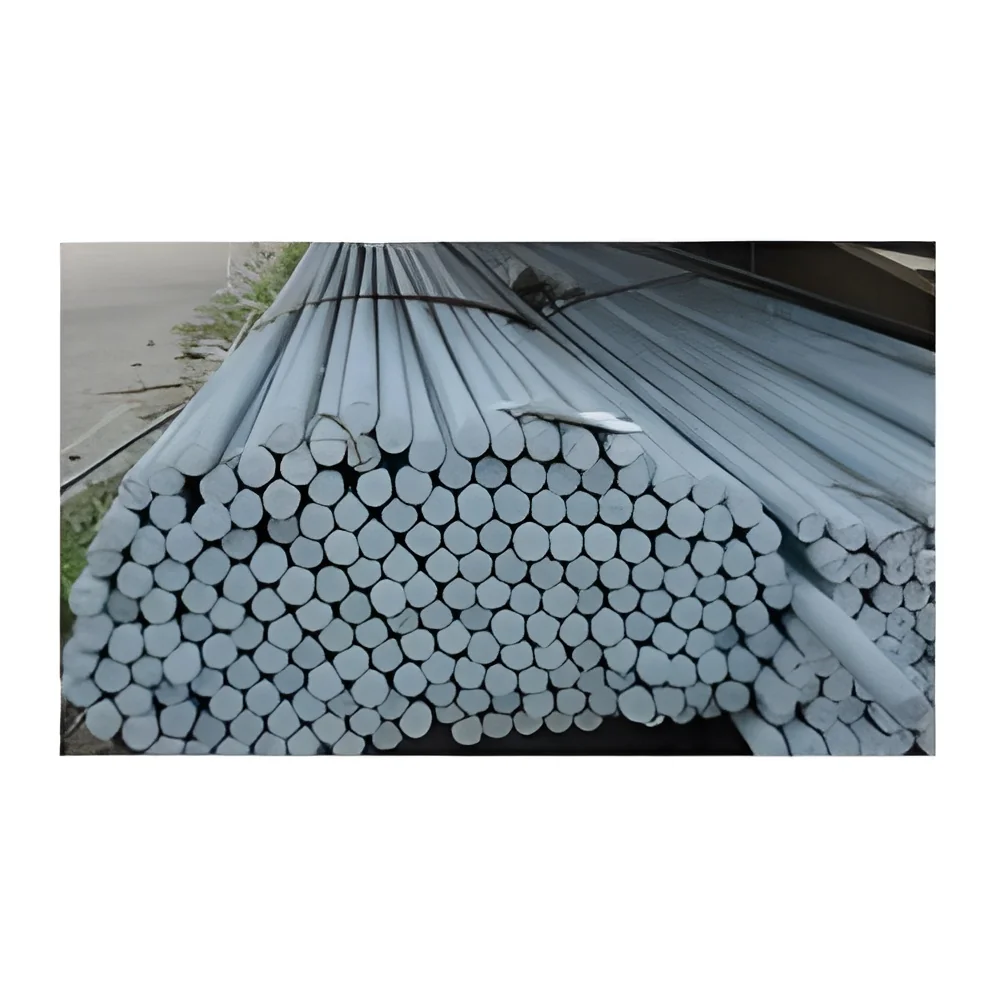
- Typically made of high-strength steel or alloy
- Provides durability and resistance to wear
2. Length and Size
- Available in various lengths to accommodate different vehicle models
- Size specifications are critical for proper fit and function
3. Load Capacity
- Designed to handle specific weight loads
- Ensures safety and stability during operation
4. Thread Type
- Different thread types are available for compatibility with various steering systems
- Important for ensuring secure connections
5. Ball Joint Design
- Includes sealed or unsealed designs based on application needs
- Affects maintenance requirements and lifespan
6. Finish
- Often treated with coatings to resist corrosion
- Enhances longevity in harsh environments
7. Compatibility
- Designed for compatibility with specific vehicle brands and models
- Ensures optimal performance and safety
8. Certification
- Products may be CE certified to meet safety and quality standards
- Provides assurance of compliance with industry regulations
In summary, understanding these features and specifications is essential for making informed purchasing decisions. Selecting the right tie rod ends and steering arms can significantly impact vehicle performance and safety.
𝗖𝗼𝗺𝗺𝗼𝗻 𝗔𝗽𝗽𝗹𝗶𝗰𝗮𝘁𝗶𝗼𝗻𝘀 𝗮𝗻𝗱 𝗨𝘀𝗲 𝗖𝗮𝘀𝗲𝘀
Tie rod ends and steering arms serve various industries, each with specific applications that highlight their importance.
1. Automotive Industry: Used in passenger vehicles and commercial trucks for steering control and stability.
2. Agricultural Equipment: Essential for steering mechanisms in tractors and other farming machinery, providing precision in field operations.
3. Construction Machinery: Utilized in heavy equipment such as excavators and bulldozers, ensuring reliable steering for maneuverability on job sites.
4. Aerospace Industry: Employed in aircraft landing gear systems, where precision steering is crucial for safety during landing and takeoff.
5. Marine Applications: Used in boat steering systems, providing control and responsiveness in water navigation.
6. Industrial Machinery: Applied in conveyor systems and robotic arms, where accurate movement is necessary for operational efficiency.
7. Motorcycles and ATVs: Critical for maintaining stability and control during operation, enhancing rider safety.
𝗣𝗿𝗼𝗱𝘂𝗰𝘁 𝗩𝗮𝗿𝗶𝗮𝗻𝘁𝘀 𝗮𝗻𝗱 𝗦𝘂𝗯𝗰𝗮𝘁𝗲𝗴𝗼𝗿𝗶𝗲𝘀
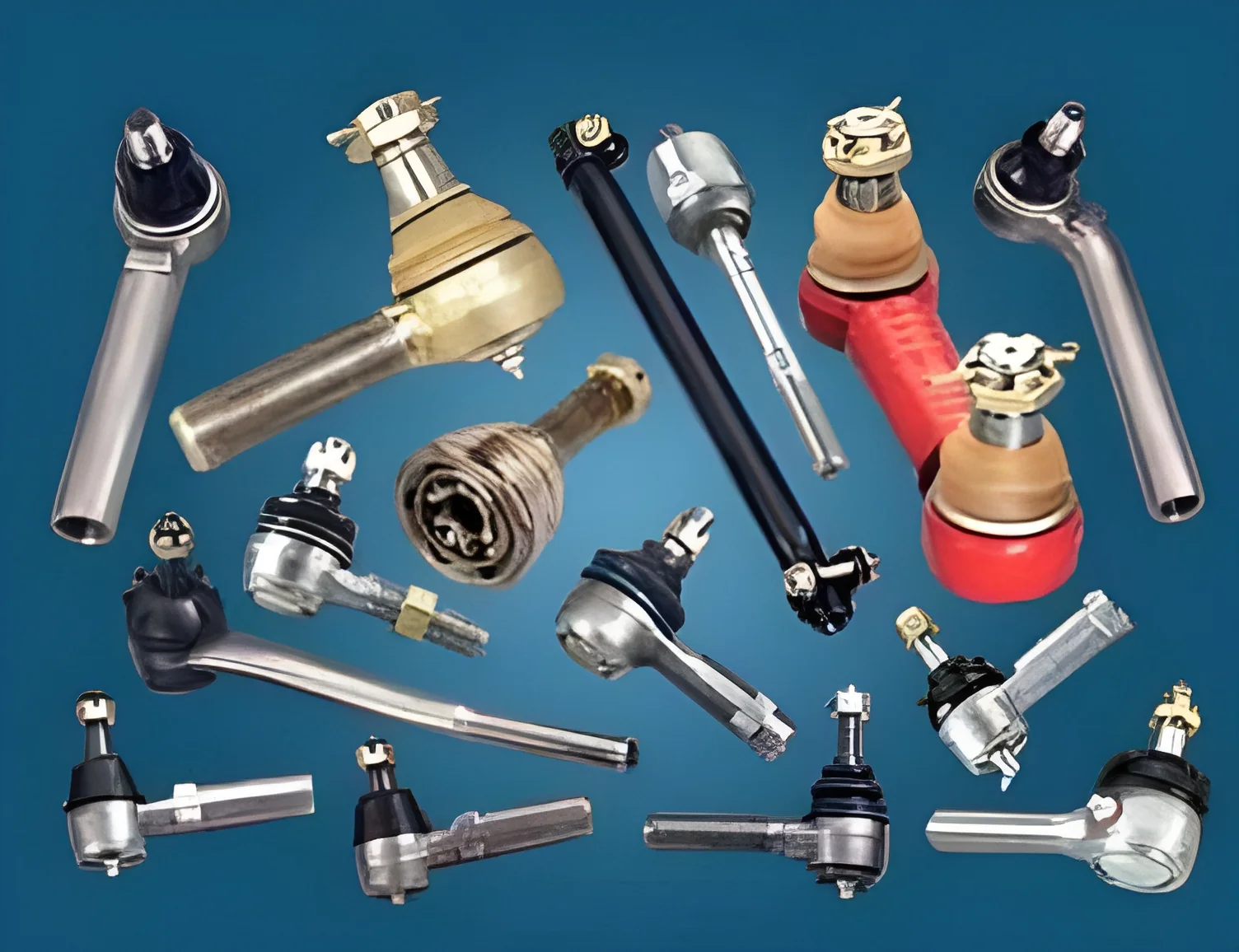
Tie rod ends and steering arms come in various variants to meet diverse needs across industries.
Standard Tie Rod Ends
These are the most common type, designed for general applications in passenger vehicles. They feature a simple design and are available in various sizes to fit different models.
Heavy-Duty Tie Rod Ends
Engineered for heavy-duty applications, these tie rod ends are constructed with reinforced materials for added strength. They are ideal for use in trucks and construction machinery that operate under demanding conditions.
Adjustable Tie Rod Ends
These variants allow for adjustable lengths, providing flexibility in installation. They are often used in custom vehicle builds and racing applications where precise alignment is crucial.
Steering Arms for Heavy Machinery
Designed specifically for heavy equipment, these steering arms are built to withstand high loads and harsh environments, ensuring reliable performance in construction and agricultural applications.
𝗕𝗲𝗻𝗲𝗳𝗶𝘁𝘀 𝗮𝗻𝗱 𝗔𝗱𝘃𝗮𝗻𝘁𝗮𝗴𝗲𝘀
Choosing the right tie rod ends and steering arms offers numerous benefits for businesses.
1. Enhanced Safety: Quality components improve vehicle handling and stability, reducing the risk of accidents.
2. Increased Durability: High-strength materials extend the lifespan of the components, leading to lower replacement costs.
3. Improved Performance: Precision-engineered parts ensure optimal steering response, enhancing overall vehicle performance.
4. Cost Efficiency: Investing in quality components reduces maintenance and repair costs over time.
5. Compatibility Assurance: Sourcing from reputable suppliers ensures the right fit for specific vehicle models, preventing performance issues.
6. Compliance with Standards: Products that meet industry certifications provide peace of mind regarding safety and quality.
𝗕𝘂𝘆𝗶𝗻𝗴 𝗚𝘂𝗶𝗱𝗲 𝗳𝗼𝗿 𝗕𝟮𝗕 𝗕𝘂𝘆𝗲𝗿𝘀
When sourcing tie rod ends and steering arms, it is essential for B2B buyers to consider several key factors to ensure they make informed decisions.
1. Quality Assessment: Evaluate the materials and manufacturing processes used in production. Look for certifications and compliance with industry standards to ensure reliability.
2. Supplier Verification: Vet potential suppliers by checking their reputation, customer reviews, and industry experience. A trustworthy supplier can significantly impact your purchasing experience.
3. Pricing and MOQ: Compare pricing across suppliers, but also consider minimum order quantities. Finding a balance between cost and quality is crucial for effective budgeting.
4. Delivery and Lead Times: Inquire about the supplier's delivery capabilities and lead times. Timely delivery is essential for maintaining operational schedules.
5. Compliance Requirements: Ensure that the products meet all necessary regulatory requirements for your industry. This is vital for safety and legal compliance.
𝗖𝗼𝗺𝗽𝗹𝗶𝗮𝗻𝗰𝗲 𝗮𝗻𝗱 𝗖𝗲𝗿𝘁𝗶𝗳𝗶𝗰𝗮𝘁𝗶𝗼𝗻𝘀
Tie rod ends and steering arms must adhere to various compliance and certification standards to ensure safety and reliability.
Relevant quality standards such as ISO 9001 ensure that manufacturers maintain high-quality management systems. This is essential for consistent product quality.
In addition to ISO standards, industry certifications like CE indicate that products meet European safety and performance requirements. This provides customers with confidence in the reliability of their components.
Safety and testing requirements are also paramount. Manufacturers should conduct rigorous testing to ensure that tie rod ends and steering arms can withstand the stresses of their intended applications.
Regional compliance considerations may vary, necessitating awareness of local regulations and standards in different markets. This ensures that products are suitable for use in specific geographical areas.
𝗪𝗵𝘆 𝗦𝗼𝘂𝗿𝗰𝗲 𝗧𝗶𝗲 𝗥𝗼𝗱 𝗘𝗻𝗱𝘀 & 𝗦𝘁𝗲𝗲𝗿𝗶𝗻𝗴 𝗔𝗿𝗺𝘀 𝗳𝗿𝗼𝗺 𝗣𝗲𝗽𝗮𝗴𝗼𝗿𝗮?
Pepagora offers a trusted platform for sourcing tie rod ends and steering arms with several key advantages that enhance the buying experience.
Verified Supplier Network: Pepagora provides access to a network of verified suppliers, ensuring that buyers can confidently source high-quality components. This network is built on trust and reliability, which is crucial for B2B transactions.
Streamlined RFQ Process: The platform features a streamlined request for quotation (RFQ) process that simplifies the purchasing experience. Buyers can easily request quotes from multiple suppliers, making it easier to compare options and make informed decisions.
Trade Assurance and Support: Pepagora offers trade assurance to protect buyers during transactions. This support provides an added layer of security, ensuring that buyers can proceed with confidence.
Regional Coverage: With a focus on markets in India, the GCC, and Southeast Asia, Pepagora provides extensive regional coverage. This geographic reach enables buyers to access suppliers that best meet their specific needs, regardless of location.

 IN
IN