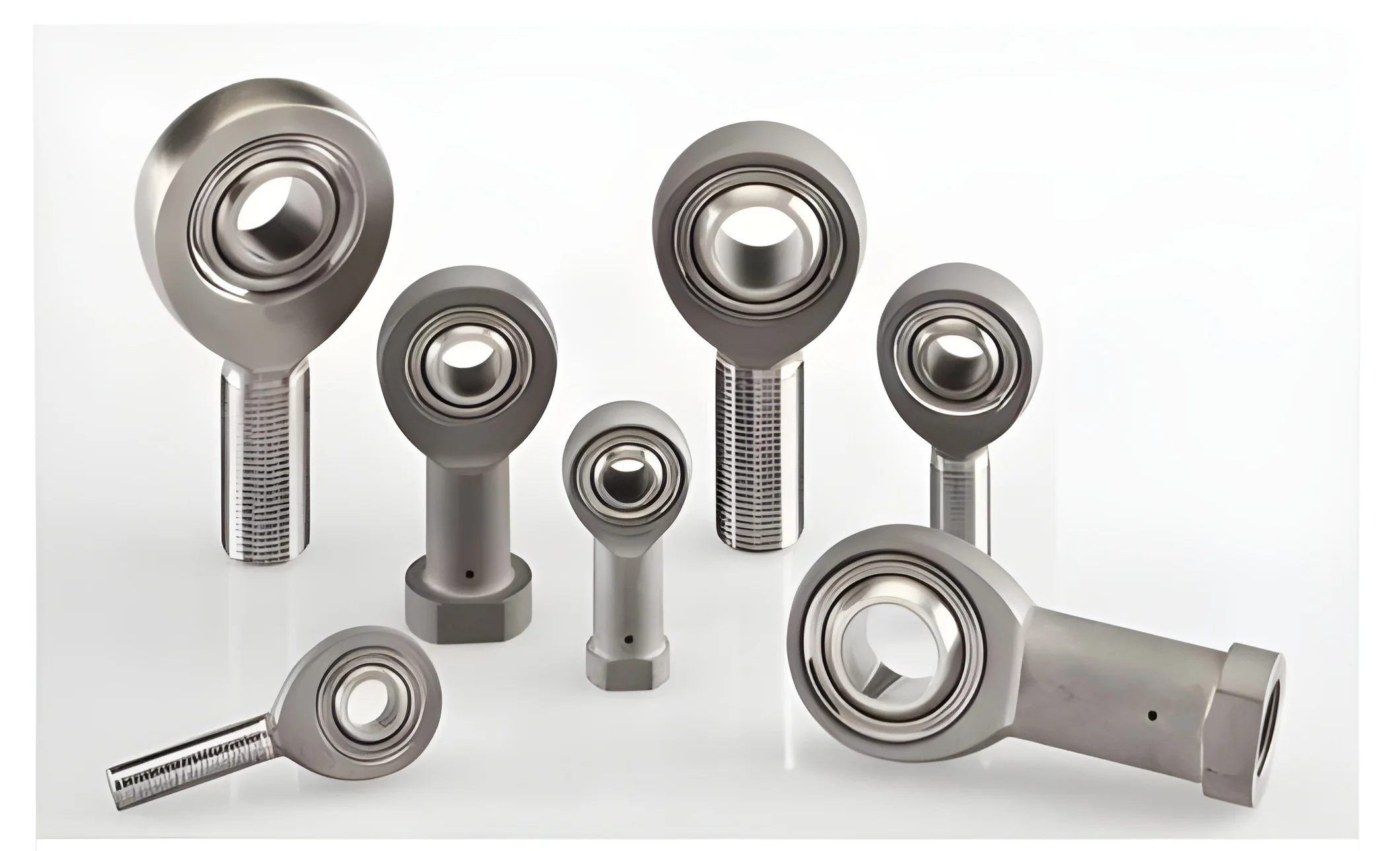
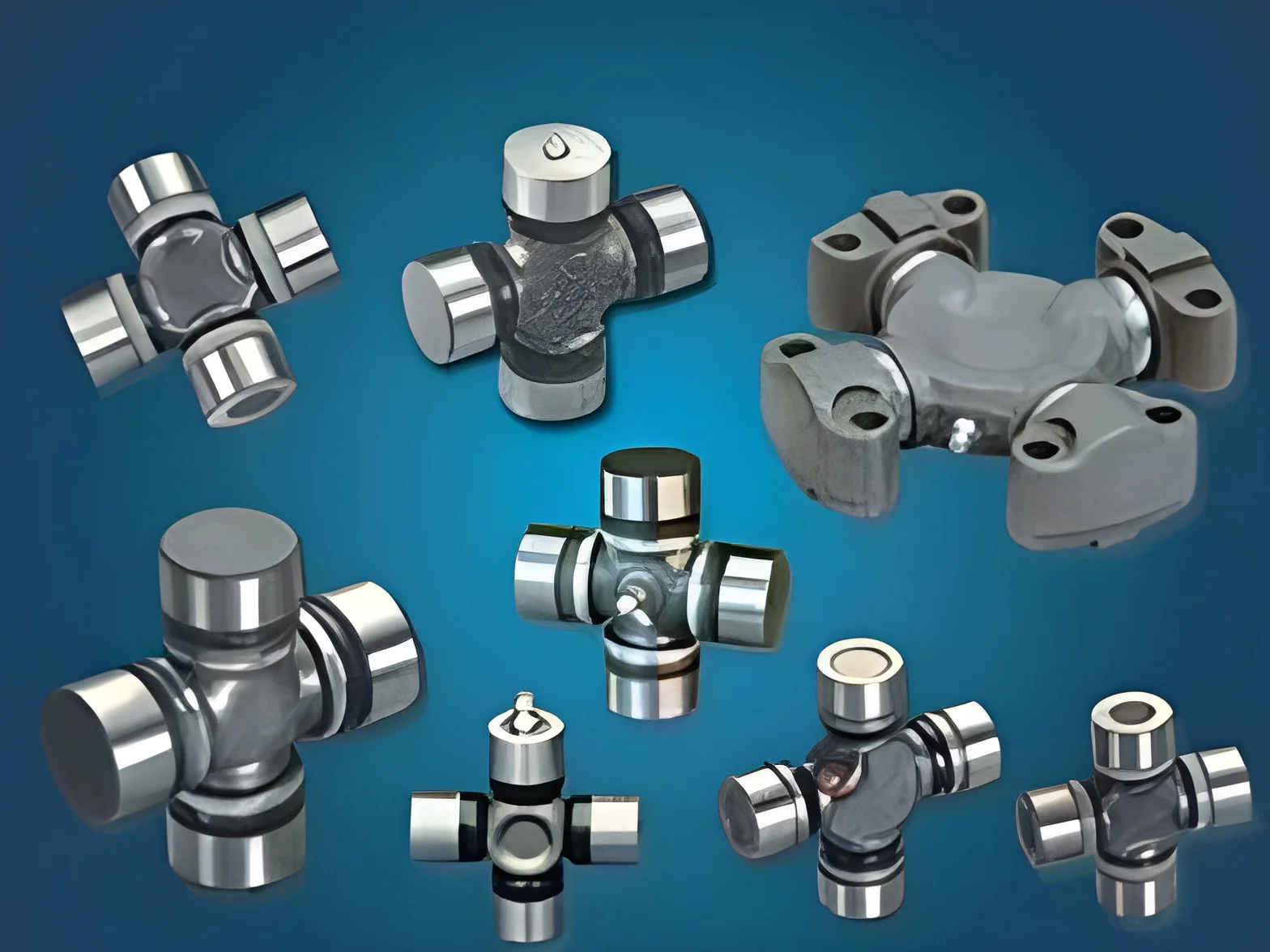
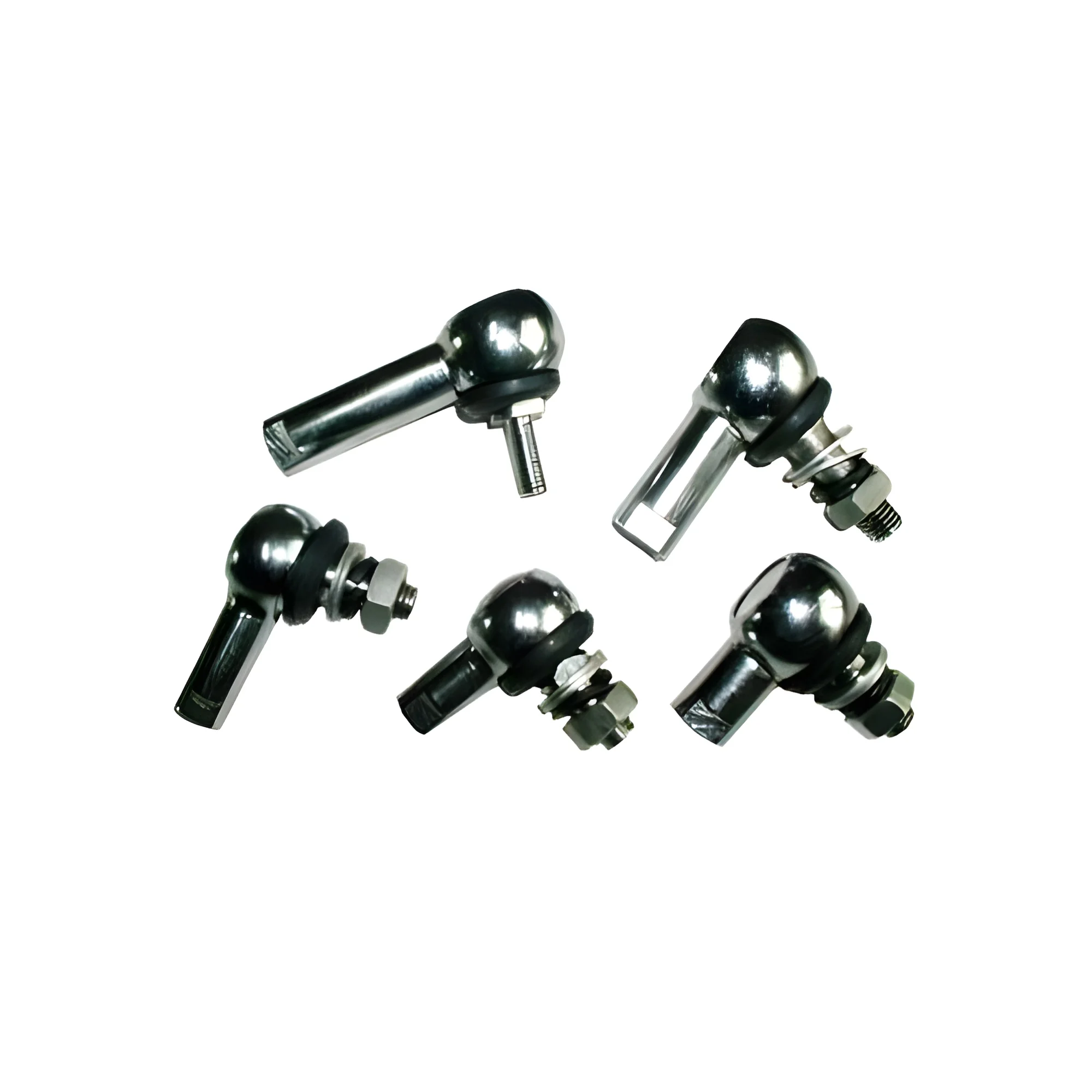
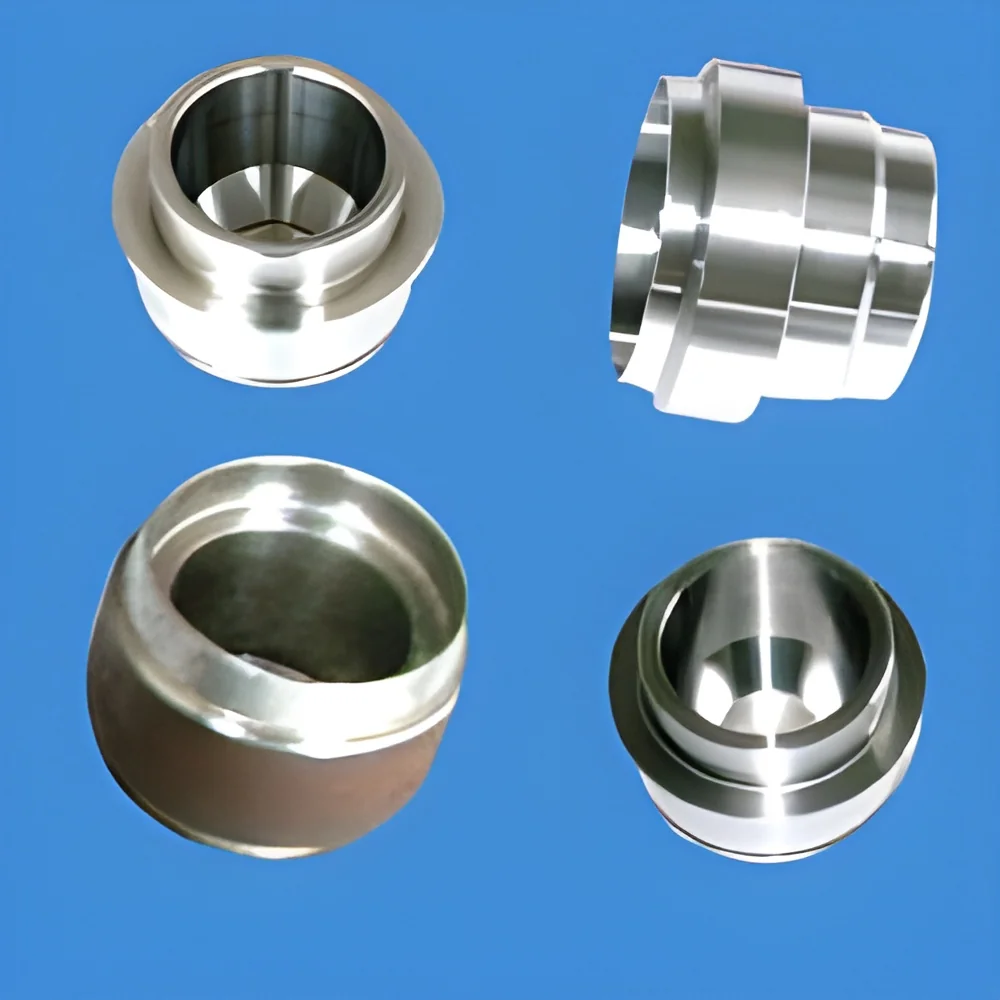
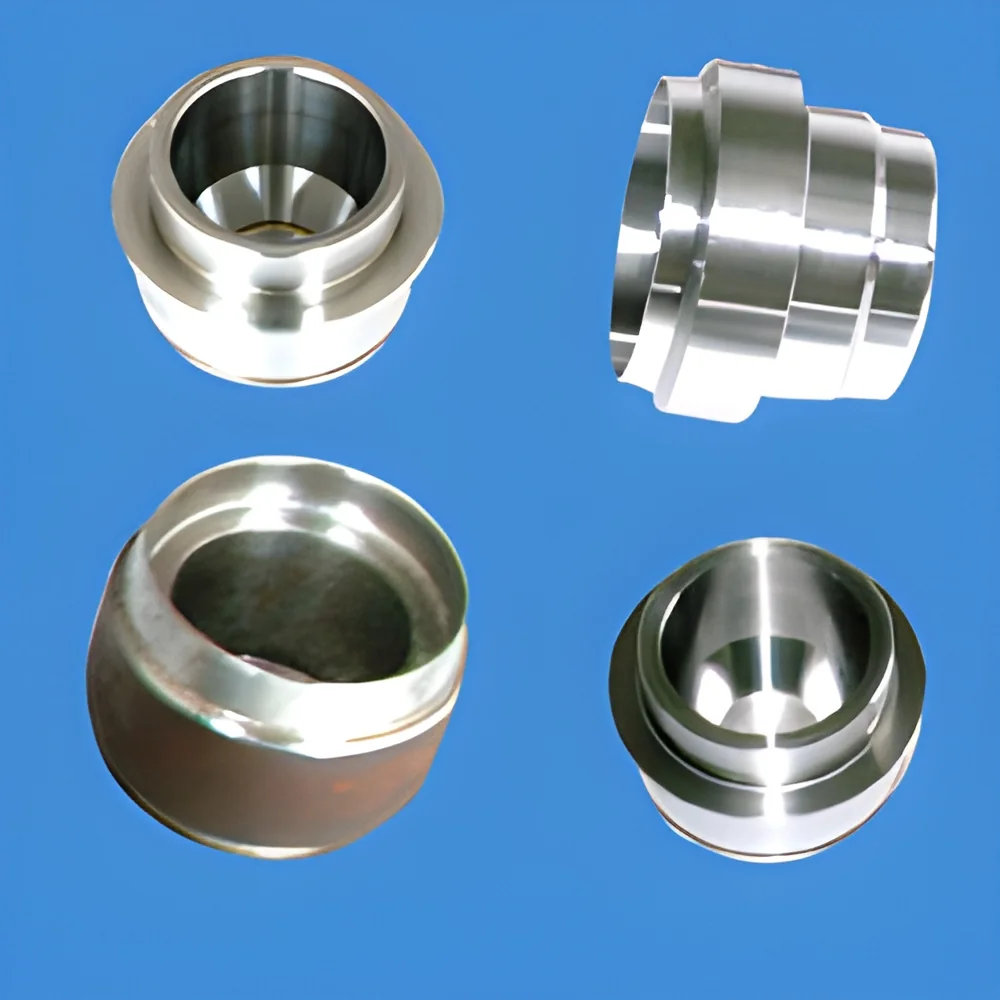
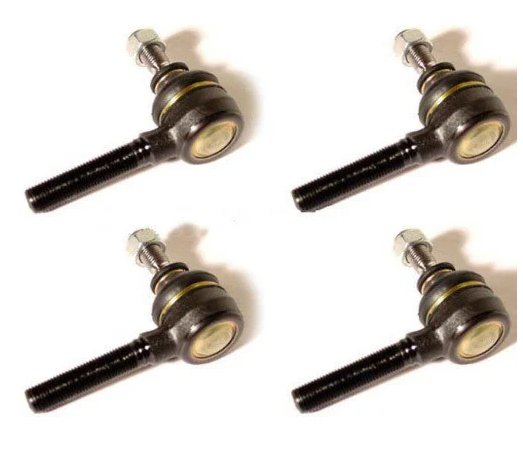
What are Ball Joints & Control Arms?
Ball joints and control arms are critical components of a vehicle's suspension system. Ball joints serve as pivot points that connect the wheel hub to the suspension system, allowing for smooth movement and stability. Control arms, on the other hand, are the link between the vehicle's chassis and the wheels, ensuring proper alignment and support during movement. Together, these components facilitate the vehicle's ability to handle road conditions while maintaining tire contact.
These parts are primarily used in automotive applications, including passenger vehicles, trucks, and SUVs. In industrial settings, they are also integral to machinery and equipment that require mobility and stability. Their importance extends to various sectors, including automotive manufacturing, aftermarket services, and heavy machinery production, where safety and performance are paramount.
The relevance of ball joints and control arms in the market cannot be overstated. With the increasing demand for automotive safety and performance, businesses in the automotive industry are consistently seeking high-quality suspension components. This has led to a robust market for these parts, driven by advancements in technology and the need for reliable vehicle performance.
Key Features and Specifications
Ball joints and control arms come with various features and specifications that ensure optimal performance. Understanding these specifications is essential for selecting the right components for specific applications.
Key specifications include:
1. Load Capacity
- Refers to the maximum weight the ball joint or control arm can support.
- Typical ranges can vary based on vehicle type and usage.
2. Material Composition
- Common materials include steel and composite materials for durability.
- Resistance to corrosion and wear is critical for longevity.
3. Joint Type
- Options include sealed, greasable, and non-greasable joints.
- Each type has different maintenance and performance characteristics.
4. Range of Motion
- Indicates how much movement the ball joint allows during operation.
- Essential for ensuring proper handling and suspension dynamics.
5. Compatibility
- Each part is designed to fit specific vehicle makes and models.
- Ensures proper alignment and function within the suspension system.
6. Certification
- Many components carry certifications such as CE for quality assurance.
- Compliance with industry standards is crucial for safety.
7. Temperature Resistance
- The ability to operate effectively under varying temperature conditions.
- Important for performance in different climates.
8. Warranty Period
- Generally includes a specified period of coverage against defects.
- A good warranty reflects the manufacturer's confidence in the product.
In summary, understanding these features and specifications enables B2B buyers to make informed decisions when sourcing ball joints and control arms.
Common Applications and Use Cases
Ball joints and control arms are versatile components used in numerous industries.
1. Automotive Industry: Widely used in cars, trucks, and SUVs for optimal suspension performance and safety.
2. Heavy Machinery: Essential for construction and agricultural equipment, providing stability and mobility.
3. Motorsports: Crucial for high-performance vehicles where precision handling is necessary.
4. Robotics: Employed in robotic arms where movement and flexibility are key.
5. Aerospace: Used in landing gear systems to ensure stability and safety during takeoff and landing.
6. Marine Applications: Found in boat trailers and other marine vehicles to enhance handling.
7. Industrial Machinery: Integral to equipment requiring precise movements and support.
Product Variants and Subcategories
Ball joints and control arms come in various configurations to meet diverse application needs.
Standard Ball Joints
These are the most commonly used types, designed for general-purpose applications in vehicles. They feature a durable construction that ensures reliability in standard driving conditions.
Heavy-Duty Control Arms
Designed for heavy-duty vehicles and applications, these control arms provide enhanced strength and durability. They are suitable for off-road and commercial vehicles where performance under load is critical.
Performance Ball Joints
These ball joints are engineered for high-performance vehicles. They offer increased range of motion and enhanced durability for racing and other demanding applications.
Benefits and Advantages
Sourcing high-quality ball joints and control arms offers several advantages for businesses.
1. Enhanced Vehicle Safety: Reliable components ensure better handling and stability, reducing the risk of accidents.
2. Improved Performance: Quality parts contribute to better suspension dynamics, enhancing overall vehicle performance.
3. Long-Term Durability: High-quality materials and construction lead to a longer lifespan, reducing maintenance costs.
4. Cost-Effectiveness: Investing in reliable components can minimize downtime and replacement costs in the long run.
5. Compatibility Assurance: Quality manufacturers provide parts that are designed to fit specific vehicles, ensuring seamless integration.
6. Regulatory Compliance: Sourcing from certified suppliers ensures that products meet industry safety standards.
Buying Guide for B2B Buyers
When sourcing ball joints and control arms, several factors should be considered to ensure the best purchase decisions.
1. Quality Assessment: Evaluate the quality of materials and manufacturing processes. Look for certifications that indicate compliance with industry standards.
2. Supplier Verification: Vet suppliers to ensure they have a good reputation and track record in providing reliable components.
3. Pricing and MOQ: Understand the pricing structures and minimum order quantities. This helps in budgeting and inventory planning.
4. Delivery and Lead Times: Consider logistics and delivery timelines to ensure that parts arrive when needed.
5. Compliance Requirements: Be aware of any regulatory requirements that apply to the products, including safety and environmental standards.
Compliance and Certifications
Compliance and certifications are fundamental in ensuring the quality and safety of ball joints and control arms. Manufacturers often adhere to relevant quality standards such as ISO 9001, which outlines requirements for a quality management system. This helps ensure consistent quality in production.
Additionally, many products are certified under CE standards, indicating compliance with European health, safety, and environmental protection requirements.
Safety and testing requirements are crucial in the automotive industry, where component failure can lead to serious consequences. Manufacturers often conduct rigorous testing for durability, load capacity, and performance under various conditions.
Regional compliance considerations may vary, so businesses should be aware of local regulations that might impact product selection and sourcing.
Why Source Ball Joints & Control Arms from Pepagora?
Pepagora provides a trusted platform for sourcing ball joints and control arms with several key advantages.
Verified Supplier Network: Pepagora connects buyers with a network of verified suppliers. This ensures that buyers can trust the quality and reliability of the components they purchase.
Streamlined RFQ Process: The platform offers a simple and efficient request-for-quotation process. This allows buyers to quickly obtain competitive pricing and terms from multiple suppliers.
Trade Assurance and Support: Pepagora provides trade assurance, protecting buyers against potential issues with orders. This added layer of support builds confidence in the purchasing process.
Regional Coverage: With a broad geographic reach that includes India, the GCC, and Southeast Asia, Pepagora enables businesses to source components from a variety of regions, ensuring access to a diverse range of products.

 IN
IN