What are Brake Lines & Hoses?
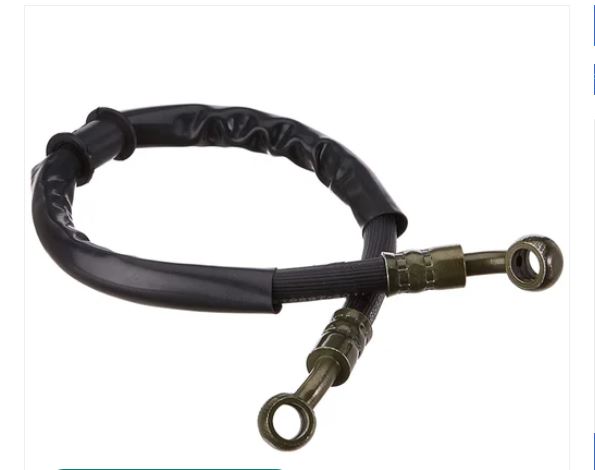
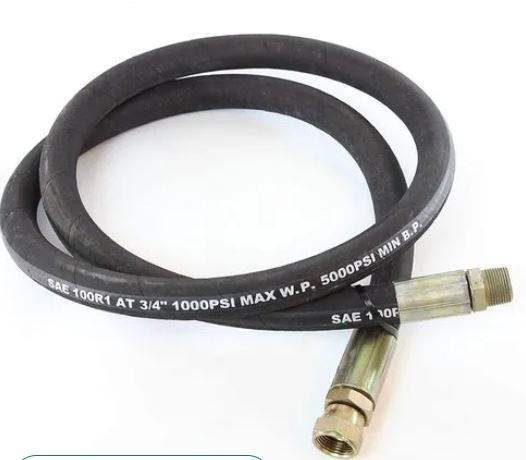
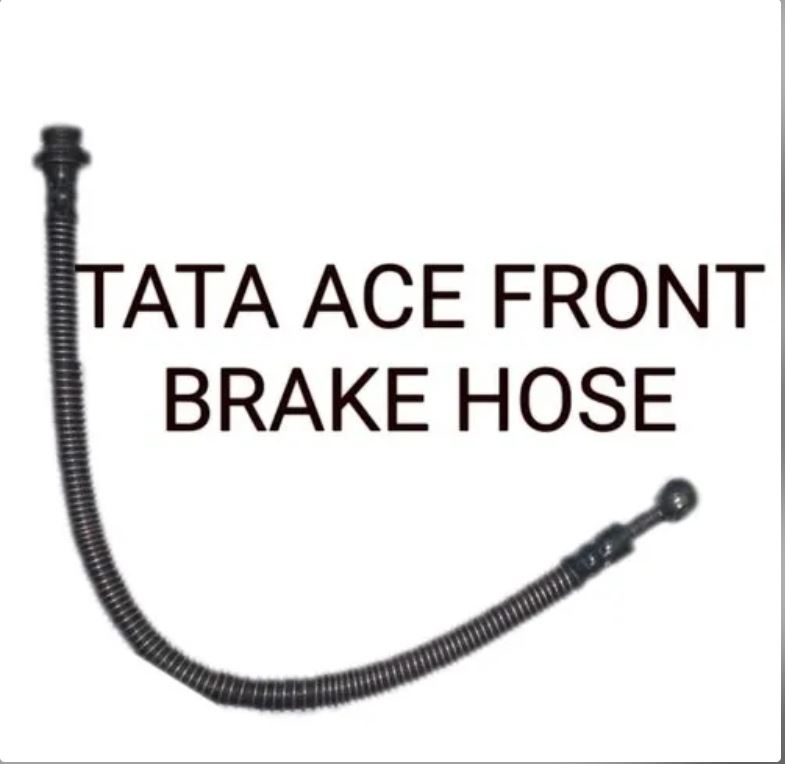
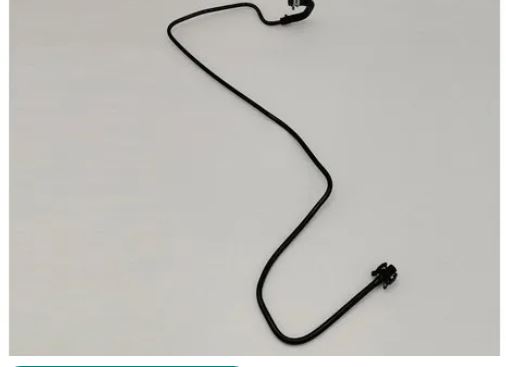
Brake lines and hoses are essential components of a vehicle’s braking system. They are responsible for transporting brake fluid from the master cylinder to the brake calipers, enabling the vehicle to slow down or stop effectively. Brake lines are typically made of metal, while hoses are flexible rubber or polymer materials. This design allows them to withstand high pressure and temperature while providing the necessary flexibility for movement within the vehicle.
These components are crucial in various industries, including automotive, aerospace, and heavy machinery. They ensure the safe operation of vehicles and equipment by facilitating efficient braking performance. In the automotive sector, for instance, brake lines and hoses are vital for passenger cars, trucks, and buses. Their reliability directly impacts vehicle safety and operational efficiency, making them a critical focus area for manufacturers and suppliers in the market.
The relevance of brake lines and hoses extends beyond basic functionality. In today’s competitive landscape, the demand for high-quality braking components is increasing, driven by regulatory requirements and consumer safety expectations. As vehicles become more advanced, the need for durable and efficient brake lines and hoses continues to rise, positioning these components as integral to modern engineering and design in various industries.
Key Features and Specifications
Brake lines and hoses come with specific features and specifications that ensure their effectiveness and safety. Understanding these specifications is vital for businesses when selecting the appropriate components for their applications.
Key specifications include:
1. Material Composition
- Brake lines are generally made from high-strength steel or stainless steel.
- Hoses are manufactured from rubber or polymer materials designed to withstand high pressures.
2. Pressure Rating
- Brake lines typically operate at pressures ranging from 1,500 to 3,000 psi.
- Hoses must be rated for similar or higher pressure levels to ensure safety.
3. Temperature Resistance
- Brake lines can withstand temperatures between -40°C to 120°C.
- Hoses are designed to resist the heat generated during braking.
4. Length and Diameter
- Brake lines come in various lengths, often between 24 inches to 72 inches.
- Hoses are available in different diameters to fit specific brake systems.
5. Compliance Standards
- Must meet industry standards such as CE certification for safety.
- Adherence to ISO 9001 quality management systems.
6. Flexibility and Bend Radius
- Hoses must maintain flexibility while withstanding pressures.
- Typically have a minimum bend radius to prevent kinking.
7. Corrosion Resistance
- Materials used should resist corrosion from brake fluid and environmental factors.
8. Connection Types
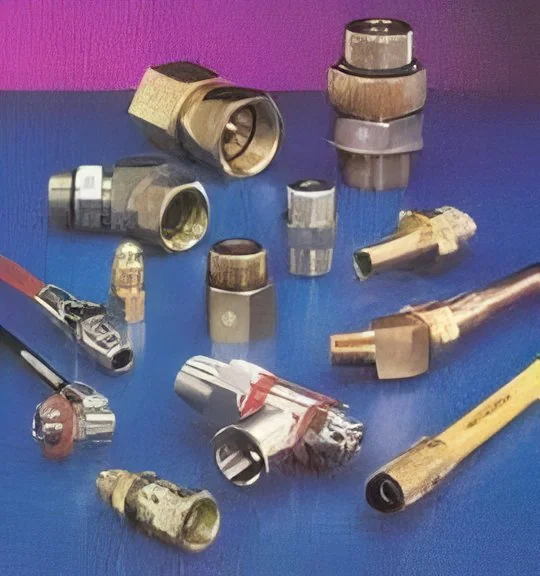
- Brake lines and hoses may feature various ends, including threaded fittings or quick connects.
In summary, selecting the right brake lines and hoses involves understanding these specifications to ensure safety, reliability, and performance in various applications.
Common Applications and Use Cases
Brake lines and hoses are utilized across a wide range of industries, ensuring effective braking systems in various applications.
1. Automotive Industry: These components are crucial in passenger vehicles, trucks, and motorcycles, where they facilitate safe stopping and control during operation.
2. Aerospace Sector: Aircraft rely on specialized brake lines and hoses to ensure safety during takeoff and landing, where high reliability is mandatory.
3. Heavy Machinery: Construction and agricultural equipment use robust brake systems that depend on durable brake lines and hoses to function effectively under demanding conditions.
4. Rail Transport: Trains utilize brake lines and hoses to manage braking systems efficiently, ensuring the safety of passengers and cargo.
5. Industrial Equipment: Manufacturing machinery often includes hydraulic brake systems that require reliable brake lines and hoses to operate safely and efficiently.
6. Marine Applications: Boats and ships require specialized braking systems where brake lines and hoses are essential for effective stopping power.
7. Emergency Vehicles: Fire trucks and ambulances depend on high-quality brake components to ensure quick response times in critical situations.
Product Variants and Subcategories
Brake lines and hoses come in various types to meet specific industry demands and applications. Each variant serves distinct functions and is designed to meet specific performance criteria.
Rubber Brake Hoses: These hoses are flexible and designed for standard automotive applications. They offer good performance and are resistant to moisture and temperature fluctuations.
Stainless Steel Brake Lines: Known for their durability and resistance to corrosion, these lines are ideal for high-performance vehicles and applications requiring enhanced safety and reliability.
PTFE Brake Lines: Polytetrafluoroethylene (PTFE) lines are designed for extreme conditions. They offer superior chemical resistance and temperature stability, making them suitable for racing and high-performance applications.
Metal Brake Lines: These rigid lines are typically used in heavy machinery and industrial applications where high pressure is maintained. They provide a strong, leak-free connection.
Benefits and Advantages
Choosing the right brake lines and hoses offers several significant benefits for businesses and industries.
1. Enhanced Safety: Reliable brake lines and hoses ensure optimal braking performance, reducing the risk of accidents.
2. Durability: High-quality materials used in these components offer long-lasting service life, reducing the need for frequent replacements.
3. Performance Improvement: Efficient brake lines and hoses contribute to improved vehicle and equipment performance, ensuring responsiveness during operation.
4. Cost-Effectiveness: Investing in quality components reduces maintenance costs and downtime associated with brake failures.
5. Compliance Assurance: Sourcing certified brake lines and hoses ensures adherence to industry regulations, enhancing overall safety standards.
6. Customization Options: Many suppliers offer tailored solutions to meet specific requirements, allowing businesses to optimize their braking systems.
Buying Guide for B2B Buyers
When sourcing brake lines and hoses, companies should consider several critical factors to ensure they make informed purchasing decisions.
1. Quality Assessment: It is essential to evaluate the quality of the materials used. Look for products that meet industry standards and certifications to ensure reliability.
2. Supplier Verification: Vetting suppliers is crucial to ensure they have a good reputation and history of providing quality products. Checking reviews and certifications can help in this process.
3. Pricing and MOQ: Understand the cost structure and minimum order quantities required by suppliers. This can greatly affect budgeting and inventory management.
4. Delivery and Lead Times: Consider the logistics involved in sourcing brake lines and hoses. Assess the supplier's ability to meet delivery schedules and manage lead times effectively.
5. Compliance Requirements: Ensure that the products meet all necessary regulatory requirements for your industry. This is vital for maintaining safety and operational standards.
Compliance and Certifications
Brake lines and hoses must adhere to various compliance standards and certifications that ensure their safety and performance.
ISO 9001 is a widely recognized quality management standard that governs the manufacturing processes of brake components. Compliance with this standard indicates a commitment to quality and continuous improvement.
CE certification is crucial for brake lines and hoses sold in European markets. This mark signifies that products meet essential safety and health requirements as outlined by EU legislation.
Safety and testing requirements are critical in this industry. Brake lines and hoses undergo rigorous testing to ensure they can withstand high pressure, temperature fluctuations, and exposure to various chemicals.
Regional compliance considerations may vary based on local regulations. It is essential to be aware of any specific requirements in the markets where the products will be used.
Why Source Brake Lines & Hoses from Pepagora?
Pepagora is a trusted platform for sourcing brake lines and hoses, offering numerous advantages to B2B buyers.
Verified Supplier Network: Pepagora connects buyers with a network of verified suppliers. This ensures reliability and quality in the sourcing process, providing peace of mind for businesses.
Streamlined RFQ Process: The platform simplifies the request for quotation process, allowing buyers to easily compare prices and specifications from multiple suppliers, saving time and effort.
Trade Assurance and Support: Pepagora offers buyer protection through trade assurance programs, ensuring that transactions are secure and that buyers receive what they expect.
Regional Coverage: With a presence in India, the GCC, and Southeast Asia, Pepagora provides extensive geographic reach, making it easier for businesses to find quality brake lines and hoses tailored to their specific needs.

 IN
IN