What are Wheel Hubs & Bearings?
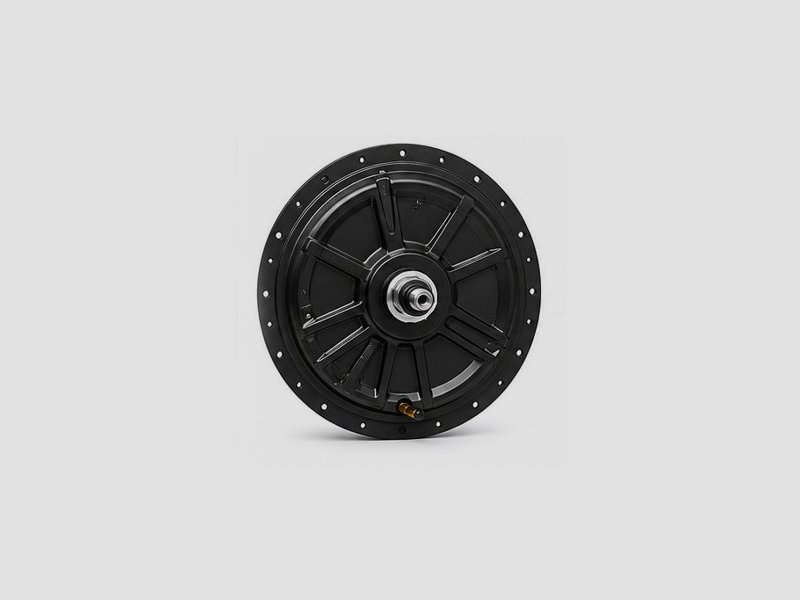
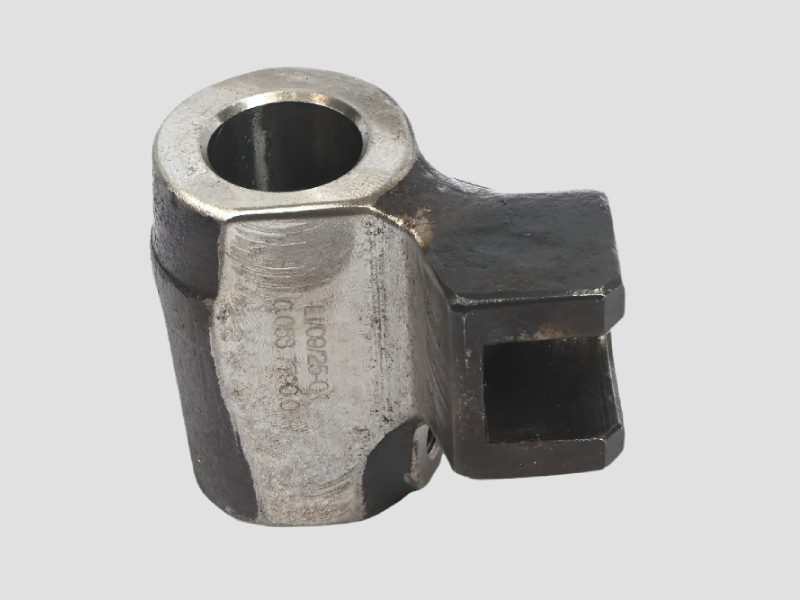
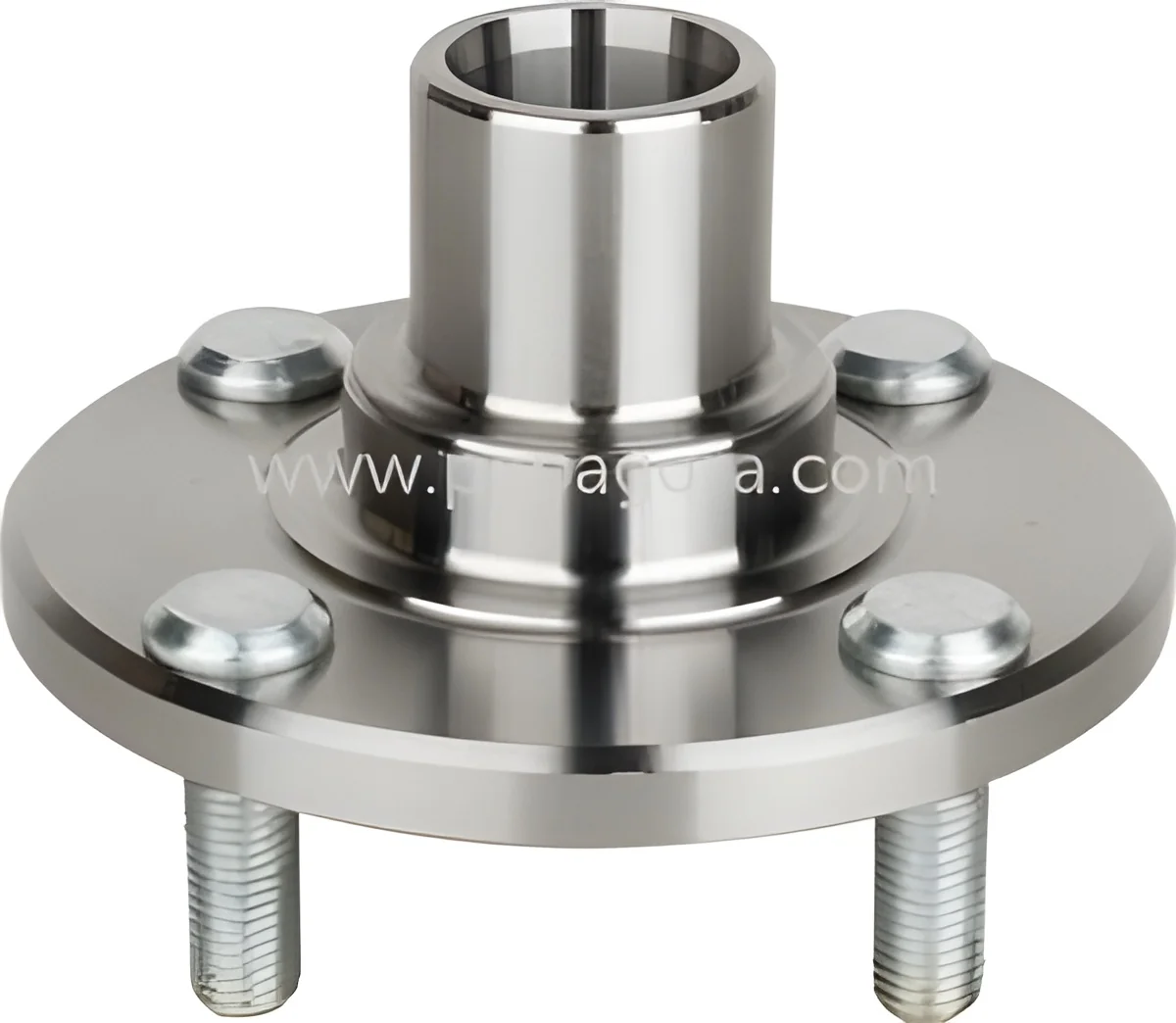
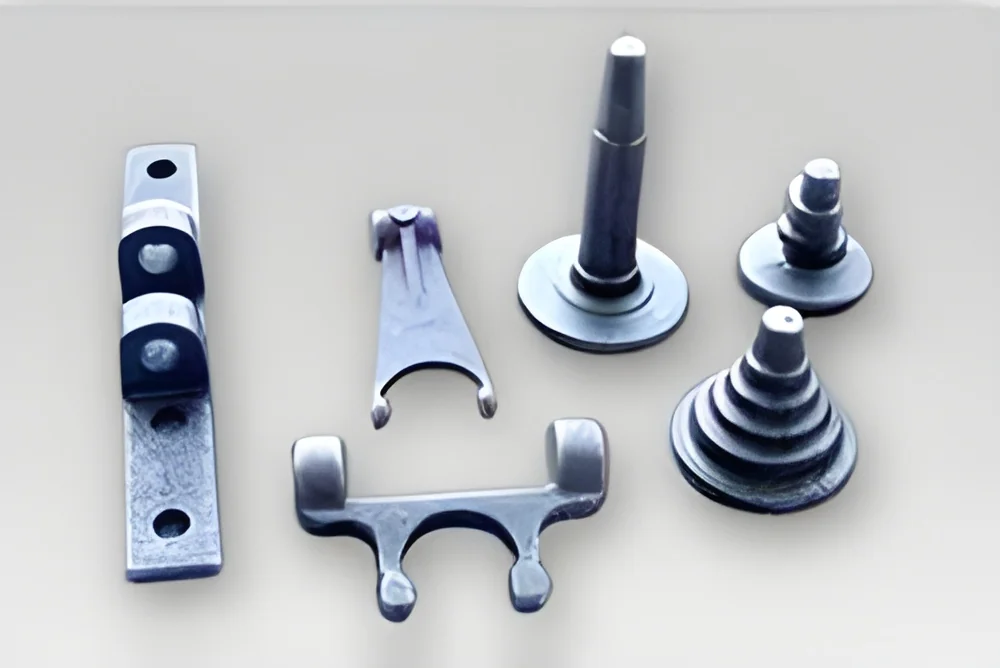
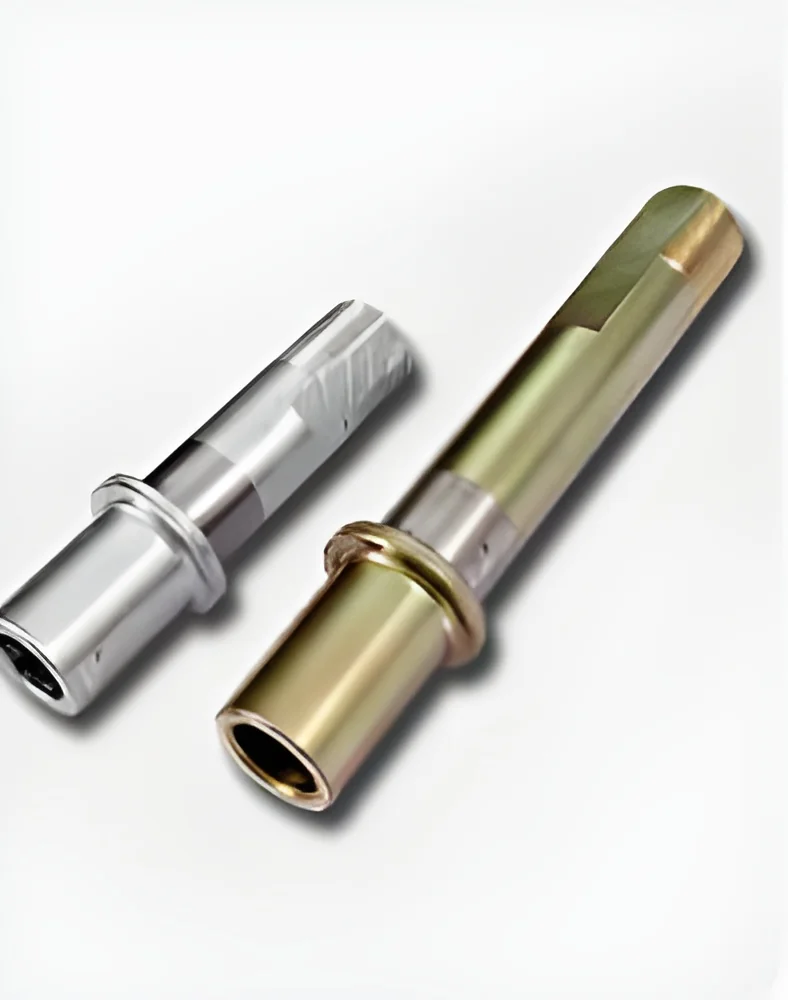
Wheel hubs and bearings are crucial components in various machinery and vehicles that facilitate smooth rotation and proper alignment of wheels. The wheel hub acts as the central part of the wheel assembly, connecting the wheel to the axle, while the bearing allows the hub to rotate with minimal friction. Together, they ensure efficient performance and longevity of the wheels in different applications.
These components are primarily used in automotive, industrial, and agricultural machinery. In vehicles, they support the weight and enable the smooth movement of the wheels. In industrial settings, they are integral to conveyor systems and heavy machinery where precise movement is essential. Their importance in various sectors underscores their high demand in the market.
As industries continue to evolve, the relevance of wheel hubs and bearings remains significant, especially with the growth of electric vehicles and automation in manufacturing. The market for these components is expanding, driven by advancements in technology and increasing production capacities across sectors.
Key Features and Specifications
Wheel hubs and bearings come with several key features that enhance their performance and reliability. Understanding these specifications is essential for selecting the right components for specific applications.
Key specifications include:
1. Load Capacity
- The maximum weight the hub and bearing can support.
- Typically ranges from hundreds to thousands of pounds depending on design.
2. Material Composition
- Common materials include high-strength steel and composite materials.
- Material choice affects durability and resistance to wear.
3. Bearing Type
- Includes ball bearings, roller bearings, and tapered bearings.
- Each type has unique performance characteristics.
4. Temperature Resistance
- The range of temperatures the components can withstand.
- Data not available for specific temperature ratings.
5. Lubrication Requirement
- Indicates whether the bearing is pre-lubricated or requires external lubrication.
- Proper lubrication is critical for performance and longevity.
6. Seal Type
- Determines the protection against contaminants.
- Options may include rubber seals, metal shields, or no seals.
7. Dimensional Specifications
- Includes inner and outer diameters, width, and overall dimensions.
- Critical for ensuring proper fit in applications.
8. Certification
- Compliance with industry standards such as CE.
- Indicates reliability and safety in applications.
In summary, selecting the right wheel hubs and bearings involves understanding these key features and specifications to ensure optimal performance for specific use cases.
Common Applications and Use Cases
Wheel hubs and bearings find applications across a variety of industries, providing essential support for movement and functionality.
1. Automotive Industry: Used in cars, trucks, and motorcycles to facilitate wheel rotation and enhance safety.
2. Manufacturing: Integral to conveyor systems and automated machinery, ensuring smooth operation in production lines.
3. Agriculture: Found in tractors and farming equipment, contributing to efficient field operations and mobility.
4. Construction: Used in heavy machinery, such as excavators and bulldozers, to support demanding workloads.
5. Aerospace: Essential for landing gears and other moving parts in aircraft, ensuring safety and reliability.
6. Rail Transport: Used in train wheels to support heavy loads and ensure smooth travel on tracks.
7. Marine: Found in boats and ships, providing support for propellers and steering mechanisms.
Product Variants and Subcategories
Wheel hubs and bearings come in a variety of forms to meet specific needs across different applications. This diversity allows for tailored solutions that enhance performance.
Standard Wheel Hubs
These are designed for general use in various vehicles, providing reliable support and durability. They are often made from high-strength materials to withstand significant loads.
Heavy-Duty Wheel Bearings
Specifically engineered for heavy machinery and industrial applications, these bearings offer enhanced load capacities and durability for demanding environments.
Precision Bearings
Used in applications requiring high accuracy, such as aerospace and automotive, these bearings are manufactured to stringent specifications for optimal performance.
Benefits and Advantages
Choosing the right wheel hubs and bearings presents several advantages that contribute to operational efficiency and longevity.
1. Enhanced Performance: Well-designed hubs and bearings reduce friction, leading to smoother and more efficient operation.
2. Increased Durability: Quality materials and construction ensure that components withstand wear and tear over extended periods.
3. Improved Safety: Reliable hubs and bearings contribute to safer vehicle and machinery operation, reducing the risk of failure.
4. Cost-Effectiveness: Investing in high-quality components can lower maintenance costs and extend the lifespan of equipment.
5. Versatility: Available in various sizes and configurations, these components can cater to a wide range of industrial and automotive applications.
6. Easy Maintenance: Many modern bearings are designed for easy access and maintenance, simplifying upkeep for users.
Buying Guide for B2B Buyers
When sourcing wheel hubs and bearings, it is essential to consider several factors to ensure the right choice for your needs.
1. Quality Assessment: Look for components that meet industry standards and are manufactured using quality materials. Check for certifications such as CE to ensure reliability.
2. Supplier Verification: Vet potential suppliers by reviewing their track record, customer feedback, and certification status. A reliable supplier can provide consistent quality and support.
3. Pricing and MOQ: Understand the pricing structure and minimum order quantities. Competitive pricing can significantly impact overall project costs.
4. Delivery and Lead Times: Confirm delivery schedules to ensure timely availability of components, especially for large projects or urgent needs.
5. Compliance Requirements: Ensure that the products meet regional compliance requirements, which can vary by location and application.
Compliance and Certifications
Compliance with industry standards and certifications is vital for ensuring the quality and safety of wheel hubs and bearings. Key quality standards include ISO 9001, which ensures effective quality management systems, and CE certification, indicating compliance with European safety standards.
Safety and testing requirements are also crucial to validate the performance and durability of components. Regular testing helps maintain high standards and addresses any potential issues before products reach the market.
It's important to note that regional compliance considerations can vary widely. Buyers should be aware of local regulations regarding manufacturing and materials to ensure full compliance.
Why Source Wheel Hubs & Bearings from Pepagora?
Pepagora offers a trusted platform for sourcing wheel hubs and bearings, providing several key advantages to B2B buyers.
Verified Supplier Network: Pepagora thoroughly vets its suppliers, ensuring that buyers have access to a network of reliable partners who meet stringent quality standards.
Streamlined RFQ Process: The platform features an efficient request-for-quotation system, allowing buyers to easily compare offers and select the best options for their needs.
Trade Assurance and Support: Buyers can benefit from trade assurance programs that protect their investments and provide support throughout the purchasing process.
Regional Coverage: With a presence in India, GCC, and Southeast Asia, Pepagora offers extensive geographic reach, making it easier for buyers to find the right products and solutions in their region.
By choosing Pepagora, businesses can simplify their sourcing process and ensure they receive high-quality wheel hubs and bearings tailored to their specific applications.

 IN
IN