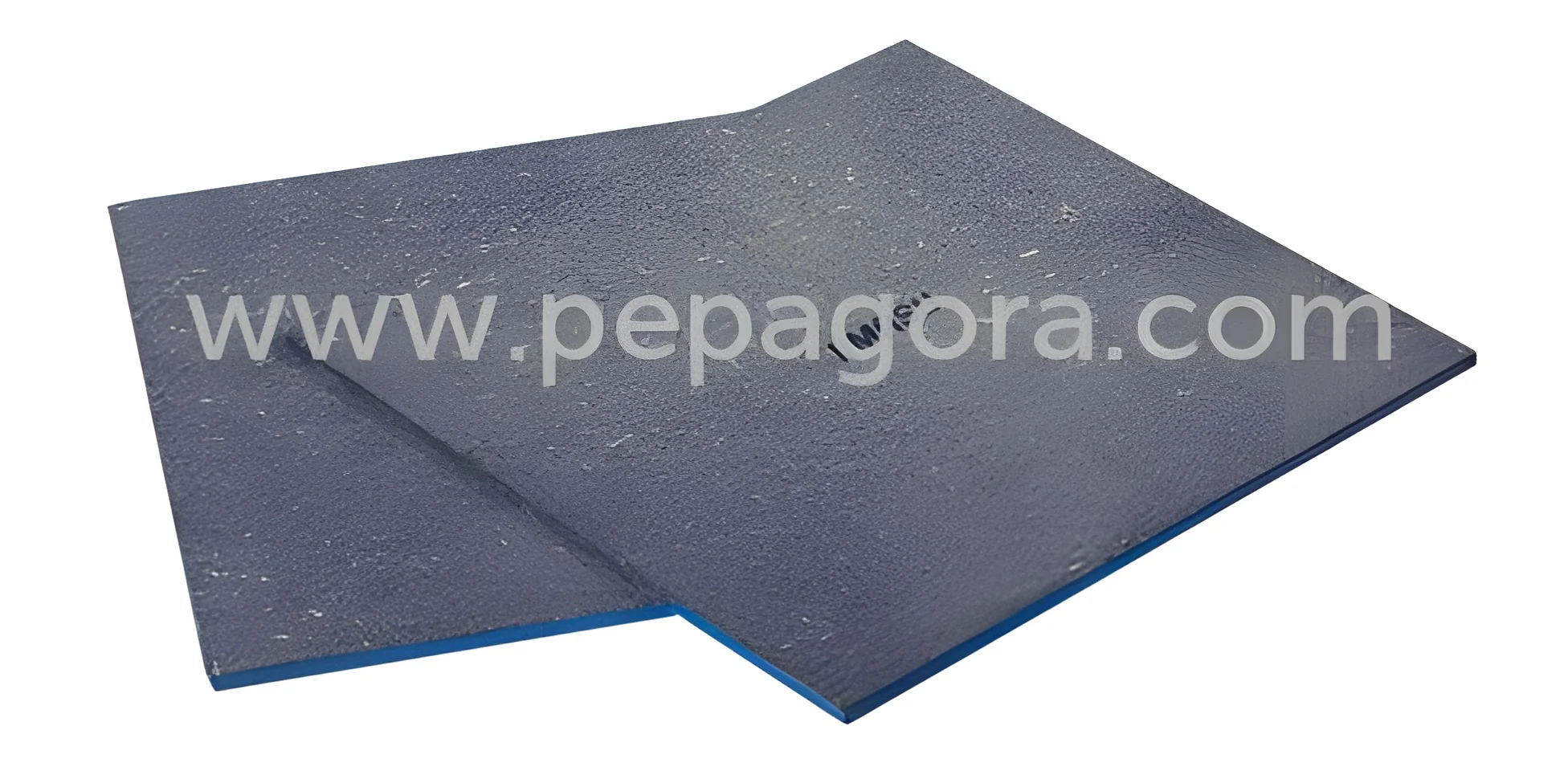
What are Brake Pads & Brake Shoes?
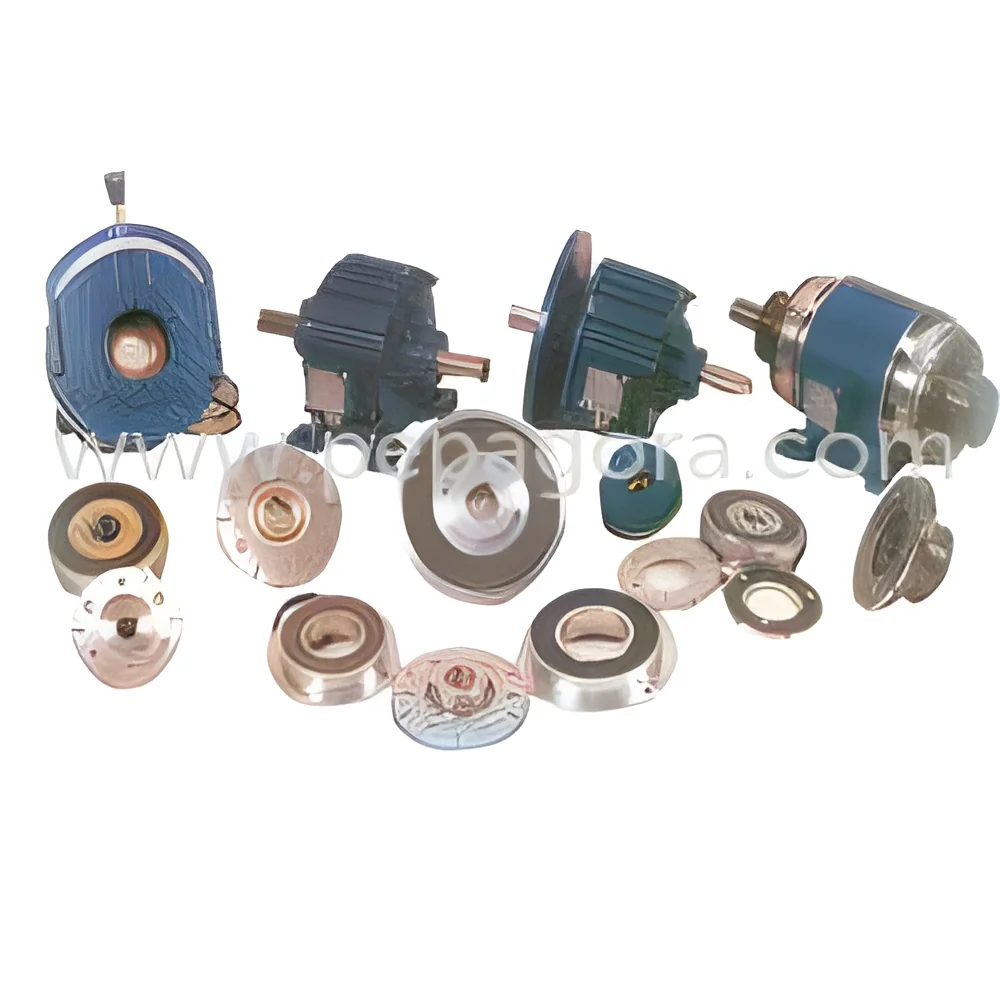
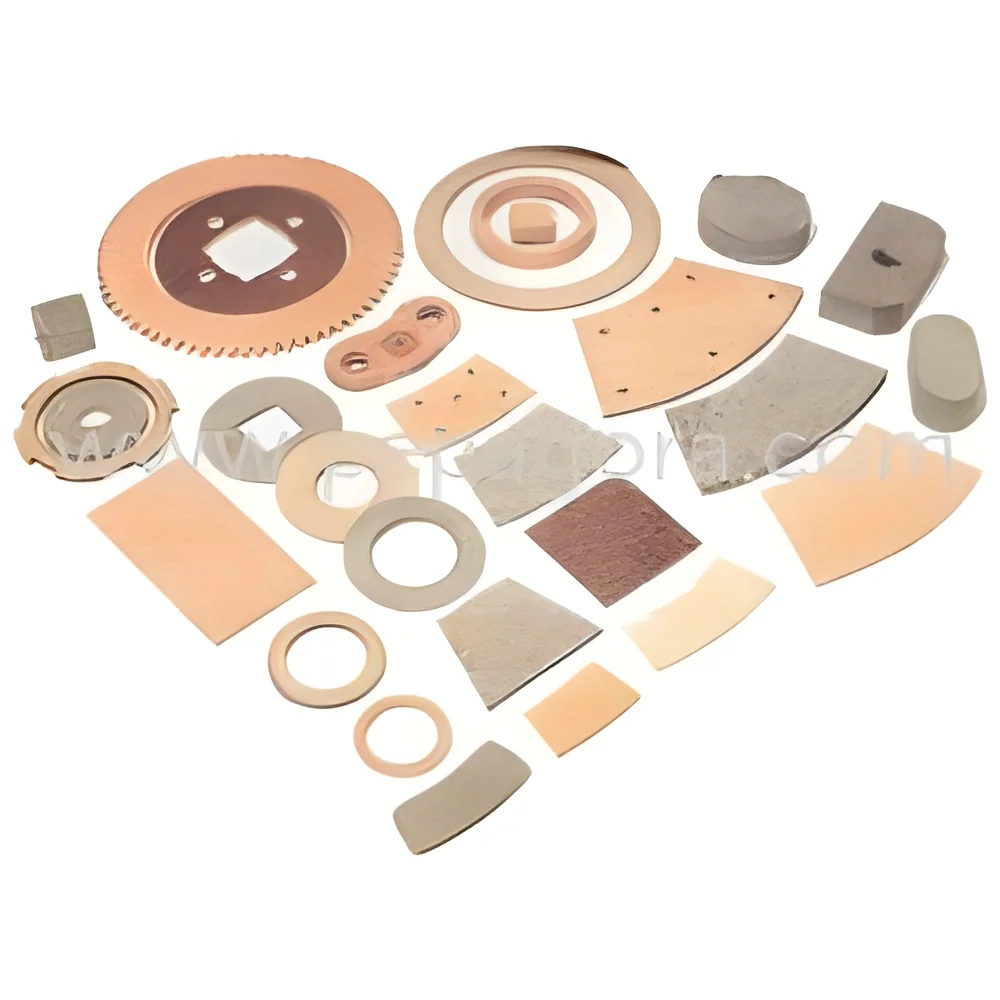
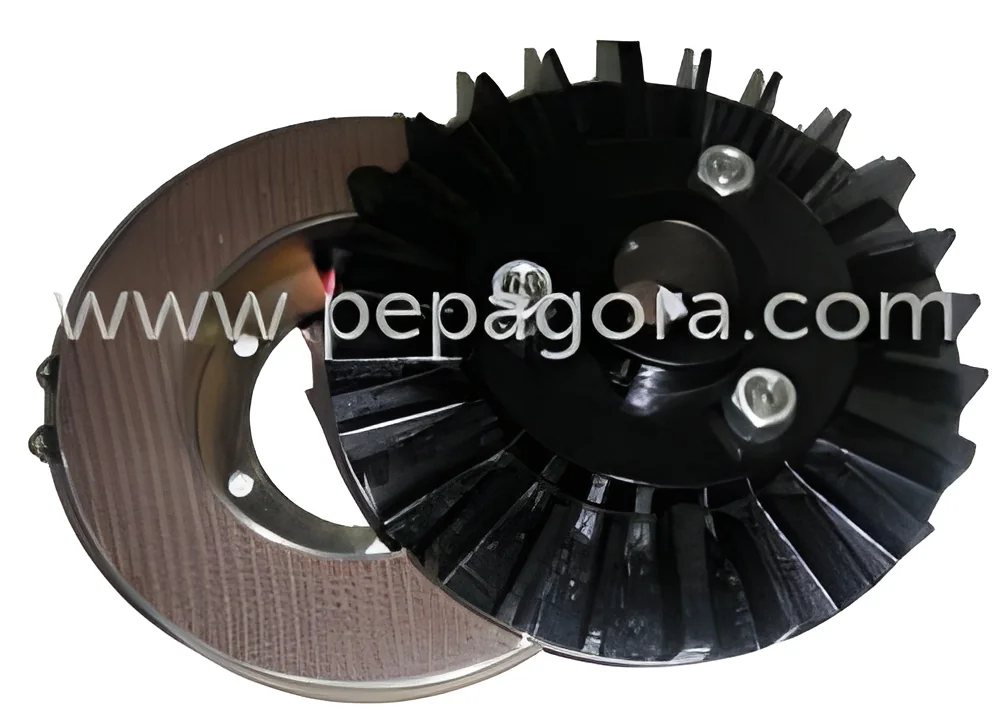
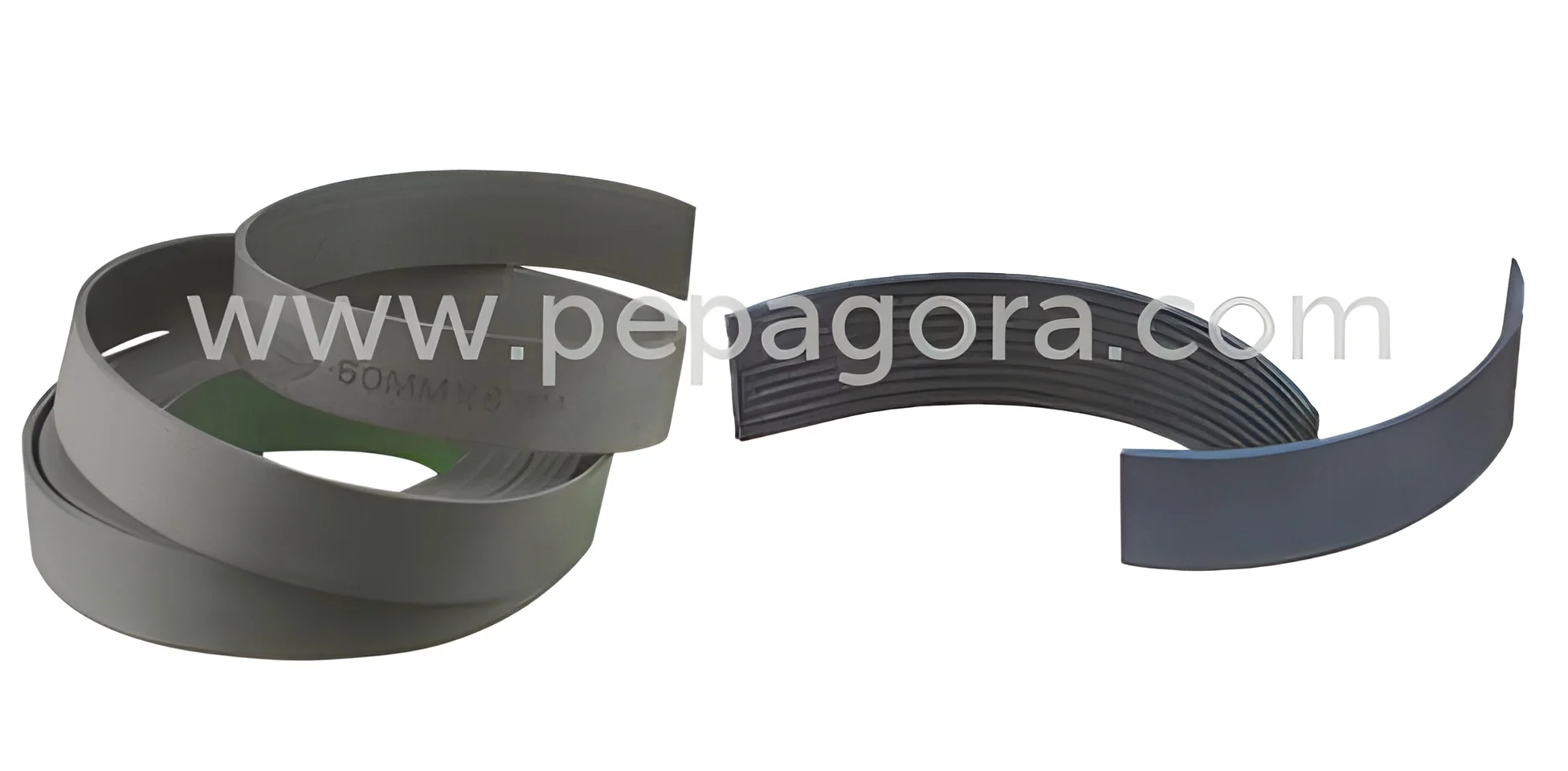
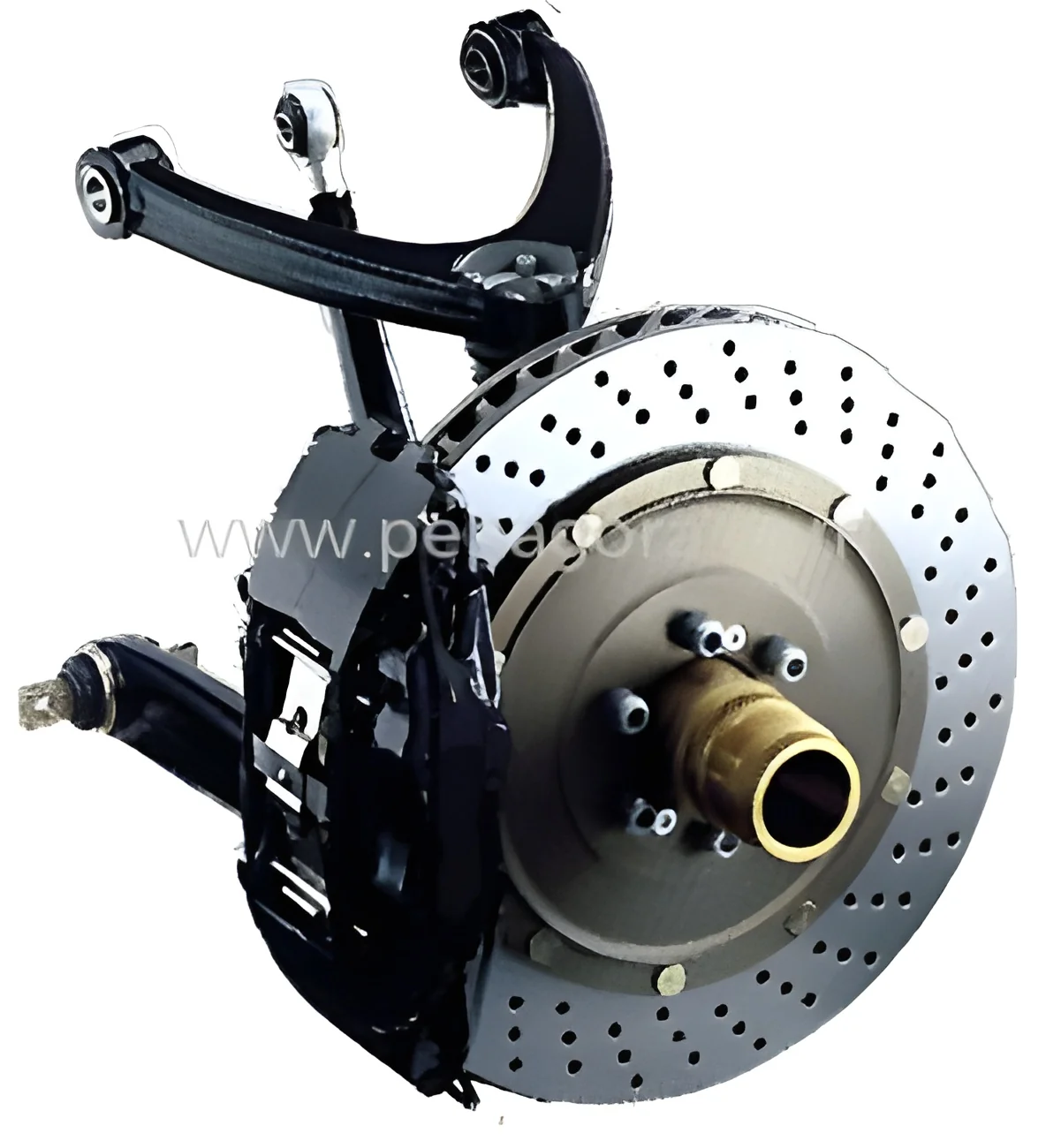
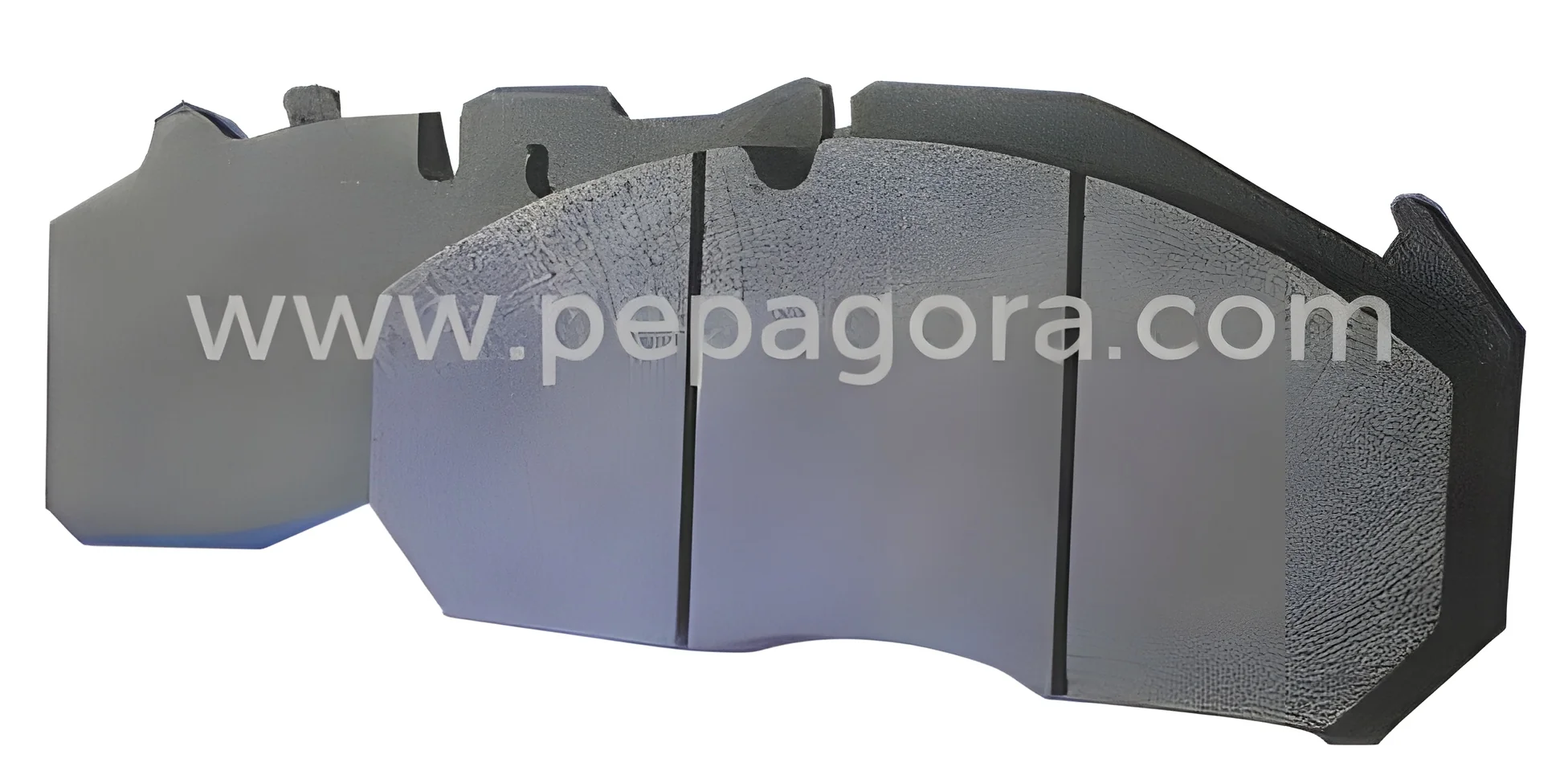
Brake pads and brake shoes are essential components of a vehicle's braking system. Brake pads are used in disc brakes, while brake shoes are utilized in drum brakes. Both parts are designed to create friction against the brake rotors or drums, which slows down or stops the vehicle when the brake pedal is pressed. The effectiveness of these components directly affects the vehicle's safety and performance.
These products are primarily used in various automotive applications, including passenger vehicles, trucks, and heavy machinery. Brake pads and shoes are critical for ensuring reliable braking performance in everyday driving and demanding conditions. They play a vital role in industries such as transportation, construction, and logistics, where safe operation is paramount.
In the current market, the demand for high-quality brake pads and shoes is increasing due to rising safety standards and regulations. Manufacturers are continuously innovating to provide products that not only meet but exceed these standards, ensuring that businesses can maintain a competitive edge while prioritizing safety.
Key Features and Specifications
Brake pads and brake shoes come with a range of features that enhance their performance and longevity. Understanding these specifications helps buyers select the right products for their needs.
Key specifications include:
1. Material Composition
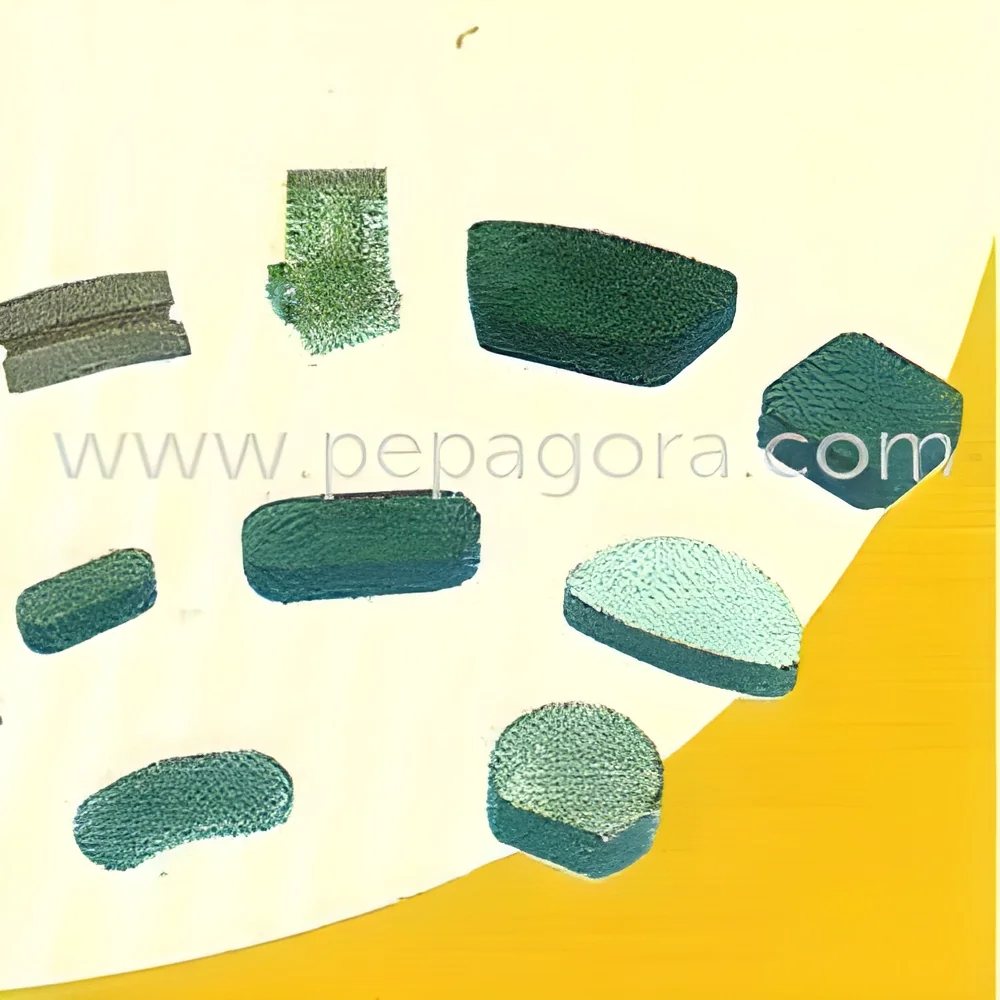
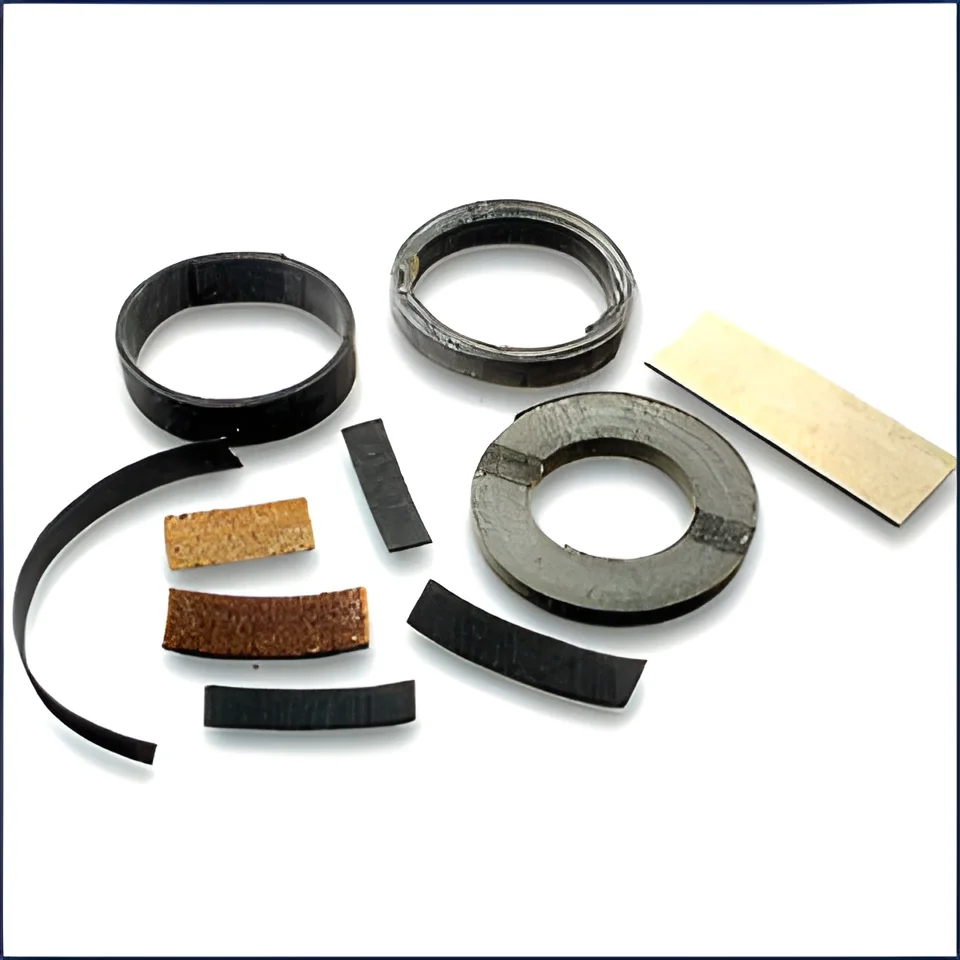
- Brake pads may be made from organic, semi-metallic, or ceramic materials.
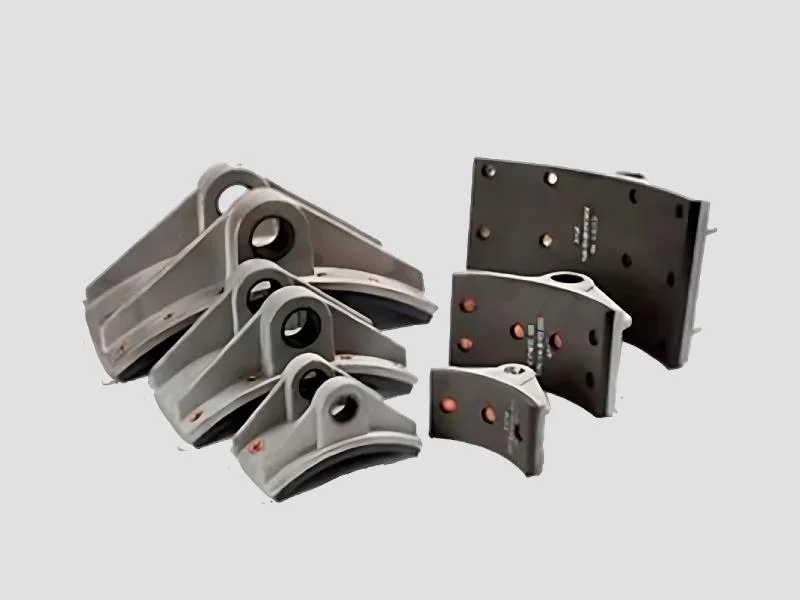
- Brake shoes are typically made from steel or cast iron with friction material attached.
2. Friction Coefficient
- This measures the effectiveness of the brake pads and shoes in generating friction.
- Higher friction coefficients lead to better stopping power.
3. Temperature Resistance
- Brake components must withstand high temperatures generated during braking.
- Typical ranges are not specified but should be considered for high-performance applications.
4. Noise Level
- Many brake pads are designed to minimize noise during operation.
- Look for products that include noise-dampening features.
5. Wear Indicators
- Some brake pads are equipped with wear indicators that signal when replacement is needed.
- This feature helps ensure timely maintenance.
6. Compatibility
- Brake pads and shoes must be compatible with specific vehicle makes and models.
- Always verify fitment before purchase.
7. Certification
- Products should meet relevant safety and quality standards, such as CE certification.
- Compliance with industry regulations is crucial.
In summary, understanding these features and specifications will aid buyers in selecting the most suitable brake pads and shoes for their applications.
Common Applications and Use Cases
Brake pads and shoes are utilized across various industries, contributing to the safety and efficiency of vehicles and machinery.
1. Automotive Industry: Brake pads and shoes are standard equipment in cars, trucks, and SUVs, ensuring reliable braking performance during daily commutes and long-haul transport.
2. Construction: Heavy machinery such as excavators and bulldozers relies on robust brake systems. High-quality brake pads and shoes are essential for safety on construction sites.
3. Freight Transport: Trucks and trailers used for freight transport require durable braking components to handle heavy loads, especially during long-distance travel.
4. Public Transport: Buses and trains use specialized brake pads and shoes to ensure passenger safety and comfort during stops.
5. Fleet Management: Companies managing vehicle fleets prioritize high-quality brake products to minimize downtime and maintenance costs.
6. Emergency Services: Fire trucks and ambulances depend on reliable braking systems, making quality brake pads and shoes vital for emergency response.
7. Agricultural Equipment: Tractors and other farm machinery require effective braking systems to operate safely in various conditions.
Product Variants and Subcategories
Brake pads and brake shoes are available in various variants to meet different needs and applications. Each variant is designed to offer specific benefits based on the intended use.
Standard Brake Pads: These are the most common type used in everyday vehicles. They provide reliable performance for typical driving conditions and are often made from organic or semi-metallic materials.
High-Performance Brake Pads: Designed for sports cars and high-performance vehicles, these pads offer superior stopping power and heat resistance. They are typically made from advanced materials.
Ceramic Brake Pads: Known for their low dust and noise levels, ceramic brake pads are popular among drivers seeking a quieter and cleaner braking experience. They are suitable for a wide range of vehicles.
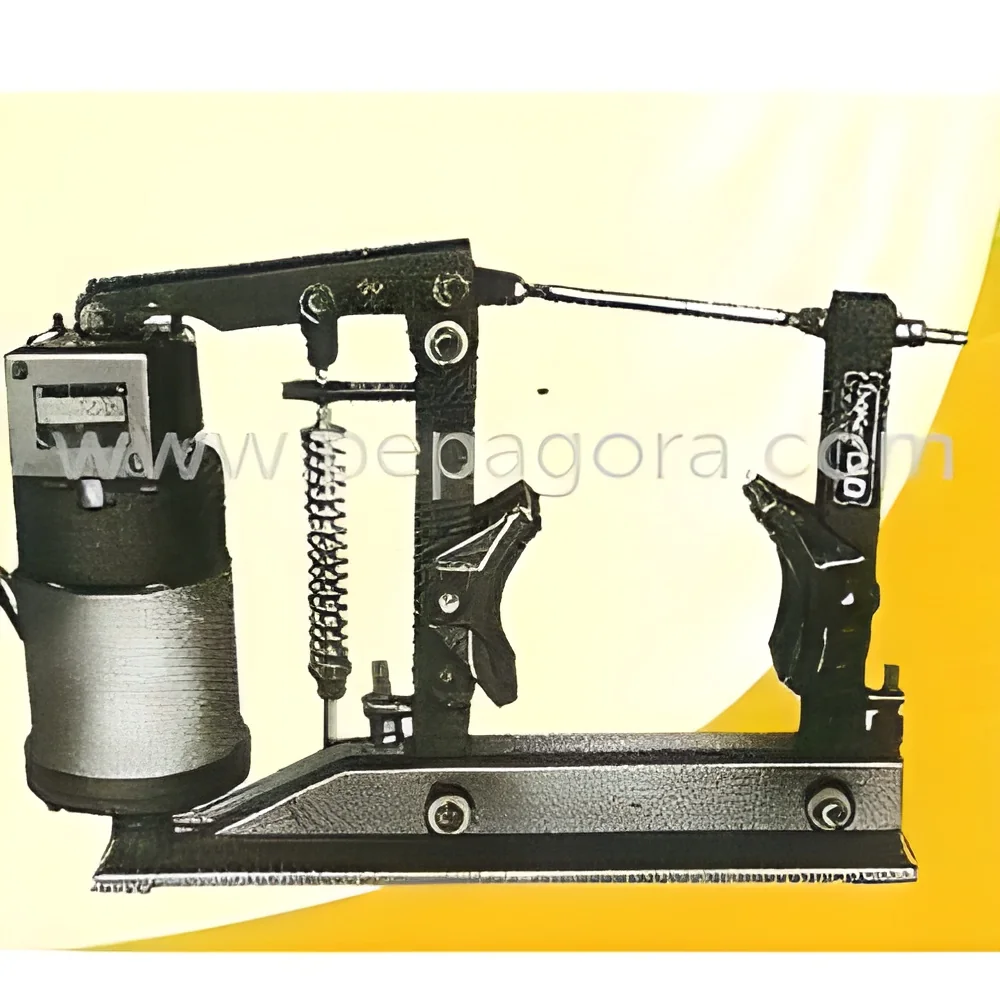
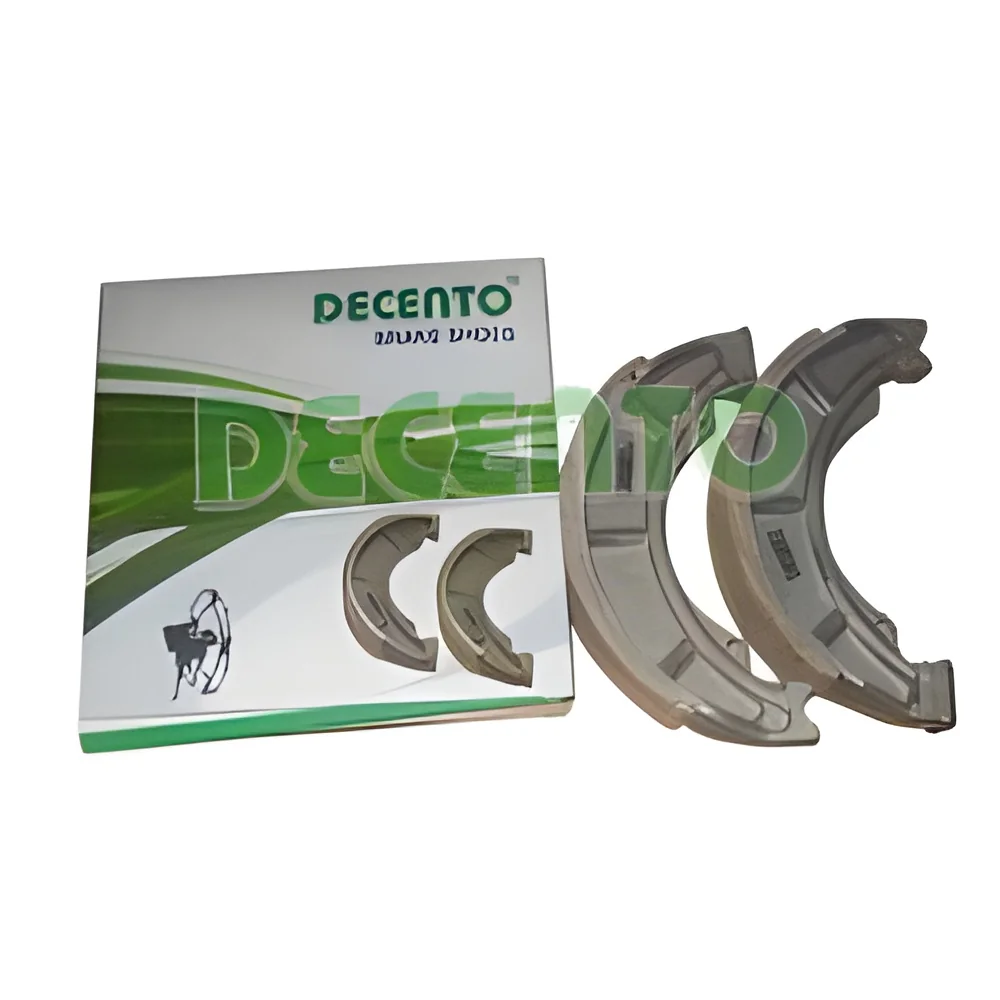
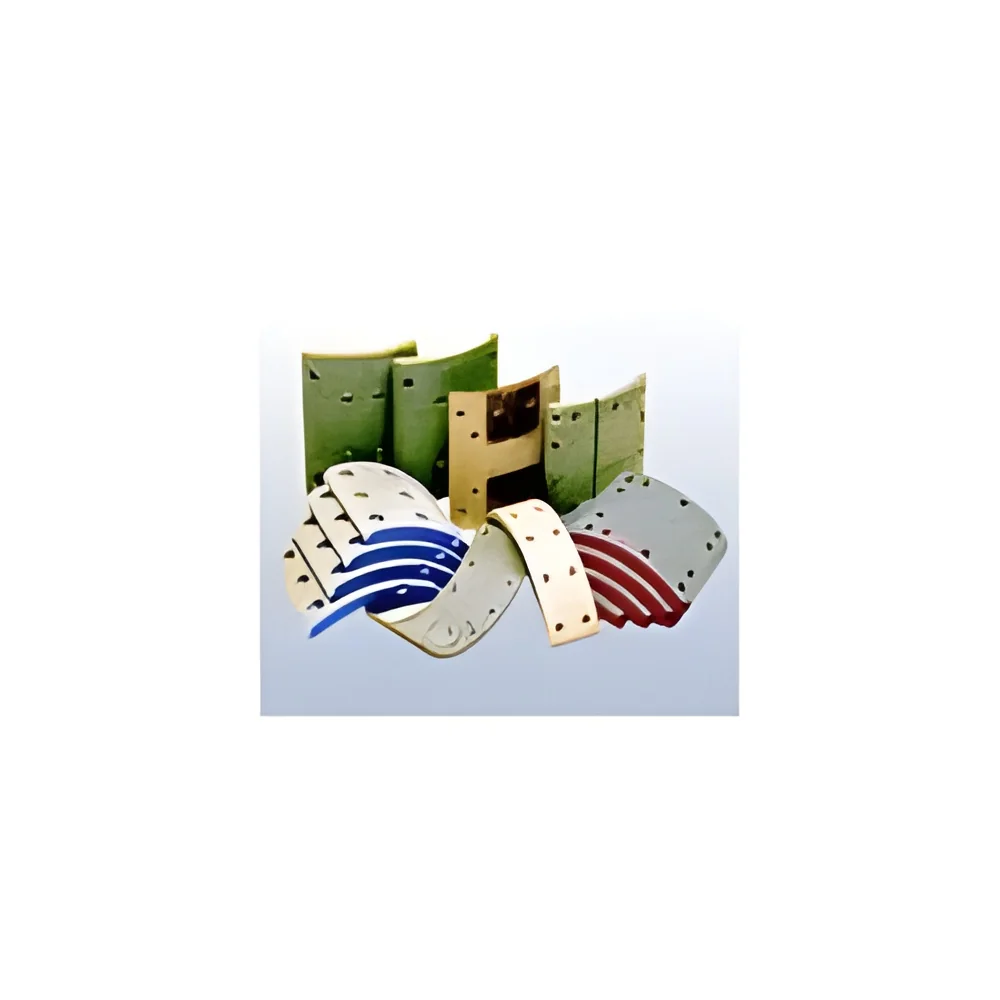
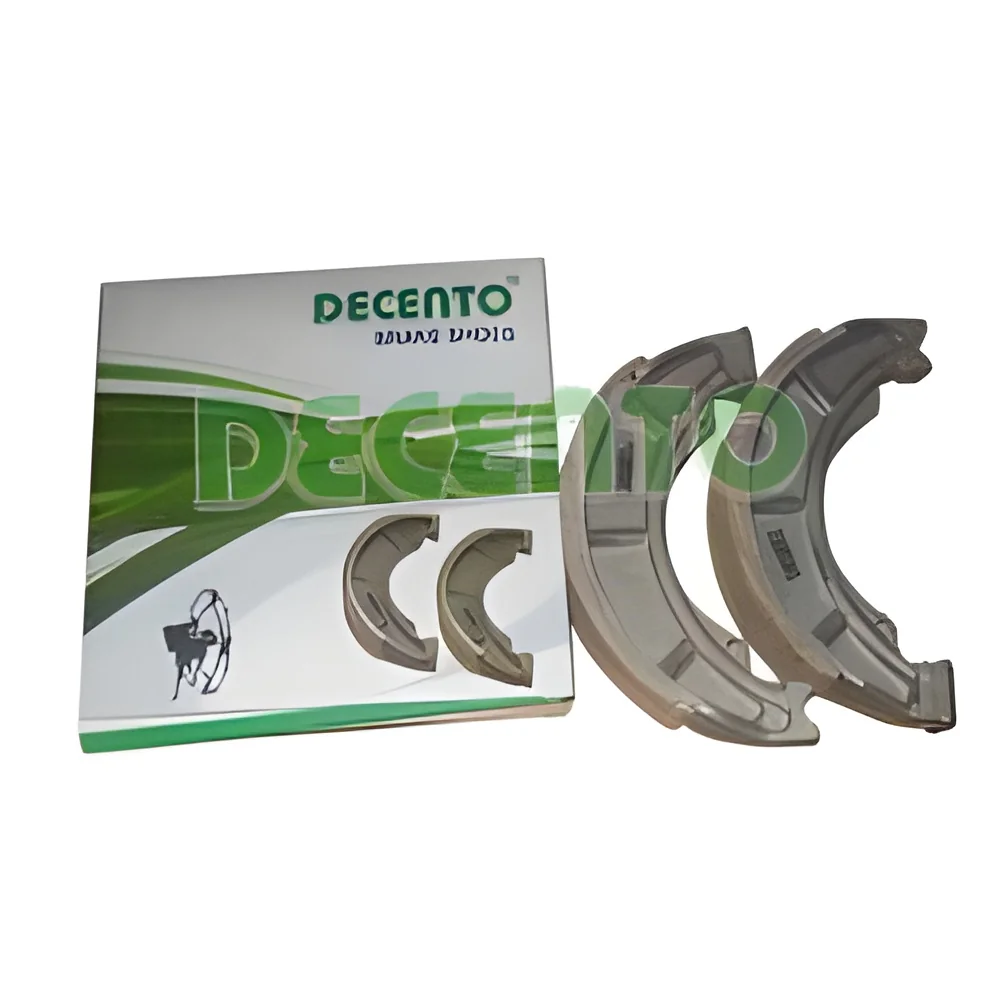
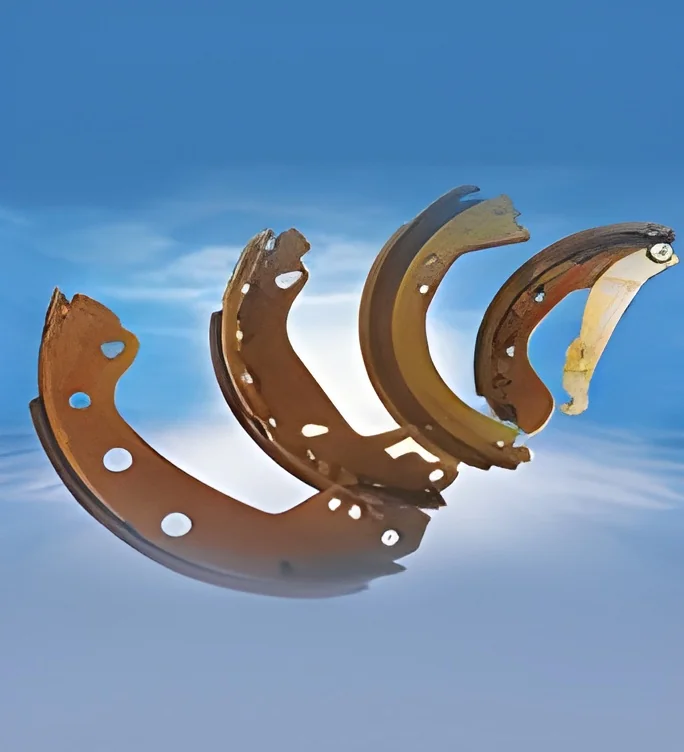
Drum Brake Shoes: These are essential for vehicles equipped with drum brakes. They come in various sizes and materials to ensure compatibility with different drum brake systems.
Benefits and Advantages
Investing in high-quality brake pads and shoes offers several advantages for businesses and end-users.
1. Enhanced Safety: Quality brake pads and shoes provide reliable stopping power, reducing the risk of accidents and ensuring safety on the road.
2. Improved Performance: High-performance variants enhance vehicle handling and braking efficiency, especially in demanding conditions.
3. Cost-Effectiveness: Durable brake components lead to less frequent replacements, reducing long-term maintenance costs.
4. Reduced Noise: Advanced materials and designs contribute to quieter braking, improving the driving experience.
5. Compliance with Standards: Sourcing certified products ensures adherence to safety regulations, which is crucial for fleet operators and businesses.
6. Reliability: Trusted brands offer products that meet industry standards for performance and safety, providing peace of mind for buyers.
Buying Guide for B2B Buyers
When sourcing brake pads and brake shoes, several factors should be considered to ensure a successful purchase.
1. Quality Assessment: Evaluate the quality of brake components based on materials, manufacturing processes, and certifications. Look for products that meet industry standards for safety and performance.
2. Supplier Verification: Vet potential suppliers by checking their reputation, customer reviews, and adherence to quality standards. A reliable supplier is essential for consistent product quality.
3. Pricing and MOQ: Understand the pricing structure and minimum order quantities. Comparing quotes from multiple suppliers can help in finding the best deals without compromising quality.
4. Delivery and Lead Times: Assess the logistics involved in sourcing brake pads and shoes. Confirm lead times to ensure timely delivery, especially for urgent projects.
5. Compliance Requirements: Familiarize yourself with any regulatory requirements in your region. Ensure that the products sourced comply with local safety and environmental standards.
Compliance and Certifications
Brake pads and brake shoes are subject to various quality standards and certifications that ensure their safety and performance in the market.
ISO 9001 is a widely recognized quality management standard that ensures consistent quality in manufacturing processes. Products that meet this standard are typically more reliable and safe.
CE certification indicates that the products comply with European safety, health, and environmental protection standards. This certification is essential for manufacturers targeting European markets.
Safety and testing requirements are critical in ensuring that brake components can withstand the stresses of daily use. Rigorous testing ensures that they perform effectively under various conditions.
Regional compliance considerations may vary, so it is important for buyers to understand the specific regulations applicable in their area. This includes any necessary certifications and documentation required for import and sale.
Why Source Brake Pads & Brake Shoes from Pepagora?
Pepagora offers a trusted platform for sourcing high-quality brake pads and brake shoes, providing several key advantages to businesses.
Verified Supplier Network: Pepagora connects buyers with a network of verified suppliers. This ensures that all products meet stringent quality and safety standards, giving buyers confidence in their sourcing decisions.
Streamlined RFQ Process: The platform features a simple request for quotation (RFQ) process, enabling buyers to receive competitive quotes from multiple suppliers quickly. This efficiency saves time and helps find the best prices.
Trade Assurance and Support: Pepagora provides trade assurance, protecting buyers against potential risks in transactions. Their support team is available to assist with any issues, ensuring a smooth purchasing experience.
Regional Coverage: With a strong presence in India, the GCC, and Southeast Asia, Pepagora offers extensive geographic reach. This allows buyers from various regions to access a wide range of brake pads and shoes tailored to their specific needs.

 IN
IN