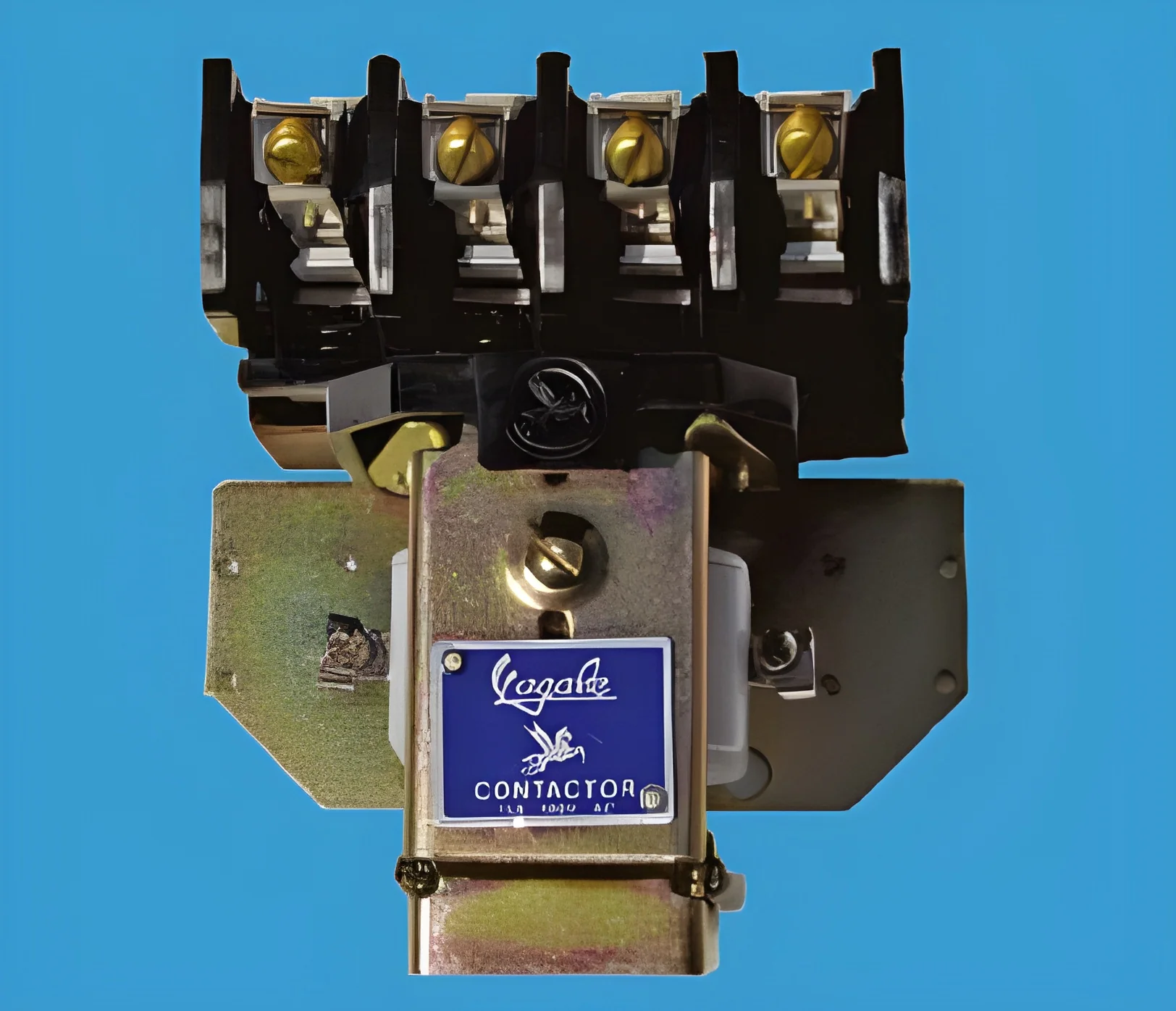
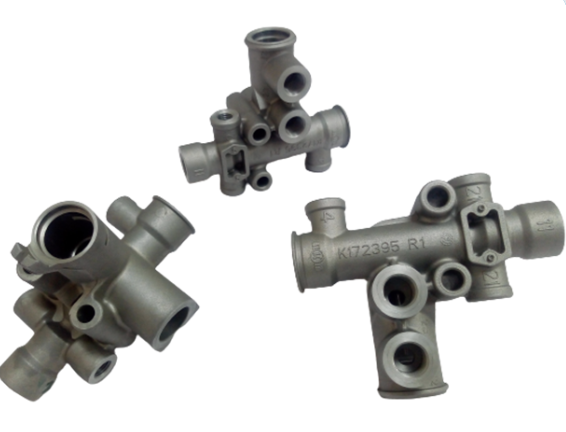
What are Air Brakes & Compressors?
Air brakes and compressors are essential components used primarily in heavy vehicles and industrial machinery. Air brakes operate by using compressed air to activate braking mechanisms, providing reliable stopping power in large trucks, buses, and trailers. Compressors are responsible for generating and maintaining the compressed air required for the brake systems to function effectively. These components work in tandem to ensure safety and performance in various applications.
The primary uses of air brakes and compressors extend beyond just transportation. They are crucial in construction equipment, mining vehicles, and any machinery requiring reliable braking systems. The efficiency of air brakes makes them suitable for heavy loads, ensuring vehicles maintain control even under challenging conditions. The market for these products is significant, given the ongoing demand in logistics, construction, and public transportation sectors.
As industries evolve, the relevance of air brakes and compressors continues to grow. Innovations in technology and materials improve their efficiency and reliability, making them vital for modern machinery. The increasing focus on safety regulations and performance standards further highlights the importance of these components in various industrial applications.
Key Features and Specifications
Air brakes and compressors come with several key features that enhance their performance and reliability. Understanding these specifications is crucial for B2B buyers looking to make informed decisions.
Key specifications include:
1. Pressure Range
- Standard air brake systems operate within a pressure range of 70 to 120 psi.
- Variations exist based on specific vehicle requirements.
2. Flow Rate
- Compressors typically provide flow rates ranging from 5 to 30 CFM (cubic feet per minute).
- Higher flow rates are necessary for larger vehicles or applications.
3. Material
- Components are often made from durable materials like aluminum and steel.
- These materials provide resistance to wear and corrosion.
4. Weight
- Air brake systems can weigh between 30 to 100 pounds, depending on the system design.
- Weight considerations are essential for vehicle payload capacity.
5. Installation Type
- Systems may be designed for direct or remote installation.
- Remote installations may allow for easier access and maintenance.
6. Maintenance Requirements
- Regular maintenance is needed to ensure optimal performance.
- Some systems feature self-diagnostic capabilities.
7. Noise Level
- Compressor noise levels vary, typically ranging from 60 to 80 dB.
- Noise reduction features may be available for specific applications.
8. Safety Features
- Many air brake systems include fail-safe mechanisms.
- Additional safety features may include pressure relief valves.
In summary, understanding the key features and specifications of air brakes and compressors is essential for selecting the right products for specific applications. These specifications can significantly impact the performance and reliability of braking systems in various industries.
Common Applications and Use Cases
Air brakes and compressors serve a wide range of industries, demonstrating their versatility and importance.
1. Transportation: Air brakes are extensively used in commercial trucks and buses. They provide effective stopping power for heavy loads, ensuring safety on the road.
2. Construction: Heavy machinery such as excavators and bulldozers rely on air brakes for precise control. Compressors support pneumatic tools and equipment on job sites.
3. Mining: In mining operations, air brakes are critical for vehicles transporting materials. Compressors help power various pneumatic systems used in extraction processes.
4. Agriculture: Agricultural vehicles, including tractors and harvesters, utilize air brakes for safety. Compressors may support pneumatic seeders and irrigation systems.
5. Aviation: Air brakes are used in certain aircraft for landing. Compressors support various onboard pneumatic systems.
6. Manufacturing: Industrial machinery often employs air brakes for safety in automated processes. Compressors power tools and equipment on the production floor.
7. Marine: Some marine vessels utilize air brakes for docking and safety maneuvers. Compressors support various pneumatic applications onboard.
Product Variants and Subcategories
While specific subcategories of air brakes and compressors are not detailed, there is a diversity of product variants to meet different needs.
Air Brake Systems
These systems come in various configurations, including spring brake and service brake systems. They are designed to provide optimal stopping power for heavy-duty vehicles and can be customized for specific applications.
Air Compressors
Compressors vary in size and capacity, catering to different vehicle requirements. They may be portable or mounted, depending on the intended use. Some compressors are designed for continuous operation, while others are suitable for intermittent use.
Benefits and Advantages
Choosing air brakes and compressors offers several benefits that enhance operational efficiency and safety.
1. Enhanced Safety: Air brakes provide reliable stopping power, reducing the risk of accidents in heavy vehicles.
2. Efficient Performance: Compressors ensure a steady supply of air, optimizing brake response times for improved performance.
3. Durability: High-quality materials used in manufacturing air brakes and compressors enhance their longevity and resistance to wear.
4. Easy Maintenance: Many systems feature accessible designs that simplify maintenance tasks, reducing downtime.
5. Cost-Effectiveness: Investing in reliable air brakes and compressors can lead to lower operational costs over time due to their efficiency and durability.
6. Customization Options: Many manufacturers offer customizable solutions to meet specific industry needs, allowing for tailored applications.
Buying Guide for B2B Buyers
When sourcing air brakes and compressors, it is essential to consider various factors to ensure the right choice for your business needs.
1. Quality Assessment: Evaluate products based on industry standards and certifications. Look for components that meet ISO 9001 or CE standards for quality assurance.
2. Supplier Verification: Vet suppliers by checking their track record, customer reviews, and compliance with industry regulations. A reliable supplier can provide ongoing support.
3. Pricing and MOQ: Understand the pricing structure and minimum order quantities (MOQ) for the products. This helps in budget planning and inventory management.
4. Delivery and Lead Times: Inquire about lead times for product delivery. Timely delivery is crucial for maintaining project schedules and operational efficiency.
5. Compliance Requirements: Ensure that the products comply with local and regional regulations. This includes safety standards and environmental considerations.
Compliance and Certifications
Air brakes and compressors must adhere to several relevant quality standards and certifications to ensure safety and reliability.
ISO 9001 is a widely recognized standard that outlines quality management principles. Manufacturers must comply with these standards to guarantee consistent quality in their products.
CE certification signifies that a product meets European safety, health, and environmental protection standards. This certification is crucial for products sold within the European market.
Safety and testing requirements are critical in the manufacturing process. Products must undergo rigorous testing to ensure they meet performance benchmarks and safety regulations.
Regional compliance considerations may vary. It is vital for manufacturers and suppliers to stay updated on local regulations to ensure their products meet specific compliance needs in different markets.
Why Source Air Brakes & Compressors from Pepagora?
Pepagora offers a trusted platform for sourcing air brakes and compressors, providing several key advantages for B2B buyers.
Verified Supplier Network: Pepagora has established a network of verified suppliers. This ensures that buyers can source products from reputable manufacturers, reducing the risk of subpar quality.
Streamlined RFQ Process: The request for quotation (RFQ) process on Pepagora is designed to be efficient and user-friendly. Buyers can quickly compare quotes and make informed purchasing decisions.
Trade Assurance and Support: Pepagora provides trade assurance to protect buyers throughout the procurement process. This includes support for any issues that may arise post-purchase.
Regional Coverage: Pepagora's reach extends across India, the GCC, and Southeast Asia. This broad coverage allows buyers to access a diverse range of suppliers and products tailored to their regional needs.

 IN
IN