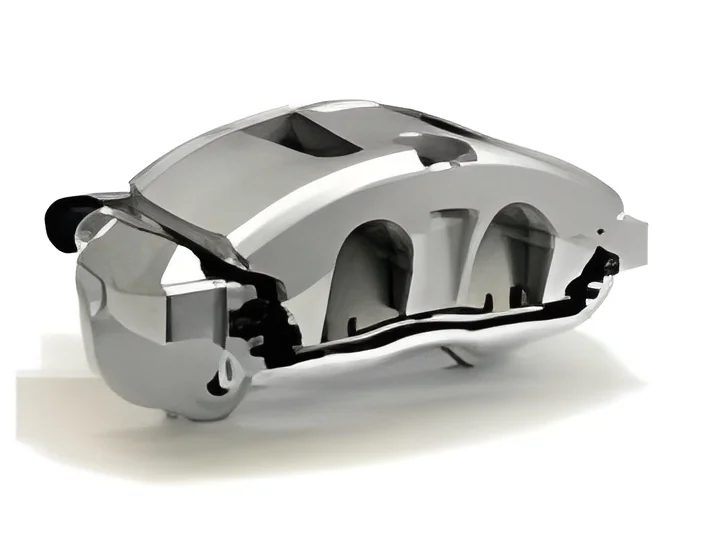
𝗪𝗵𝗮𝘁 𝗮𝗿𝗲 𝗕𝗿𝗮𝗸𝗲 𝗖𝗮𝗹𝗶𝗽𝗲𝗿𝘀?
Brake calipers are essential components of a vehicle's braking system. They function by housing the brake pads and applying pressure to them against the brake rotor, creating the friction necessary to slow down or stop the vehicle. This mechanism is crucial for vehicle safety and performance, as effective braking is vital for controlling speed and ensuring driver and passenger safety.
Brake calipers are primarily used in various automotive and industrial applications. In the automotive industry, they are found in cars, trucks, and buses, playing a critical role in hydraulic braking systems. Additionally, brake calipers are utilized in heavy machinery and equipment, where precise stopping power is required. The relevance of brake calipers extends beyond traditional vehicles; they are vital in sectors such as construction, manufacturing, and transportation, where reliable braking systems are essential for operational efficiency and safety.
𝗞𝗲𝘆 𝗙𝗲𝗮𝘁𝘂𝗿𝗲𝘀 𝗮𝗻𝗱 𝗦𝗽𝗲𝗰𝗶𝗳𝗶𝗰𝗮𝘁𝗶𝗼𝗻𝘀
Brake calipers come with several features and specifications that ensure their reliability and efficiency in various applications. Understanding these specifications is crucial for selecting the right caliper for specific needs.
Key specifications include:
1. Material Composition
- Typically made from cast iron or aluminum
- Offers durability and resistance to corrosion
2. Brake Pad Compatibility
- Designed to fit specific brake pads
- Ensures optimal performance and safety
3. Weight Capacity
- Varies by model and application
- Suitable for different vehicle sizes and loads
4. Piston Size
- Determines the clamping force exerted
- Common sizes range from 38mm to 60mm
5. Number of Pistons
- Available in single, dual, and multi-piston configurations
- Affects braking efficiency and pedal feel
6. Mounting Type
- Can be fixed or floating
- Impacts installation and performance characteristics
7. Brake Fluid Compatibility
- Must be compatible with DOT-rated brake fluids
- Ensures proper function and longevity
8. Temperature Resistance
- Designed to withstand high operating temperatures
- Essential for maintaining performance during heavy use
In summary, selecting brake calipers involves consideration of various specifications that impact performance, safety, and compatibility with braking systems.
𝗖𝗼𝗺𝗺𝗼𝗻 𝗔𝗽𝗽𝗹𝗶𝗰𝗮𝘁𝗶𝗼𝗻𝘀 𝗮𝗻𝗱 𝗨𝘀𝗲 𝗖𝗮𝘀𝗲𝘀
Brake calipers serve multiple industries, each with specific requirements for braking systems.
1. Automotive Industry: Brake calipers are crucial in passenger vehicles, trucks, and motorcycles, ensuring safe stopping in everyday driving conditions.
2. Heavy Equipment: In construction and agricultural machinery, brake calipers provide reliable stopping power for large, heavy vehicles, enhancing operational safety.
3. Rail Transport: Brake calipers are used in trains to manage speed and ensure safe stops at stations and during transit.
4. Aerospace: In aircraft, specialized brake calipers are critical for landing and takeoff, handling the high demands of aerial operations.
5. Manufacturing: Industrial machinery often relies on brake calipers for precise control during operation, preventing accidents and improving productivity.
6. Marine Applications: In ships and boats, brake calipers contribute to effective stopping power, crucial for navigation and safety.
7. Custom Vehicles: Custom automotive builds often incorporate specialized brake calipers tailored to unique performance needs.
𝗣𝗿𝗼𝗱𝘂𝗰𝘁 𝗩𝗮𝗿𝗶𝗮𝗻𝘁𝘀 𝗮𝗻𝗱 𝗦𝘂𝗯𝗰𝗮𝘁𝗲𝗴𝗼𝗿𝗶𝗲𝘀
Brake calipers come in a variety of types to meet different performance and application needs.
Standard Brake Calipers
These are the most common type used in passenger vehicles. They provide reliable performance for everyday driving and are designed to be compatible with standard brake pads.
High-Performance Brake Calipers
Designed for sports cars and racing applications, these calipers offer enhanced stopping power and heat dissipation, making them suitable for high-speed scenarios.
Heavy-Duty Brake Calipers
Utilized in commercial vehicles and heavy machinery, these calipers are engineered to handle significant loads and provide reliable performance in demanding environments.
Electric Brake Calipers
These calipers are part of electric and hybrid vehicle systems, offering advanced features like regenerative braking and electronic control.
𝗕𝗲𝗻𝗲𝗳𝗶𝘁𝘀 𝗮𝗻𝗱 𝗔𝗱𝘃𝗮𝗻𝘁𝗮𝗴𝗲𝘀
Brake calipers offer several advantages that enhance vehicle safety and performance.
1. Improved Stopping Power: High-quality calipers ensure effective braking, allowing for shorter stopping distances.
2. Enhanced Durability: Made from robust materials, brake calipers can withstand harsh conditions, extending their lifespan.
3. Better Heat Dissipation: Advanced designs help dissipate heat, reducing brake fade and maintaining performance during heavy use.
4. Compatibility: Brake calipers are available for a wide range of vehicles, ensuring accessibility for many applications.
5. Lightweight Options: Some models feature lightweight designs, improving overall vehicle efficiency and performance.
6. Safety Compliance: Reliable calipers meet industry safety standards, ensuring they perform effectively in critical situations.
𝗕𝘂𝘆𝗶𝗻𝗴 𝗚𝘂𝗶𝗱𝗲 𝗳𝗼𝗿 𝗕𝟮𝗕 𝗕𝘂𝘆𝗲𝗿𝘀
When sourcing brake calipers, it is essential to consider specific factors to ensure you make an informed decision.
1. Quality Assessment: Evaluate the materials and construction of the calipers to ensure they meet industry standards for durability and performance.
2. Supplier Verification: Research and verify suppliers to ensure they have a good reputation and a history of providing reliable products.
3. Pricing and MOQ: Understand the pricing structure and minimum order quantities to align with your budget and inventory needs.
4. Delivery and Lead Times: Consider logistics and the expected delivery schedule to ensure timely availability of products.
5. Compliance Requirements: Ensure that the brake calipers meet necessary safety and regulatory standards relevant to your industry.
𝗖𝗼𝗺𝗽𝗹𝗶𝗮𝗻𝗰𝗲 𝗮𝗻𝗱 𝗖𝗲𝗿𝘁𝗶𝗳𝗶𝗰𝗮𝘁𝗶𝗼𝗻𝘀
Brake calipers must adhere to various quality standards and certifications to ensure safety and reliability.
ISO 9001 is a widely recognized standard for quality management systems. Brake calipers produced under this certification indicate that the manufacturer follows strict quality control processes.
CE certification is essential for products sold within the European market, signifying compliance with health, safety, and environmental protection standards.
Additionally, brake calipers must undergo rigorous safety and testing requirements to ensure they perform effectively under various conditions. This includes temperature and pressure testing to mimic real-life use scenarios.
Regional compliance considerations are also important, as different regions may have specific regulations governing automotive components. Manufacturers should ensure their products comply with local laws and regulations to facilitate market access.
𝗪𝗵𝘆 𝗦𝗼𝘂𝗿𝗰𝗲 𝗕𝗿𝗮𝗸𝗲 𝗖𝗮𝗹𝗶𝗽𝗲𝗿𝘀 𝗳𝗿𝗼𝗺 𝗣𝗲𝗽𝗮𝗴𝗼𝗿𝗮?
Pepagora provides an efficient platform for sourcing brake calipers, offering several key advantages that benefit B2B buyers.
Verified Supplier Network: Pepagora features a network of verified suppliers, ensuring that buyers can trust the quality and reliability of the products they purchase.
Streamlined RFQ Process: The platform simplifies the request for quotation process, allowing buyers to easily compare options and obtain competitive pricing from multiple suppliers.
Trade Assurance and Support: Pepagora offers buyer protection through trade assurance, minimizing risks associated with online purchasing and ensuring a smooth transaction process.
Regional Coverage: With a strong presence in India, the GCC, and Southeast Asia, Pepagora connects buyers with suppliers across diverse markets, facilitating access to a wide range of brake calipers suitable for various applications.

 IN
IN