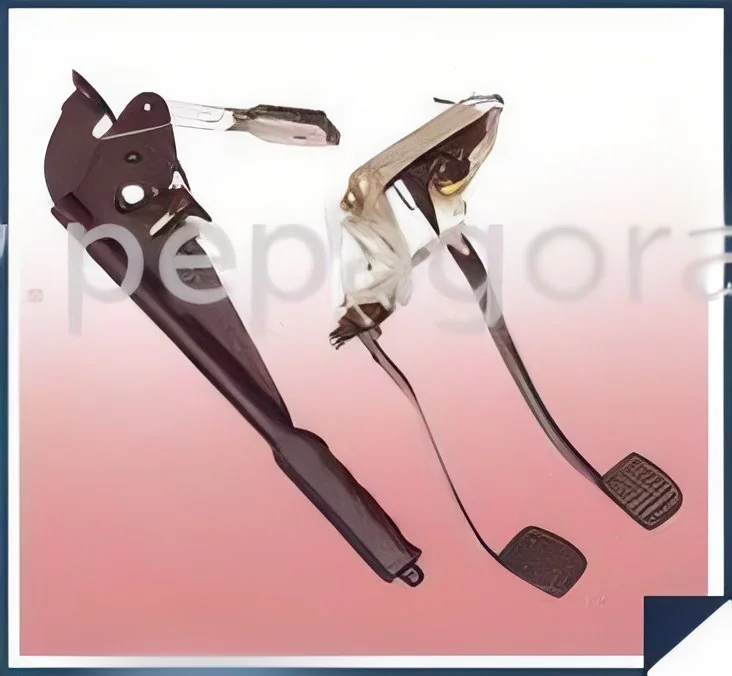
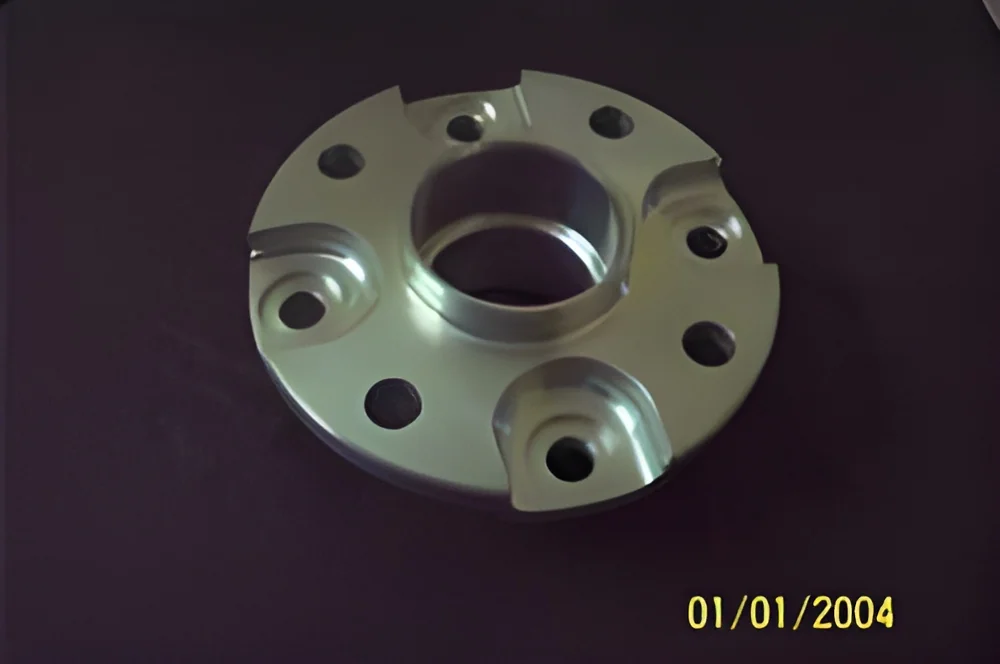
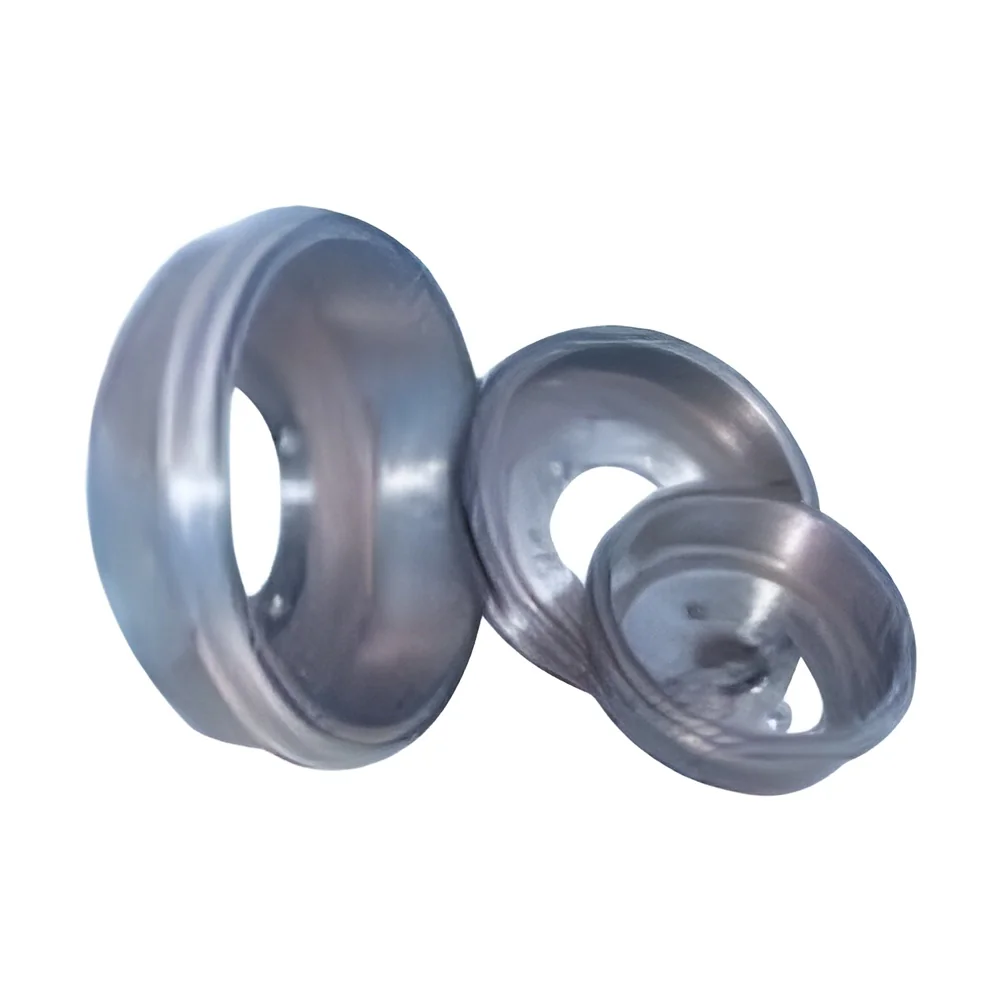
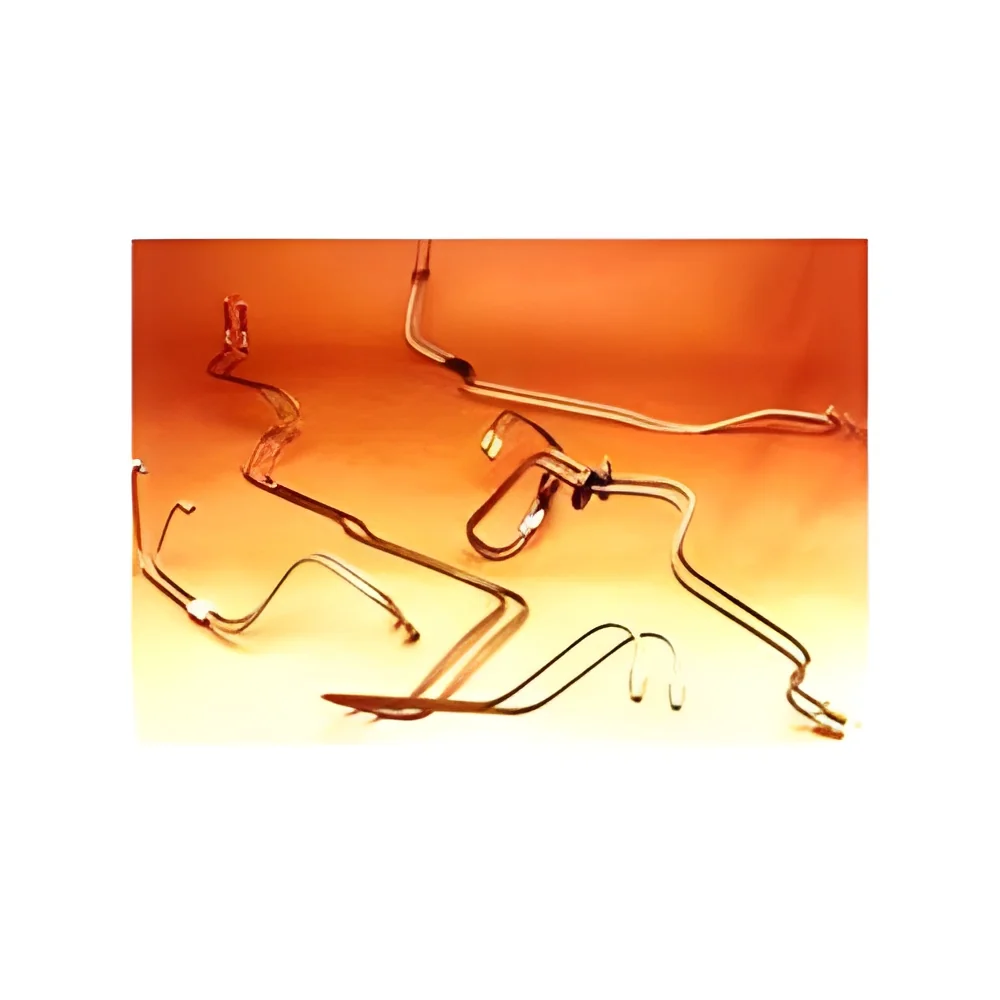
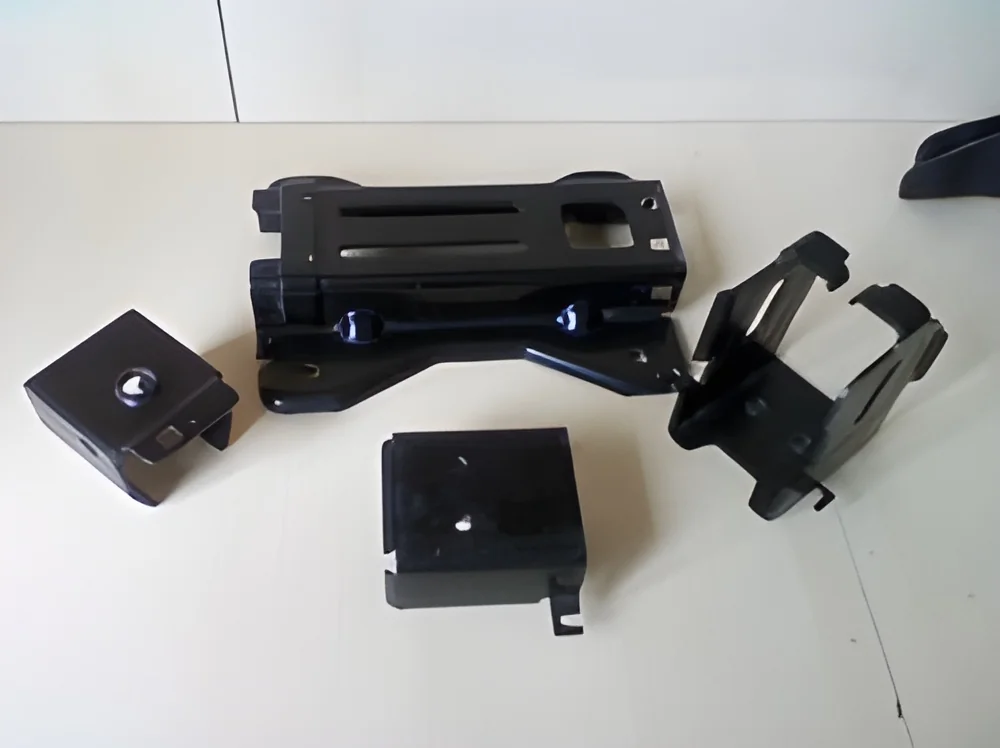
What are OEM & Aftermarket Brake & Steering Components?
OEM (Original Equipment Manufacturer) and aftermarket brake and steering components are essential parts used in vehicles to ensure safe and reliable operation. OEM components are produced by the vehicle manufacturer, ensuring a perfect fit and adherence to original specifications. Aftermarket components, on the other hand, are manufactured by third-party companies. They may offer a variety of options that can be more cost-effective and sometimes provide enhanced performance or features compared to OEM parts.
These components are primarily used in vehicle maintenance and repair, serving as replacements for worn or damaged parts. Businesses involved in automotive repair, fleet management, and vehicle manufacturing rely on these components to maintain the safety and functionality of vehicles. The demand for both OEM and aftermarket parts has grown with the increasing number of vehicles on the road and the desire for cost-effective maintenance solutions.
In today's competitive automotive market, the relevance of high-quality brake and steering components cannot be overstated. With advancements in technology and materials, manufacturers are continuously innovating. This ensures that both OEM and aftermarket components meet the evolving needs of consumers, thereby enhancing overall market dynamics.
Key Features and Specifications
When evaluating OEM and aftermarket brake and steering components, several key features and specifications should be considered. These components are designed to meet specific performance criteria and industry standards, ensuring reliability and safety.
Key specifications include:
1. Material Composition
- High-strength materials such as steel and aluminum
- Corrosion-resistant coatings for durability
2. Compatibility
- Designed for specific vehicle makes and models
- Ensures proper fit and function
3. Performance Ratings
- Tested for braking effectiveness and steering precision
- Compliance with industry performance benchmarks
4. Warranty Coverage
- Varies by manufacturer, typically ranges from 1 to 5 years
- Assurance of quality and reliability
5. Manufacturing Standards
- Produced under quality management systems like ISO 9001
- Adherence to safety and performance testing protocols
6. Environmental Compliance
- Meets regulations for emissions and material safety
- Certifications such as CE for European markets
7. Customization Options
- Availability of tailored solutions for specific applications
- Options for enhanced features or materials
Understanding these specifications helps buyers make informed decisions that align with their operational needs and regulatory requirements.
Common Applications and Use Cases
OEM and aftermarket brake and steering components serve a wide range of industries, ensuring safety and performance across various applications.
1. Automotive Repair: These components are vital for workshops performing brake and steering repairs, providing essential parts for safe vehicle operation.
2. Fleet Management: Businesses managing large vehicle fleets rely on these components for maintenance and efficient operation, reducing downtime and repair costs.
3. Heavy Machinery: Equipment used in construction and agriculture often requires robust brake and steering components for reliable performance in demanding environments.
4. Transportation Services: Companies in logistics and passenger transport use these components to ensure vehicle safety and compliance with industry regulations.
5. Specialty Vehicles: Custom-built vehicles, such as those used in motorsports, require high-performance brake and steering components to optimize handling and safety.
Product Variants and Subcategories
The diversity of OEM and aftermarket brake and steering components allows for tailored solutions across various applications. Different variants cater to specific needs and performance criteria.
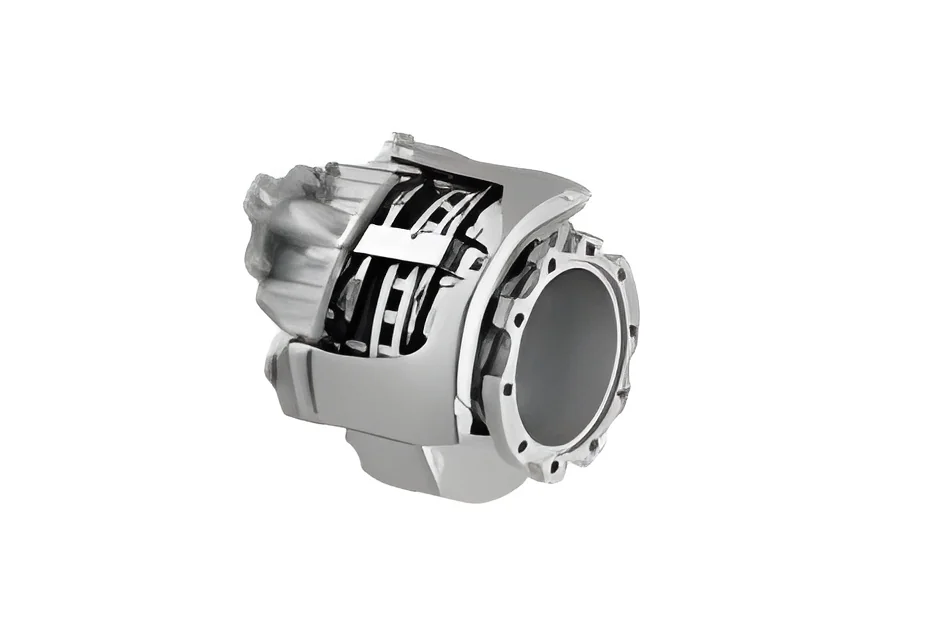
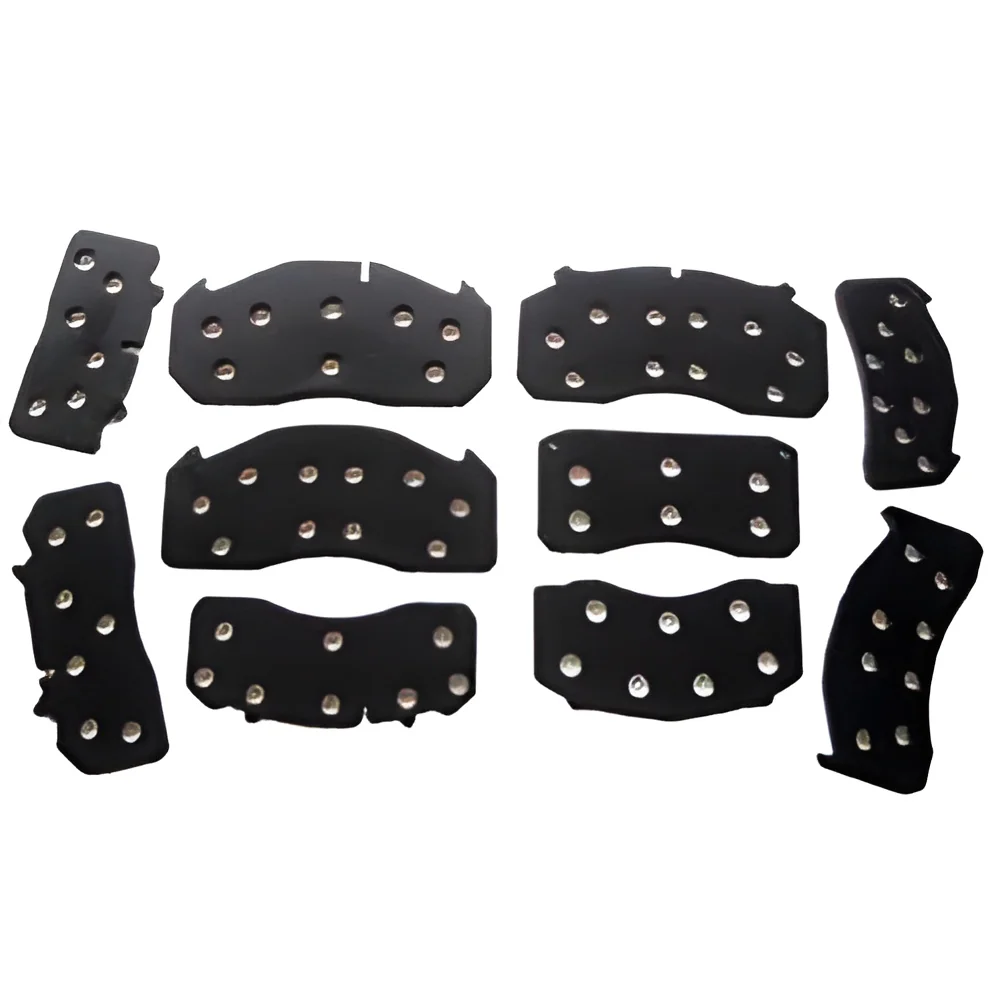
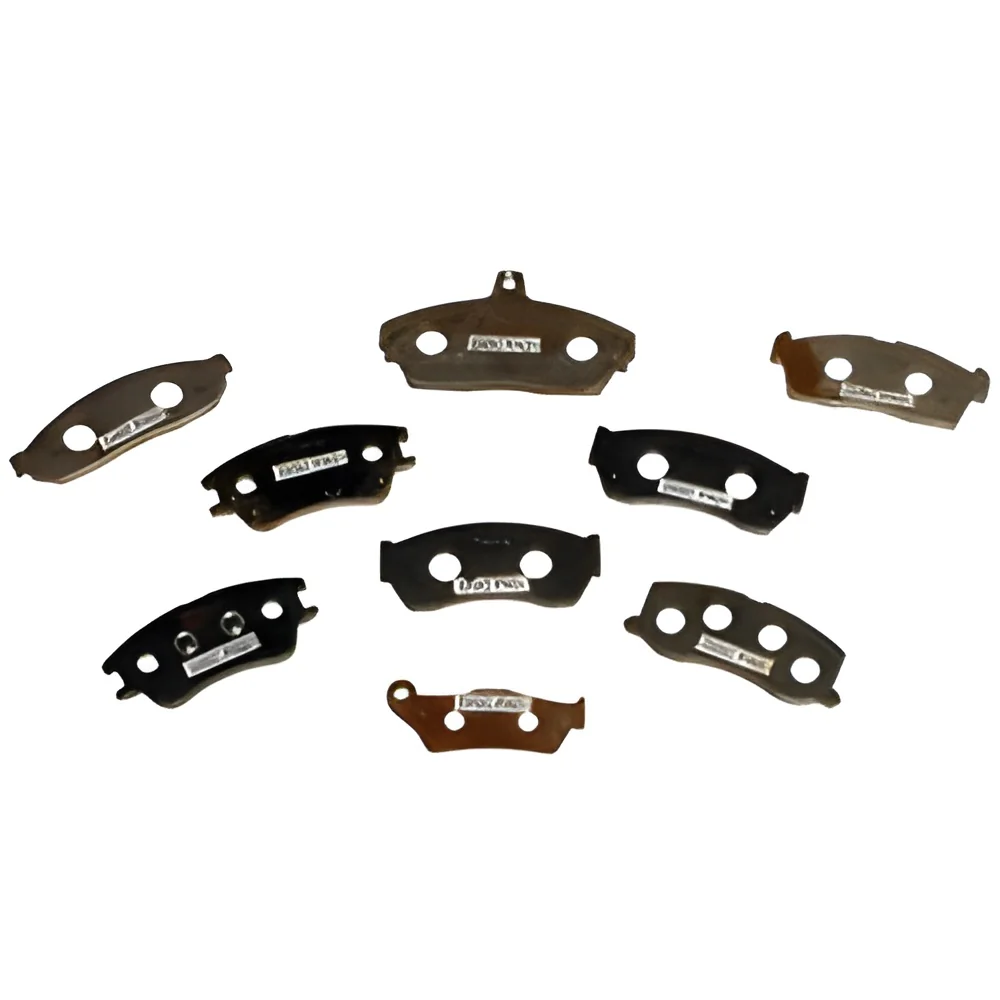
Disc Brake Components: This variant includes calipers, rotors, and pads designed for optimal stopping power and heat dissipation. They are commonly used in passenger vehicles and light trucks.
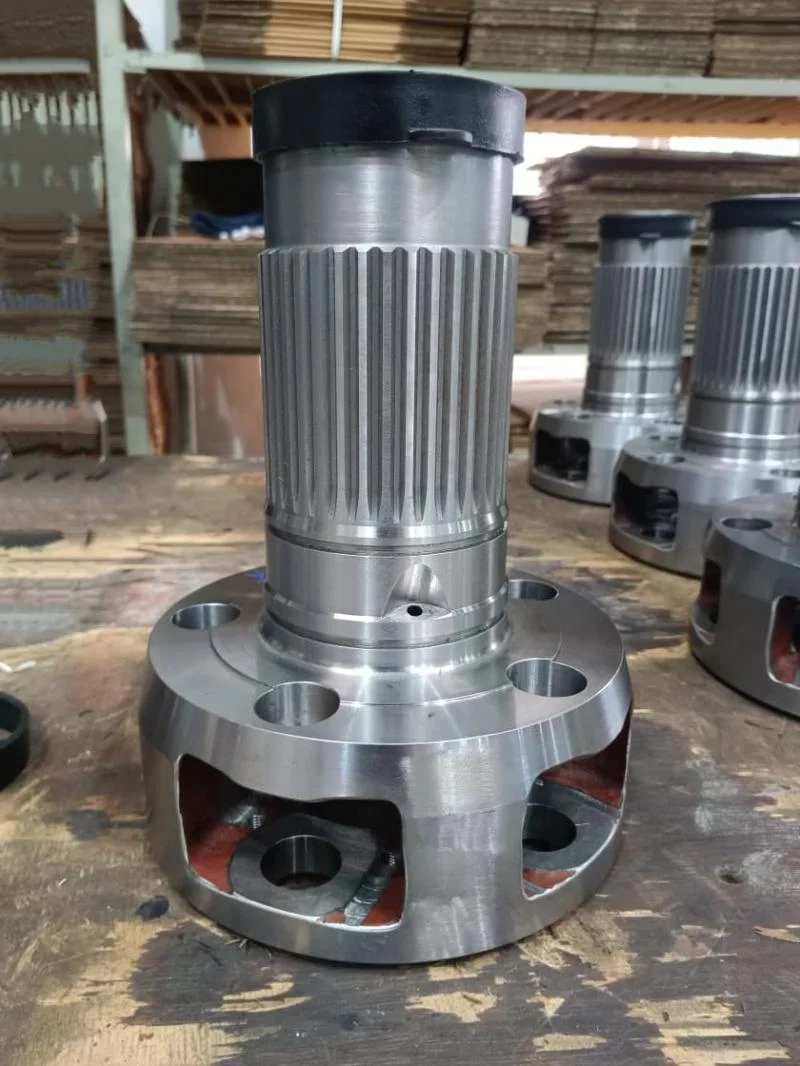
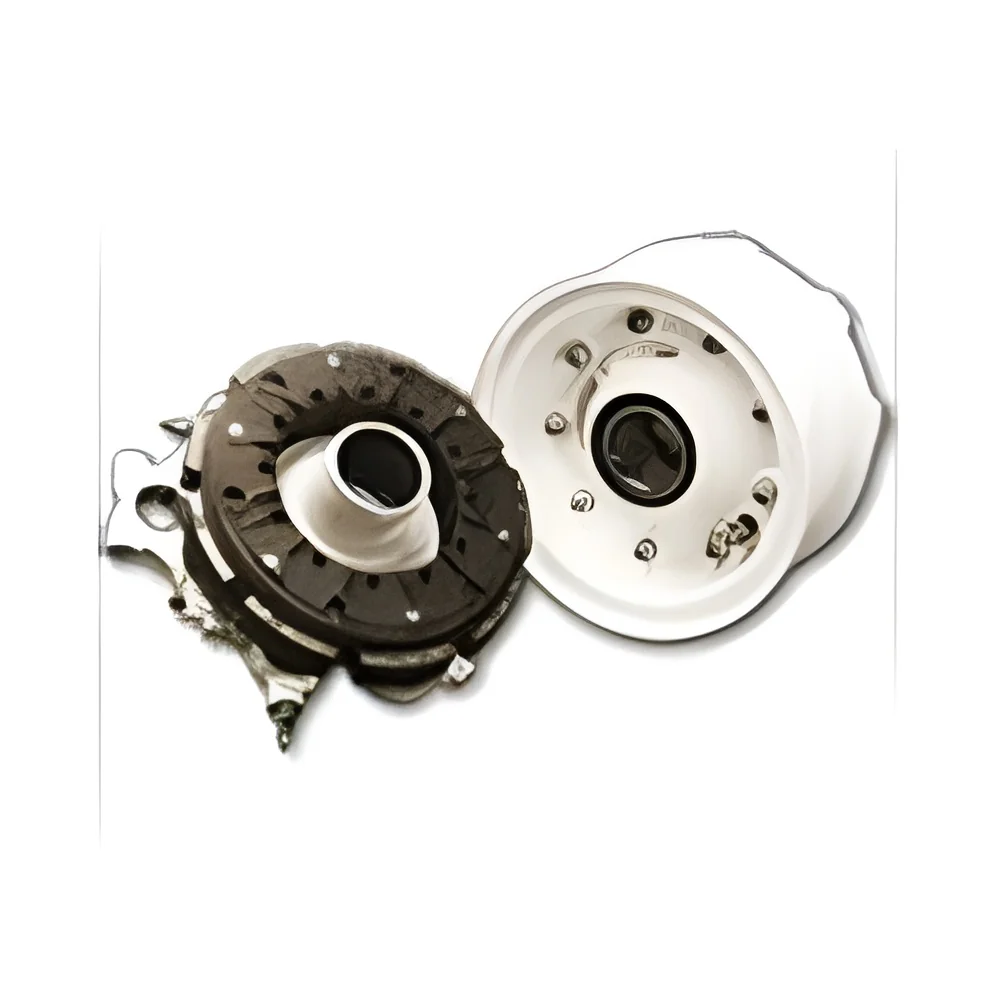
Drum Brake Components: These parts include drums and shoes, typically found in older vehicle models or specific applications like trailers. They offer reliable performance and ease of maintenance.
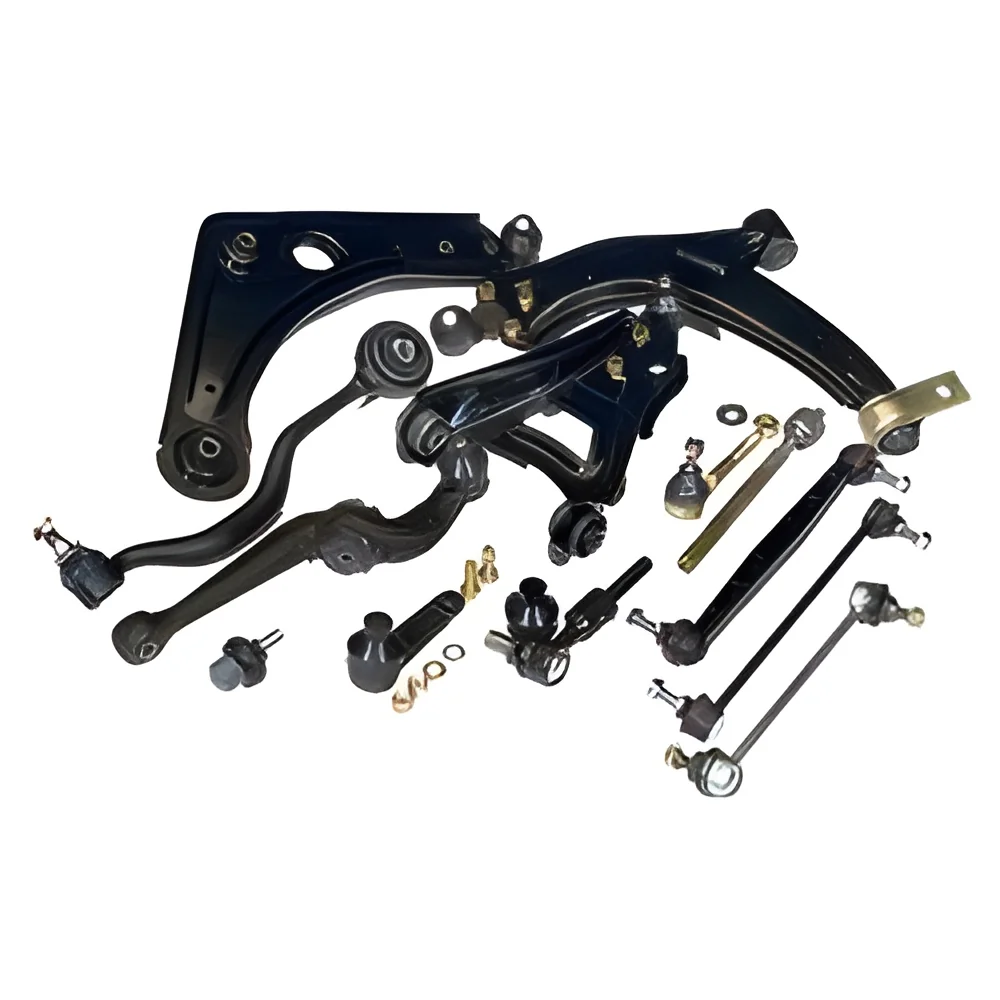
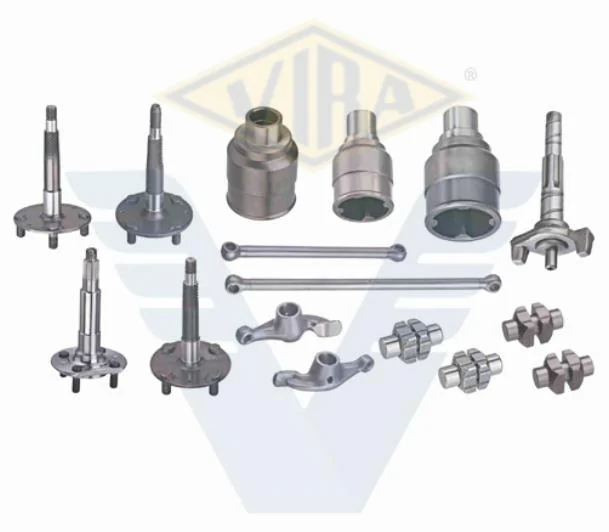
Steering Rack and Pinion: This component is essential for the steering system, providing precise control and responsiveness. It is widely used in passenger cars and performance vehicles.
Power Steering Pumps: These pumps enhance steering ease, making vehicle handling more manageable. They are used in various automotive and commercial vehicles.
Benefits and Advantages
Sourcing OEM and aftermarket brake and steering components offers several key benefits that can significantly impact operational efficiency and safety.
1. Cost-Effectiveness: Aftermarket components often provide a more economical solution without compromising quality, making them appealing for budget-conscious buyers.
2. Enhanced Performance: Many aftermarket options are designed to improve performance characteristics, offering better braking power and steering responsiveness.
3. Availability: A wide range of options ensures that businesses can find the right parts for diverse vehicle makes and models, reducing downtime during repairs.
4. Quality Assurance: OEM components come with guaranteed quality, while reputable aftermarket suppliers often adhere to strict manufacturing standards to ensure reliability.
5. Customization Potential: Buyers can often find components that are tailored to their specific needs, enhancing vehicle performance in unique applications.
6. Improved Safety: High-quality brake and steering components are crucial for maintaining vehicle safety, directly impacting driver and passenger well-being.
Buying Guide for B2B Buyers
When sourcing OEM and aftermarket brake and steering components, B2B buyers should consider several important factors to ensure they make informed purchasing decisions.
1. Quality Assessment: Evaluate the quality of components by reviewing certifications, testing standards, and customer feedback. High-quality parts ensure reliability and safety.
2. Supplier Verification: Vet suppliers to ensure they have a proven track record. Look for established companies with positive reviews and a history of compliance with industry standards.
3. Pricing and MOQ: Understand the pricing structure and minimum order quantities (MOQ) to ensure that it aligns with your budget and operational needs.
4. Delivery and Lead Times: Consider logistics, including shipping times and delivery reliability. Timely delivery is essential to maintain service schedules and avoid downtime.
5. Compliance Requirements: Ensure that the components meet all relevant regulations and standards for your industry. This includes safety certifications and environmental compliance.
Compliance and Certifications
Compliance and certifications are critical in the manufacturing and sourcing of OEM and aftermarket brake and steering components. Key quality standards such as ISO 9001 ensure that manufacturers adhere to rigorous quality management systems. This guarantees that products are produced consistently and meet customer expectations.
Industry certifications, such as CE, signify compliance with European health, safety, and environmental protection standards. This is crucial for businesses operating in international markets, as it builds trust and credibility.
Additionally, safety and testing requirements are vital aspects of component design and production. Components must undergo rigorous testing to ensure they meet performance specifications and safety standards. Regional compliance considerations may also vary, making it essential for buyers to understand the specific regulations applicable to their geographic area.
Why Source OEM & Aftermarket Brake & Steering Components from Pepagora?
Pepagora provides a trusted platform for sourcing OEM and aftermarket brake and steering components, offering several key advantages for B2B buyers.
Verified Supplier Network: Pepagora connects buyers with a network of verified suppliers, ensuring that all components sourced through the platform meet high-quality standards.
Streamlined RFQ Process: The request for quotation (RFQ) process is designed to be efficient and straightforward, allowing buyers to receive competitive pricing quickly from multiple suppliers.
Trade Assurance and Support: Pepagora offers buyer protection through trade assurance programs, providing peace of mind when making purchases.
Regional Coverage: With a strong presence in India, the GCC, and Southeast Asia, Pepagora facilitates access to a diverse range of components, ensuring that businesses can meet their specific operational needs effectively.

 IN
IN