
 IN
INTractors (Mini, Utility, Heavy-Duty)
13 products available
Key Features and Specifications
Common Applications and Use Cases
Product Variants and Subcategories
Benefits and Advantages
Buying Guide for B2B Buyers
Compliance and Certifications


Frequently Asked Questions
What are Tractors (Mini, Utility, Heavy-Duty)?
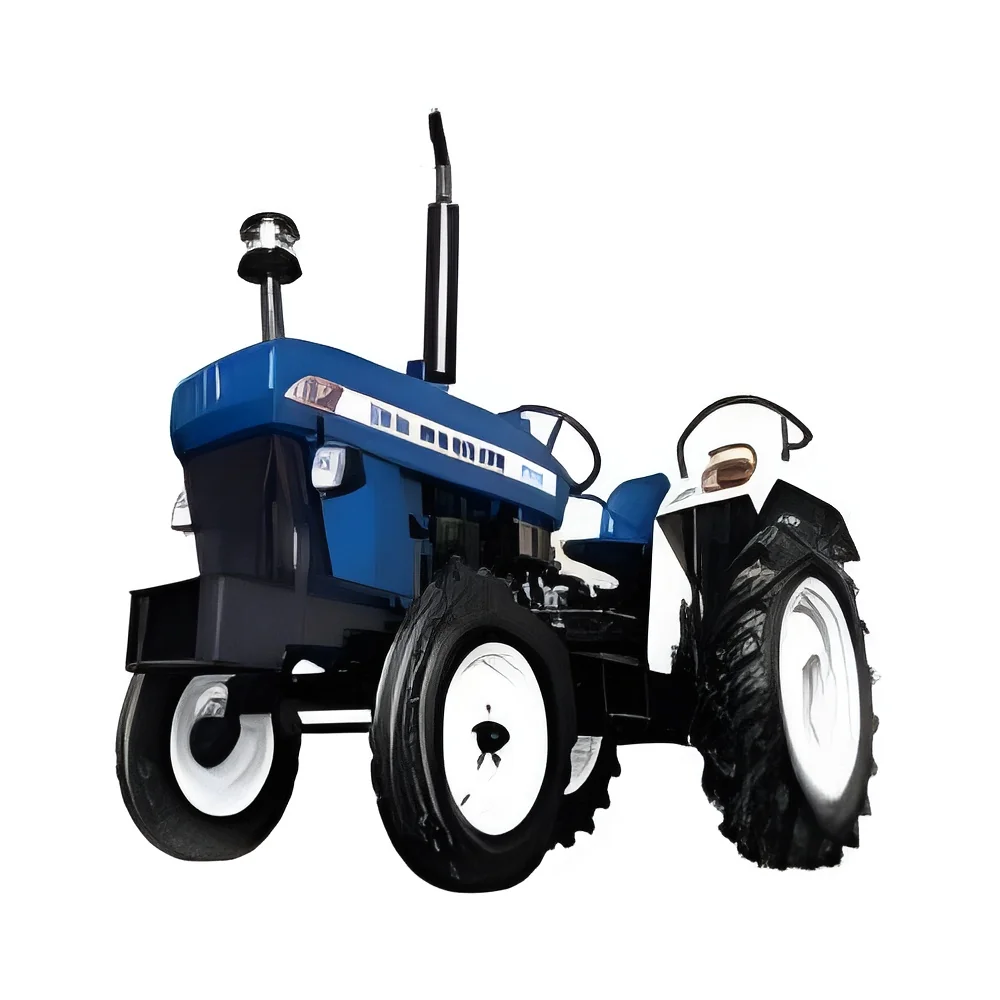
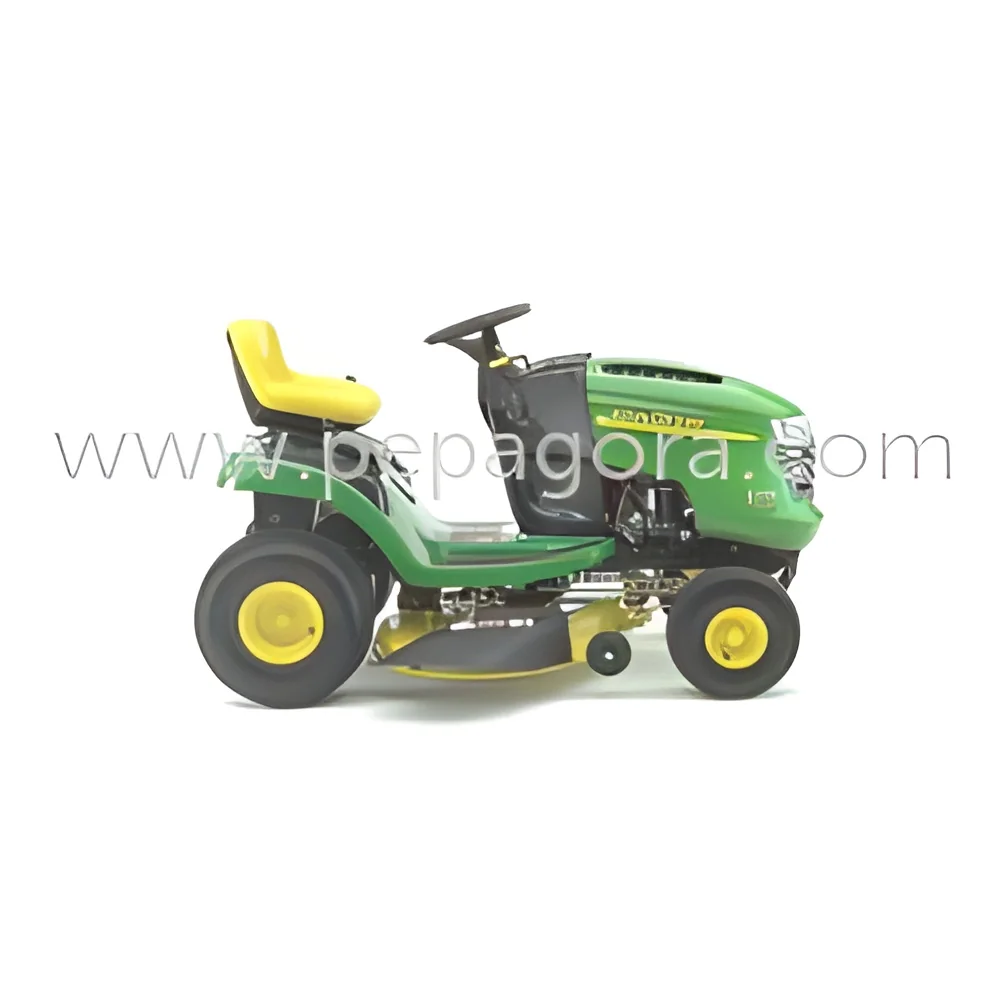
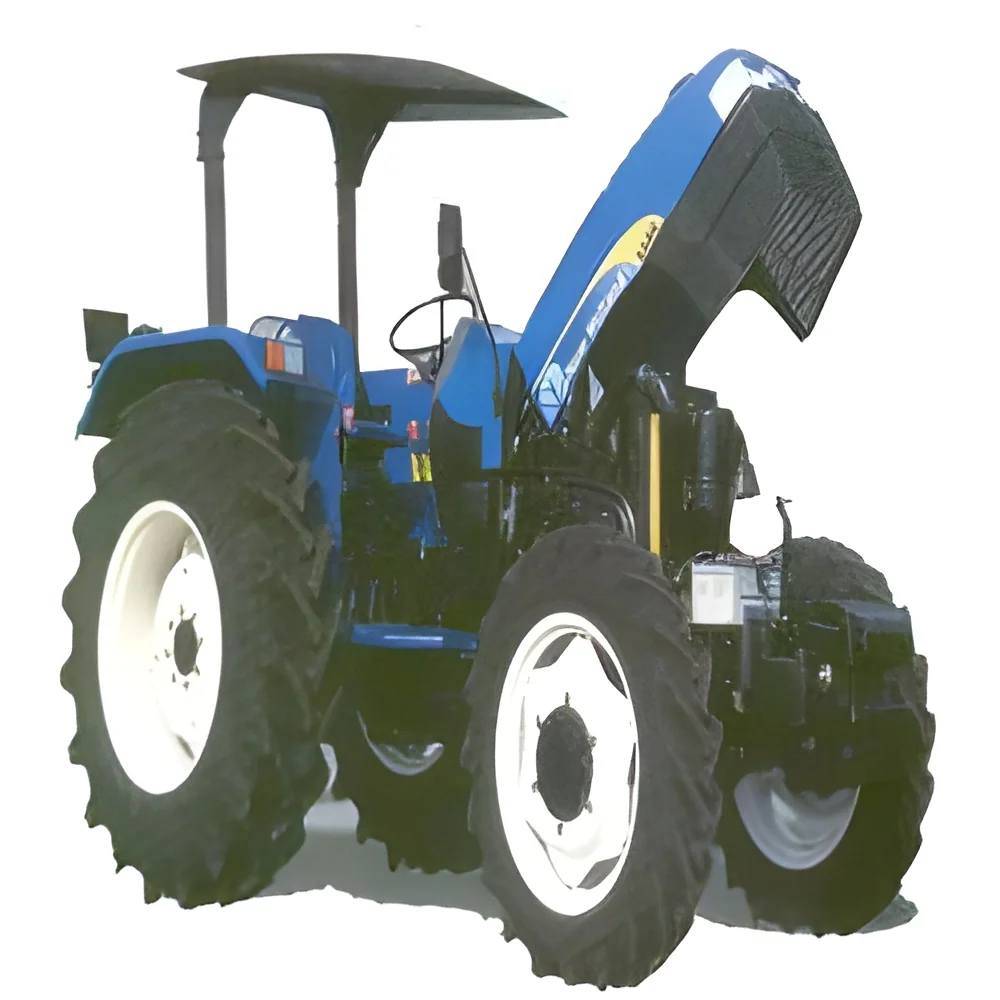
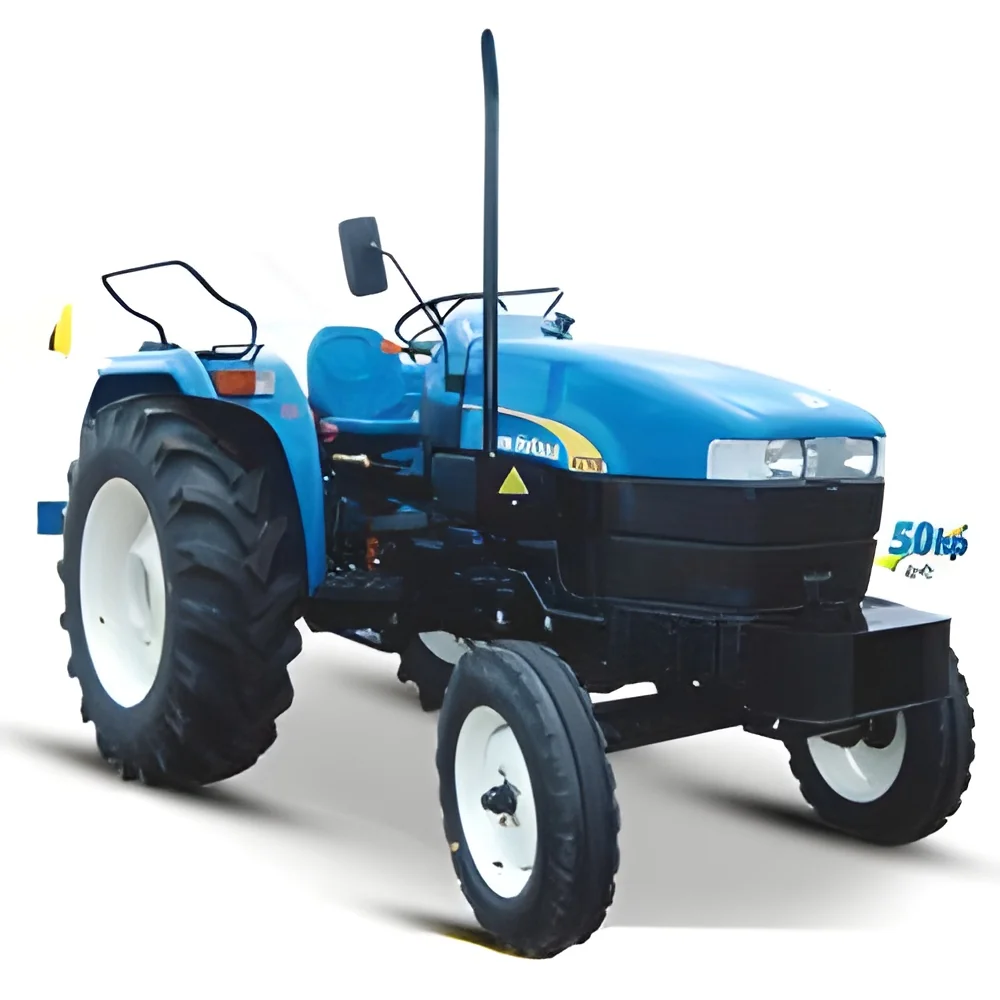
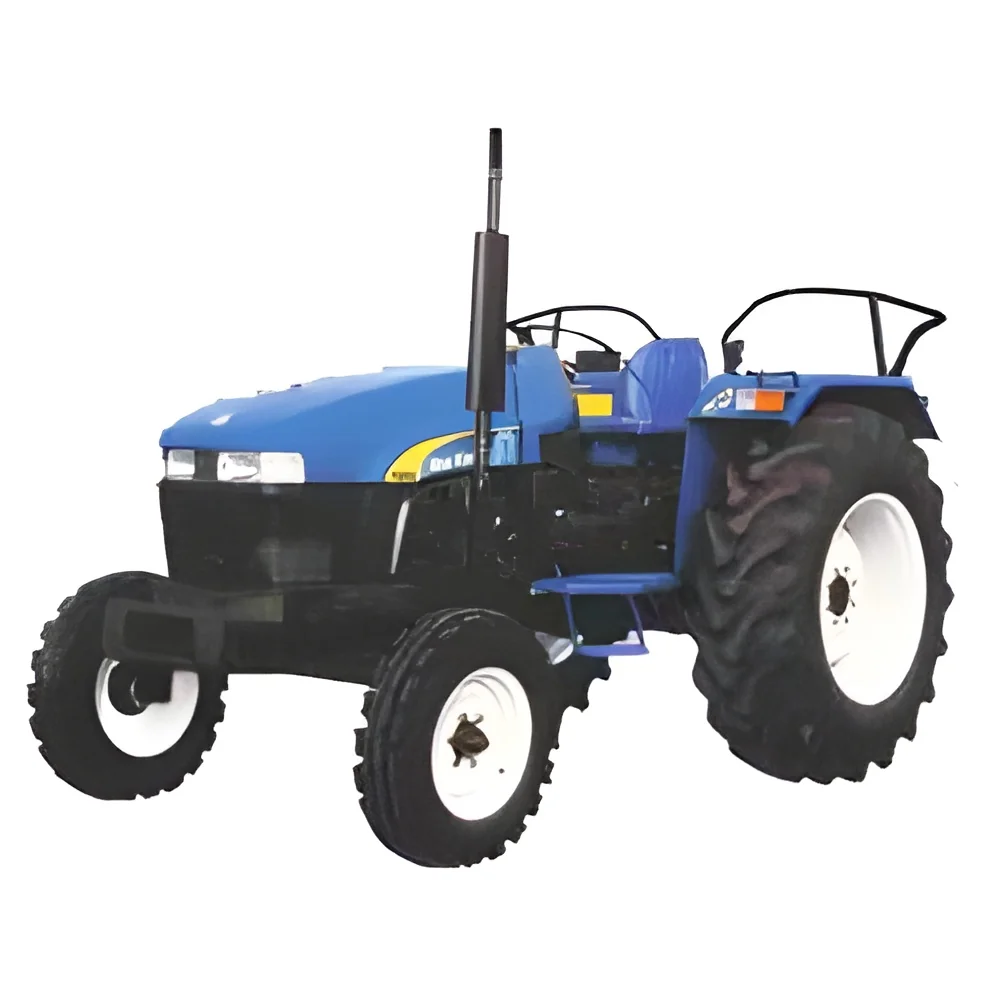
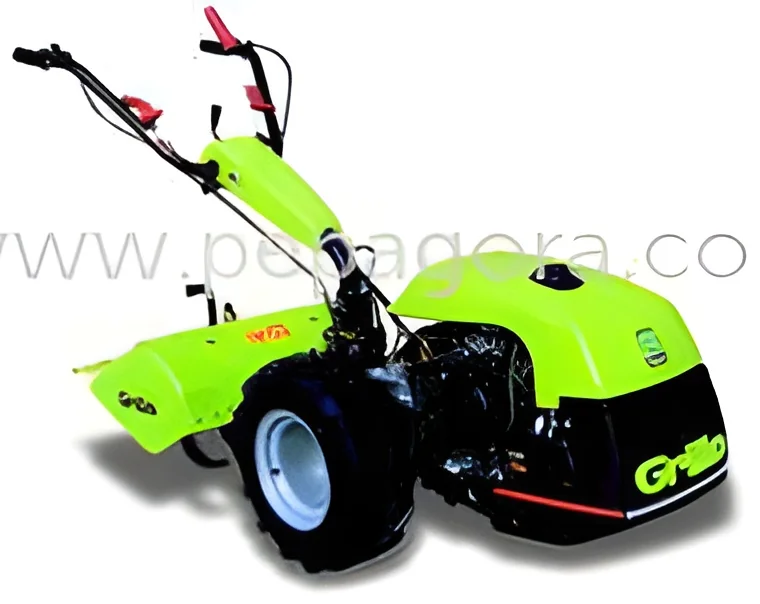
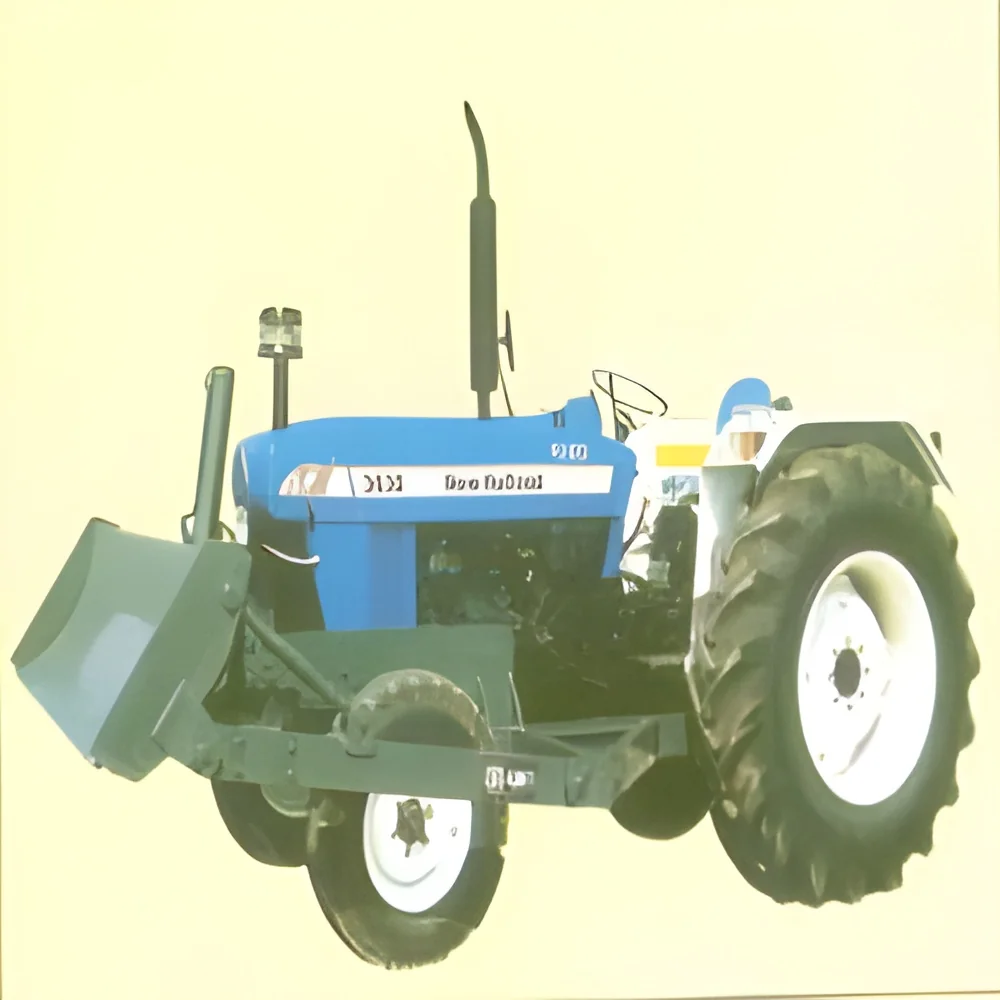
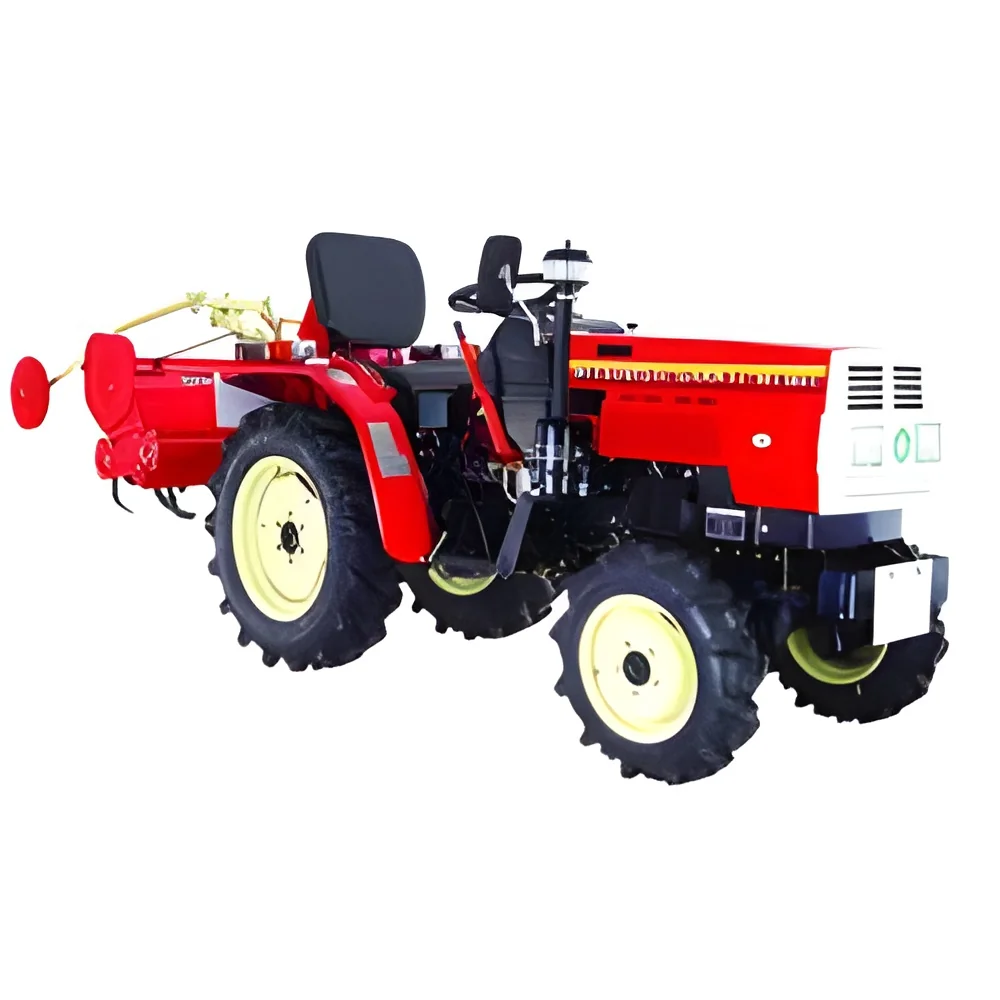
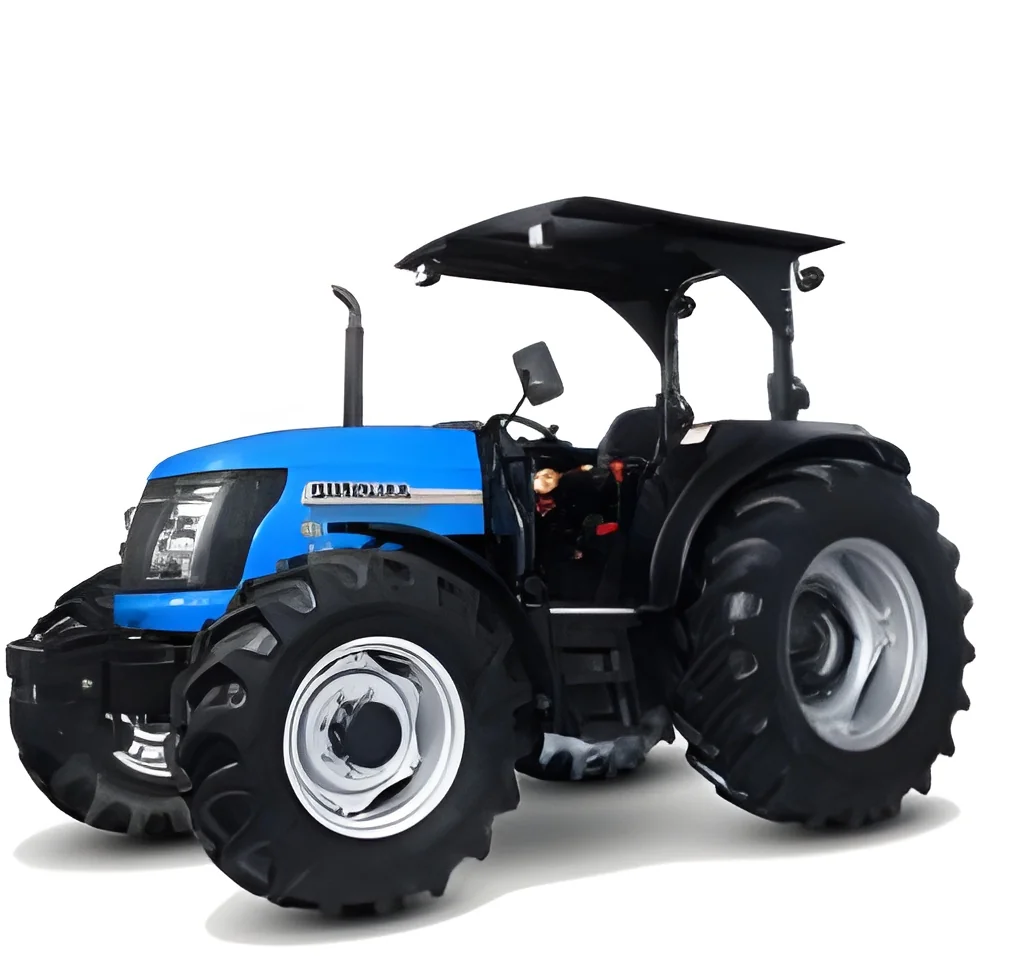
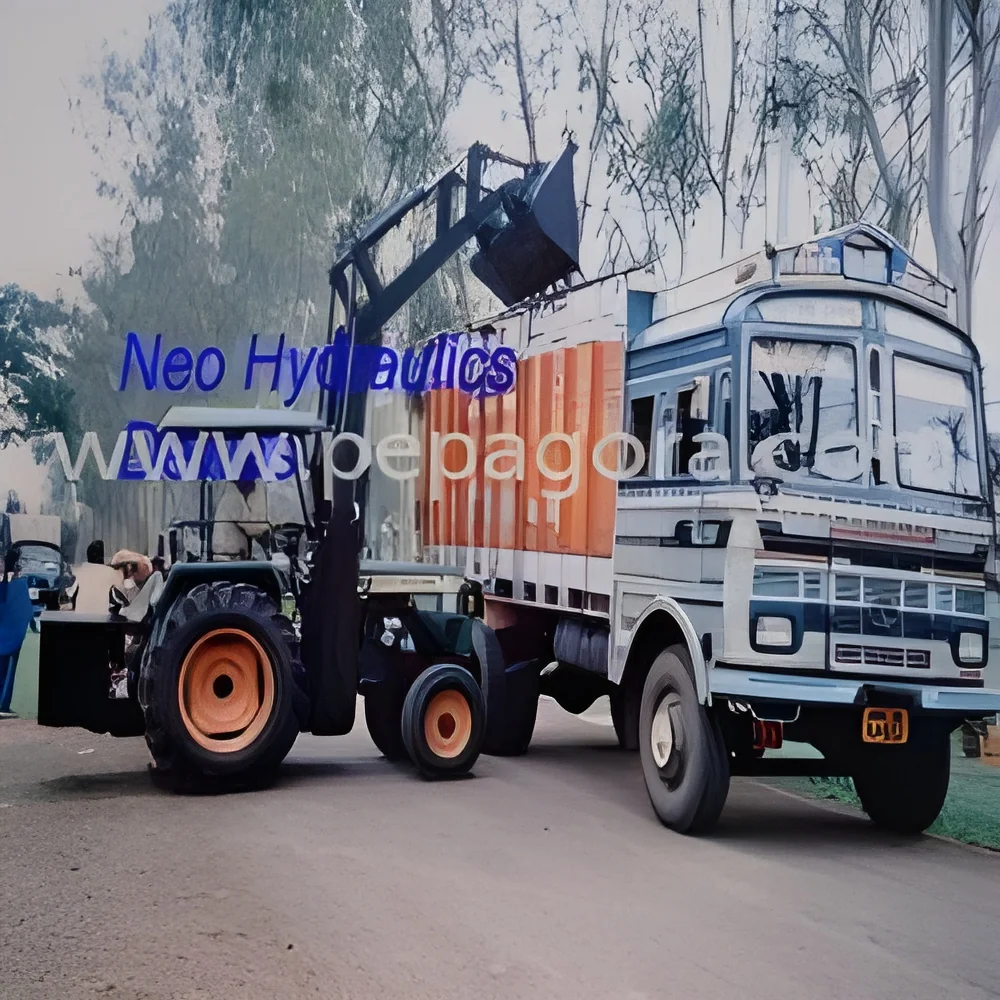
Tractors (Mini, Utility, Heavy-Duty) are powerful vehicles designed for agricultural and industrial tasks. Mini tractors are compact and ideal for small farms, utility tractors offer versatility for various tasks, while heavy-duty tractors are built for large-scale agricultural operations and demanding conditions.
What are the different types of Tractors (Mini, Utility, Heavy-Duty)?
The different types of tractors include mini tractors, utility tractors, and heavy-duty tractors. Mini tractors are designed for small-scale operations, utility tractors are versatile for multiple applications, and heavy-duty tractors are meant for heavy agricultural work and large land areas.
How do I choose the right Tractors (Mini, Utility, Heavy-Duty)?
Choosing the right tractor involves assessing your specific needs, such as the size of your land and the type of tasks you need to perform. Consider factors like horsepower, tractor size, and attachments available to find a model that suits your requirements.
What are the standard specifications for Tractors (Mini, Utility, Heavy-Duty)?
Standard specifications for tractors typically include engine horsepower, weight, fuel capacity, and tire size. Additionally, features like transmission type, hydraulic capacity, and available attachments can also vary based on the type of tractor.
What is the price range for Tractors (Mini, Utility, Heavy-Duty)?
The price range for tractors can vary significantly based on type and specifications. Mini tractors may start from around INR 3 lakhs, while utility tractors can range from INR 5 lakhs to INR 10 lakhs, and heavy-duty tractors may cost upwards of INR 10 lakhs.
What quality standards apply to Tractors (Mini, Utility, Heavy-Duty)?
Quality standards for tractors are determined by various national and international regulations, including ISO certifications. Manufacturers must adhere to safety, performance, and environmental standards to ensure reliability and durability.
Where can I find Tractors (Mini, Utility, Heavy-Duty) suppliers in India?
You can find suppliers of tractors in India through various platforms, including online B2B marketplaces like Pepagora.com. Local dealerships and agricultural exhibitions are also good sources to explore different suppliers and their offerings.
Can Tractors (Mini, Utility, Heavy-Duty) be customized?
Yes, tractors can often be customized to suit specific operational needs. Manufacturers may offer options for various attachments, colors, and features to enhance the functionality of the tractor.
What is the typical minimum order quantity for Tractors (Mini, Utility, Heavy-Duty)?
The typical minimum order quantity (MOQ) for tractors can vary by supplier and model. Generally, it ranges from one unit for smaller suppliers to larger quantities for bulk orders from manufacturers.
What is the typical lead time for Tractors (Mini, Utility, Heavy-Duty)?
The typical lead time for tractors can range from a few weeks to several months, depending on the supplier and the type of tractor. Custom orders may take longer, while standard models are usually available more quickly.
Why Businesses Trust Pepagora
Thousands of companies trust Pepagora to source smarter and sell faster
Expand Your Sales Globally

Source Smarter,Grow Faster
