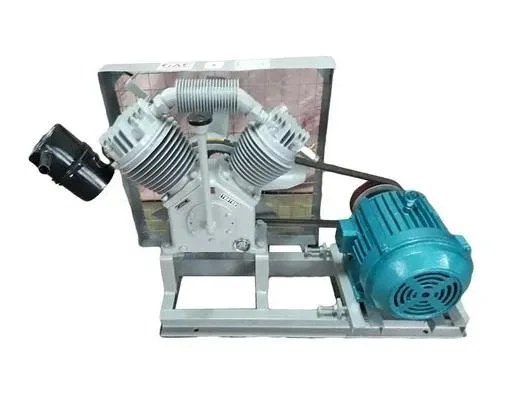
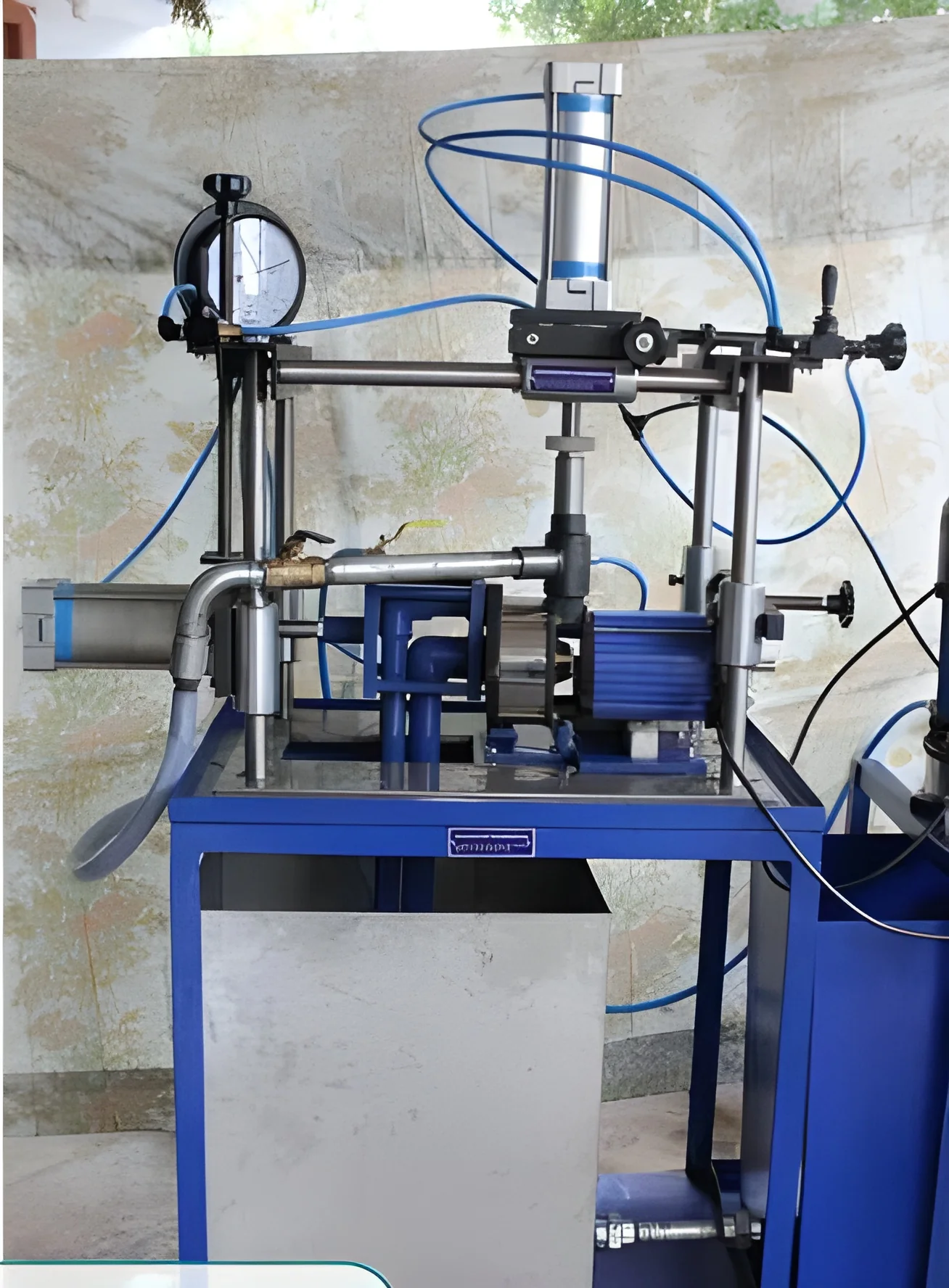
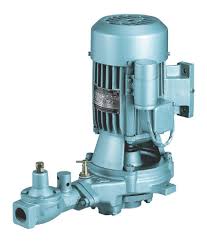
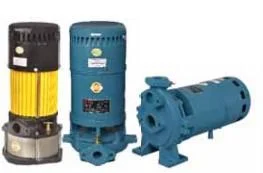
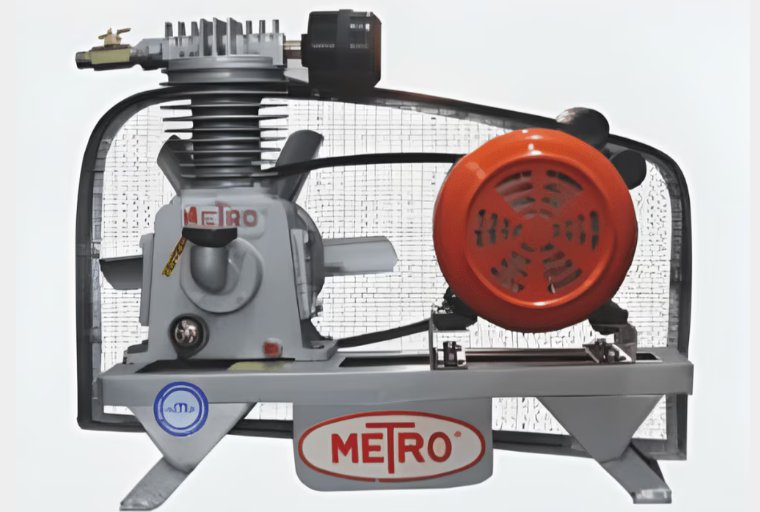
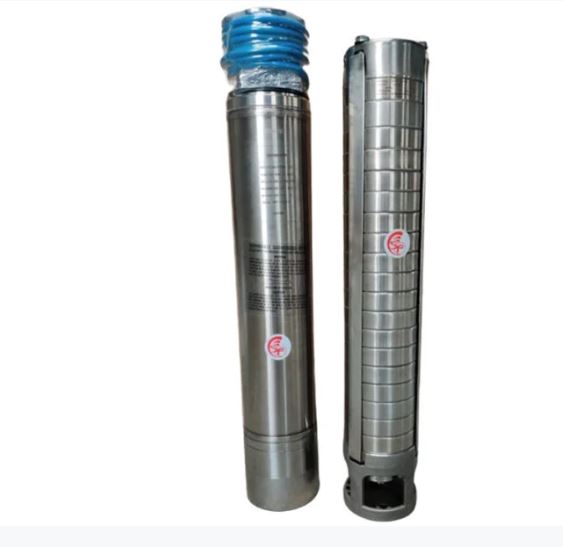
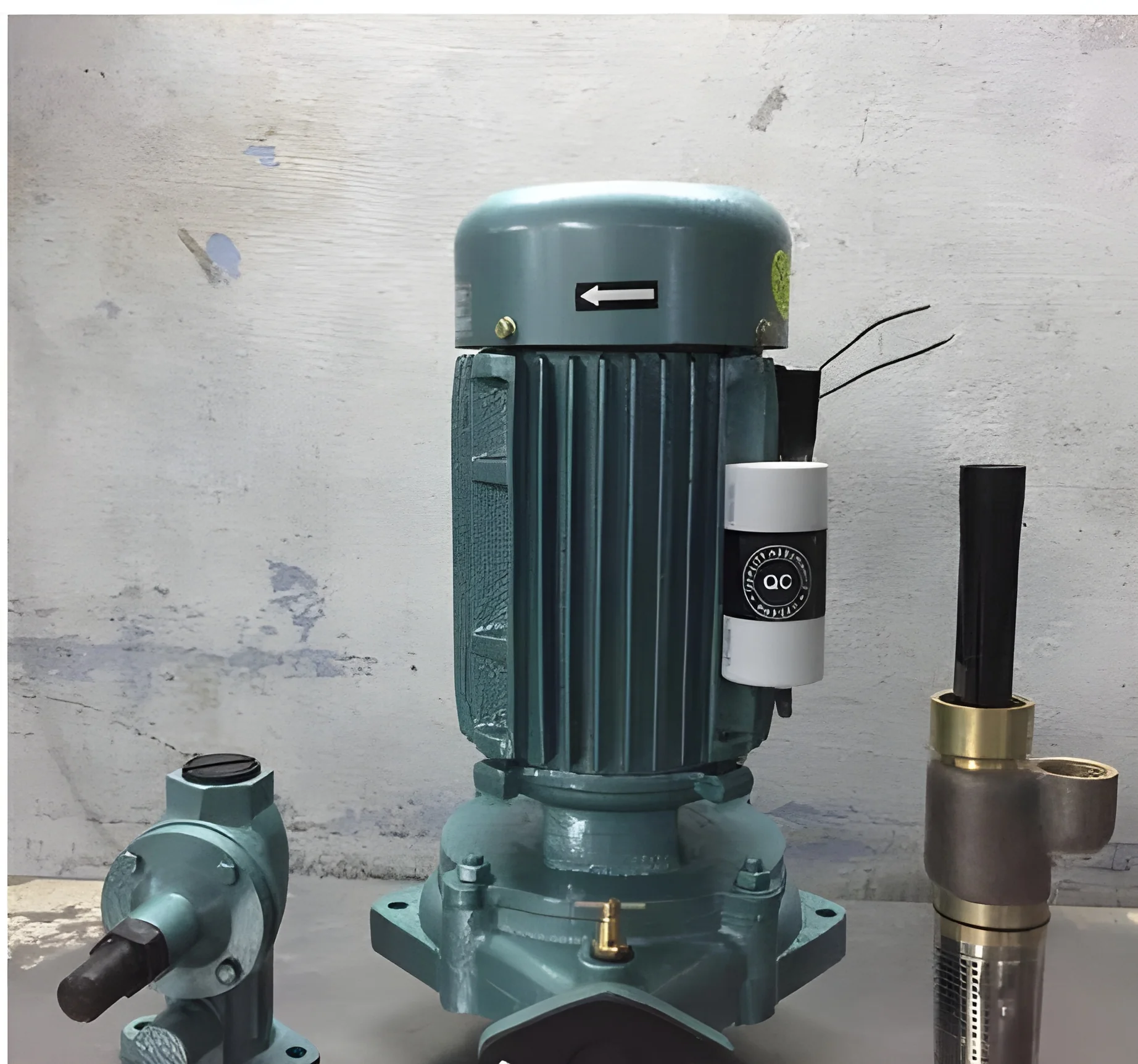
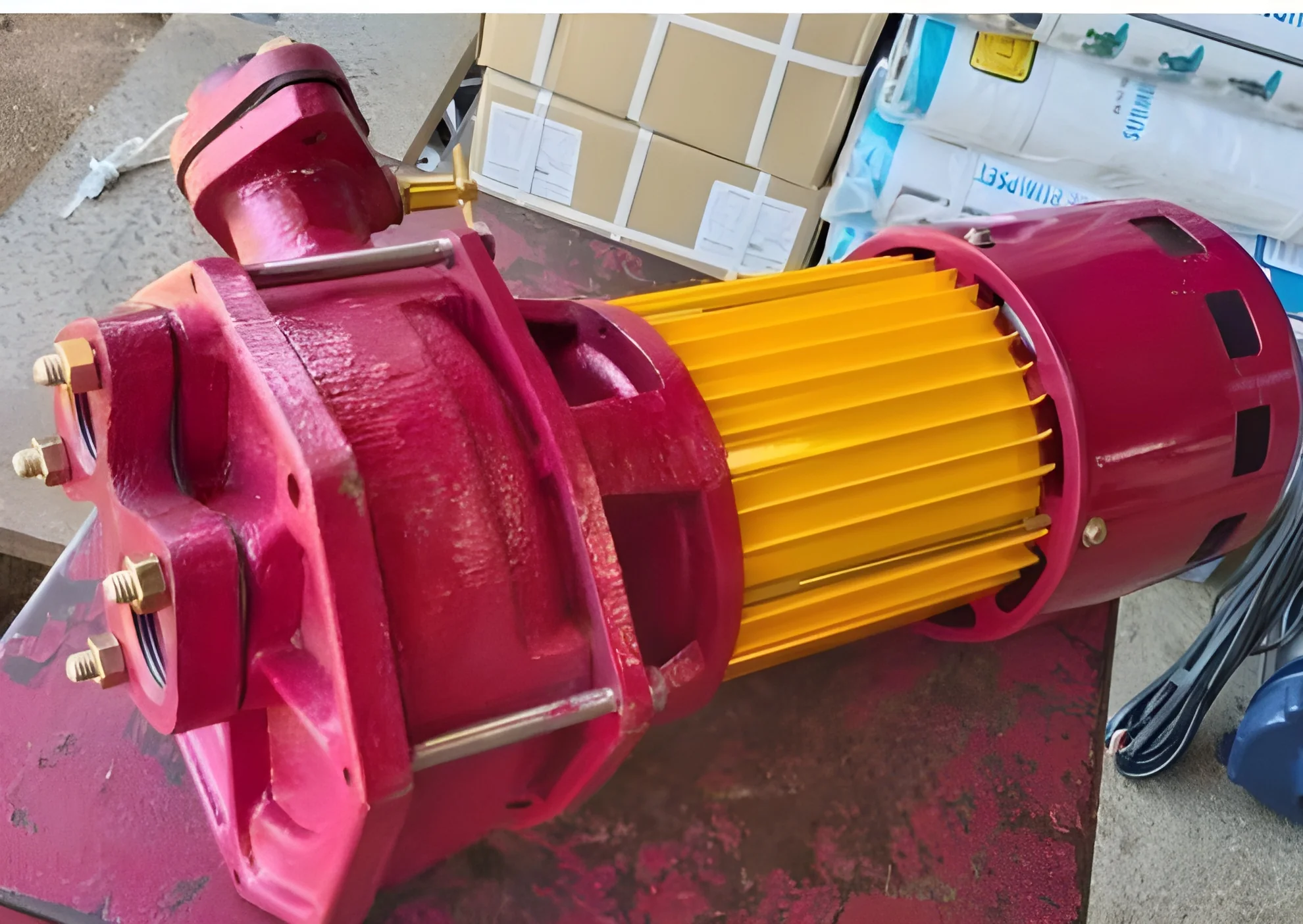
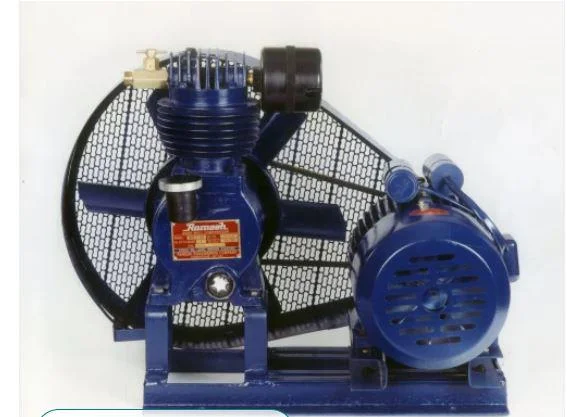
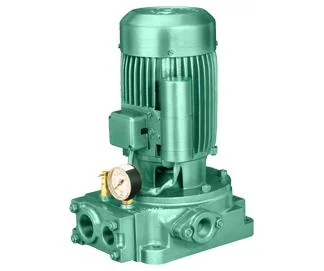
What are Jet Pumps & Borewell Equipment?
Jet pumps and borewell equipment are essential tools used in various industries for water extraction and management. Jet pumps utilize the principle of jet propulsion to lift water from deep underground sources, while borewell equipment refers to the tools and machinery used to drill and maintain borewells. These systems are designed to provide efficient and reliable water supply solutions in areas where traditional water sources may be limited or inaccessible.
These products find primary use in agriculture, construction, and municipal water supply systems. In agriculture, jet pumps help irrigate crops by accessing groundwater. In construction, borewell equipment is critical for providing water for concrete mixing and other site needs. Municipalities rely on these systems to ensure a consistent water supply for residential and commercial use. The increasing demand for sustainable water solutions makes jet pumps and borewell equipment highly relevant in today's market.
As industries face challenges related to water scarcity, the importance of efficient water management systems continues to grow. Jet pumps and borewell equipment are key players in addressing these challenges, making them vital components in both urban and rural development.
Key Features and Specifications
Jet pumps and borewell equipment come with a variety of features tailored to meet different operational needs. Understanding these features helps buyers select the right equipment for their specific applications.
Key specifications include:
1. Pump Capacity
- Determines the volume of water the pump can deliver per hour.
- Common ranges vary from 0.5 to 20 cubic meters per hour.
2. Lift Height
- Refers to the maximum height the pump can lift water from the borewell.
- Typical lift heights range from 10 to 100 meters.
3. Motor Power
- Indicates the power rating of the motor driving the pump.
- Ratings typically range from 0.5 HP to 5 HP.
4. Material Construction
- Affects the durability and corrosion resistance of the equipment.
- Common materials include stainless steel and cast iron.
5. Flow Rate
- The speed at which water flows through the system, measured in liters per minute.
- Flow rates can range from 10 to 300 liters per minute.
6. Installation Type
- Specifies whether the pump is surface-mounted or submersible.
- Surface-mounted pumps are easier to maintain, while submersible pumps are more efficient for deep applications.
7. Power Supply
- Indicates the type of electrical supply required for the pump.
- Can be single-phase or three-phase electricity.
8. Certification
- Ensures compliance with safety and quality standards.
- Common certifications include CE marking.
Understanding these specifications can help businesses make informed decisions when selecting jet pumps and borewell equipment that align with their operational requirements.
Common Applications and Use Cases
Jet pumps and borewell equipment are versatile tools used across multiple industries. Their applications are vital for effective water management.
1. Agriculture: In agricultural settings, these systems are used for irrigation, allowing farmers to draw water from underground sources to maintain crop health and yield.
2. Construction: In the construction industry, borewell equipment provides the necessary water supply for various tasks, including mixing concrete and dust control on job sites.
3. Municipal Water Supply: Municipalities utilize jet pumps to ensure consistent water delivery to homes and businesses, particularly in areas with limited surface water resources.
4. Mining: In mining operations, borewell equipment is essential for dewatering processes, helping to manage groundwater levels during extraction activities.
5. Industrial Processes: Many manufacturing industries rely on water for cooling, cleaning, and processing, making these systems crucial for operational efficiency.
6. Residential Use: Jet pumps are common in residential properties, particularly in rural areas, providing homeowners with reliable access to groundwater.
7. Firefighting: Borewell equipment plays a critical role in supplying water for firefighting operations, ensuring rapid response during emergencies.
Product Variants and Subcategories
Jet pumps and borewell equipment come in various types to suit different needs and applications. This diversity allows businesses to select the most appropriate solution for their specific requirements.
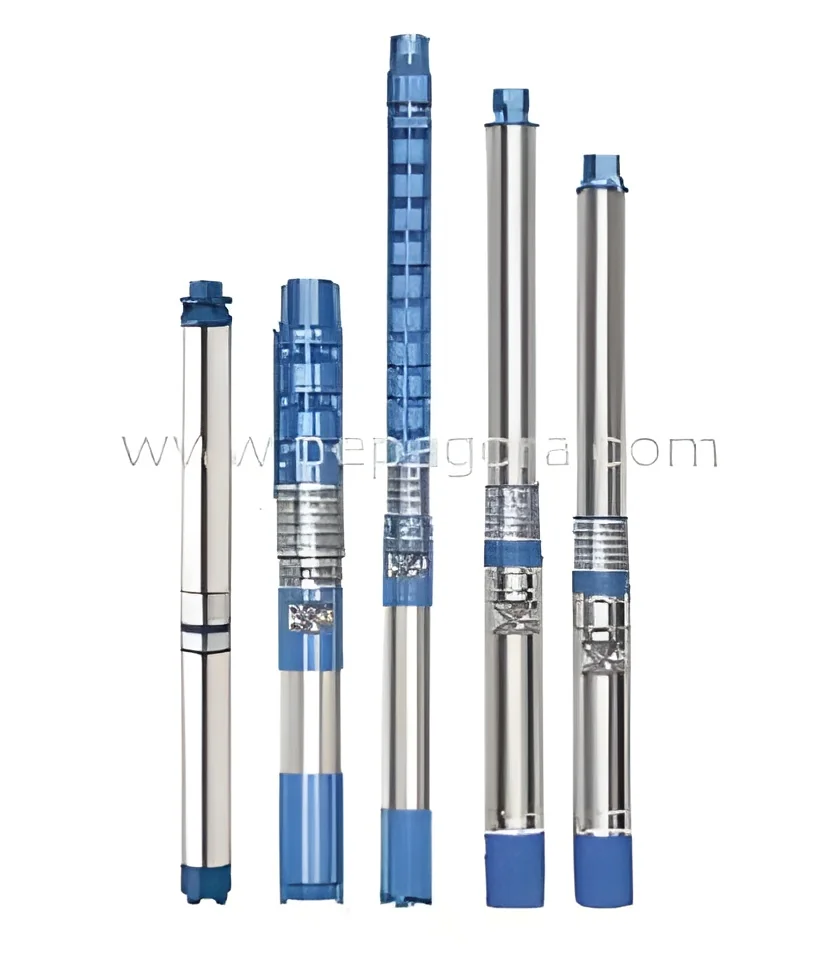
Submersible Jet Pumps: These pumps are designed to operate underwater, making them ideal for deep borewells. They are efficient and can handle various water conditions, making them suitable for agricultural and municipal applications.
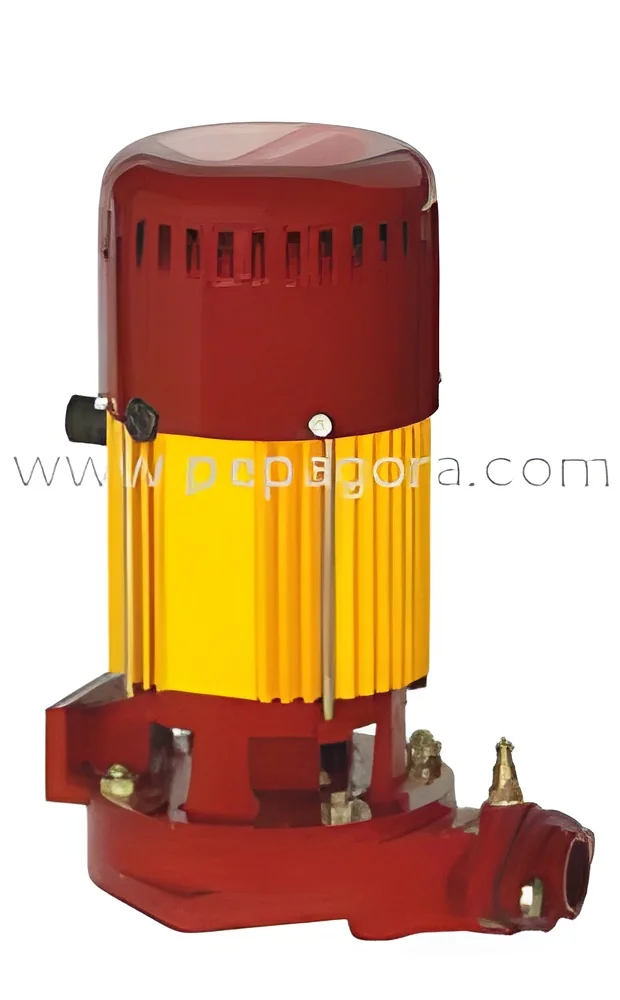
Surface Jet Pumps: These pumps are installed above ground and are best suited for shallow wells. They are easier to maintain and are commonly used in residential and small-scale applications.
Deep Well Pumps: Designed for deeper applications, these pumps can lift water from significant depths. They are often used in agricultural and industrial sectors where deep groundwater access is necessary.
Self-Priming Pumps: These pumps can draw water from below without the need for manual priming. They are versatile and can be used in various applications, including irrigation and construction.
Benefits and Advantages
Investing in jet pumps and borewell equipment offers numerous advantages for businesses seeking efficient water management solutions.
1. High Efficiency: Jet pumps are designed for optimal performance, ensuring minimal energy consumption while delivering maximum output.
2. Versatility: These systems can be used in various applications, from agriculture to industrial processes, making them a flexible choice for many industries.
3. Cost-Effectiveness: By accessing groundwater, businesses can reduce reliance on expensive surface water supplies, leading to significant cost savings.
4. Reliability: Jet pumps and borewell equipment are built for durability, providing consistent performance even under challenging conditions.
5. Easy Maintenance: Many variants are designed for straightforward maintenance, reducing downtime and operational disruptions.
6. Enhanced Water Quality: These systems often provide cleaner water compared to surface sources, which can be critical for agricultural and industrial applications.
Buying Guide for B2B Buyers
When sourcing jet pumps and borewell equipment, it is essential for buyers to consider several factors to ensure they select the right products.
1. Quality Assessment: Buyers should evaluate the quality of the equipment by checking for certifications and compliance with industry standards. This ensures reliable performance and safety.
2. Supplier Verification: Vetting suppliers is critical. Buyers should seek reputable manufacturers with a proven track record in the industry to ensure they receive high-quality products.
3. Pricing and MOQ: Understanding the pricing structure and any minimum order quantities is vital. Buyers should compare prices across different suppliers to find the best value.
4. Delivery and Lead Times: Consideration of logistics is important, as timely delivery can impact project timelines. Buyers should inquire about lead times and shipping options.
5. Compliance Requirements: Buyers must be aware of any regional regulations that apply to jet pumps and borewell equipment to ensure they adhere to legal standards.
Compliance and Certifications
Compliance with quality standards is crucial for ensuring the safety and efficiency of jet pumps and borewell equipment. Common standards include ISO 9001, which focuses on quality management systems, and CE certification, which indicates conformity with European health, safety, and environmental protection standards.
Testing requirements often include performance evaluations and safety assessments to guarantee that the equipment operates effectively under various conditions. Additionally, regional compliance considerations may vary, so it is important for buyers to be aware of local regulations that could impact their operations.
Overall, adherence to these standards not only enhances the reliability of jet pumps and borewell equipment but also assures buyers of their investment’s quality and safety.
Why Source Jet Pumps & Borewell Equipment from Pepagora?
Pepagora is a trusted platform for sourcing jet pumps and borewell equipment, offering several key advantages for B2B buyers.
Verified Supplier Network: Pepagora connects buyers with a verified network of suppliers, ensuring that the products sourced meet high-quality standards and regulatory requirements.
Streamlined RFQ Process: The request for quotation (RFQ) process on Pepagora is designed to be user-friendly, allowing buyers to easily compare offers from multiple suppliers and make informed purchasing decisions.
Trade Assurance and Support: Pepagora provides trade assurance to protect buyers, ensuring that they receive the products as promised. Additionally, dedicated support is available to assist buyers throughout the purchasing process.
Regional Coverage: With a strong presence in India, the GCC, and Southeast Asia, Pepagora offers extensive regional coverage, making it easier for businesses to source equipment locally while benefiting from competitive pricing.
By choosing Pepagora, businesses can streamline their sourcing process for jet pumps and borewell equipment while ensuring they receive high-quality products that meet their operational needs.

 IN
IN