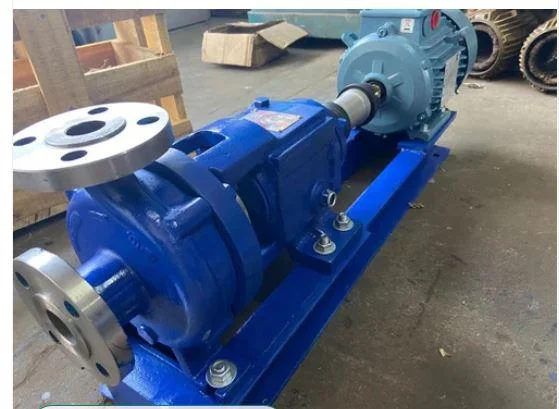
What are Centrifugal Pumps?
Centrifugal pumps are mechanical devices designed to move fluids by converting rotational energy to hydrodynamic energy. This is achieved through the use of a rotating impeller, which transfers energy to the fluid, causing it to flow. The resulting pressure differential allows the fluid to be discharged from the pump at a higher velocity. Centrifugal pumps are widely used in a variety of applications due to their efficiency and reliability.
These pumps find primary use in industries such as water and wastewater management, chemical processing, and oil and gas. They are essential in moving liquids, from clean water to viscous fluids, making them versatile across different sectors. Their ability to handle various flow rates and pressures further enhances their applicability, allowing businesses to optimize their operations in fluid handling.
As industries increasingly focus on productivity and efficiency, the demand for centrifugal pumps continues to rise. They play a crucial role in modern infrastructure and manufacturing processes. With advancements in technology, these pumps are being designed to meet specific industry requirements, ensuring compliance with regulatory standards and enhancing operational effectiveness.
Key Features and Specifications
Centrifugal pumps come with various features and specifications that dictate their performance and suitability for different applications. Understanding these specifications is crucial for selecting the right pump for your needs.
Key specifications include:
1. Flow Rate
- The volume of fluid the pump can move per unit of time
- Measured in gallons per minute (GPM) or liters per second (L/s)
2. Head Pressure
- The height to which the pump can raise the fluid
- Typically measured in feet or meters
3. Power Requirements
- The amount of energy needed to operate the pump
- Often measured in horsepower (HP) or kilowatts (kW)
4. Material of Construction
- The materials used in the pump body and impeller
- Common materials include stainless steel, cast iron, and thermoplastics
5. Seal Type
- Types of seals used to prevent leaks
- Options may include mechanical seals or packing seals
6. Motor Type
- The type of motor used to drive the pump
- Options include electric, gas, and hydraulic motors
7. Operating Temperature Range
- The temperature range within which the pump can operate effectively
- Data not available
8. Compliance Certifications
- Industry certifications that the pump meets specific standards
- CE certification is commonly noted
A thorough understanding of these specifications can help buyers make informed decisions when selecting centrifugal pumps for their operations.
Common Applications and Use Cases
Centrifugal pumps are utilized across various industries due to their efficiency and adaptability.
1. Water and Wastewater Management: Centrifugal pumps are crucial in municipal water supply systems and wastewater treatment plants, where they help in transporting water and sewage efficiently.
2. Chemical Processing: In this sector, these pumps move corrosive and non-corrosive fluids, making them essential for mixing, transferring, and processing chemicals.
3. Oil and Gas: Centrifugal pumps are used for transporting crude oil, refining processes, and in pipeline operations, where reliability is paramount.
4. Agriculture: These pumps are employed for irrigation purposes, enabling efficient water distribution across large fields.
5. Food and Beverage: In this industry, centrifugal pumps handle liquids like juices and dairy products, adhering to strict hygiene standards.
6. HVAC Systems: These pumps are integral to heating, ventilation, and air conditioning systems, facilitating the circulation of water and refrigerants.
7. Pharmaceuticals: They are utilized in the production and processing of medications, ensuring the safe transport of liquids.
Product Variants and Subcategories
Centrifugal pumps come in various designs to meet specific application requirements.
Standard Centrifugal Pumps: These are the most common type, suitable for a wide range of applications, including water supply and industrial processing. They are designed for high efficiency and reliability.
Self-Priming Centrifugal Pumps: These pumps can remove air from the suction line, allowing for smooth operation even when the pump is not fully submerged. They are particularly useful in applications where the fluid source is lower than the pump.
Multistage Centrifugal Pumps: Designed to achieve higher pressure outputs, these pumps have multiple impellers staged in a series. They are ideal for applications requiring significant head pressure, such as in high-rise buildings.
Submersible Centrifugal Pumps: These pumps are designed to operate while submerged in the fluid they are pumping. They are commonly used in draining applications, such as in basements or flooded areas.
Benefits and Advantages
Centrifugal pumps offer numerous benefits that contribute to their popularity in various industries.
1. High Efficiency: These pumps are designed to provide a consistent flow rate, reducing energy consumption and operational costs.
2. Versatility: Centrifugal pumps can handle a wide range of fluids, including clean water, sludge, and chemicals, making them suitable for diverse applications.
3. Low Maintenance: With fewer moving parts compared to other pump types, centrifugal pumps require less maintenance, leading to reduced downtime.
4. Compact Design: Many centrifugal pumps have a small footprint, allowing for easy installation in limited spaces.
5. Continuous Operation: These pumps can operate for extended periods without overheating, making them reliable for continuous processes.
6. Easy to Scale: The modular nature of centrifugal pumps allows for easy scaling to meet increasing demand without significant changes to the existing setup.
Buying Guide for B2B Buyers
When sourcing centrifugal pumps, several factors should be considered to ensure the best match for your operational needs.
1. Quality Assessment: Evaluate the quality of the pumps based on industry standards and manufacturer reputation. Look for certifications that indicate compliance with relevant quality benchmarks.
2. Supplier Verification: Vet potential suppliers through references, reviews, and previous project outcomes. A verified supplier can provide reliability and assurance in product quality.
3. Pricing and MOQ: Consider the total cost of ownership, including purchase price, maintenance, and operational costs. Be aware of Minimum Order Quantities (MOQs) as they can affect your purchasing decisions.
4. Delivery and Lead Times: Understand the supplier’s lead times and delivery capabilities to ensure timely procurement and minimize disruptions in your operations.
5. Compliance Requirements: Ensure that the pumps meet necessary regulatory and safety standards applicable to your industry. This includes checking for certifications such as CE.
Compliance and Certifications
Centrifugal pumps must adhere to various industry standards and certifications to ensure safety and performance.
ISO 9001 is a widely recognized quality management standard that demonstrates a manufacturer's commitment to quality in their processes and products. Compliance with ISO 9001 ensures that the pumps are produced consistently and meet customer expectations.
HACCP (Hazard Analysis Critical Control Point) is essential in industries like food and beverage. This standard ensures that the pumps used in these sectors do not compromise food safety.
CE certification indicates that the pumps meet European safety, health, and environmental protection standards. This certification is crucial for manufacturers and suppliers looking to market their products in Europe.
Furthermore, safety and testing requirements vary by region and application. Suppliers should provide documentation proving compliance with relevant safety regulations. Regional compliance considerations may also include local standards and practices that could impact the selection of centrifugal pumps.
Why Source Centrifugal Pumps from Pepagora?
Pepagora provides a trusted platform for sourcing centrifugal pumps, offering several key advantages to buyers.
Verified Supplier Network: Pepagora features a network of thoroughly vetted suppliers, ensuring that buyers have access to high-quality centrifugal pumps from reliable sources. This reduces the risk associated with purchasing equipment from unknown vendors.
Streamlined RFQ Process: The request for quotation (RFQ) process on Pepagora is designed to be efficient and user-friendly. This allows buyers to quickly compare offers, specifications, and pricing from multiple suppliers, facilitating better purchasing decisions.
Trade Assurance and Support: Pepagora offers buyer protection through its trade assurance policies, ensuring that transactions are secure and that buyers receive the products as described. This support fosters confidence in the purchasing process.
Regional Coverage: Pepagora’s geographic reach spans India, the Gulf Cooperation Council (GCC) countries, and Southeast Asia. This broad coverage allows buyers to source centrifugal pumps locally or regionally, optimizing supply chain logistics and reducing shipping times.
Overall, sourcing centrifugal pumps from Pepagora can enhance procurement efficiency and ensure quality in your operations.

 IN
IN