
 IN
INFarm Machinery & Tools
545 products available
𝗪𝗵𝗮𝘁 𝗮𝗿𝗲 𝗙𝗮𝗿𝗺 𝗠𝗮𝗰𝗵𝗶𝗻𝗲𝗿𝘆 & 𝗧𝗼𝗼𝗹𝘀?
Farm machinery and tools are essential equipment used in agricultural practices to enhance productivity and efficiency. These tools can range from simple hand-held devices to highly advanced machinery, designed to assist in various farming operations such as planting, cultivating, harvesting, and maintenance of crops. They play a vital role in modern agriculture, enabling farmers to manage their land and resources effectively.
The primary uses of farm machinery and tools include soil preparation, planting, irrigation, pest control, and harvesting. Businesses in agriculture utilize these tools to streamline their operations, reduce labor costs, and improve yields. This equipment is relevant across various sectors of agriculture, including crop production, livestock management, and horticulture. The demand for advanced farm machinery continues to grow as the agricultural industry seeks to adopt technology-driven solutions to meet the increasing food production needs.
As the agricultural landscape evolves, the market for farm machinery and tools is expanding. Companies are investing in innovative technologies to enhance the capabilities of their equipment. This includes automation, precision agriculture, and sustainable practices, which are becoming increasingly important in the industry.
𝗞𝗲𝘆 𝗙𝗲𝗮𝘁𝘂𝗿𝗲𝘀 𝗮𝗻𝗱 𝗦𝗽𝗲𝗰𝗶𝗳𝗶𝗰𝗮𝘁𝗶𝗼𝗻𝘀
Farm machinery and tools are characterized by several key features that influence their performance and suitability for various applications. Understanding these specifications is critical for making informed purchasing decisions.
Key specifications include:
1. Power Source
- Machines may be powered by diesel engines, electric motors, or manual operation.
- Power ratings vary, with engines typically ranging from 5 to 500 horsepower.
2. Working Width
- This refers to the width of the implement or tool during operation.
- Typical working widths can range from 1 meter to over 10 meters, depending on the type of machinery.
3. Operating Speed
- The speed at which the machinery can operate is crucial for efficiency.
- Speeds can range from 1 km/h for precision tasks to 20 km/h for transport.
4. Weight
- The weight of the machinery affects its stability and ease of transport.
- Weights can vary widely, from lightweight hand tools to several tons for large machinery.
5. Capacity
- This refers to the volume or area that the machinery can handle.
- For example, seeders may have a capacity of 100 to 500 liters, depending on the model.
6. Durability
- Construction materials and build quality impact the longevity of the tools.
- High-quality steel and corrosion-resistant materials are common in reliable machinery.
7. Technology Integration
- Many modern tools come equipped with GPS, sensors, and data monitoring.
- This integration allows for precision farming and improved decision-making.
8. Safety Features
- Safety mechanisms such as emergency stop buttons and protective shields are essential.
- Compliance with safety standards is a key consideration for all agricultural equipment.
In summary, selecting the right farm machinery and tools requires a thorough understanding of these key specifications. By evaluating these features, buyers can ensure they choose equipment that meets their operational needs.
𝗖𝗼𝗺𝗺𝗼𝗻 𝗔𝗽𝗽𝗹𝗶𝗰𝗮𝘁𝗶𝗼𝗻𝘀 𝗮𝗻𝗱 𝗨𝘀𝗲 𝗖𝗮𝘀𝗲𝘀
Farm machinery and tools have a wide range of applications across different agricultural sectors. These tools are designed to meet the specific needs of various industries.
1. Crop Production: In crop production, machinery such as tractors, plows, and harvesters are used for soil preparation, planting, and harvesting. These tools help increase efficiency and reduce labor costs.
2. Livestock Management: Tools like feed mixers and milking machines streamline the management of livestock. They enhance productivity and ensure better care for animals.
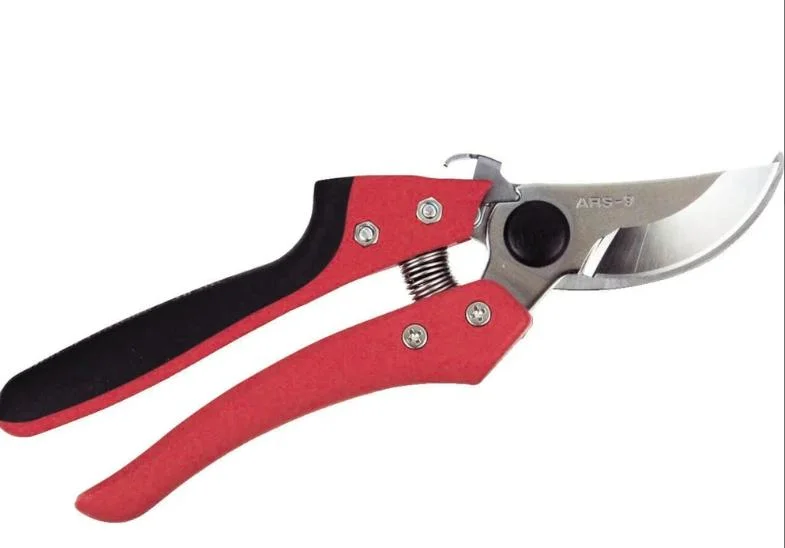
3. Horticulture: In horticulture, specialized tools like pruners and seeders are employed for growing fruits and vegetables. These tools allow for precision and care in cultivation.
4. Aquaculture: Farm tools are also used in aquaculture for feeding and monitoring fish health. Equipment like aerators and nets play a crucial role in maintaining optimal conditions.
5. Vineyard Management: In vineyards, machinery such as grape harvesters and pruning equipment are essential for managing grape production. These tools facilitate quality control and efficiency.
6. Forestry: Farm machinery is utilized in forestry for tree planting, cutting, and transporting timber. Specialized equipment ensures sustainable practices are followed.
7. Organic Farming: Tools designed for organic farming, such as manual weeders and compost spreaders, help maintain eco-friendly practices while ensuring productivity.
In conclusion, the diverse applications of farm machinery and tools cater to various agricultural industries, enhancing productivity and operational efficiency.
𝗣𝗿𝗼𝗱𝘂𝗰𝘁 𝗩𝗮𝗿𝗶𝗮𝗻𝘁𝘀 𝗮𝗻𝗱 𝗦𝘂𝗯𝗰𝗮𝘁𝗲𝗴𝗼𝗿𝗶𝗲𝘀
Farm machinery and tools come in various forms to cater to different agricultural needs. Each variant is designed with specific features to suit particular applications.
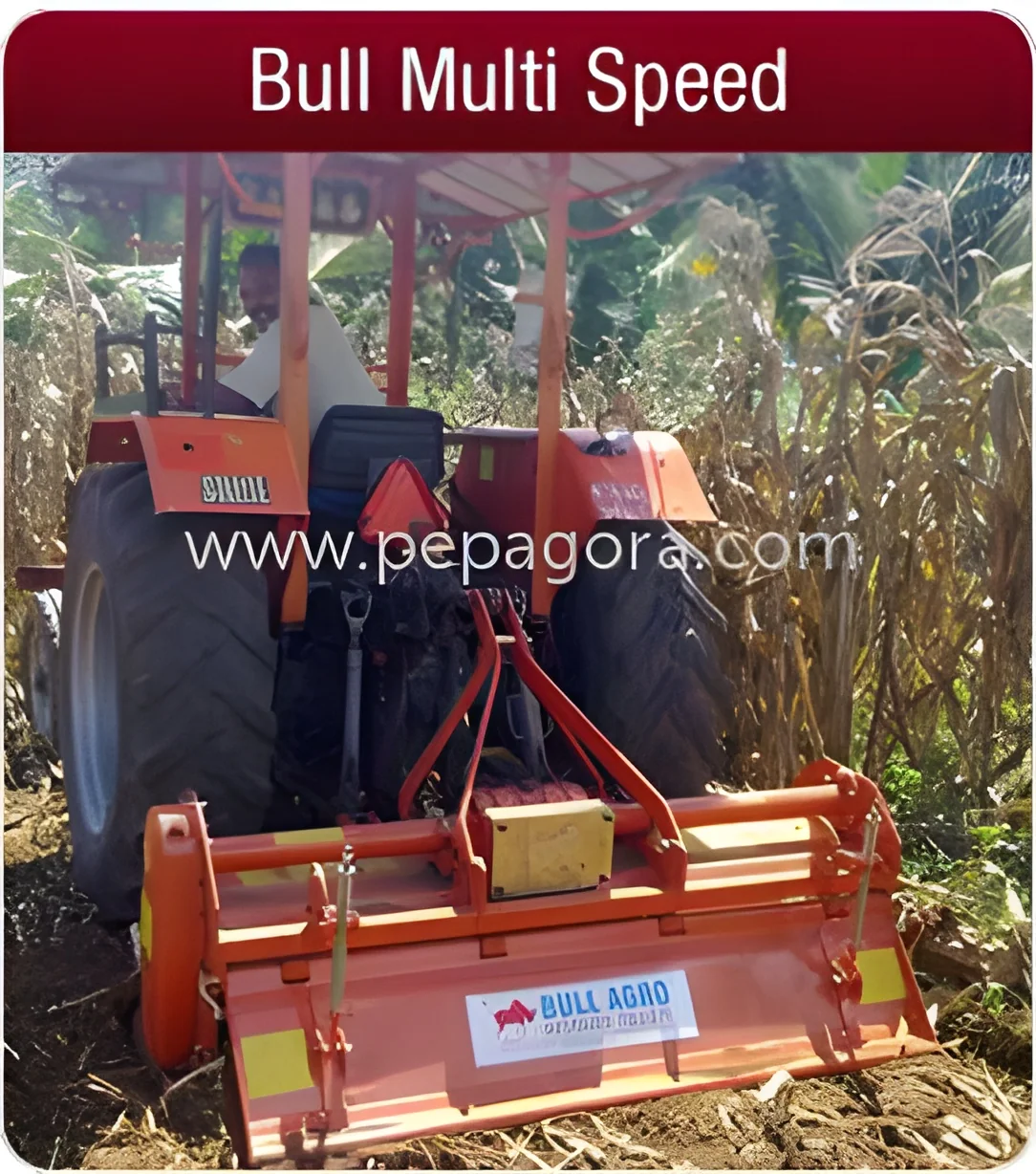
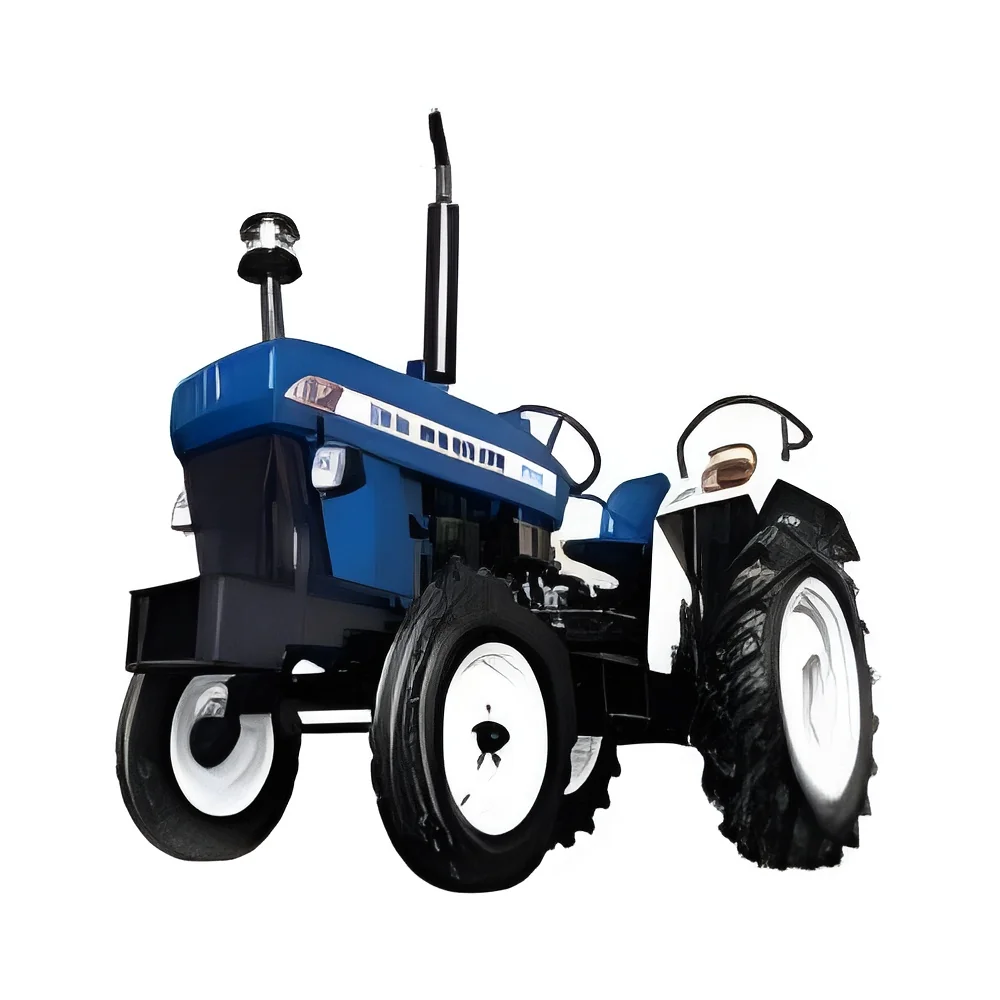
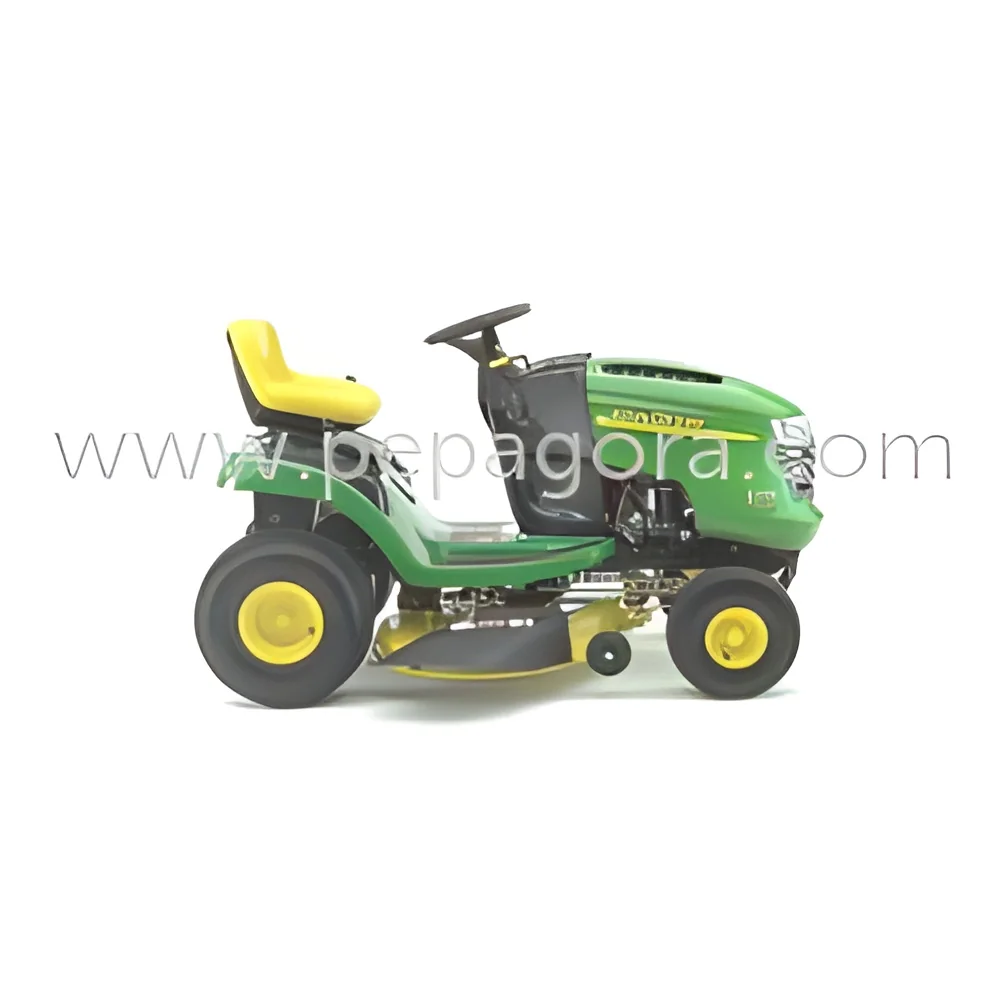
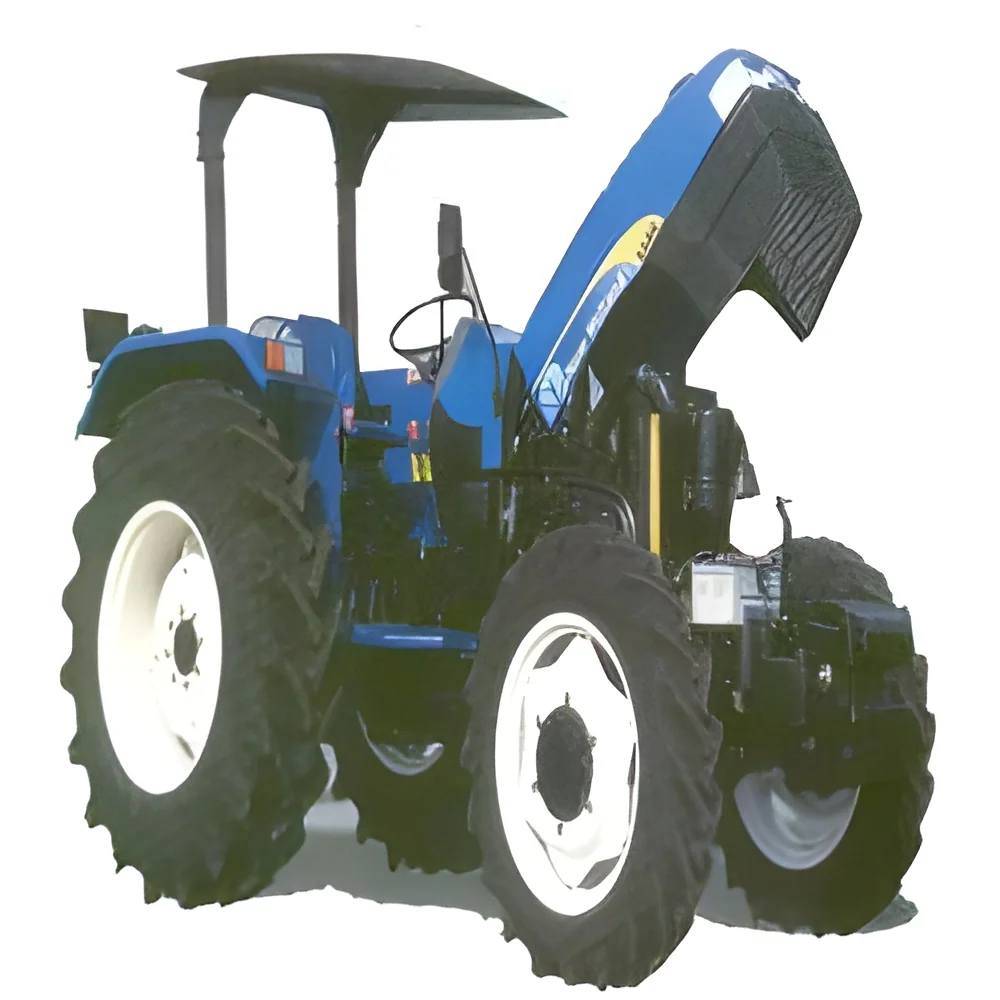
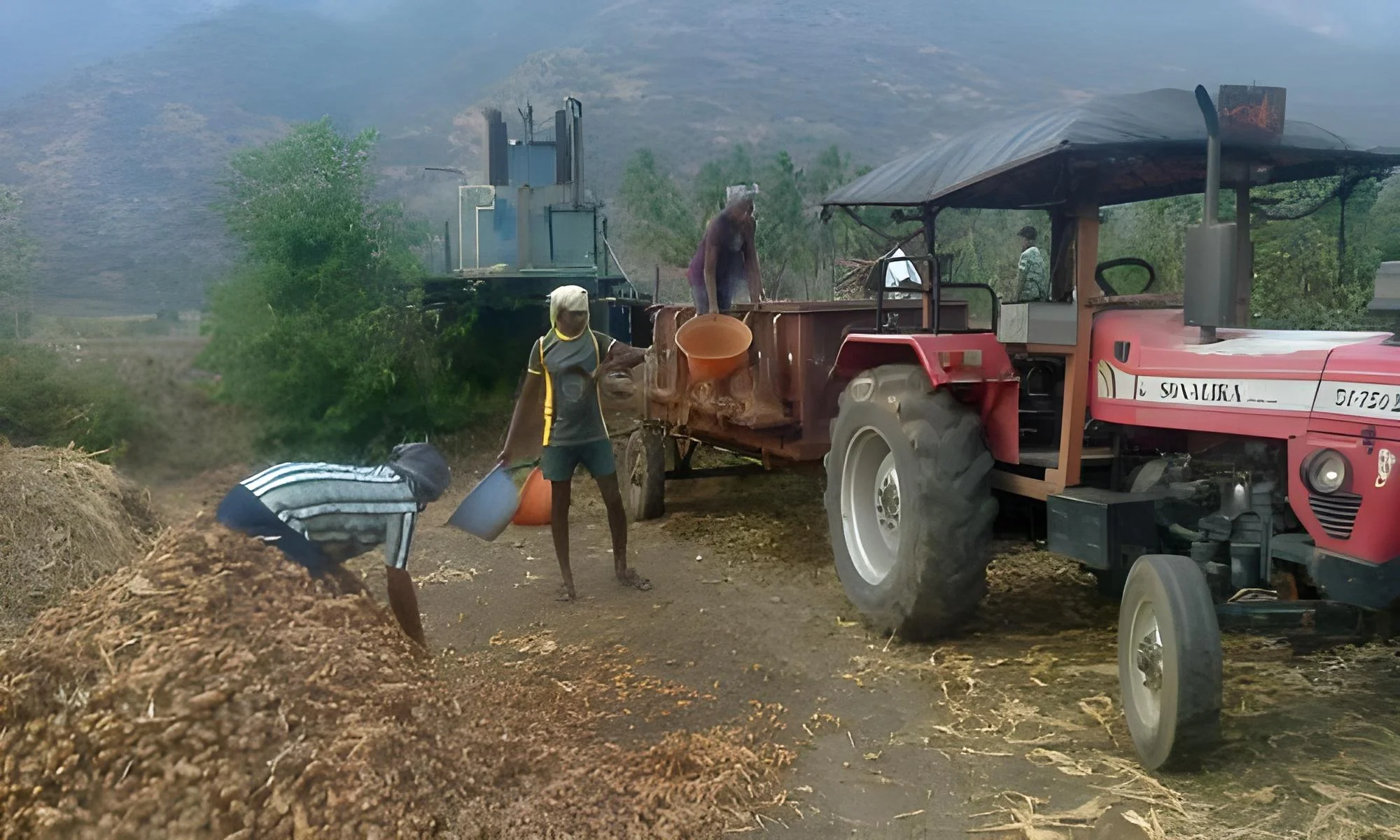
Tractors: Tractors are versatile machines used for various tasks including plowing, planting, and towing. They can be equipped with different attachments to perform multiple functions, making them essential in agriculture.
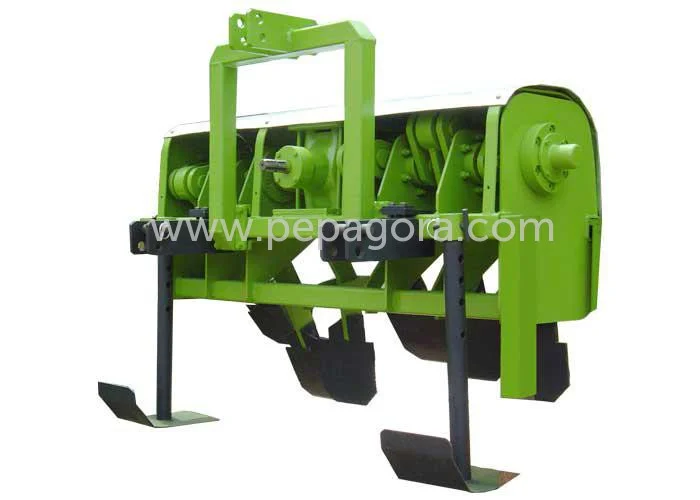
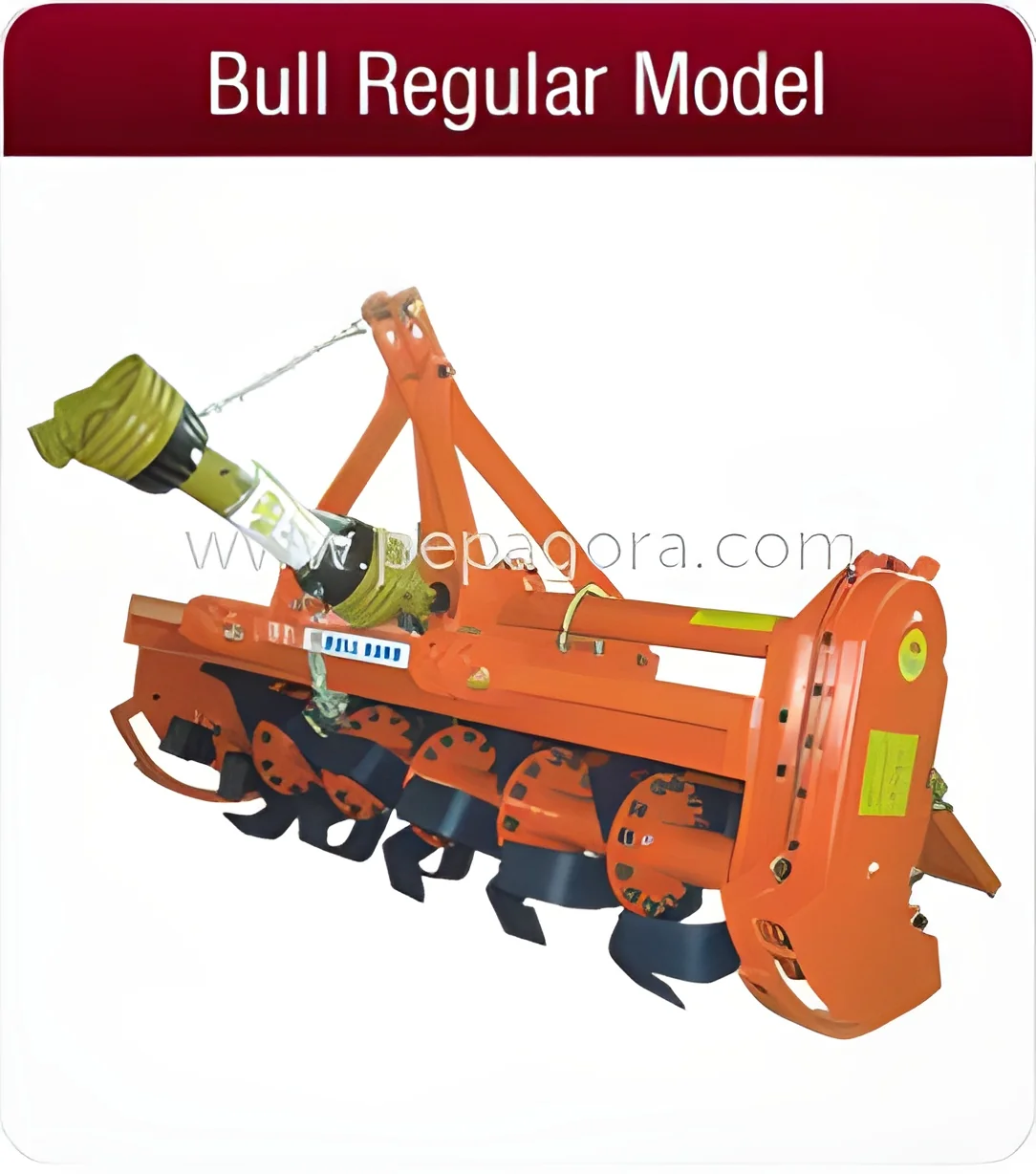
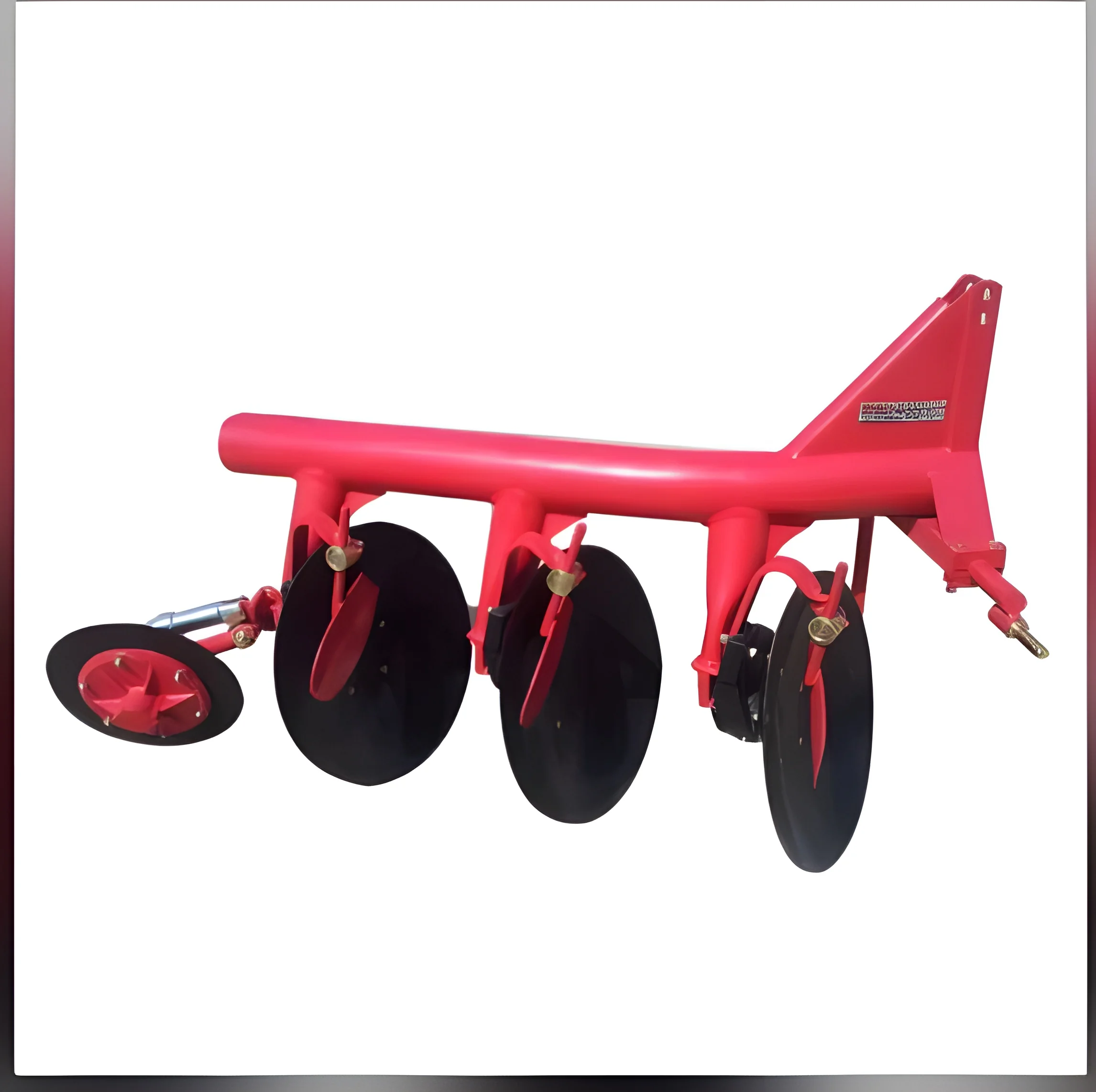
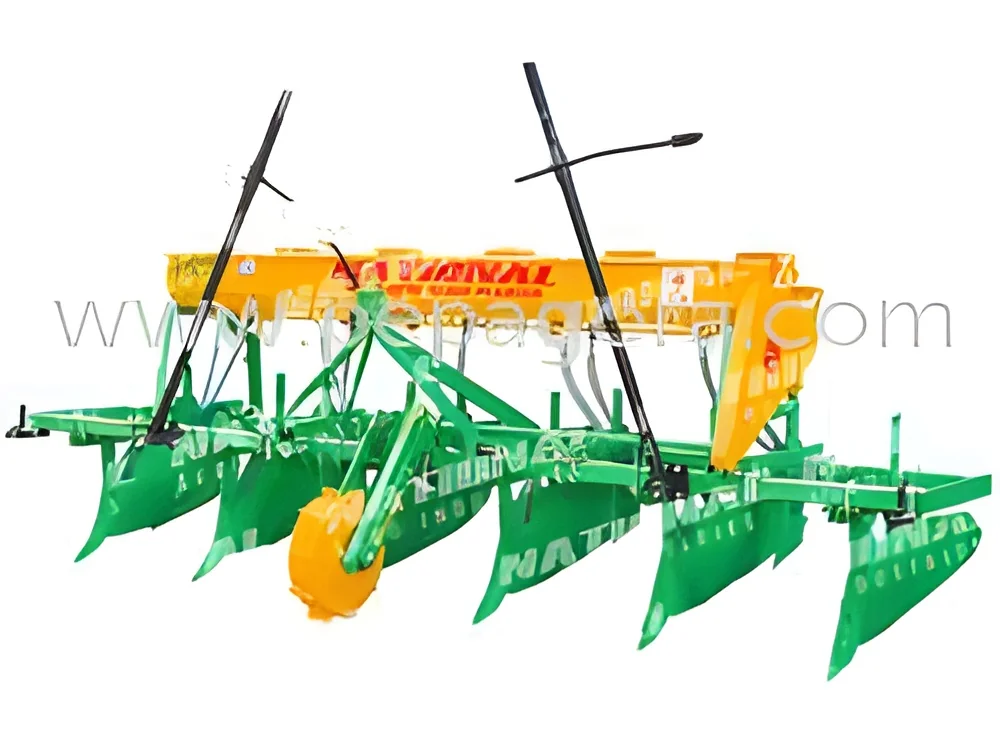
Plows: Plows are key implements for soil preparation. They break up and turn the soil to prepare it for planting. Different types of plows cater to various soil conditions and crop types.
Seeders: Seeders are designed for planting seeds at specific depths and spacing. They enhance planting efficiency and ensure better crop emergence.
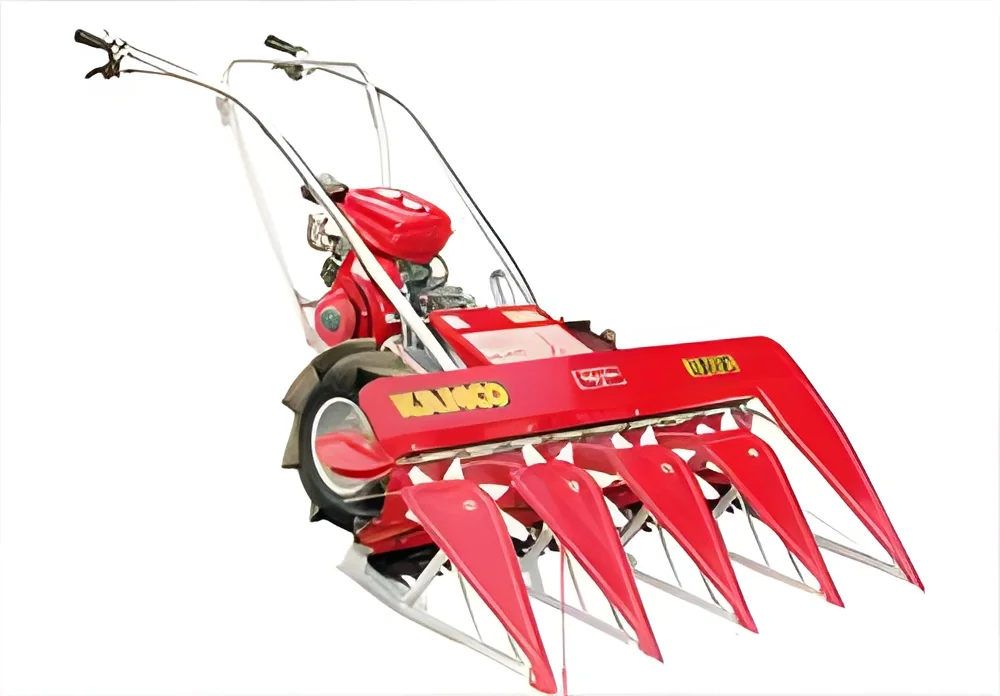
Harvesters: These machines are specialized for gathering mature crops. Harvesters can be tailored for different types of crops, such as grains, fruits, or vegetables, maximizing efficiency during harvest time.
Irrigation Equipment: Irrigation tools, such as drip lines and sprinklers, are crucial for water management. They ensure crops receive adequate hydration, particularly in regions with limited rainfall.
𝗕𝗲𝗻𝗲𝗳𝗶𝘁𝘀 𝗮𝗻𝗱 𝗔𝗱𝘃𝗮𝗻𝘁𝗮𝗴𝗲𝘀
Investing in farm machinery and tools offers numerous advantages that enhance agricultural operations.
Key benefits include:
1. Increased Efficiency: Machinery reduces the time and labor required for agricultural tasks, allowing for more work to be completed in less time.
2. Cost Reduction: By automating processes, farmers can lower labor costs and reduce the potential for human error.
3. Improved Crop Yields: Efficient tools and machinery help optimize planting, watering, and harvesting, leading to higher productivity and better quality crops.
4. Enhanced Precision: Modern machinery equipped with technology allows for precision farming, resulting in better resource management and reduced waste.
5. Versatility: Many farm tools can be adapted for multiple tasks, making them valuable investments for diverse agricultural needs.
6. Labor Savings: Mechanization reduces the reliance on manual labor, helping to address labor shortages in the agricultural sector.
In summary, the benefits of farm machinery and tools significantly contribute to the modernization and efficiency of agricultural practices.
𝗕𝘂𝘆𝗶𝗻𝗴 𝗚𝘂𝗶𝗱𝗲 𝗳𝗼𝗿 𝗕𝟮𝗕 𝗕𝘂𝘆𝗲𝗿𝘀
When sourcing farm machinery and tools, there are several important factors to consider to ensure a suitable purchase.
1. Quality Assessment: Evaluate the quality of machinery by reviewing manufacturer reputation, materials used, and performance history. High-quality tools will offer better durability and reliability.
2. Supplier Verification: It is essential to vet suppliers to ensure they have a track record of reliability and compliance with industry standards. This can include checking certifications and customer reviews.
3. Pricing and MOQ: Understand the pricing structure and minimum order quantities (MOQ) for the machinery. Compare quotes from different suppliers to find competitive pricing while ensuring quality.
4. Delivery and Lead Times: Consider logistics and delivery timelines. Ensure that the supplier can meet your operational deadlines without delays.
5. Compliance Requirements: Be aware of any regulatory compliance needed for farm machinery in your region. Verify that the equipment meets local safety standards and certifications.
In conclusion, a thoughtful approach to sourcing farm machinery and tools will lead to better investment decisions and operational success.
𝗖𝗼𝗺𝗽𝗹𝗶𝗮𝗻𝗰𝗲 𝗮𝗻𝗱 𝗖𝗲𝗿𝘁𝗶𝗳𝗶𝗰𝗮𝘁𝗶𝗼𝗻𝘀
Compliance with industry standards and certifications is vital in ensuring the safety and reliability of farm machinery and tools. Key quality standards include ISO 9001, which certifies organizations for quality management systems, ensuring consistent product quality and customer satisfaction.
Additionally, industry certifications such as CE indicate compliance with European health, safety, and environmental protection standards. These certifications assure buyers that the equipment meets stringent safety and performance criteria.
Safety and testing requirements must also be adhered to, ensuring that machinery operates safely and effectively in agricultural environments. Regular testing and maintenance of equipment are essential for compliance and to prevent accidents.
Regional compliance considerations are important, as regulations may differ by country or region. Buyers should familiarize themselves with local laws to ensure their equipment meets all necessary requirements.
𝗪𝗵𝘆 𝗦𝗼𝘂𝗿𝗰𝗲 𝗙𝗮𝗿𝗺 𝗠𝗮𝗰𝗵𝗶𝗻𝗲𝗿𝘆 & 𝗧𝗼𝗼𝗹𝘀 𝗳𝗿𝗼𝗺 𝗣𝗲𝗽𝗮𝗴𝗼𝗿𝗮?
Pepagora offers a reliable platform for sourcing farm machinery and tools, with several key advantages that benefit B2B buyers.
The verified supplier network ensures that buyers are connected with reputable manufacturers and distributors. This verification process helps mitigate risks associated with sourcing and guarantees quality products.
The streamlined RFQ (Request for Quotation) process allows buyers to easily request quotes from multiple suppliers. This efficiency saves time and enables buyers to compare pricing and product specifications effectively.
Pepagora also provides trade assurance and support, offering protection for buyers throughout the procurement process. This includes assistance with any disputes and ensuring that transactions are secure.
Furthermore, Pepagora has a strong regional coverage, serving markets in India, the GCC, and Southeast Asia. This geographic reach allows buyers to access a diverse range of products and suppliers tailored to their local needs.
In conclusion, sourcing farm machinery and tools from Pepagora ensures a safe and efficient purchasing experience, backed by a trusted network of suppliers and comprehensive support services.








Frequently Asked Questions
What are Farm Machinery & Tools?
Farm Machinery & Tools refer to a wide range of equipment and implements used in agricultural practices to enhance productivity and efficiency. These tools can include tractors, plows, harvesters, and various hand tools designed for specific farming tasks.
What are the different types of Farm Machinery & Tools?
The different types of Farm Machinery & Tools can be categorized into several groups, including tillage equipment, planting machinery, irrigation systems, and harvesting tools. Each category serves a unique purpose in the farming process, aiding in soil preparation, crop planting, water management, and harvesting.
How do I choose the right Farm Machinery & Tools?
Choosing the right Farm Machinery & Tools involves assessing your specific farming needs, the scale of your operations, and the types of crops you intend to cultivate. It is also important to consider factors such as durability, ease of use, and compatibility with existing equipment.
What are the standard specifications for Farm Machinery & Tools?
Standard specifications for Farm Machinery & Tools typically include dimensions, weight, power requirements, and operational capabilities. Additionally, manufacturers may provide details on material quality, maintenance needs, and safety features.
What is the price range for Farm Machinery & Tools?
The price range for Farm Machinery & Tools can vary widely depending on the type, brand, and specifications of the equipment. Generally, prices can start from a few thousand rupees for basic hand tools to several lakhs for advanced machinery like tractors and harvesters.
What quality standards apply to Farm Machinery & Tools?
Quality standards for Farm Machinery & Tools often include compliance with national and international safety and performance regulations. These standards ensure that the equipment is reliable, durable, and safe for use in agricultural operations.
Where can I find Farm Machinery & Tools suppliers in India?
Farm Machinery & Tools suppliers in India can be found through various channels, including online B2B marketplaces like Pepagora, industry trade shows, and agricultural exhibitions. Additionally, local agricultural cooperatives and trade associations may provide resources for connecting with suppliers.
Can Farm Machinery & Tools be customized?
Yes, many manufacturers offer customization options for Farm Machinery & Tools to meet the specific needs of their customers. Customization can include modifications in size, functionality, or additional features based on the requirements of different agricultural practices.
What is the typical minimum order quantity for Farm Machinery & Tools?
The typical minimum order quantity (MOQ) for Farm Machinery & Tools can vary by supplier and product type. Generally, MOQs may range from a single unit for smaller tools to multiple units for larger machinery.
What is the typical lead time for Farm Machinery & Tools?
The typical lead time for Farm Machinery & Tools can depend on various factors, including the type of equipment, customization requests, and supplier inventory. Generally, lead times can range from a few days for readily available tools to several weeks for specialized machinery.
Why Businesses Trust Pepagora
Thousands of companies trust Pepagora to source smarter and sell faster
Expand Your Sales Globally

Source Smarter,Grow Faster
