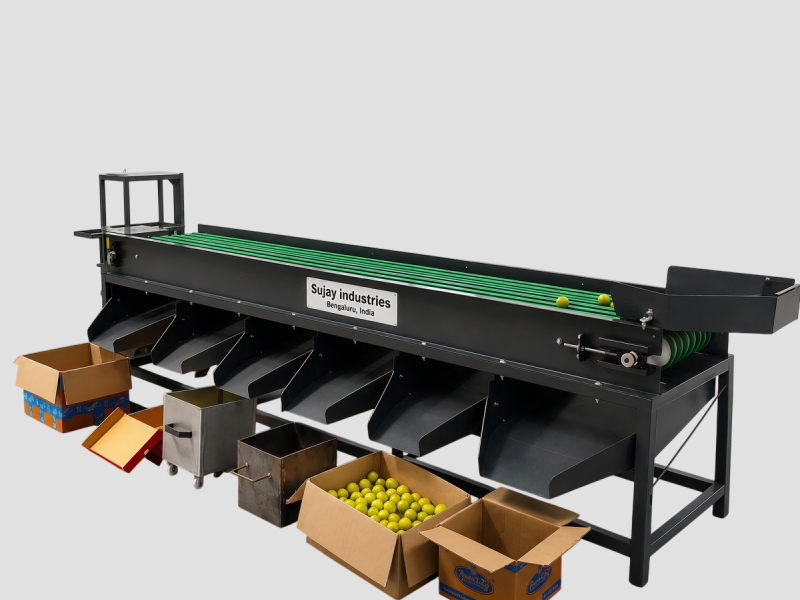
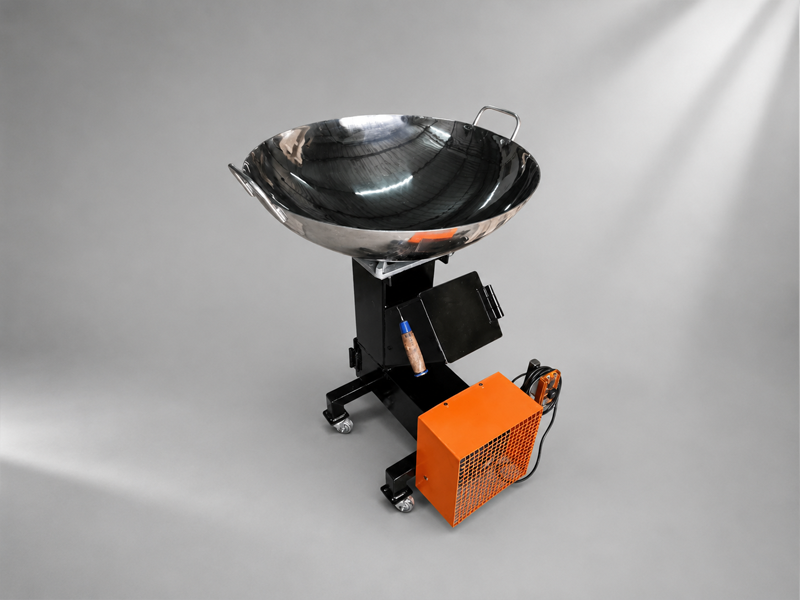
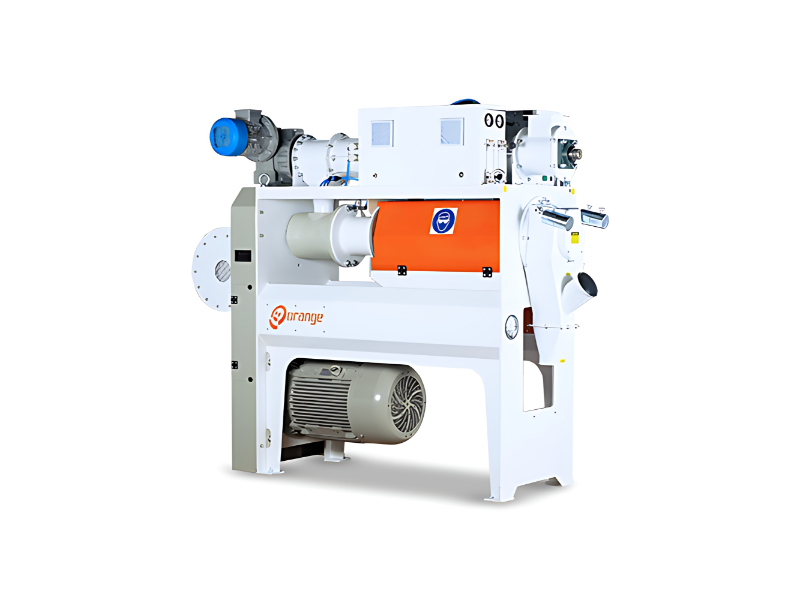
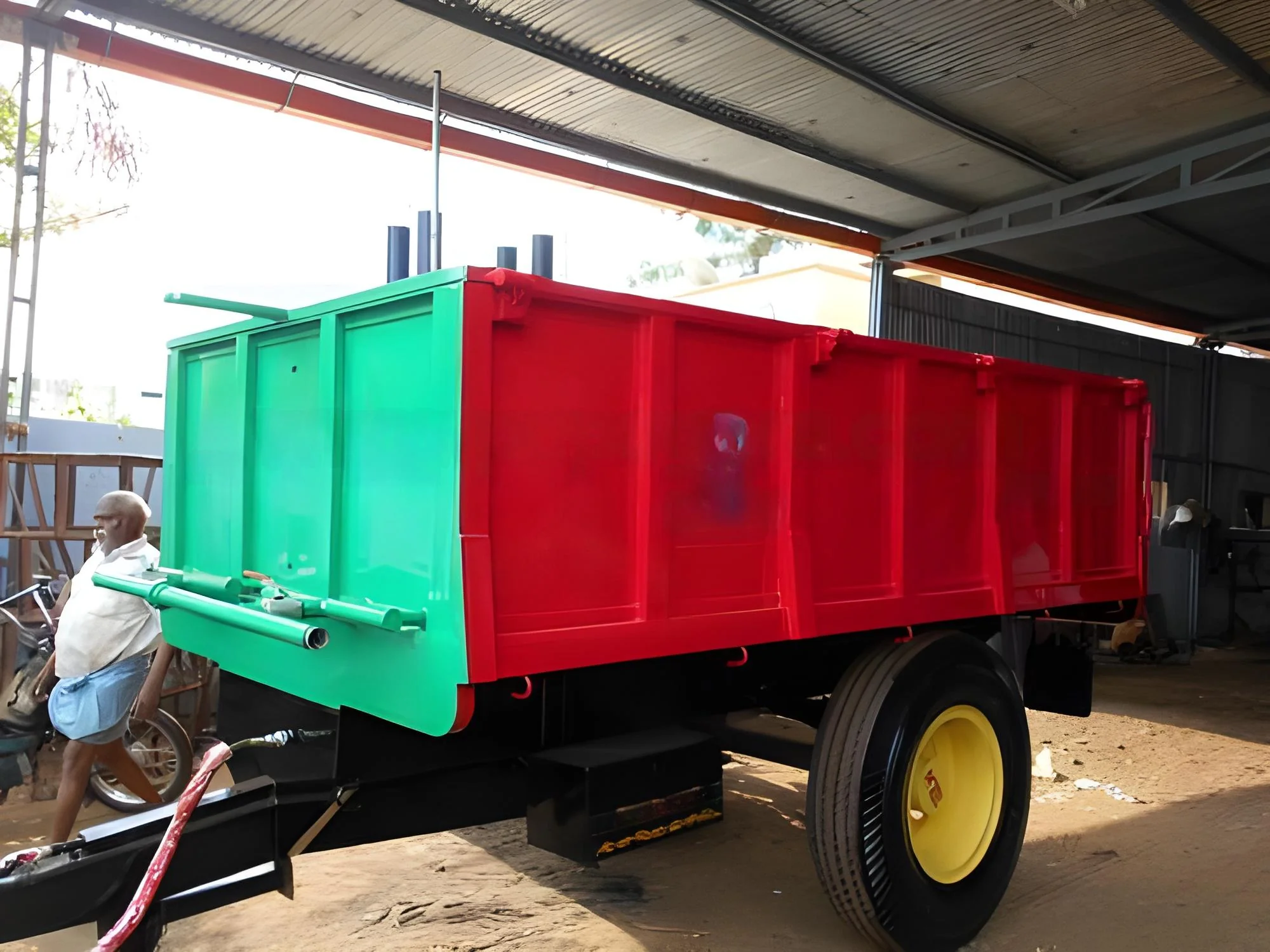
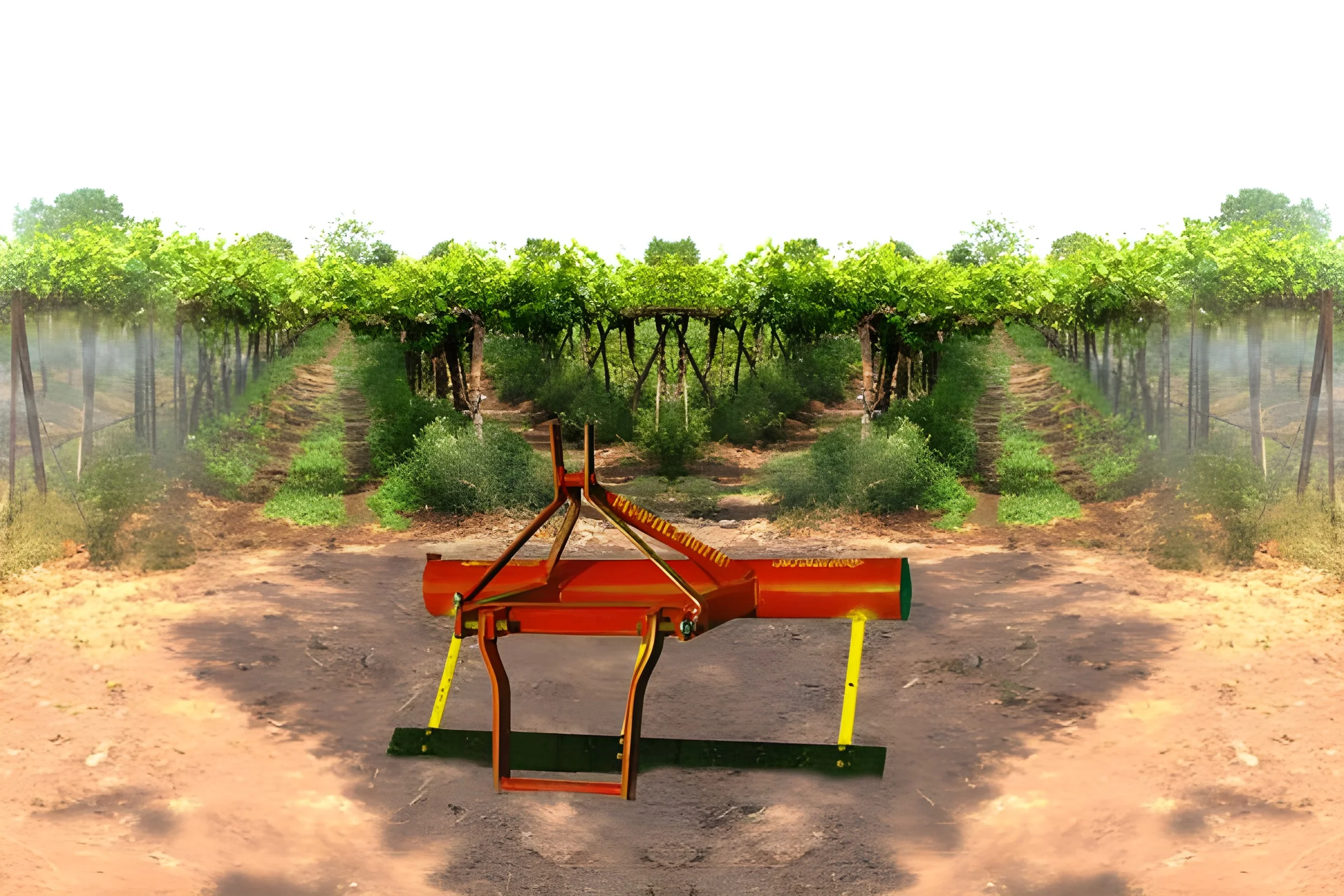
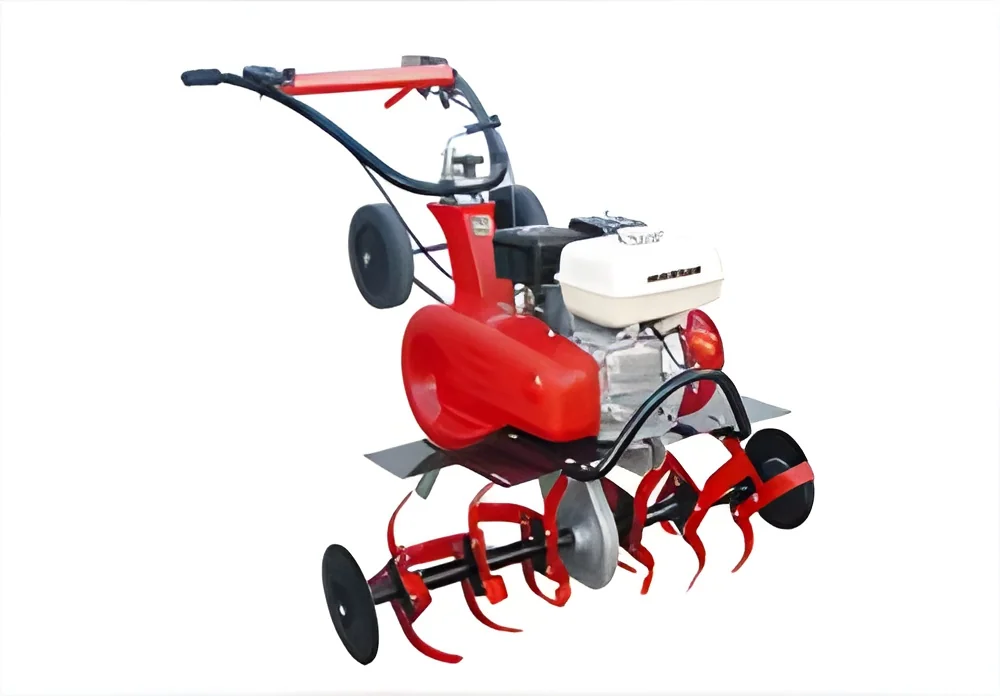
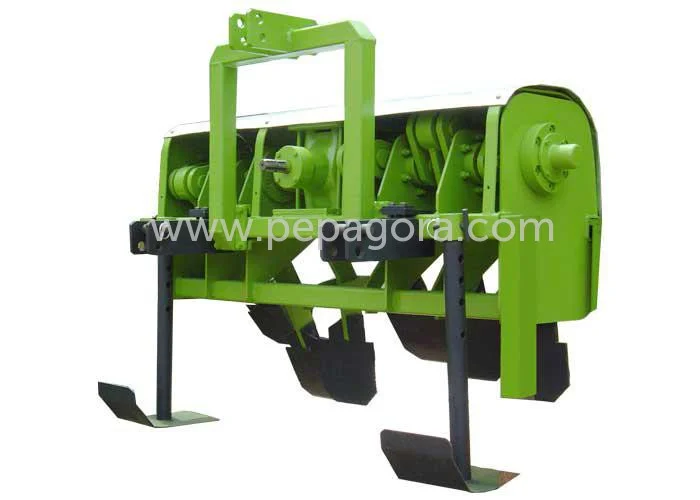
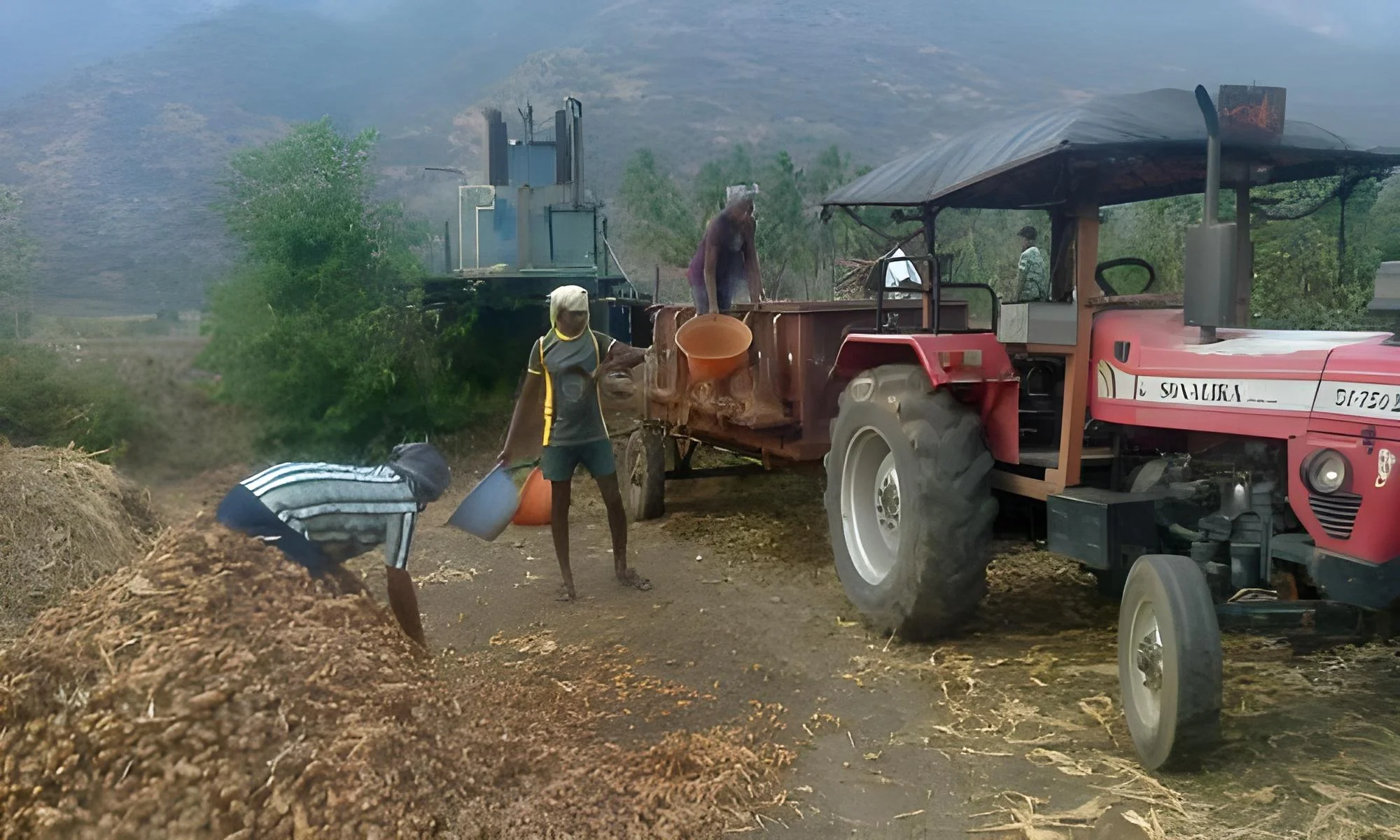
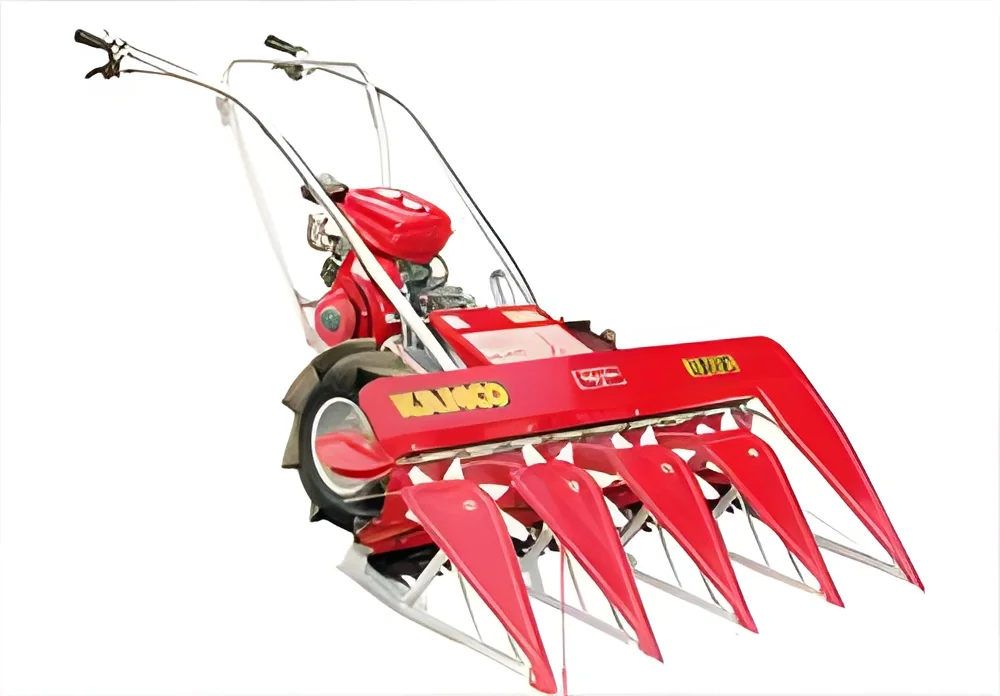
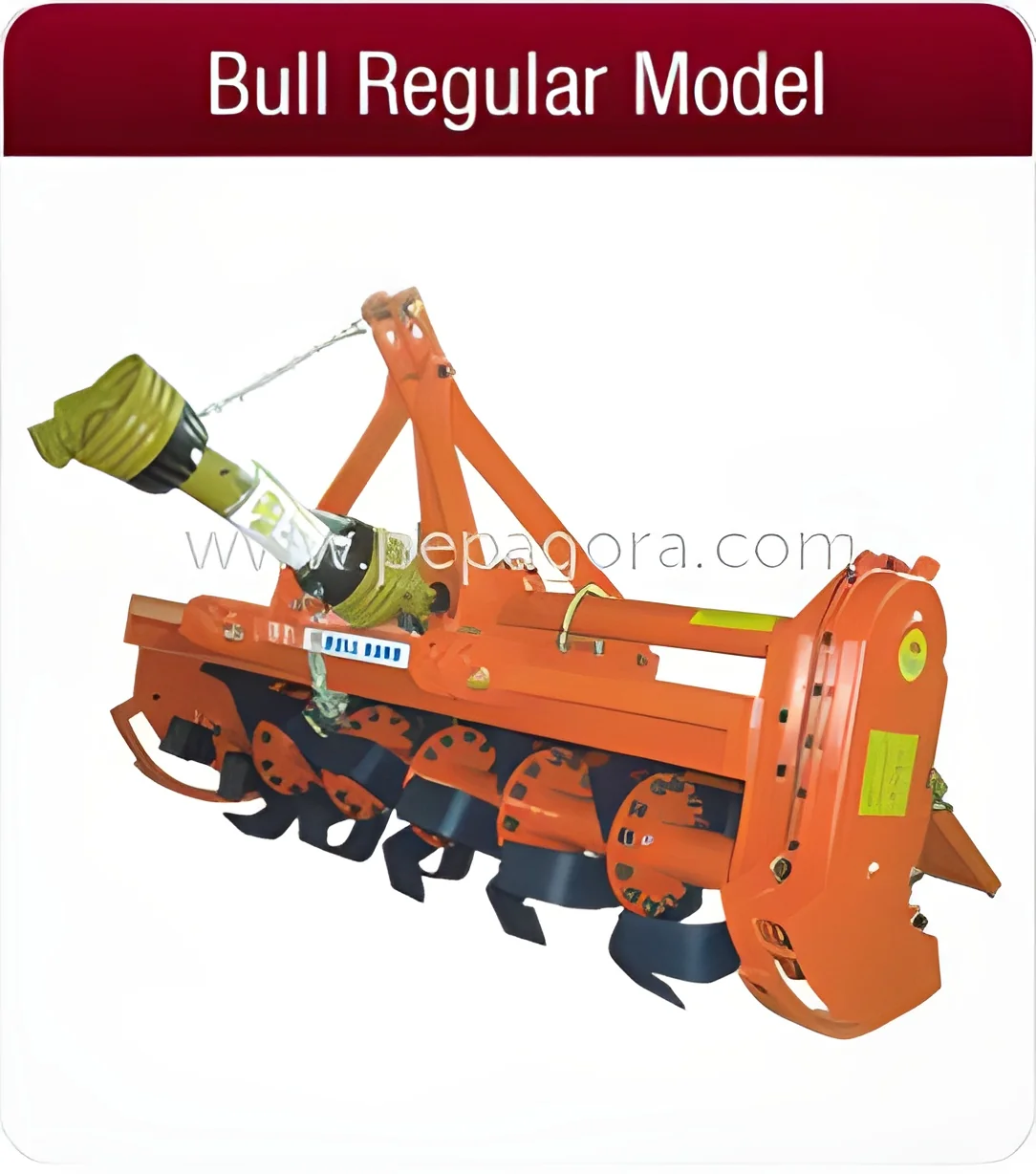
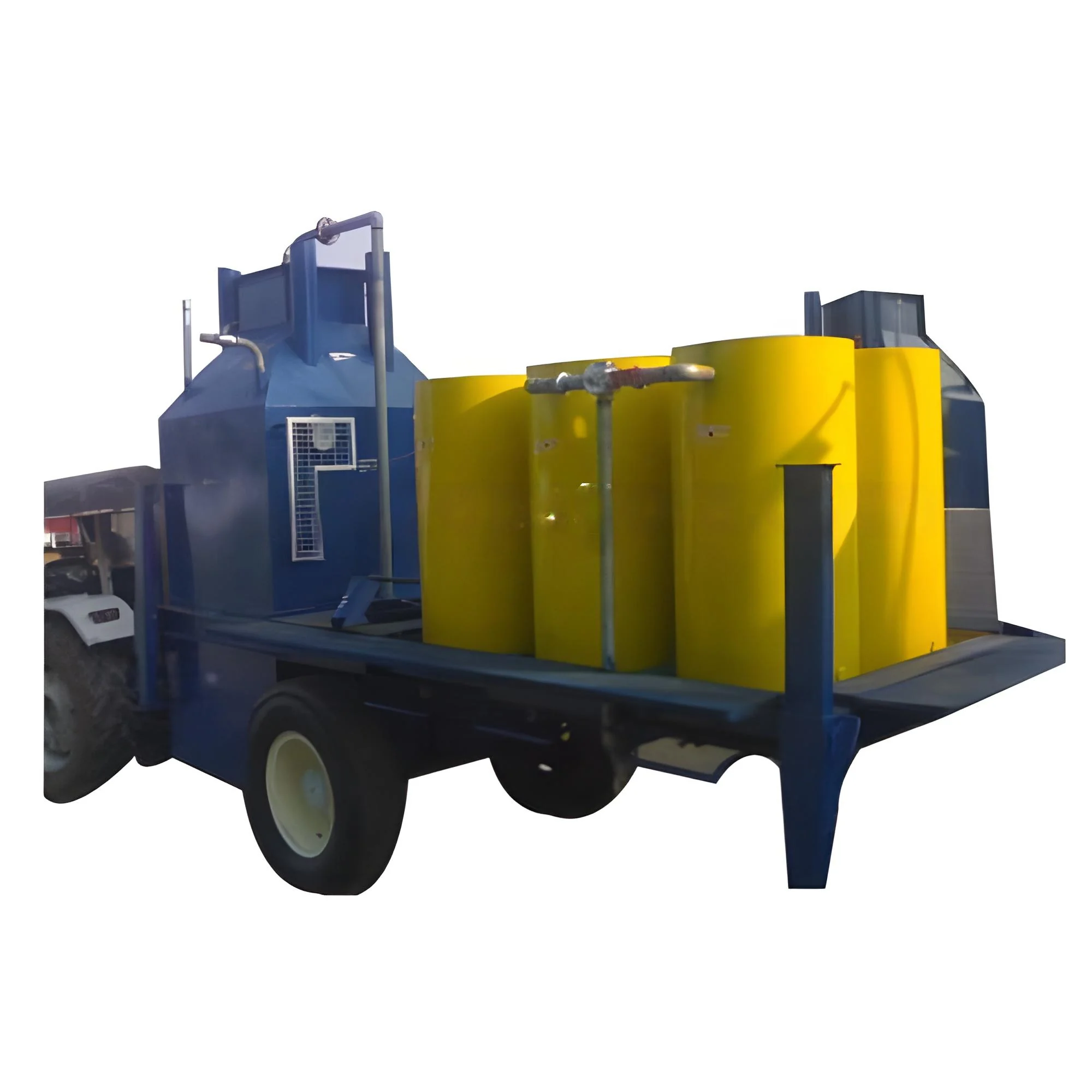
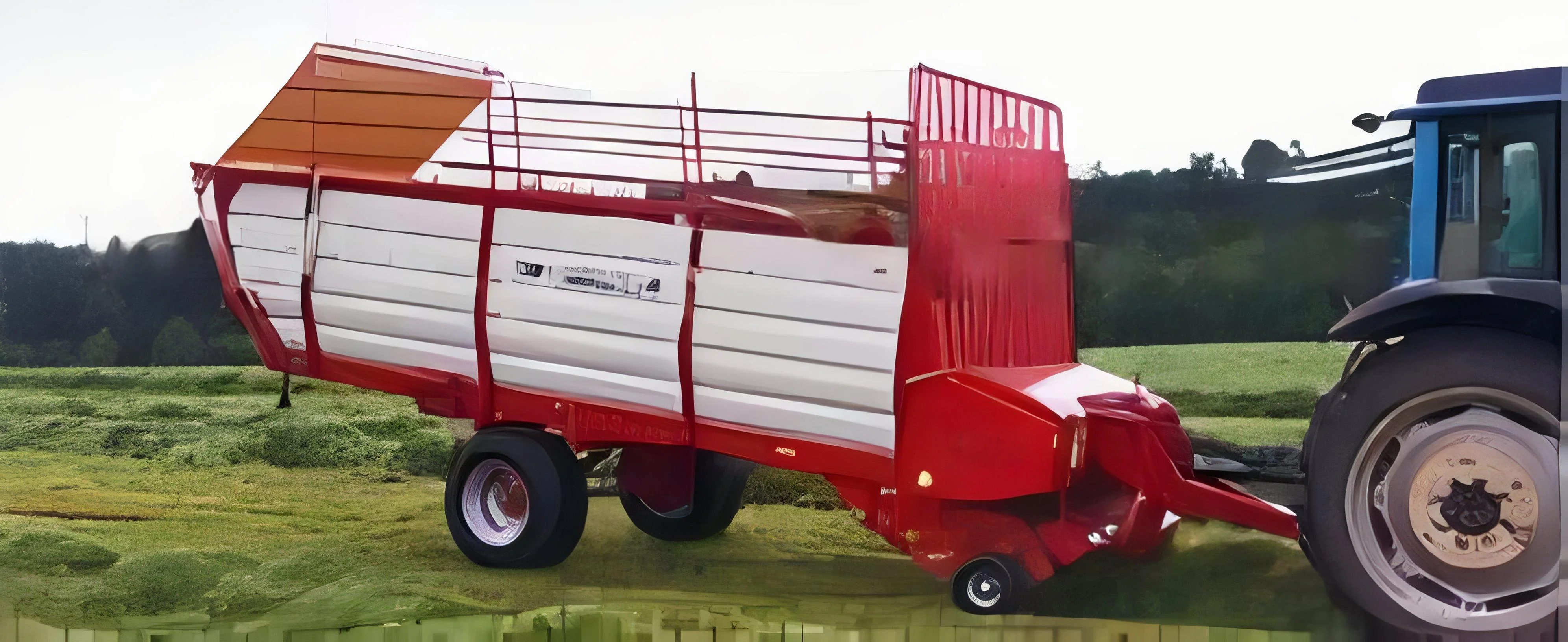
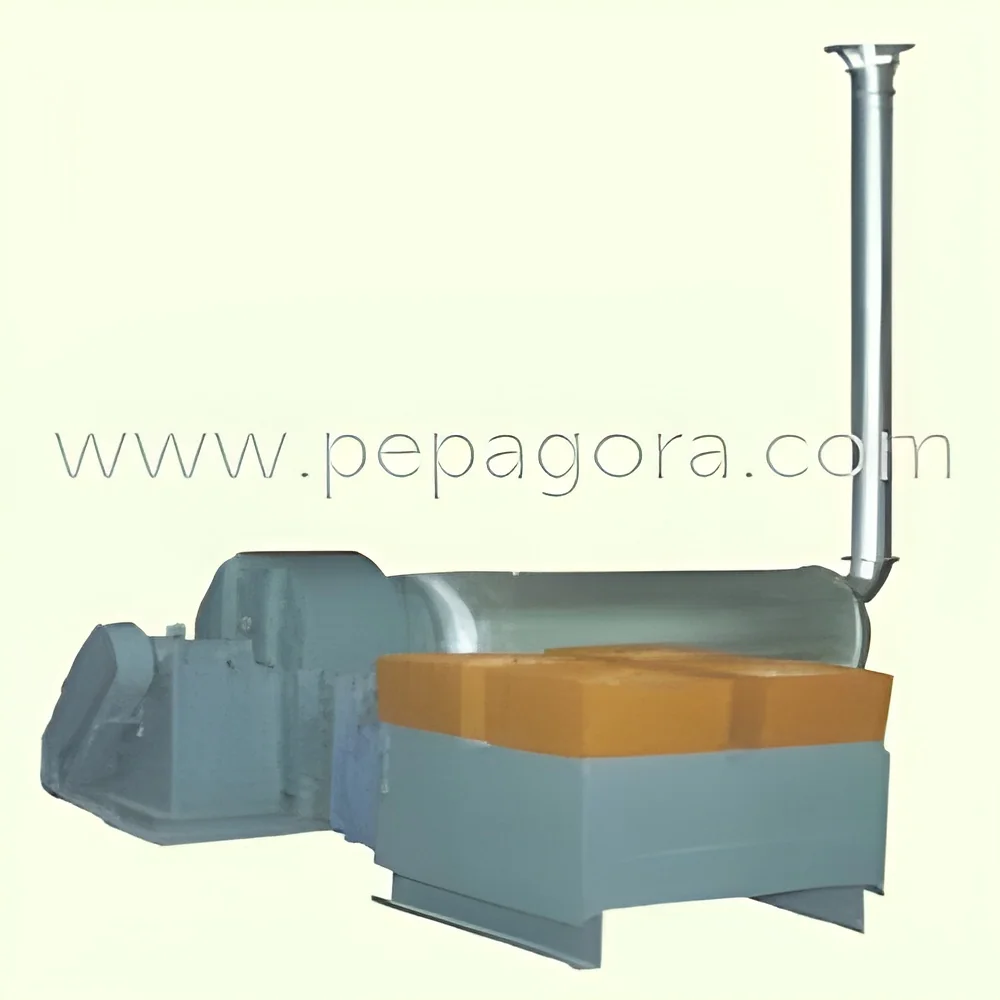
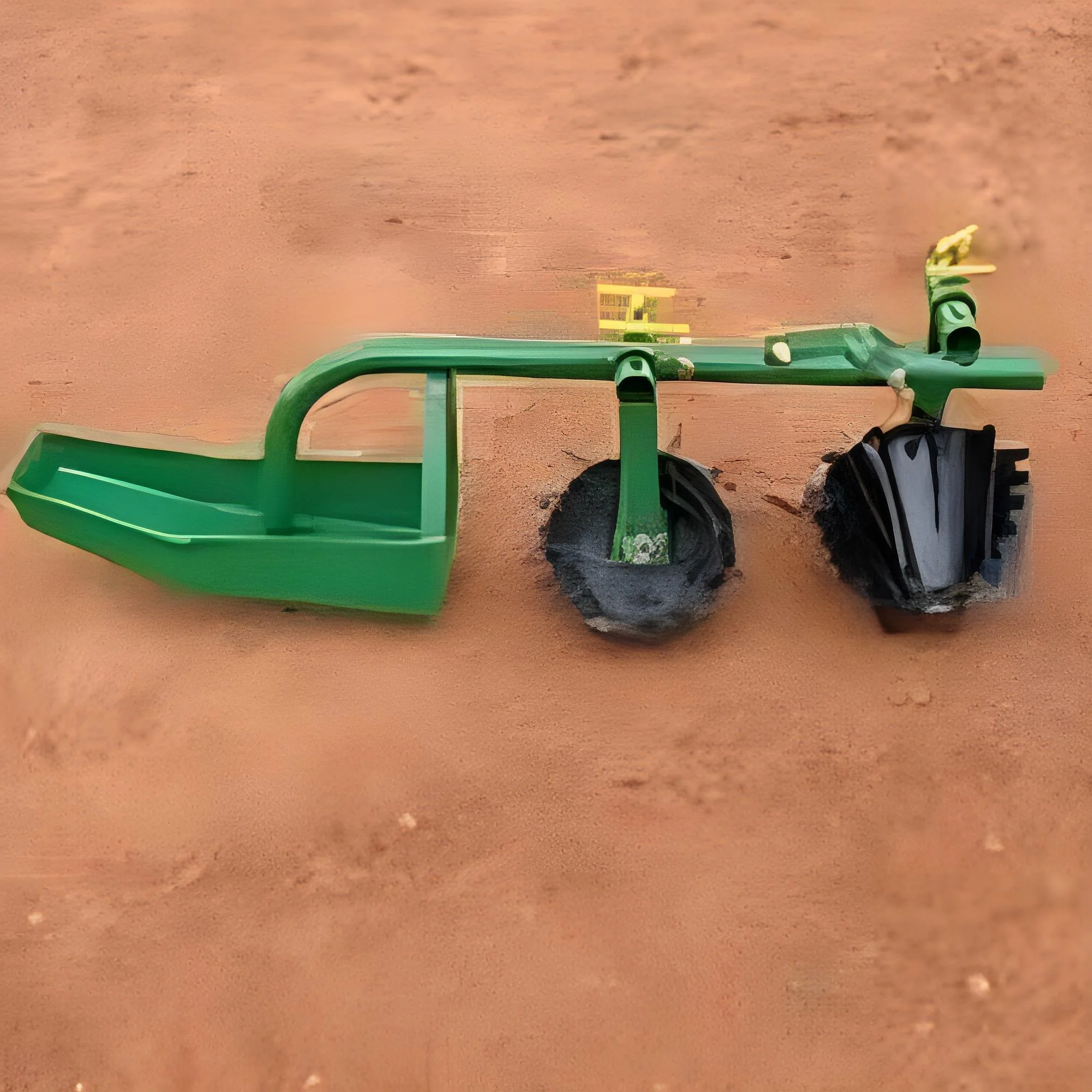
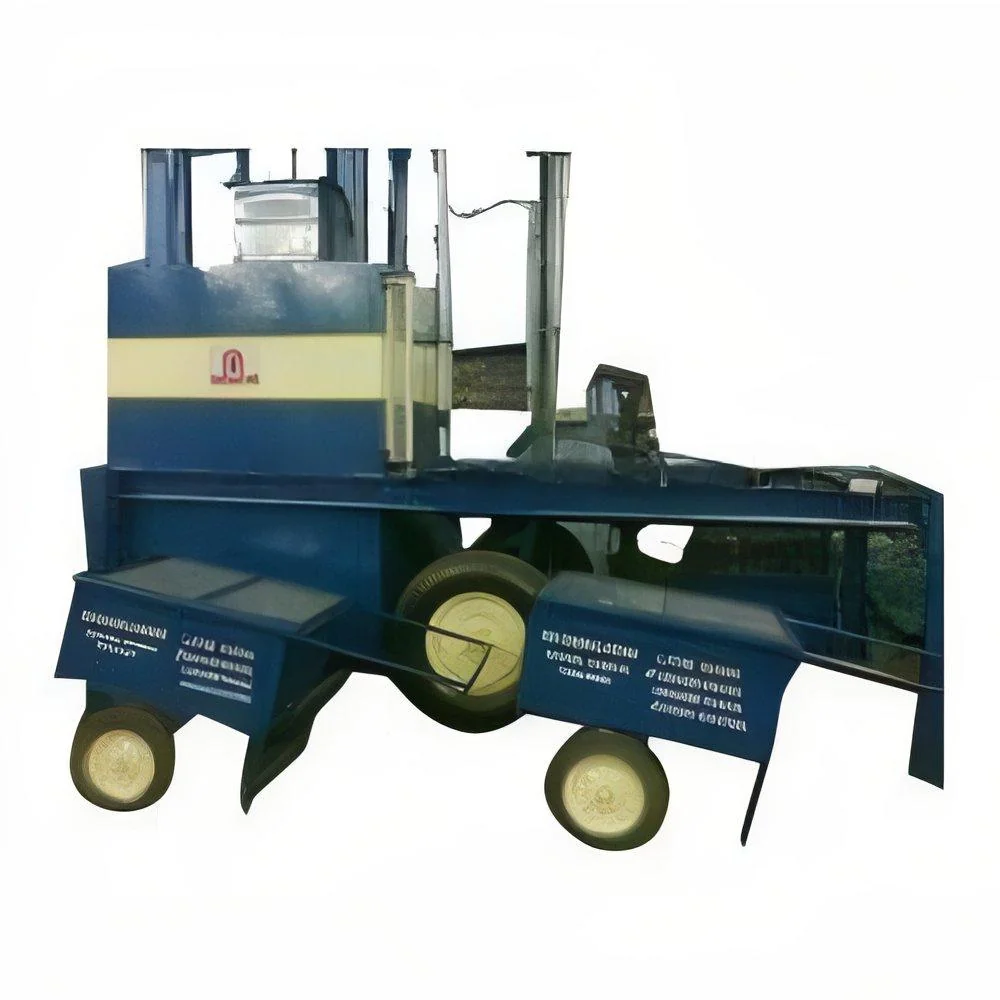
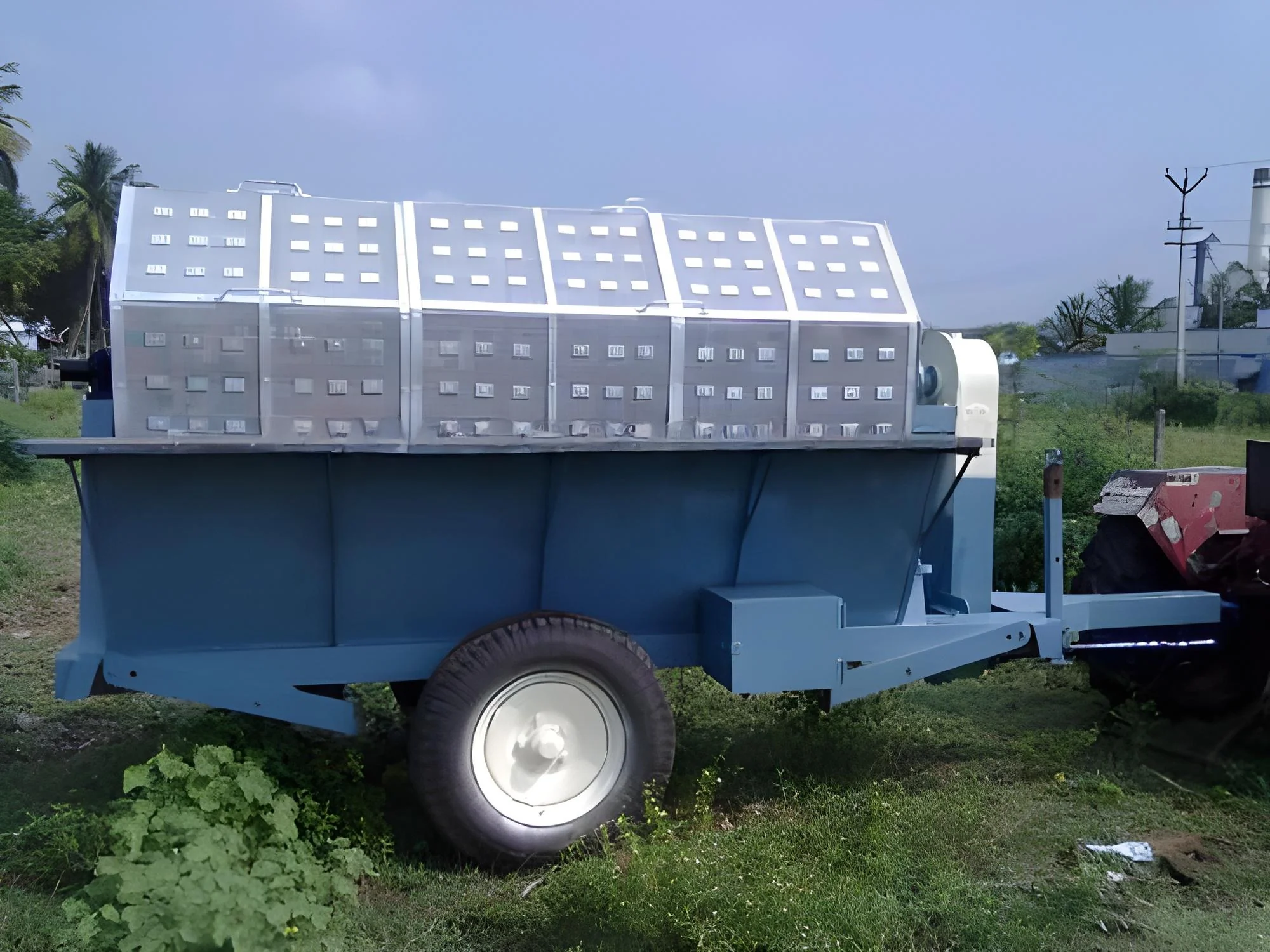
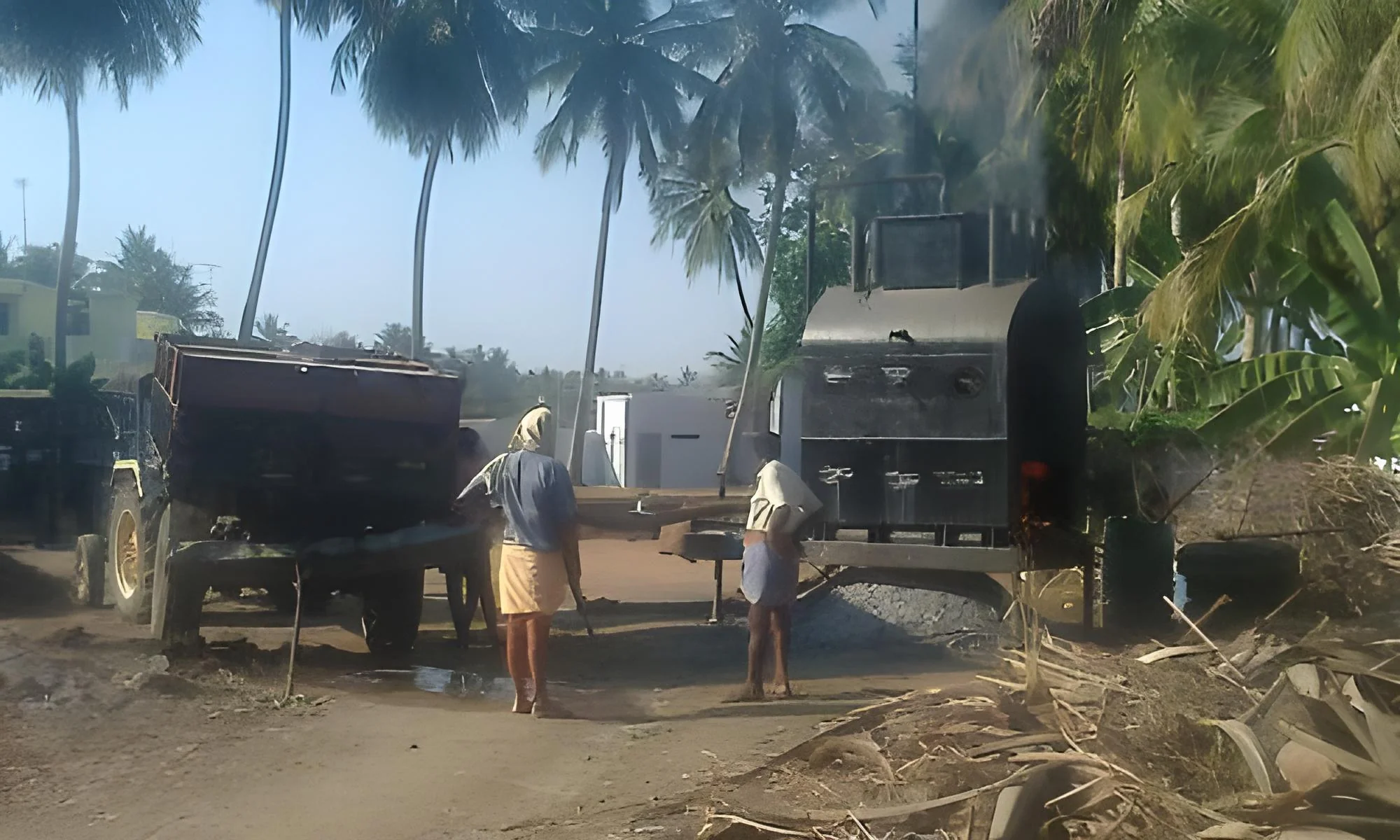
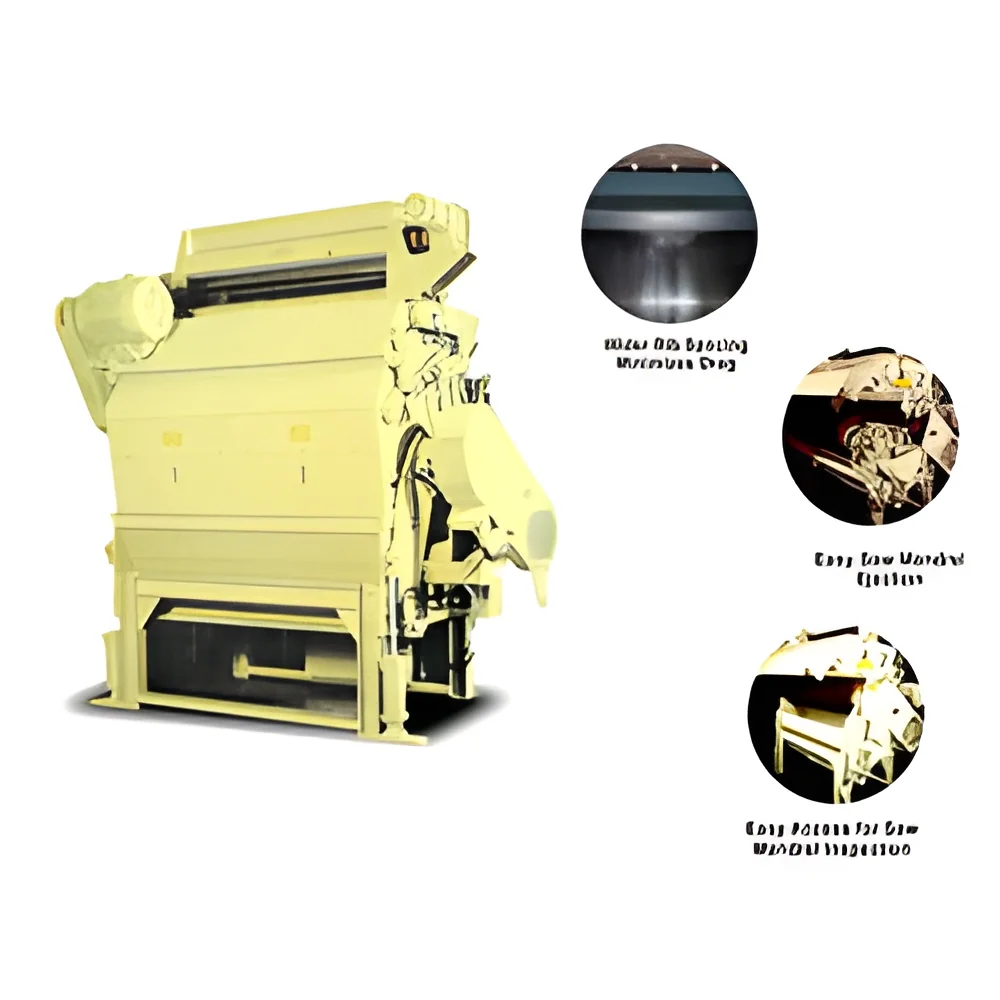
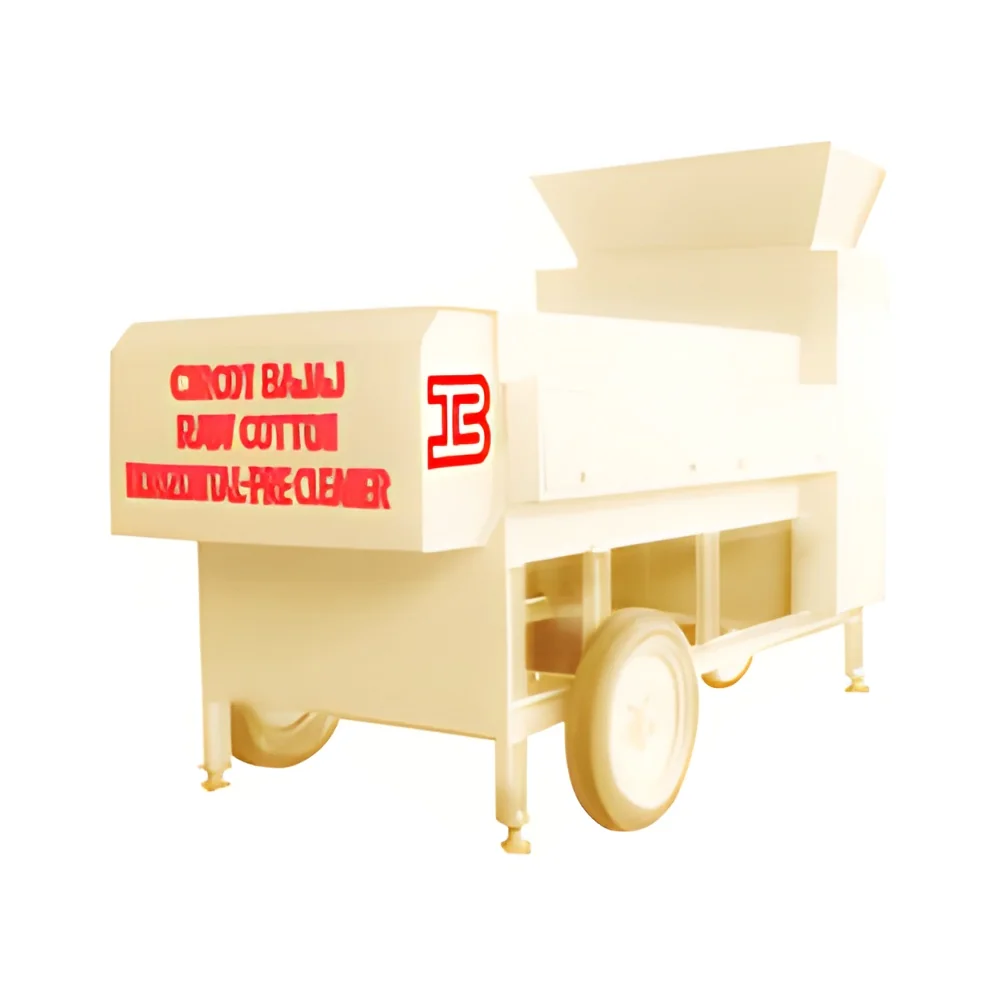
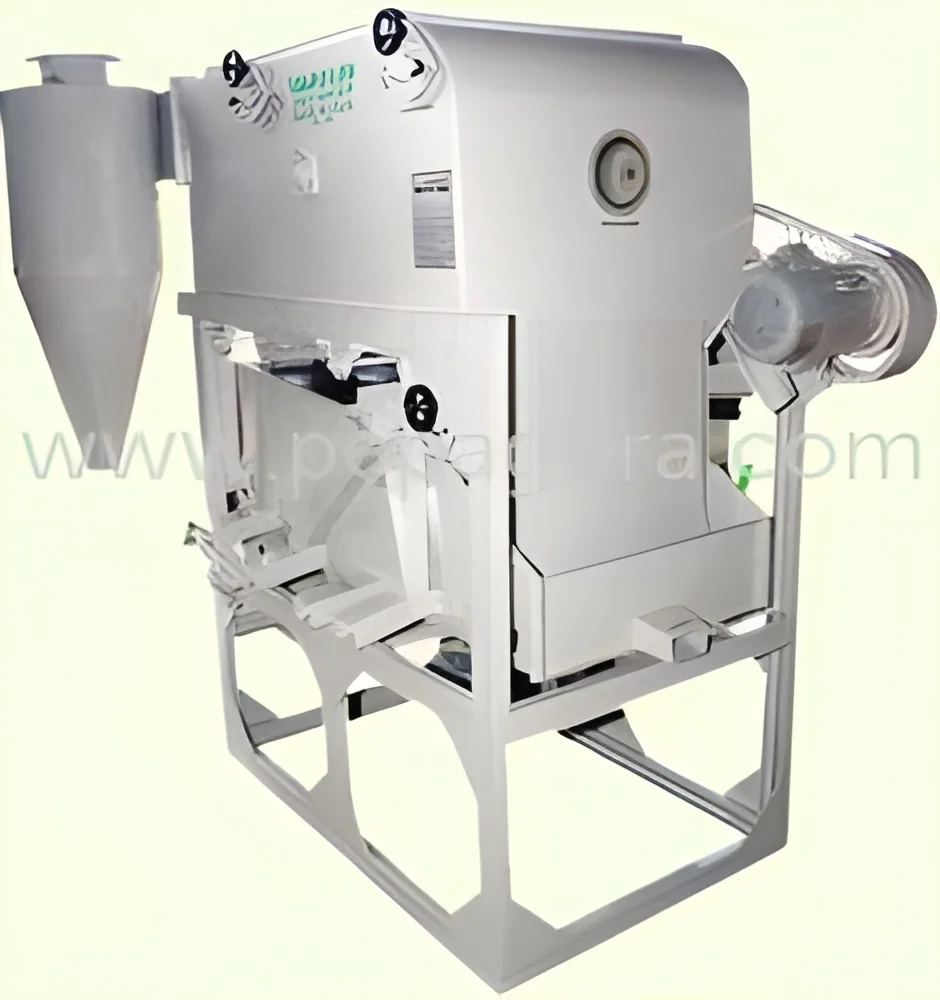
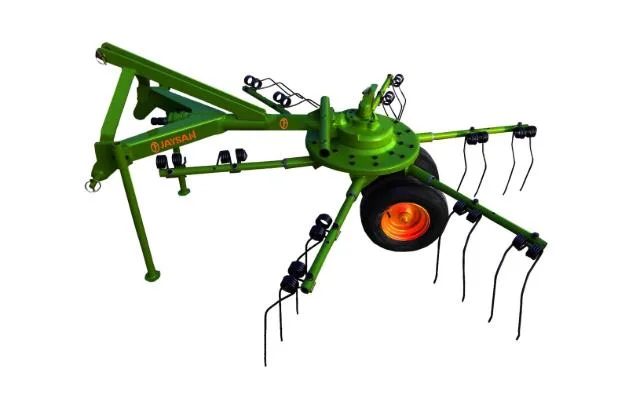
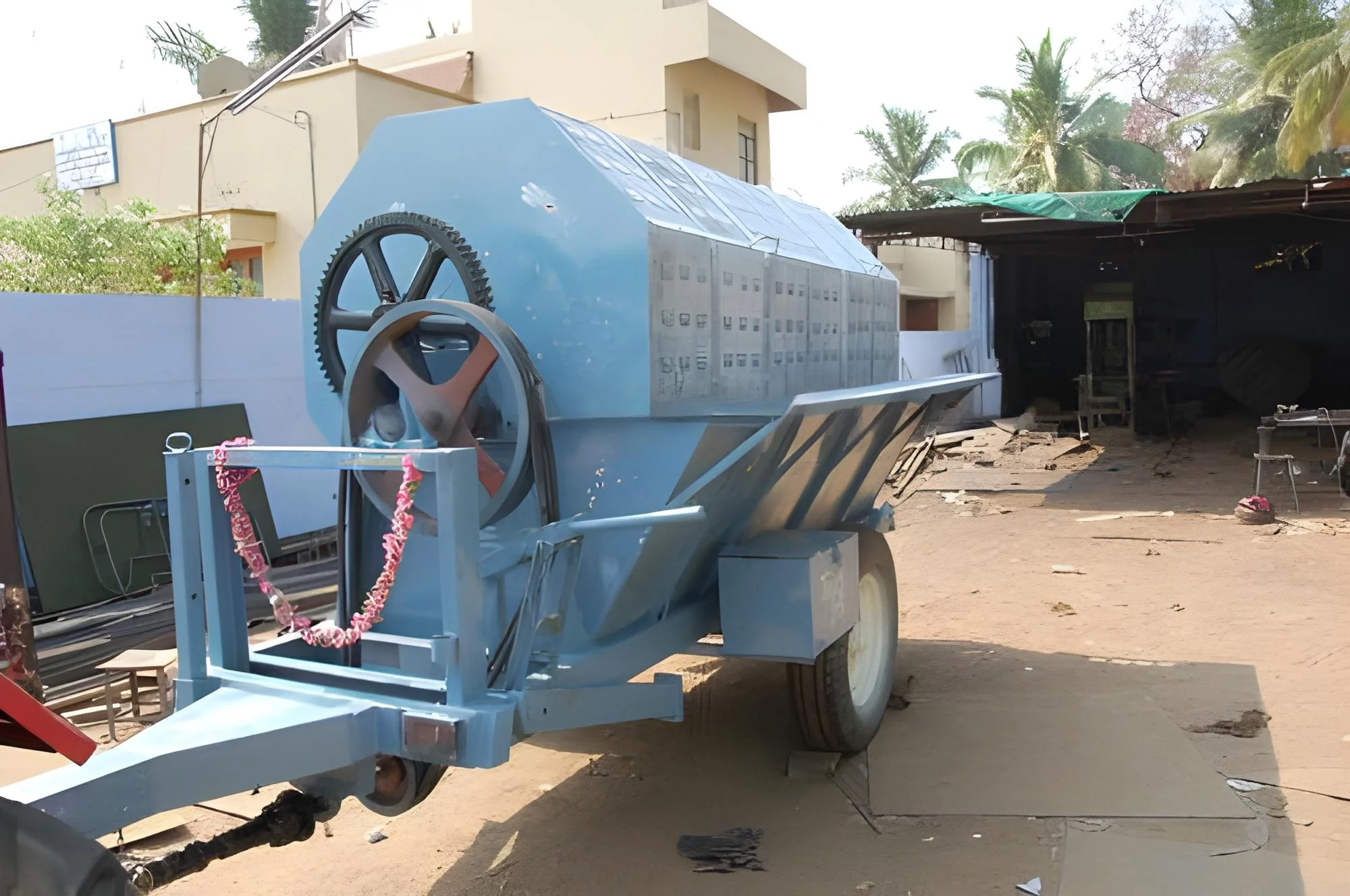
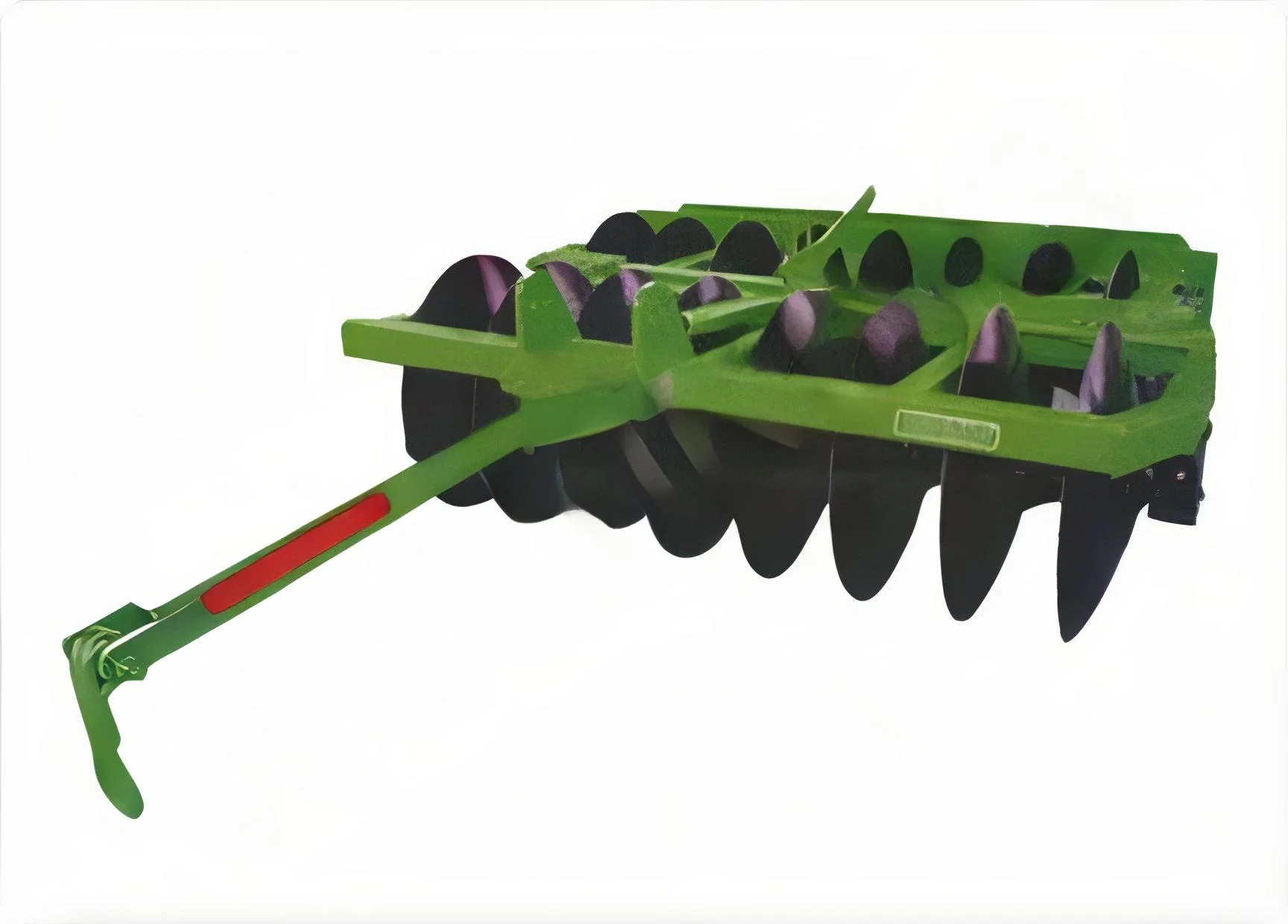
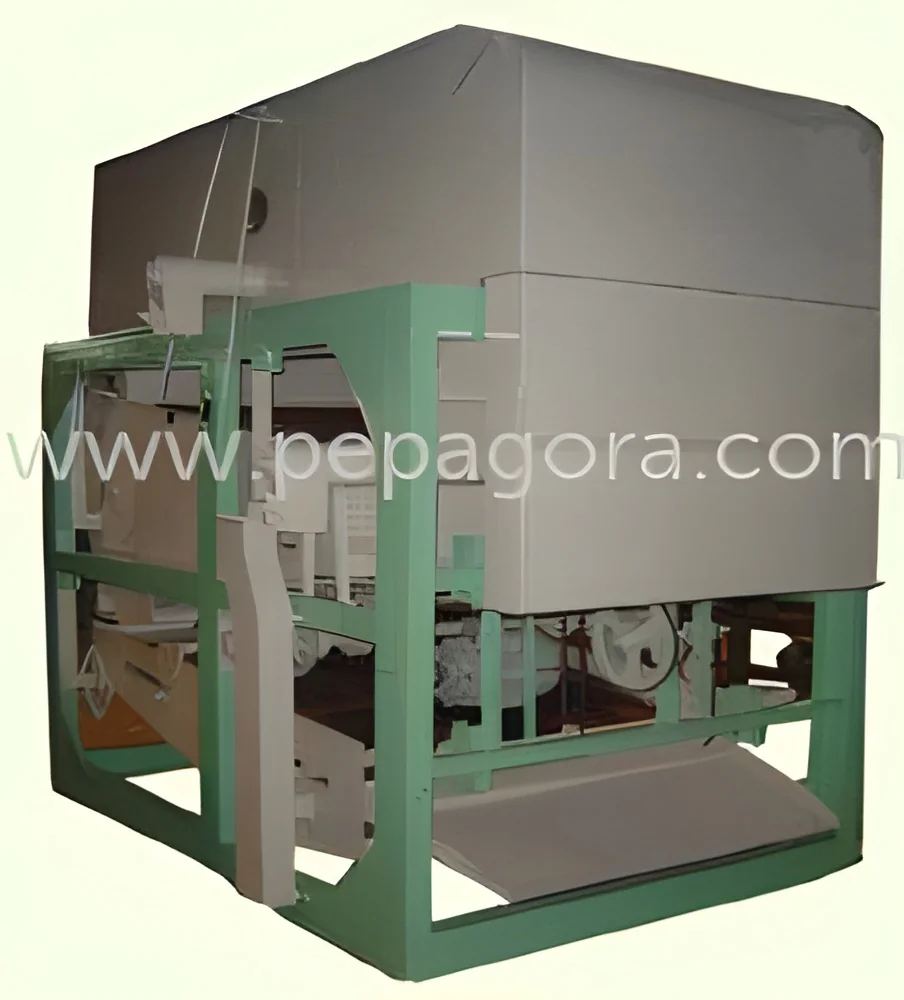
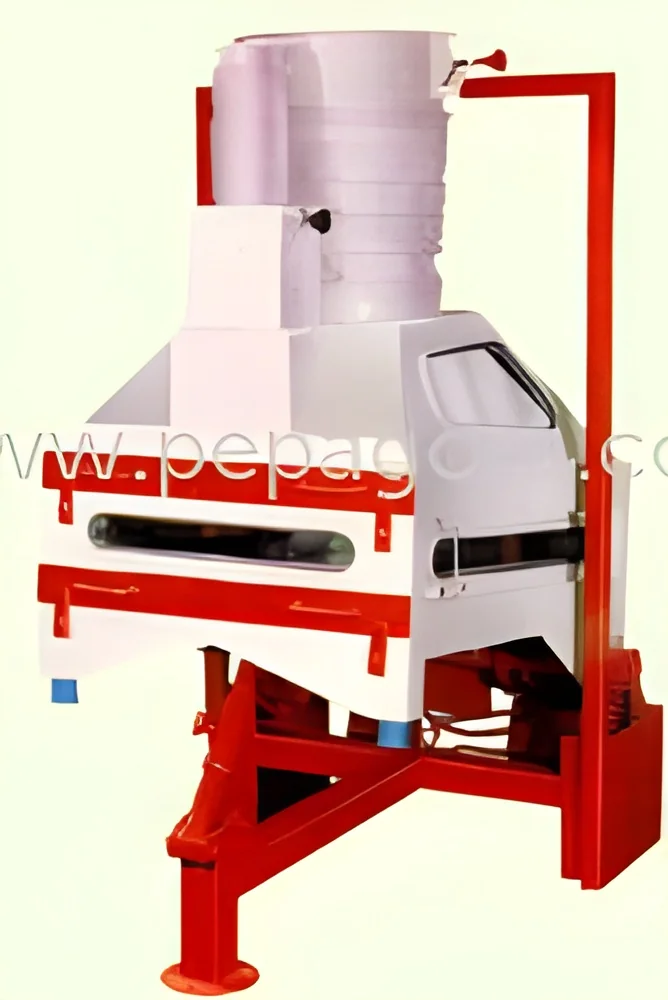
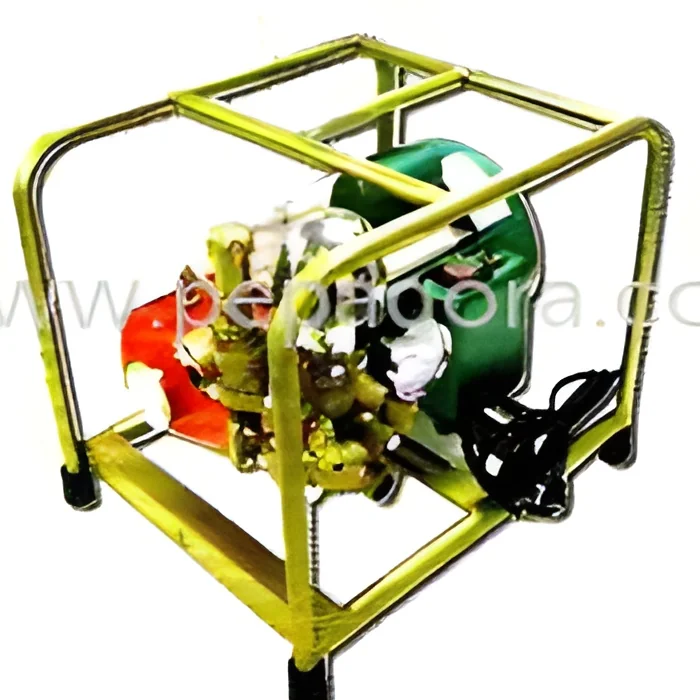
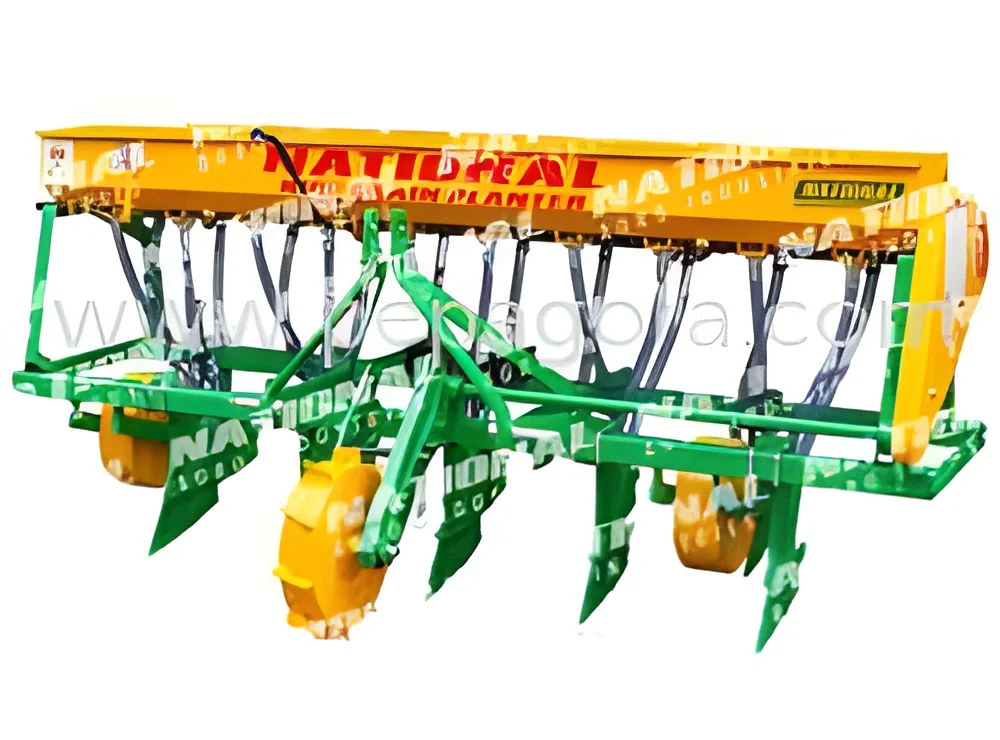
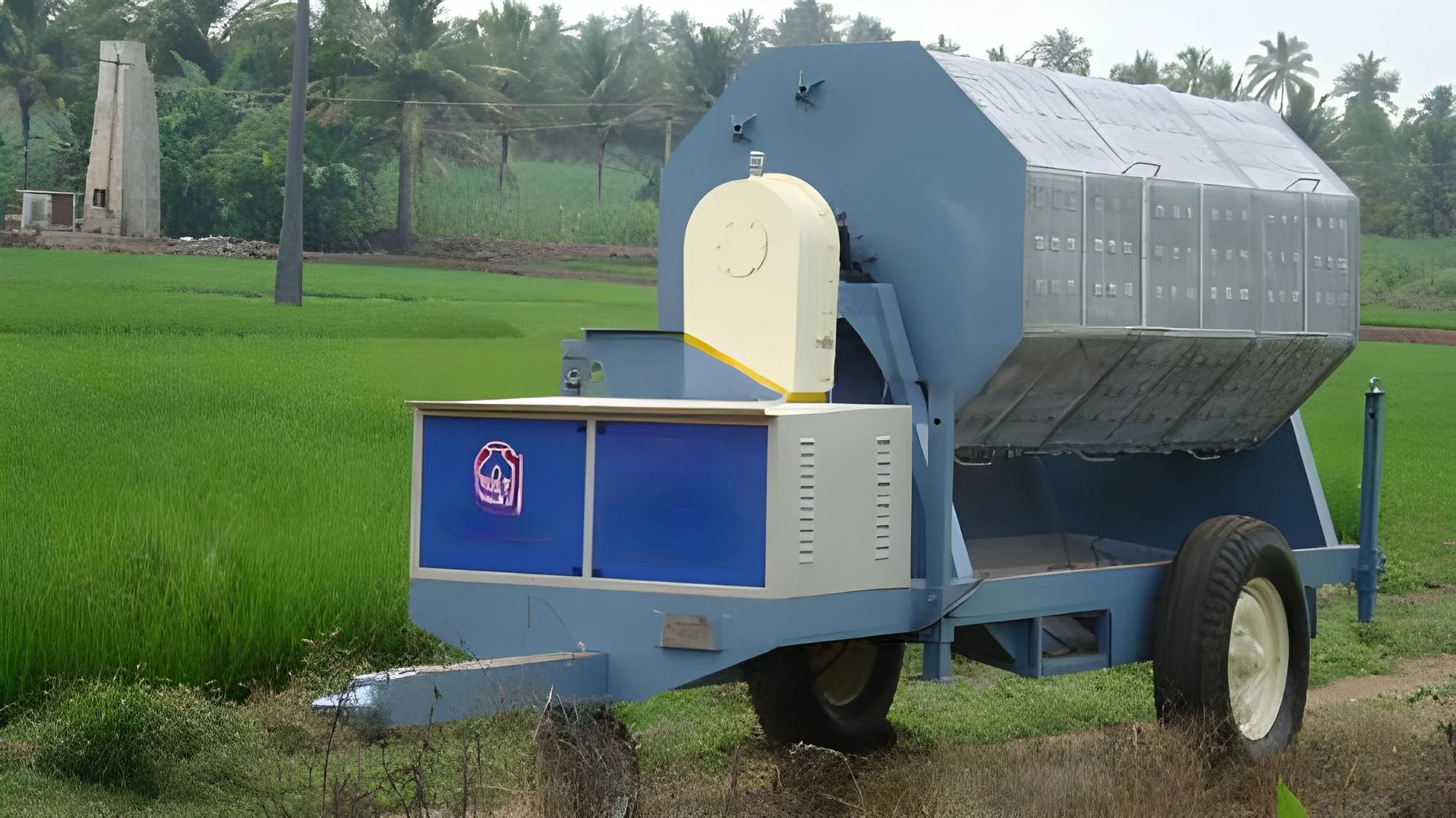
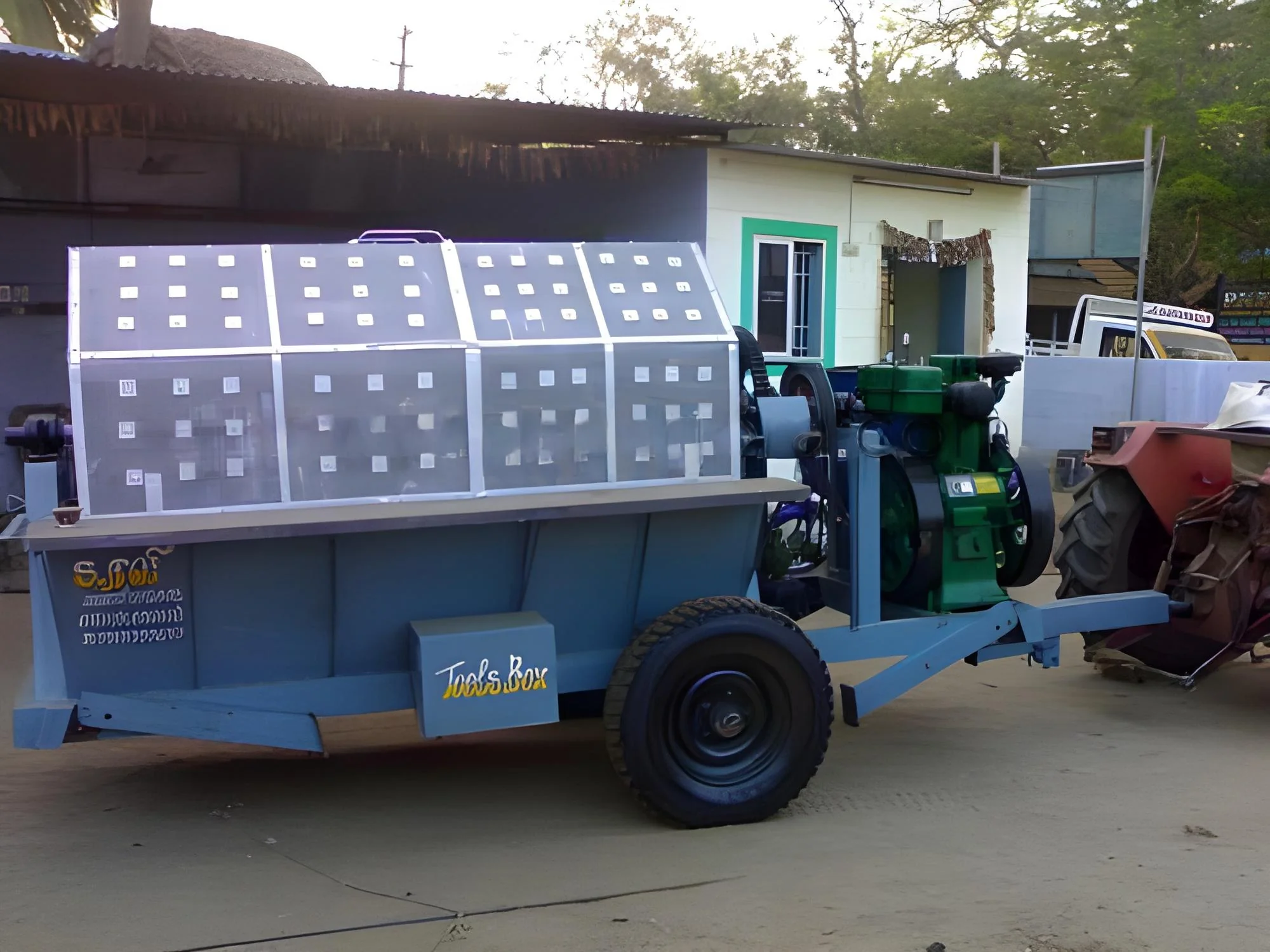
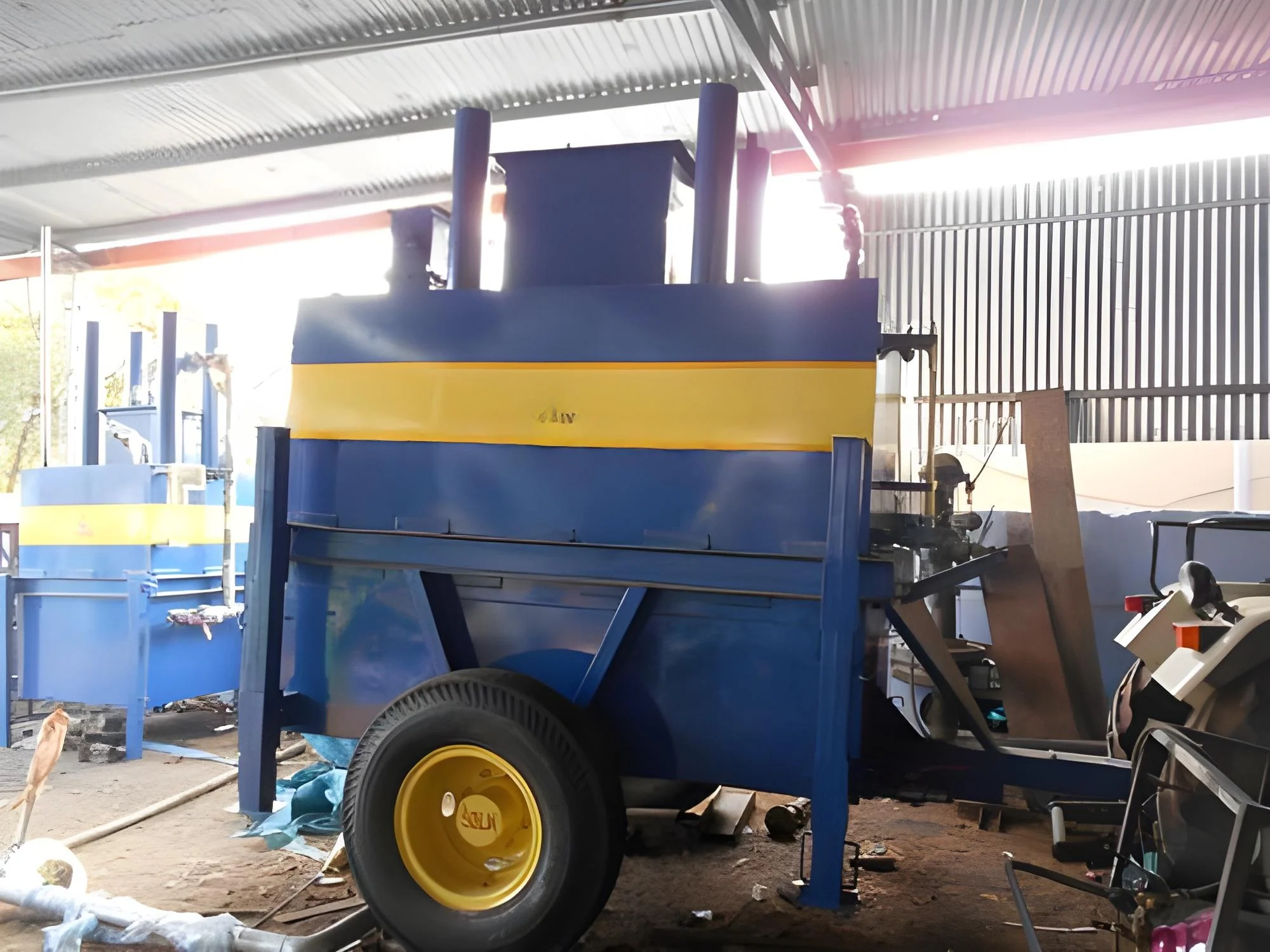
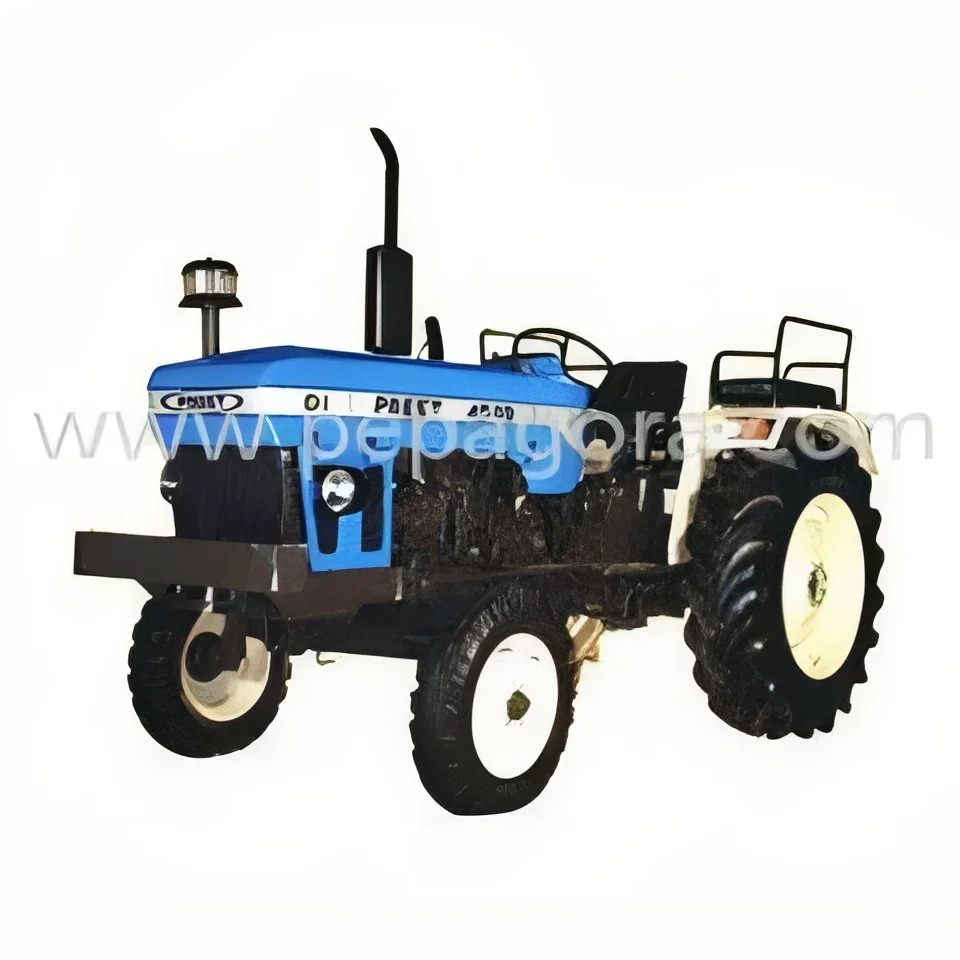
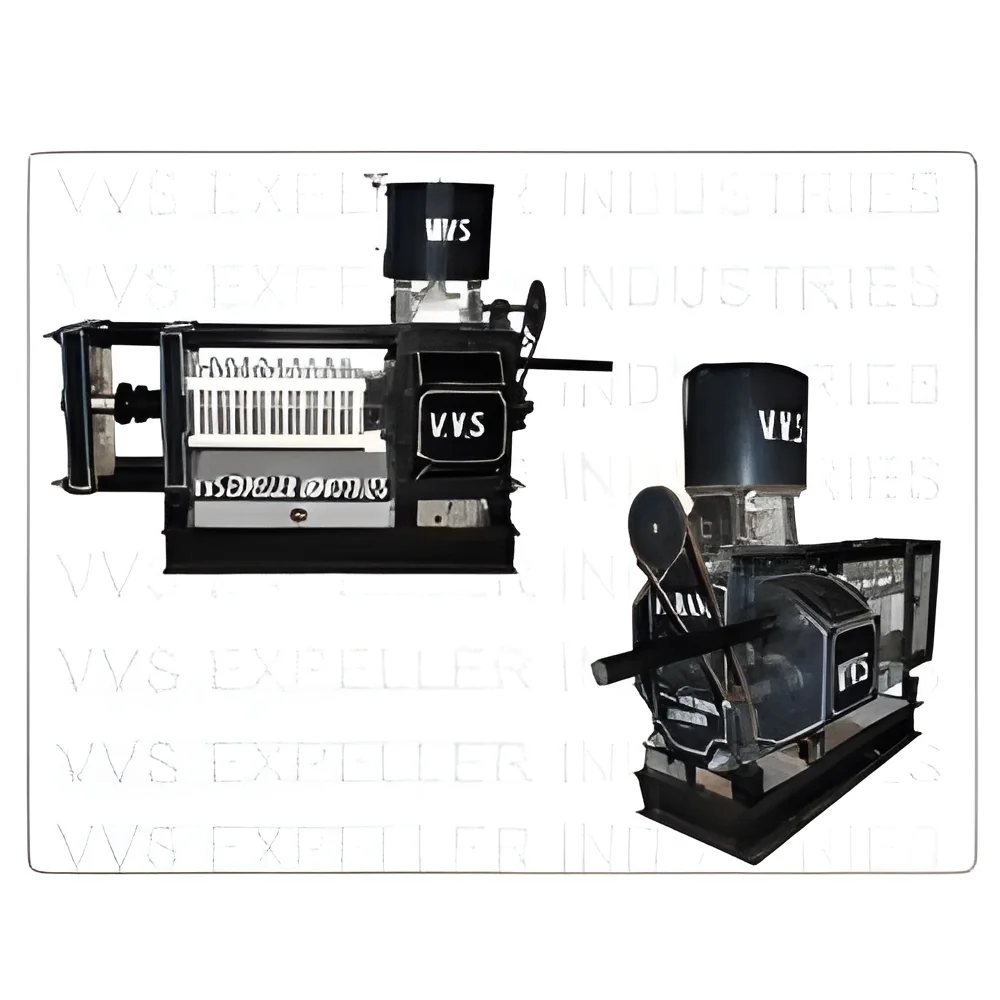
What are Other Farm Machinery & Tools?
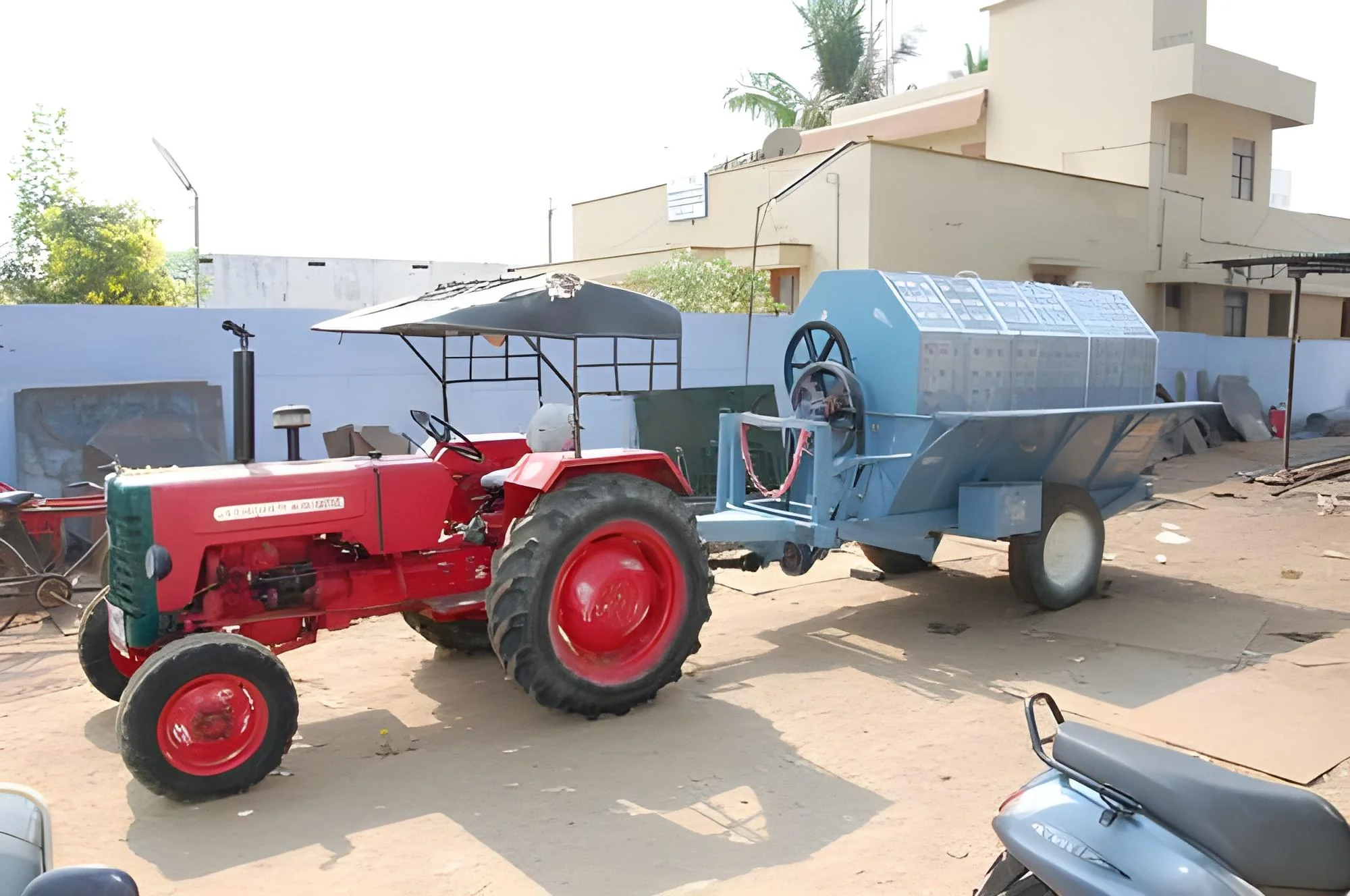
Other Farm Machinery and Tools encompass a broad range of equipment designed to assist in various agricultural tasks. This category includes machinery not specifically classified under traditional farming equipment but still essential for enhancing farm efficiency and productivity. These tools can range from specialized implements for soil preparation to advanced technology solutions for crop monitoring and management.
The primary uses of Other Farm Machinery and Tools include facilitating planting, cultivating, harvesting, and maintaining crops. These tools are vital in improving crop yield, reducing labor costs, and ensuring efficient resource utilization. Businesses in the agriculture sector, including large-scale farms and smallholder operations, rely on these tools to optimize their processes, ensuring they meet growing food demand and adhere to sustainability practices.
In terms of industry relevance, Other Farm Machinery and Tools play a crucial role in modern agriculture. As the sector evolves with technological advancements, the demand for innovative and efficient machinery continues to rise. The market for these tools is expanding, driven by the need for precision agriculture and the increasing focus on sustainable farming practices.
Key Features and Specifications
Other Farm Machinery and Tools come with a variety of features that enhance their performance and usability. When selecting machinery, it is crucial to consider technical specifications that align with specific agricultural needs.
Key specifications include:
1. Durability and Build Quality
- High-quality materials ensure longevity and resistance to wear.
- Equipment designed to withstand harsh agricultural environments.
2. Power Requirements
- Various models available to accommodate different power sources.
- Options for electric, diesel, and manual operation.
3. Operational Versatility
- Multi-functional tools that can perform various tasks.
- Adaptability to different farming techniques and environments.
4. Ease of Maintenance
- Design features that allow for straightforward upkeep.
- Availability of replacement parts and service support.
5. Safety Features
- Equipped with safeguards to protect operators.
- Compliance with industry safety standards.
6. Technology Integration
- Incorporation of smart technology for precision farming.
- Monitoring features for performance tracking and data collection.
7. Size and Weight
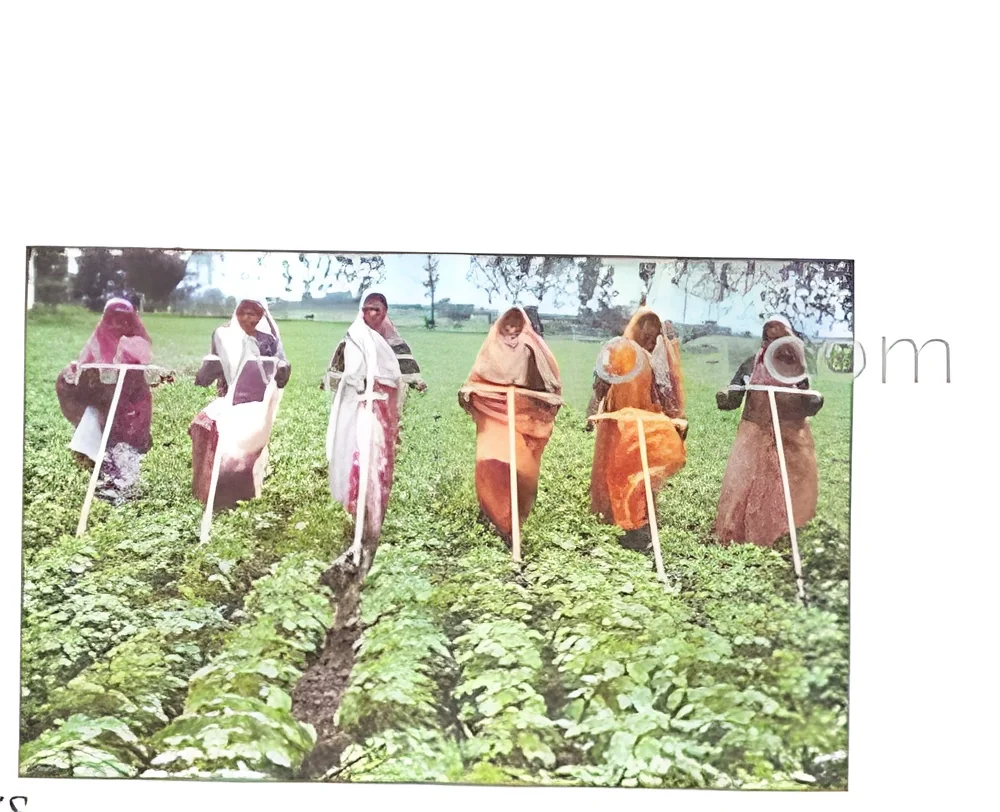
- Options for compact models suitable for small farms.
- Larger variants for extensive agricultural operations.
8. Cost Efficiency
- Designed to minimize operational costs over time.
- Energy-efficient options available.
In summary, understanding these critical specifications will help buyers choose the right Other Farm Machinery and Tools that meet their operational needs and enhance productivity.
Common Applications and Use Cases
Other Farm Machinery and Tools serve a wide range of applications across various industries.
1. Agriculture: These tools are essential for soil preparation, planting, and harvesting crops, enabling farmers to increase efficiency and yield.
2. Horticulture: Specialized machinery helps in growing flowers, fruits, and vegetables, addressing the unique needs of this sector.
3. Livestock Farming: Equipment designed for feeding, cleaning, and maintaining livestock supports animal husbandry operations.
4. Aquaculture: Tools for monitoring water quality and feeding fish are critical for successful fish farming.
5. Landscaping: Machinery used for garden maintenance and landscaping contributes to aesthetic and functional outdoor spaces.
6. Organic Farming: Tools designed for sustainable practices support organic farmers in maintaining crop health without synthetic inputs.
7. Agroforestry: Equipment that assists in tree planting and maintenance plays a vital role in agroforestry systems.
In conclusion, the versatile applications of Other Farm Machinery and Tools make them indispensable across multiple sectors within the agricultural landscape.
Product Variants and Subcategories
The diversity of Other Farm Machinery and Tools allows for various specialized variants to cater to specific agricultural needs.
Variant 1: Soil Preparation Tools
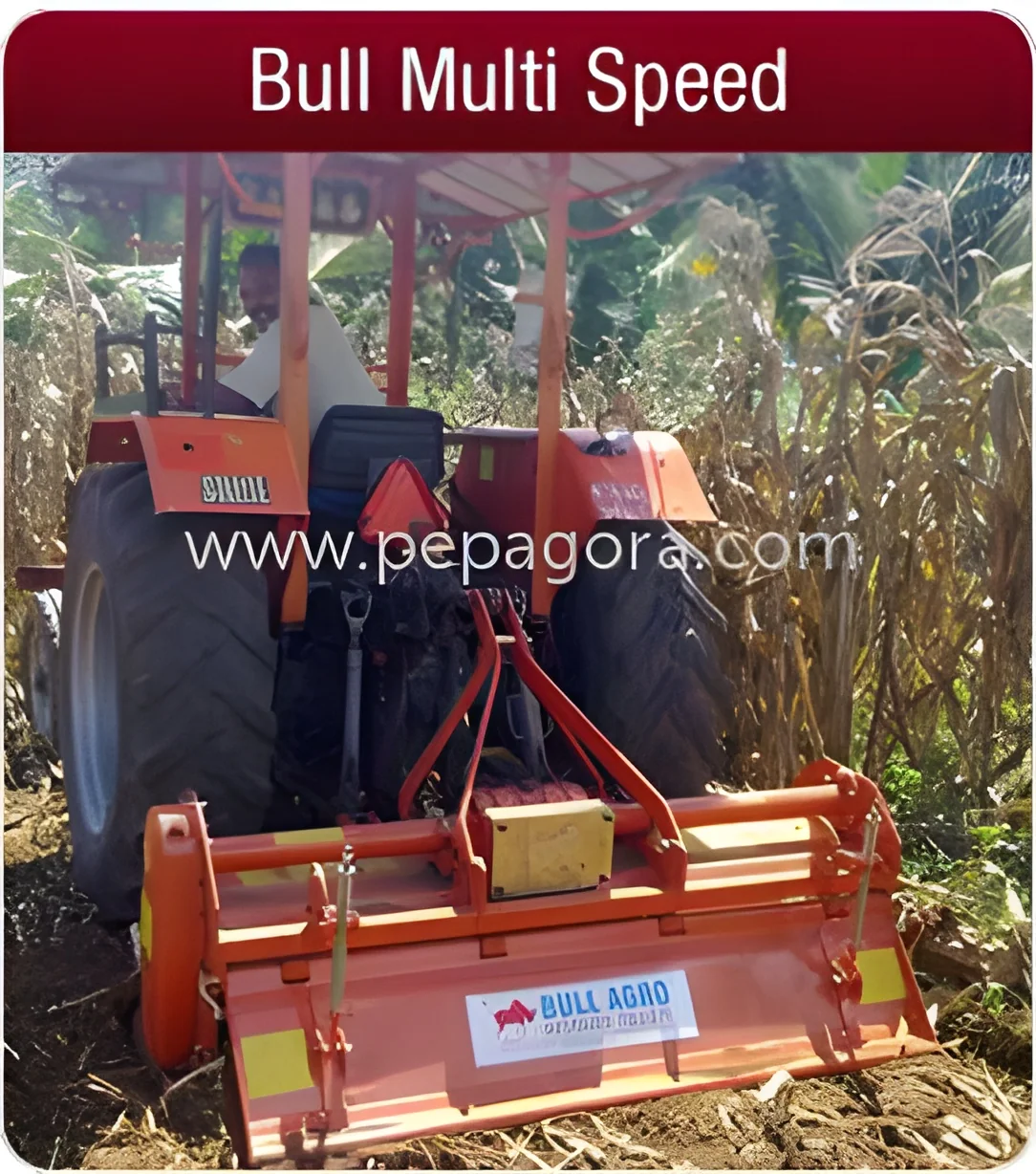
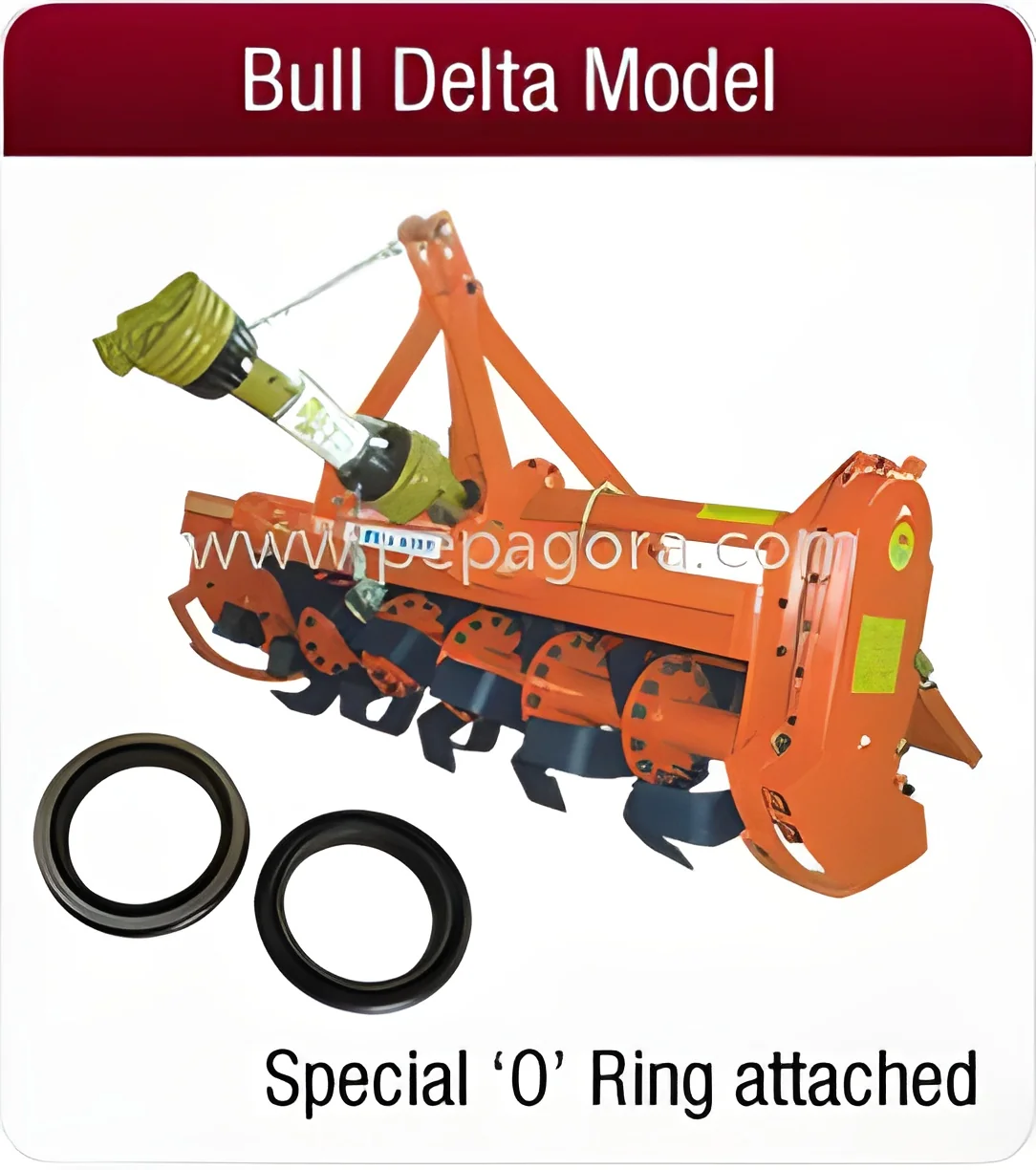
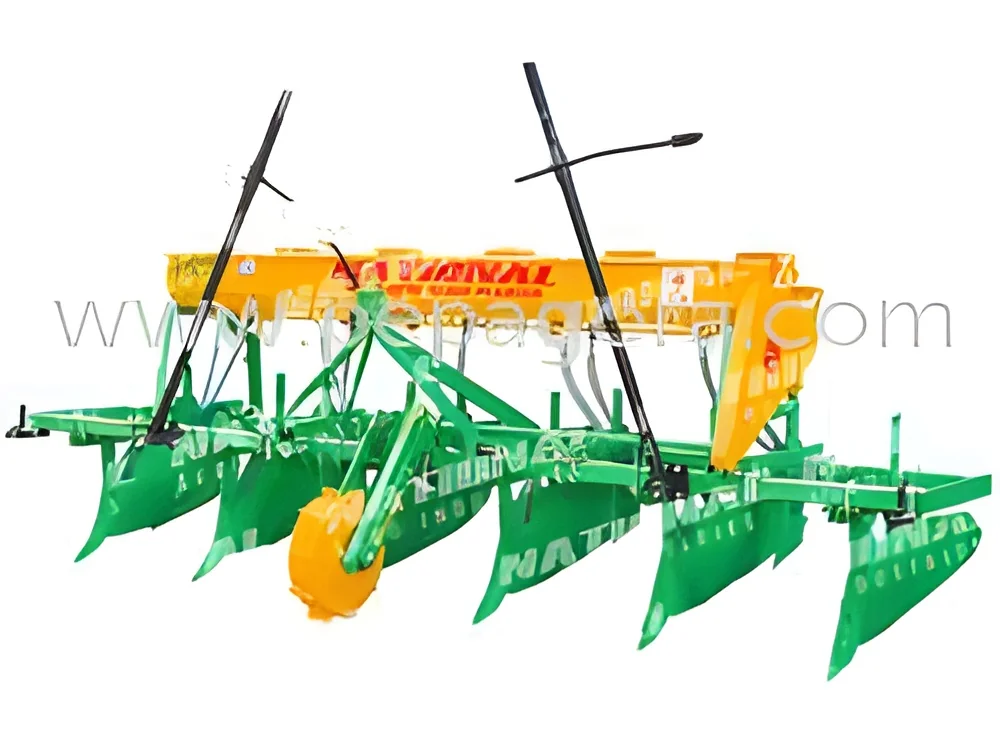
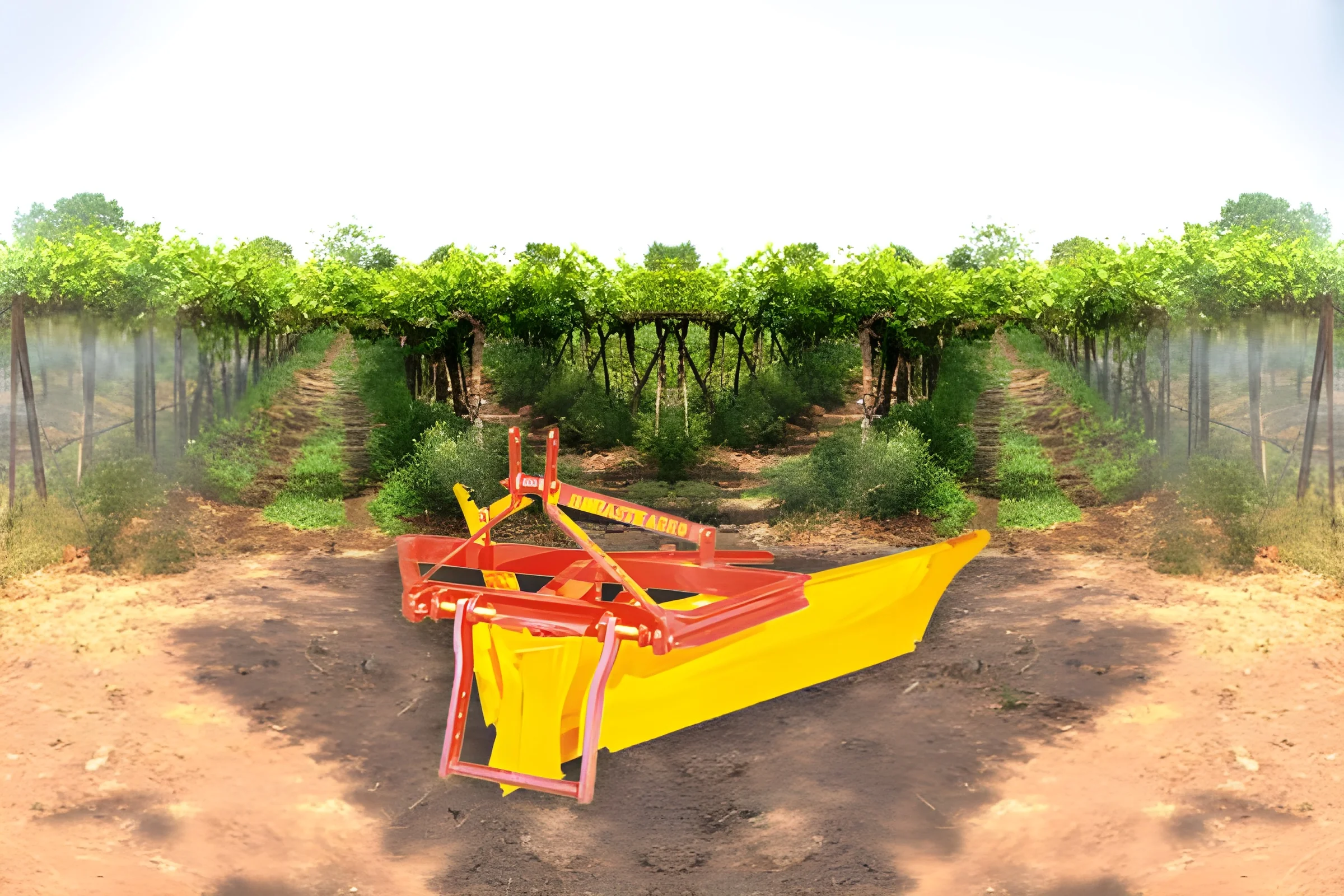
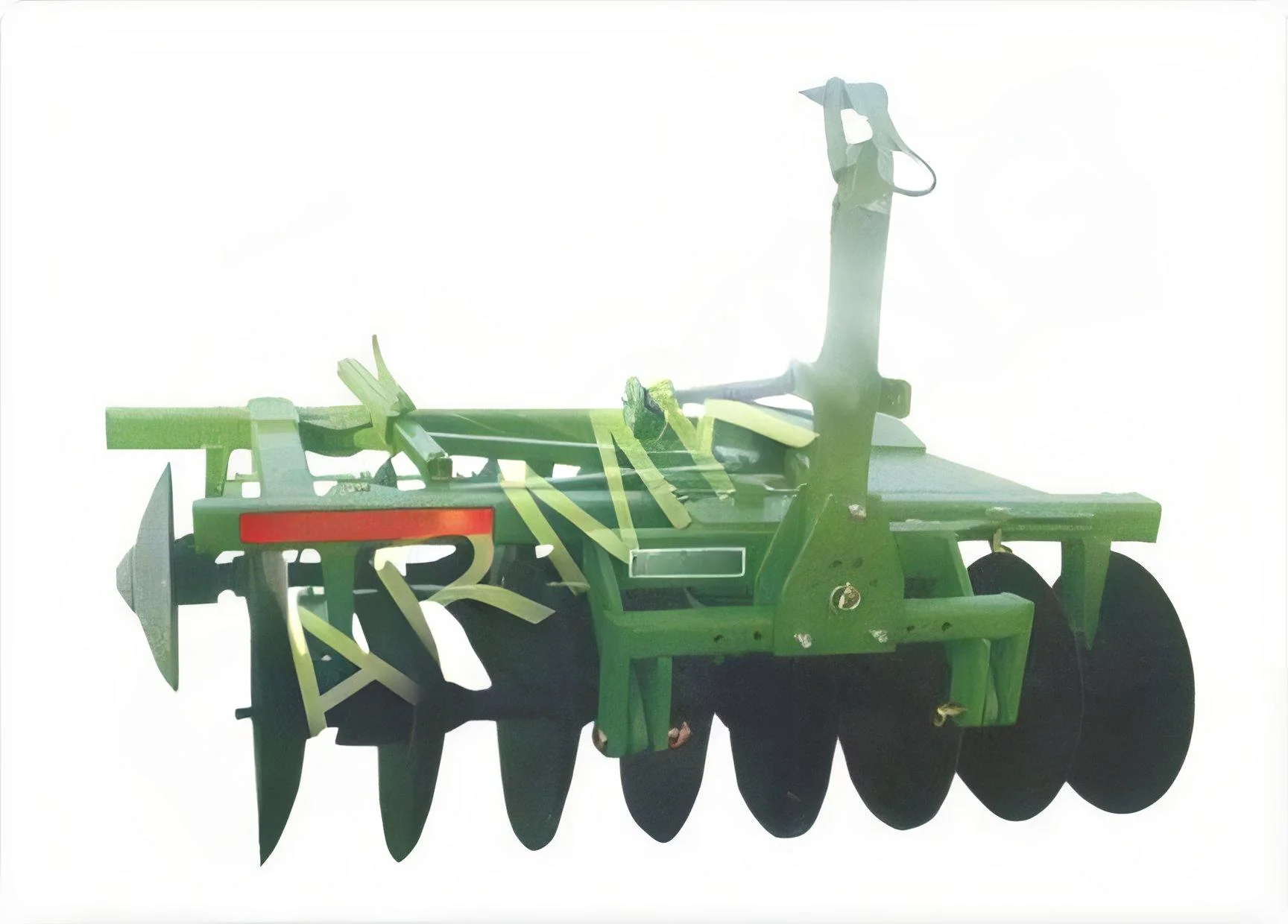
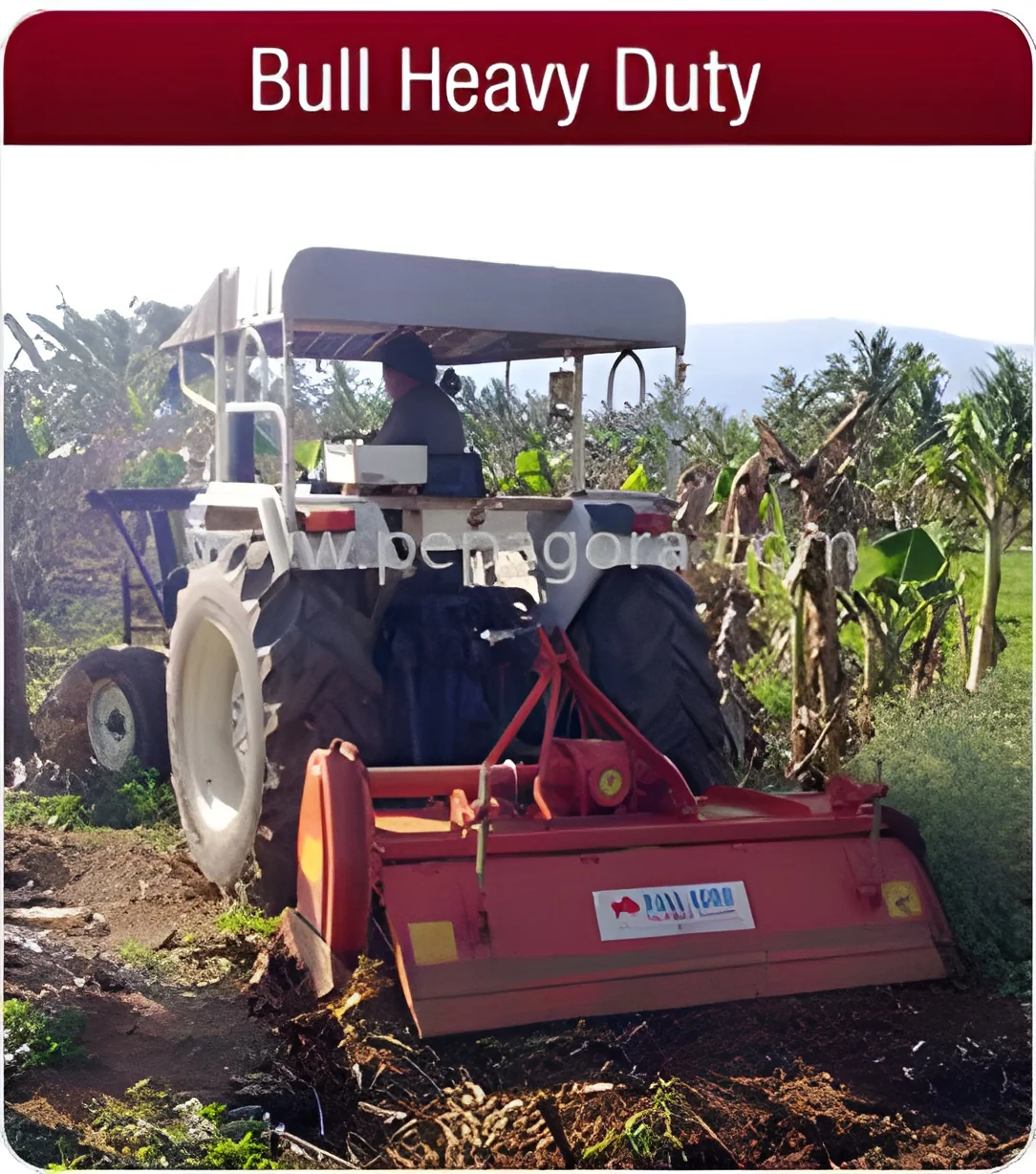
These tools include plows, harrows, and tillers designed for effective soil management. They enhance soil structure and fertility, promoting healthier crop growth.
Variant 2: Crop Monitoring Systems
Advanced monitoring systems integrate sensors and data analytics to track crop health and growth conditions. These tools help farmers make informed decisions based on real-time data.
Variant 3: Irrigation Equipment
Irrigation systems, including drip and sprinkler options, ensure efficient water usage. These tools are crucial for maintaining optimal moisture levels in crops.
Variant 4: Harvesting Equipment
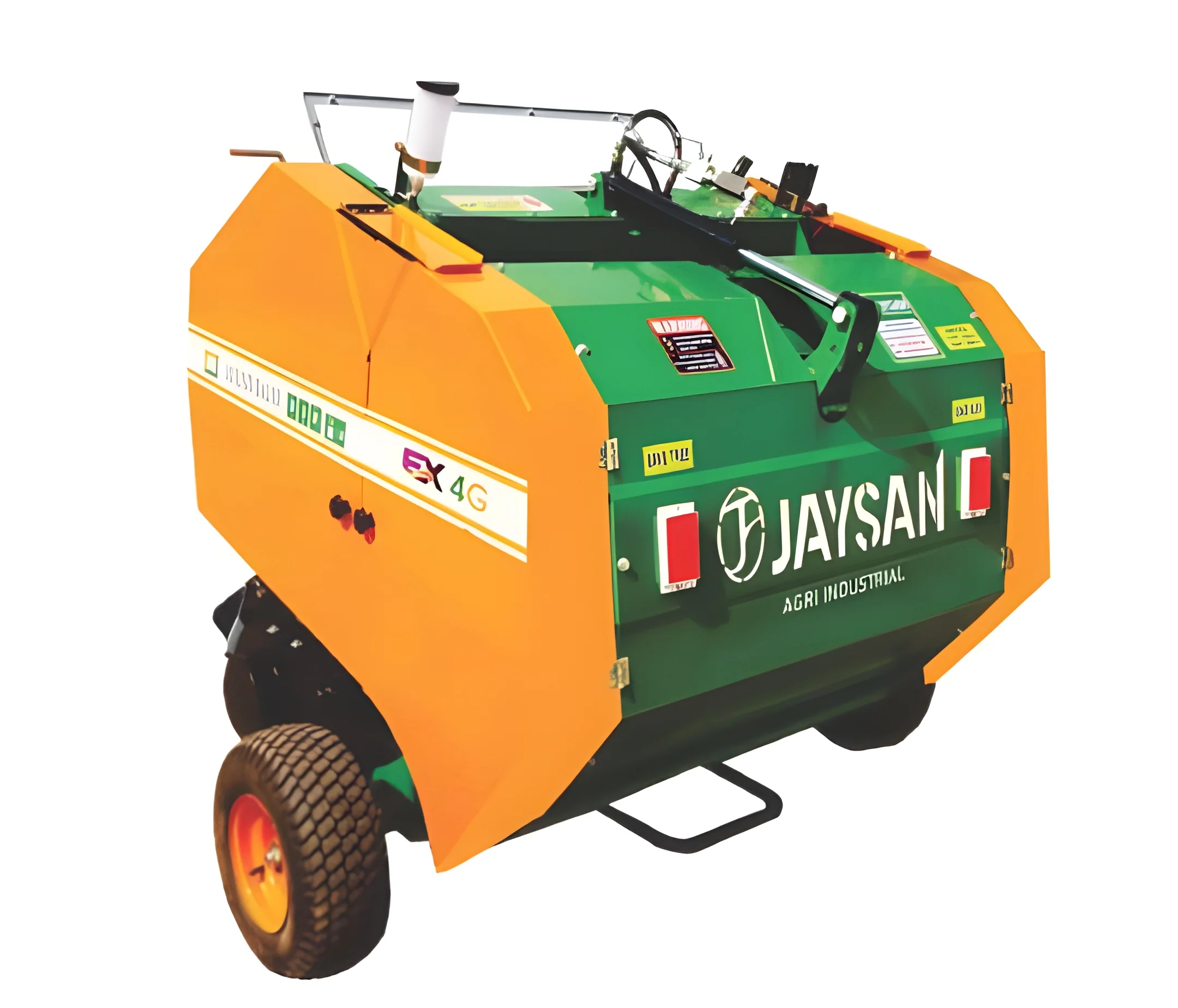
Machines designed for various crops streamline the harvesting process, reducing labor costs and time. They are tailored to handle specific types of produce.
In summary, the wide range of variants available means that farmers can choose tools tailored to their specific operational requirements.
Benefits and Advantages
Investing in Other Farm Machinery and Tools provides numerous advantages for agricultural operations.
1. Increased Productivity: Efficient machinery significantly reduces the time and labor required for various tasks, leading to higher productivity.
2. Cost Savings: Durable and efficient tools help minimize operational costs through reduced labor and resource utilization.
3. Enhanced Precision: Technology integration allows for more precise farming practices, improving crop yields and quality.
4. Improved Safety: Modern machinery often comes with advanced safety features that protect operators and reduce the risk of accidents.
5. Sustainability: Many tools are designed with eco-friendly practices in mind, supporting sustainable farming efforts.
6. Flexibility: A range of tools allows farmers to adapt to various farming methods and changing market demands.
In summary, the benefits of Other Farm Machinery and Tools support not just operational efficiency but also the long-term sustainability of agricultural practices.
Buying Guide for B2B Buyers
When sourcing Other Farm Machinery and Tools, it is essential for B2B buyers to consider several factors to ensure they make informed decisions.
1. Quality Assessment: Evaluate the quality of materials and construction used in the tools. Look for certifications and customer reviews that speak to the reliability of the product.
2. Supplier Verification: Vet potential suppliers by checking their credentials, past performance, and customer feedback. A reliable supplier will have a proven track record in delivering quality machinery.
3. Pricing and MOQ: Understand the pricing structures and minimum order quantities. Consider bulk purchasing options that can lead to cost savings.
4. Delivery and Lead Times: Discuss logistics with suppliers to ensure timely delivery. Understand the lead times required for manufacturing and shipping.
5. Compliance Requirements: Familiarize yourself with local regulations regarding agricultural machinery. Ensure that the products meet necessary compliance and safety standards.
In conclusion, thorough research and consideration of these factors will help B2B buyers make strategic purchasing decisions regarding Other Farm Machinery and Tools.
Compliance and Certifications
Compliance and certifications are critical aspects of Other Farm Machinery and Tools, ensuring they meet industry standards and safety requirements.
Relevant quality standards such as ISO 9001 and HACCP focus on ensuring consistent quality management systems. These standards help manufacturers provide reliable and safe machinery.
Industry certifications, particularly CE marking, indicate that the equipment complies with European safety, health, and environmental protection standards. This certification is crucial for machinery sold in or exported to European markets.
Safety and testing requirements are essential to guarantee that the machinery operates safely under various conditions. Manufacturers should adhere to rigorous testing protocols to validate performance and safety.
Additionally, regional compliance considerations may include local agricultural regulations and safety standards that vary by country or region. Buyers should prioritize sourcing from suppliers who ensure their products meet these local compliance requirements.
In summary, compliance and certifications are vital for maintaining safety, quality, and market acceptance for Other Farm Machinery and Tools.
Why Source Other Farm Machinery & Tools from Pepagora?
Pepagora offers a trusted platform for sourcing Other Farm Machinery and Tools, delivering several key advantages that facilitate the buying process.
Verified Supplier Network: Pepagora ensures that all suppliers in its network undergo rigorous vetting processes. This verification builds trust and confidence in the quality of products offered.
Streamlined RFQ Process: The platform provides a user-friendly request for quotation (RFQ) system, allowing buyers to easily compare quotes from multiple suppliers. This transparency supports informed decision-making.
Trade Assurance and Support: Pepagora prioritizes buyer protection through its trade assurance policies. This support includes dispute resolution and guarantees on product quality and delivery.
Regional Coverage: With a strong presence in markets like India, GCC, and Southeast Asia, Pepagora connects buyers with suppliers across diverse geographical regions. This extensive coverage ensures that buyers can access a wide range of products tailored to their needs.
In conclusion, sourcing Other Farm Machinery and Tools from Pepagora provides a comprehensive and reliable purchasing experience, supporting the needs of B2B buyers in the agricultural sector.

 IN
IN