What are Agricultural Machinery OEMs?
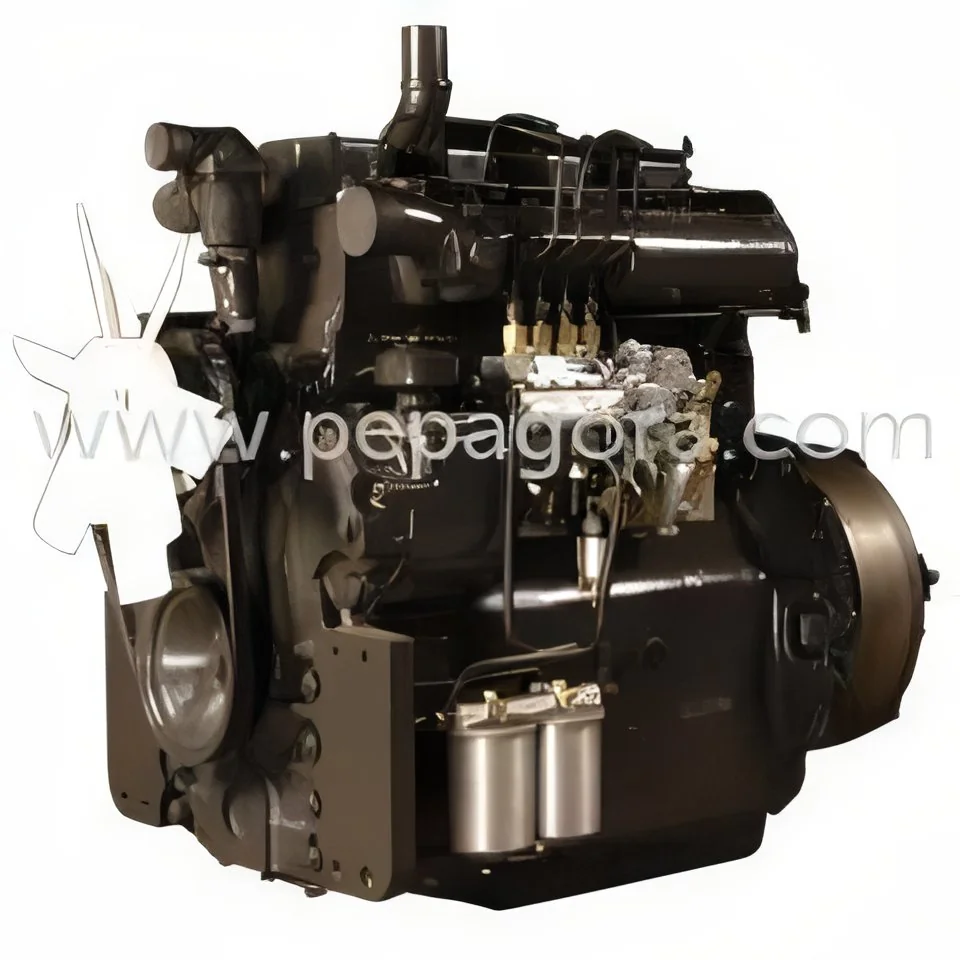
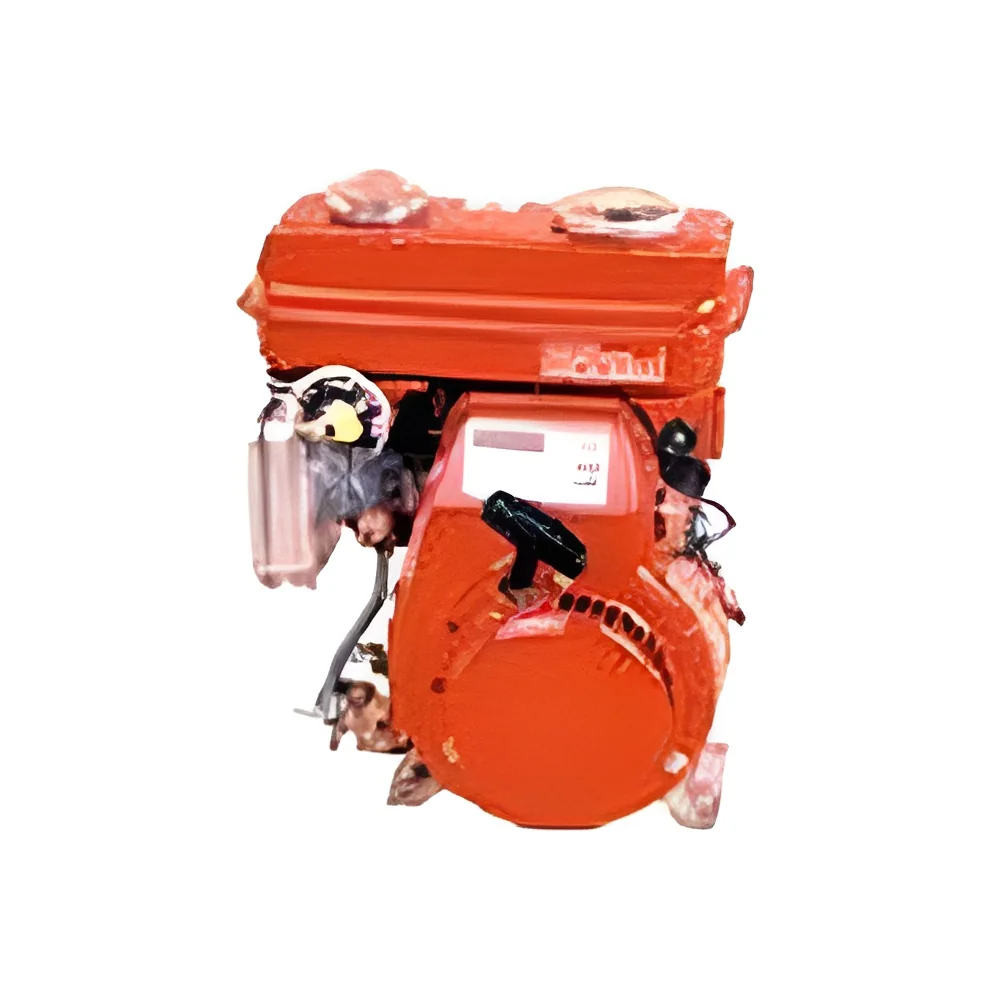
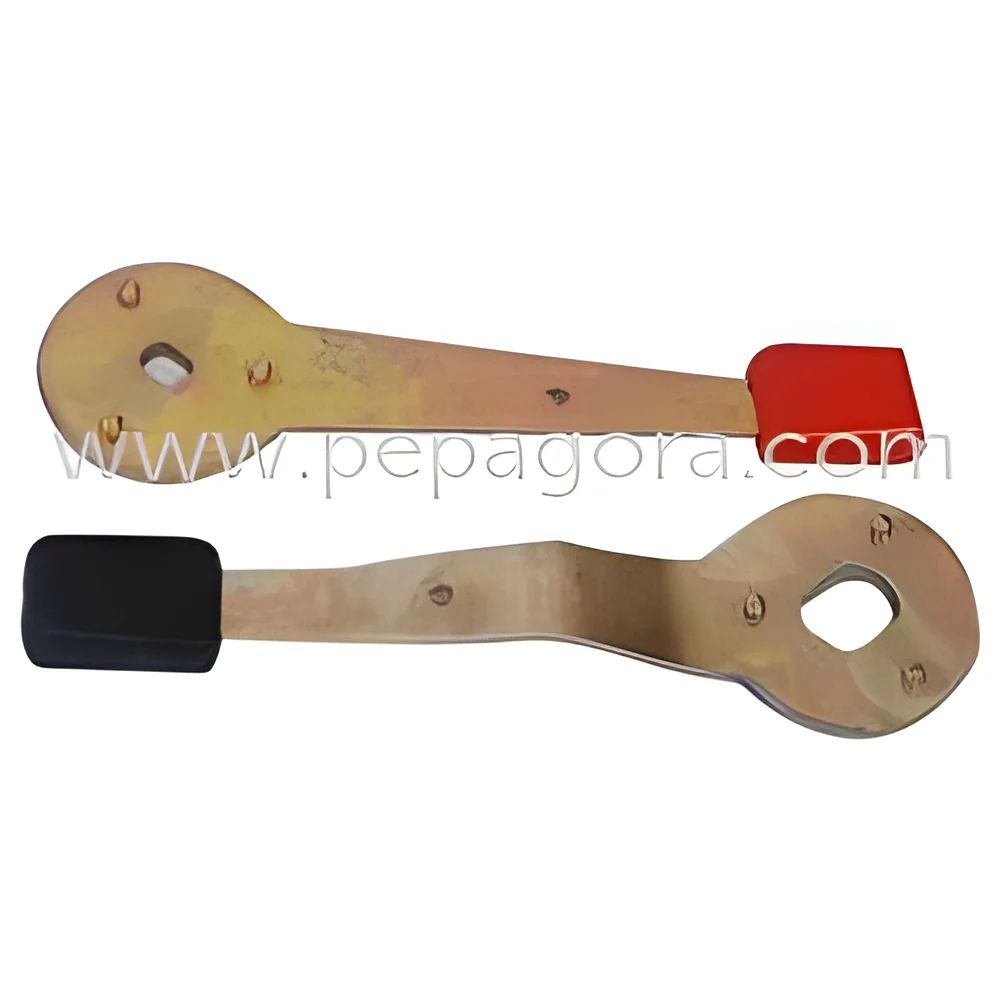
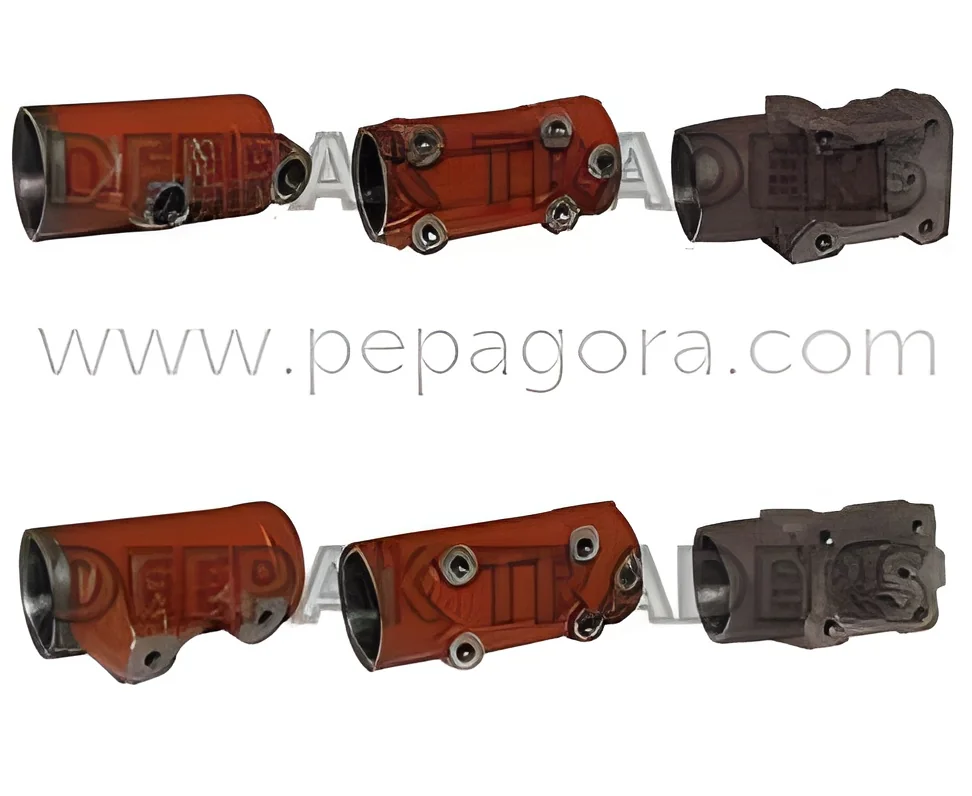
Agricultural Machinery OEMs, or Original Equipment Manufacturers, specialize in producing machinery and equipment used in the agricultural sector. These companies design and manufacture a wide range of products that aid in farming operations, including tractors, harvesters, plows, and irrigation systems. The primary goal of these OEMs is to provide innovative, reliable, and efficient machinery that enhances productivity and sustainability in farming practices.
The primary uses of agricultural machinery include planting, cultivating, harvesting, and processing agricultural products. These machines are crucial for modern farming, as they help farmers increase their operational efficiency and reduce manual labor. By incorporating advanced technologies, such as automation and precision farming techniques, agricultural machinery OEMs contribute significantly to the agricultural supply chain, ensuring that food production keeps pace with global demand.
In the context of the agricultural market, OEMs play a vital role in enhancing productivity and sustainability. With the growing need for food security and efficient farming practices, the demand for advanced agricultural machinery is increasing. As a result, agricultural machinery OEMs are becoming key players in the global agricultural landscape, driving innovation and supporting farmers in achieving their goals.
Key Features and Specifications
Agricultural machinery OEMs offer a variety of features and specifications designed to meet the diverse needs of the agricultural sector. These specifications ensure that the machinery is efficient, durable, and suitable for various farming applications.
Key specifications include:
1. Engine Power
- Typically ranges from 30 to 500 horsepower depending on the type of machinery
- Determines the efficiency and capability of the machinery in various tasks
2. Working Width
- Varies based on the type of equipment, often ranging from 1 meter to over 10 meters
- Affects the area that can be covered in a single pass, influencing productivity
3. Weight Capacity
- Machinery can range from light, portable units to heavy-duty equipment
- Ensures the machine can handle the weight of attachments and the load being processed
4. Fuel Efficiency
- Measured in liters per hour or gallons per hour
- Important for reducing operational costs and environmental impact
5. Hydraulic System
- Pressure ratings can vary from 1500 to 3000 PSI
- Essential for operating attachments and ensuring effective performance
6. Technology Integration
- Features such as GPS and automation capabilities
- Enhances precision and ease of use during operation
7. Safety Features
- Includes emergency stop buttons, roll-over protection, and safety guards
- Critical for ensuring operator safety and compliance with industry standards
8. Warranty and Support
- Typically offers warranties ranging from one to five years
- Ensures reliability and support for maintenance and repairs
In summary, understanding the key features and specifications of agricultural machinery OEMs is crucial for making informed purchasing decisions. These specifications directly impact machinery performance, safety, and overall operational efficiency.
Common Applications and Use Cases
Agricultural machinery OEMs serve various industries and applications, providing essential tools for modern farming.
1. Crop Production: Agricultural equipment is used for planting, cultivating, and harvesting crops, enabling farmers to manage their fields efficiently.
2. Livestock Management: Machinery such as feeders and milking machines are critical in managing livestock operations and improving productivity.
3. Horticulture: Specialized equipment is designed for planting and maintaining gardens, orchards, and greenhouses, ensuring optimal plant health and yield.
4. Forestry: Machinery like skidders and chippers are used in timber harvesting and processing, enhancing efficiency in forestry operations.
5. Aquaculture: Equipment for feeding and monitoring fish stocks is vital for the aquaculture industry, promoting sustainable practices.
6. Organic Farming: Tools specifically designed for organic farming practices help maintain soil health and promote eco-friendly agriculture.
7. Agri-Tech Solutions: Integration of technology in modern farming, such as drones and sensors, aids in precision agriculture, optimizing resource use.
Product Variants and Subcategories
The diversity of agricultural machinery OEMs allows for various product variants tailored to specific needs.
Tractors
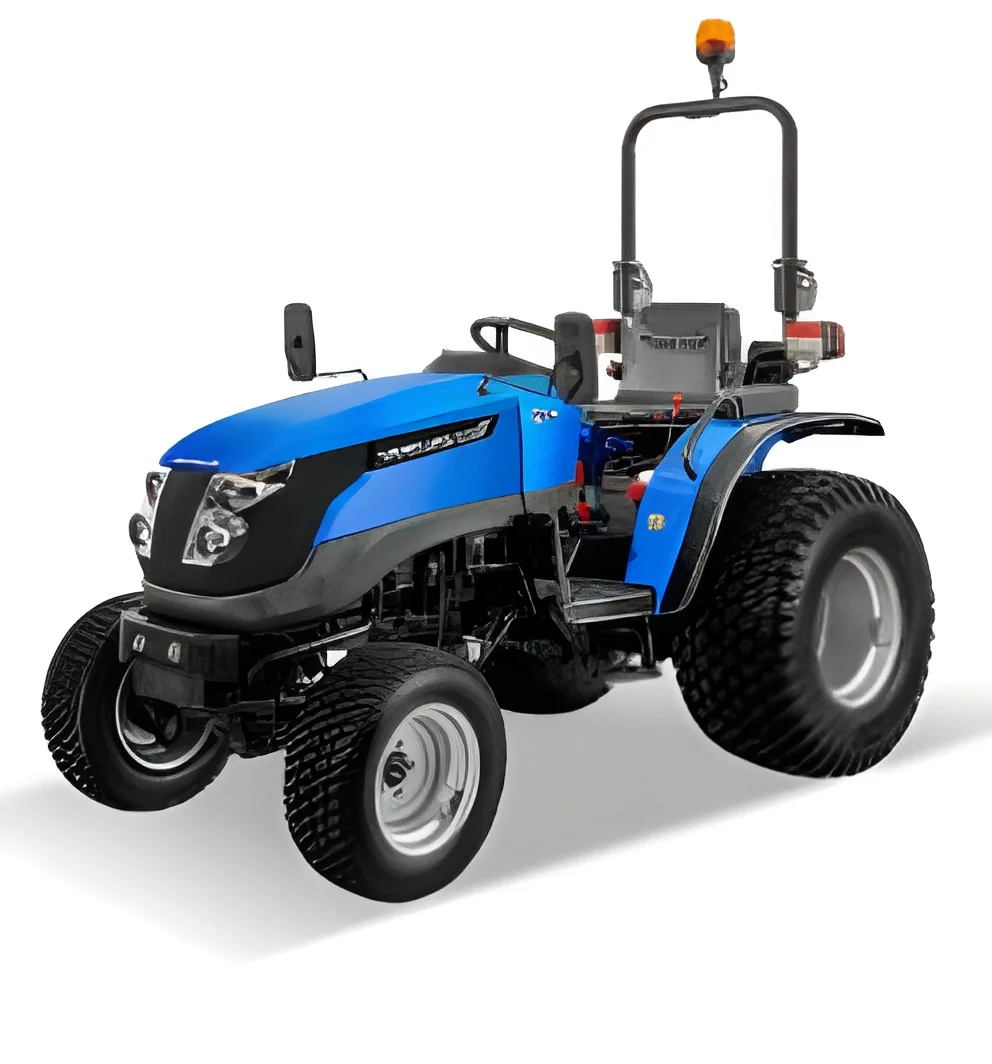
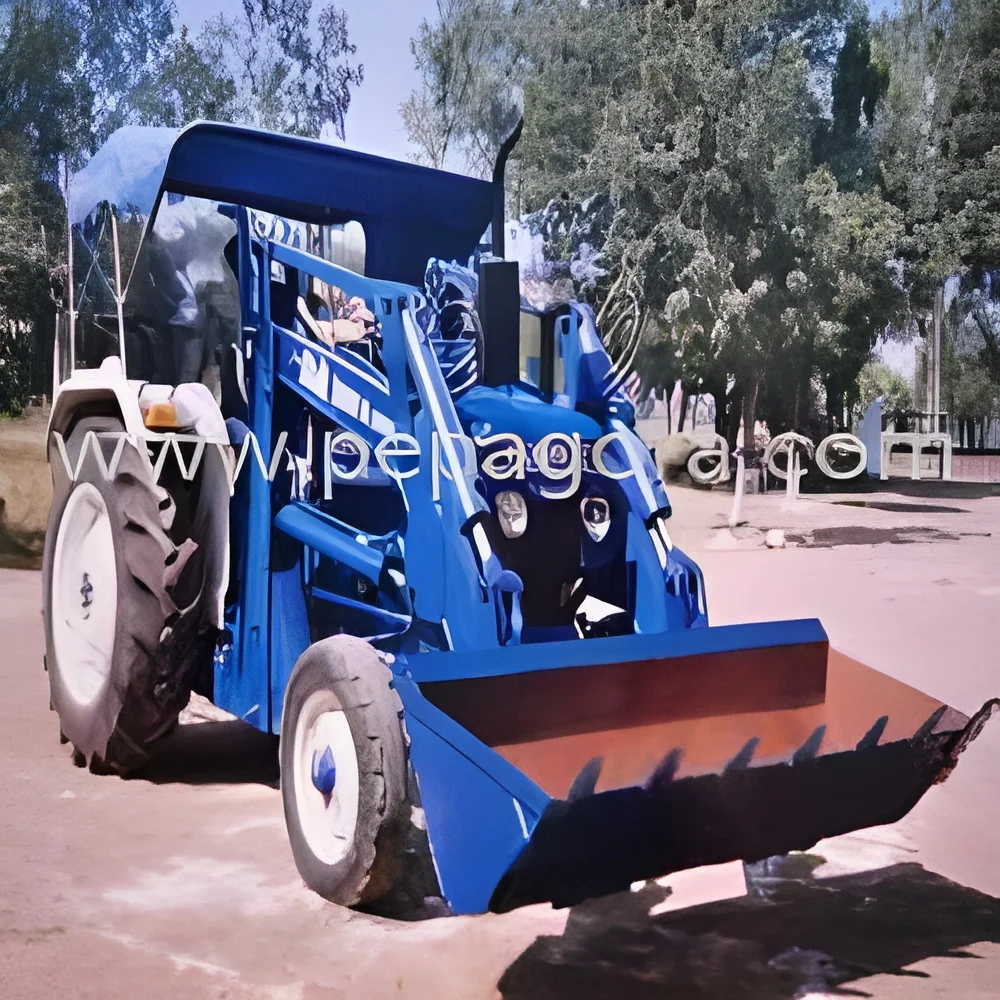
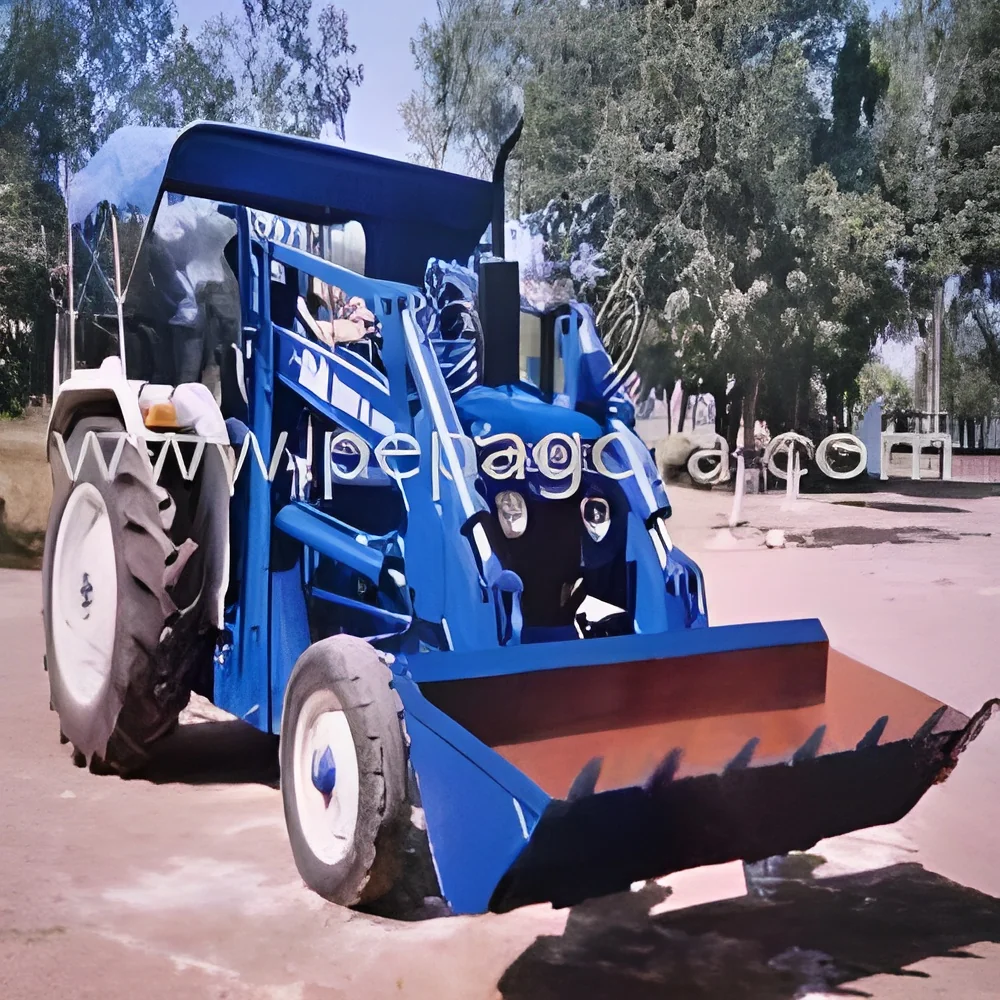
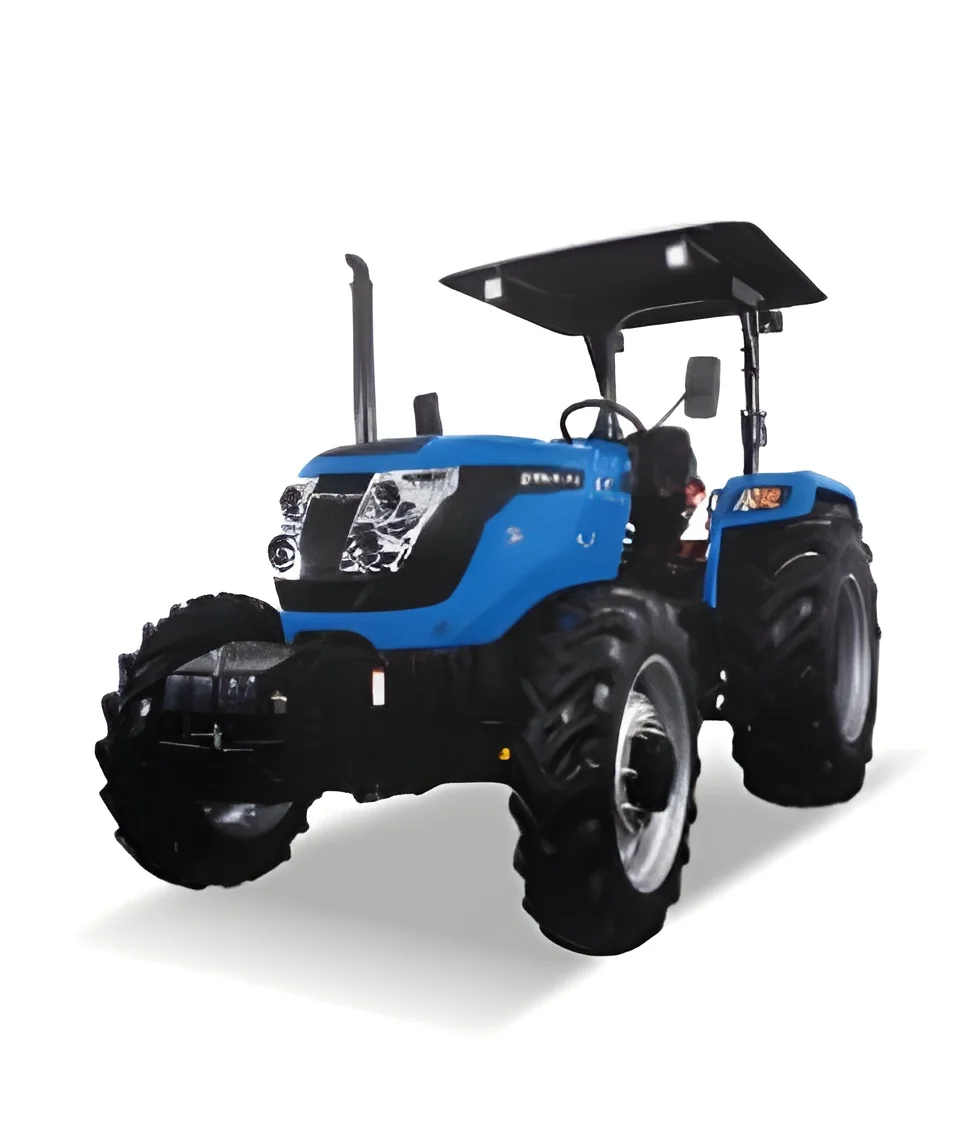
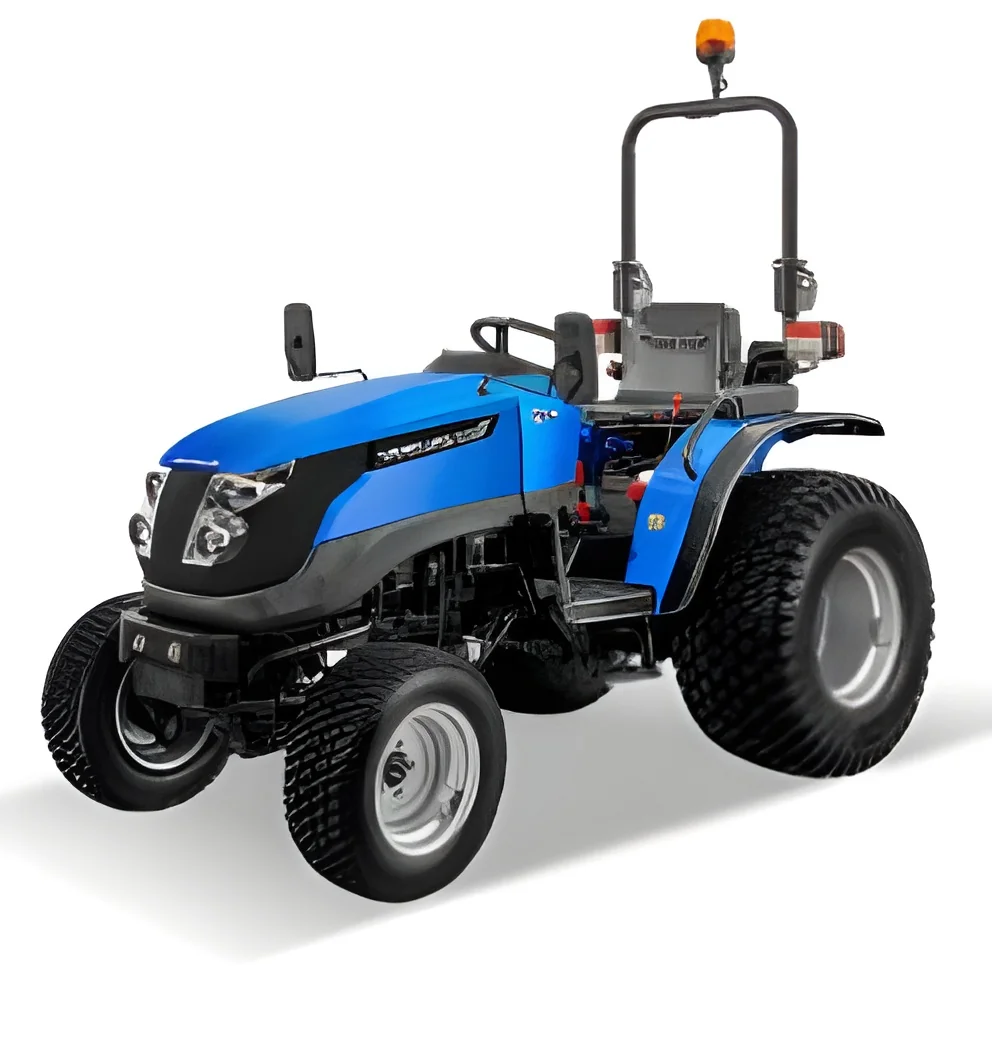
Tractors are versatile machines used for various tasks, including plowing, tilling, and transporting goods. They can be equipped with different attachments for specific farming needs.
Harvesters
Harvesters are designed to efficiently collect crops from the fields. These machines vary in type, including combine harvesters and forage harvesters, each suited for different crop types.
Irrigation Systems
Irrigation machinery manages water distribution in agricultural fields. Systems can include drip irrigation, sprinkler systems, and pivot systems, each offering unique benefits for crop management.
Tillage Equipment
Tillage machinery prepares the soil for planting. This category includes plows, harrows, and cultivators, which are essential for soil management and crop preparation.
Benefits and Advantages
Investing in agricultural machinery OEMs offers several key benefits for businesses in the agricultural sector.
1. Increased Efficiency: Advanced machinery reduces the time and labor required for farming operations, allowing for more efficient use of resources.
2. Enhanced Productivity: High-performance equipment enables farmers to maximize crop yields and optimize their operations.
3. Cost Savings: Efficient machinery can lead to lower operational costs through improved fuel efficiency and reduced labor needs.
4. Improved Precision: Technology integration allows for precision farming, enabling better resource management and higher-quality produce.
5. Durability and Reliability: Quality machinery designed for agricultural use ensures long-term performance, reducing the frequency of repairs and replacements.
6. Safety Compliance: Modern machinery incorporates safety features that protect operators and meet industry regulations, ensuring a safer work environment.
Buying Guide for B2B Buyers
When sourcing Agricultural Machinery OEMs, several factors are crucial to ensuring a successful purchase.
1. Quality Assessment: Evaluate machinery based on durability, performance, and manufacturer reputation. Seek products that comply with industry standards and have positive reviews from other users.
2. Supplier Verification: Conduct thorough research to verify the credibility of suppliers. Check their certifications, customer feedback, and track record in the industry.
3. Pricing and MOQ: Understand the pricing structure and minimum order quantity (MOQ) requirements. This helps in budgeting and ensures that you get the best value for your investment.
4. Delivery and Lead Times: Inquire about delivery schedules and lead times. Timely delivery is essential for maintaining operational efficiency, especially during peak farming seasons.
5. Compliance Requirements: Ensure that the machinery meets all relevant regulatory and safety standards. This includes certifications such as CE and UL, which indicate compliance with international safety norms.
Compliance and Certifications
Agricultural machinery OEMs must adhere to several quality standards and certifications to ensure safety and reliability in their products. Common standards include ISO 9001, which focuses on quality management systems, and HACCP, which addresses food safety management.
Industry certifications such as CE and UL are essential for ensuring that products meet specific safety and performance criteria. Compliance with these certifications helps manufacturers gain trust and credibility in the market.
Additionally, agricultural machinery must meet safety and testing requirements specific to the operating environment. This may include certifications for emissions, noise levels, and operational safety features.
Regional compliance considerations are also vital, as different regions may have unique regulations governing agricultural machinery. Understanding these requirements helps manufacturers ensure their products are suitable for various markets.
Why Source Agricultural Machinery OEMs from Pepagora?
Pepagora provides a trusted platform for sourcing Agricultural Machinery OEMs, ensuring that businesses can find reliable suppliers with ease.
Verified Supplier Network: Pepagora has established strong relationships with verified suppliers, ensuring that buyers have access to high-quality machinery and equipment. This network is designed to offer transparency and reliability in sourcing.
Streamlined RFQ Process: The platform features a user-friendly request for quotation (RFQ) system that simplifies the procurement process. Buyers can easily submit their requirements and receive competitive quotes from multiple suppliers.
Trade Assurance and Support: Pepagora offers trade assurance, providing buyers with protection throughout the sourcing process. This includes assistance with transactions and support in case of disputes, ensuring a safe purchasing experience.
Regional Coverage: With a focus on regions such as India, the GCC, and Southeast Asia, Pepagora enables buyers to connect with suppliers that understand local market dynamics and requirements. This regional expertise enhances the sourcing experience and facilitates better business relationships.

 IN
IN