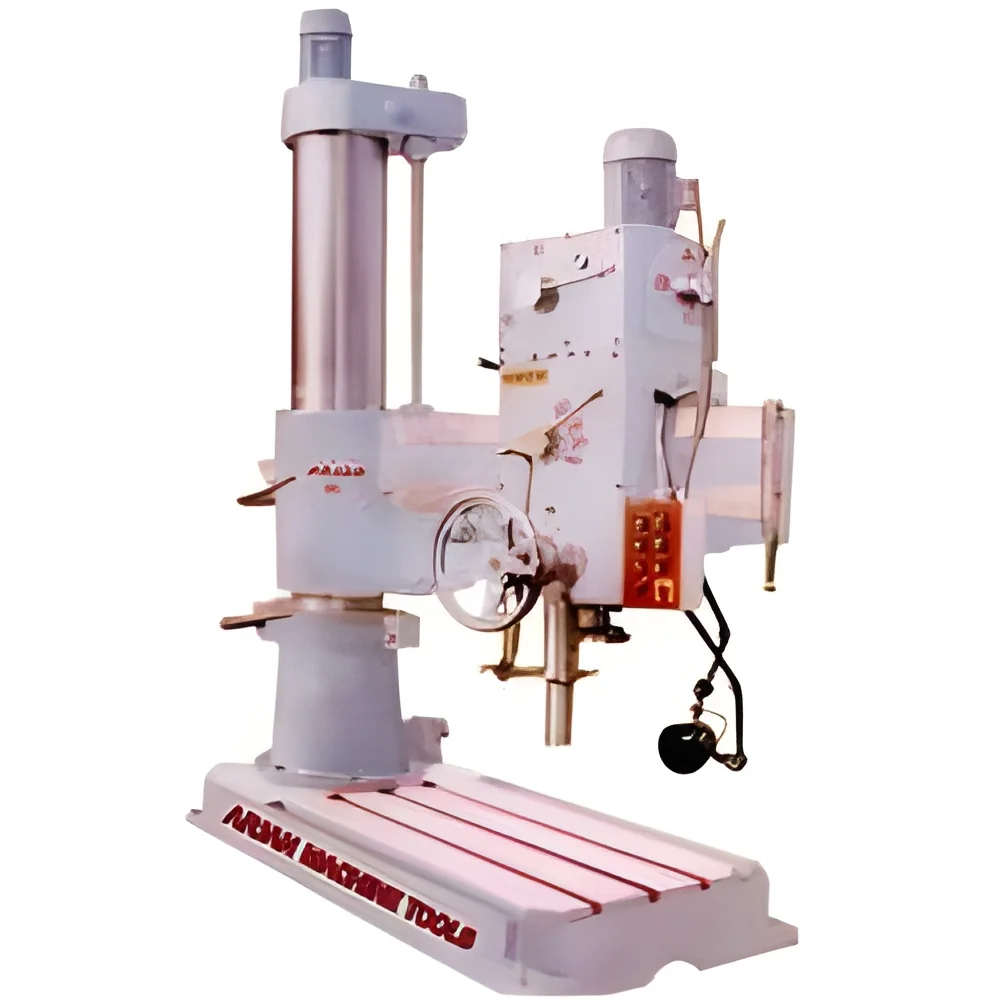
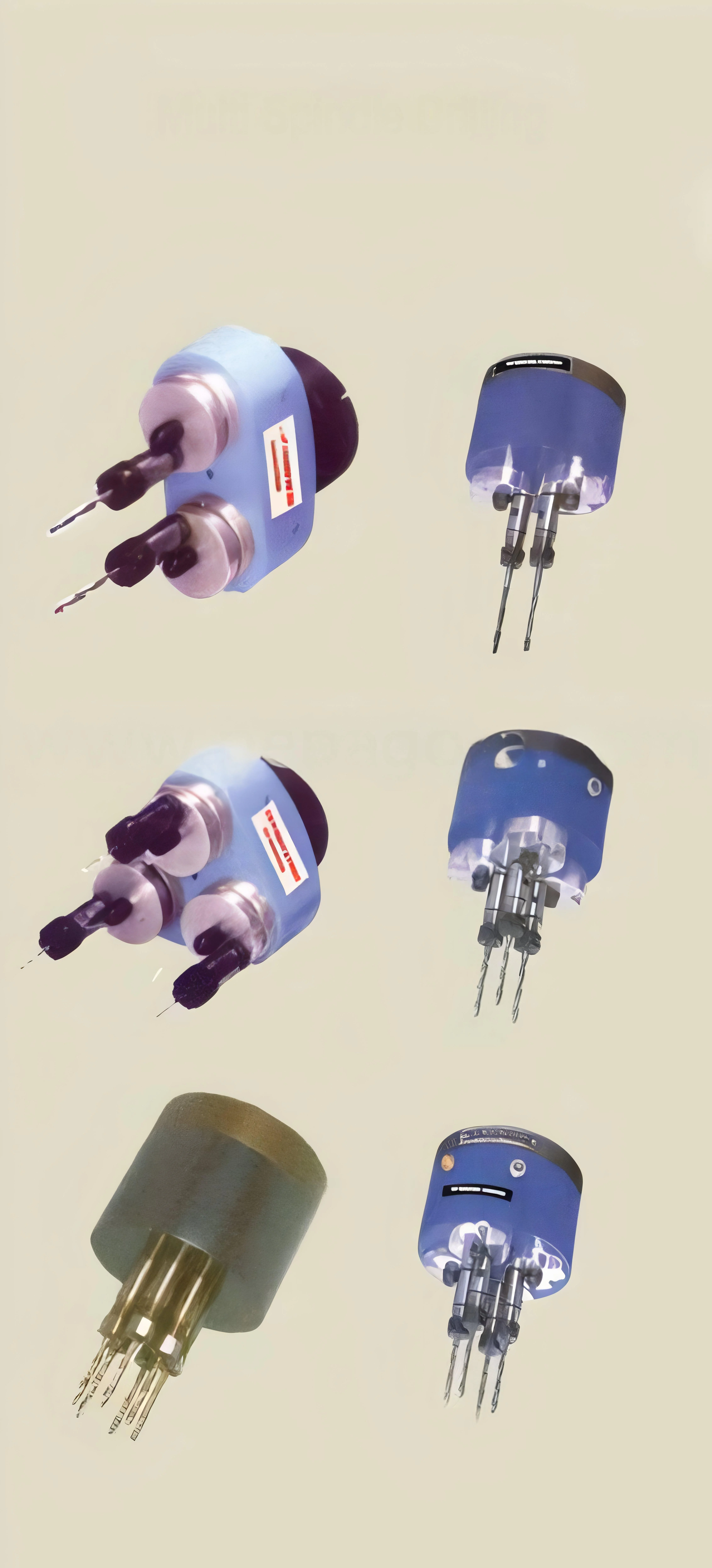
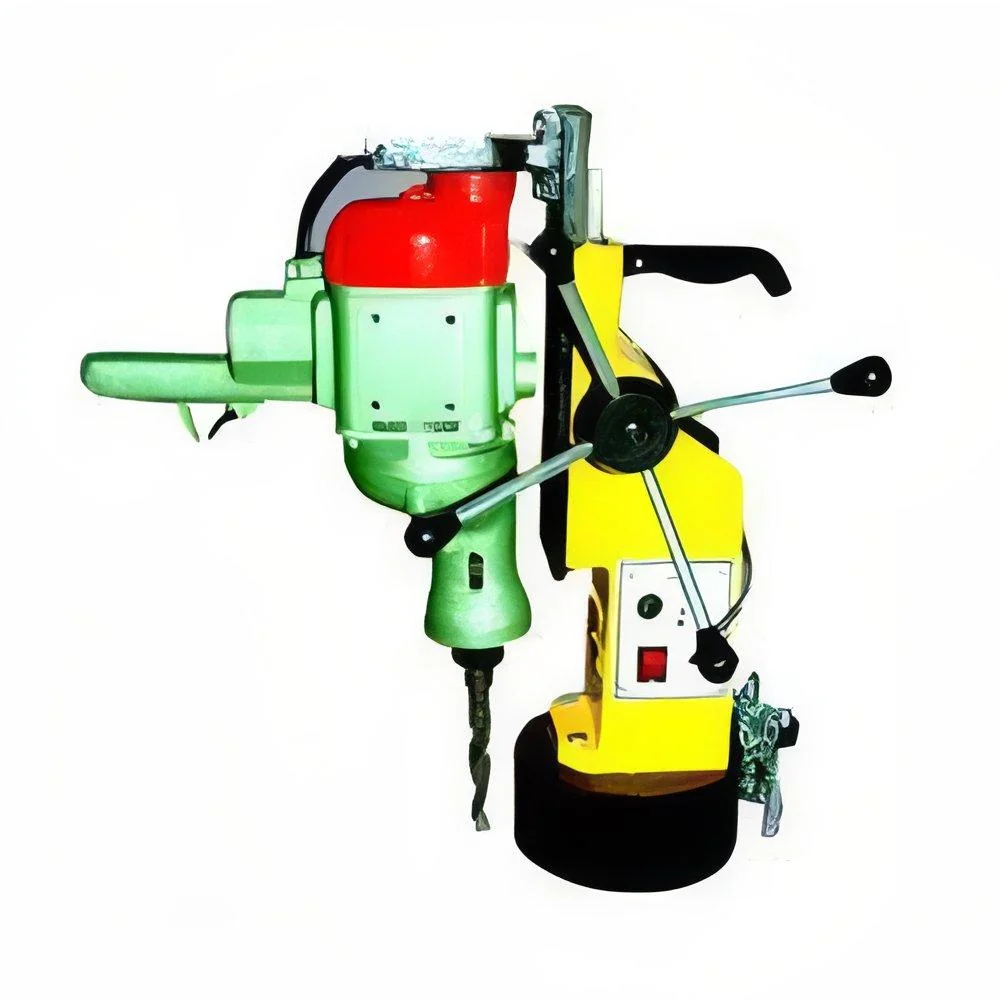
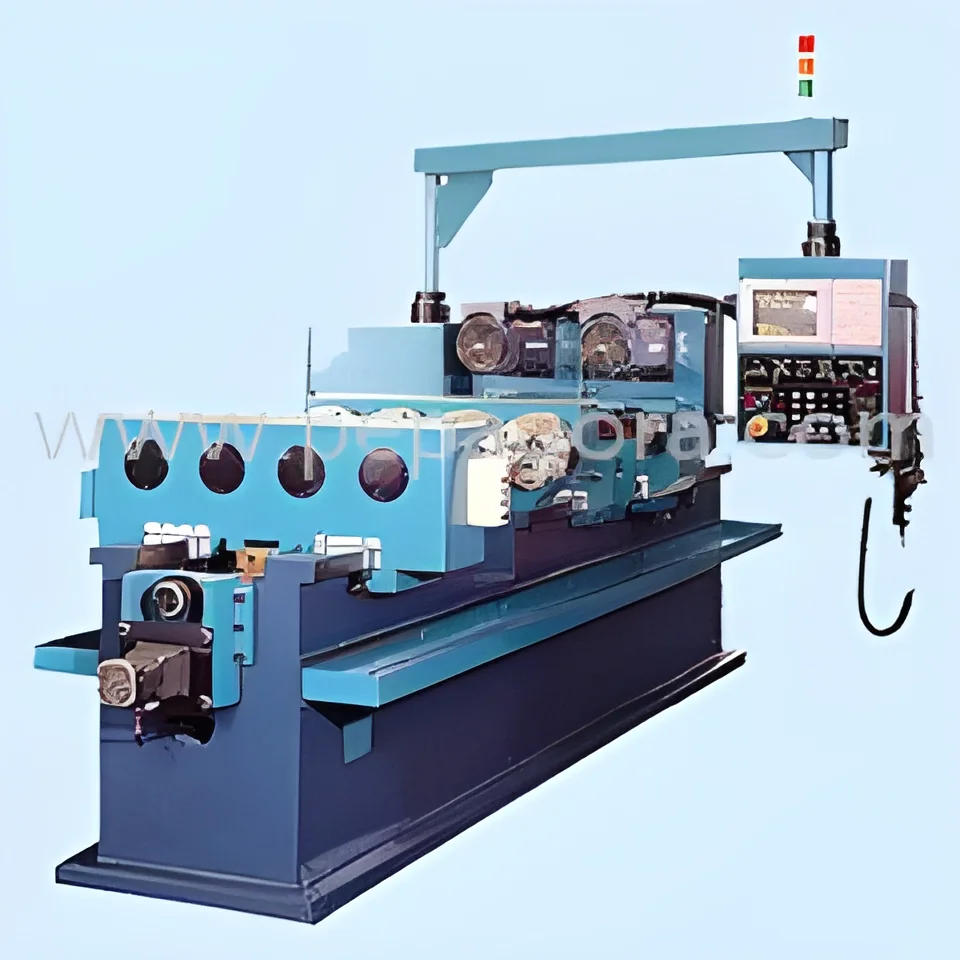
What are Drilling Machines?
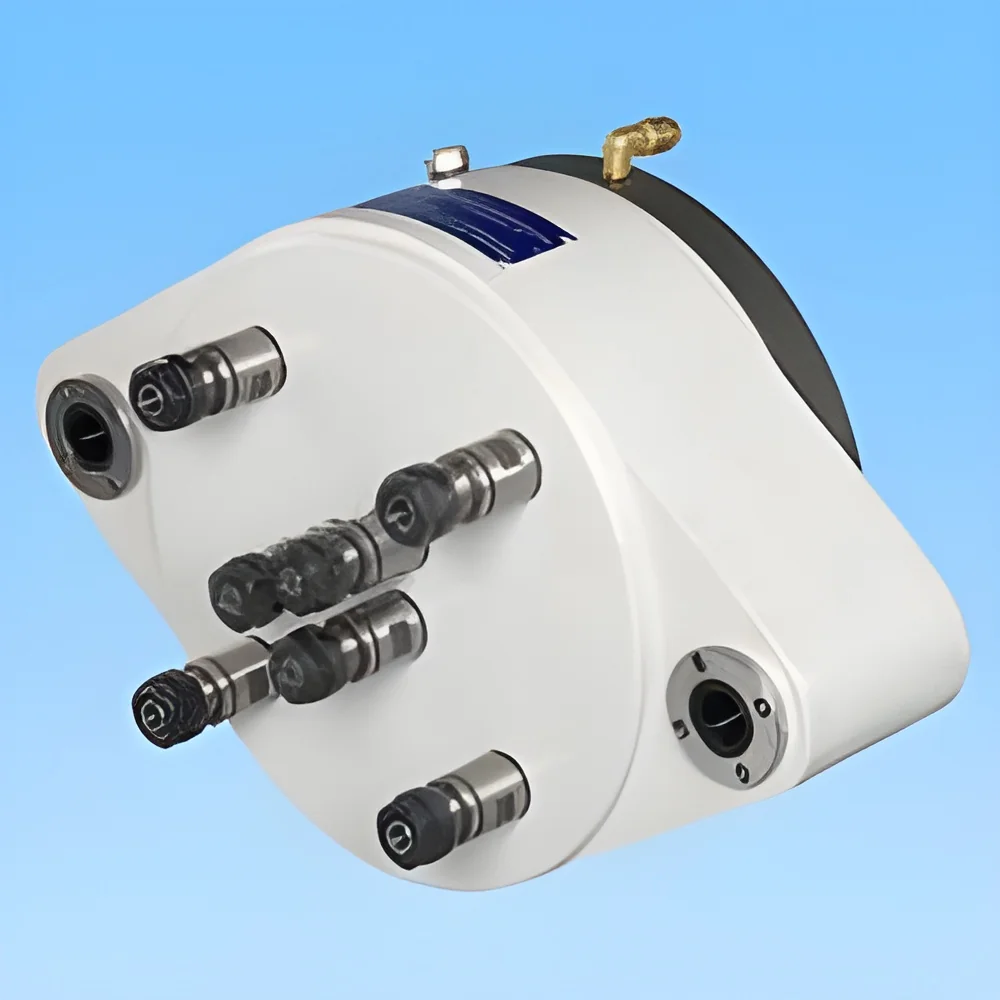
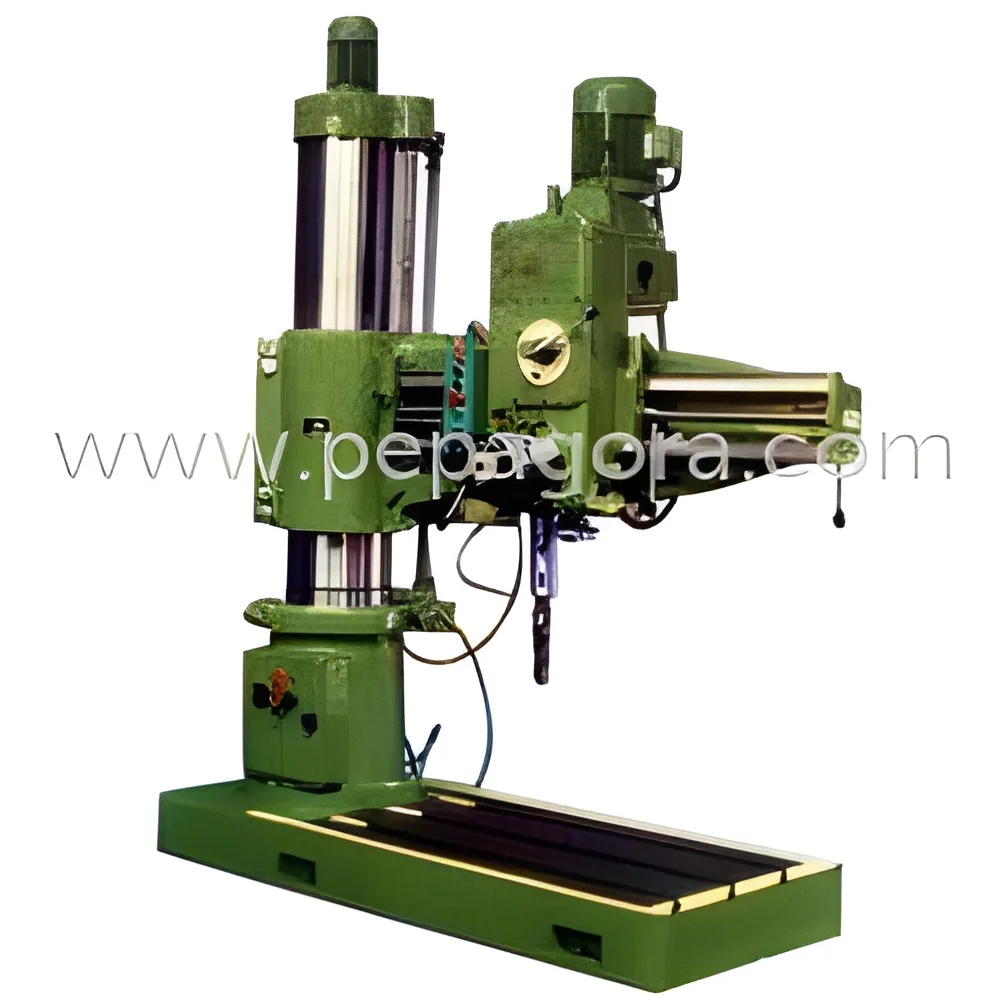
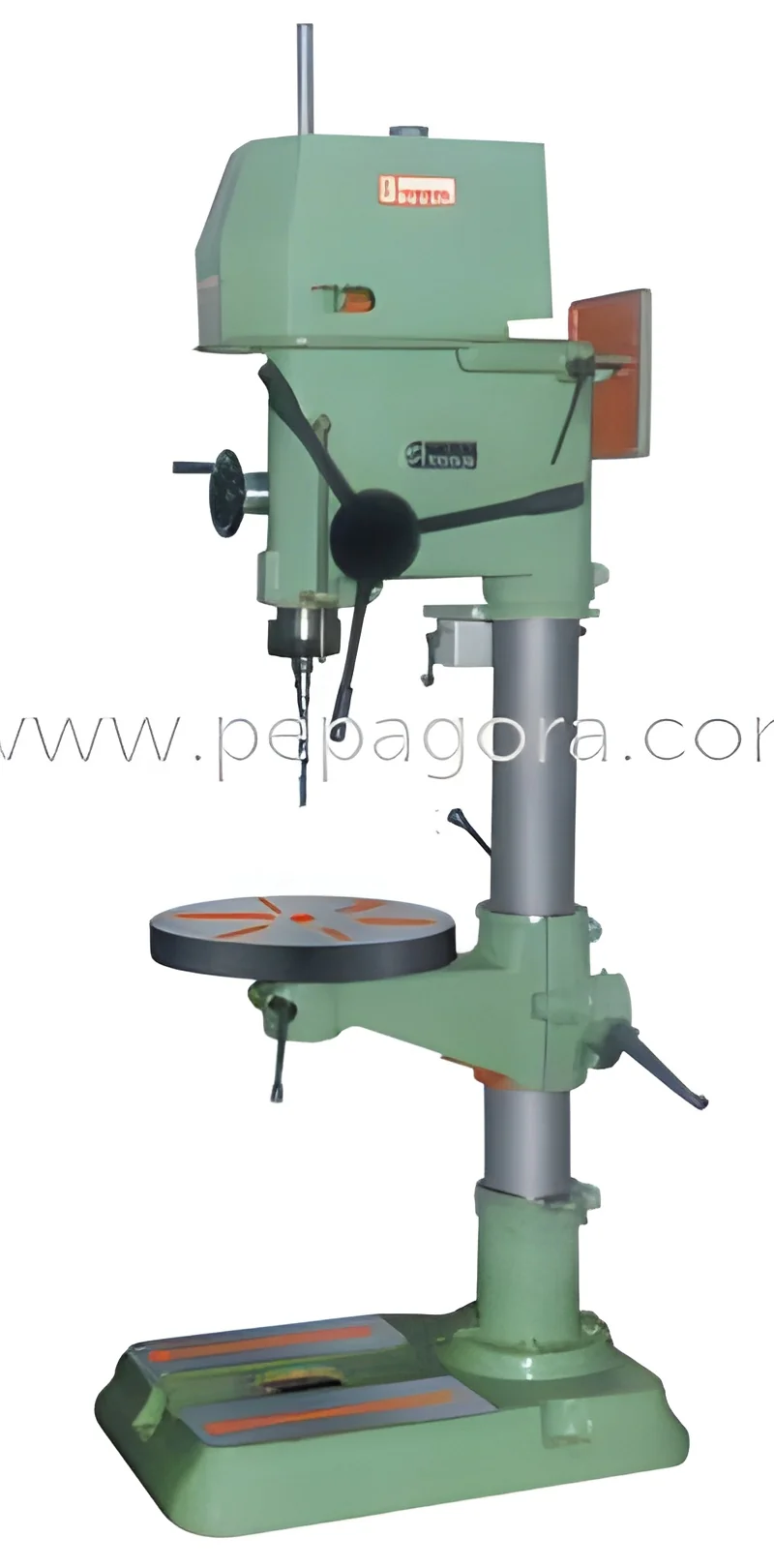
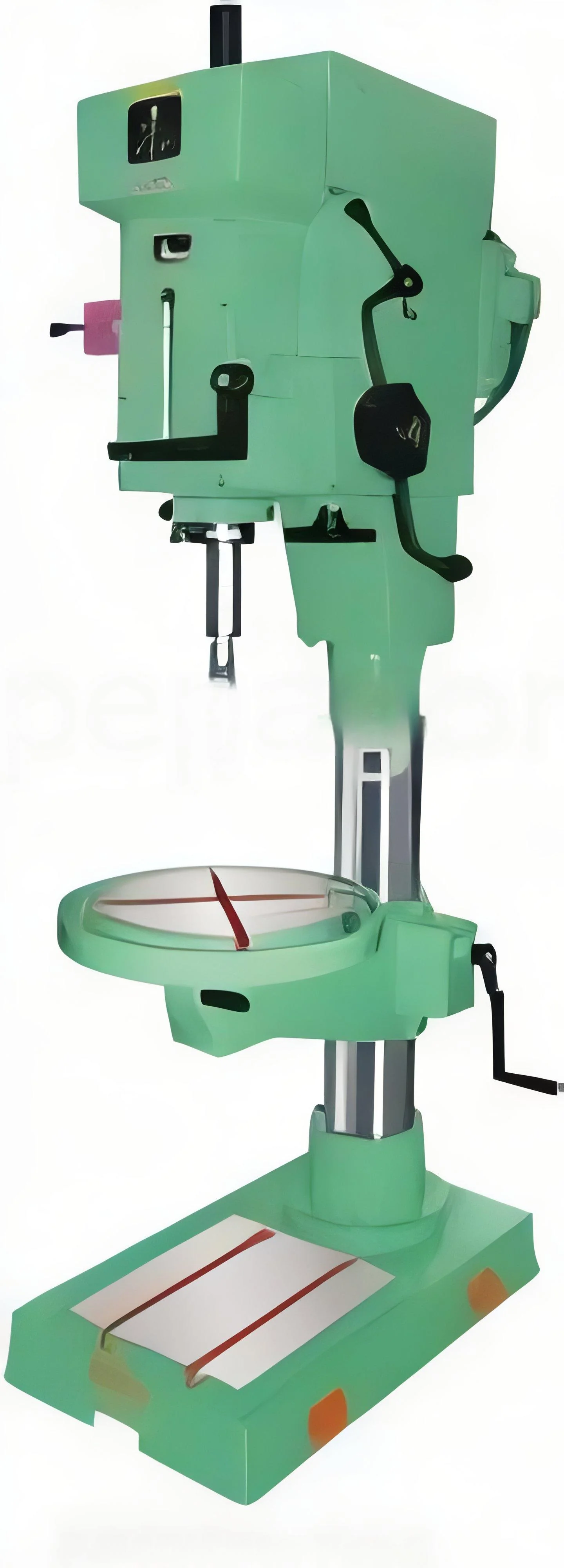
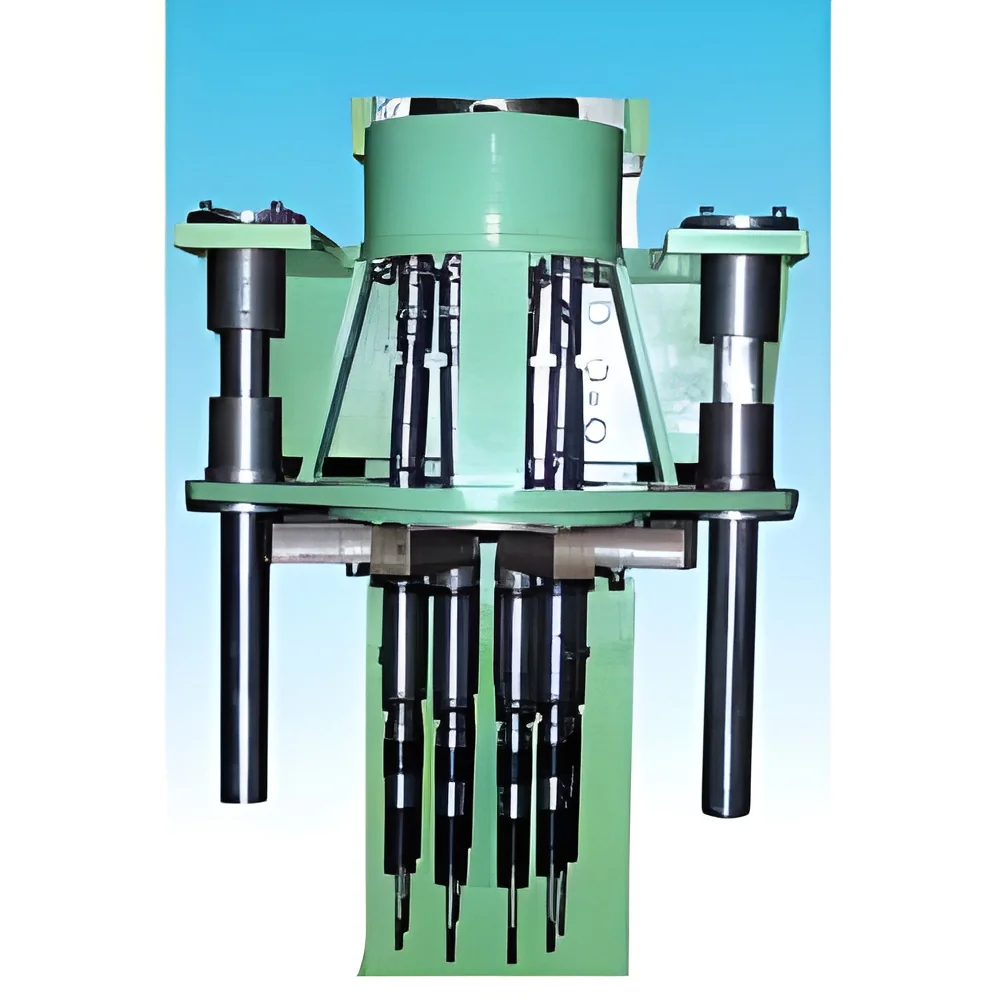
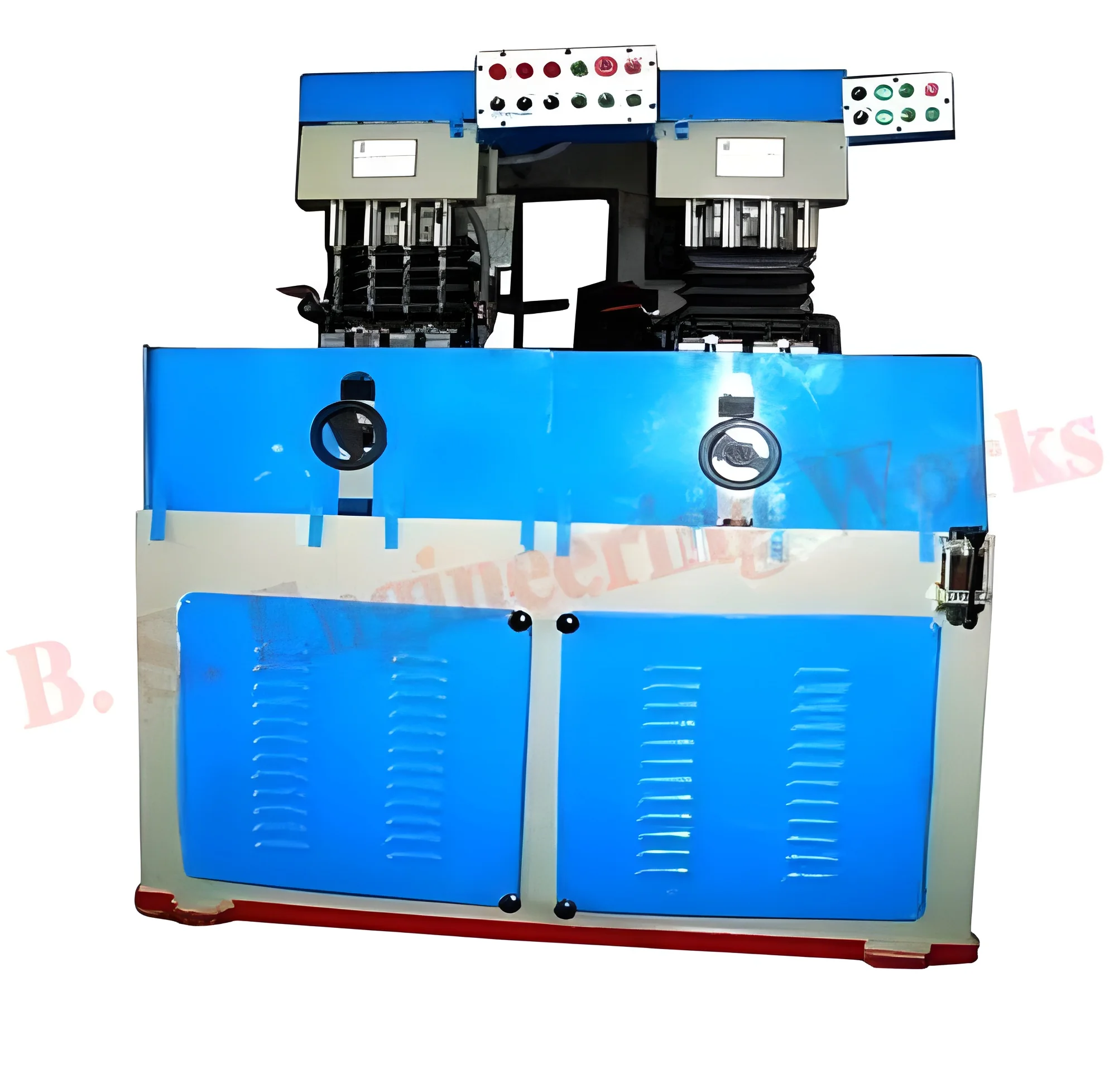
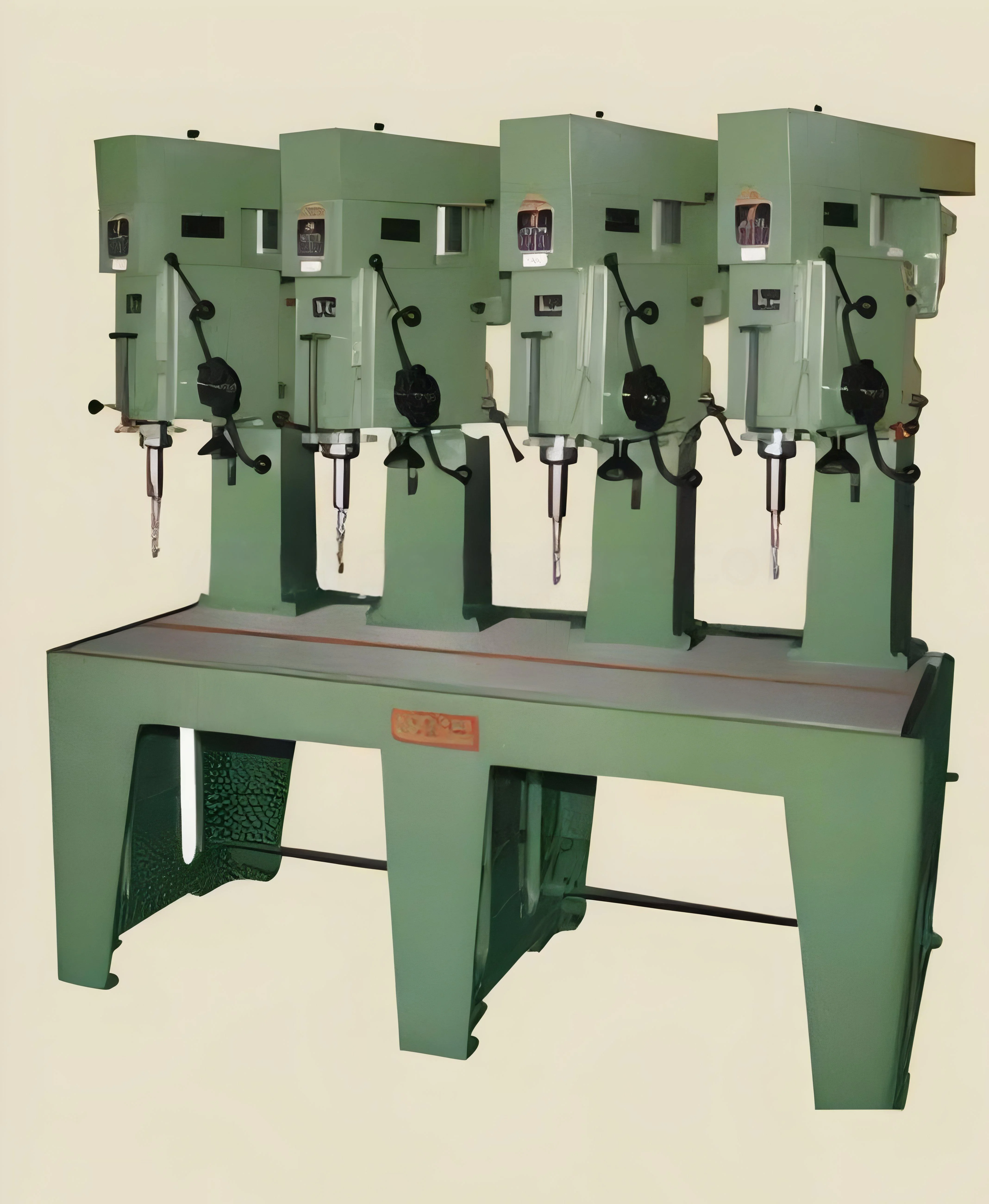
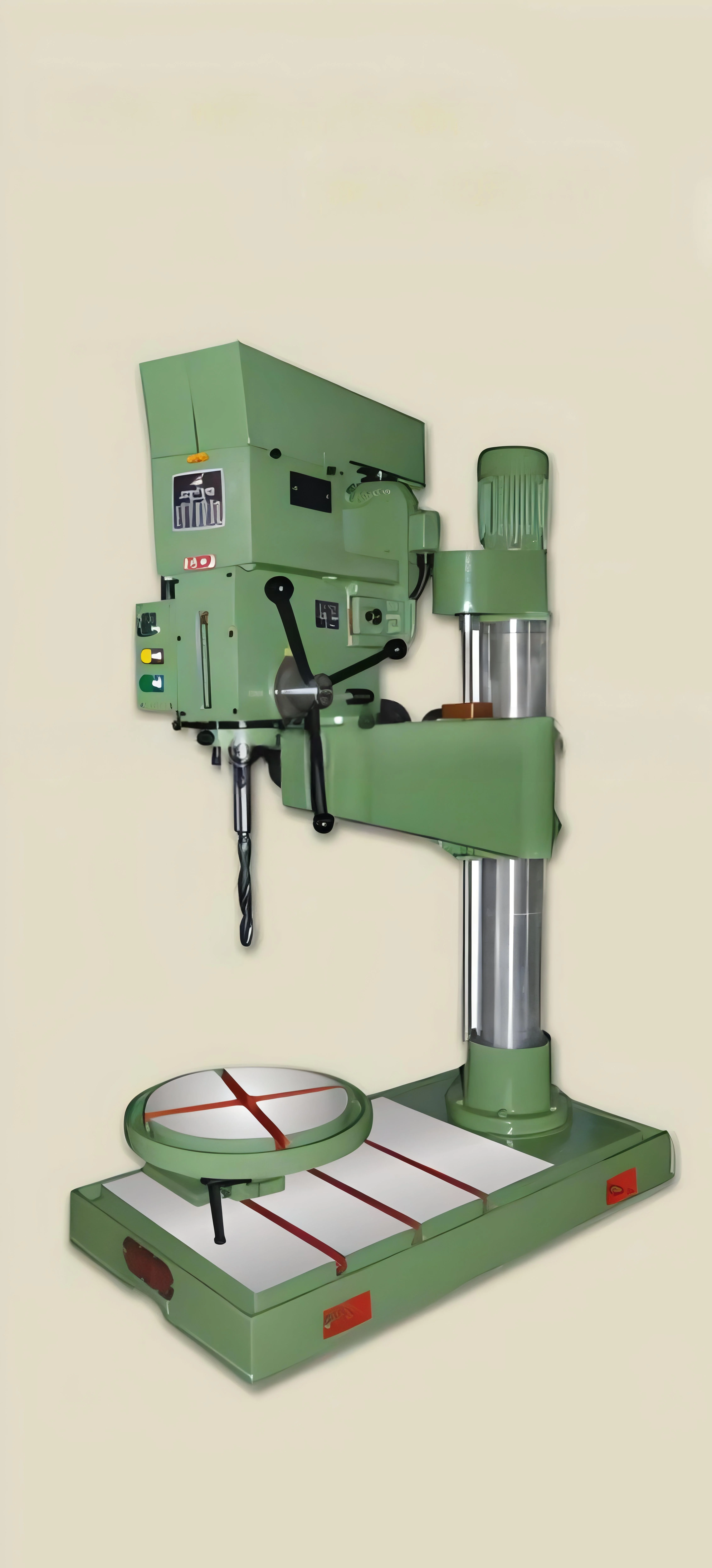
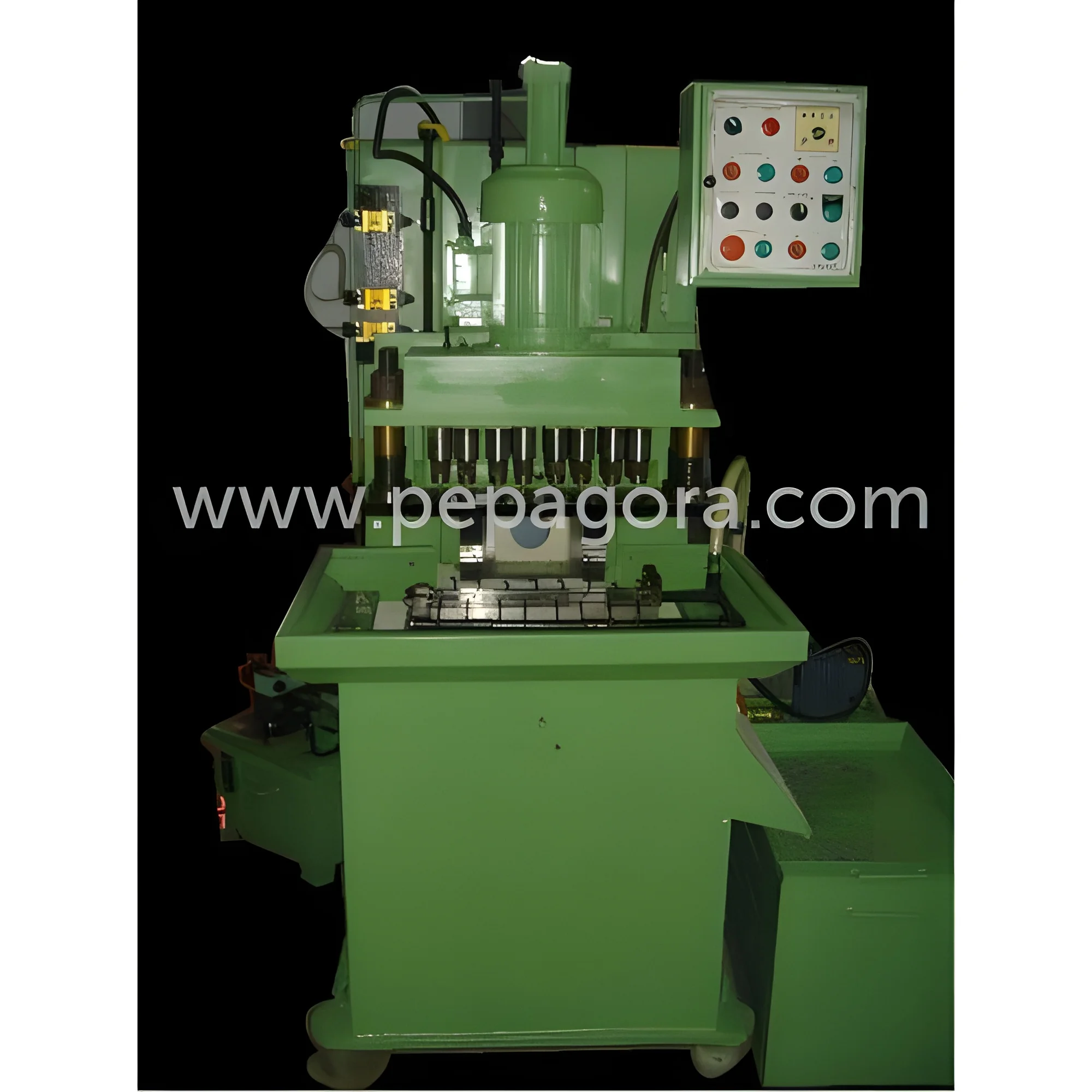
Drilling machines are essential tools used for creating holes in various materials such as metal, wood, and plastic. They operate by using a rotating drill bit that penetrates the material to achieve the desired depth and diameter of the hole. Drilling machines come in various types, including bench-top models, floor-mounted units, and portable drills, each designed for specific applications and materials.
These machines are widely utilized across multiple sectors, including manufacturing, construction, and woodworking. Businesses rely on drilling machines for tasks such as assembling components, installing fixtures, and crafting intricate designs. The versatility of these machines makes them a staple in many industrial processes, ensuring precision and efficiency in production.
In today's market, drilling machines play a crucial role in maintaining competitiveness. As industries evolve and demand for high-quality, precise products increases, the need for reliable drilling solutions becomes paramount. This has led to advancements in technology, enhancing the capabilities of drilling machines and expanding their applications in various industries.
Key Features and Specifications
Drilling machines come equipped with a range of features that enhance their performance and usability. Understanding these specifications is vital for businesses looking to invest in the right equipment.
Key specifications include:
1. Power Output
- Typically measured in horsepower or watts.
- Ranges from 0.5 HP for light-duty machines to over 5 HP for heavy-duty models.
2. Speed Settings
- Multiple speed settings allow for versatility across different materials.
- Common ranges include 250 to 3,000 RPM.
3. Chuck Size
- Refers to the diameter of the drill bit that can be accommodated.
- Common sizes include 1/2 inch, 3/8 inch, and 1 inch.
4. Stroke Length
- Indicates the maximum depth of the hole that can be drilled.
- Ranges from 1 inch to over 6 inches depending on the machine type.
5. Weight
- Affects portability and stability during operation.
- Can vary from lightweight models at around 20 pounds to heavy-duty options exceeding 200 pounds.
6. Material Compatibility
- Specifies the types of materials that can be drilled.
- Common materials include wood, metal, plastic, and composites.
7. Safety Features
- Includes emergency stop buttons, safety guards, and overload protection.
- Essential for ensuring operator safety during use.
8. Warranty and Support
- Varies by manufacturer, typically ranging from one year to five years for parts and service.
In summary, understanding the key features and specifications of drilling machines is critical for selecting the right model that meets operational needs and safety standards.
Common Applications and Use Cases
Drilling machines are employed in various industries for numerous applications.
1. Manufacturing: In this sector, drilling machines are used for assembling parts, creating holes for fasteners, and producing components for machinery.
2. Construction: Drilling machines play a critical role in installing fixtures, anchoring structures, and creating openings for plumbing and electrical systems.
3. Woodworking: In woodworking shops, these machines are essential for crafting furniture, cabinetry, and decorative items, allowing for precise hole placement.
4. Automotive: Drilling machines are utilized in automotive manufacturing for creating precise holes in chassis and body parts, ensuring proper fit and assembly.
5. Aerospace: In the aerospace industry, precision drilling is crucial for assembling aircraft components, where accuracy and safety are paramount.
6. Electronics: Drilling machines are used to create holes in circuit boards and housings, enabling the installation of electronic components.
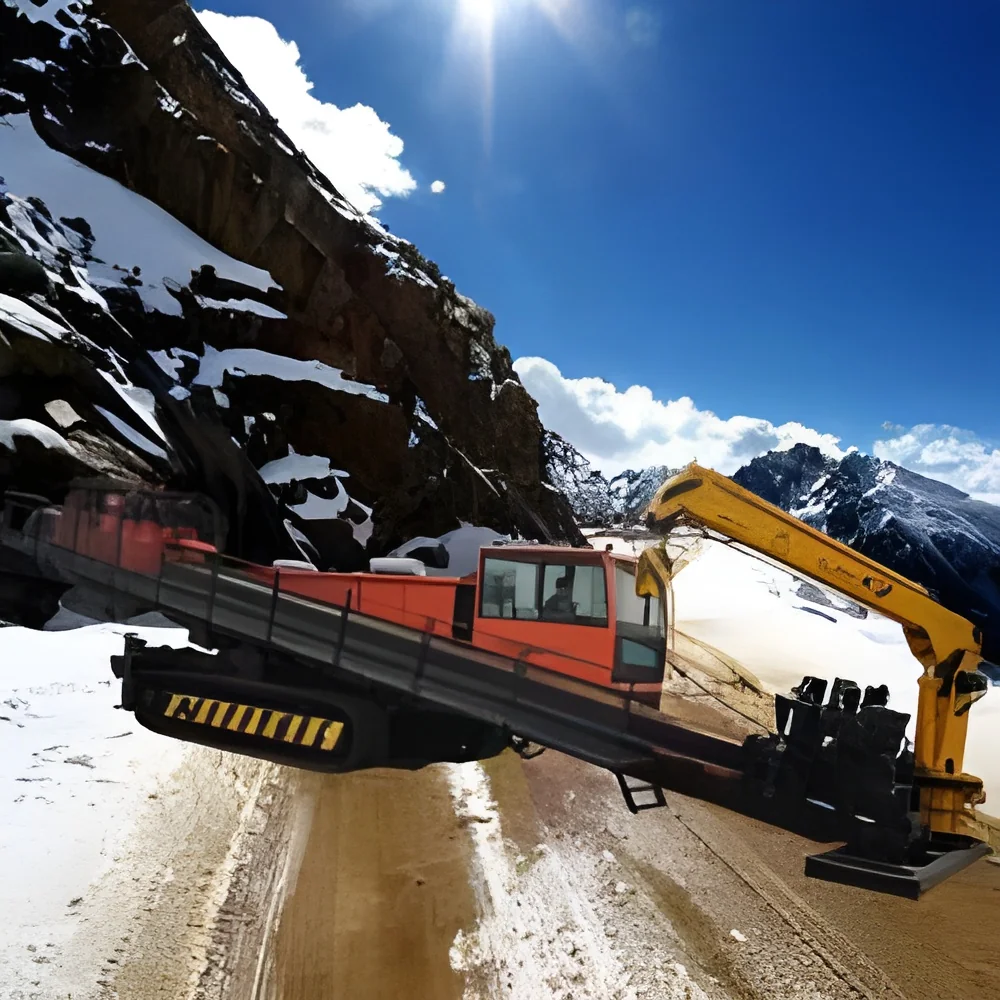
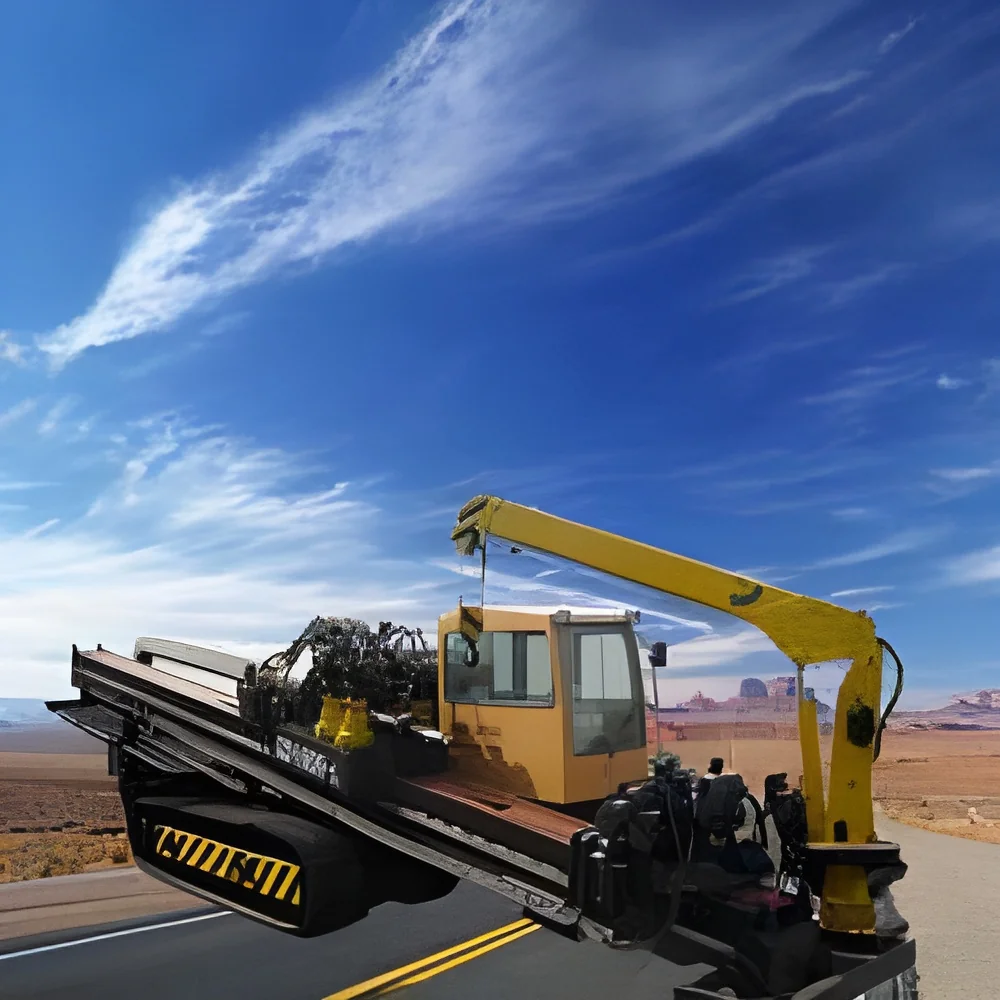
7. Oil and Gas: In this sector, drilling machines are crucial for creating boreholes for exploration and extraction operations.
Product Variants and Subcategories
Drilling machines are available in several variants, each tailored to specific needs and applications.
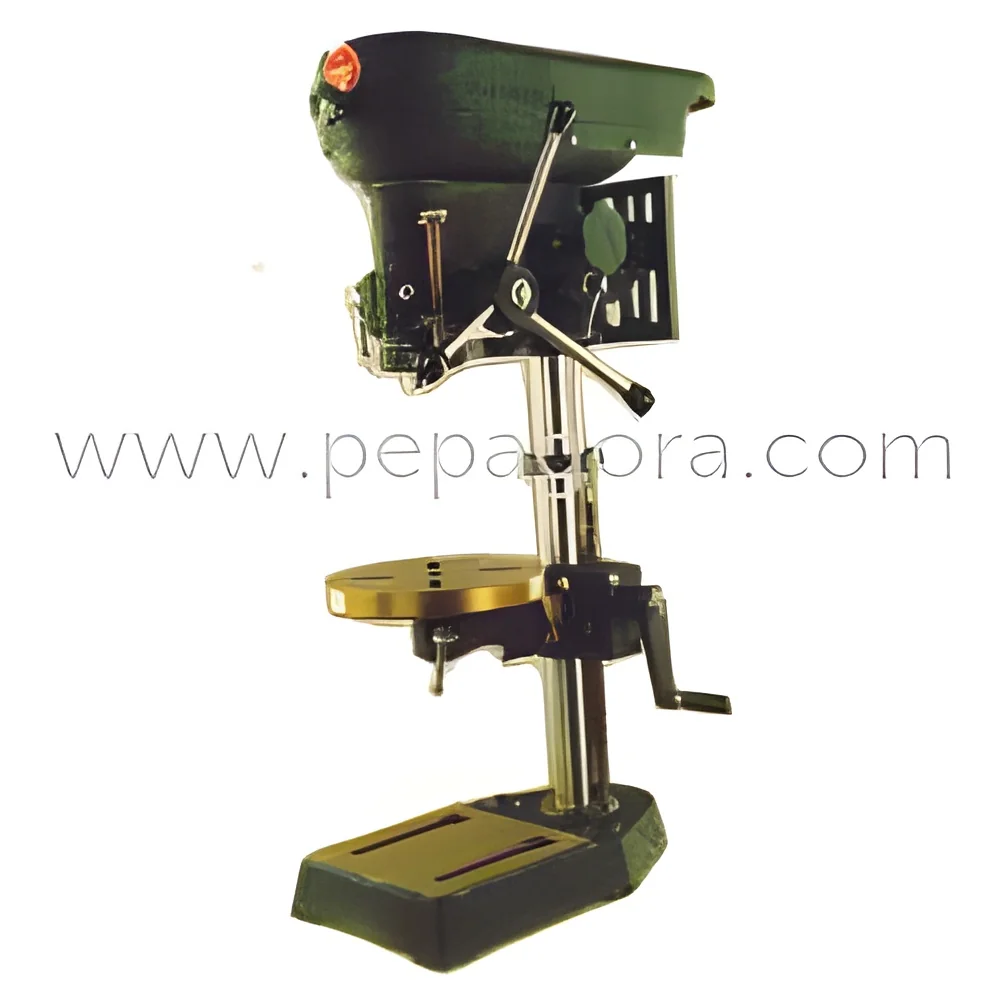
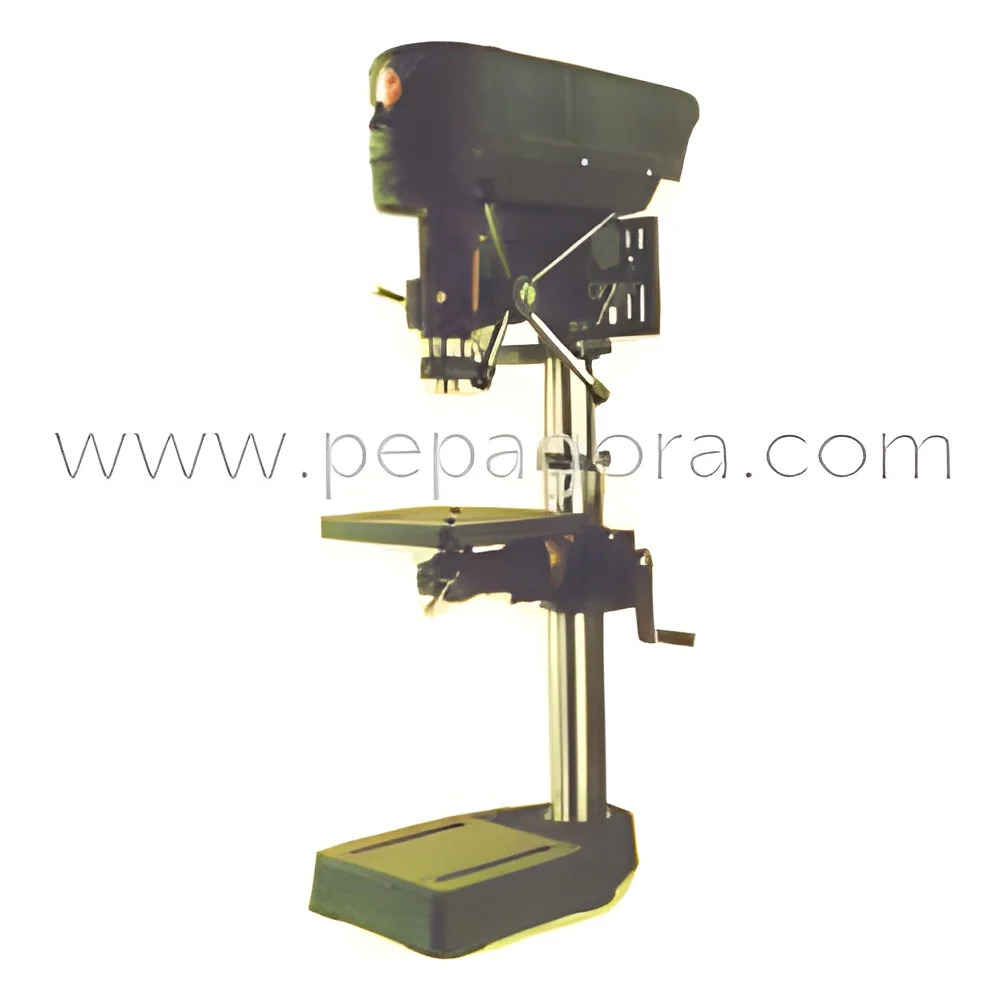
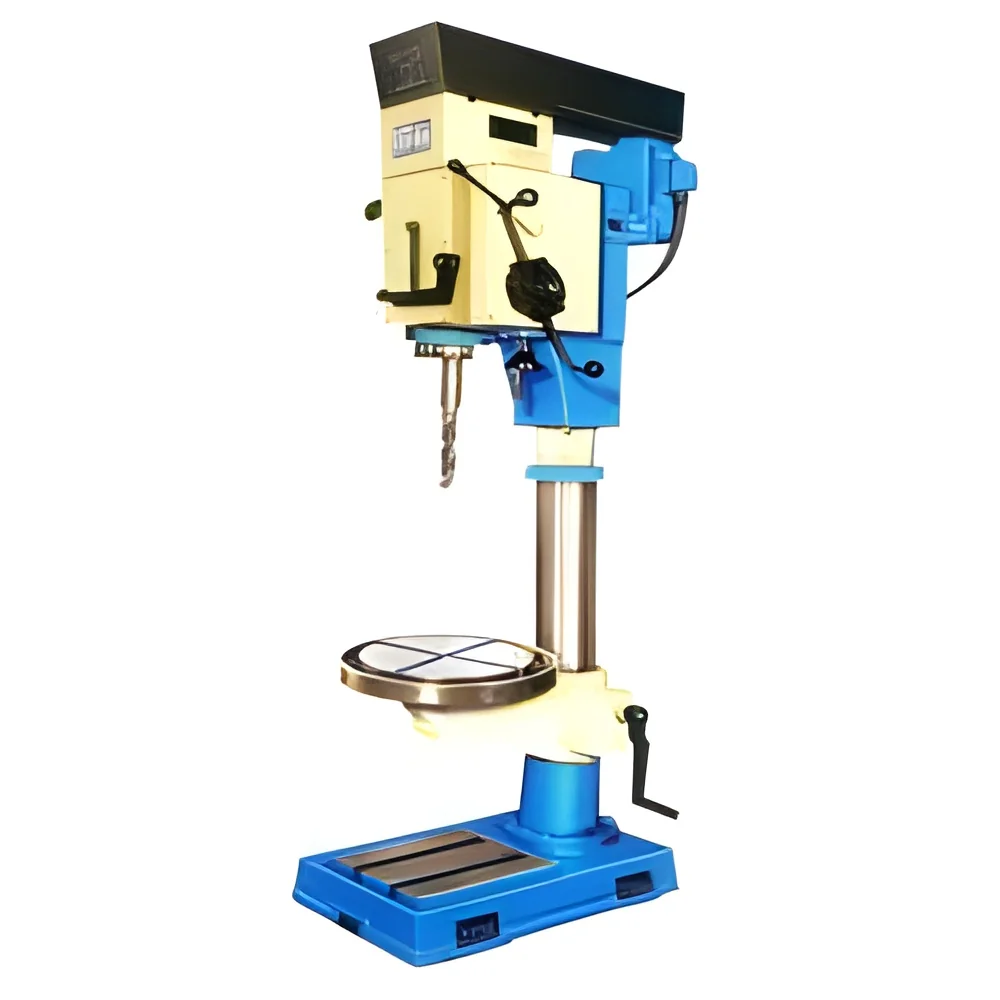
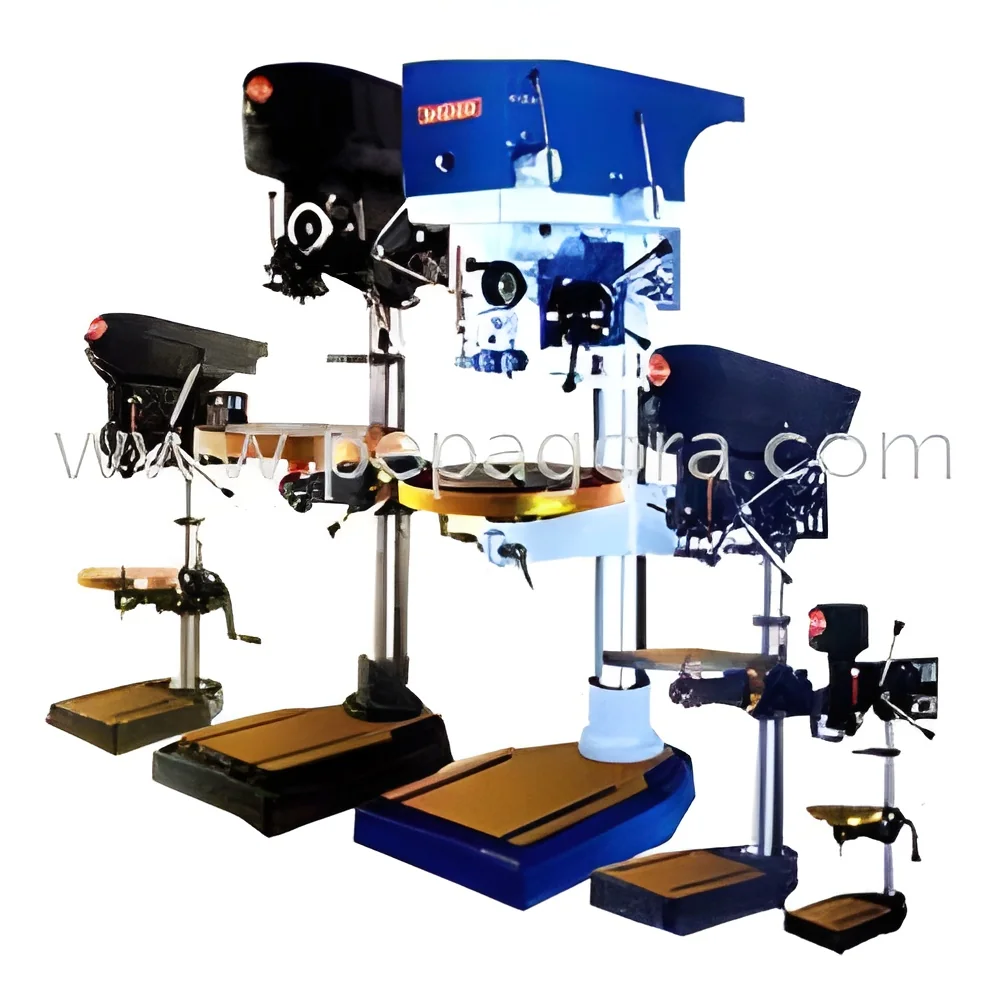
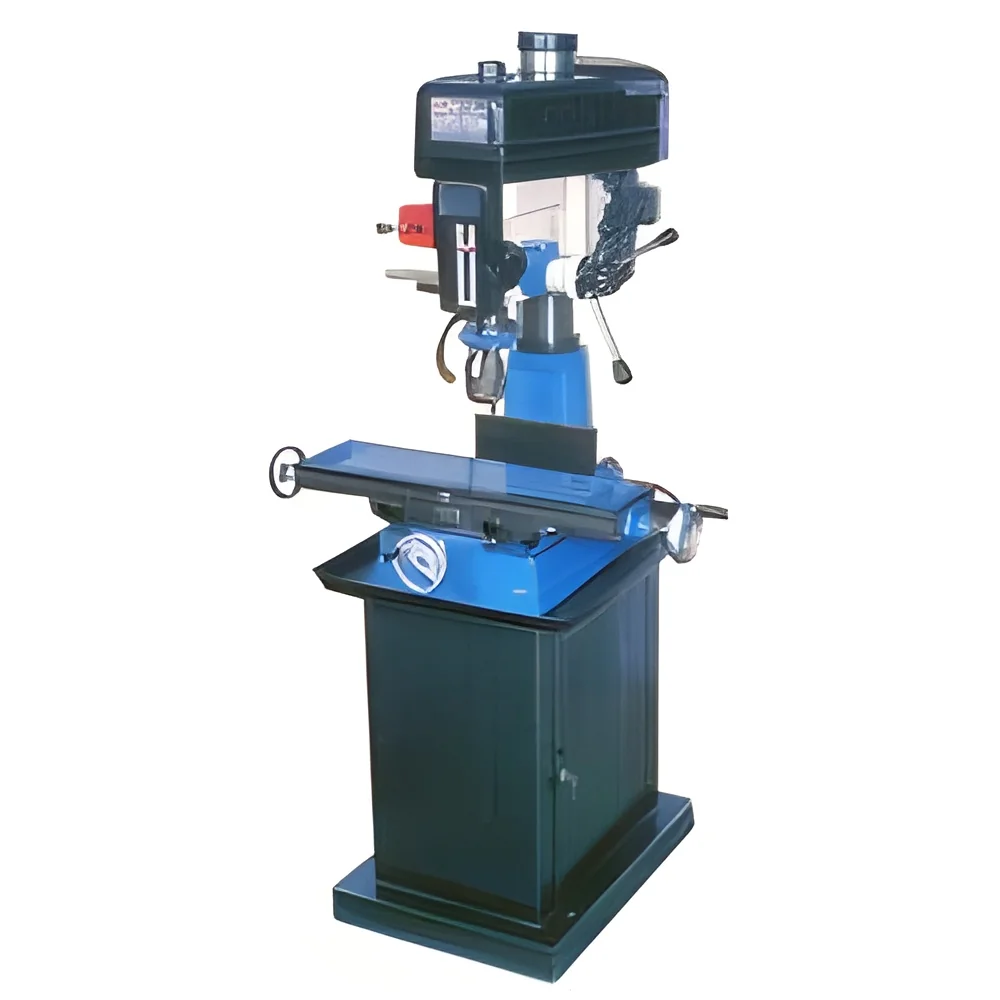
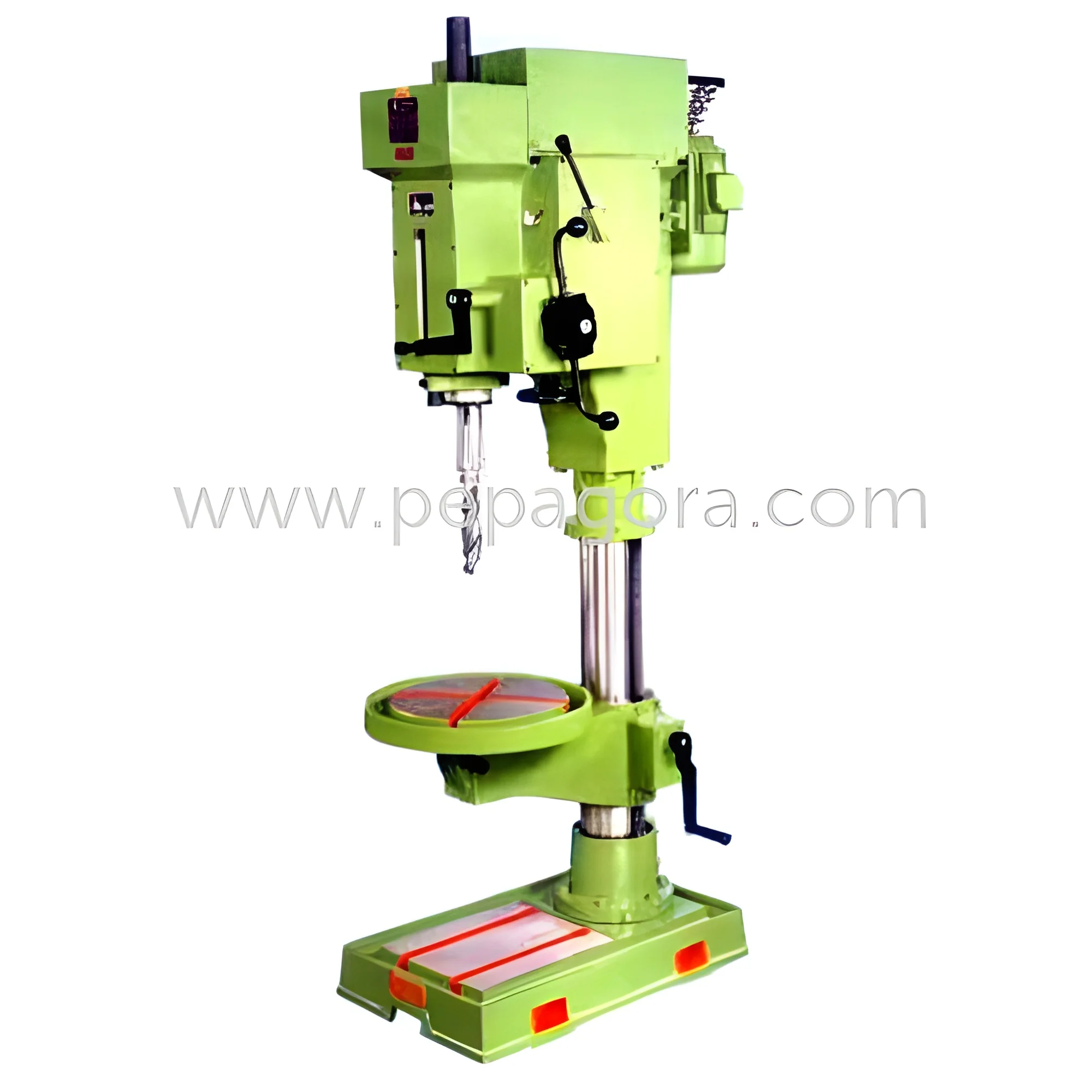
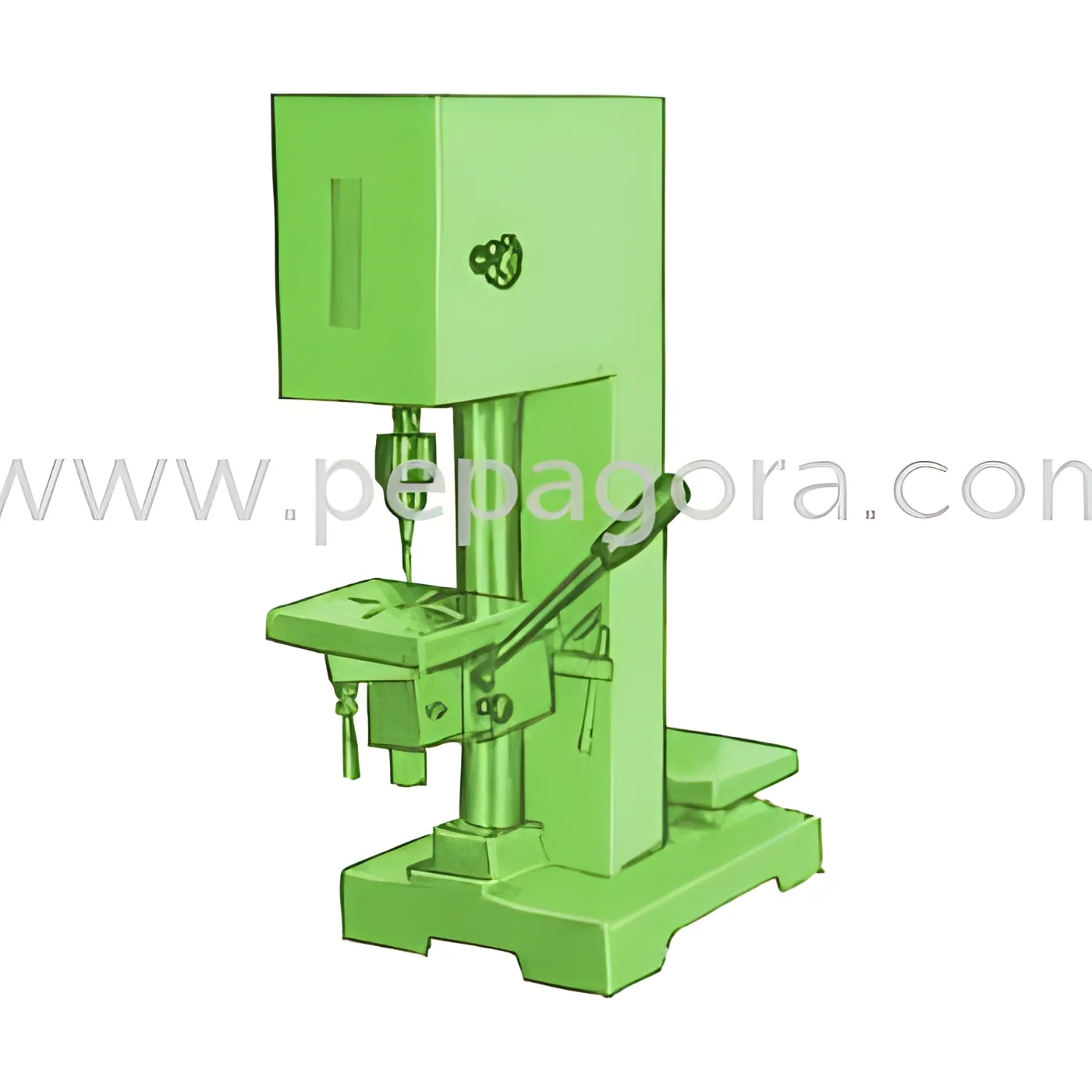
Benchtop Drilling Machines: These compact machines are ideal for small workshops and home use. They offer precision drilling for light to medium-duty tasks and are easy to store.
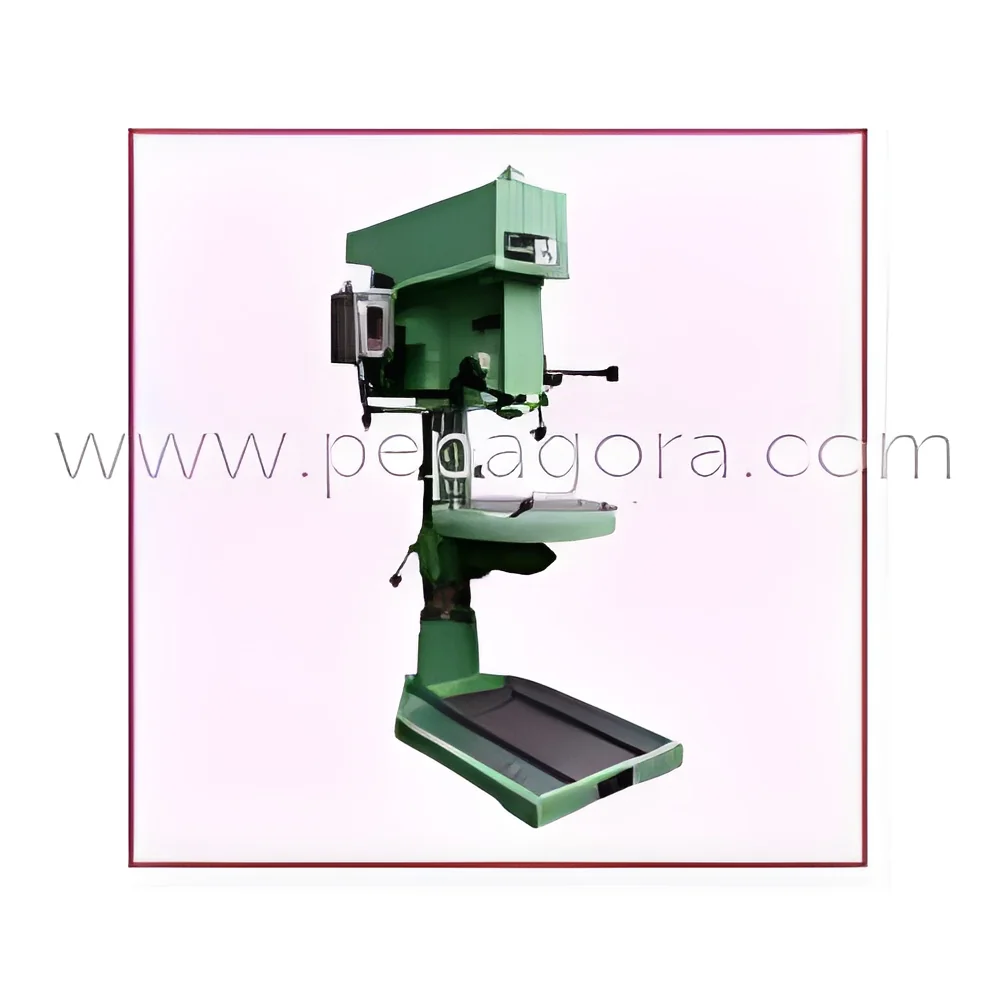
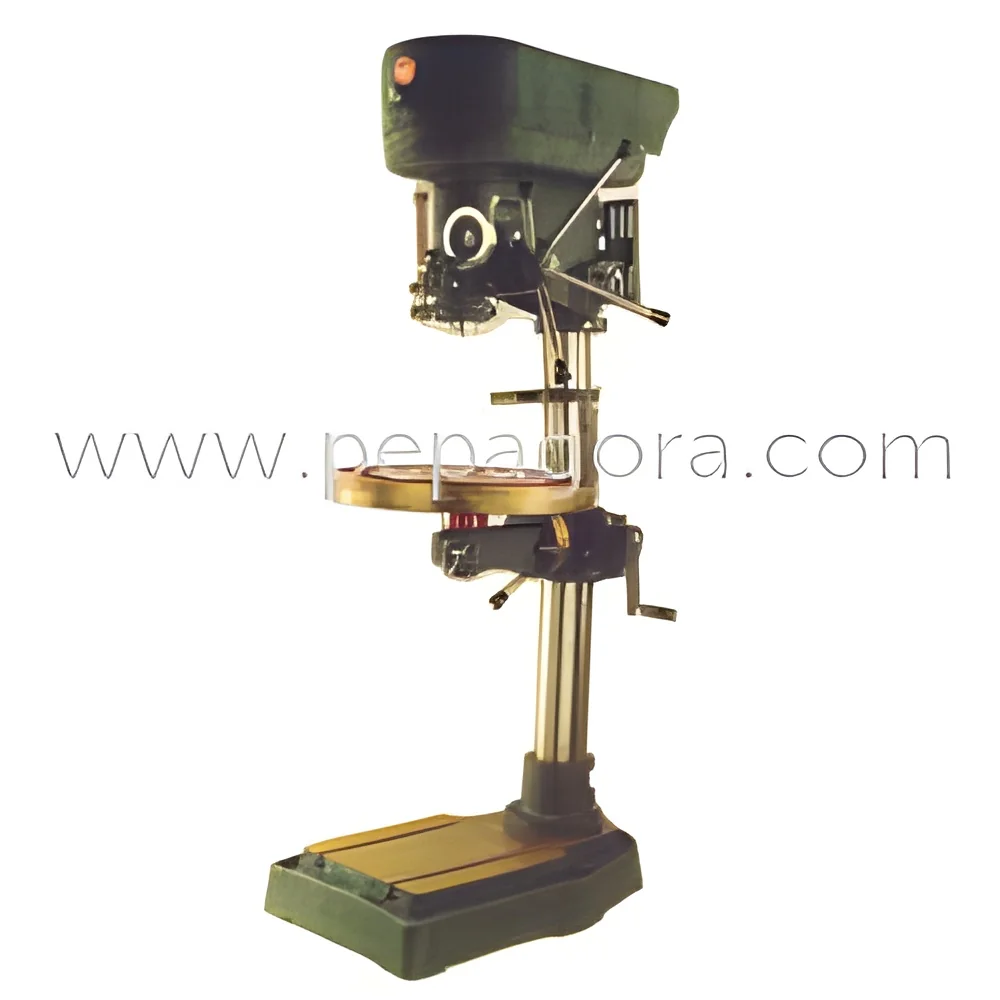
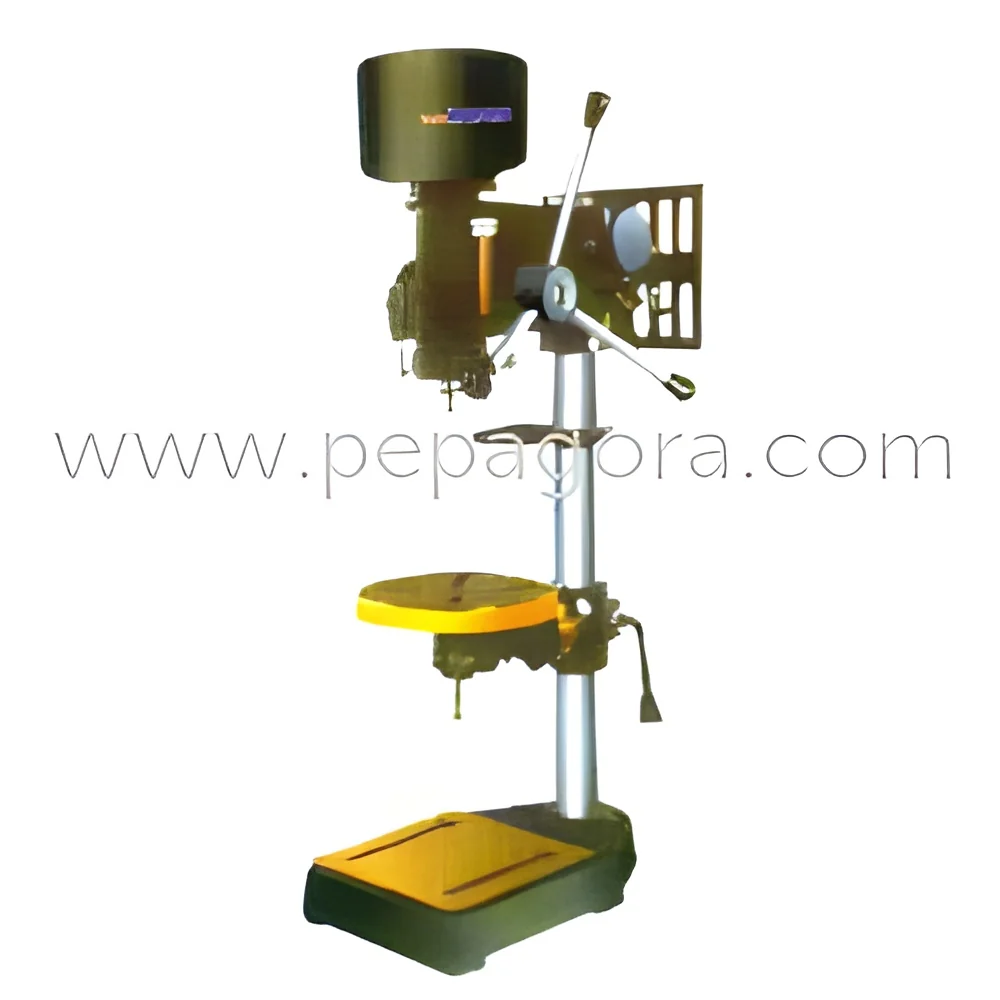
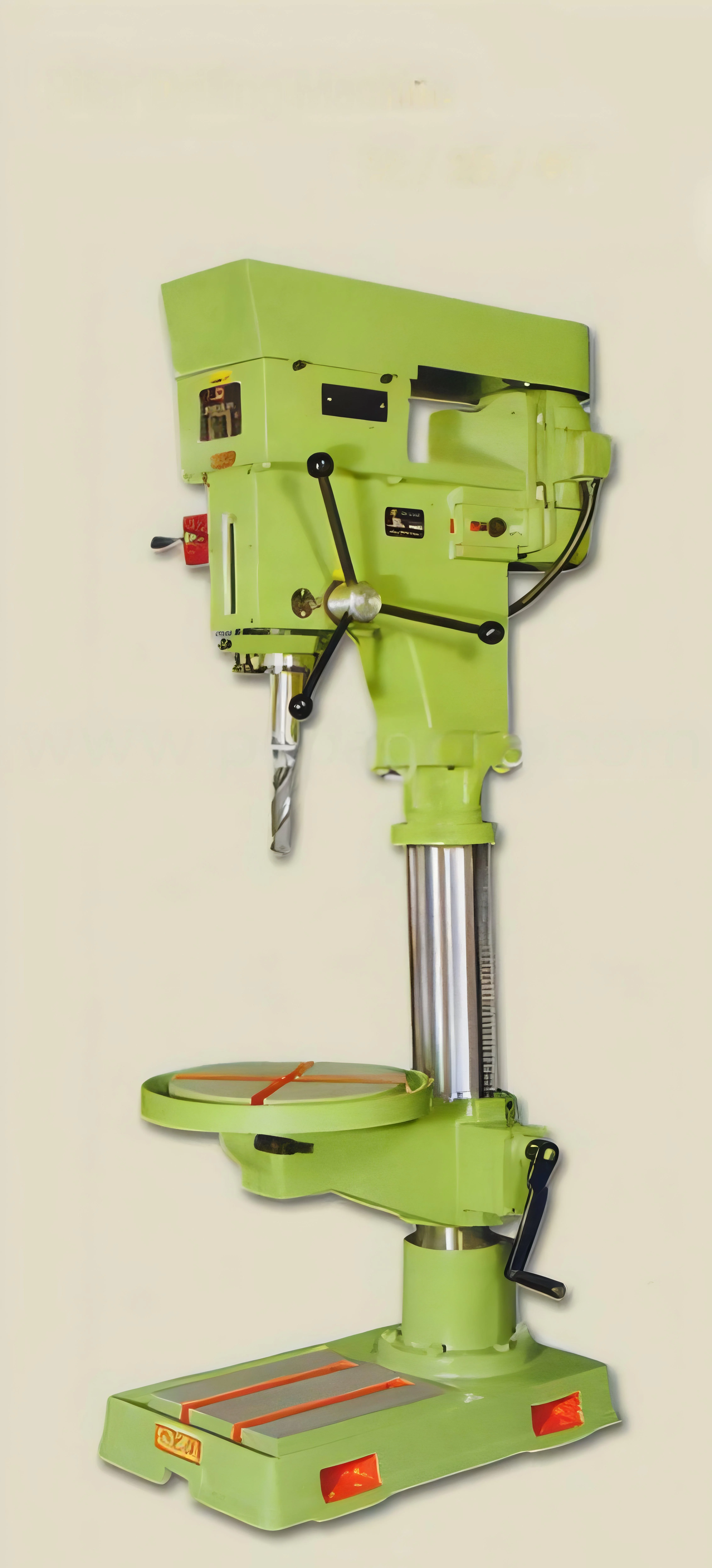
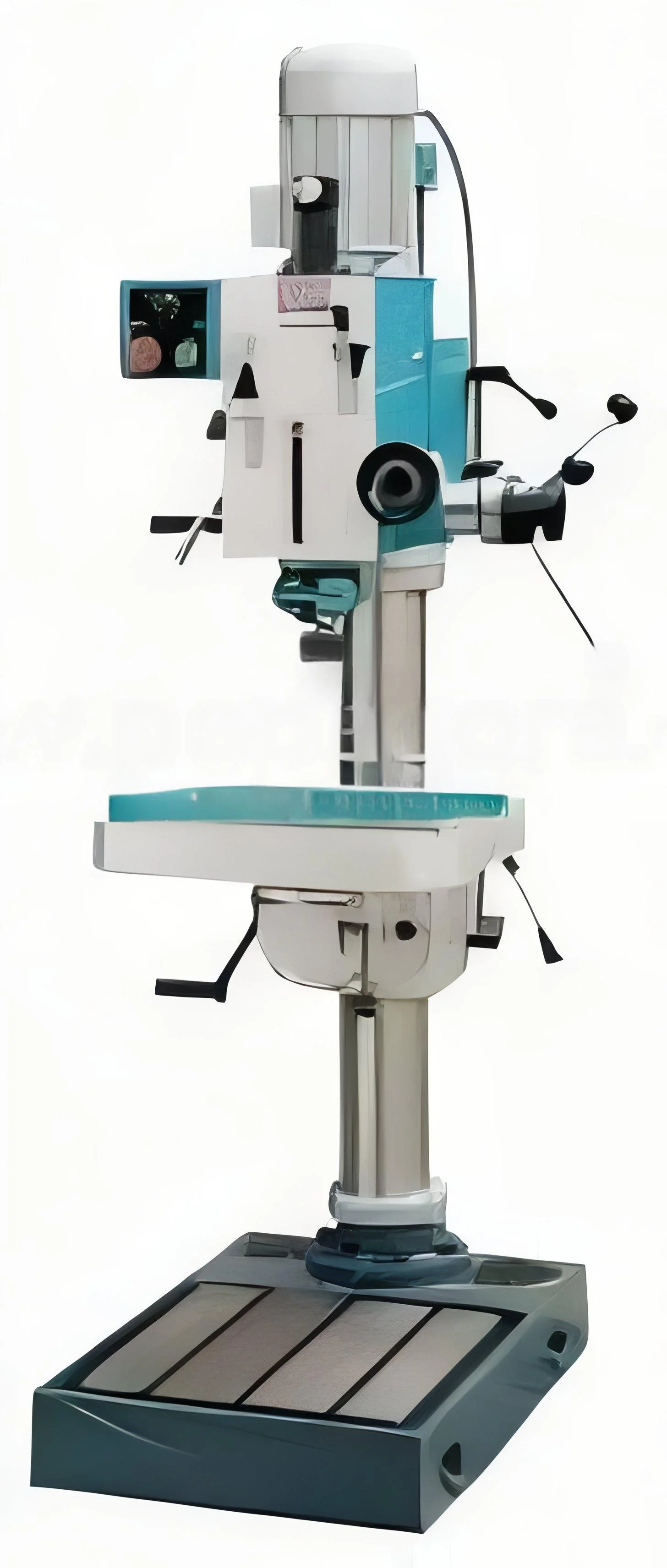
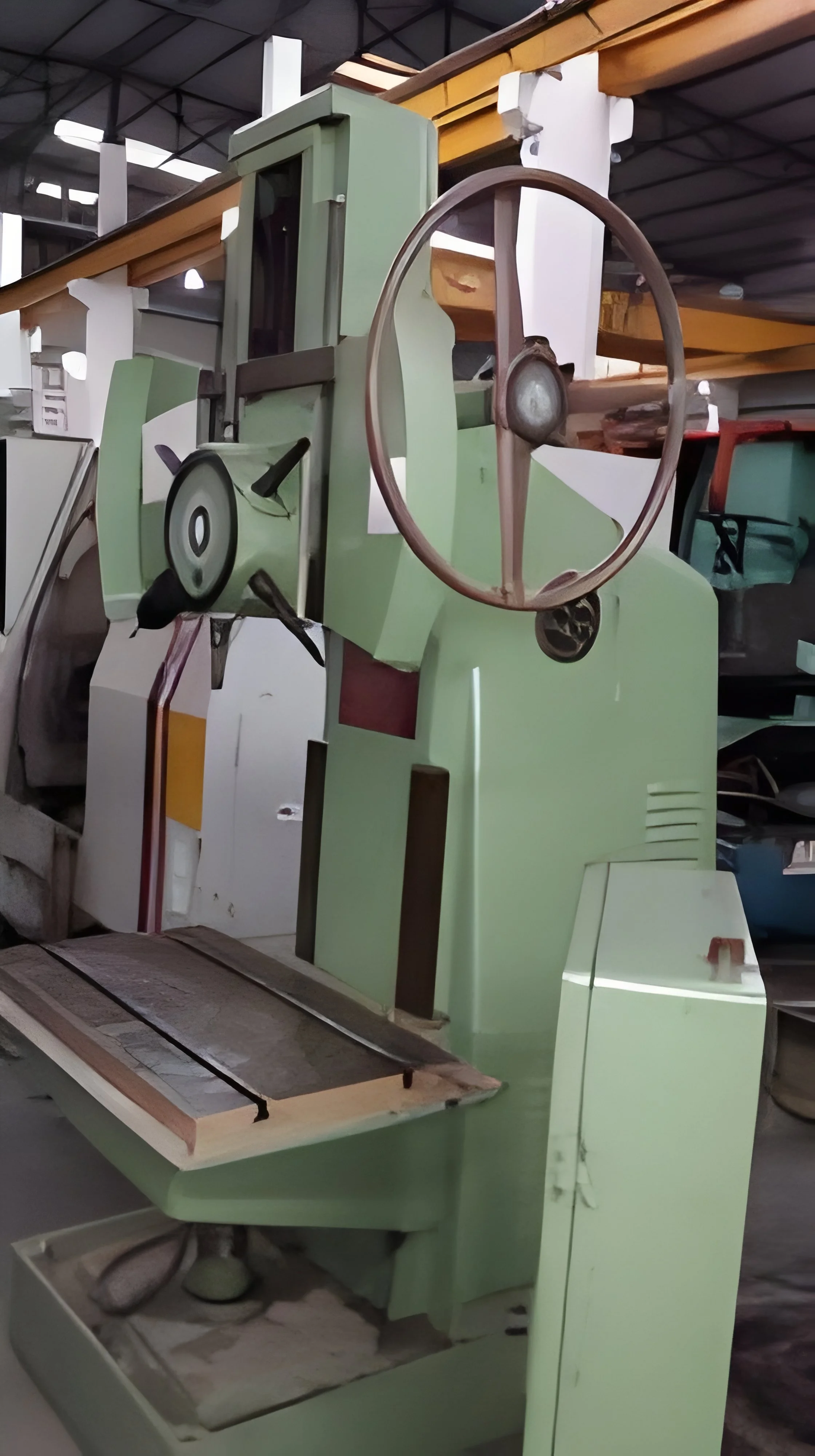
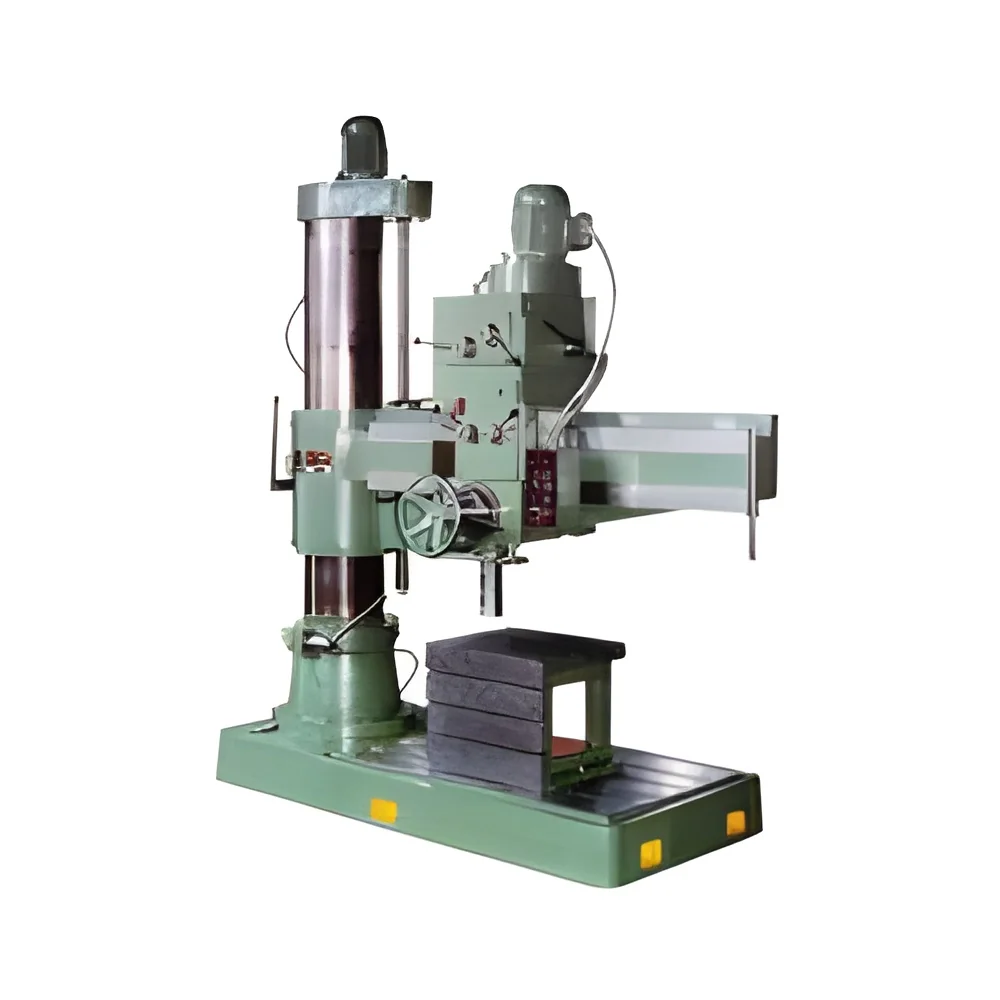
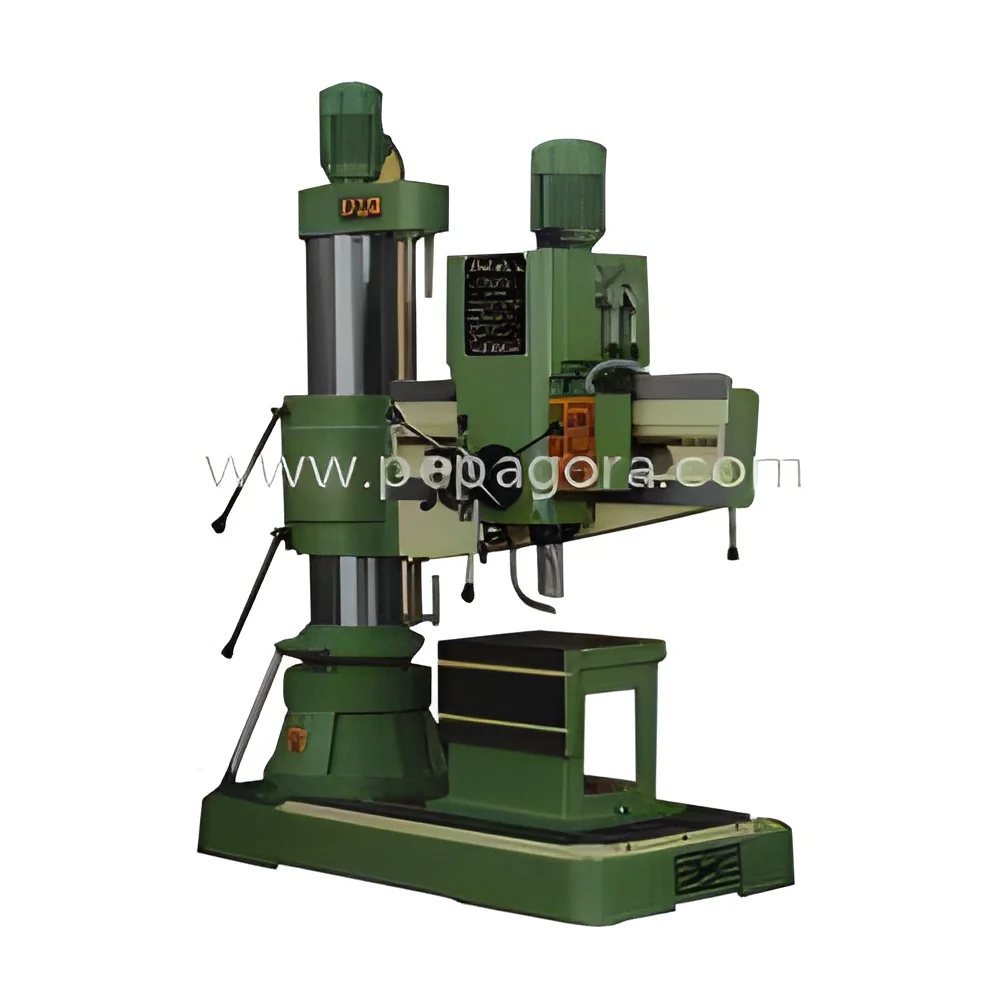
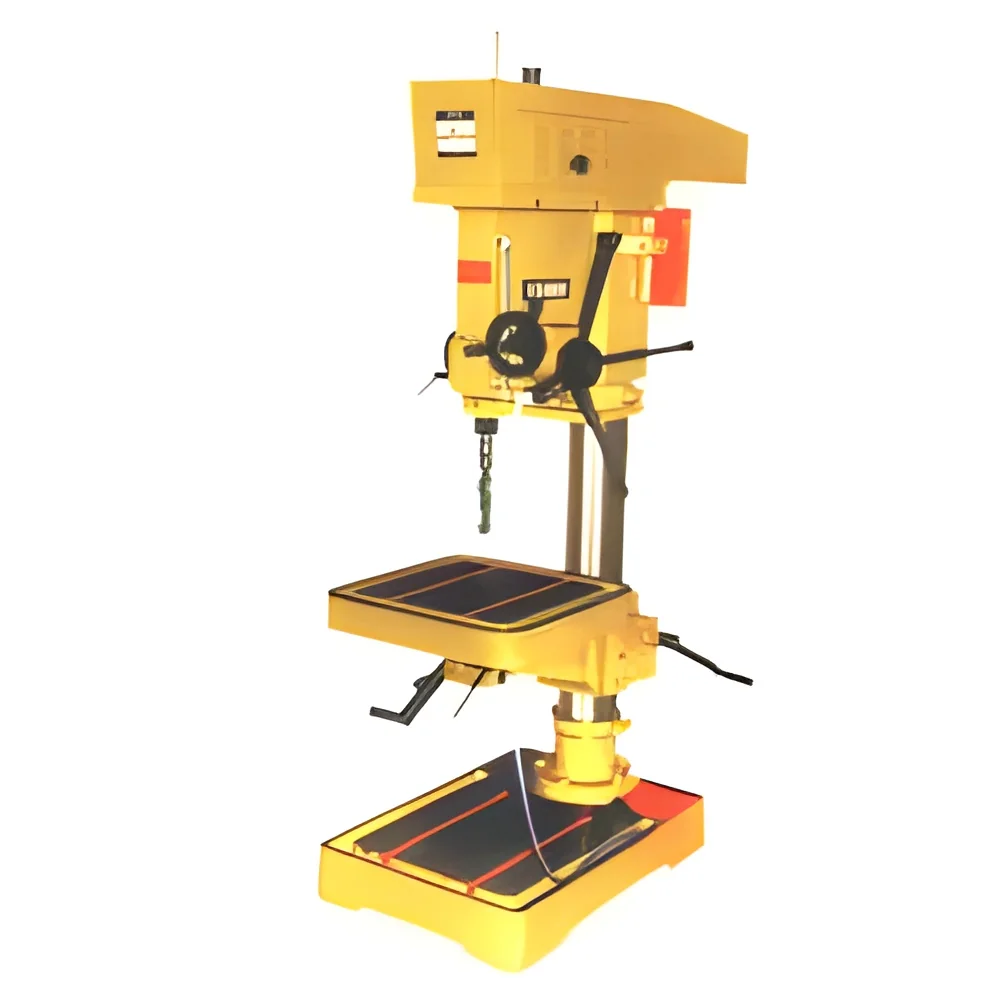
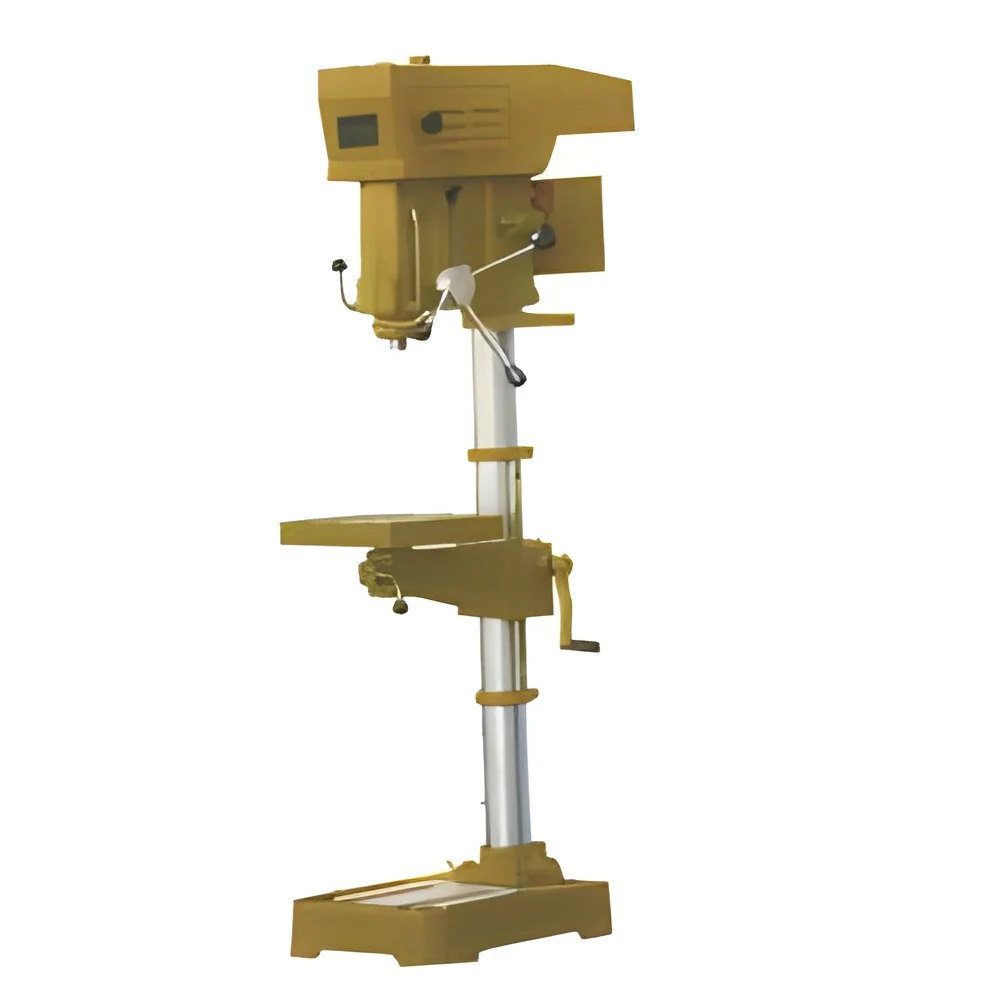
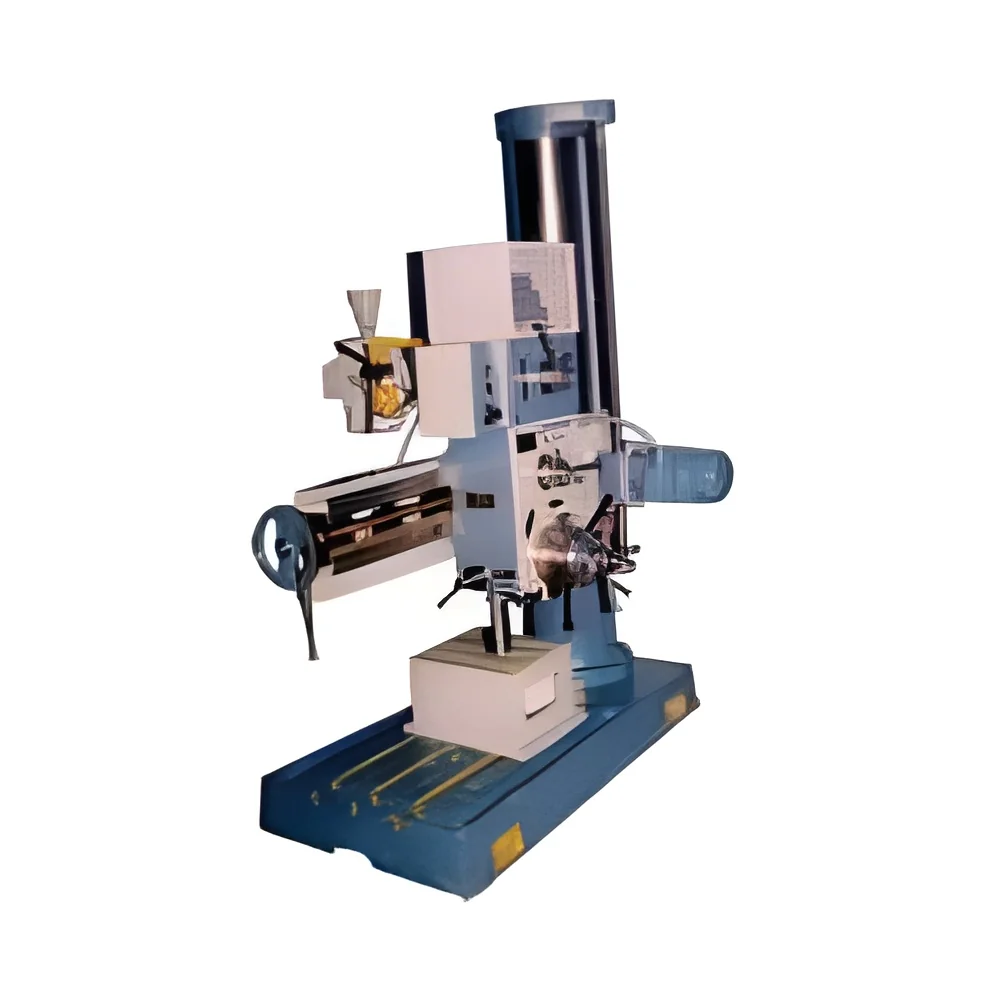
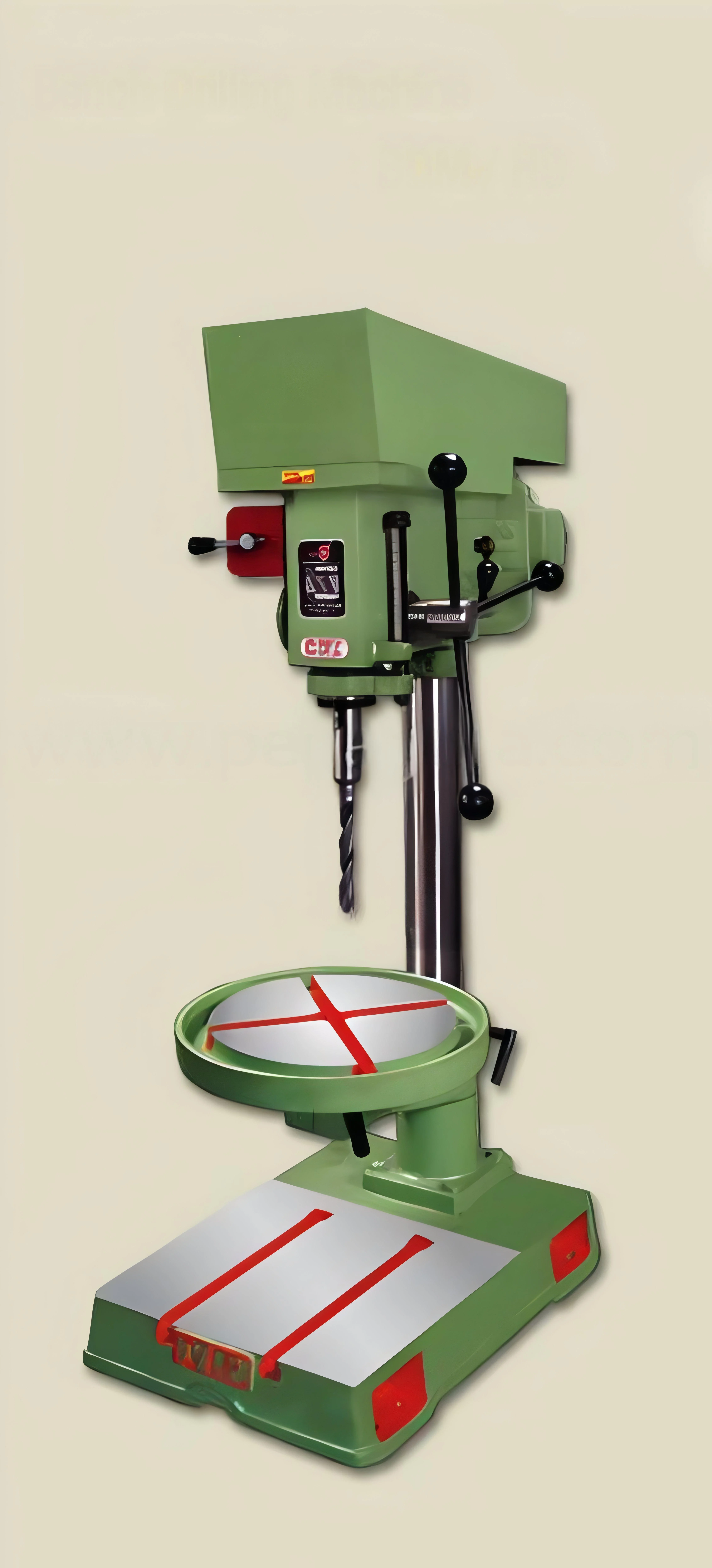
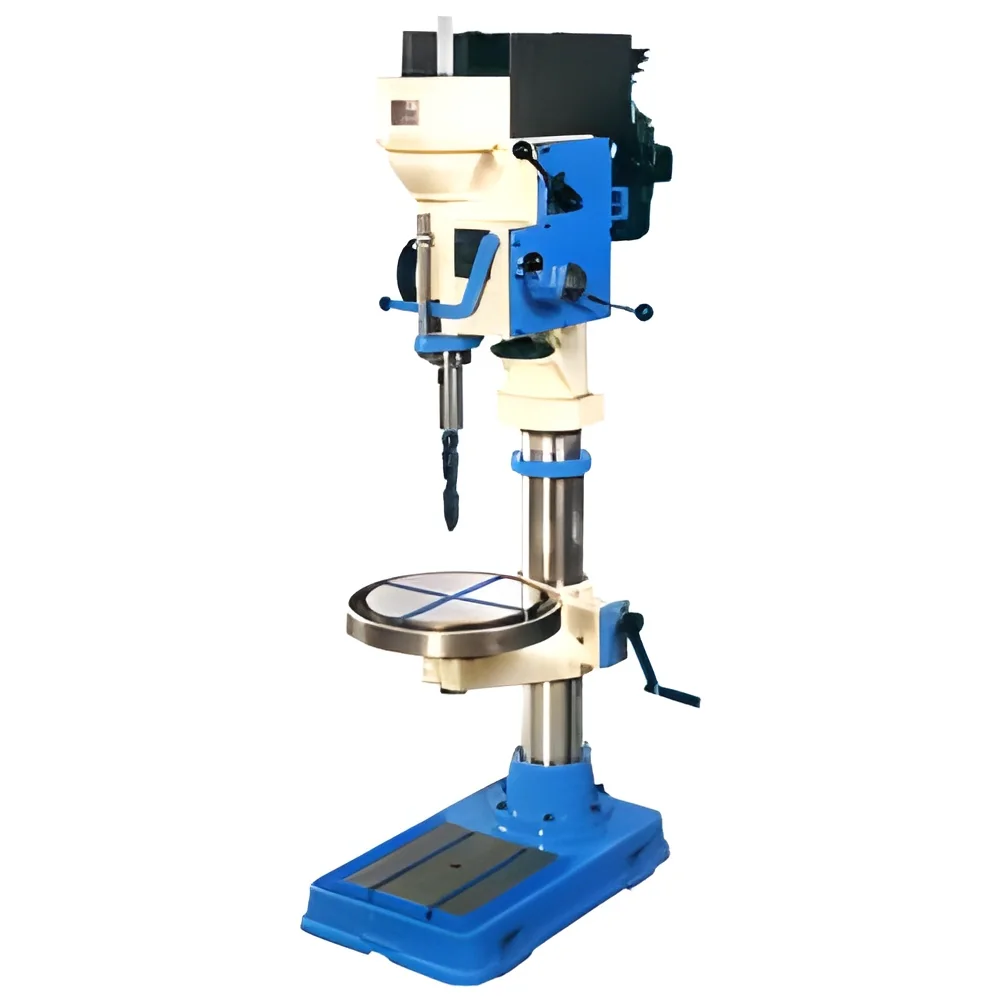
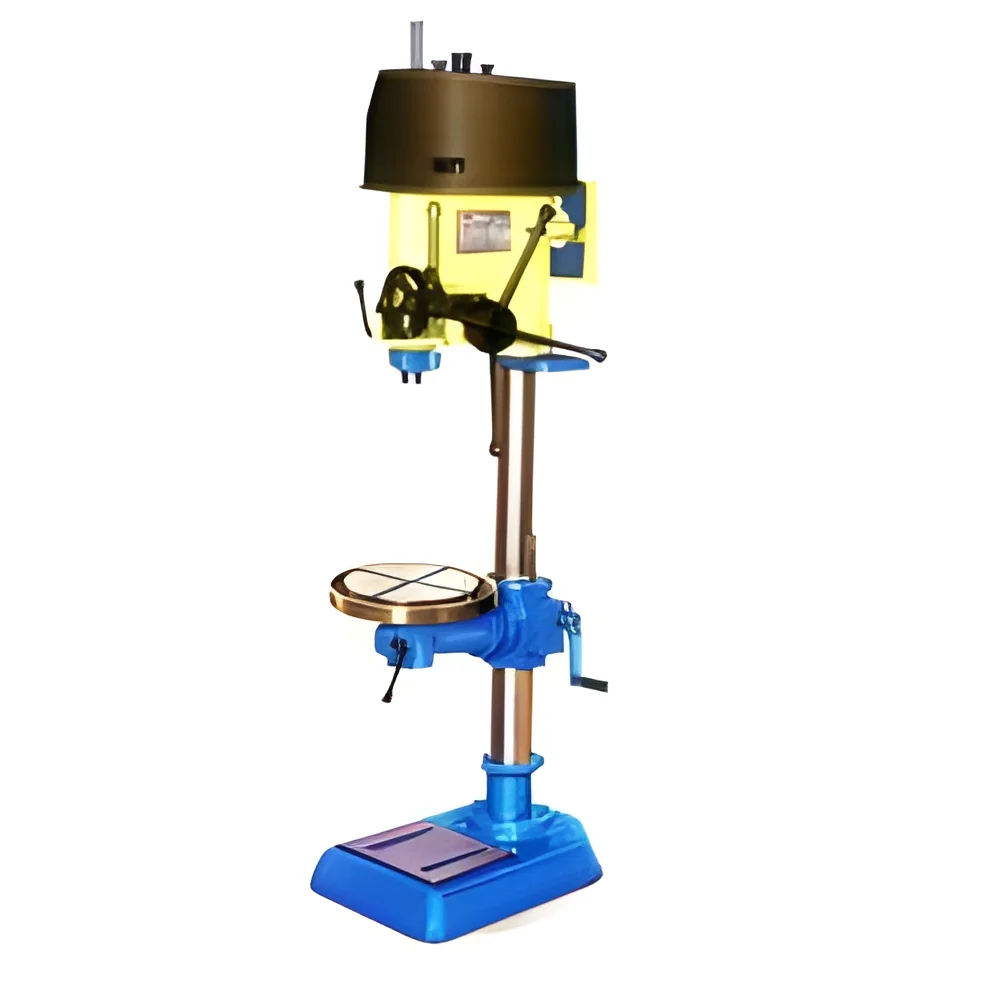
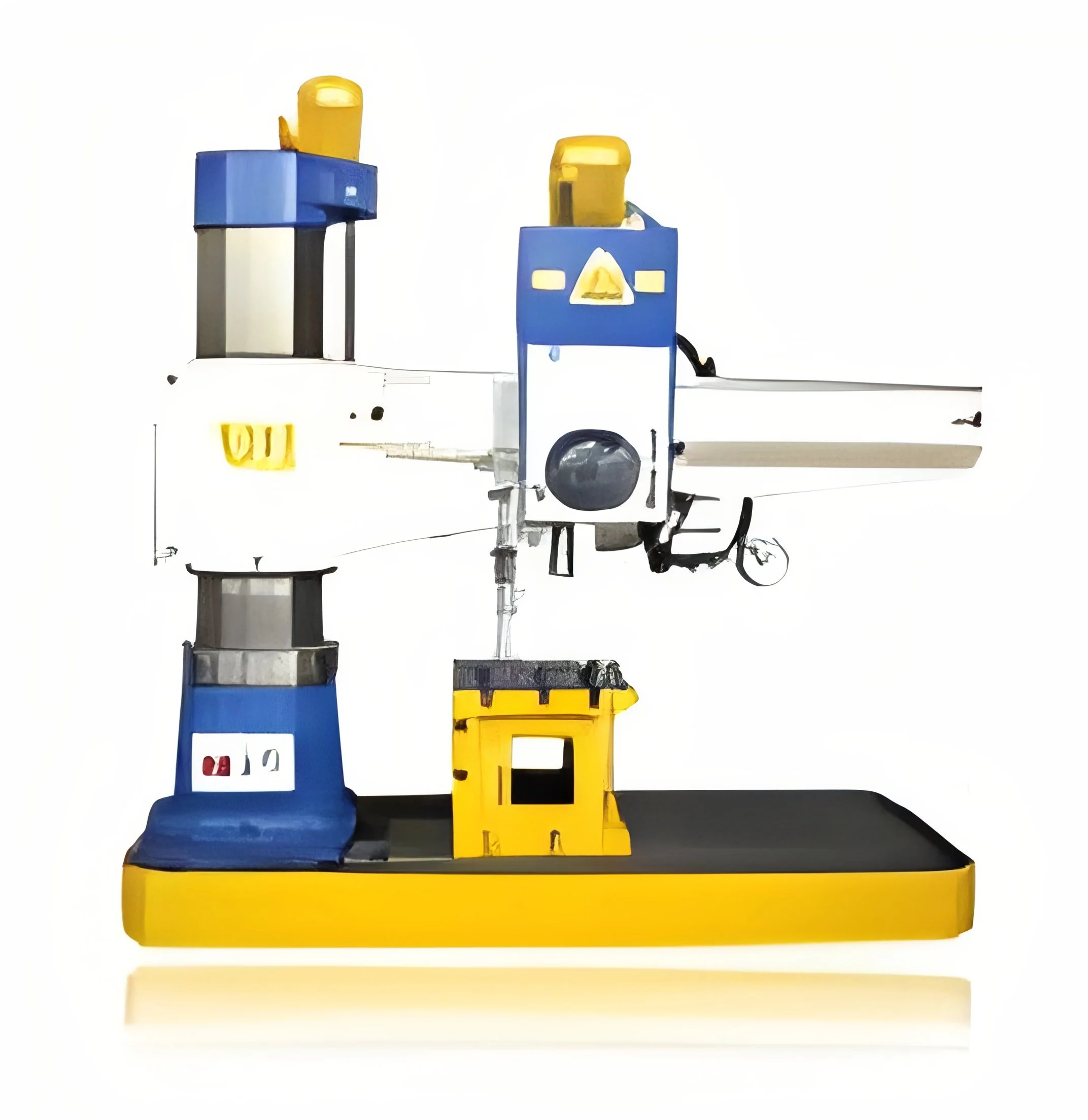
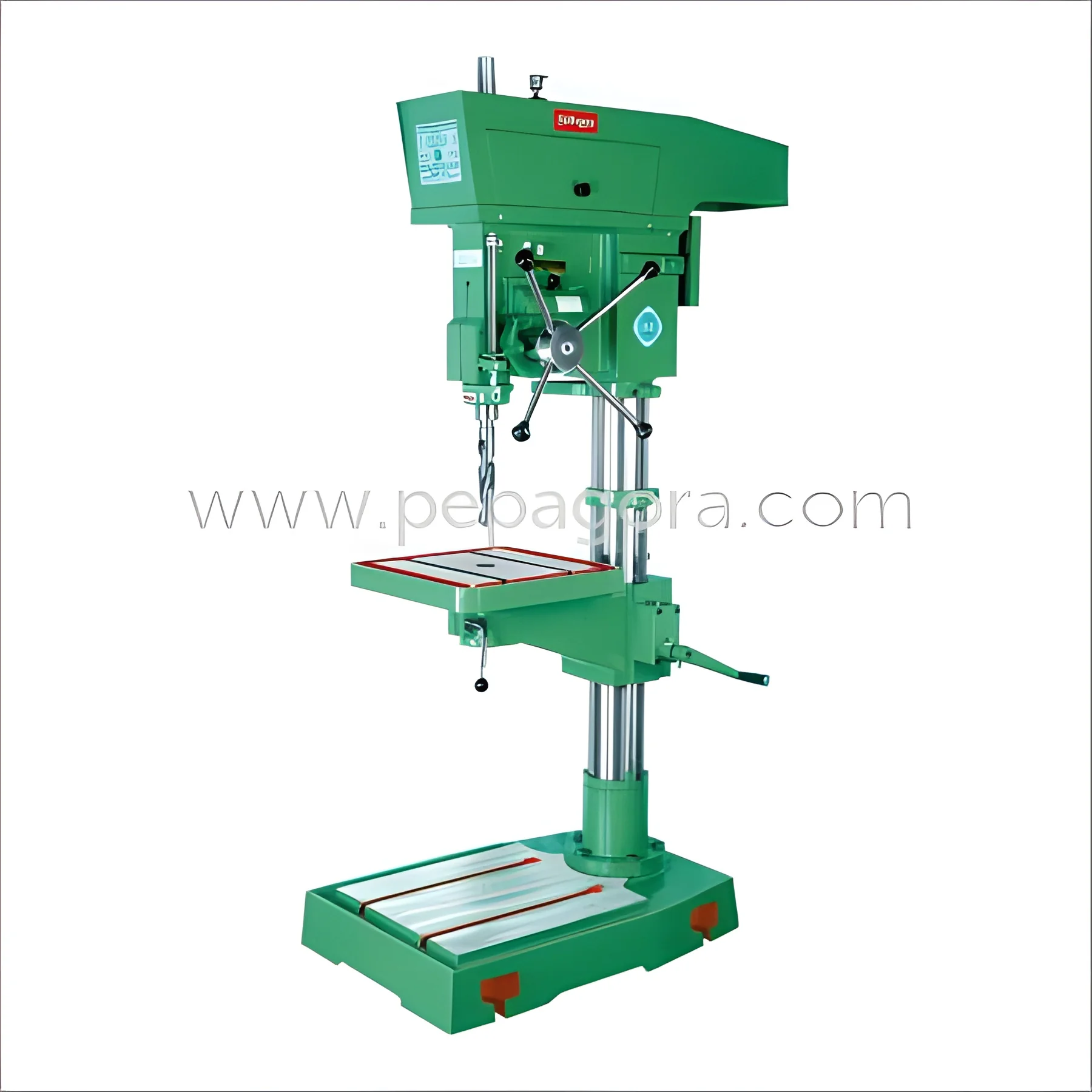
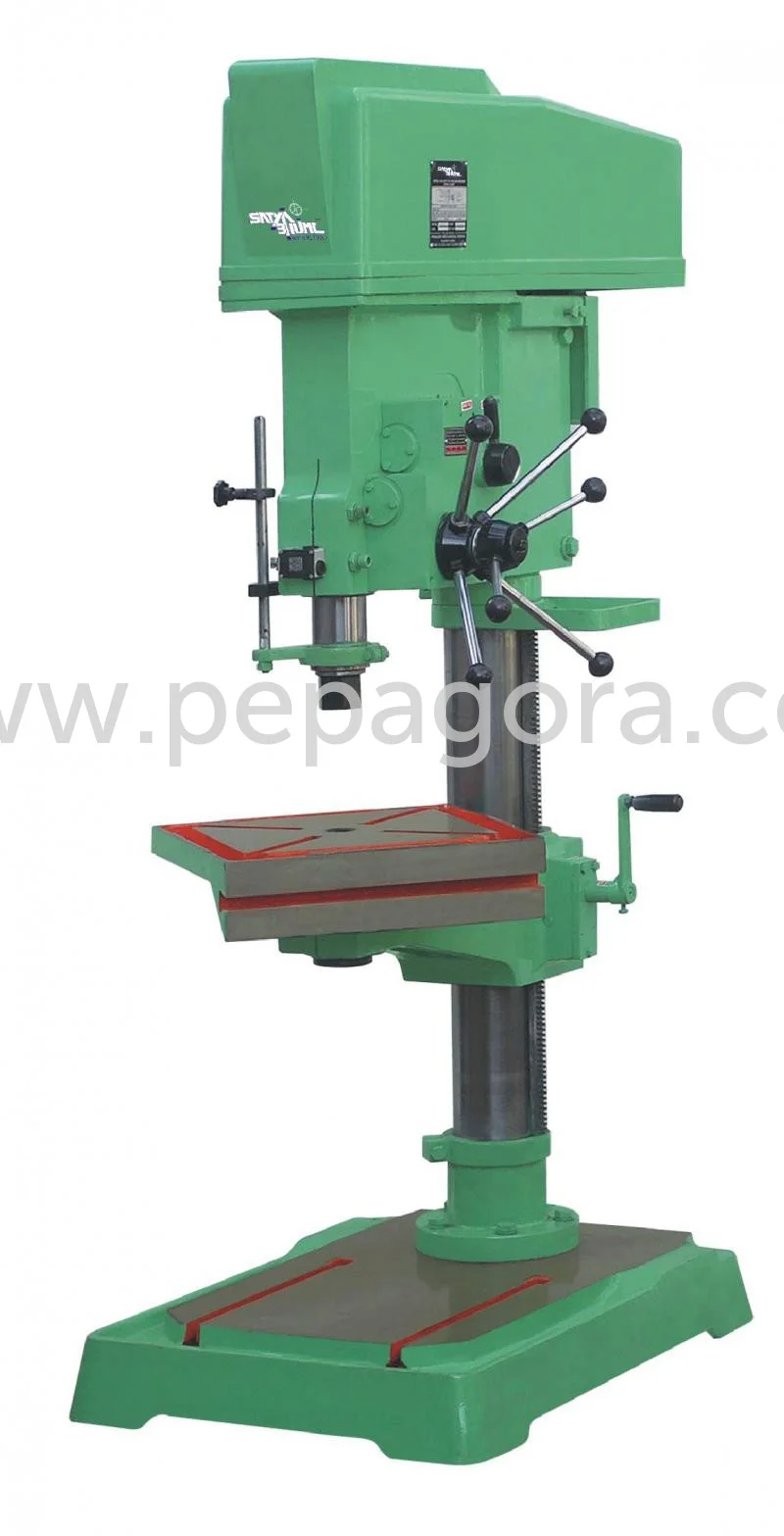
Floor-Standing Drilling Machines: Designed for heavier applications, these machines provide greater stability and power. They are suitable for industrial environments and larger workpieces.
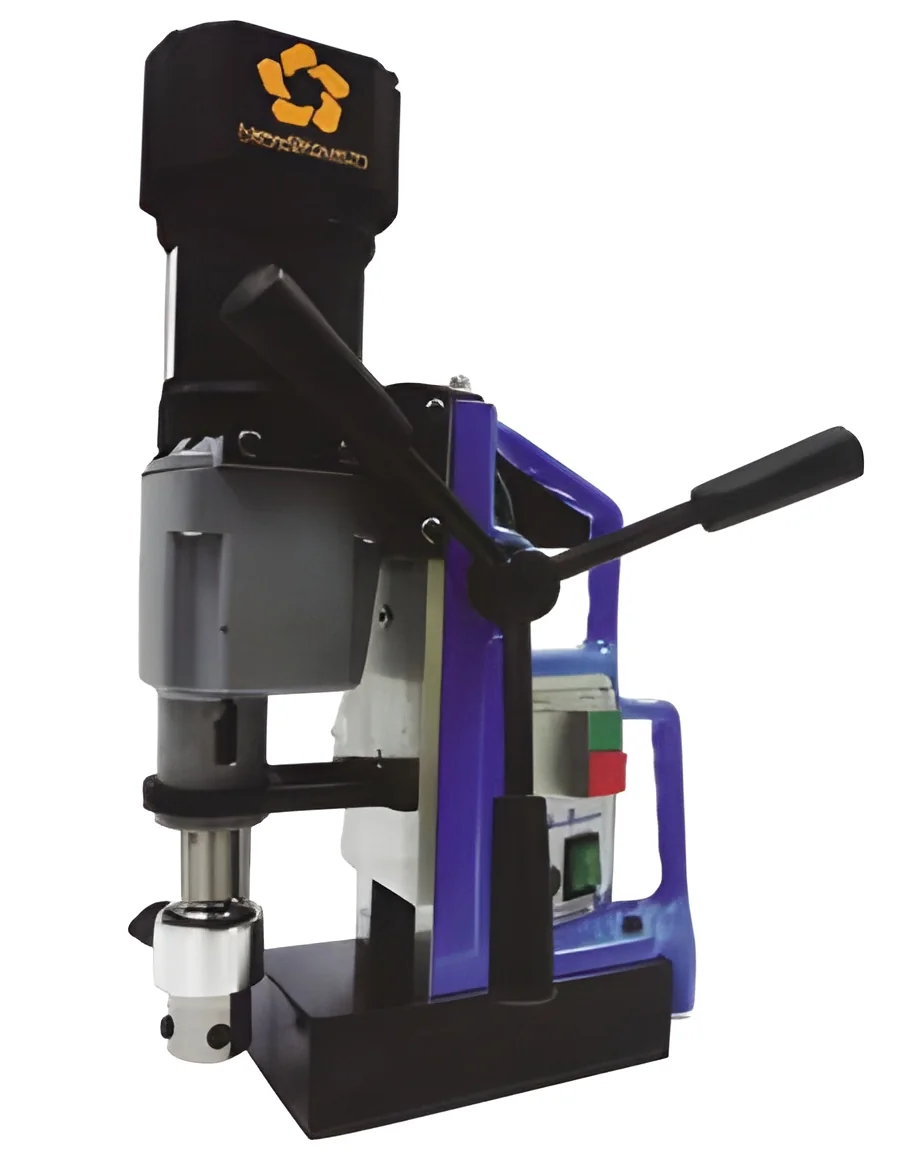
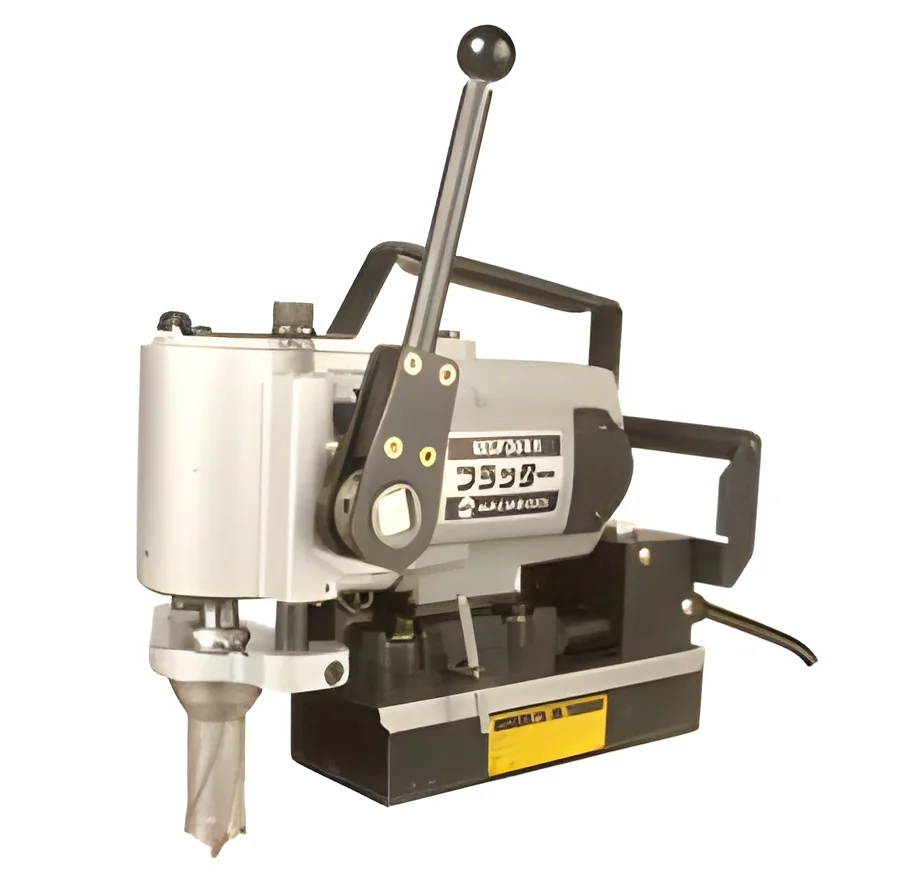
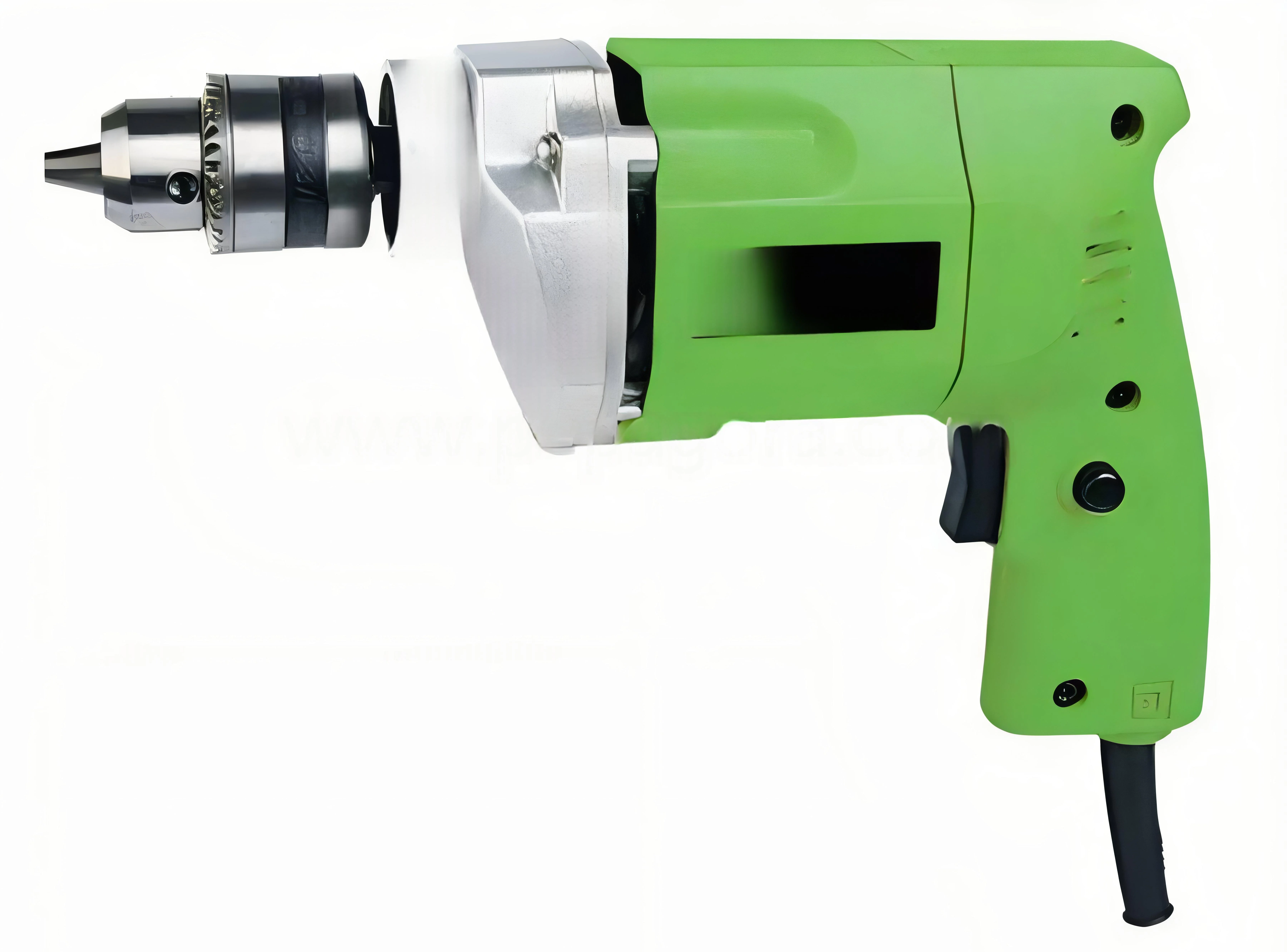
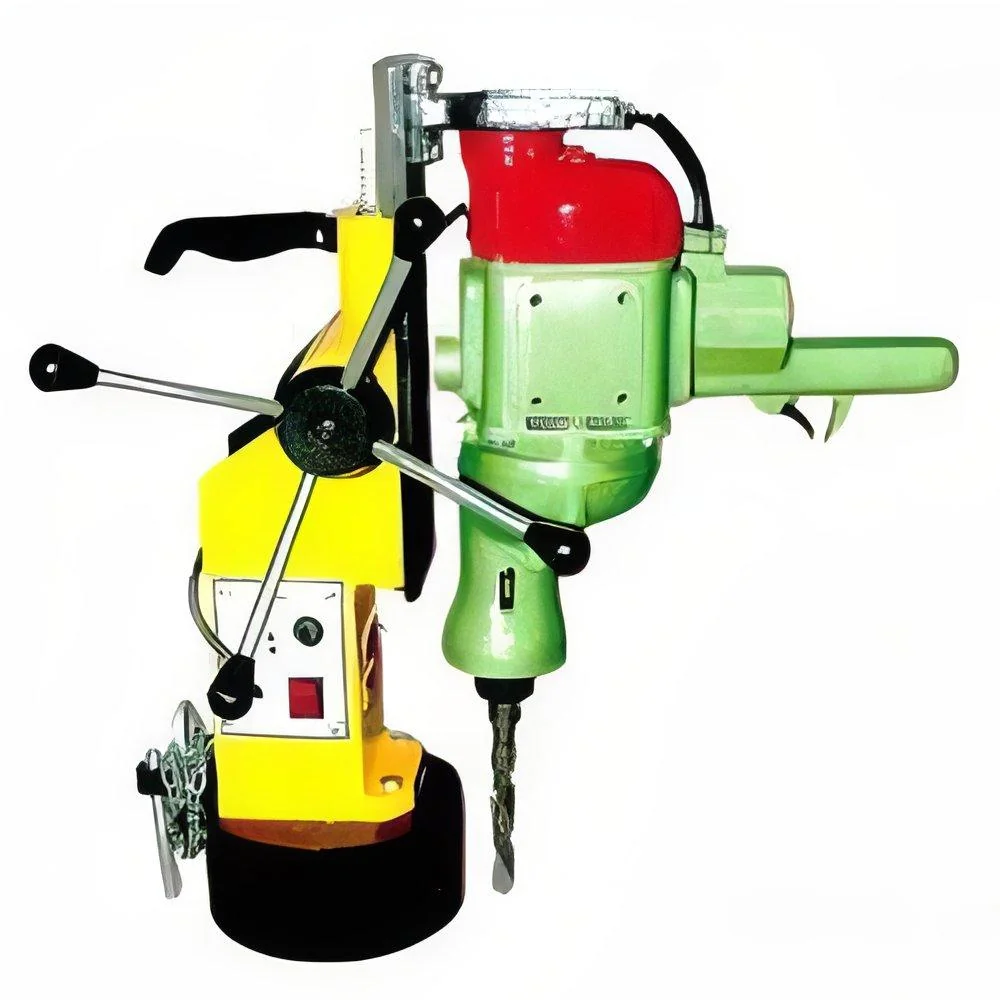
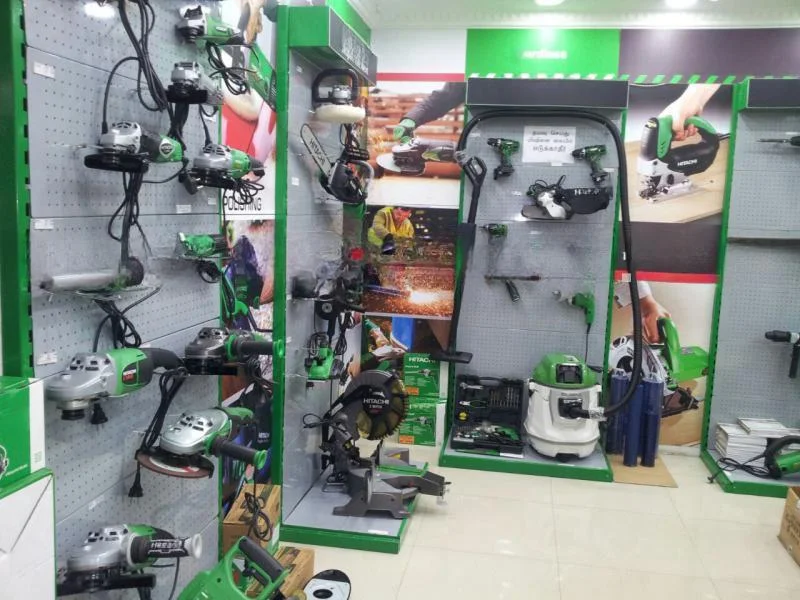
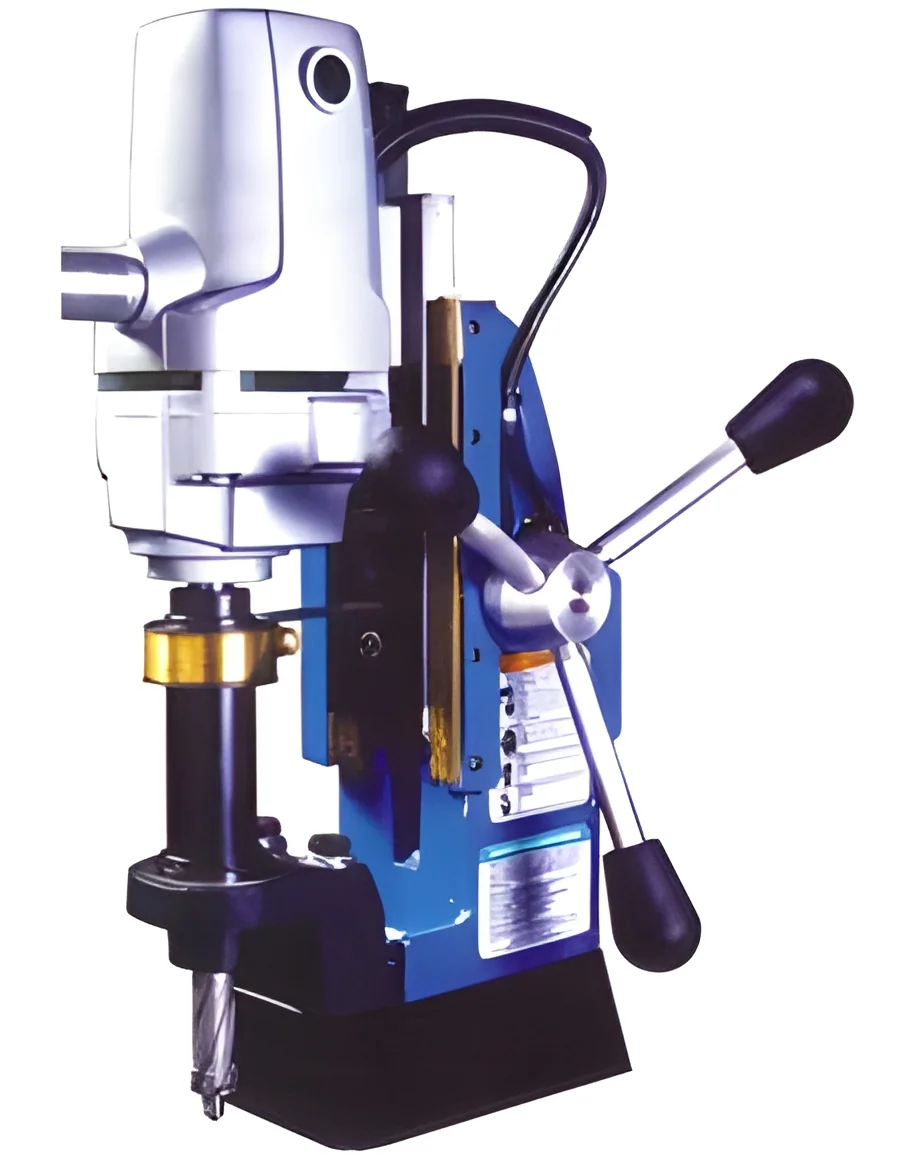
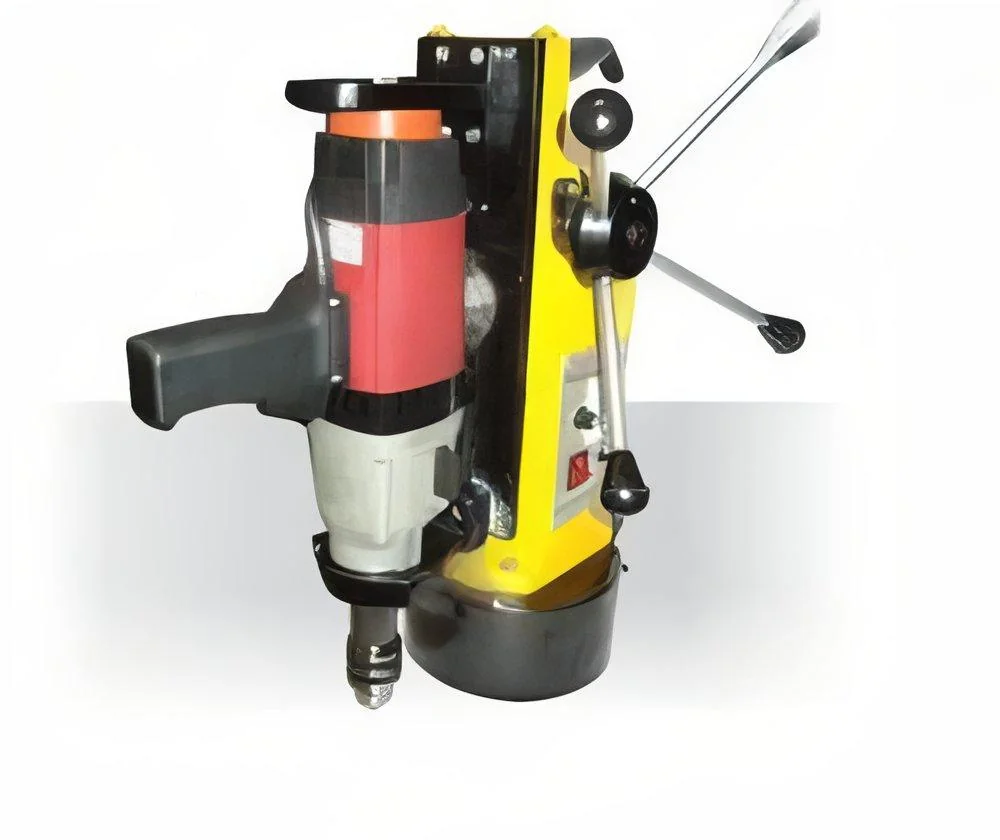
Portable Drilling Machines: Lightweight and easy to transport, portable drills are perfect for on-site tasks. They are commonly used in construction and maintenance operations.
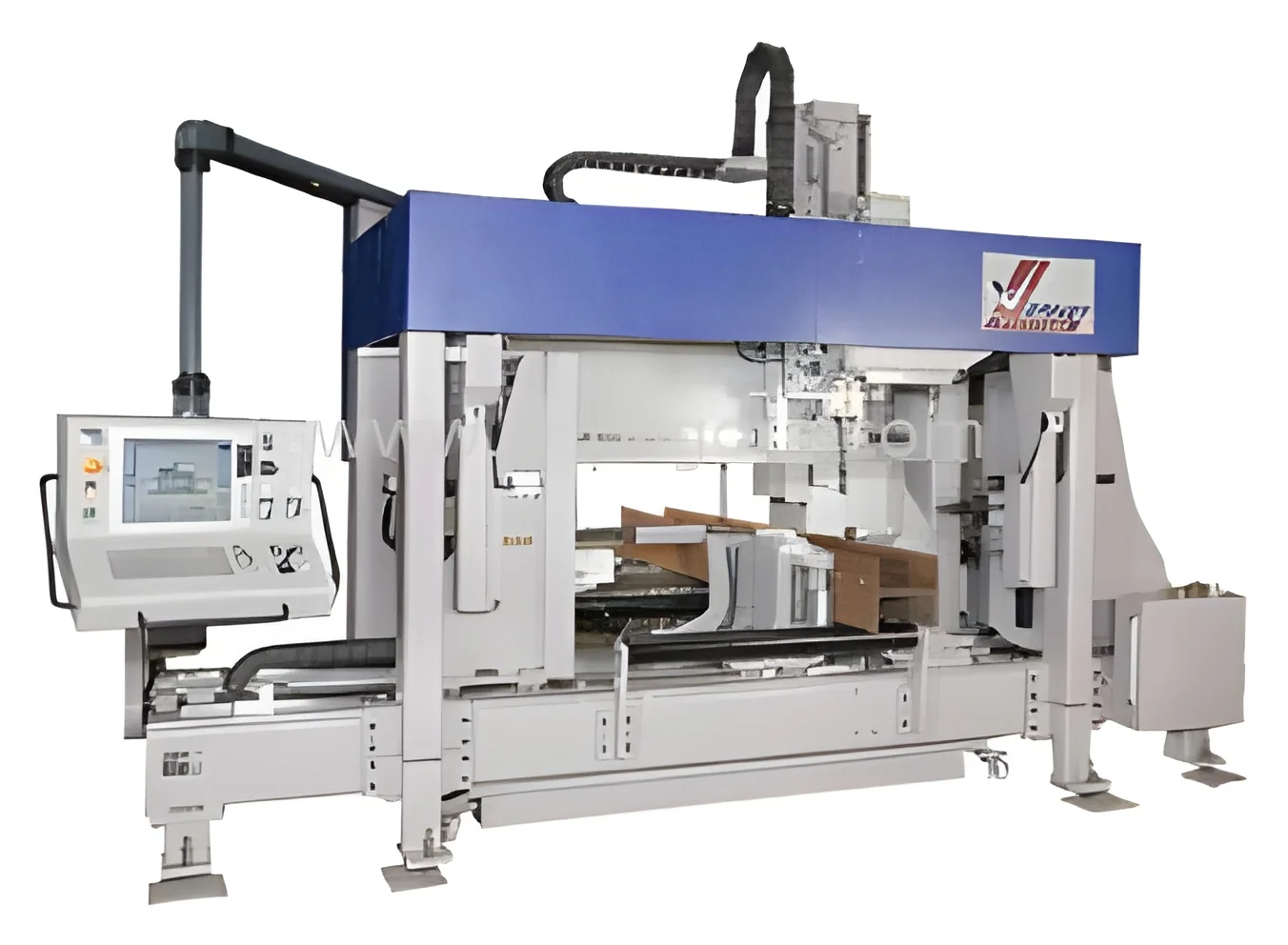
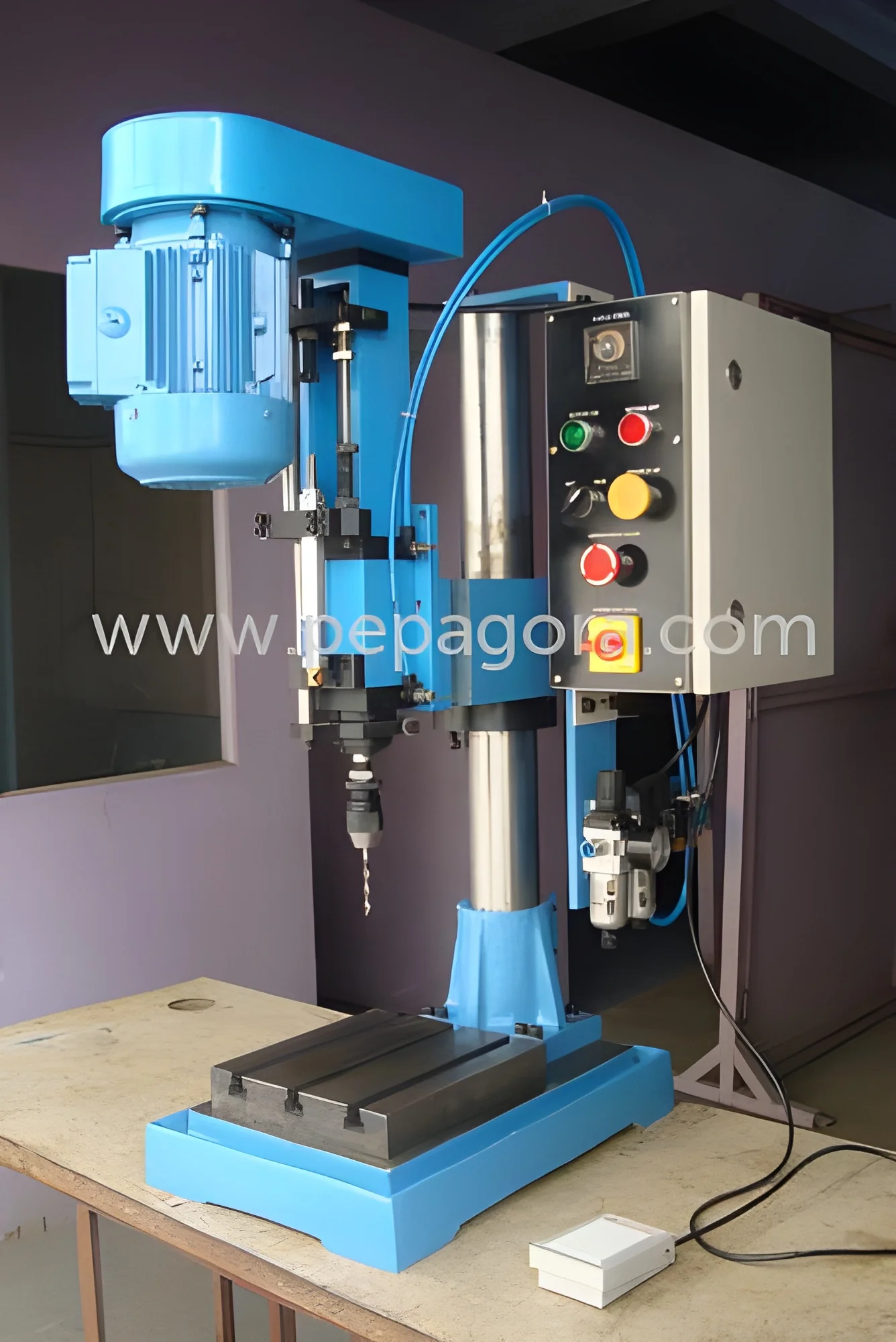
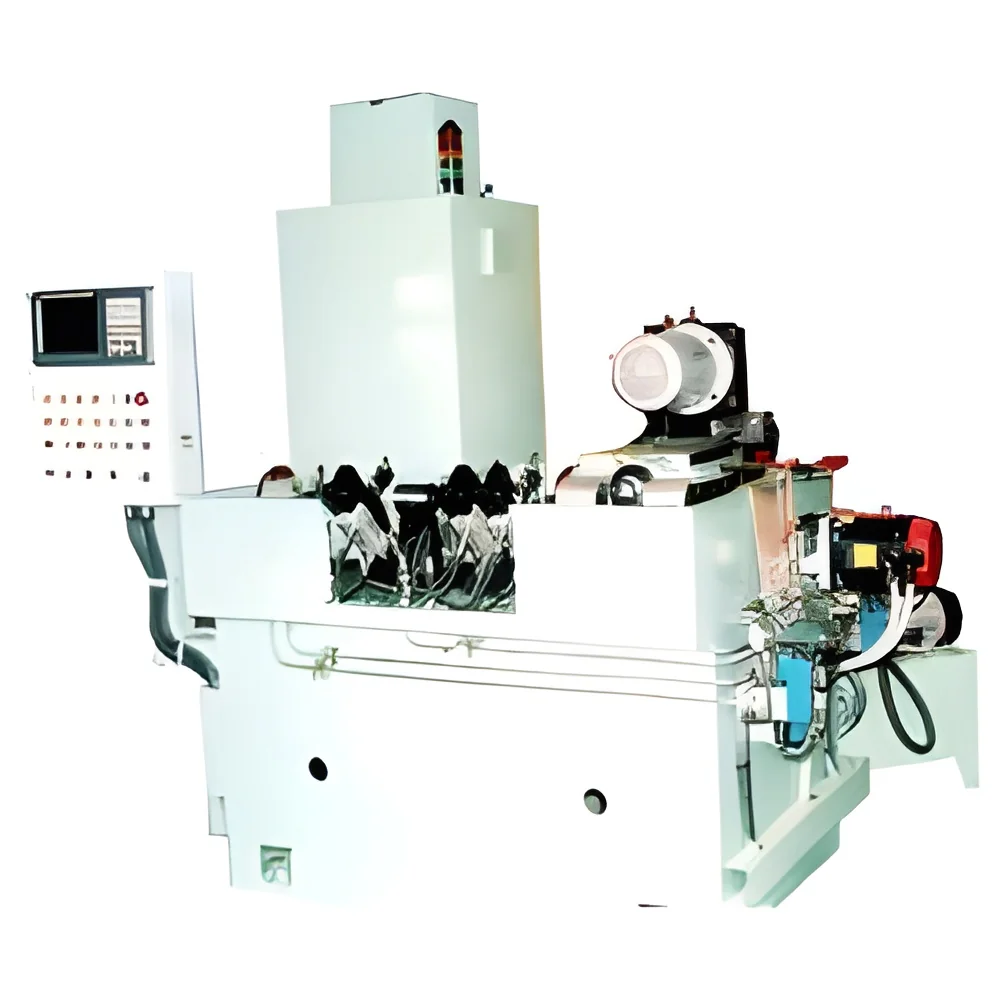
CNC Drilling Machines: These computer-controlled machines offer high precision and automation for complex drilling tasks. They are widely used in manufacturing for mass production.
Benefits and Advantages
Investing in drilling machines provides numerous benefits for businesses.
1. Precision: Drilling machines offer accuracy in hole placement, which is essential for ensuring the quality and performance of assembled products.
2. Efficiency: These machines can significantly reduce the time taken to create holes compared to manual methods, enhancing productivity.
3. Versatility: With various models available, drilling machines can handle a wide range of materials and applications, making them suitable for different industries.
4. Safety: Modern drilling machines are equipped with safety features that protect operators and minimize risks during operation.
5. Cost-Effectiveness: While the initial investment may be substantial, the long-term savings on labor and increased production efficiency make drilling machines a worthwhile investment.
6. Customization: Many manufacturers offer options for customization, allowing businesses to tailor machines to their specific operational needs.
Buying Guide for B2B Buyers
When sourcing drilling machines, it is essential to consider several factors to ensure the right purchase.
1. Quality Assessment: Evaluate the quality of the machines by reviewing manufacturer specifications, customer reviews, and industry certifications. Look for machines that meet recognized quality standards.
2. Supplier Verification: Vet suppliers carefully to ensure reliability and reputation. Check their experience in the industry and customer feedback to gauge their trustworthiness.
3. Pricing and MOQ: Understand the pricing structure and minimum order quantities. Compare quotes from different suppliers to ensure competitive pricing while considering total cost of ownership.
4. Delivery and Lead Times: Inquire about delivery schedules and lead times, as these can impact your production timelines. Ensure the supplier can meet your deadlines.
5. Compliance Requirements: Be aware of any regulatory requirements that may apply to your industry. Ensure the machines comply with local standards for safety and performance.
Compliance and Certifications
Drilling machines must meet various compliance and certification standards to ensure safety and quality. Common quality standards include ISO 9001, which focuses on quality management systems to enhance customer satisfaction.
Additionally, industry certifications such as CE indicate that the machinery meets European safety, health, and environmental protection standards, ensuring that it is safe for use.
Safety and testing requirements also play a significant role in the compliance of drilling machines. Manufacturers must rigorously test equipment to meet industry safety standards, protecting operators from potential hazards.
Regional compliance considerations should not be overlooked, as different regions may have specific regulations governing the use of machinery. Understanding these requirements is crucial for businesses operating in multiple markets.
Why Source Drilling Machines from Pepagora?
Pepagora provides a trusted platform for sourcing drilling machines, offering numerous advantages to buyers.
Verified Supplier Network: Pepagora connects businesses with a vetted network of suppliers. Each supplier is carefully assessed to ensure they meet quality standards and can deliver reliable products.
Streamlined RFQ Process: The platform simplifies the request-for-quotation process, allowing buyers to quickly compare offerings from multiple suppliers. This efficiency saves time and enhances decision-making.
Trade Assurance and Support: Pepagora offers trade assurance, providing buyers with protection throughout the purchasing process. Support is available to address any concerns or issues that may arise.
Regional Coverage: With a presence in India, the GCC, and Southeast Asia, Pepagora ensures that buyers can access a wide range of drilling machines tailored to diverse regional needs and preferences.

 IN
IN