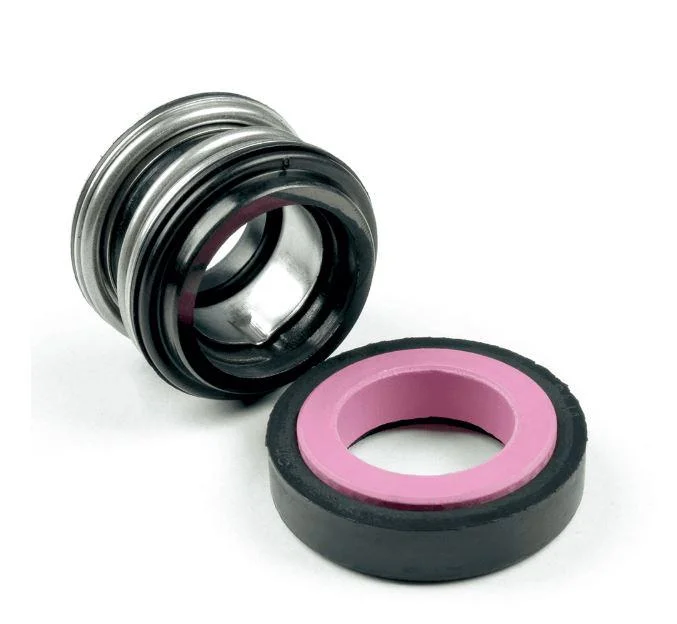
What are Drip Irrigation Pumps?
Drip irrigation pumps are specialized devices designed to facilitate the efficient delivery of water directly to the roots of plants in agricultural settings. These pumps play a critical role in drip irrigation systems, ensuring that water is distributed evenly and in precise amounts. They are engineered to handle lower flow rates and higher pressures, making them ideal for environments where water conservation is paramount.
The primary uses of drip irrigation pumps extend across various sectors, including agriculture, horticulture, and landscaping. Businesses utilize these pumps to optimize water usage, enhance crop yield, and reduce labor costs associated with traditional irrigation methods. By delivering water directly to the plants, drip irrigation systems can significantly minimize wastage and ensure that plants receive adequate moisture levels, even in arid regions.
In the current market context, the demand for drip irrigation pumps is on the rise due to the growing emphasis on sustainable agricultural practices. As industries seek ways to improve efficiency and reduce environmental impact, drip irrigation pumps become increasingly relevant. This trend is particularly pronounced in areas facing water scarcity, where efficient irrigation methods are essential for maintaining productivity.
Key Features and Specifications
Drip irrigation pumps come equipped with several features that enhance their performance and reliability. Understanding these specifications is crucial for businesses looking to implement or upgrade their irrigation systems.
Key specifications include:
1. Pump Type
- Centrifugal or positive displacement designs
- Suitable for varying application needs
2. Flow Rate
- Typically ranges from low to moderate flow rates
- Generally designed for precise water delivery
3. Pressure Range
- Operates effectively within specific pressure limits
- Ensures optimal functioning of the drip irrigation system
4. Material Construction
- Commonly made from corrosion-resistant materials
- Enhances durability and longevity
5. Energy Efficiency
- Designed to minimize power consumption
- Supports cost-effective operation
6. Control Mechanisms
- May include automated or manual control options
- Facilitates easy operation and monitoring
7. Portability
- Lightweight designs available for easy movement
- Ideal for various field applications
In summary, drip irrigation pumps are engineered with features that cater to the specific needs of agricultural operations, ensuring efficient water management and system reliability.
Common Applications and Use Cases
Drip irrigation pumps are utilized across numerous industries, each benefiting from their unique capabilities.
1. Agriculture: Farmers use drip irrigation pumps to effectively manage water resources, ensuring crops receive the right amount of moisture for optimal growth.
2. Horticulture: Nurseries and greenhouses employ these pumps for precise watering of plants, enhancing growth rates and reducing water waste.
3. Landscaping: Landscape professionals utilize drip irrigation pumps to maintain gardens and lawns, promoting healthy plant development while conserving water.
4. Viticulture: Vineyards benefit from drip irrigation pumps, which help maintain consistent soil moisture levels essential for grape production.
5. Greenhouse Production: Greenhouse operators rely on these pumps to automate irrigation processes, optimizing plant health and reducing labor costs.
6. Sports Fields: Facilities with large turf areas, such as golf courses, use drip irrigation pumps to ensure even water distribution and healthy grass growth.
7. Orchards: Fruit growers implement drip irrigation systems powered by these pumps to enhance fruit quality and yield.
Product Variants and Subcategories
Drip irrigation pumps come in various models and configurations, catering to different agricultural needs and applications.
Electric Drip Irrigation Pumps
These pumps are powered by electricity, providing consistent and efficient water delivery. They are ideal for larger-scale operations where automation is a priority.
Solar-Powered Drip Irrigation Pumps
Utilizing renewable energy, these pumps are an eco-friendly option for remote areas with limited access to power sources. They help reduce operational costs while supporting sustainable practices.
Diesel-Powered Drip Irrigation Pumps
These pumps are suitable for heavy-duty applications, offering robust performance for larger farms and agricultural enterprises.
Benefits and Advantages
Drip irrigation pumps offer several advantages that make them an attractive choice for businesses.
1. Water Conservation: These pumps deliver water directly to plant roots, significantly reducing water usage compared to traditional irrigation methods.
2. Increased Crop Yields: By providing consistent moisture levels, drip irrigation pumps can enhance overall plant health and productivity.
3. Labor Efficiency: Automation options reduce the need for manual irrigation, allowing labor resources to be allocated to other essential tasks.
4. Reduced Disease Risk: By minimizing water contact with foliage, these pumps help prevent fungal diseases and other water-related plant issues.
5. Flexibility: Drip irrigation systems can be easily adjusted to accommodate varying crop types and growth stages, making them versatile.
6. Cost Savings: Over time, the efficient use of water and reduced labor needs can lead to significant cost savings for agricultural businesses.
Buying Guide for B2B Buyers
When sourcing drip irrigation pumps, businesses should consider several key factors to ensure they make an informed purchasing decision.
1. Quality Assessment: Look for pumps that meet industry standards and are built for durability. Evaluate materials and construction methods to ensure longevity in the field.
2. Supplier Verification: Vet potential suppliers to confirm their credibility and reliability. Check for customer reviews and ratings to gauge their reputation.
3. Pricing and MOQ: Understand pricing structures, including minimum order quantities, to align with your budget and purchasing strategy.
4. Delivery and Lead Times: Discuss logistics with suppliers to ensure timely delivery of pumps, considering your operational timelines and project needs.
5. Compliance Requirements: Ensure that the pumps meet relevant regulatory and safety standards for your region to avoid compliance issues.
Compliance and Certifications
Drip irrigation pumps must adhere to various compliance and certification standards to ensure quality and safety.
ISO 9001 is a widely recognized quality management standard that ensures manufacturers maintain a high level of quality in their processes.
CE certification indicates that the product meets European safety, health, and environmental protection standards, providing assurance to buyers about its reliability.
Additionally, testing requirements may be in place to evaluate pump performance under various conditions, ensuring they function effectively in the field.
Regional compliance considerations may also apply depending on the geographic area in which the pumps will be used, making it essential for buyers to verify local regulations.
Why Source Drip Irrigation Pumps from Pepagora?
Pepagora offers a trusted platform for sourcing drip irrigation pumps, providing several key advantages for businesses.
Verified Supplier Network: Pepagora conducts thorough vetting of suppliers, ensuring that buyers connect with reputable manufacturers who meet quality standards.
Streamlined RFQ Process: The platform simplifies the request for quotation process, enabling buyers to receive competitive pricing and efficient responses from multiple suppliers.
Trade Assurance and Support: Pepagora provides buyer protection through trade assurance measures, ensuring that transactions are secure and reliable.
Regional Coverage: With a focus on markets in India, the GCC, and Southeast Asia, Pepagora offers extensive geographic reach, making it easier for businesses to find the right pumps for their specific needs.

 IN
IN