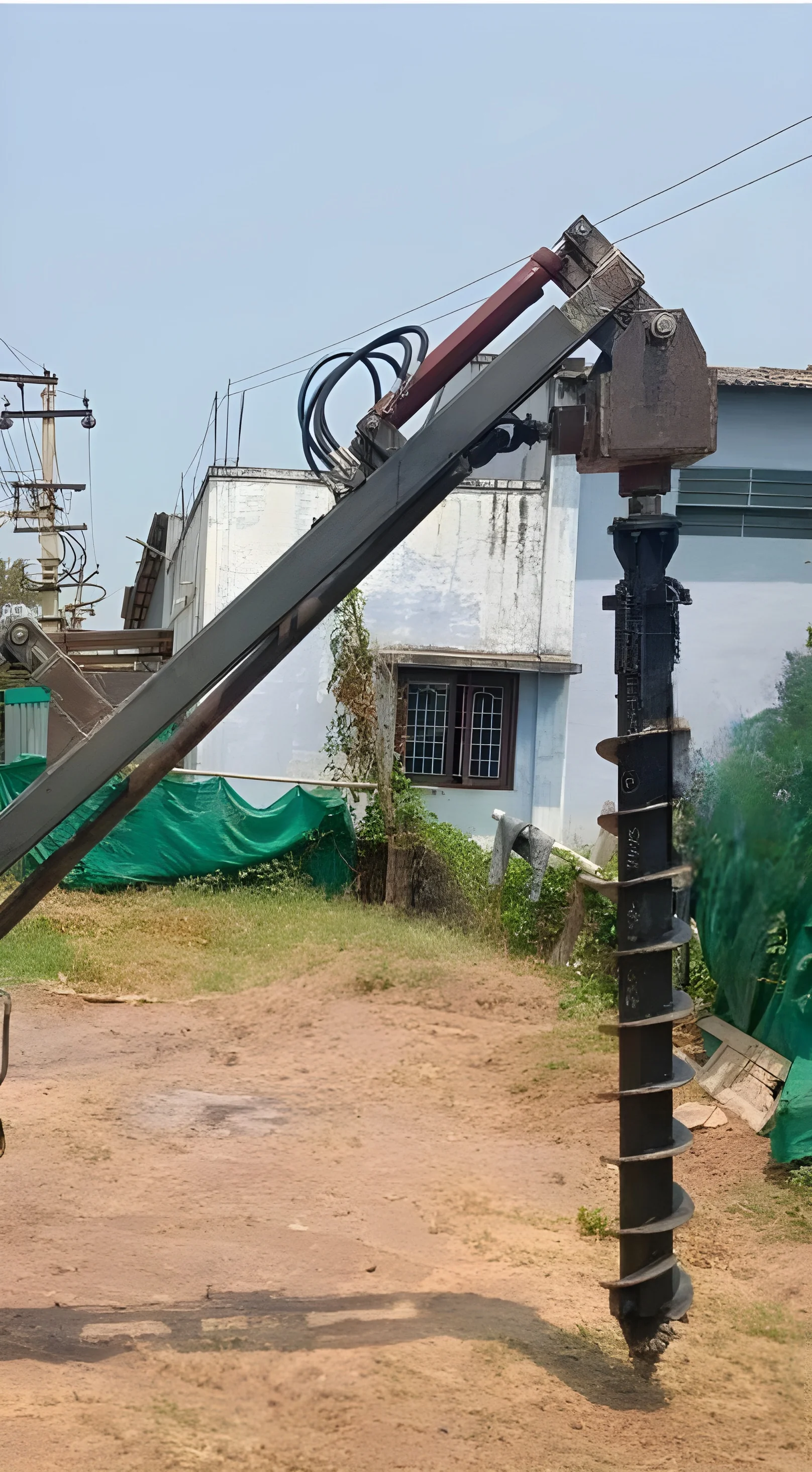
What are Post Hole Diggers?
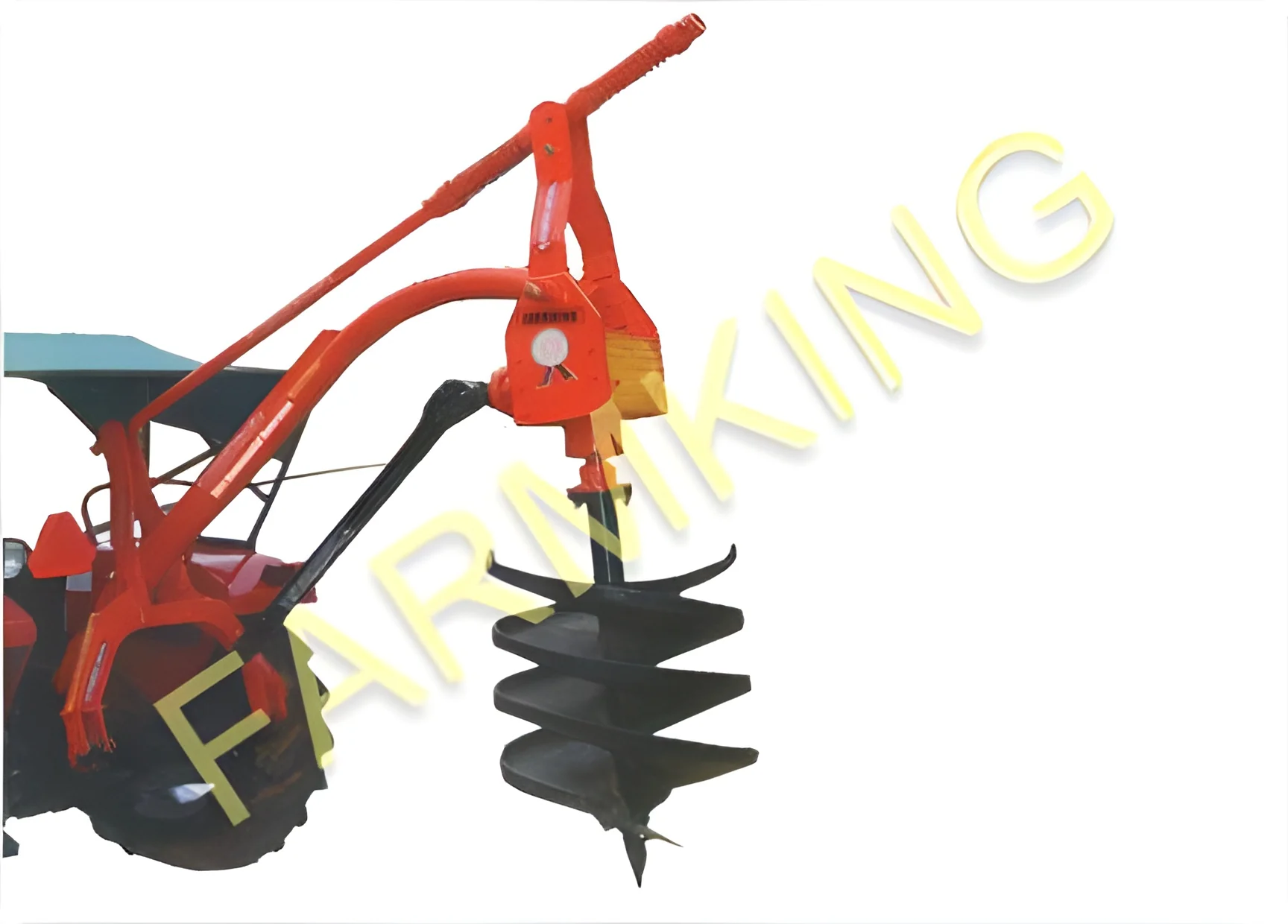
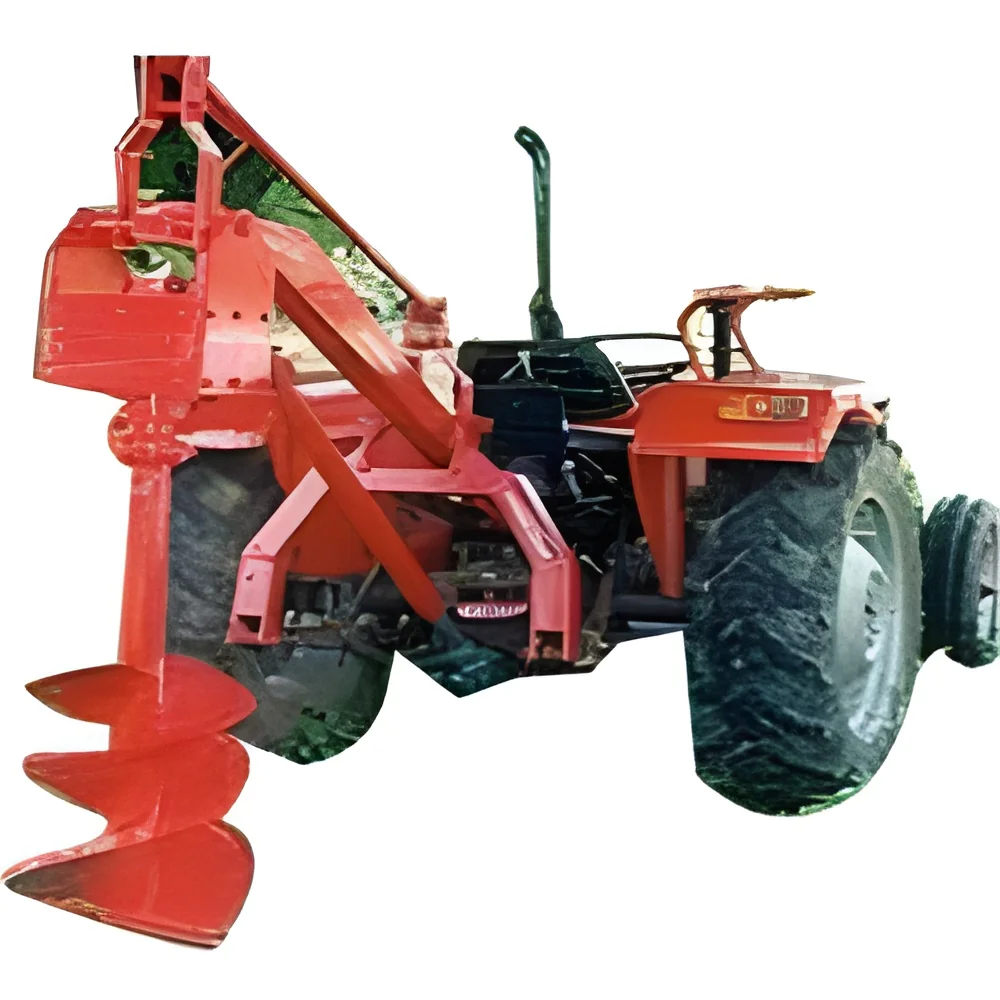
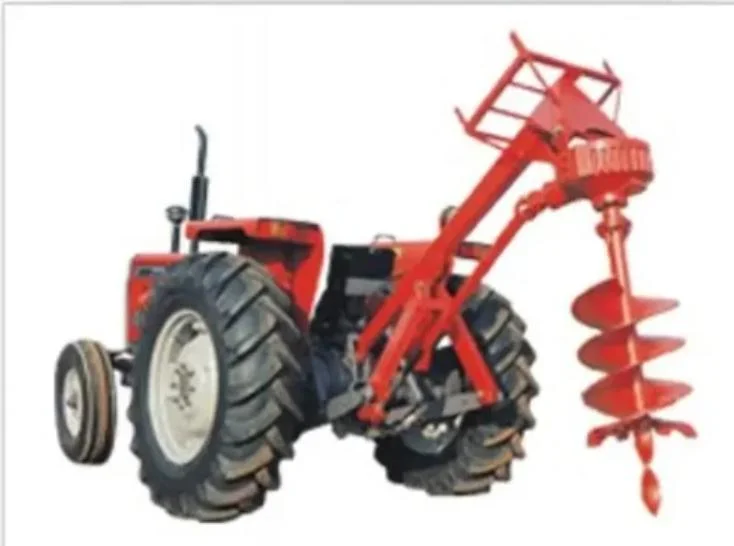
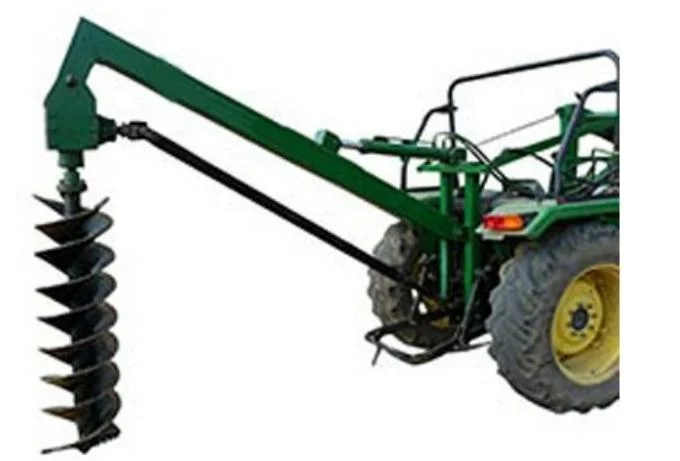
Post hole diggers are specialized tools designed to create narrow, deep holes in the ground, primarily for installing fence posts, poles, or other structures that require solid anchoring. These tools come in various designs, including manual and powered options, allowing users to select the type that best suits their specific needs. Manual post hole diggers typically consist of two handles and a sharp, scoop-like blade that allows for easy digging, while powered versions utilize engines or motors for faster and more efficient drilling.
These tools are widely used in construction, landscaping, and agricultural applications. Businesses rely on post hole diggers for tasks such as setting up fencing, planting trees, or installing mailboxes and signs. The ability to quickly and effectively create holes in various soil types makes them essential in sectors like agriculture, construction, and landscaping. The demand for post hole diggers remains strong in the market, driven by ongoing construction projects and the need for efficient outdoor installations.
Key Features and Specifications
Post hole diggers are equipped with several key features that enhance their usability and effectiveness. Understanding these specifications is crucial for selecting the right tool for your project.
Key specifications include:
1. Digging Depth
- The maximum depth that the digger can reach.
- Typically ranges from 24 inches to 48 inches.
2. Blade Width
- The width of the cutting edge.
- Common sizes vary from 4 inches to 12 inches.
3. Material Composition
- The materials used for blades and handles.
- Often made from heavy-duty steel or aluminum for durability.
4. Handle Type
- Types of handles available, such as T-shaped or D-shaped.
- Affects comfort and grip during operation.
5. Weight
- The overall weight of the digger.
- Ranges from lightweight models at 5 pounds to heavier models at 20 pounds.
6. Power Source (for powered models)
- Types of engines or motors used, such as gas or electric.
- Impacts efficiency and operational ease.
7. Safety Features
- Includes features like blade guards and safety locks.
- Essential for preventing accidents during use.
8. Warranty
- The duration and terms of warranty coverage.
- Typically ranges from one to five years.
A proper understanding of these specifications will help buyers choose the right post hole digger that meets their operational requirements.
Common Applications and Use Cases
Post hole diggers serve various industries with diverse applications.
1. Construction: Used to install fence posts, utility poles, and other structures that require deep anchoring in various soil conditions.
2. Landscaping: Essential for planting trees and shrubs, as well as creating holes for decorative features like garden lights or trellises.
3. Agriculture: Utilized for setting up fencing to contain livestock or for planting crops in rows.
4. Municipal Services: Employed for public works projects, including installing street signs and light poles.
5. Recreational Projects: Used in DIY projects for building playgrounds or outdoor recreational equipment.
6. Telecommunications: Necessary for installing poles for telecommunications infrastructure.
7. Irrigation Systems: Utilized to set up posts for supporting irrigation equipment and systems.
Product Variants and Subcategories
Post hole diggers come in various forms to meet different user needs.
Manual Post Hole Diggers
These are operated manually and are ideal for smaller projects. They are simple to use and require no power source, making them suitable for remote or off-grid locations.
Powered Post Hole Diggers
These models are equipped with engines that significantly reduce the effort required for digging. They are ideal for larger projects or tougher soil conditions and can drill multiple holes quickly.
Electric Post Hole Diggers
These variants offer the convenience of electric power, providing a quieter and cleaner option for residential or small-scale commercial applications.
Benefits and Advantages
Post hole diggers offer several advantages that enhance their appeal to businesses.
1. Efficiency: These tools allow for quick and effective digging, saving time on projects.
2. Versatility: Suitable for a wide range of applications, making them valuable for multiple industries.
3. Durability: Most models are constructed from robust materials, ensuring they can withstand tough working conditions.
4. Ease of Use: Manual models are simple to operate, while powered versions require minimal training for effective use.
5. Cost-Effective: Investing in a quality post hole digger can reduce labor costs and increase productivity.
6. Safety: Features like safety locks and guards enhance user protection during operation.
Buying Guide for B2B Buyers
When sourcing post hole diggers, it is essential to consider several critical factors.
1. Quality Assessment: Look for tools that are made from durable materials. A quality digger will have a robust construction that withstands frequent use.
2. Supplier Verification: Vet suppliers to ensure they offer reliable products. Check for certifications and customer reviews to gauge their credibility.
3. Pricing and MOQ: Understand the pricing structure and minimum order quantities. This helps in budgeting for larger purchases.
4. Delivery and Lead Times: Clarify logistics and delivery times to ensure timely project completion. Reliable suppliers should provide clear timelines.
5. Compliance Requirements: Ensure that the products meet any necessary regulatory standards applicable in your region. Compliance with safety and quality standards is crucial for operational success.
Compliance and Certifications
Post hole diggers must adhere to various quality standards and certifications to ensure safety and reliability.
ISO 9001 is a globally recognized standard that focuses on quality management systems. Compliance with this standard ensures consistent product quality and customer satisfaction.
CE certification indicates that a product meets European safety, health, and environmental protection standards. This certification is particularly important for products sold in European markets.
Safety and testing requirements are essential to mitigate risks associated with tool usage. Manufacturers should conduct rigorous testing to ensure that their products are safe and effective.
Regional compliance considerations may vary, so it is essential to be aware of local laws and regulations governing tool manufacturing and sales.
Why Source Post Hole Diggers from Pepagora?
Pepagora provides a trusted platform for sourcing post hole diggers with several key advantages that benefit B2B buyers.
Verified Supplier Network: Pepagora has established a network of verified suppliers, ensuring that buyers can access high-quality products with confidence. Each supplier undergoes a rigorous vetting process to guarantee reliability.
Streamlined RFQ Process: The platform features an efficient request for quotation (RFQ) system, allowing buyers to quickly obtain quotes from multiple suppliers. This simplifies the procurement process and helps in making informed purchasing decisions.
Trade Assurance and Support: Pepagora offers trade assurance, providing buyers with protection against potential risks in transactions. Their dedicated support team is available to assist with any inquiries or issues that may arise.
Regional Coverage: The platform extends its reach across India, the GCC, and Southeast Asia, making it easy for buyers in these regions to find suitable post hole diggers. This broad coverage ensures that businesses can find local suppliers that meet their specific needs.

 IN
IN